What Drives a New Entrant to Endurance Racing’s Pinnacle?
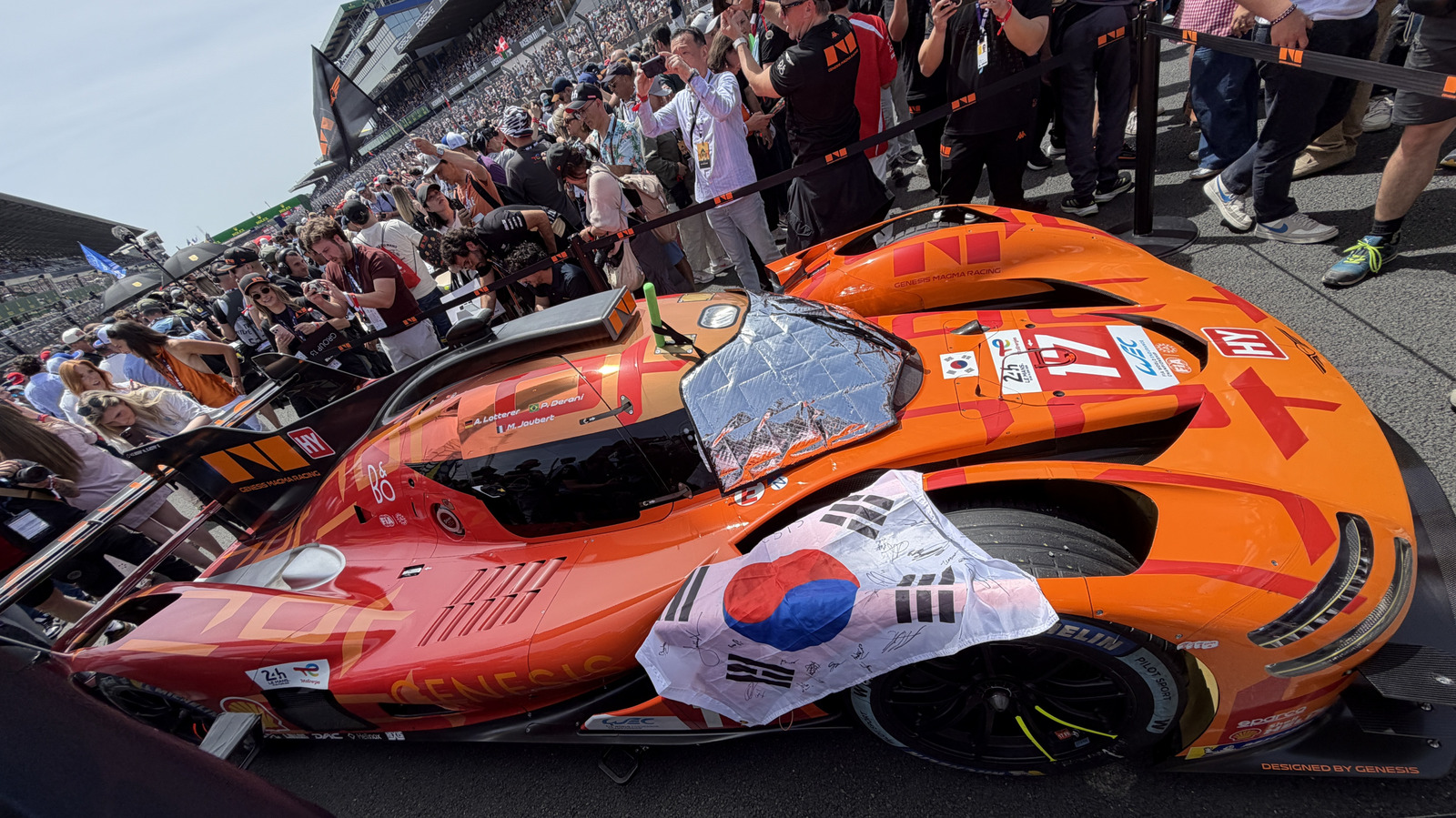
The decision by a nascent Korean team to target the 24 Hours of Le Mans—arguably the most grueling and storied event in endurance motorsport—signals more than mere ambition. It reveals a calculated willingness to subject both engineering and organizational culture to the crucible of global scrutiny. For Genesis, a brand still carving its identity in the performance sphere, the act of simply finishing the 2026 Le Mans, in only its third competitive outing, suggests a strategic prioritization of reliability and process discipline over the fleeting allure of early podiums. This approach, while seemingly modest, may reflect a deeper understanding: in endurance racing, the capacity to finish is itself a form of competitive capital, especially for newcomers seeking legitimacy.
How Does Genesis’ Approach Challenge Prevailing Narratives About Motorsport Entry?
The evidence suggests that Genesis is resisting the temptation to emulate the high-profile, high-risk debuts that have characterized other manufacturers’ entries into Le Mans. Rather than overextending in pursuit of immediate glory—a tactic that has historically led to both spectacular victories and ignominious failures—Genesis appears to be adopting a phased escalation model. This measured progression, while less dramatic, may offer a more sustainable path to technical mastery and brand credibility. The mainstream narrative often valorizes instant success, yet the historical record is littered with cautionary tales of teams undone by overreach. Genesis’ trajectory, therefore, invites a reassessment of what constitutes meaningful progress in elite motorsport.
Who Stands to Benefit—And Who Remains Overlooked?
While the immediate beneficiaries are the engineers and drivers whose careers are advanced by a successful Le Mans finish, the ripple effects extend further. Korean suppliers, often marginalized in the European-dominated motorsport ecosystem, gain a rare platform to demonstrate their capabilities under extreme conditions. Yet, the broader Korean automotive sector’s capacity to translate this exposure into sustained commercial or technological advantage remains uncertain; the motorsport-to-road-car technology pipeline is notoriously leaky, and the branding dividends are difficult to quantify outside niche enthusiast circles. Meanwhile, the global audience—accustomed to a Eurocentric cast of competitors—may find its assumptions about the boundaries of automotive excellence quietly unsettled.
What Structural Constraints and Blind Spots Shape This Achievement?
Genesis’ accomplishment, while significant, must be interpreted within the context of Le Mans’ evolving regulatory and competitive landscape. The current ruleset, designed to encourage manufacturer participation and technological diversity, arguably lowers the barrier to entry compared to previous eras. This does not diminish the feat of finishing, but it does complicate direct comparisons with past debuts. Moreover, the celebratory narrative may obscure the persistent resource asymmetries that favor established teams; Genesis’ success, though impressive, does not signal a level playing field. The evidence also suggests that media coverage tends to amplify the novelty of a new entrant’s participation, sometimes at the expense of critical scrutiny regarding long-term competitiveness or innovation.
What Should the Informed Observer Conclude?
For those seeking to understand the deeper significance of Genesis’ Le Mans finish, the lesson is not that a new era of Korean dominance is imminent, nor that the barriers to motorsport success have been decisively breached. Rather, the episode illustrates the value of incrementalism and institutional learning in a domain that often rewards spectacle over substance. The informed reader should resist both triumphalism and cynicism, recognizing that the true test for Genesis—and for any emergent competitor—lies not in the act of arrival, but in the capacity to persist, adapt, and ultimately redefine the terms of engagement in a fiercely contested arena.