

Porsche 911 GT3 Earls Court 51 Edition Showcases Sonderwunsch Customization for UK Anniversary
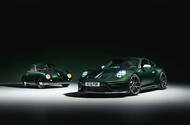 Bespoke arm turns 503bhp coupé into limited-run Earls Court 51 Edition with bespoke colour
Porsche has created a new special version of its 911 GT3 sports car to celebrate the 75th anniversary of its UK arm, while also showcasing the customisation capabilities of the German company's Sonderwunsch division.
Limited to 51 examples, the Earls Court 51 Edition takes inspiration from the first 356s that were imported into the UK in 1951 and displayed at the Earls Court motor show in London.
The wingless Touring variant of the 911 GT3 was chosen as the basis for the new car in a nod to the 356.
It is finished in a bespoke metallic Earls Court Green, created through Porsche's Paint to Sample Plus programme, while the door handles, mirror caps and bonnet stripe are in silver.
Earls Court-themed motifs are dotted around the exterior, while the silver diamond-cut wheels (20in at the front, 21in at the rear) are enhanced by metallic Earls Court Green inserts.
Inside, the new car gets a bespoke colour and trim combination, with Paldao green leather on the upper doors and dashboard and Chalk Beige upholstery for the seats.
The sports seats have custom-made corduroy inlays – a Sonderwunsch-specific item – while their backs are finished in green leather and wood.
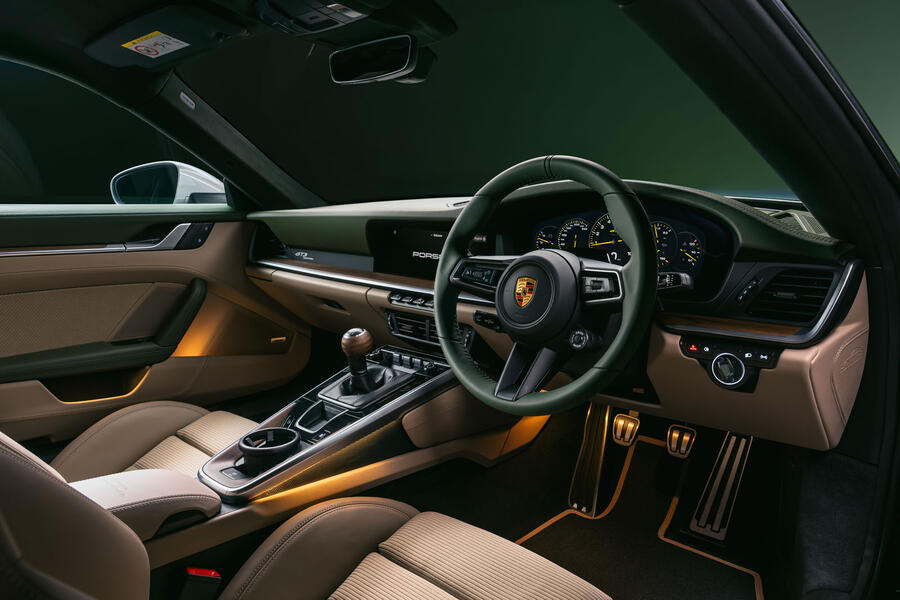
Further nods to Porsche GB's anniversary come in the form of Union flag-embossed sun visors.
No mechanical changes have been made, so the Earls Court 51 Edition is powered by a 4.0-litre naturally aspirated petrol flat six that makes 503bhp at 8500rpm and 332lb ft of torque at 6250rpm.
Buyers can have either a seven-speed dual-clutch automatic or six-speed manual gearbox. Sonderwunsch ('special request' in German) was founded in the 1970s.
Relaunched with expanded scope in 2021, it now offers a huge array of personalisation and even allows customers to create bespoke specifications.
It also offers factory recommissioning of older cars, whereby they are stripped and rebuilt back to factory condition, allowing Sonderwunsch to legally reset the odometer as if the car were brand-new.
Sonderwunsch also offers one-off creations, collaborating with customers to realise their unique visions.
The Earls Court 51 Edition will cost from £251,951, making it more than £20,000 dearer than the special edition Porsche 911 S/T.

Honda Trail Experience App Redefines Off-Road Data Tracking and Video Integration for TrailSport Owners

Ineos Grenadier MRLV Challenges Land Rover Legacy with Modular Military 4×4 for UK Defence...
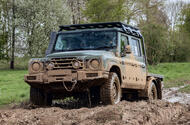 Ineos pitches specially modified 4x4s as MoD prepares to retire its Defenders
Ineos Automotive has joined forces with two British military vehicle specialists to propose a Grenadier-based light military vehicle that has been designed to replace the army's traditional Land Rover, which is being phased out after nearly 70 years' service.
The new vehicle is called Grenadier MRLV (for Multi-Role Light Vehicle). It is closely based on Ineos's staple 4x4 - already renowned for durability in extreme conditions - but is understood to be configurable in at least nine different variants.
In an exclusive recent viewing, Autocar was shown a crew-cab, flat-bed MRLV prototype closely related to the Quartermaster pick-up. The vehicle had retractable legs that would allow its modular bed to be detached and deployed at a specific site to provide, for example, a platform for mounting weapons or launching drones.
The MRLV project's partners believe the Grenadier's combination of an easily extendable ladder chassis plus heavy-duty wheels and live axles at both ends, together with height-adjustable air suspension and a modern BMW diesel engine and transmission, give it the high-level capability and flexibility a military vehicle needs.
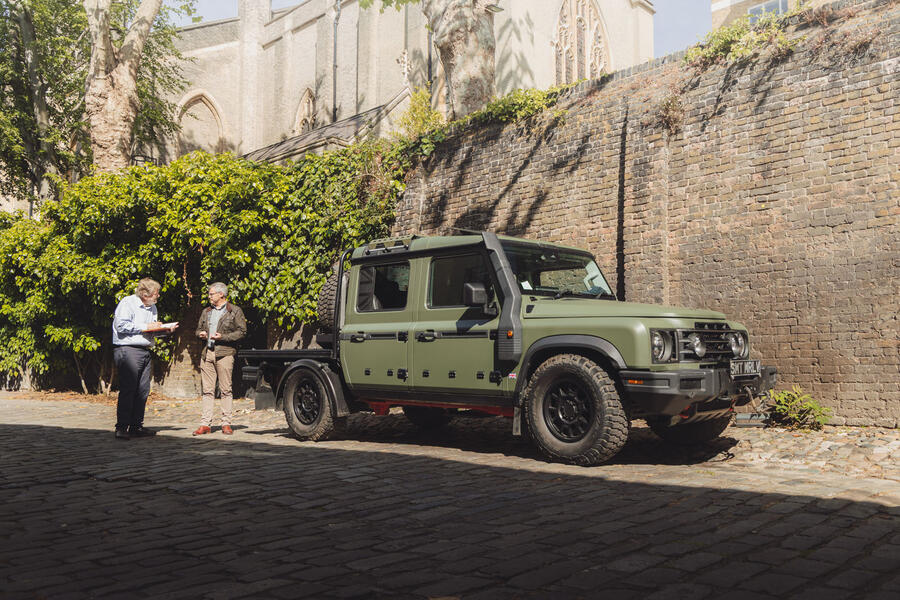
UK-based military engineering specialist SMT Defence, which already creates mission-critical vehicles for elite and specialist military use, has joined the collaboration to design and deliver the vehicles. The other partner is NMS UK, which is currently involved in UK-based military vehicle production of many types and will deliver the vehicles "at scale".
The partners stress that Ineos's UK ownership and the two specialist firms' onshore location create "a UK-anchored industrial collaboration".
Mike Whittington, Ineos Automotive's chief commercial officer, said: "A defining advantage of the collaboration is its British ownership, onshore assembly and local supply chain. This delivers the strategic benefits of operational independence and resilience."
The Ministry of Defence (MoD) has traditionally maintained a fleet of about 7800 Land Rovers and Austrian-built Pinzgauer light trucks across the three services but announced recently that "a technologically advanced successor" will start replacing them by 2030. The MoD plans an initial fleet of around 3000 'soft-skin' vehicles for reconnaissance, patrol and logistics. Armoured versions are likely to come later.
A UK military deal and the potential resulting export demand could bring a big benefit to Ineos Automotive, which currently builds its production cars at Hambach in eastern France. Although production has risen strongly this year, CEO Lynn Calder says production has still not reached the plant's 30,000-unit annual capacity.
Ineos's MRLV prototype is likely to face strong competition for the MOD contract from a number of rivals, including US-based General Dynamics, JLR (with versions of the latest Land Rover Defender) and a Toyota vehicle based on the Land Cruiser and Hilux. The MoD has already staged a "farewell party" for its outgoing Land Rover and is believed to be likely to decide on the new vehicle before the end of this year.
How to turn a 4x4 into an MoD 4x4
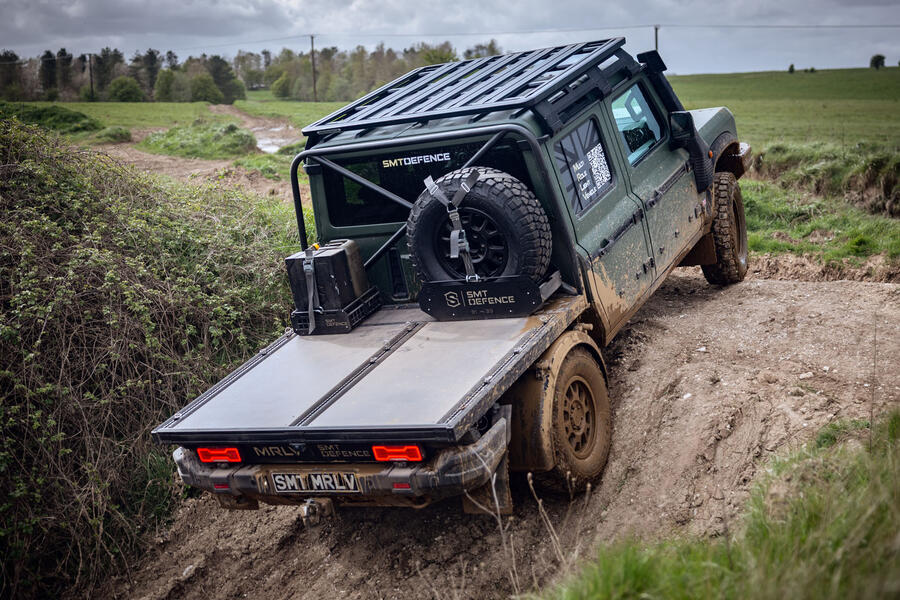
Gary Hedges, Ineos's military and blue light vehicle specialist, reckons the standard Grenadier gets surprisingly close to fulfilling the MoD's requirement for a new, advanced light vehicle but says the strategically modified MRLV "takes it to the next level".
Outside The Grenadier pub in Belgravia, London, where the original Ineos 4x4 idea was born, Hedges walks around a business-like, drab-coloured, flat-bed military prototype, pointing out its heavy-duty chassis, wheels, axles, tyres and height-adjustable air suspension.
According to Hedges, this is just one of many configurations planned for the military Grenadier, which has already undergone a near-200,000-mile programme of torture tests to check for body cracks or deformation, and which can exceed the MoD's 3.5-tonne towing standard by a full tonne.
Hedges, who knows military vehicles well from a 26-year Royal Artillery career, draws attention to the Grenadier's versatility as well as its toughness.
"We can make a single-cab version, of course," he says, "plus lots of different body configurations. This one can carry a 220-litre fuel tank that gives it a range of 1000 miles.
"If needed, the engines can be de-rated to Euro 4 exhaust standards so it doesn't need AdBlue and can run on aviation turbine fuel."
Hedges describes the Grenadier MRLV as what the Defender should have been: "Say I'm biased, if you like, but the fact is this is the best 4x4 I've ever had. Our job has been to produce the ideal vehicle for soldiers to fight from, and I believe we've achieved it."

Kia Carnival High Roof Targets Practical Luxury with Expanded Space and Lower Price in...

BMW Speedtop Debuts as Ultra-Limited Shooting Brake Blending Concept Design with 8-Series Performance

Sanctions Evasion Tactics Evolve as Nations Rely on Ship-to-Ship Oil Transfers

Zero-Emission Vehicle Mandate Rollback Signals Shift in UK Automotive Policy Amid Industry Pressure and...
 UK prime minister is poised to announce big cuts to sales targets following intense industry lobbying
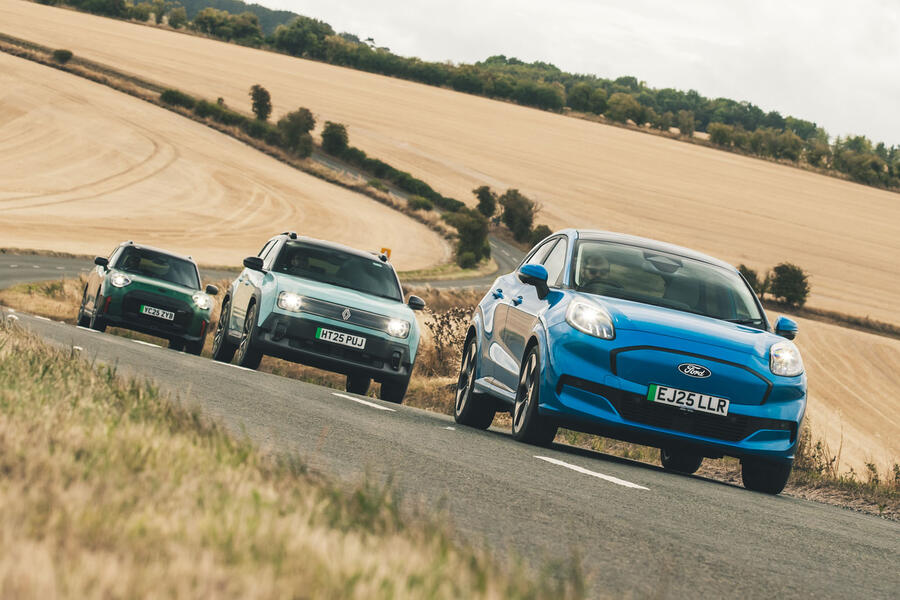
Car industry bosses have welcomed reports that the UK government is set to dramatically scale back its zero-emission vehicle (ZEV) mandate and allow more combustion-engined models to be sold up to the end of the decade.
Prime minister Sir Keir Starmer is poised to outline a new timeframe for the ZEV mandate that will reduce the targeted EV sales mix for each manufacturer in the UK from 80% to 50% by 2030.
The move comes in response to intense lobbying from car companies and workers unions in the UK, who argue that the imposed timeline – which calls for a 33% EV sales mix in 2026 and 38% next year, rising in increments to 80% in 2030 – is out of step with consumer demand and unattainable.
Recent data from the Society of Motor Manufacturers and Traders (SMMT) shows that EVs have accounted for just 23.9% of all car registrations so far this year.
Already, car manufacturers have been forced to spend billions in discounts in a bid to avoid costly government fines for missing the targets – at great cost to their bottom lines – and the government itself has introduced the Electric Car Grant in an attempt to fuel demand to the levels it had anticipated.
But now, with the 2030 end date in sight and the market lagging well behind earlier forecasts, the government is poised to ease the burden by bringing the targets down to reflect the pace of adoption.
Ministers are preparing to consult with the industry on the less ambitious targets, which would allow for 50% of car sales to still have a combustion powertrain of some sort in 2030.
However, it is understood that the 2030 ban on new pure-combustion cars will still be imposed, so any models sold from then on will need to be hybrid or electric – and all cars sold after 2035 must still be electric under the current timetable.
There is no word yet on annual EV sales mix targets for between 2030 and 2035.
This is the second time that Starmer's Labour government has backed down on EV transition policies introduced under the previous Conservative regime. Last year, it was confirmed that hybrids could remain on sale until 2035, rather than 2030 as had earlier been decreed.
Individual car companies have yet to respond publicly to the news, which currently awaits official government confirmation pending the consultation, but industry bosses have hailed the changes as a significant win for the sector.
Speaking prior to the reports of an impending announcement, SMMT boss Mike Hawes had said a review of the targets was urgently needed, because despite huge investment in EV infrastructure, government incentives and the inflated cost of petrol and diesel, "uptake is still not keeping pace with ambition".
"Targets alone do not cut emissions. New vehicle uptake does. Consumers and businesses will only switch when conditions – and costs – are right. Automotive has invested heavily and continues to do so to create those conditions," he added, citing lingering concerns around range anxiety and the recently imposed pay-per-mile charge on EVs as ongoing disincentives to make the switch.
"It’s clear that the assumptions underpinning the mandate no longer hold. It was designed for a market with stronger demand, greater stability and cheaper energy – not the market we have today. An urgent review of the ZEV mandate is therefore essential. This is not about weakening ambition, but restoring credibility. Regulation must reflect real-world conditions," said Hawes.
His views were echoed by Sue Robinson, chief executive of the National Franchised Dealers Association, who agreed "it is important that policy reflects market conditions and consumer demand".
She added: "Franchised retailers have invested significantly in preparing for electrification and any review of the ZEV mandate should help maintain momentum towards net zero while ensuring the transition remains realistic and achievable for consumers, manufacturers and retailers."
Meanwhile, Sharon Graham, boss of the Unite workers union, said it was a "huge victory" for automotive workers whose jobs had been under threat from the unpredictable journey to an all-EV car parc.
Graham said: “The failure to act would have been an act of self-harm to a sector which is a jewel in the crown of UK manufacturing. The consultation must be swiftly concluded and its findings quickly implemented to provide the sector and workers with much-needed certainty.”
However, any move to slow the UK's transition away from fossil-fuelled cars would be divisive, with environmental groups, charging companies and EV component suppliers among those campaigning for support to accelerate the switch to EVs.
Vicky Read, who runs the ChargeUK industry body for EV charging providers, said it was "astonishing" the government was preparing to slacken the targets.
"Weakening the ZEV mandate for a third time would not only slam the brakes on infrastructure rollout and send the entire transition into a tailspin. It would bring Britain’s reputation as a market worth investing in into disrepute," she argued, highlighting the billions of pounds in investments that charging operators have made on the assumption the mandate would hold.
Her views were supported by Octopus Electric Vehicles CEO Gurjeet Grewal, who said a relaxing of the policies would be "short-termist and likely to materially hurt us all in the long term".
Meanwhile, ex-Nissan executive Andy Palmer – a vocal proponent of EV adoption and a leading figure in bringing the Leaf to fruition – said the move was "another sign of a government drifting from conviction to populism".
He added: "The UK was once genuinely admired for policy consistency. Investors could make long-term capital decisions with reasonable confidence that the regulatory framework would hold. Today, we appear to be executing more U-turns than a London taxi."

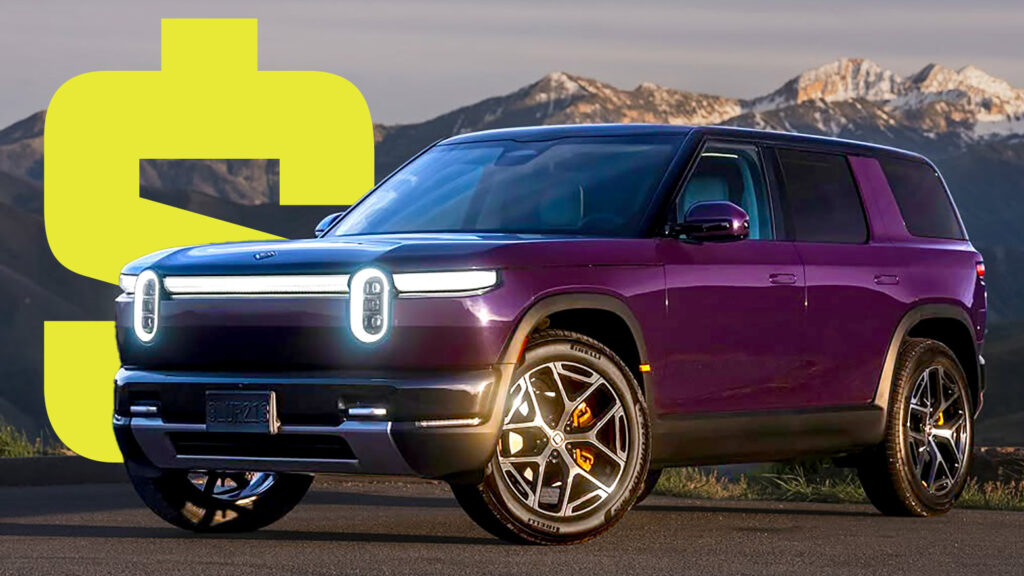
Rivian R2 Lease Pricing Challenges the Brand’s Affordability Promise Amid Strong Demand

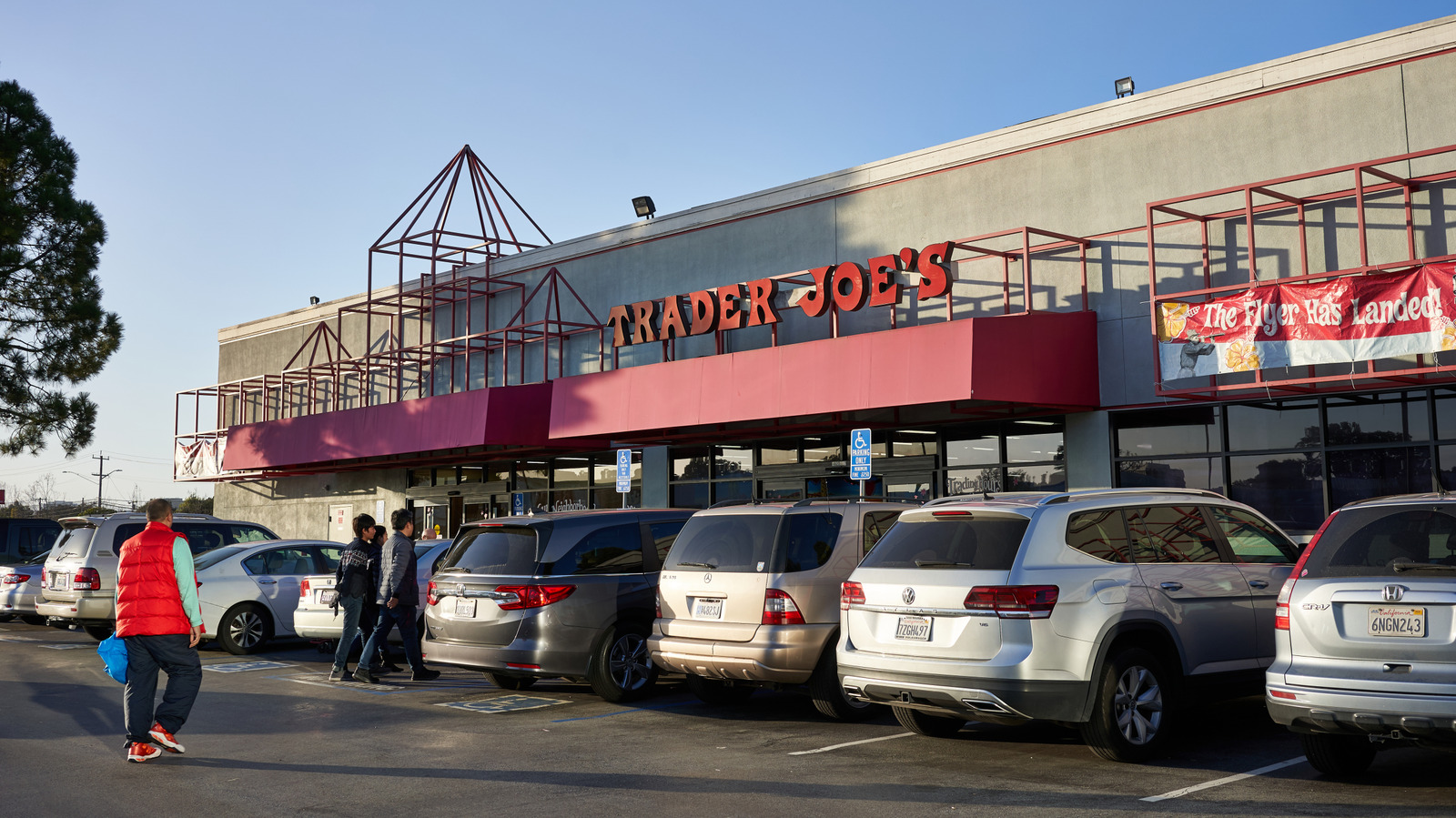
Trader Joe’s Parking Lot Chaos Reflects the Limits of Store Design and Urban Space

Defunct Car Brands and Their Greatest Models: How Innovation, Market Shifts, and Corporate Turmoil...
 We take a journey into the finest model made by famous car companies that no longer exist
Times change, markets evolve and sometimes companies who rule the roost get a wheel stuck in a ditch and never recover.
Some of the brands who are no longer with us are gladly forgotten, while others left us wonderful memories of motoring days gone by. Join us as we look at some of the best cars built by car makers no longer around:
AMC: Eagle (1980)
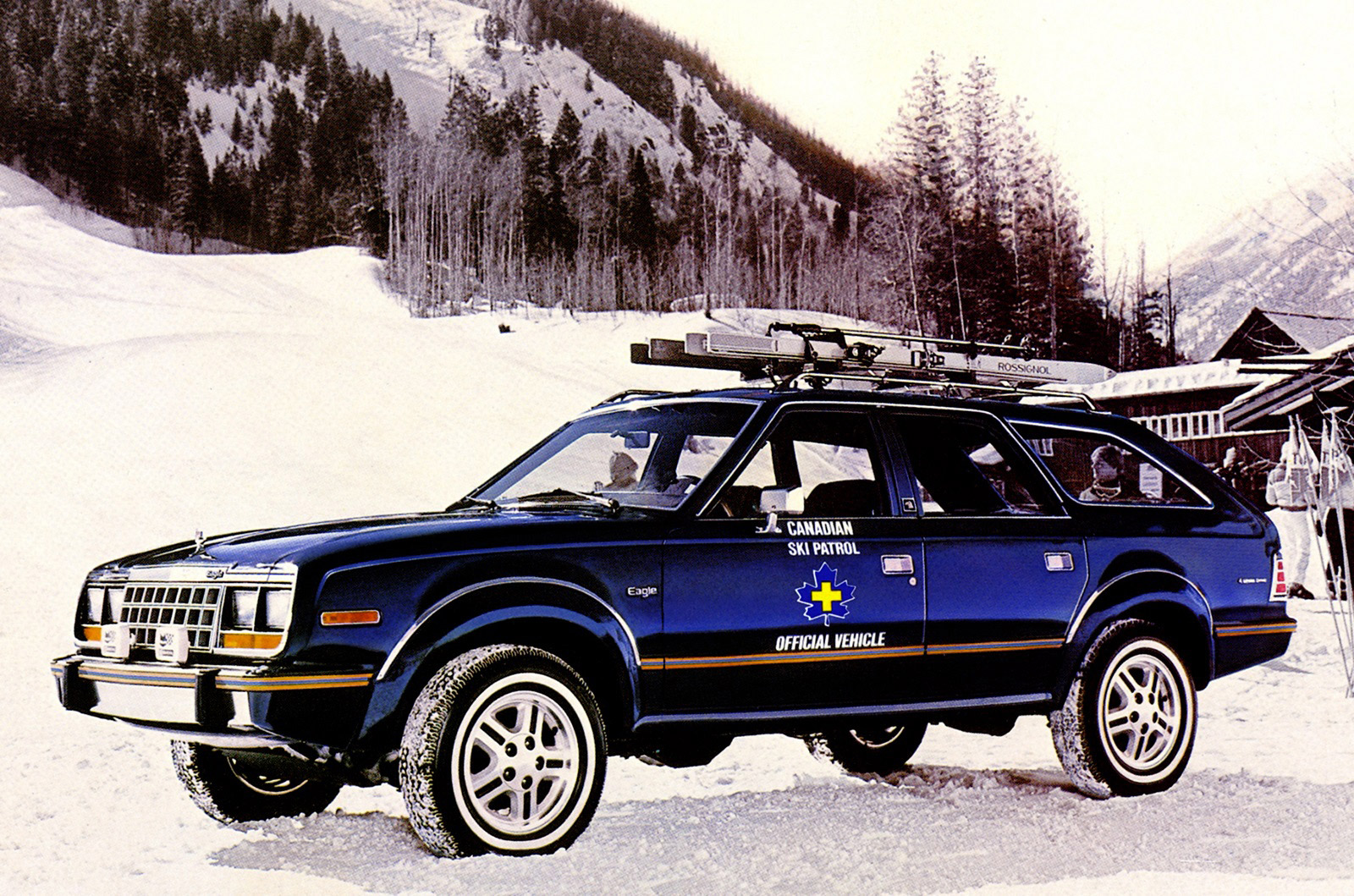
This was a family car on stilts which relied on serious four-wheel drive hardware and ample ground clearance to tackle tough trails and knee-deep snow. In many ways, the Eagle was the modern crossover’s predecessor. Have you noticed the rising popularity of SUV-coupes? AMC did it first with the Eagle SX/4 (next picture), and it had two doors like a proper coupe should.
So what happened to AMC?
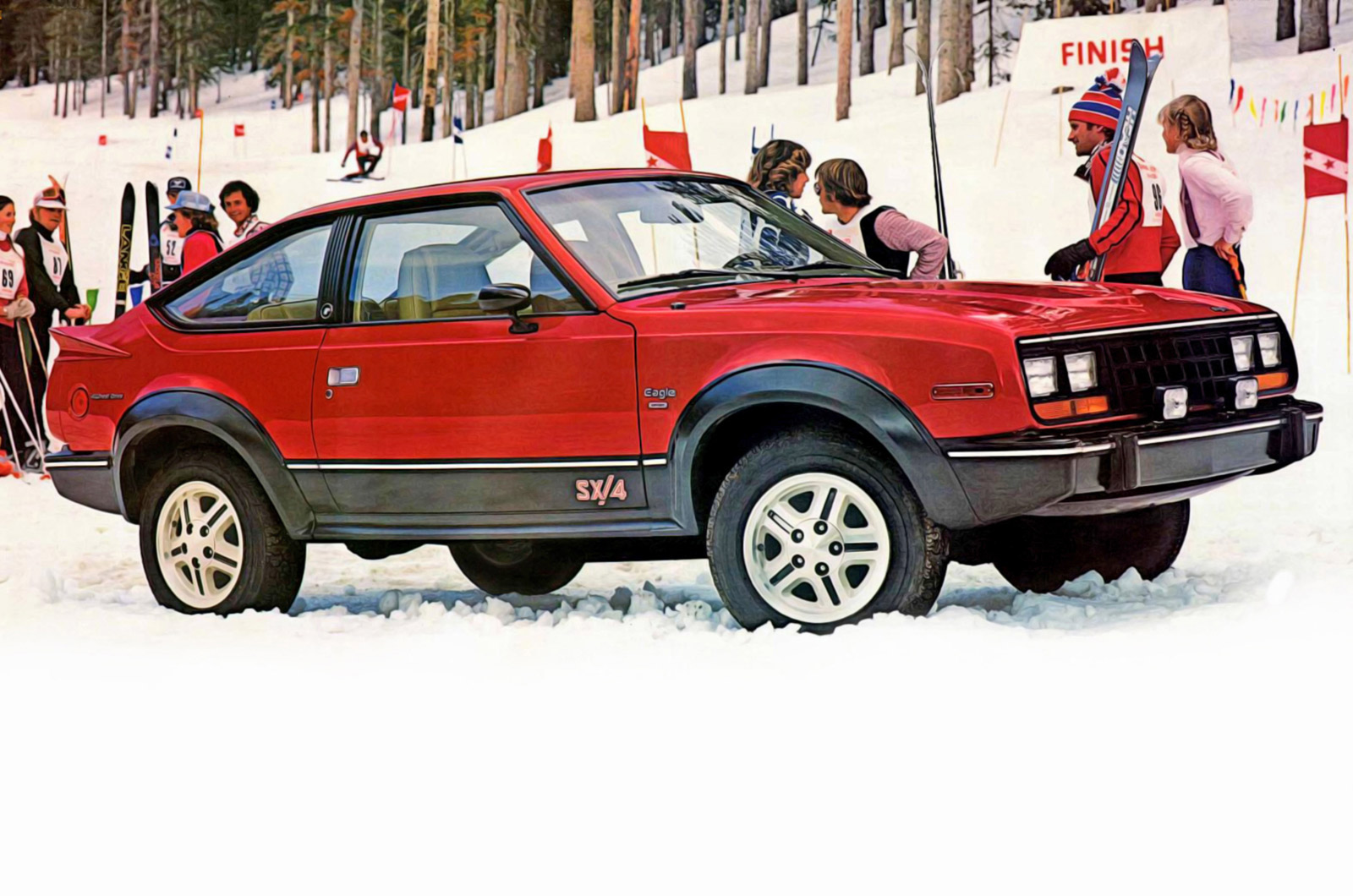
The company was bought by France’s Renault in 1979, but AMC’s range of mostly smaller cars suffered as fuel became relatively cheaper during the 1980s. Renault CEO Georges Besse - who championed AMC - was murdered in 1986 by terrorists, and his successors lost interest and sold the firm to Chrysler in 1987, when the AMC badge came to an end.
Amphicar: Model 770 (1961)
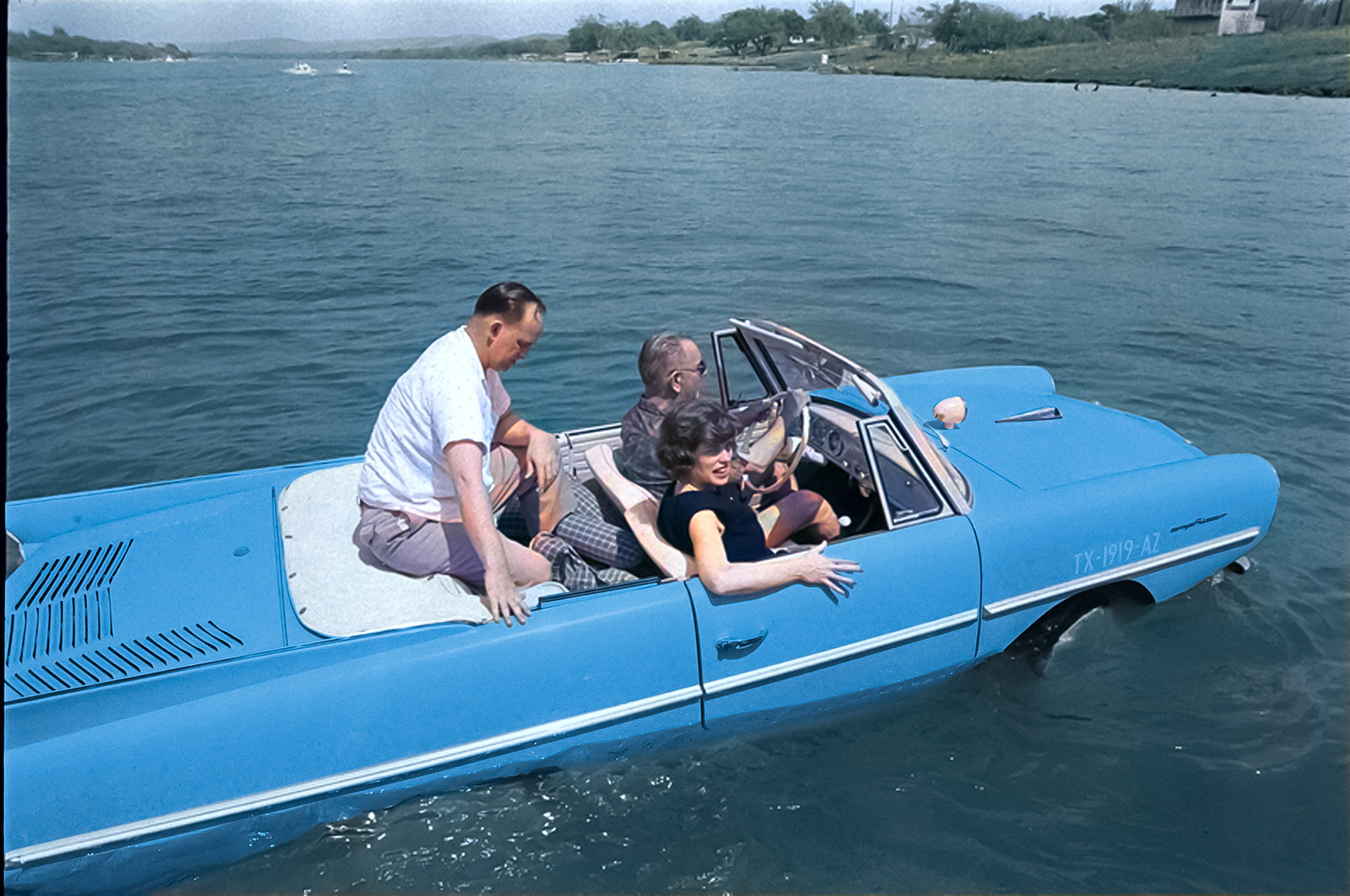
Launched in 1961, the Amphicar Model 770 was a boat-car hybrid with no direct rivals. Its rear-mounted, Triumph-sourced four-cylinder engine spun either the back wheels or a pair of plastic propellers visible beneath the rear bumper, while the front wheels steered it regardless of whether it was traveling on land or on water. It was surprisingly versatile and, thankfully, completely watertight.
Most were sold in the United States, including one to President Lyndon Johnson (pictured) , who used to pretend to unsuspecting visitors that his brakes had failed as he drove into a lake at his ranch in Texas.
So what happened to Amphicar?
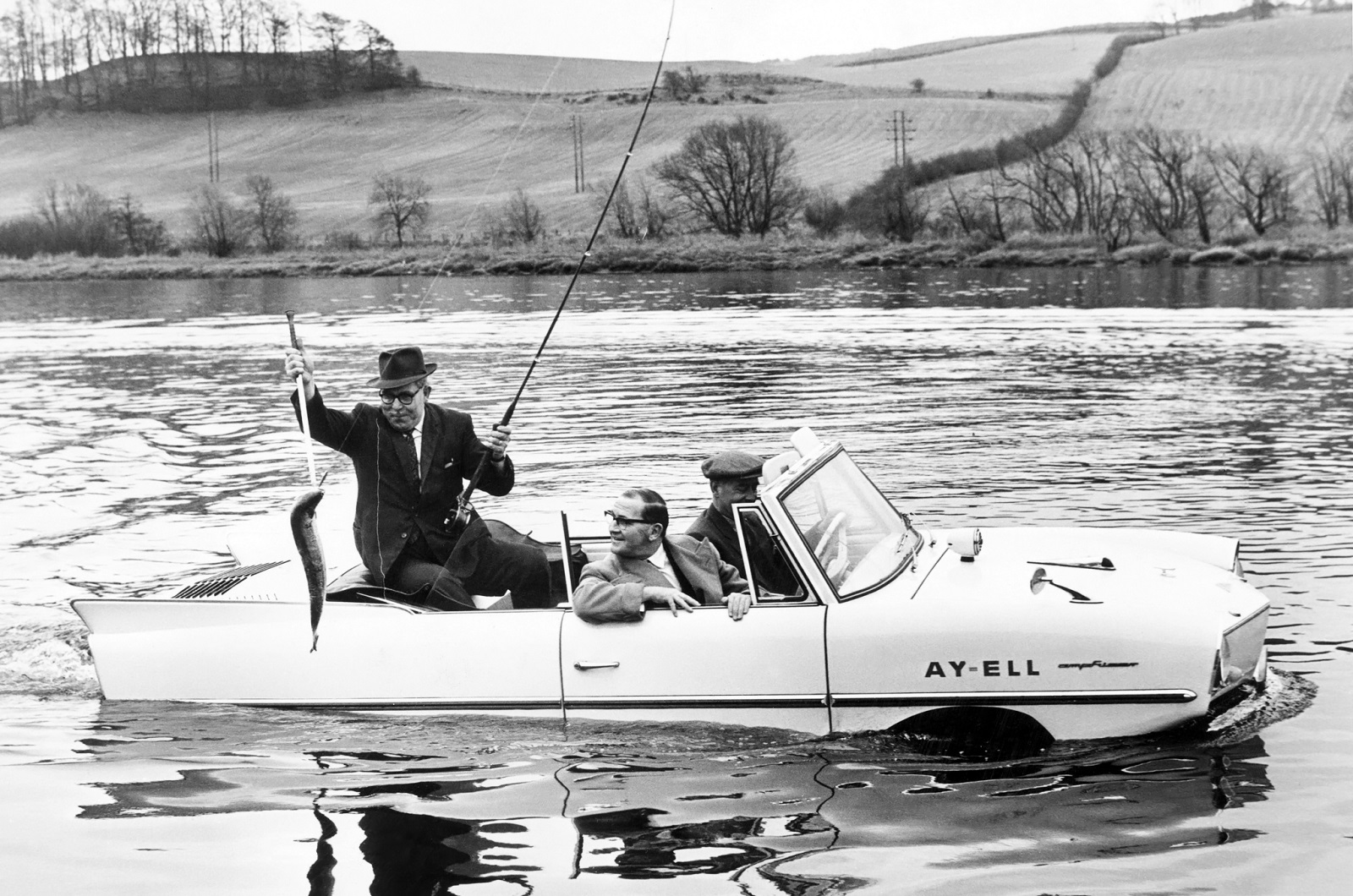
The niche the Model 770 landed in was too small to keep Amphicar financially afloat. Production ended in 1967 after about 4000 units were built in West Germany by a company owned by the Quandt family, better known for their large stake in BMW.
Amphicar chose not to stay in the car industry after it axed the Model 770. To date, no other company has offered a series-produced amphibious passenger car.
Austin-Healey: 3000 (1959)
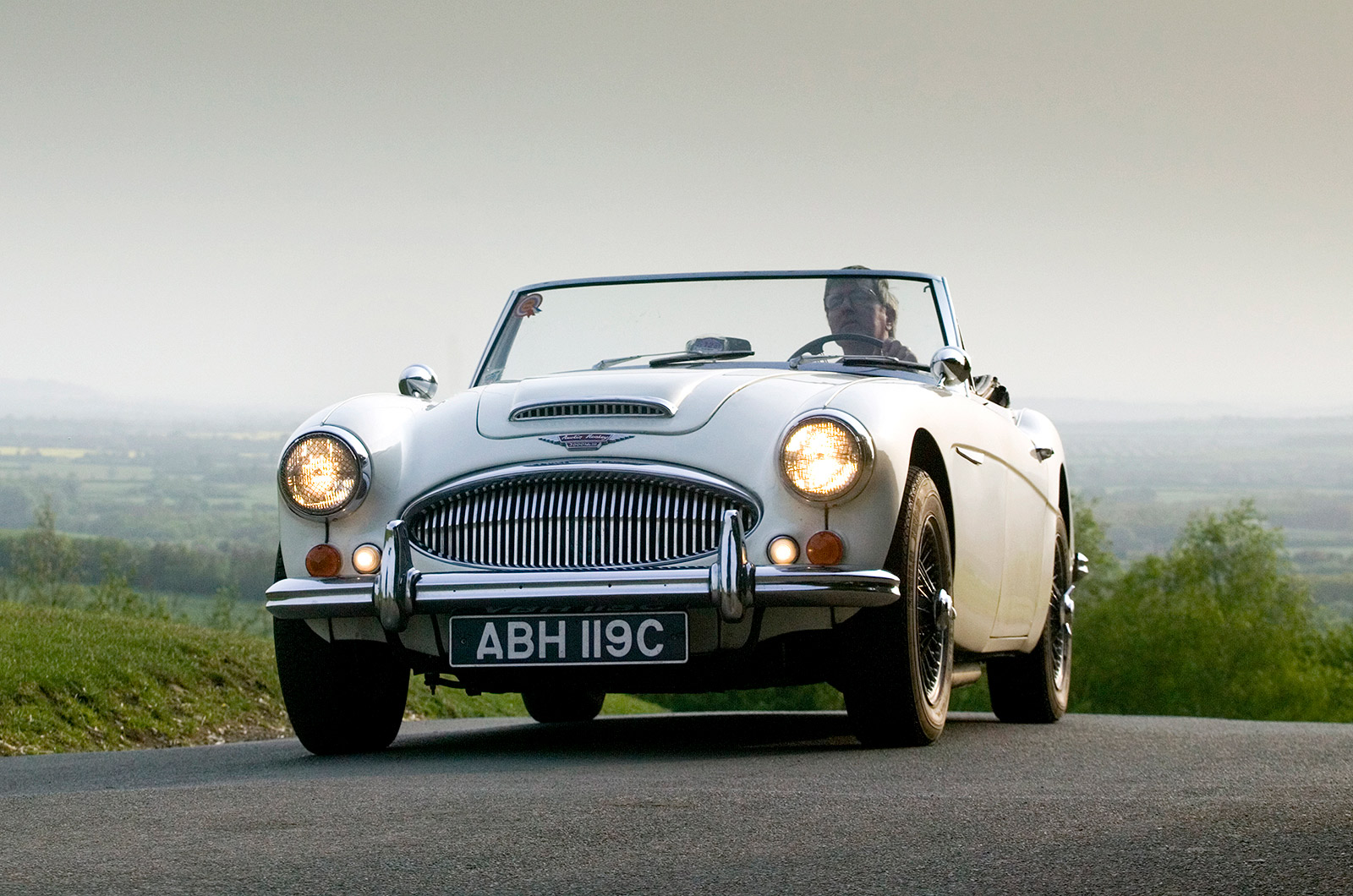
When it made its debut in 1959, the Austin-Healey 3000 stood out with a 3.0-litre engine and front disc brakes. The big Healey was a force to be reckoned with in European rallying events, but convertible-hungry buyers in North American scooped up most of the production run. It was one of the greatest British sports cars of its era, and it was continuously updated throughout the 1960s.
So what happened to Austin-Healey?
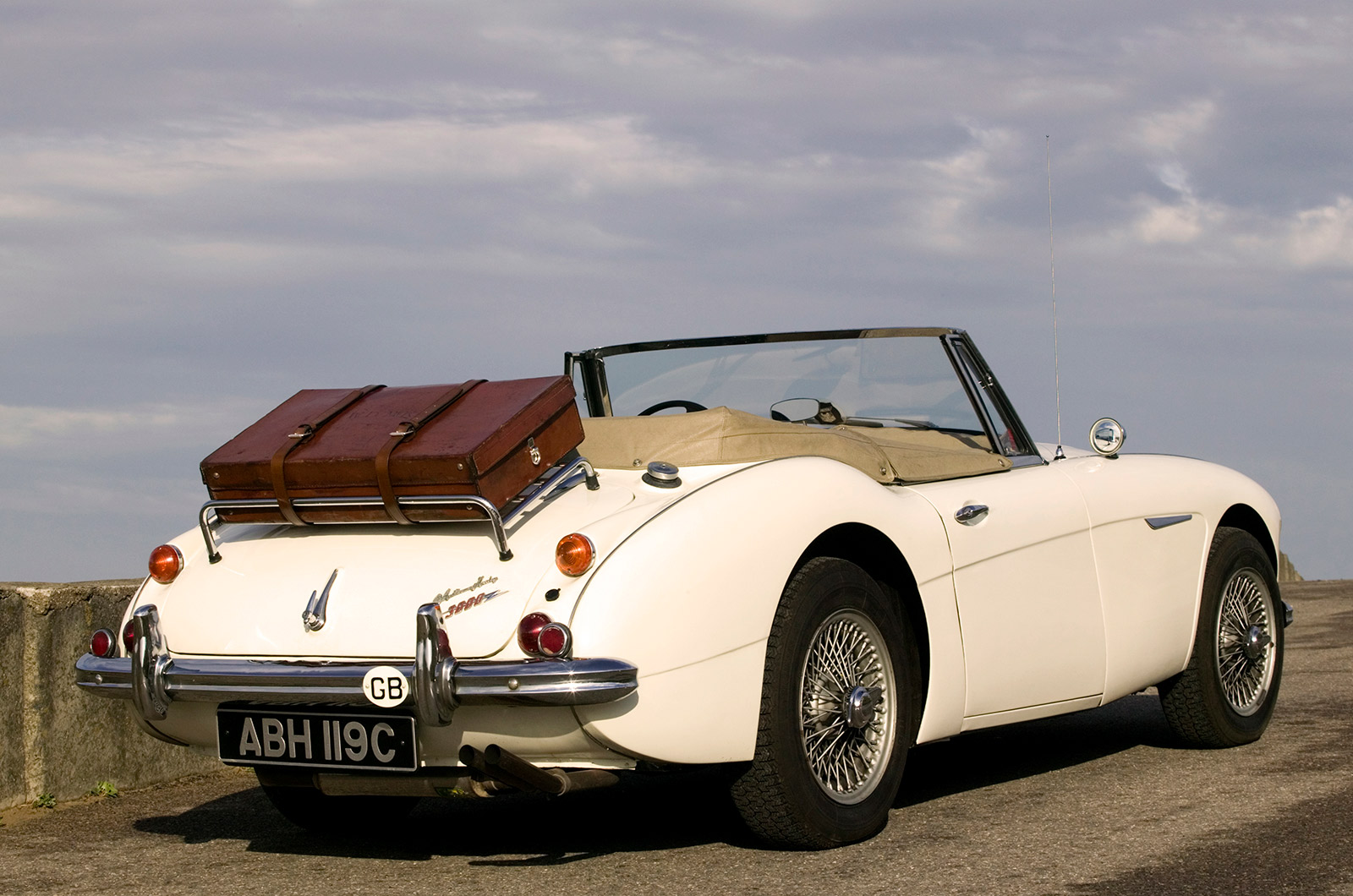
The deal between Austin and Healey ended in 1972 after 20 years. There have been talks of a revival since, including under BMW’s ownership of Austin successor company Rover, but nothing has appeared. The name itself is now owned by China’s SAIC.
PICTURE: Austin-Healey 3000 Mk3
Autobianchi: A112 Abarth (1971)
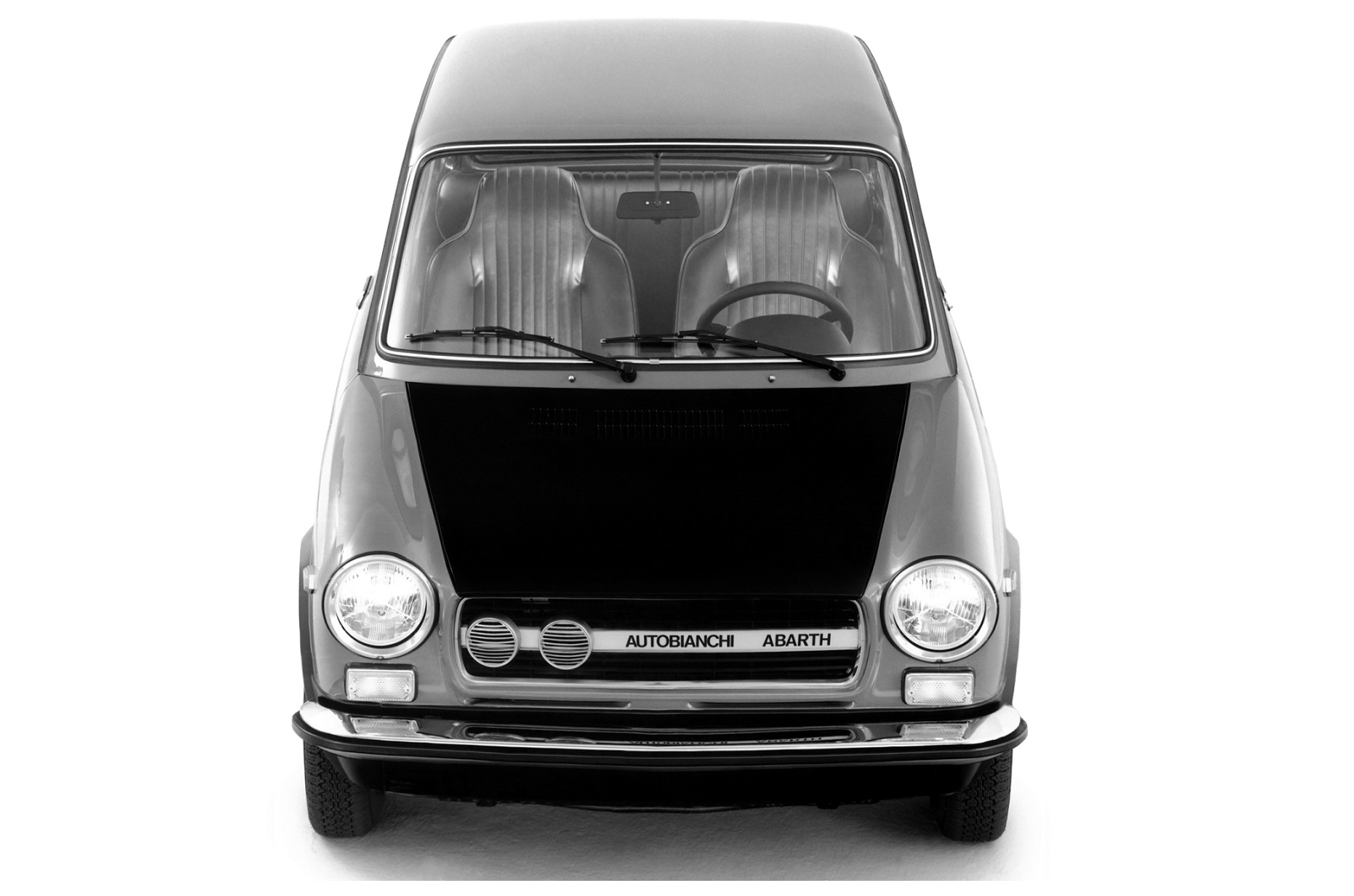
When Volkswagen takes credit for pioneering the hot hatchback, it overlooks the Autobianchi A112 Abarth. Admittedly, the A112 was easy to miss due to its small dimensions. It was introduced in September of 1971 (before anyone knew what a Golf was) as a hotter version of Autobianchi’s successful small car. Early models used a 58hp four-cylinder engine, though power climbed to 70bhp later in the production run.
So what happened to Autobianchi?
The company was a joint venture between bicycle-maker Bianchi, Pirelli, and Fiat. Fiat took full control in 1968, and then folded the operation into Lancia. The badge disappeared in 1995.
Auto-Union: 1000 SP (1957)
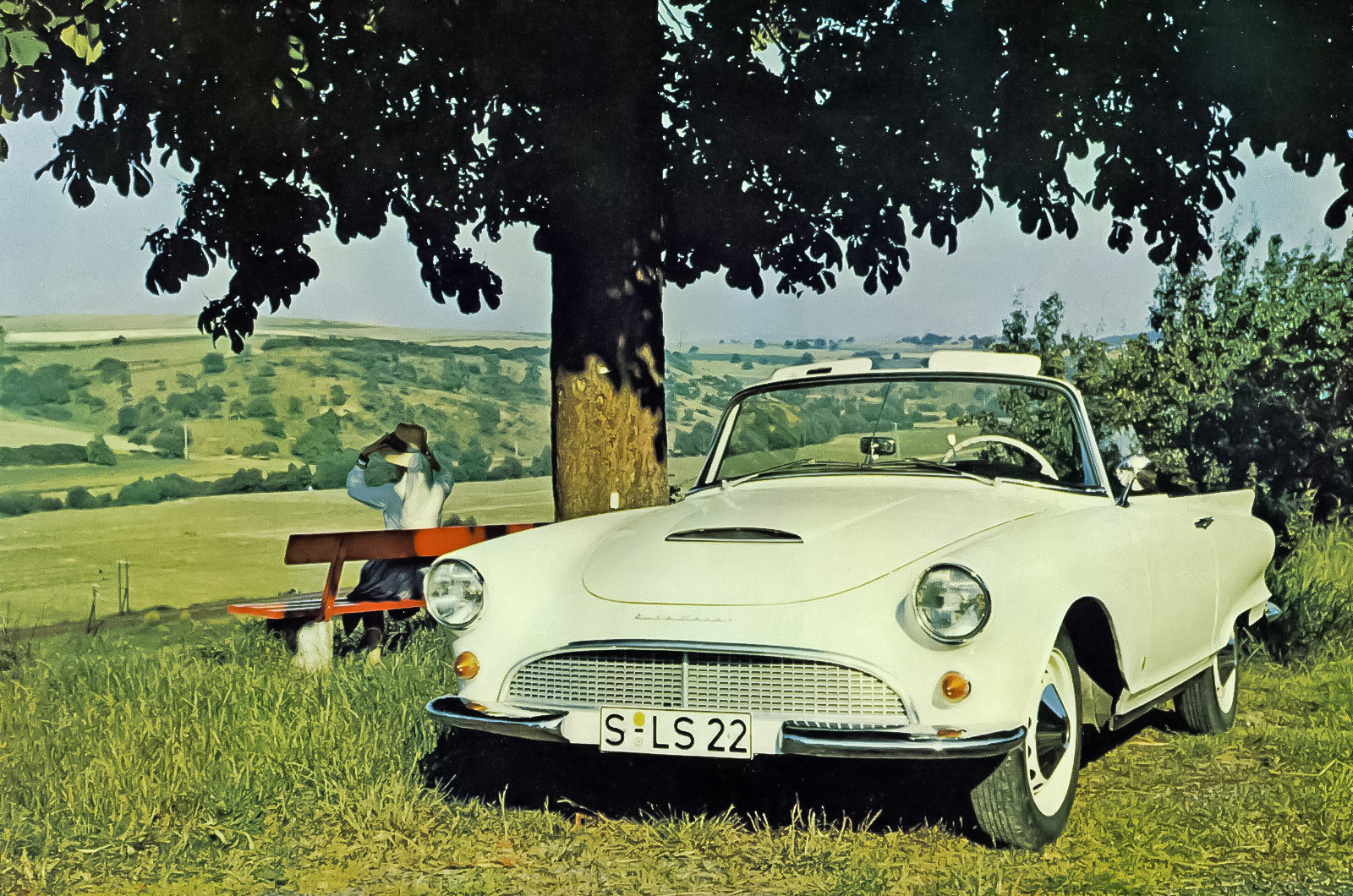
Visually, there was little to suggest the Auto-Union 1000 SP was related to the standard 1000. And yet, the SP shared its basic two-stroke, three-cylinder engine with the 1000, though there were some model-specific differences. Stuttgart-based coachbuilder Baur made about 5000 units of the 1000 SP between 1958 and 1965. It also built around 1640 examples of a 1000 SP-based convertible starting in 1961.
So what happened to Auto-Union?
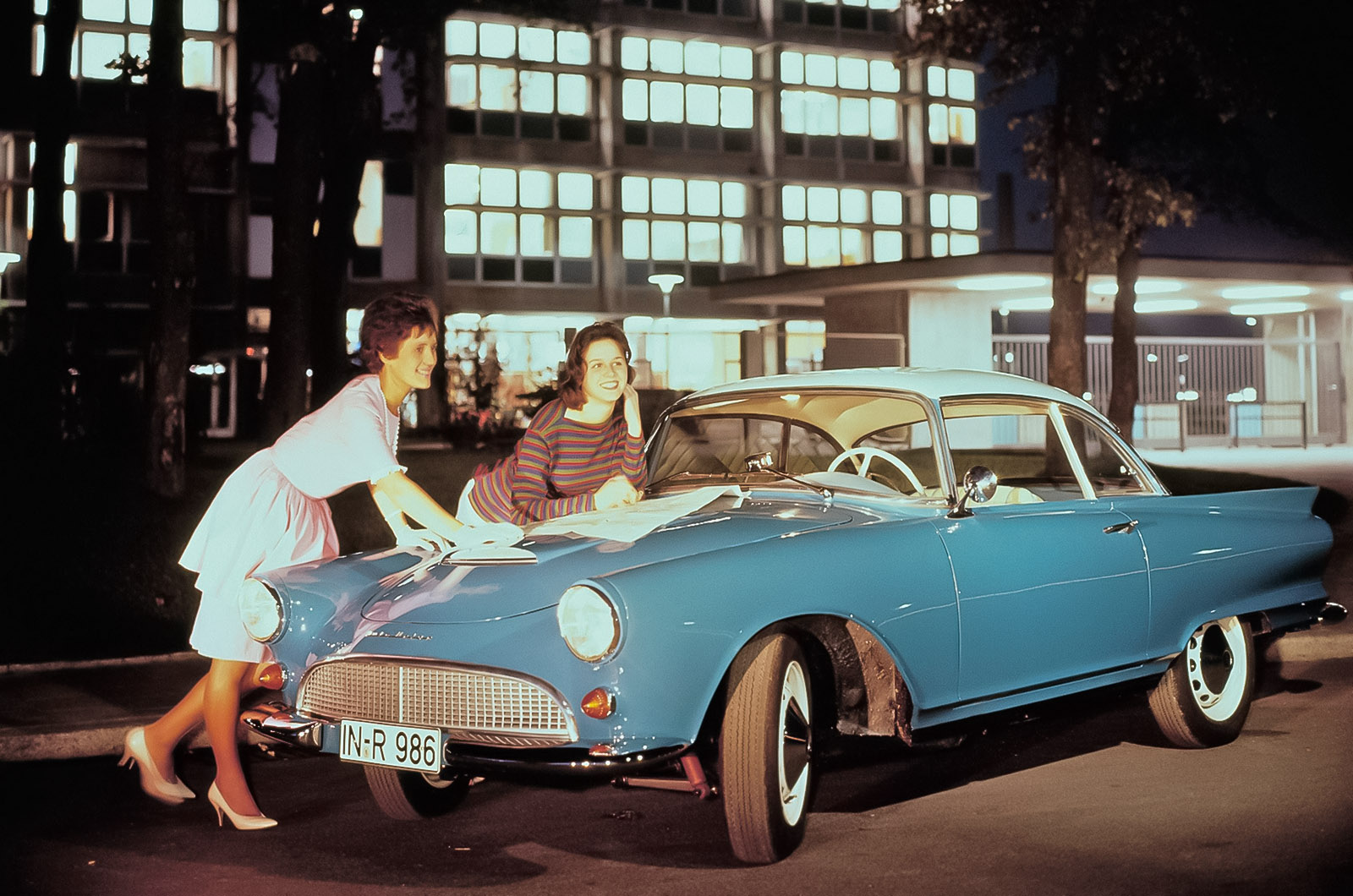
Auto-Union merged with NSU in 1969, and both were absorbed by Volkswagen shortly after. Audi was born from the merger. While both brands are dormant today, Audi still builds cars like the A6 in Neckarsulm, where NSU was based, and Volkswagen manufactures cars in Zwickau, where Auto-Union traces some of its roots to (and where the Trabant was made).
Daimler: SP250/Dart (1959)
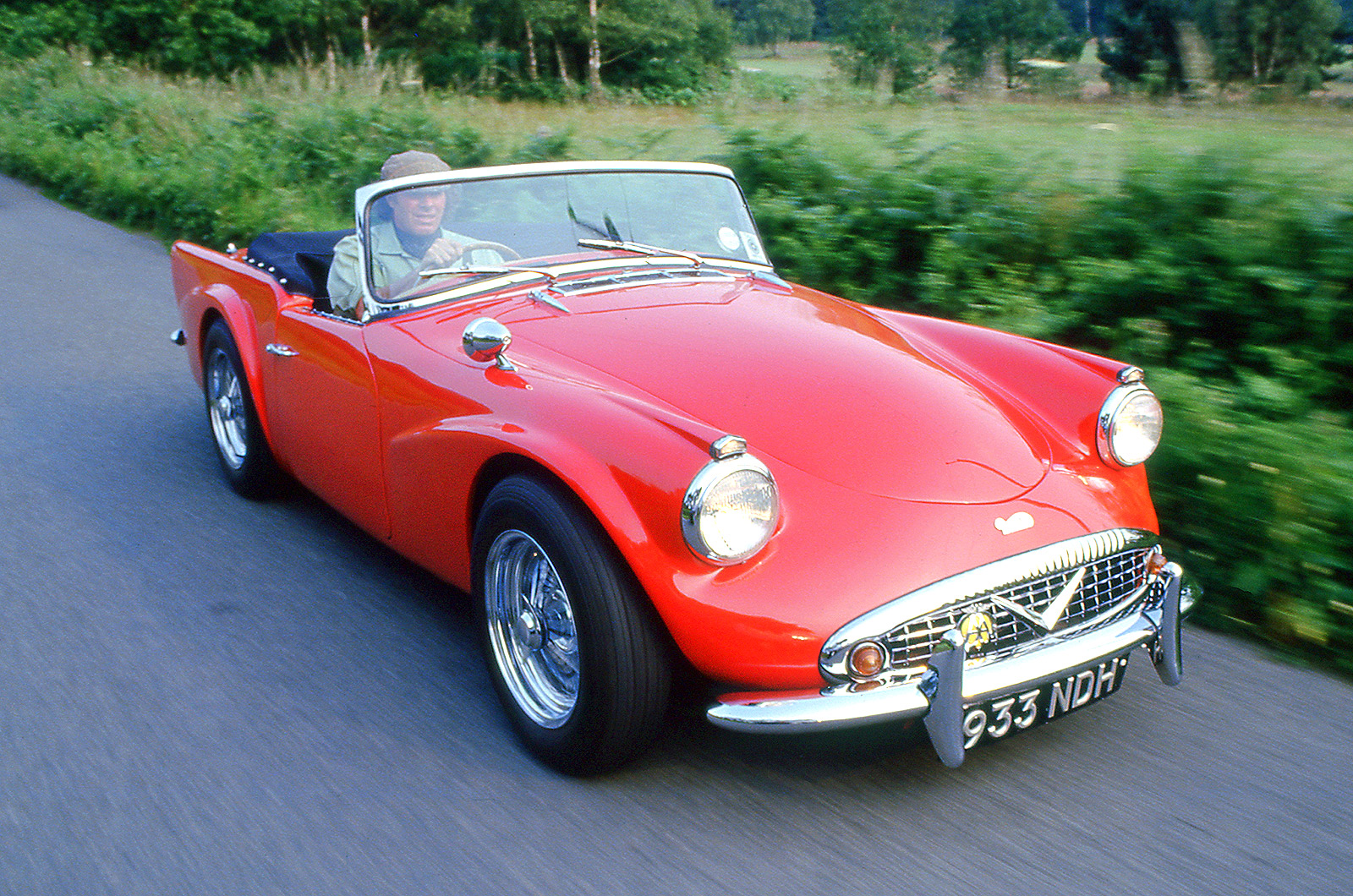
Once a supplier of cars to royalty, Daimler grew out of the German company, but soon built its own models. The SP250’s engine had an interesting configuration; while being only a 2.5-litre, it was a V8. Elegant but interesting to look at, it was a spirited drive, good for 120mph, and determinedly different from its stately predecessors. It was famously used to police speeds on Britain’s first motorway, the M1.
So what happened to Daimler?
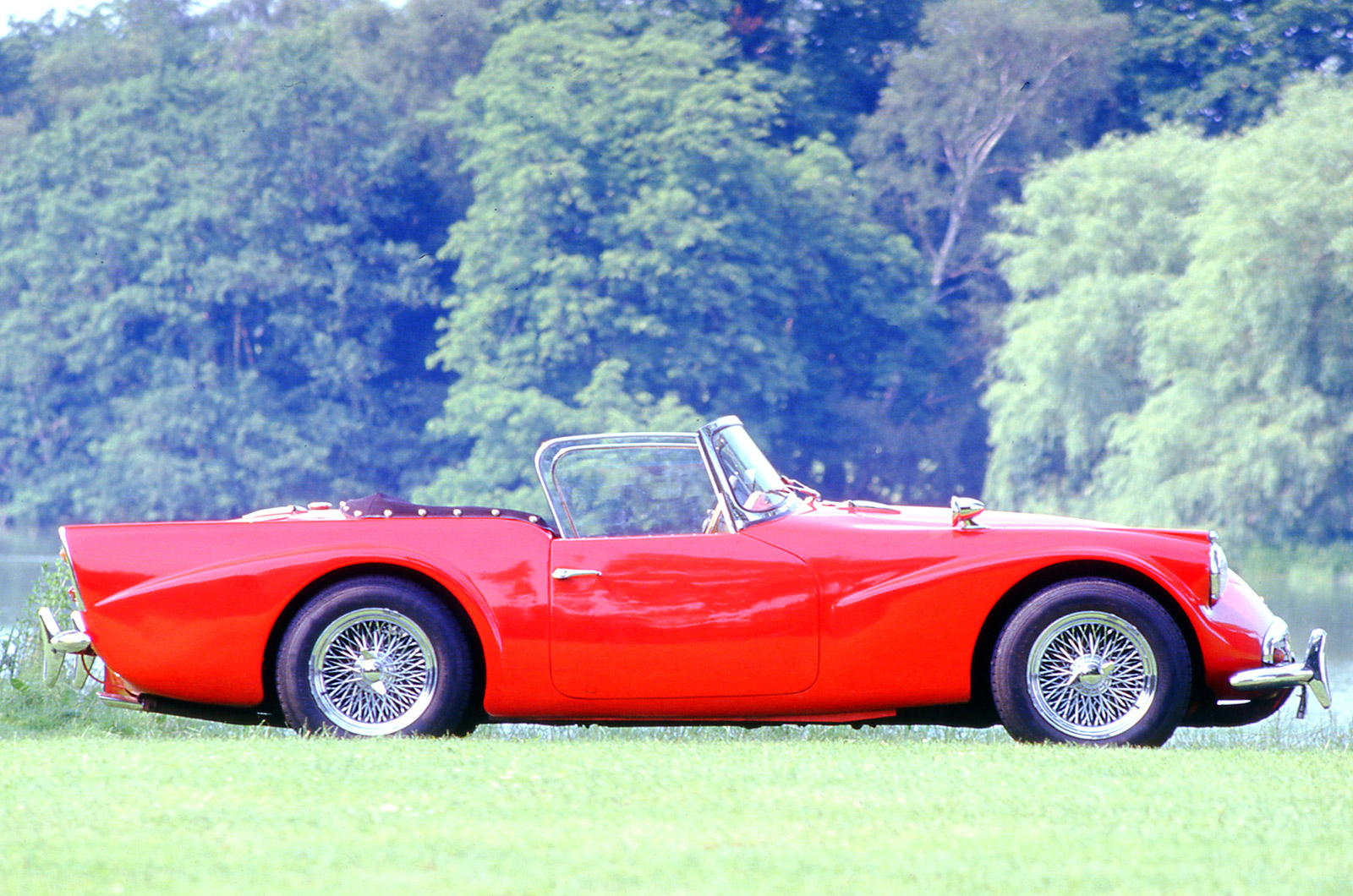
The company was sold to Jaguar in 1960, its cars eventually becoming badge-engineered Jaguar derivatives. The brand disappeared in 2007, though Jaguar still has the right to use the name in many markets, though given Daimler is now also the name of the heavy trucks arm of Mercedes-Benz (it’s complicated…), this seems unlikely.
DeSoto: Model K (1928)
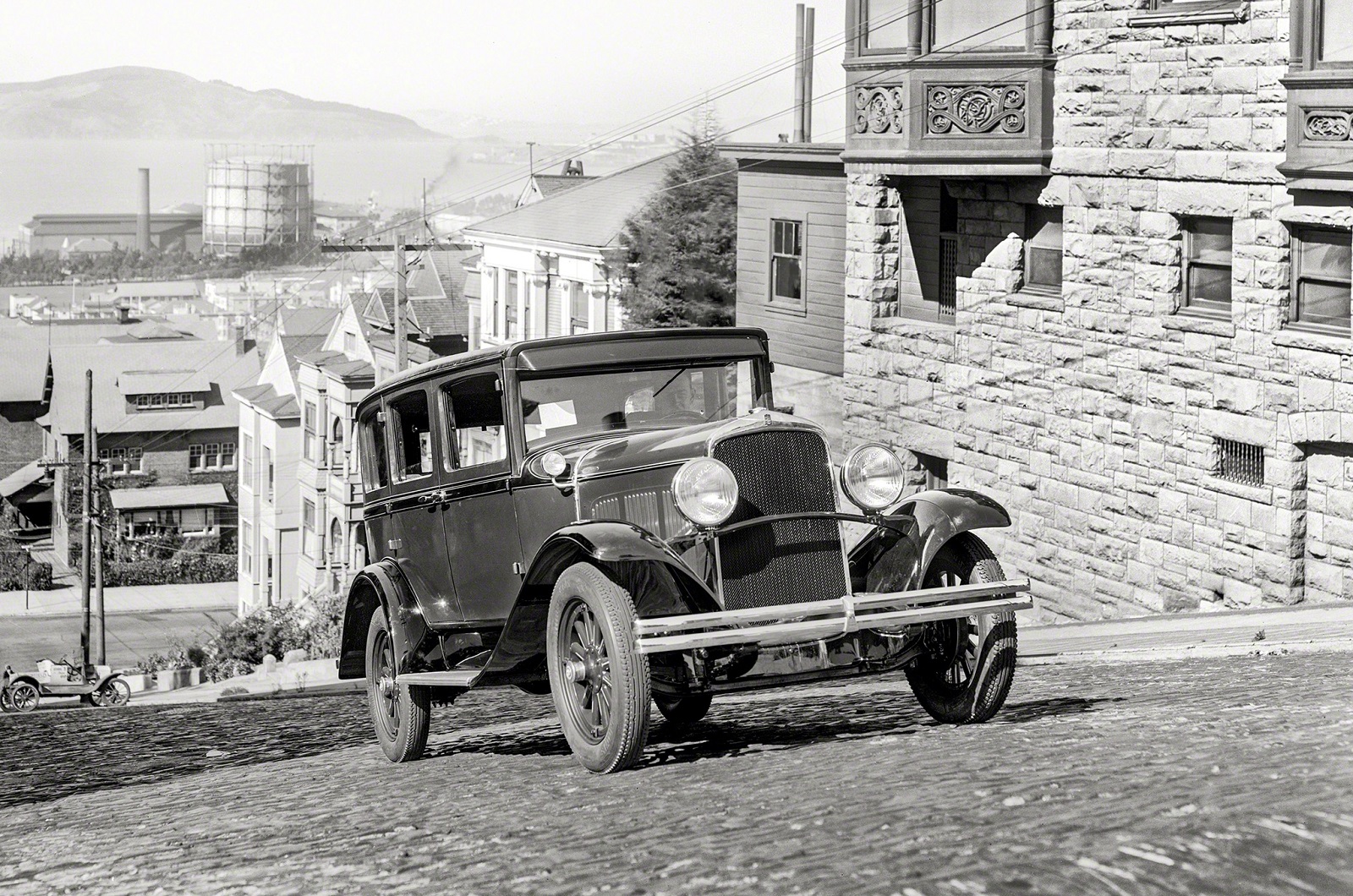
Created by Chrysler in 1928, DeSoto put its rivals on notice when it released its first car, the Model K, for the 1929 model year. It sold 81,065 units of the model during its first 12 months on the market, a record that remained unbroken for several decades. The Model K was cheaper than a comparable Chrysler, fitted with a six-cylinder engine, and offered in a number of body styles, including a roadster. It was the right car at the right time, and the future looked bright for Chrysler’s mainstream brand.
So what happened to DeSoto?
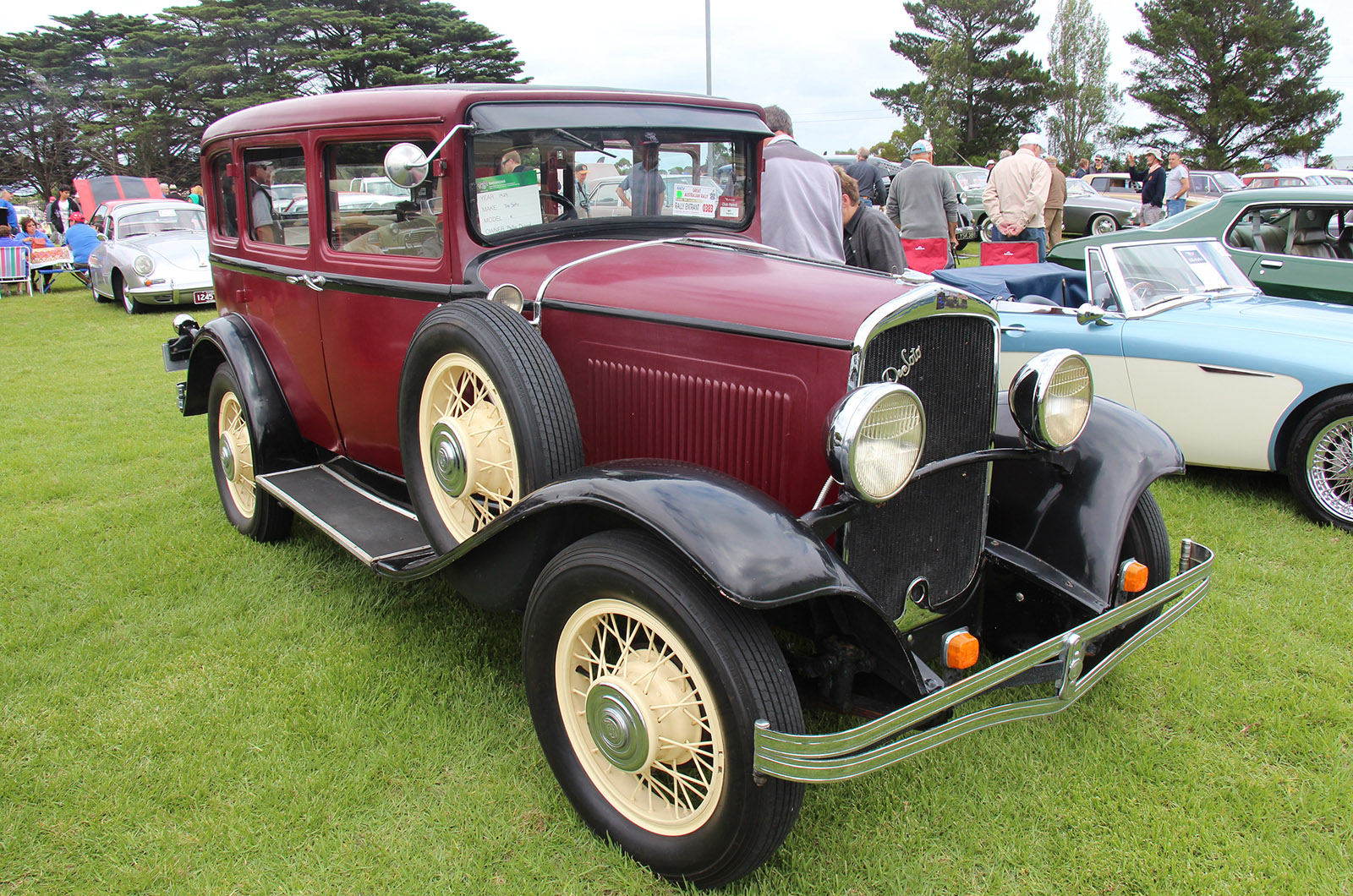
DeSoto’s early success quickly faded. Chrysler also purchased Dodge in 1928 and the two brands often overlapped; both were positioned below Chrysler as mass-market brands. Its evolution followed the rest of the Chrysler portfolio’s, so it received the new Firedome V8 in 1952 and the “Forward Look” design language in 1955. Sales collapsed in 1958, partly due to the same recession that helped end Edsel, and Chrysler closed DeSoto in 1961.
De Tomaso: Pantera (1971)
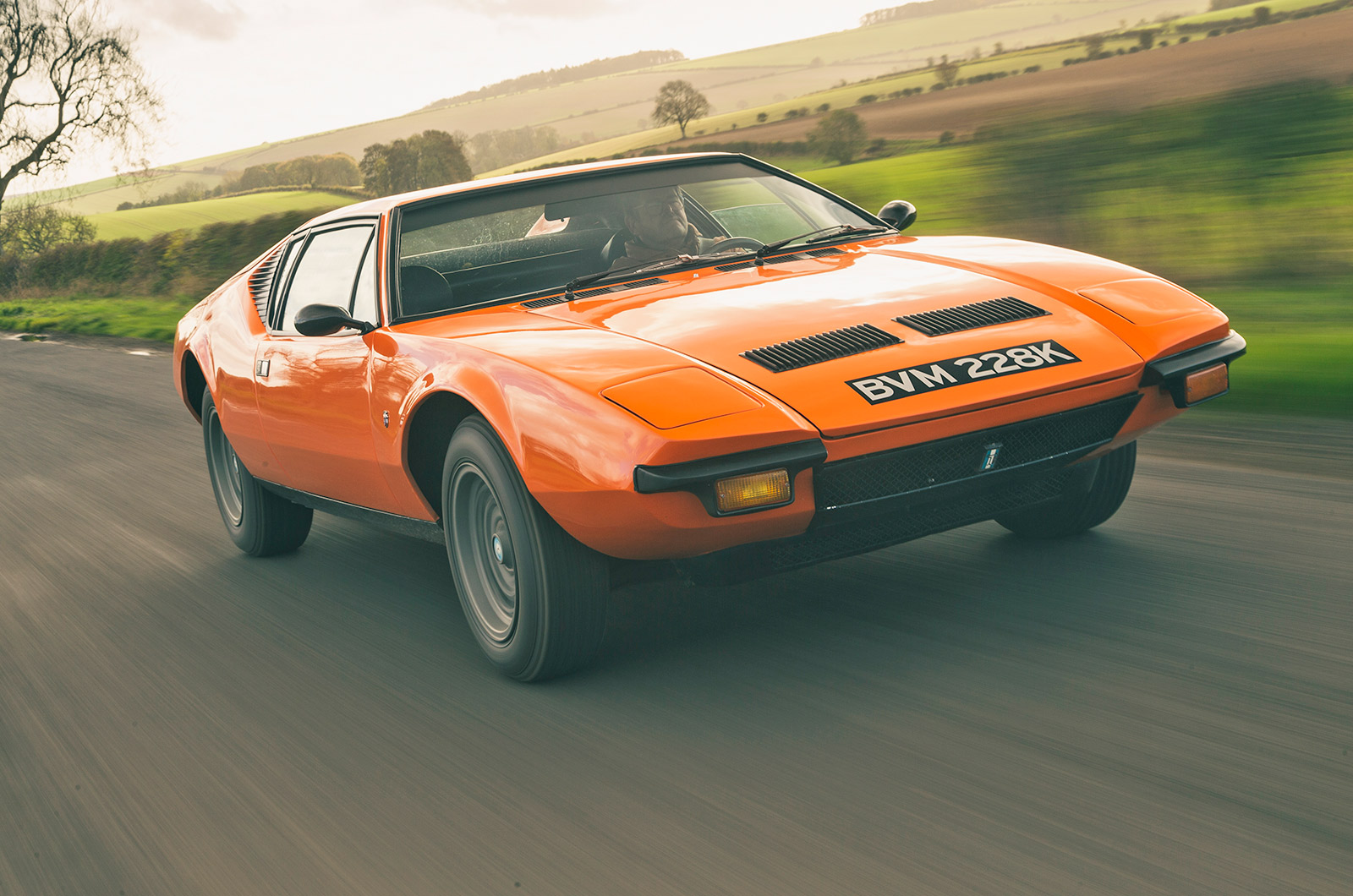
Alejandro De Tomaso (1928-2003) designed a breathtakingly gorgeous car and bought a V8 from Ford to stuff behind the seats. America’s appetite for performance cars ensured a steady cash flow for De Tomaso in spite of the Pantera’s quality issues.
Unreliability caused Elvis Presley to shoot his Pantera on numerous occasions, presumably as a punishment. It’s not known if this helped. Ford stopped importing the car to the US in 1975, but production carried on for other markets (including Europe) until 1992.
So what happened to De Tomaso?
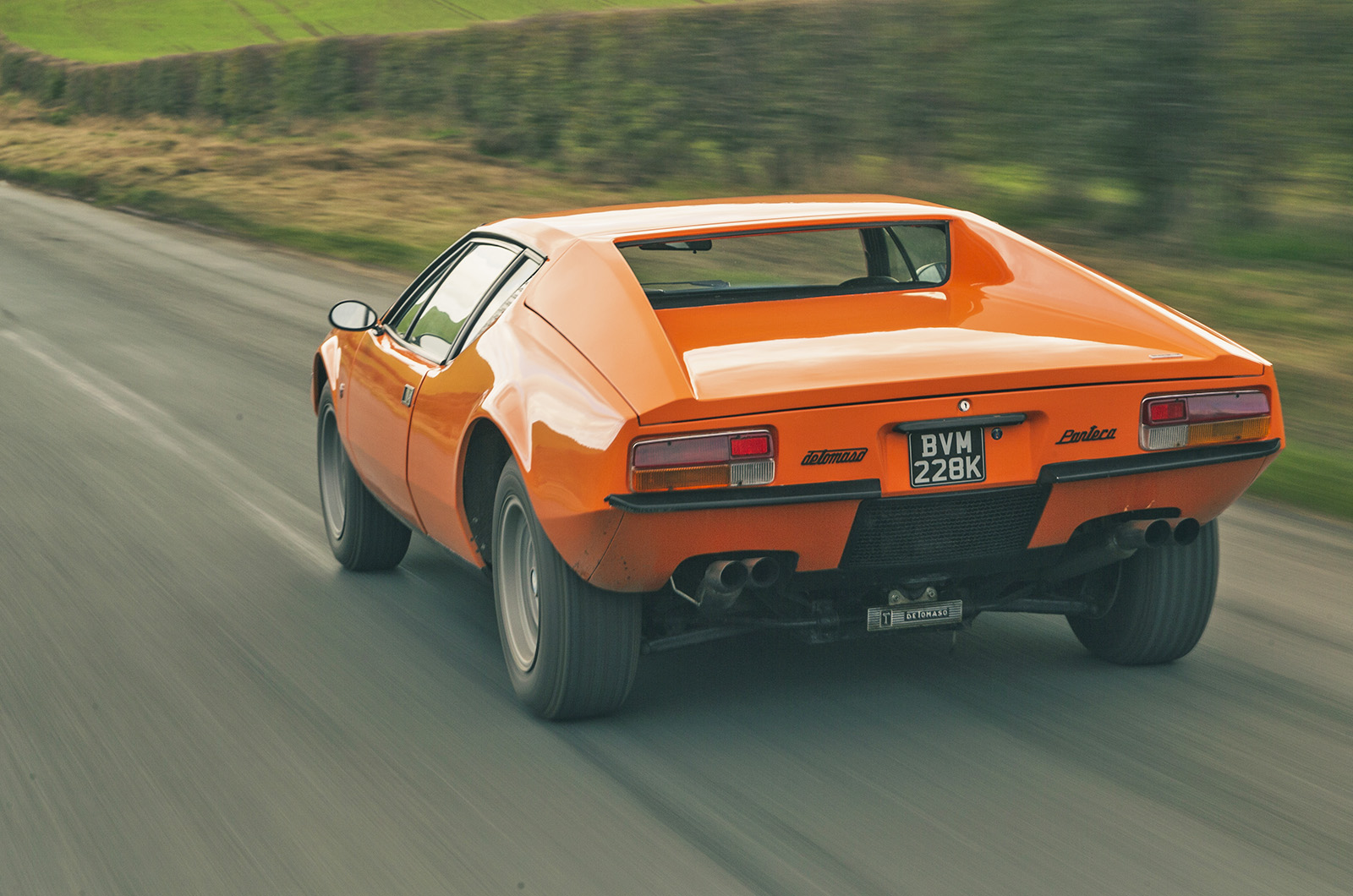
De Tomaso merged with Maserati in 1975 and that brand was always more prolific, but De Tomaso sales carried on in small numbers until 2004 when the firm died. The trademark was sold on, and a De Tomaso concept car appeared at the 2011 Geneva motor show, but nothing’s been heard since.
Eagle: Talon (1989)
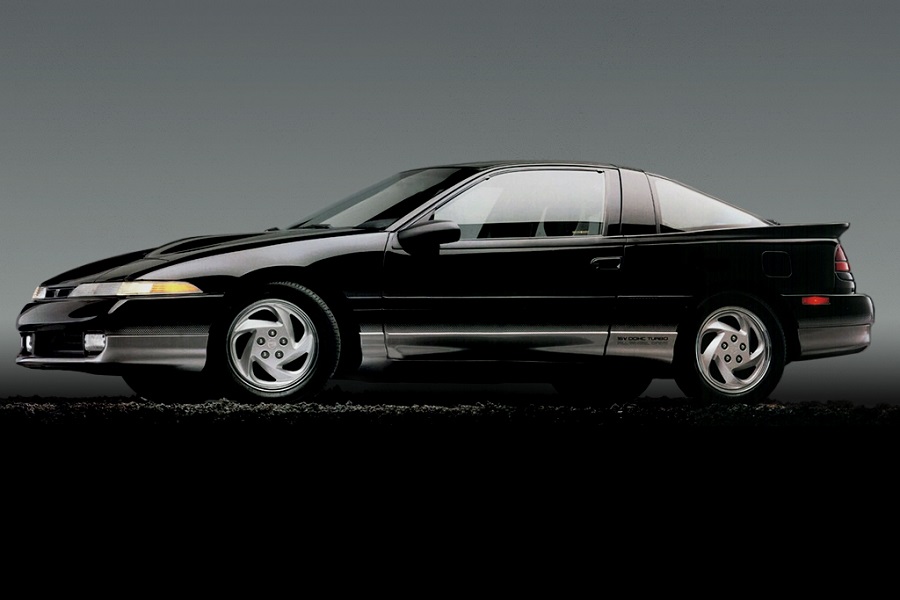
Chrysler founded Eagle in 1988 to continue AMC, which left the scene that same year. Its range consisted largely of average, unexciting cars that suffered from a complete lack of image. The only exception was the Talon, which was closely related to the Mitsubishi Eclipse. Released in 1989 as a 1990 model, it was available with all-wheel-drive and a turbocharged four-cylinder engine rated at 192bhp.
So what happened to Eagle?
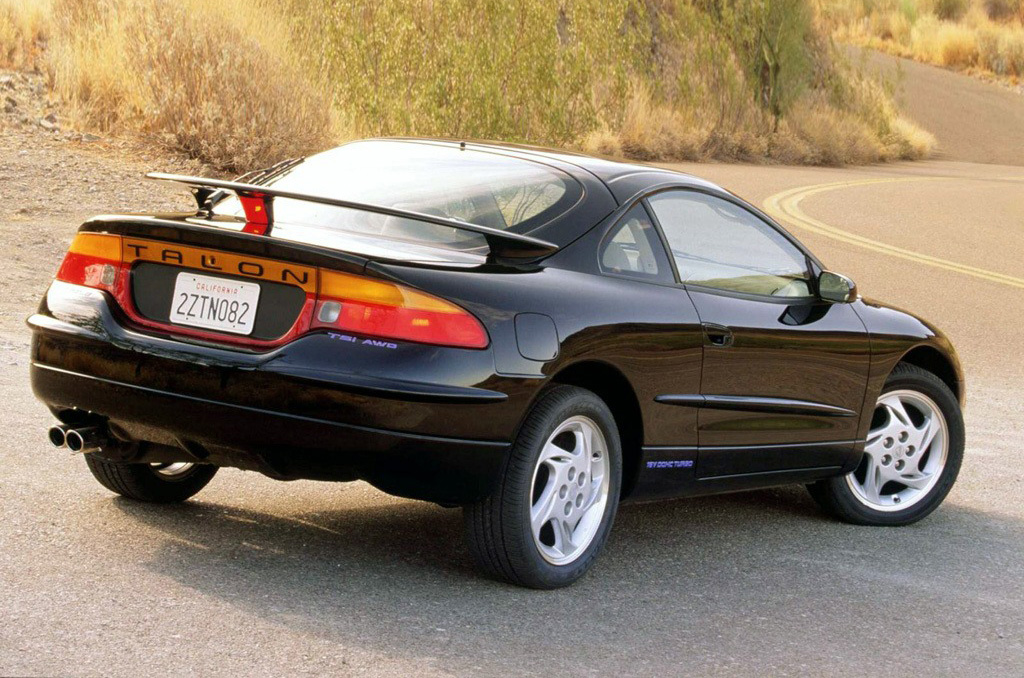
In hindsight, there was no space in Chrysler for an obscure brand like Eagle, and not enough interest or money to give it a fighting chance. Models left the range one by one during the 1990s, and the Eagle name disappeared in 1998. Stellantis owns the name today. The factory in Normal, Illinois, that manufactured the Talon now belongs to electric pickup truck maker Rivian.
Facel Vega: Excellence (1958)
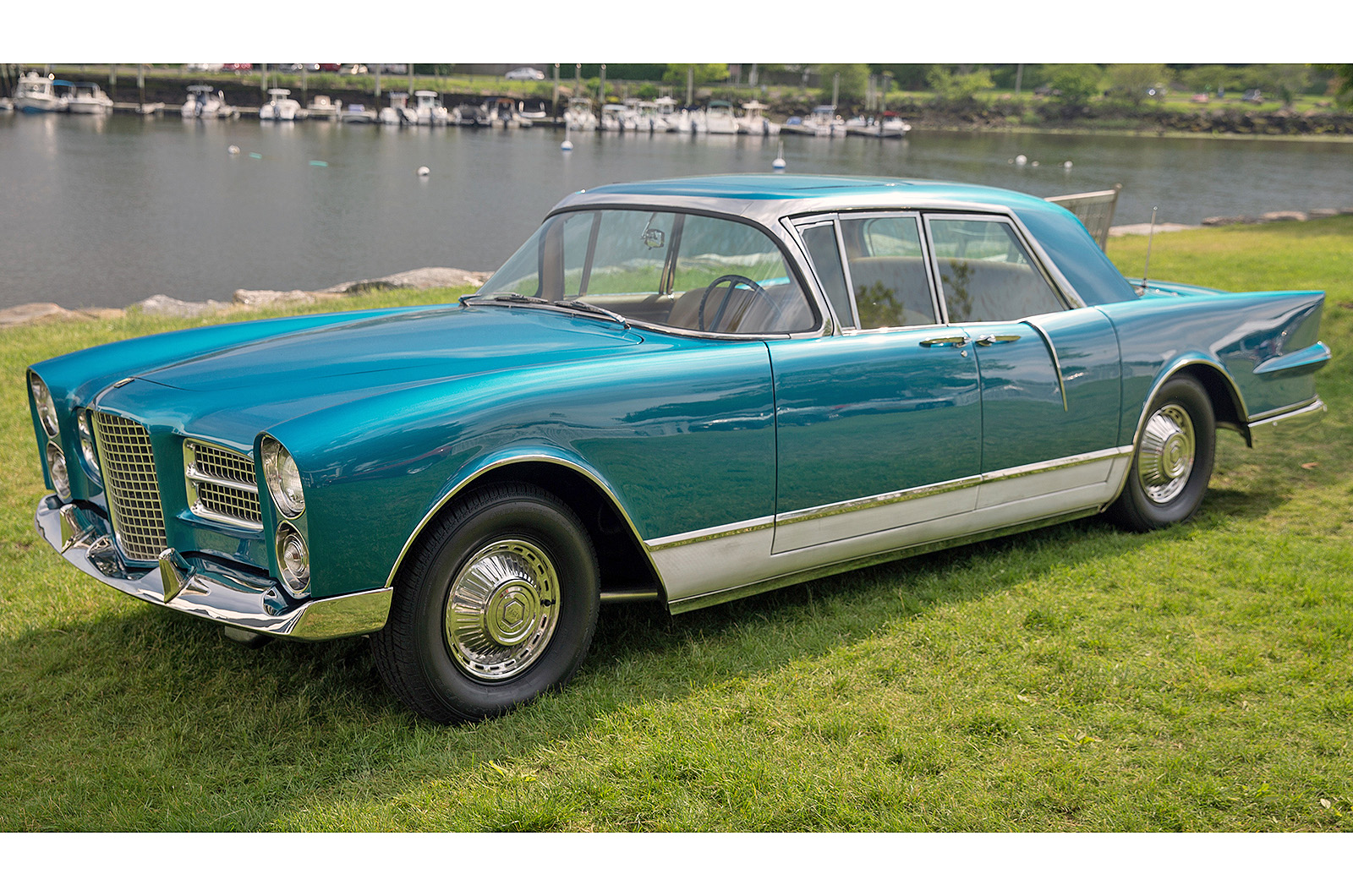
Facel Vega was a brand favoured by the world’s celebrities to build the Excellence to take the fight directly to Rolls-Royce and the German brands. From its stately design with reverse-facing rear doors to its hand-built interior, the Excellence easily lived up to its name. It served as the flagship for the brand, and for France’s entire automotive industry.
So what happened to Facel Vega
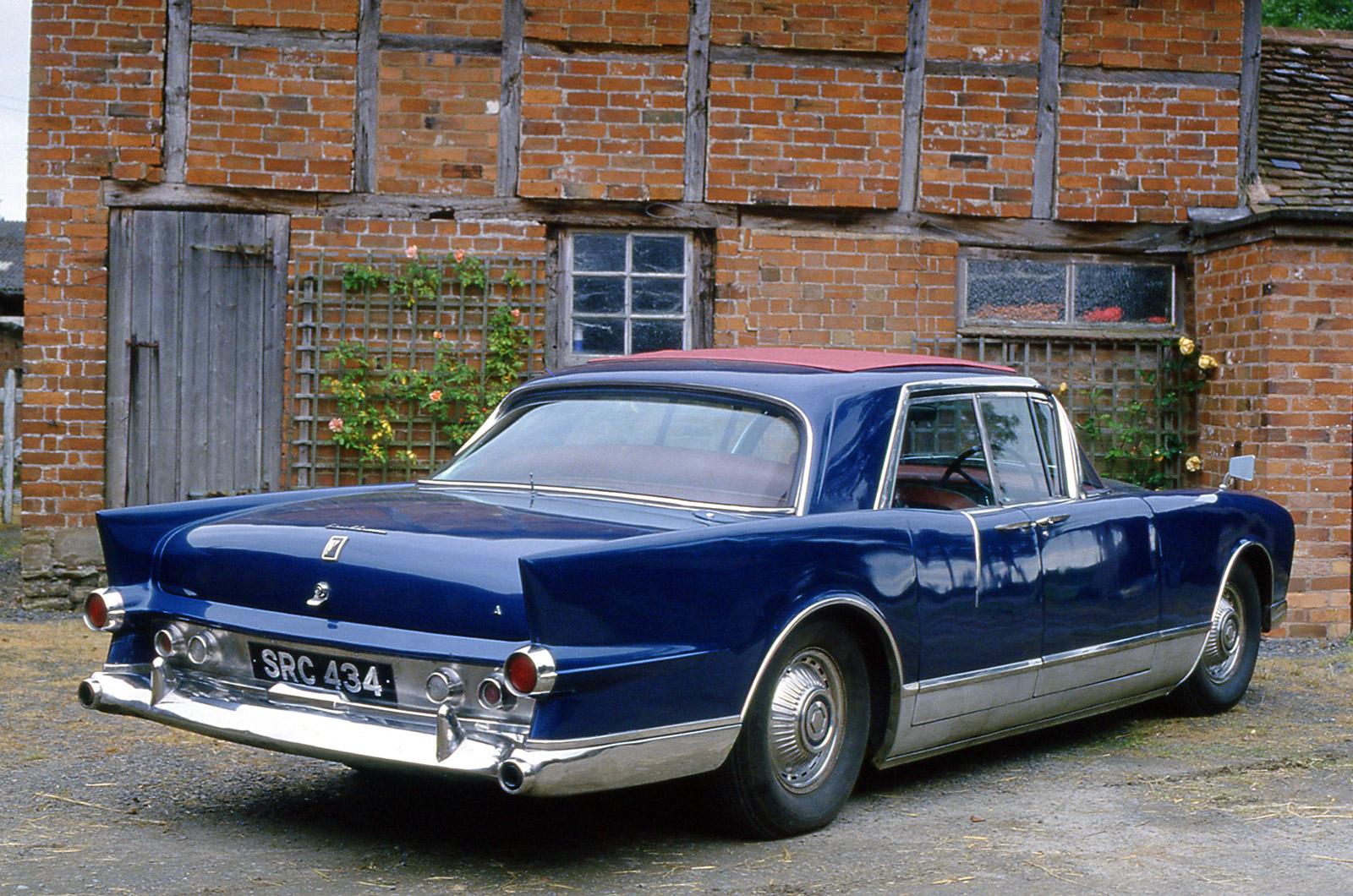
Competition from larger luxury-car rivals like Mercedes-Benz did the company no favours and it closed down in 1964. It remains a mystery why France – home to world-beating luxury brands like Louis Vuitton and Chanel – has never created a successful luxury car brand in recent decades.
Hudson: Hornet (1951)
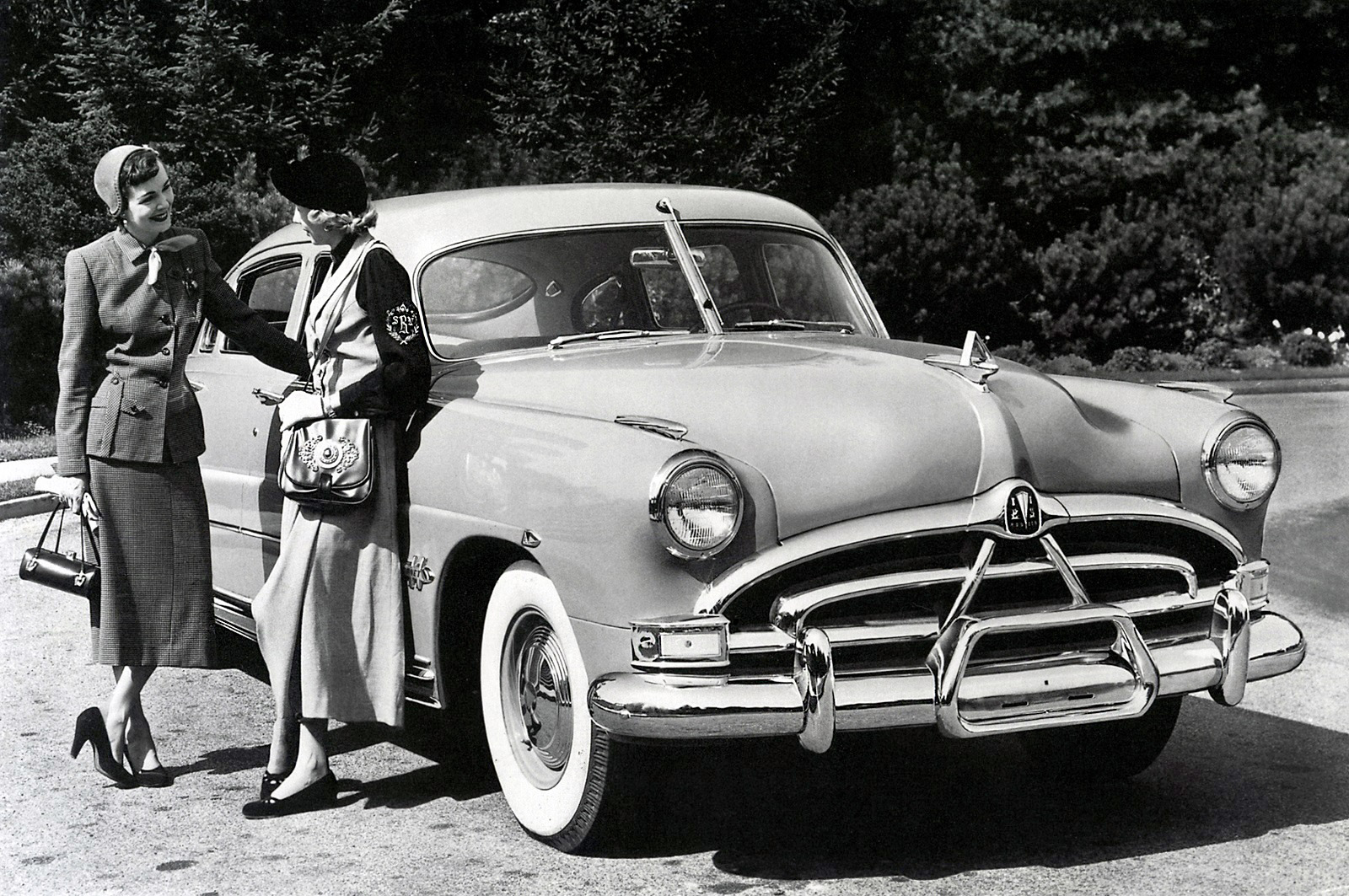
The Hudson Hornet had big round headlights, plenty of chrome and a long, sloping roof line that flowed into a pontoon-like rear end. Power came from a 5.0-litre straight six. It was fast, too; the Hornet dominated NASCAR racing in the early 1950s.
So what happened to Hudson?
It merged with Nash-Kelvinator in 1954, to form American Motors Corporation- AMC. The Hudson badge survived until 1957. The remnants of AMC – including, most notably, Jeep – today live in Stellantis.
Innocenti: Mini (1974)
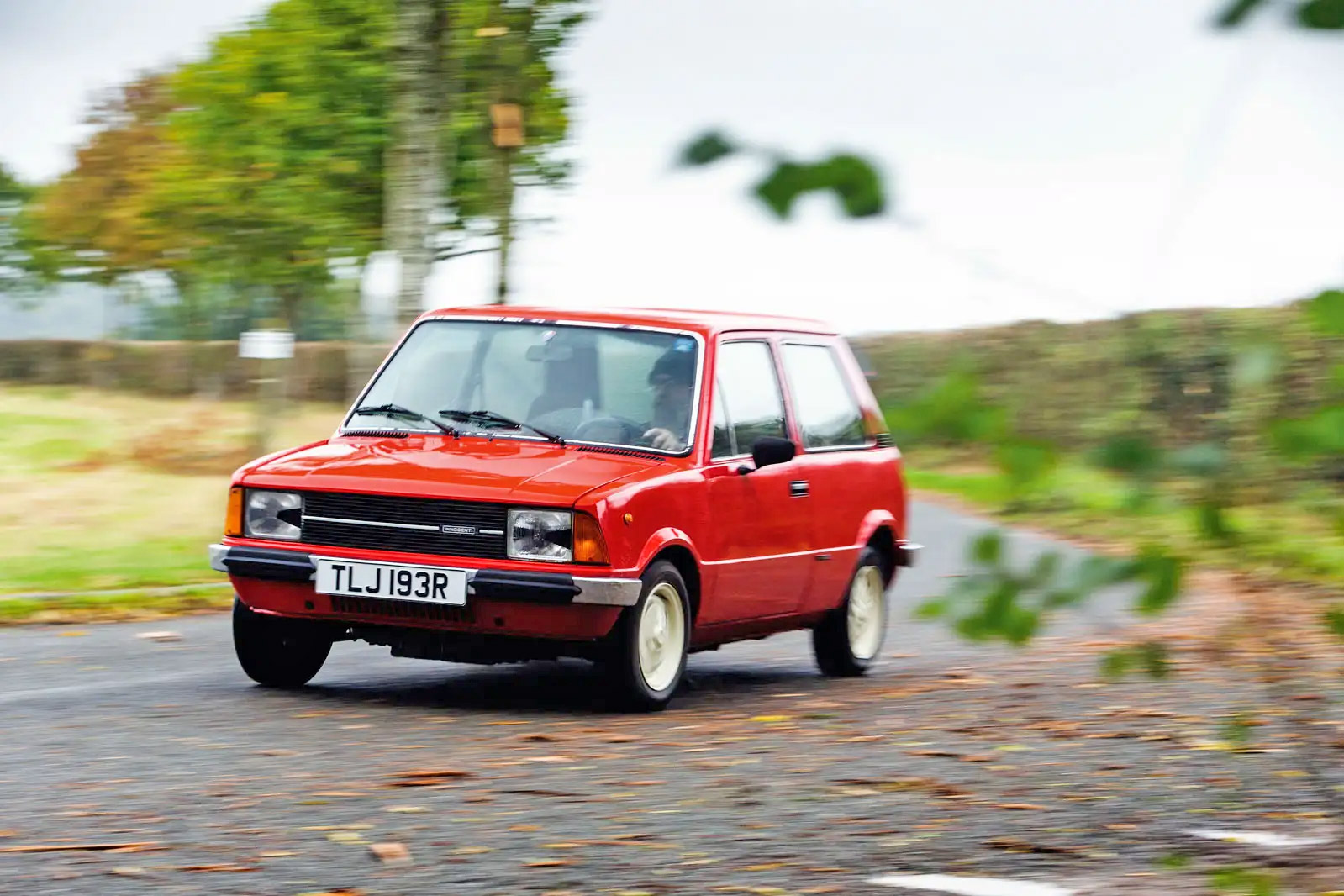
Scooter maker Innocenti formed its car-building division through a collaboration with Britain’s Austin. It began building the Mini under license during the 1960s, and it released an updated model styled by Bertone’s Marcello Gandini in 1974. Bertone gave the Mini a more modern-looking design and a practical hatch to take on the Autobianchi A112, one of Italy’s rising stars.
Several evolutions of the Innocenti Mini were built, and an entry-level two-cylinder engine joined the range in 1985. Outdated in spite of several visual updates inside and out, the Innocenti Mini retired in 1993, seven years before the Mini itself died.
So what happened to Innocenti?
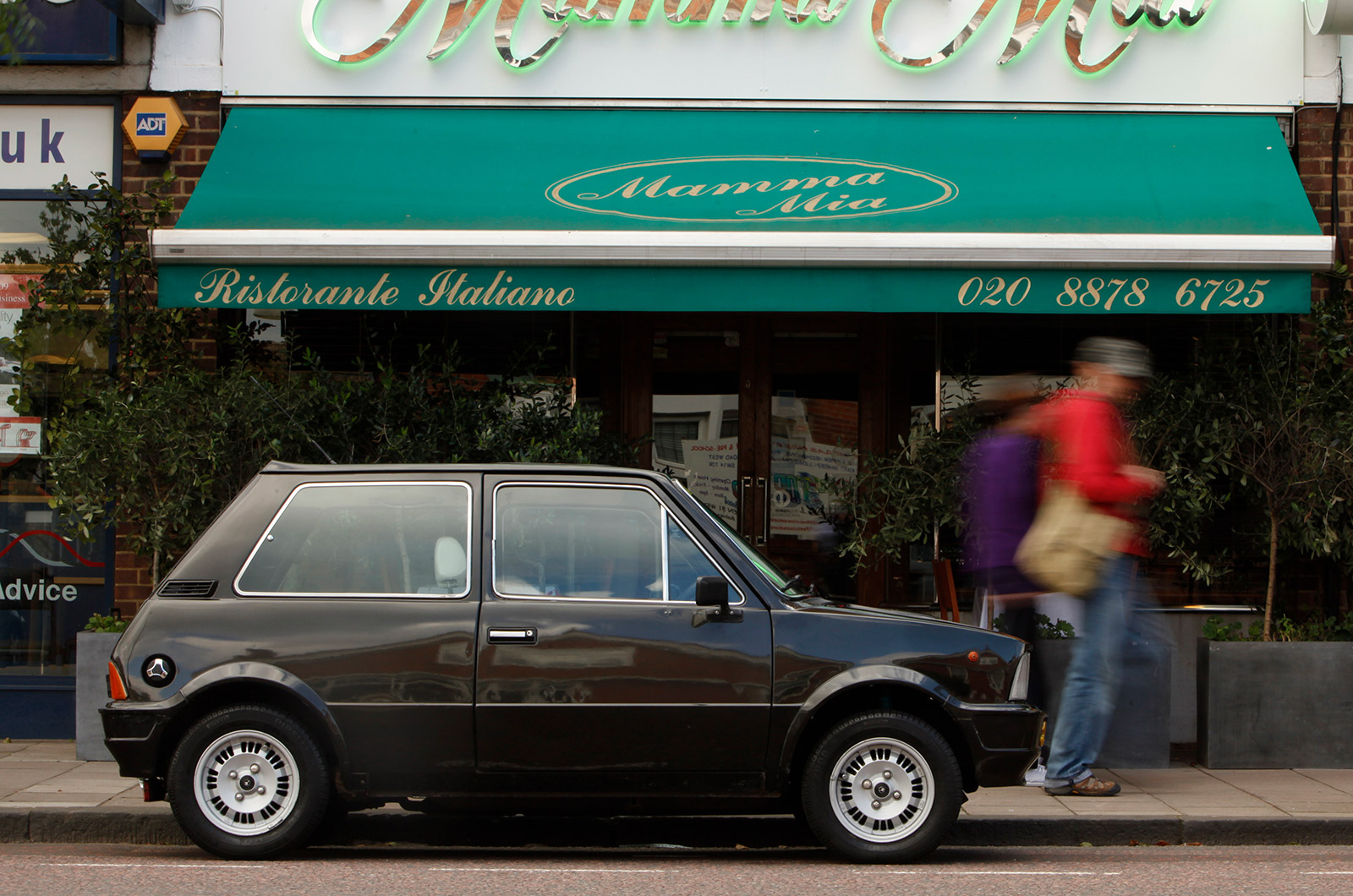
Fiat gradually took over Innocenti and Maserati from De Tomaso in the 1990s. It closed the company’s factory and assigned the brand a series of badge-engineered cars like the Mille, which was a second-generation Uno made in Brazil and sold for less than the Italian-built model. Fiat dumped the Innocenti name in 1997, and Stellantis owns the name today.
Jensen: Interceptor (1966)
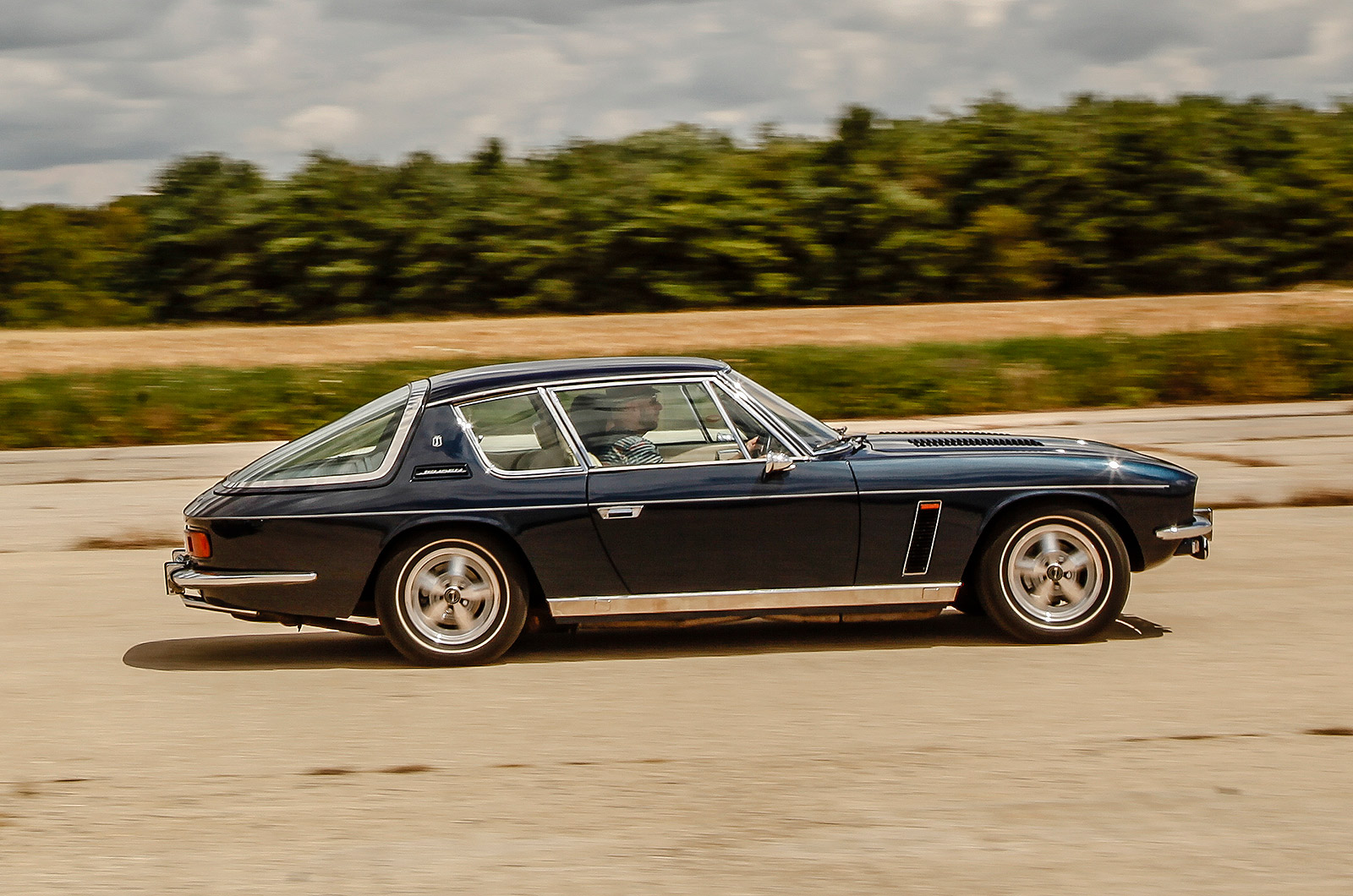
The Jensen Interceptor provided buyers with an alternative to the archetypal British grand tourers made by the likes of Aston Martin. It catered to buyers who cared more about silky-smooth low-end torque than razor-sharp handling and low running costs. It died without a successor when Jensen collapsed under the burden of its financial troubles.
So what happened to Jensen?
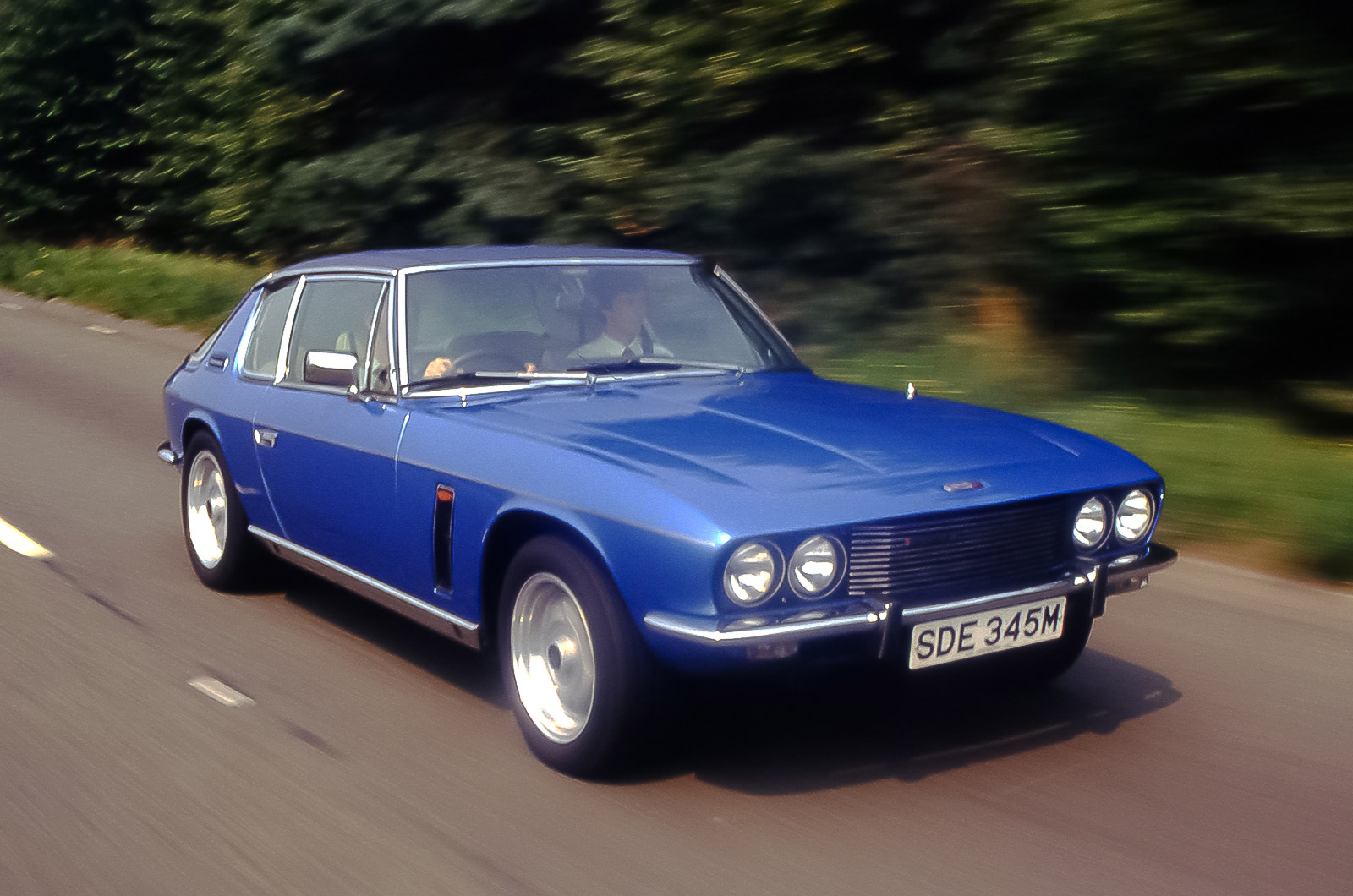
Jensen ceased operating in 1976. It was revived in 2001 with a new car, the S-V8, but promptly died again after just 20 were produced.
Matra: Rancho (1977)
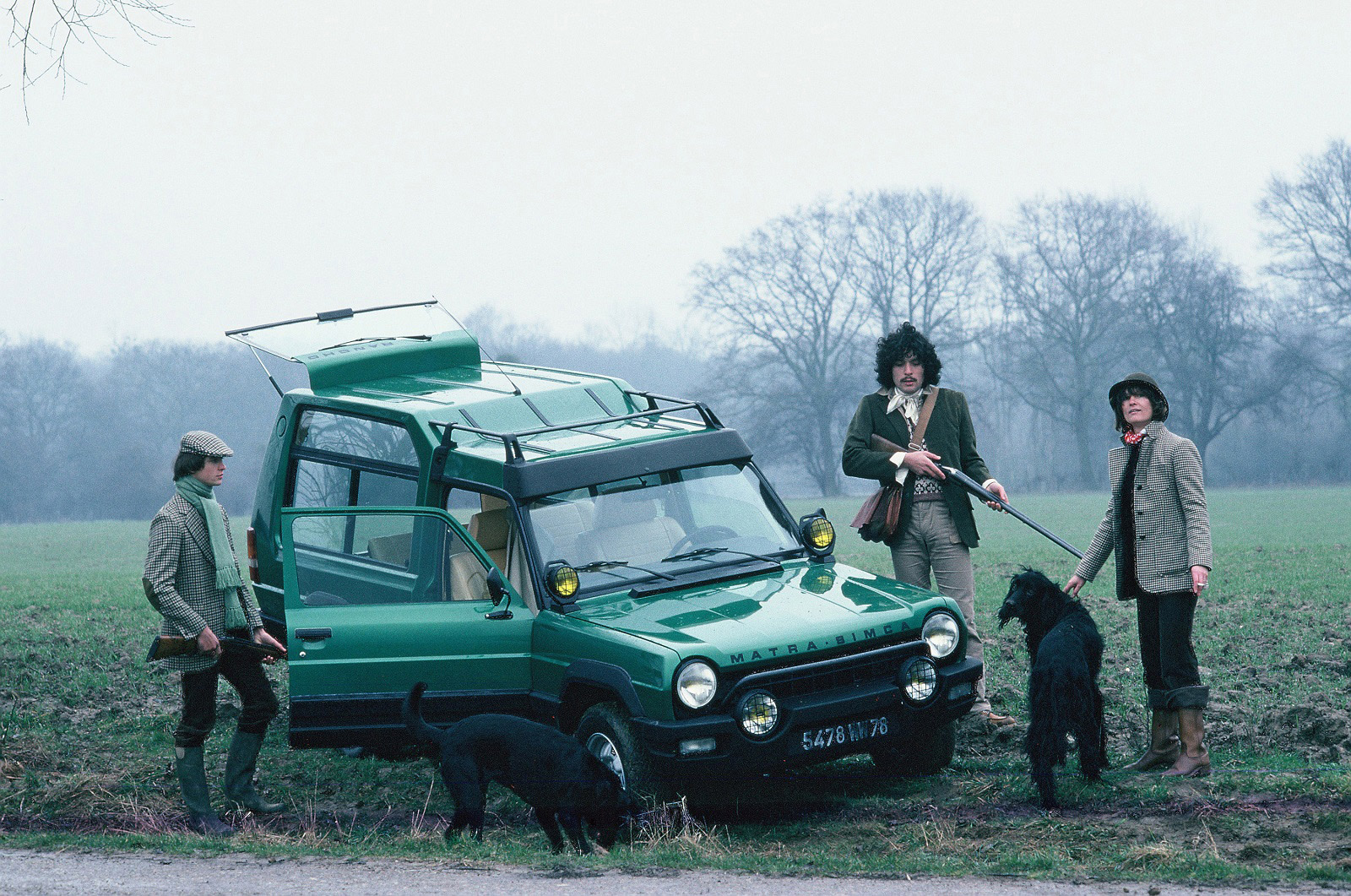
Matra made the Rancho from many parts of its other vehicles. Starting with the VF2 van, engineers installed an 80hp 1.4-litre engine from the 1308 GT, brakes from the 1100 TI, and a four-speed manual transmission from the 1307. While the design suggested it could go anywhere, four-wheel drive was never offered for cost and packaging reasons.
It was a trailblazer for the crossover class, but arguably a couple of decades too early. In an odd twist of fate, the Rancho’s intended replacement morphed into the original Renault Espace, Europe's first people-carrier.
So what happened to Matra
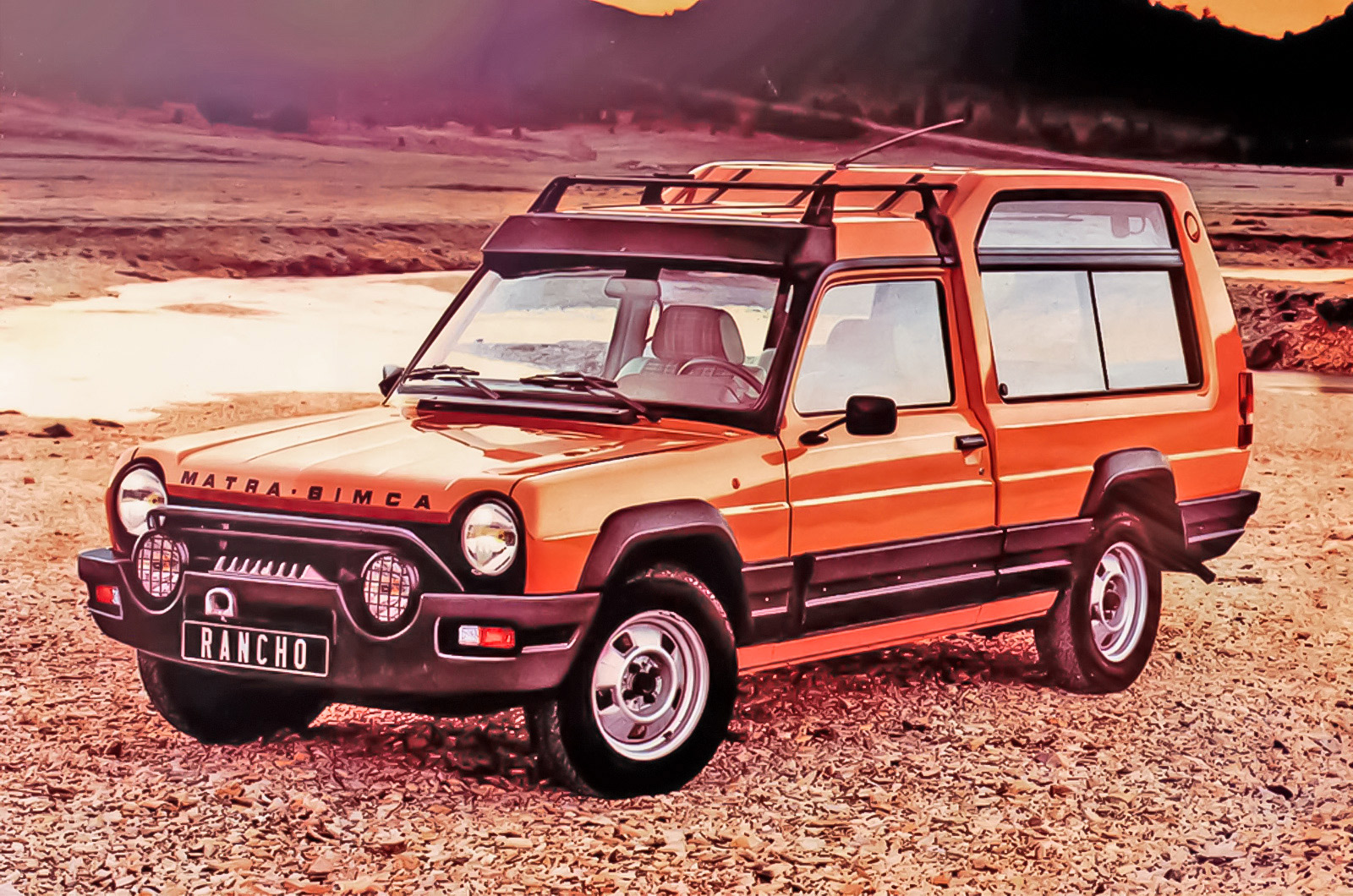
Matra in the automotive sphere became a contract manufacturer for Renault, but this work ceased in 2003, and some other assets were acquired by Pininfarina. The defence and aerospace part of Matra is now part of Airbus.
Mercury: Cougar (1967)
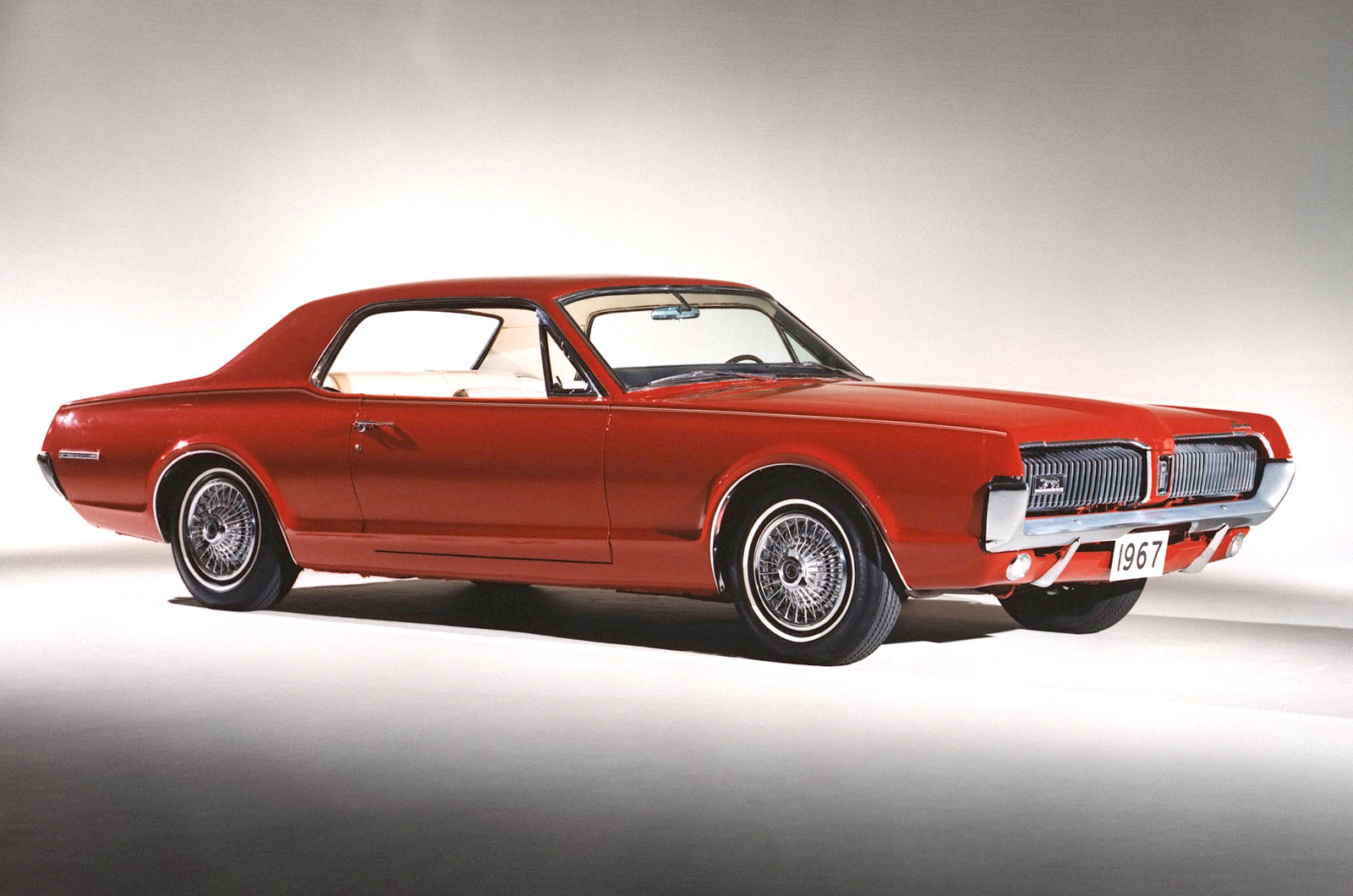
Mercury launched the Cougar to fill the space between the Ford Mustang, which it shared its platform with, and the Ford Thunderbird. It became Mercury’s hero car by combining performance with a larger dose of luxury. Later models attempted to recapture the spirit of the original, though they largely failed due to poor execution and performance best characterized as slothful.
So what happened to Mercury?
Following rationalization after the financial crisis, Ford announced the end of the brand in 2010, and its last car, a Grand Marquis, was built in January 2011.
Morris: Minor (1948)
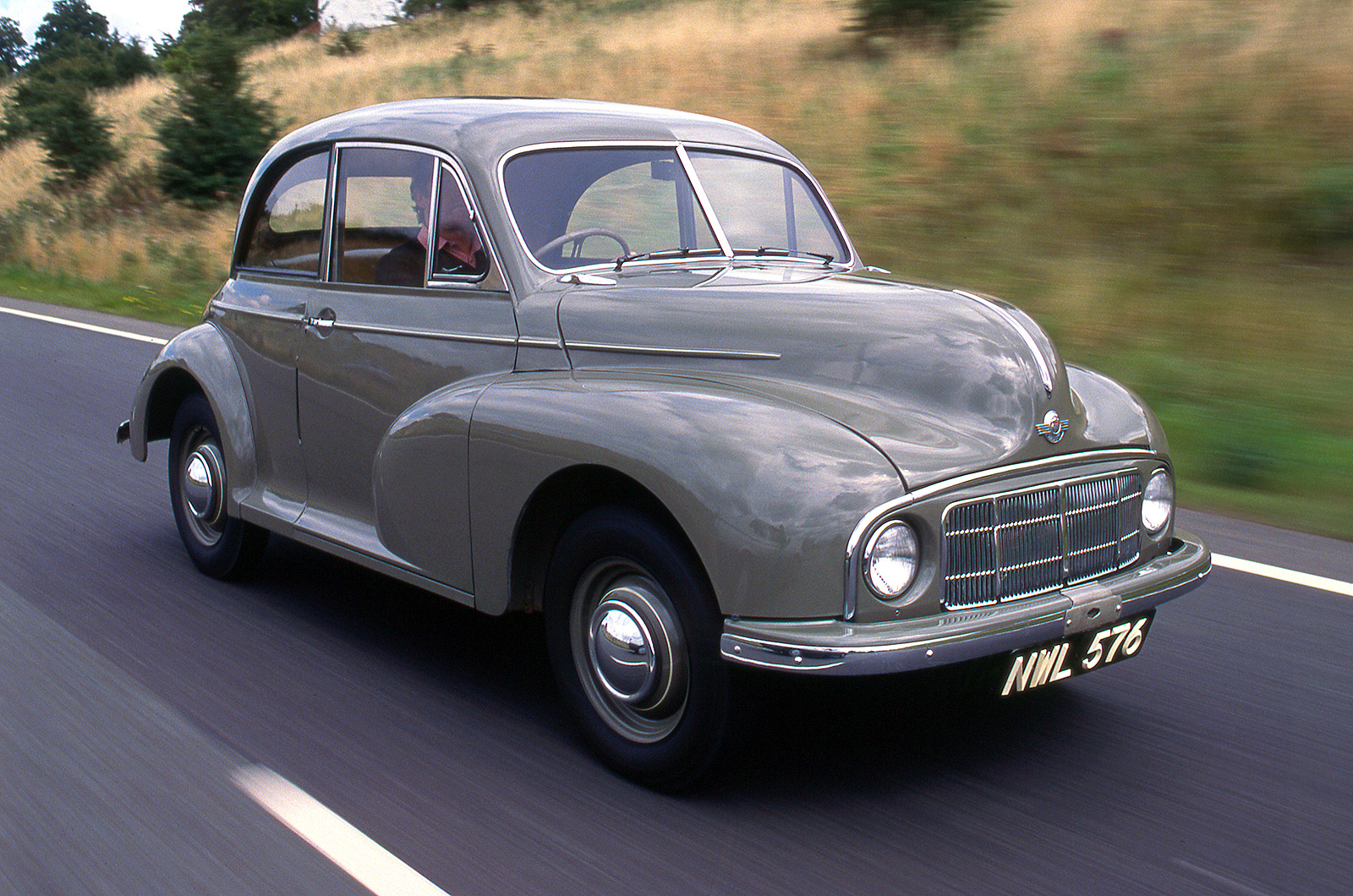
In terms of Morris-branded cars, it’s hard to beat the Minor. While performance was sedate even by the standards of the time, steering and handling was impressive, and this was a primary way Britain got back on the road after the second world war. It later spawned van, estate and convertible versions, and more powerful engines that arrived later helped a lot. A cool 1.4 million examples were built until 1971.
So what happened to Morris?
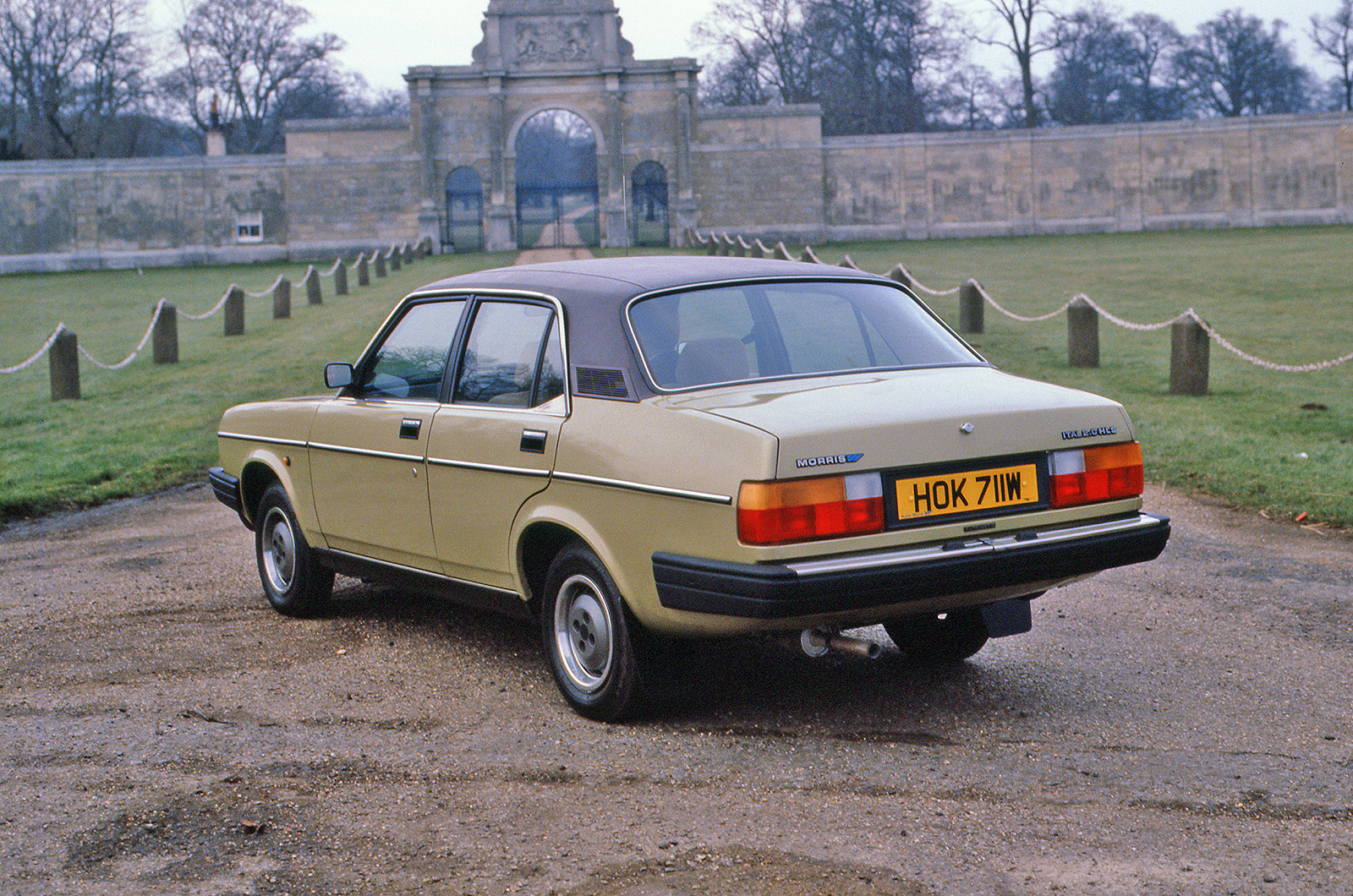
Morris merged with arch-rival Austin in 1952 to make the British Motor Corporation. In turn this merged with various other companies to form British Leyland in 1968. The last Morris-branded car, the Ital (pictured), was built in 1984. Part of the old Morris factory in Oxford today produces the Mini for BMW; the Morris name itself is owned by China’s SAIC.
Oldsmobile: 4-4-2 (1964)
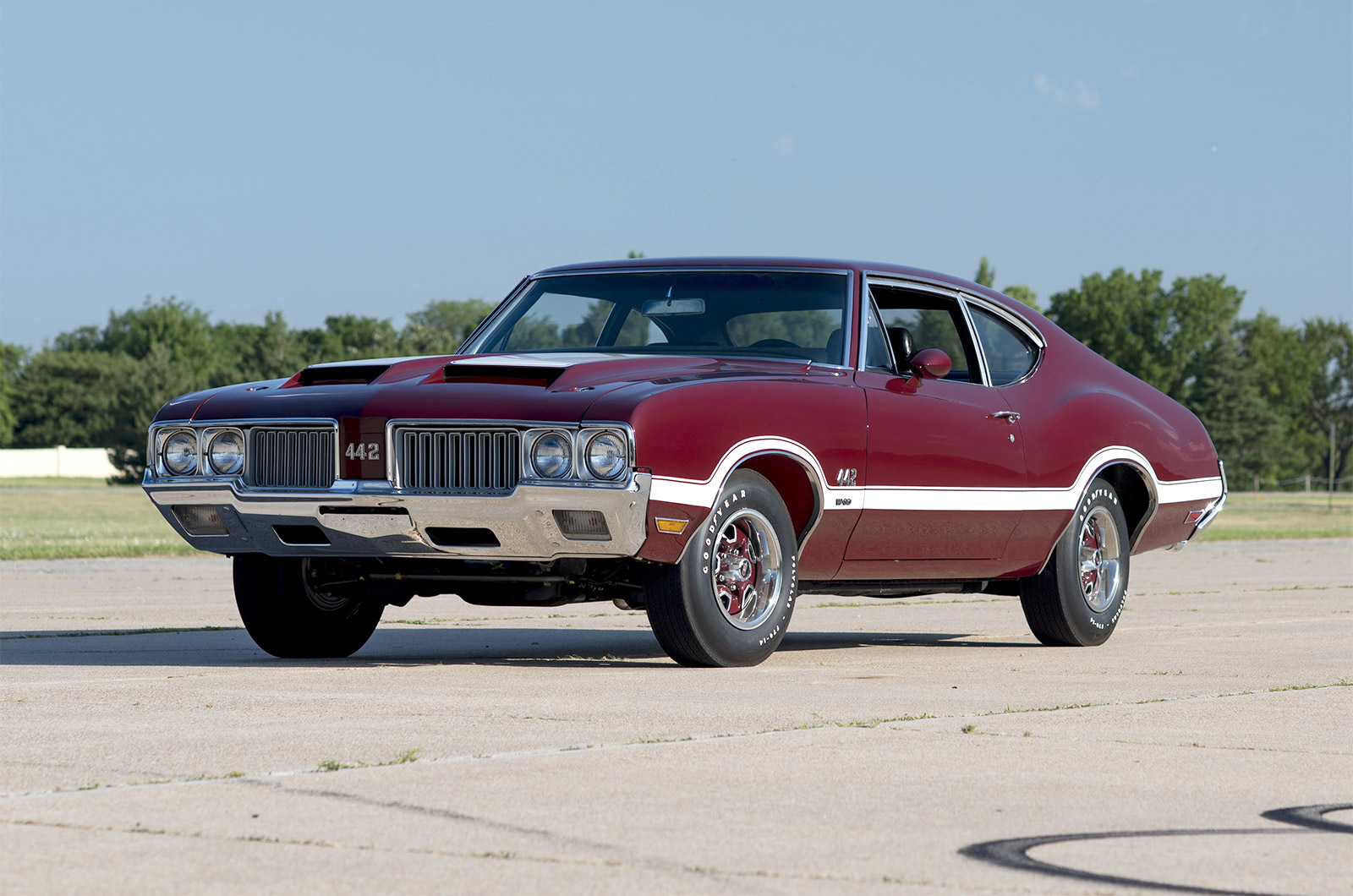
The 4-4-2 started life as a performance-oriented option package on the Oldsmobile Cutlass. It proved popular enough to earn a promotion to a full-fledged model line in 1968. Oldsmobile collaborated with American tuner Hurst to build an even faster 4-4-2 with a 390bhp engine, upgraded brakes and a model-specific suspension.
For a few years, the numbers 4-4-2 were synonymous with no-nonsense performance. The 1972 redesign demoted the nameplate to option package status.
So what happened to Oldsmobile?
Oldsmobile increasingly found its cars lost among those of GM’s other brands, let alone those from other carmakers, and the brand died in 2004.
Nash: Metropolitan (1953)
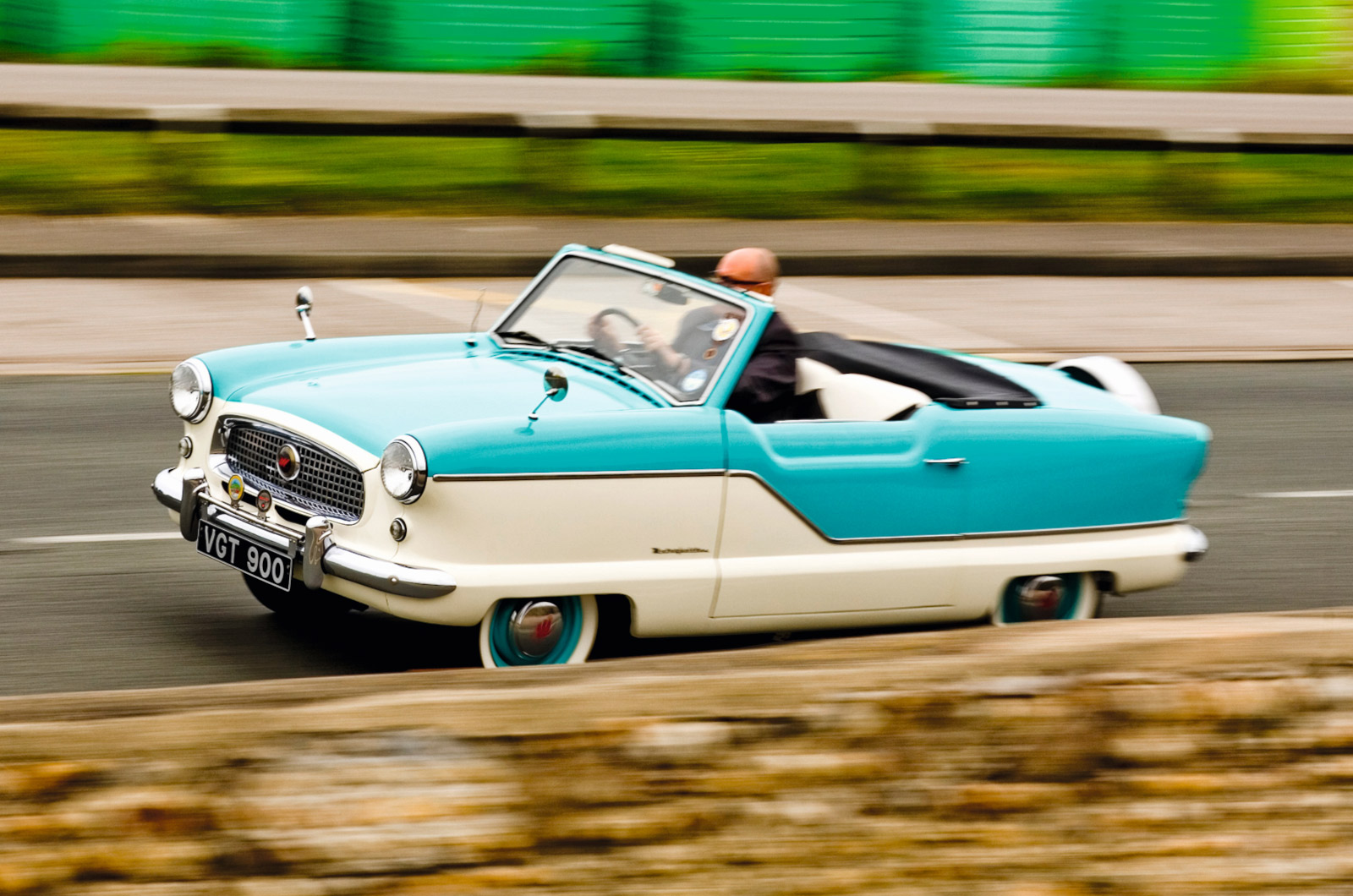
Nash envisioned the Metropolitan as a small American car with European flair. It commissioned a design from Pininfarina and asked Austin for the A40’s engine and spare production capacity. It all came together shockingly well; one of America’s smallest and most stylish cars was born.
Sales started during the 1954 model year. Often bought as a second car, the Metropolitan went through several evolutions (and was sold under several names, including Hudson and Rambler) until production ended in 1961.
So what happened to Nash?
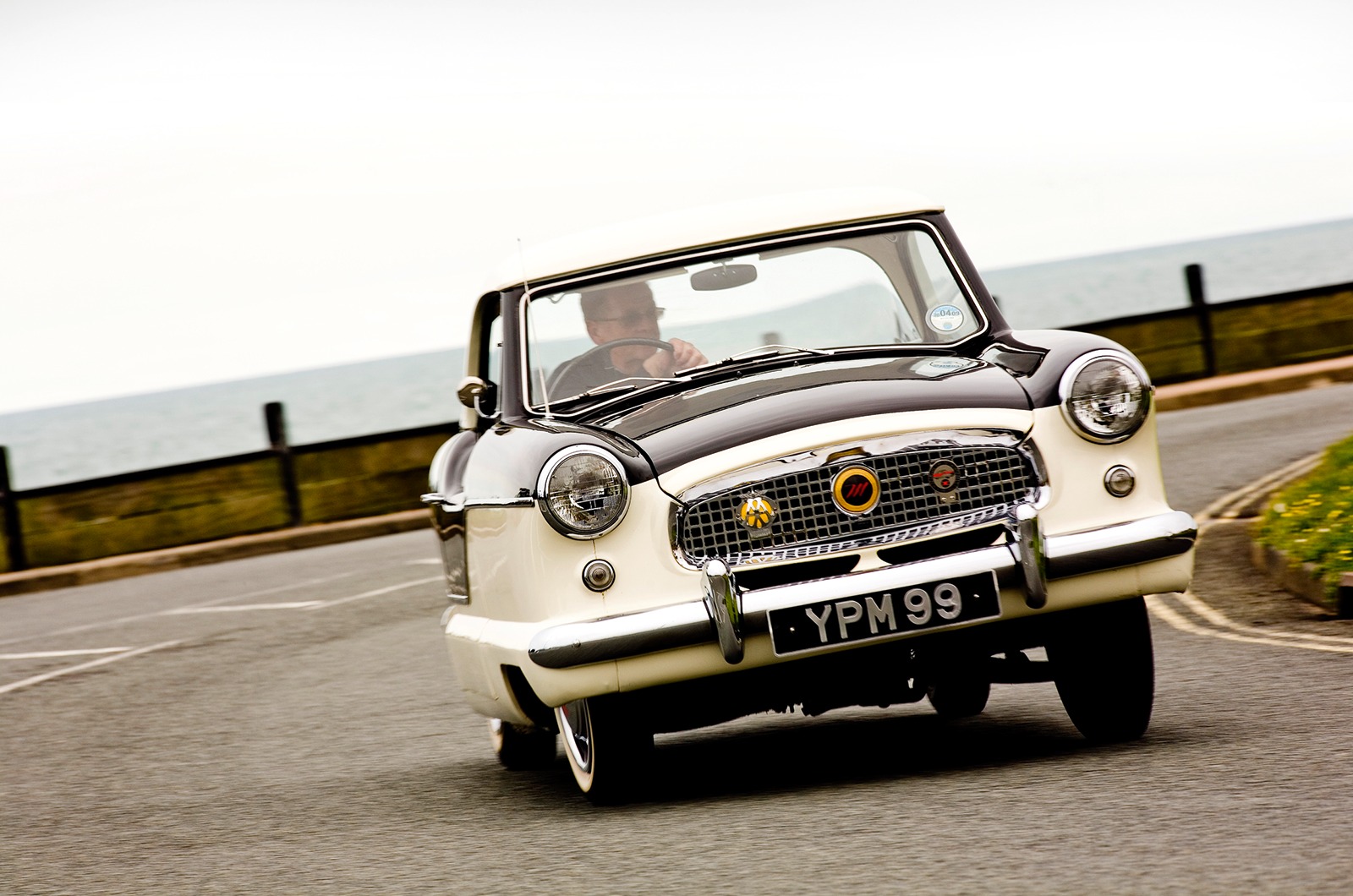
In 1954, Nash and Hudson became American Motors Corporation (AMC) through what was at the time the largest corporate merger in American history, and formed the fourth-largest carmaker in the United States. AMC was taken over by Chrysler in 1987. The Nash name stopped being used in 1957.
NSU: Ro80 (1967)
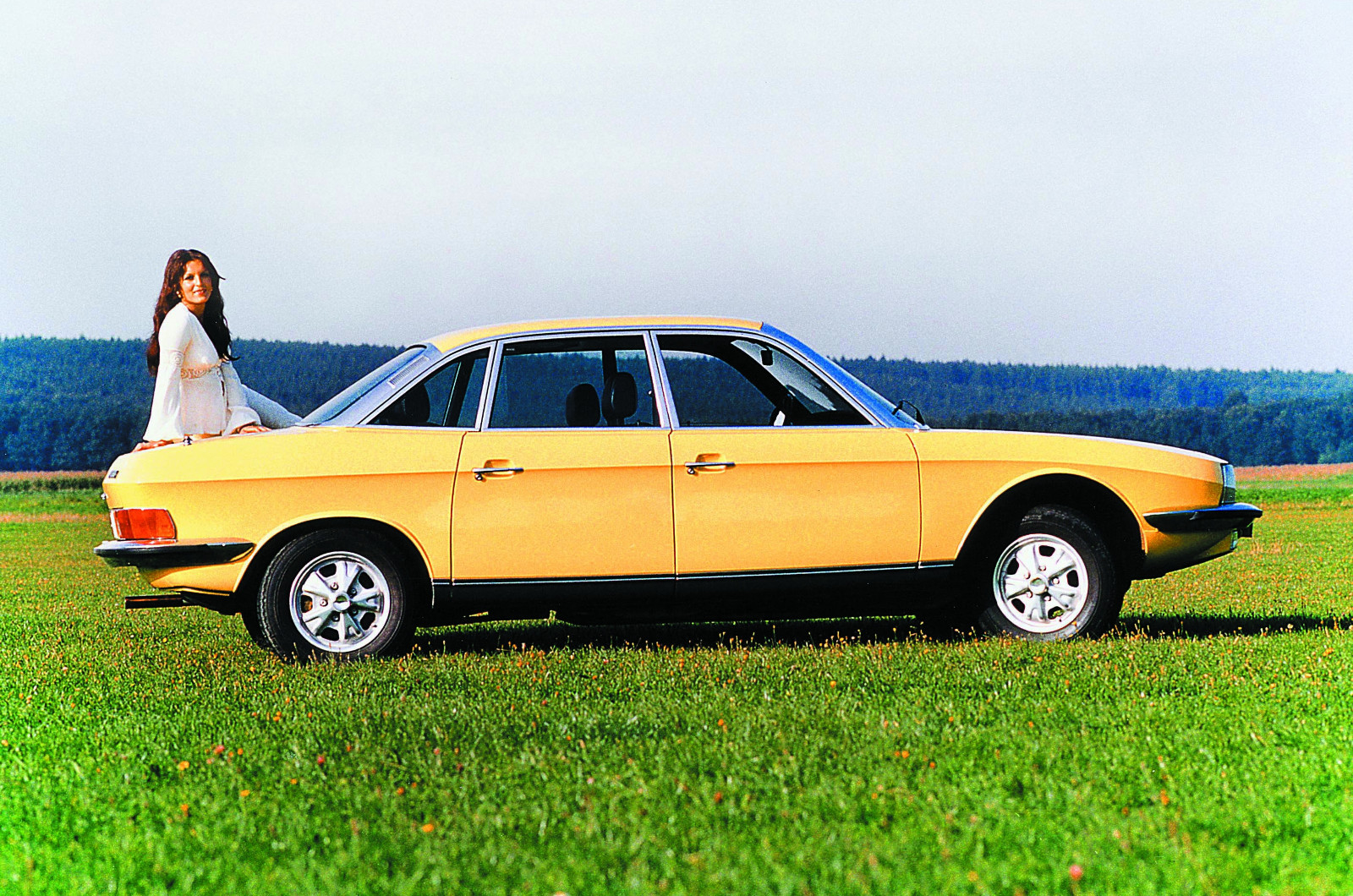
Presented at the 1967 Frankfurt motor show, the NSU Ro80 stood proud as one of the most innovative production cars released in the 1960s. It arrived as a big, upmarket model with unusual proportions, a highly aerodynamic design, and a twin-rotor Wankel engine.
Many celebrated it as the family car of the future. Early problems with the rotary engine gave the Ro80 a bad reputation that it didn’t fully recover from, and the first oil embargo sealed its fate. While NSU took steps to make the rotary engine more reliable, it couldn’t keep its fuel economy in check. The Ro80 retired without a direct successor in 1977.
So what happened to NSU?
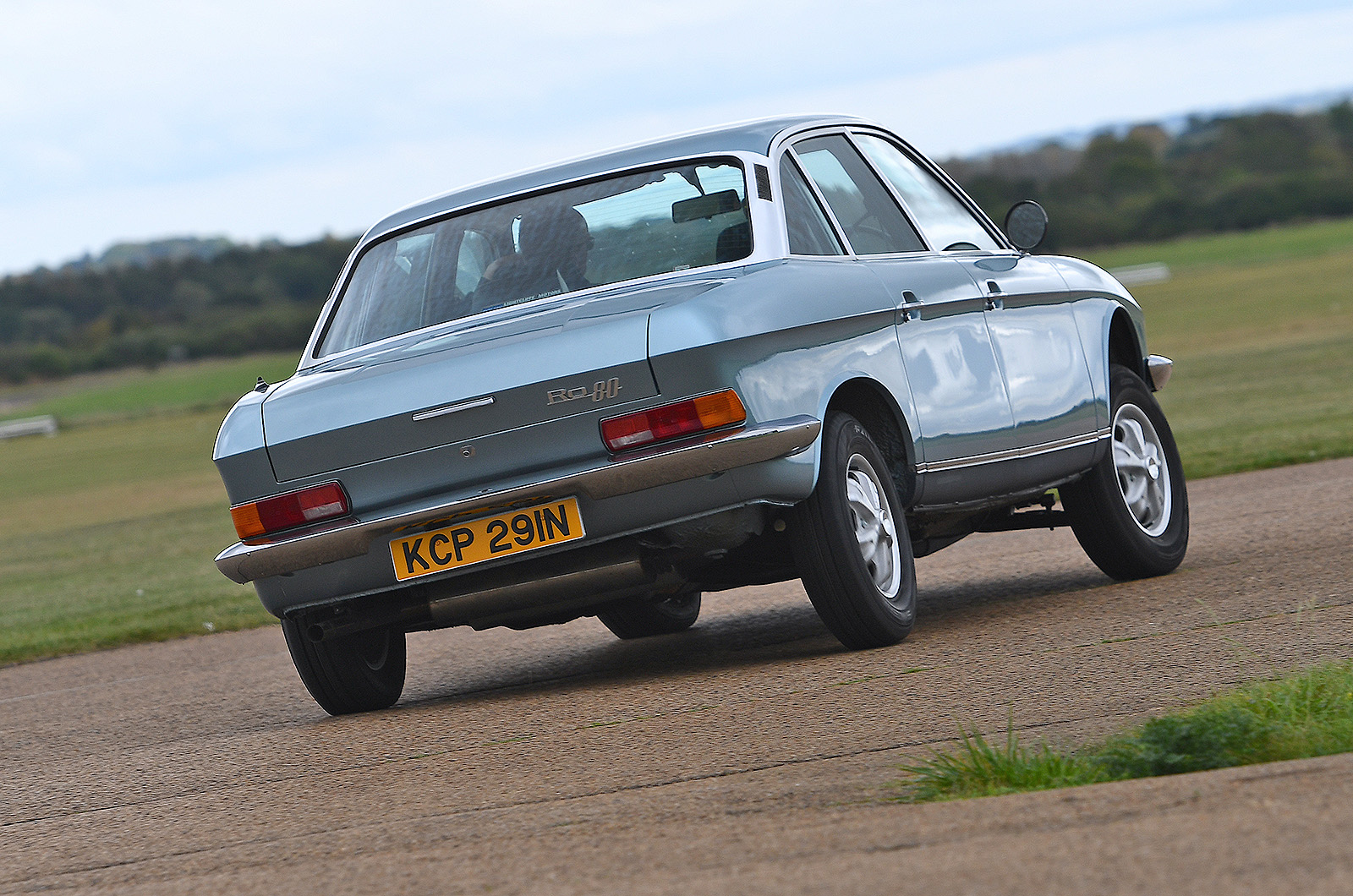
Vast warranty claims from the Ro80 crippled the firm and Volkswagen took it over, though VW was more interested in the firm’s factory than in its line-up. It merged NSU and Auto-Union in 1969 and reluctantly absorbed the K70, which became the first water-cooled Volkswagen.
NSU built its last car, an Ro80, in 1977, but the firm’s legacy endured. The Audi 50 (1974) was developed by NSU to replace the Prinz; it became the first Volkswagen Polo.
Panhard: 24 BT/CT (1964)
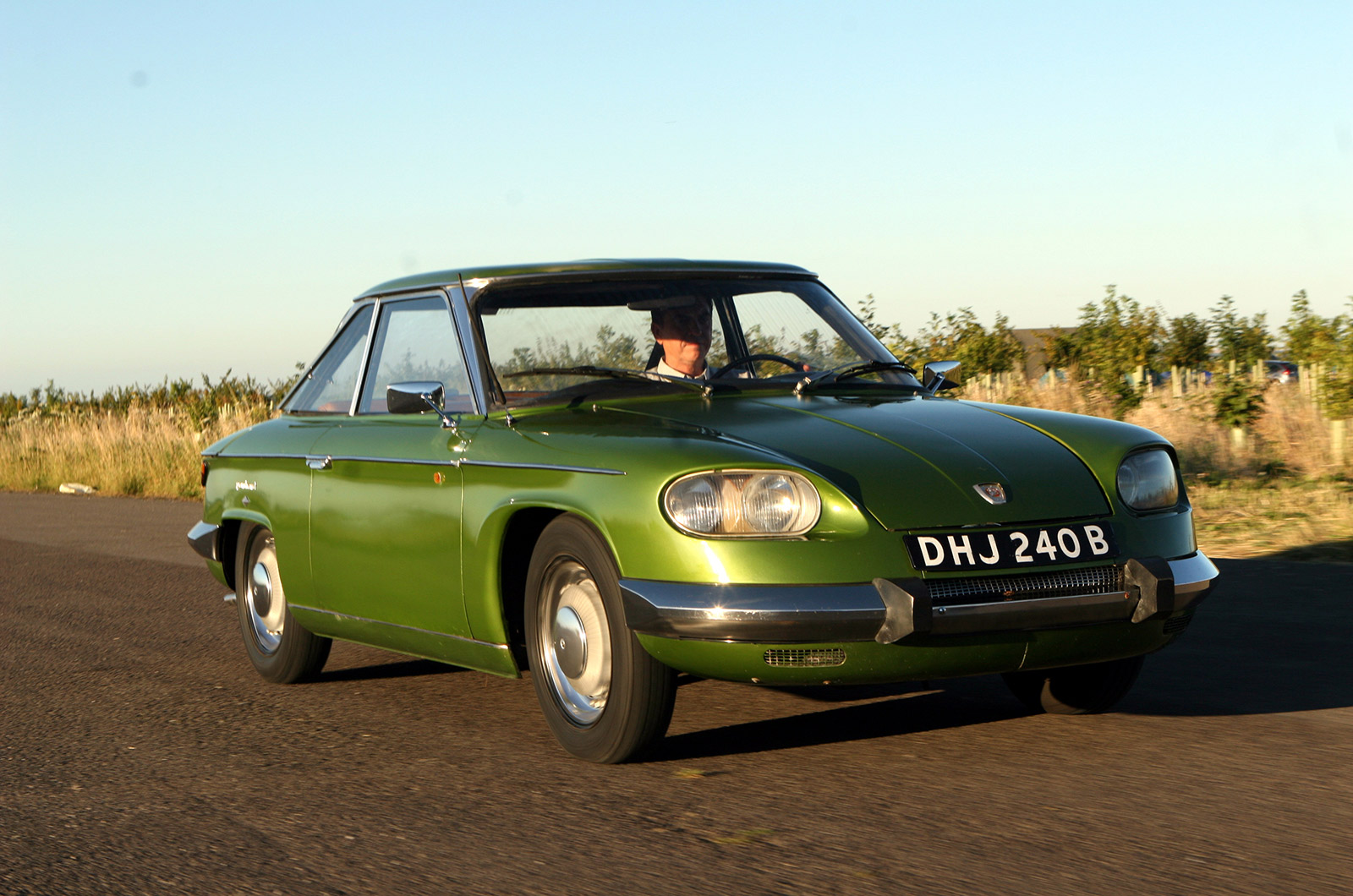
Ordinary motorists knew Panhard for big, six-seater saloons; racers knew Panhard for ultra-light sports cars. The 24-series cars were an attempt at blending the company’s two identities. Offered with a short or a long wheelbase, the 24 brought Panhard’s unique breed of sportiness to motorists unwilling to commute in a stripped-down race car.
The 24 BT was longer than the 24 CT to offer more space for occupants riding in the back. Both variants received an air-cooled flat-twin engine which, thanks to an impressively aerodynamic design, propelled the 24 to highway speeds in a relative hurry.
So what happened to Panhard?
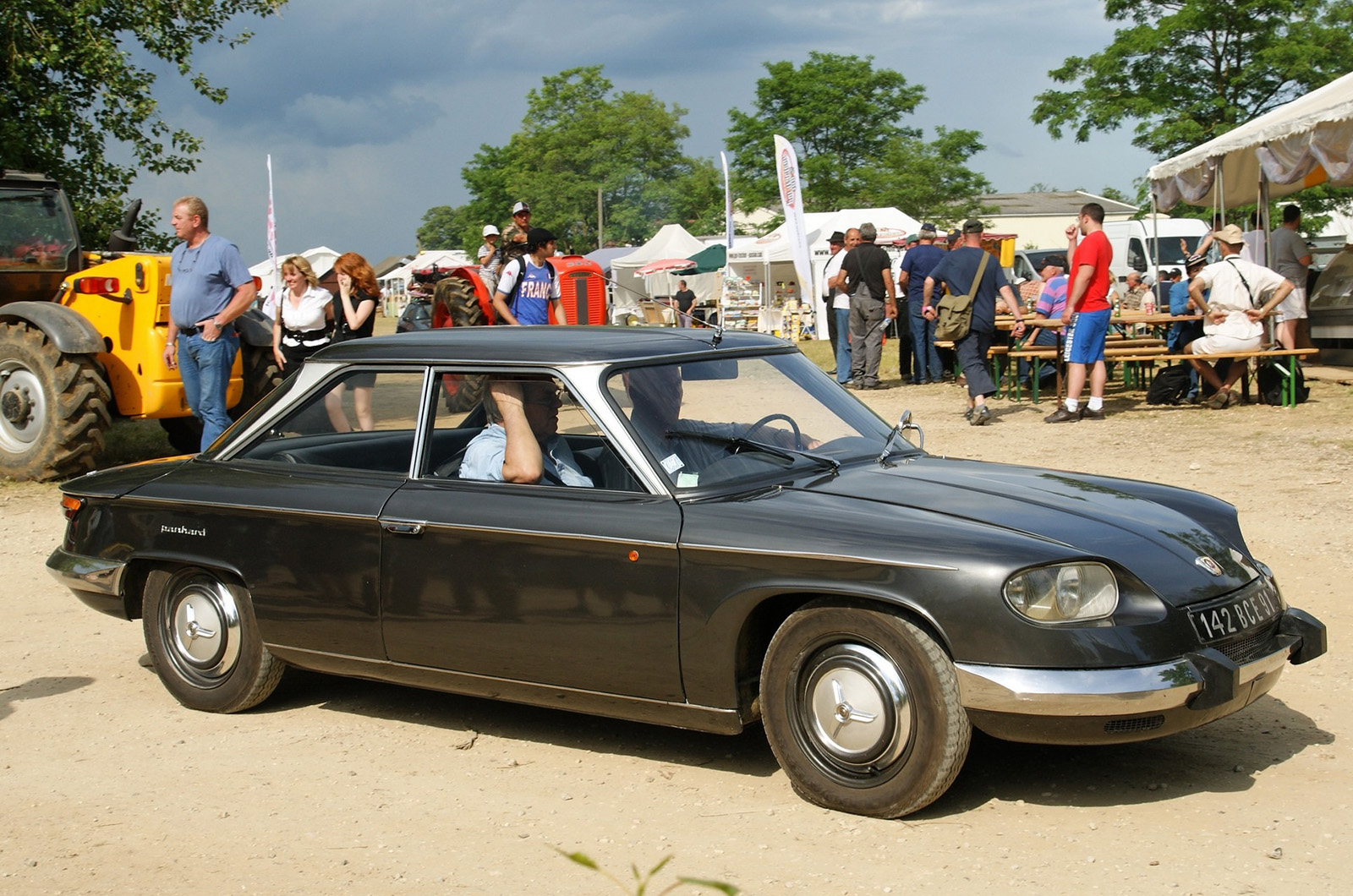
The car side of Panhard was sold to Citroën in 1967, and the brand as a carmaker died. The name lives on as a maker of military vehicles, ultimately owned by Volvo Group, the Swedish truckmaker.
Pontiac: Firebird (1967)
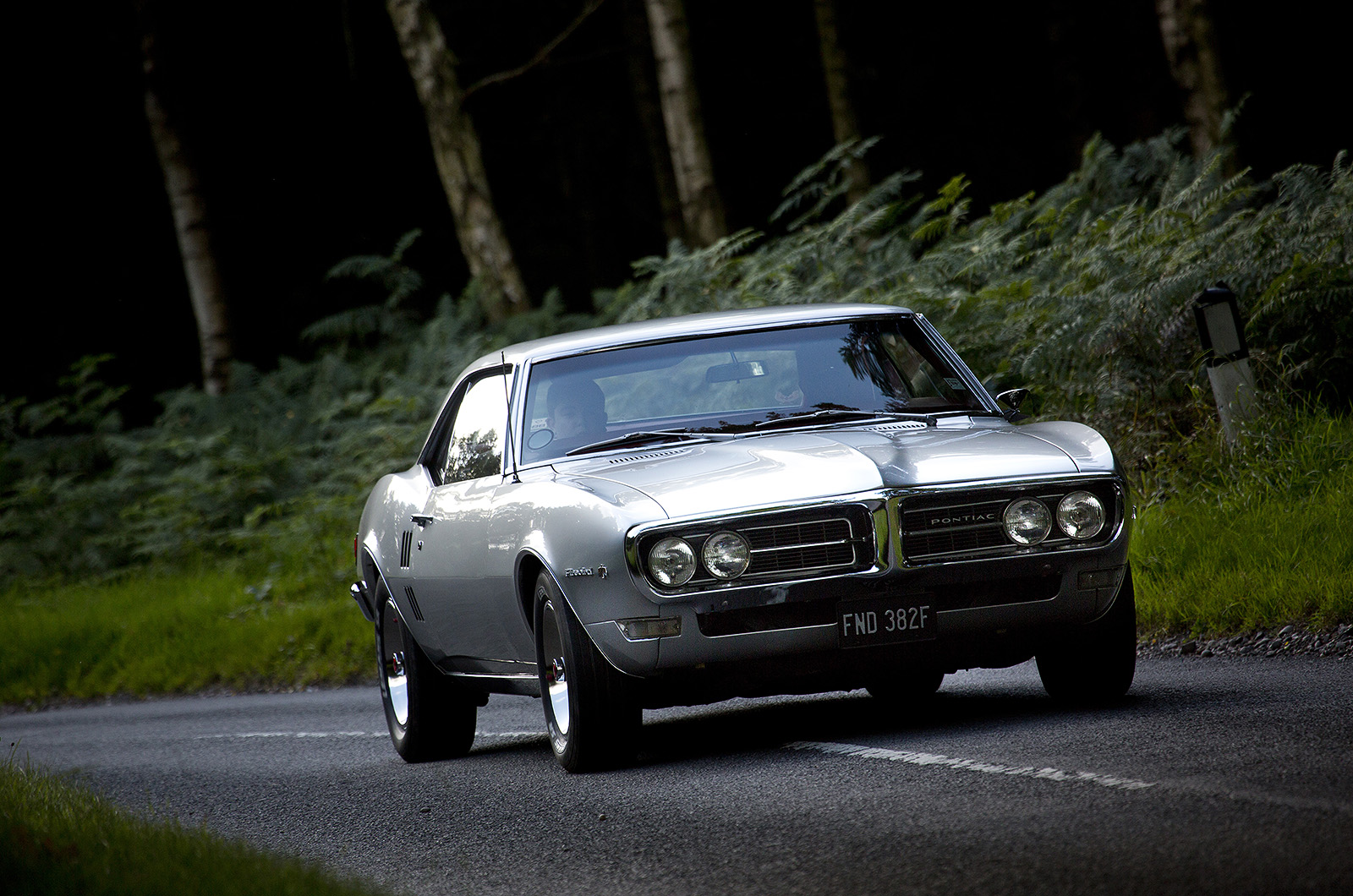
General Motors didn’t allow Pontiac to build a two-seater sports car out of fear it would compete directly against Chevrolet’s Corvette. Instead, Pontiac received permission to launch a sports car based on the same platform as the then-new Camaro.
Affectionately called “Screaming Chicken,” the Firebird carried on alongside the Camaro for four generations until it died in 2002.
So what happened to Pontiac?
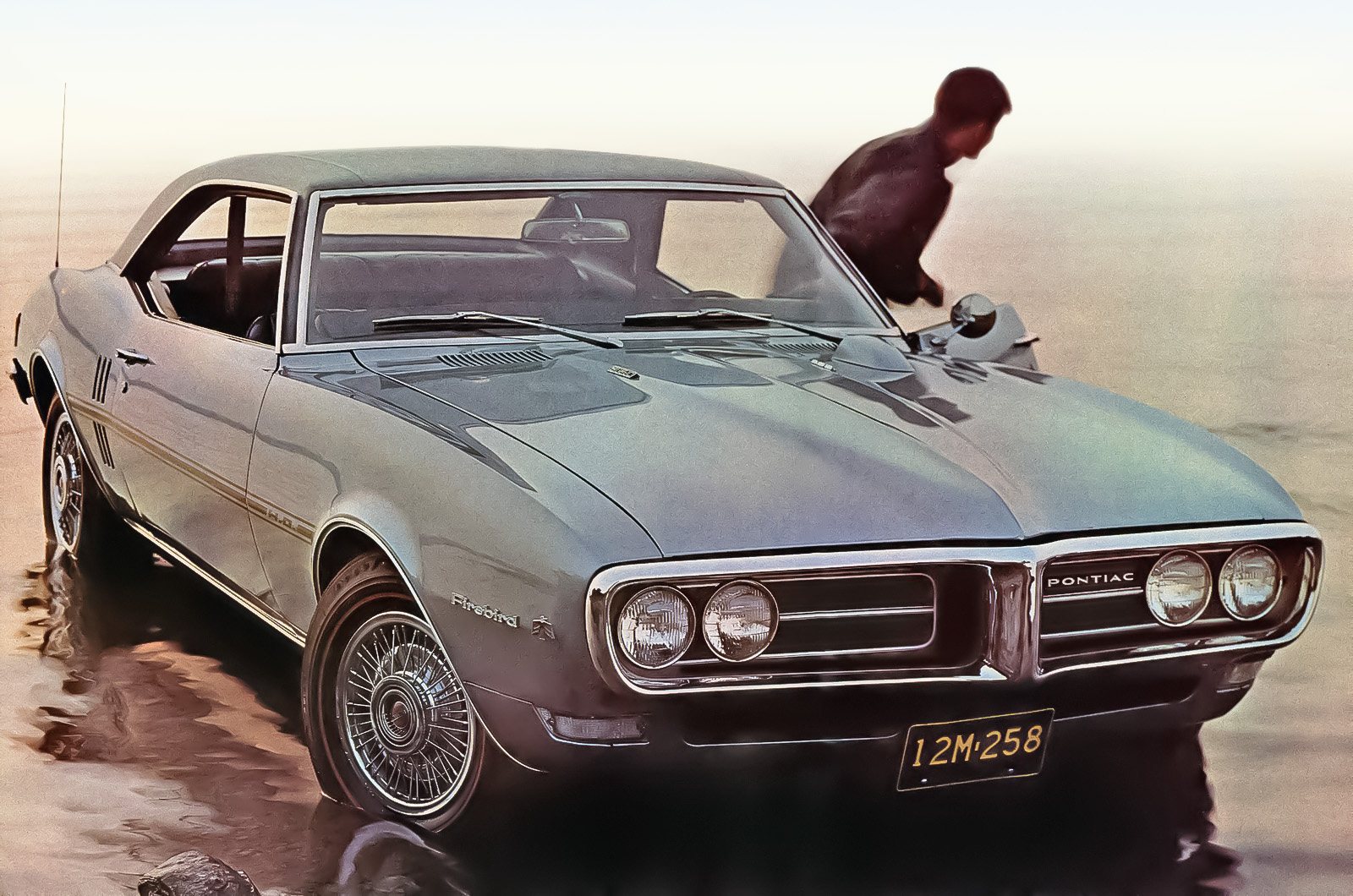
Increasingly lost in General Motors, the Pontiac brand was discontinued in 2010 as GM rationalised its brands after its near-death experience in the 2008-09 global financial crisis.
Plymouth: Road Runner (1968)
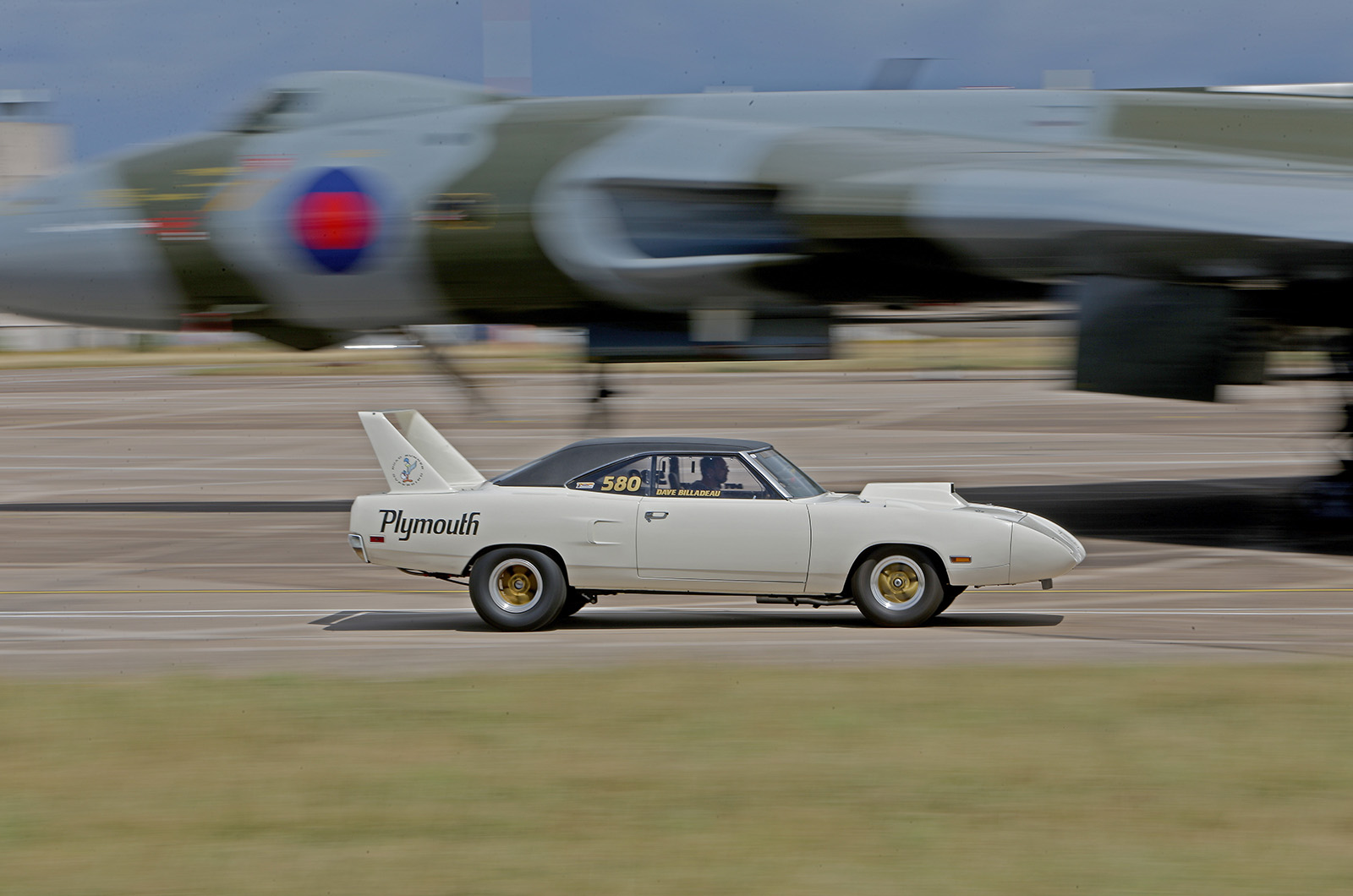
Muscle cars progressively grew out of mainstream buyers’ reach as they became more powerful and more expensive. The Road Runner was a return to the basic, enthusiast-approved formula of placing an immensely powerful engine in the unsuspecting body of a run-of-the-mill car. The Road Runner exceeded Plymouth’s wildest expectations during its first year on the market. Clearly, the time was right for a more affordable muscle car.
So what happened to Plymouth?
Chrysler’s Plymouth brand died in 2001, and its cars were either discontinued or rebranded as Chryslers.
Rover: SD1 (1976)
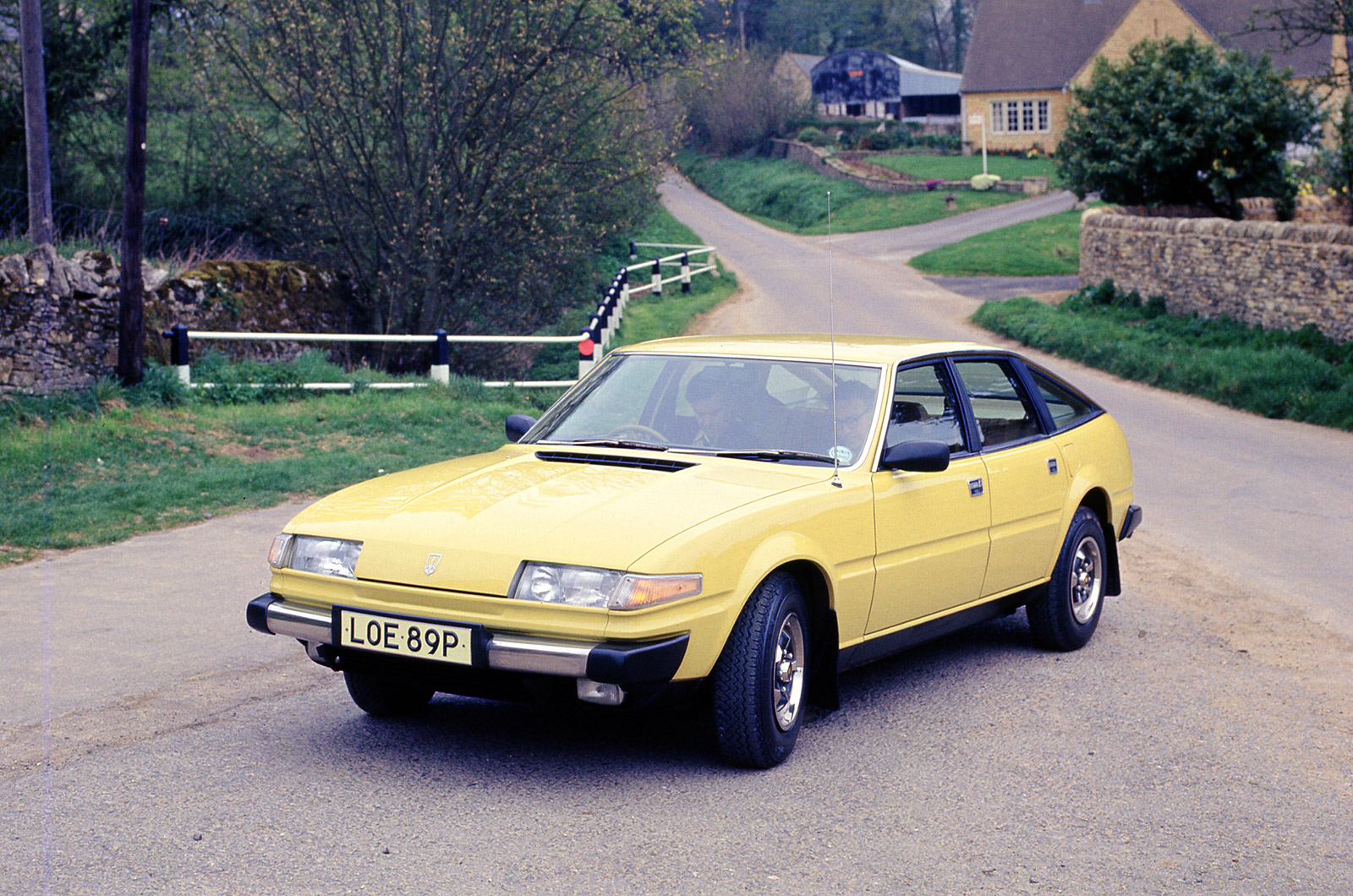
The SD1 was Rover’s last attempt at building a true flagship model on its own, before it teamed up with Honda to share technology and costs. An avant-garde design and optional V8 power positioned it firmly at the top of the Rover range, placing it in the same ring as executive saloons from BMW and Mercedes-Benz. When it worked it was great – but poor build quality and reliability ensured the SD1 often didn’t.
So what happened to Rover?
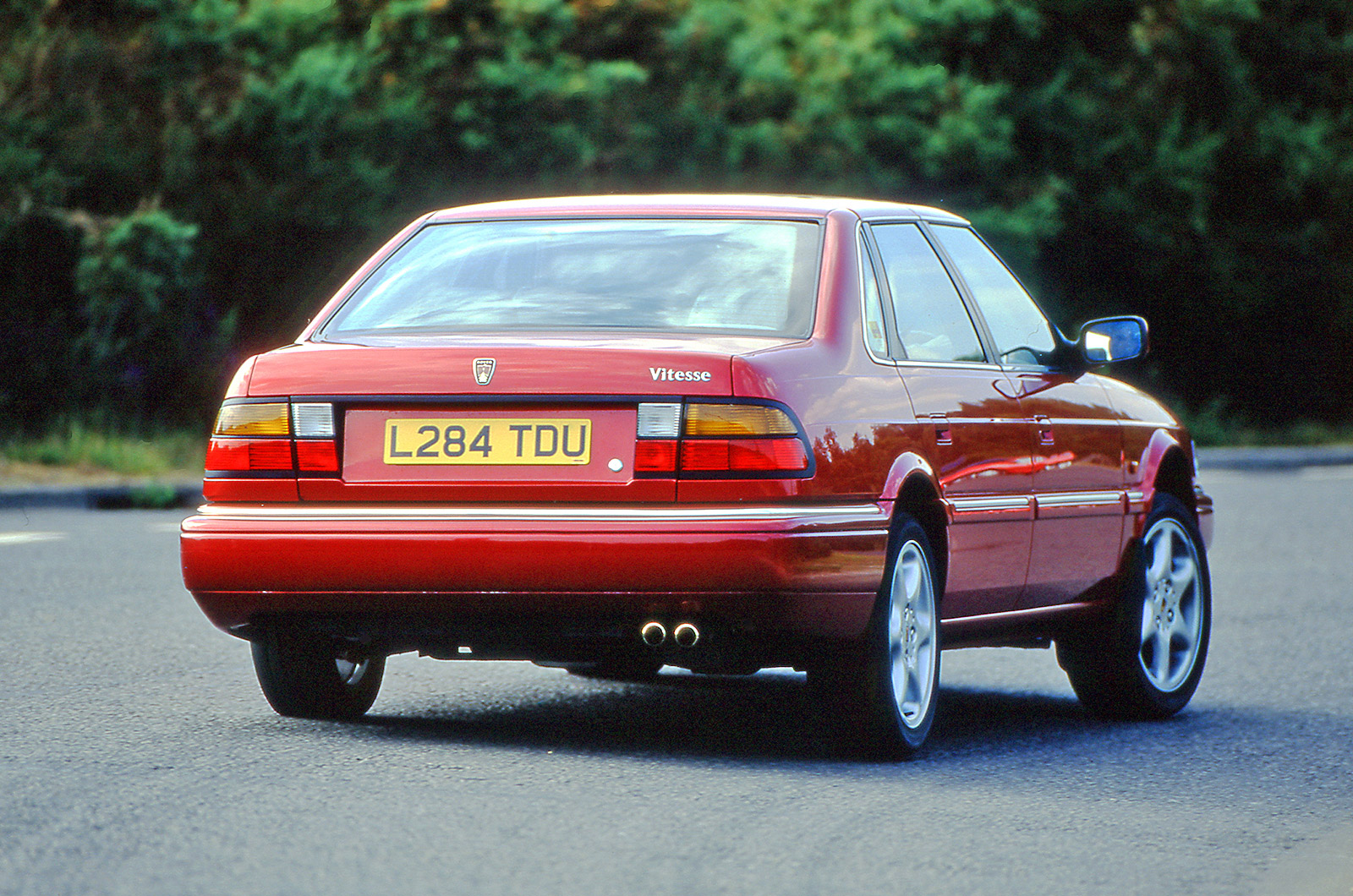
Rover became part of the Austin Rover group, and it developed the 800 (pictured) as a follow up to the SD1, a sister car to the Honda Legend. Rover was sold to BMW in 1994. Having sold off Land Rover to Ford in 2000, it sold what was now MG Rover to a management consortium for £10. However, MG Rover went out of business in 2005. The Rover name was sold by BMW to Ford for around £10 million (around $16 million) in 2006, which sold the marque along with Land Rover and Jaguar to India’s Tata Motors in 2008.
Saab: 99 (1968)
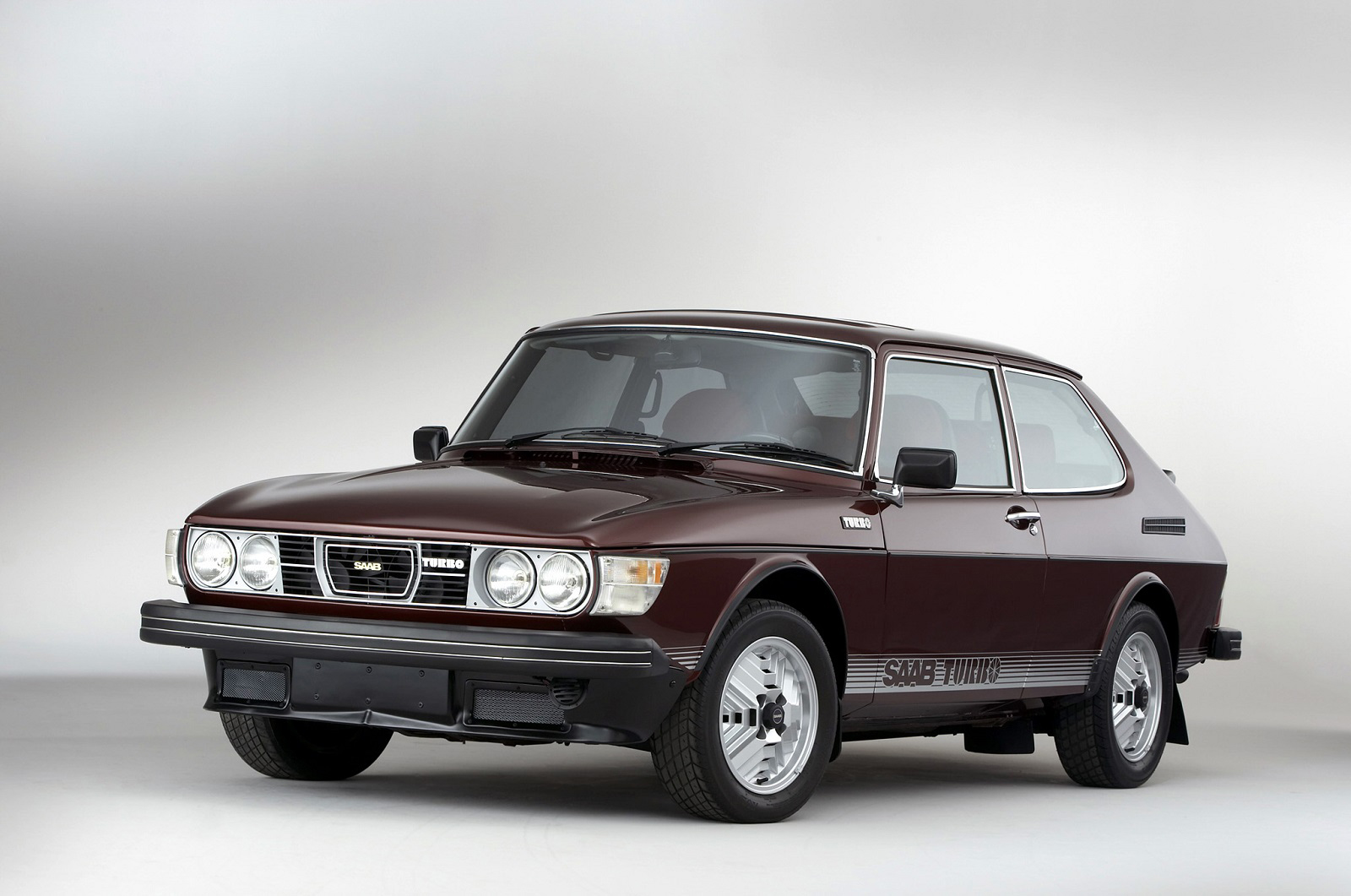
The 99 marked the beginning of a new chapter in Saab’s history. The Swedish brand ditched the 92-inspired design of earlier cars in favor of a more contemporary look characterized by a wrap-around windscreen, while a Triumph-sourced four-cylinder engine relegated the 96’s DKW-derived two-stroke engine to the history book once and for all.
The 1978 Turbo remains the best-known evolution of the 99. It paved the way for every high-performance Saab from then on.
So what happened to Saab?
Saab was fully acquired by General Motors in 2000. Saab was sold to Spyker in 2010, but ceased making cars in 2011. A Chinese firm called NEVS then bought Saab’s automotive assets, but it seems that the brand won’t be used on any vehicles; this is a complex area since the Saab name is still used by a military aircraft maker; Saab cars and aircraft were under the same ownership until 1990.
Saturn: SL (1990)
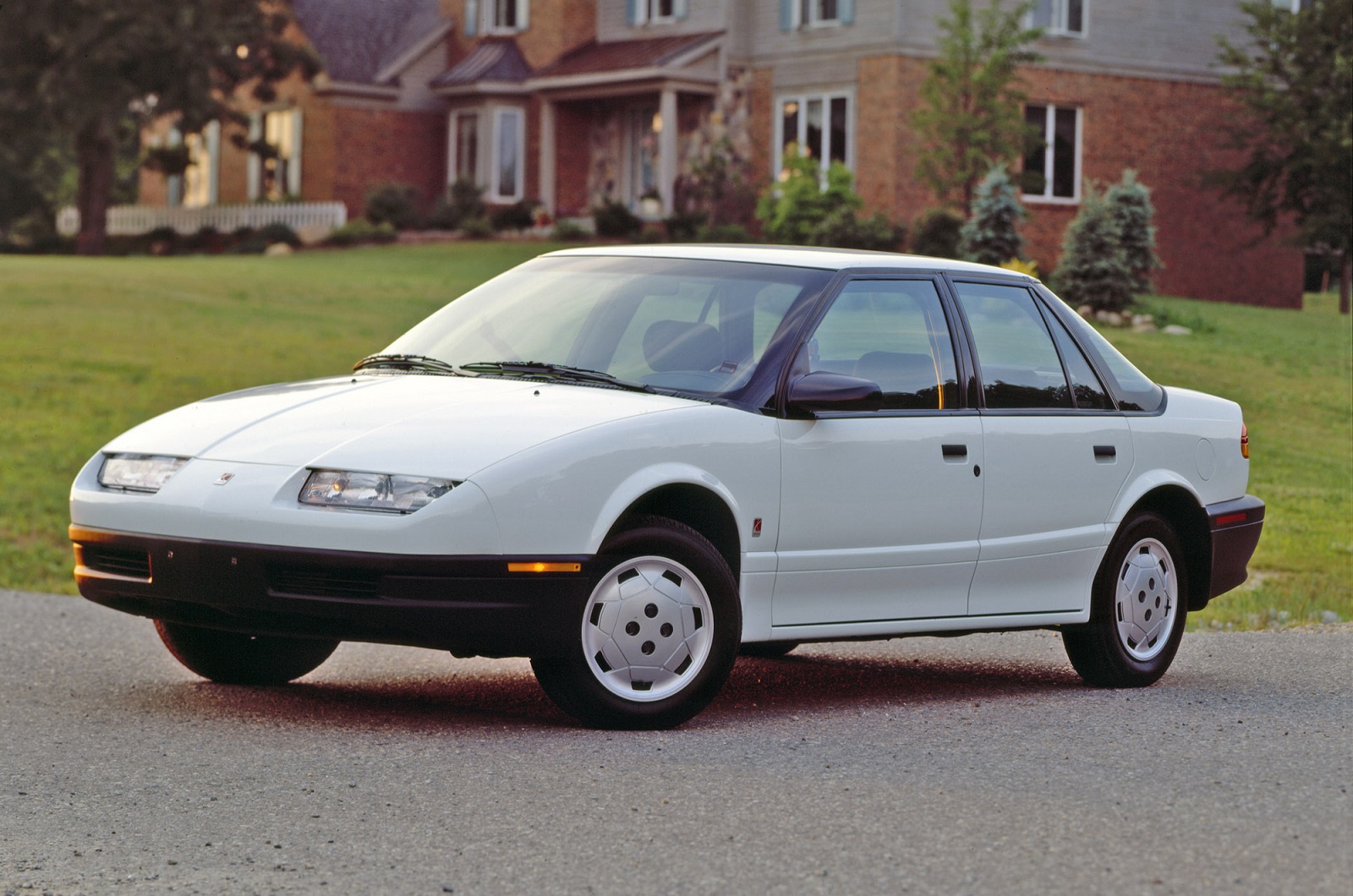
Saturn illustrated how it planned to operate as a different kind of car company when it launched the SL in 1990 as a 1991 model. The model looked like nothing else in the General Motors portfolio thanks in part to a grille-less front end, it was built on a brand-specific platform, and it was manufactured in a new assembly plant located in Spring Hill, Tennessee.
Even odder were the SL’s plastic body panels, which were chosen because they were lighter, more durable, and cheaper than steel parts. Saturn’s unique approach to taking on Japanese carmakers initially paid off. It built its 500,000th car in September 1993 and it sold 229,356 cars that year.
So what happened to Saturn?
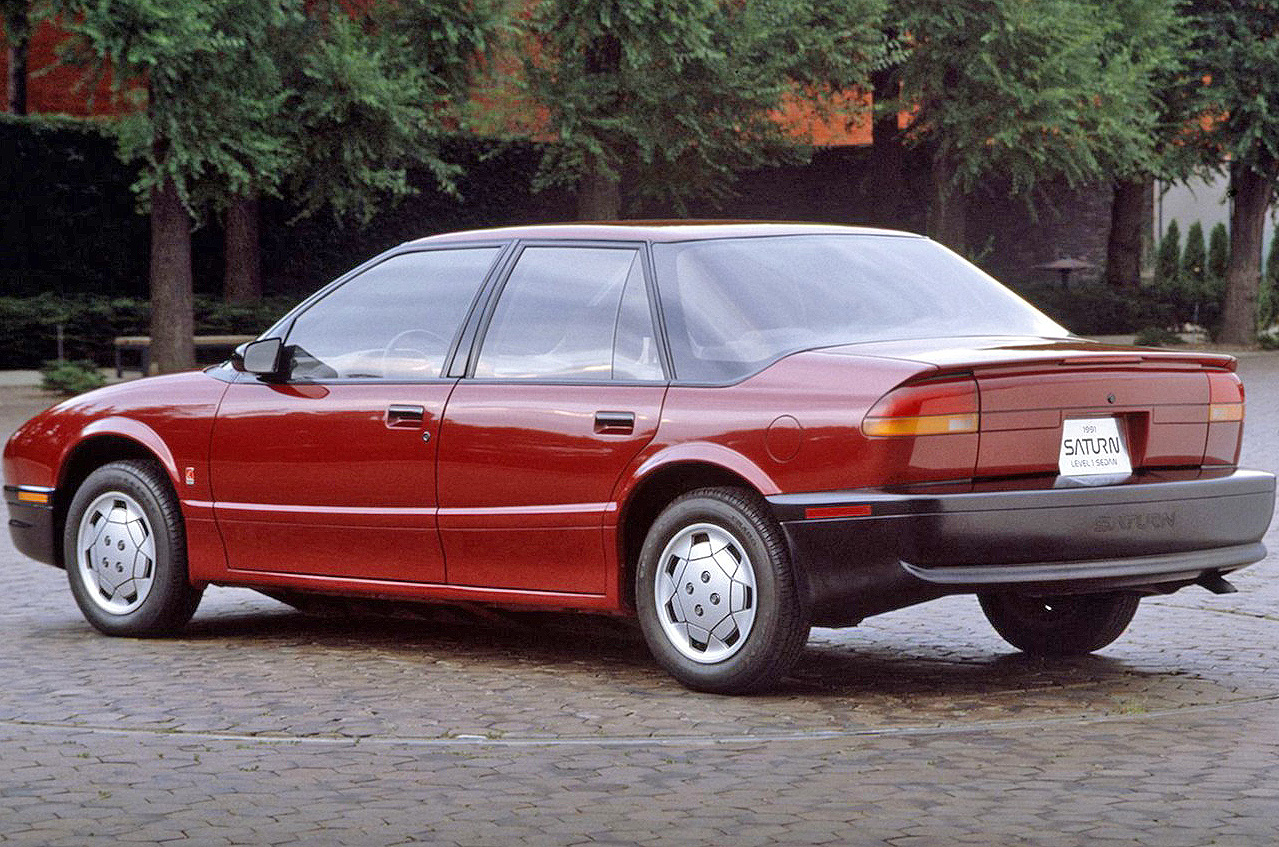
The problem arguably started from literally day two. GM CEO Roger Smith championed Saturn, but retired the day after it was officially launched. Later bosses showed much less interest commitment to it, and the cars gradually lost their identity as they became sister cars to those from other GM brands. It was closed in early 2010 along with several other GM brands.
Simca: 1000 Rallye (1970)
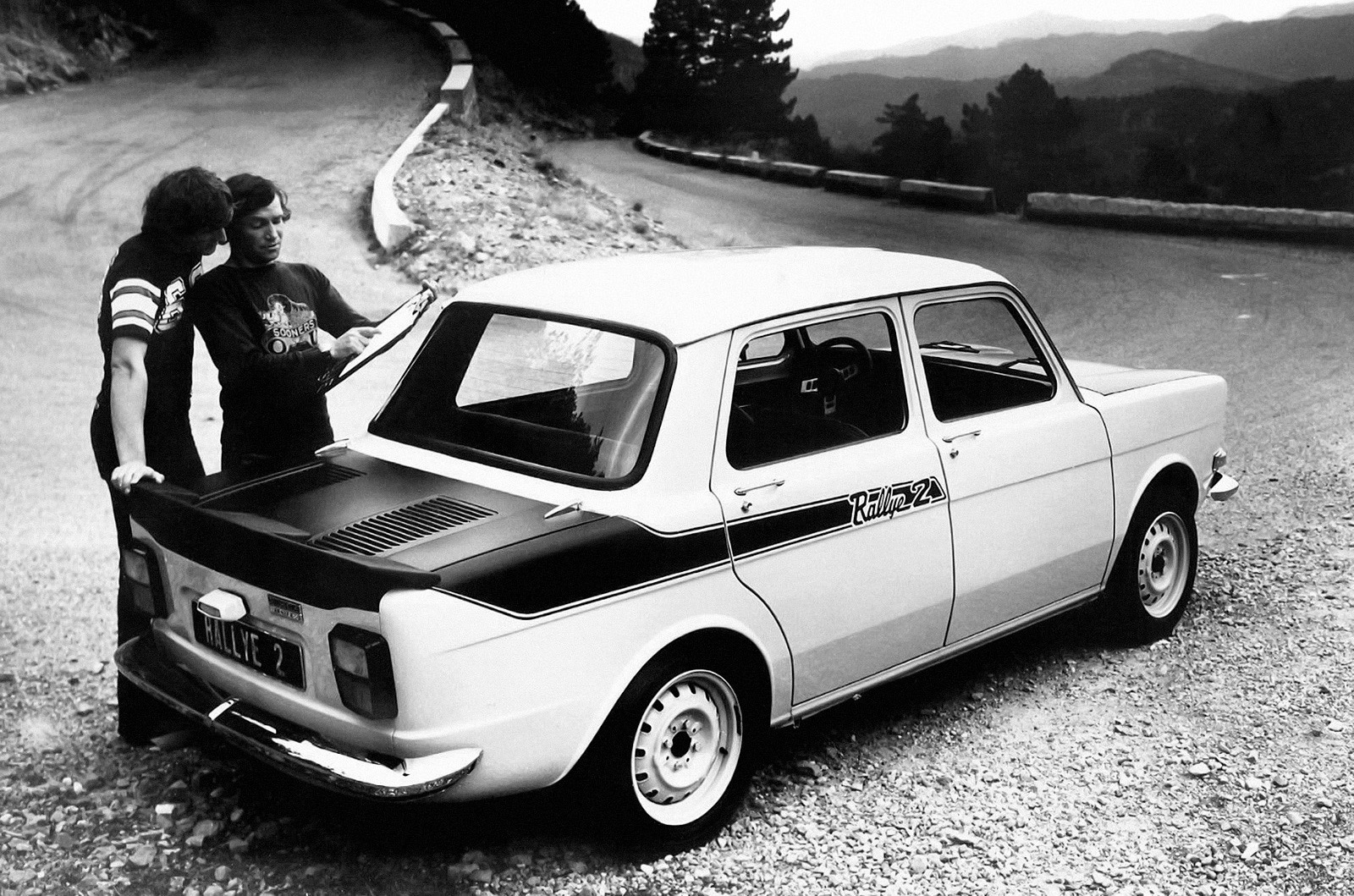
Abarth applied its magic to the Simca 1000, but it’s the three Rallye versions that replaced Renaults and NSUs in the heart of enthusiasts seeking rear-biased driving thrills. The 1000 was the ideal base for a high-performance saloon aimed at buyers on a budget. The first two editions of the Rallye were hot-rodded production cars, but the 102bhp Rallye 3 was a full-blown street-legal race car released for homologation purposes. All three models are still widely used in hill climb events today.
So what happened to Simca
Simca was bought by Chrysler in 1970, and then PSA Peugeot-Citroën in 1979, and the badge died thereafter in favour of Talbot.
Studebaker: Avanti (1962)
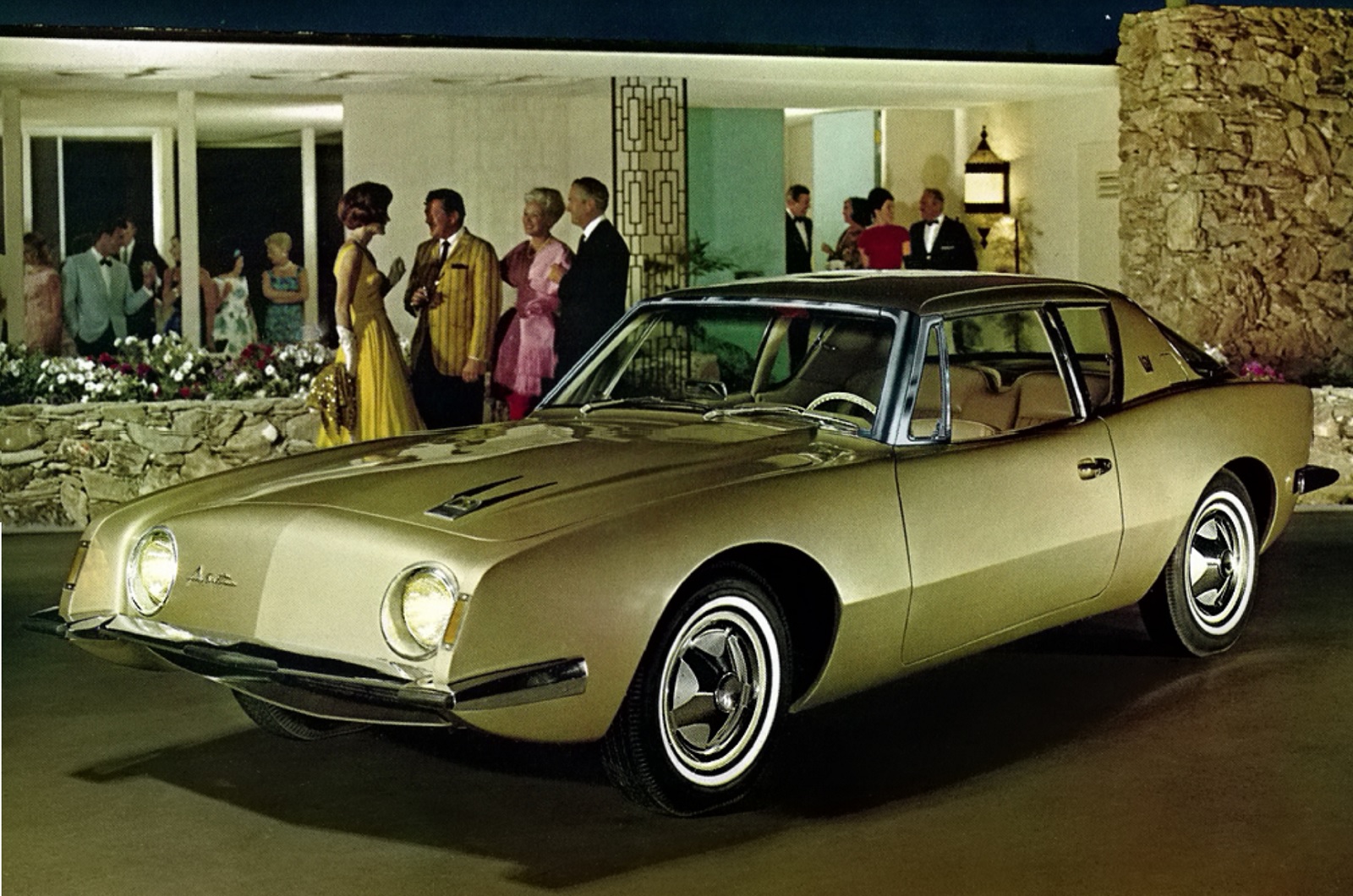
Developed in response to the Chevrolet Corvette, the Avantis was designed by Raymond Loewy and had a body made out of fiberglass and dropped on a modified Studebaker Lark chassis. Studebaker built about 5800 examples of the Avanti before it shut down for good, but five different entrepreneurs took turns building the car until 2006.
So what happened to Studebaker?
Studebaker found it increasingly hard to compete with the Detroit giants, and production at its main South Bend factory ceased in 1963, though operations continued at the company’s Canadian plant until 1966. The name is today owned by Federal-Mogul, a car parts firm.
Sunbeam: Tiger (1964)
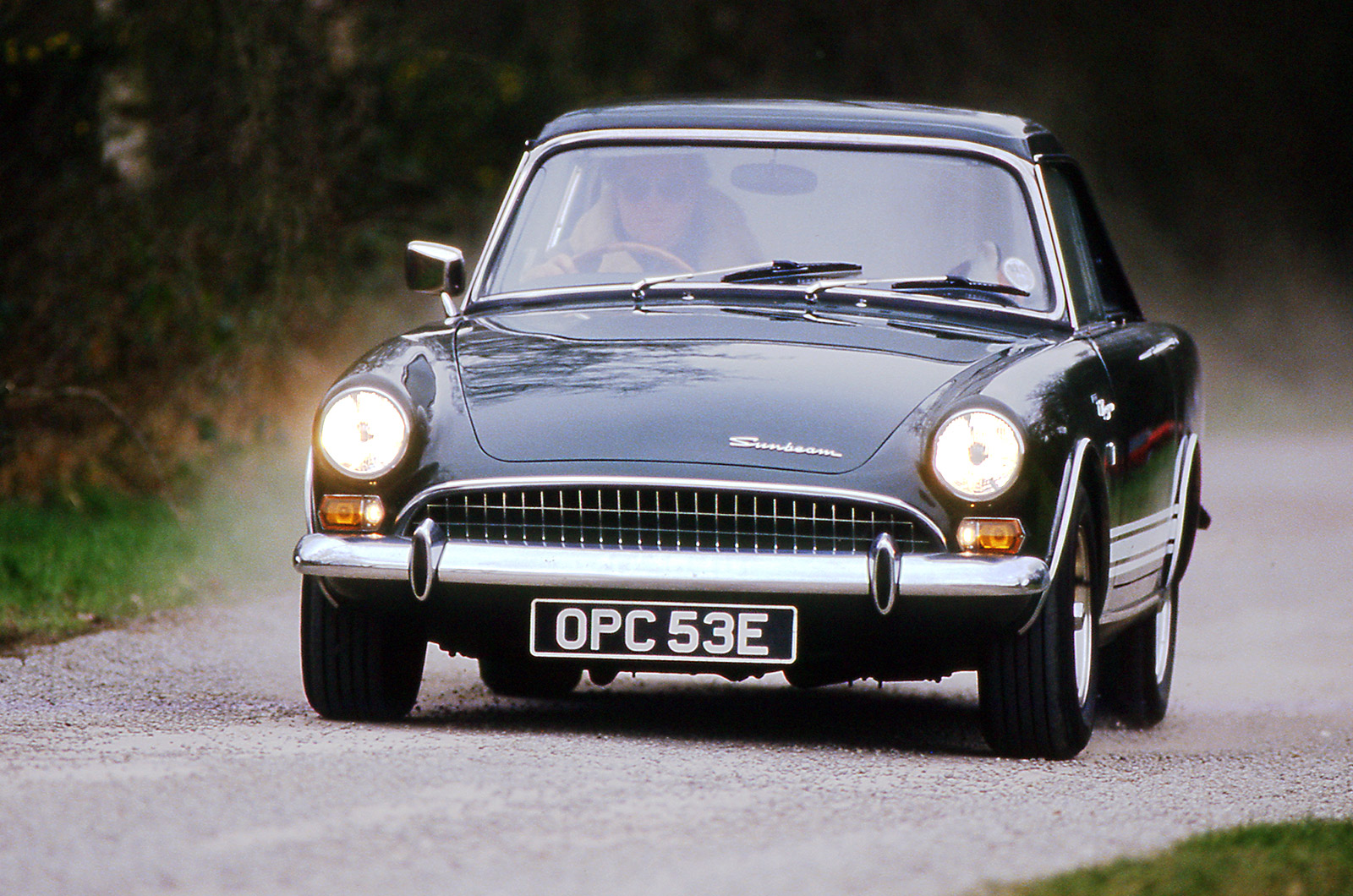
Originally formed in 1901, Sunbeam disappeared after 1935, but was revived in some style in 1953 with the pretty and successful Alpine – which was perfectly timed for the 1950s American open-top sports car wave.
Wanting more power, Sunbeam enlisted Carroll Shelby to help fit a 164bhp 4.3-litre Ford V8 into the car. Twice as powerful as the Alpine but only marginally heavier, the car was a scintillating hit, shifting over 7000 examples in just three years.
So what happened to Sunbeam?
Already part of the Rootes Group, Rootes was absorbed by Chrysler and then Peugeot. The Sunbeam name disappeared in 1981.
Tatra: 613 (1974)
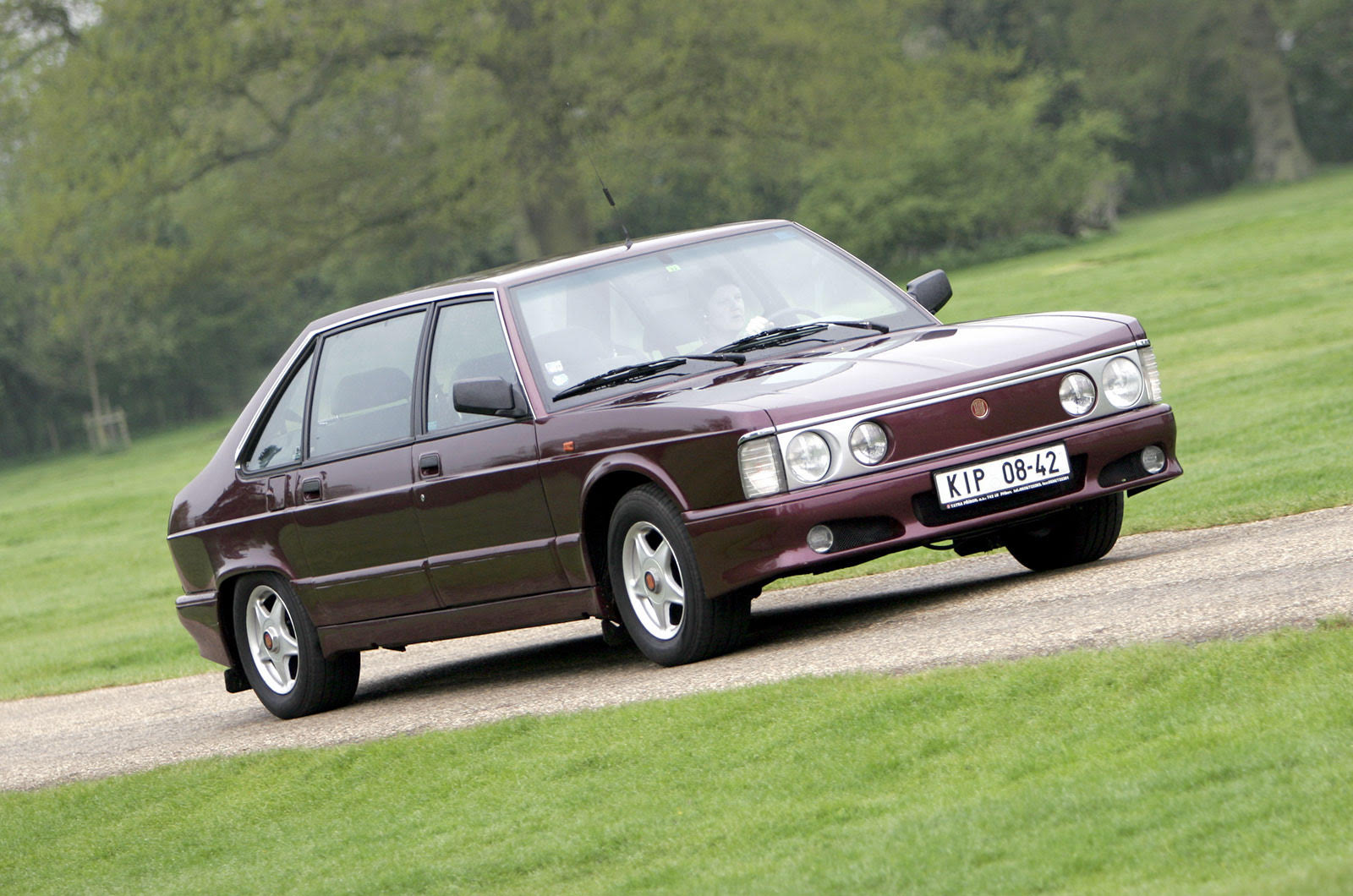
Like Porsche’s 911, the Tatra 613 retained its rear-engined configuration well after the layout went out of fashion. It shared this configuration with its predecessor, the 603, but its styling came to life on a blank sheet of paper. In an unlikely tie-up, Czechoslovakia-based Tatra enlisted the help of Italy’s Vignale to forge a new design identity more in-tune with the times.
It’s remembered as one of the most prestigious cars to come out of the Soviet-era Eastern Europe. You didn’t want to see it parked up in front of your house at two in the morning as it was a favourite of the KGB and its Warsaw Pact counterpart organisations.
So what happened to Tatra
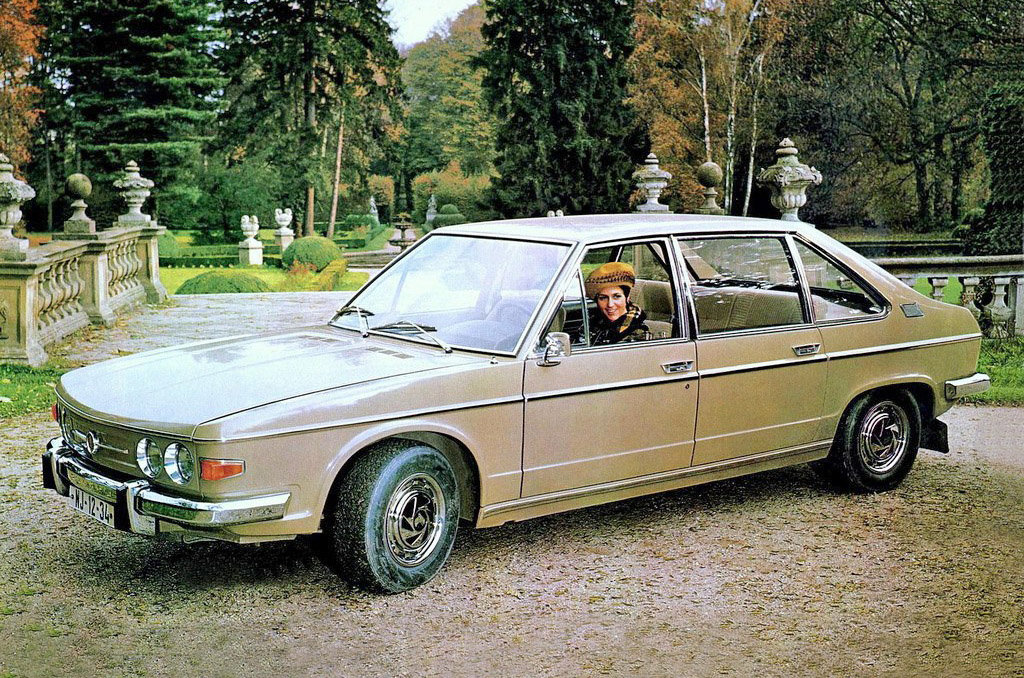
It stopped making cars in 1999, but carries on as small-scale truck maker, and as such is the second-oldest vehicle producer in Europe after Peugeot, the Tatra company having been formed all the way back in 1850, when it produced horse-drawn carriages.
Talbot: Samba Cabriolet (1982)
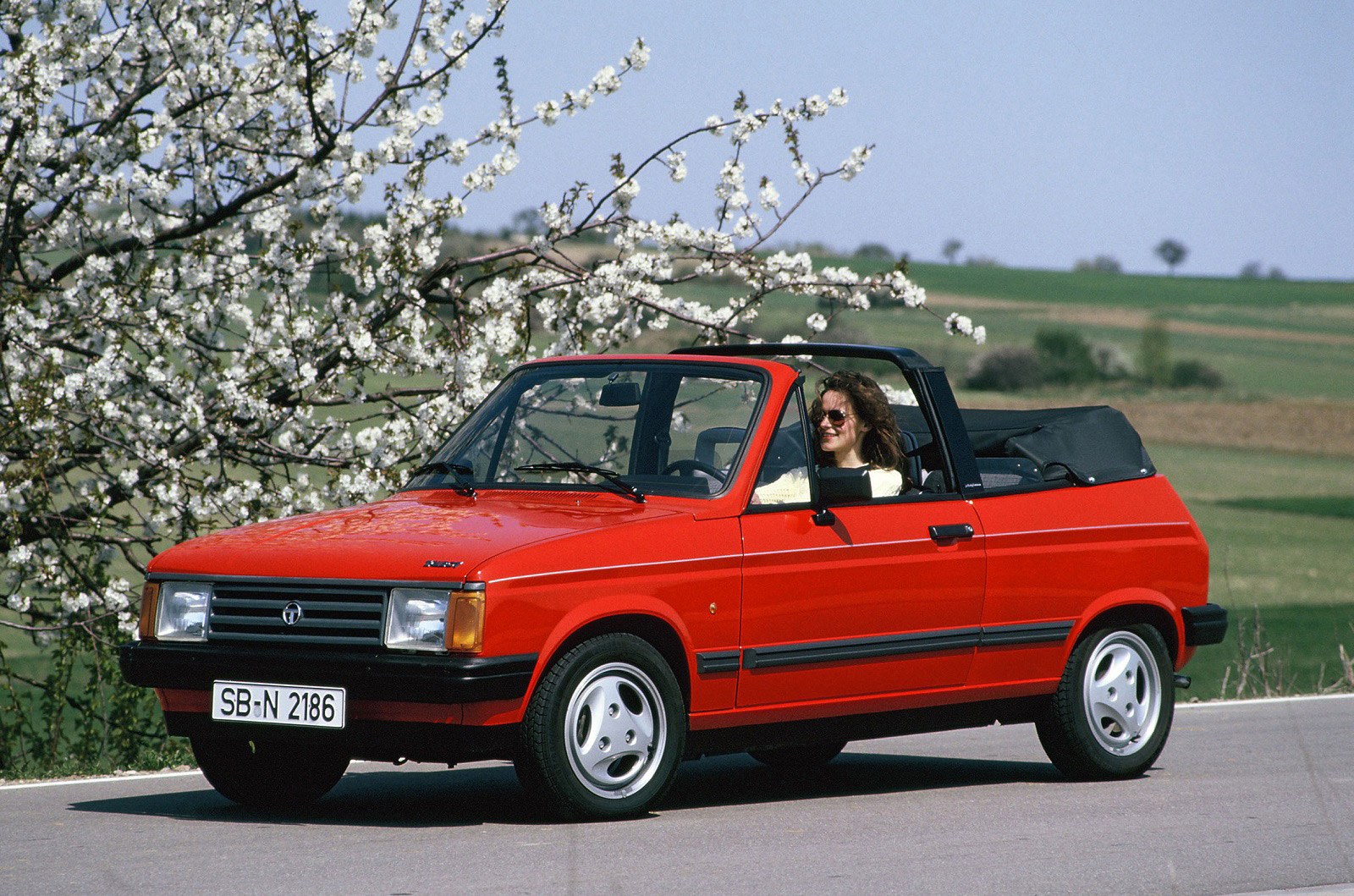
Based on one of the cheapest cars in Europe, the Talbot Samba Cabriolet gave young, cash-strapped motorists a way to go topless without breaking the bank. It also attempted to provide the Talbot brand its own image by separating the Samba from the Peugeot 104 and the Citroën LNA it shared a platform with.
So what happened to Talbot?
When PSA bought Chrysler Europe in 1979, it used the Talbot badge on former Chrysler and Simca models. The Talbot name continued on cars until 1987, and on vans until 1994.
Triumph: Stag (1970)
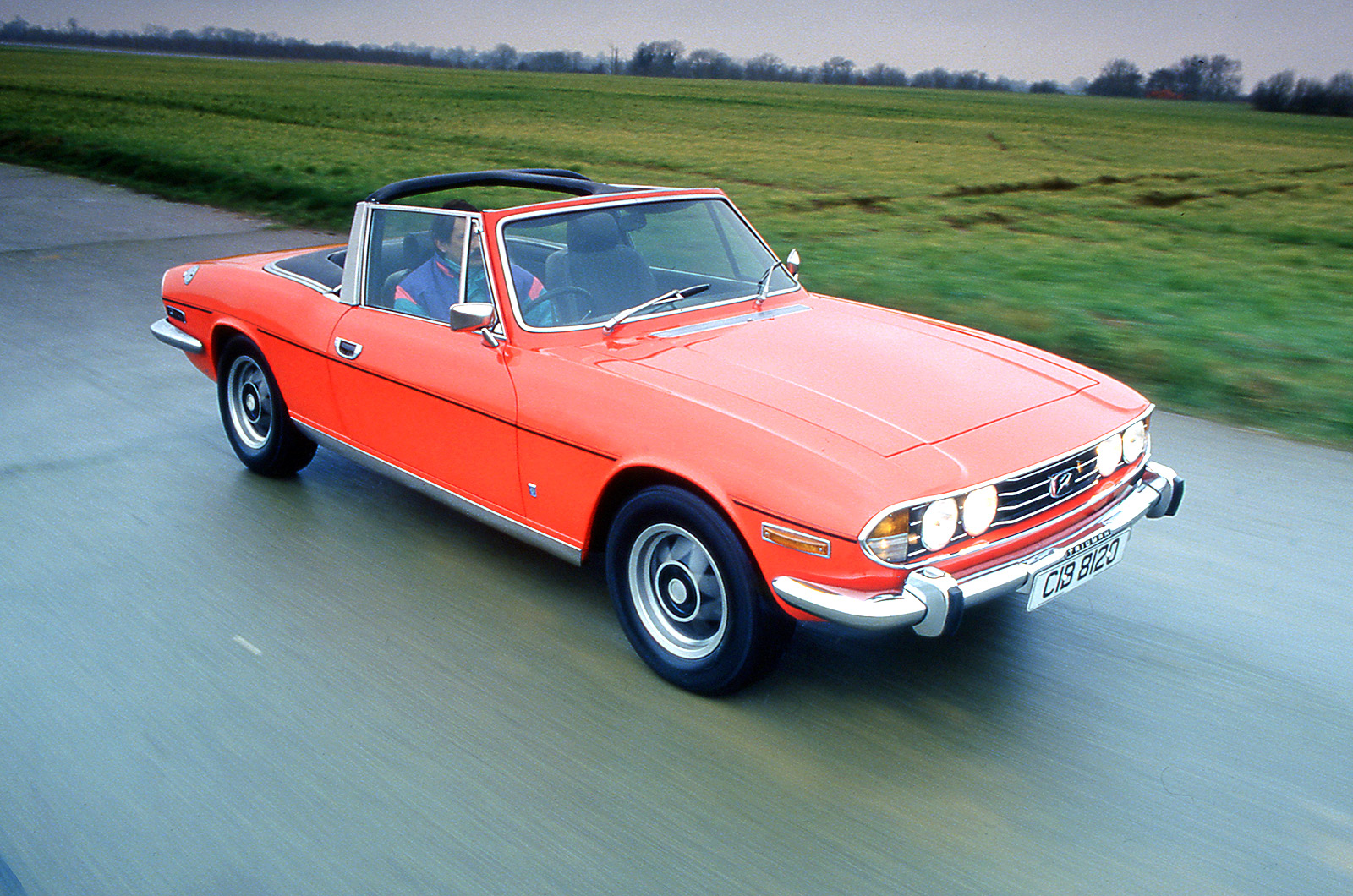
While some would choose Triumph’s successful and pretty line of TR sports roadsters from the ‘50s and ‘60s, we reckon the Stag deserves more credit as the British V8-powered would-be answer to the Mercedes SL. Moodily handsome though blighted by reliability issues, it was a nice drive when it worked.
So what happened to Triumph?
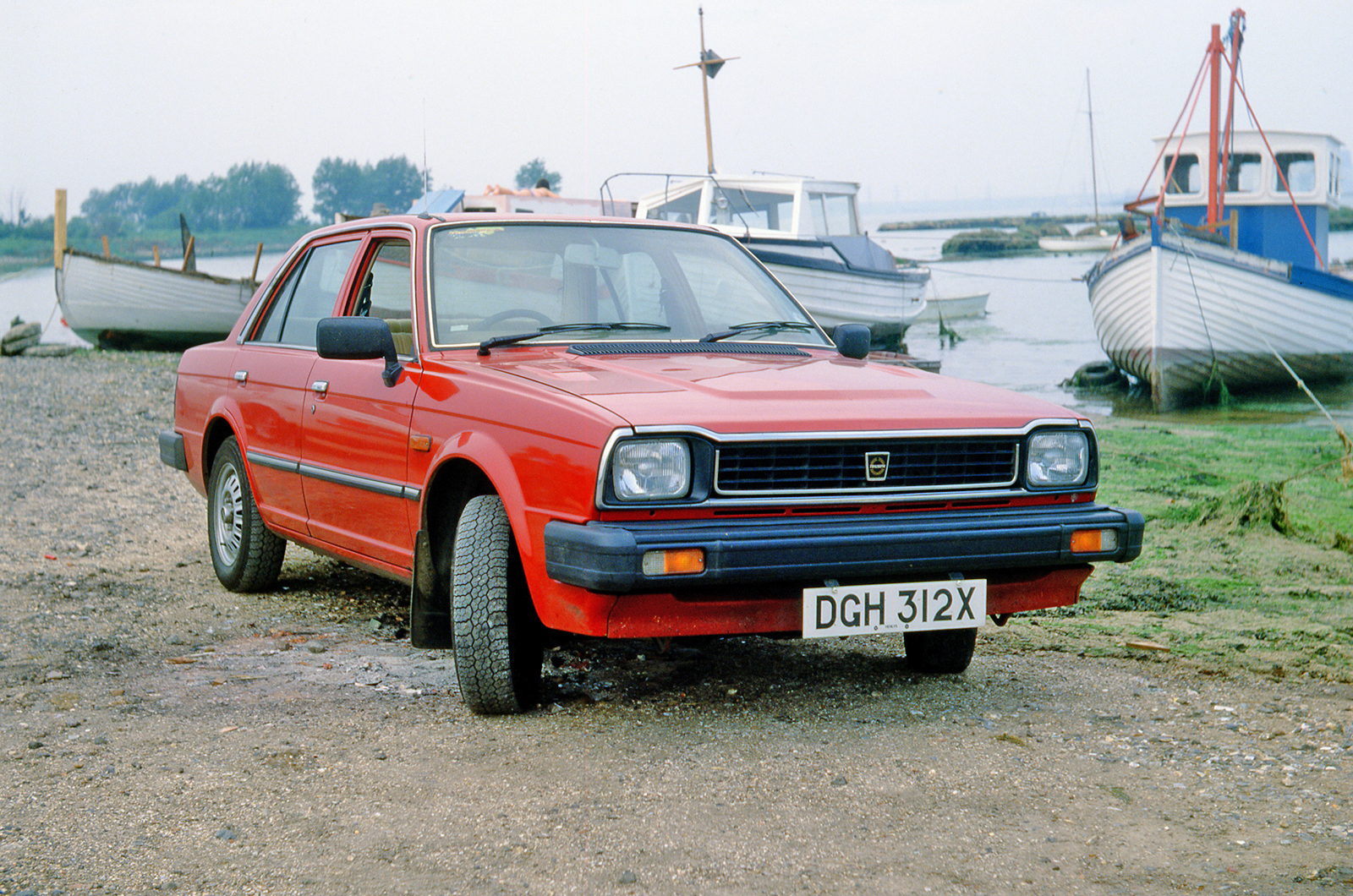
Triumph was run down by owners British Leyland, and the oddball TR7 was the last car developed in-house. That was followed by the 1981 Honda Ballade-based Triumph Acclaim (pictured), and the name ended in 1984. However, someone in Munich has a long memory: intriguingly, the Triumph Cars name today belongs to BMW, a relic of the firm’s Rover ownership but retained when it sold that firm. Triumph and BMW went head-to-head in the small sports saloon market in the 1970s in Europe.
Vespa: 400 (1957)
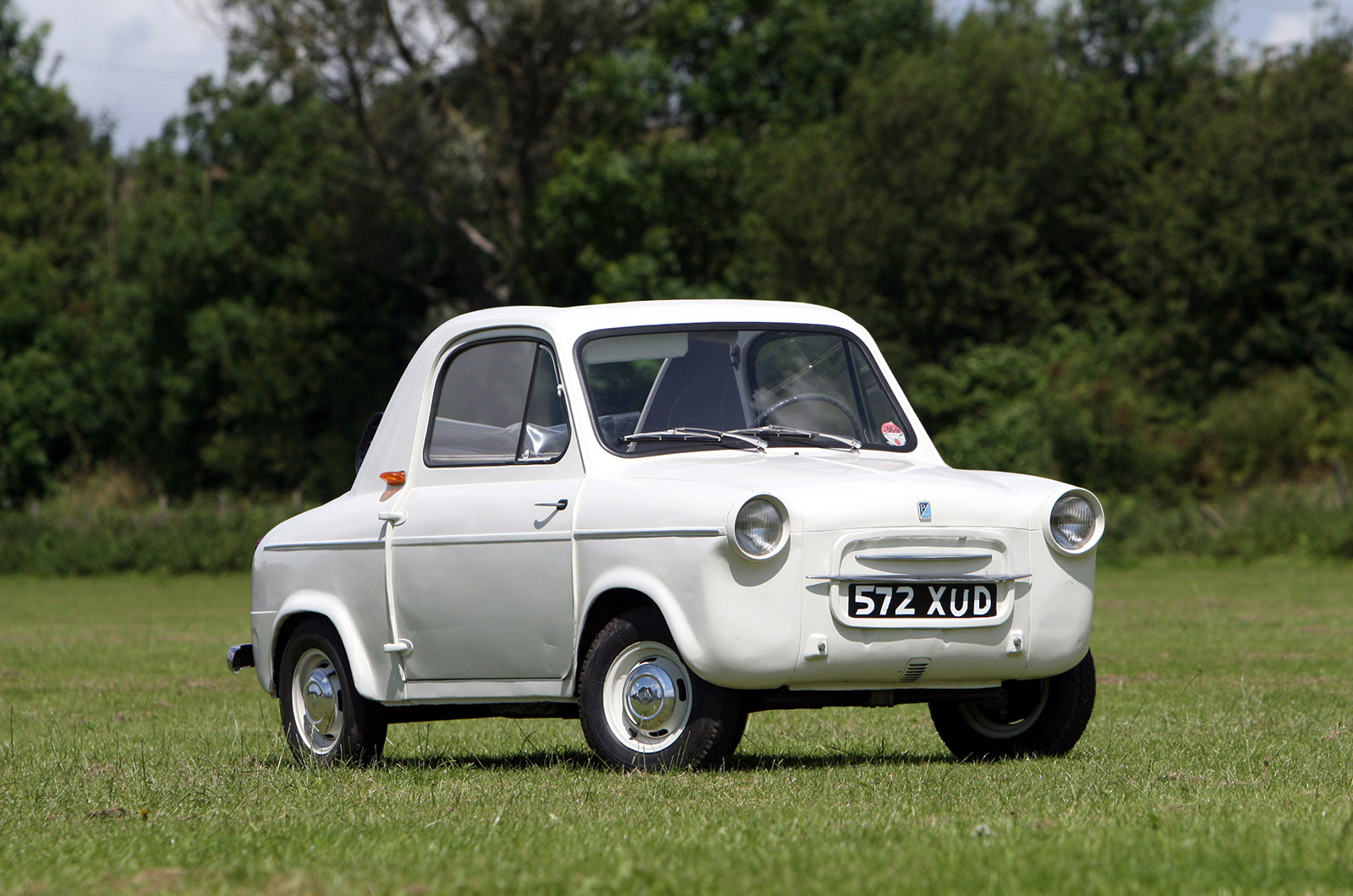
Known internationally for scooters, the Italian brand dipped its toes in the automotive pond when it introduced one of the smallest cars on the European market at a high-profile event in Monaco. The 400 competed in the same handkerchief-sized arena as the Goggomobil and the Fiat 500, which hit the market just a few months before its Vespa-badged rival. The 400 – an allusion to its 393cc engine – was manufactured in France. One and done, Vespa never built another car.
So what happened to Vespa
Nothing, in a word. Vespa continues to make motor scooters; its parent company Piaggio sold 436,000 two-wheeled machines in 2023 using a variety of brands which also include Aprilia and Moto Guzzi.