Peugeot e-208 GTi Redefines Electric Hot Hatch Performance with Heritage-Inspired Design and Segment-Leading Power
 Electric hot hatch – which reprises famous GTi badge – goes from concept to production with very few changes
Peugeot has revealed the new e-208 GTi in production form, ahead of its public debut at the Le Mans 24 Hours later this week.
The electric hot hatch was unwrapped in concept form at La Sarthe last year, but this is the finished product - ready for showrooms in the coming months with a design that Peugeot says "is incredibly close" to the original show car.
The first new Peugeot GTi model since the hot 308 retired in 2021 is also its most powerful yet, with its single front-mounted electric motor producing 278bhp and 254lb ft of torque for a 0-62mph time of 5.7sec - slightly quicker than its Alpine A290 rival.
Technically, it's a close relation to the Abarth 600e, Alfa Romeo Junior Elettrica Veloce and upcoming Vauxhall Corsa GSE, which means it also gets a mechanical limited-slip differential to increase its agility in the bends.
Beyond the hefty power increase of 124bhp over the standard e-208, the GTi also gains bespoke hydraulic bump stops, a rear anti-roll bar and a unique steering tune that's said to boost responsiveness.
It also rides 30mm lower and has significantly widened tracks – by 27mm at the rear and 56mm at the front – for improved poise and stance.
As previewed by the concept, the visual makeover extends to a prominent rear spoiler and diffuser, a beefier front lip and striking 18in alloy wheels with a design inspired by the distinctive 'pepperpots' of its hallowed 205 GTi forefather.
Further details will be revealed on Friday 12 June as Peugeot marks the 100th anniversary of its first Le Mans race by taking to the circuit in three GTis - painted red, white and blue to celebrate the brand's French heritage.
UK sales of the new hot hatch will begin towards the end of the year.
The standard e-208 tops out at around £28,000, so we expect the e-208 GTi to reach the mid-£30,000s, which would line it up neatly against the A290.

Honda Passport TrailSport Embraces Off-Road Identity With Suspension Lift and Aggressive Redesign for 2027

International Engine of the Year Awards Reveal Two Decades of Innovation and Shifting Automotive...
 From a frugal 1.0-litre to a mighty 3.9-litre V8, here’s a list of the overall winners of the International Engine of the Year trophy
Start your engines.
In 2021, Autocar picked 50 of our favourite road-going engines, including the Ford small-block V8, Lotus twin-cam and Porsche air-cooled flat-six. In truth, we could have selected twice as many, but we had to draw the line somewhere. Here, we’re looking at the best engines of the past two decades, according to the judges of the annual International Engine of the Year awards. Let’s take a look:
Toyota 1.0-litre (1999)
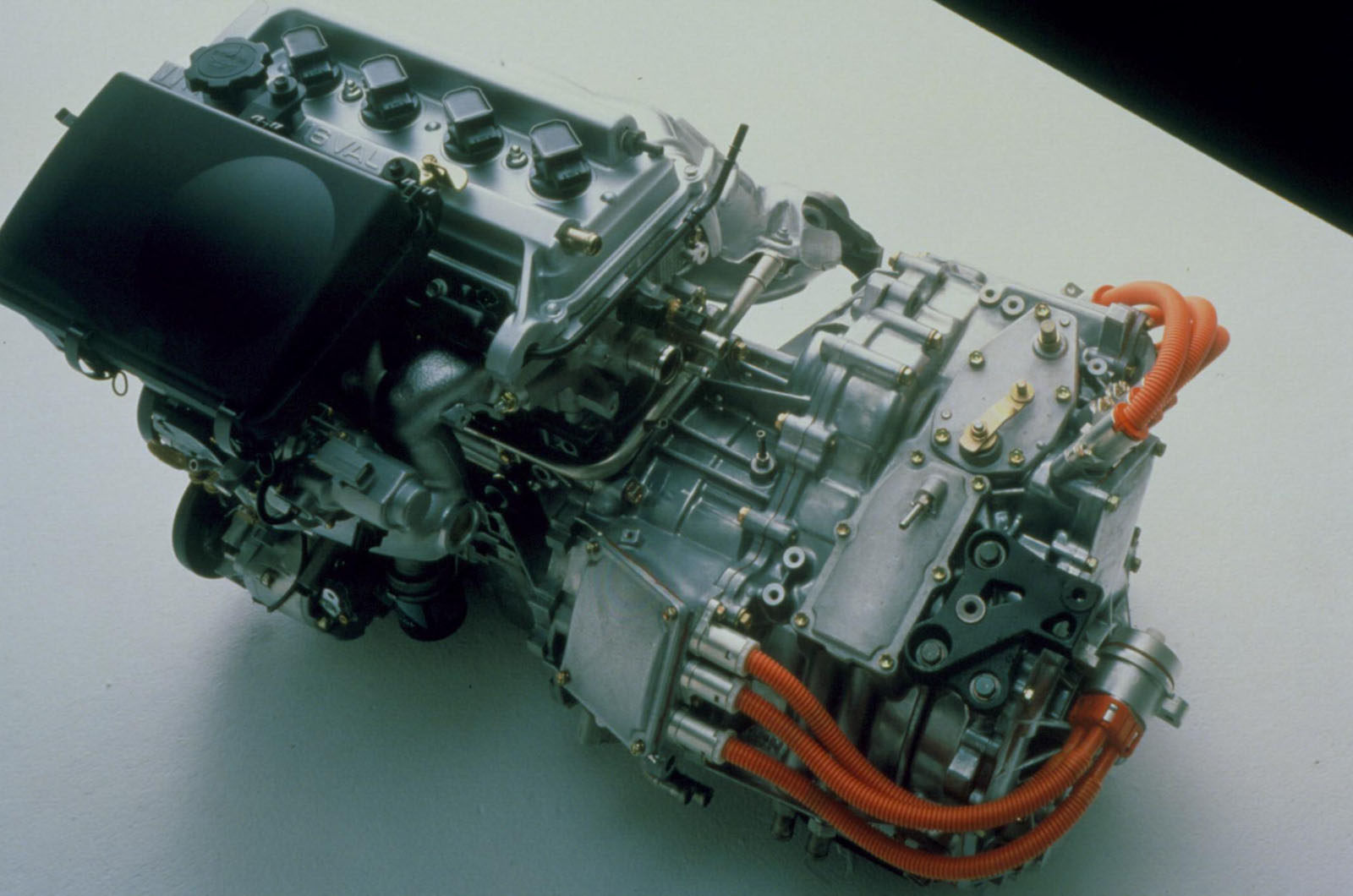
Toyota’s ‘Mighty Atom’ 1.0-litre unit reigned supreme at the inaugural International Engine of the Year awards, winning the overall prize and the ‘Sub 1.0-litre’ category. The 998cc, 67bhp Yaris engine was praised for its 50mpg fuel economy and performance. One judge said it ‘performs like a far larger engine but is incredibly efficient.’ A 1.3-litre version of the engine arrived in October 1999.
Honda 1.0-litre IMA (2000)
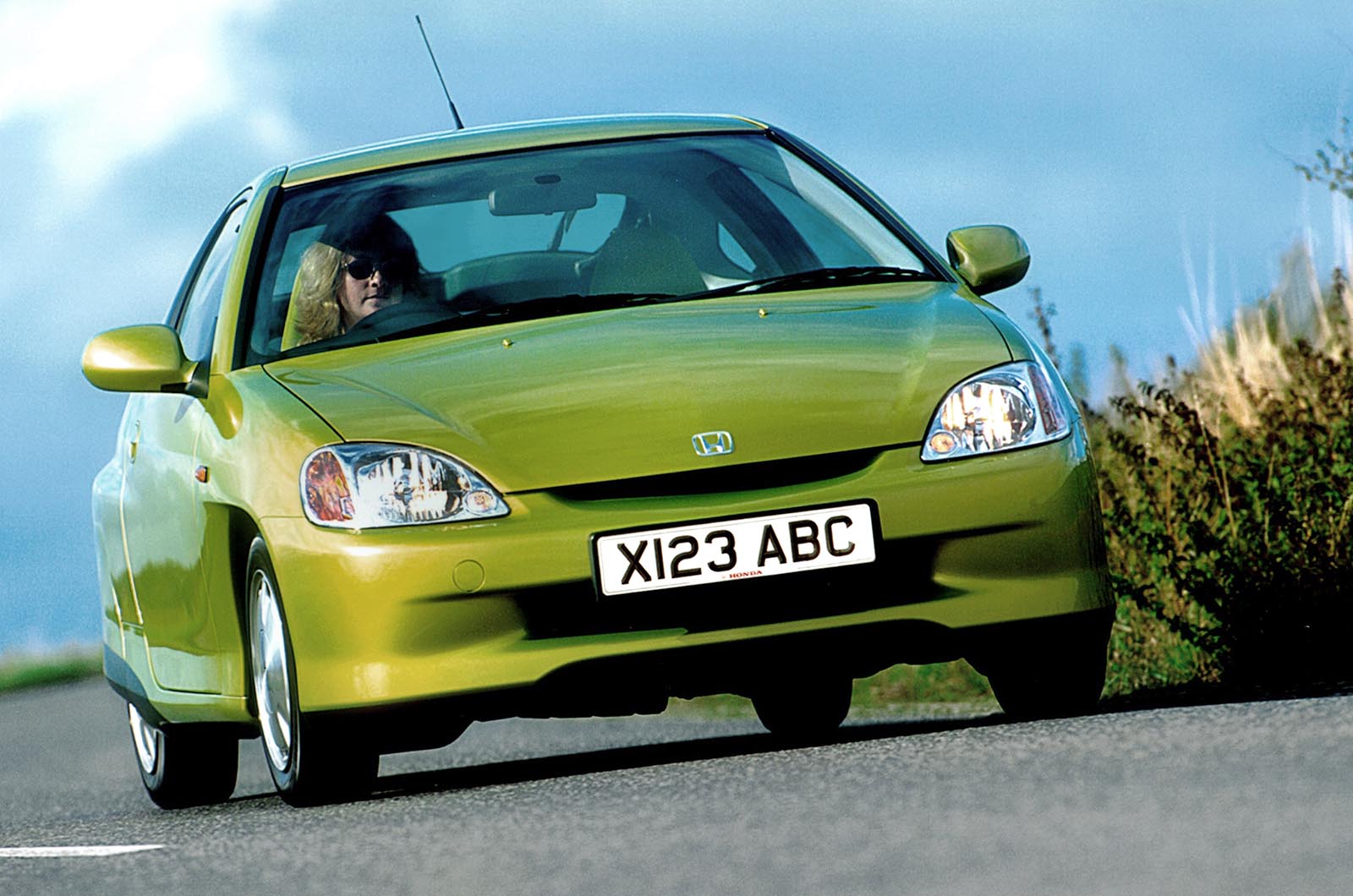
The Honda Insight 1.0-litre IMA (Integrated Motor Assist) hybrid engine finished ahead of Ferrari’s 5.5-litre V12, Alfa Romeo’s 2.5-litre V6, and BMW’s 3.0-litre six-cylinder and 4.0-litre V8 diesels to grab victory in 2000. One of the judges, our very own Steve Cropley, called it “an elegant solution that ordinary people can afford.” With a light right foot, the 995cc three-cylinder engine could deliver up to 100mpg.
BMW 3.2-litre straight-six (2001)
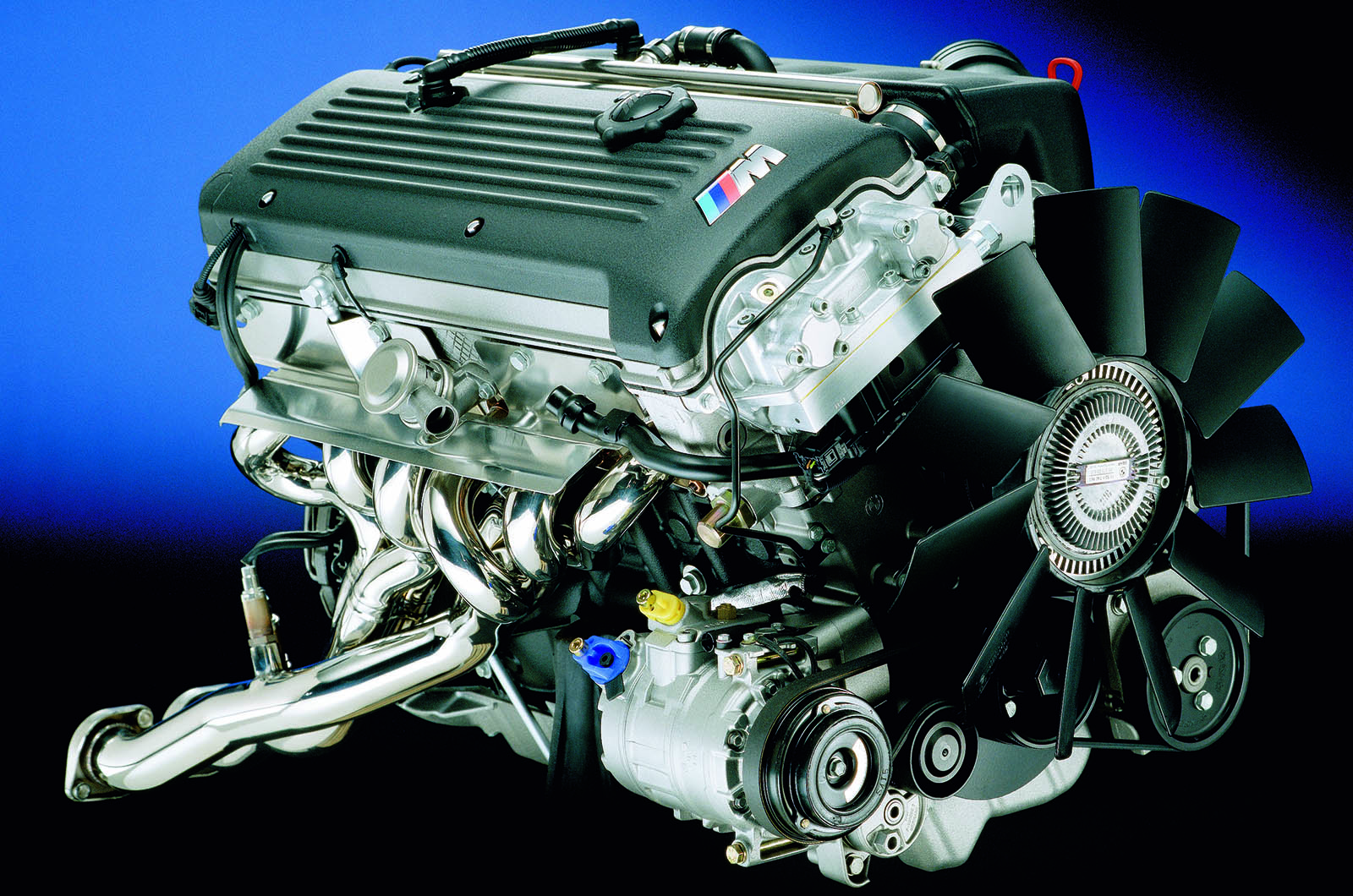
Japan’s stranglehold of the top International Engine of the Year award was broken (for now) by Germany, with BMW’s brilliant 3.2-litre straight-six unit taking the honours. Very much at home in the E46 M3, the engine developed 343bhp at 7900rpm and 296lb ft of torque at 4900rpm, with a top speed limited to 155mph. We said: “The grunty rumble from the quad exhausts at idle gives way to a serrated wail as the straight-six climbs to its redline.’
BMW 4.4-litre V8 (2002)
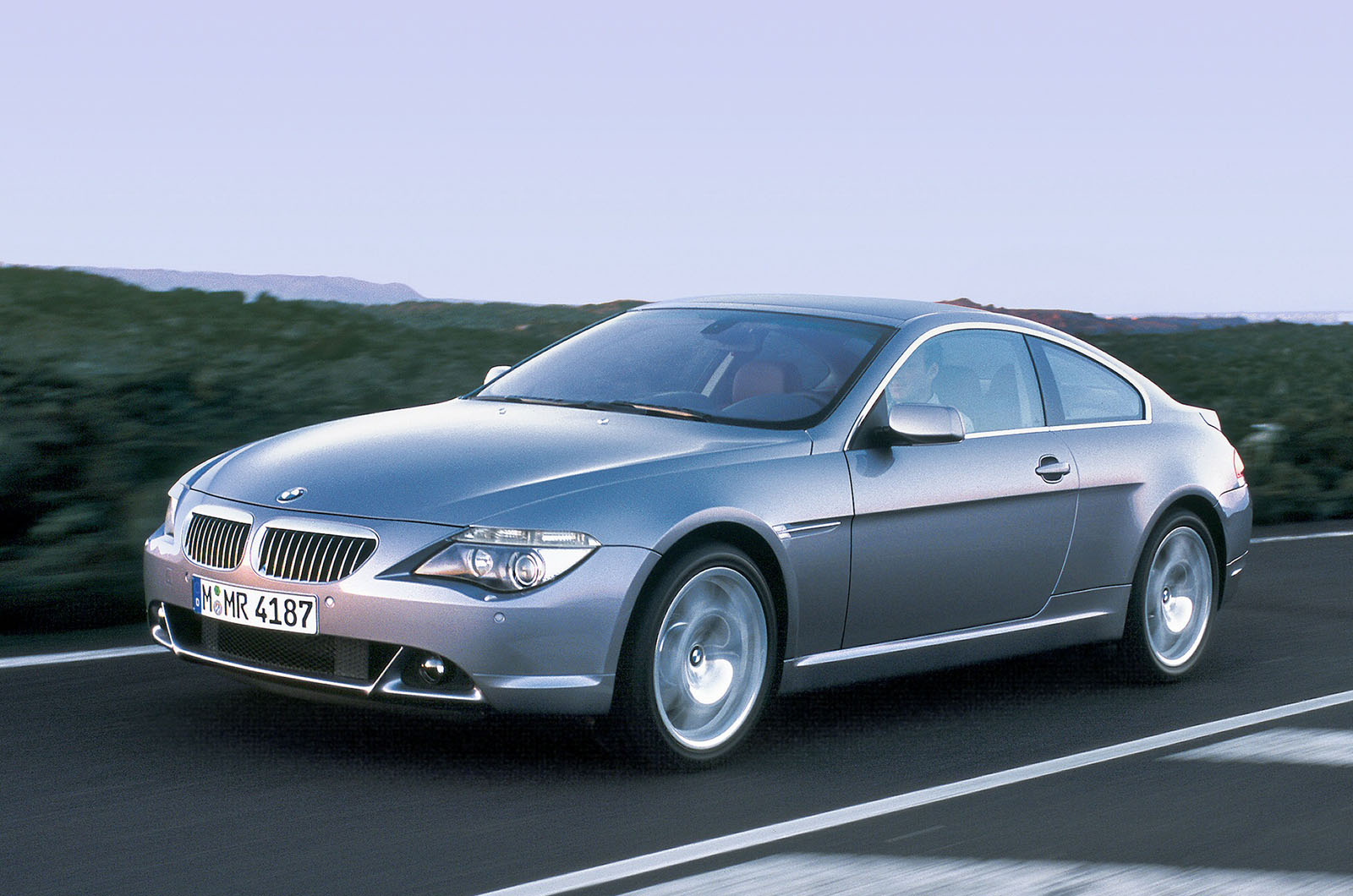
BMW secured another victory in 2002, this time for its N62 4.4-litre V8. The all-aluminium, normally aspirated, 90-degree V8 featured many technological advances, including the Valvetronic variable valve lift system. Applications included BMW’s 745i, X5 4.4i Sport, 545i and 645Ci (pictured) models. Commenting on its use in the X5 4.4i Sport, Andrew Frankel said the engine offered “compelling performance”. The N62 4.4 was developed into a 4.8 and made its way into the Wiesmann GT and Morgan Aero 8.
Mazda 1.3-litre Renesis (2003)
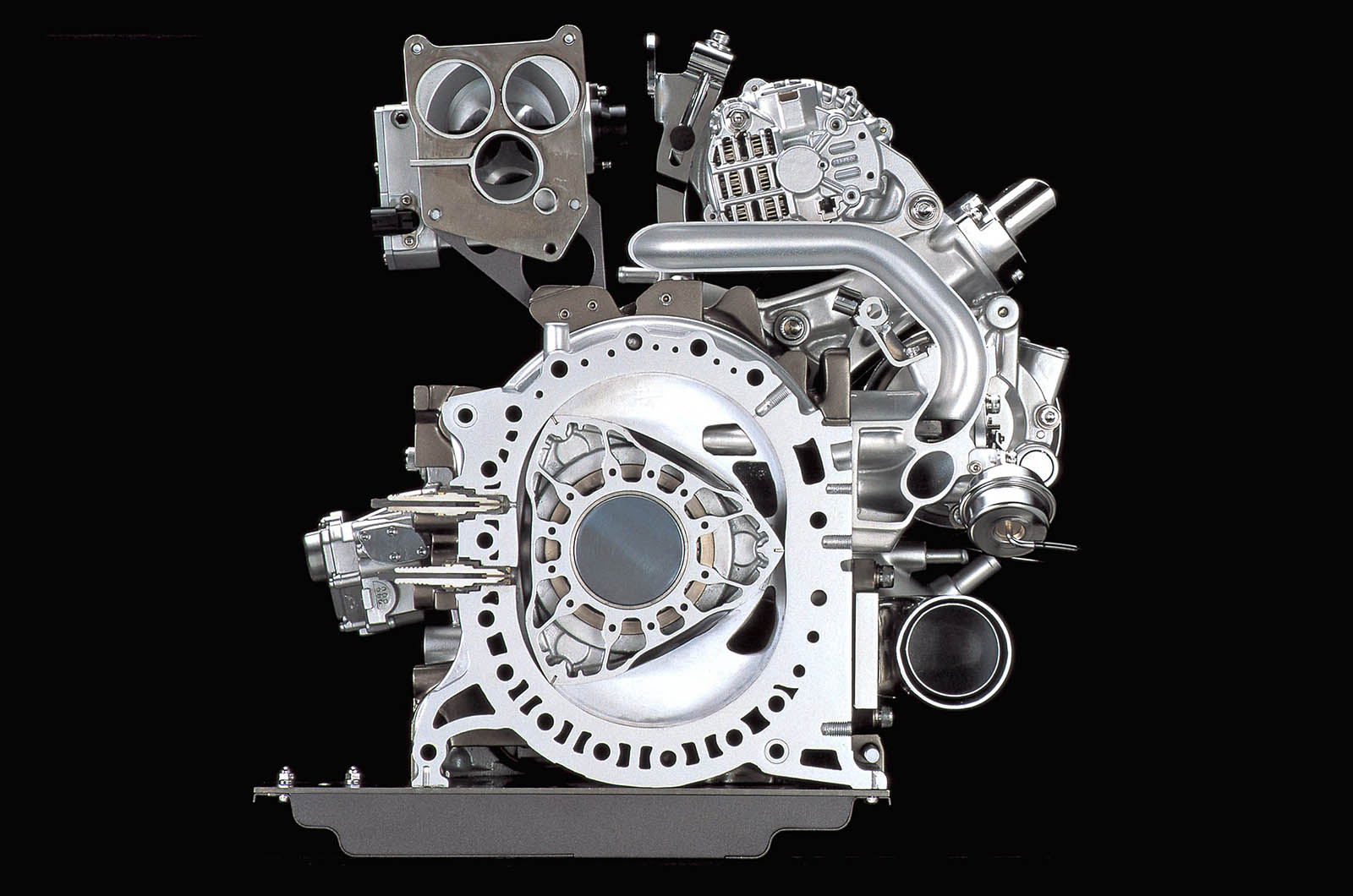
In our Mazda RX-8 used car guide, we said the rotary engine will be “expensive to maintain, even if it’s in good nick, and its impressive ability to get through a tank of petrol is secondary only to its unquenchable thirst for oil”. Without the benefit of a crystal ball, the judges praised Mazda for, ‘its sheer bravery in pursuing the Wankel format and making it work’, calling it, ‘smooth and strong, clean and compact.’
Toyota 1.5-litre (2004)
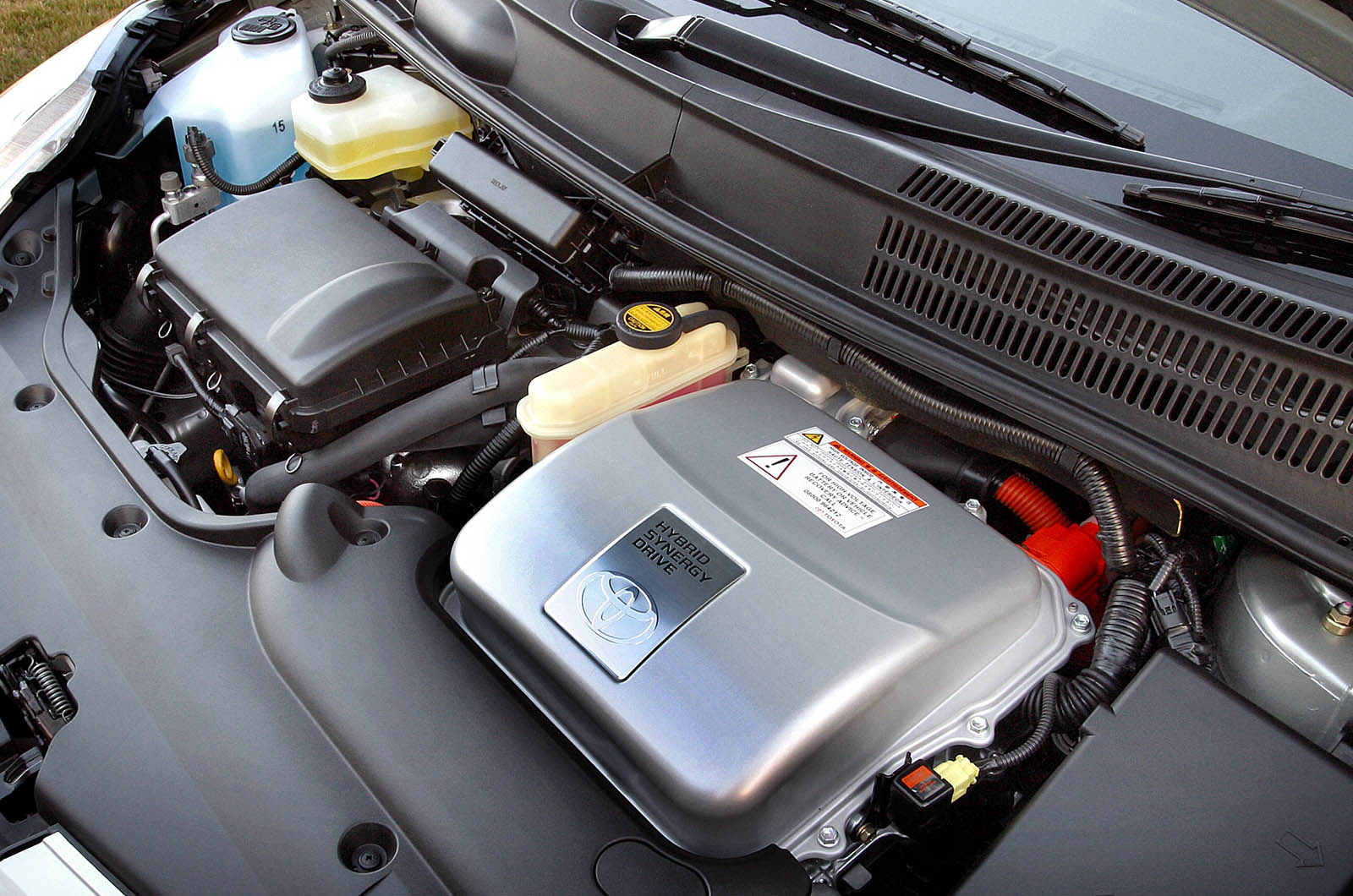
The International Engine of the Year award stayed in Japan, with the hybrid system used in the Toyota Prius winning the overall title and three different categories. In December 2004, the Prius was named 2005 European Car of the Year at the Autocar Awards, securing the most comprehensive win since the first-generation Ford Focus waltzed to a mammoth 172-point victory over the Vauxhall Astra in 1999. Of the 58 jury members, 37 gave the Prius top spot.
BMW 5.0-litre V10 (2005)
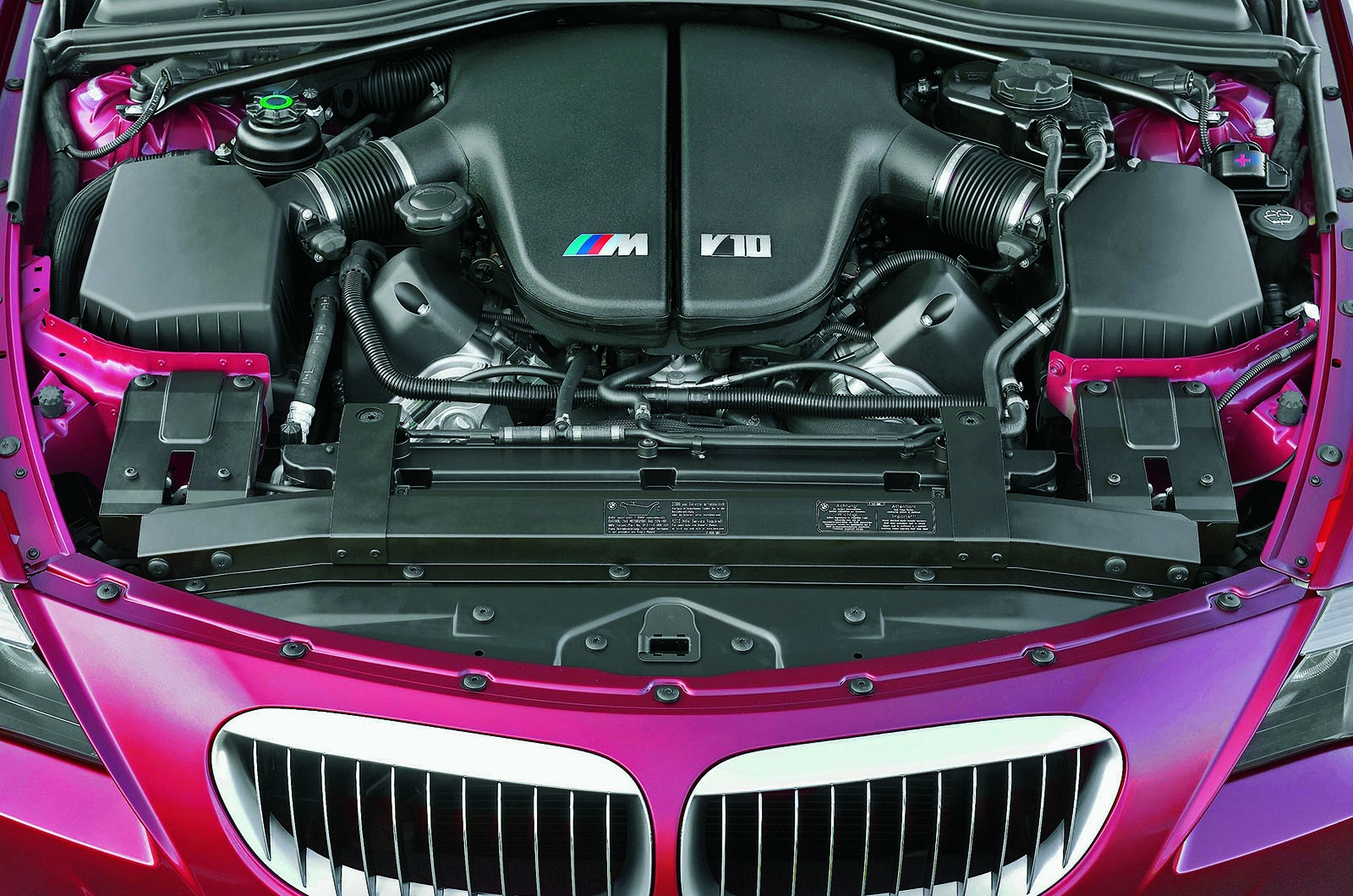
BMW has won 62 overall and category trophies since the first International Engine of the Year awards in 1999, with victory in 2005 kickstarting four years of dominance. The F1-inspired 5.0-litre V10 is one of the greatest engines of all time, developing 394bhp in ‘normal’ mode, or 500bhp when you press the ‘M’ button. This was the last BMW M5 to be powered by a normally aspirated engine, and a way to go out in riotous, characterful style.
BMW 5.0-litre V10 (2006)
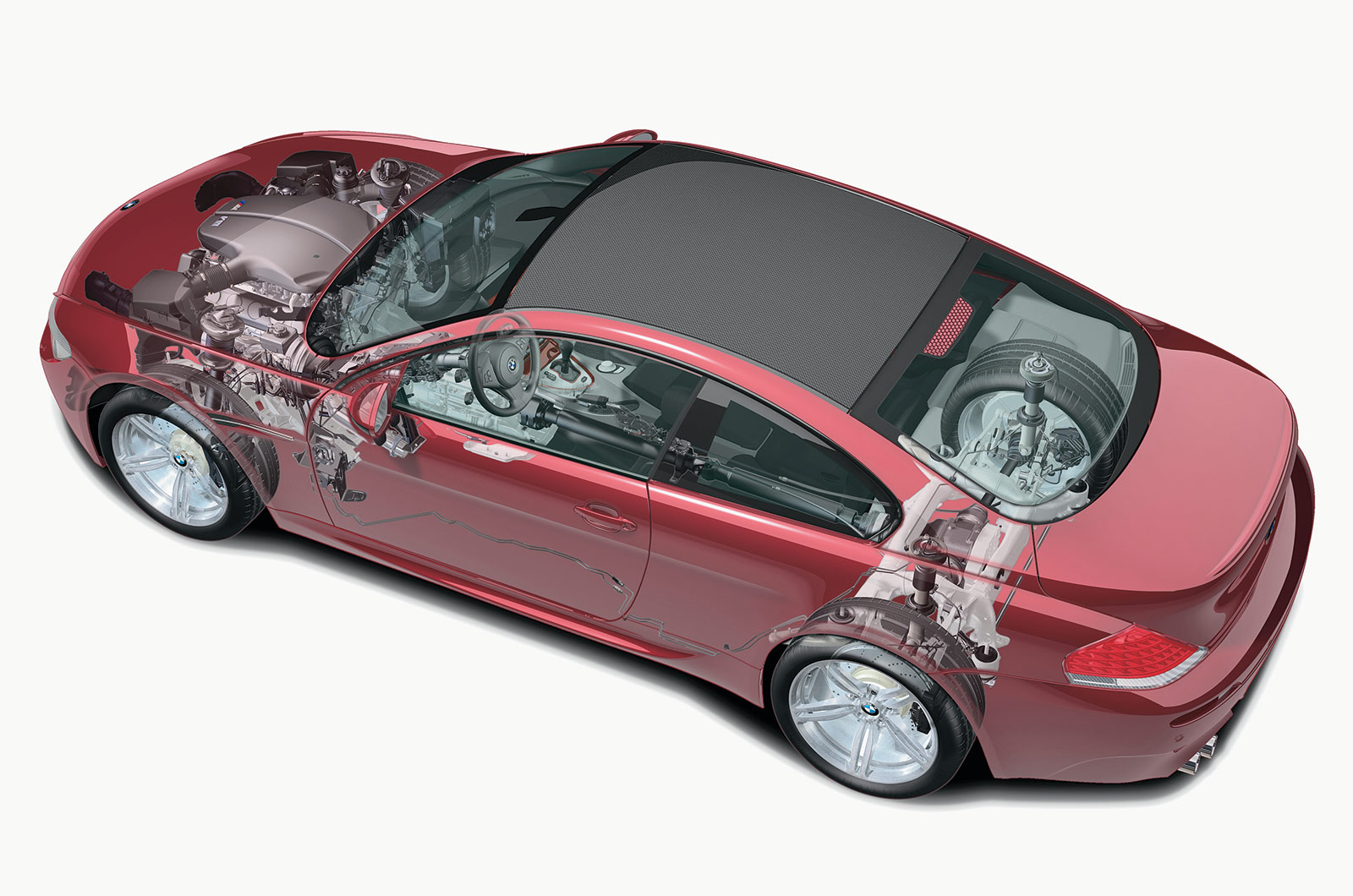
The 5.0-litre V10 was good enough to grab another title in 2006. We said: “The V10 just chews through gears and the 8200rpm limiter seems very pessimistic. Mechanical refinement is superb and that’s the key to the car’s everyday potential. Despite the claimed 4.7sec 0-62mph run, the faintly ridiculous 15sec 0-124mph time, and the fact that were it not limited to 155mph it would stroll on to 205mph, this car is entirely docile and has a chassis better suited to exploiting that breadth of ability than its predecessor.”
BMW 3.0-litre Twin Turbo (2007)
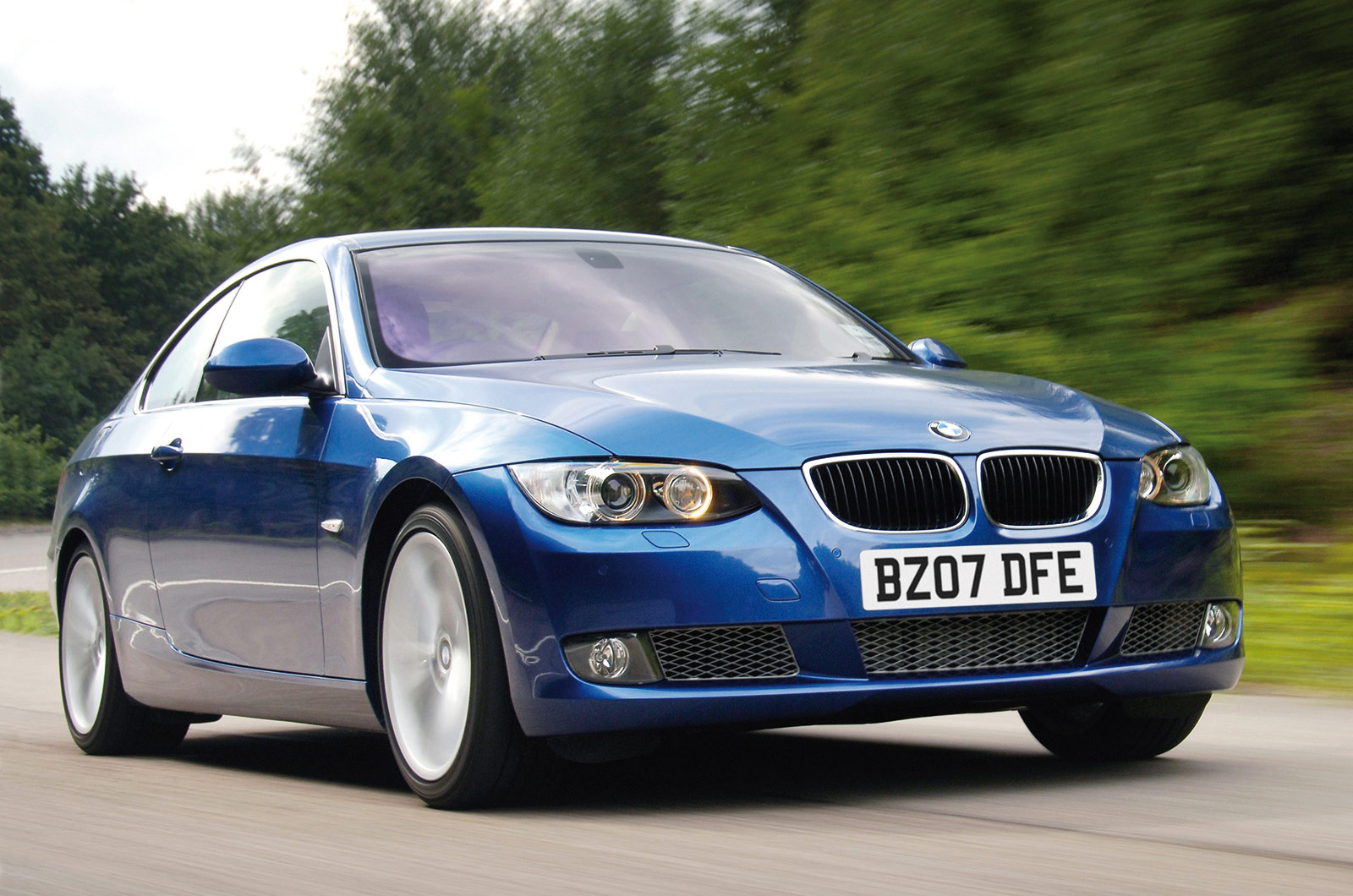
This was a good year for BMW, with its 3.0-litre twin-turbo crowned overall winner, along with category awards for its 2.5-litre straight-six (Best New Engine) and 5.0-litre V10 (Best Performance). Reviewing the engine in the BMW 335i, we said: “Most of the time [it’s] really quite exceptional. If you didn’t know, it would be all but impossible to tell that the engine was turbocharged.”
BMW 3.0-litre Twin Turbo (2008)
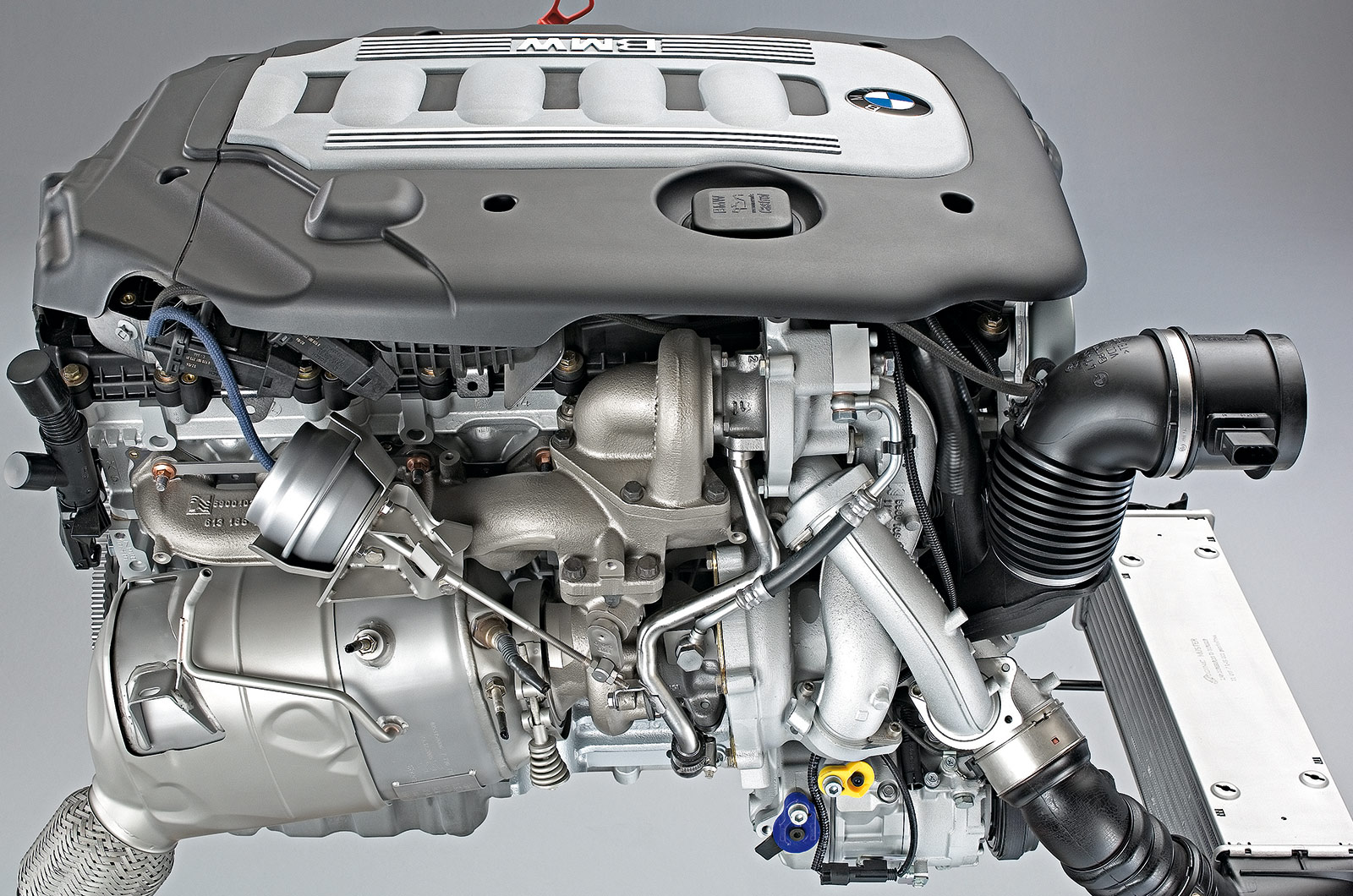
Another good year for BMW, with the 3.0-litre twin-turbo straight-six grabbing top spot for the second consecutive year. There were also category wins for BMW’s 4.0-litre V8 (3.0-litre to 4.0-litre), 5.0-litre V10 (above 4.0-litre), 2.0-litre twin-turbo diesel (Best New Engine) and the BMW-PSA 1.6-litre engine (1.4-litre to 1.8-litre). At the time, the German-French unit was used in the Mini Cooper S and Clubman, and Peugeot 207 and 308.
Volkswagen 1.4-litre TSI (2009)
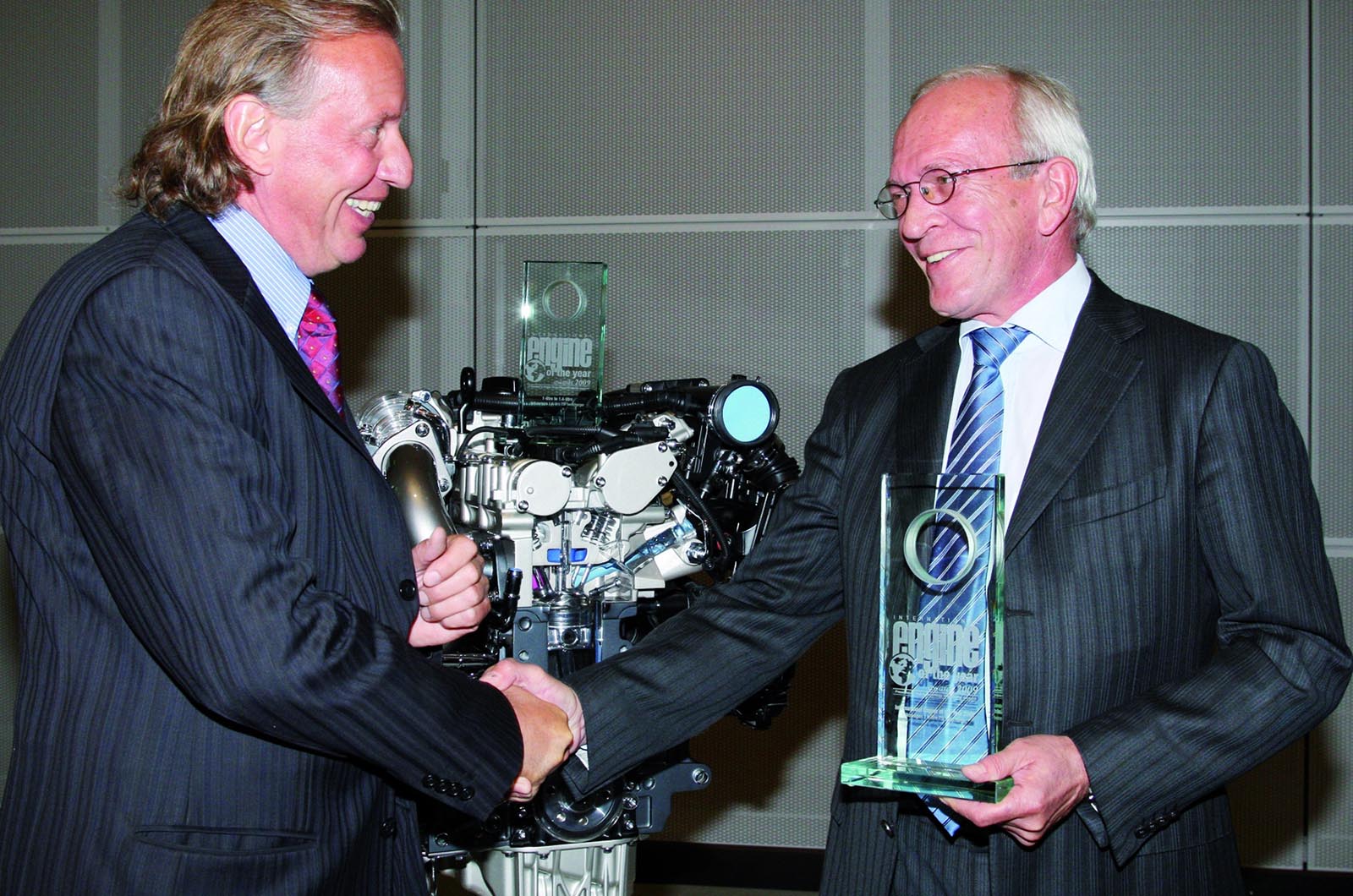
BMW’s dominance ends with Volkswagen’s 1.4-litre TSI taking the honours at the 2009 International Engine of the Year awards. As well as overall victory, the supercharged and turbocharged engine was named Best Green Engine and Best Engine in the 1.0-litre to 1.4-litre category. The photo shows Dr Ruediger Szengel, head of petrol engine development at Volkswagen Group, receiving the award.
Volkswagen 1.4-litre TSI (2010)
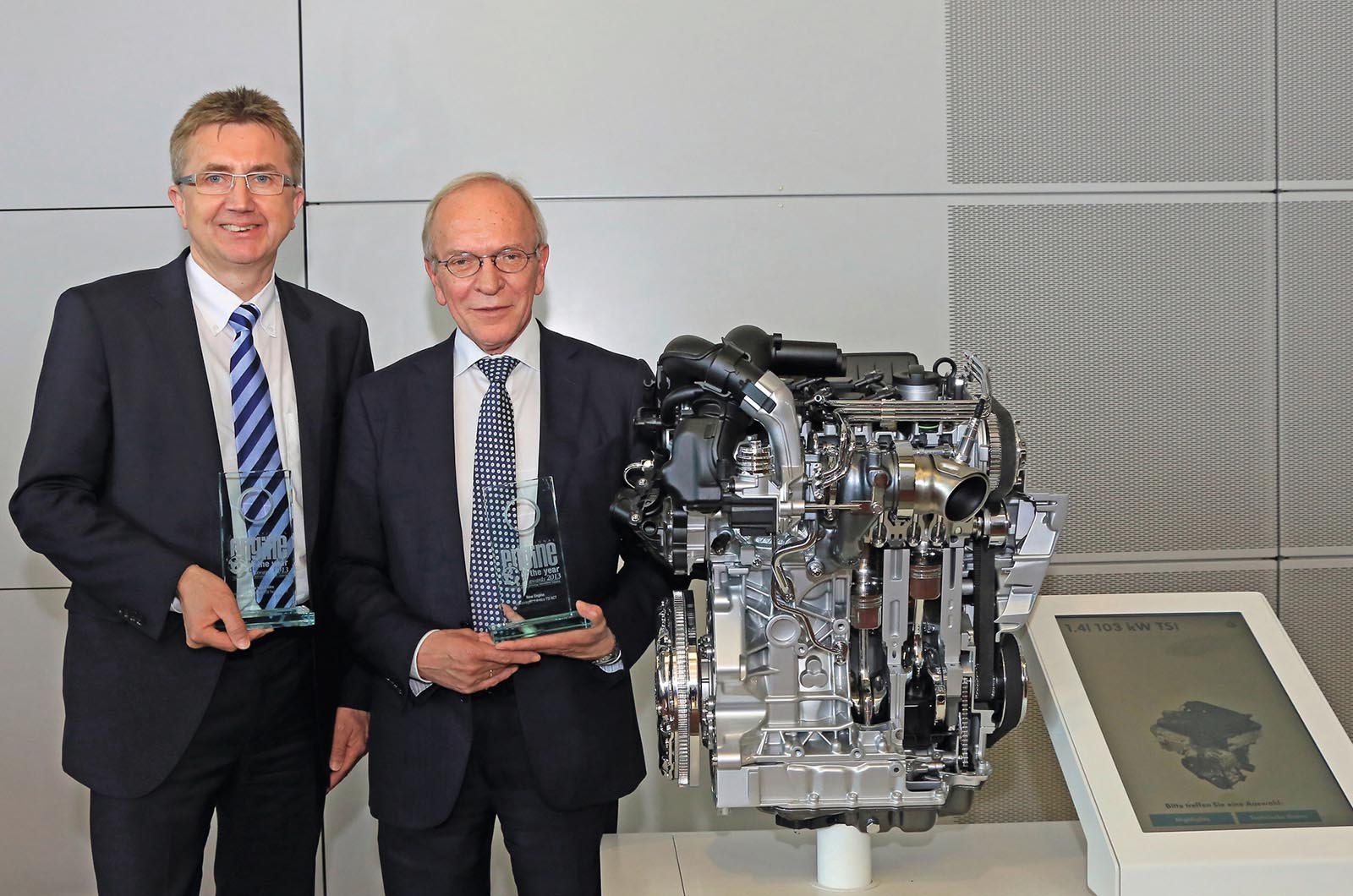
Volkswagen’s twin-charger unit won again in 2010. The use of a supercharger and a turbocharger avoids the usual peaks and troughs in power delivery to give the engine the feel of a powerful normally aspirated engine. At the time, the unit was used to power the likes of the Seat Ibiza FR and Cupra, VW Polo GTI and Skoda Fabia vRS. Fiat’s 1.4-litre MultiAir was named New Engine of the Year.
Fiat 875cc TwinAir (2011)
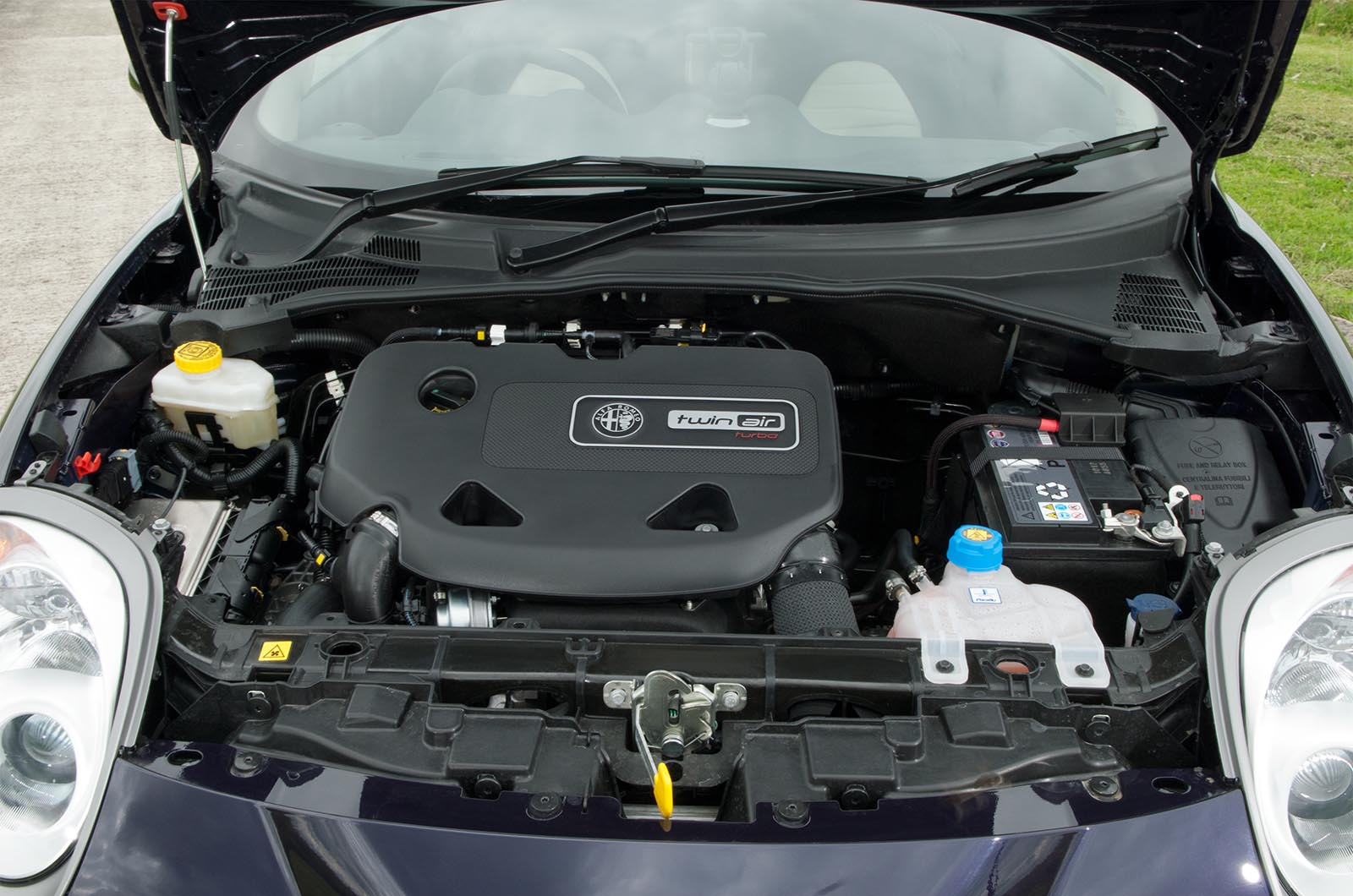
Fiat’s 0.9-litre TwinAir engine was a deserved winner at the 2011 International Engine of the Year awards. The all-new, vertical-turbo twin-cylinder engine produced a strong 84bhp and 107lb ft of torque from as little as 1900rpm to deliver lively performance accompanied by a burbling soundtrack. There was one problem: fuel economy. Fiat claimed an optimistic 70mpg, but a lot of owners struggled to achieve half that.
Ford 1.0-litre EcoBoost (2012)
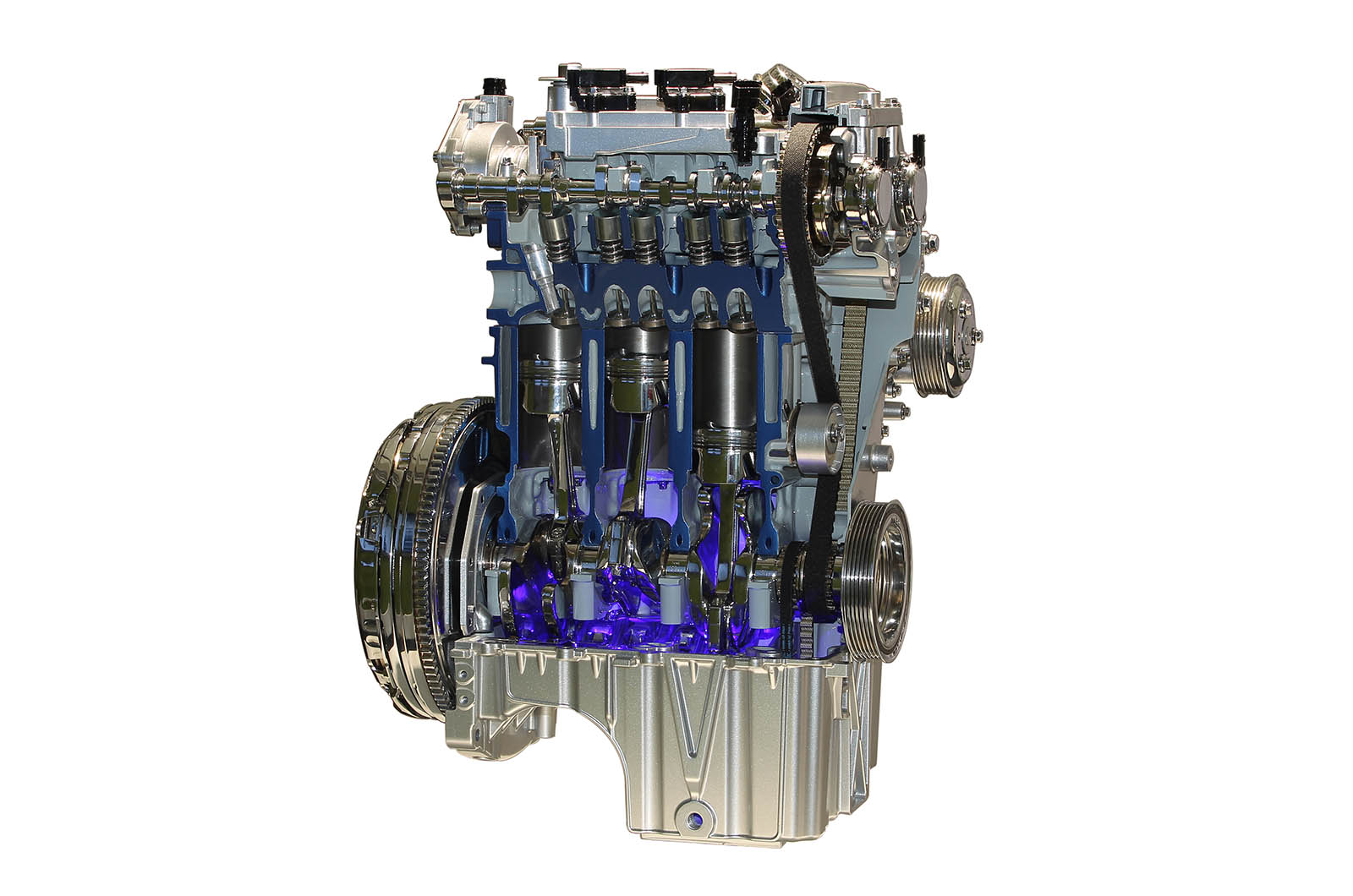
‘No one has ever built a three-cylinder engine quite like this. It’s one of the most technically advanced and efficient engines we’ve ever designed,’ Joe Bakaj, Ford’s global powertrain engineering chief said in 2012. ‘The new engine introduces many new technologies that could be part of the DNA of future Ford engines.’ The B-Max was the first car to get Ford’s smallest ever engine.
Ford 1.0-litre EcoBoost (2013)
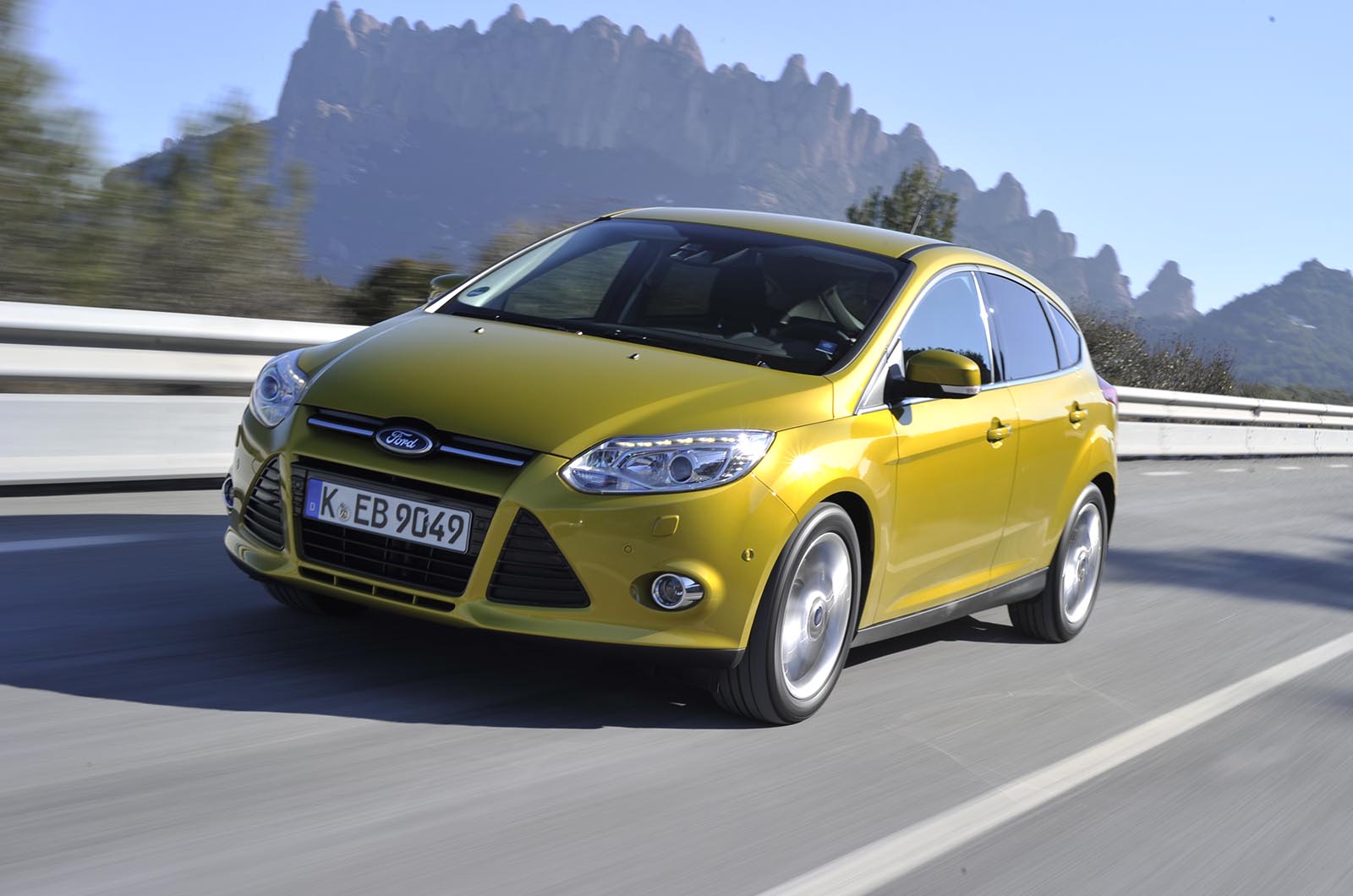
Ford’s EcoBoost engine won again in 2013. The 1.0-litre three-cylinder petrol engine, which was designed and engineered in the UK, achieved the highest score in the history of the International Engine of the Year awards. At the time, Ford said it was set to double production of the engine to keep up with demand. We called it a “game-changer” as it showed how much life remains in the petrol engine.
Ford 1.0-litre EcoBoost (2014)
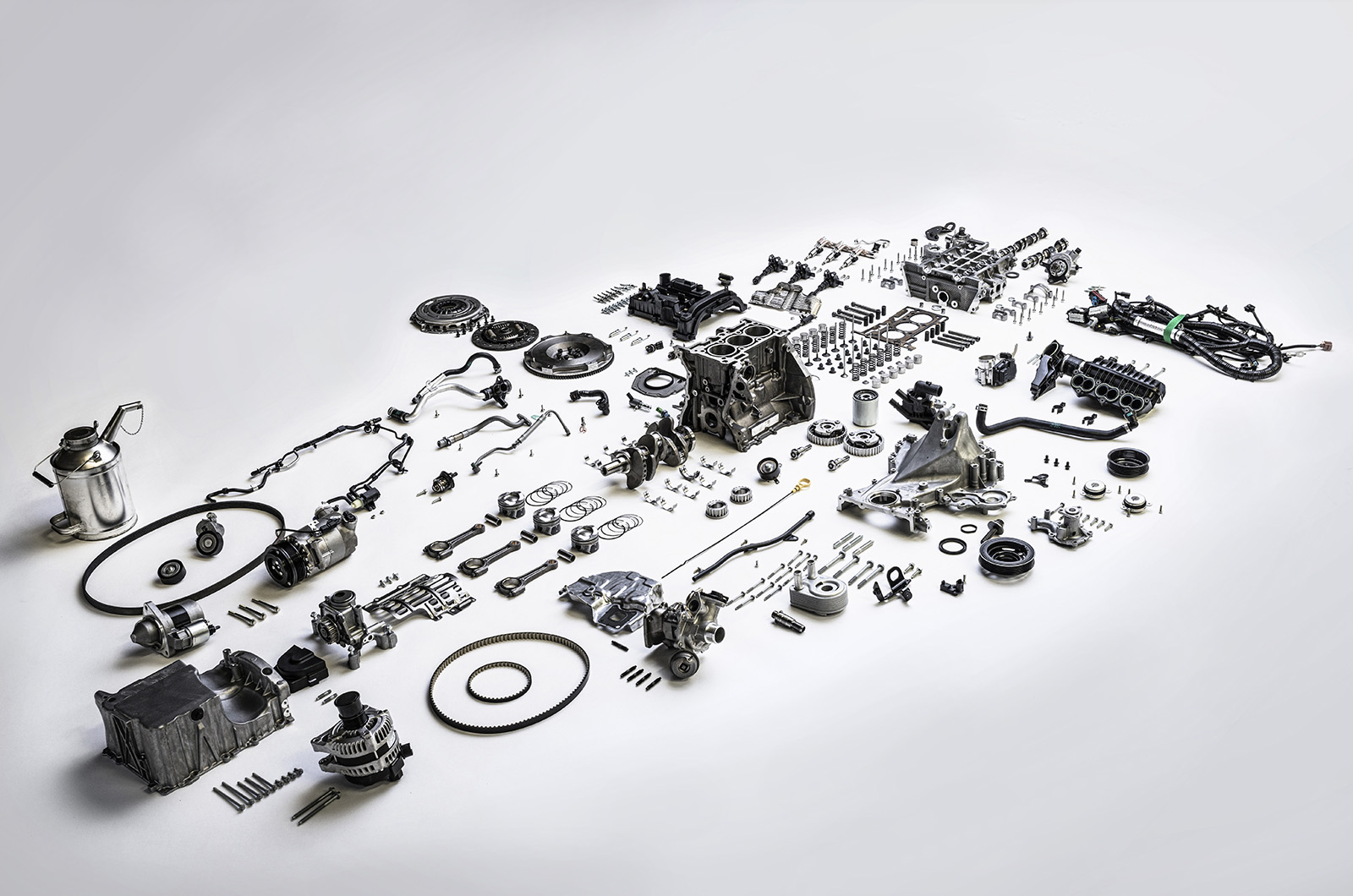
Ford won again in 2014, with Dean Slavnich, co-chairman of the International Engine of the Year awards, saying: ‘The 1.0-litre EcoBoost engine is one of the finest examples of powertrain engineering.’ Years later, Ford was giving full refunds to thousands of customers affected by sudden failures of the EcoBoost engines. This followed a BBC investigation, which found that hundreds of engines had overheated.
BMW 1.5-litre three-cylinder (2015)
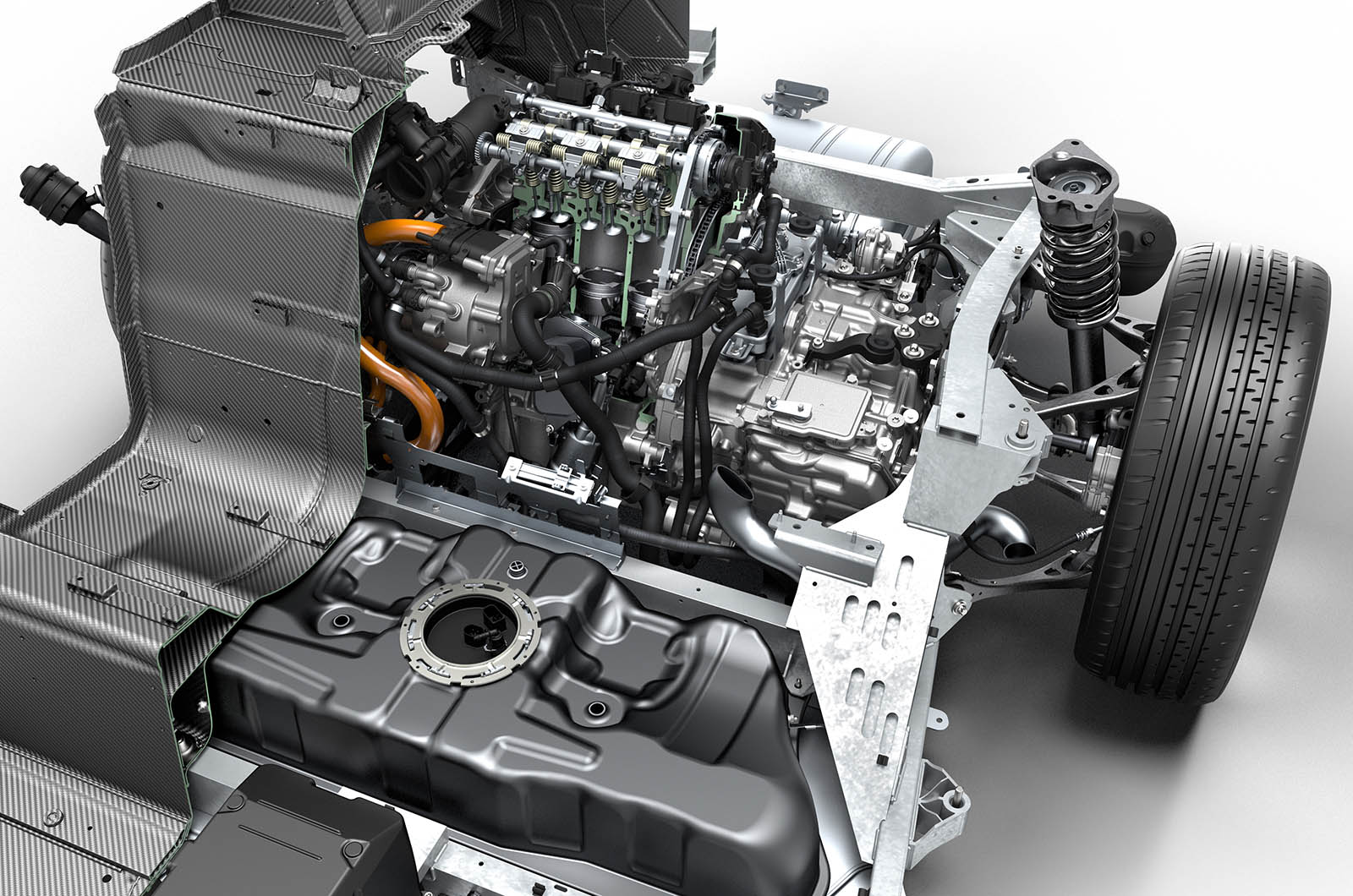
BMW was back on the scene in 2015, when its TwinPower Turbo three-cylinder was named overall winner at the annual awards. The 1.5-litre three-cylinder hybrid unit was also named Best New Engine and a class winner in the 1.4-litre to 1.8-litre category. There were also class wins for Mercedes-AMG, Tesla, Ferrari and McLaren, while Ford’s EcoBoost won the 1.0-litre category.
Ferrari 3.9-litre V8 (2016)
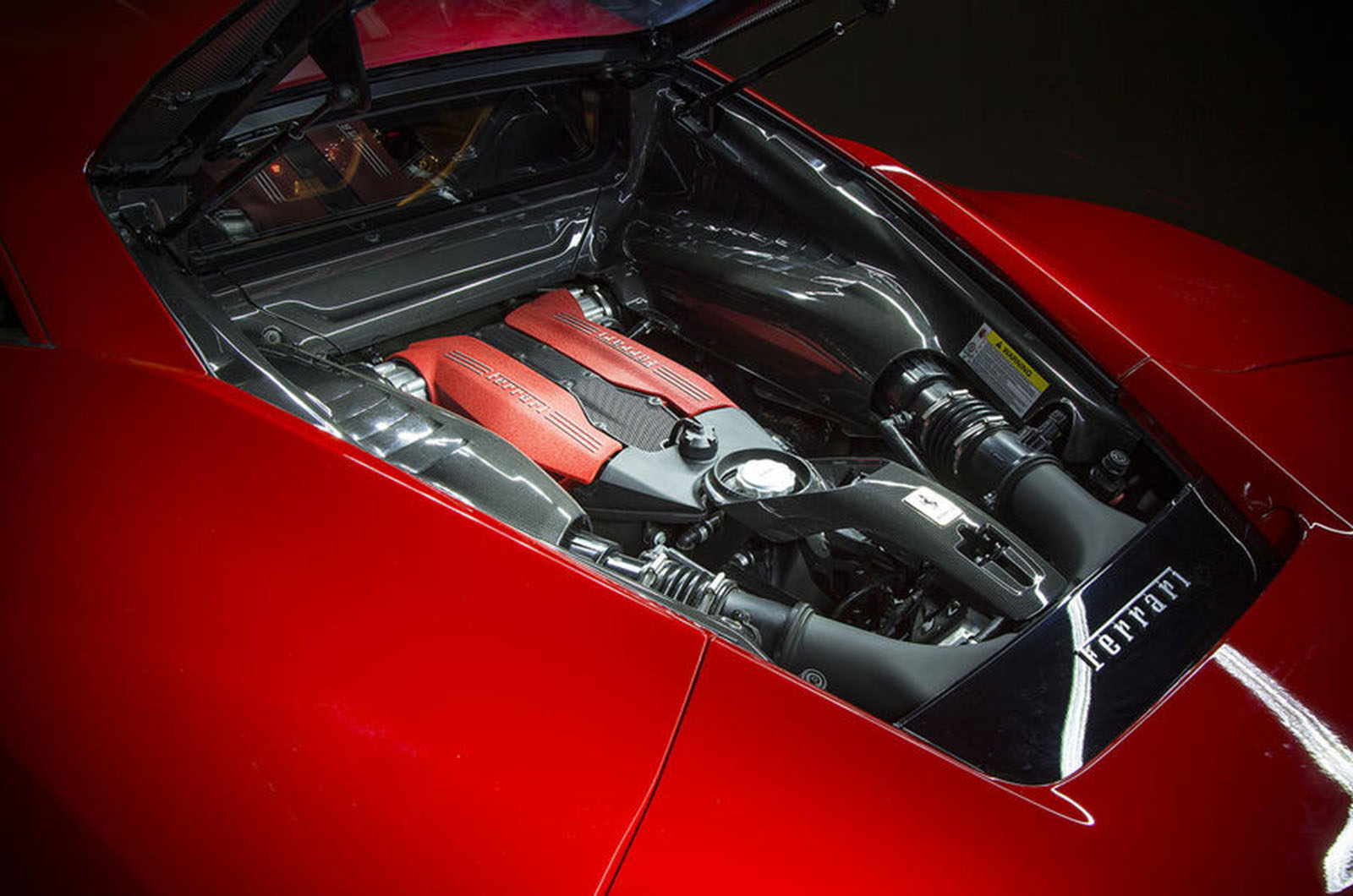
Get ready for a Ferrari lock-in, with 2016 marking the first of four consecutive victories for its 3.9-litre twin-turbocharged V8 engine. There were four wins, including awards for Performance Engine, New Engine, the 3.0-litre to 4.0-litre category, and the overall prize. Graham Johnson, co-chairman of the awards, said: ‘It’s a giant leap forward for turbocharged engines in terms of efficiency, performance and flexibility.’
Ferrari 3.9-litre V8 (2017)
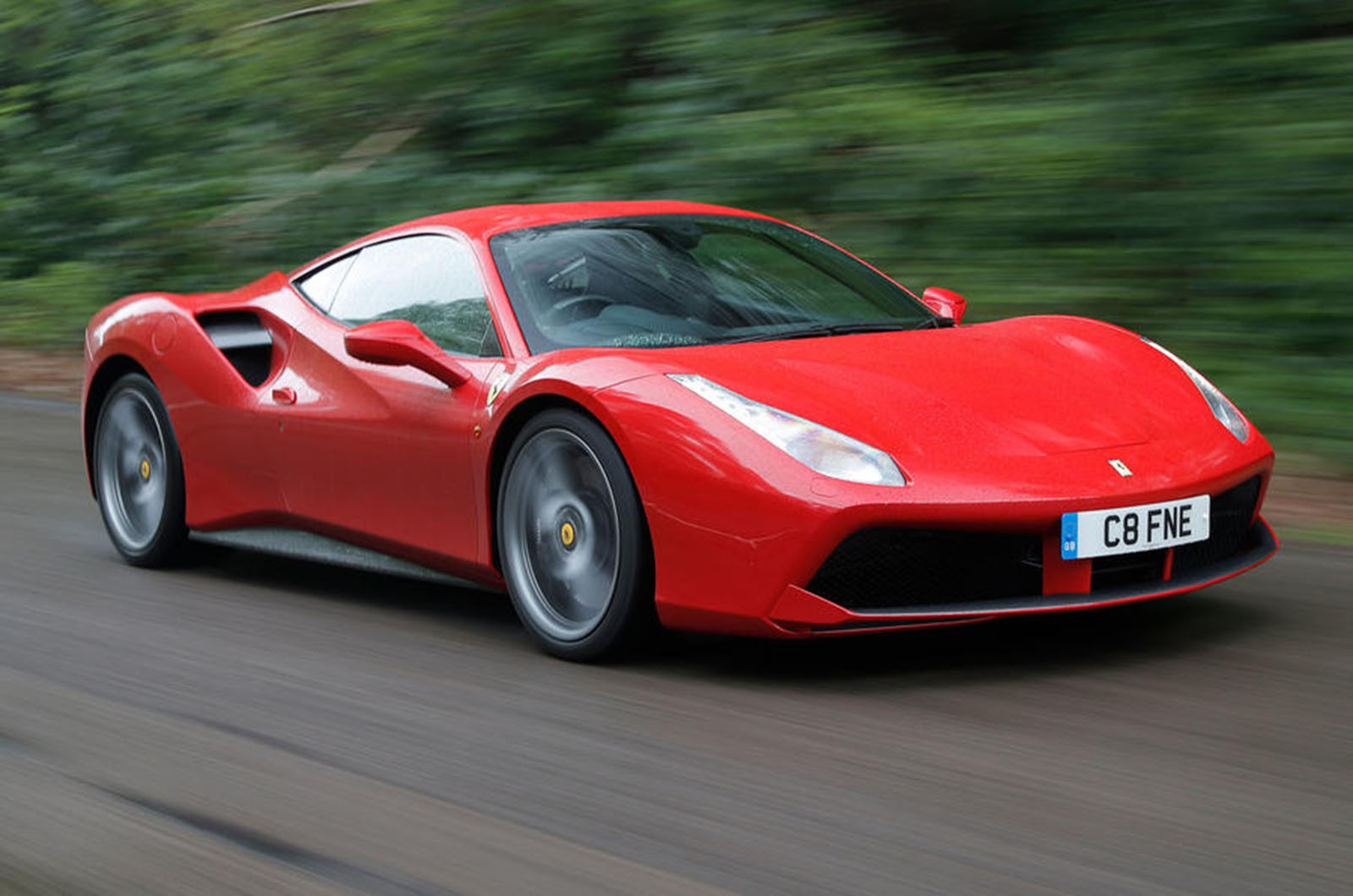
‘It truly is the best engine in production today and will forever be remembered as one of the all-time greats,’ Johnson continued. We praised the engine for having no detectable lag and a rev-hungry nature – a trait normally reserved for normally aspirated units. The engine produces 661bhp yet could manage an official combined fuel efficiency figure of 24.8mpg.
Ferrari 3.9-litre V8 (2018)
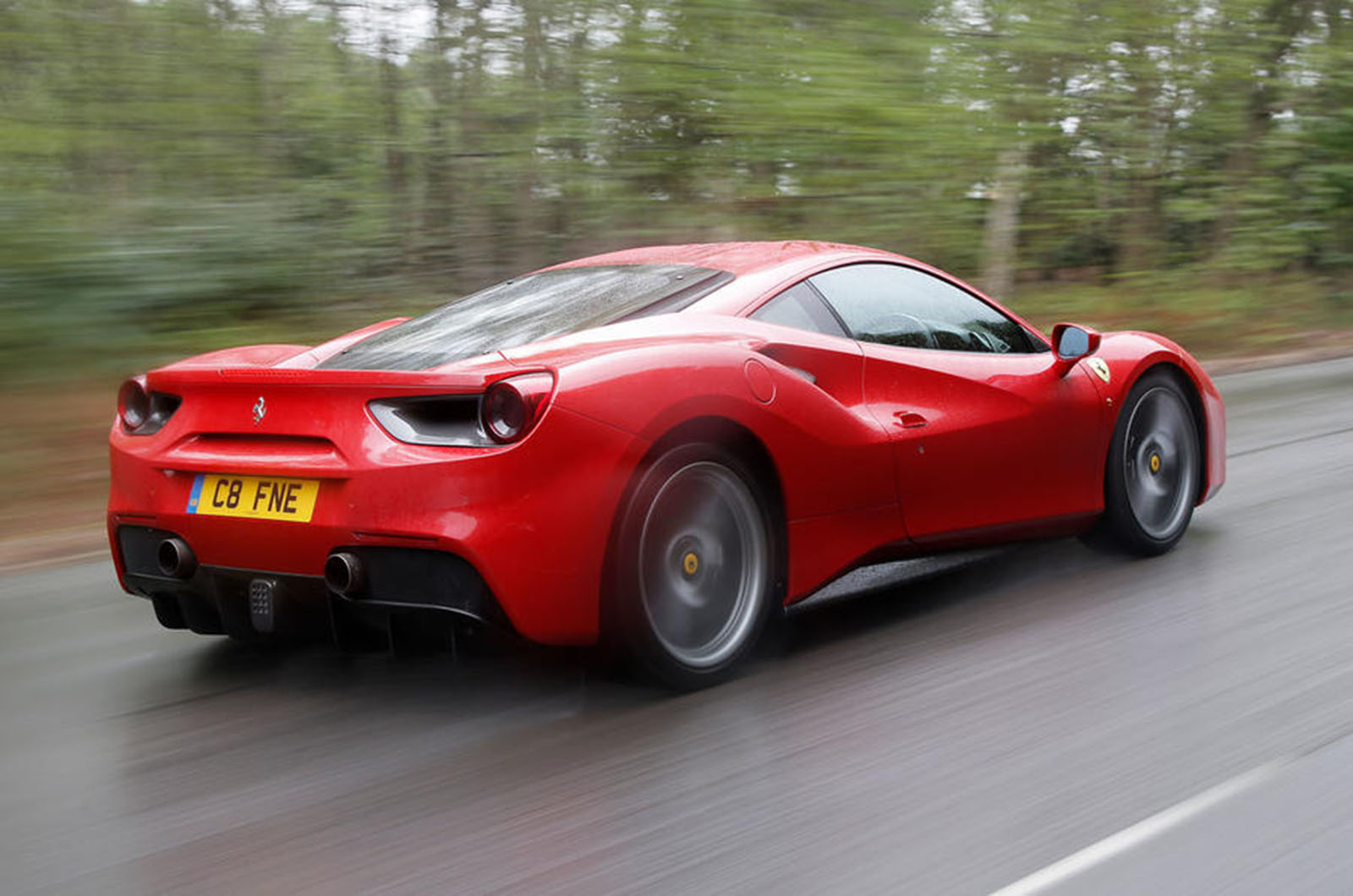
An engine such as this deserves greater detail. The F154 CB in the 488 GTB is a 3.9-litre V8 with a 90deg bank angle, flat-plane crankshaft, oversquare cylinder design and two IHI twin-scroll turbochargers, one for each cylinder bank. It produces 661bhp from 6200rpm to 8000rpm, with up to 561lb ft at as little as 3000rpm. The 0-60mph time is polished off in 3.0sec dead, with 150mph blitzed in just 13.3sec.
Ferrari 3.9-litre V8 (2019)
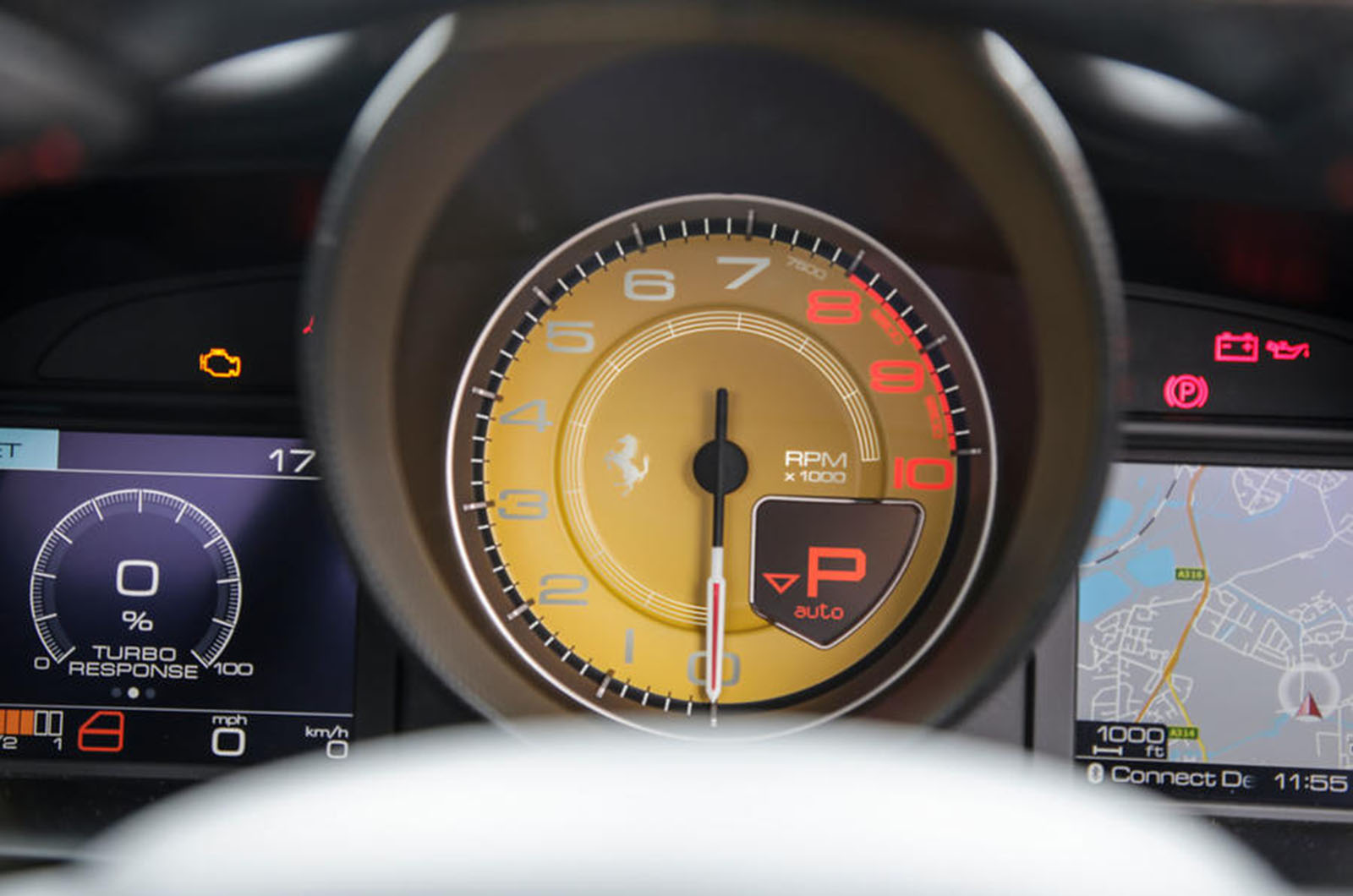
We said: “Ferrari’s greater achievement is to make the 488 GTB the finest turbocharged engine in production. Several manufacturers have moved from natural aspiration to turbocharging recently, but among them, the 488’s engine is remarkable for how little lag there is and how convincingly speed builds towards the top end, as it rattles into the 8000rpm limiter, when it feels like it’s barely out of the mid-range.”

Waymo Robotaxis Expose a Blind Spot in Crime Prevention as Privacy Measures Thwart Police...

Automotive Trends and the Elusive Quest for the Perfect Car

Vauxhall Astra Reinvents Itself as Crossover-Estate Hybrid to Meet Shifting Market Demands
 Next Astra will be built in Germany on new platform; could become a crossover but will keep estate
The Vauxhall Astra will be reinvented for a new generation by the end of the decade, morphing into a less "traditional" shape as it aims to maintain market share in the face of soaring SUV demand.
Vauxhall-Opel has confirmed the new Astra is one of "at least" four new models it will launch by 2030, alongside the next-generation Corsa, a new SUV co-developed with China's Leapmotor, and an as-yet unnamed new car which is thought to replace the current Mokka.
To be built at Opel's HQ in Russelsheim, Germany, the new Astra will move onto parent company Stellantis's new STLA One modular architecture - which offers the flexibility for electric and hybrid drivetrains, and will underpin the majority of upcoming Stellantis cars in Europe.
Vauxhall has not given a precise launch date, but the facelifted version of the current Astra is just arriving in showrooms now, suggesting a replacement is at least three years away.
Speaking to UK media following the announcement of the new Astra, Opel-Vauxhall CEO Florian Huettl hinted at a dramatic reinvention for the firm's longest-running model line, to meet changing customer demands in Europe's crucial C-segment - most pertinently the increased popularity of SUVs.
"Whenever we look at what the next generation of a well-established car such as the Astra should be looking at the evolution of the segment is a big deal of our work.
"The hatchback segment continues to decrease; we see a lot of flow to other segments - namely the SUV body styles. Sometimes as smaller cars get more mature and provide more performance, people move down, and then also people move up, for example, as family life evolves."
His allusions to the increasing popularity of mid-sized SUVs – Europe's most popular type of car – gives a strong indication that Vauxhall could transform the Astra into more of a crossover than a traditional hatchback for its next generation - just as Ford is set to do for the replacement for the Astra's main historic rival, the Focus, in the coming years.
Indeed, Huettl added that the Astra name "doesn't mean necessarily that it's a traditional hatchback", alluding to a body shape that could straddle multiple segments in a bid to maximise its appeal.
However, he did confirm that whatever form it ends up taking, the next-generation Astra will continue to offer an estate – or 'Sports Tourer' – body option because it remains "hugely popular" in Opel's native German market.
"What I can tell you for sure is that there will be a station wagon, because tat's what our home market requires, and this is what we will serve."
Huettl said the new model "will certainly be a BEV", but STLA One can accommodate various types of hybrid drivetrain - which Huettl suggested could mean the next Astra follows the current car in offering a range of different fuel types.
"STLA One isn't limited to BEV only in its capabilities, so we're currently looking at the right calibration of powertrain offer.
"The market is highly dynamic: the electric market this year is really going through the roof, and we see a lot of demand coming depending on certain stimulus measures, but also we feel that with the current global situation people seem to value a bit more the independence [that comes with] fossil sources of energy."
He said that no final decision had been reached on specific types of powertrain: "We don't have to make it yet - we'll make it in due time."
Stellantis has confirmed that STLA One will be equipped with LFP battery technology and 800V charging hardware, which means the next Astra EV is likely to offer a far greater range than the current car, which uses an adapted version of the CMP combustion car platform.
Vauxhall had previously been planning to resurrect the long-defunct Manta badge for a segment-straddling crossover flagship offering a choice of powertrains, but put the project on ice in light of uncertainties in the car market.
Based on the revealed details, the new Astra would seem to neatly fill the gap left by that cancellation, but Huettl emphasised that it is a separate programme rather than a rebranding.
"The new Astra will be a new Astra - it will deliver the values and the product proprieties that our customers look for, which means a high level of practicality, loading space, long-distance driving comfort and all of that."
"There's absolutely no link" to the Manta programme, he said, and that model is "not something that today is part of our development process."
Instead, Opel-Vauxhall is well advanced on the next-generation electric Corsa – which will share the STLA One platform with the larger Astra and is likely to be sold alongside an updated version of today's hybrid Corsa – and a new mid-sized SUV based on a platform supplied by Stellantis's Chinese joint venture partner Leapmotor, which is due in 2028.

Corvette Grand Sport Expands Customization and Performance Options in 2027 Lineup

Japanese Carmakers Retreat from Europe as Chinese Rivals Accelerate Electrification and Market Share
 Nissan, Honda and Mitsubishi are among the Japanese firms to look to other global markets for growth
Nissan’s announcement that Jaecoo owner Chery is ready to take over one of the two production lines at its underutilised Sunderland plant neatly illustrates a wider trend: that Japanese car companies are facing an existential crisis in Europe as their fingertip hold on a difficult market is now starting to crumble in the face of Chinese competition.
All Japanese brands bar Toyota are struggling to compete in the region and Nissan is the latest to admit that it can no longer commit to developing models just for Europe.
“The competition is getting more and more severe with Chinese players,” said Nissan CEO Ivan Espinosa at last month's Financial Times Future of the Car Summit. “Traditionally we were investing a lot in specific products for Europe. With the scale that we have, it has proven not sustainable.”
Nissan becomes the latest Japanese brand after Honda and Mitsubishi to deprioritise Europe and instead focus on core regions, which in Nissan’s case means Japan, North America and China.
“By leveraging these larger markets, we support the amortisation of such products and don't [put] the burden on an operation that is smaller,” said Espinosa. “What we're doing is actually finding a sustainable way of staying in Europe.”
Japanese manufacturers shook up the European market in the 1970s and 1980s, when their superior manufacturing techniques produced more reliable transport. Despite the fears of local automotive executives, though, Japanese brands never really gained their predicted foothold in Europe and struggled to increase market share beyond around 13%.
“Many Japanese brands were hugely successful in the era when reliability was the key differentiator. As quality converged across the industry, that advantage became less powerful,” said David Bailey, professor of business economics at the Birmingham Business School.
That contrasted with their success in the US, where last year Japanese marques led by Toyota, Honda and Nissan accounted for a third of the market. “Japanese brands cracked America by offering exactly what US buyers wanted: reliable, affordable, sensible family transport. In Europe, being sensible isn’t always enough. Buyers often want heritage, design flair or a premium badge as well,” said Bailey.
Now that the Chinese are making serious inroads into the European market, Japanese brands are first in the firing line. “Japanese brands are coming under increasing pressure from Chinese OEMs that are migrating to hybrids to avoid anti-subsidy tariffs and stepping all over Japanese players' toes,” said automotive research analyst Matthias Schmidt. “They are also targeting the same brand-agnostic markets such as the UK, southern European and Nordic markets, where Japanese manufacturers have previously thrived.”
The British willingness to give a new brand a go helped secure Japanese investment in the UK, landing the nation factories for Nissan, Toyota and Honda. Now that same brand adventurism has made the UK the biggest market in Europe for Chinese imports and the Japanese are the first to suffer.
In the first fourth months of this year, the Japanese share of the UK market dropped to 12.4% from 14.3% in the same period last year, having been overtaken by the Chinese, who captured 15.4%. In April, it was even worse, with the Japanese at 9.3% and the Chinese at 17.3%.
Part of the reason for the Japanese brands' lack of success in Europe is the fact that their cars are often developed in their home market, which has rarely dovetailed with Europe’s in terms of drivetrain requirements. After battling for years to come up with a diesel solution for Europe, Japan’s car makers now have to contend with the fast pace of electrification.
Hybrids developed by Toyota now sync very neatly with Europe’s needs after a slow burn in terms of acceptance, but EVs are another issue. Japan’s 12.6% overall share of the European car market in the first months of the year drops to just 4.6% for electric compared with a whopping 49% for hybrid. More EVs are coming but the issue stems from the lack of interest back home in Japan, where EVs accounted for less than 3% of sales last year.
China, on the other hand, tracks much closer to the electrified future that both the UK and the European Union envisage. For example, China’s share of the UK electric market for the first four months stood at 20.4%, rising to 44% for plug-in hybrids.
However, Japan’s failure to launch in Europe is not a story that includes its biggest car maker. Toyota has steadily plugged away at Europe to the point that in 2025 it recorded its biggest year to date in the region, with the Toyota brand logging 1.14 million vehicle sales.
The car maker now accounts for around half of all Japanese car sales in Europe after doggedly developing product with the design, technology and quality feel to entice buyers away from Volkswagen Group brands. Cars like the C-HR and Aygo X are region specific and Toyota has thrived because of them.
For Japanese brands without the scale to target European buyers, the solution to retain a foothold in Europe is to rely on partners who either offer the local scale or the technology to compete.
Some lean on Toyota: the current Mazda 2 is a rebadged version of the Yaris. Nissan taps former alliance partner Renault, which builds the new electric Micra based on the Renault 5 and will soon supply the Wave, a city car based on the Twingo. Mitsubishi also sources a chunk of its range from Renault, including the Scenic-based Eclipse Cross.
For EVs, the solution for many Japanese brands has been to turn to what is now their biggest regional rival: China. Nissan’s Espinosa said that collaborating with its Chinese joint-venture partner was an option for future electric platforms in Europe. Honda already sources its e:NY1 electric SUV from China, while Mazda leverages its partnership with Changan to supply the 6e electric saloon and new CX-6e electric SUV.
Aside from the early departure of Daihatsu in 2013, no Japanese brand is talking about leaving altogether. Those embracing the new, asset-light method of supplying a combination of imports and partner-developed models are posting profits in the region for now.
Mazda, for example, earned the equivalent of £84 million in the financial year ending March 2026, only slightly down on the year before. Honda posted European profits equivalent to £76 million for the same period, up nearly 200% from the previous year. (Suzuki doesn’t break out Europe in its financial results.)
However, Nissan remains in the mire financially in Europe, losing the equivalent of £252 million for the financial year but improving on the £460 million loss for the year before. The company is taking steps to reduce costs at its underutilised Sunderland plant, including shutting one of its two lines in preparation reportedly to lease or sell it to a Chinese maker, potentially Chery – the company that bought its Barcelona and South Africa factories.
Toyota, meanwhile, continues to earn strong money in Europe, posting profits for the region equivalent to £1.5 billion in the last financial year, equating to a profit margin of 4.9%, down from the 6.6% it managed from the year before.
Whether Toyota can remain strong and continue to fly the flag for Japan in Europe remains an open question. European-focused hybrid models like the Yaris Cross and Aygo X hybrid differentiate the brand from the Chinese, but brands like MG, BYD and Chery are filling gaps all the time and posting strong hybrid growth. The world’s toughest market has just got even tougher.

Electric Vehicles as the New Standard: VW Argues Persuasion, Not Bans, Will End the...

Ferrari F40 Michelotto Upgrades Redefine Performance and Value in a Road-Legal Icon