Shooting Brakes Redefined: How Style, Performance, and Heritage Shaped the World’s Most Distinctive Wagons
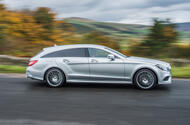 Everyone loves a fast wagon - and in this story we're rounding up the very best you've ever been able to buy
What’s the difference between an estate and a shooting brake?
A lot has been lost in the mists of time and marketing, but the latter has to have some sass to its styling. Practicality isn’t the overriding concern of most shooting brakes, but added load space is certainly handy. Here’s our run-down of the best conversions and factory-fitted fast-back wagons:
Aston Martin DB5 and DB6
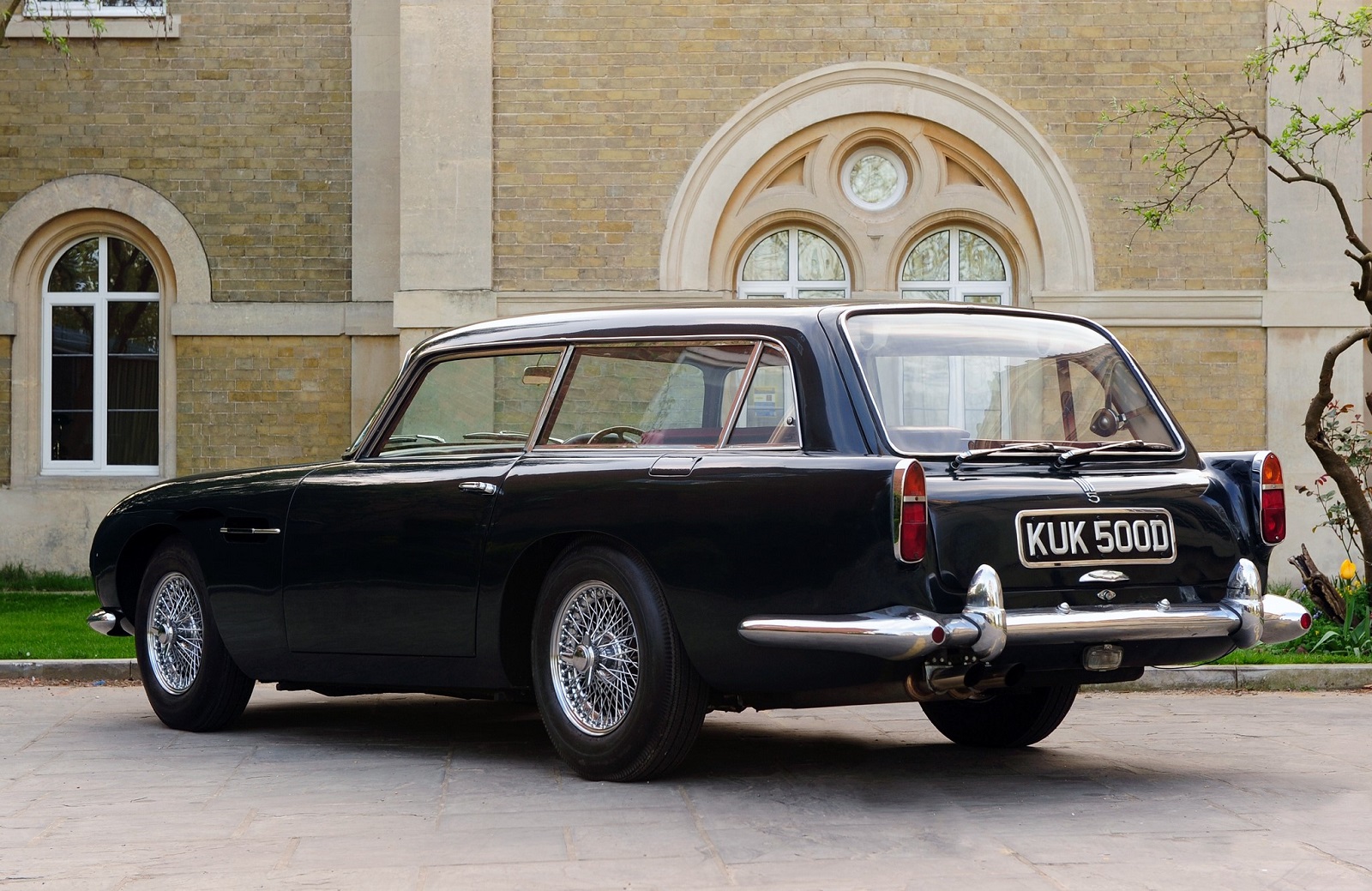
The first Aston Martin shooting brake was created for none other than company owner David Brown of ‘DB’ fame. This was created in-house, but when customers spotted it they wanted one too. So, Aston brought in coachbuilder Harold Radford to turn DB5s and 6s into estate cars. Everything from the windscreen rail back was new, so there was decent headroom and load space.
However, the conversion added 50% to the already hefty cost of a new Aston Martin, which explains why only 12 DB5s were made and half a dozen DB6s.
Ferrari 330 GT
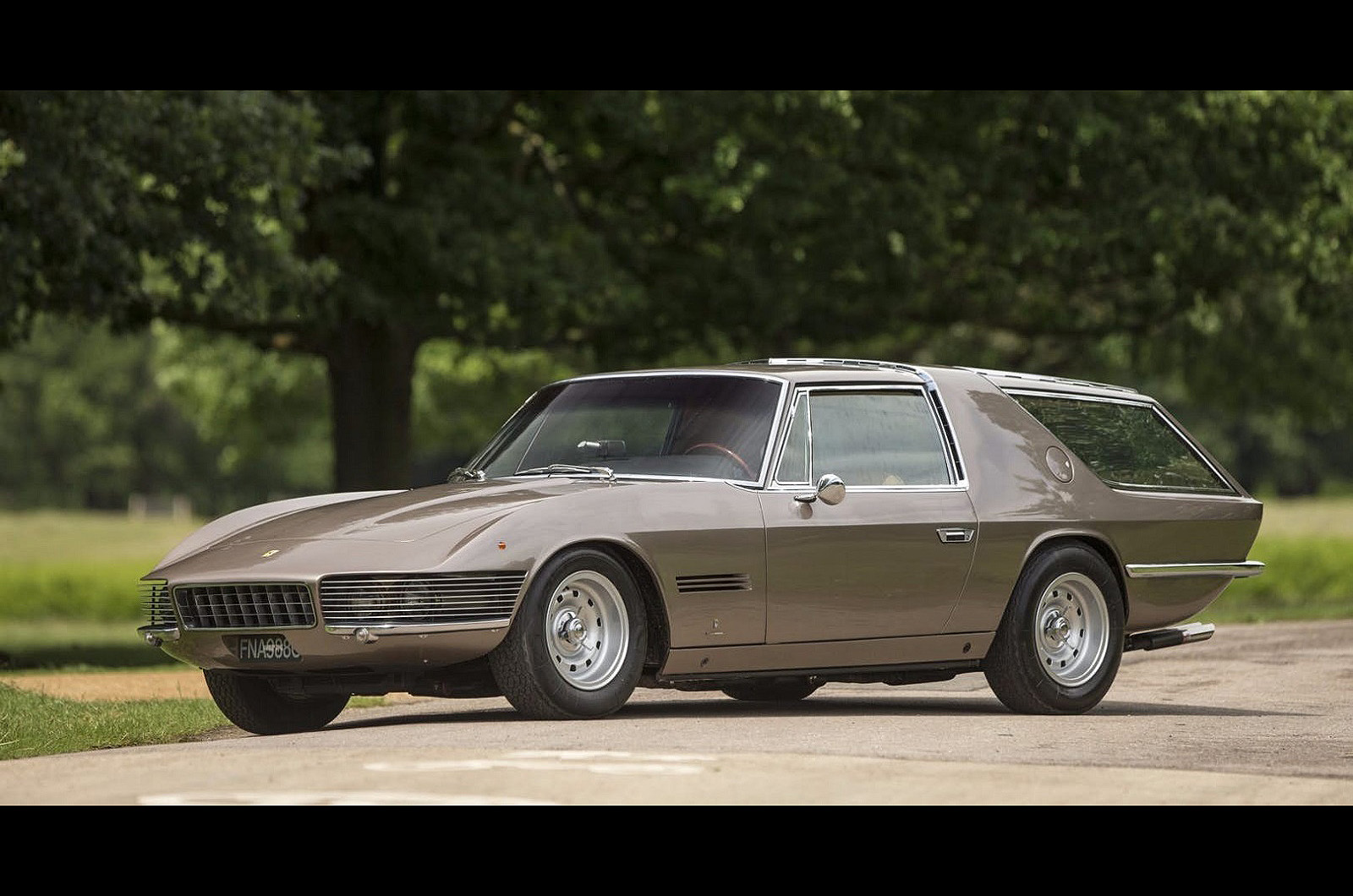
Even by Ferrari standards, this 330 GT Shooting Brake is sensationally styled. Conceived by Luigi Chinetti Jnr, son of the US Ferrari importer, and Alfredo Vignale, the pair took a standard 330 and stripped it.
The only original body parts left are the windscreen and some door parts. Everything else is handcrafted and was originally finished in dark metallic green. This was how Jamiroquai frontman Jay Kay owned it, but it was subsequently painted a light gold colour.
Aston Martin V8 Vantage
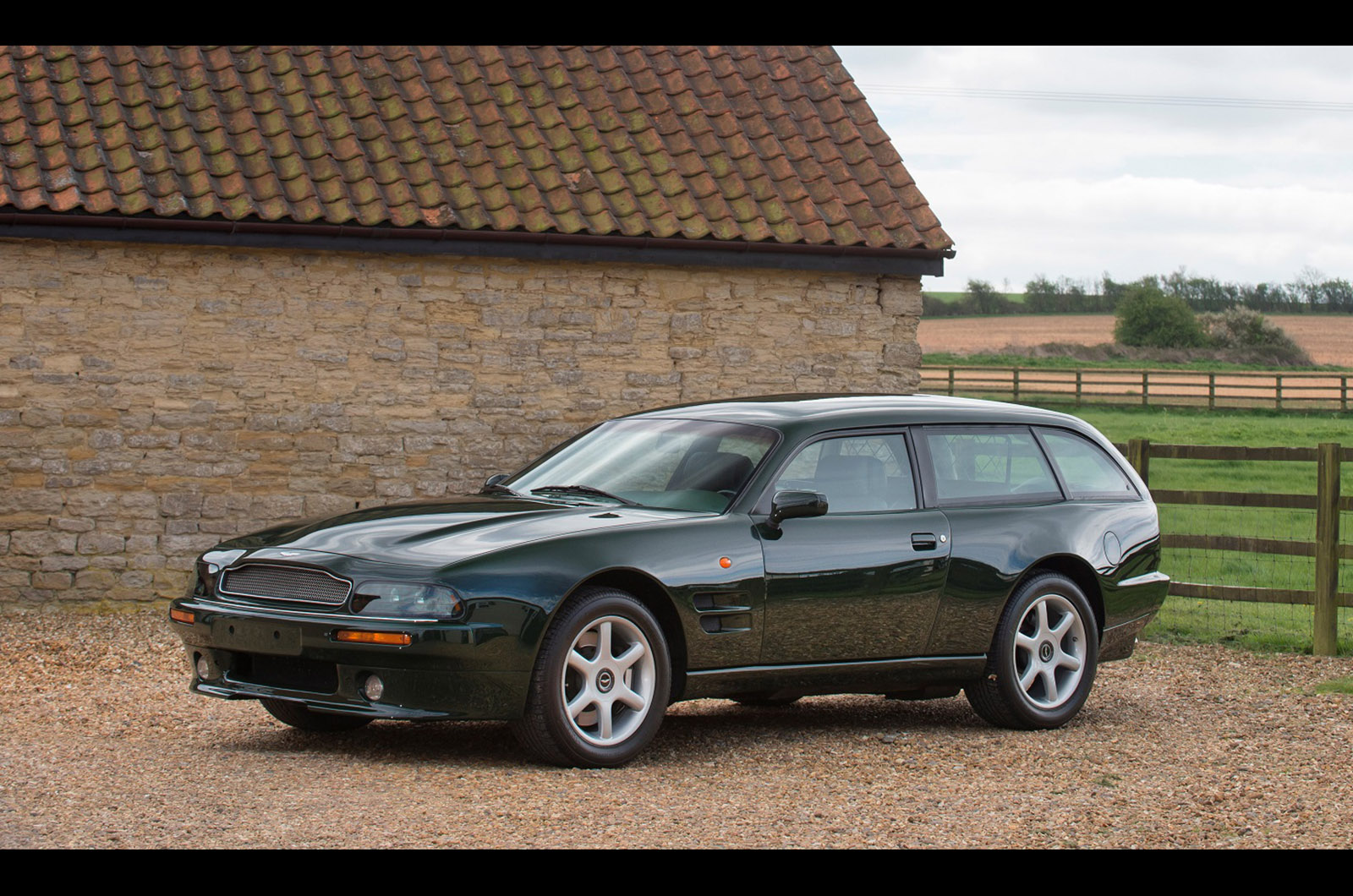
Harking back to the 1960s DB conversions, the V8 Vantage Sportsman Estate used a whole new roof section to free up extra luggage space.
It took Swiss firm Roos 1,800 hours to craft this machine, which was hailed as the fastest estate in the world when completed. The German customer insisted the Aston was capable of carrying a set of skis inside, which makes you wonder how this car managed on snowy Alpine roads.
Ogle Triplex GTS
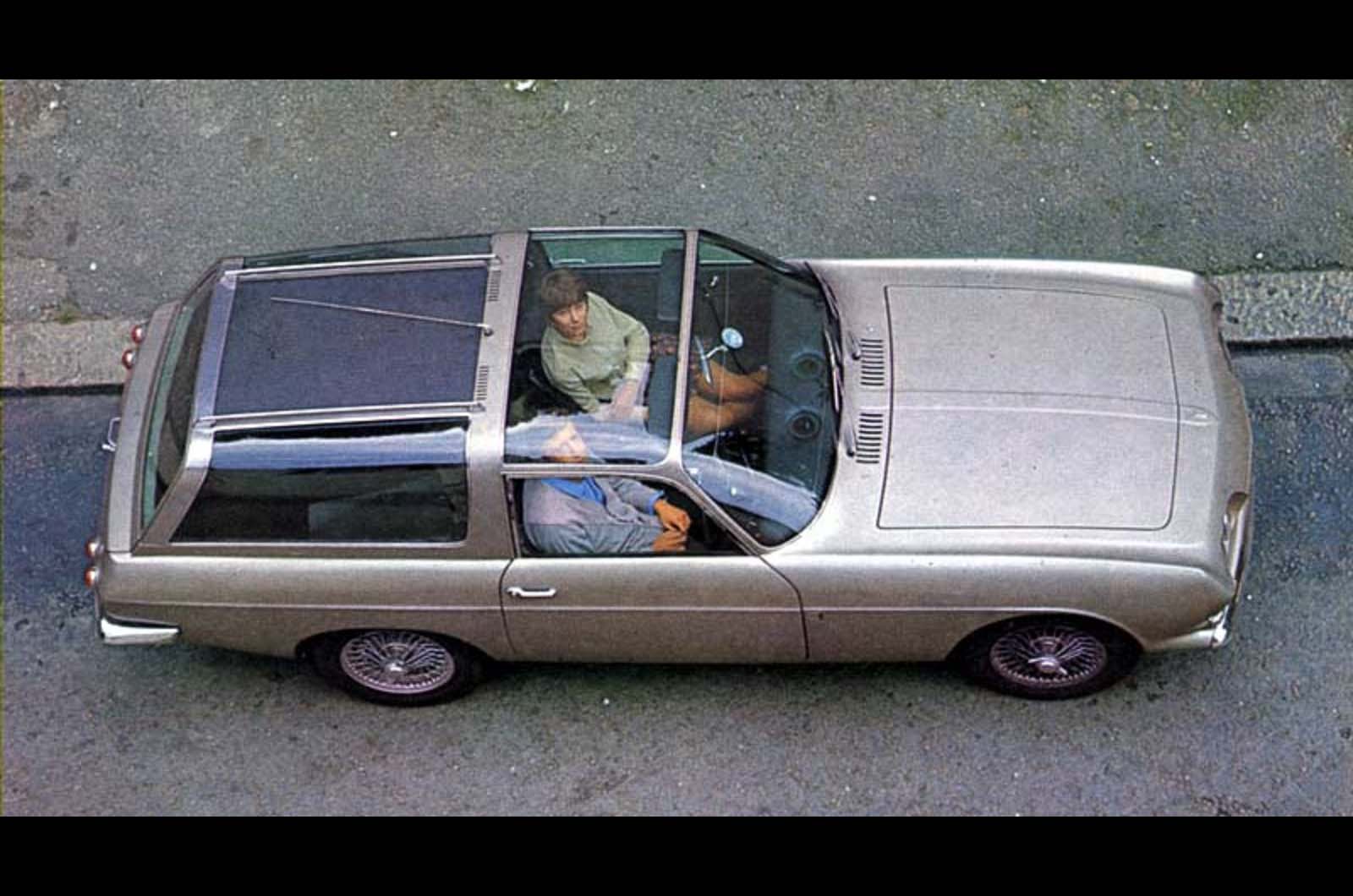
Ogle deserves credit for popularising the shooting brake style with its Glazing Test Special, which was commissioned by the Triplex Glass Company to showcase its Sundym glass.
With curved sections of glass for the front half of the roof and side windows that extend into rear part, the GTS wowed crowds at the 1965 London Motor Show. It was supposed to make further show appearances, but only made it to Turin that year as the Duke of Edinburgh requested it as his personal car and used it for two years.
Aston Martin EG
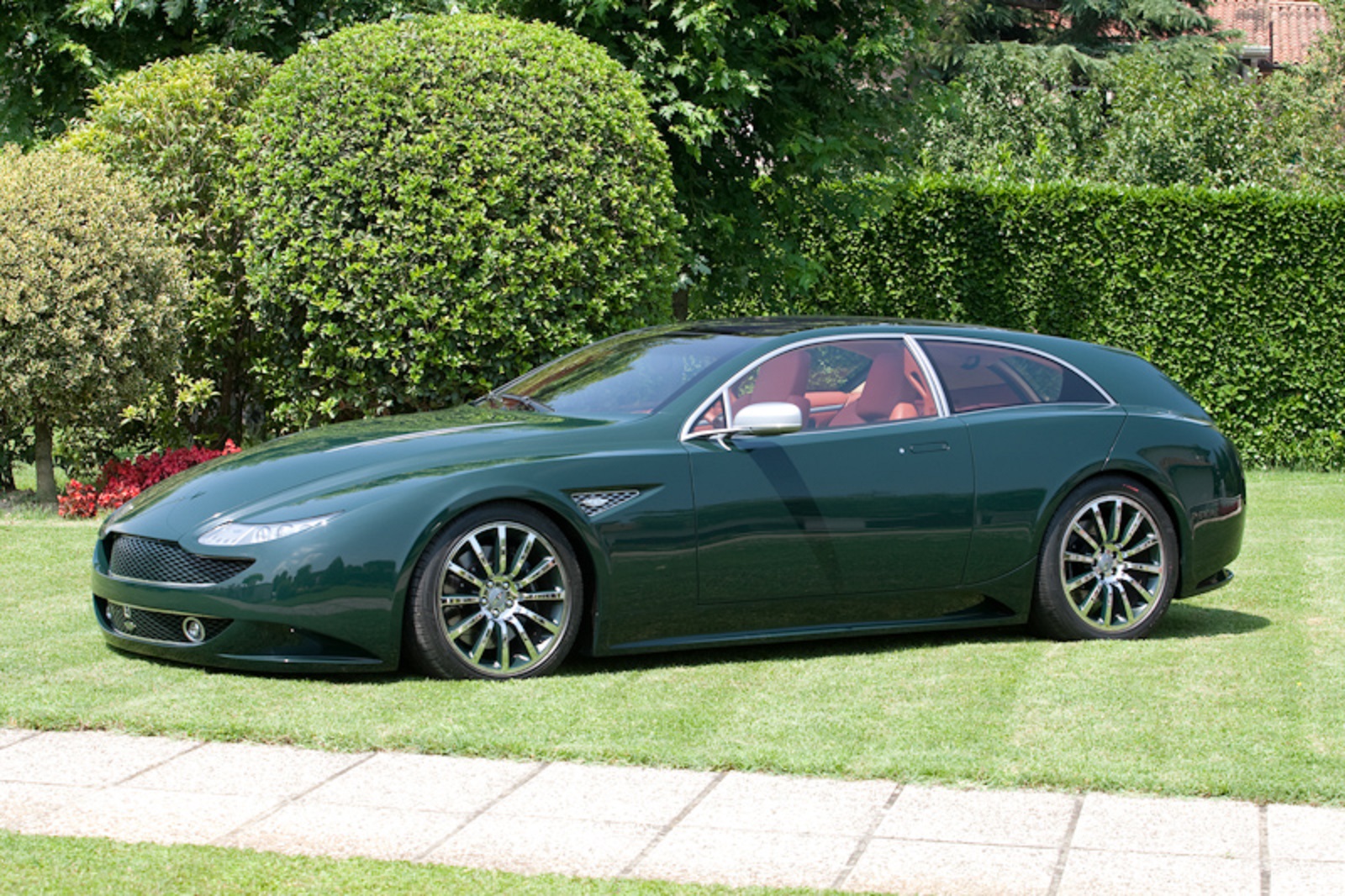
Underneath the sleek lines of this one-off Aston Martin EG lies the mechanical components of a Vanquish. Designed by Francesco Boniolo, the name comes from the original owner’s initials.
It’s 600mm longer than the base car and has a rear hatch for quick access to the wood-lined boot. The roof has an Isolite glass panoramic panel that can be darkened at the flick of a switch to shade the cabin.
Volvo 1800 ES
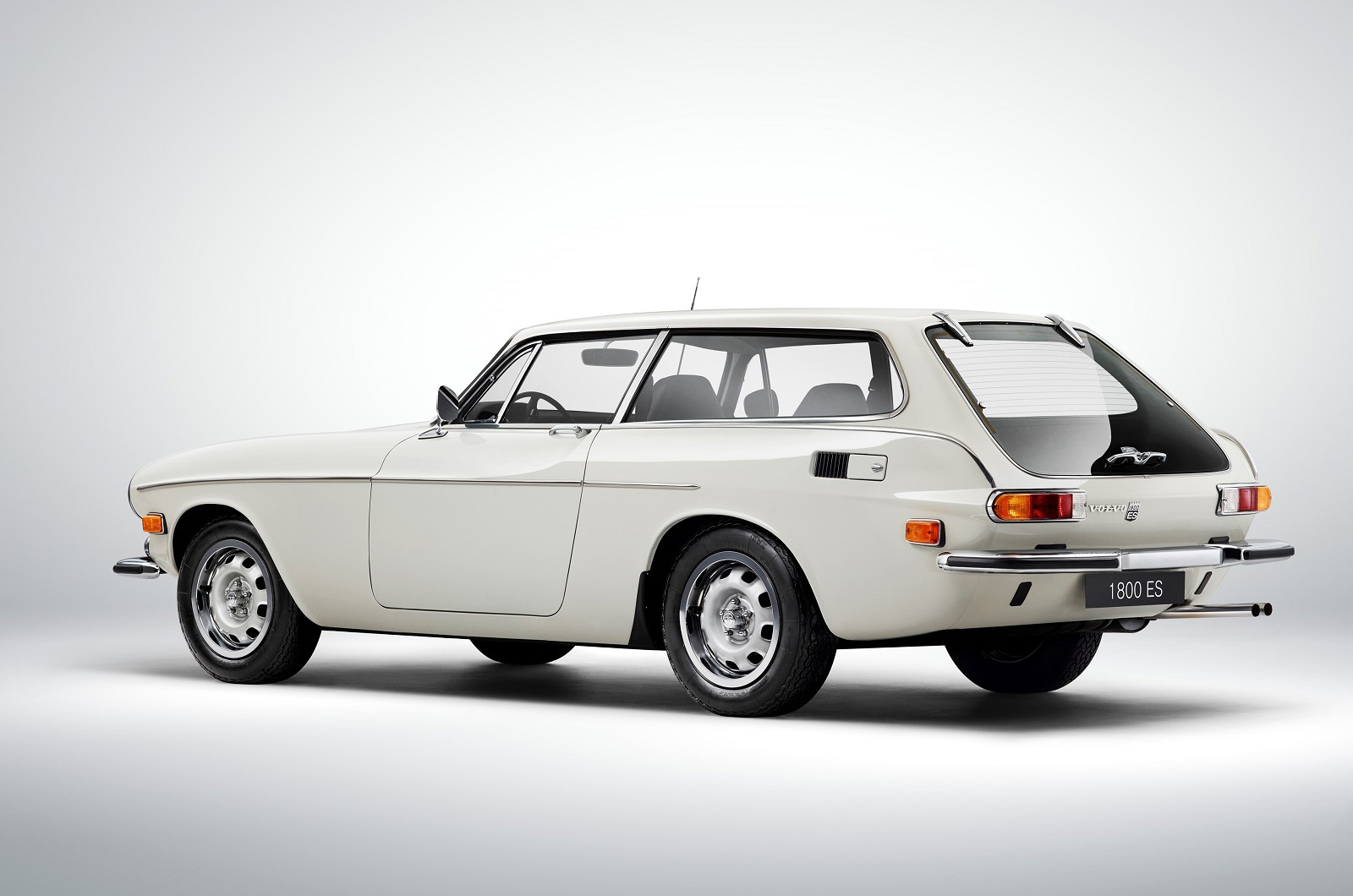
Volvo and estates: yeah, yeah, old news. Well, not with the 1800ES, which was one of the pioneers of the lifestyle wagons we know and love to buy today.
It was a bold move to turn the ageing 1800 coupé into a shooting brake to keep the model alive, but it worked brilliantly and 8077 were sold between 1971 and 1973. The single-piece glass rear hatch was innovative at the time and was revived for the 480ES in 1986.
Reliant Scimitar
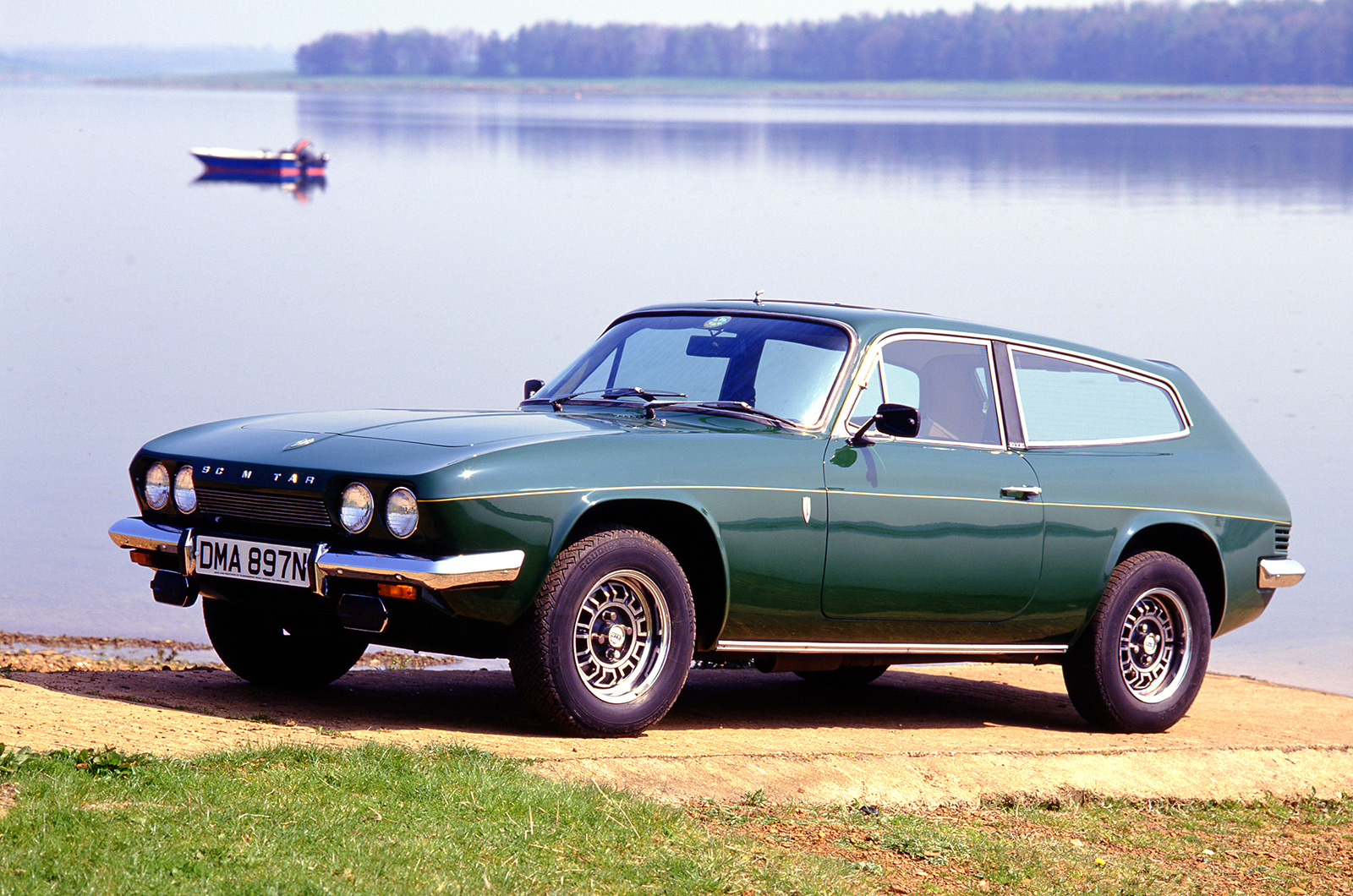
Reliant cottoned on to the success of the Ogle GTS very quickly, which was based on a Scimitar coupé. The Tamworth firm came up with its own GTE in 1968 with design help from Tom Karen of Ogle.
With four individual seats and a large boot, the GTE was an instant hit, helped by lusty performance from its Ford-sourced 3.0-litre V6 motor. Princess Anne was an early and devoted customer, which also added extra glamour to the Reliant.
Ferrari Daytona
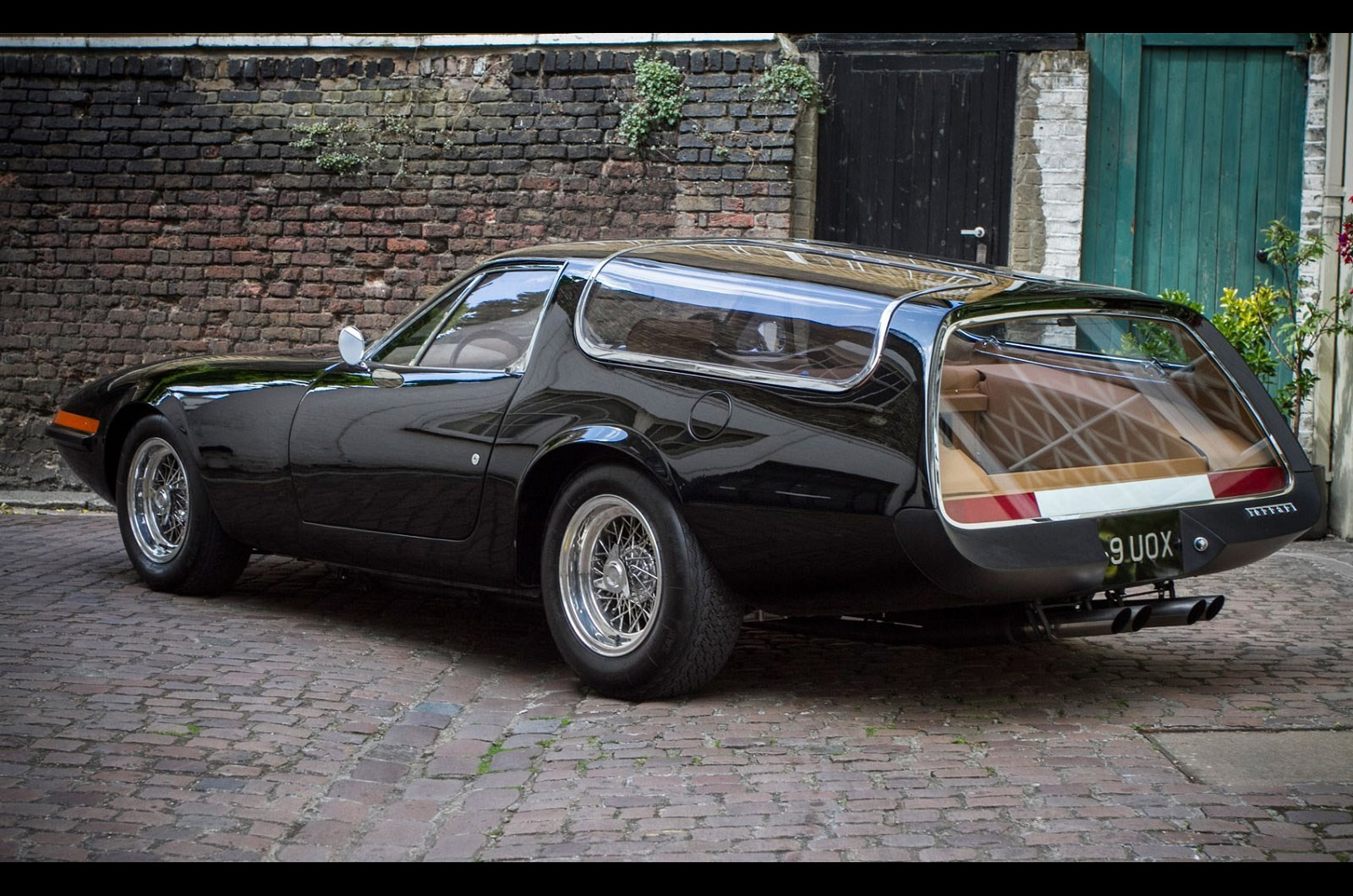
With such a mixed parentage, this Ferrari Daytona Shooting Brake could have ended up as a muddled design. However, with Italian mechanicals, a wealthy American owner and British coachbuilding it became one of the most jaw-dropping expressions of the form.
Owner Bob Gittleman commissioned the car and UK firm Panther Westwinds made it happen. Access to the load bay is through top-hinged gullwing glass panels, but don’t expect much space in the wood- and leather-lined compartment.
Jensen GT
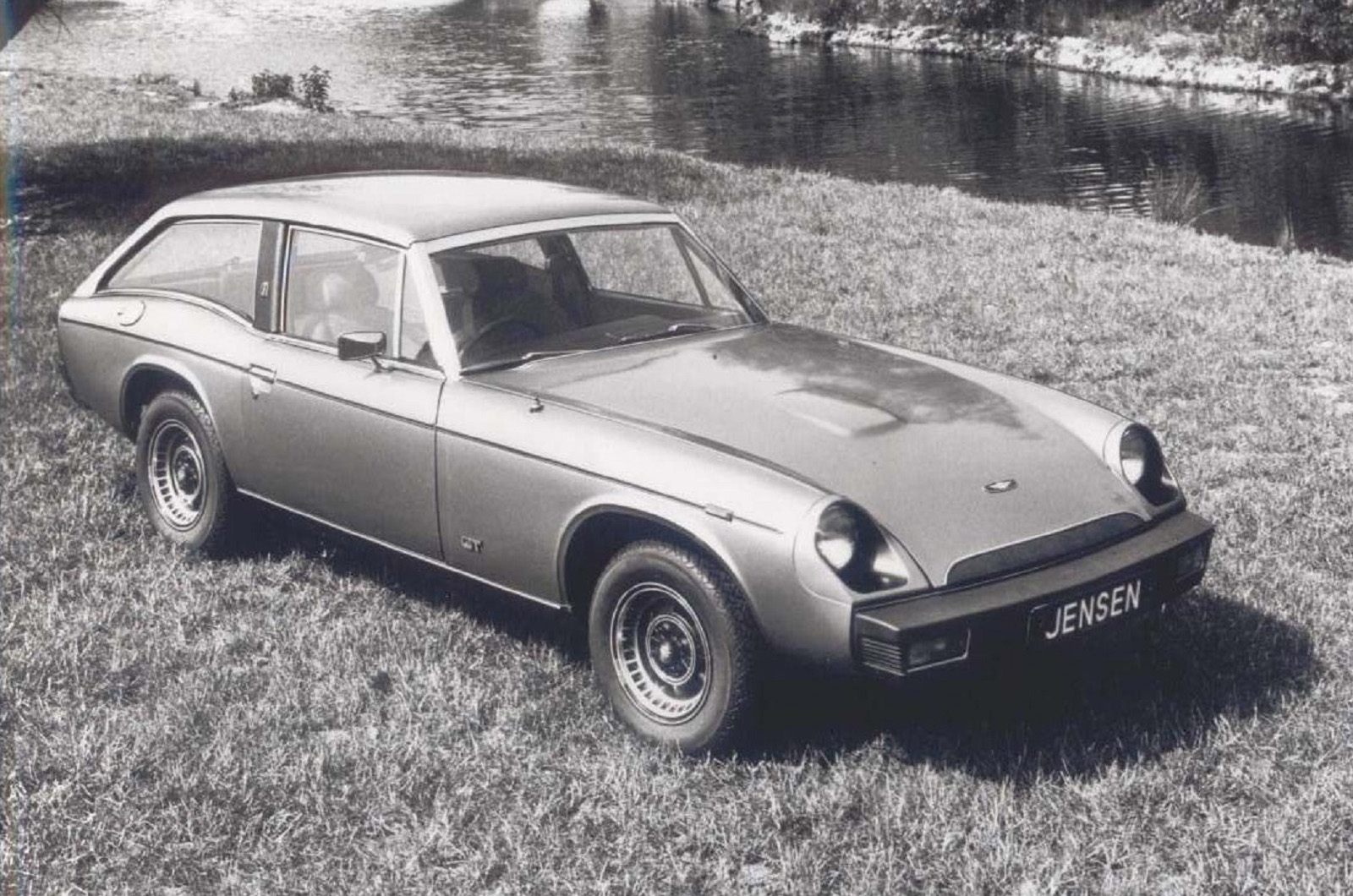
Jensen helped build the early Volvo P1800 coupé but not the ES estate, which may explain why it took until 1975 for the British firm to catch on to the popularity of sporty shooting brakes.
The resulting Jensen GT used the previous Jensen-Healey as its base, albeit with reliability and quality niggles sorted. It was a useful load carrier and the Lotus engine gave spirited performance, but sales never took off and only 473 were sold when the shutters came down in 1976.
Lynx Jaguar Eventer
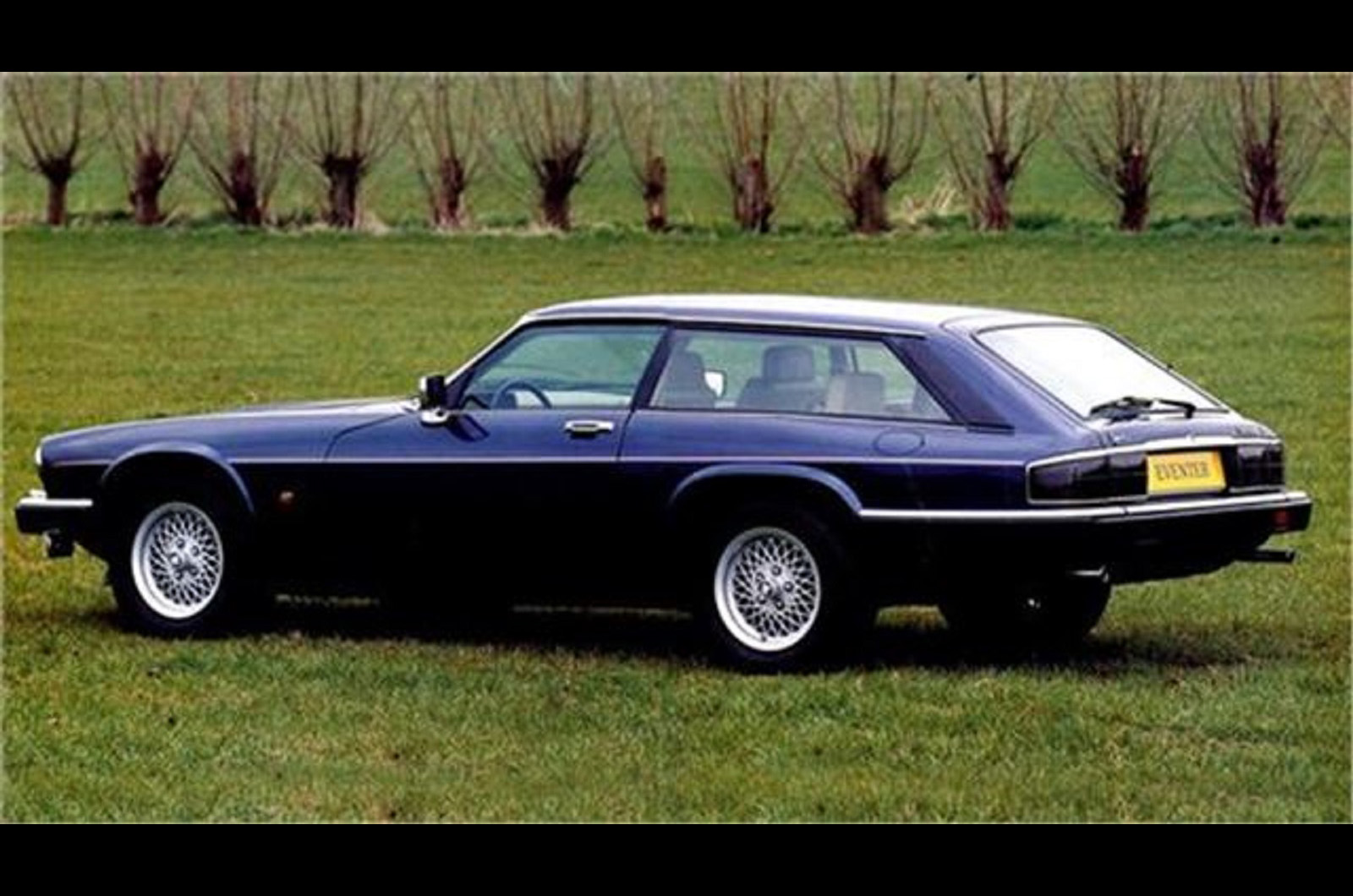
The flying buttresses of the Jaguar XJ-S always divided opinion. To address that, British restoration firm Lynx came up with the Eventer that skilfully grafted on shooting brake rear to create an altogether more elegant car.
Folding rear seats were part of the conversion to maximise load space. It took 14 weeks to make each Eventer and 67 were built during a 16-year lifespan between 1986 and 2002.
Lancia Beta HPE
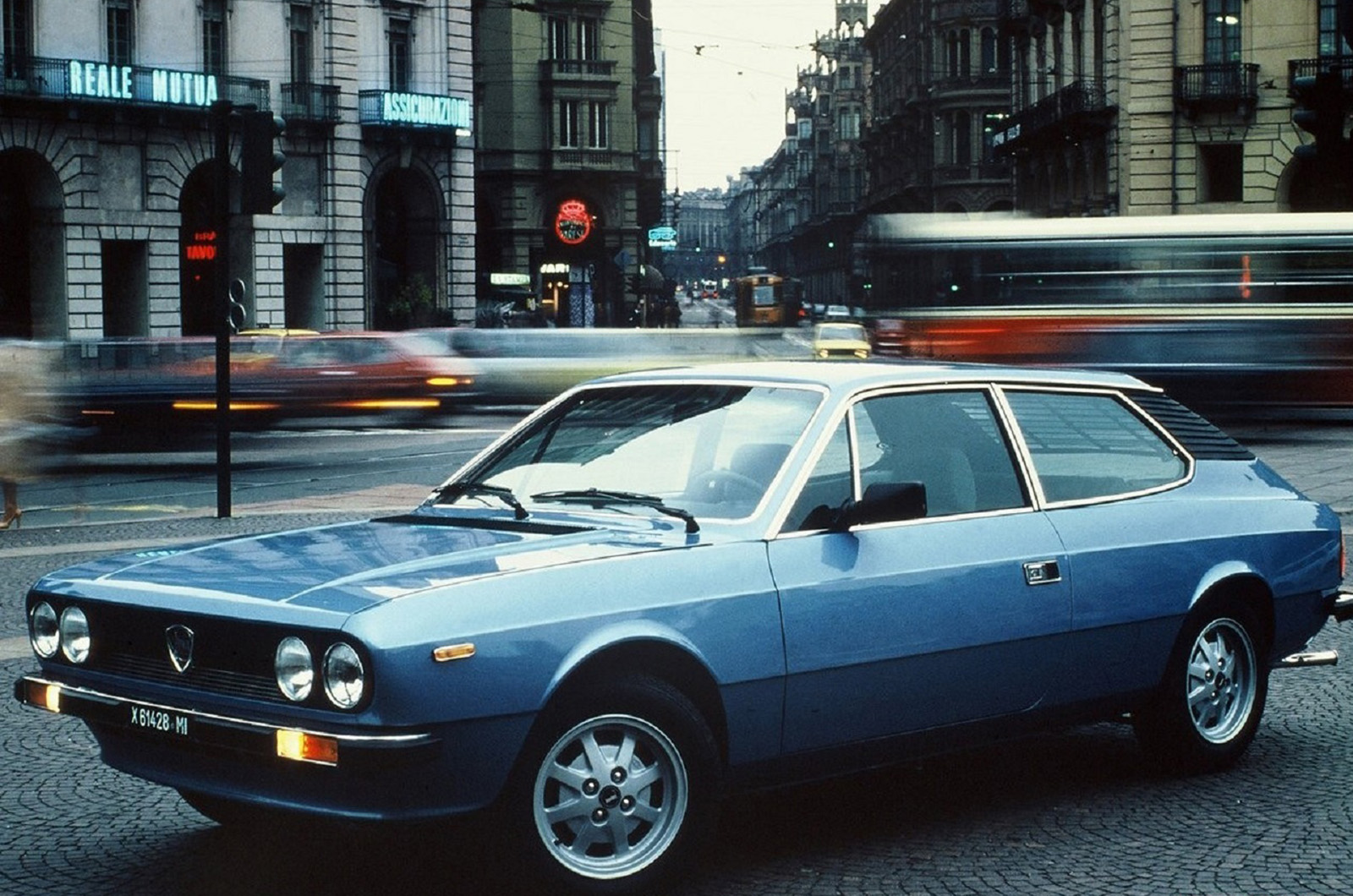
Even under Fiat’s stewardship, Lancia always expressed its own character and that was demonstrated by the Beta HPE. Standing for High Performance Estate, this shooting brake was very much in the mould of the Reliant Scimitar.
It used the front bodywork of the Beta Coupe but sat on a saloon floorpan for a softer ride and longer wheelbase. It came together very well and sold 71,000 units over a 10-year life cycle. Only in the final year did Lancia offer the HPE with its 135bhp supercharged Volumex engine.
BMW Z3M Coupé
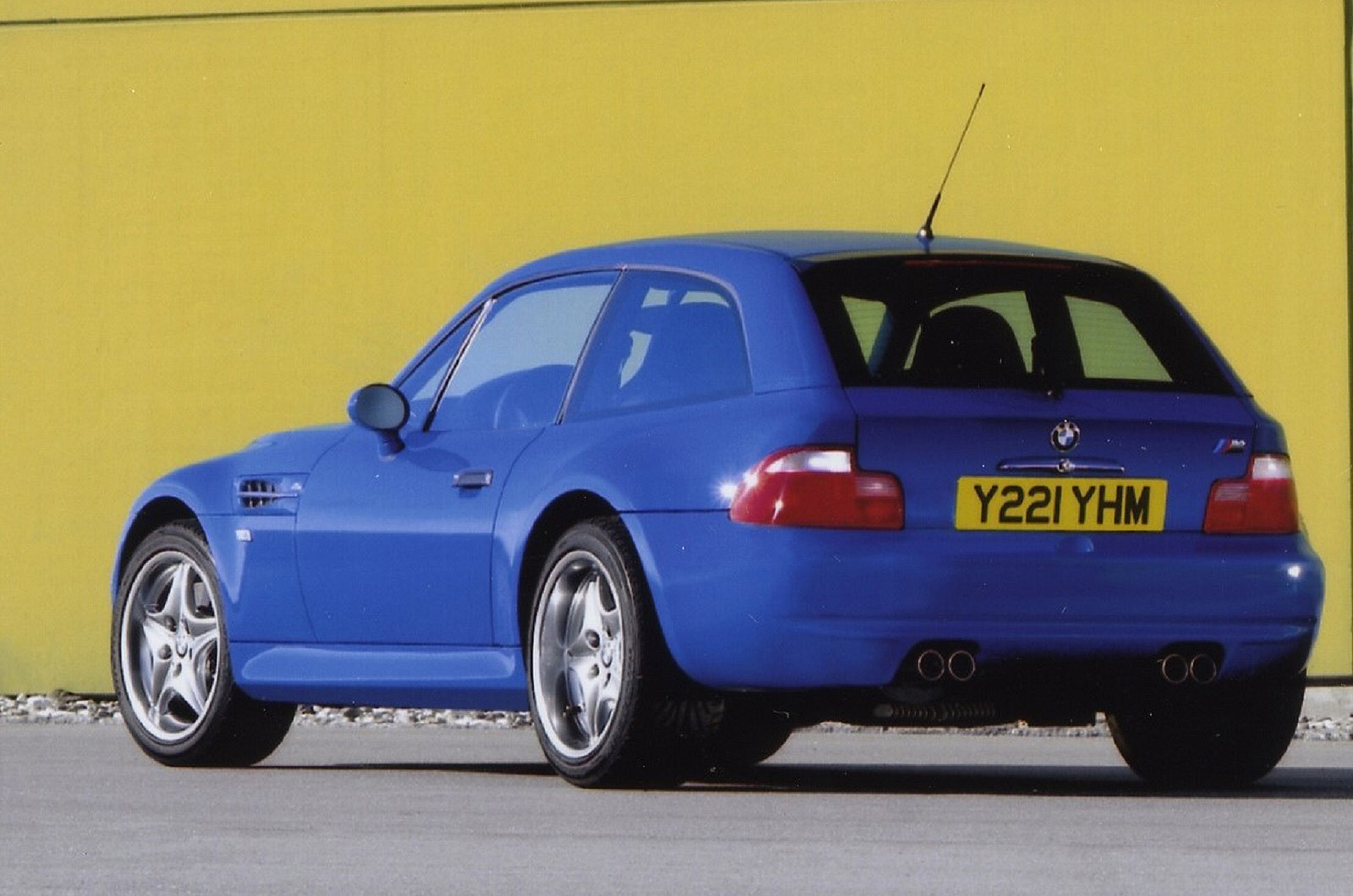
Like so many shooting brakes, the Z3M was the result of a small group of dedicated fans within BMW who saw the potential in a compact sporting estate.
Working in secret, they developed the car from the Z3 roadster and it’s been delighting fans ever since. With the E46 M3’s engine up front, performance is rapid. BMW also offered a non-M version of the Coupé but it was never offered with right-hand drive.
Ferrari FF
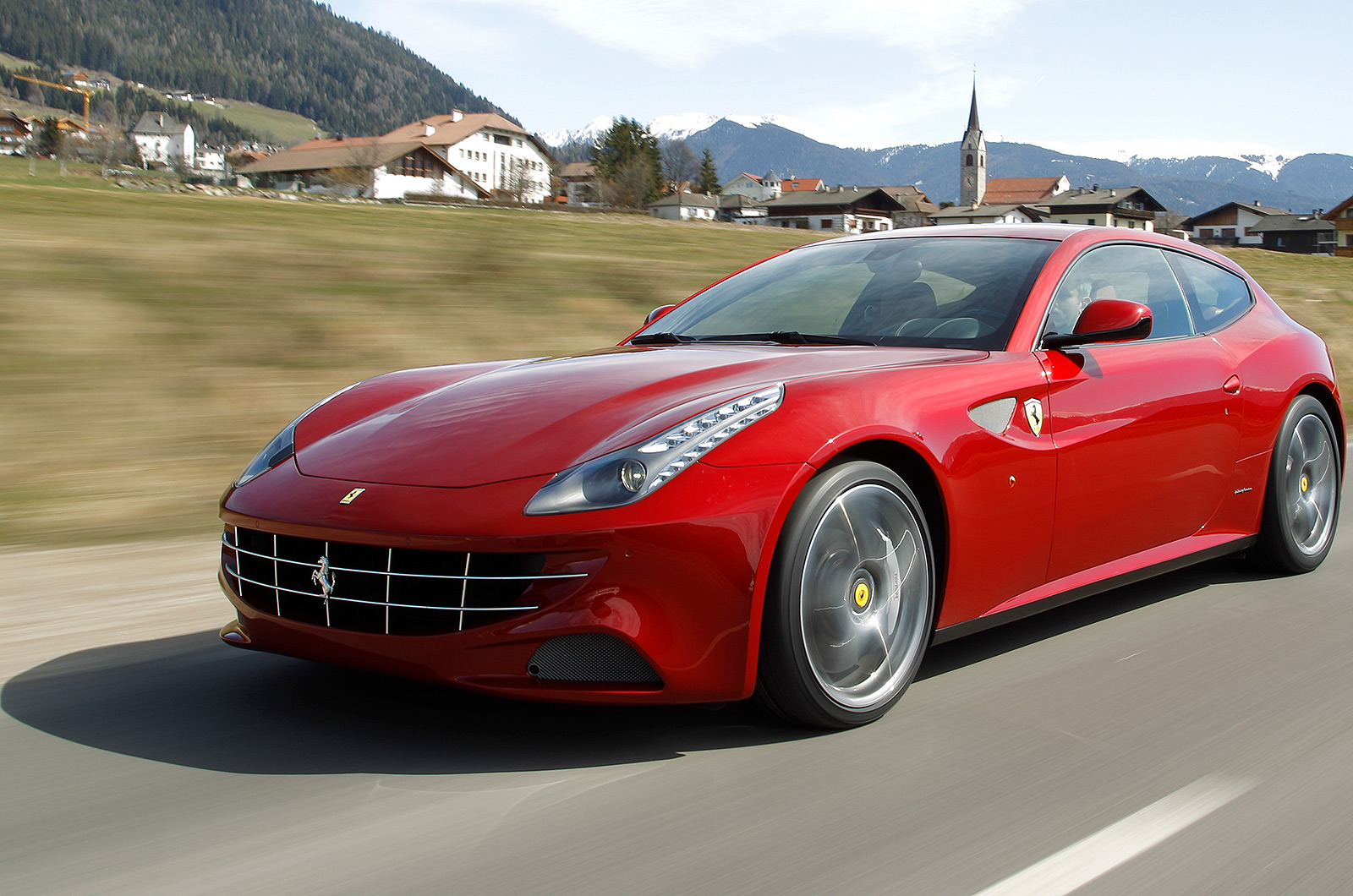
There was so much to take in at the launch of the Ferrari FF, its shooting brake style was almost glossed over. Here was a four-wheel drive Ferrari with 651bhp 6.2-litre V12 engine that covered 0-62mph in 3.7 seconds and hit 208mph flat out.
Yet the bodywork was just as wow-worthy as it can seat four in comfort and carry 450-litres of luggage. A practical family Ferrari? Yes, other than the £226,000 original list price.
Mercedes-Benz CLA
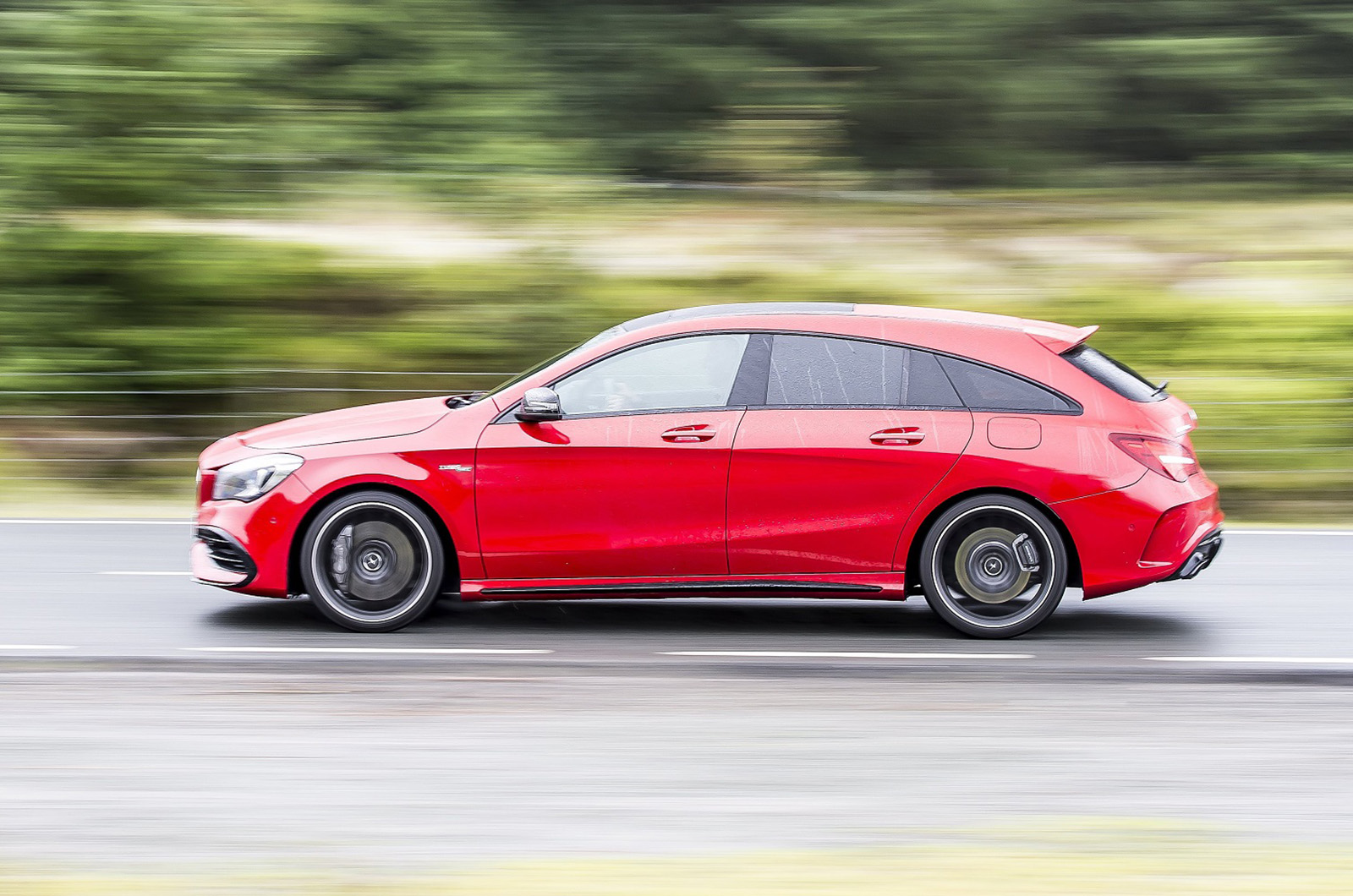
Mercedes was quick to catch the crest of the current wave of interest in four-door coupés and shooting brakes, so its CLA wagon was right on cue when launched in 2015.
By calling this model a Shooting Brake, it cannily side-stepped issues about lack of cargo space in the boot. Instead, it’s viewed as a more practical alternative to its saloon sister. If budget allows, the Mercedes-AMG CLA 45 is the one to have.
Mercedes-Benz CLS Shooting Brake
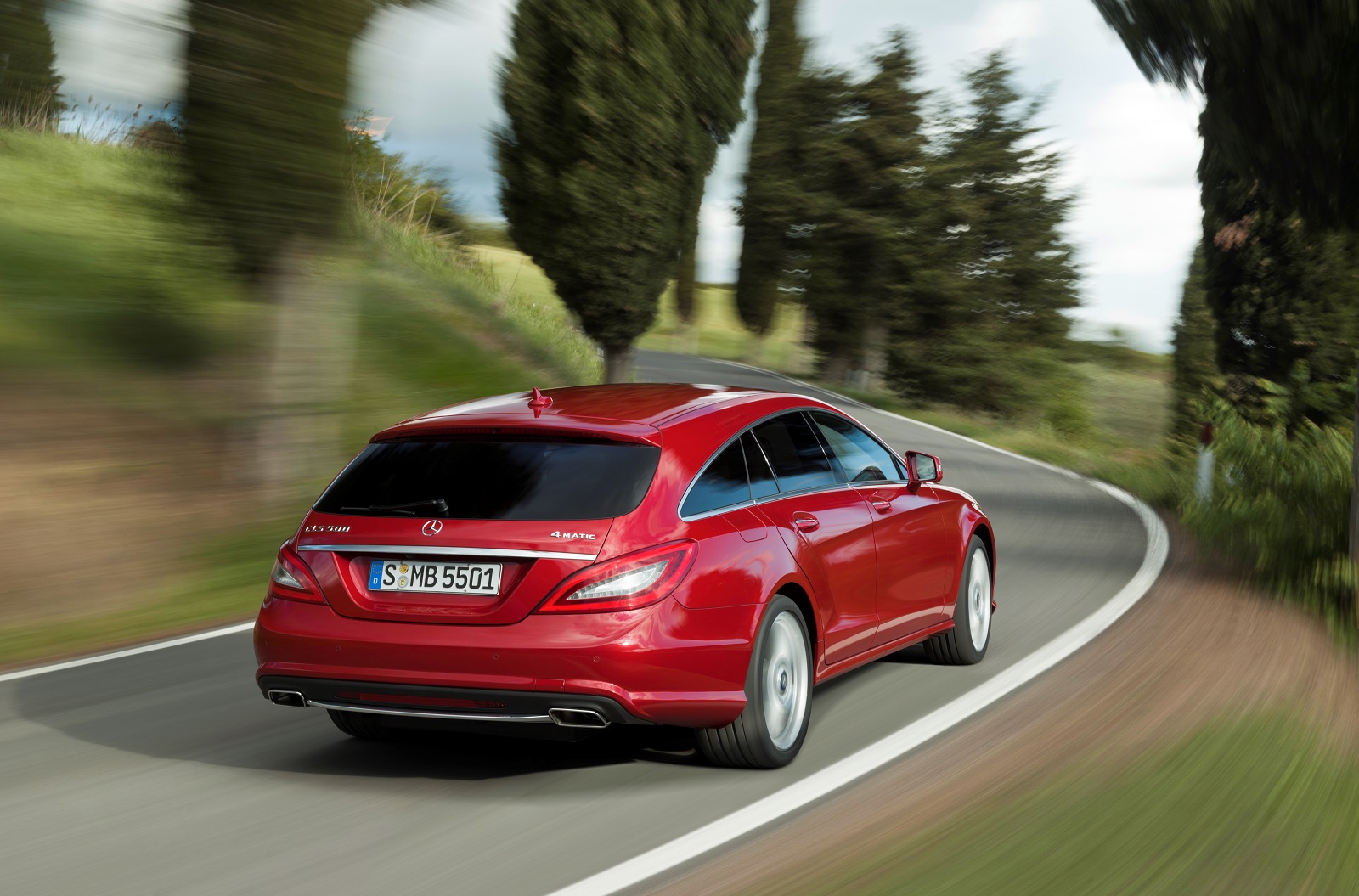
It took Mercedes till the second generation of CLS for it to expand the line-up with the Shooting Brake estate. When it did, this fast-back wagon immediately grabbed attention thanks to its sweeping looks and air of menace, especially in AMG guise.
Yet despite those rakish lines, it was still a Mercedes estate at heart and offered more boot space than a contemporary Audi A6 Avant or BMW 5 Series Touring.
Bentley Continental Flying Star
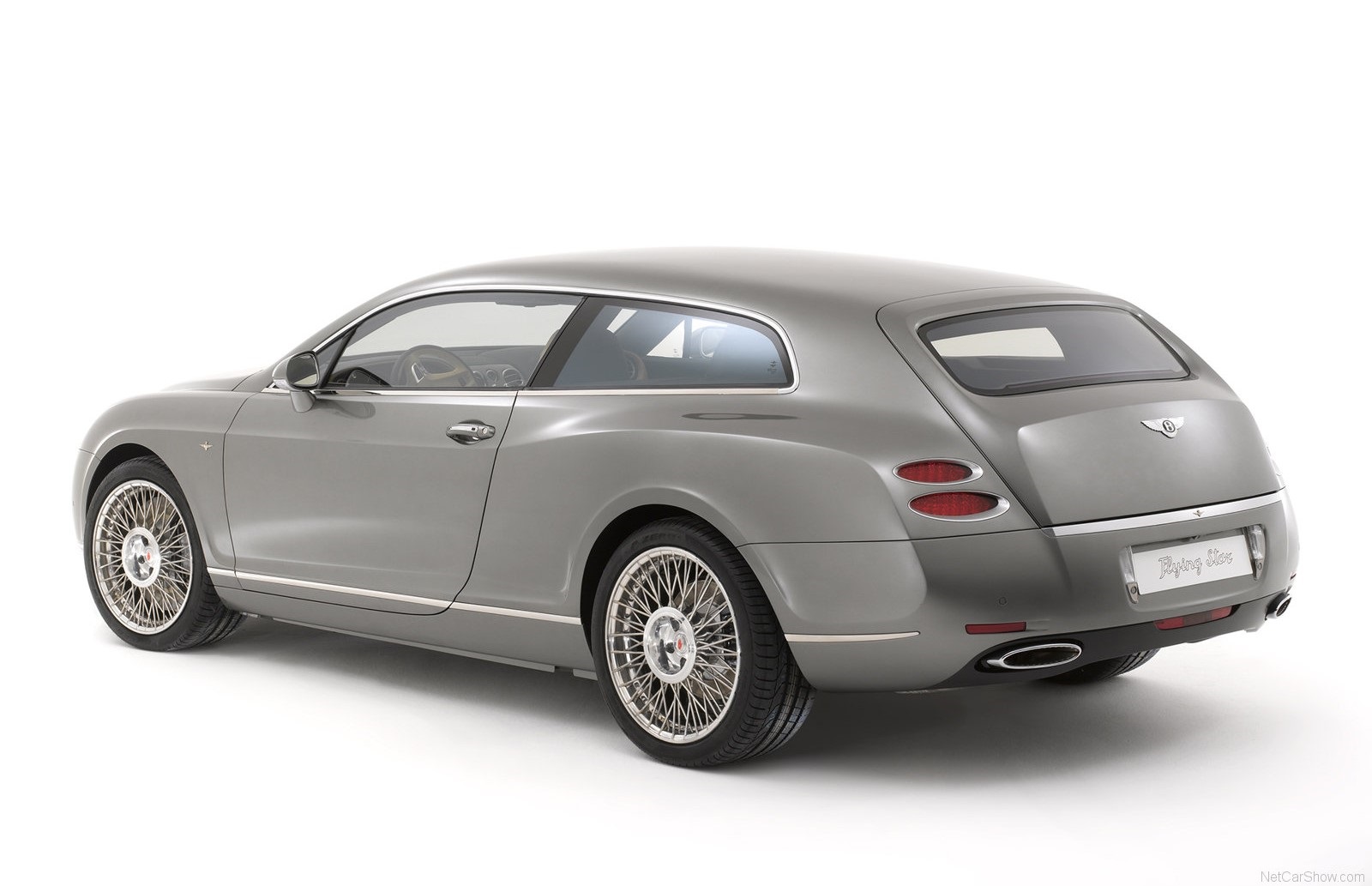
When creating this Bentley Continental-based shooting brake, coachbuilder Touring Superleggera started with a GTC convertible rather than the expected coupé. The reason was it’s simpler to make a one-off estate from a drop-top than having to replace an existing roof.
However they went about it, the Italian craftsmen came up with a handsome wagon that can carry up to 1200-litres of luggage with the rear seats folded.
Audi Shooting Brake
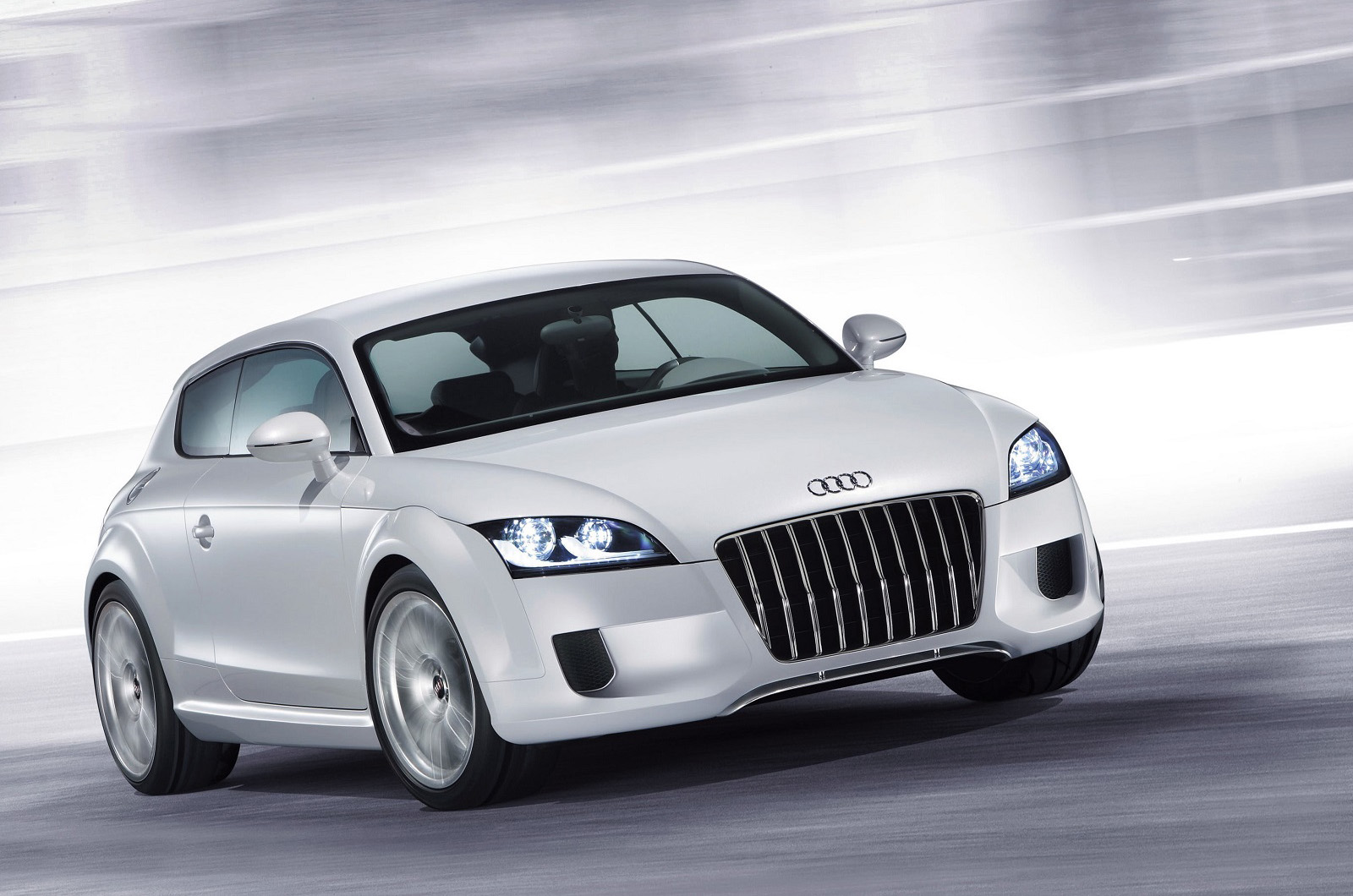
Audi has used the Shooting Brake name on more than one concept. But the first was shown at the 2005 Tokyo Motor Show. It previewed much of the styling and design that would be seen in the second generation of TT.
But this concept had its own distinct looks thanks to the extended roofline and tailgate. There were some rumours it might go into production, but they were quashed in 2007.
Qwest Tesla Model S
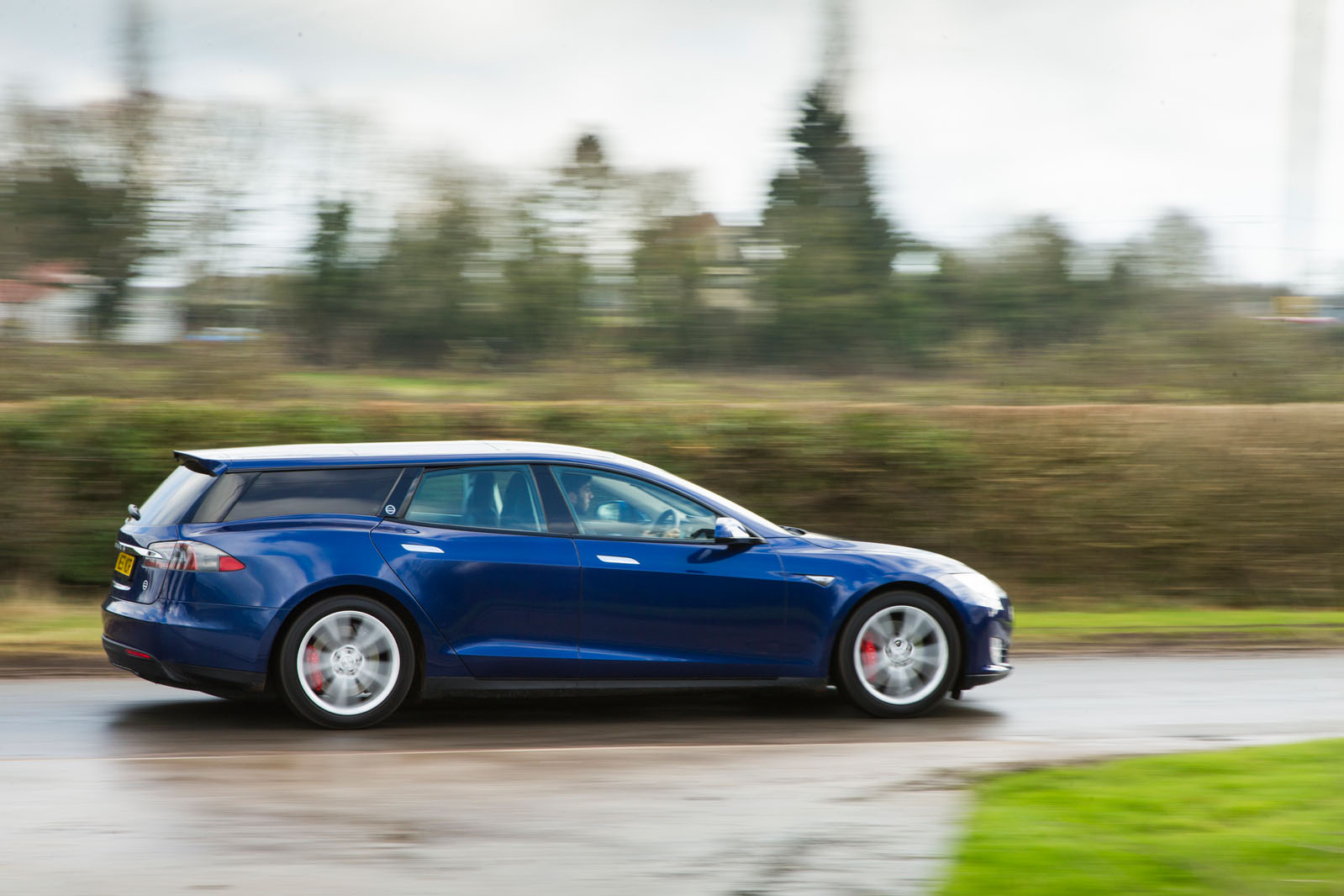
The Qwest Tesla Model S Shooting Brake was inspired, like so many others, by the need for space to carry a dog. This goes right back to the type’s original huntin’, fishin’ and shootin’ roots, but the Qwest is a very modern twist thanks to being the first all-electric take on the theme.
Made by British coachbuilding firm Qwest, it uses carbon fibre for the extended roof and hatch so that it weighs only 12kg more than a standard Model S.
Kia Ceed Shooting Brake
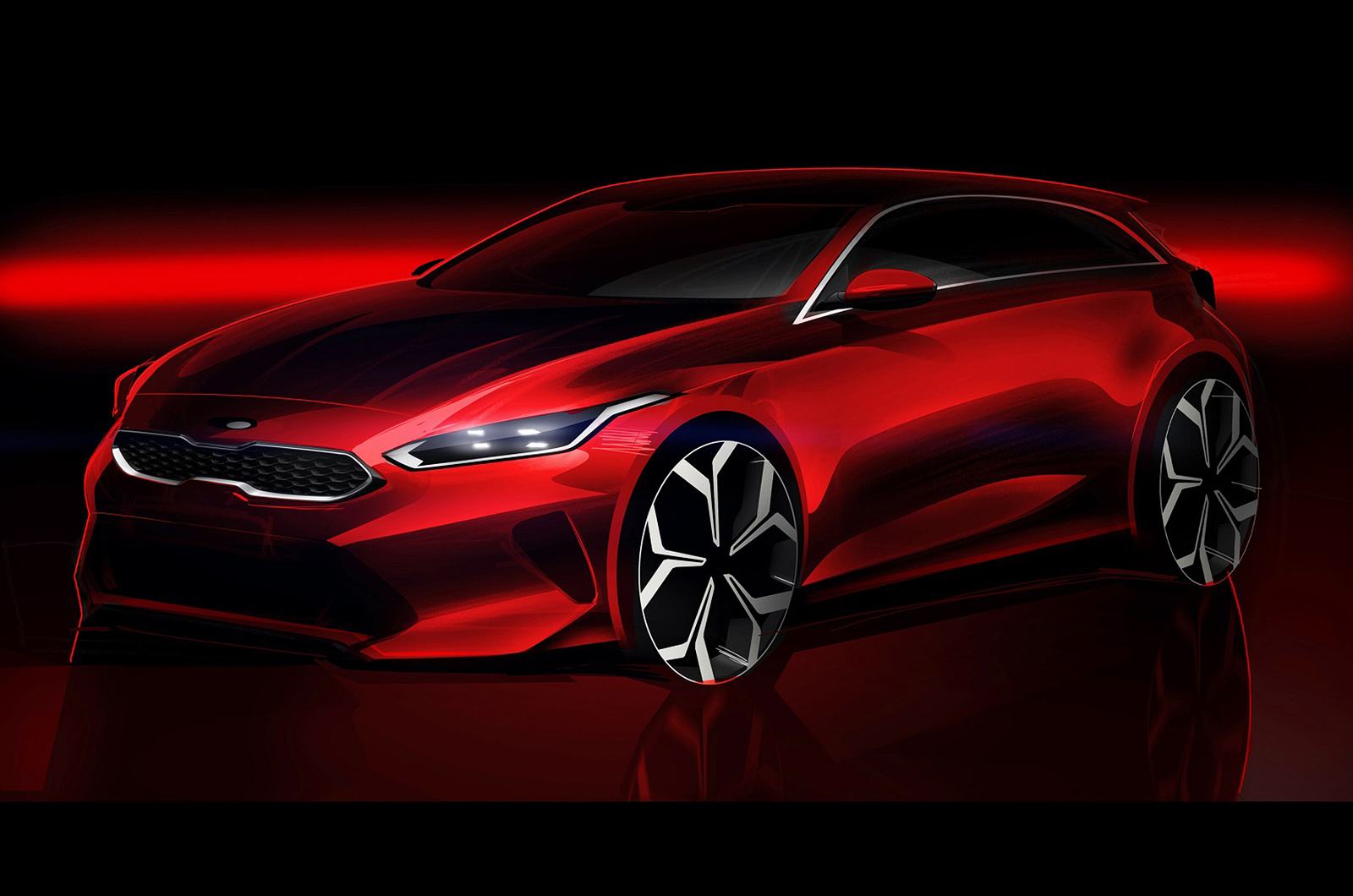
The latest addition to the shooting brake firmament is from Kia and broadens its Ceed range from hatch and estate. It’s also a clear indication there’s demand from the mainstream market for more stylish wagons as some begin to tire of crossovers and SUVs.
The emphasis will be very much on sporting enjoyment as the Shooting Brake takes the place of the three-door Proceed model.
Aston Martin Vanquish Zagato
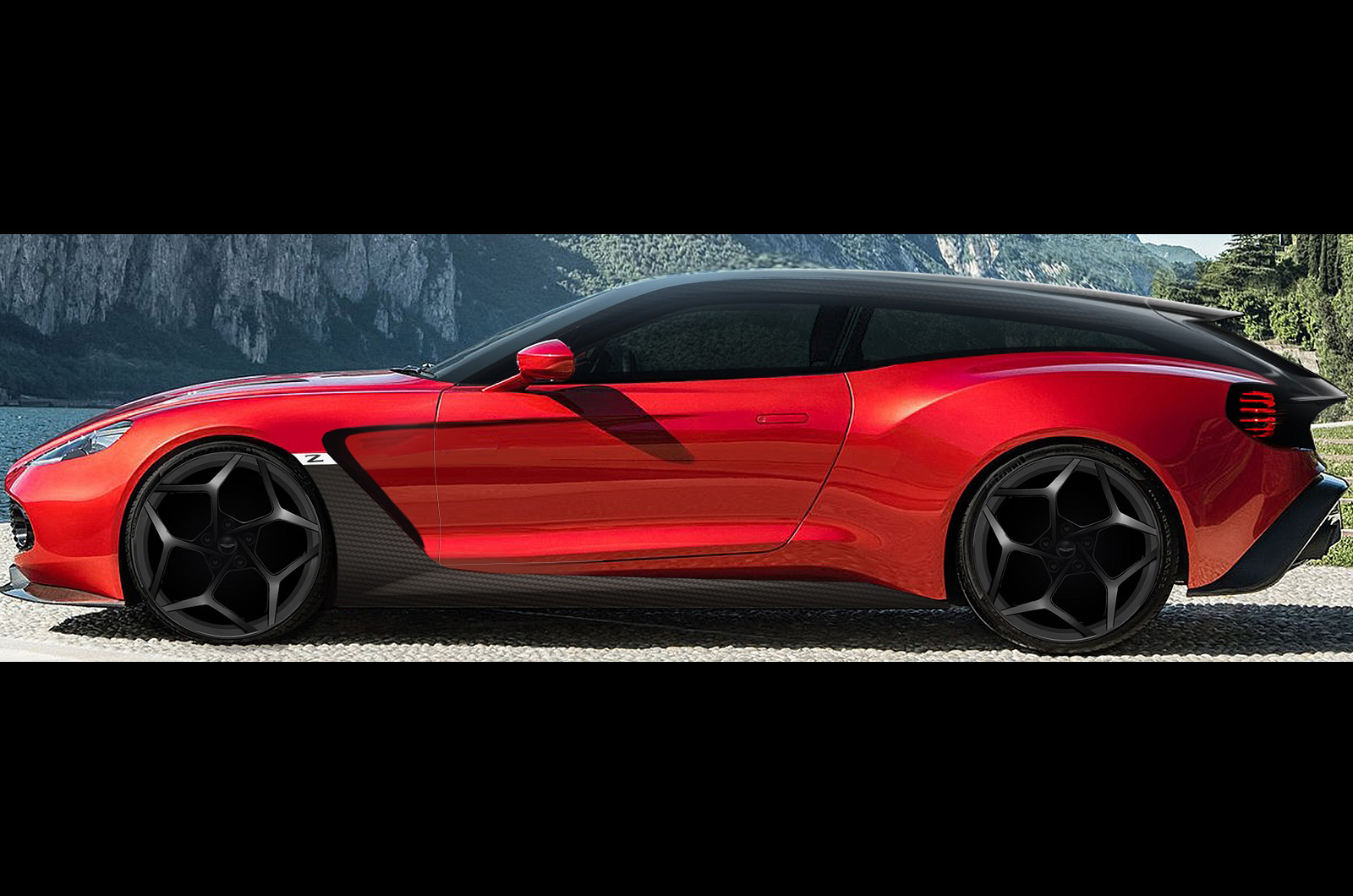
Aston Martin is returning to the notion of coachbuilt cars to customer’s designs with the Vanquish Zagato Shooting Brake. Only 99 will be crafted by the company’s Q Division and each has an extra 27bhp from the V12 engine over a standard Vanquish.
The wagon remains a two-seater, but Aston says the Zagato becomes an ‘exceptionally practical GT’ with powered tailgate and double-bubble roof with glass inlays to allow extra light into the cabin.
Porsche 944 Cargo
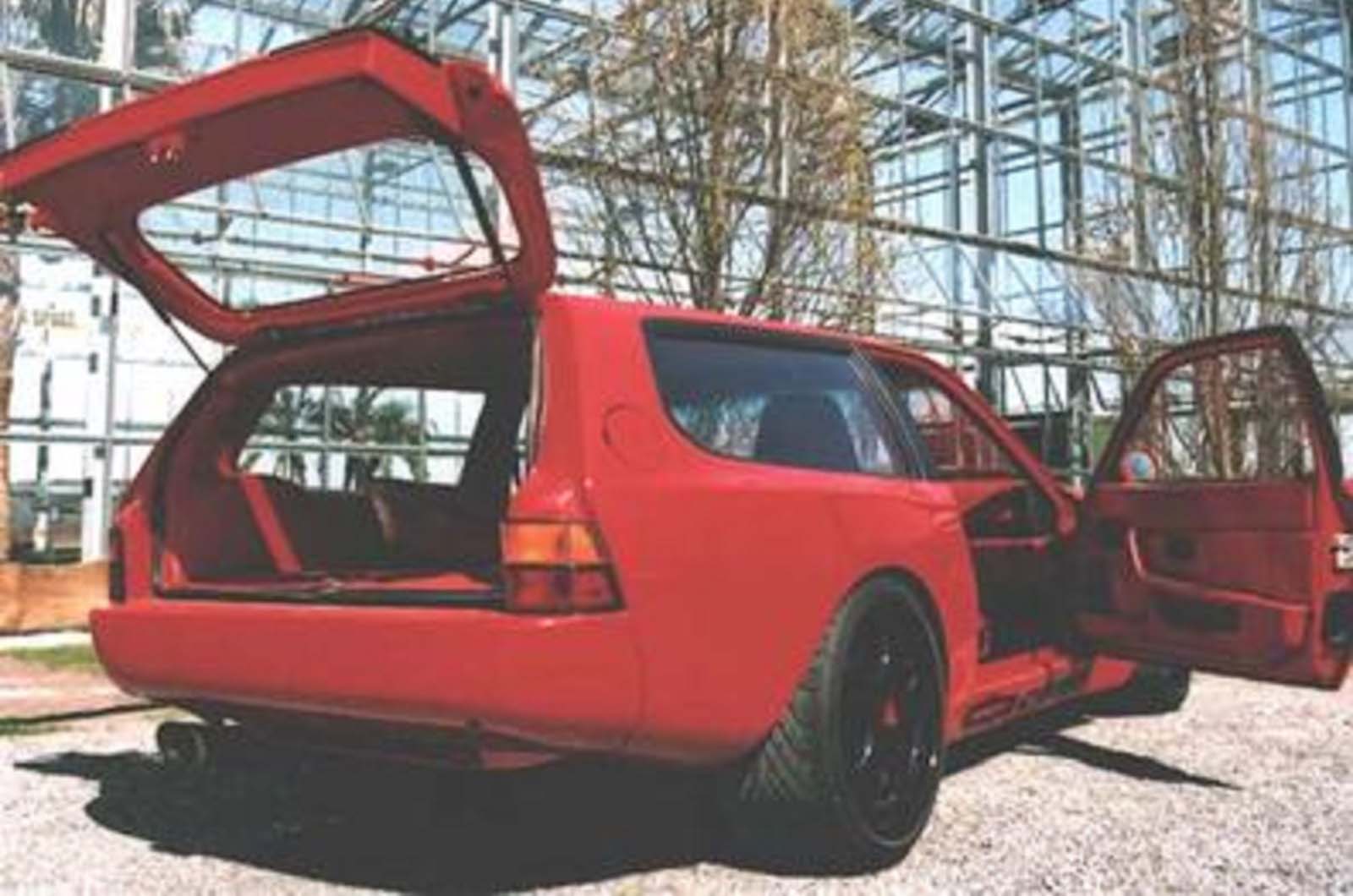
The Porsche 944 offered good practicality as standard thanks to four seats and a decent boot, but for DP Motorsport it wasn’t enough.
So, this German racing team that was behind the Porsche 935 K3 Group 5 race car, grafted the rear of a Volkswagen Passat onto the coupe. The result looked just right and eight cars were made for customers at the time, plus you can still order a kit to create your own that costs €18,000.

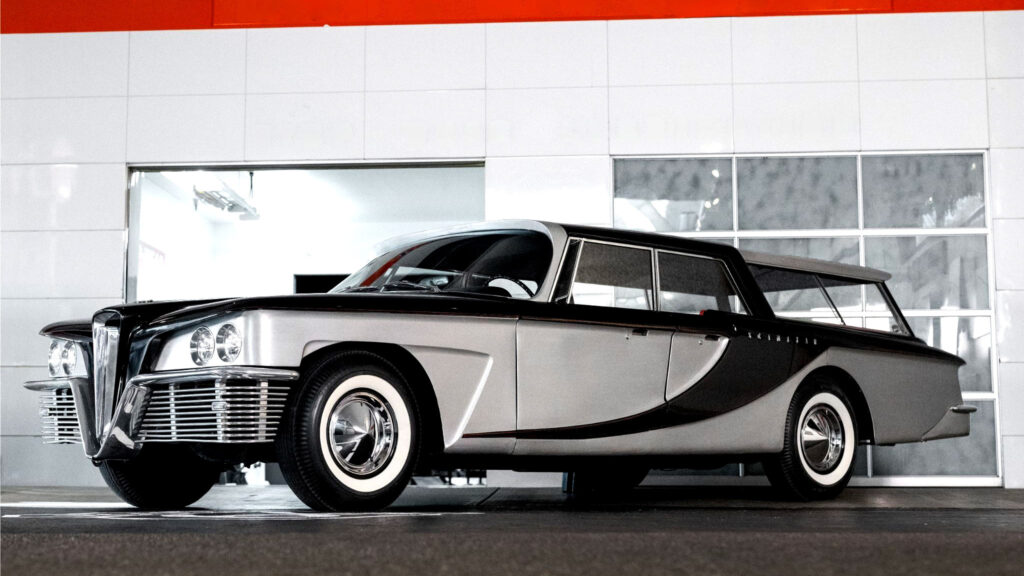
Aluminum Innovation in the 1959 Scimitar All-Purpose Sedan Redefined Automotive Durability and Design

Car Platforms as Modular Foundations Transforming Automotive Design and Manufacturing
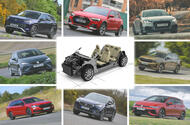
Volkswagen's MQB is among the most prominent platforms, spawning a variety of modelsThe word is commonly used in automotive circles, yet its meaning isn't widely understood – and is highly variable
One thing the car industry is renowned for is jargon – and the problem with jargon is that terms can be interpreted differently depending on who's using them.
Electric vehicles' traction motors are an example. Are those that avoid the use of permanent magnets separately excited synchronous motors or externally excited synchronous machines? You choose, because the industry has never been good at agreeing standards.
The term 'platform' is another example. In the past decade it has emerged from being a relative rarity in automotive chat to being as common as those old favourite phrases 'unsprung weight' and 'power-to-weight ratio'.
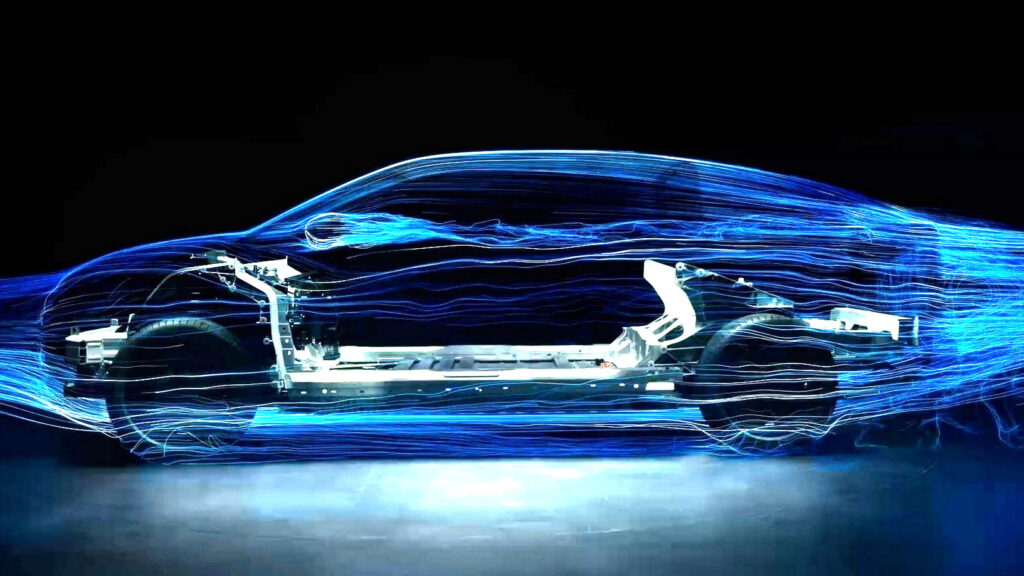
In fairness, there's a reason why 'platform' and its stablemate 'architecture' are so widely used now, and that's because both methods of engineering design are applied to the majority of mainstream cars today. The difference between the two can get a little fuzzy, and perhaps that's because they are so closely linked, but using both approaches as a foundation to underpin the building of cars not only allows manufacturers to do so profitably but in theory should also result in better cars.
One senior engineer described the difference between the two like this. An architecture shares the same approach to designing and manufacturing components like structures, powertrains and chassis (a common bill of design and process in engineering speak). On the other hand, a platform can be described as having common underframe, chassis and powertrain elements capable of residing beneath multiple "top hats", or bodystyles.
So, for example, two platforms – those for saloons and SUVs, say – might be built using the same architecture. Or, to turn that around, a single architecture can spawn more than one platform – those for saloons and crossovers, say.
In 2012, Jaguar Land Rover's D7a architecture did just that, providing the foundation for a family of completely different vehicles under two different brands: Jaguar's XE and XF and Land Rover's Range Rover Velar are examples.
Platforms aren't new, but they are more flexible and a powerful tool for manufacturers to use and share. Historically, it could mean simply sharing a floorpan and chassis, like the Volkswagen Karmann Ghia being based on the Beetle. Most of the industry's big names have used and shared platforms in Europe, Japan and America in similar ways over the years.
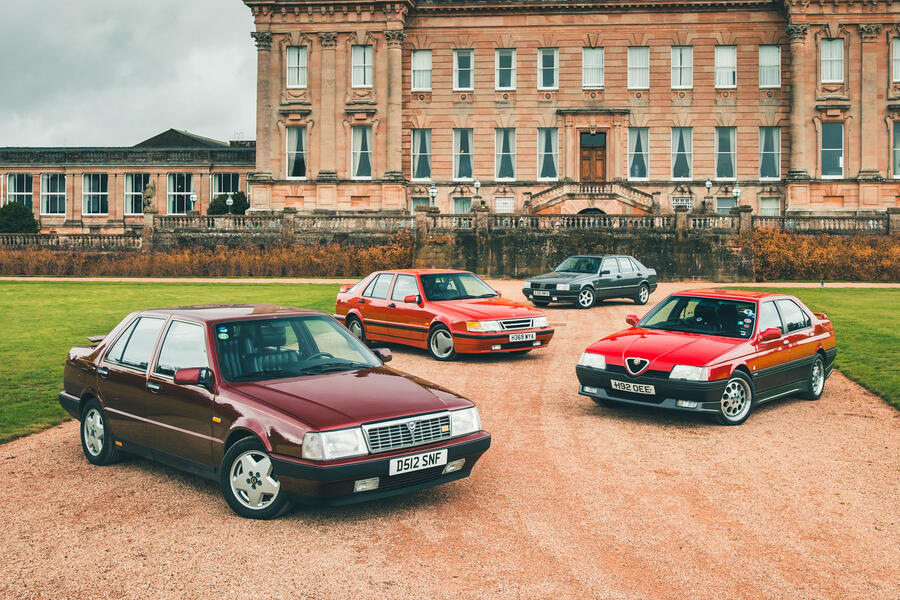
In Europe during the 1980s, a prime example of 'platform sharing' was Fiat's front-wheel-drive Tipo Quattro platform, which underpinned the Fiat Croma, Lancia Thema, Saab 9000 and Alfa Romeo 164. Although the wheelbases of the four cars were the same, other aspects were quite different, especially the powertrains, from Saab's four-cylinder turbo to Ferrari's V8 (in the Lancia), so this was far from a 'badge engineering' exercise.
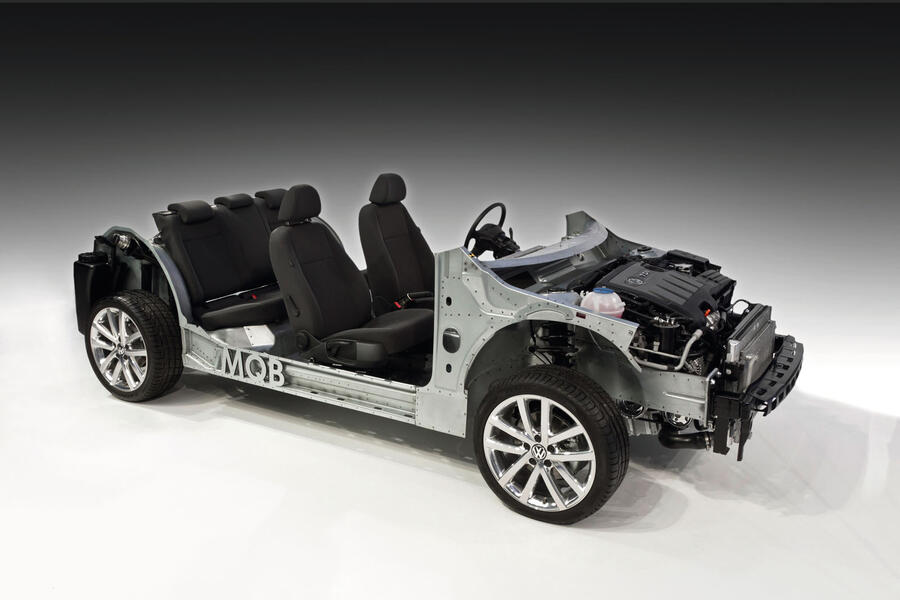
Since then and especially over the past decade, platforms have developed considerably in sophistication. It's more than a decade since Volkswagen introduced its Modular Transverse Matrix, or MQB. 'Modular' is another buzzword used frequently now but easier to fathom than 'platform' or 'architecture'. It underlines the fact that modular platforms and the sizes of the cars they underpin can be changed by having a choice of basic components that are interchangeable, like centre sections that are longer to extend the wheelbase or the rear floor to carry a hybrid battery. In that sense, like a child's construction kit, different cars can be constructed by selecting alternative key components from the toolbox that is a modular platform.
There are limits, though: while a centre section or tail section dimension can be altered, there must be constraints, like the distance from the accelerator pedal to the front axle line in the case of the MQB. This is to accommodate a range of engines that all have the same major dimensions and form part of the same platform, whether petrol, diesel or hybrid.
What became pretty obvious fairly rapidly (and in truth had been all along) was that EVs would require their own architectures and platforms. If a car isn't going to have a combustion engine, fuel tank or exhaust system, what's underneath everything that we see can be very different. Four-wheel drive can easily be accomplished by fitting an electric motor at both ends, and today's two-wheel-drive EVs are either front- or rear-driven anyway. Batteries are easy to fit under—or, better still, as part of—the floor.
It's easy to see how perfectly electric powertrains with essential components like inverters integrated into the electric machines that drive the car lend themselves to dedicated, electric-only, modular platforms, and that's what has happened.
Volkswagen's Modular Electric Drive Toolkit, or MEB, followed the MQB. It was designed for rear-motor, rear-wheel drive and the option of a front motor giving four-wheel drive. In between the two it is flat, a battery forming the floor and a passenger compartment free of humps. It has since been shared with Ford, as well as other Volkswagen Group brands, such as Audi and Skoda, for which it was always intended.
Stellantis has taken a more cautious approach with its range of STLA-branded platforms: Large, Medium, Small and Frame (the last one being for pick-ups and commercial vehicles). Although they are billed as 'BEV-by-design', the company qualifies that with the phrase 'multi-energy', meaning it supports hybrid drive as well — so not quite the unequivocal approach taken by others, like the Hyundai Group's E-GMP platform and Volvo's new SPA3 platform beneath the EX60.
What we have covered so far is really the mechanical side of platforms: how they have become modular, comprised of a series of building blocks using both body and powertrain parts from a pre-designed and pre-manufactured toolkit. But we hear the word 'architecture' a lot as well in terms of electrics and electronics. EVs' electrical architectures are described as 400V, 800V or both, and in this case, although 'architecture' relates to components and their functions, the higher voltage allows smaller cable sizes, reduced weight and faster charging.
You will notice that these two are also referred to as 'platforms', to describe the basis on which a car is built. For infotainment system architecture it's a similar story, because the term refers to both hardware and software. Infotainment systems have moved from individual components like 'a radio' or 'a CD player' to sophisticated networks with centralised controllers incorporating stuff like entertainment, navigation, vehicle controls and more.
The latest is probably the 'software-defined vehicle' where, for example, electronics control the character of a chassis and how a car drives, rather than traditional hardware components. Component supply giant ZF says its CubiX software platforms represent a "paradigm shift in chassis development", because where engineers have used components to define the characteristics of a car's chassis, now it's the other way around. Electronic functions will control the way the chassis behaves by controlling components. The software platform isn't tied to any particular hardware either and can be used with third-party components as well as ZF's.
As more and more aspects of a car move to drive-by-wire, these centralised electronic control platforms are likely to play a much bigger role in a kind of overarching 'plug and play' scenario that will make car manufacturing and sophistication unrecognisable from just a couple of decades ago.
Some platforms you should know
Volkswagen Group Modularer Querbaukasten
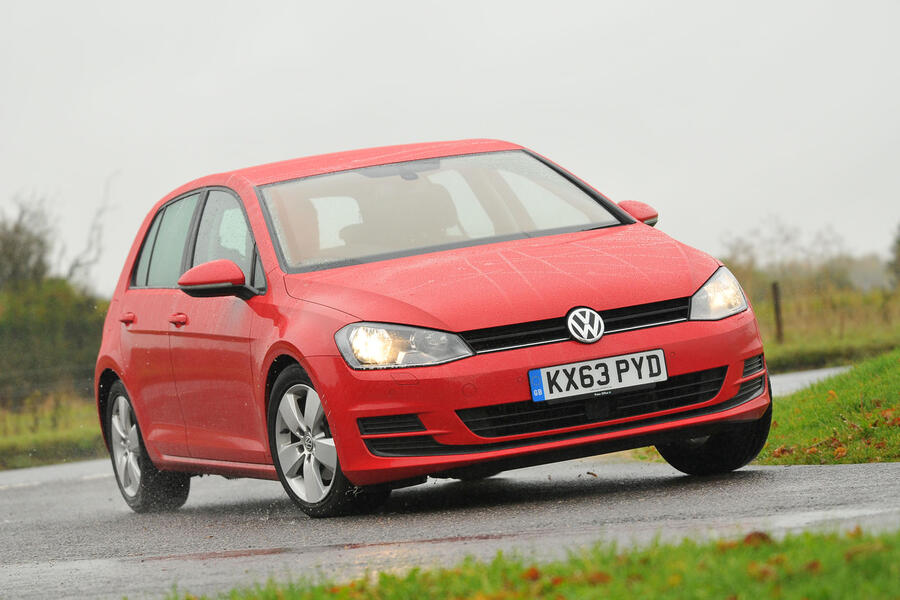
The Volkswagen Group spent an estimated £50 billion developing the MQB platform and the first vehicles to use it, led by the fabled Mk7 Volkswagen Golf of 2012. It was money well spent: the hugely modular platform enabled the company to strip away vast swathes of production complexity and has been used for more than 70 different vehicles of hugely varying sizes across its various brands. To date, more than 32 million cars have been built using the platform.
Key models: Volkswagen Golf, Seat Ibiza, Audi TT, Volkswagen Tiguan, Skoda Superb, Skoda Kodiaq, Cupra Formentor
Renault-Nissan Common Module Family
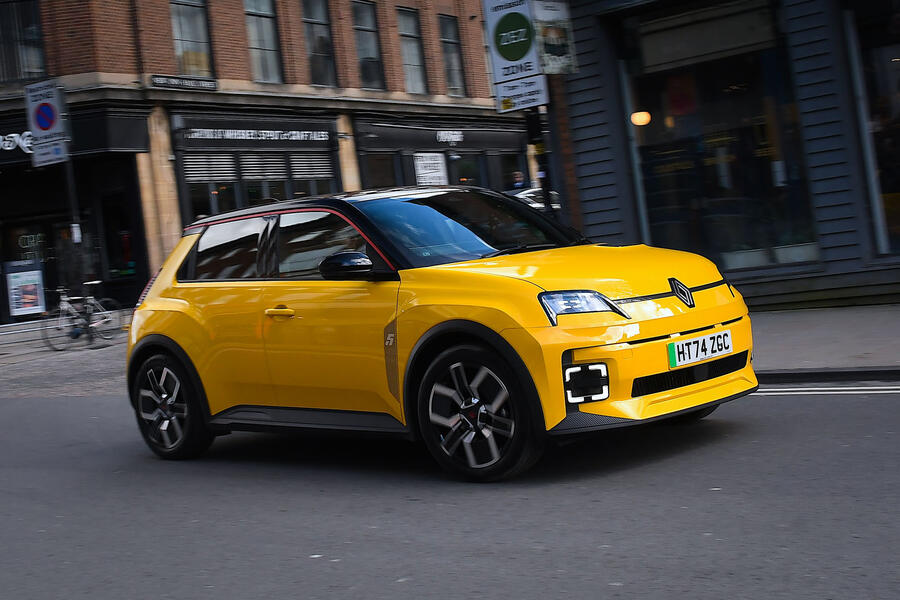
Introduced in 2013, when the Renault-Nissan Alliance was in its pomp, the CMF is actually a family of platforms, ranging from CMF-A (used for A-segment cars such as the Renault Kwid) to CMF-C/D (used for the Renault Rafale, Nissan Qashqai and many more). There are also two electric versions: CMF-B EV (used for the likes of the Renault 5 and Nissan Micra) and CMF-EV (used for the Renault Megane E-Tech and Nissan Ariya). Renault took the lead on developing the CMF-B EV, with Nissan focusing on the CMF-EV. There's also plenty of confusion about the names of those platforms: Renault renamed them Ampr Small and Ampr Medium respectively but has now changed that to RGEV Small and RGEV Medium, while Nissan still uses their original titles.
Key models: Renault Clio, Renault 5, Nissan Juke, Nissan Qashqai, Mitsubishi Outlander, Renault Scenic E-Tech, Alpine A390
STLA Medium
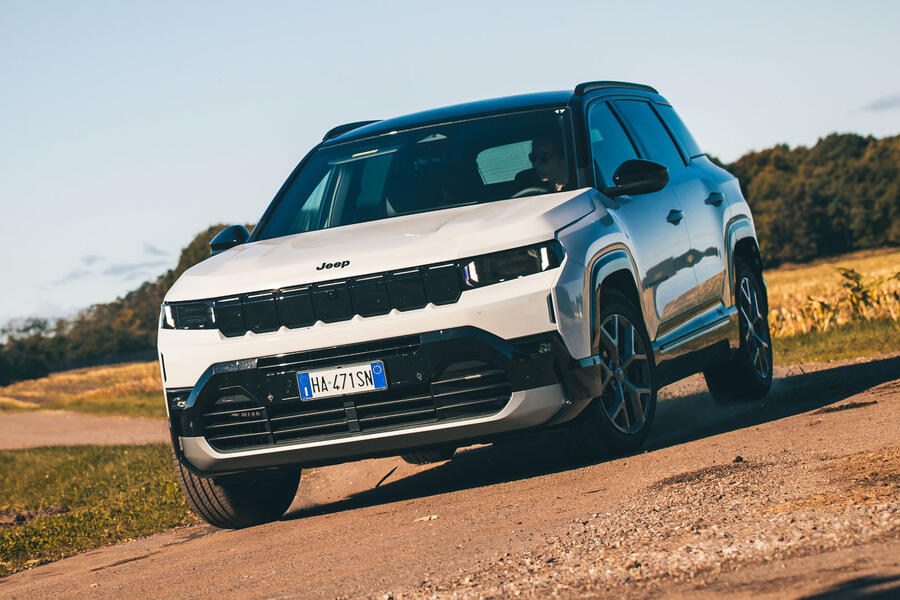
Stellantis has four main platforms for its multitude of brands, labelled STLA Small, STLA Medium, STLA Large and, for pick-up trucks and commercial vehicles, STLA Frame. The core of its European line-up sits on the electric-first STLA Medium, which has its roots in the Efficient Modular Platform 2 (EMP2) that was developed by the PSA Group and launched in 2013. The STLA Medium is designed for the C- and D-segments, in which Stellantis sells more than 20 models—part of the reason it can produce up to two million vehicles on the platform each year. In electric form, the STLA Medium can accept two different battery sizes and front- and four-wheel-drive powertrains.
Key models: Peugeot 3008, Vauxhall Grandland, Jeep Compass, DS N°7

Ford’s Universal EV Platform Targets Profitability With $30,000 Electric Pickup Launch

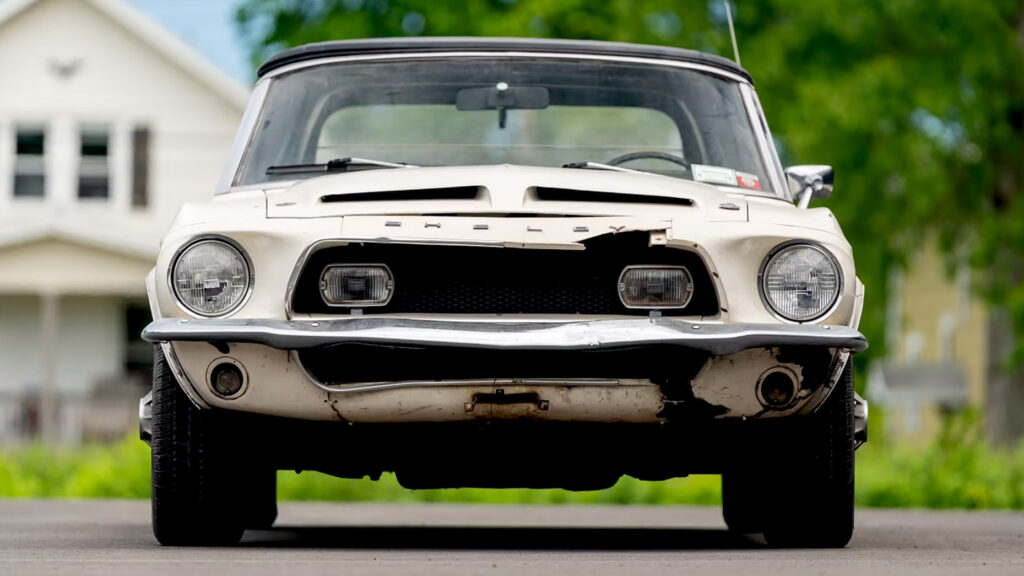
Shelby GT500KR Convertible Defies Condition as Collectors Chase Rarity Over Restoration

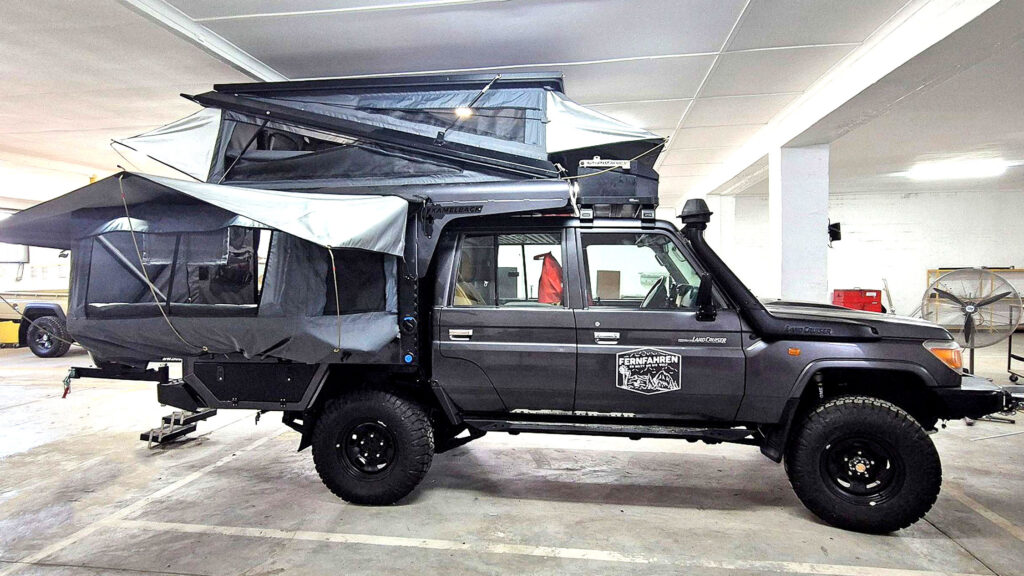
Land Cruiser Camper Conversion Redefines Family Overlanding With Integrated Off-Grid Living

Lithium-Ion Battery Fires in New York City Expose Urgent Safety Risks and Regulatory Gaps


Tesla Defies Expectations by Surpassing Legacy Brands in Long-Term Vehicle Durability Study

Ford Recall Delays Leave Owners Paying for Brake Repairs as Remedy Lags Behind Regulatory...

Speed Bump Olympics and the Persistent Risks of Driver Negligence