

Daewoo Matiz and the Lost Promise of Italian Coachbuilding Innovation
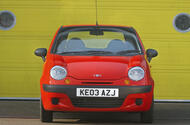 Originally pitched as a variant of the Fiat Cinqeucento, this cute city car was an unlikely success
It probably wasn’t the outcome that Paolo Cantarella had banked on.
Back in 1991, Fiat Auto’s car enthusiast boss launched a design competition especially for Italian coachbuilders. The idea was that they would produce an assortment of concept cars based on the then new Fiat Cinquecento, the neatly squared-off version released that year.
Cantarella’s aims were multiple. The designs would draw more attention to Fiat’s smallest. They’d provide a boost for Italy’s fading coachbuilding industry. And their Turin motor show reveal would be a useful extra draw for a once important Italian industry showcase that was rapidly losing relevance.
Cantarella’s laudable initiative unleashed nine full-sized designs, some instantly recognisable as Cinquecento derivatives, others bearing no visual relation to it at all. The most desirable of these was Bertone’s two-seat roofless Rush concept, the least perhaps Boneschi’s worthily rustic baby taxi.
Stola, Coggiola, IDEA, Maggiora, Pininfarina, Zagato and ItalDesign all reworked Fiat’s new baby. The most outlandish was a Cinquecento of drastically narrowed upper body, allowing a bicycle to be carried alongside a slender cabin containing tandem seating for two. That was the work of Zagato and another solid score in this famous coachbuilder’s quest for the weird. Pininfarina’s near-useless pick-up truck was perhaps the lamest effort, but the most subtly mature car, and the prettiest, was ItalDesign’s Lucciola.
Prettier, indeed, than the rigidly rational lines of the car on which it was based. A mildly curvy three-door hatch, like the Cinquecento, the Lucciola had twin folding fabric roofs that removed the rear window.
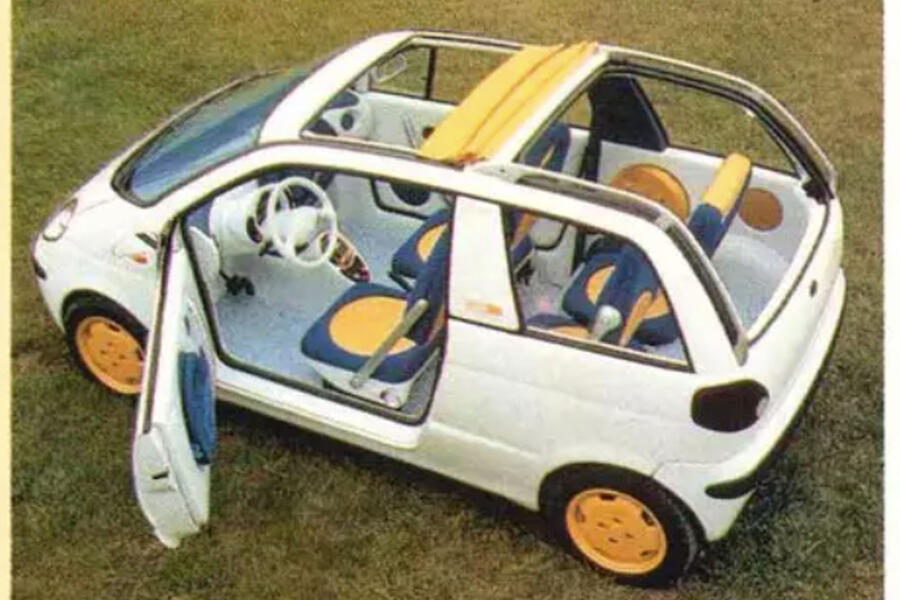
Very presciently, it was propelled by an electric motor supplemented by a small, diesel engine. Here was a range-extending hybrid, years before the BMW i3.
All of which made the Fiat it was based on look like yesterday’s car. And since the Cinquecento had only just been launched, Fiat was hardly going to scrap it in favour of this attractive machine.
But the Lucciola did see production. ItalDesign hawked the design about until it was taken up by Daewoo, the budget South Korean brand that in Britain sold its cars cheaply and at fixed prices in an effort to attract customers deterred by the gruesome business of negotiating with salesmen.
The Matiz was one of Daewoo’s more savoury offerings, this city car’s modest price and aspirations prompting any driver to expect less of it. It was also one of Daewoo’s better-looking cars, even though it took six years for the original ItalDesign concept to make production.
The Lucciola’s round-eyed headlights and steep sloping bonnet survived largely intact, as did the subtle sculpting of the Fiat’s flanks, shaped to reference those of the original 1957 500.
Gone was the double-section sliding fabric roof and the mildly wild interior, the body gaining an extra pair of doors instead. That made the Matiz one of the few city cars to offer such convenient boarding. Most rival city cars, such as the Ford Ka and Seat Arosa, provided only two passenger doors.
It was also one of the first Daewoos that wasn’t heavily based on a discarded Vauxhall-Opel design, which allowed it to appear contemporary, unlike the rest of the Daewoo range.
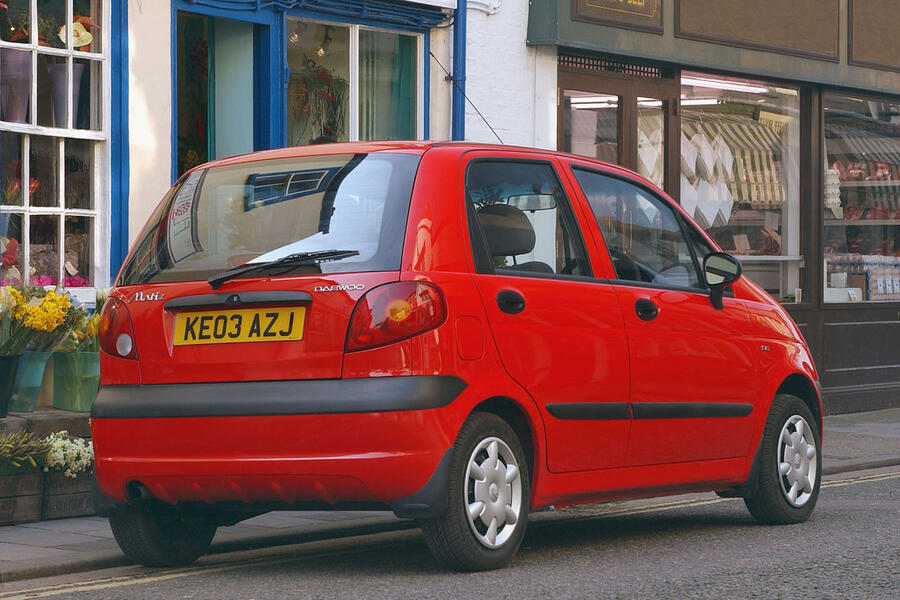
Handling? It had some, although one magazine’s discovery that reversing and simultaneously giving the steering wheel a bold jerk could fell a Matiz did little for its reputation among those who read about cars.
For the bulk who didn’t read the scribblings of motoring hacks, such failings were irrelevant, especially as such reverse-gear topplings could be achieved with other narrow-tracked, high-roofed vehicles too.
The Daewoo’s noisily dawdling performance provided plenty of time to ponder the merits of your keenly priced machine, 60mph coming into view after the passage of 17 throbbing, three-cylinder seconds, but in the cityscapes for which it was intended, this mattered little.
Certainly not to the almost 60,000 people who bought one, plenty of whom might otherwise have acquired a Fiat Cinquecento. Not ideal for Fiat’s Cantarella, then, who chose not to make any of the concepts his competition had sired.
And the Turin show? It staggered on for eight more years until 2000, before being revived as an outdoor public festival in 2015, an event more about selling road cars than igniting concept car-fuelled dreams.
The decline of Italy’s coachbuilders persisted, as most major car makers, Fiat included, hugged the design process close and in-house.
Still, if you want a Daewoo Matiz – surely fine Festival of the Unexceptional fodder – you’ll need to move fairly swiftly. Of the 59,000-odd sold here, few survive. Still, they’re now so cheap that you could try modding one to make it look more like a Lucciola. Although I could think of better ways of blowing your time.

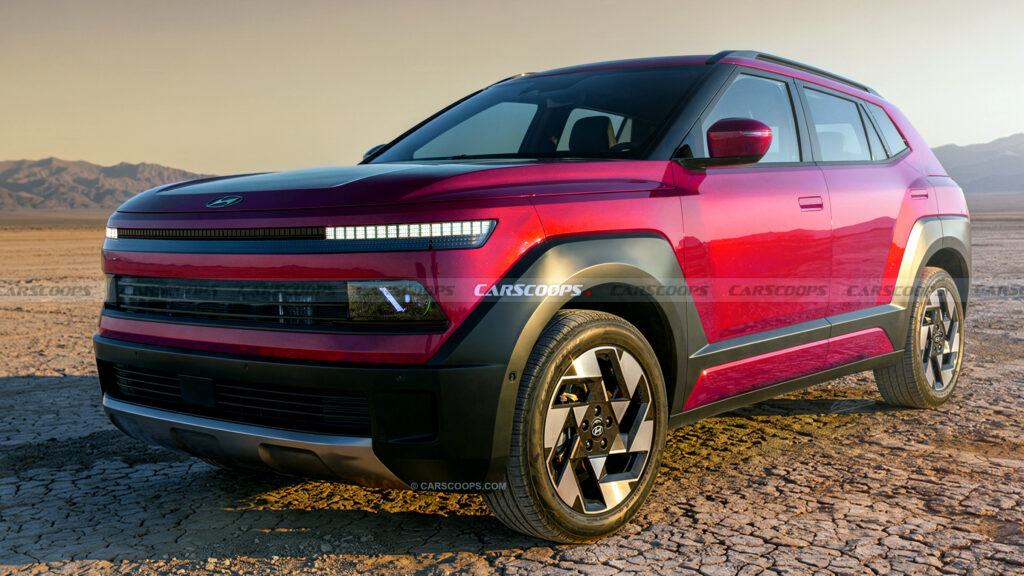
Hyundai Kona Reinvents Its Identity With Boxier Design and Hybrid Focus for 2027

Flock Camera Overload in Oakland Reveals Limits of Automated Policing

Renault’s Futuready Strategy Under Provost Signals Pragmatic Innovation and Global Ambition
 We join for the most important day in Renault's calendar, as all the bosses check out what's coming next
When François Provost, a distinguished Renault Group director of vast experience but low profile, suddenly succeeded Luca de Meo as CEO in July last year, there was no suggestion that he would be bothered about trying to mirror de Meo's well- chronicled star quality or instinct for headlines.
Whereas de Meo was a kind of troubadour car boss who has specialised in orchestrating car company revivals across Europe - and in ensuring his achievements were well and truly on the record - Provost (chosen in preference to the other obvious candidate, dynamic Dacia chief Denis Le Vot) seemed a quieter, less flamboyant character. His official photographs showed a tall, bespectacled, evidently mild- mannered 57-year-old who might have been a vice-chancellor or even a vicar.
Provost wasted little time in reassuring the French public, bemused by de Meo's rapid exit from cars into luxury goods, that he knew what was needed at Renault: he would be a continuation CEO. He made it clear he had been one of the architects of 'Renaulution' - the six-year, three-stage group revival plan announced by de Meo in early 2021 - and would keep delivering it. His deep knowledge and calmness provided just the seamless transition the group needed.
Yet in his first 10 months at the helm, Provost has also made it crystal clear he will do things his own way, producing a fresh suite of his own changes under the title 'Futuready' for what he believes is becoming an increasingly tough car market.
The plan simplifies the Renault Group management structure and slashes model development costs by 40%. Renault's key divisions have new leaders. The old Mobilize and Ampere divisions are reintegrated to save cost and spread talent. There will be 36 new models across all marques by 2030. And Renault will concentrate harder on the Indian, South Korean and Latin American markets, several of them Provost's former stamping grounds.
All of this is a result of fresh thinking and quick action, and it made meeting and interviewing the new CEO an urgent Autocar priority, so we asked for the favour early. As a rule, CEOs meet hacks somewhere safe and comfortable, in familiarly plush surroundings where passers-by merely murmur and an executive assistant patrols the room outside. But Provost has decided to do it differently.
From the highest echelons of Renault HQ has come an offer to spend seven hours with Provost and his top team at a secret test track south-west of Paris, first witnessing his hour-long review of new models, some close to production, some needing big decisions and more work, and then to be on hand while he tests a selection of cars and vans, some at speed on the track, others statically, several against key opposition products.
It is clear we are going to talk as we look, walk and drive. I am going to see products still years from market, which I can mention but not describe. Most importantly, I will come to understand the kind of decisions chief executives take about the new products for which they are responsible. Do they act as designers, engineers, dealers or customers? Or all of those?
We meet at 8am at the beginning of a brisk, beautiful day, first taking a quick, outdoor coffee as we contemplate a selection of viewing models spaced across the Tarmac of a large skidpan. Provost, warmly overcoated in a way that shows his experience of test tracks, greets everyone in the same friendly way, including me. Today we have a 20-strong travelling crew of designers and department heads, including Renault Group design chief Laurens van den Acker and directors led by Renault brand boss and chief growth officer Fabrice Cambolive.
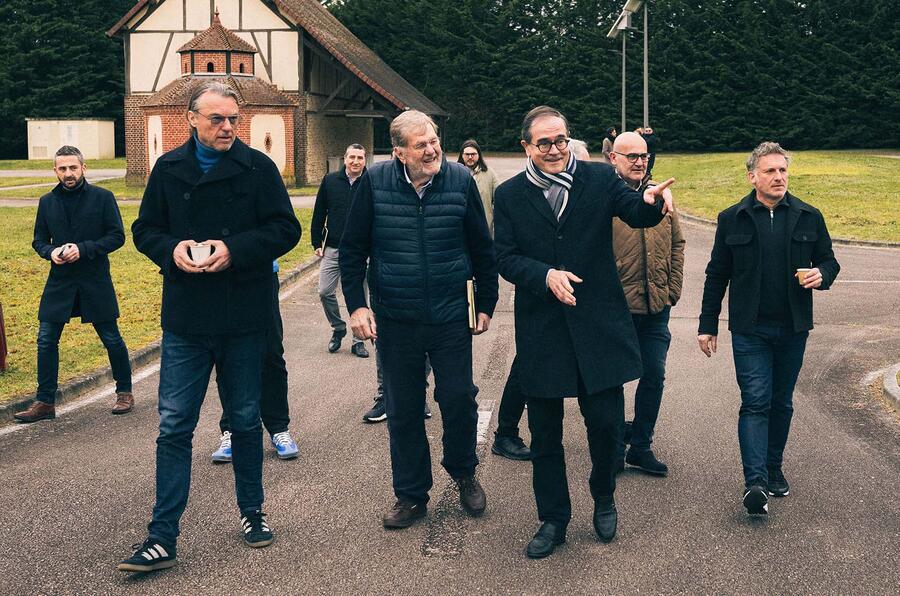
An immediate aura of authority follows Provost but he does not need or bother to feed it: this will be a collaborative exercise, he says. Maybe he will make some bottom-line decisions along our way, but not until anyone in our group who wants to has had a say. At the outset, this seems an admirable way to reach good decisions. Anyone can pipe up and the group is small enough to contain just one discussion.
We walk towards three clusters of new cars, not getting too close because design boss van den Acker wants us to appreciate the cars' proportions and staying away is best. Not knowing quite where to kick off, I start questioning Provost about the early engineering credentials that are close to the beginning of his long CV. "I'm not deeply qualified in engineering," he says, smiling modestly and speaking English at least as fluent as my own. "Let's say I know enough to challenge things I am told, if necessary.
"But the step-by-step assembly of cars is where I have a lot of experience. Once, we could dedicate an hour just to talking about a bumper. Now, we have bigger issues - e-architecture, battery technology, packaging and efficiency - to stretch us. We have to spread our time over the things that matter."
Discussion is a big part of life for this CEO, it emerges. Mondays are usually packed with business decisions. Thursdays are spent at the group's vast and imposing Technocentre, staying abreast of developments. Running the company fits in between. We approach two models that are already nearly two years in development, the 2028-ish Renault Scenic and its lower, sleeker Rafale sibling. The cars are distinct but clearly share key design details. Away from the cars, designers produce images of a new and more imposing rear for the Scenic, which everyone likes. It will be adopted.
There's debate over whether the two models are too similar: a majority reckons they might be. There's a suggestion that the front face of one of the models is "too German" and Renault's diamond logo isn't well displayed. Work is needed. Provost tells me it will cost multiple millions to make some key frontal distinctions suggested but he's inclined to spend the money. Renault Design (through its new chief, Alexandre Malval, just four months in the job) agrees to adapt the models along the lines discussed, at top speed, and present them again. The pressure is on everybody to get this pair signed off.
We move on, inspecting the new Dacia Sandero in production-ready form, a vital model for the group because 70% of Dacia buyers stay loyal and the hope is this replacement for Europe's best-selling car will motivate them to do it. It takes clear influence from the new Duster and Bigster and looks (as ever) remarkably good value for money.
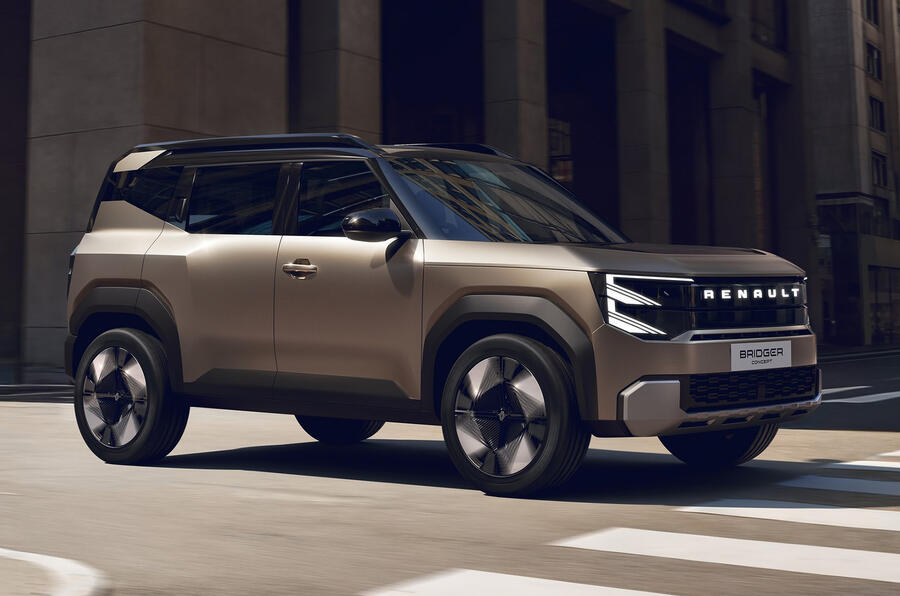
Then we survey the arresting Renault Bridger concept, a special standard-bearer for Provost's Futuready plan because it was announced this year and is earmarked for the Indian market, into which the CEO is determined to expand. It's tall and imposing, but Provost points out that it's just 4.0m long, like a Clio. "In India, you have to double everything," he says. "They want it richer, bigger, roomier, so it's an advantage if it looks big."
I suggest that this imposing baby SUV could work wonderfully in Europe with a Dacia badge on the nose. It's clear Provost has heard this plenty of times before but he insists the car's first mission will be "in India, for Indians". He's desperate not to complicate things with other powertrains and markets, and to get the car to market as soon as possible. He half-agrees with my suggestion that this model could sell 100,000-plus in Africa, the Middle East and South America but is determined to be super-cautious with a model of such high potential.
Next, we head across the vast proving ground to a handling track that I dimly remember from Renault Sport drives and demonstrations years ago, before Alpine became the group's favoured performance marque. So I ask the ritual question about rumours of a Renault Sport revival and receive an unvarnished negative answer: "We decided several years ago to move on from there and we will not change."
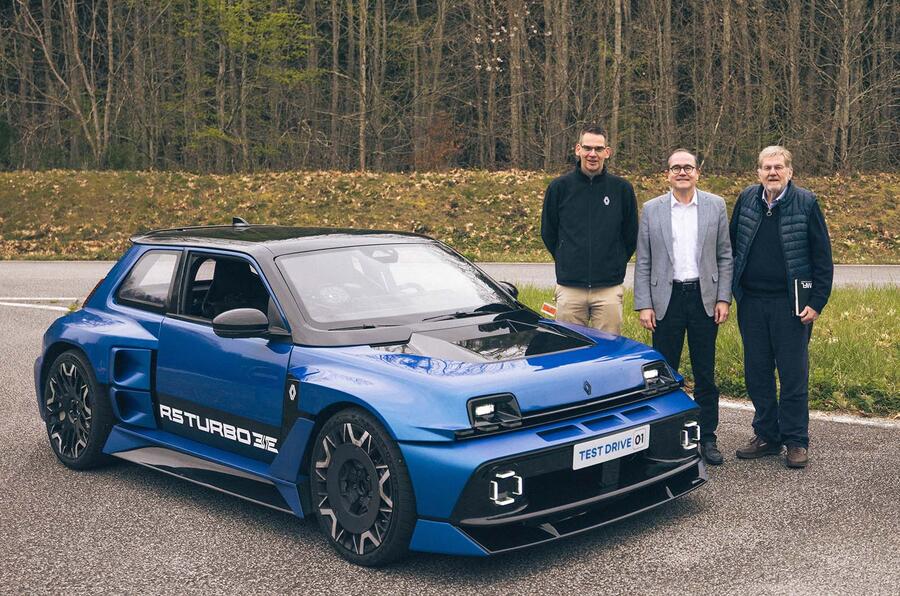
Now Provost will make half a dozen comparisons and assessments of Renault Group and rival cars. First, he rides with one of Renault's professional testers in a super-potent blue Renault 5 Turbo 3E prototype - from which he emerges in a remarkably poised state, given the rate I have witnessed him being hurled into the first bend. Then he steps into a Hyundai Ioniq 5 N, much larger so hardly a comparative vehicle but the closest convenient thing anyone can find to another sporty EV. He's impressed with the way it emulates a sporty combustion powertrain's noise and wonders if the same thing should be investigated for the Turbo 3E. Someone writes that down...
Next comes an assessment of steer-by-wire tech, an experimental system built into a Rafale, which the CEO will try against an electric Lexus RZ. In the Renault, it takes a bit of getting used to: it feels lighter than he'd like, though the lack of wheel-winding and sense of agility in tight going definitely gets his attention.
He leads a debate about by-wire steering's cost benefit, especially in small cars, but still agrees it's coming. Accompanying is Philippe Brunet, the Renault Group's engineering head and clearly a by-wire steering enthusiast. He makes the point that once you're used to it, you miss it when you go back to a "cumbersome" standard system - and Provost's own experience in the Lexus comparator, where it's developed to a production spec, helps prove the point. The value of this session becomes clear: in future meetings when by-wire costs are discussed, the CEO will have clear experience of the benefit.
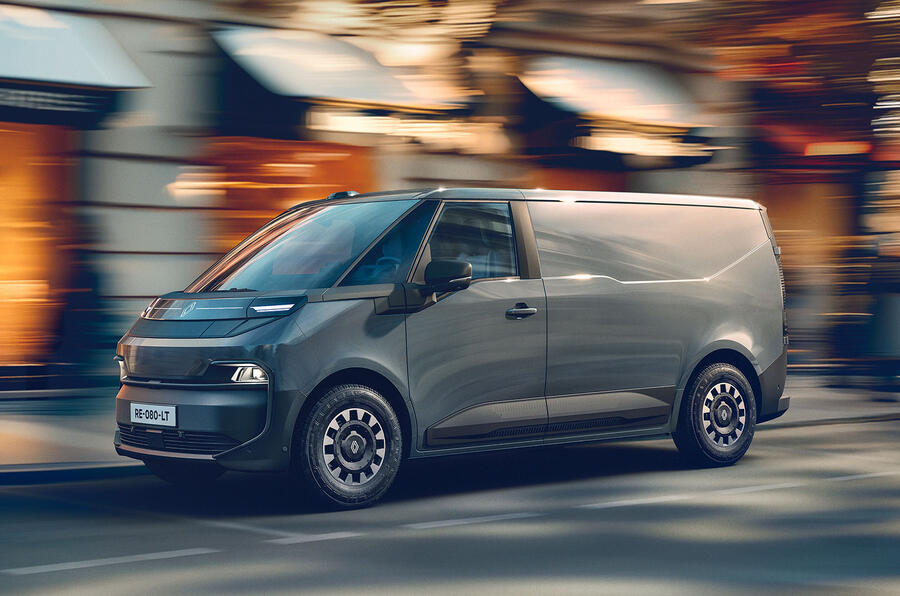
Testing continues. We try a new Renault Trafic E-Tech electric van against its strong-selling Ford E-Transit Custom equivalent, an example of an all-new vehicle meeting an older, respected rival. Both do what today's vans do: drive as easily as cars. But the fact that the Renault is a generation ahead soon becomes obvious.
Now it's time for lunch, the French equivalent of sarnies in a trackside meeting room. What that actually means is high-quality finger food, taken with enough time to chat and respect the digestive system. Provost discusses the various unappreciated challenges of making cars in the current transitional era. ("It's about managing the transformation. It's hard to find today's blue-collar staff.")
Then he turns to the challenge of making decisions as CEO. "I have no difficulty deciding," he says, "though I admit sometimes what I decide is different from my first position. I believe in consensus, but never soft consensus. I want my people to say: 'My car is better, and I know exactly why."
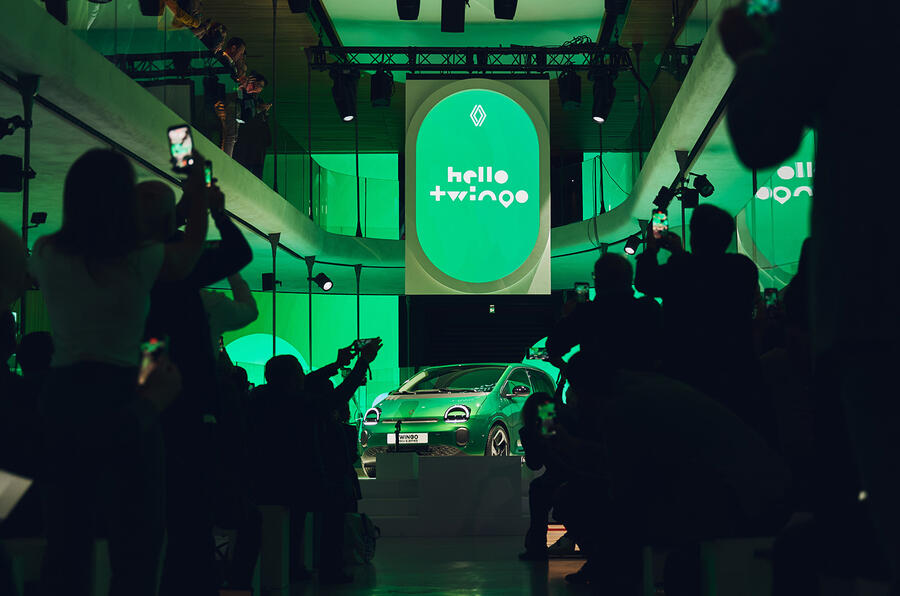
Off we go again, first examining the recently launched Renault Twingo and previewing (in a special antechamber) the upcoming Dacia offshoot, a successor to the Spring. I'm impressed that it looks great, and entirely Dacia-ish, without trespassing on the shapely appeal of the Twingo. Also that Dacia's people have been given enough licence to include typically Dacia gadgetries, which for now cannot be described.
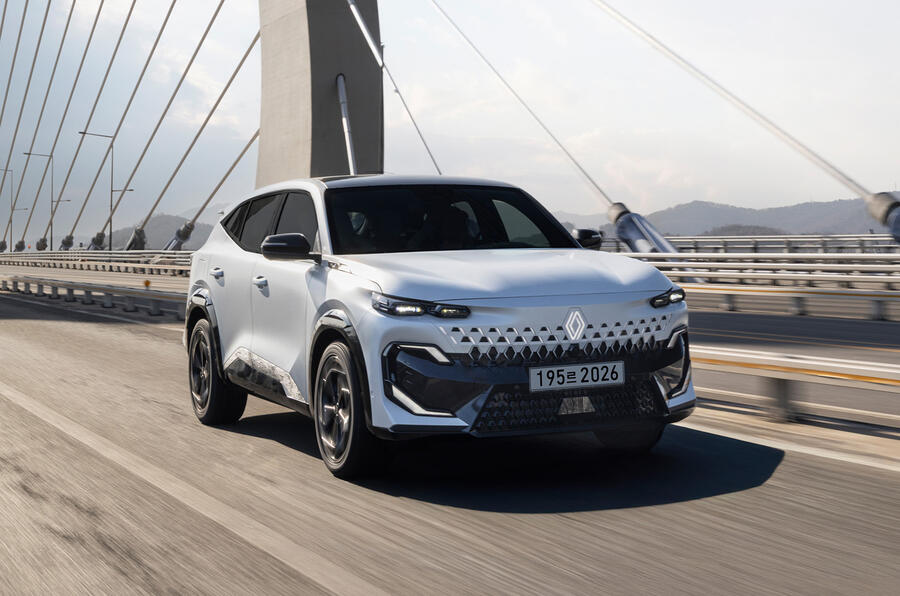
We take comparative trips in a Renault Filante, the big crossover they sell in Korea, and a statuesque Hyundai Santa Fe. There's not much to learn there, apart from the fact that the Filante has a remarkably spacious back seat and the Santa Fe interior fails to impress.]
Last, we tackle two MGs: the ZS hybrid, which we agree does everything well but doesn't have nearly the appeal of a Dacia Bigster, and the MG HS plug-in hybrid, which Provost describes as "a big danger" because, as well as being practical and affordable, it has the kind of visceral appeal in which Renault always aims to specialise. Vittorio d'Arienzo, a leading engineer within the Renault Group, is tasked with producing some value research for the CEO against the Symbioz and Austral.
Suddenly it's 3pm. Provost, cheerful and cordial with his friendly farewells, finds it unnecessary to burden the rest of us with the weight of his workload, even though he's heading straight back to his business office in Paris to continue a day that will soon reach its end for the rest of us. He has been both wise and enjoyable company: how many multinational CEOs can you say that about?
At no stage has he barked importantly into a phone or taken time out to fight corporate fires. He has been here to learn, to instruct and to decide things, and I have formed a powerful impression. He seems to be exactly the right person for this job.
Our meeting location
People kept telling me before arrival that the super-secret Aubevoye test centre, where I was scheduled to spend most of the day with Renault CEO François Provost, was located in "the back of beyond", at least in French terms.
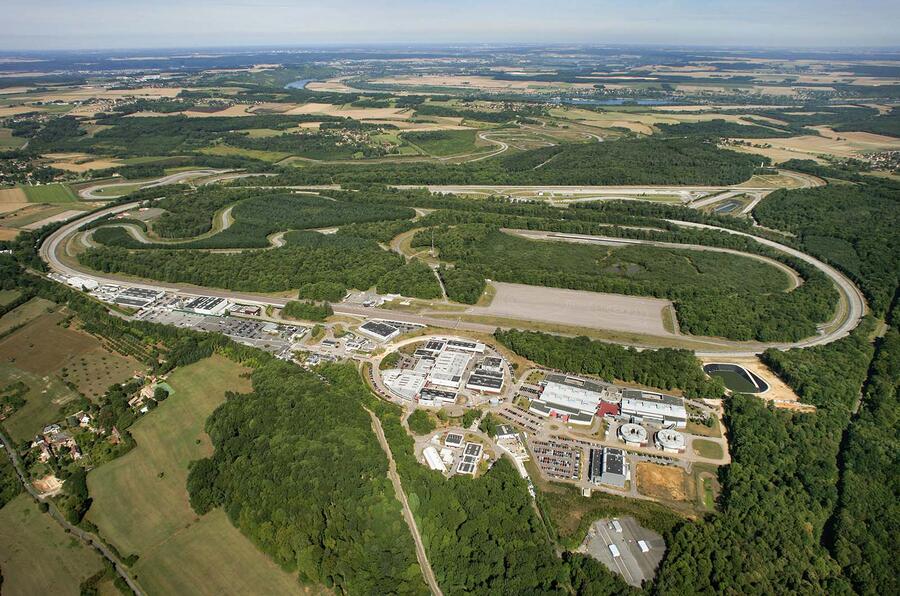
This seemed a bit of an overstatement to someone from the red heart of Australia - given that we're talking about a 1500-acre estate surrounded by beautiful Normandy farmland, with forests on every side. Yet Aubevoye is remote in the sense that the little rural road that leads you to the Renault Technical Centre from the nearby town of Gaillon doesn't take you anywhere else.
Yet when you arrive, the sheer industry of the place is evident. Car parks make clear that this is the workplace of hundreds of people, all charged with developing, testing and passing for production every Renault Group model before it heads to market. There are dozens of workshops and offices with many link roads, plus 40 miles of test tracks featuring every kind of road surface. There are 43 test cells, 18 corrosion test centres and even two wind tunnels.
This is the true heartland of Renault. The pride and passion of its incumbents, continuously honed over 46 years since it opened for business, is palpable. What better place could there be for a first meeting with the big boss?

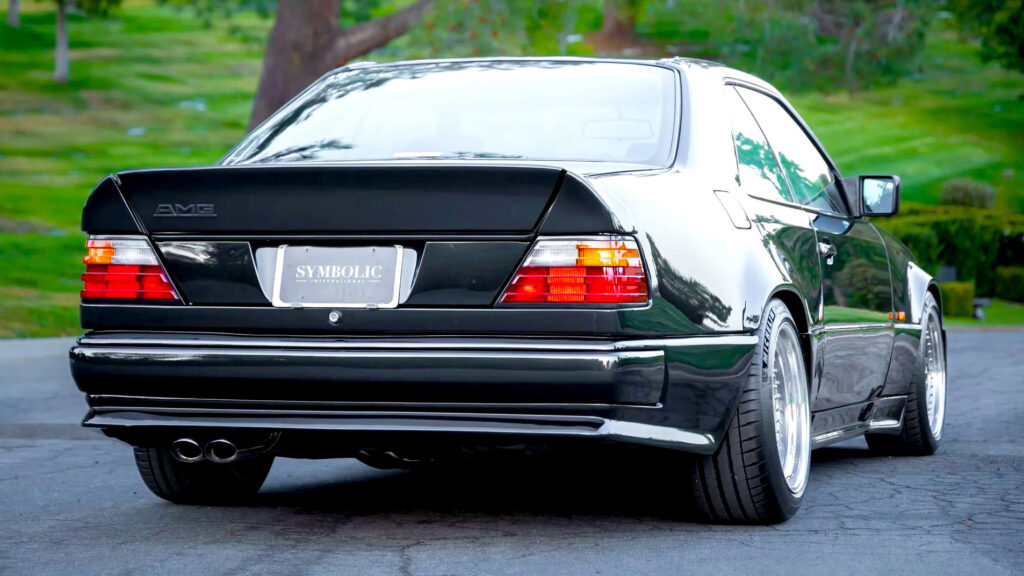
AMG 3.4 Widebody Coupe Redefines Pre-Merger Rarity and Value in the Collector Market

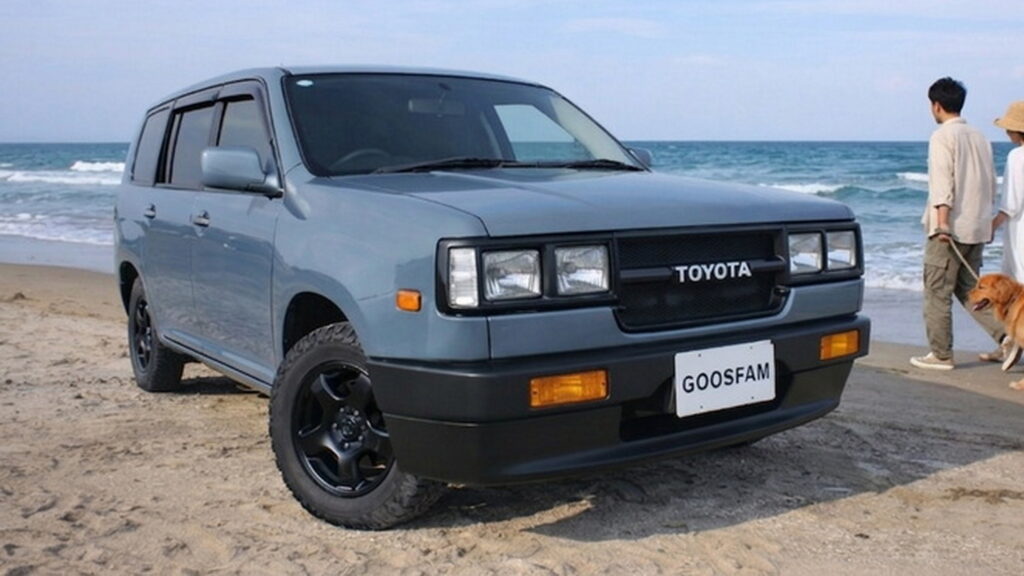
Toyota Probox RetroPro Conversion Reimagines Utility Wagon as Affordable Land Cruiser Tribute

Automotive Misfires Redefining Failure and Legacy Among Iconic Car Brands
 Unreliable, ugly or both, these cars stood out in the worst possible way
Even the most successful car companies miss the mark.
We can think of many instances in which car firms (usually cash- or time-strapped) fumbled as they attempted to replace a popular model. Sometimes they got ahead of themselves by trying to fill a niche that didn’t exist yet – and that, in some cases, was never created. The resulting models asked more questions than they answered and they stood out like a puddle of engine oil on a red carpet.
Here, then, are some of the largest misfits from the automotive world. Some of these cars will remain unloved for decades to come while others have become more enticing as they’ve aged:
Jeep: Willys-Overland Jeepster (1948)
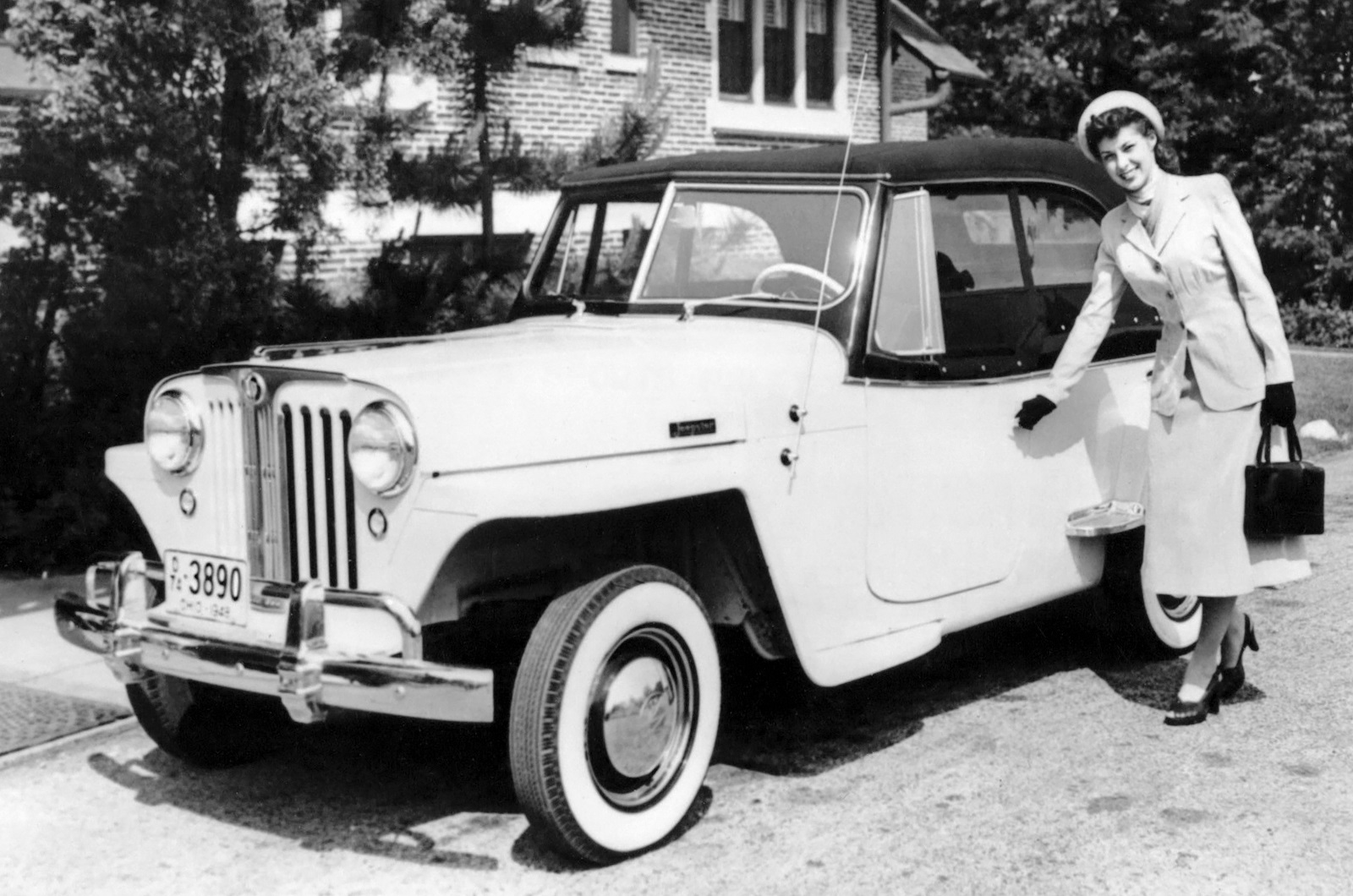
Jeep parent company Willys-Overland worried suburbia-dwelling motorists wouldn’t buy a bare-bones, four-wheel drive off-roader like the CJ-2. It launched a more road-focused model named Jeepster in 1948 to lure a new set of buyers into showrooms. Offered only with rear-wheel drive and a small amount of ground clearance, the Jeepster was presented as a luxurious roadster; it was the exact opposite of the CJ-2.
Buyers who visited a Jeep showroom wanted a four-wheel drive vehicle so they completely ignored the Jeepster. Those who would have been interested in the model likely didn’t know it existed because Willys did a poor job of advertising it. Production ended after the 1950 model year though leftover examples were sold through 1951. Jeep made less than 20,000 examples of the original Jeepster. It resurrected the nameplate in 1966 as an alternative to the International-Harvester Scout.
Chevrolet: Corvair (1959)
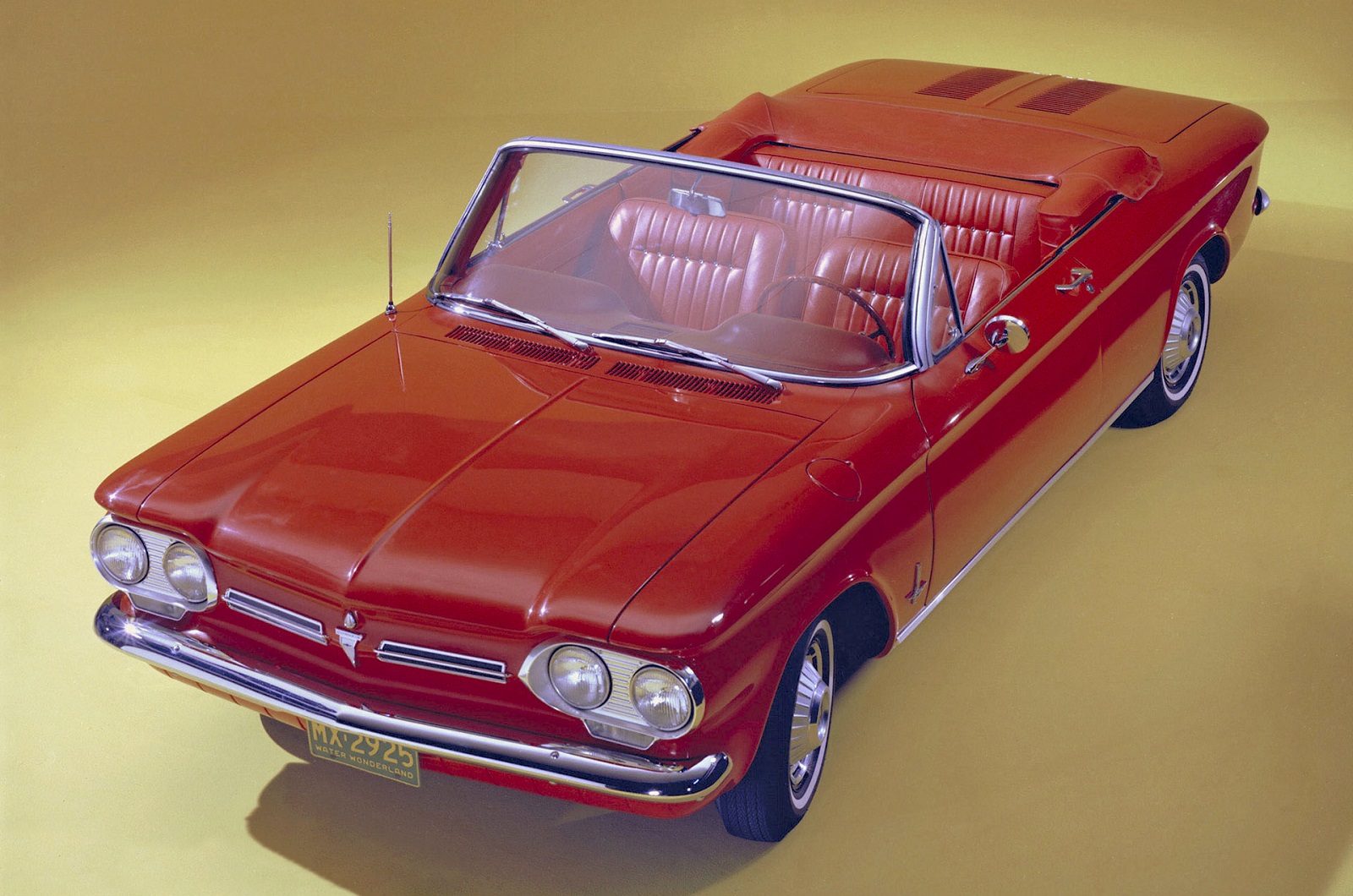
The Corvair should have become one of Chevrolet’s best-selling cars during the 1960s. Released in 1959, it was a rear-engined alternative to the Volkswagen Beetle that was available in a wide variety of body styles including a coupe and a convertible. Buyers could even order a high-performance turbocharged model. Safety advocate Ralph Nader damned the Corvair in his 1965 book Unsafe at Any Speed. The title said it all: Nader argued the Corvair’s swing axle rear suspension made it highly dangerous and accident-prone.
The second-generation Corvair received an independent rear suspension but the damage to its reputation was already done. Chevrolet stopped production in 1969 and never made another rear-engined model (partly because the layout’s popularity had started to wane).
Volkswagen: K70 (1970)
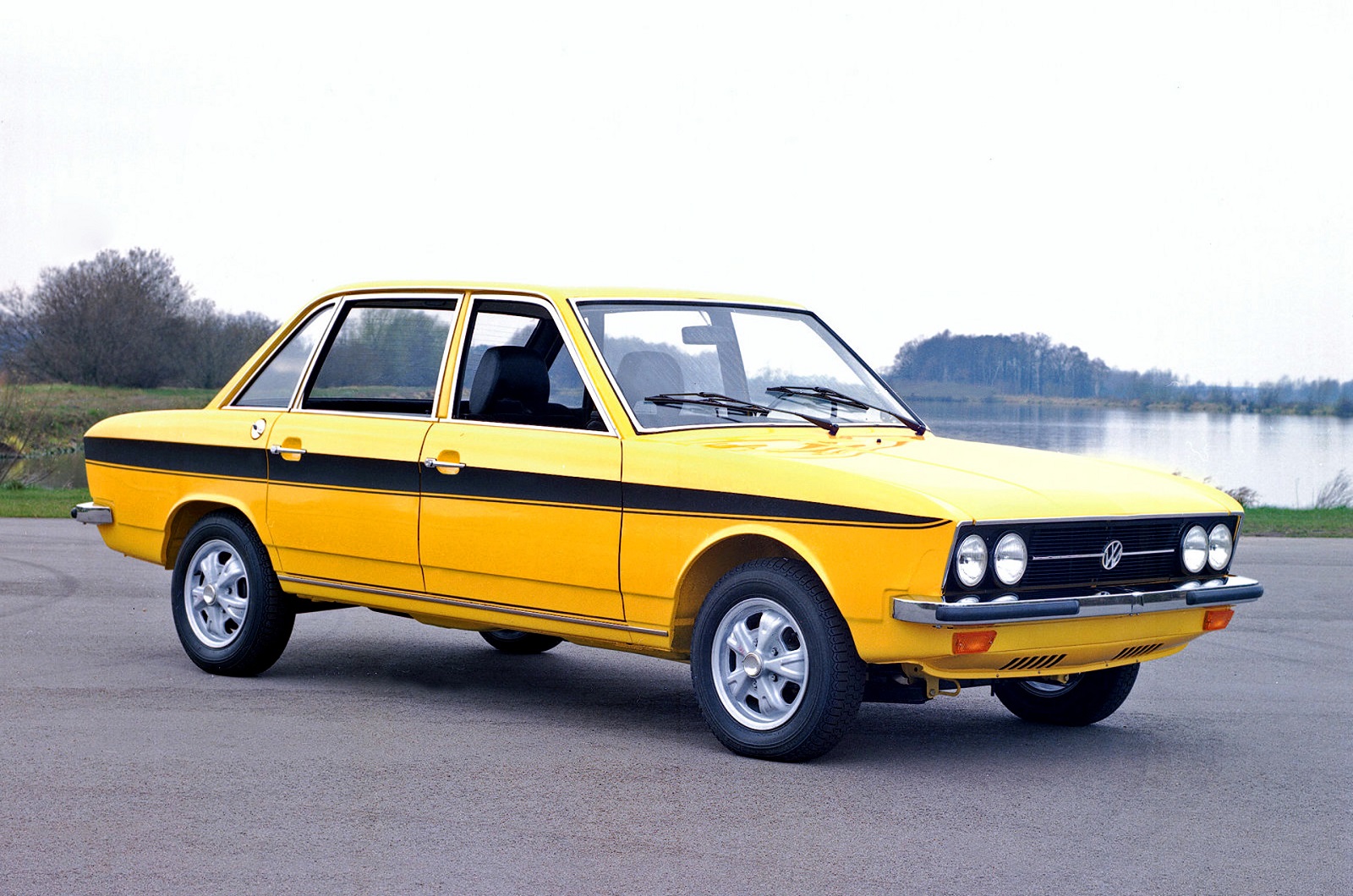
Volkswagen purchased NSU in 1969. The deal included all of the firm’s intellectual and physical property. What officials in Wolfsburg really wanted was NSU’s production capacity; they had no interest in the troublesome, voodoo-like Wankel technology that powered the Ro80 and they even canceled a mid-range four-door model named K70 that was mere months away from its market launch. Volkswagen executives back-pedaled and gave the K70 the green light for production under one strict condition: NSU couldn’t have it.
Though it was developed entirely by NSU, the K70 made its debut in 1970 wearing a Volkswagen badge. It was the company’s first front-engined, water-cooled model and it was one of the more forward-thinking cars in its segment. And yet, it struggled to find its spot in the Volkswagen range. Entry-level examples overlapped with the rear-engined, rear-wheel drive 412 and upmarket variants competed in the same class as the Audi 100. Only about 210,000 examples of the K70 had found a home by the time production ended in 1975. By that point, NSU was dying a slow death.
Ford: Pinto (1971)
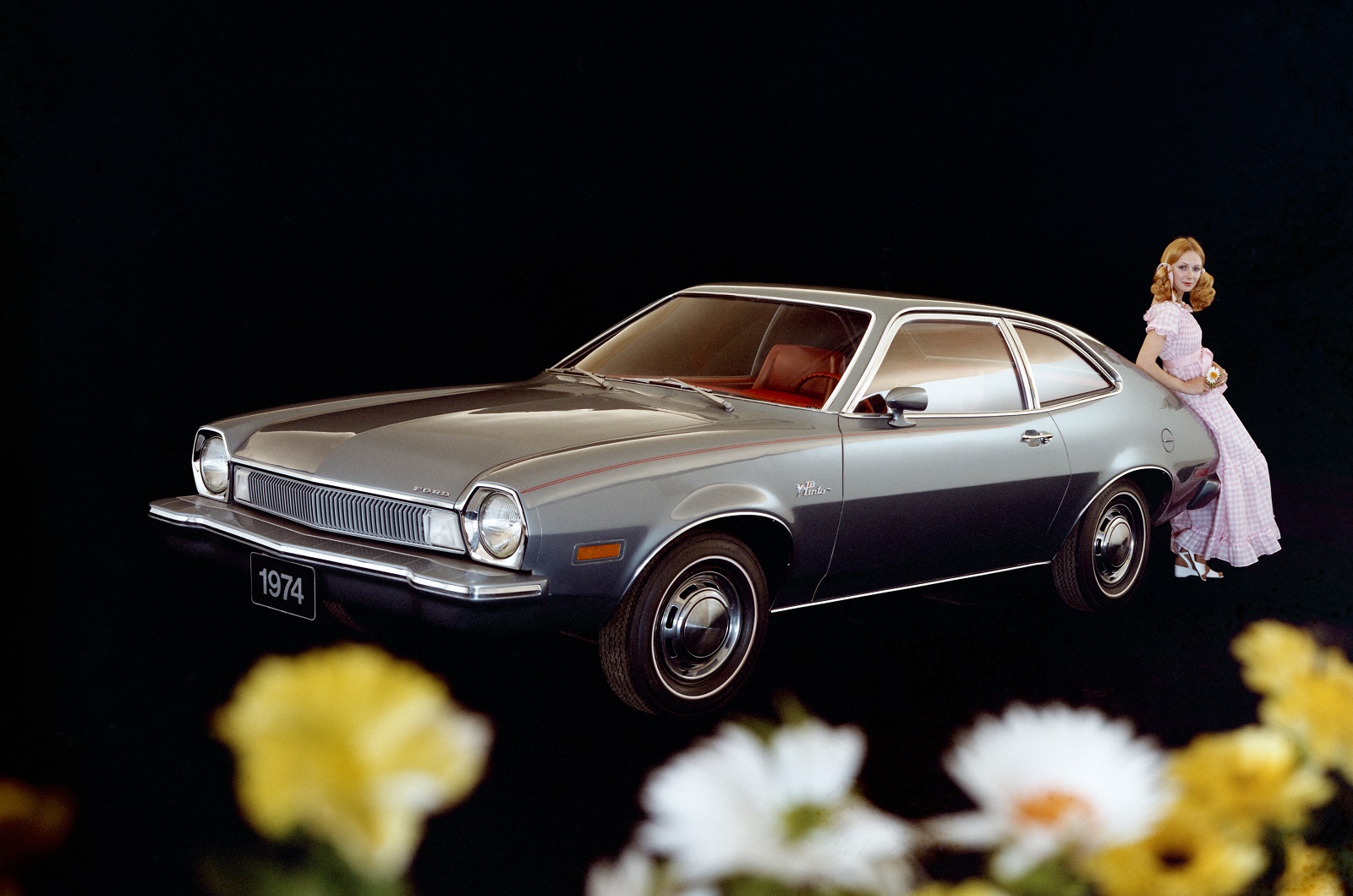
The Pinto sub-compact took Ford into a class of the American new car market it had never been present in. As the company’s entry-level model, it competed against a growing list of value-packed economy cars imported from Japan and Europe. However, the fuel tank on the Pinto was positioned between the Pinto’s rear bumper and its rear axle.
It could get punctured during a rear-end collision, even one at relatively low speed. The Mercury Bobcat – a badge-engineered Pinto – suffered from the same problem. The company’s resulting legal troubles became increasingly serious and it ultimately caved. In 1978, Ford launched what was then the largest recall campaign in American history when it asked 1.5 million Pinto and Bobcat owners to get their car fitted with a protective shield and a modified fuel filler neck.
Ford: Mustang II (1974)
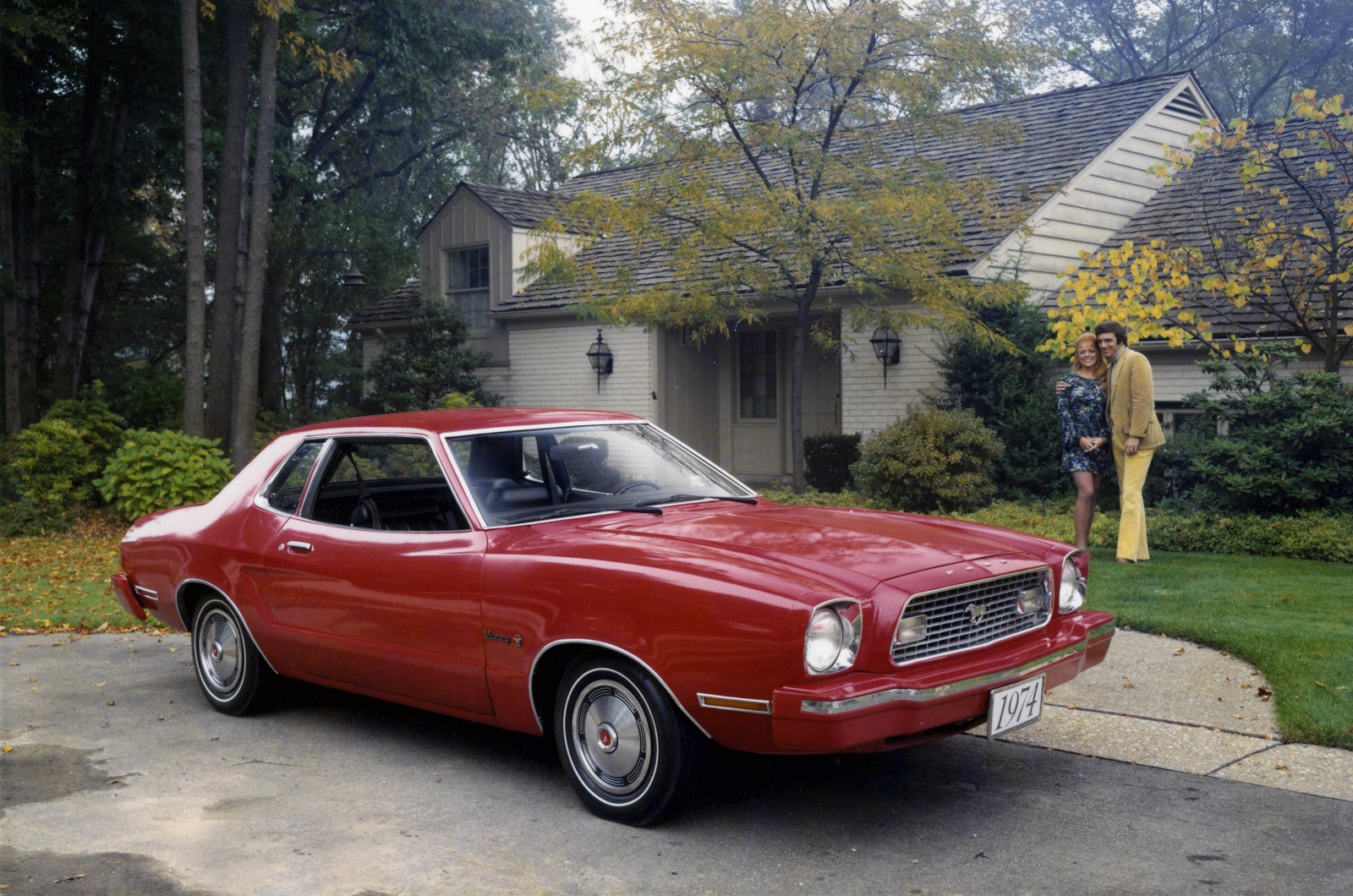
Still feeling the shockwaves of the 1973 oil crisis, Ford developed the Mustang II with an eye on fuel economy, not performance. It also chose to build the model on a version of the Pinto’s platform in a bid to make it smaller and lighter than the original.
This turned the once-mighty Mustang a shadow of its former self and the transformation nearly squashed the nameplate. The Mustang II wasn't offered with a V8 when it went on sale in 1974 and its top-spec engine was a V6 with 171hp on tap. In comparison, the original Mustang offered up to 271hp in its first year on the market.
Triumph: TR7 (1975)
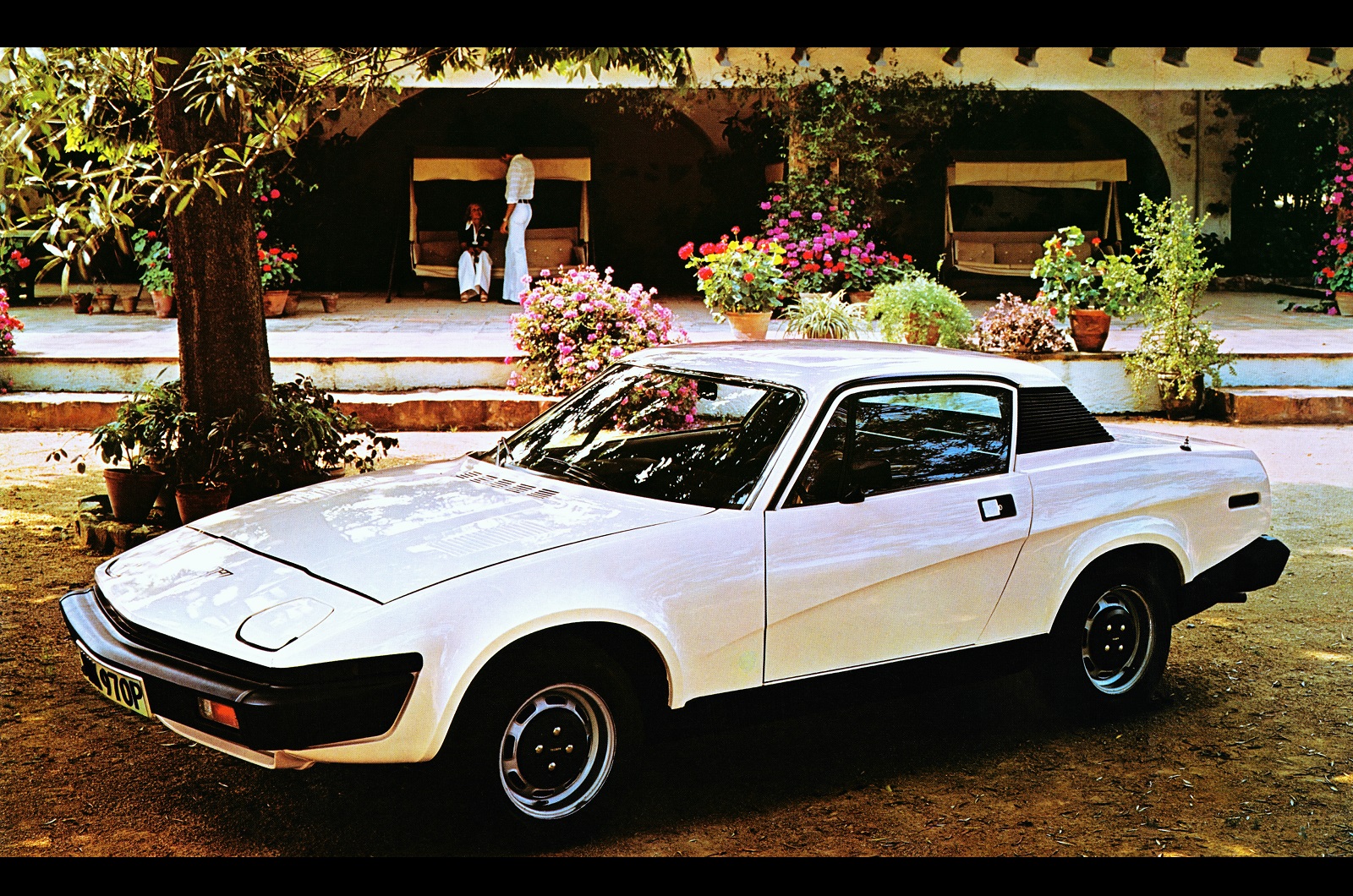
The TR7 shamefully ended Triumph’s heritage-laced line of fun-to-drive, attainable sports cars. Its love-it-or-hate-it wedge-shaped design wasn’t completely out of line with the styling trends of the 1970s. Looks alone didn’t kill the TR7; appalling reliability did. It took Triumph a few years to figure out how to build the TR7 reliably. By the time it did, and by the time it added a convertible to the line-up, the model’s reputation was already trashed and there was no hope left of recovering it.
Production of the TR7 (and the later, US-focused, V8-powered TR8) ended in 1981. Triumph closed in 1984.
Porsche: 924 (1976)
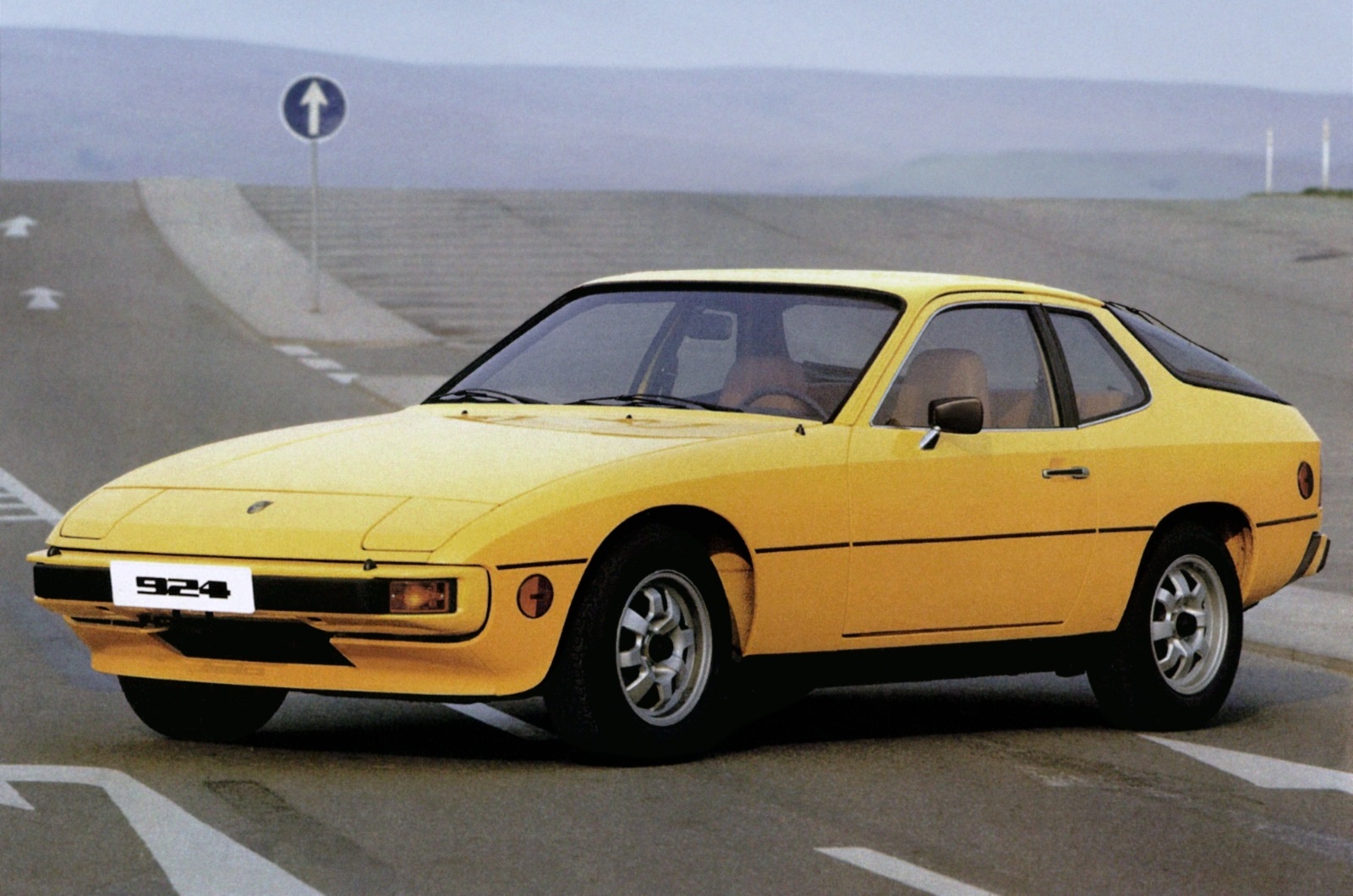
The 924 came to life as a joint project between Porsche and Volkswagen. The former needed a car to replace the 914 and the latter wanted a range-topping coupe. Volkswagen decided not to move forward with the project and instead released the Golf-based Scirocco. Porsche had to replace the 914 so it purchased the 924 project from Volkswagen and finished it on its own.
It was too late to weed out the Volkswagen roots. The 924 launched with a 2.0-litre four-cylinder engine shared with the Audi 100 and the Volkswagen LT and a four-speed manual transmission borrowed from the Audi parts bin. Production took place in a former NSU factory located in Neckarsulm, Germany.
The 911 and the 924 occupied opposite ends of the same spectrum. Many argued the 924 wasn’t a real Porsche because it was front-engined, water-cooled and it gave off whiffs of Volkswagen-ness that anyone who got near it could smell. More powerful variants like the Turbo and the S later helped enthusiasts warm up to the model.
Ferrari: Mondial 8 (1980)
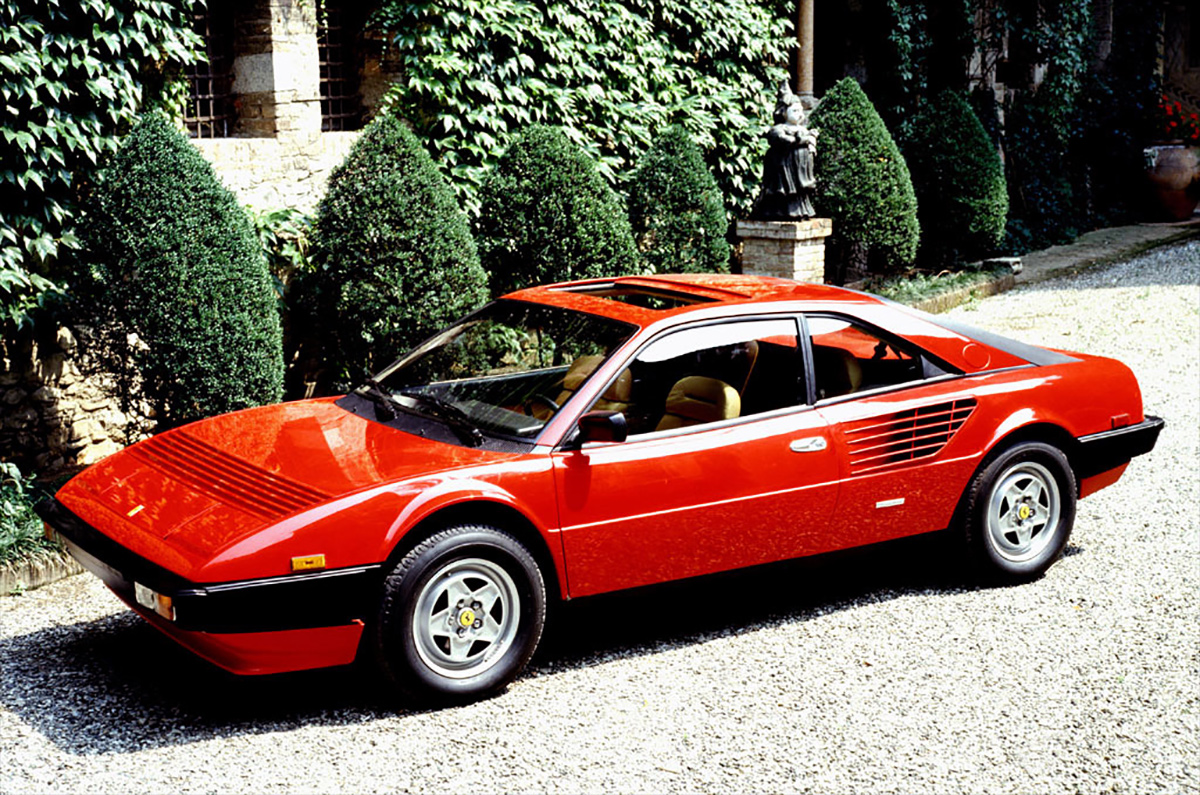
The Mondial 8 stood out as one of the most poorly-received cars ever to wear a Ferrari emblem. Critics complained the 214hp, 3.2-litre V8 that the 2+2 Mondial launched with wasn’t powerful enough. Those willing to accept its performance quickly realized they couldn’t take advantage of it as often as they wanted because the Mondial was plagued with mechanical and electrical problems.
Ferrari fixed many of the Mondial 8’s problems when it released the Mondial QV in 1982. The later variants of the car were quicker and better built than the early models.
Cadillac: Cimarron (1981)
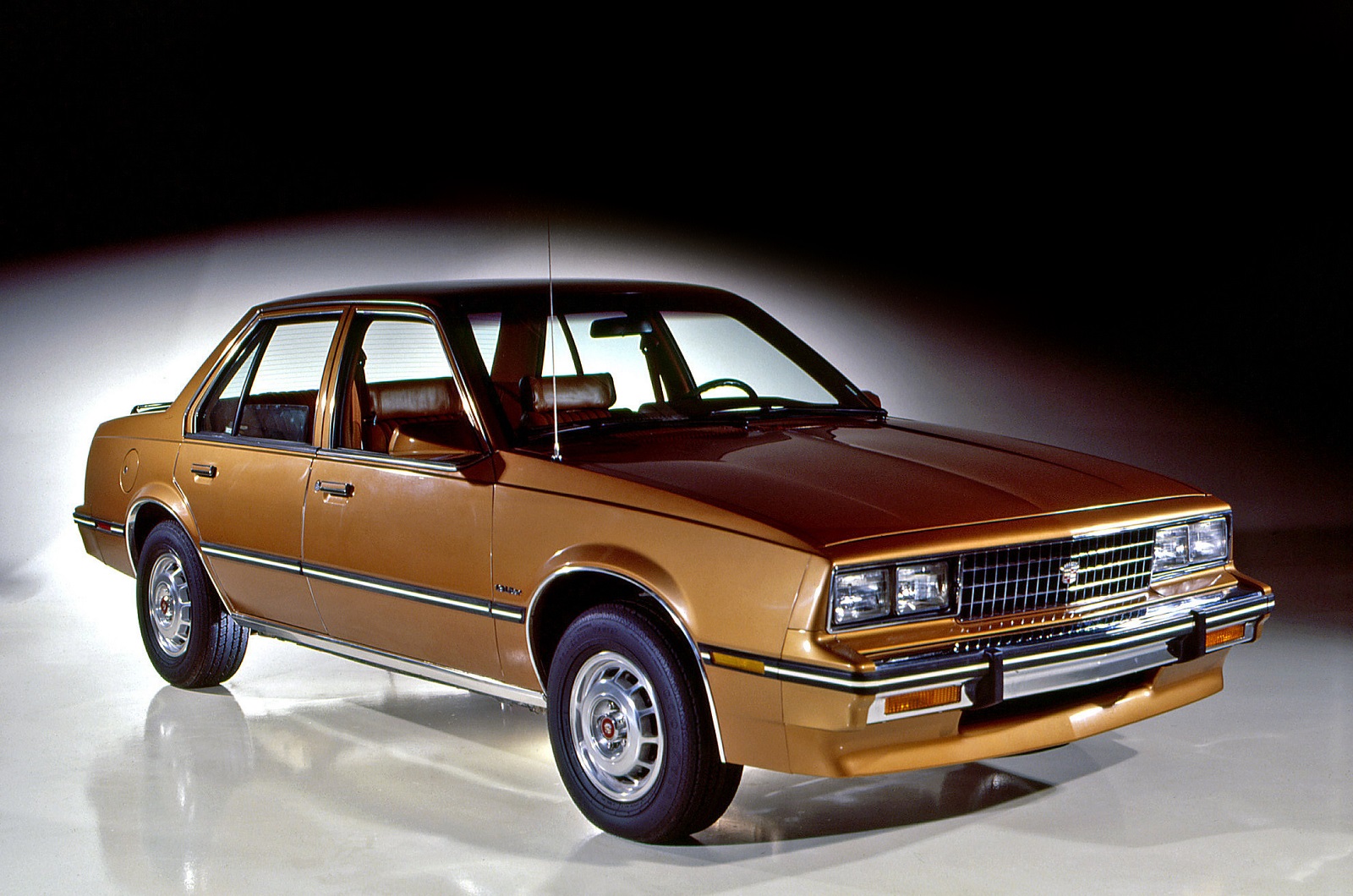
Cadillac turned to Chevrolet for help in expanding its range in a bid to compete against increasingly popular European imports like the Saab 900 and the BMW 3 Series. What followed was one of the most egregious illustrations of badge-engineering. Released in 1981 as a 1982 model, the Cimarron was a posher Chevrolet Cavalier (a highly mediocre car to begin with) that offered, to Cadillac’s credit, a long list of standard equipment. It didn’t look, feel or drive like a Cadillac; even period ads referred to it as “Cimarron, by Cadillac” instead of the Cadillac Cimarron. It was the brand’s first four-cylinder car since 1914 and its first stick-shift since 1953.
Executives predicted they could sell 50,000 examples of the Cimarron annually but sales peaked at 25,968 during the 1982 model year. The model taught Cadillac a valuable lesson in badge-engineering. John Howell, a Cadillac executive during the 2000s, famously kept a photo of the Cimarron captioned “lest we forget” on his office wall.
Maserati: Biturbo (1981)
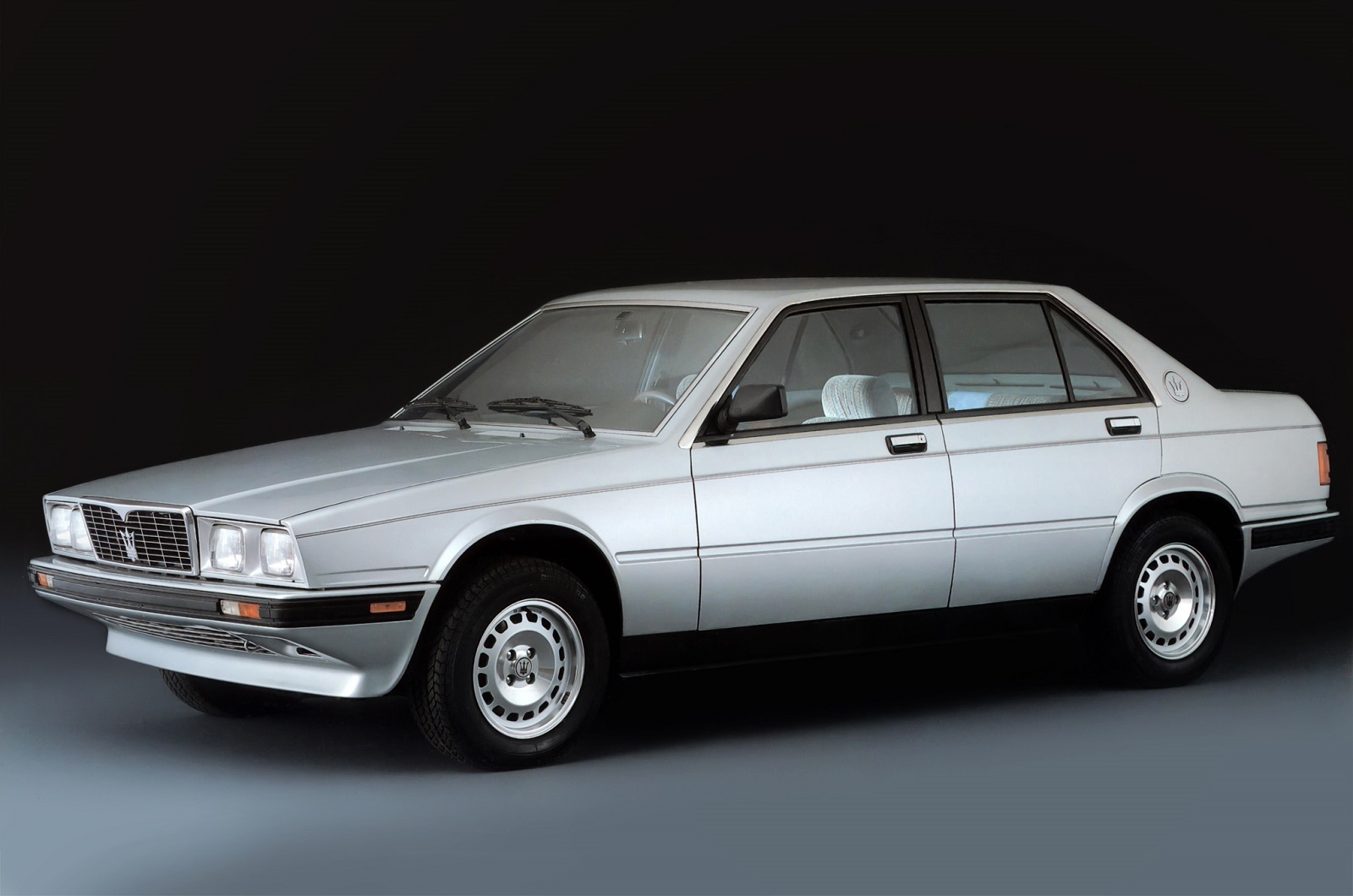
The Maserati Biturbo and its off-shoots should have gone down in history as one of the best-driving family cars of the 1980s. On paper, it victoriously placed Maserati's hallmark performance in a package that was smaller and more affordable than the Quattroporte.
The Italian firm lost the plot in the execution phase and it delivered one of the most unreliable cars it has ever made. Mechanical and electrical problems were frighteningly common, especially in early cars, and sales dropped when motorists realized what they were buying.
Alfa Romeo: Arna (1983)
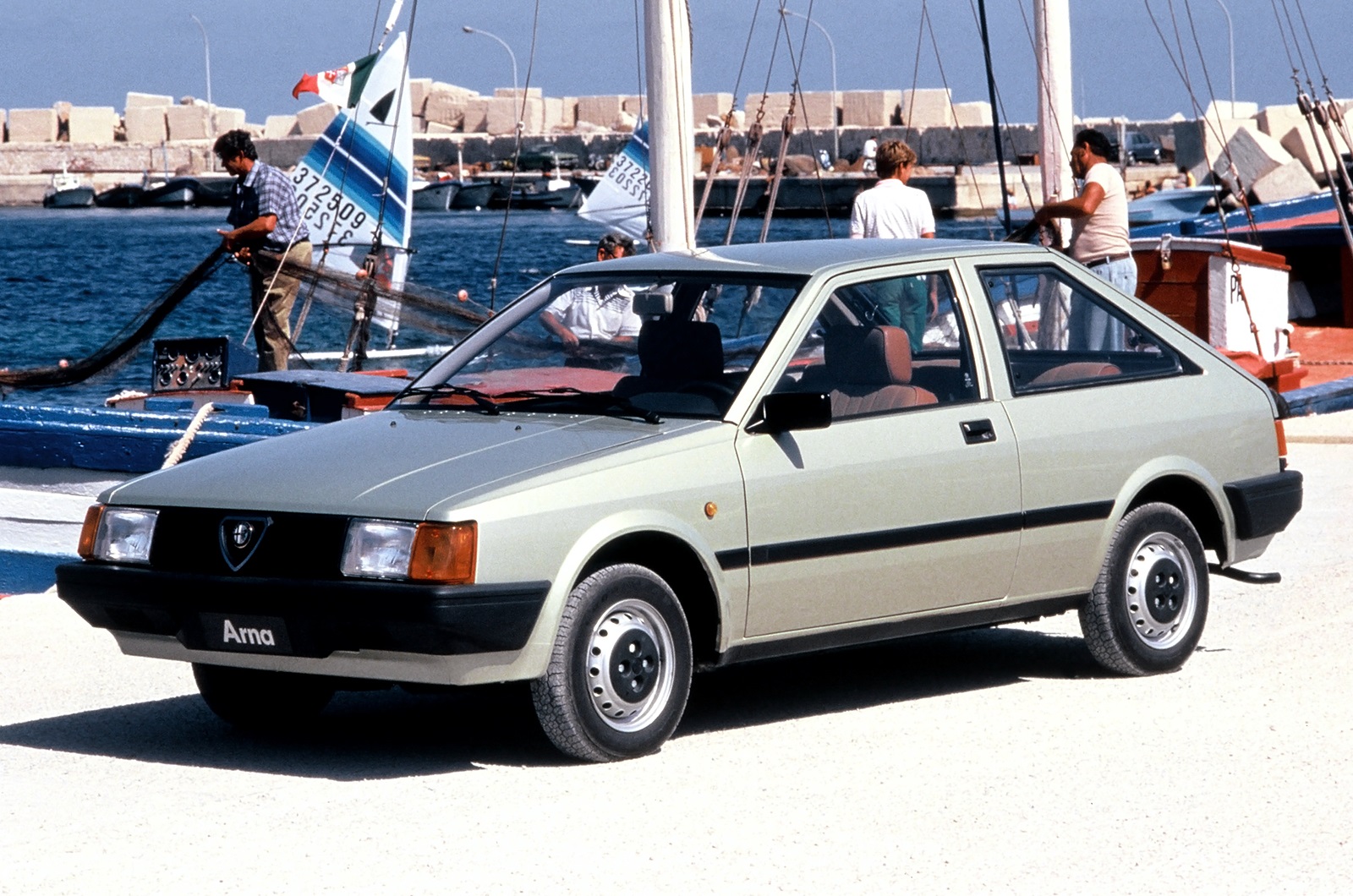
The Volkswagen Golf’s success made government-owned Alfa Romeo green with envy during the late 1970s. The perennially cash-strapped firm couldn’t afford to develop a competitor from scratch so it teamed up with Nissan to enter the segment as quickly and cheaply as possible. The Arna was born in 1983 as a Nissan Cherry with an Alfa-specific grille and an Alfasud-sourced running gear.
Buyers who wanted a Nissan bought one, they didn't shop for an Alfa, and the Arna routinely missed its sales targets. Even the Ti variant felt more Japanese than Italian and it was overshadowed by the more expensive 33. Executives surprisingly considered updating the model during the late 1980s but Fiat immediately cancelled the project it when it took over Alfa in 1986.
Pontiac: Fiero (1984)
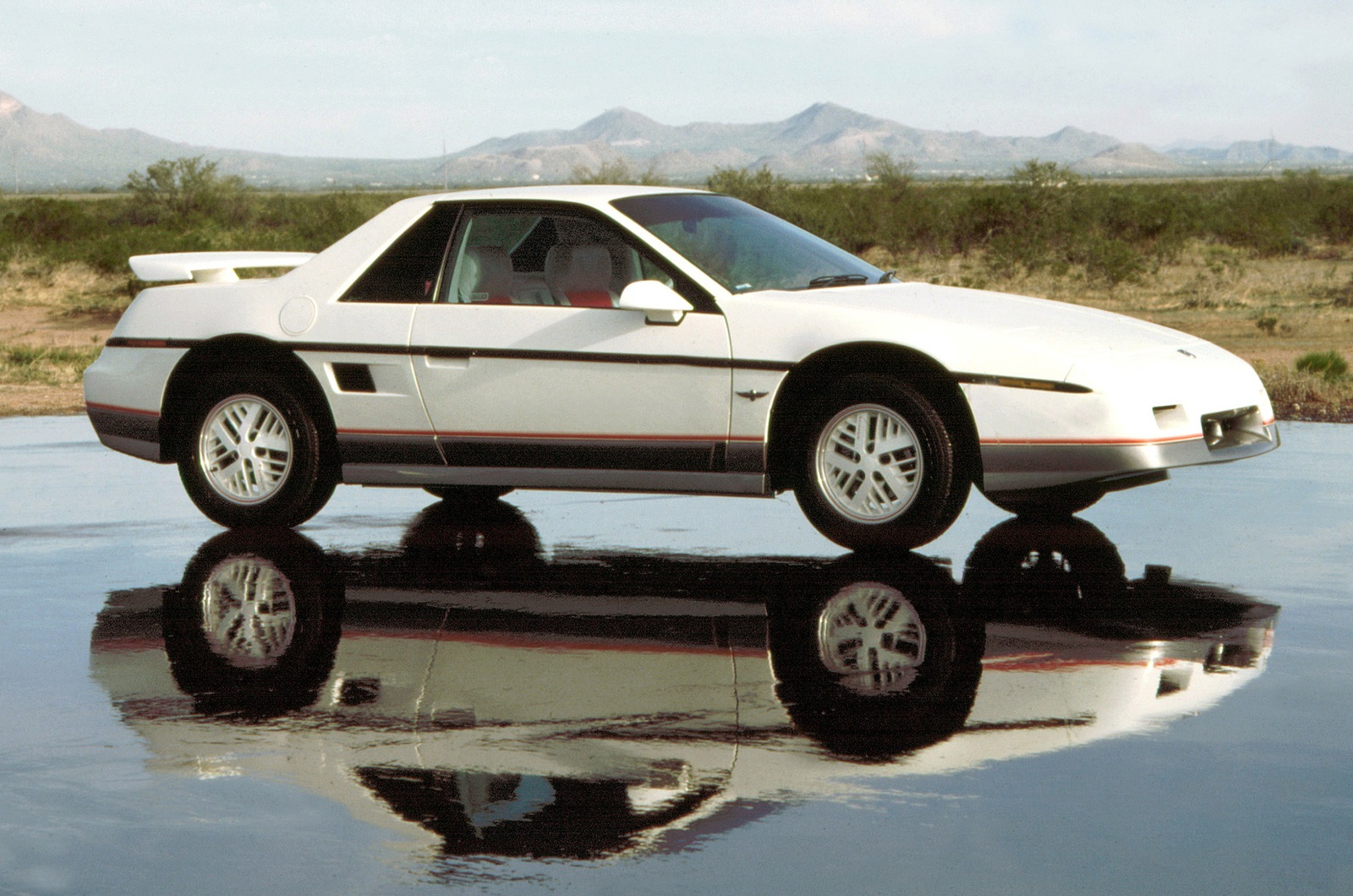
On paper, the Pontiac Fiero looked ready to give European and Japanese sports cars a run for their money. It was developed as an affordable mid-engined performance car in the vein of the Fiat X1/9. In application, early models were a disappointment. Pontiac saved money by using suspension components shared with some of the cheapest cars General Motors offered during the 1980s and fitted the Fiero with a 2.5-litre four-cylinder engine rated at 92hp. It didn’t handle or accelerate as well as its low-slung design suggested.
Adding insult to injury, early examples exhibited an alarming tendency to catch fire. Pontiac righted many of the Fiero’s wrongs for the 1988 model year but the changes came too late.
Cadillac: Allanté (1987)
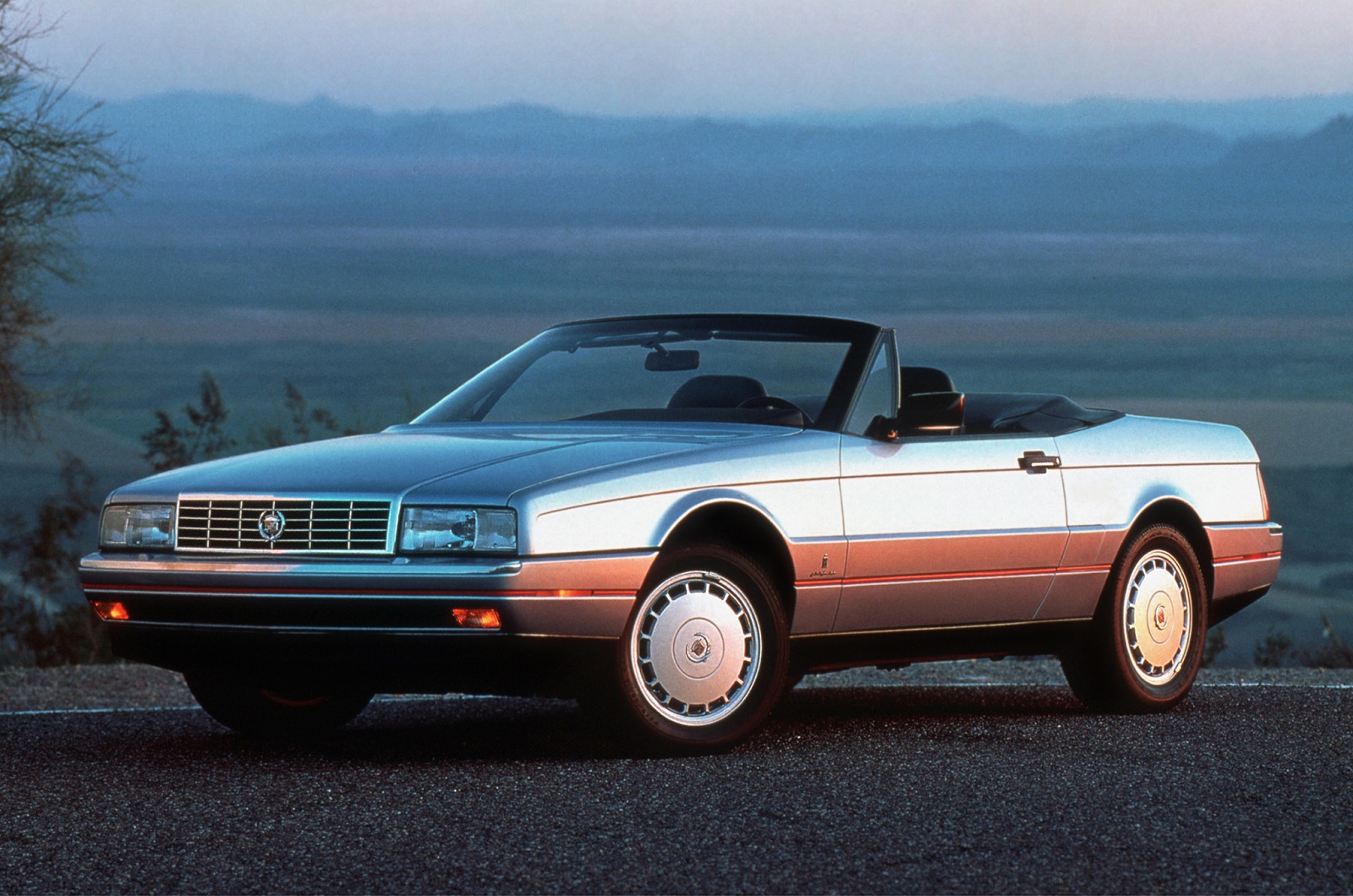
In 1987, Cadillac seriously tried to end the Mercedes-Benz SL’s dominance over the luxurious, two-seater roadster segment by releasing its own high-zoot convertible named Allante. Pininfarina made Allante bodies in Turin, Italy, and shipped them to Detroit where Cadillac installed the running gear. Executives likely figured the Italian connection would give the Allante more prestige.
Cadillac charged $54,700 (about $140,0000 in today's money) for the Allante in 1987, the model’s first model year on the market. That year, the 560 SL cost $55,300.The Cadillac didn’t drive as well as the Mercedes because it had less power (170hp vs 238hp) and it was front-wheel drive. Early models also suffered from problems like a leaky convertible top. Annual sales only crossed the 4000-unit mark in 1993, the nameplate’s last model year on the market.
Lotus: Elan (M100) (1989)
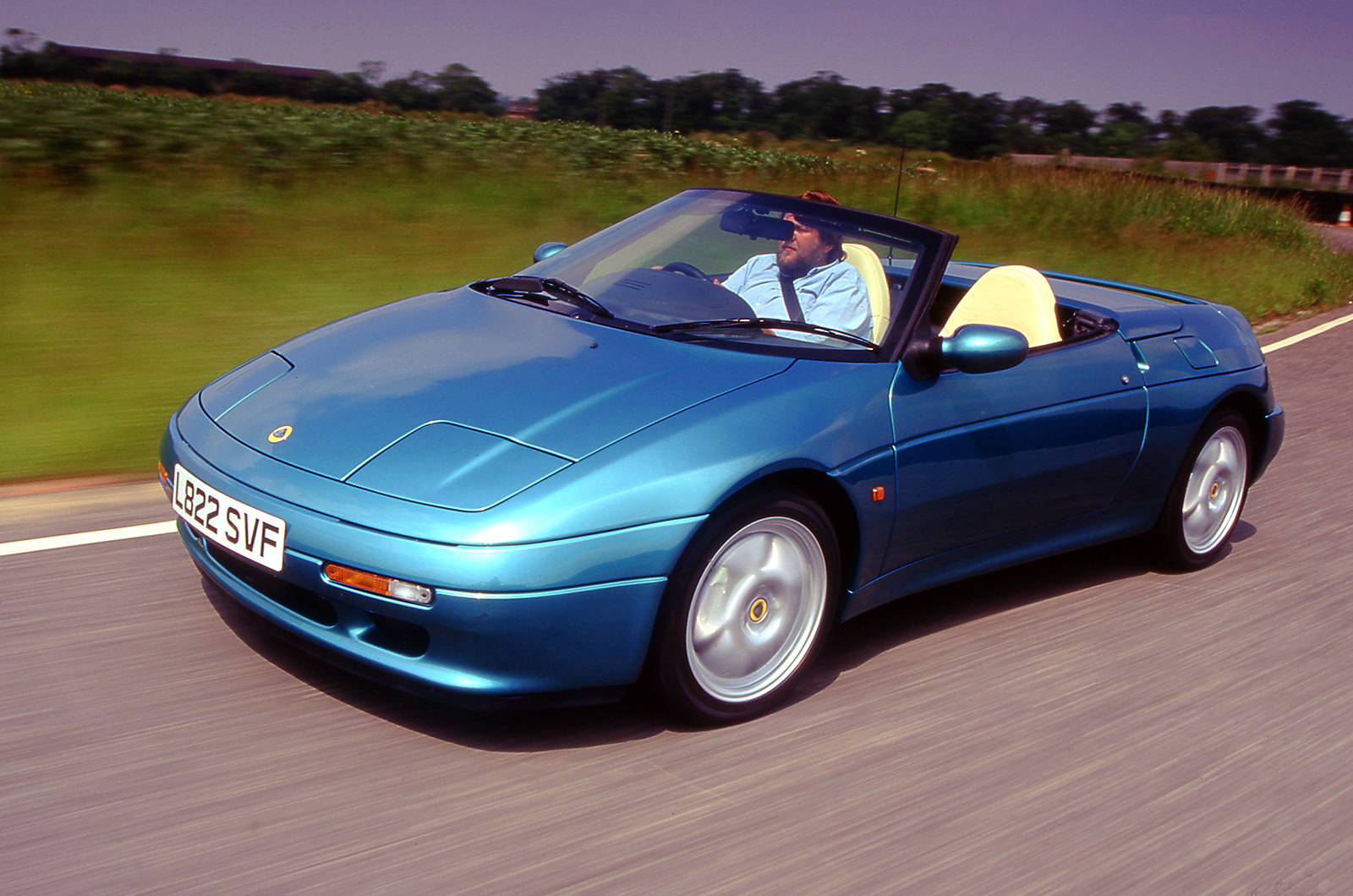
Backed by General Motors, Lotus envisioned the M100-generation Elan as the car that would allow it to increase its presence in the United States. The roadster needed a sizable dose of mass-market appeal, which none of the company’s other models had, so engineers decided to make it front-wheel drive. It was the first, last and only front-wheel drive model in the company’s history.
Lotus enthusiasts gave the Elan a lukewarm reception. Some didn’t like the wedge-shaped styling while others were put off by the switch to front-wheel drive. The cheaper, rear-wheel drive Mazda MX-5 Miata put a spoke in the Elan’s wheel and sales remained upsettingly low, especially considering the substantial amount of money Lotus put into designing it. About 559 examples of the 3855 series-one Elans manufactured from 1989 to 1992 made it to America. The series-two model made in 1994 and 1995 was sold only in the UK.
In an unexpected twist of fate, Lotus sold the rights to the Elan to Kia which made about 1000 units of the roadster. From an image standpoint, it worked better as a Kia than as a Lotus.
Porsche: 911 (996) (1997)
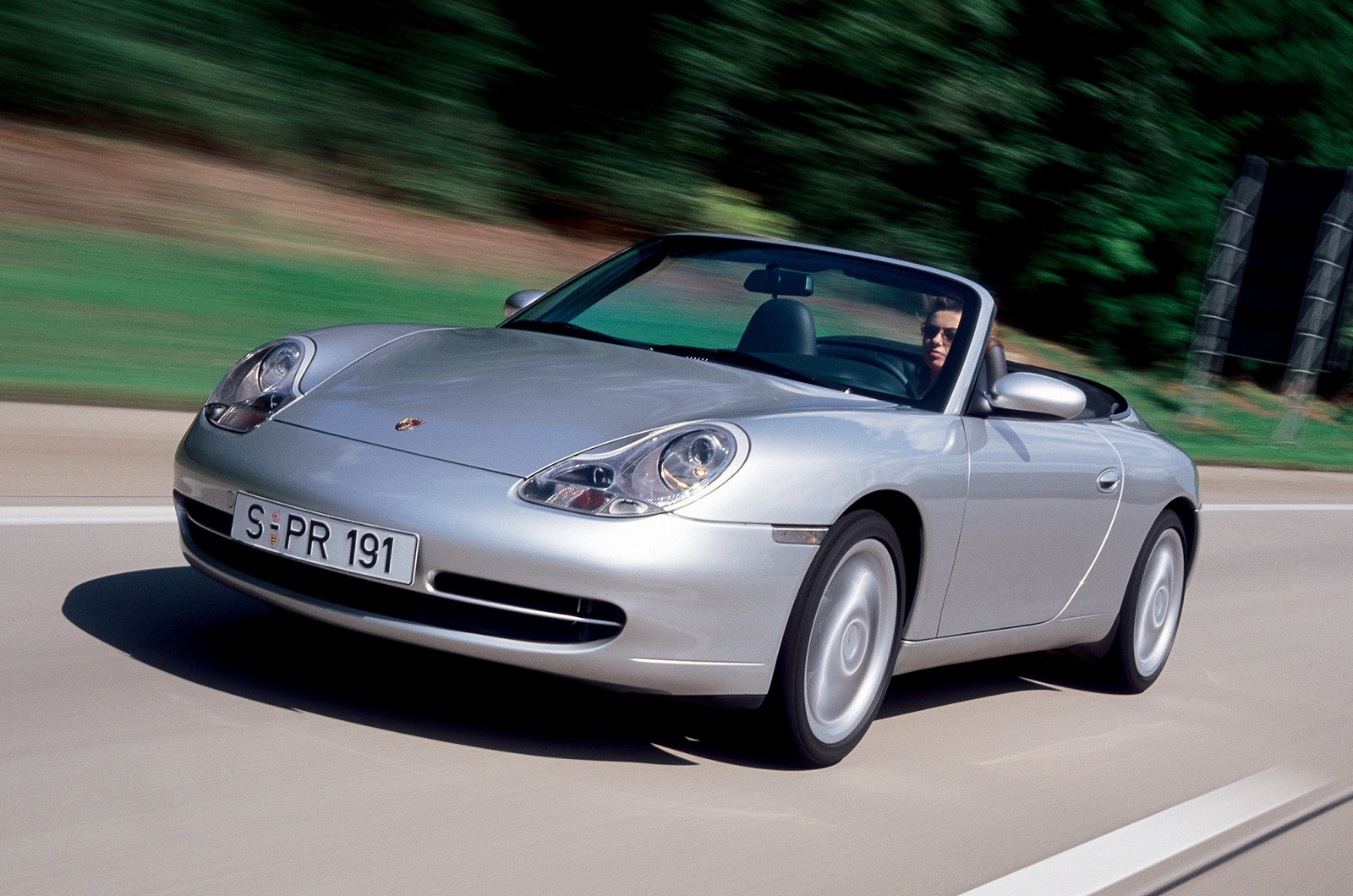
Porsche made significant changes to the 996-generation 911 introduced in 1997 and most of them were not welcomed by enthusiasts. It looked different than its predecessors because it borrowed styling cues like L-shaped headlights from the smaller Boxster. It also sounded different due to a flat-six engine cooled by water rather than air. Problems with the IMS bearing cemented its reputation as the infeerior 911.
Emissions- and noise-related regulations forced Porsche to stay committed to water-cooling but the company gave the 997-generation 911 a design better aligned with tradition. Every 911 released since has been a careful evolution of its predecessor, not a revolution.
Fiat: Multipla (1998)
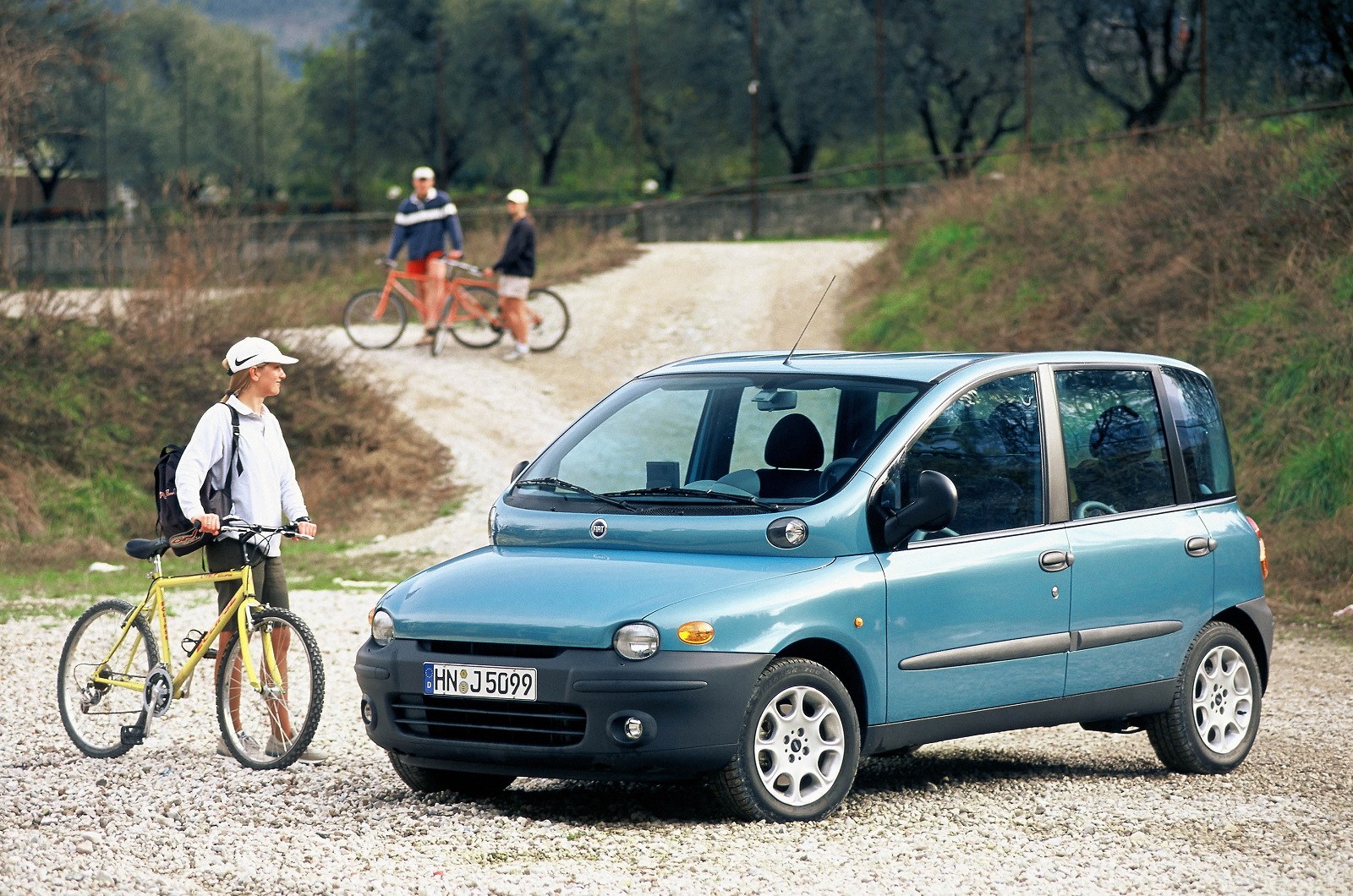
The original Fiat 600 Multipla released in 1956 divided the public’s opinion with its unconventional, function-over-form design. The born-again Multipla from 1998 was a lot less divisive; nearly everyone agreed it was nauseating to look at. Those who judged it by its ungainly sheet metal missed out on a cleverly-packaged interior with six real seats and a minivan-like amount of space. Stylists were clearly onto something when they started the development process but they pushed the design envelope too far.
Fiat gave the Multipla a thorough face-lift in 2004 and kept building it until 2010. It even influenced a competitor, the Honda FR-V, but it remained hugely controversial until the end of its production run.
Pontiac: Aztek (2000)
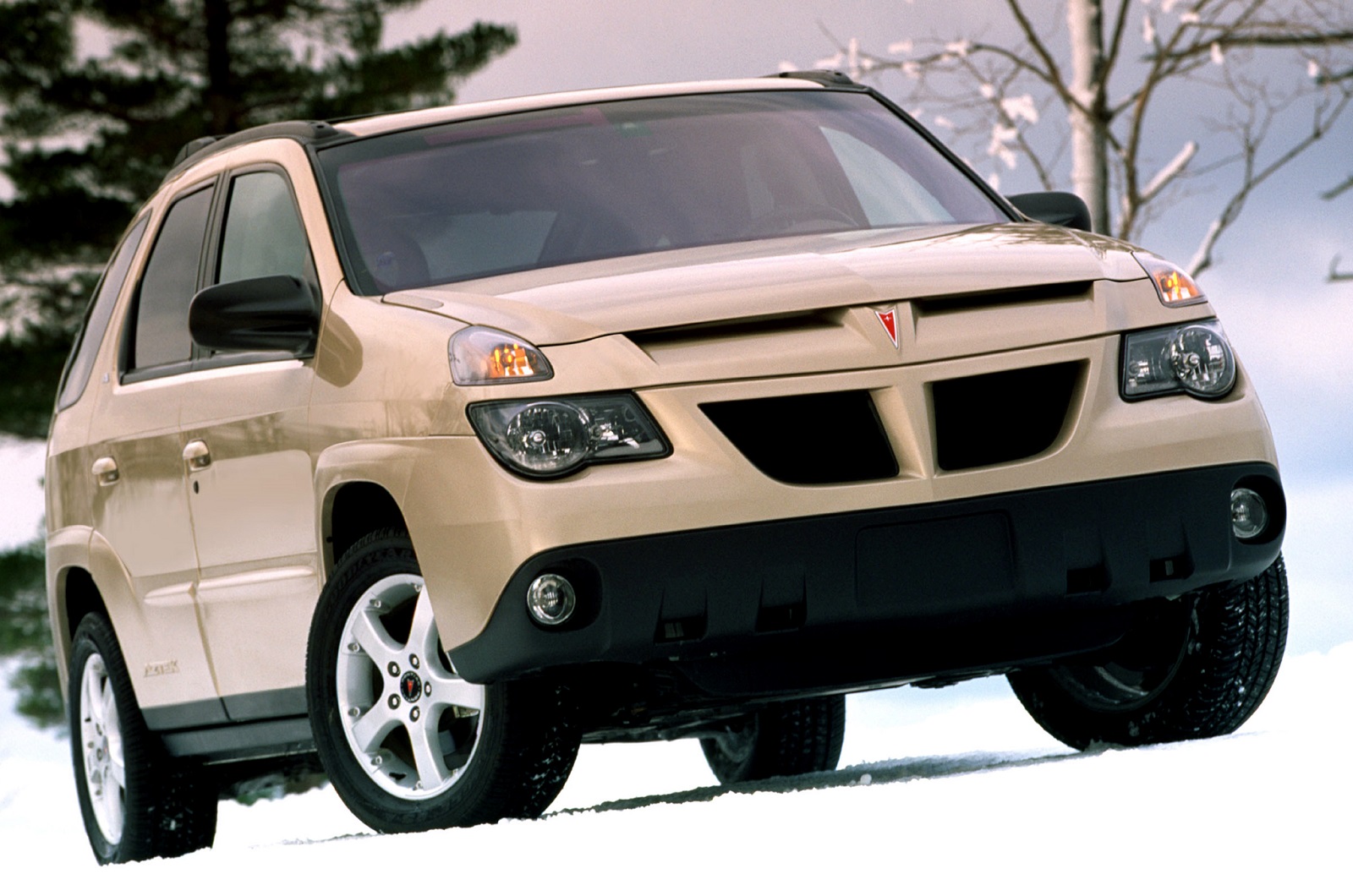
Our look at black sheep cars wouldn’t be complete without mentioning the Pontiac Aztek. It was previewed by a concept car in 1999 and, by most accounts, it should have remained as one. Think of it as Pontiac's Multipla. It was a surprisingly versatile car but buyers couldn’t look past its gruesome front end and its off-beat proportions. It retired without a direct successor in 2005 and Pontiac shut down in 2010.
If being misproportioned wasn’t bad enough, the Aztek suffered from an identity problem within the Pontiac line-up. It was made in an era during which the firm was trying to renew its image. It bridged the gap between the 1990s, when the automaker's line-up was as interesting as a toilet seat, and the 2000s, when it briefly tried to embrace all-out performance in a last-ditch effort to stay afloat. Buyers hadn’t caught crossover fever yet so no one knew what to make of Pontiac’s hatchback-SUV mash-up.
Renault: Avantime (2001)
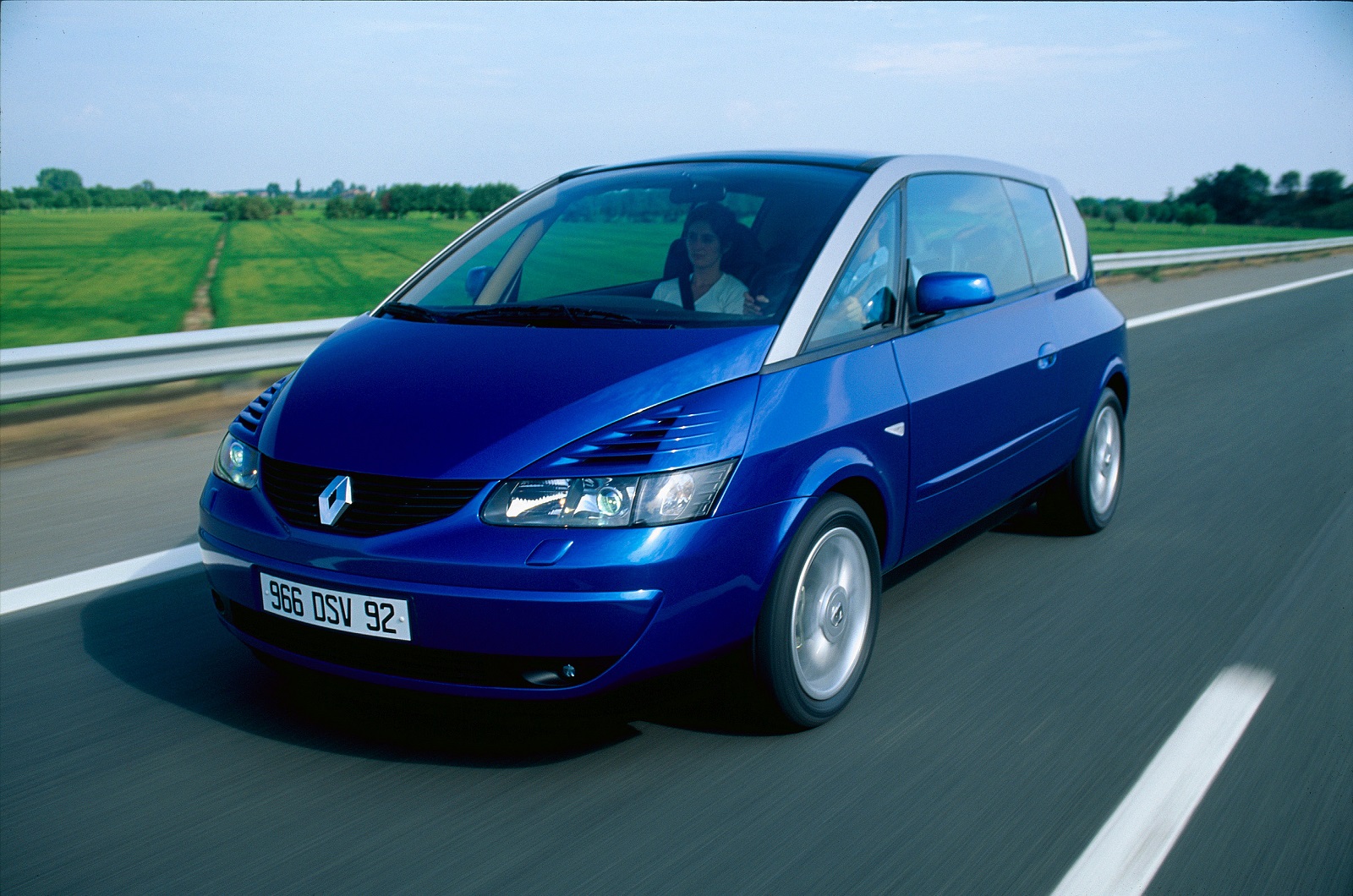
Renault made the Avantime to explore what a two-door, upmarket variant of the Espace could look like. In hindsight, it was the answer to the question no one asked. From its leviathan-like proportions to its double-hinged doors, the Avantime was generally regarded as an example of what not to do when designing a car, not as a trend-setter like Renault envisioned.
The Avantime went on sale at about the same time as the four-door Vel Satis which confused potential buyers; which one was Renault’s true flagship? Sales were low and production ended after Matra – the firm who built it on behalf of Renault – closed its car-making division in 2003. Renault sold 8557 examples of the Avantime during a 22-month production run.
Jaguar: X-Type (2001)
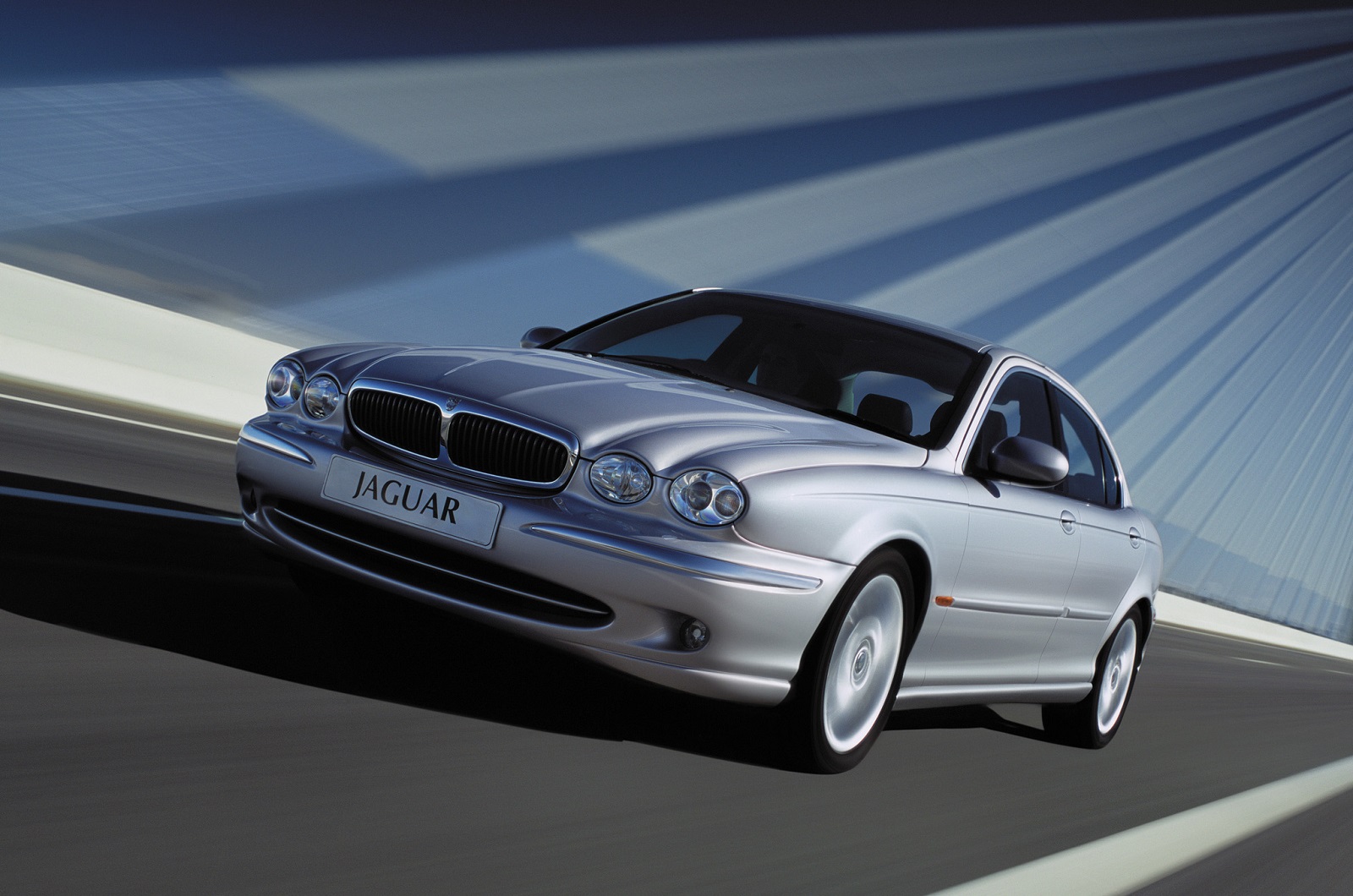
Jaguar developed the X-Type while part of Ford’s Premier Automotive Group. Executives pictured a luxurious entry-level model aimed at the BMW 3 Series - the segment's gold standard at the time - and the Mercedes-Benz C-Class but they made the mistake of starting with an evolution of the front-wheel drive platform found under the Ford Mondeo. To make matters worse, they tried hiding the X-Type’s humble origins by launching it with a V6, four-wheel drive and no diesel engines in an era where volume came from four-cylinder engines, diesel engines (in Europe), and rear-wheel drive.
The X-Type was innovative - it was one of the first cars fitted with a touchscreen - but Jaguar ultimately released the wrong product, on the wrong architecture, at the wrong time. Its disappointing sales in Europe and in America reflected that.
Lincoln: Blackwood (2001)
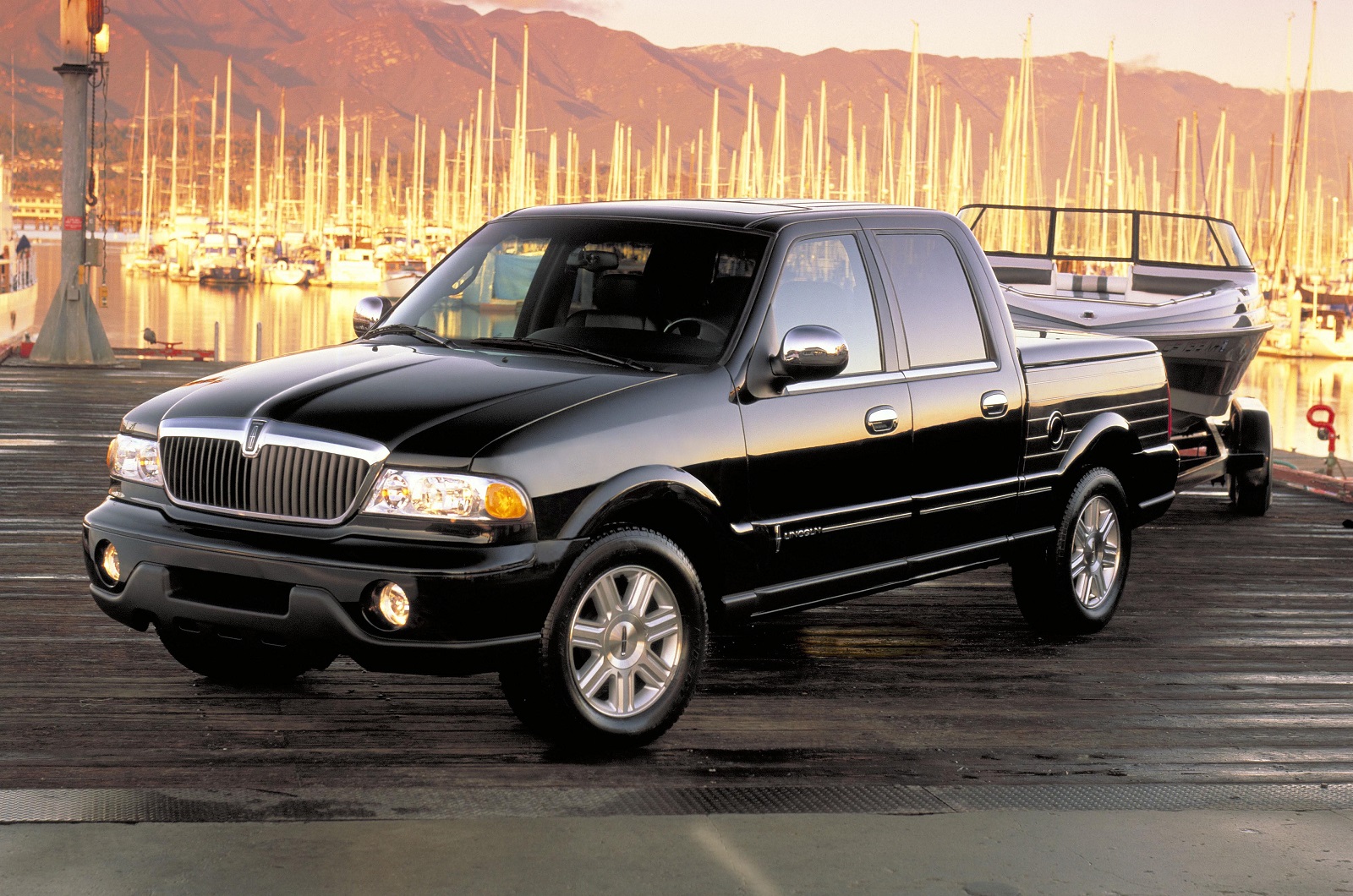
The Navigator SUV sold exceptionally well so Lincoln wanted to repeat its success in the pickup truck segment. The firm also needed to fend off competition from rival Cadillac, whose Chevrolet Avalanche-based Escalade EXT had caught everyone by surprise when it broke cover in 2001.
Starting with a four-door Ford F-150, Lincoln added a Navigator-esque front end and installed a much nicer interior. So far, so good. Unfortunately, the Blackwood was only available with rear-wheel drive and it was useless as a truck because its carpet-lined cargo box was topped by a plastic tonneau cover. It could carry golf clubs, groceries but not much else.
In America, the Lincoln Blackwood was offered only during the 2002 model year. The Mexican market got it for the 2003 model year, too. Its failure didn’t discourage Lincoln, though. The company released another F-150-based pickup truck named Mark LT in 2005 which managed to briefly outsell the Escalade EXT before falling flat on its face. Lincoln left America’s pickup segment in 2008.
Aston Martin: Cygnet (2011)
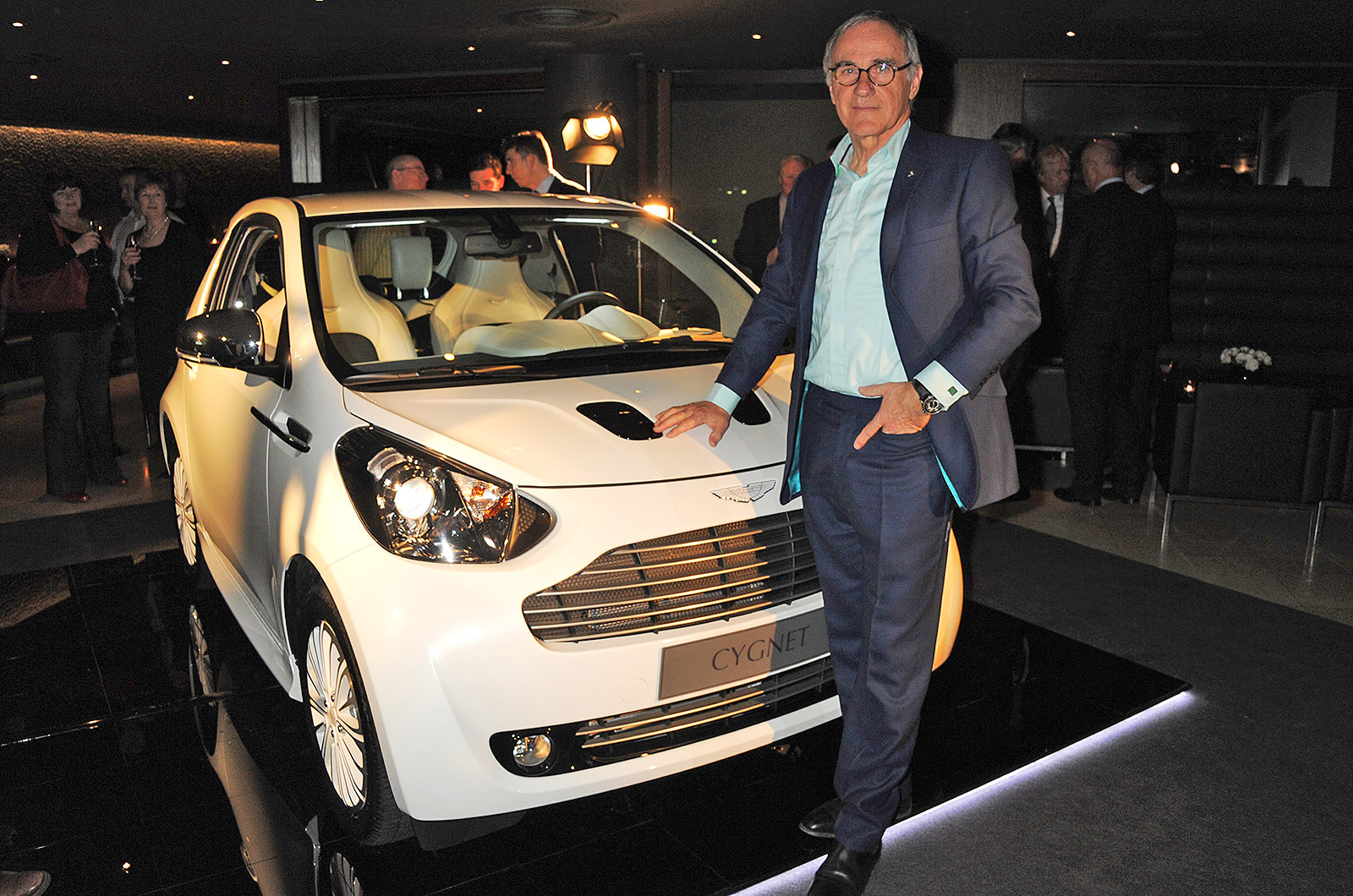
In 2011, Aston Martin’s line-up stretched from the limited-edition, 750hp One-77 to an oddball city car named Cygnet. It was very evidently based on the Toyota iQ (sold as a Scion in America). Aston Martin admitted it re-badged Toyota’s smallest car to comply with fleet-wide CO2 regulations imposed by the European Union. While it received a more upmarket interior than the iQ could ever hope to offer, it kept Toyota’s 98hp 1.3-litre four-cylinder engine.
Ulrich Bez (pictured) was the boss of Aston Martin at the time and the company hoped to sell 4000 units of the Cygnet annually. Production ended in 2013 after the company produced less than 1000 examples. It has steered well clear of the city car class since the Cygnet’s demise.

Kia Tasman’s Styling Fix: How a Simple Correction Kit Could Rescue Sales and Reputation

Urban Military Drills and the Overlooked Risks to Civilian Safety

Giorgetto Giugiaro and the Shaping of Modern Automotive Design
 Giorgetto Giugiaro has designed more big-selling cars than anybody else – and lots of niche models too. These are just some of the highlights
He's been called the most influential car designer of all time
Giorgetto Giugiaro entered his work into a student exhibition in 1955, where it was spotted by Fiat's technical director Dante Giacosa; the rest as they say is history. Let's see all the amazing designs he's come up with over the past few decades; some are stand-out rare, and some are common; and you might even drive one of his cars yourself:
Slideshow story - click right-hand arrow above to continue
Gordon-Keeble GT (1960)
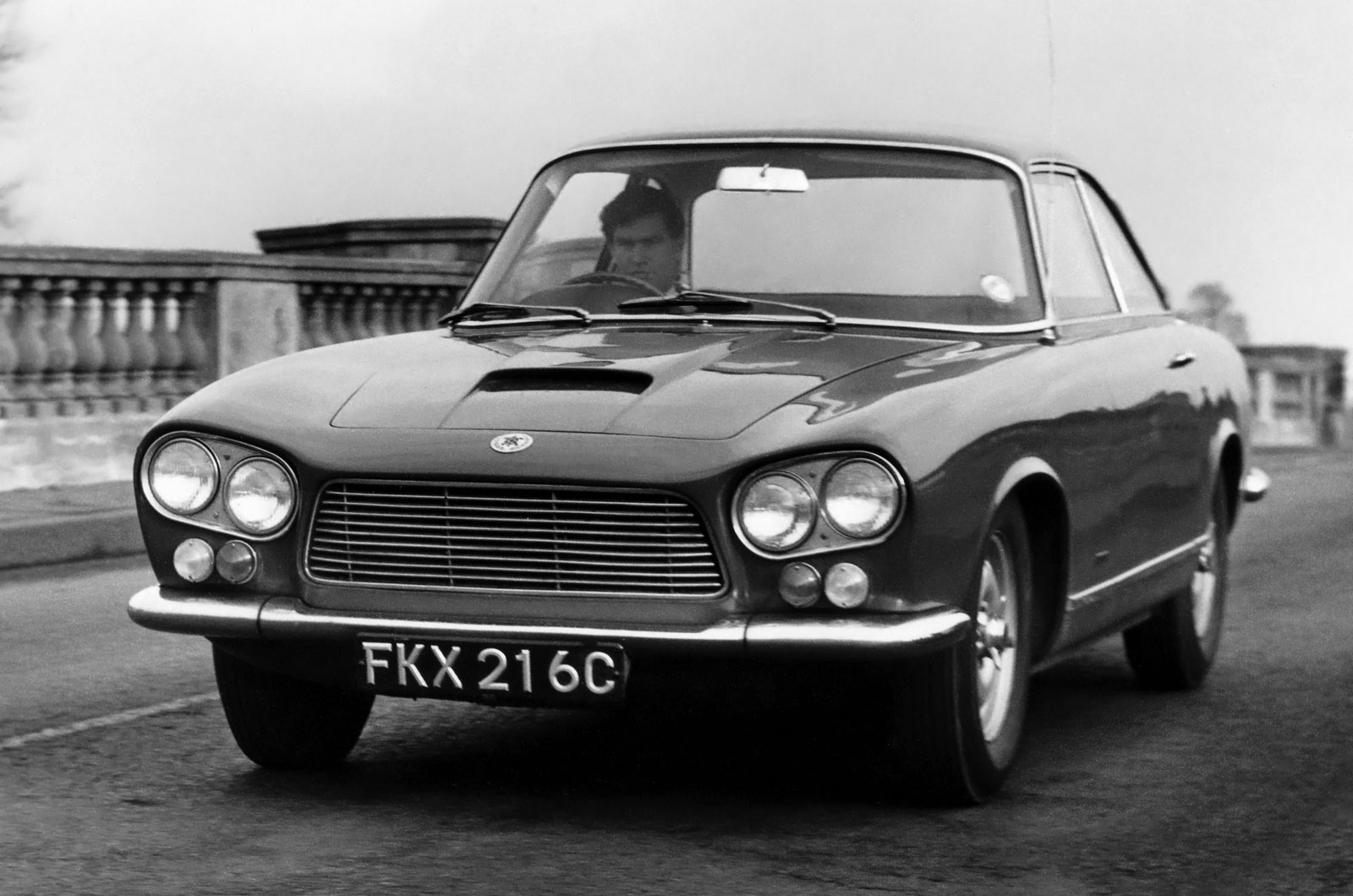
This is where it all started; with a British car that’s pretty much unknown thanks to just 100 examples having been built between 1964 and 1967.
Powered by a 5.4-litre Corvette V8, the Gordon Keeble featured a glassfibre bodyshell on a steel chassis. Virtually all of the cars built survive, thanks to an enthusiastic owners’ club.
Ferrari 250 GT SWB Bertone (1960)
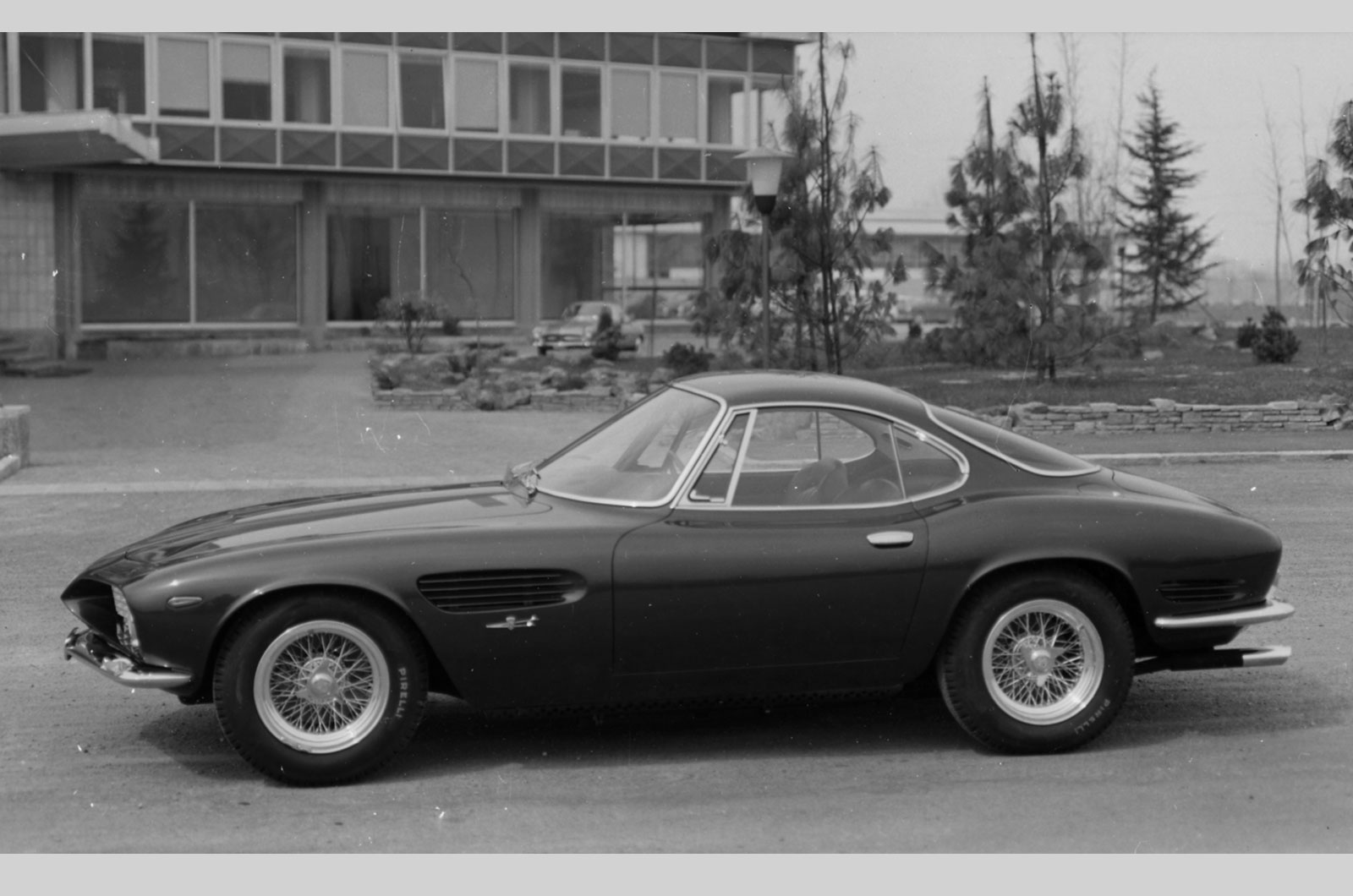
Six years after Ferrari first opened its doors for business it launched the 250, so named because each of the 3.0-litre V12's cylinders displaced 250c.
There was a huge array of variations on the 250 theme but one of the most sought after is the 250GT SWB, so called because its wheelbase was shortened by 200mm to improve agility and cut weight. Created primarily as a racer, some road-going cars were also built.
BMW 3200 CS (1961)
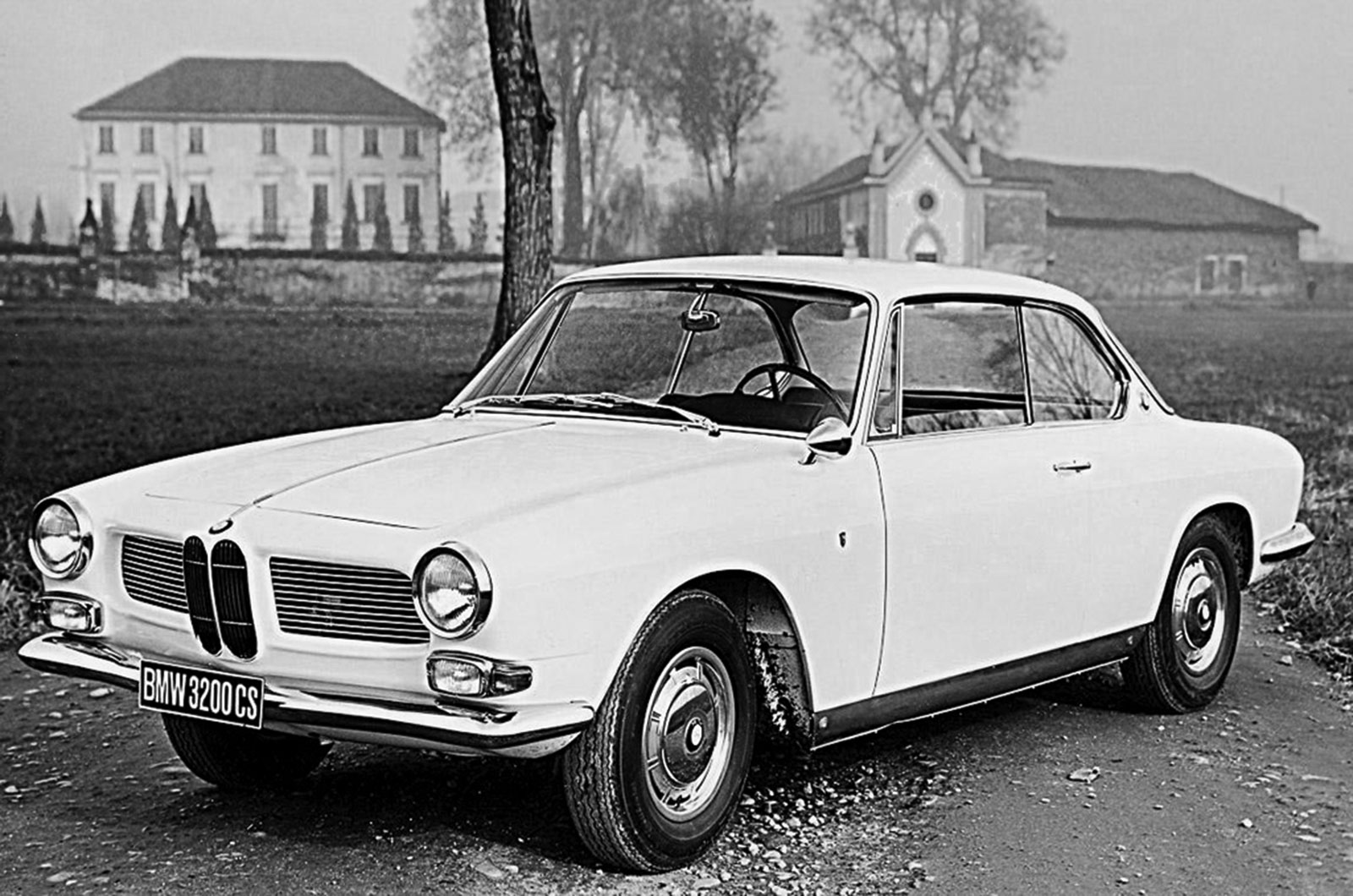
The first BMW to feature the brand's famous Hofmeister Kink, named after the company's then head of design Wilhelm Hofmeister, it was actually Giugiaro who adopted the design feature on behalf of BMW, while he was working for Bertone.
He wasn't the first to use it though as Lancia had used it several years before.
Iso Rivolta IR 300 (1961)
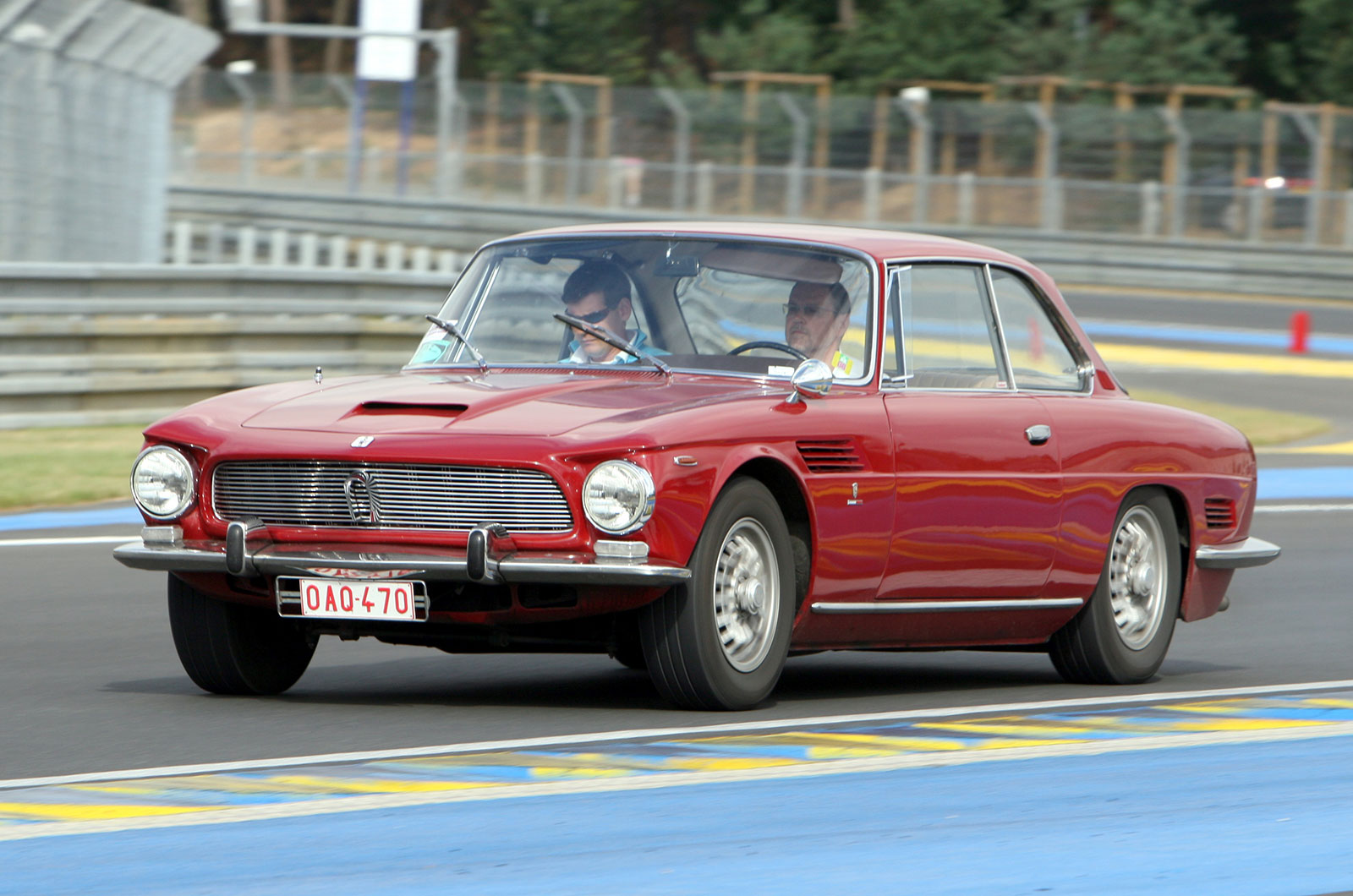
It's hardly what you could call a looker but the intriguing Rivolta was one of the most capable GTs of the 1960s. Powered by a 5340cc Corvette V8, just like the Gordon Keeble, the Rivolta was designed by Giugiaro when he was working for the Bertone design studio - with which he would later be in competition.
Aston Martin DB4 GT Bertone 'Jet' (1961)
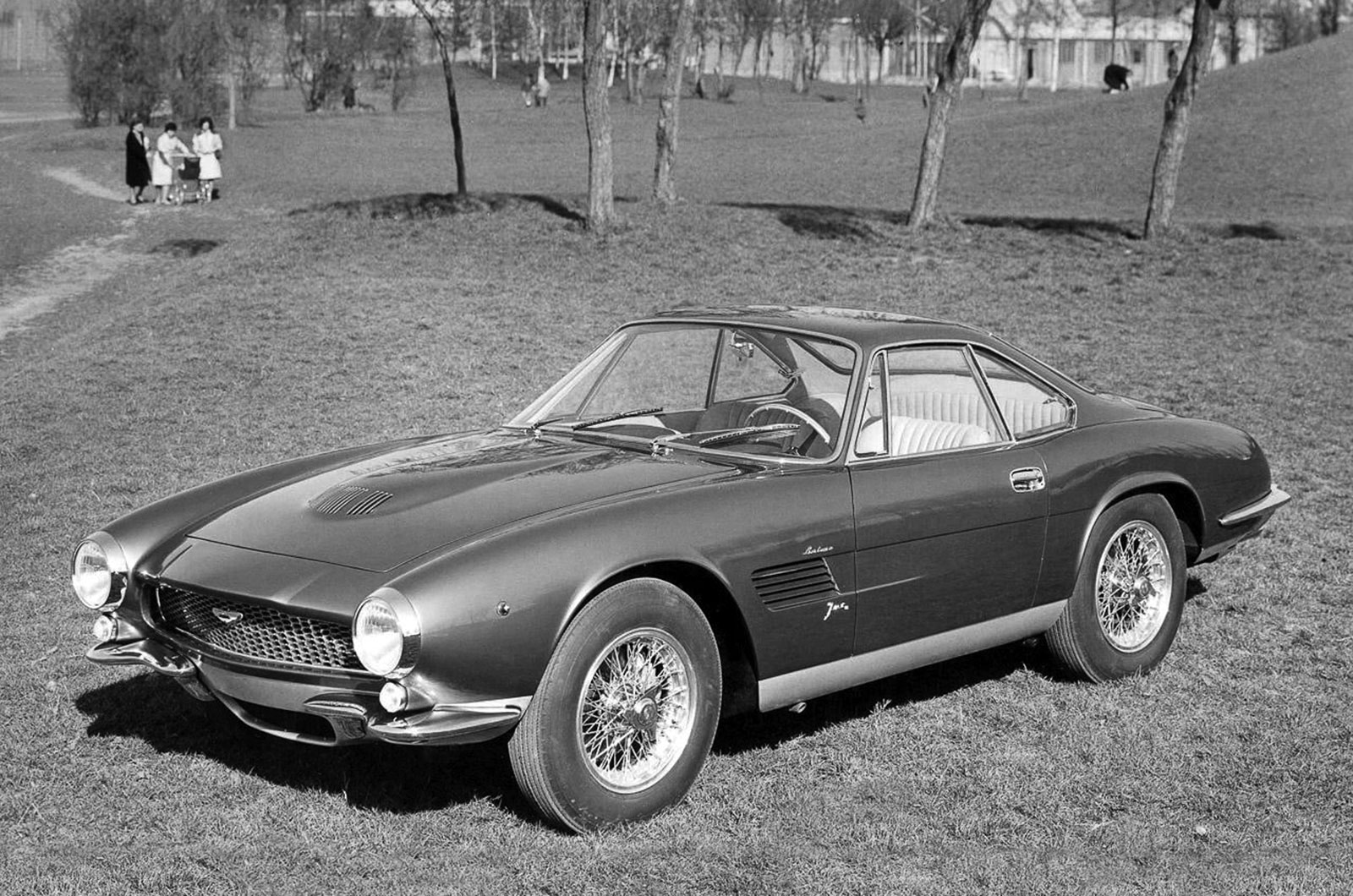
You'd be hard-pressed to argue that the Aston Martin DB4 GT was in need of visual improvement but Bertone gave it a go, with Giugiaro getting the gig.
Incredibly, despite being a one-off the Jet was bodied in steel so it weighs more than the donor car - which wasn't ideal considering it was created for the race track.
ASA 1000 GT (1962)
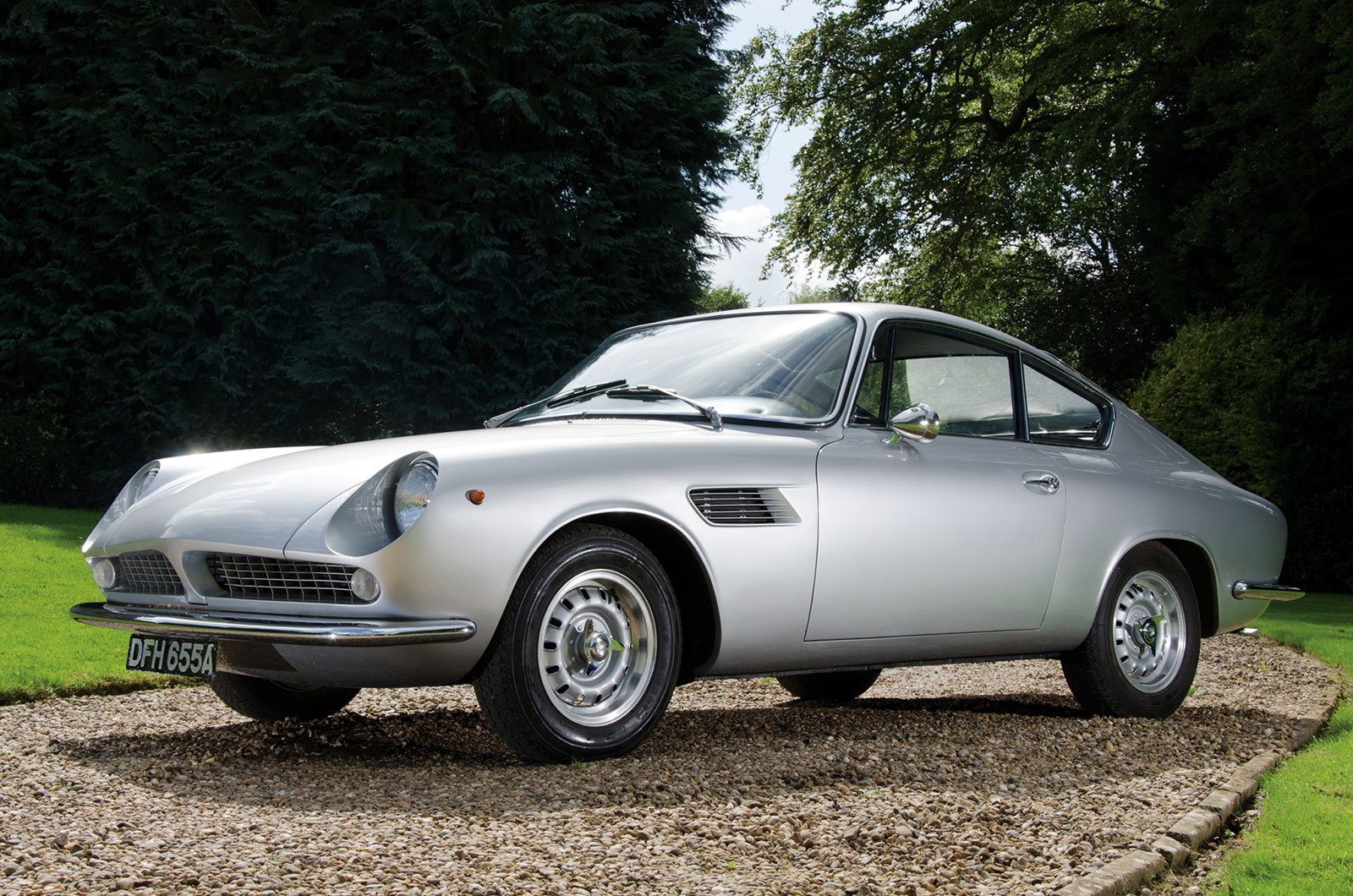
Enzo Ferrari toyed with the idea of creating a small sports car in the early 1960s and the ASA 1000 GT was the result.
Powered by a 1.0-litre four-cylinder engine that was effectively a third of a 3.0-litre Ferrari V12, the ASA's chassis also borrowed design elements from the 250 GTO. But Ferrari decided to stick with his full-fat supercars and instead the project was made independently.
Simca 1000 Coupé (1962)
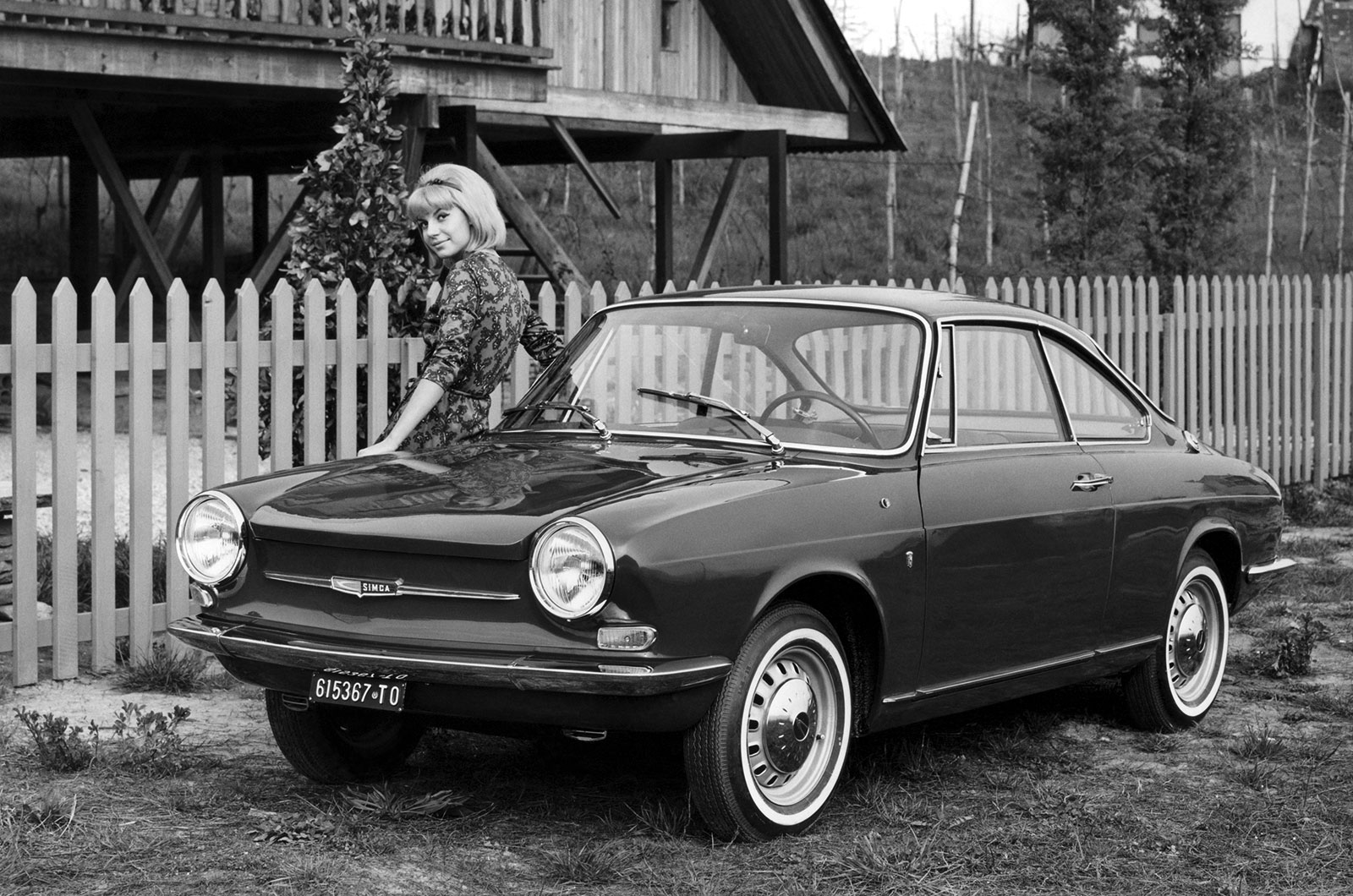
Giugiaro was still wearing his Bertone hat when he came up with this pretty little coupé that came initially with a 944cc engine but was upgraded to a 1204cc unit in 1967.
While the early cars topped out at just 87mph, the later ones could get all the way to 105mph.
Alfa Romeo Giulia Sprint GT (1963)
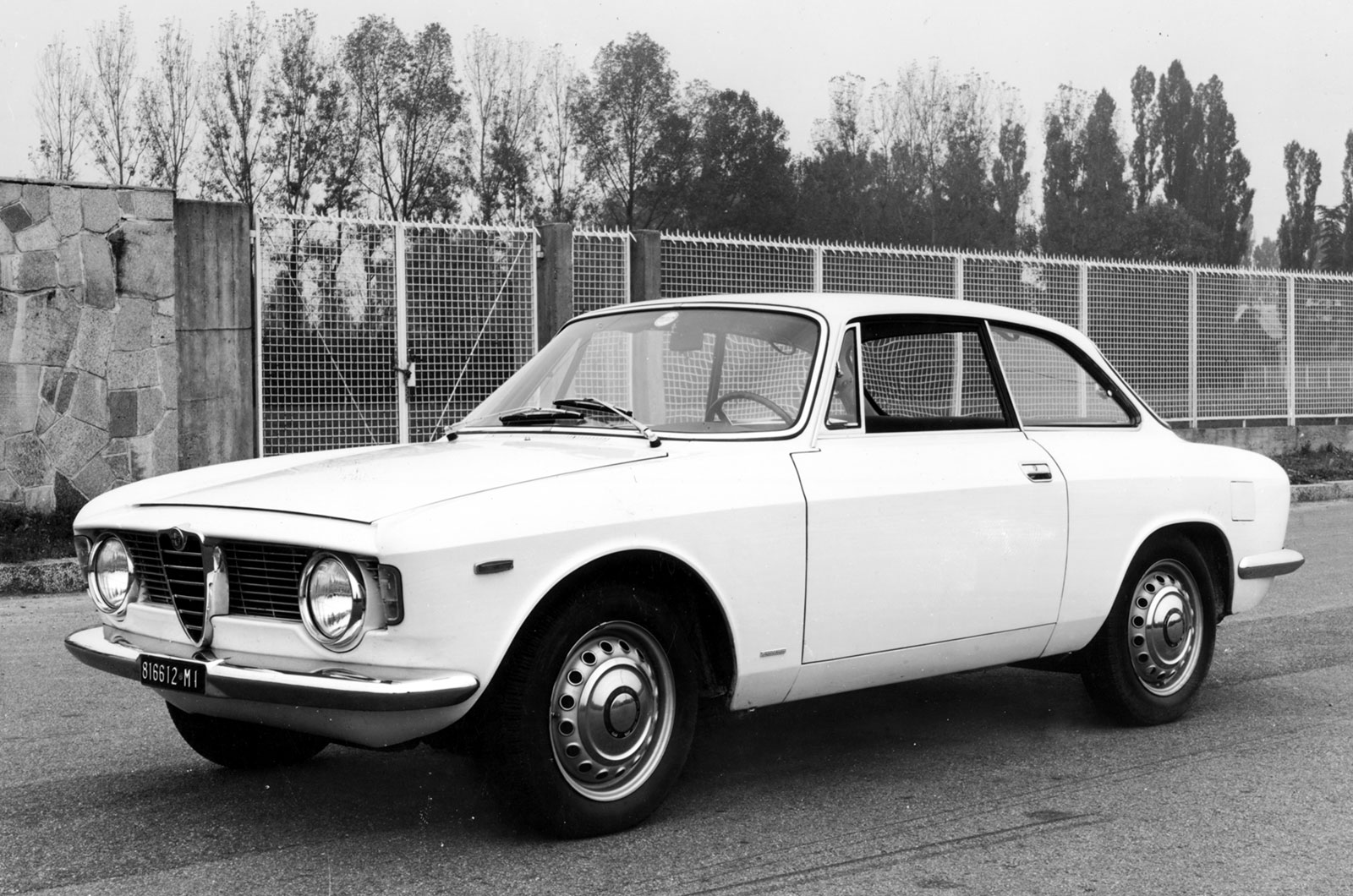
In 1962 Alfa Romeo launched its rather boxy 105-Series Giulia saloon and it was Giugiaro's job to sex things up a bit with a two-door edition.
That arrived in 1963 in the form of the Giulia Sprint GT with a 1570cc all-alloy twin-cam engine. Later would come 1.3-, 1.8- and 2.0-litre engines, the latter two in the Sprint GTV, also penned by Giugiaro.
Mazda Familia (1963)
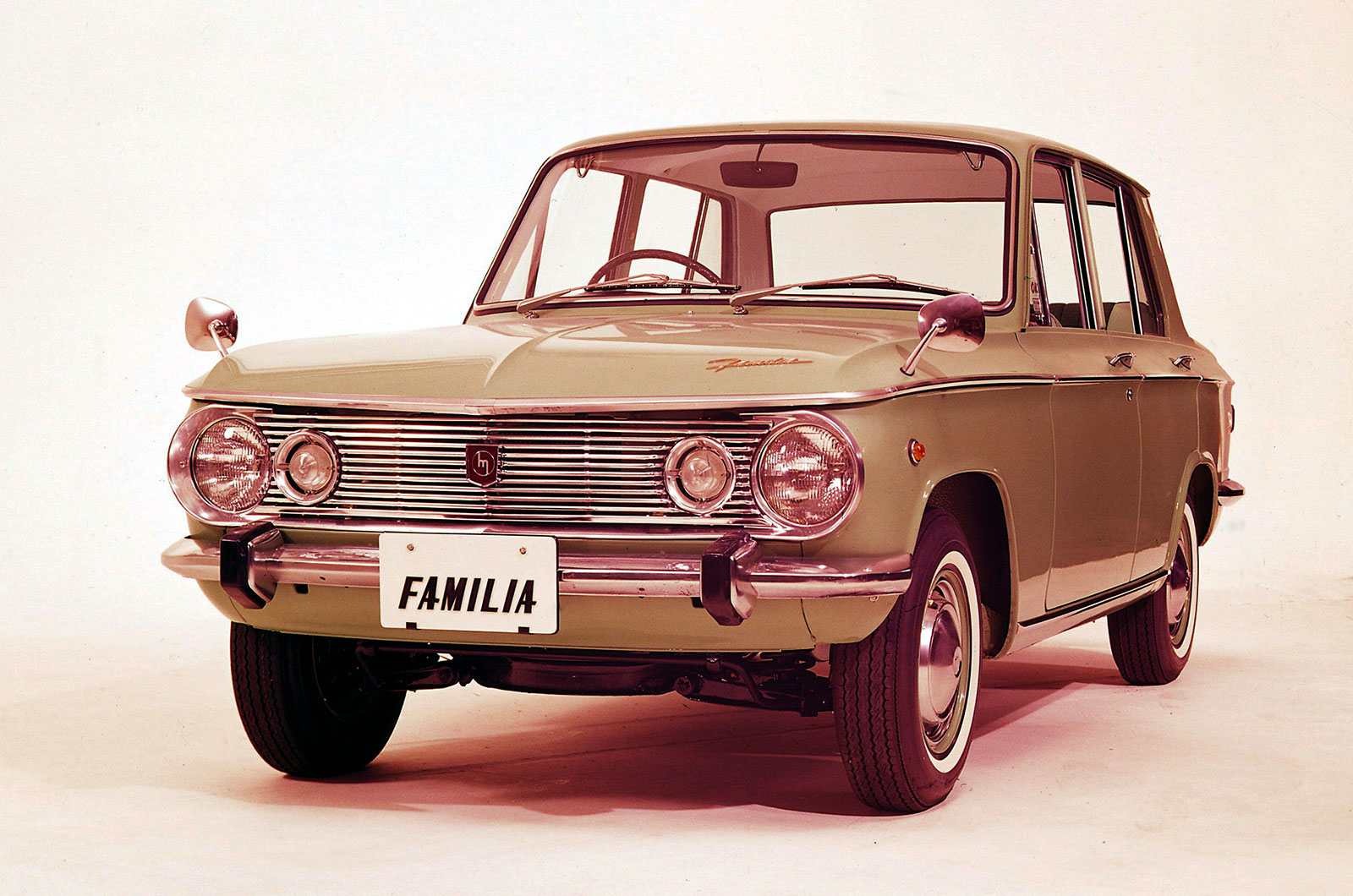
You can't accuse Giugiaro of slacking when he was at Bertone - they certainly got their money's worth.
Having launched with its first (kei) car in 1960, Mazda moved upmarket three years later with this small family saloon and estate with four-cylinder engines between 782cc and 987cc.
Iso Grifo (1963)
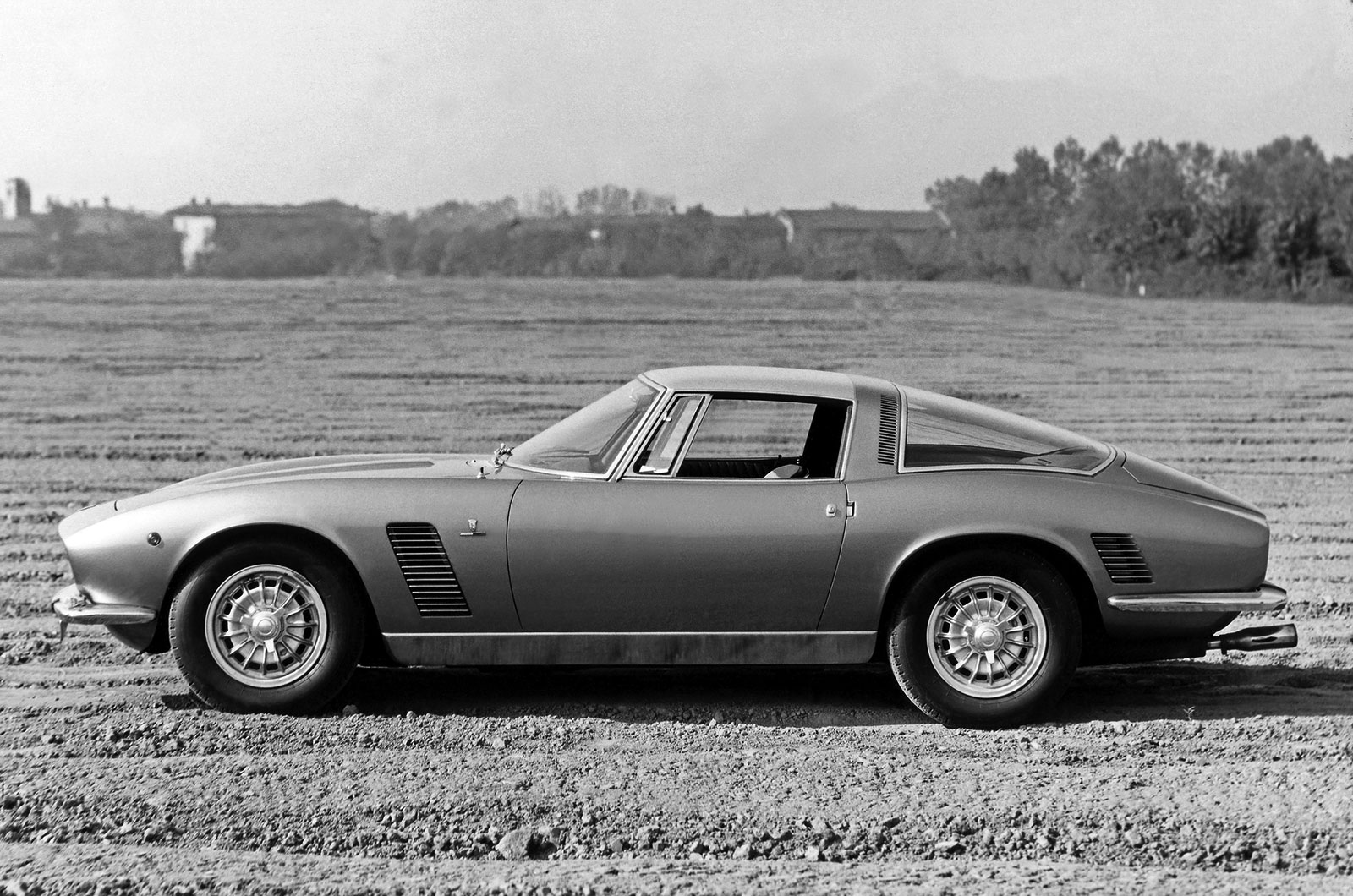
There's been no shortage of European supercars and grand tourers over the years, built with the help of American motive power - and the Iso Grifo is one of the most enigmatic of the lot.
Powered by Chevrolet or Ford V8s, early Grifos got a 5.4-litre unit but from 1970 a mighty 7.5-litre unit was fitted, rated at 395bhp.
Alfa Romeo Canguro (1964)
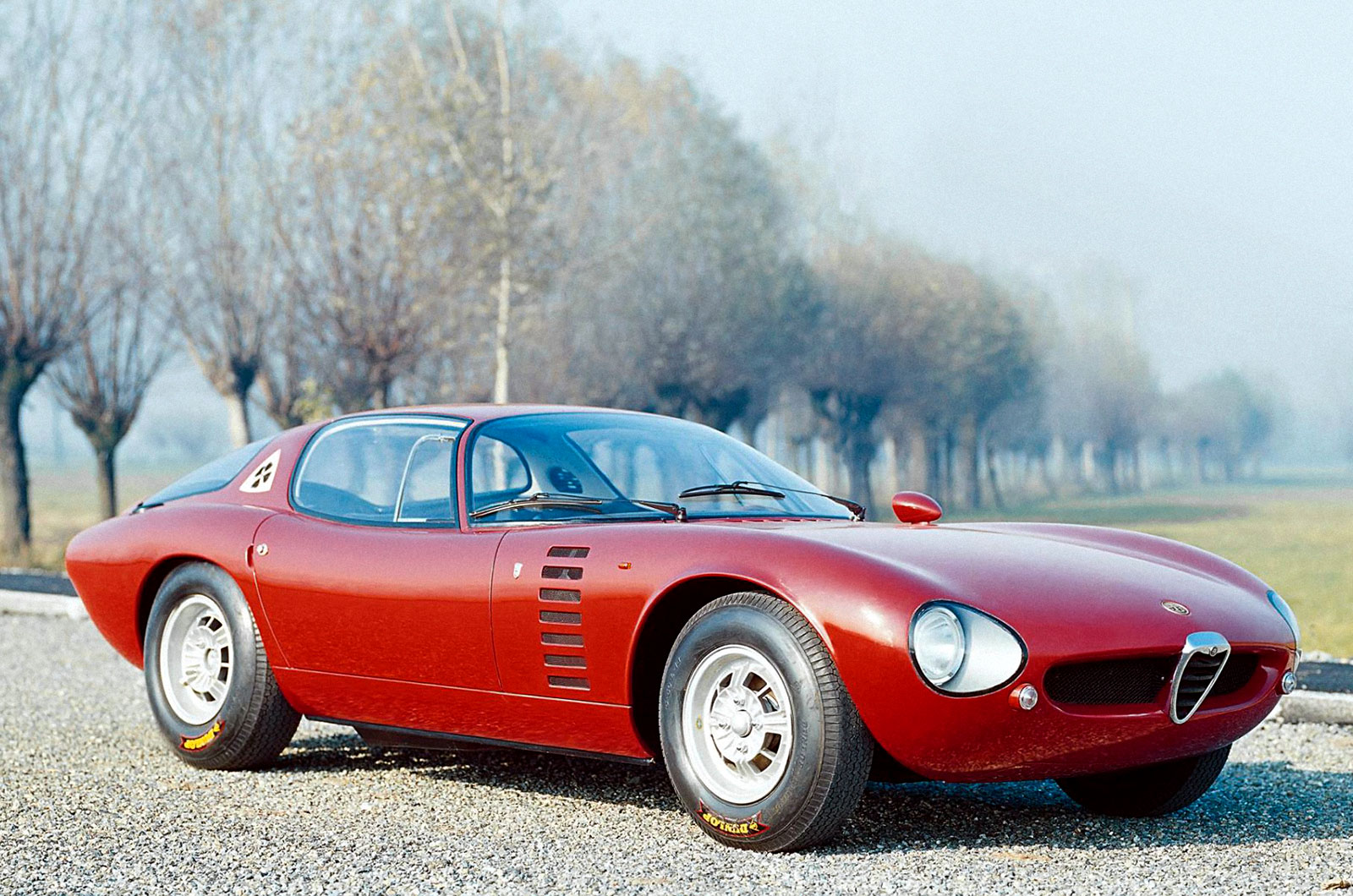
When Alfa Romeo wanted to build a low-volume TZ-based sports car in the 1960s it gave both Pininfarina and Bertone a TZ chassis and told them to come up with something; the Canguro was Bertone's creation, penned by Giugiaro.
Powered by a 1.6-litre four-cylinder engine the car looked gorgeous but Alfa got cold feet and never put either proposal into production.
Innocenti 186 GT (1964)
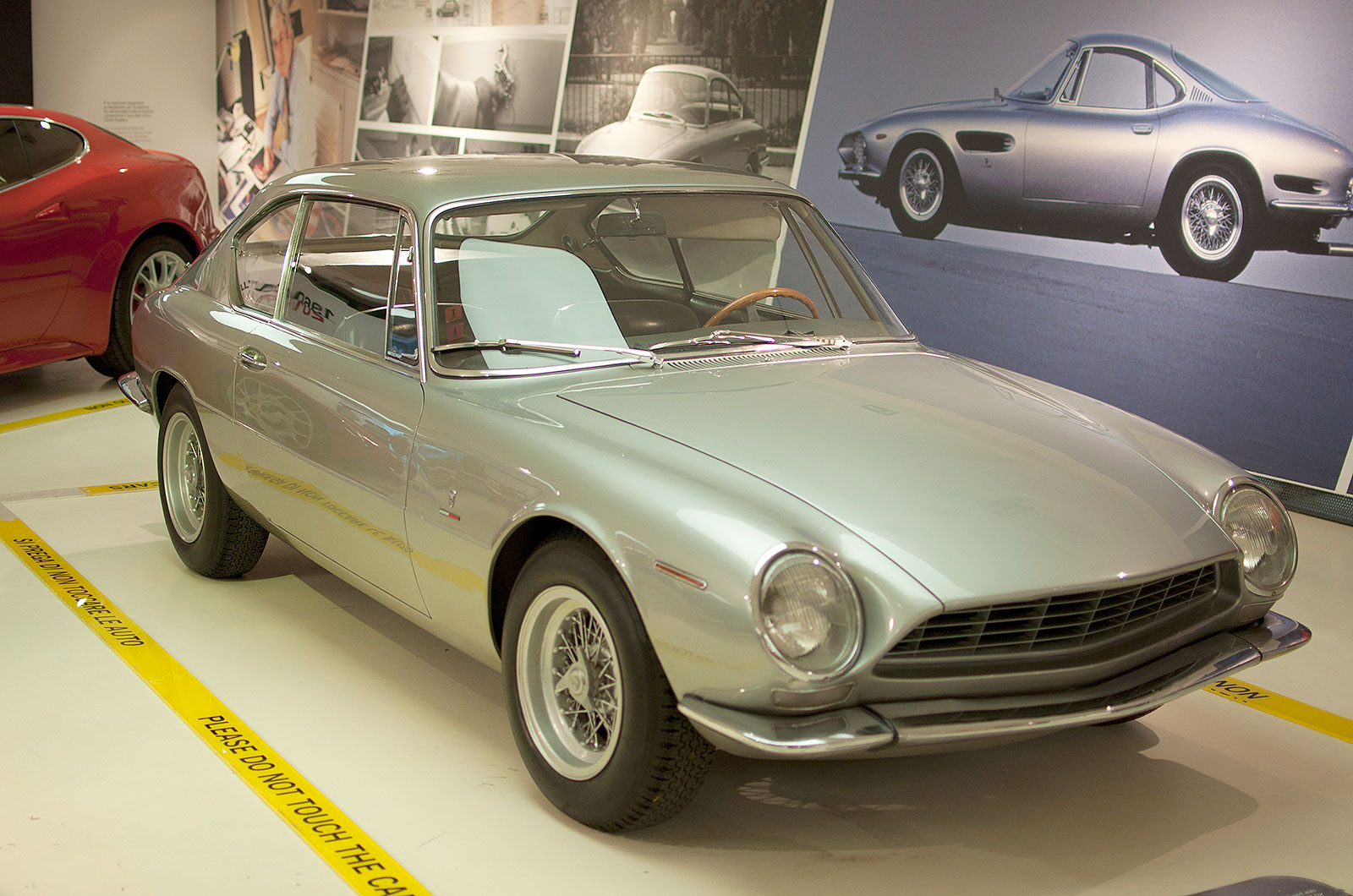
This stillborn sports car was the result of a collaboration between Innocenti and Ferrari. The plan was to build a compact 2+2 coupé with a 1.8-litre V6 mounted in the nose and driving the rear wheels.
The car was developed and pretty much ready for production when everything went belly up, leaving just two cars made - one of which survives.
Fiat 850 Spider (1965)
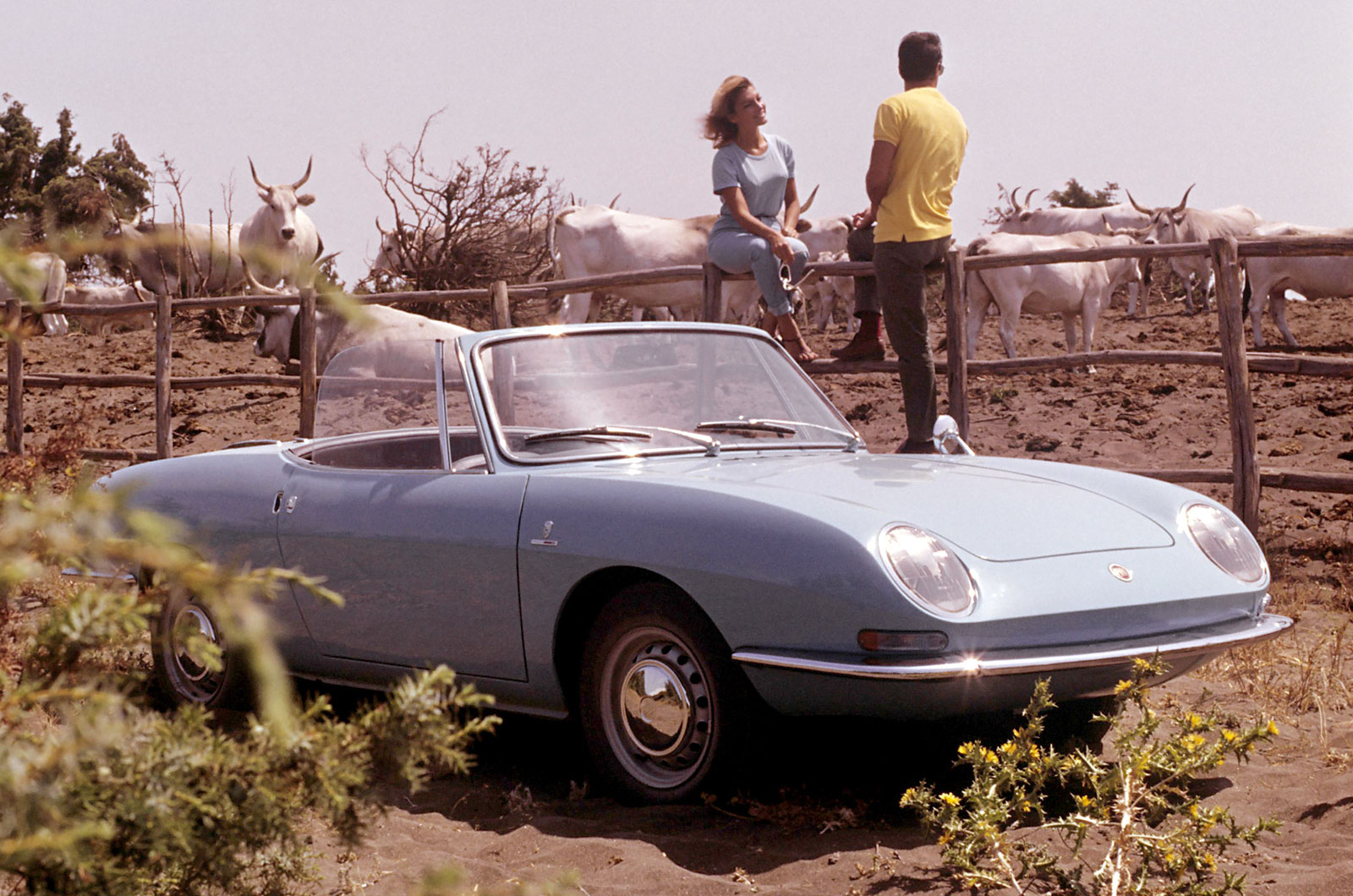
The Fiat 850 was one of the most popular small family cars in Italy during the second half of the 1960s, but most were saloons.
Some were coupés while others were seven-seat people carriers (yes, really!) - and there was this, a neatly designed convertible officially designed by Bertone but actually styled by Giugiaro.
Mazda Luce (1966)
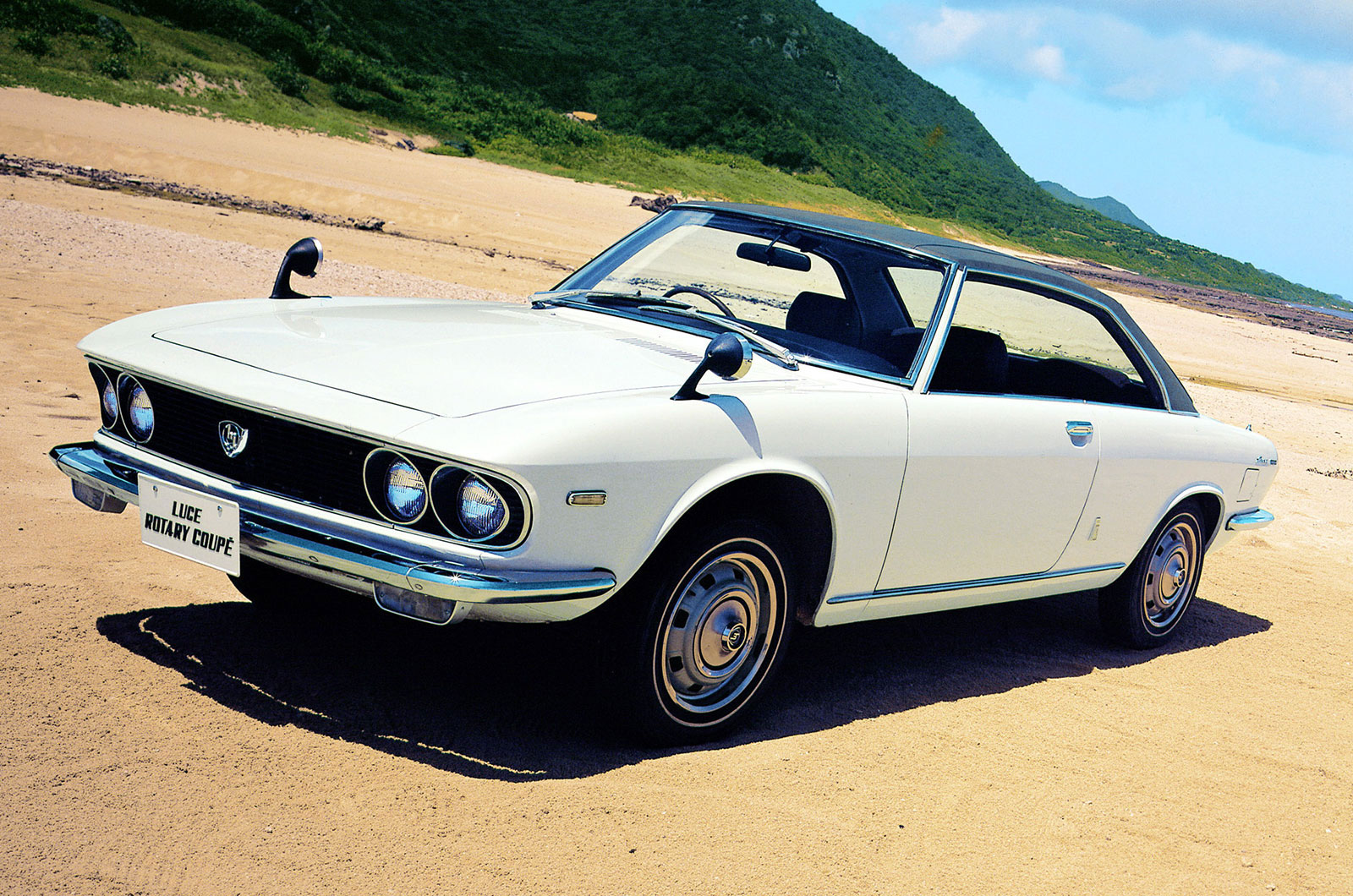
Throughout the 1960s Mazda continued its quest to move upmarket, with the Luce arriving in 1966. Initially available only with a 1.5-litre engine, by the end of 1968 there was also a 1.8-litre option.
Within a year there would also be a rotary-powered Luce - the only Wankel-powered Mazda to feature front-wheel drive.
De Tomaso Mangusta (1966)
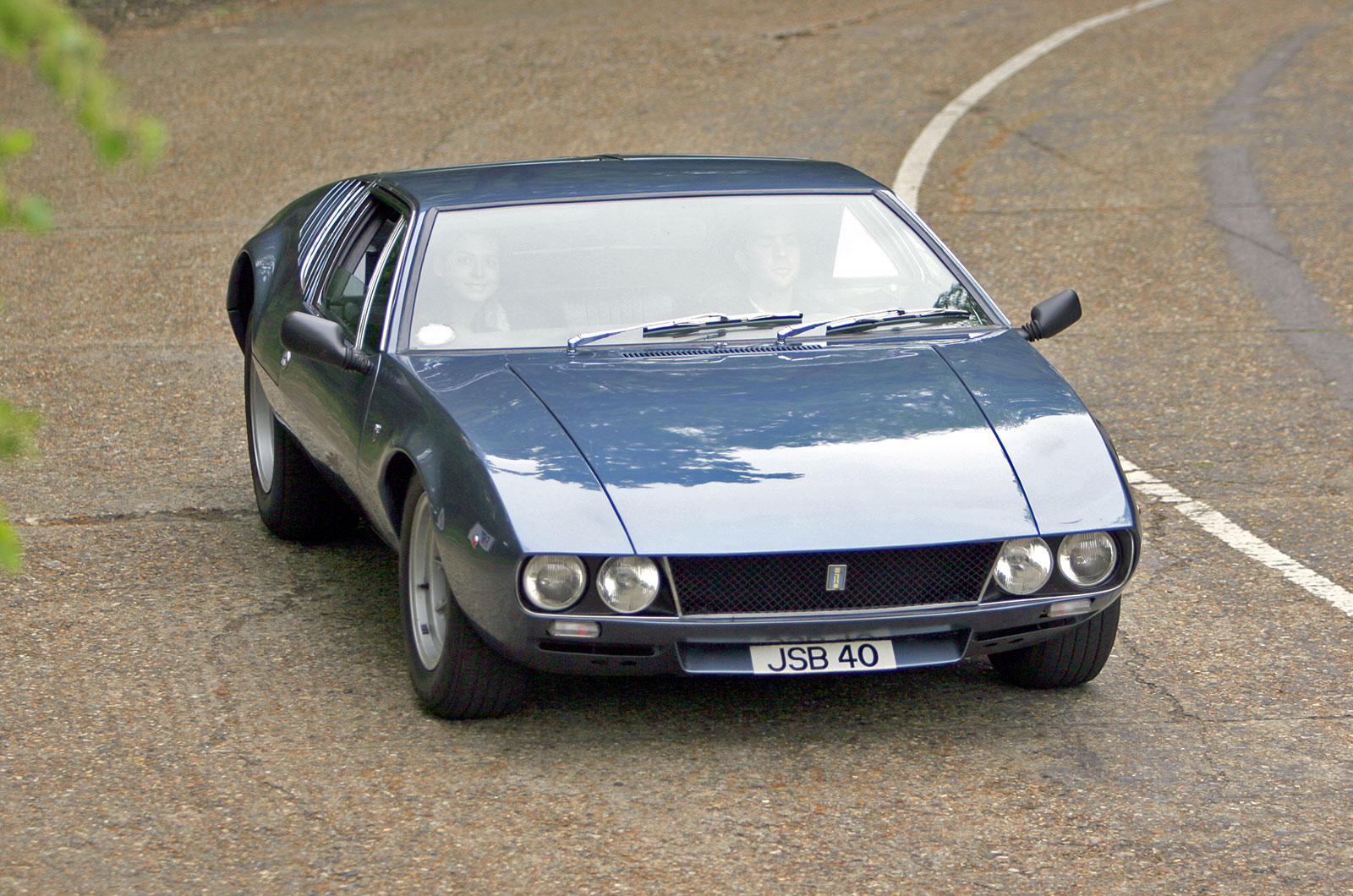
Designed by Giugiaro when he was working for the Italian styling house Ghia (later bought by Ford), the Mangusta was the predecessor to the far more high-profile Pantera.
As with that later car the Mangusta featured a Ford V8 which provided a top speed of somewhere around 160mph.
Maserati Ghibli (1966)
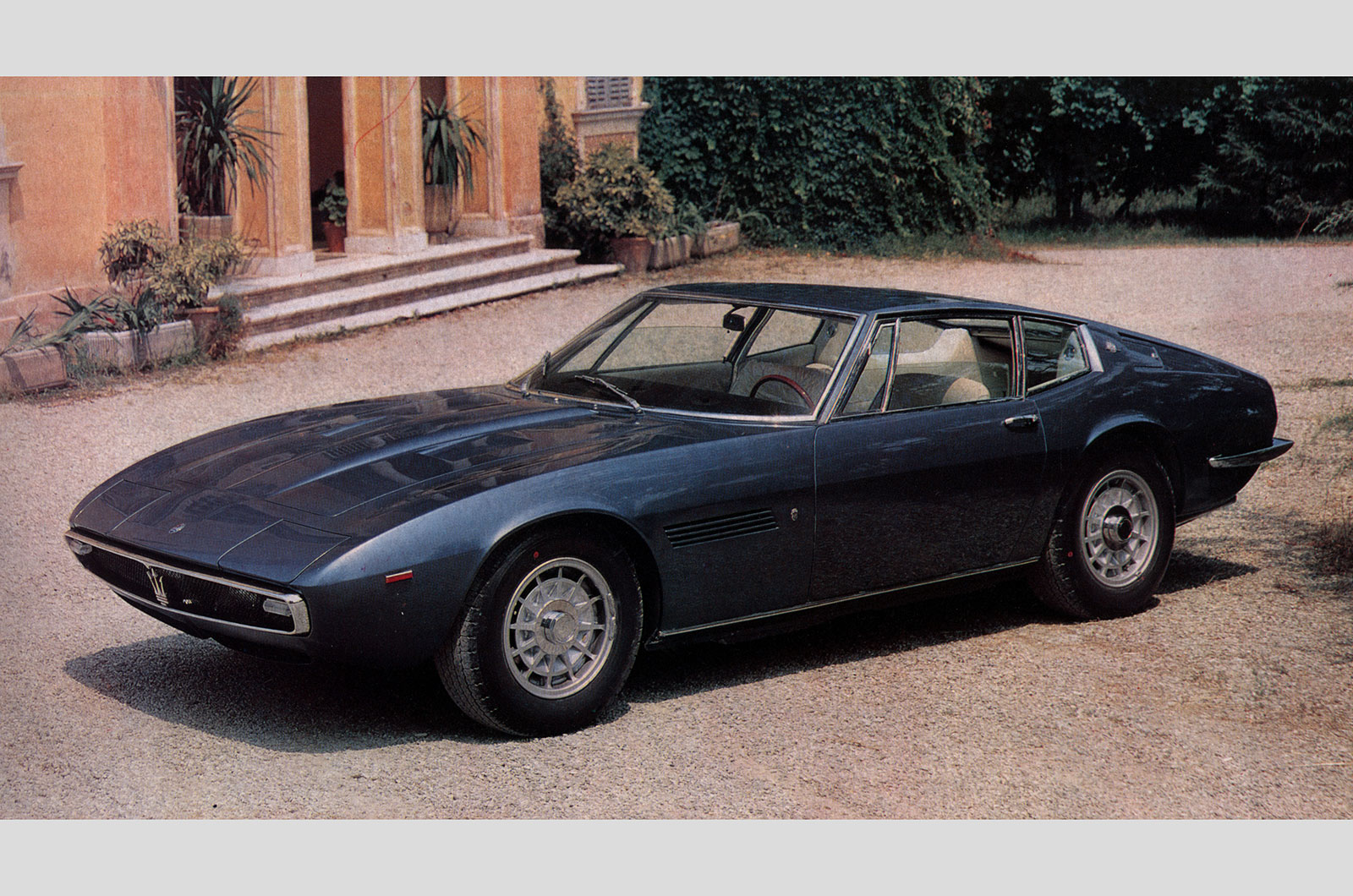
Maserati has produced three different Ghiblis over the past half-century or so but this one is the original and by far the most beautiful.
Named after a hot, dry wind in the Libyan desert, the Ghibli was another car designed by Giugiaro when he was working for Ghia. In the nose was a 4.7-litre V8, later increased to 4.9 litres.
Fiat Dino Coupé (1967)
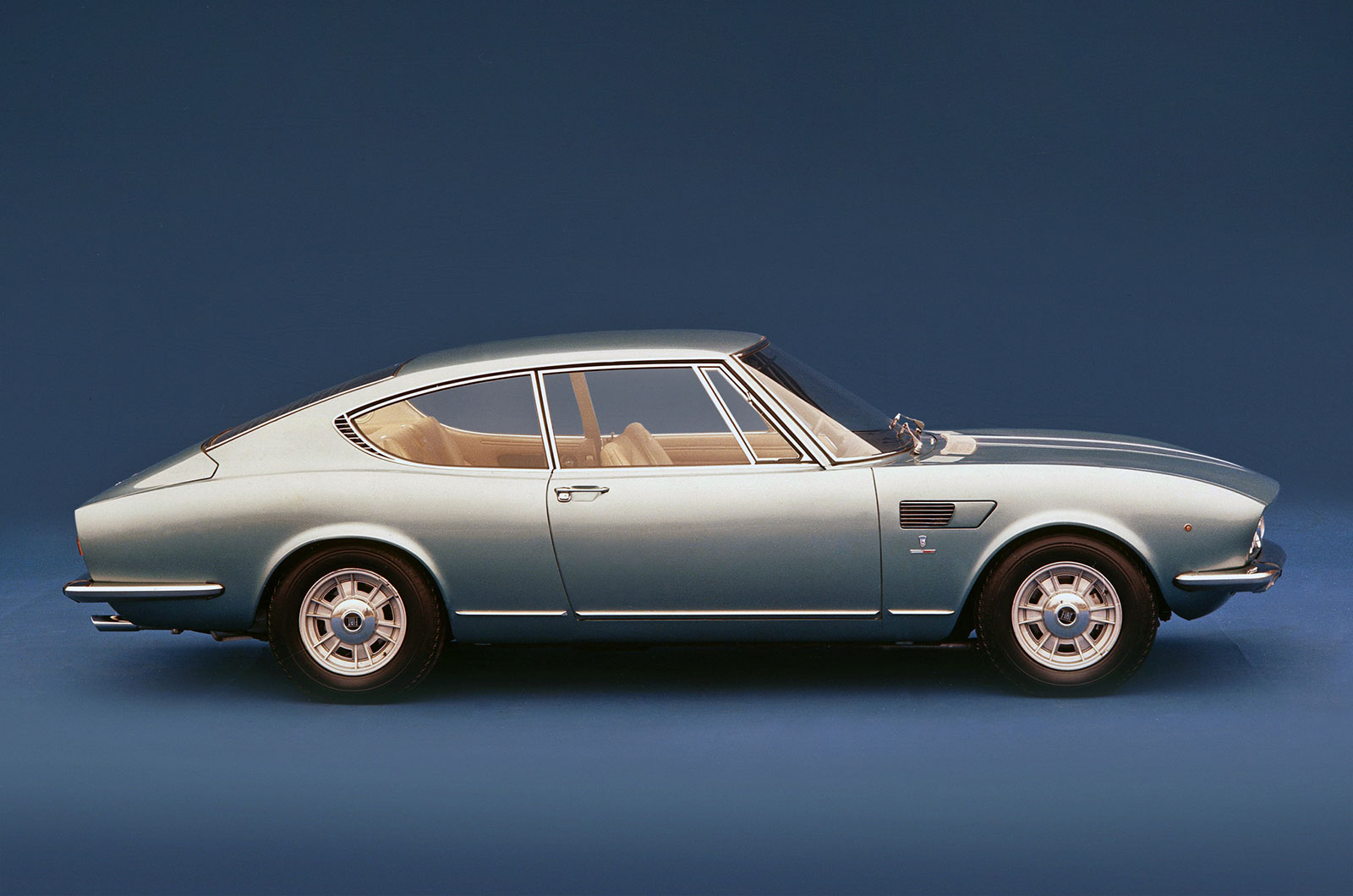
Whereas Pininfarina was responsible for designing the Fiat Dino Spider, the Dino coupé was penned by Bertone - and specifically Giugiaro when he was an employee.
Powered by the same 2.0-litre (later 2.4-litre) V6 as the Ferrari Dino, the identically named Fiat has become hugely collectible in recent years.
Isuzu 117 Coupé (1968)
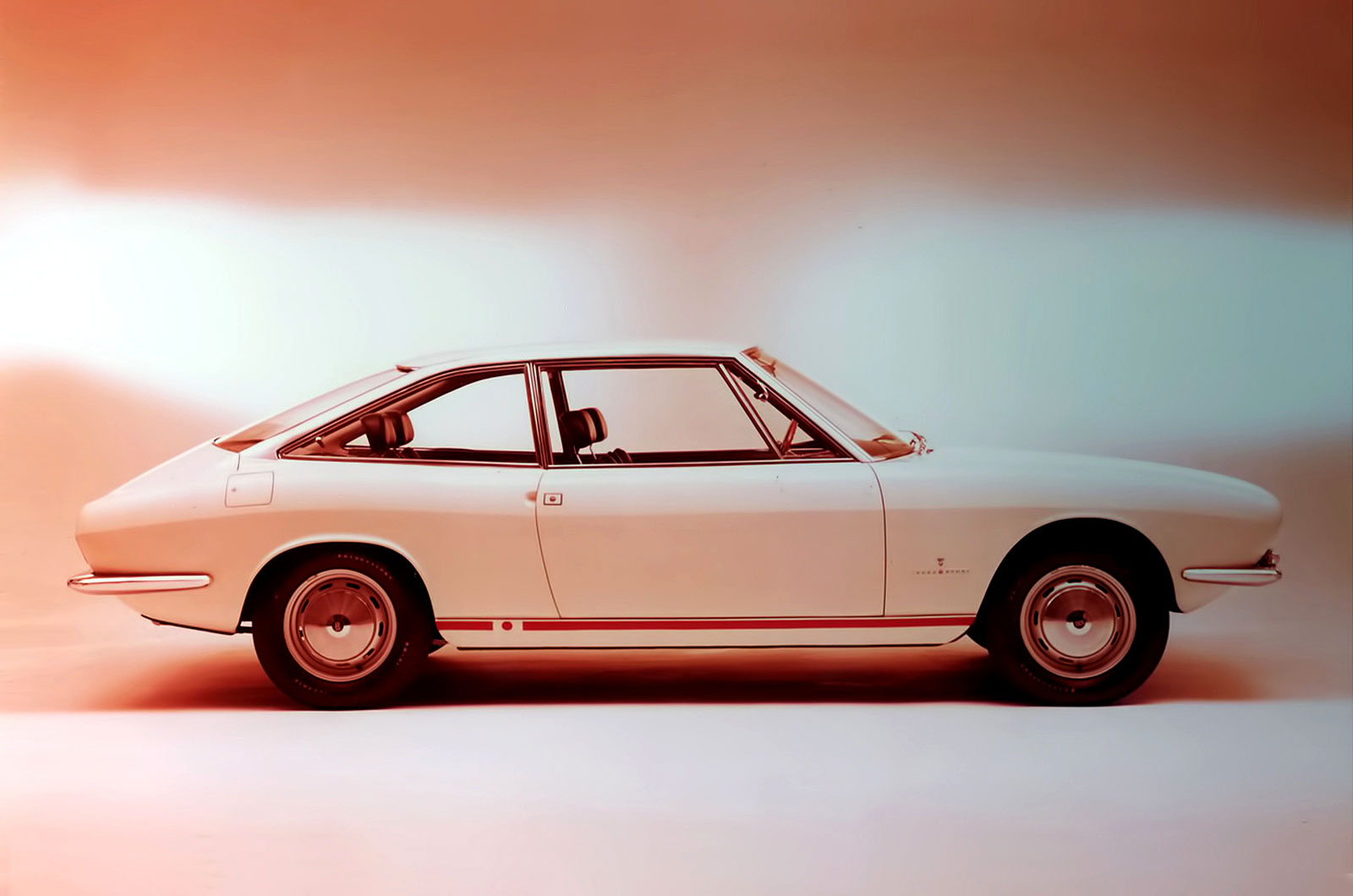
Launched in the late 1960s, the Isuzu 117 survived right the way through to the early 1980s, albeit with a significant facelift in 1977.
Front-engined and rear-wheel drive, the 117 came with 1.6-, 1.8- or 2.0-litre petrol engines - or a 2.2-litre diesel.
BMW Spicup concept car (1969)
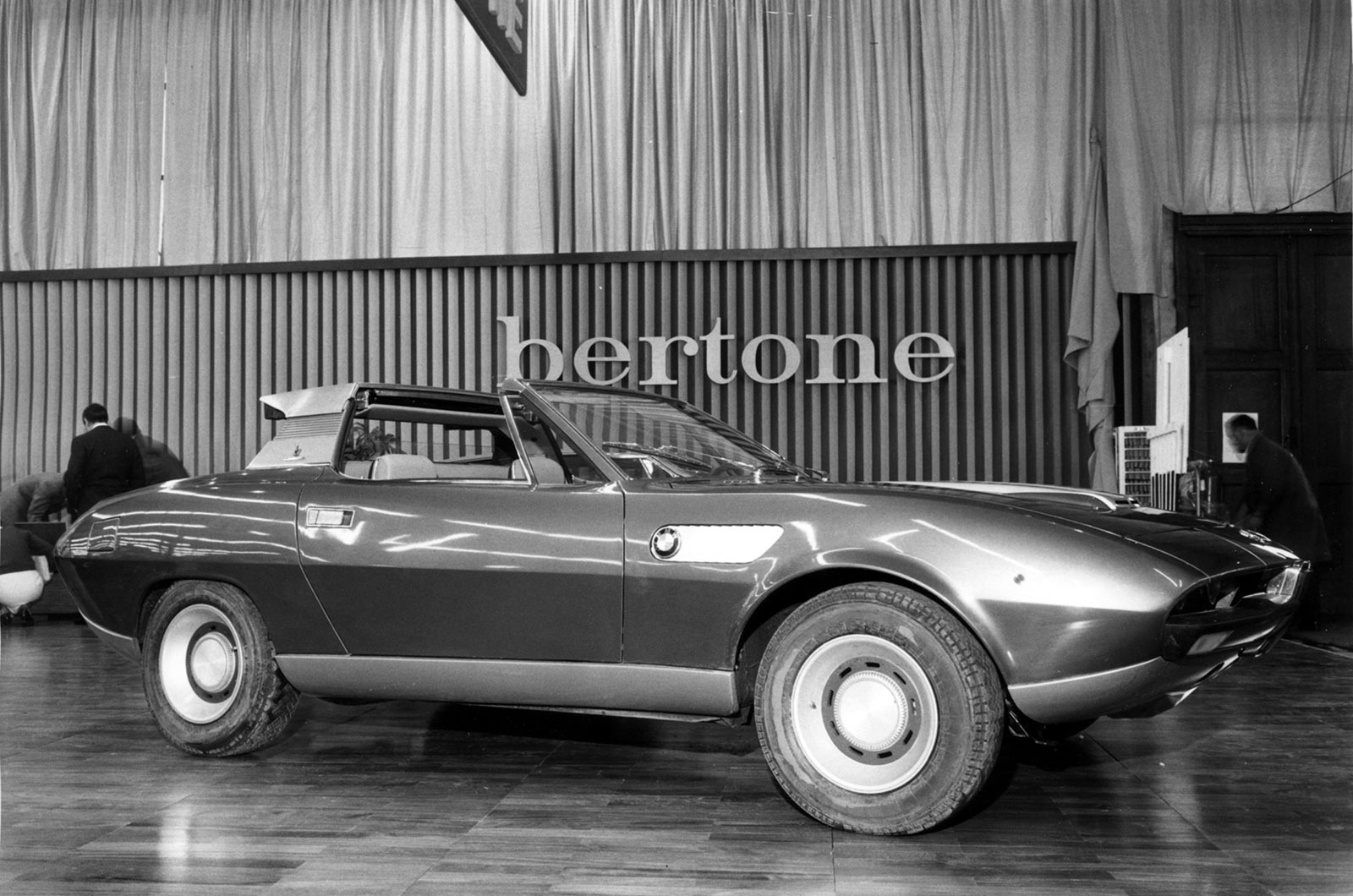
Blending the characteristics of a spider and coupé (hence SpiCup), this BMW 2500-based concept was first seen on the Bertone stand at the 1969 Geneva motor show.
Sold off then used as a daily driver, the Spicup languished in a barn for two decades before it was completely restored in 2011 and sold for €460,000.
Lotus Esprit (1972)
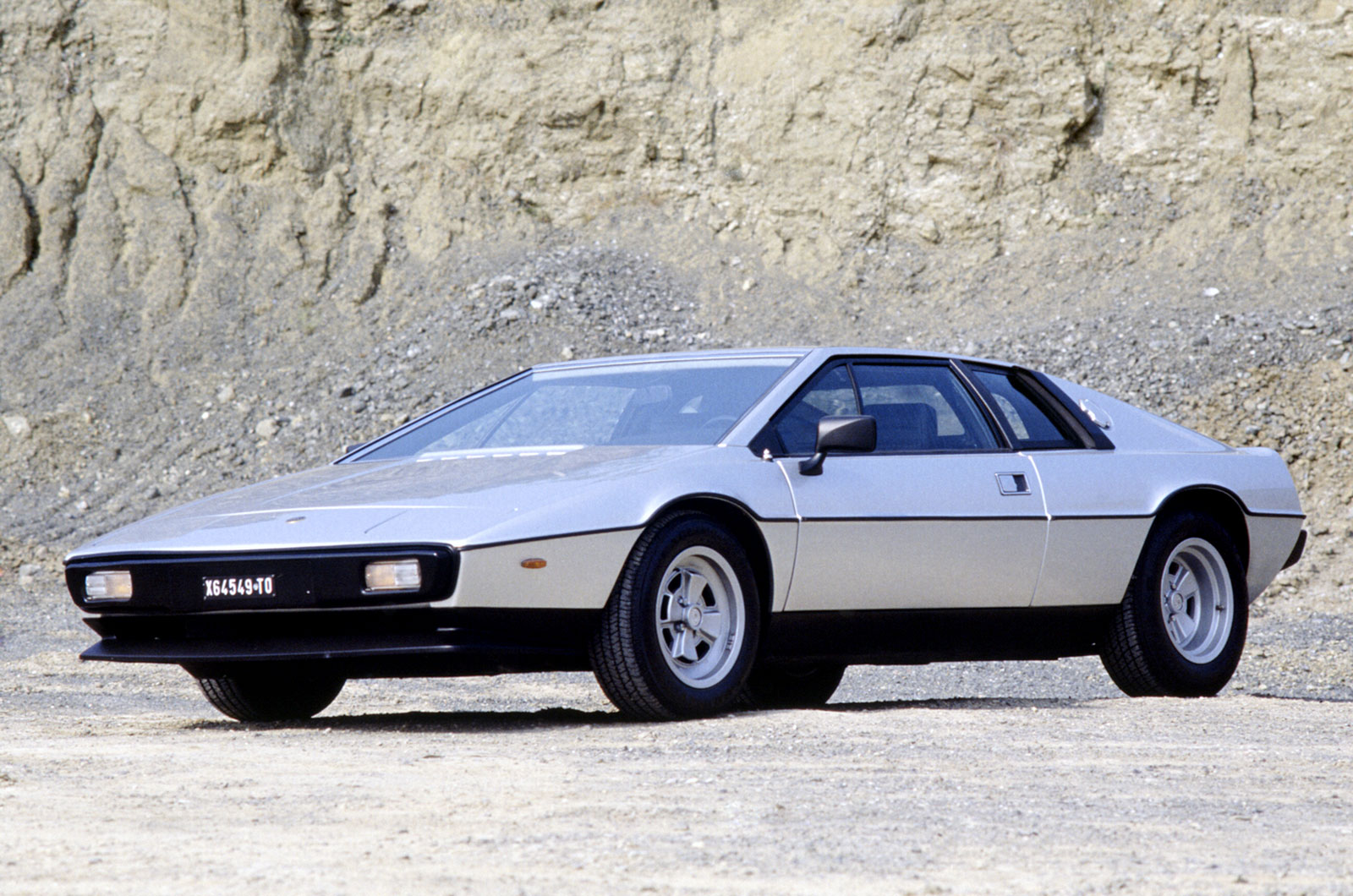
One of the all-time landmark car designs, the original Esprit was made famous as a Bond car on two occasions; an S1 featured in The spy who loved me while in For your eyes only there was an Essex Esprit Turbo.
Always powered by four-cylinder engines, it wasn't until 1996 that a V8 Esprit was available, almost a decade after the car had been redesigned by Peter Stevens.
Maserati Merak (1972)
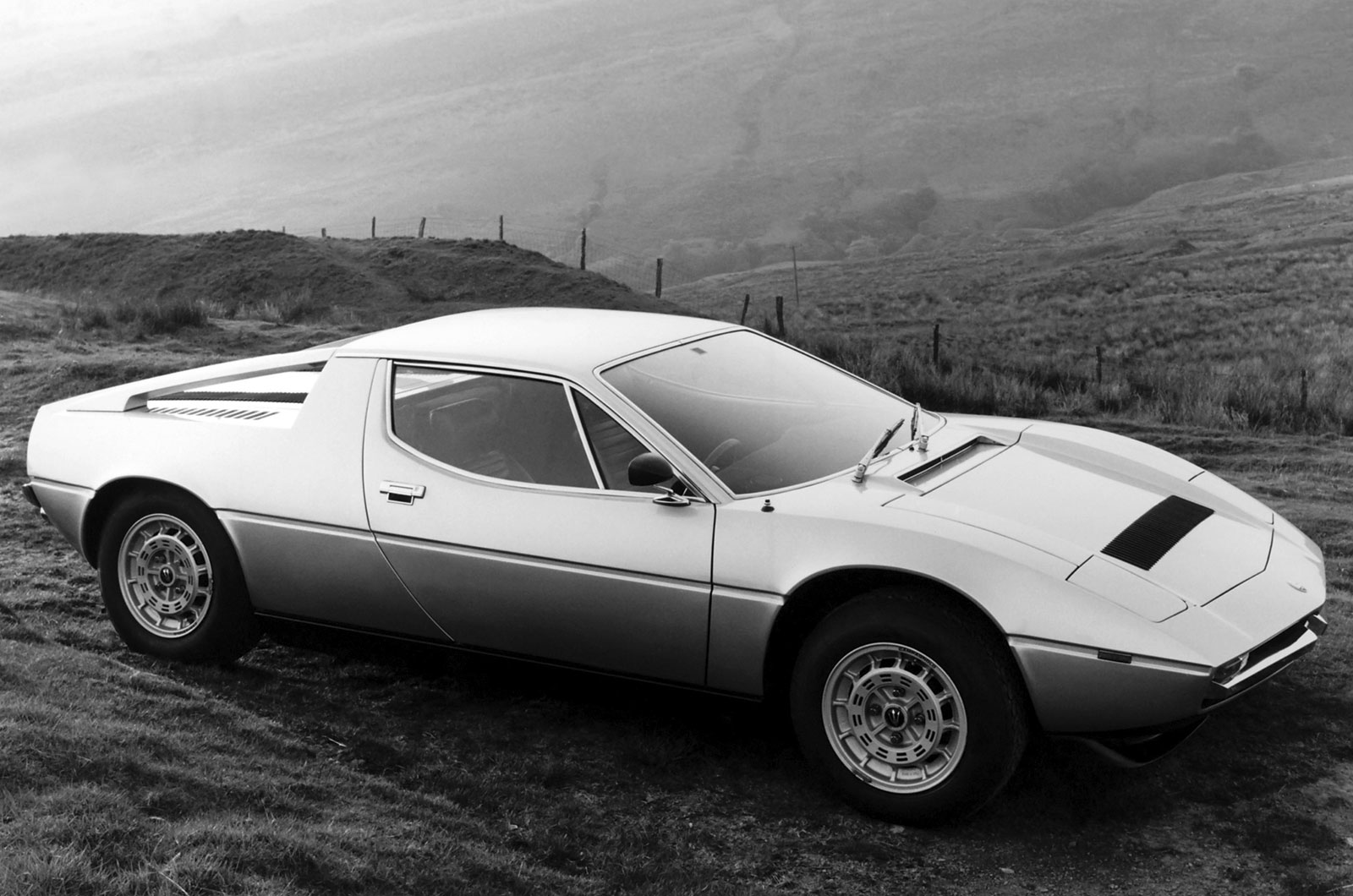
A development of the V8-powered Maserati Bora that Giugiaro also designed, the Merak featured a mid-mounted V6 engine that displaced either 2.0 or 3.0 litres.
Competing with the Lamborghini Urraco and Ferrari 308GT4 (both of which arrived later), the Merak lasted right the way through until 1983, by which time almost 2000 examples had been made.
Hyundai Pony (1975)
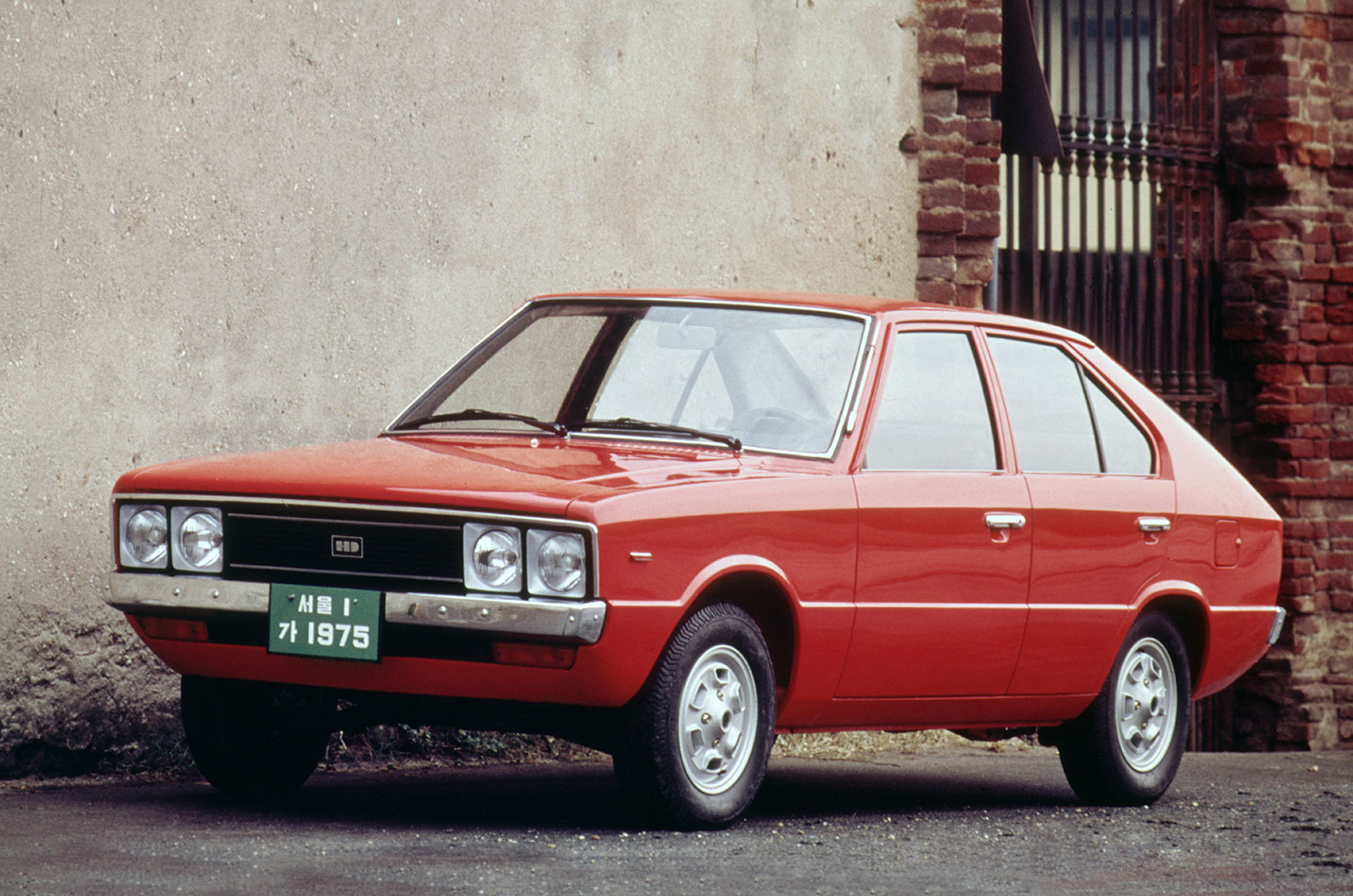
First shown at the Turin motor show in October 1974, by 1975 the Hyundai Pony was being made in quantity - it was Korea's first mass-produced car.
It was also the first Korean car to be sold in the UK, although it wouldn't arrive here until 1982. Power came from 1.2-, 1.4- or 1.6-litre petrol engines.
Suzuki Cervo (1977)
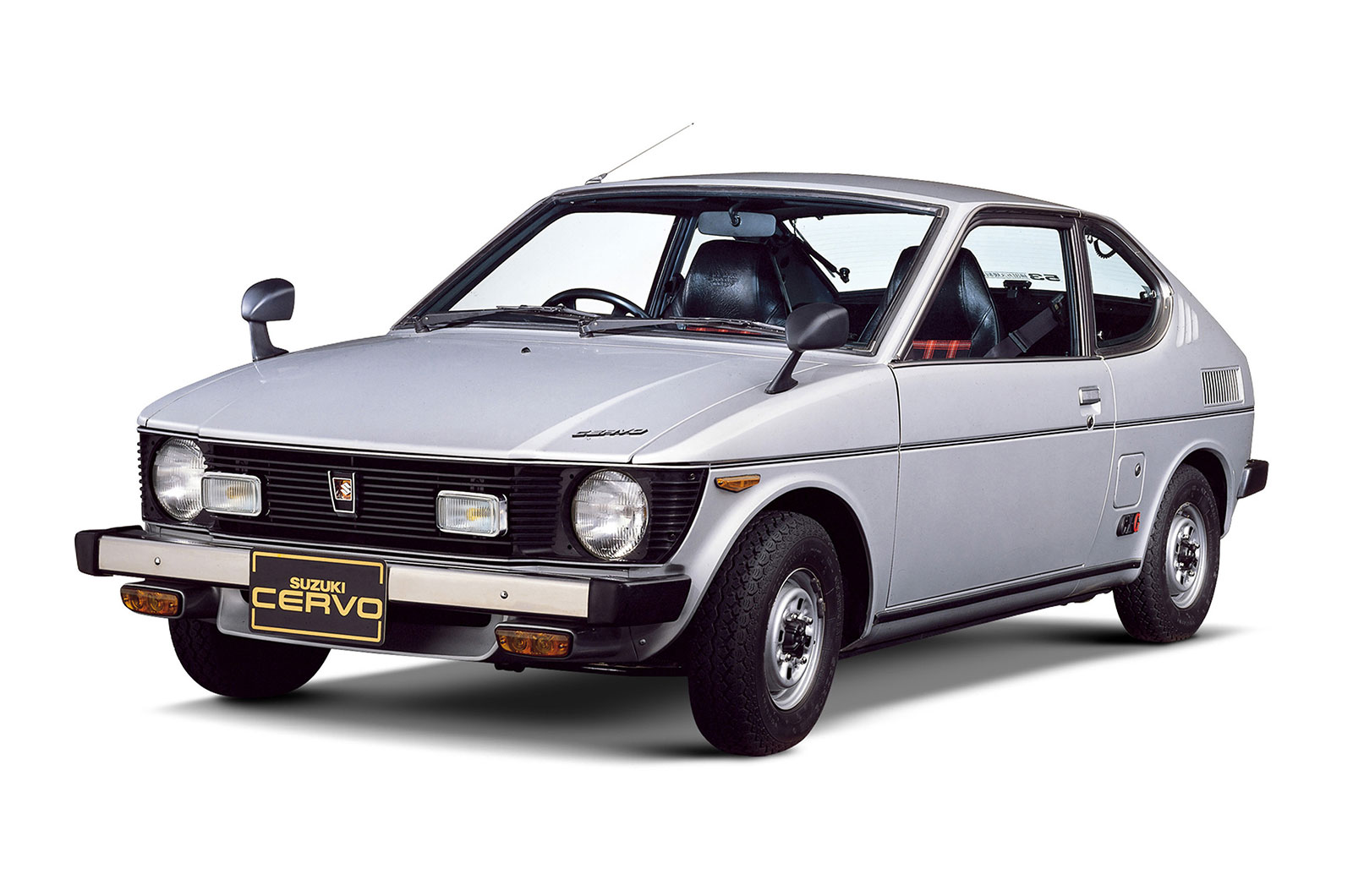
The Suzuki Cervo, also sold as the SC100 or Whizzkid, was such a neat design that elements of it were borrowed for the new Ignis that launched in 2016.
Created to comply with Japan's kei car regulations, the Cervo came with engines ranging from 539cc to 970cc.
Zastava Yugo (1977)
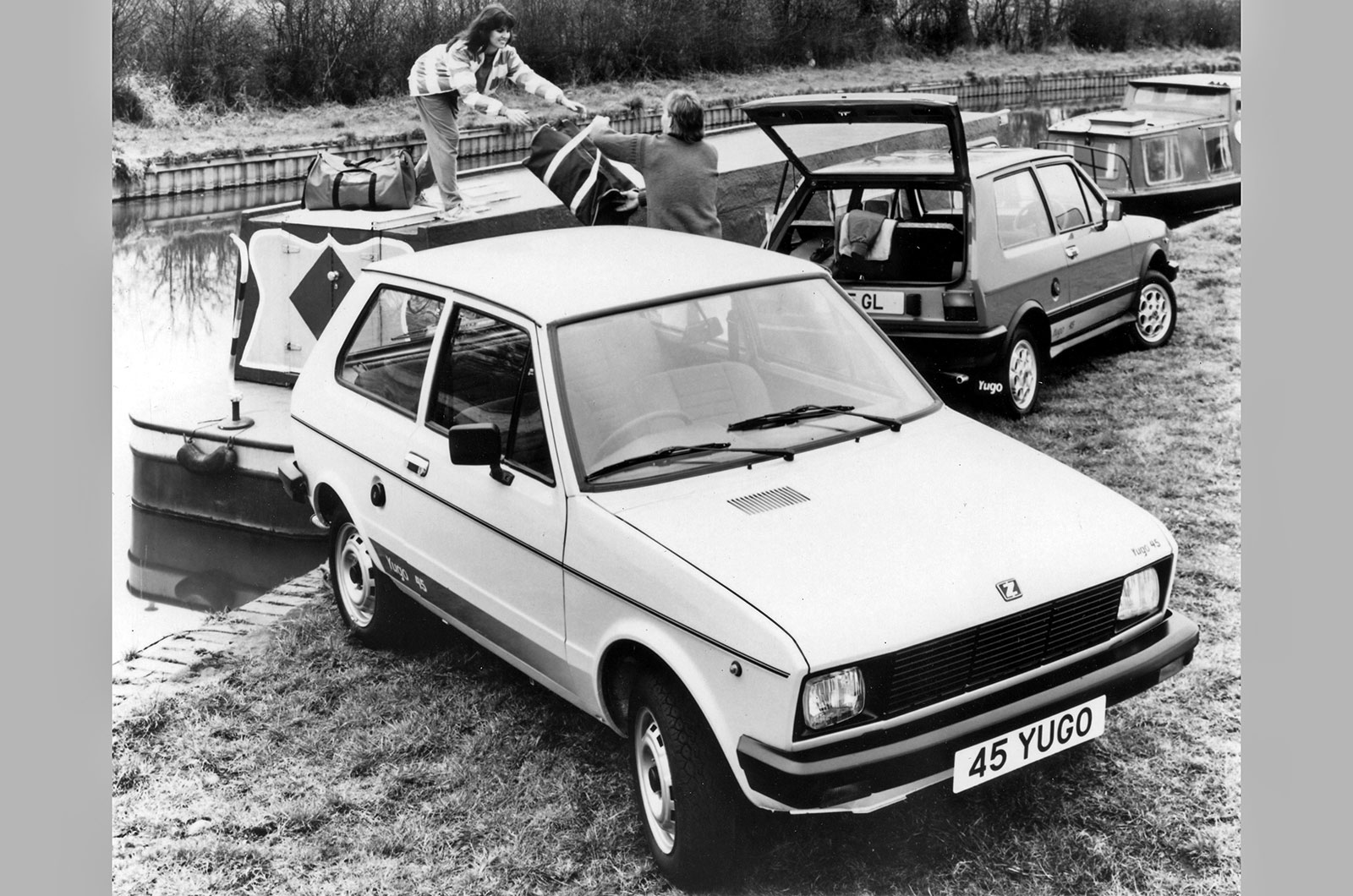
Universally pilloried and poorly made, the Zastava Yugo wasn't a high spot in the history of the car but there's no denying that it provided affordable transport for hundreds of thousands of people around the globe.
Sold across Europe and the US, the Yugo carried an array of monikers including the Koral, Ciao, Tempo and GV; by the time the final car was made after more than two decades, almost 800,000 had been built in hatchback and convertible forms.
FSO Polonez (1978)
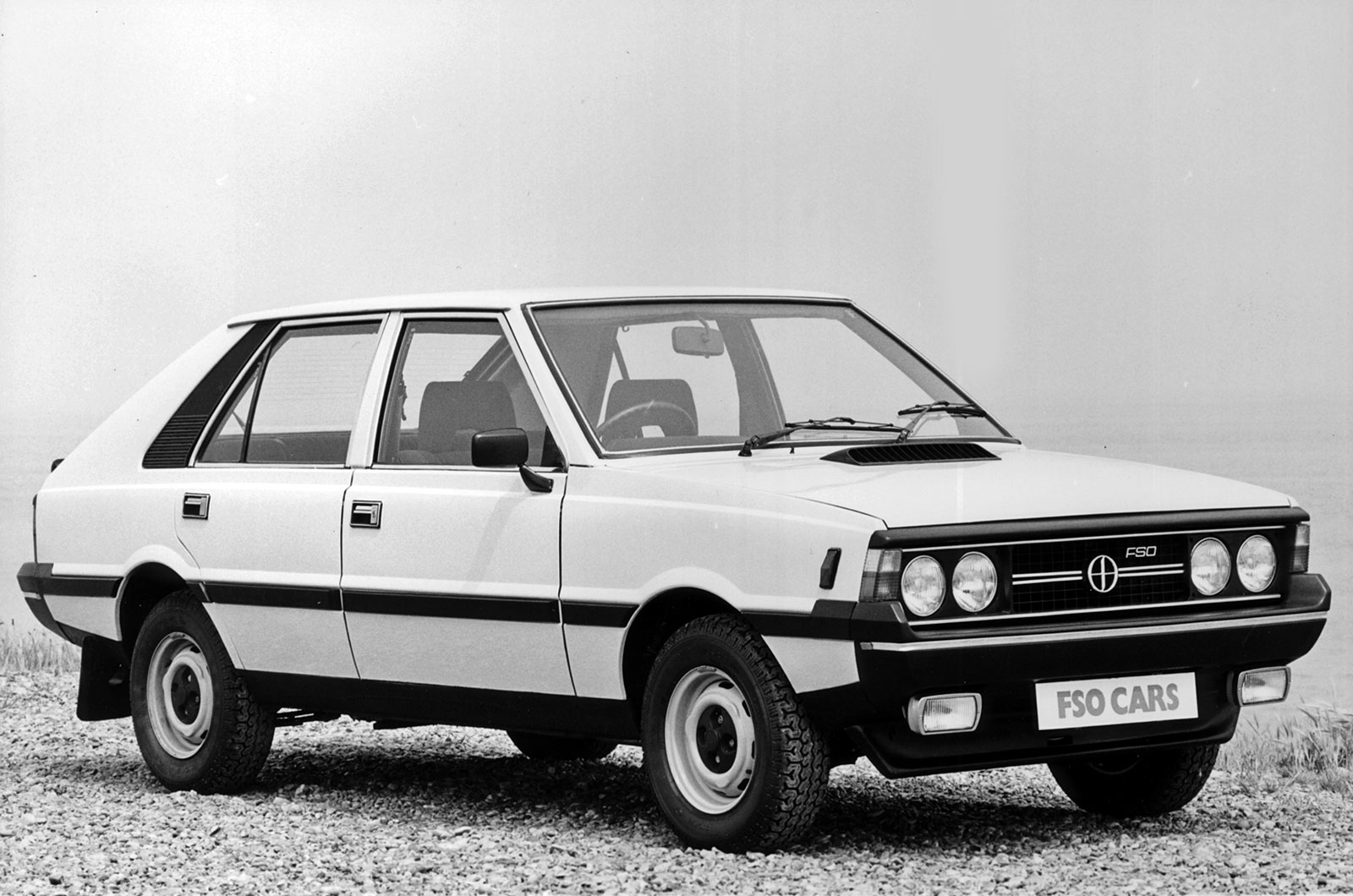
In production for the thick end of two decades, the FSO Polonez grew out of a Fiat safety car project from 1970, although production didn't start until 1978.
Poverty-spec models got a 1.3-litre petrol engine but power junkies could buy a 2.0-litre petrol engine, while there were also a couple of diesel engines offered.
Lancia Delta (1979)
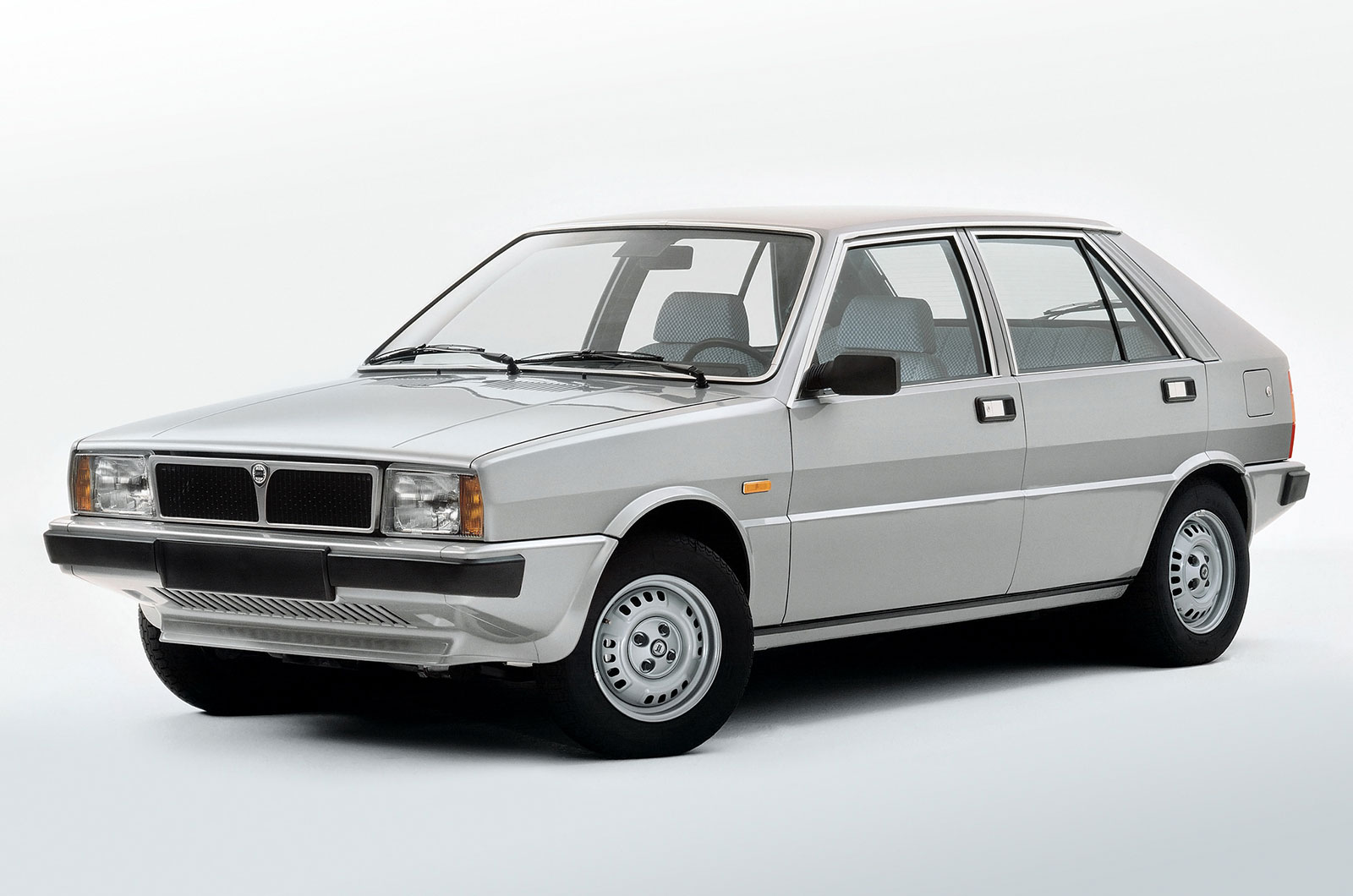
It's easy to forget that the Integrale was actually sired by a more prosaic hatch that has now largely disappeared. Winner of the 1980 European Car of the Year, the Delta later became available as the Saab 600 in a joint venture between Lancia and Saab; few were made and they’re now even rarer than the Lancia-badged Delta.
Volkswagen Jetta (1979)
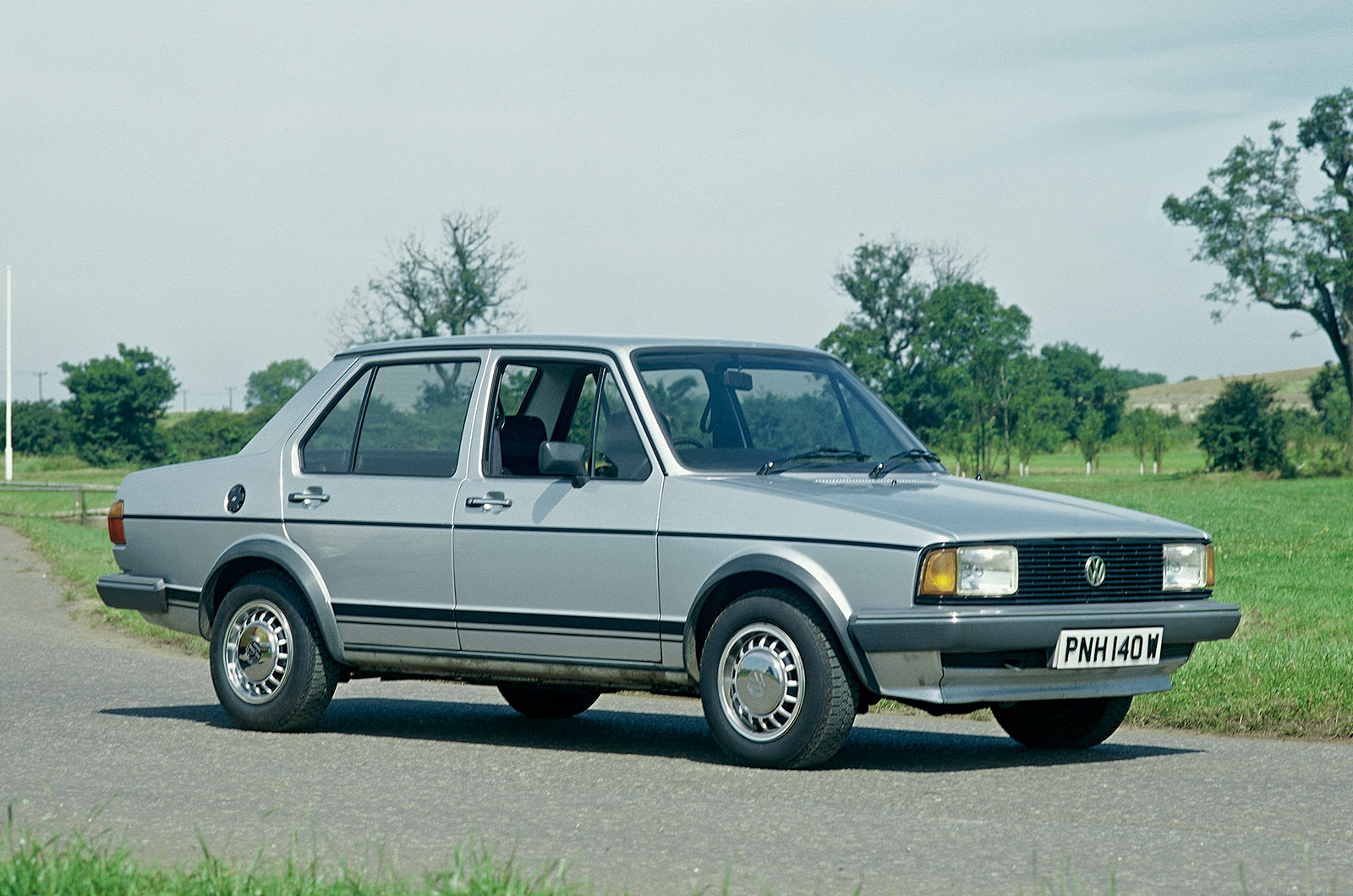
While the first-generation Golf sold like hot cakes, in most markets buyers weren't so keen on the Jetta thanks to its reduced practicality.
Effectively a booted Golf, the Jetta came with the same engine choices as its sibling which meant petrol engines from 1.1 to 1.8 litres and - unusually for the time - the option of a diesel engine as well.
Maserati Quattroporte III (1979)
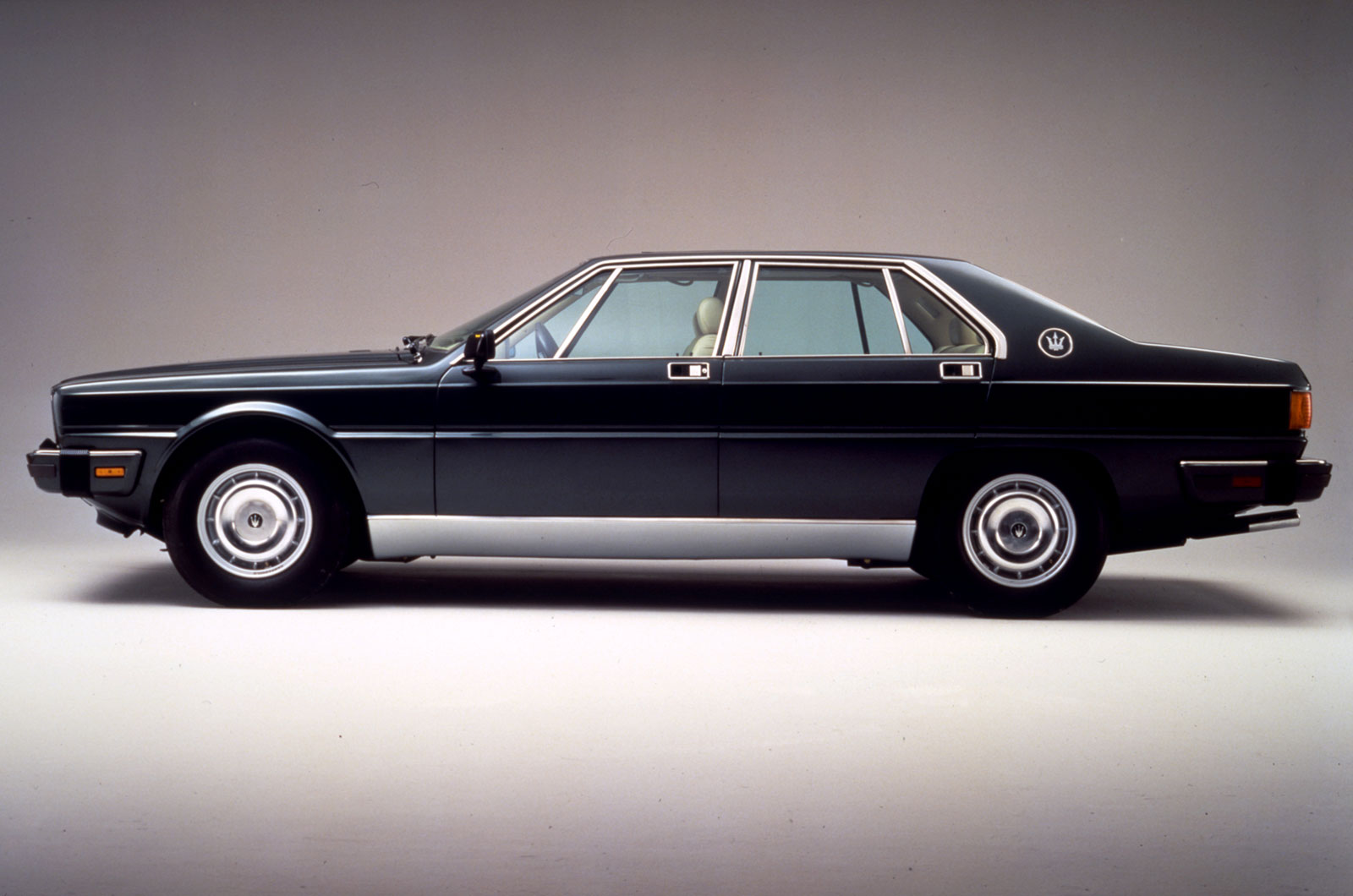
The original Quattroporte was designed by Pietro Frua while Marcello Gandini penned the ultra-rare Quattroporte II. For the third iteration Giugiaro was asked to come up with something; this boxy saloon was the result.
Not one of his finest designs, all Quattroporte IIIs had a V8 engine; production lasted from 1979 until 1990.
Fiat Panda (1980)
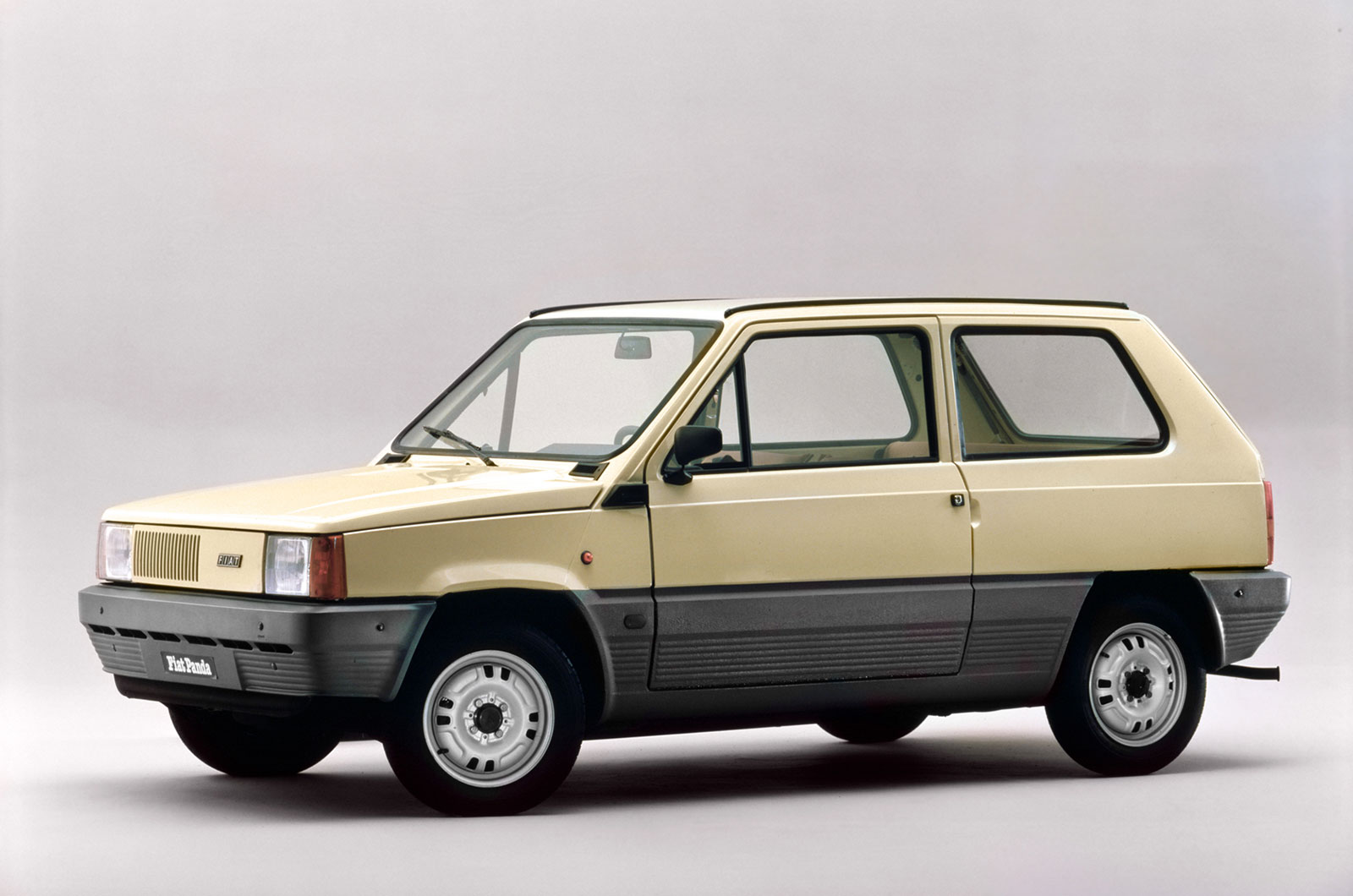
Created in the same mould as the Citroen 2CV, the Fiat Panda was a no-frills economy car that was offered with the 652cc air-cooled two-cylinder engine taken from the Fiat 126.
More popular though was the 903cc water-cooled four-pot. These early Pandas have become very collectible, especially in 4x4 form - they're capable of tackling astonishingly tough terrain.
Fiat Uno (1983)
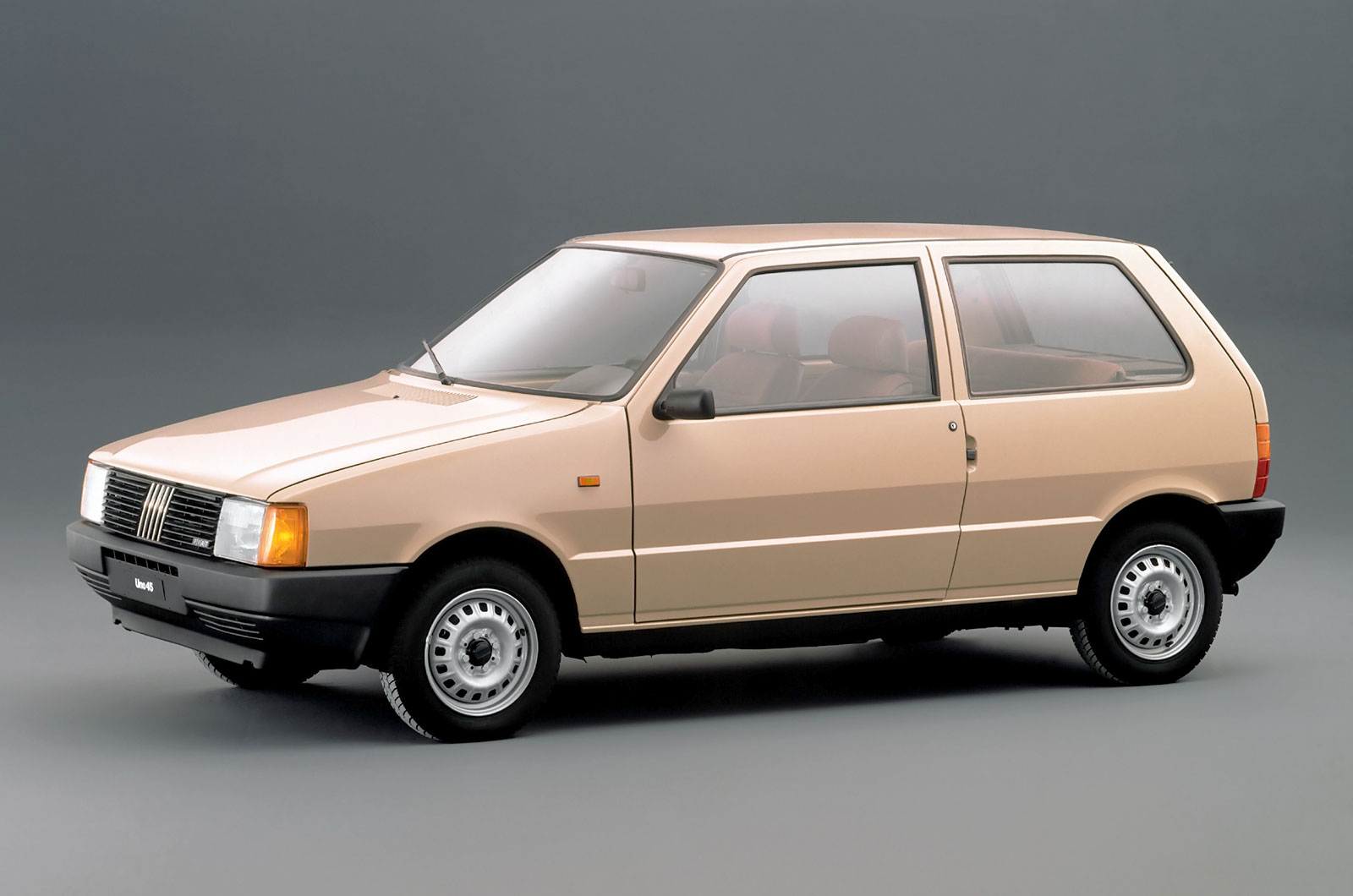
With almost nine million examples made over more than two decades, the Uno is one of the biggest-selling cars ever created. Launched by Fiat in 1983, the Uno was also made in North and South Africa, South America and Asia, with a huge array of different petrol and diesel engines fitted.
Lancia Thema (1984)
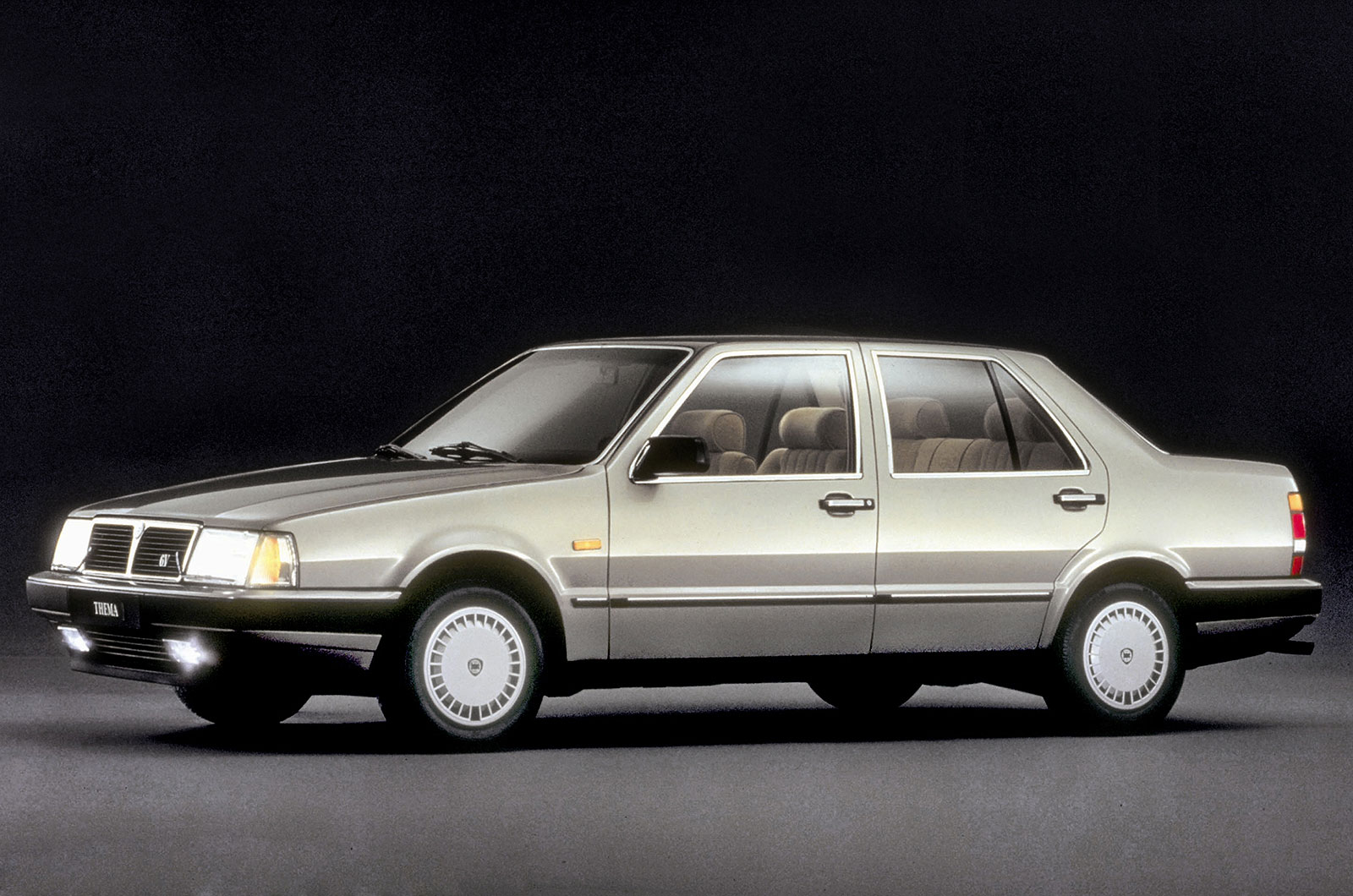
Now largely forgotten, the Lancia Thema was the original Type 4 car, alongside the Saab 9000, Alfa Romeo 164 and Fiat Croma.
Of the four cars in the project, only one wasn't designed by Giugiaro; the Alfa Romeo was penned by Pininfarina which also came up with a design for the Thema estate. Most Themas were nice enough if not especially interesting - until the 8.32 arrived with a 3.0-litre V8.
Saab 9000 (1984)
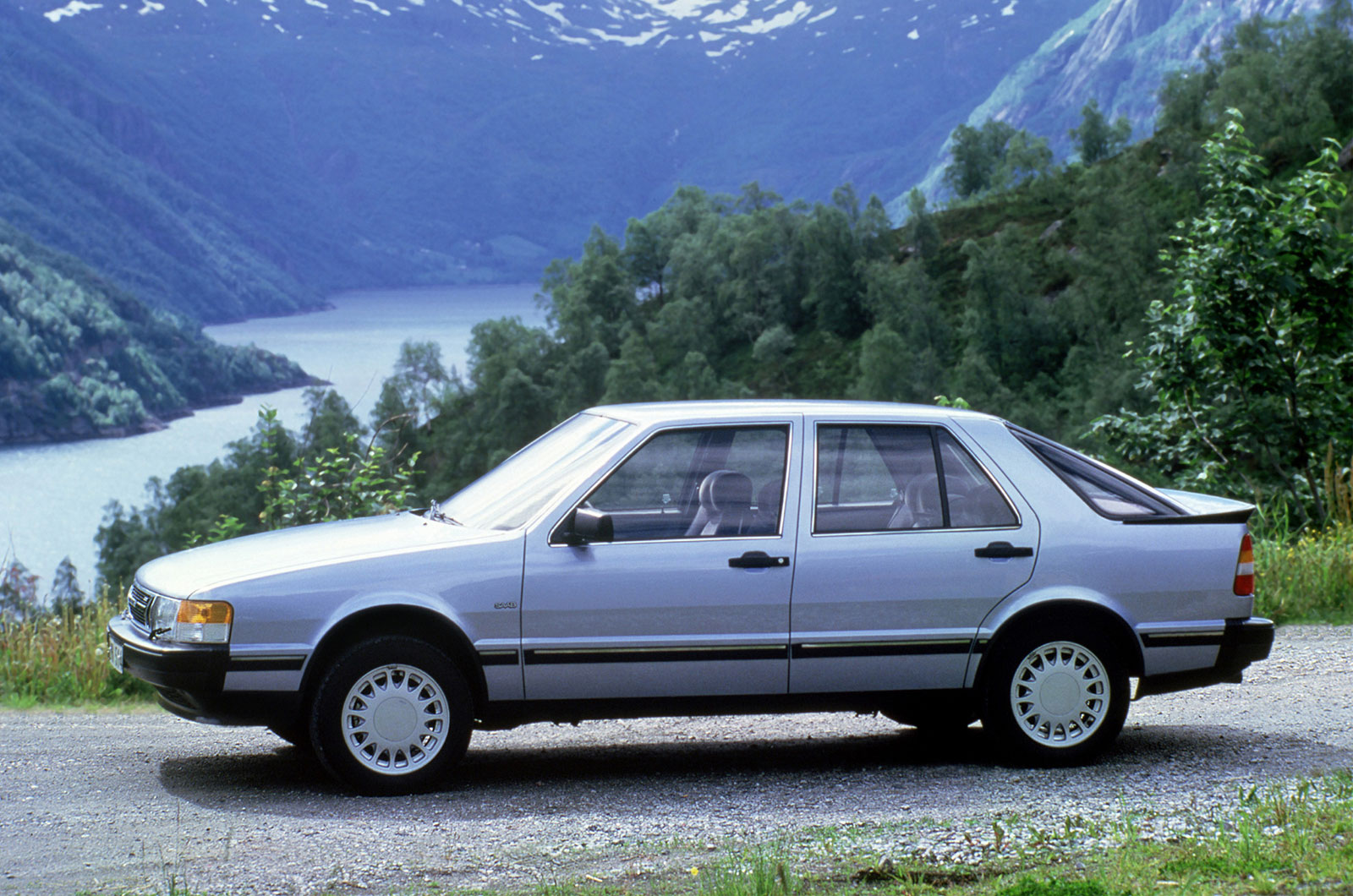
For Saab's most luxurious car yet, Giugiaro teamed up with the Swedish company's Bjorn Unvall to create a rather neat saloon and hatchback - but there wouldn't be an estate version.
Although the 9000 was supposed to share many of its parts with the other Type 4 cars, in reality virtually nothing was interchangeable thanks to Saab wanting its car to achieve much higher safety standards than its partners’.
Seat Ibiza (1984)
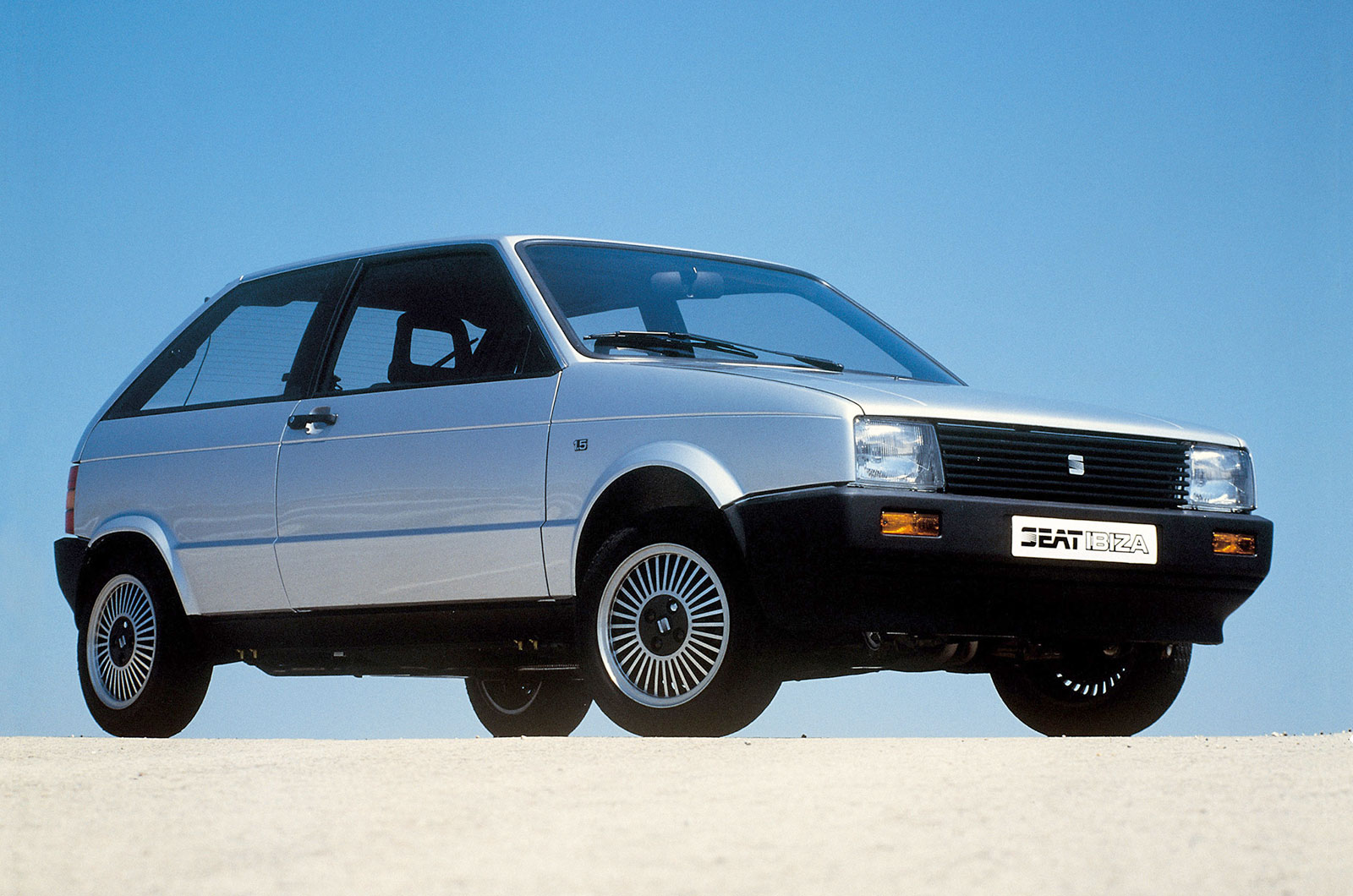
SEAT built its first car in 1953 but it wouldn't be until 1984 that it produced its own model; until now they were all Fiat cast offs.
The Ibiza marked the start of a new chapter for SEAT with its Porsche-fettled engine (on some models) and an ultra-modern five-door hatchback design.
Fiat Croma (1985)
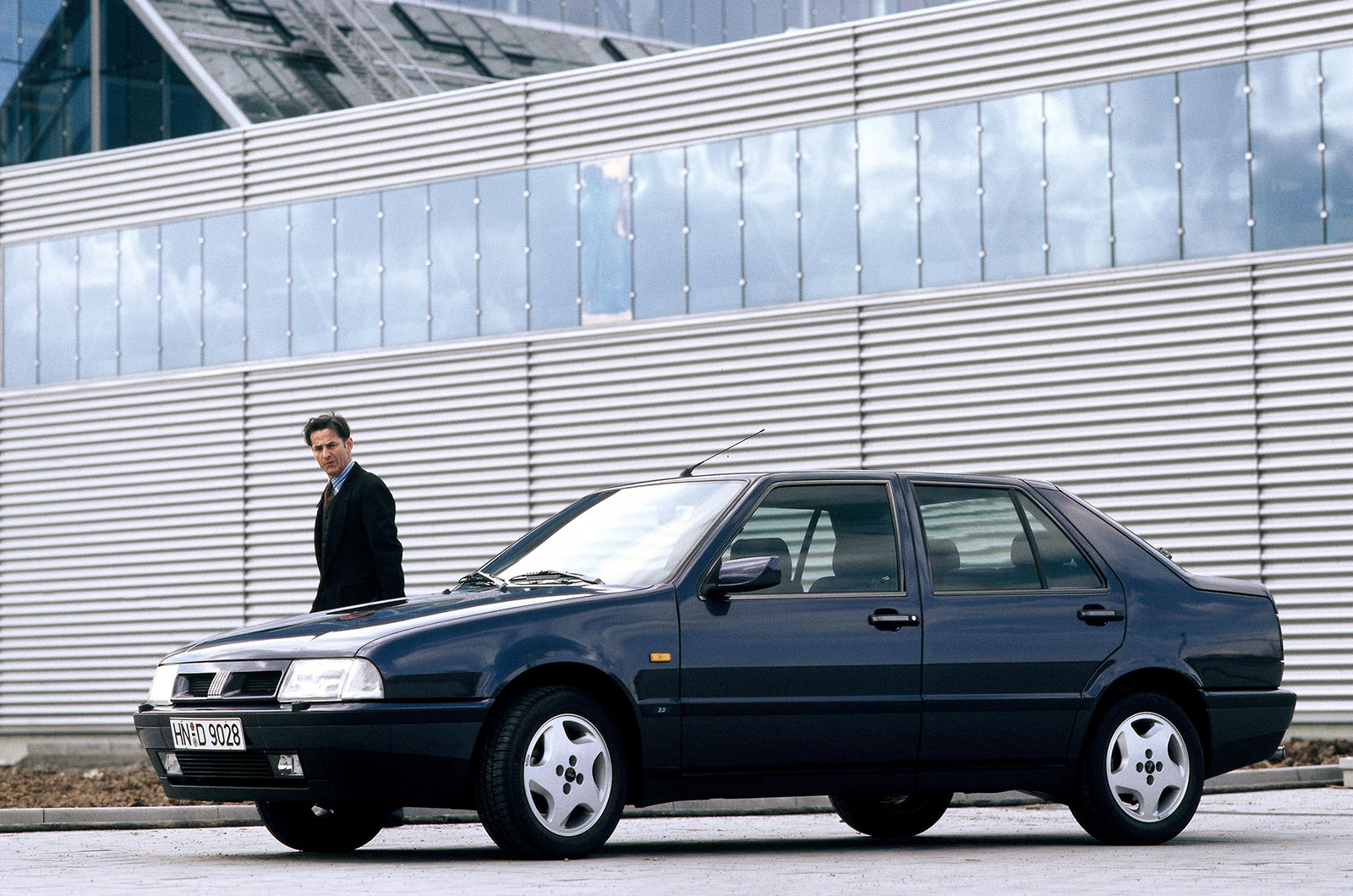
Pretty much forgotten now, and laregly extinct, the Croma was Fiat's part in the Type 4 project.
Fiat's first large car to feature front-wheel drive and a transversely mounted engine, the Croma came with petrol or diesel power including - in the case of the former - V6 and turbocharged four-cylinder units giving up to 158bhp.
Renault 19 (1988)
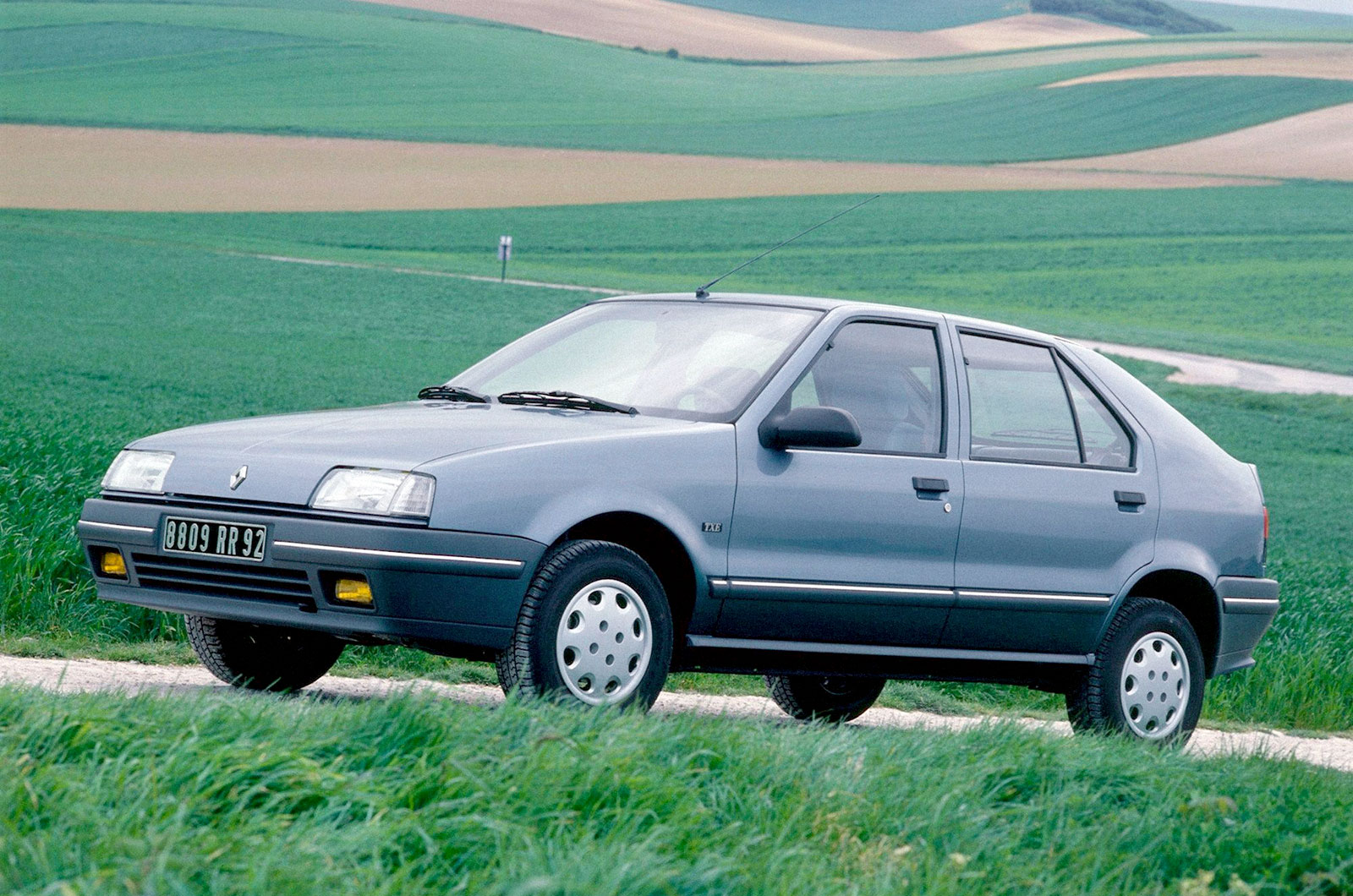
Here's a blast from the past, and one that's now pretty much disappeared altogether. Taking over where the Renault 9 and 11 left off, the 19 came in hatchback or convertible forms while saloon fans could buy the Chamade.
The latter is now especially rare, with less than a couple of dozen still in use on UK roads; there are fewer than 300 Renault 19s of all types still in use.
Italdesign Aztec (1988)
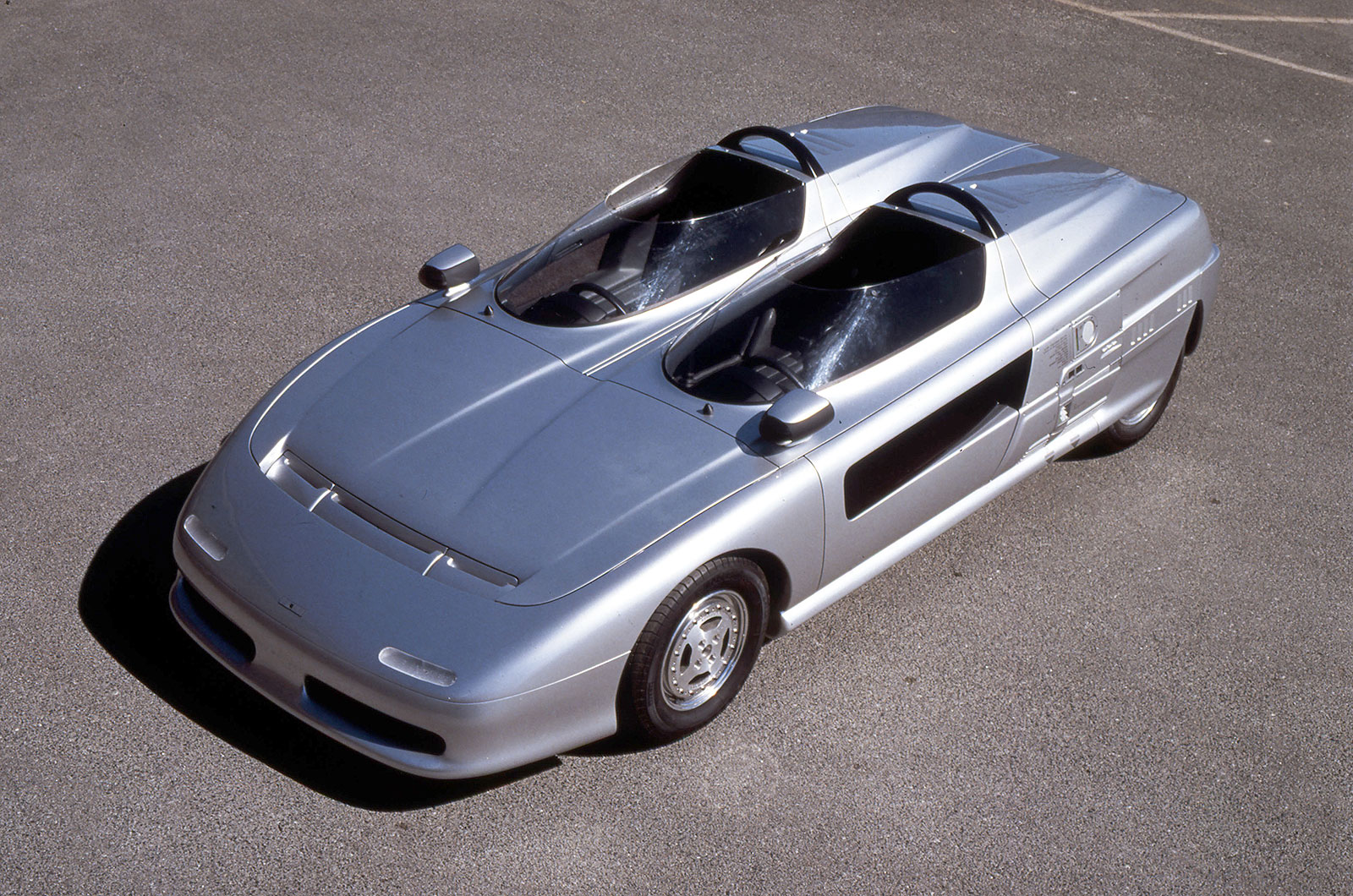
One of the more left-field concepts, the Aztec went into limited production although just a handful were made. With no weather protection and separate cockpits for the driver and passenger, the Aztec was powered by a turbocharged five-cylinder Audi engine although bizarrely, the four-wheel drive transmission was taken from the Lancia Integrale.
Seat Toledo (1991)
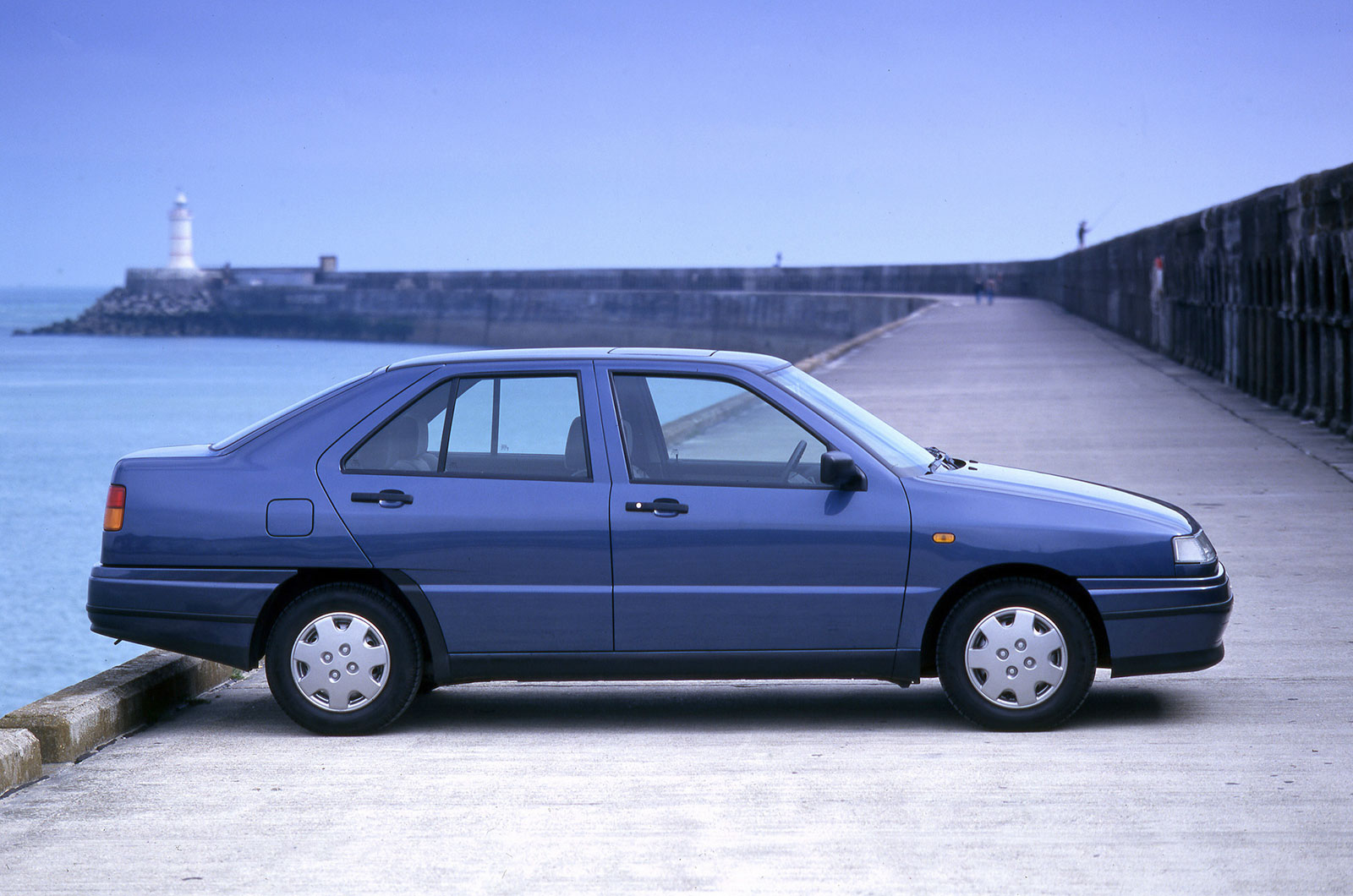
As with so many family cars of the early 1990s, the Seat Toledo wasn't exactly a high point in car design, but it was inoffensive enough.
On sale throughout the 1990s, this original Toledo was based on the Golf Mk2 which meant a choice of 1.6-, 1.8- or 2.0-litre petrol engines or there was a 1.9 diesel.
Lexus GS (1993)
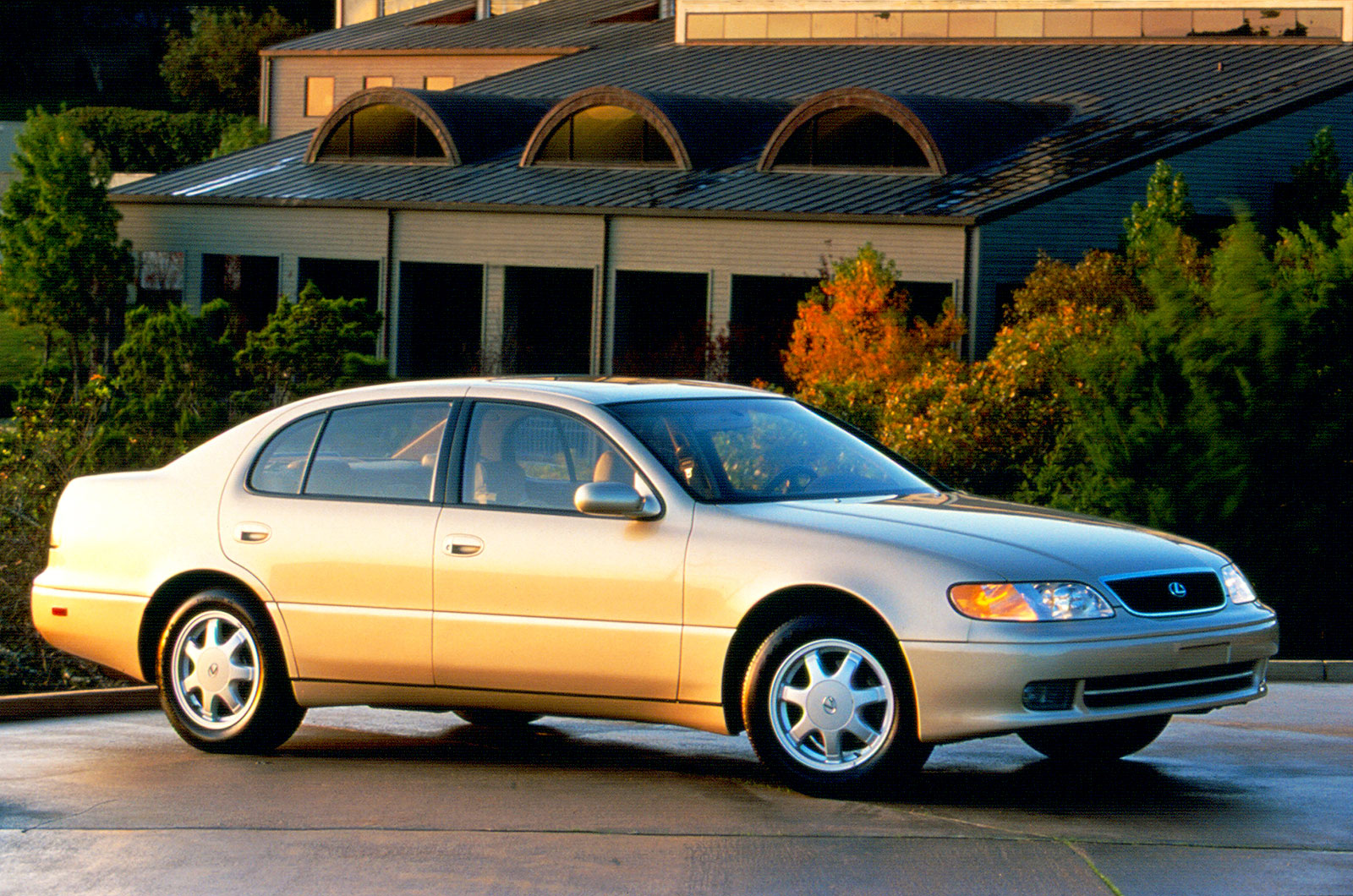
When Lexus came up with an executive car to take on the established premium brands, Giugiaro decided that a simplified design was the key, and that's exactly what he came up with.
Sold as the Toyota Aristo in its home market, the original Lexus GS came only with six- or eight-cylinder engines and four- or five-speed automatic transmissions.
Seat Córdoba (1993)
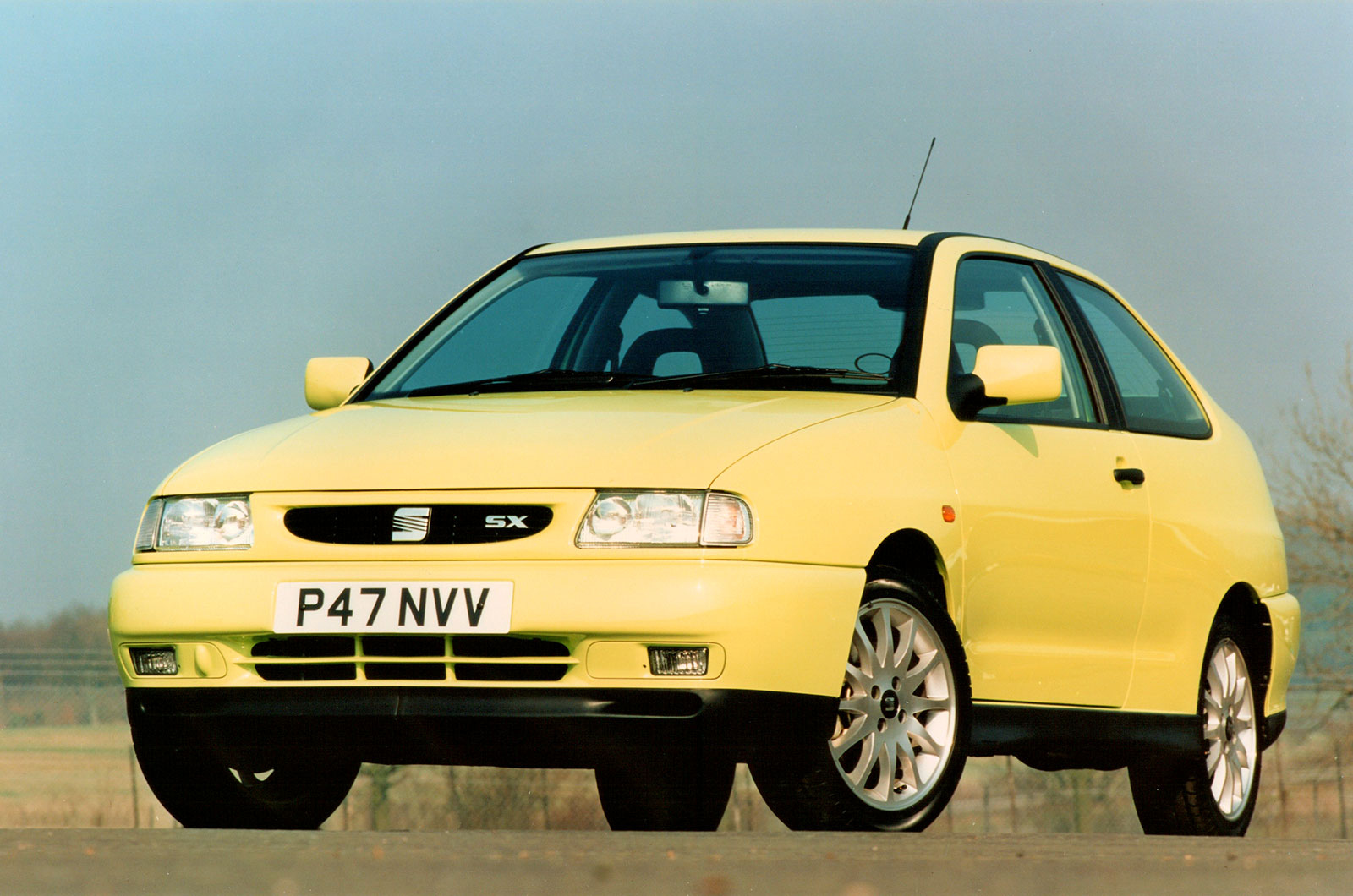
The Cordoba has never been a big success for Seat in the UK, but it's sold better in European countries where small saloons are more popular.
Sharing the same platform as the Polo and Ibiza, buyers could choose between coupé, saloon and estate variations on the theme.
Lamborghini Calà (1995)
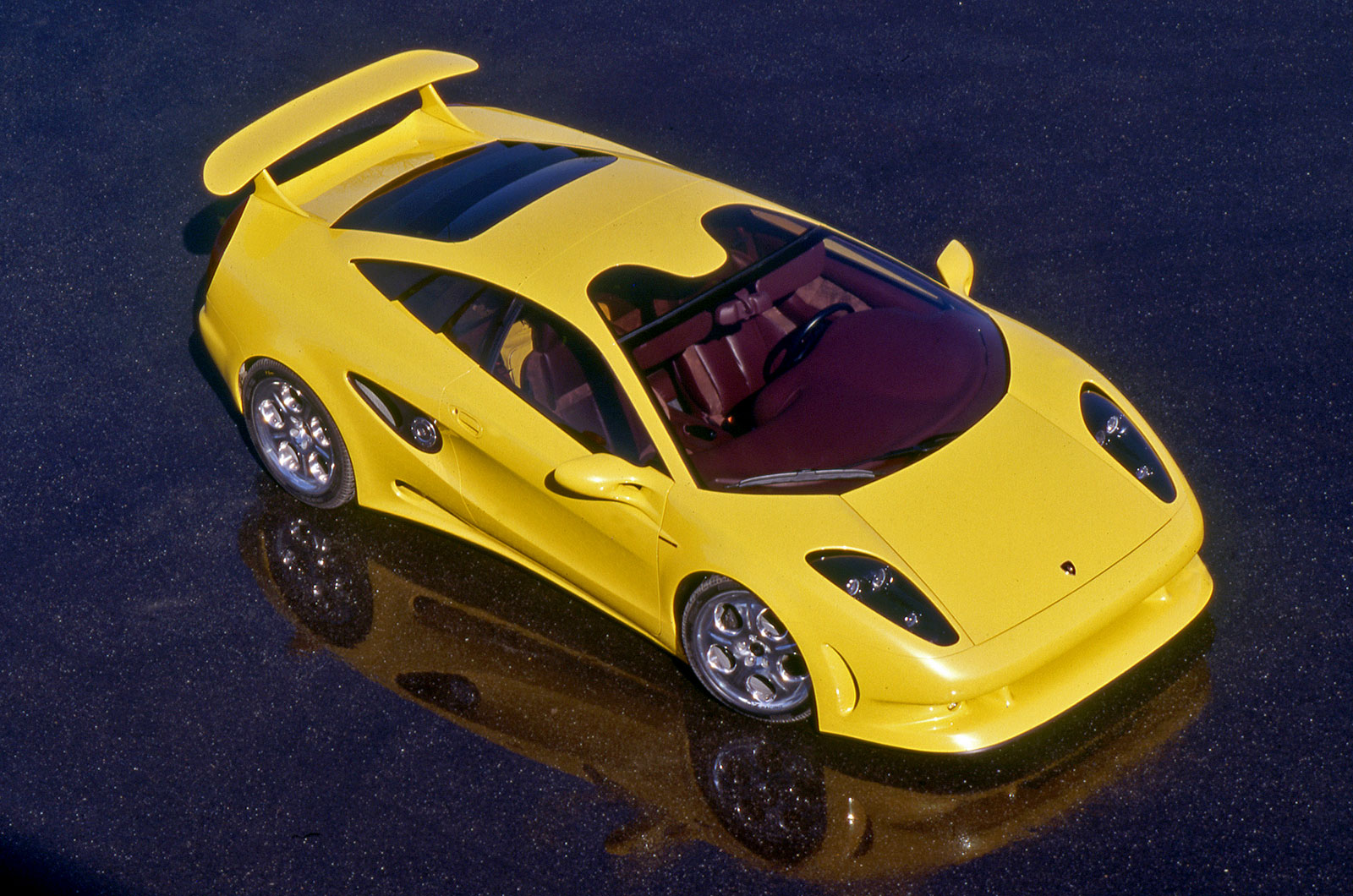
Throughout the 1970s and 1980s Lamborghini offered junior supercars with V8 power; the Urraco, Silhouette and Jalpa.
By the 1990s it was V12 power all the way, but it could have been different as the fully driveable V10-engined Cala was unveiled in 1995. But the funds weren’t there to develop the car and the project was shelved.
Volkswagen W12 (1997)
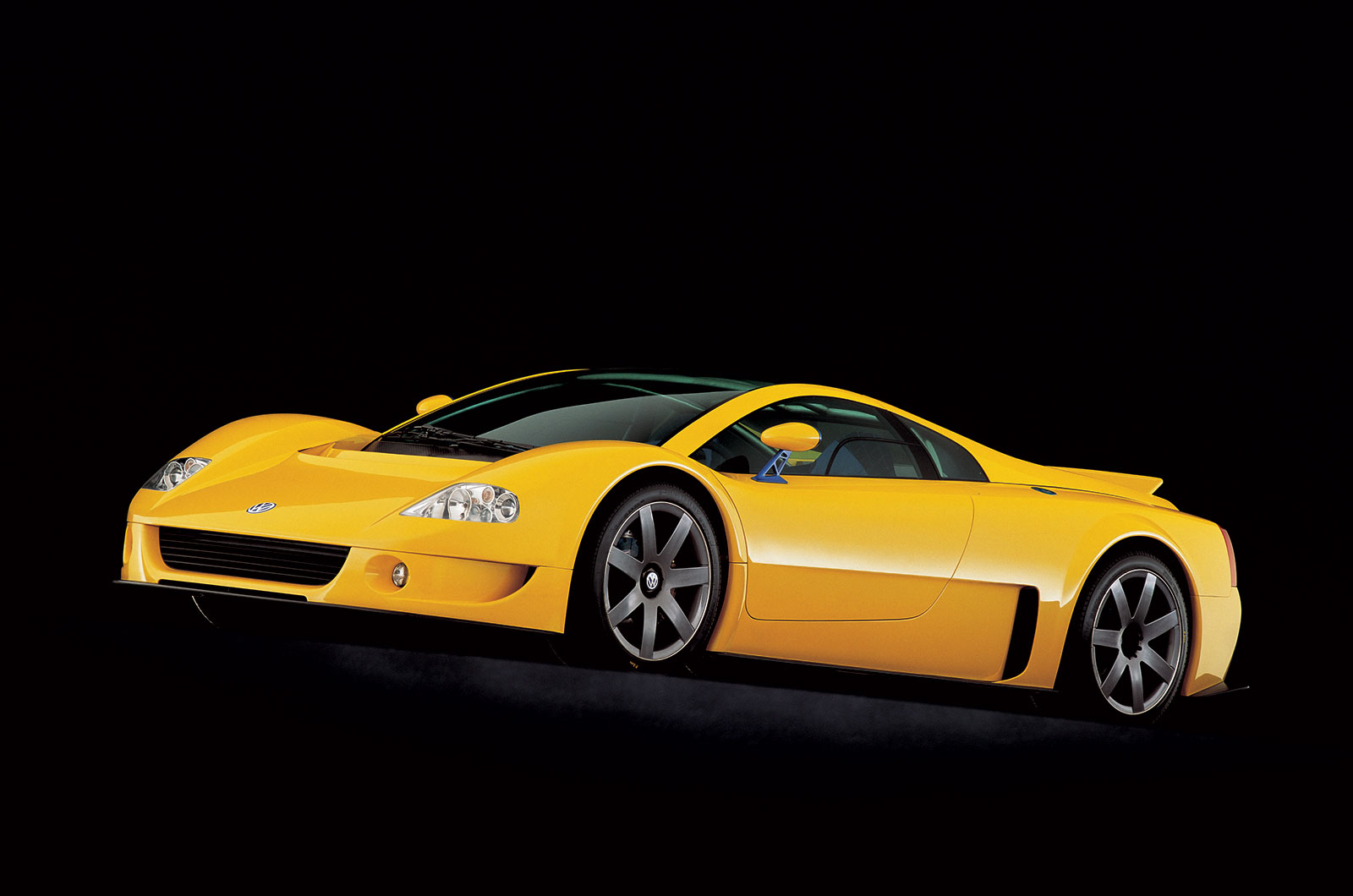
For a while VW seriously considered putting this W12-powered mid-engined supercar into production, but with the Veyron and various Lamborghinis to develop, plus the Audi R8, it didn't happen.
First came a 414bhp coupé followed by a roadster version of the same car. Then in 2001 came the most extreme W12 yet: a 591bhp Nardo edition which claimed an array of speed records, including covering 4809.8 miles in 24 hours at an average speed of 200.6mph.
Daewoo Matiz (1997)
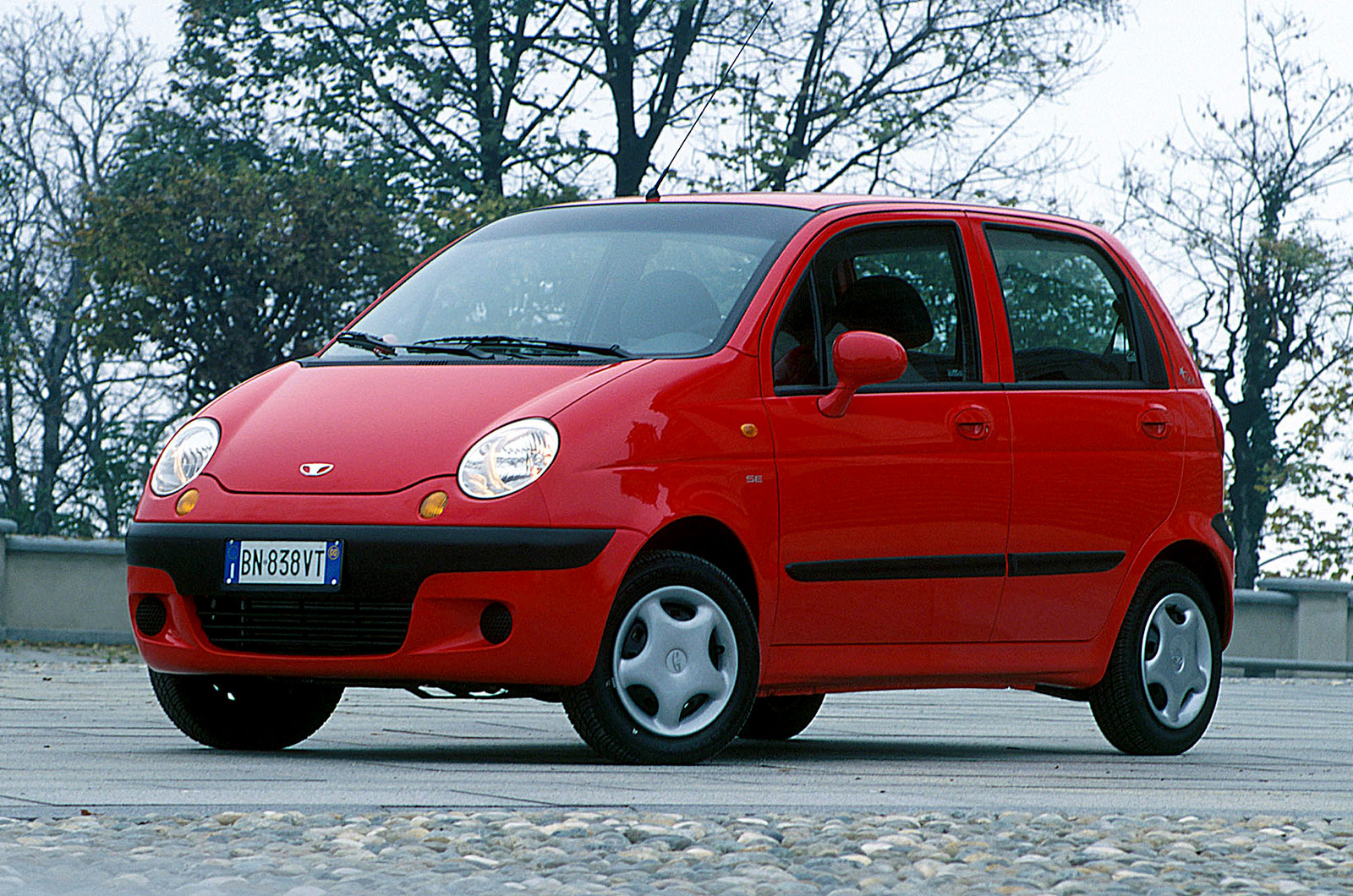
First seen as the Fiat Cinquecento-based Lucciola design study, the Daewoo Matiz may not have been exciting but it was a neatly styled city car created to provide minimalist transport.
Engines ranged from 0.8 to 1.2 litres with the car wearing a diverse array of badges including Chevrolet, Pontiac and FSO.
Seat León (1998)
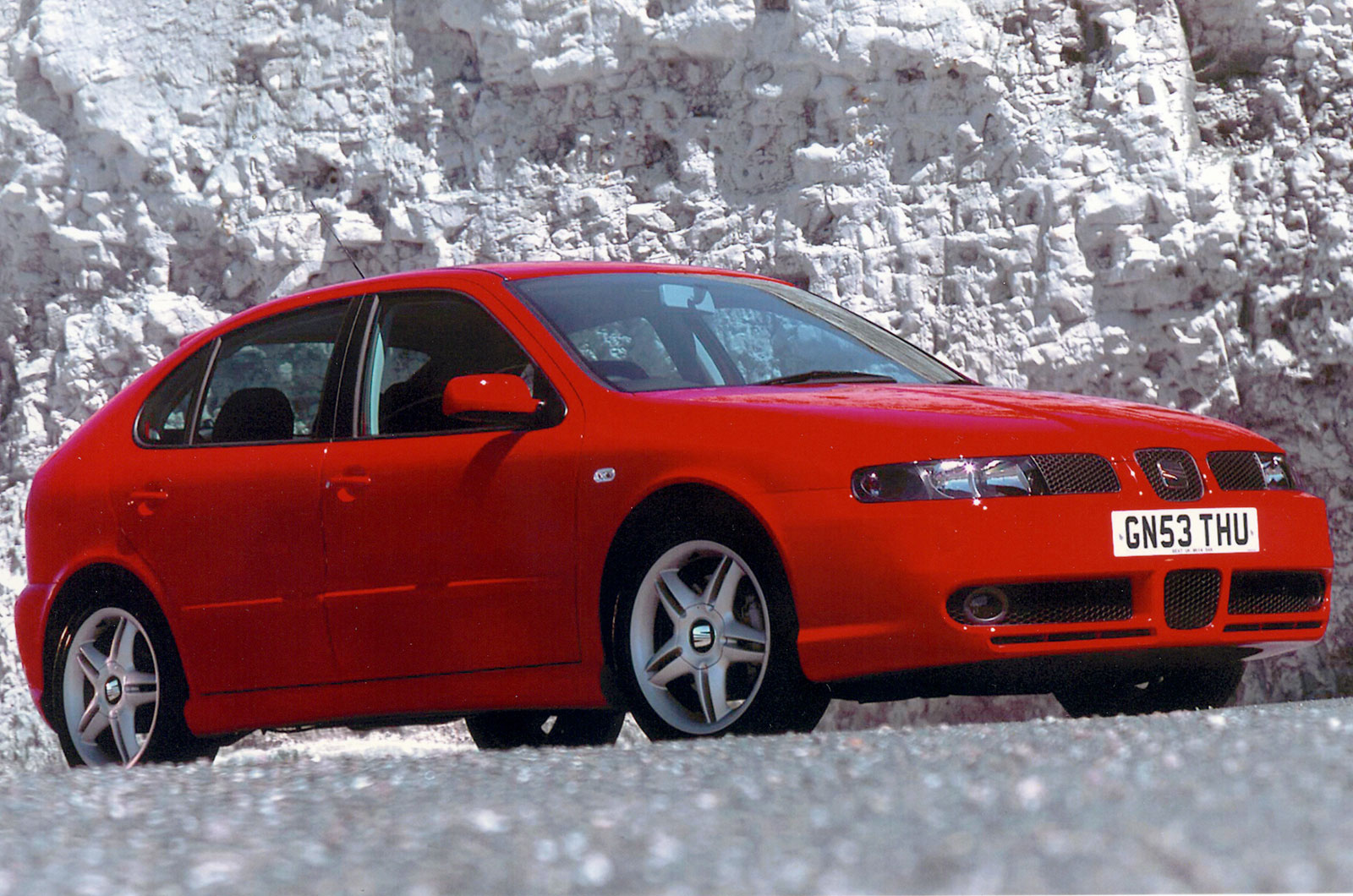
Even now, 20 years after it was unveiled, the original Seat Leon still looks modern and appealing. Offered only as a five-door hatch, the Leon Mk1 used the same PQ34 platform as the Golf Mk4, A3 and TT Mk1 along with the new Beetle and first-generation Skoda Octavia.
Maserati 3200 GT (1998)
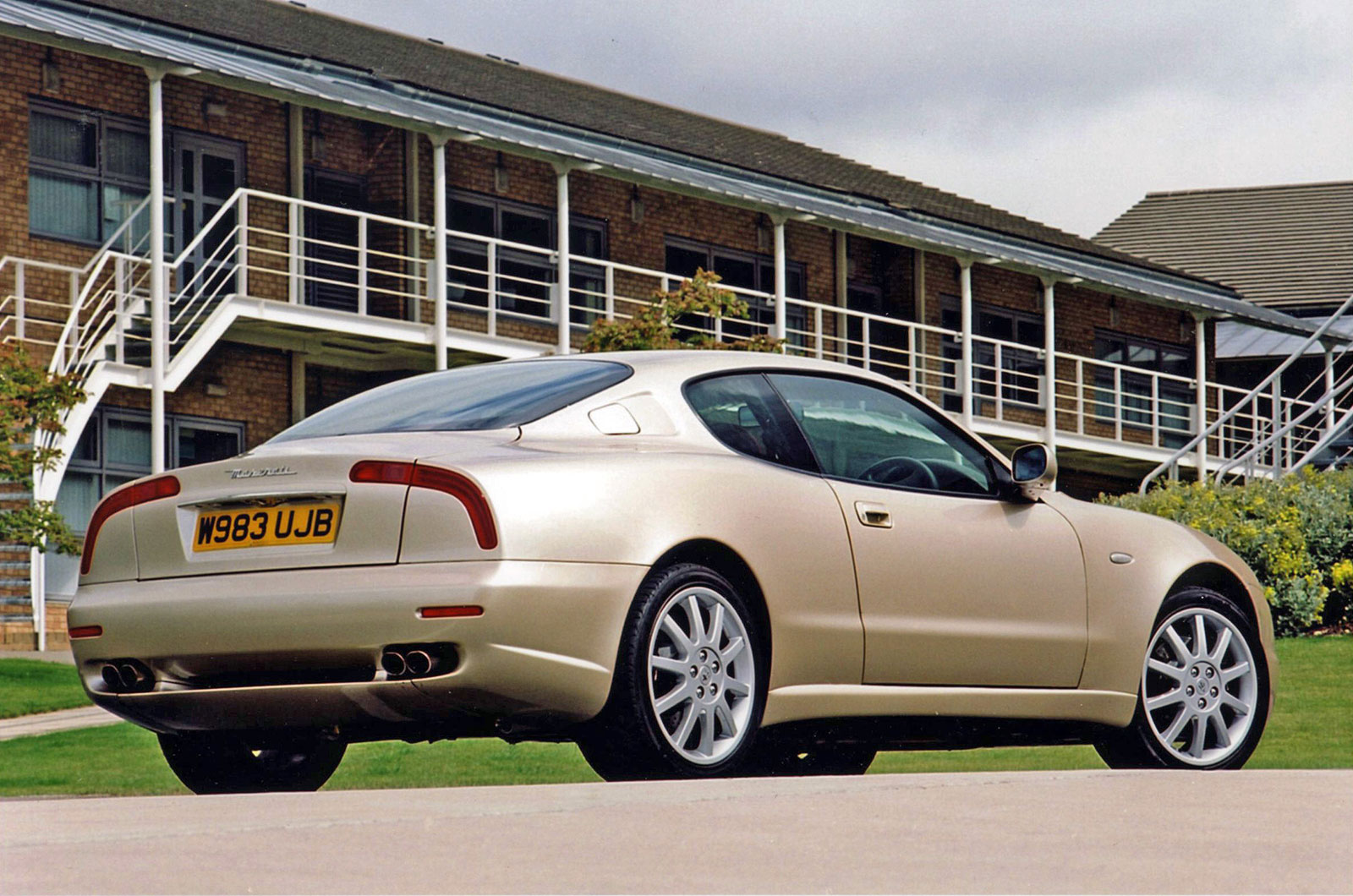
Most famous for its boomerang-shaped LED rear lights, the 3200 GT marked a welcome return of Giugiaro design to the Maserati brand.
After many years in the doldrums, Maserati desperately needed the 3200 GT to revive its fortunes, which it did reasonably well; almost 5000 were made in a four-year production run. Each was powered by a twin-turbo 3.2-litre V8.
Alessandro Volta (2004)
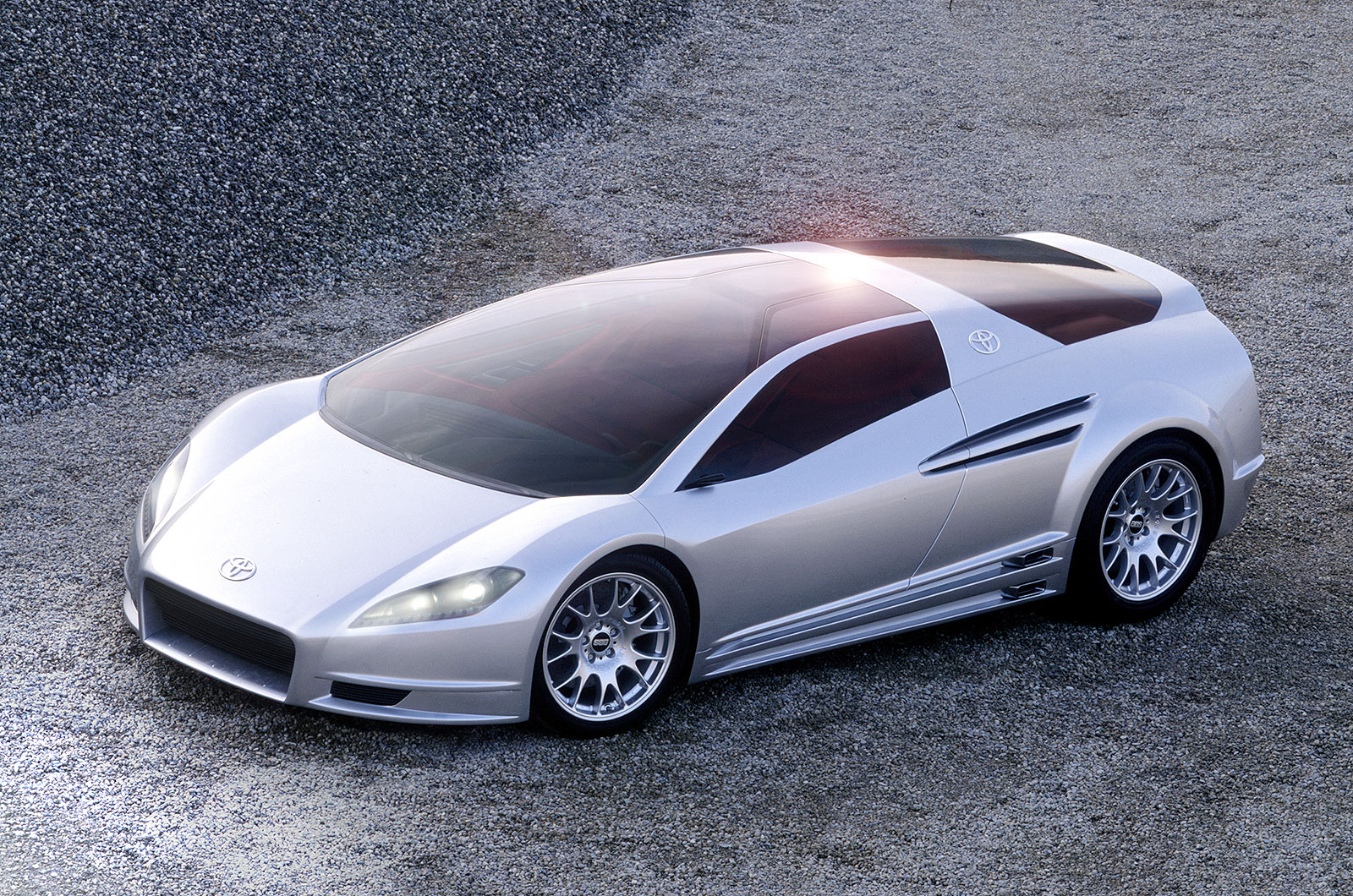
Only ever intended to be a concept, the Alessandro Volta was named after the Italian Physicist who invented the battery. The name alluded to the car's motive power; a petrol/electric hybrid powertrain borrowed from the Lexus RX400h which combined a 3.3-litre V6 with two electric motors.
With 402bhp on tap, the drive-by-wire carbonfibre-bodied concept could top 155mph and do 0-62mph in just four seconds.
Alfa Romeo 159 (2004)
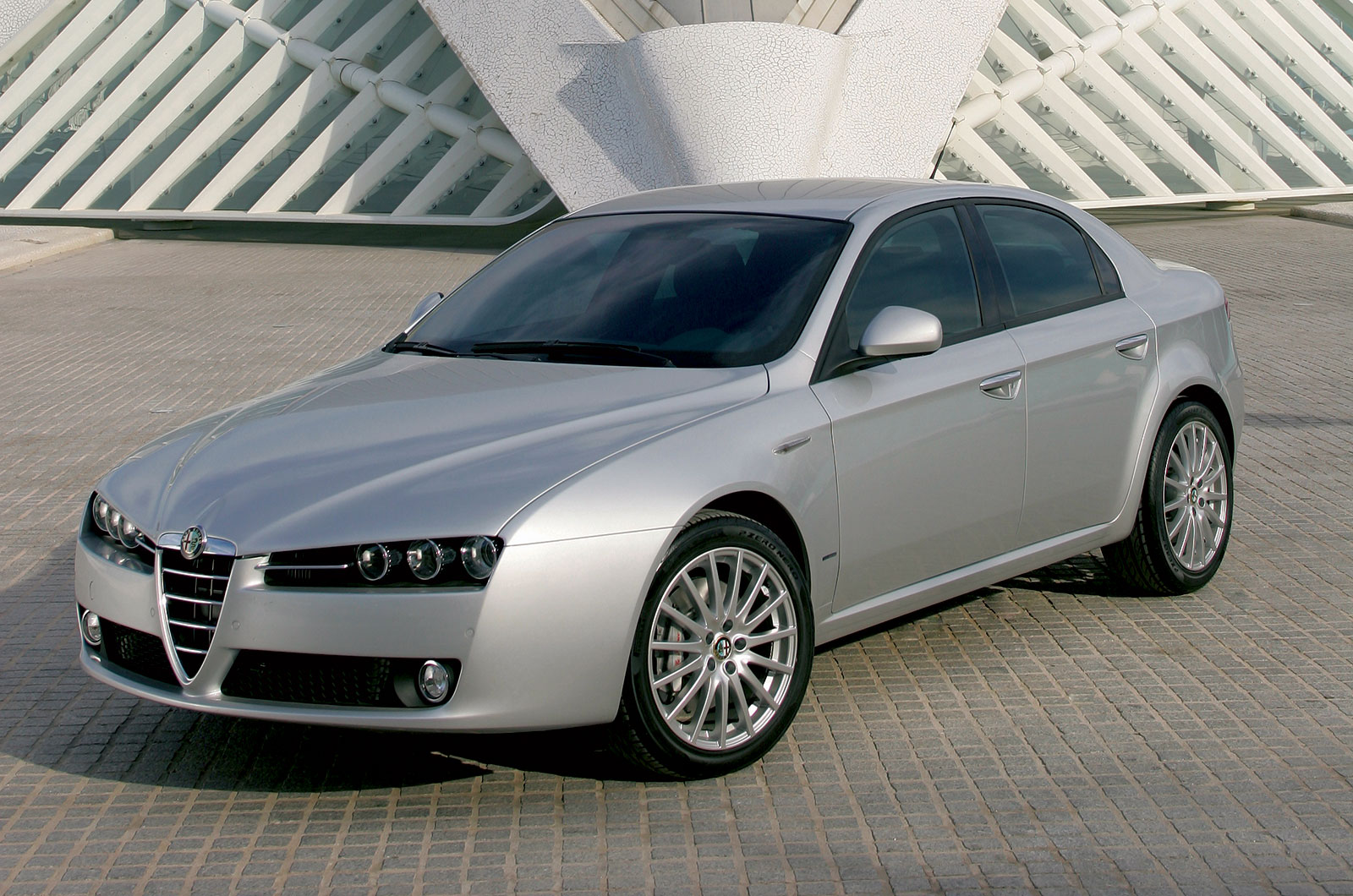
Working in conjunction with Alfa Romeo’s Centro Stile design studio, Giugiaro came up with something of a masterpiece with the 159, a car that looked so much sharper than most of its contemporaries.
Buyers could choose between saloon and estate configurations and while top dog was a 3.2 V6 edition, sadly there was no 159 GTA.
Ferrari GG50 (2005)
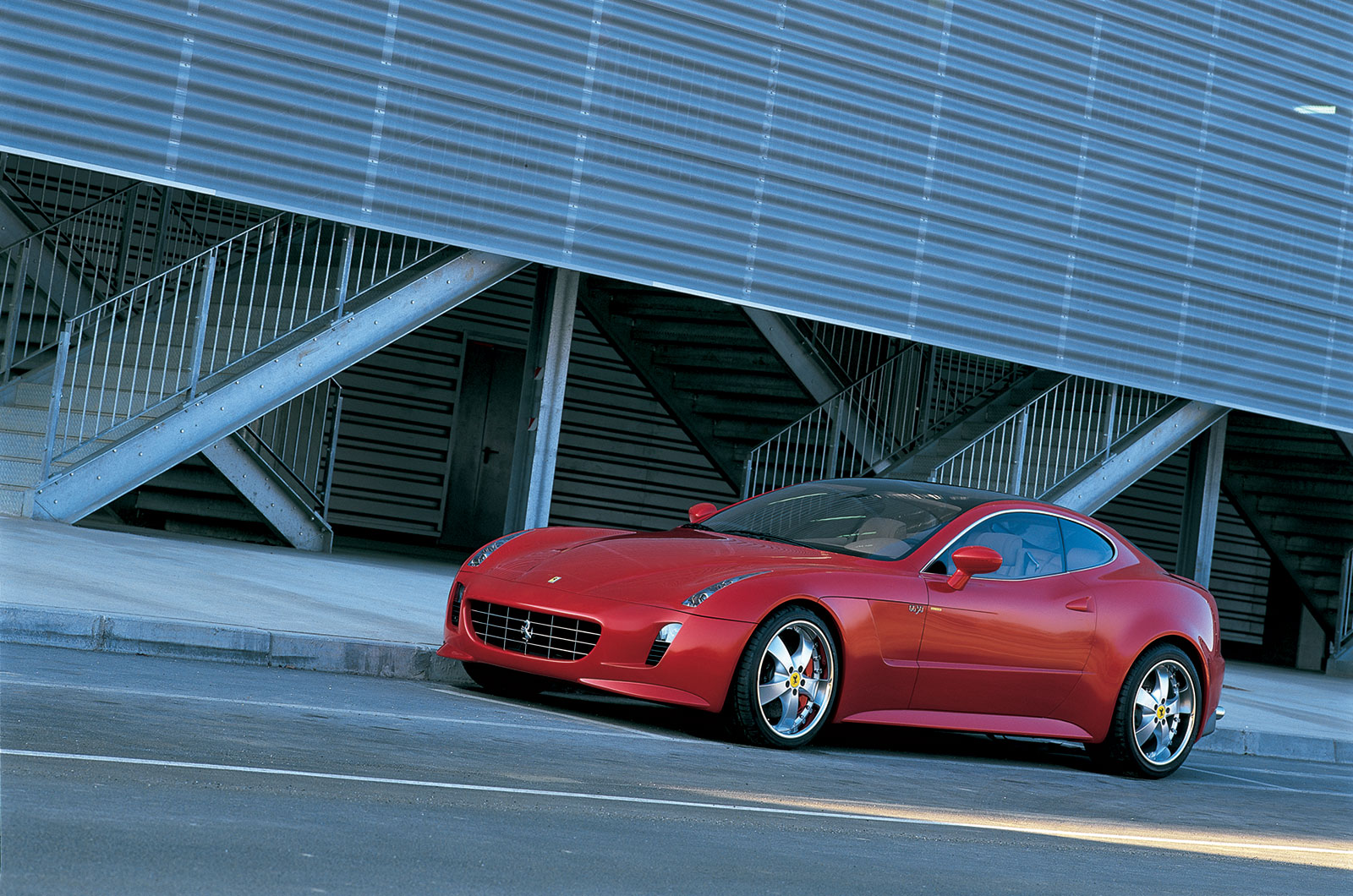
There's a big clue in the name of this one; it was created to celebrate 50 years of Giorgetto Giugiaro designing cars. Based on a Ferrari 612 Scaglietti and first shown at the 2005 Tokyo motor show, the GG50 featured a 540bhp 5748cc V12, a hatchback along with a 2+2 seating configuration.
Fiat Grande Punto (2005)
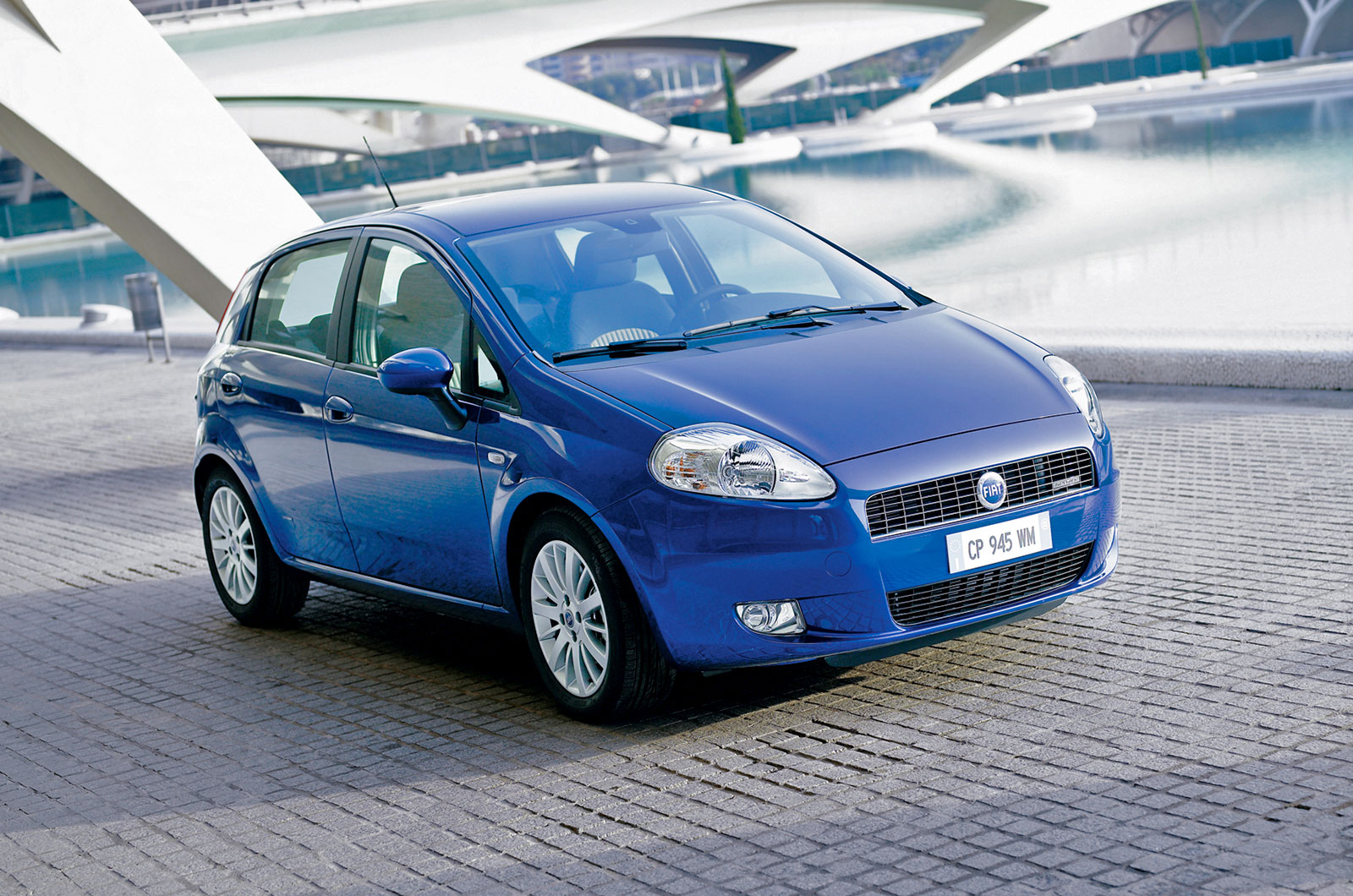
At a time when small cars were all looking like homogenous blobs, Fiat came up with this brilliantly styled supermini that looked like a miniaturised Maserati.
Still in production in India, the Grande Punto morphed into the Punto Evo in 2009 when it was given a facelift.
M1 Homage Concept (2008)
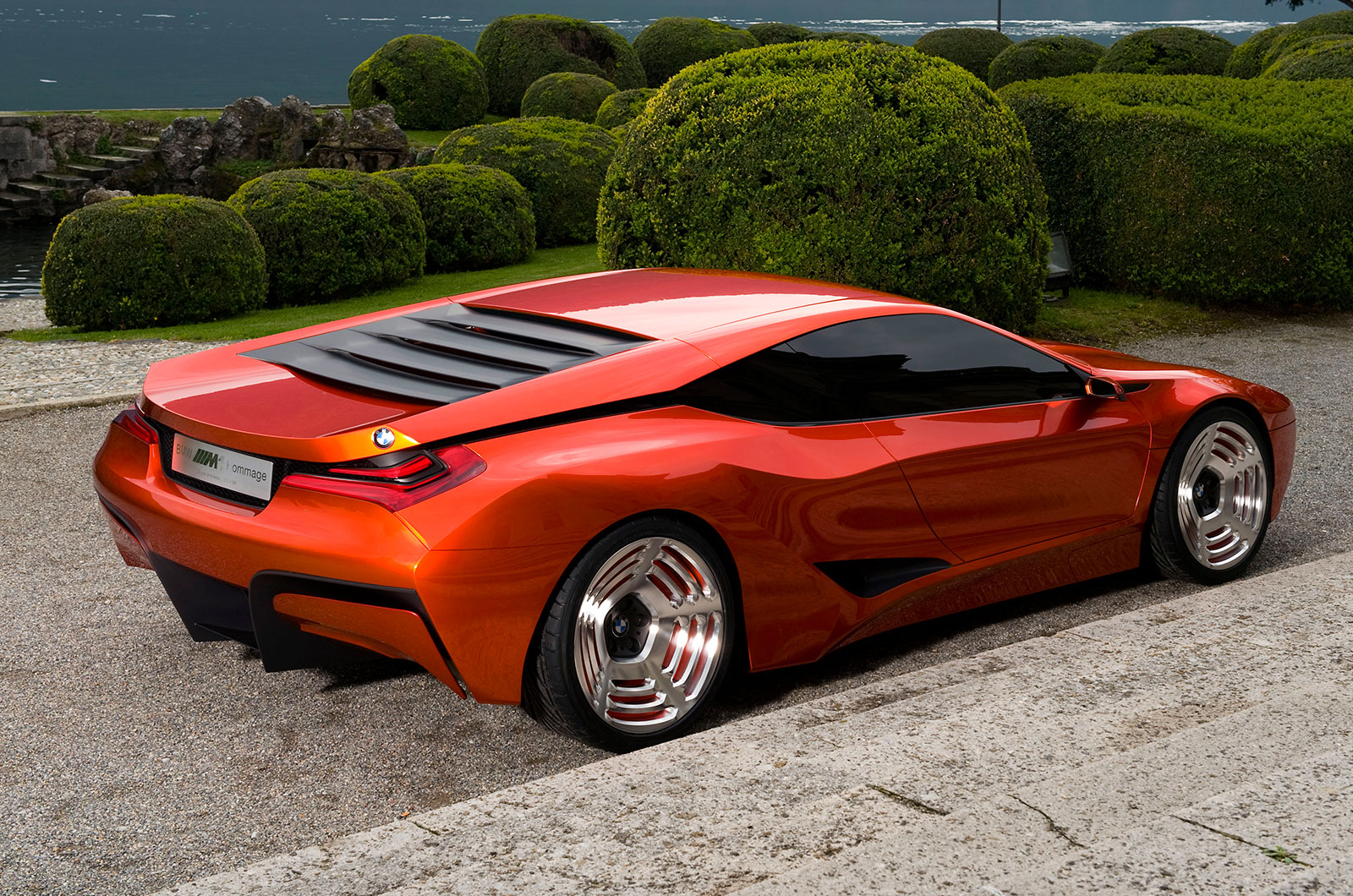
BMW unveiled the mid-engined gull-wing Turbo concept in 1972; six years later the M1 arrived, using much the same design but with a naturally aspirated engine - for road cars at least.
Thirty years after the M1 appeared, BMW came up with this tribute to its first mid-engined production car. It wasn’t a runner though.
Techrules Ren (2018)
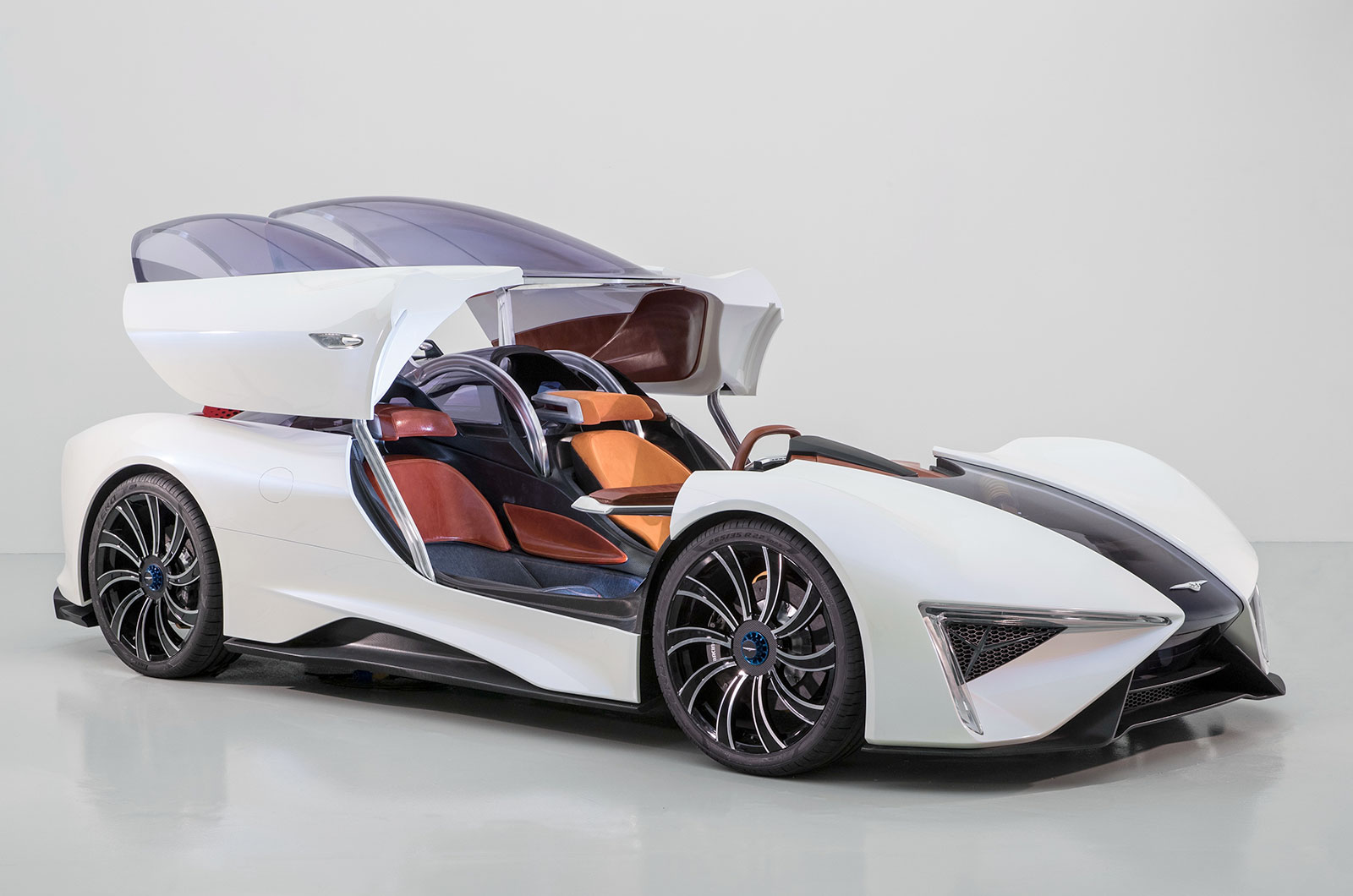
Showing that he's still very much at the sharp end of car design, in 2018 Giugiaro's latest confection was unveiled, the Techrules Ren. This Chinese hypercar aims to be the world's first turbine-powered car.
When combined with a lithium-ion battery pack driving two, four or six electric motors there's anything up to 1287bhp available, along with 1725lb ft of torque - giving a 199mph top speed and 0-62mph time of 2.5 seconds.
If you enjoyed this story, please click the Follow button above to see more like it from Autocar