How Do Urban Military Drills Complicate Civilian Safety?
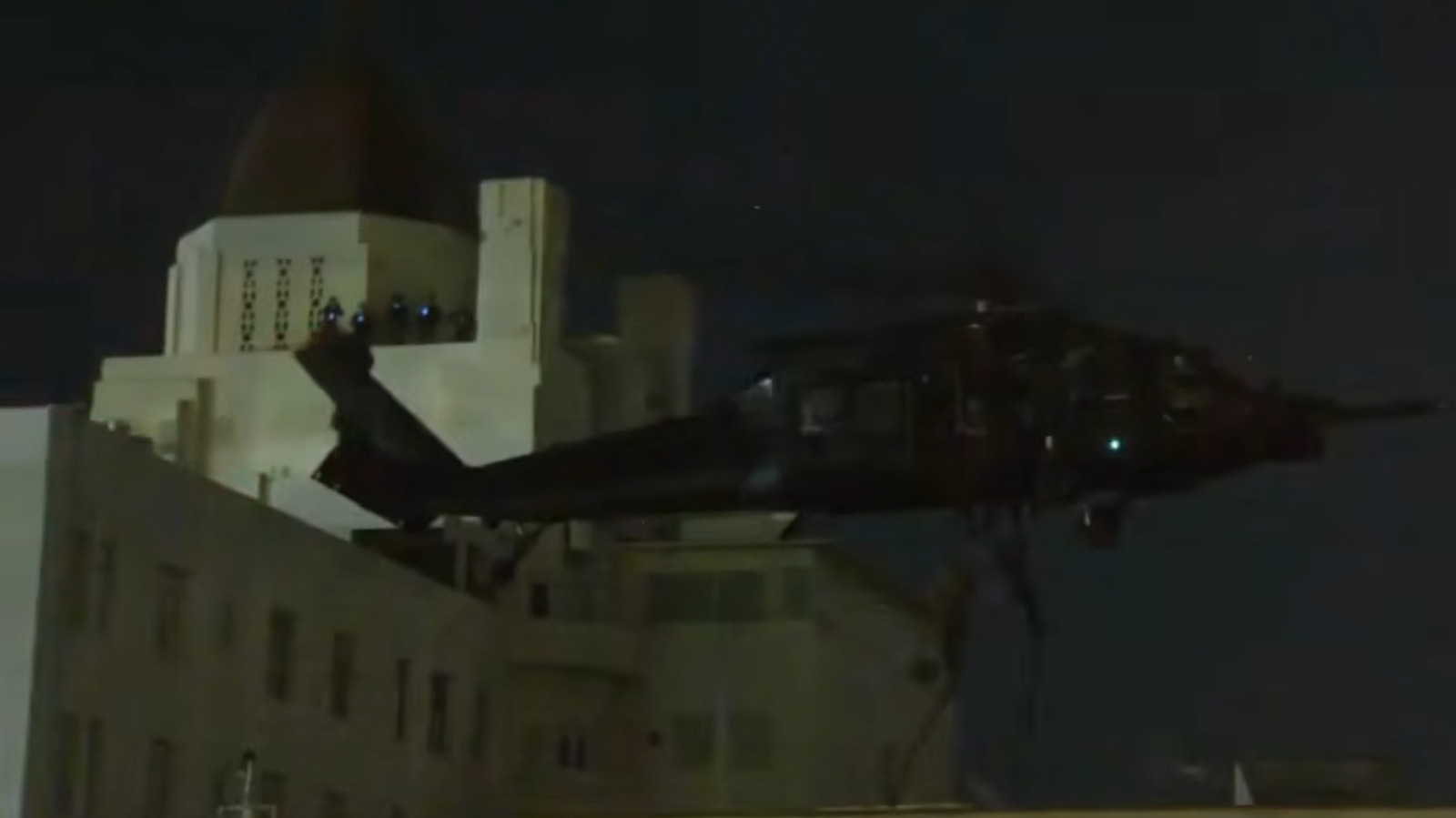
The deployment of military exercises within densely populated urban environments introduces a paradox: while ostensibly designed to enhance readiness for asymmetric threats, such drills can inadvertently amplify risk to the very civilians they purport to protect. The evidence, albeit often anecdotal and filtered through official narratives, suggests that the unpredictability of live drills—particularly those simulating special operations raids—creates a spectrum of hazards. These range from accidental injuries due to miscommunication or equipment malfunction, to psychological trauma triggered by the sudden presence of armed personnel and simulated combat. The core mechanism at stake is the friction between military imperatives for realism and the civilian expectation of predictable, safe public space. Under specific conditions, such as inadequate public notification or ambiguous boundaries between exercise and daily life, the likelihood of adverse outcomes appears to rise sharply.
Why Are the Risks of Urban Drills Often Underestimated?
Prevailing interpretations, especially those advanced by defense officials, tend to minimize the disruptive potential of urban drills by emphasizing their necessity in preparing for real-world contingencies. Yet this framing omits a crucial structural limitation: the urban environment is not a controlled laboratory. Unlike military bases, cities are dynamic, heterogeneous, and populated by individuals with widely varying thresholds for stress and confusion. The mainstream narrative also neglects the second-order consequences—such as the erosion of public trust when drills are perceived as covert or insufficiently justified. In this context, the methodological boundaries of official risk assessments become apparent; they rarely account for the full spectrum of civilian responses, nor do they systematically track near-misses or long-term psychological effects. The available data, therefore, may systematically understate the true scope of harm.
Who Bears the Hidden Costs—and Why Does This Matter?
While the most visible impacts of urban military drills fall on directly affected residents—those startled by low-flying helicopters or cordoned off from their neighborhoods—the less obvious burdens are distributed unevenly. Vulnerable populations, including individuals with prior trauma, undocumented residents, or those with limited access to official communications, may experience disproportionate anxiety or confusion. Moreover, local businesses and essential services can face disruptions that ripple outward, compounding economic and social stress. These hidden costs rarely factor into official after-action reports, yet they shape the lived experience of urban security in ways that aggregate over time. The evidence, though fragmentary, points to a persistent blind spot: the failure to systematically engage with those most at risk of collateral harm.
What Should an Informed Observer Demand from Policymakers?
Given the contested nature of both the necessity and safety of urban military drills, a prudent stance is warranted. Rather than accepting official assurances at face value, informed readers should press for greater transparency regarding the scope, timing, and rationale for such exercises. Independent oversight—ideally involving civilian stakeholders and public health experts—could mitigate the risks of groupthink and institutional inertia. Furthermore, policymakers should be compelled to articulate not merely the tactical benefits, but also the ethical calculus that justifies exposing civilian populations to heightened risk. In the absence of such accountability, the legitimacy of urban military drills remains, at best, provisional. The stakes are not merely operational, but fundamentally democratic: who decides what constitutes acceptable risk, and on whose behalf?