

Lexus F-Sport Reimagined: How Electrification Is Redefining Performance and Identity for the Brand’s Next...


Mercedes-AMG GT 4-Door Coupé EV redefines performance saloons with immersive feedback and precision engineering
 Super-saloon goes electric with new 800V platform, axial-flux motors and V8 simulation
For something with well over 1000bhp, there's no obvious drama to it at first.
With its stability control system in Sport, the new Mercedes-AMG GT 4-Door Coupé prototype goes about its business with calm, measured composure. Exactly what you would expect of a large, fast, electric saloon at moderate pace. There's a deliberate margin of safety in the handling balance, the front end delivering strong grip while the electronics keep everything neat and controlled. It feels fluid and encouragingly agile, the steering cleanly weighted and precise, building confidence quickly.
Out on the tight, technical inner handling circuit at the ATP testing site in Papenburg, that composure proves to be only part of the story.
Back in 2022, AMG first signalled its intention to reinvent its bespoke four-door with an EV successor through a full-sized design study. Since then, the GT XX engineering mule has demonstrated not only the drivetrain's performance but its ability to sustain it too, covering 24,901 miles in just over seven days at an average of more than 186mph. Now I'm behind the wheel of a pre-production prototype for the first time.
Lean on it more assertively in Sport+ mode and its character starts to change. Not so much in a straight line, where it's unquestionably quick, gathering speed in one long, uninterrupted surge, but in the way it responds. It feels less dictated by mass than by how precisely its systems manage the clearly substantial performance.

Select Race, ease back the stability systems and work through AMG's Race Engineer function via three rotary dials on the centre tunnel and the transformation is immediate. Throttle response sharpens, the rear axle becomes more active and the initial layer of restraint falls away. There are nine settings for response, agility and traction. The effect is less about outright capability than delivery. As well as presenting a fixed set of handling characteristics across individual drive modes, the car lets you fine-tune its dynamic character through an additional 729 combinations.
A low centre of gravity and well-judged suspension give it impressive body control. Turn in expecting roll and it stays flat, settling quickly into a composed stance with a precision that belies its size.
The underlying character makes more sense once you understand what this car is. The Mk2 (C590) GT 4-Door Coupé marks a new start for AMG. It isn't the firm's first EV, but it is the first based on the AMG.EA, a platform developed from scratch specifically for performance.
Its drivetrain comprises three axial-flux motors, two at the rear and one up front, working through a single-speed transmission to all four wheels. Drive is managed by AMG's 4Matic+ system, with fully variable torque distribution between each axle, while rear-wheel steering aids agility at lower speeds and stability at higher ones. Developed with British firm Yasa, those compact, disc-shaped motors are smaller and lighter yet also more power-dense and faster-responding than conventional radial-flux units.
Each rear motor is controlled independently, allowing torque to be varied not just front to rear but also across the rear axle, creating a yaw response that you feel directly through the chassis.
Electrical energy comes from a large lithium ion battery mounted within the floor and centre tunnel, with direct liquid cooling at cell level. The system runs on an 800V architecture and so is capable of charging at over 500kW, but more significant is its ability to maintain stable output under sustained load.
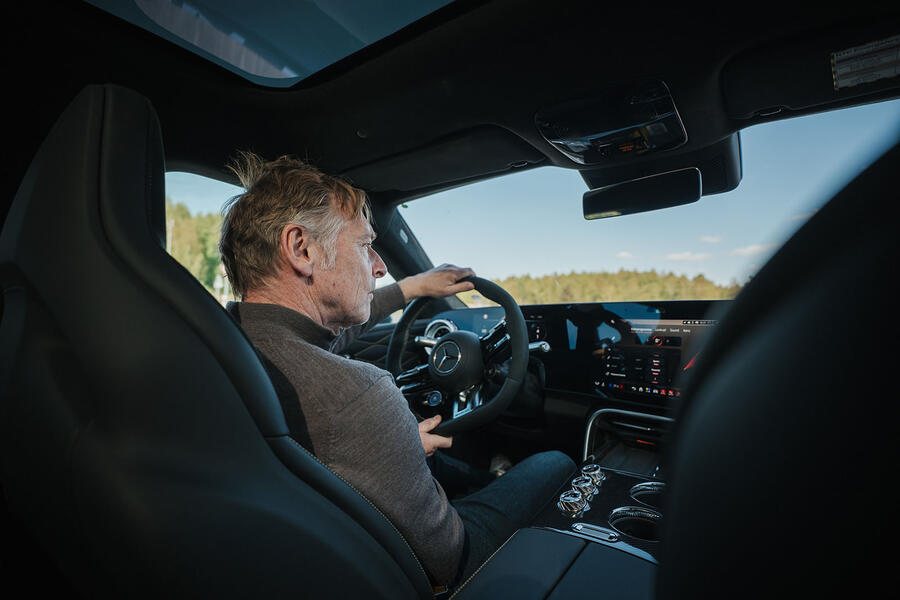
It's not just the way it builds speed but how the new GT 4-Door Coupé communicates what it's doing that makes it so impressive. A synthesised sound and feedback system draws on the character of the original GT coupé, adapted for electric drive. As speed builds, the car feeds back through the seat as much as through the controls, a transducer delivering vibrations that rise and fall with throttle load, in the manner of a V8. So it's not simply an acoustic overlay: it recreates the rhythm of an engine in both sound and sensation, linking your inputs more closely to the car's responses.
A synthetic sequential shift function adds another layer of character. Operated via steering wheel-mounted paddles, it mimics shifting through a conventional gearbox. It's artificial but effective, adding a sense of cadence. The effect is reinforced by a centrally mounted rev counter, its needle sweeping in step with the rising and falling vibrations. You don't have to use it: the car can be driven in near-silence. But when engaged, it draws you further into the process.
Only once you begin to explore the chassis more fully does the broader depth of the GT 4-Door Coupé become clear. Through a tightening left-hander, come back onto the throttle and the rear axle sharpens your line, taking some of the load away from the front. Add a little more and its rear end moves progressively, without any sudden breakaway. It's easy to hold and just as easy to gather up again, the car settling quickly and cleanly as you unwind the steering.

On subsequent runs, that adjustability becomes a defining trait. The rear works with you, rather than simply following the front, allowing you to shape the car's attitude with small inputs. It never feels exaggerated; it's usable and engaging.
That sense of control extends to the suspension. The standard Active Ride Control air springs with hydraulically linked dampers provide semi-active roll stabilisation by varying roll stiffness. The result is that strong body control evidence earlier without excessive stiffness.
Even beneath camouflage, the car's proportions reflect the shift to electric power. Lower, wider and longer than the current V8 model, it adopts a drawn silhouette with a long nose section, heavily curved roofline and long tail ending in a subtle, Kamm-style cut-off with active aerodynamic elements.
Inside, the impression is equally strong. The driving position is largely unchanged, retaining the same low, stretched stance, but the environment has evolved. The centre console rises higher between driver and passenger, creating a more defined cockpit, with three rotary controls sitting prominently atop it. There's a tangible analogue feel to many of the controls, the rotary dials providing precise mechanical feedback.

Ahead, a single panel integrates the 10.2in instrument display and 14.0in touchscreen, angled towards the driver, with clear separation of functions - and the passenger's touchscreen doesn't intrude. Rear space is more usable than the roofline suggests, with individual seats and recessed footwells allowing a natural seating position, while a glass roof floods the interior with light.
What emerges here isn't an electric reinterpretation of the original GT 4-Door Coupé but a fundamentally different car - one that places greater emphasis on control, interaction and consistency, while still delivering the sense of occasion expected of an AMG.
Mercedes-AMG GT 4-door Coupé prototype: verdict
A decisive reset for AMG, combining extreme pace with adjustability, involvement and a new level of feedback for a performance EV.
| Price | £150,000 |
| Engine | Three axial-flux electric motors |
| Power | 1169bhp |
| Torque | 1475lb ft |
| Gearbox | 1-spd reduction gear, 4WD |
| Kerb weight | 2200kg (est) |
| 0-62mph | 2.4sec |
| Top speed | 186mph |
| Battery | 106kWh |
| Range, economy | na |
| Rivals | Lotus Emeya 900, Polestar 5 Performance, Porsche Taycan Turbo GT |

Skoda Elroq 60 and the Affordable EV Challenge: How Europe’s Late Entry Finds Its...


Road Trip Games and the Persistence of Shared Play in a Digital Age


Gasoline Price Surge Exposes Stark Cost Divide Between Internal Combustion and Electric Vehicles in...

Chinese Automotive Partnerships as Strategic Lifelines: How Western Carmakers Rely on Chinese Technology and...
 Stellantis deal to build Dongfeng EVs in Europe is latest in series of partnerships between Western and Chinese firms
China built its automotive expertise on enforced partnerships with foreign brands. The reward for global car makers was market access and billions in profits. But it came at a long-term price: those once humble manufacturing partners have become some of their toughest competitors globally.
Now global car makers are seeking help from the same Chinese partners as they scrabble to reduce costs and lift technology to the new Chinese standard. There’s one key difference, though: today’s partnerships have a lighter touch than the old industrial tie-ups mandated all those years ago in China.
“If you have a partnership with China and a good connection to Chinese suppliers, I think that is really one of the key things which will make you stronger,” Volvo CEO Håkan Samuelsson told the recent Financial Times Future of the Car conference.
Car makers operating at the volume end of the European market are suffering a doom spiral. A higher cost base in Europe is being pushed even higher as they lose manufacturing scale for one key reason: the Chinese are eating their market share.
“We're competing with OEMs from China, but they have a very clear advantage around massive scale, as they export product into Europe,” Ford of Europe boss Jim Baumbick told the Financial Times conference. “We have to find our own way in Europe to generate competitive scale. We believe doing that through partnerships is a way to compete.”
Ford is reportedly talking to Geely about building cars at its underutilised Kuga plant in Valencia, Spain, as it looks to lower its industrial costs.
Ford hasn't confirmed this report but has ramped up speculation that it will leverage Geely electrified platforms with the announcement that it will launch two new ‘multi-energy’ crossovers in Europe by 2029.
“We talk to tons of different companies all the time,” Baumbick told Autocar in response to our question.
A possible future Geely link-up would increase the number of partnerships Ford has on car development in Europe to three, after leveraging the Volkswagen Group's MEB platform for the Explorer and Capri and now Renault for two small electric cars on the Renault 5 platform, due in 2028.
This kind of cherry-picking approach to partnerships is very different from the massive tie-ups of old, such as the Renault-Nissan Alliance or DaimlerChrysler. “We look for opportunities where we can both win and share,” Baumbick said.
Chats with potential partners can give a useful insight into where your company sits in terms of tech and cost, said Baumbick: “We can test [our] own internal hypothesis around the competitiveness of choices we're making internally versus maybe leveraging partner technologies or assets for scale."
There was some surprise in the industry when Ford went with Renault to develop and build its small EVs, rather than develop its existing relationship with Volkswagen. Baumbick’s boss, CEO Jim Farley, said we shouldn’t have been: among other benefits, Renault’s solution was cheaper.
One of the furthest down the road in terms of incorporating knowhow from a Chinese partner is Stellantis, which has quickly leveraged its investment in EV specialist Leapmotor not just to fill its underutilised European factories but also use its tech for new models, starting with a new Vauxhall/Opel SUV, due in 2028.
Stellantis has also signed a similar deal with its long-time joint-venture partner Dongfeng, setting up a Stellantis-controlled European arm to import the Chinese company's upmarket Voyah EVs and tap into its engineering expertise.
Stellantis has moved fast to seek Chinese help in filling its European plants, estimated by the bank Jefferies to be suffering from spare capacity totalling around a million units a year.
Leapmotor will build its B10 and C10 EVs at the Stellantis facility in Zaragoza, Spain, starting this year, while the Dongfeng deal creates “potential” for production of Dongfeng EVs in Rennes, France.
A rash of similar reports linking Chinese production in existing European plants – including Chery and Dongfeng at Nissan’s Sunderland plant - has yet to translate to solid contracts, bar Leapmotor's Zaragoza deal.
“With the exception of Chery's early deal with Nissan in Spain, Chinese OEMs seem reluctant to rely on older, less efficient and unionised facilities,” Philippe Houchois, automotive analyst at Jefferies, wrote in a note to investors.
For Leapmotor, however, the broader link-up with Stellantis is a money-saver as it fights to grow share in Europe. “This, in my opinion, is another kind of profitability,” CFO Tengfei Li said on a recent earnings call. “Without this kind of partnership, we may have to invest 10 times higher than we have and may not reach the same results.”
For some established manufacturers, Europe has become so difficult that they can no longer develop models specifically for the region, and China is the preferred source for the electrified platforms and technology needed to keep pace with the tech and cost upheavals of the past five years or so.
Nissan is one example: CEO Ivan Espinosa has said the Japanese company will drop its long-term policy of creating products in Europe for Europe. Instead it will lean on models developed for its three core markets of China, the US and Japan.
“The competition is getting more and more severe with Chinese players,” Espinosa told the Financial Times conference. “Traditionally we were investing a lot on specific products for Europe. With the scale that we have, it has proven not sustainable.”
Asked by Autocar whether its Chinese partnerships might provide the next platform for its European models, Espinosa said Nissan “could consider doing something with what we're creating in China”.
Another possibility is leaning further on its Alliance partner Renault, which is developing a new EV platform with range-extender options due to land in 2028 and already builds the Nissan Micra on the Renault 5 platform.
“It's a very good win-win case, because Nissan doesn't have to invest on its own on creating a product. With a fraction of the investment, we can get access to a competitive product,”
Honda is another Japanese company turning to Chinese partners to develop models, rather than just manufacturing them.
Global car makers operating in China are already increasingly using electrified platforms and associated technology from their Chinese partners, among them Audi, Mazda, Nissan, Toyota, Volkswagen and Volvo.
“Special products for China would be almost impossible for us to develop by ourselves,” Volvo’s Samuelsson said.
Geely, Volvo's Chinese parent company, supplies the platform for the new XC70 long-range plug-in hybrid SUV, which is capable of travelling on 125 miles on electric power alone.
Partnerships are often difficult, former Nissan executive Andy Palmer told Autocar: “It's hard to get to big corporate cultures to work together when you don't have financial interests [in each other], where it's purely a commercial contract. You try and name a collaboration that has really worked very well and it's really hard to think of one.”
The key is to be humble going in, believes Samuelsson: “You first need to identify what you can learn from others, and then you need to be open and curious. I think the Chinese culture has always been a learning culture, and that is something we should really pick up.”
There are undoubtedly culture clashes, however. The speed at which the Chinese make decisions is both refreshing and frustrating for Westerners. New information can result in 180deg tacks on projects that aren’t properly communicated. The Chinese are also willing to bend rules, for example ignoring local employment regulation to carry on working the insane hours they do at home.
But the penalty for ignoring the Chinese way of working is even worse: death by unsustainable discounts.

Suzuki Every redefines Japan’s kei van segment with upgraded safety, digital features, and enduring...

Mini’s Reinvention as a Premium Icon: How BMW’s Risky Transformation Sparked Controversy and Secured...
 The controversial reinvention of the Mini was blamed on BMW - but it turned out to be a winner
When BMC launched the original Mini in 1959, it was both highly innovative in its packaging and widely affordable, being priced from just £496 - and of course it was wildly successful.
Come the early 1990s, its new custodian, Rover, began exploring a replacement - but when BMW bought the British company in January 1994, it was clear that they had very different ideas about what a new Mini should look like.
Development quickly became a tug of war. Rover proposals favoured a compact, innovatively packaged successor, while BMW proposals leaned towards a retro-styled sporting car. Fifteen different designers from across Europe and the US were tasked with designing the new car in just six months, ultimately presenting various competing visions - creating real tension.
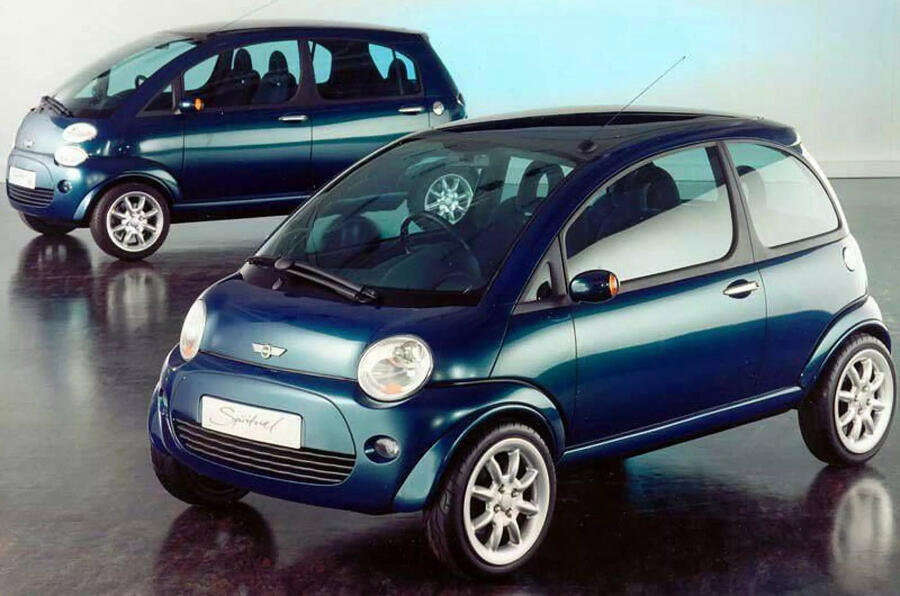
BMW eventually settled on a strategy of repositioning the Mini from a budget car into a premium car, choosing a design proposal by its own Frank Stephenson.
It would target two distinct demographics: affluent young "thrusters" between the ages of 20 and 34 and those aged 35-50 who had fond memories of the original Mini. And it would be 20 times more expensive: the One ultimately started at £10,000 and the sporty Cooper at £11,600.
Our first glimpse of this direction came at the Frankfurt motor show in 1997, three years before the car's release, as BMW wanted to gauge public reaction. There were risks in exposing the design so early, but chairman Bernd Pischetsrieder dismissed those worries, insisting that "nobody will copy the Mini; it will be a unique car".
Reaction was anything but unified. One Autocar reader complained: "As a long-standing Mini owner and admirer, I was pleasantly surprised to hear that BMW planned to give the world a sneak preview. Until I saw it. This is not a Mini; everything that the Mini stands for has been bastardised into a pointless marketing gimmick." Another snapped back: "New Mini? Honey, I shrunk the Citroën DS."
Even Alex Moulton, the engineer responsible for the original Mini's suspension, expressed disapproval, telling Autocar: "I don't know what it is. It's got the word Mini on it, and details such as the grille and lights are right, but the car is too large. It looks like it has lost its proportions. I don't think it's a real Mini."
Accusations of BMW ruining the Mini's classic look also rolled in, with one reader writing: "Those lights, that grille - especially if spun round the other way. Yes, old frog eyes is back! One of the ugliest faces to deface a car (last seen in the Ford Scorpio) makes a return." Another struggled to believe that the prototype unveiled at Frankfurt was a new Mini in spirit and not "a cynical attempt to market what appears to be just another small hatch by trading on the name, reputation and styling cues of the greatest car of all time".
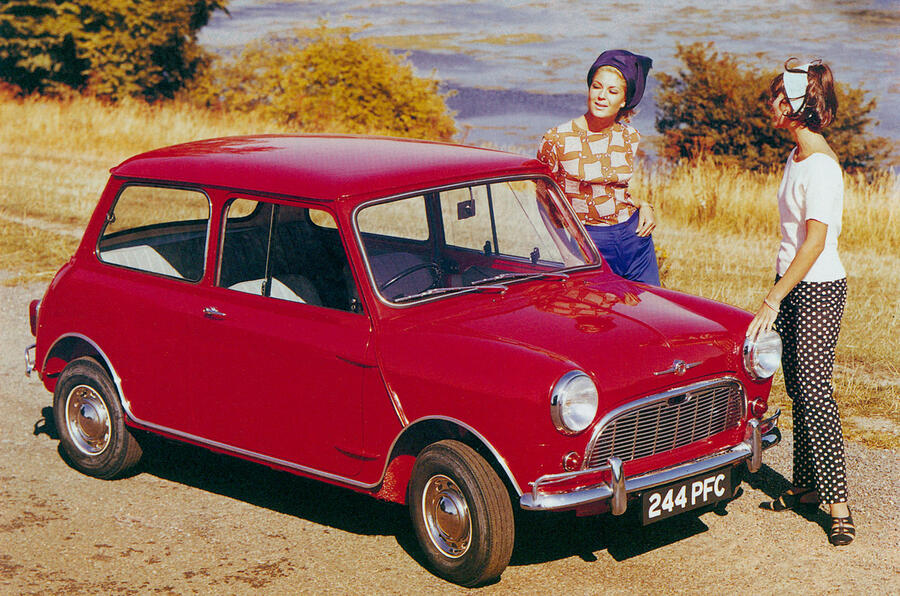
Not all responses were hostile, though, as this letter demonstrates: "I'm smitten. The new Mini has shot to the top of my new car shopping list. It combines the need for extra space and safety, with just the right mix of retro styling cues and modern layout."
When the new Mini finally went on sale in 2001, our road testers found it "great to look at and sit in" but felt that wasn't enough to offset such a "mediocre engine and disappointing package". Like the earlier public reaction, this was a verdict of contrasts: eager and engaging to drive yet lumbered with an engine that felt coarse and gruff.
To buy such a car also meant stepping into a BMW dealership, which one reader described as an "intimidating experience". This highlighted a deeper tension: Mini was no longer accessible and classless but a carefully curated premium product, and not everyone was comfortable with that shift.
Enjoy full access to the complete Autocar archive at the magazineshop.com
In reinventing the Mini, BMW had taken a risk by trading simplicity for sophistication and affordability for aspiration. Predictably, not everyone liked this idea, but plenty more bought into it: 800,000 examples of the Mk1 were sold globally, and today Stephenson's design is widely regarded as a modern classic.
Furthermore, the Mini grew into a thriving brand with a broad model range - in stark contrast to Rover, which died in 2005.
Alice Pewter

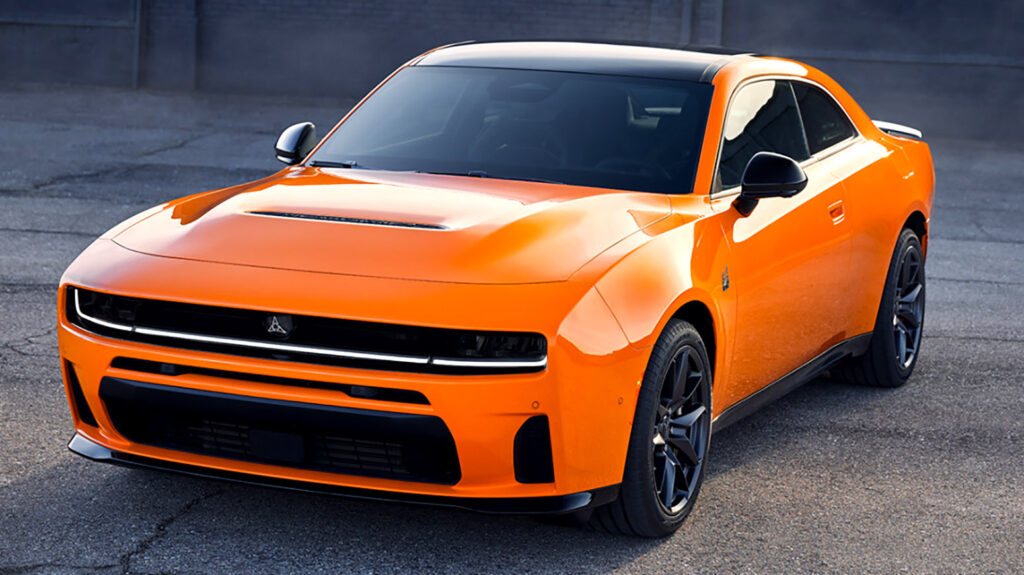
Dodge Inventory Surplus Signals Deeper Demand Challenges as Stellantis Brands Diverge from Industry Recovery

Aston Martin Vantage as Inherited Dream and Practical Classic: How Personal Legacy, Market Dynamics,...
 "It's a 'pinch me' moment every time I look at it. The design is 20 years old but has aged really well"
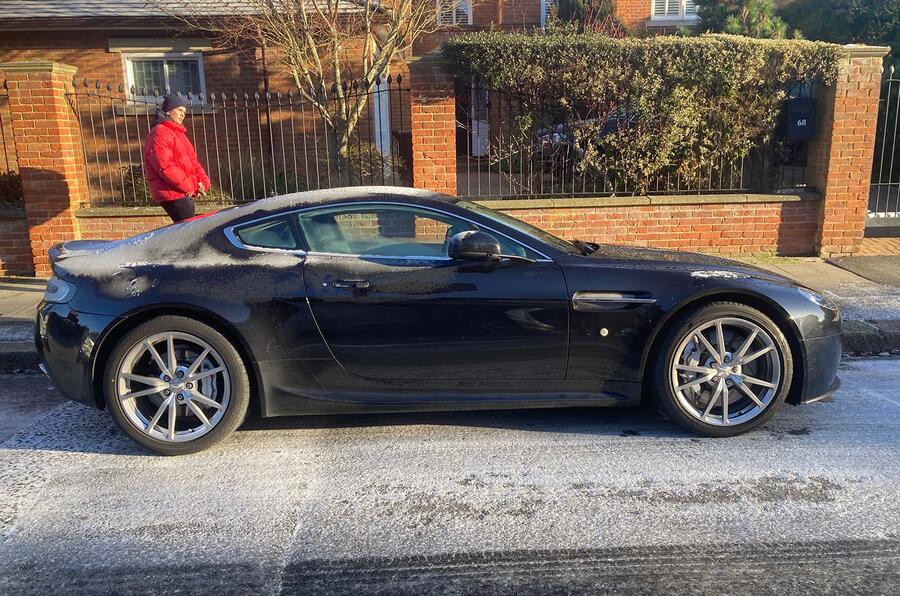
For Jethro Harris, his Aston Martin Vantage V8 coupé is a dream come true, albeit one tinged with sadness.
"I've always loved the model," he says, "but unfortunately mine was an inheritance purchase. My dad had always wanted to buy one but never quite managed to, so when the opportunity to own one eventually fell to me, I thought: 'Okay, let's do it."
Jethro bought his Vantage, a regular V8 registered in 2015, 12 months ago from an independent dealer. "I'd been looking for six months and had clear requirements," he says. "It needed to be the coupé and it needed to be a manual. I wasn't too fussed whether it was the regular V8 or the V8 S, since in normal driving I don't believe there's sufficient difference between them.
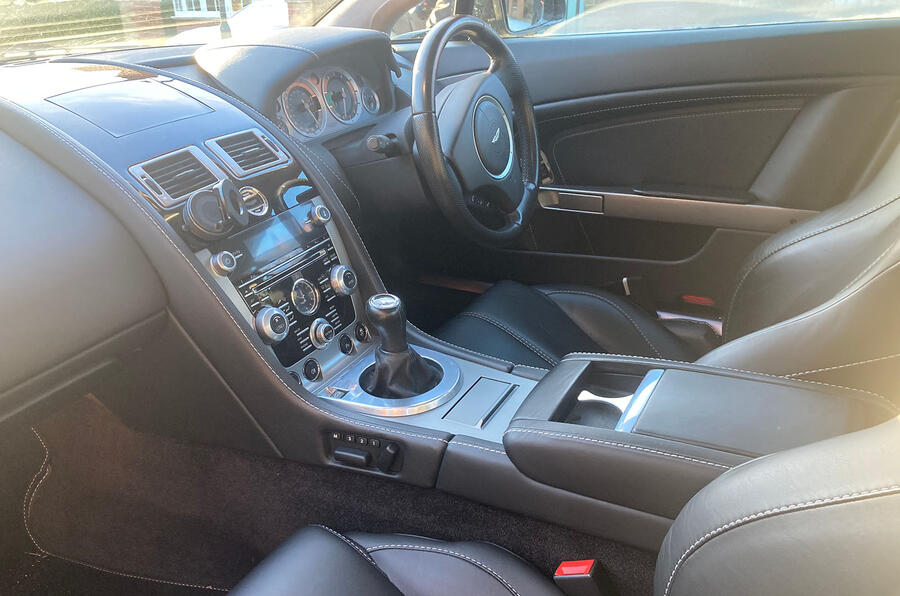
"It also needed to be a 2015 model with the improved suspension but before the 2016 update, when the dashboard was upgraded. I prefer the older dash. The car I eventually bought ticks all those boxes."
All those boxes bar one: it had had what, at first, Jethro thought was an unsettling number of previous owners. "It's had six previous keepers but my uncle, who used to be a car dealer, assured me that cars like the Vantage are just toys that are owned for a couple of years before being sold when the owner fancies a change.
"As long as the service history is up to date, he said, I should have nothing to worry about. Fortunately, it was. Also, the car didn't have a stupidly low mileage: 33,000 suggested it had been used, rather than parked up for long periods," he says.
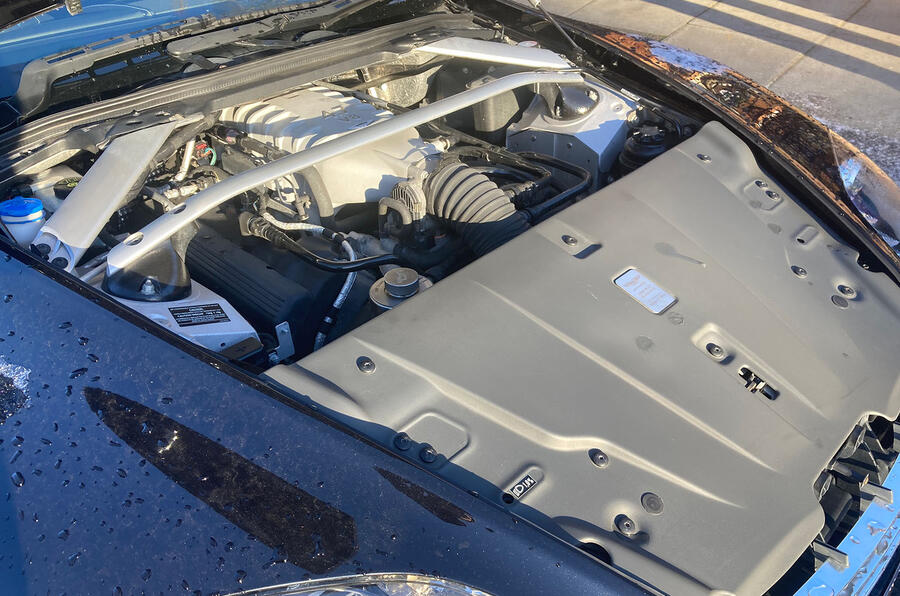
Jethro will say only that he paid "the mid-forties" (that's thousands) for his car but he seems happy with that. He says: "Looking at the current prices for similar examples, the value of mine appears to be holding up." With his dream of Aston Martin ownership realised, Jethro has the pleasure of admiring his V8 each time he opens his front door. "It's a 'pinch me' moment every time I look at it," he says. "The design is 20 years old but has aged really well."
He may be the happy owner of an Aston but Jethro still watches the pennies. "I had the car serviced last month, not by a main dealer but by an excellent independent workshop in Egham called Aston Keeper," he says. "They're not a tick-box garage but instead do only what is required. For example, they improved the gearchange reverse to first had been a bit baulky with fresh oil and fixed the seized rear handbrake caliper pins that I suspect a previous workshop hadn't spotted.
"The mechanic worked for ages trying to free them and eventually fitted a set of secondhand parts from stock. They also know which alternative parts to use, such as Jaguar ones, that are the same but cheaper."
Jethro says that, on a limited-mileage policy, the Vantage is cheaper to insure than his 2018 Alfa Romeo Giulia 2.0 Veloce. "That was a relief," he says.
"I park it outside too, so I should be worried about it being stolen except that I'm banking on a Vantage being harder to dispose of than cars such as Mercedes." Let's hope he's right.