2CV Revival as Affordable Electric Mobility Citroen’s Strategic Bet on Nostalgia, Simplicity, and the...

5G Connectivity in Autonomous Vehicles Faces Critical Challenges from Urban Traffic Congestion, Study Finds
 Researchers created a virtual road to test how traffic affects 5G signals and responses
Wireless communication will play a major part in transport systems generally and on the roads 5G will be important in enabling future intelligent transport systems.
But one potential issue is that even 5G, the world's fifth-generation wireless technology, can be blocked for a moment by anything from pedestrians and vehicles, according to research by the University of Glasgow and Heriot-Watt University in Edinburgh.
Their study was carried out for TransiT, a UK-based collaboration of eight universities and around 70 industry partners working on the decarbonisation of transport using digital twins. Digital twinning replicates the physical world using data collected from real-life situations in real time. The digital twin can then analyse that data and send back its solution for an improved outcome in the real-world situation.
Major advantages of 5G over previous methods of data transfer like 4G and even wi-fi originally used in V2X (vehicle to vehicle or infrastructure) are greater reliability and low latency – a substantially shorter time between a command being given and a response being received.
Six years on from the rollout of 5G beginning, the development of driverless vehicles is evolving rapidly and the data transmission they will to some extent rely on needs to be robust.
To investigate how traffic affects 5G's performance, researchers created a virtual 160m stretch of urban dual carriageway. Their detailed simulation included CAVs (connected and autonomous vehicles), which send a continuous flow of high-resolution data from sensors such as cameras and radar to their control centres using high-speed, two-directional communication links.
The team also modelled conventional cars, vans, trucks and buses driving at speeds of between 10mph and 70mph to see how the 5G performance would be affected in low, medium and high levels of traffic congestion. In addition, they investigated how increasing the number and height of 5G radio units attached to lamp-posts would affect signal quality.
The results showed that when congestion was high, the main 5G signal link dropped by around 20% compared with light traffic. The researchers think this could cause delays in sending sensor data or even force vehicles to fall back on slower 4G networks.
The good news is that raising the height of the roadside units in the simulation reduced signal blockages and at 11m all blockages disappeared from the test results. Raising them too high weakens the signal, though, so striking the right balance is crucial.
Increasing the number of roadside units helped in some cases but not others, suggesting that smart planning and coordination is needed due to the sensitivity of 5G signals.
The researchers hope their work will provide valuable insights for network operators and designers building the next generation of intelligent low-carbon transport networks and that the use of AI may help to predict 5G signal disruption.

A Small Step — Big Opportunities: Three Families in Karachi to Receive Motorcycles

Smart ForFour Returns as All Electric Smart 4 With Practical Four Door Design


Kia Stonic leads with fresh design upgraded tech and manual gearbox option
 Bold new look for Ford Puma rival, which gets an upmarket interior but keeps ICE power and a manual option
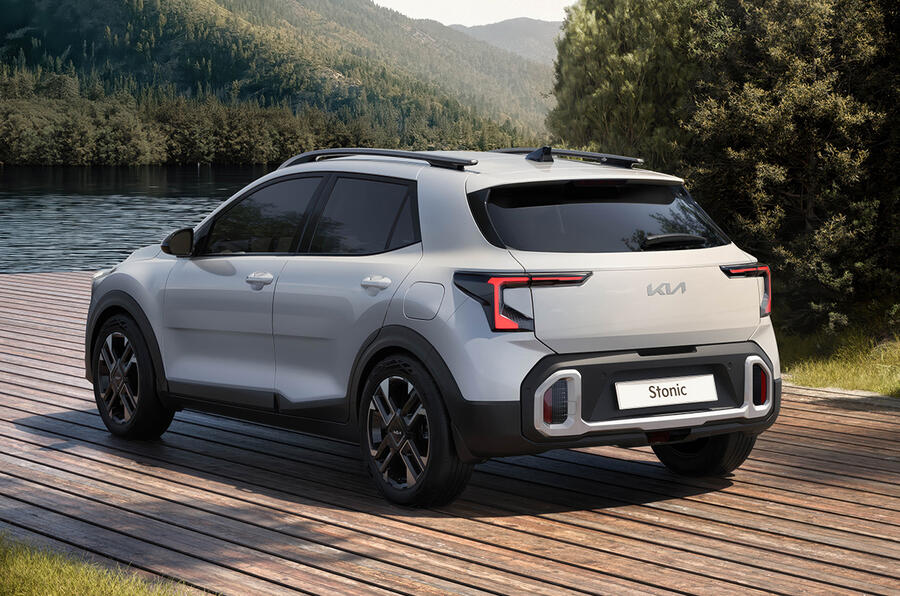
The Kia Stonic has received a major update, bringing new exterior and interior styling and a choice of pure-petrol and mild-hybrid powertrains.
The Ford Puma and Nissan Juke launched in 2017, and this is effectively a second heavy facelift for the compact crossover.
The Stonic's makeover brings it in line with Kia’s ‘Opposites United’ design, with a front end look bringing it closer to the EV3 and other new models.
The dimensions remain largely unchanged: the updated car is 4165mm long and 1760mm wide, with a 352-litre boot.
Kia's Stonic gets a new look AND keeps a manual option! What do you think? Perfect urban runaround or too much like a Stormtrooper?
The two powertrain options both use the 1.0-litre three-cylinder turbo petrol engine that features in the outgoing Stonic.
In standard form, it offers 99bhp and 127lb ft of torque, giving a 0-62mph time of 11.0sec and official CO2 emissions of 125-133g/km, depending on specification.
The electrically boosted mild hybrid offers and 113bhp and 127lb ft, trimming the 0-62mph time to 10.7sec and CO2 emissions to 120-129g/km.
Both powertrains are offered with a choice of a six-speed manual or seven-speed automatic gearbox.
UK specifications, figures and pricing are yet to be confirmed. The outgoing Stonic is available here with two versions of the 1.0 T-GDi engine, with varying forms of electrical assistance, both of which offer 98bhp. It currently starts from £22,085
Depending on trim, 16in and 17in wheels are offered, both of which feature new alloy designs post-update.
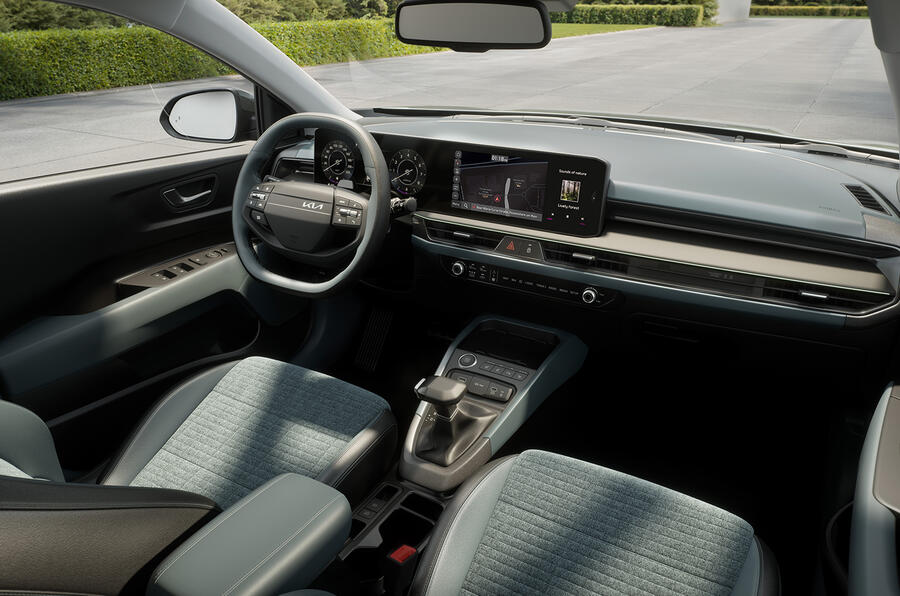
Inside, the design changes also bring the Stonic closer in line with other Kia models, including a dashboard featuring twin 12.3in touchscreens and the multimode touch controls that can be toggled between heating and infotainment functions.
The Stonic also now offers a range of new connected functions, including a digital key option, and ADAS including blindspot monitoring, forward collision avoidance and smart cruise control.

Bentley abandons electric-only plan and brings back gas power for future models
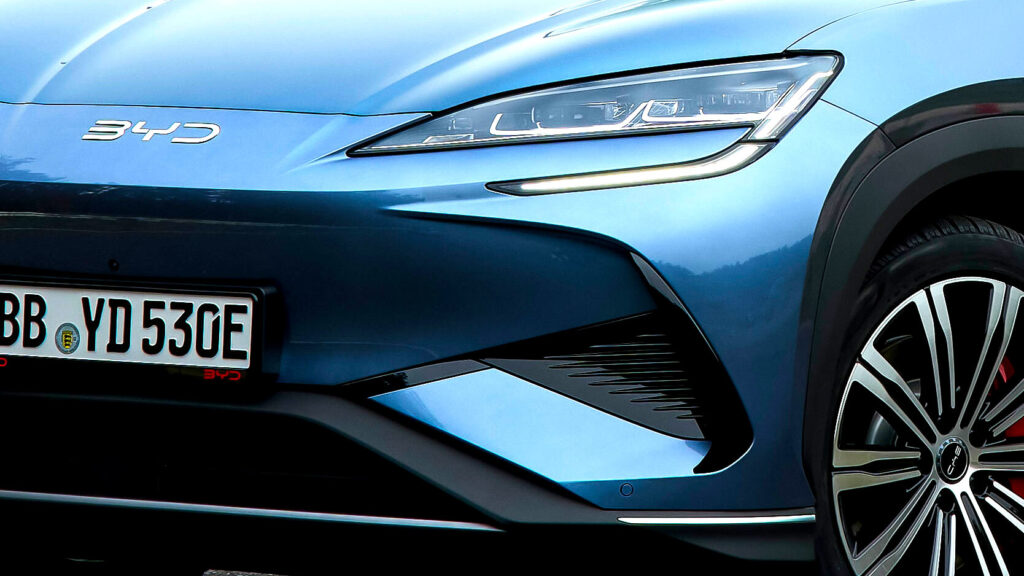
BYD Expansion Shakes Up German Auto Market as Stellantis Dealers Join the Rush

SpaceX Starship Struggles Cast Uncertainty on US Moon Mission

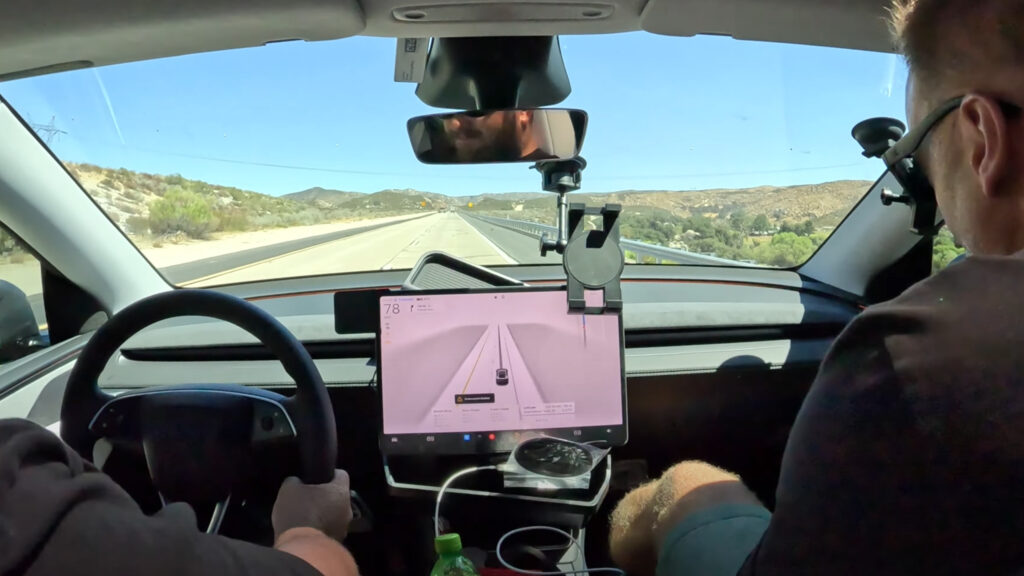
Tesla Model Y Full Self-Driving Test Ends in Crash After Missed Ramp Warning

Mercedes G650 Lawsuit Mayweather Battles Dealer Over $1.2 Million Price Tag