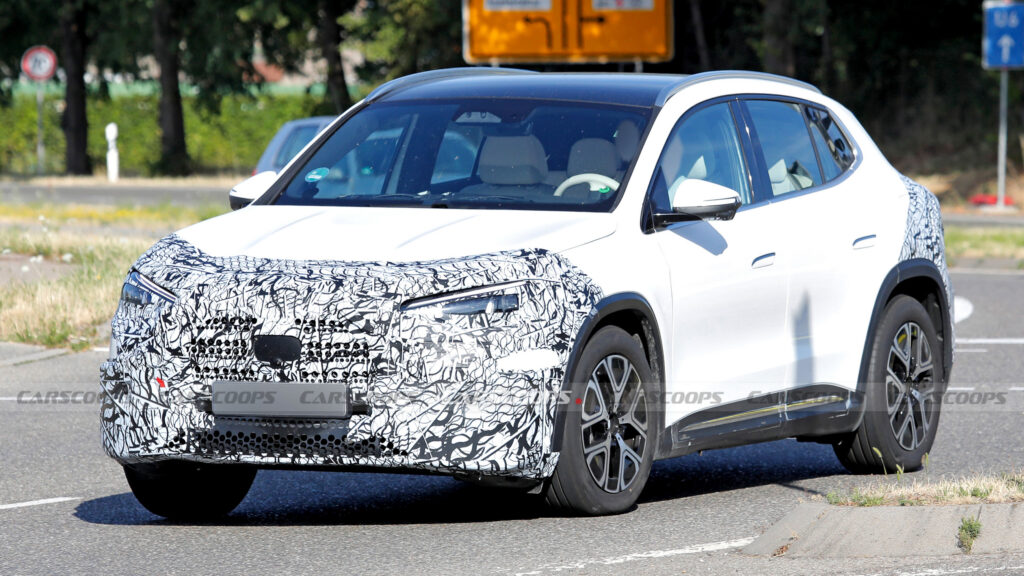
Mercedes GLA Reinvents the Compact Crossover With Aerodynamic Design, Multi-Powertrain Strategy, and Advanced Tech

Sporty Car Design and the Illusion of Speed Why Looks Often Outpace Performance
 We take a look at the cars whose looks wrote cheques their engines couldn’t always cash
Sharp styling, large spoilers and sculpted air dams will occasionally trick us into thinking a meatier engine lies underneath.
Looks can be deceiving and don't always mean great acceleration or top speed. Here are some cars that we think look more meteoric than they are:
Toyota Celica
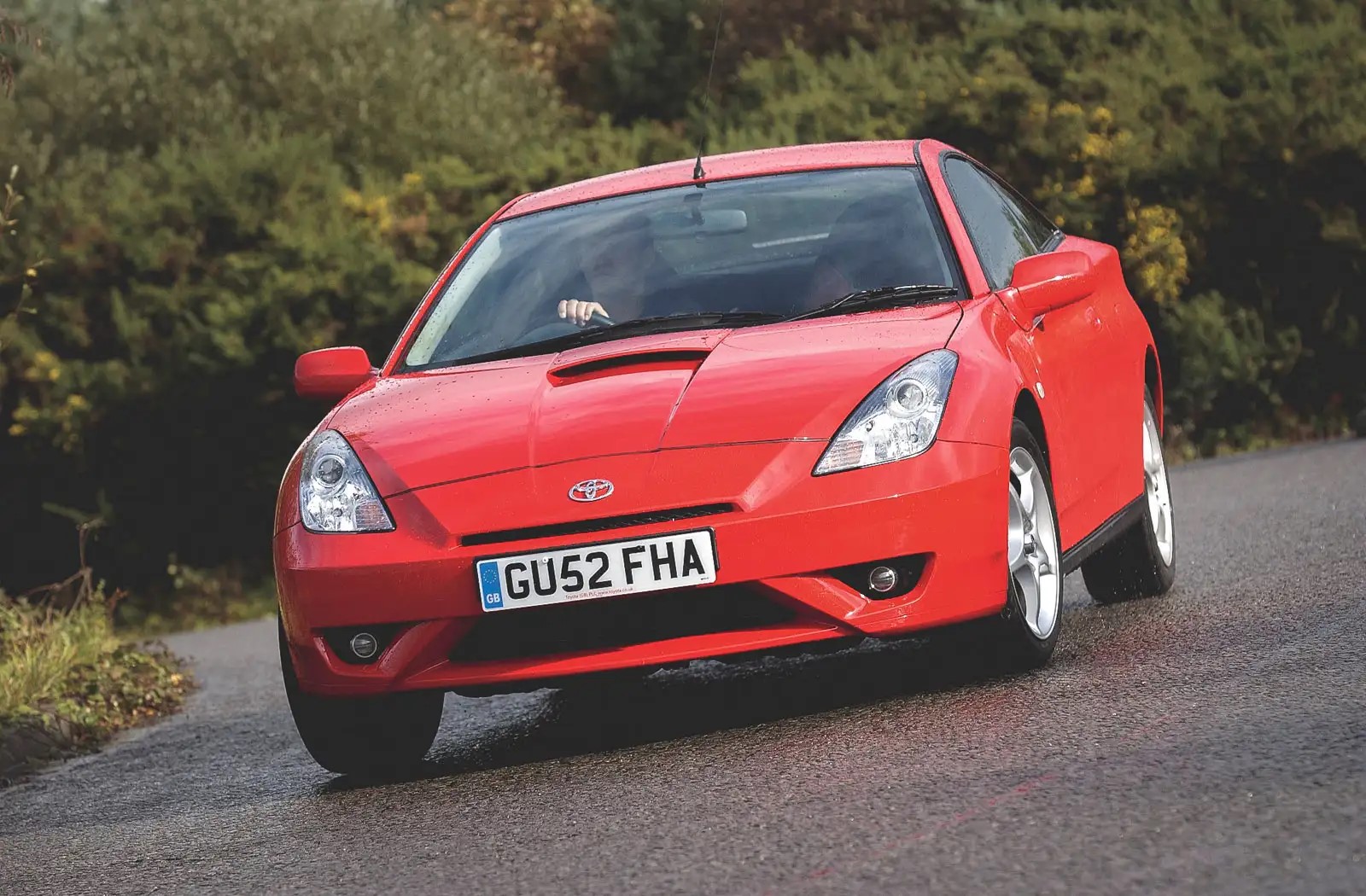
With its low-slung stance, small bonnet scoop and carved lines, the Celica started off in life with just 143bhp from its Yamaha-derived 1.8-litre VVT-I unit. It took 9 seconds to get to 62mph from rest, though would eventually make 127mph when possible. While it wasn’t a drag racer, the Celica handled well and was even considered the best-handling front-wheel drive car on sale in 1999.
Mazda RX-8
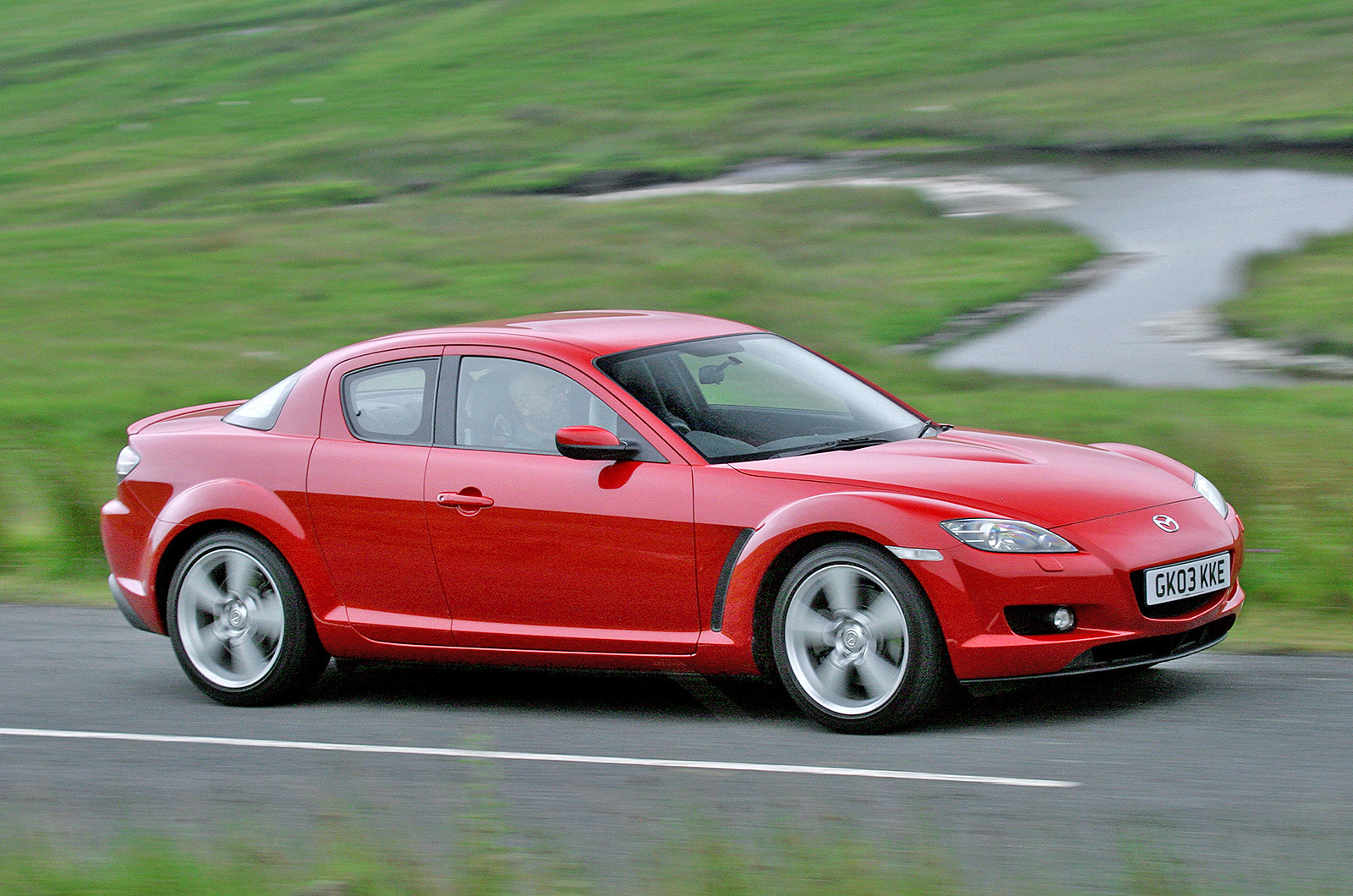
Many people often expected the RX-8 to be a speed machine with its funky 2+2 layout, sporty bodywork and a special naturally aspirated high-revving 1.3-litre Wankel rotor engine - an evolution of the RX-7's twin-turbocharged unit. The RX-8 landed with 189bhp but little torque - a characteristic of most rotaries - at 162lb ft, due to the lack of turbos, which meant 0-62mph in 7.5sec and a quarter-mile time of around 17sec.
Toyota GT86
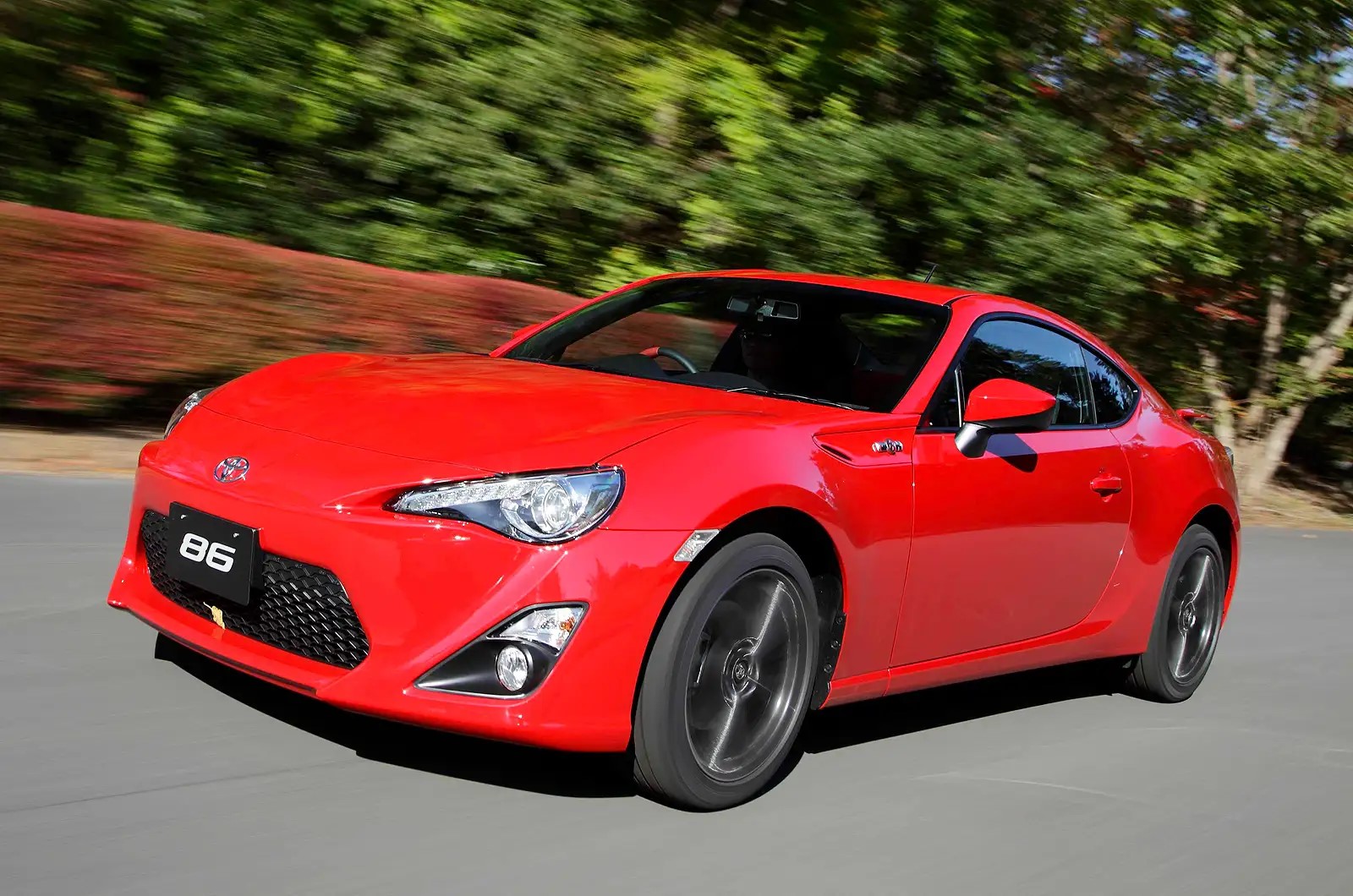
When it arrived in 2012, the GT86 was praised for its lightweight body, rear-wheel drive and 50:50 weight distribution. It looked like a bona fide sports car with its aggressive front-led headlights, ground-hugging stance and swooping roofline. The 2.0-litre Boxer engine produced 197bhp, and 151lb ft, which had just 1239kg (2731lbs) to shove along but the GT86 would hit 62mph from rest in 7.7sec and top out at 137mph. However, those who opted for the automatic version would have to put up with a frankly pedestrian 0-62mph time of only 8.2sec.
Fisker Karma
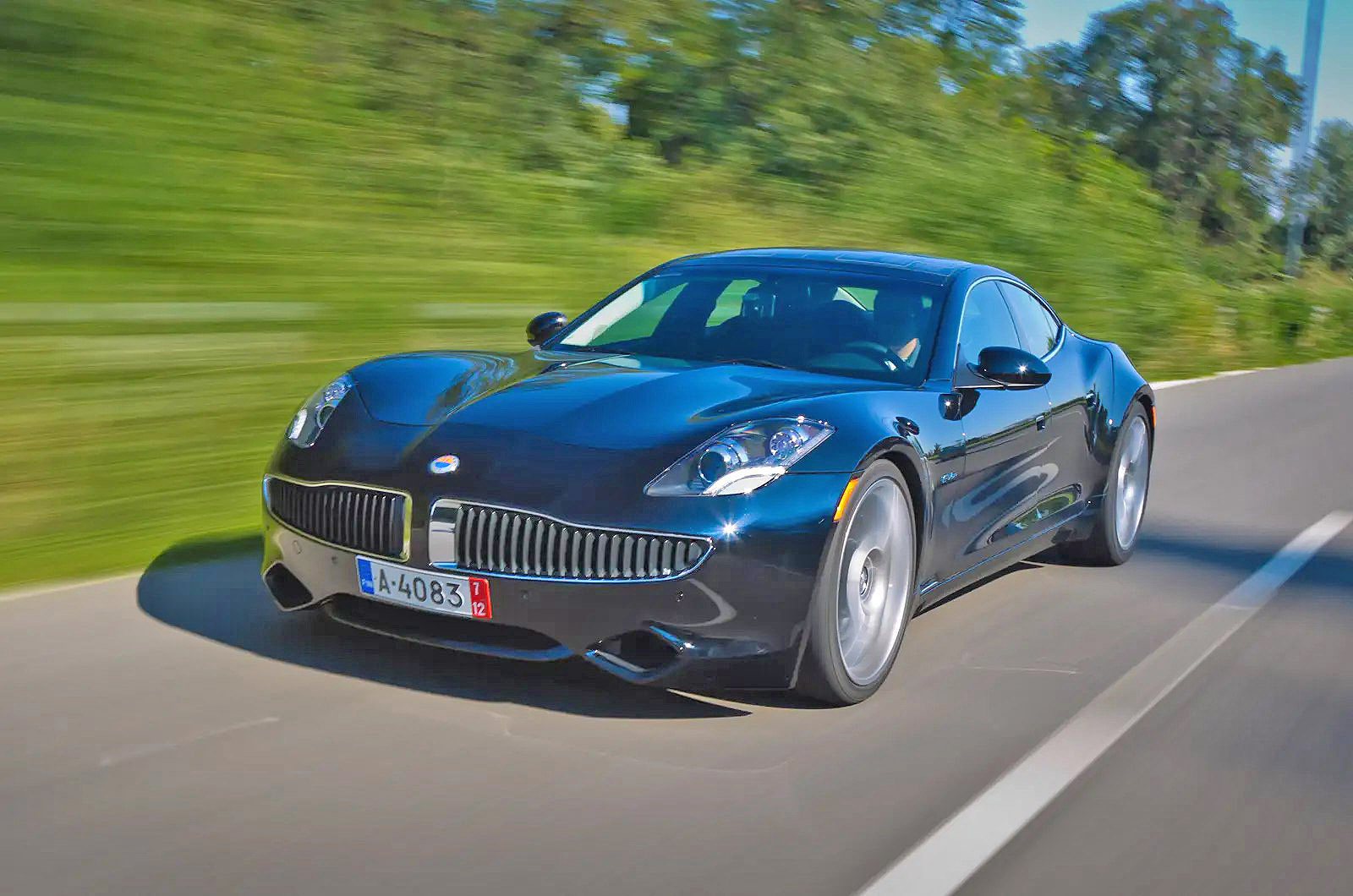
The man who designed the BMW Z8 and Aston Martin Vantage, Henrik Fisker, gave us the striking Fisker Karma in 2011. Its bonnet was long, it was wider than a Ferrari 360 and its bodywork was sculpted like that of an Aston Martin Rapide, as though it was to fire on to 170mph-plus. However, underneath the makeup was a 260bhp 2.0-litre powerplant and two 201bhp electric motors powering the rear wheels. This meant, on battery power alone, the Karma would scuttle to 62mph in 8.0sec.
Ferrari Mondial
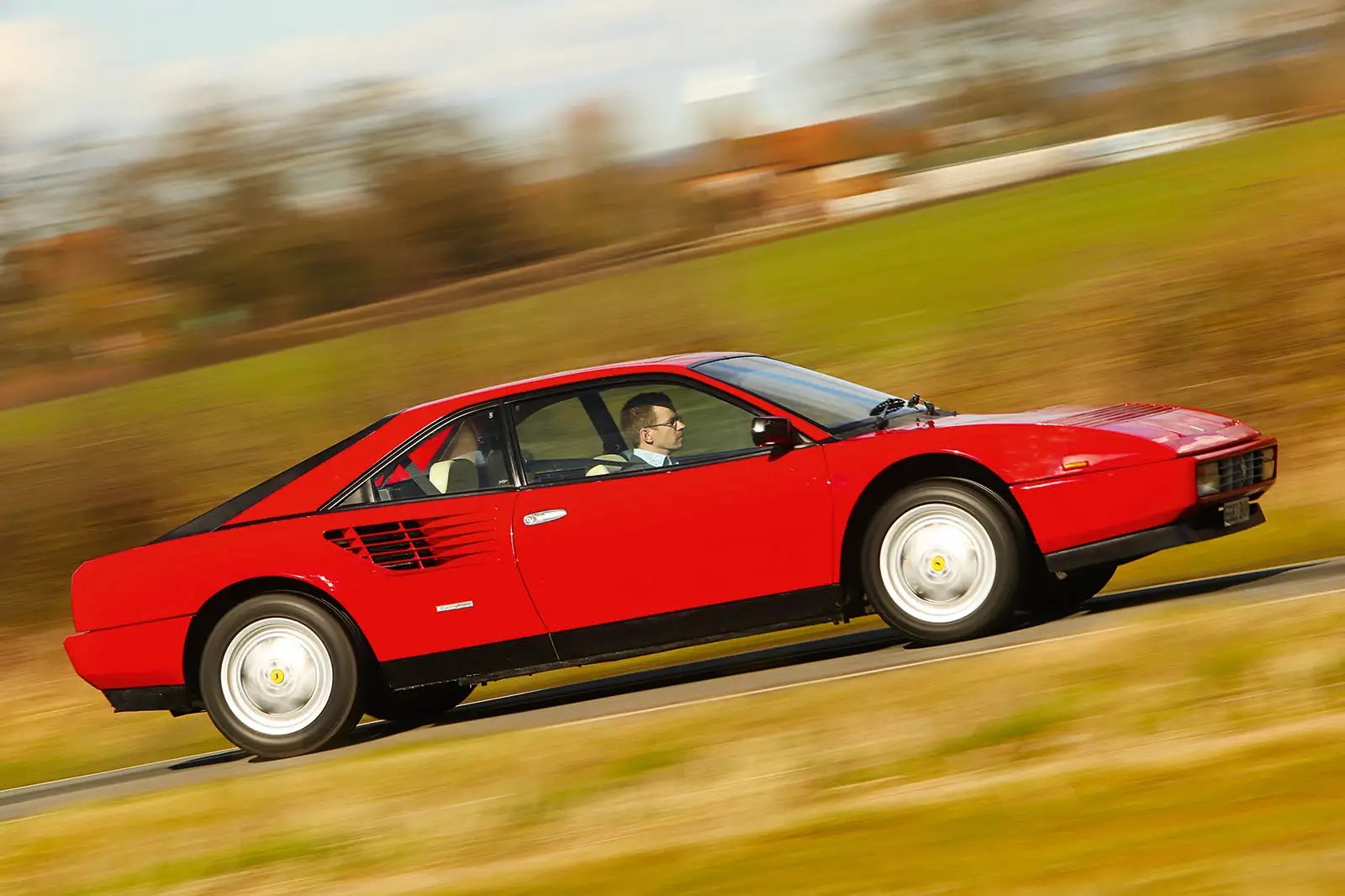
In the 1980s, the world was gifted the legendary Ferrari Testarossa and the F40. The Mondial, launched in Geneva in 1980, did have all the Ferrari looks such as an iconic sloped front end, vents to cool the mid-mounted V8 and a supercar presence. Upon its release, 3.0-litre V8 produced just 214bhp (205bhp in US spec), which meant the Mondial slugged its way to 62mph from rest in 8.2sec, although some claims are closer to 10sec. Given enough room, it would hit 140mph, eventually...
DeLorean DMC-12
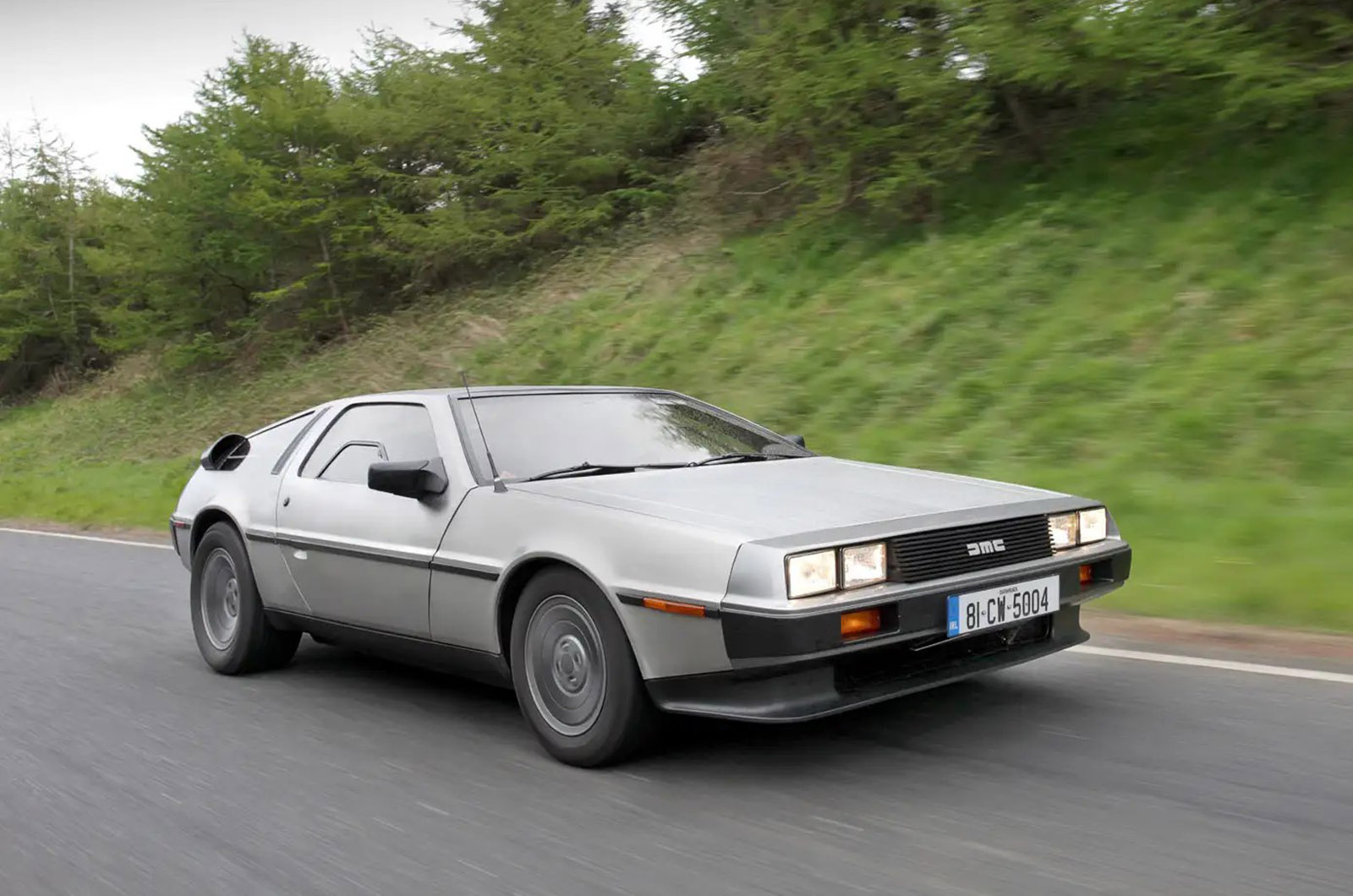
DMC-12 was intended to be lighter and a lot more powerful than the production version ended up being, as the firm had a difficult time finding a suitable engine. The prototype had a Ford Cologne V6 but was later swapped for a four-cylinder Citroen engine that was to be turbocharged.
Unfortunately, Citroen didn’t like the idea and asked DeLorean to go elsewhere, and they eventually settled on a 2.85-litre Peugeot V6. It looked like a supercar with its sleek bodywork and gullwing doors, but with a poor 130bhp, and it tipping the scales at 1230kg (2712lbs), the DMC-12 took a tedious 10.5sec to reach 62mph. The top speed was 130mph although other sources claimed only 105mph was achievable.
Honda CR-Z
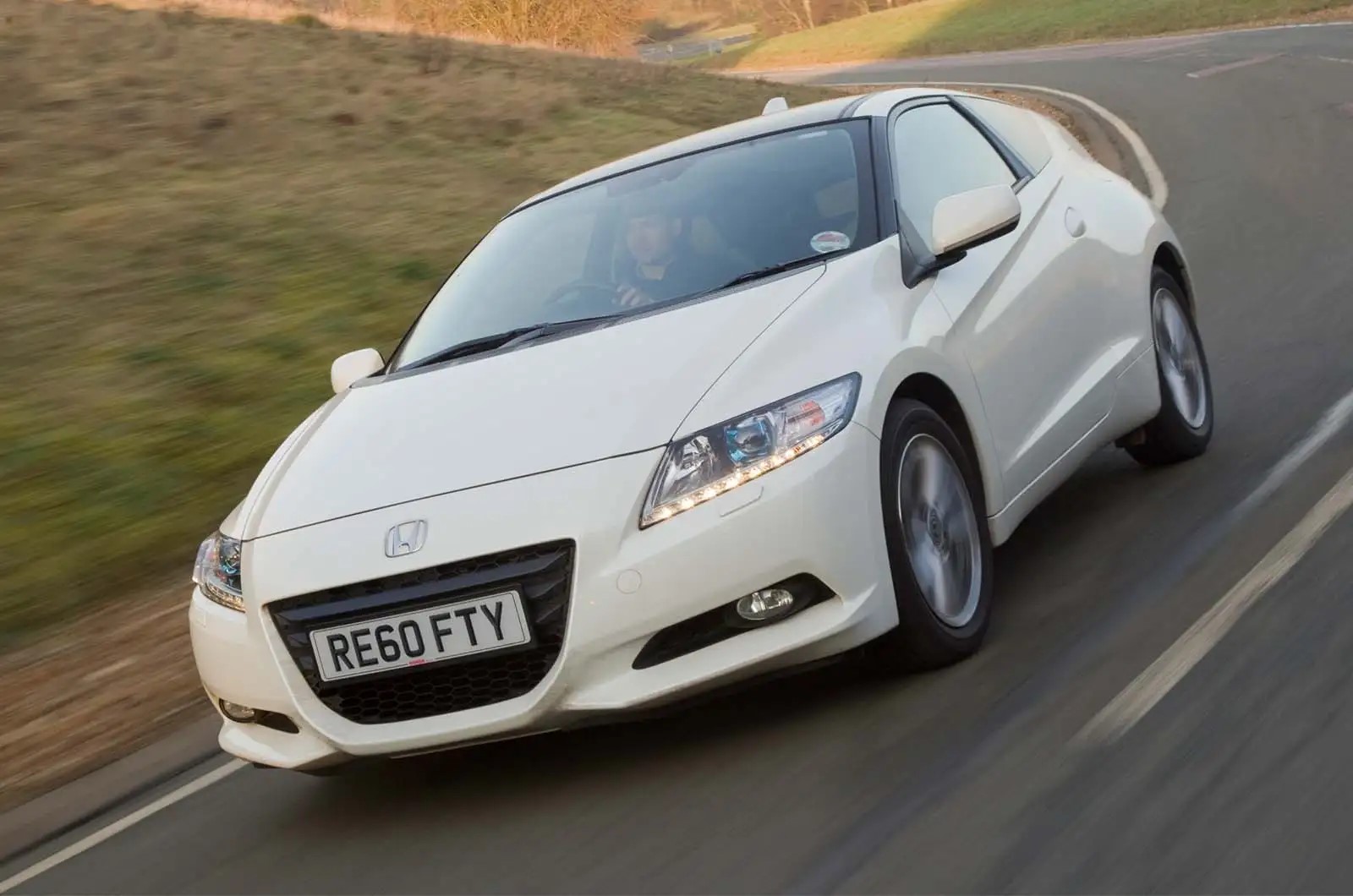
When Honda teased the CR-Z, it looked like the possibility of a classic CRX revival was on the cards. The sloped roof line, wide appearance and low centre of gravity were there, but unlike the CRX’s 1.6-litre 8000rpm 160bhp VTEC engine, a 1.4-litre hybrid powertrain with a mere 122bhp was used for the CR-Z. While the CR-Z never offered straight-line thrills, Honda had given it a stiffer front-strut and rear torsion-beam suspension which made it more pleasurable on a B-road. 0-62mph arrived in a lethargic 10.0sec and it would crawl on to 118mph.
Hyundai Coupe
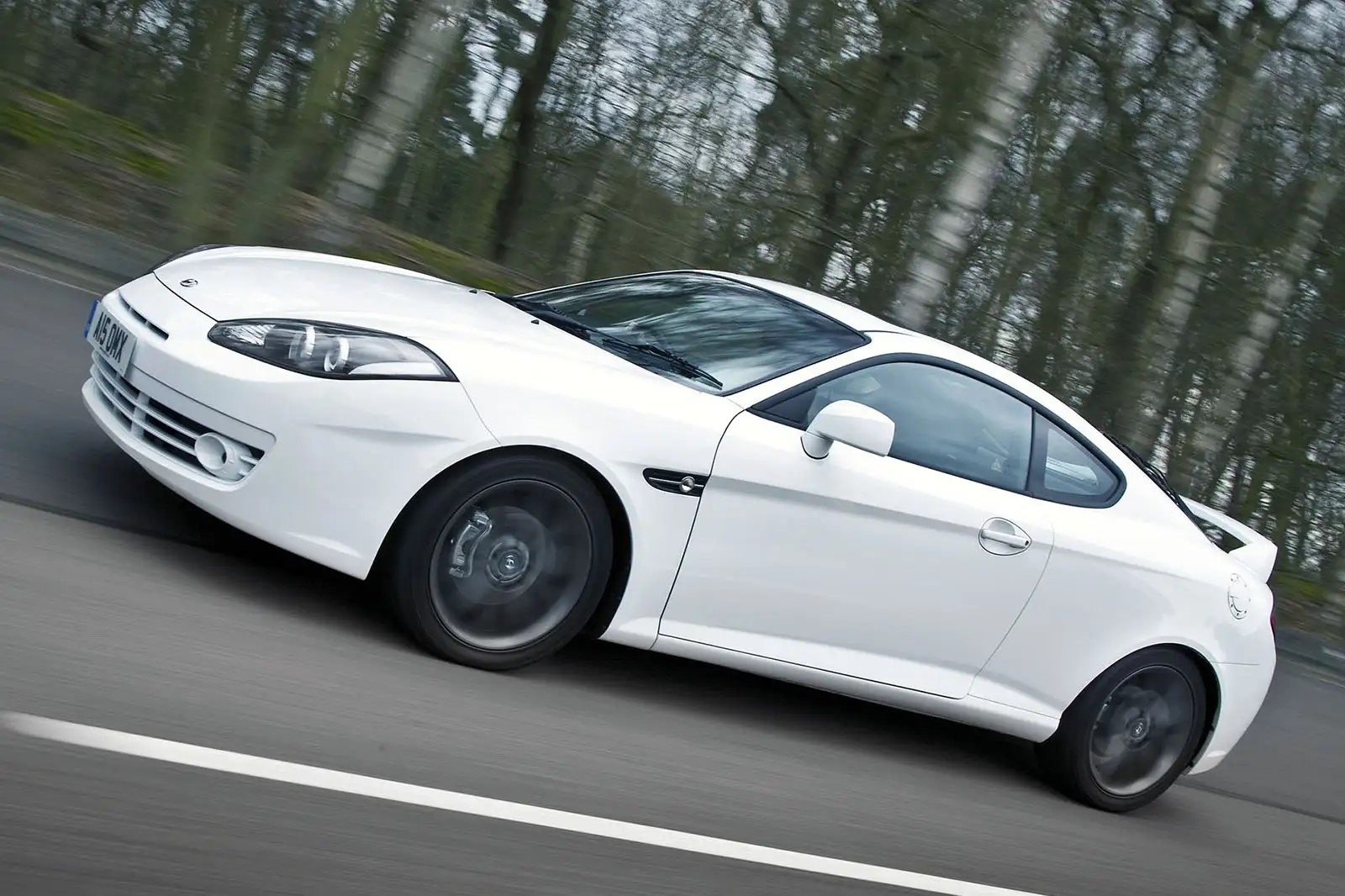
The Coupe was handsome with its sleek and sporty profile and it became popular in 2005 when it received a facelift which saw new lights and tweaked bodywork. In base guise, Hyundai was targeting the younger market who perhaps wanted an attractive car without the large insurance premium but the 1.6-litre produced a trivial 103bhp which meant 0-62mph in 11.5sec and it would top out at a risible 115mph.
Ford Mustang King Cobra
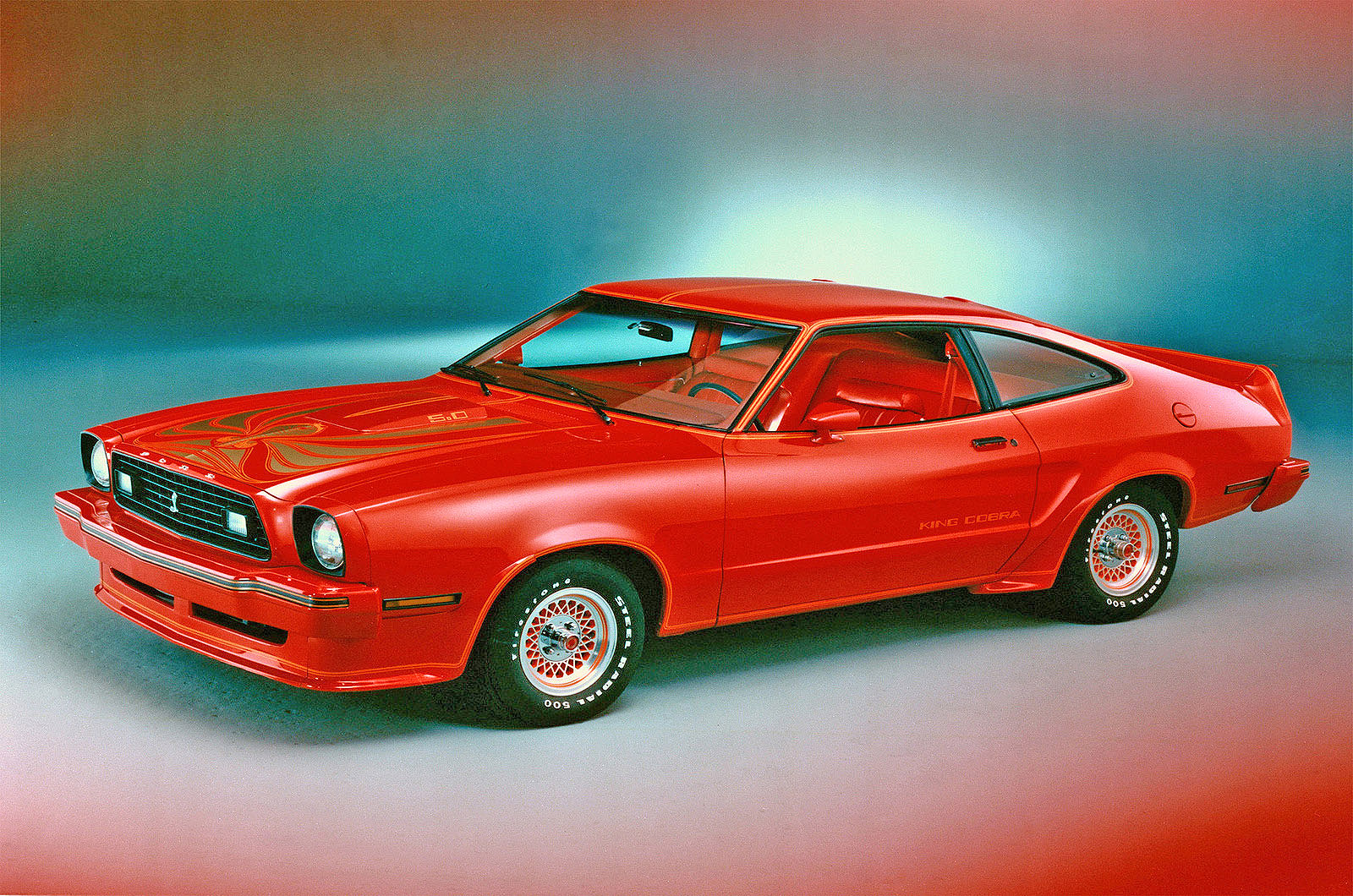
At the end of the fuel crisis in 1974, Ford decided to introduce a new Mustang that could balance both fuel economy and offer great drivability while keeping the traditional Mustang shape. This led to disappointing figures and owners could either buy it with an 88bhp 2.3-litre four-cylinder or a 105bhp 2.8-litre V6, rather than the 5.0-litre V8s of old. The V6 option meant that 0-60mph would arrive in a Peugeot 504-rivalling 13sec and it could barely hit 100mph.
Chevrolet Camaro
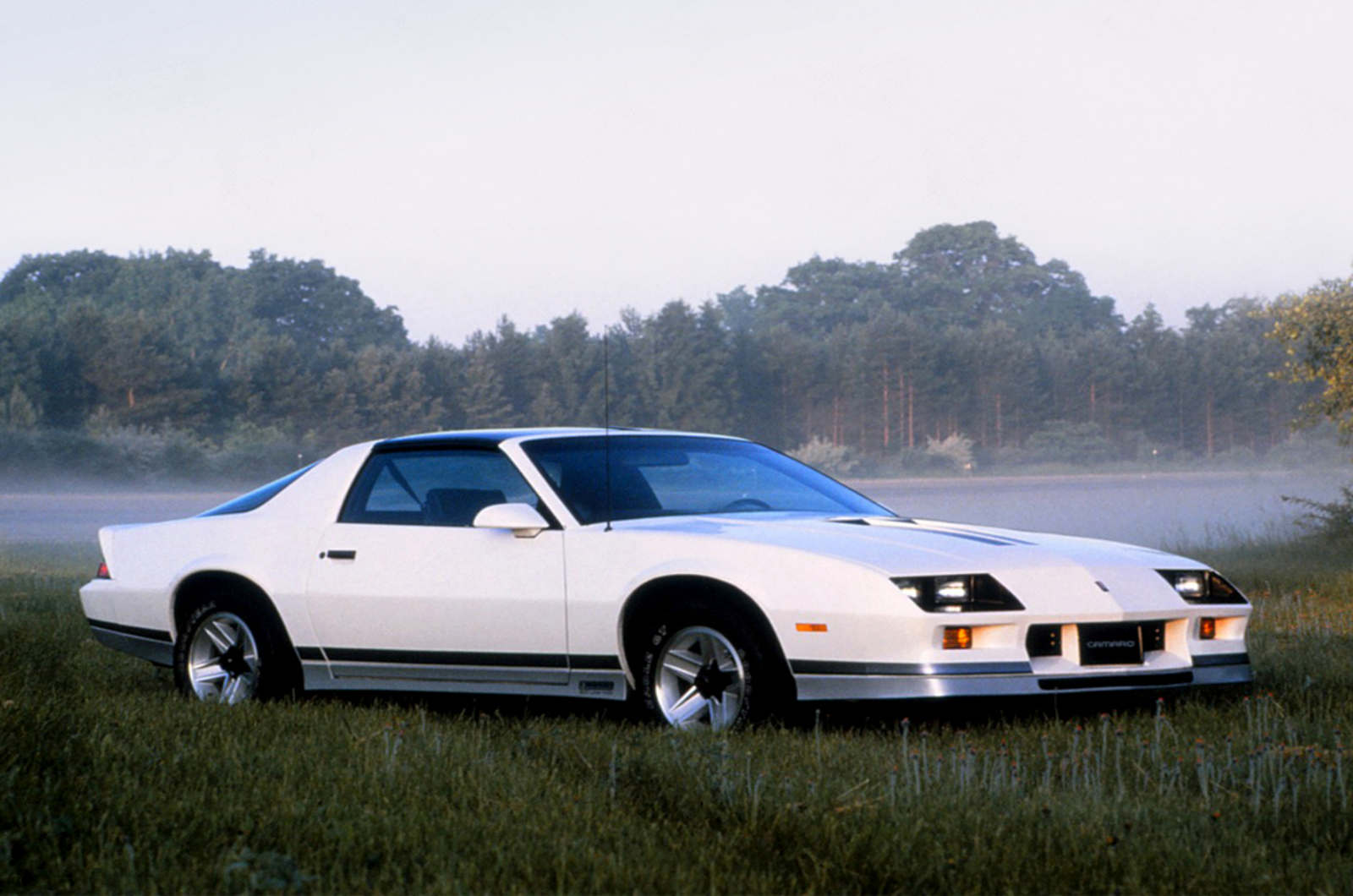
Previously, the Camaro was offered in either an inline-six or V6, alongside its V8 counterparts. When the third generation came in 1982, it received a 2.5-litre V6. These had supercar-inspired aerodynamic lines and wide muscle car bodywork, but with just 89bhp and 132lb ft from its 2.5-litre V6 engine, the Camaro walked to 62mph in 13.8sec. Top speed was just 106mph.
Hyundai Veloster
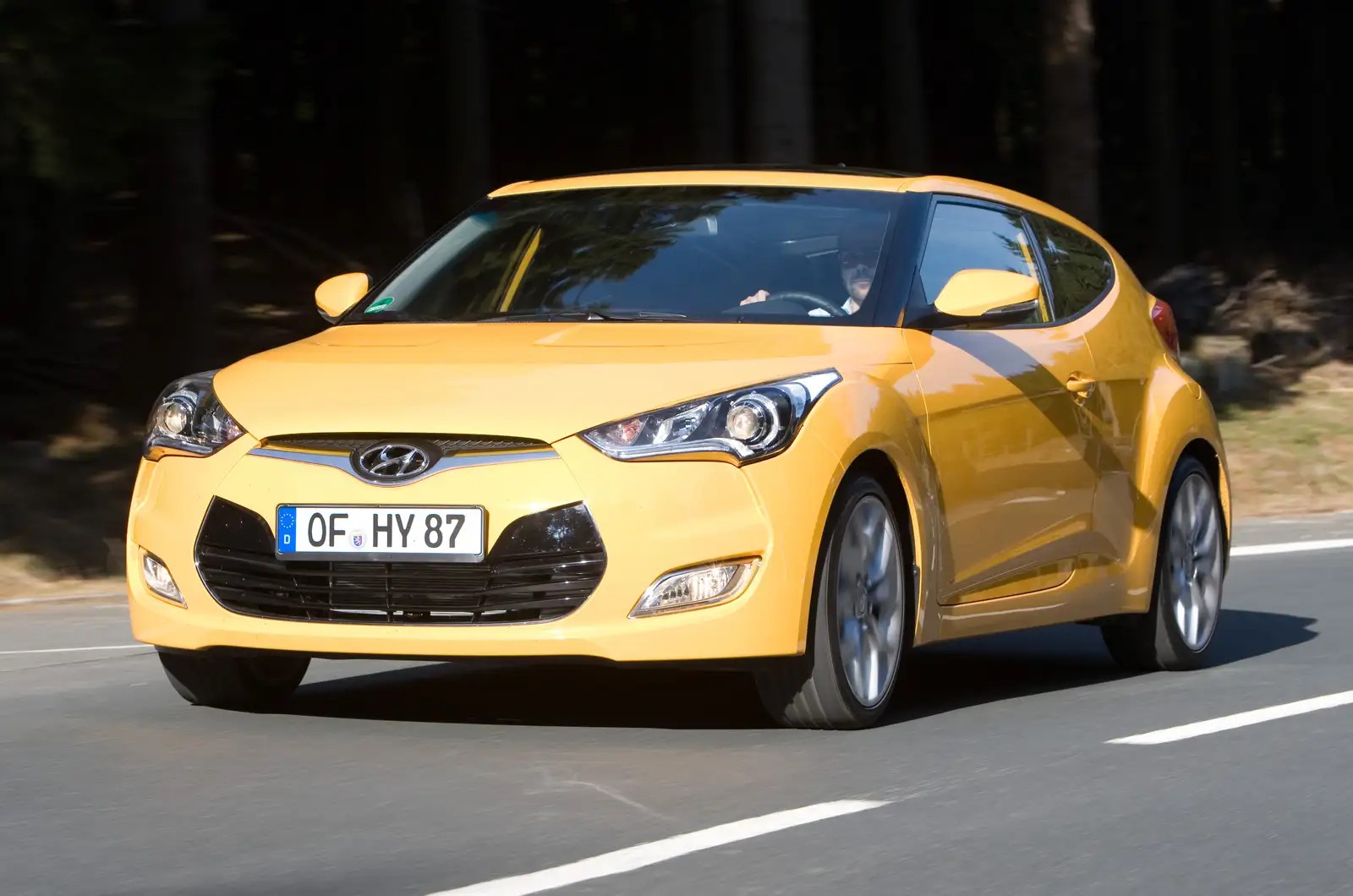
Hyundai released the Veloster in 2012 to compete with the popular Volkswagen Scirocco. It had a quirky sloping coupe design with a three-door layout. And while the Veloster had very little body roll, a large amount of grip and great handling, this was ruined by the 1.6-litre which only fed 138bhp through the front wheels, seeing 62mph arrive in a lengthy 10sec from rest. Hyundai later released a more powerful turbo guise to make up for the base car's poor performance.
Mitsubishi Eclipse Spider GS
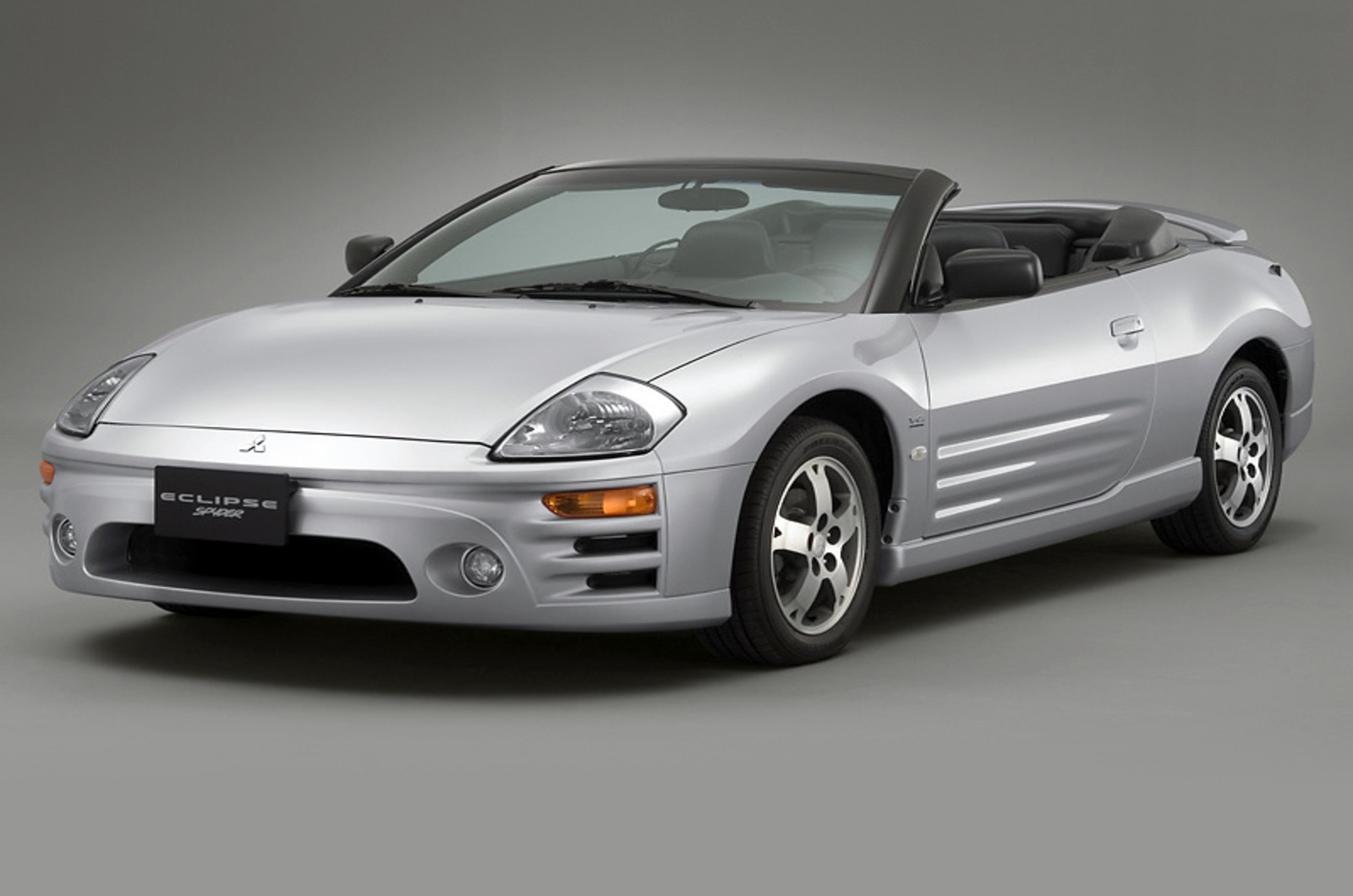
The Eclipse Spider wasn’t as fast as its aerodynamic bodywork or low and wide stance suggested and being a convertible meant it had additional weight at 1589kg (3505lbs). This meant that the mere 147bhp that the 2.4-litre produced could only manage 0-62mph in 8.9sec and cover the quarter mile in 17sec. Those who opted for the automatic gearbox had to endure an even worse 10.4sec to 62mph.
Audi 100 Coupe S
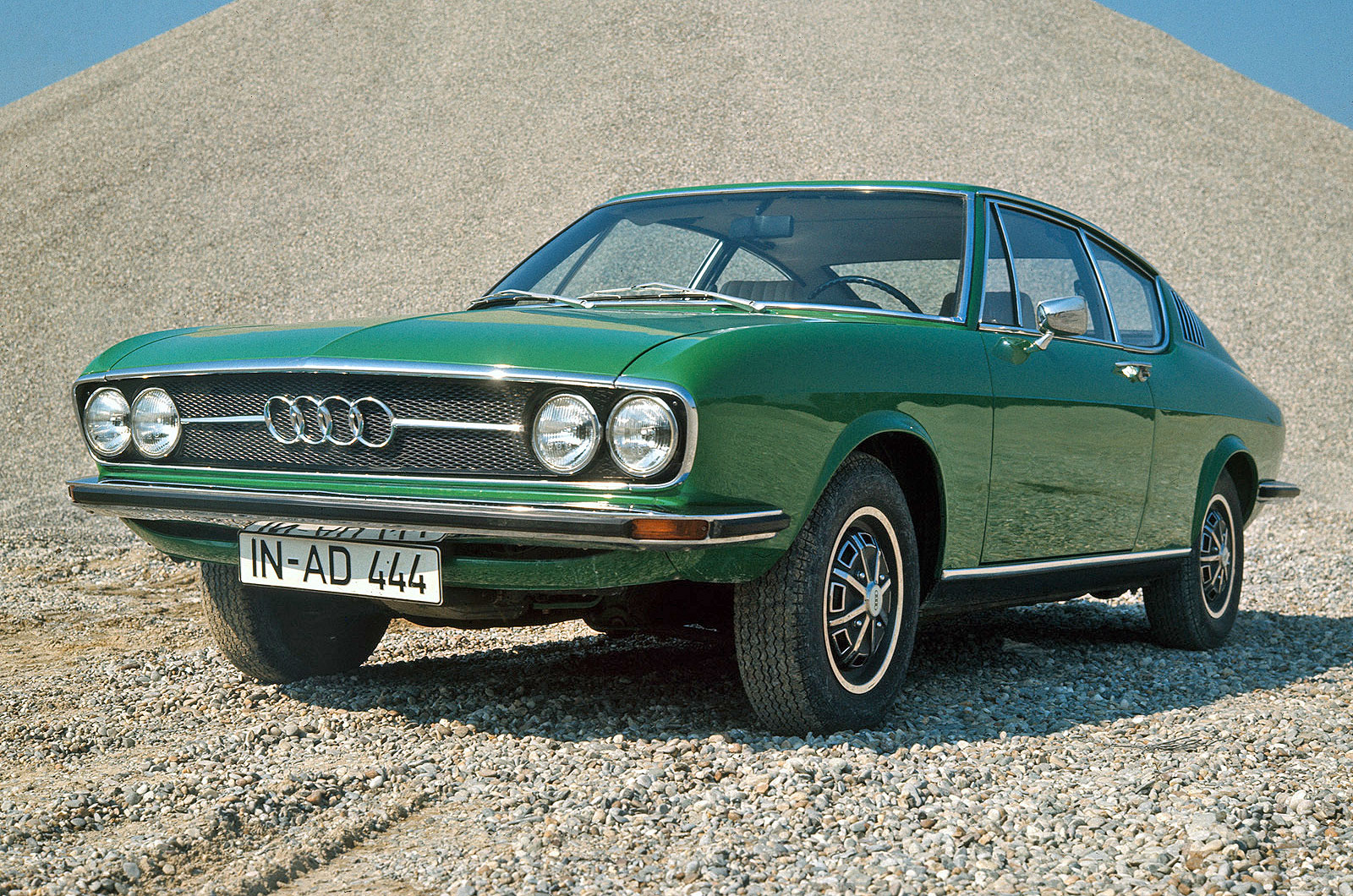
While it was elegant and its fastback-like design was attractive, the 100 Coupe S was powered by a 110bhp 1.9-litre four-cylinder that fed all power through the front wheels via a three-speed automatic gearbox. The 100 Coupe S looked prestige and more expensive than it really was with its sporty silhouette, four headlights, long bonnet and chrome trim. 0-62mph arrived in a leisurely 12.2sec while it would eventually reach 114mph.
Pontiac Fiero
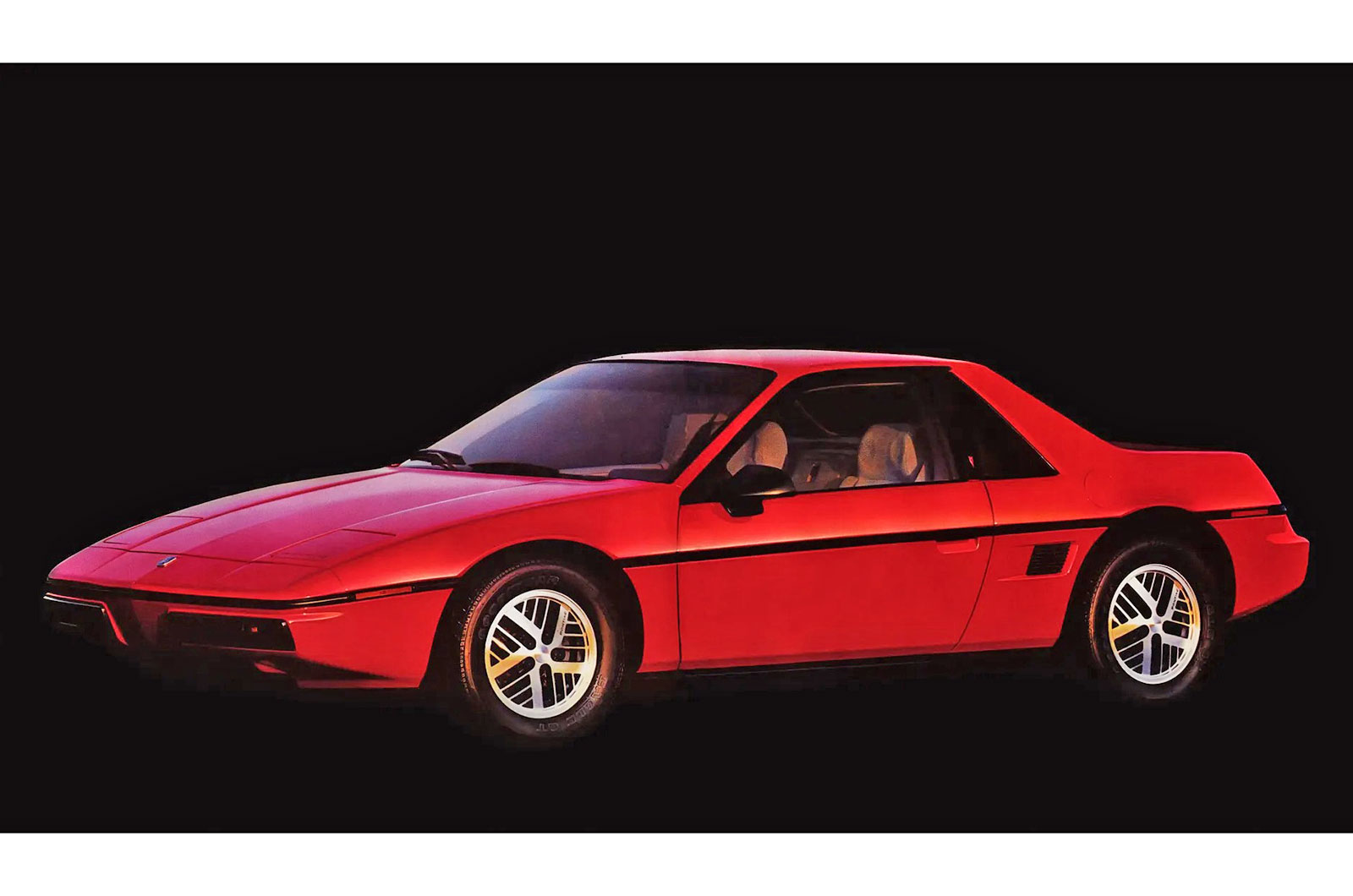
Its bodywork was Toyota MR-2-sharp and on paper the Fiero was considered fast; it was small, light and entertaining to drive with its mid-engined layout. Cars were also meant to get a high-revving 1.8-litre engine but due to costs, GM opted for a cheaper 93bhp 2.5-litre unit which gave it a high 11.0sec 0-60mph time and a top speed of 105mph.
Buyers could have the more muscular-sounding 2.8-litre V6 GT variant although this produced just 142bhp and still gave a disappointing 0-62mph time of 8.3sec.
Mazda MX-30
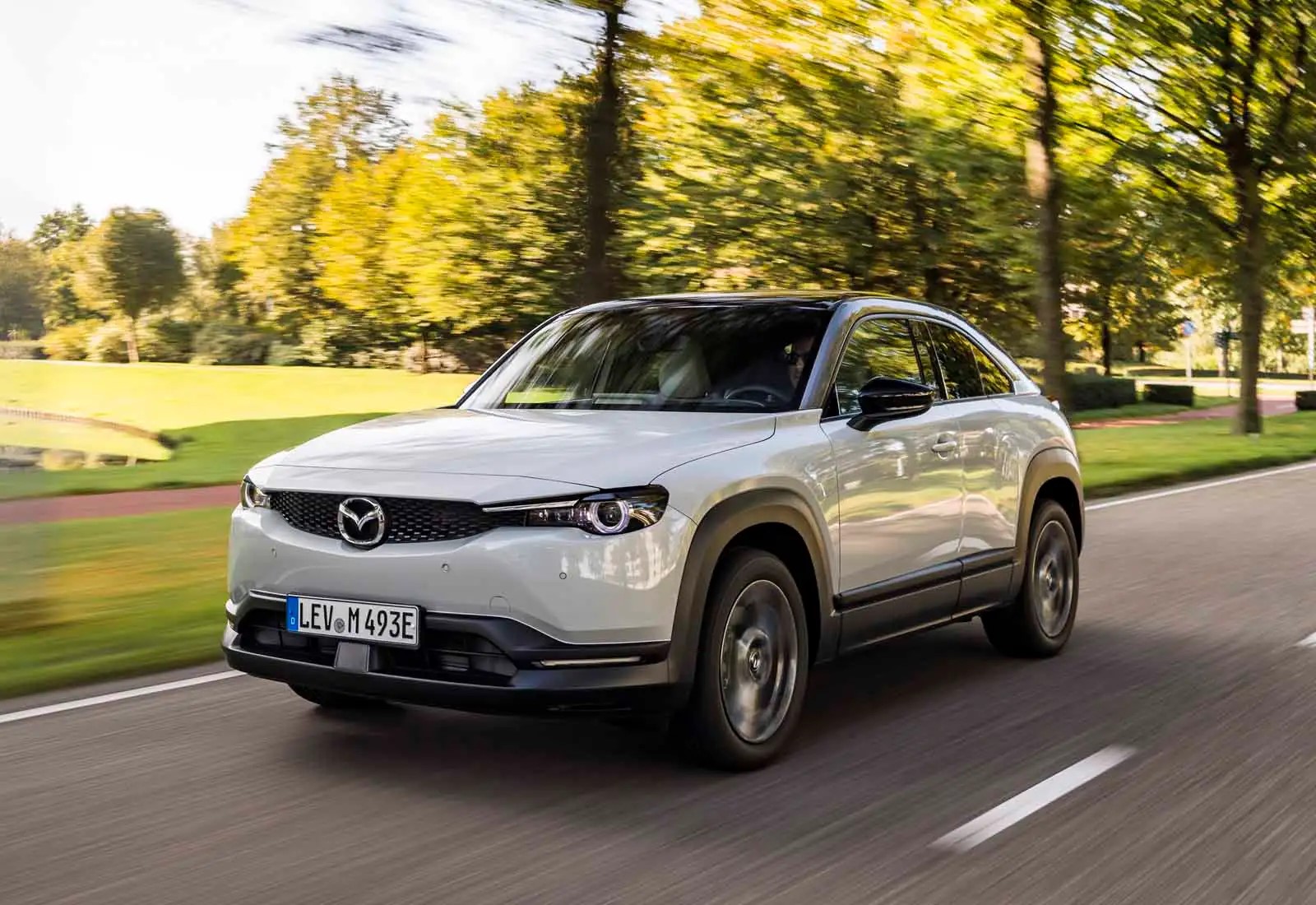
Electric cars usually offer a large dollop of torque in one go and give impressive acceleration. The MX-30 looked the part with its pushed-back cabin, low roofline and aggressive lights and grille, but the power output was a modest 143bhp and 199lb ft. In a car that weighs 1,645kg (3626lbs), this meant 0-62mph took an extensive 10.0sec, top speed was rather dull at 87mph, while range was just 124 miles.
Mazda MX-5
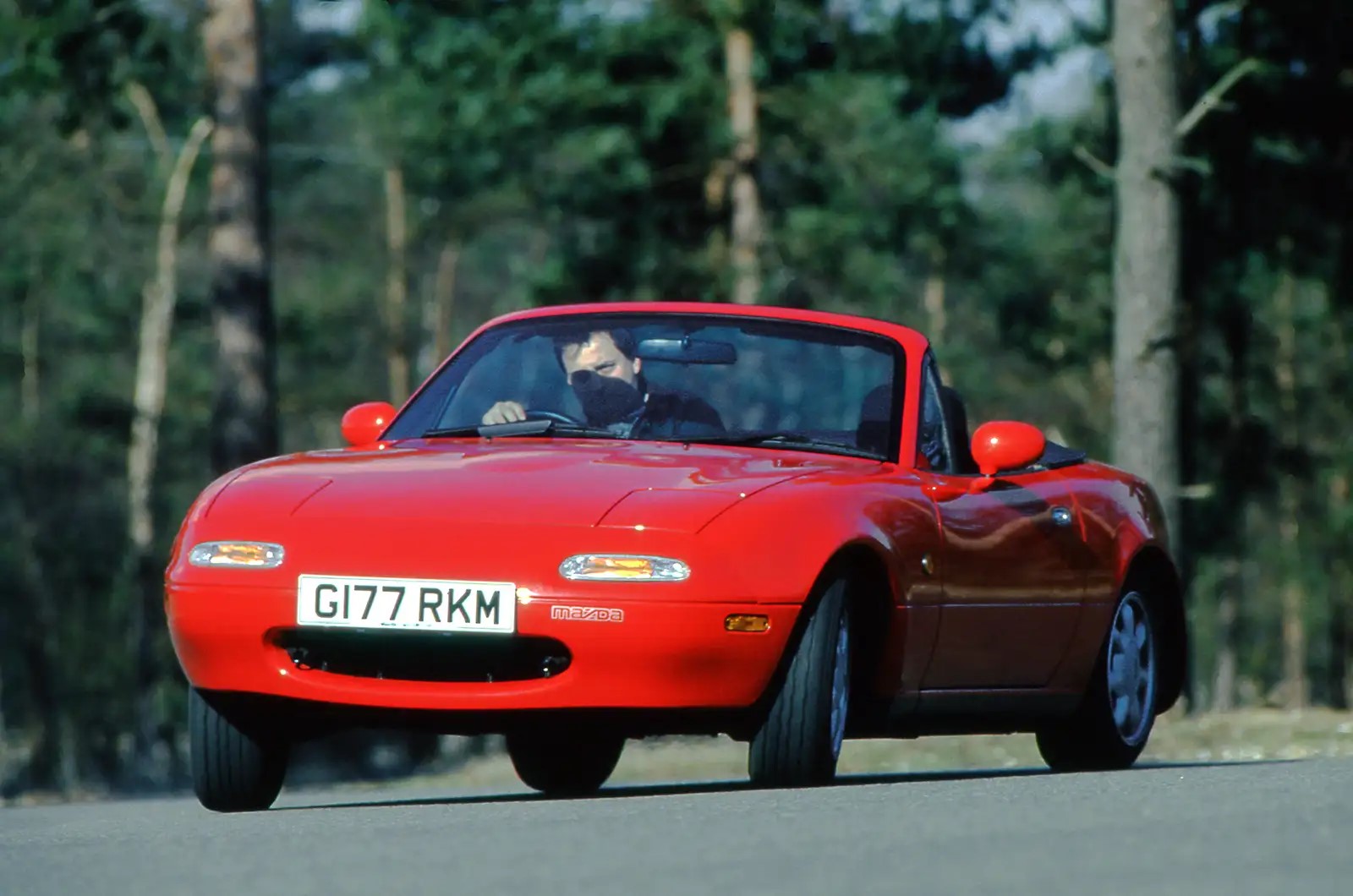
It’s a choice for many when it comes to a budget sports car or a track day because of its superb handling, thanks to its 50:50 weight distribution, and sharp steering. Cars were, unfortunately, introduced with a naturally aspirated 114bhp which meant 62mph arrived in 9.4sec and Mazda released a 1.8-litre with just 14bhp more. 1.8-litre cars were favoured while 1.6-litre owners have been known to either supercharge or turbocharge their cars in a bid to combat the disappointing straight-line performance.
Volkswagen SP2
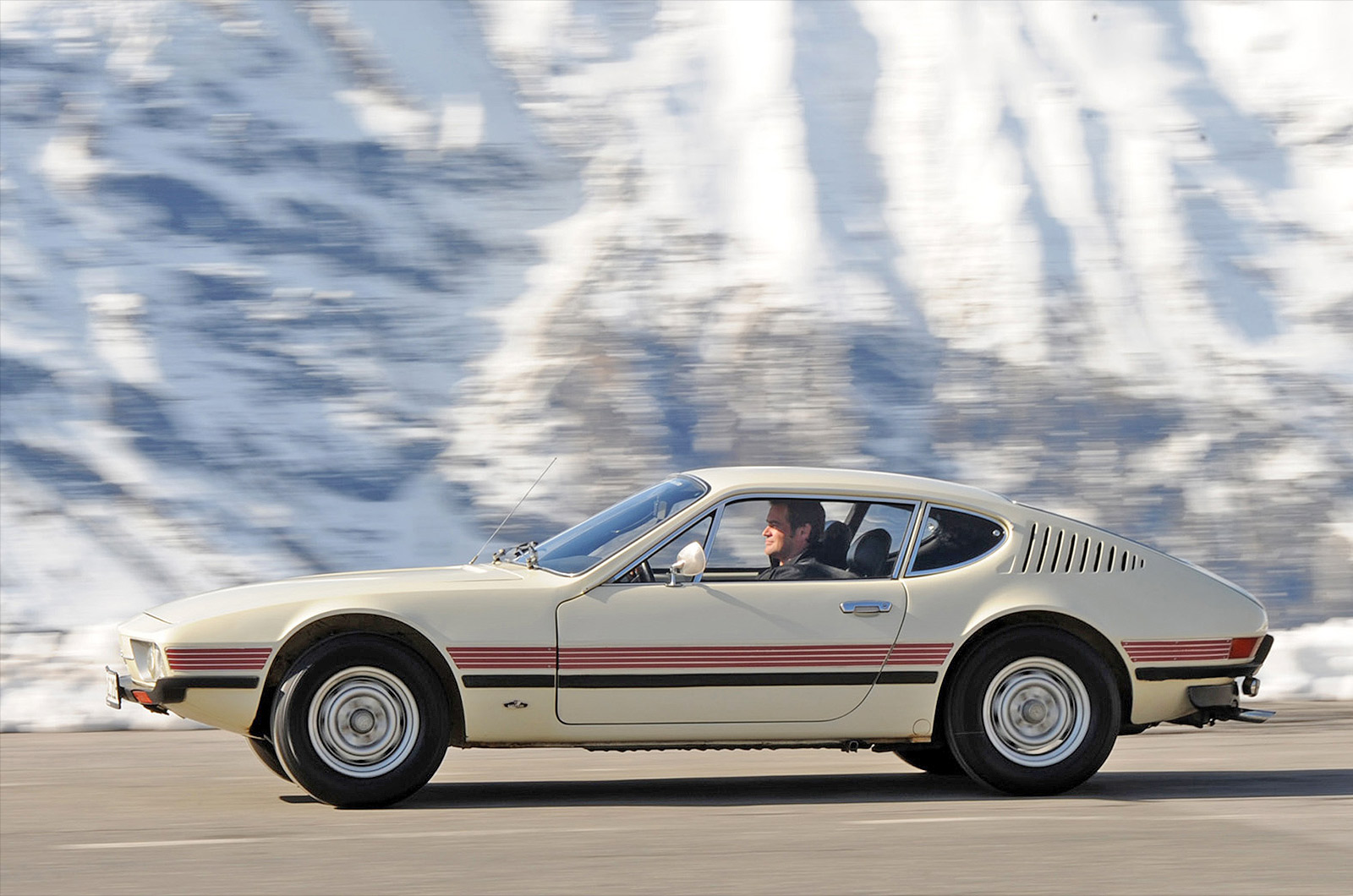
Brazil was starved of sports cars due to high import taxes and the country had its own called the Puma, based on a Beetle. Volkswagen then developed the SP2 in-house via their Brazilian division to give Brazil another sports car. Inside, it had leather seats and a low driving position, outside was a sleek steel body with cut-out rear vents and a long bonnet.
Although it weighed just 890kg (1962lbs), the SP2 was heavier than the Puma and was powered by a 1.7-litre with a miniscule 75bhp. This resulted in a 95mph top speed and a slothful 0-62mph time of 17sec.
Mitsubishi FTO
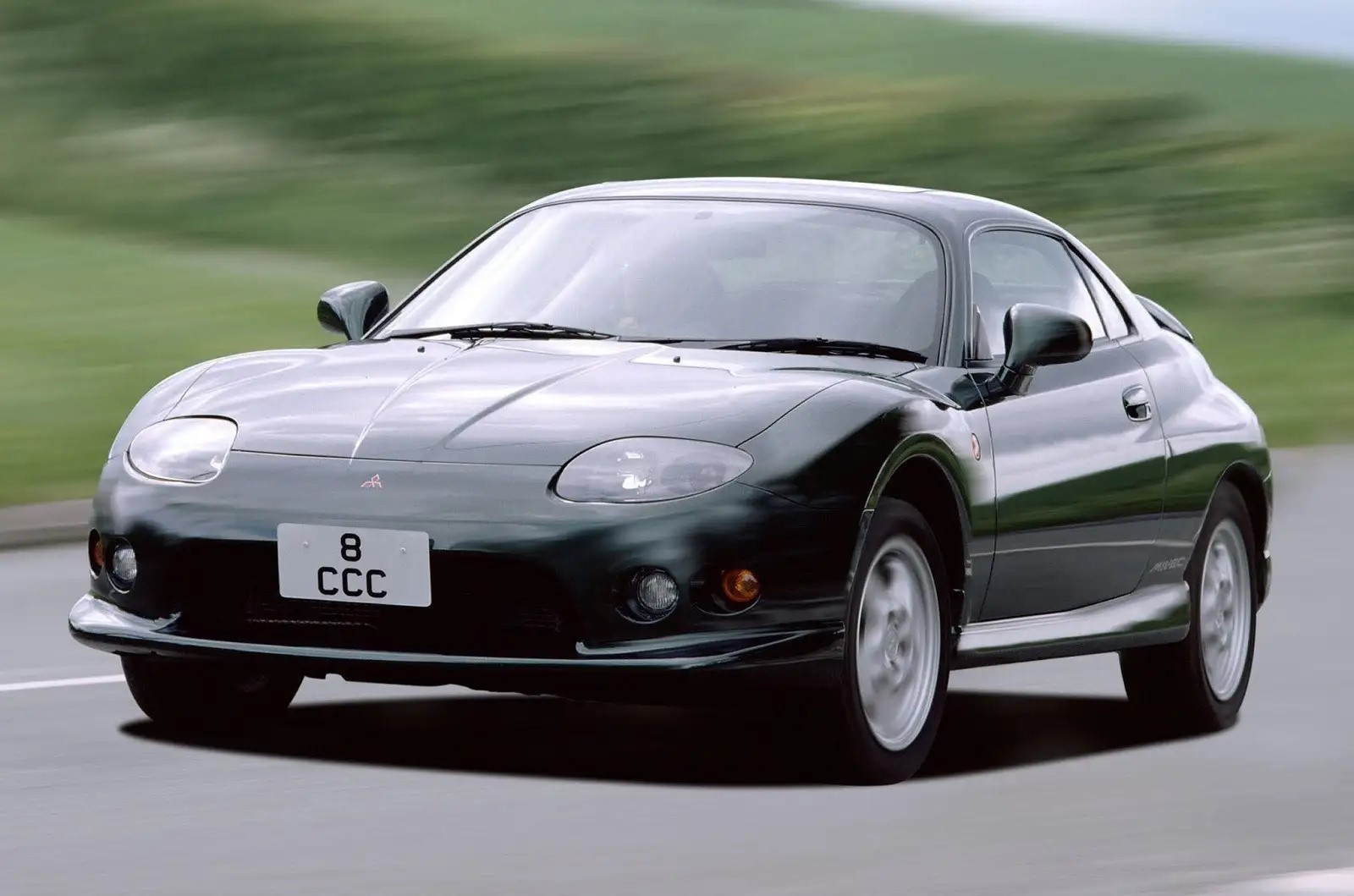
Unlike the desirable 197bhp 2.0-litre V6, the standard FTO’s 1.8-litre produced just 125bhp. Outside, the FTO had all the features of a sports car: large 3000GT-like front lights, aerodynamic bodywork and a nifty spoiler. However, 0-60mph arrived in a lengthy 10.0sec and it would only see 125mph; the similarly priced Fiat Coupe 1.8-litre with 128bhp, although still slow, could manage the 0-62mph dash in just under 10sec and would go onto 128mph.
Porsche 924
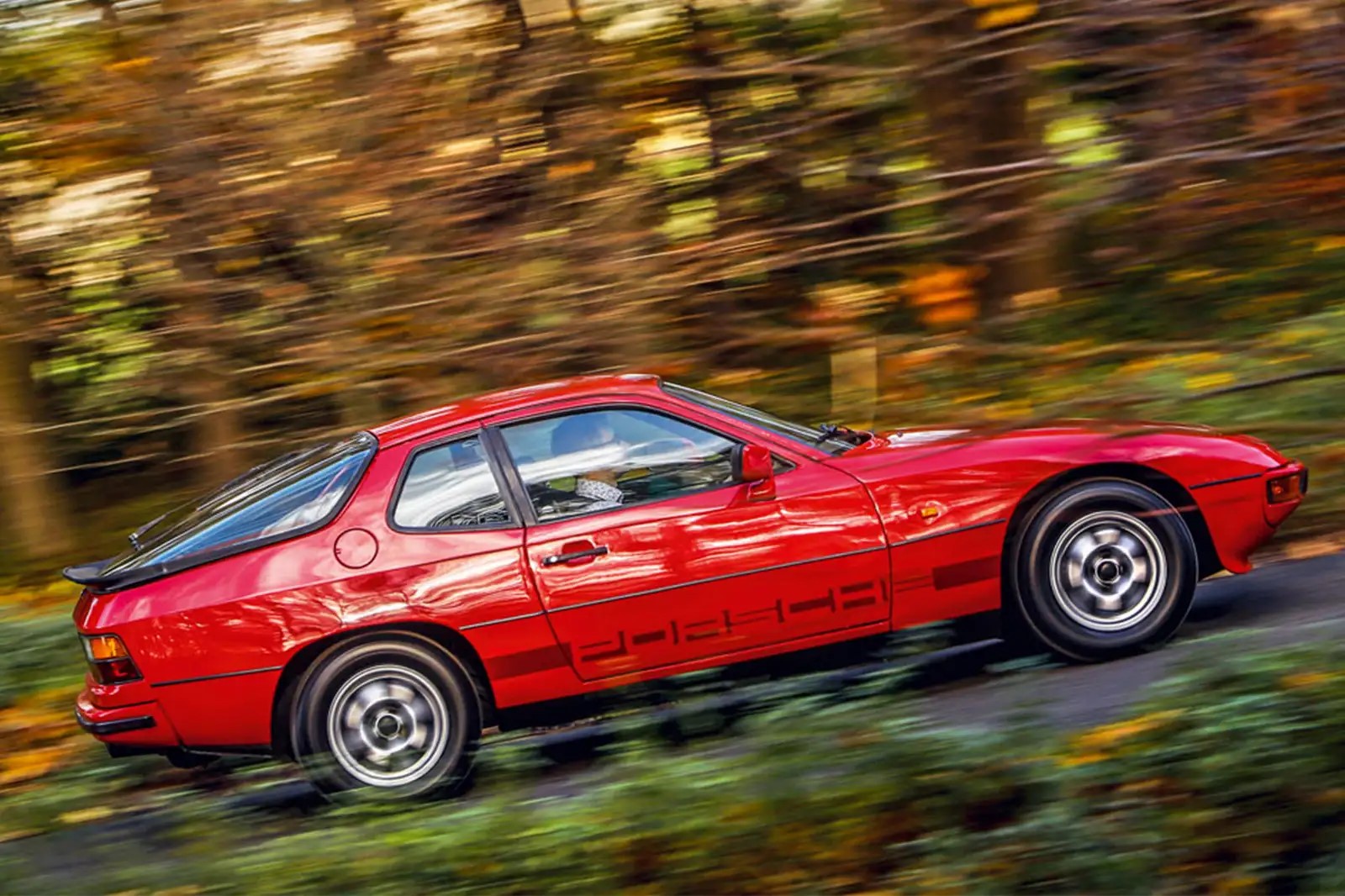
Amongst the 944 and 968, the 924 was never meant to be a Porsche but was instead intended to be sold as either an Audi or a Volkswagen but Volkswagen killed the project. So, Porsche bought the rights. For some reason, the 924 was equipped with Volkswagen’s 123bhp 2.0-litre van-derived unit which meant a lazy real-world 0-62mph time of 11.0sec and it would eventually hit 124mph if given enough room.
Lancia Scorpion
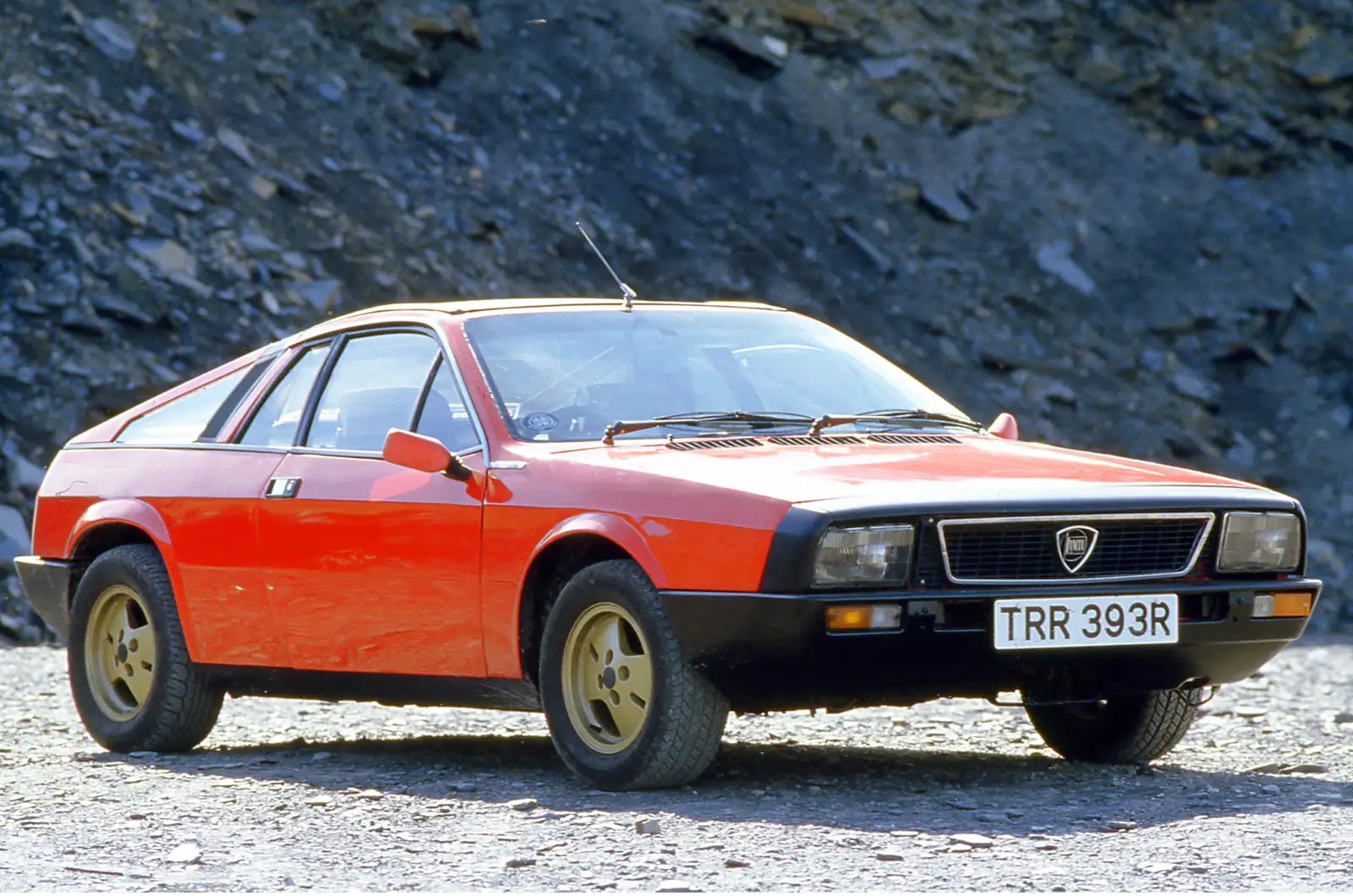
What was originally designed for Fiat, ended up with Lancia. The Montecarlo was for Europe and received a punchy 120bhp variant while the US was given the Scorpion which had a 1.8-litre with just 81bhp due to emission laws. The European car would still struggle to scamper to 62mph in under 9sec while the US car took an even lengthier 13.4sec. Its front was attractive with a long bonnet and aggressive lights, while X1/9 hints were at the rear – the Scorpion was designated originally as an X1/8.
Smart Roadster
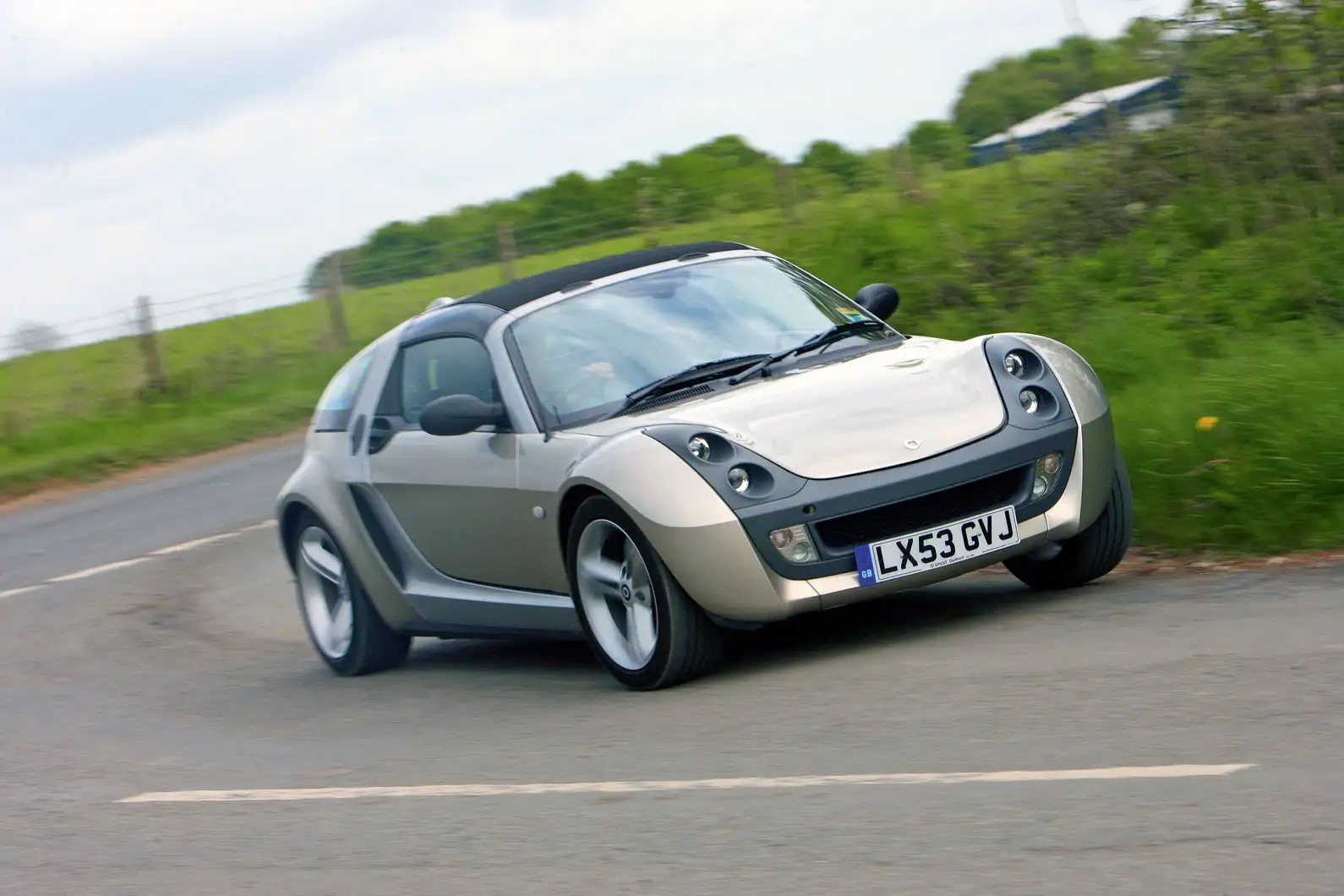
Smart isn’t known to build sports cars, but being under Mercedes’ umbrella, they have been known to release Brabus variants of their for-two and for-four models. In 2003, the quirky 790kg (1741lbs) Coupe hit the streets with its rear glass panel, low-slung driving position and 698cc turbocharged engine.
While the Coupe was chuckable, the 80bhp engine was tied to a lazy three-speed semi-automatic gearbox which meant a 0-62mph time of just over 11sec. A Brabus variant was later introduced which upped the power to 101bhp, but with no manual gearbox available, it was still slow with its 10sec 0-62mph time.
Fiat X1/9
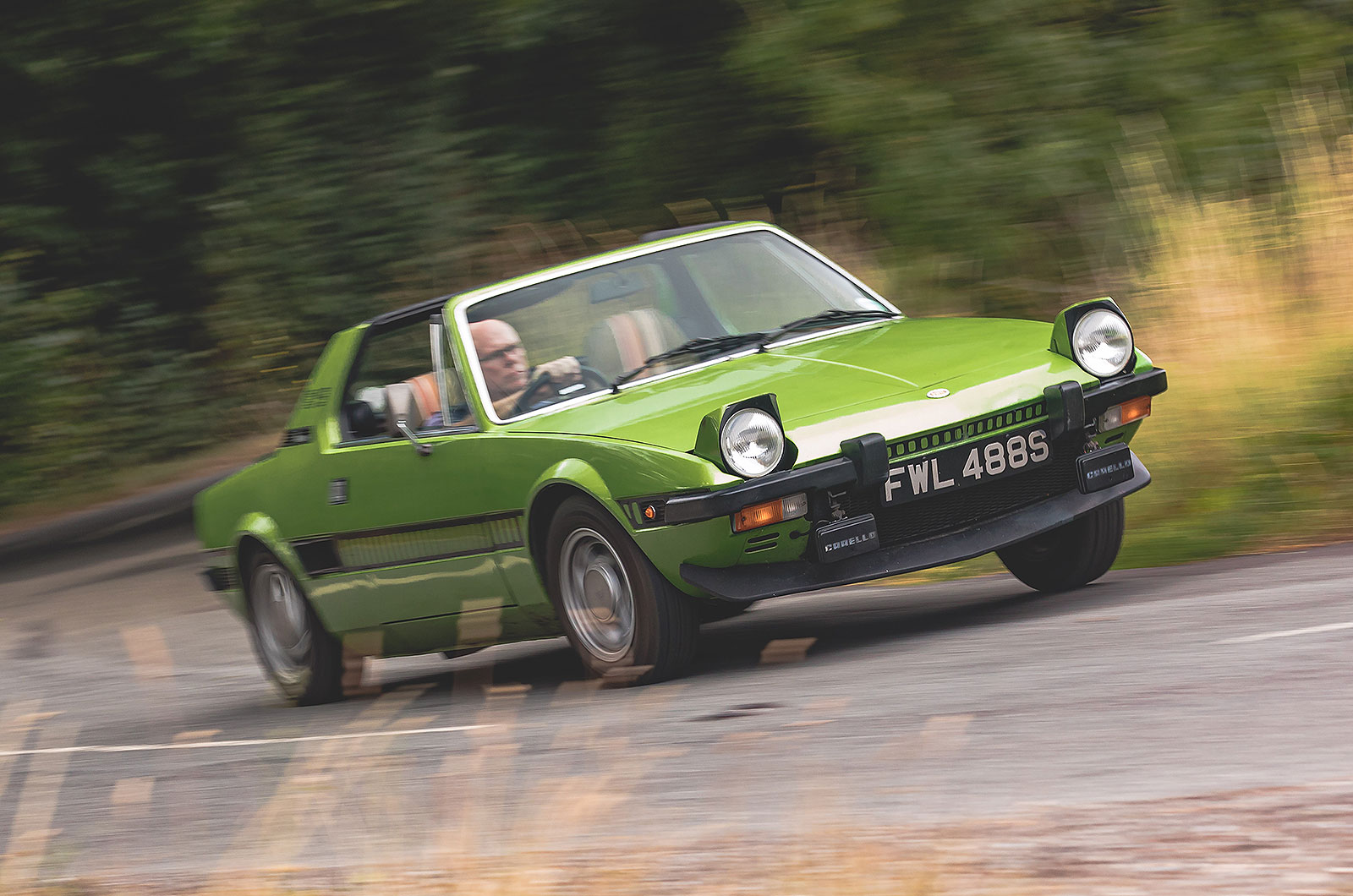
The X1/9 looked quick with its flat Ferrari-like boot lid, carved front end and side-mounted engine ducts but underneath was a 1.3-litre four-cylinder with a puny 75bhp which pushed the 880kg (1940lbs) X1/9 to 62mph in a torpid 12.8sec. Fiat later revisited the X1/9 and equipped it with a more powerful 84bhp 1.5-litre but this didn’t massively improve its performance as 0-62mph took 11.5sec and gave a top speed of just 112mph.
Porsche 914
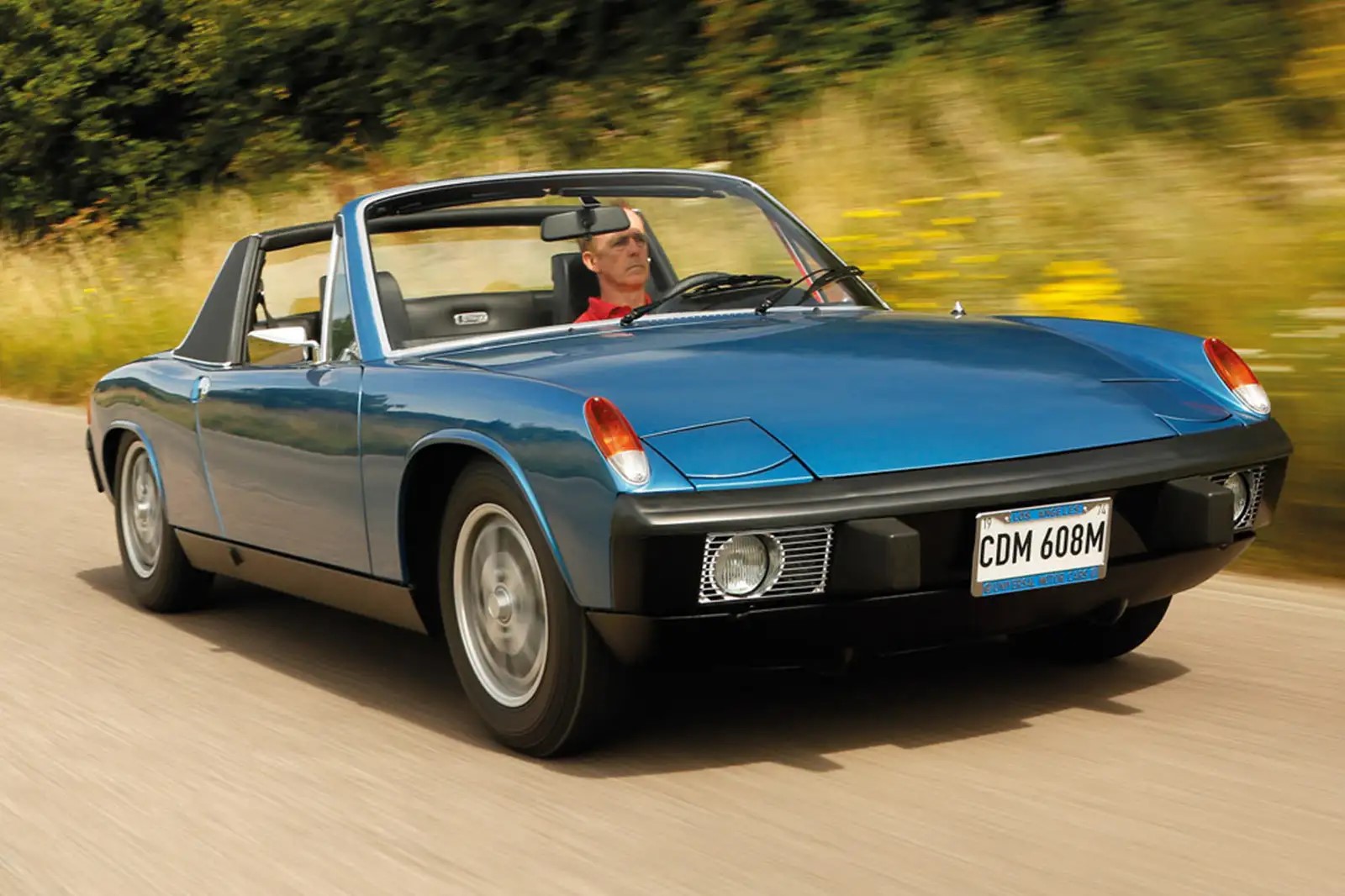
Volkswagen wanted to build a halo car and Porsche needed a car to replace its 912, and in a joint venture, the 914 was conceived. Its design looked aerodynamic with its pop-up headlights, raised wheel arches and ground-hugging suspension. Behind the driver sat a 1.7-litre Volkswagen-derived powerplant with a mere 80bhp, shoving the 914 to 62mph in an unenergetic 13.3sec and it would even struggle to reach its 115mph top speed.
Renault Caravelle
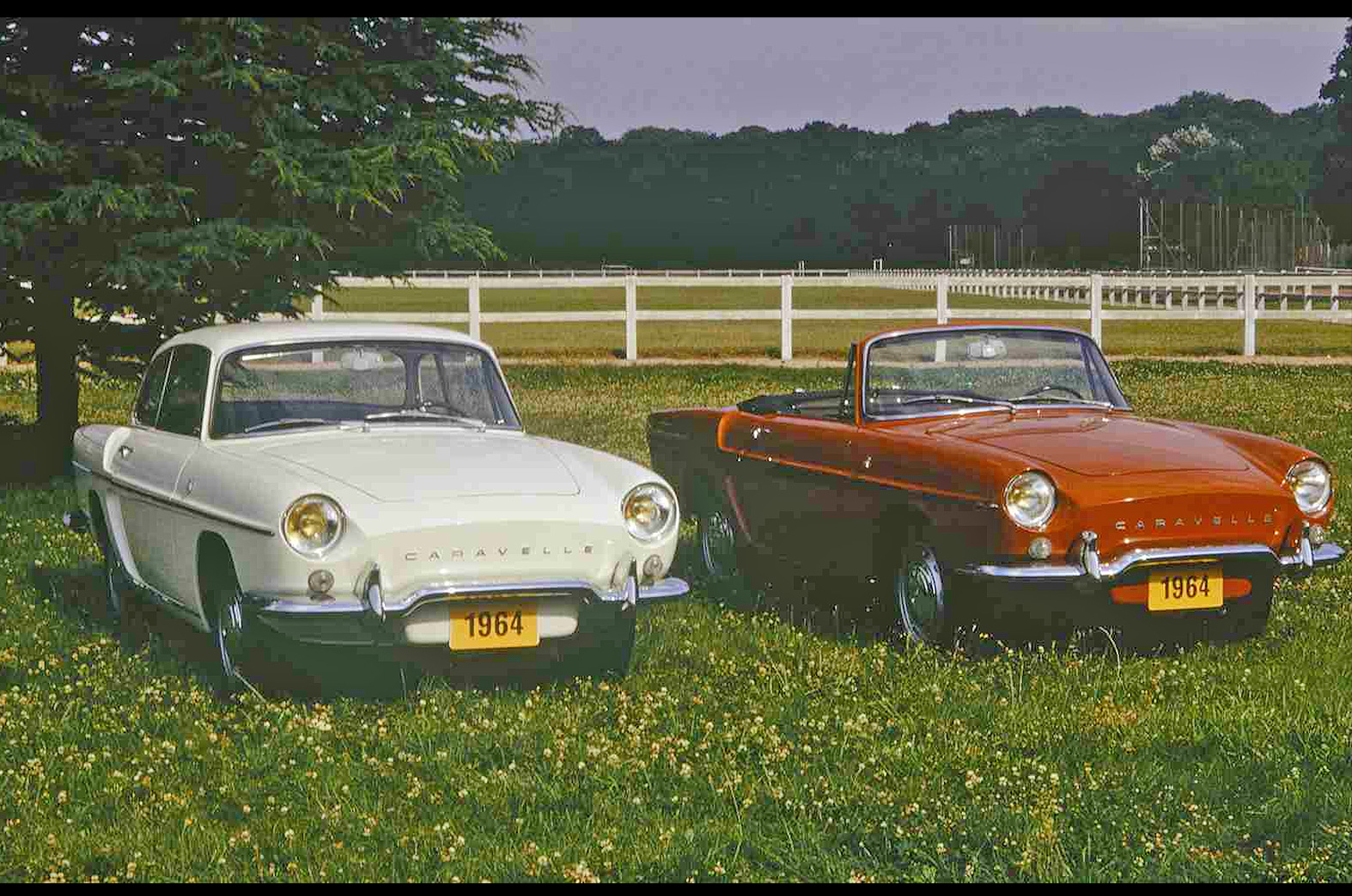
The Caravelle was the late-‘50s response by Renault to try and seize on two apparent opportunities: ape the success of the Volkswagen Beetle (and its associate, the Karmann Ghia) in the American market, and also get a slug of the sales then captured by mostly British-built roadsters in the same market. The low slung and reasonably slinky Caravelle was the response.
With a design by Ghia and based on the floorplan of the rear-engined Dauphine, it never had the motor to deliver on especially the latter objective; its 845cc engine was only good for 37bhp, while even the performance version only put out 40bhp. Even the latter took over 22 seconds to get to 60mph, while 78mph was its top speed. This did nothing for its appeal to American motorists, used to much more powerful cars, at a time when rival Volkswagens were regularly introducing more powerful engines.
Volkswagen Karmann Ghia (1955)
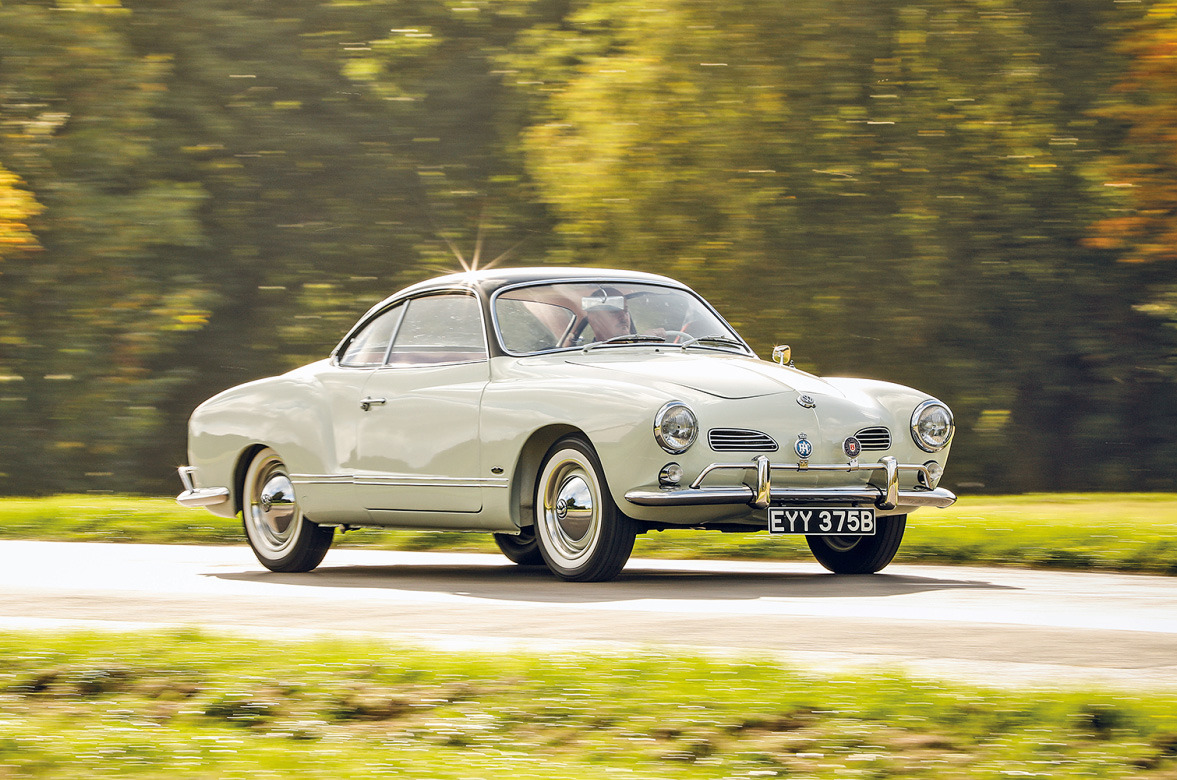
With the Beetle selling like hot cakes, VW finally had the resources to do more than just survive – but also to thrive at all. With incomes rising after the austerity of the war and immediate post-war years, people had money to spend on cars that were more just mere tools. The Karmann Ghia was a result, with sporty and modern styling from Ghia.
However, deep down it was a Beetle, and that means sharing that car’s often rather lethargic engines; initially that meant an air-cooled 1.2-litre flat-four good for just 34bhp and a 0-60mph time of a cool 30 seconds. Still it looked great, acquired a cult status that stands today, and VW sold them by the bucketload – there were 445,000 sales over a 19 year period, 81% of which were couples, the remained being convertibles.
Volvo P1800 (1961)
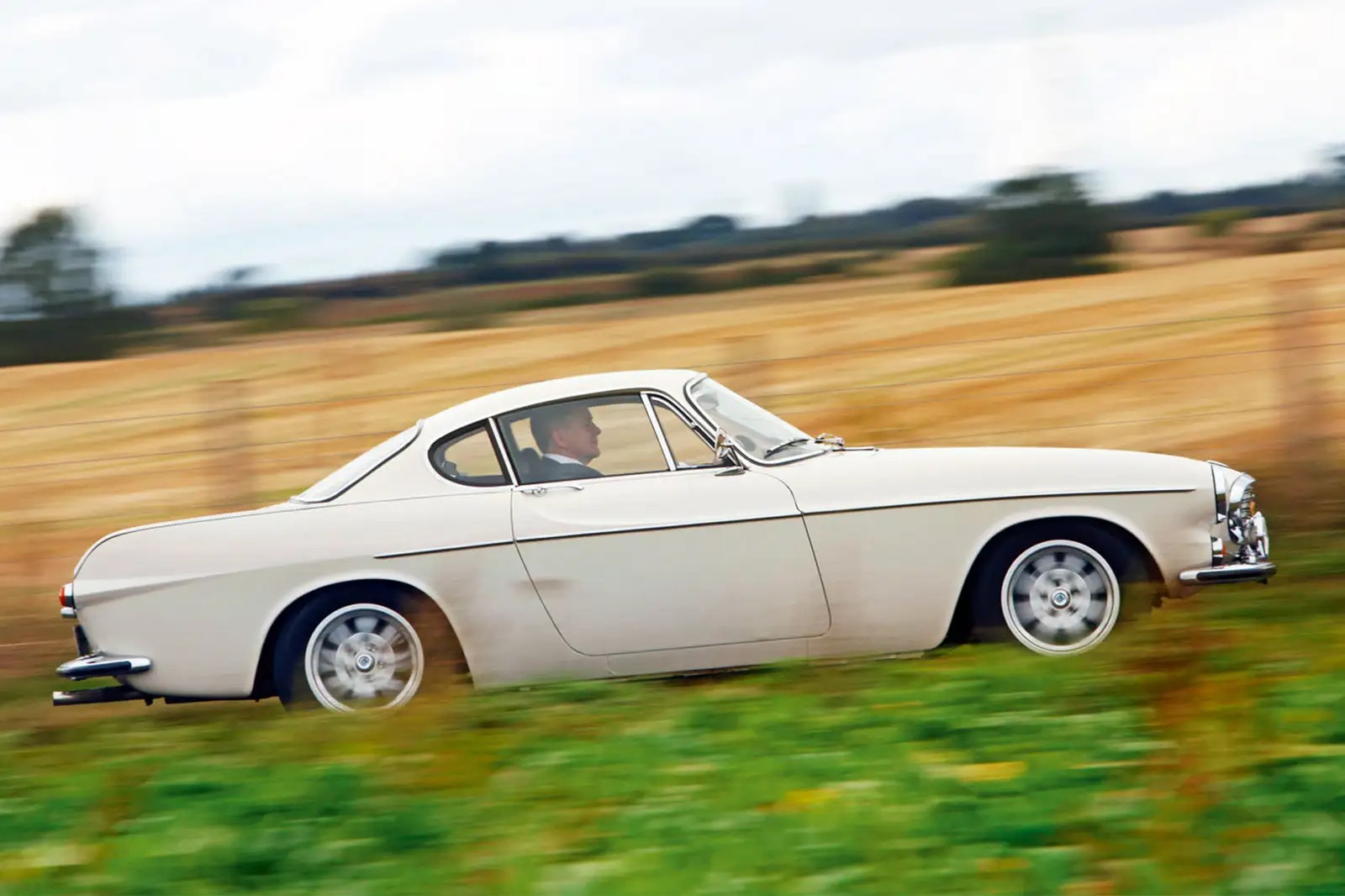
It wasn’t just the likes of Renault who wanted a piece of the compact sports car market – even stodgy old Volvo wanted a piece of the action, and the sensuously beautiful P1800 was the result. But it received a four-cylinder engine more usually at home in the Swedish firm’s staid saloons and station wagons, and good initially for only 100bhp, a 0-60mph time of 13 seconds and a 105mph top speed. It did later receive more powerful engines – and also got small-screen stardom as the wheels of Simon Templar in The Saint, as portrayed by Roger Moore, later a James Bond.
Nova
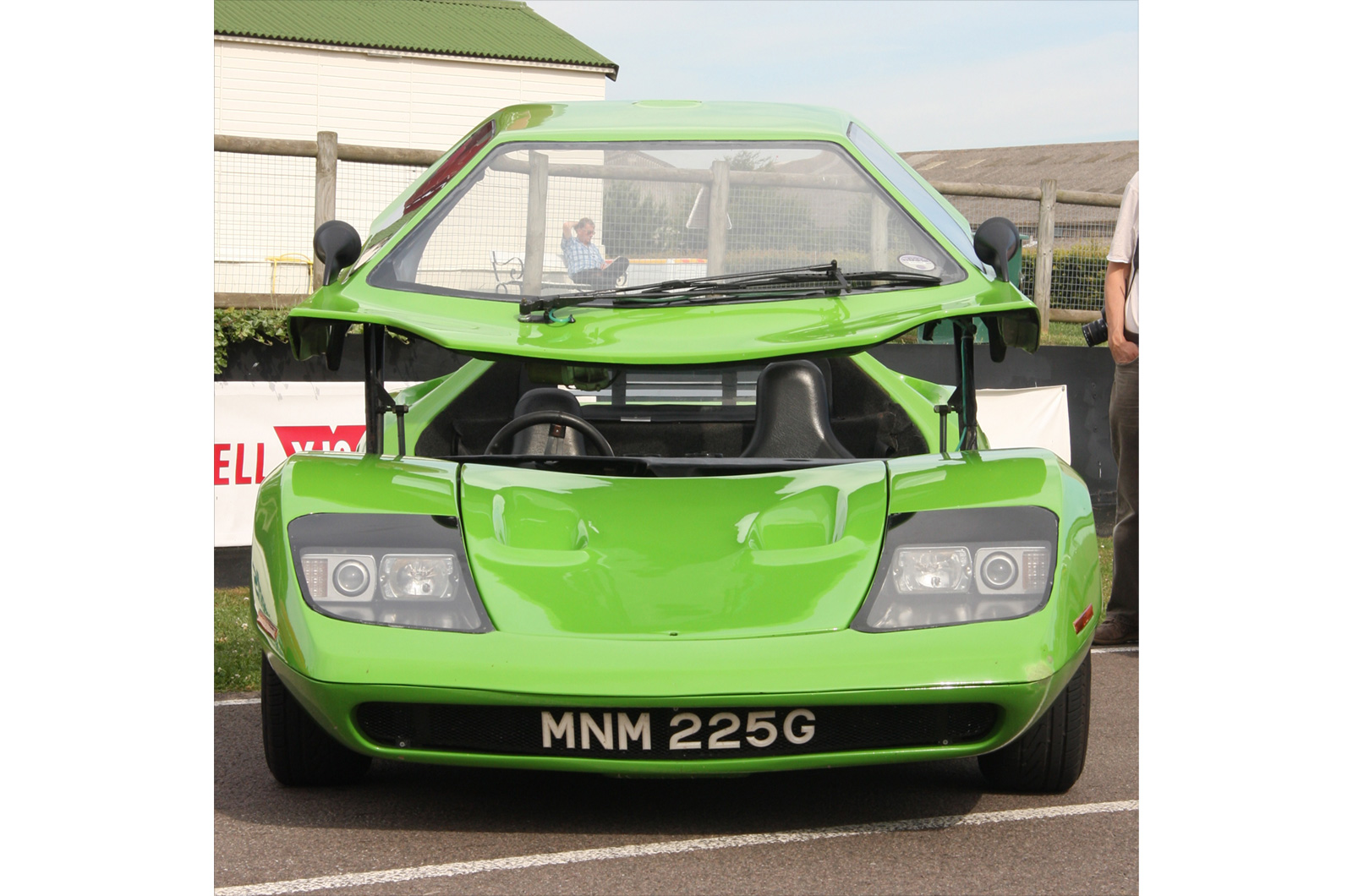
The Nova was a stunning-looking machine that rather astonishingly was firstly built largely by its owners – there were various tax breaks in the Nova's 70s heyday for ‘kit cars’ in the UK – and secondly was essentially a rather more pedestrian VW Beetle underneath. Its canopy opened dramatically (via a hydraulic pump), combining roof and doors in one – and the uninitiated might have thought you were looking at a Ferrari-rival.
Although lighter than its donor, it still featured its engines and usually delivered decidedly Beetle-like performance – complete with treacherous handling inherent from placing a relatively heavy engine right at the back of a lightweight plastic-bodyworked and low slung car.

Subaru Rebuilds Performance Legacy With Dedicated Sports Division and New Manual Models

Engine Swaps That Changed Everything How New Powerplants Redefined Iconic Cars
 We look at the cars whose nature and abilities were dramatically altered by the arrival of a new powerplant
We all know of cars which were fitted with an outstanding engine right from the start.
If you can’t immediately bring one to mind, the Bugatti Chiron is a good example. There are also many cars which were more or less ordinary in their original forms but became more desirable in one way or another because a new engine was added to the range, or because an existing engine became available in a significantly altered form.
Here are 28 models which we believe are part of the second category, listed in alphabetical order.
AC Ace
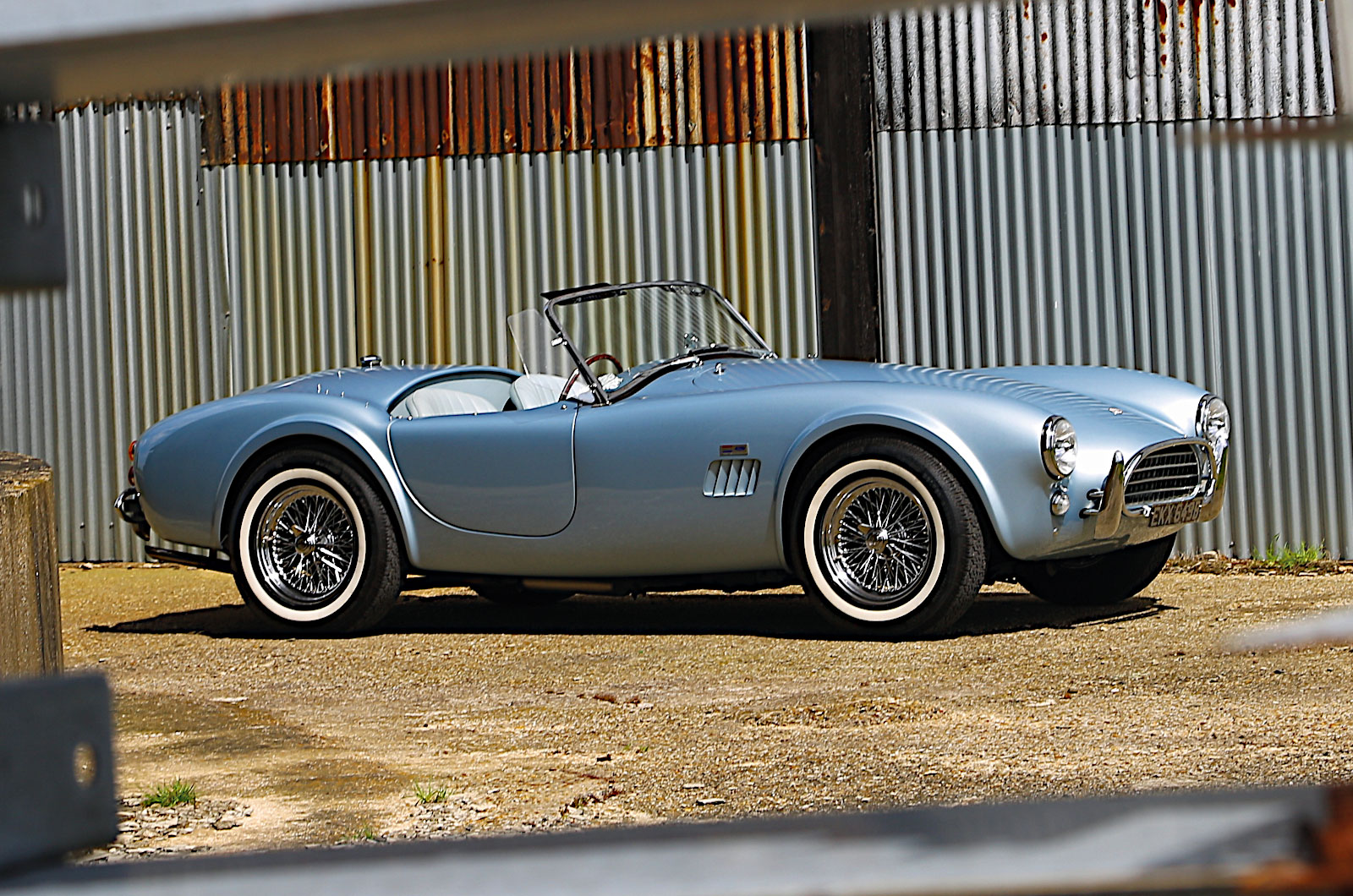
The AC Ace roadster was introduced in 1953 and was fitted with several engines during its production run, the most powerful being a 2.6-litre Ford straight-six. Its handling made it an effective road-legal competition car, but over in Texas Carroll Shelby (1923-2012) reckoned it would be better if it had a lot more power.
Rather than dismissing this thought and moving on to something else, he created the Cobra, a reworked Ace with a Ford Windsor V8 engine initially measuring 4.3 litres and later 4.7. The Cobra proved to be a mighty car in racing, even more so when it went into a new generation with a 7.0-litre Ford FE V8 under the bonnet.
Alpine A110
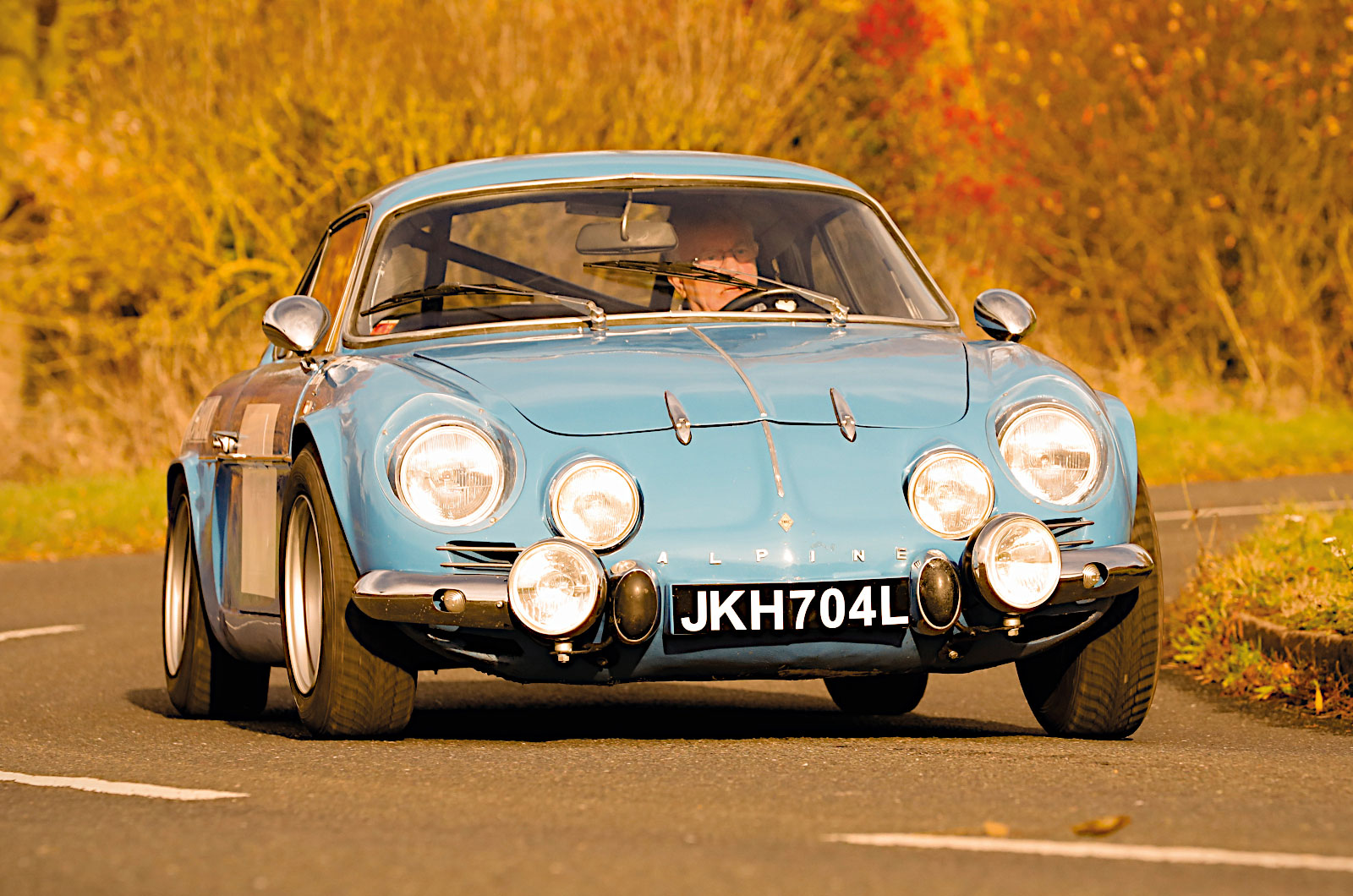
The original A110 (not the current model launched in 2017) was initially powered by Renault’s little Cléon-Fonte engine. This was later replaced by the larger Cléon-Alu, which had made its debut in the Renault 16.
It’s difficult to imagine the 16 being an effective competition car, but its engine turned the A110 into a world-beater. In 1973, Alpine thrashed the opposition in the inaugural World Rally Championship, winning six rounds and finishing the season with 147 points to Fiat’s 84 and Ford’s 76.
Audi A4
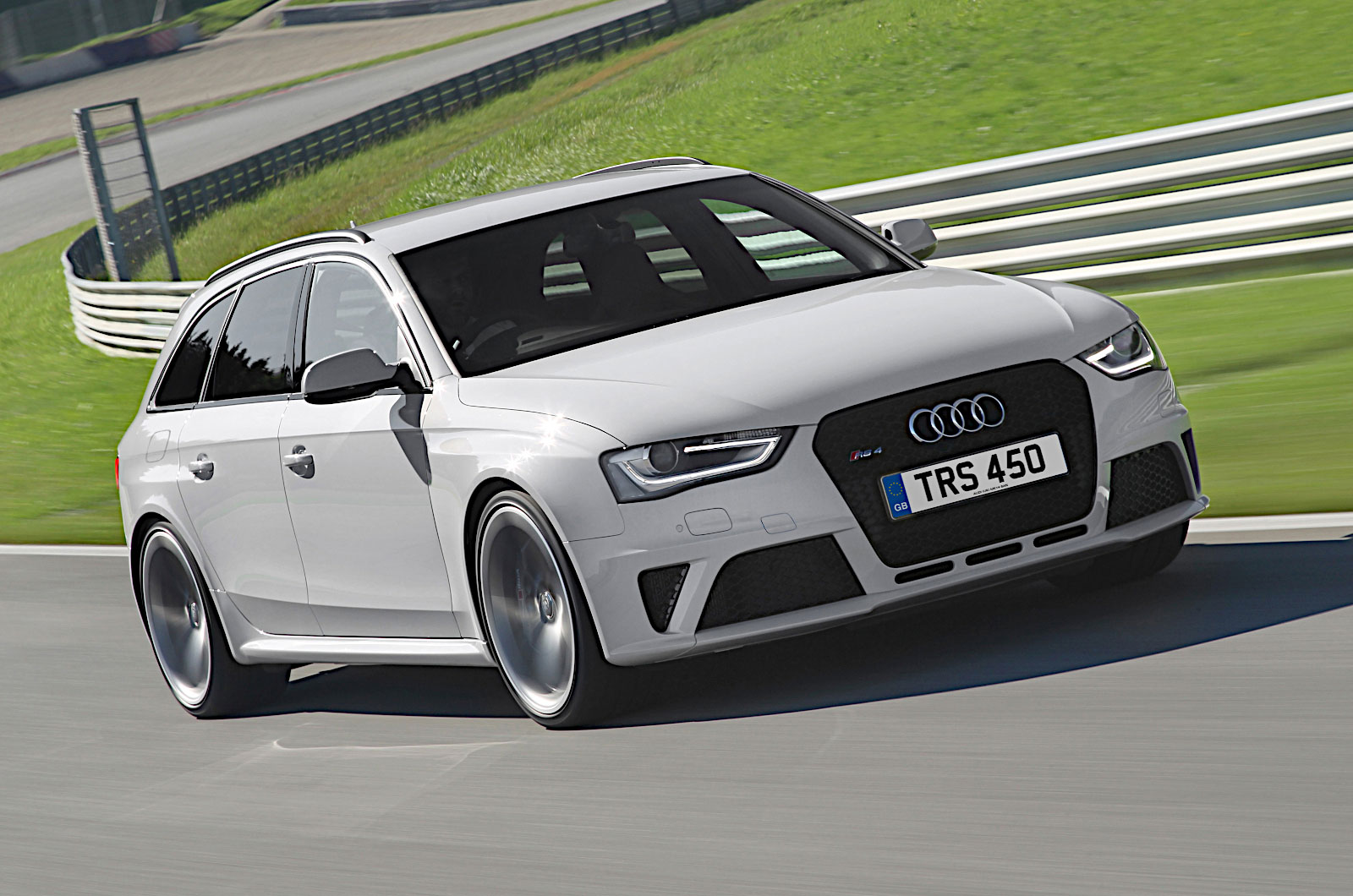
Audi has a lot of history in this area. Most of its models have high-performance S and – more excitingly – RS derivatives whose engines are far more powerful than those in the regular versions.
The A4 is a case in point. Its RS 4 equivalents have always had splendid engines. Perhaps the finest, and certainly the best-sounding, was the screaming 4.2-litre V8 also used in the Audi R8. It produced over 400bhp, well in advance of what could be expected from any other A4.
Audi Q7
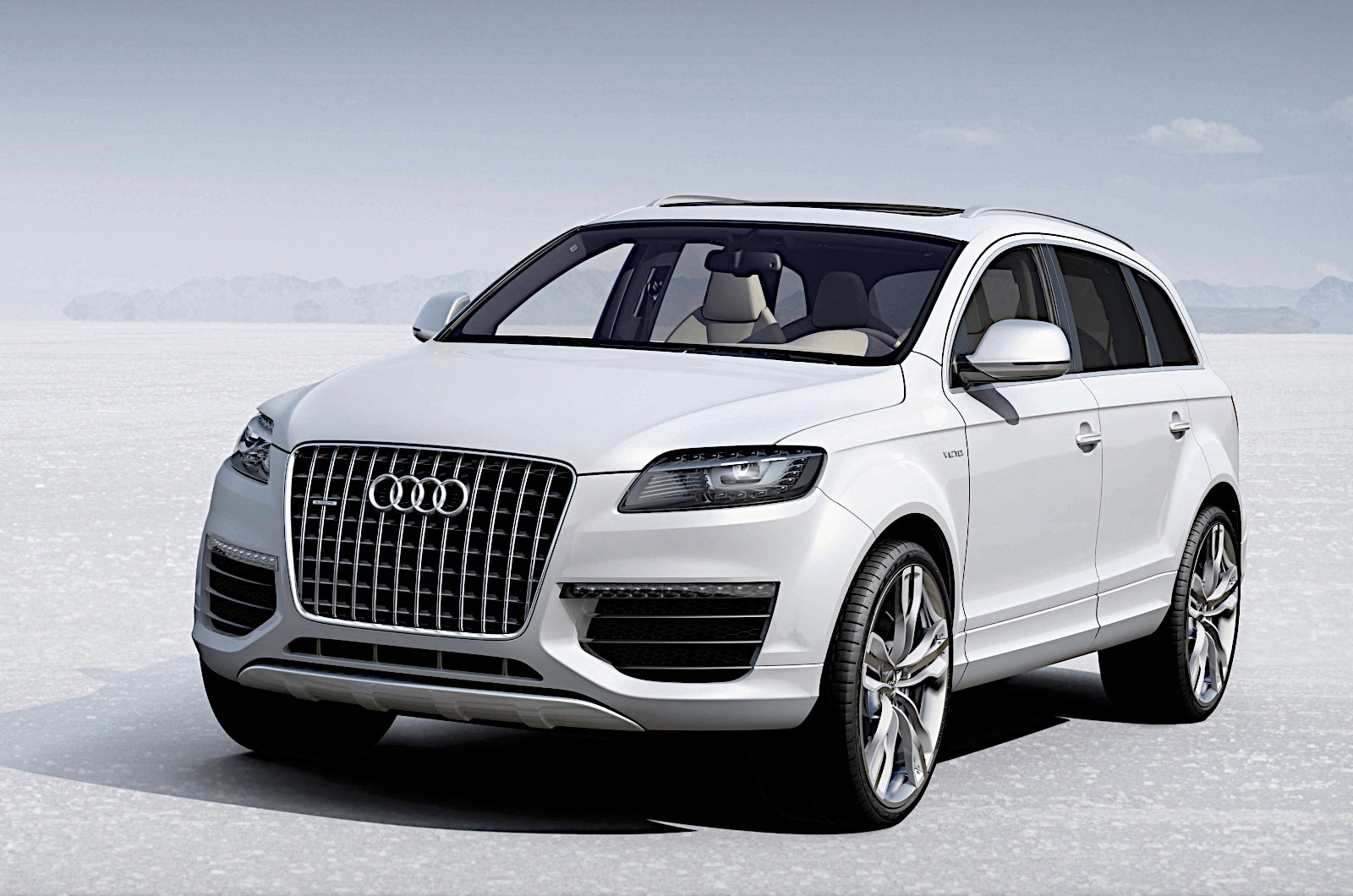
Every Q7 is an imposing beast no matter what powers it, but Audi went to new and unexpected levels when it fitted the large SUV with a 5.9-litre diesel V12. This engine, which has never been used in any other production car, produced 493bhp, which was enough to push the 2635kg Q7 from 0-62mph in an astonishing 5.5 seconds.
Fortunately, the brakes and suspension were up to the task, but acceleration like this was still exhilarating or – depending on your mood – alarming. And it didn’t come cheap. Priced just short of £100,000 in the UK, the 6.0 V12 TDI, as it was branded, cost around £40,000 more than the next most expensive Q7. Data suggests that 21 reside on British roads today.
BMW M3
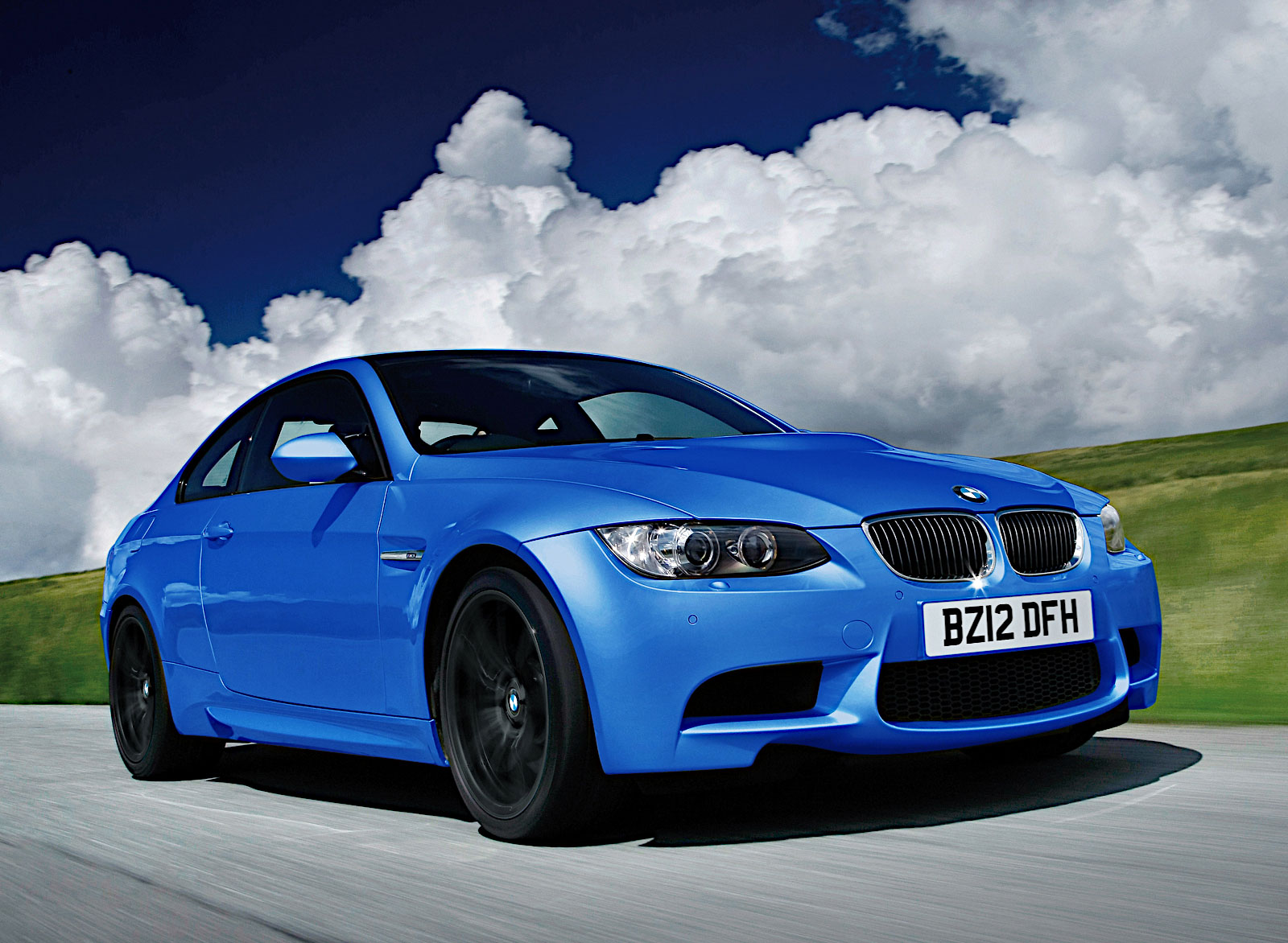
Almost by definition, every M3 has had an engine which transforms it into something quite different from the regular BMW 3 Series. This was particularly true of the generation sold between 2007 and 2013, which was powered by the 4.0-litre (and, for the GTS variant, 4.4-litre) S65 V8.
A multiple award winner, the S65 made this M3 the first to produce over 400bhp in standard form. It wasn’t the only V8 used in an M3, because a tiny number of earlier cars were fitted with one too, but it was the only engine of this type used for every example in any generation.
Cadillac CT6
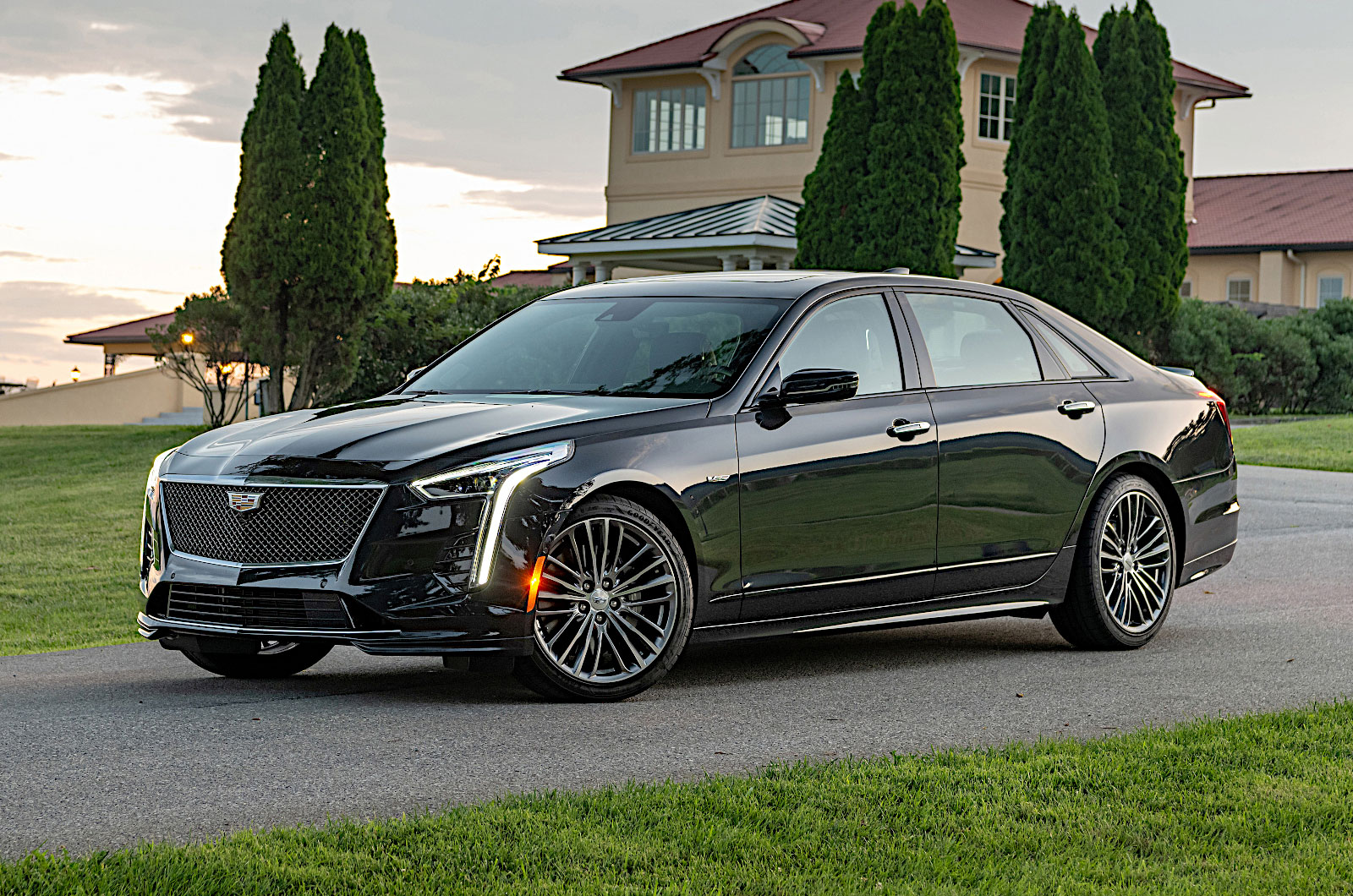
In most forms, the CT6 was a full-size luxury saloon. The CT6-V was that too, but it was also a very impressive performer thanks to its 550bhp 4.2-litre V8 engine, commonly known as the Blackwing. It was also available in the CT6 Platinum, producing 500bhp.
These cars were sold only in the 2019 model year. The entire CT6 range was discontinued shortly afterwards, partly due to poor sales and partly because the Detroit-Hamtramck plant where every version was built was retooled to produce electric vehicles instead. The Blackwing name has been used again for the most powerful versions of the CT4 and CT5, but neither of these is fitted with the Blackwing engine.
Chevrolet Corvette
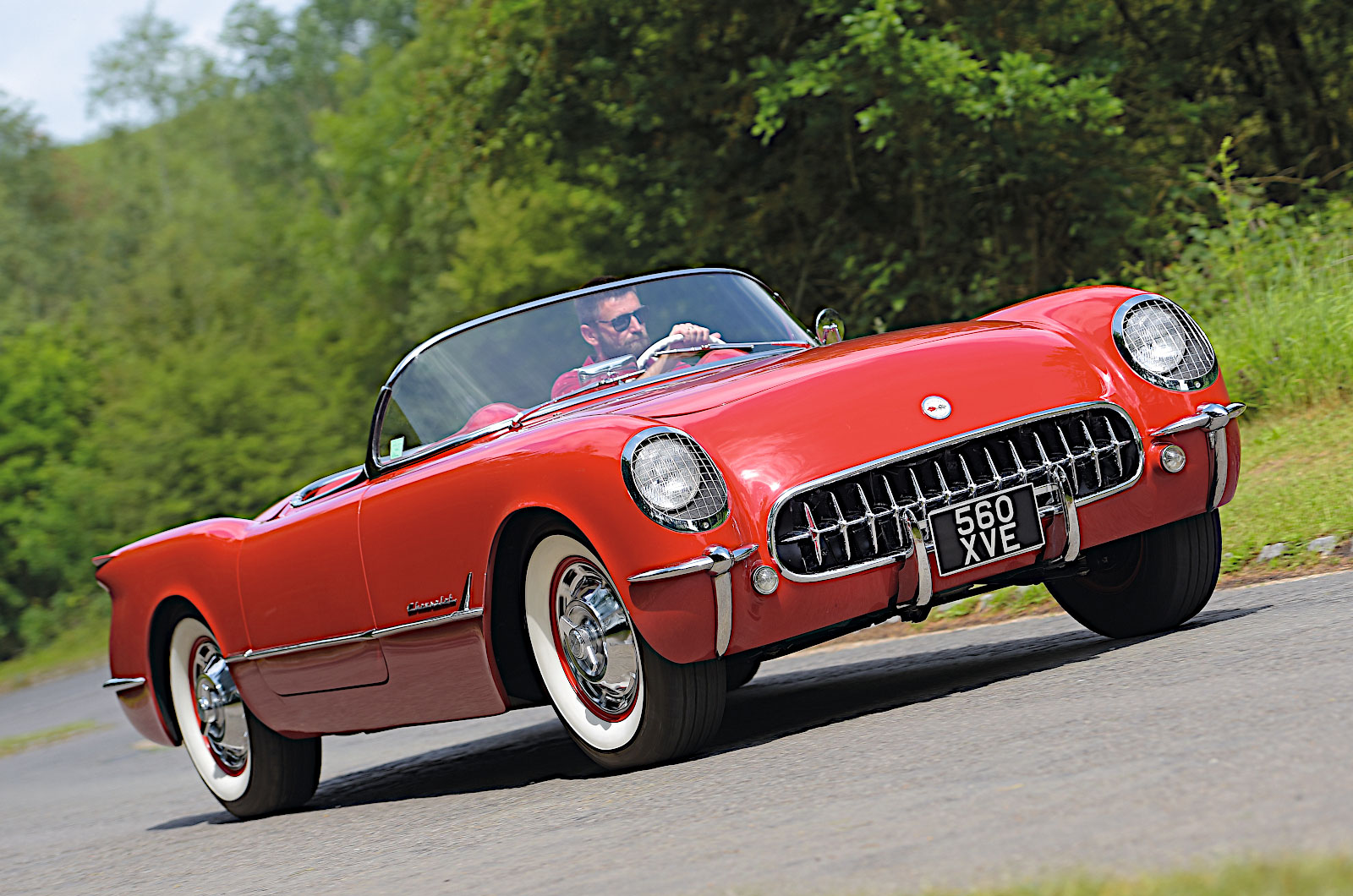
Since the Corvette is one of the most popular sports cars in history, it seems strange now that the first-generation version did not sell at all well when it was introduced in 1953 with a straight-six engine. Two years later, it became available with the new Chevy Small Block V8, originally in 4.3-litre form but later extended first to 4.6 and later to 5.4 litres.
It was almost as if this was what the American public had been waiting for. Corvette sales rose dramatically, and a car which might have been abandoned at an early stage remained in production until 1962. Six decades later, its latest descendant is still doing well, and still powered by a V8 engine.
Dodge Challenger
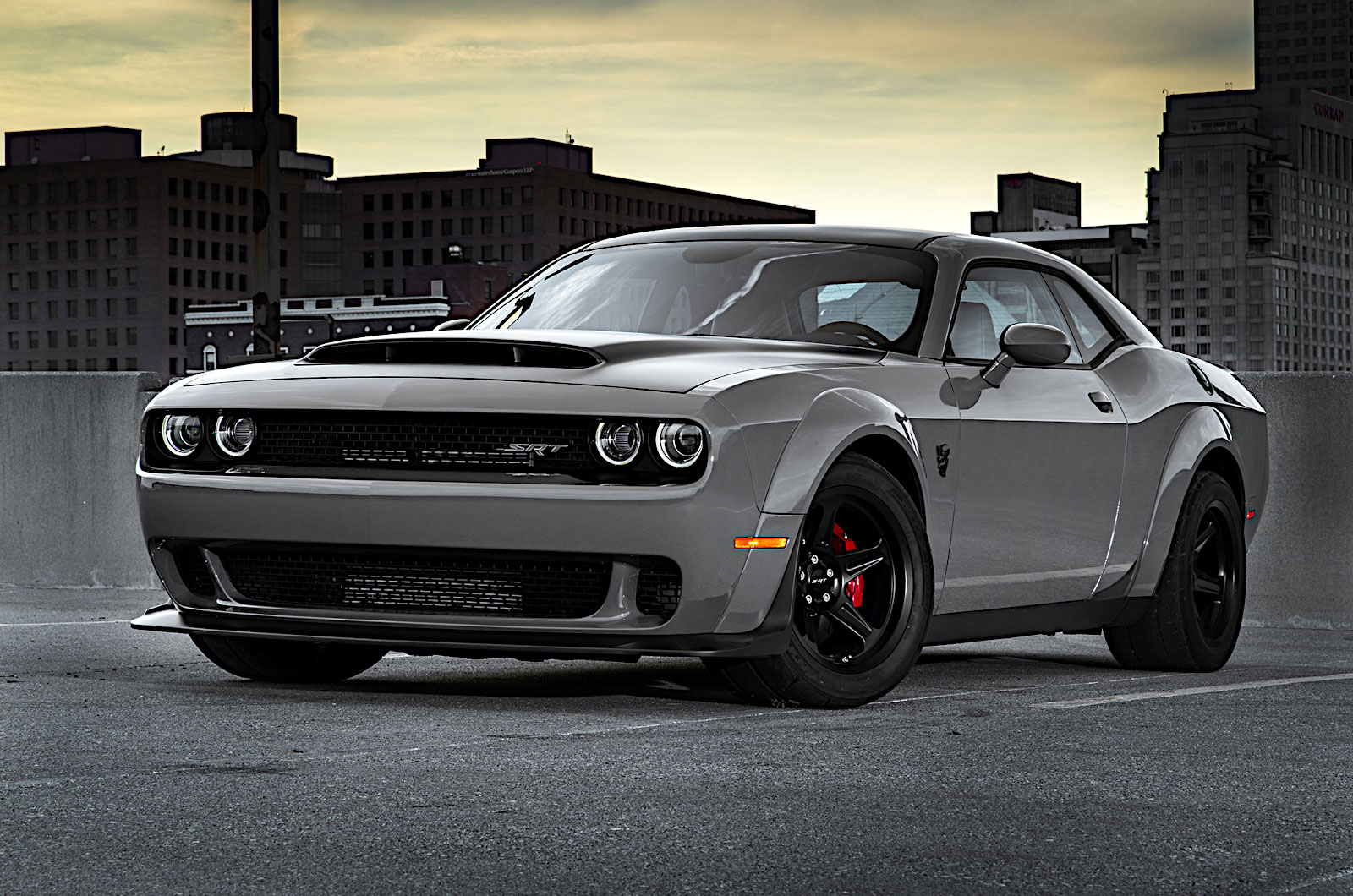
The current Challenger (the third distinct model to bear that name in over half a century) has been sold in several quite startling forms, with enormous power outputs. Even in that context, the SRT Demon variant, sold only in the 2018 model year, is outstanding.
Its 6.2-litre supercharged V8 engine is the most powerful ever fitted to any road-legal Dodge, or indeed any Chrysler. On regular 91-octane petrol it produced 808bhp, but with the optional Demon Crate package and running 100-octane race fuel its output reached 840bhp. The lower figure has more or less been equalled by the current Challenger SRT Super Stock, but that car has slightly less torque.
Fiat 500
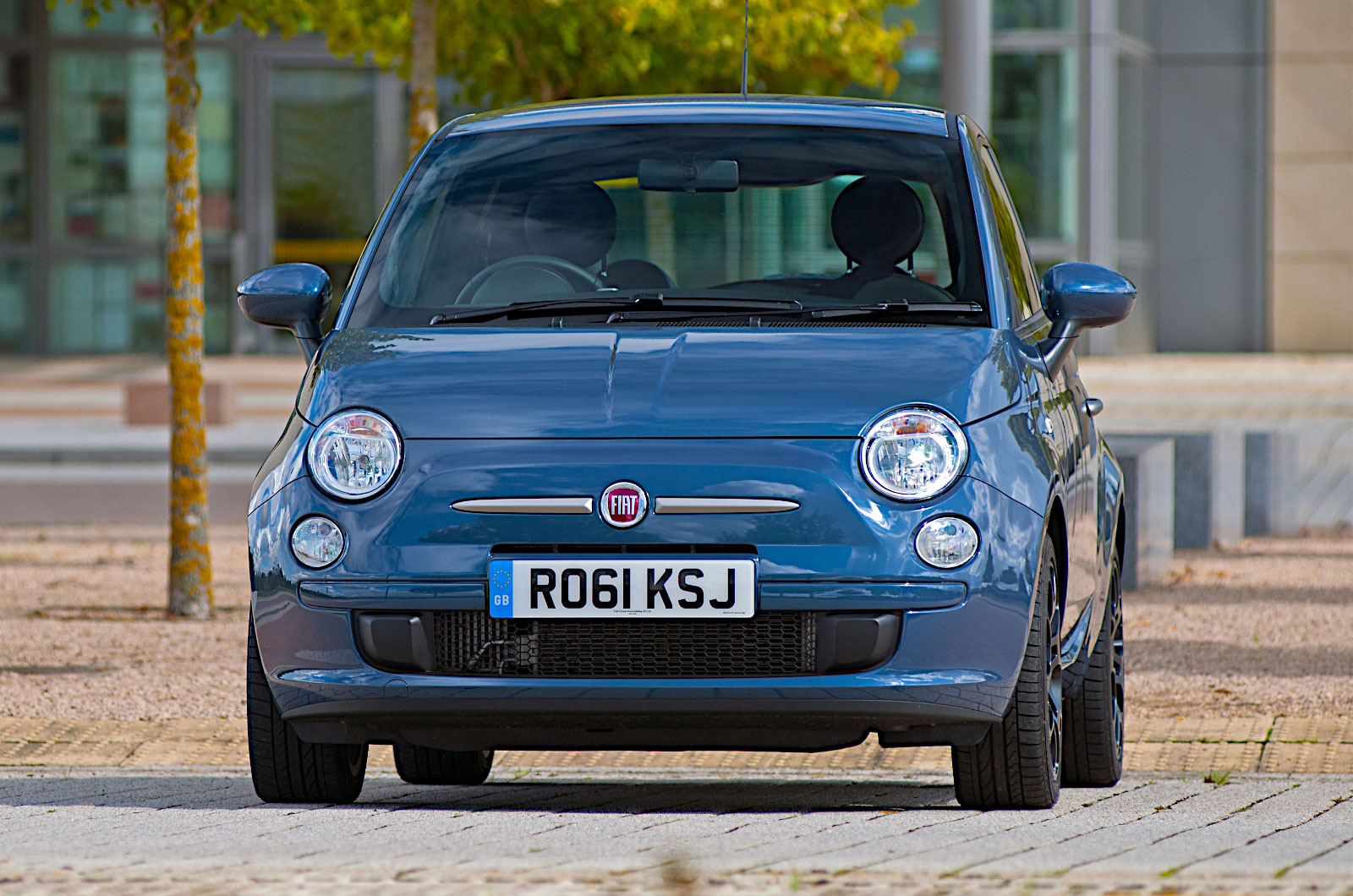
The 500 was originally available with a variety of four-cylinder petrol engines. Three years after its launch in 2007, Fiat added the two-cylinder TwinAir, the first engine designed from the start to use the remarkable MultiAir technology which had previously been added to existing units.
Getting anywhere near the official fuel consumption figures was quite a challenge, and there was a lot of vibration until Fiat decided to add a dual-mass flywheel. But the popularity of the 500 has always been due to its cuteness more than anything else, and with the TwinAir purring away it sounded as cute as it looked.
Ford Cortina
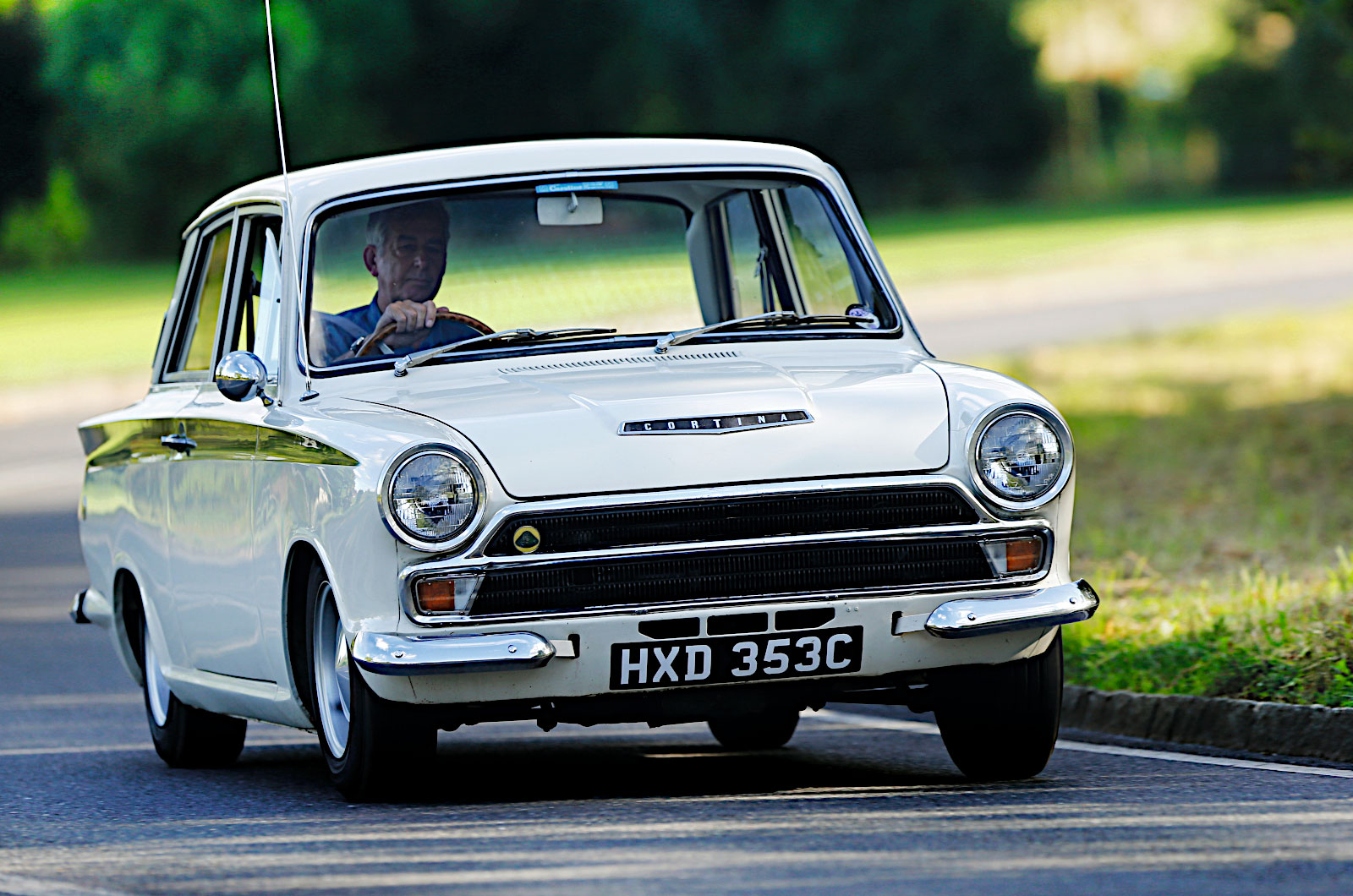
Most first-generation Cortinas were powered by either 1.2- or 1.5-litre versions of the pre-crossflow Ford Kent engine. In 1963, a year after production began, the car was transformed by a new power source, resulting in the epoch-making Lotus Cortina.
In its nether regions, this engine was basically the same as a Kent, but it had a completely different cylinder head. Known as the Lotus Twin Cam, it had made its debut the previous year in the Elan sports car. For the first time, here was a Cortina with a power output of over 100bhp. Further modifications brought great success in racing and rallying, in addition to the standard car’s appeal as the 1960s equivalent of a hot hatch.
Ford Escort
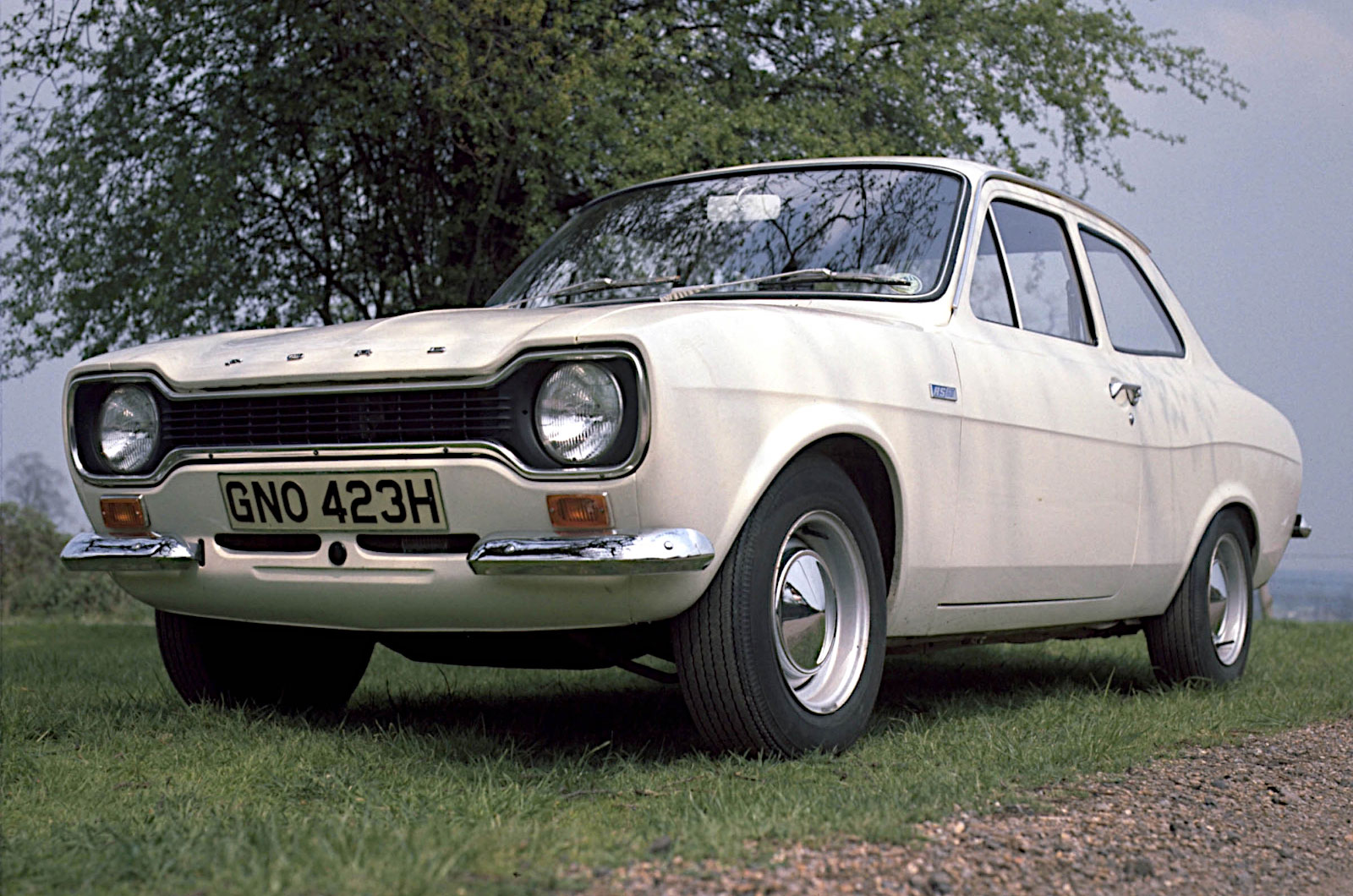
As with the Cortina, the Lotus Twin Cam engine turned the mainstream first-generation Escort into something altogether more special, but the bar was raised much higher when Ford launched the Cosworth BDA-powered RS1600 in 1970.
Like the Twin Cam, it was based on the Kent engine, and in standard form it wasn’t much more powerful. However, with four valves per cylinder it was far more responsive to tuning, with the result that the Mk1 Escort became one of the great rally cars of the early to mid 70s. Even today, hearing a fully tuned RS1600 screaming through a forest stage is a memorable experience.
Ford Sierra
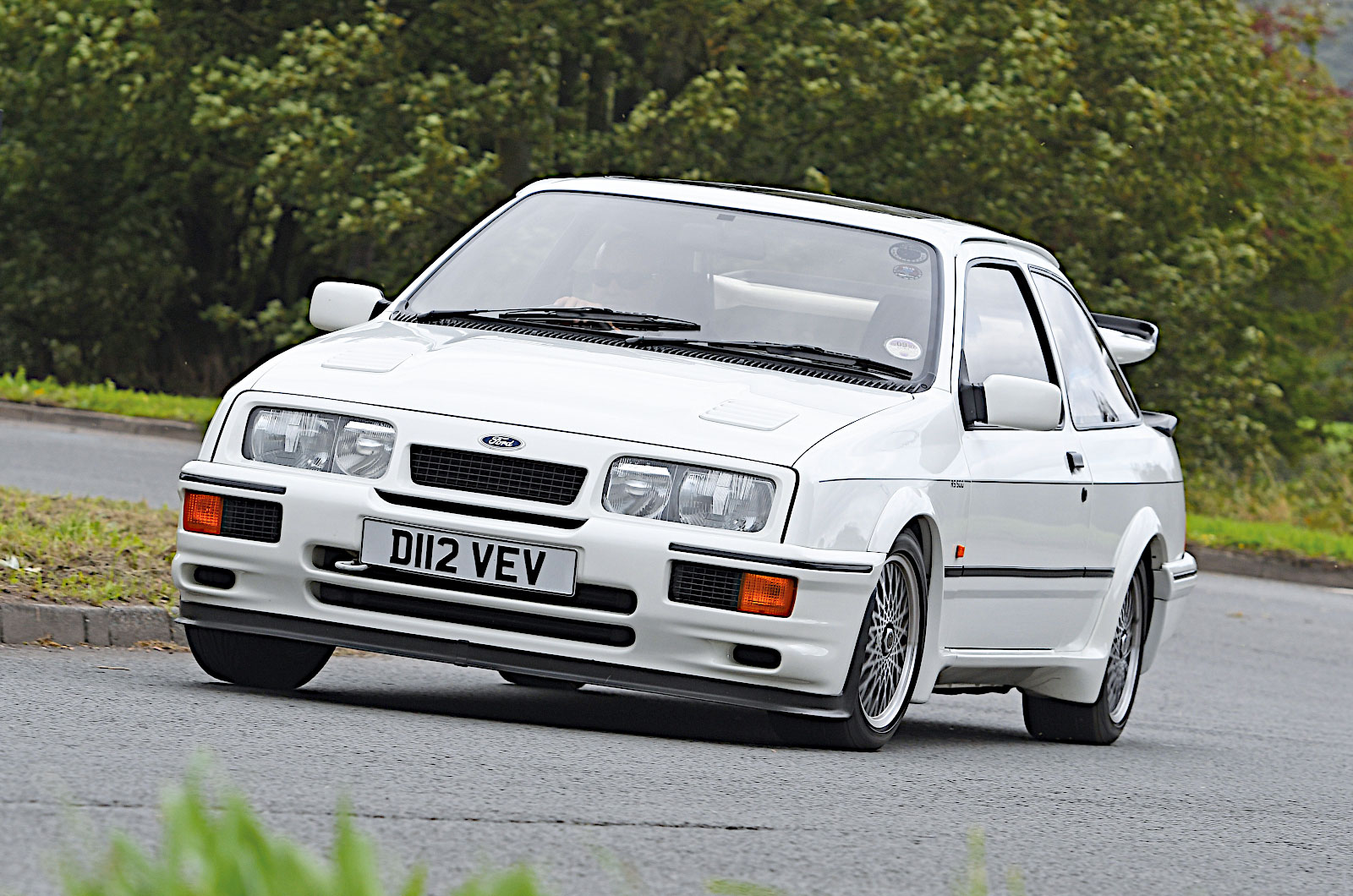
The mid-sized European Ford between the Cortina and the Mondeo was available in its earlier days with a variety of engines, none of them particularly dramatic with the possible exception of a large V6. The game-changer was the 2.0-litre four-cylinder unit which powered the Sierra RS Cosworth from 1986 onwards.
At its heart, it was quite humble, being based on the well-established Pinto engine. A turbocharger and a 16-valve cylinder head made quite a difference, though. Even in its least potent form it produced over 200bhp, which no other Sierra engine could even approach. Further modified for competition use, it could reach outputs on the far side of 600bhp.
Honda Civic Type R
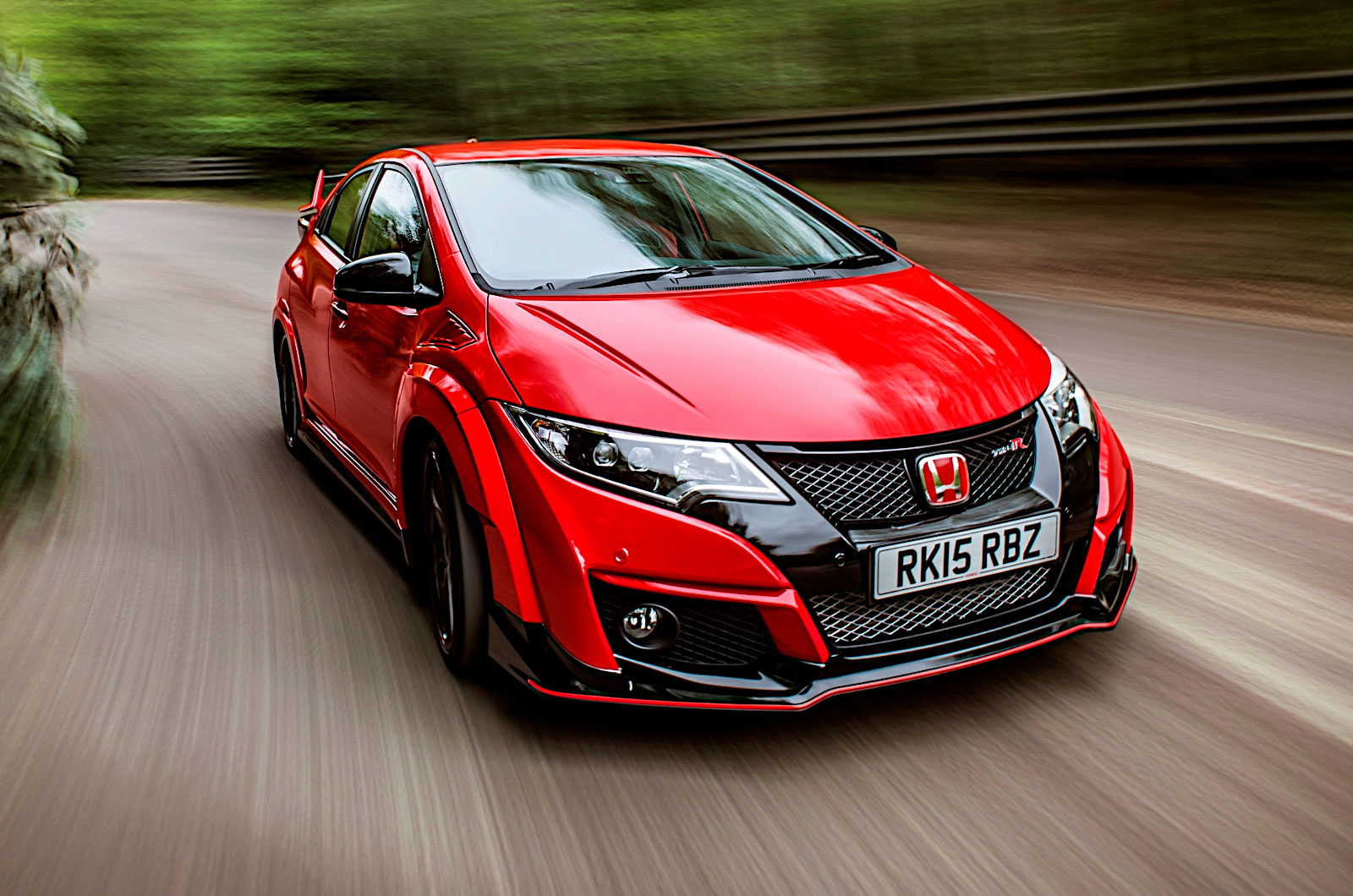
Honda has been producing Type R variants of its Civic since 1997, and since 2001 they have all been powered by a 2.0-litre engine. For 15 years, these were known for their remarkable power, their ability to rev well beyond 8000rpm and a certain lack of oomph before the VTEC variable valve timing switched from tea-with-the-vicar to the-zombies-are-coming mode.
Honda changed the game entirely in 2015 when it added a turbocharger. The engine was now limited to a relatively modest 7000rpm, but suddenly there was plenty of mid-range power, and the peak figure shot up to 306bhp. After some mild tweaking, it was raised further to 316bhp.
Lancia Thema
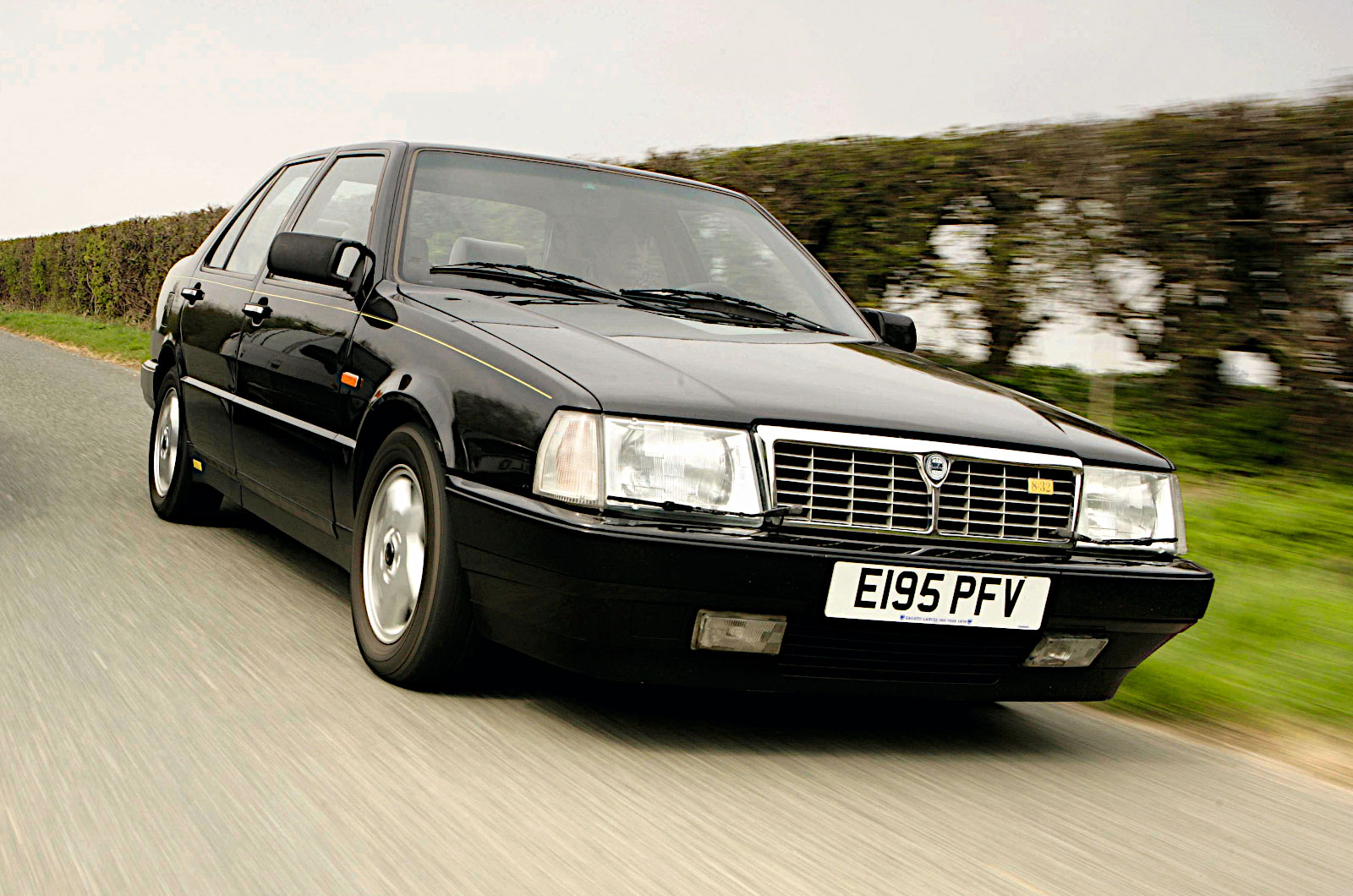
The Thema was a luxury saloon based on the same platform also used for the Alfa Romeo 164, Fiat Croma and Saab 9000. Two years after it was launched, Lancia added an outstanding version called the 8.32, named after the number of cylinders and valves in its engine.
At 2.9 litres, this wasn’t quite the largest unit fitted to the Thema, but it was by far the most powerful. Derived from the Ferrari Dino V8, it produced 215bhp, a full 40bhp more than the 3.0-litre Alfa Romeo V6 which it demoted to second place in the range.
Lotus Europa
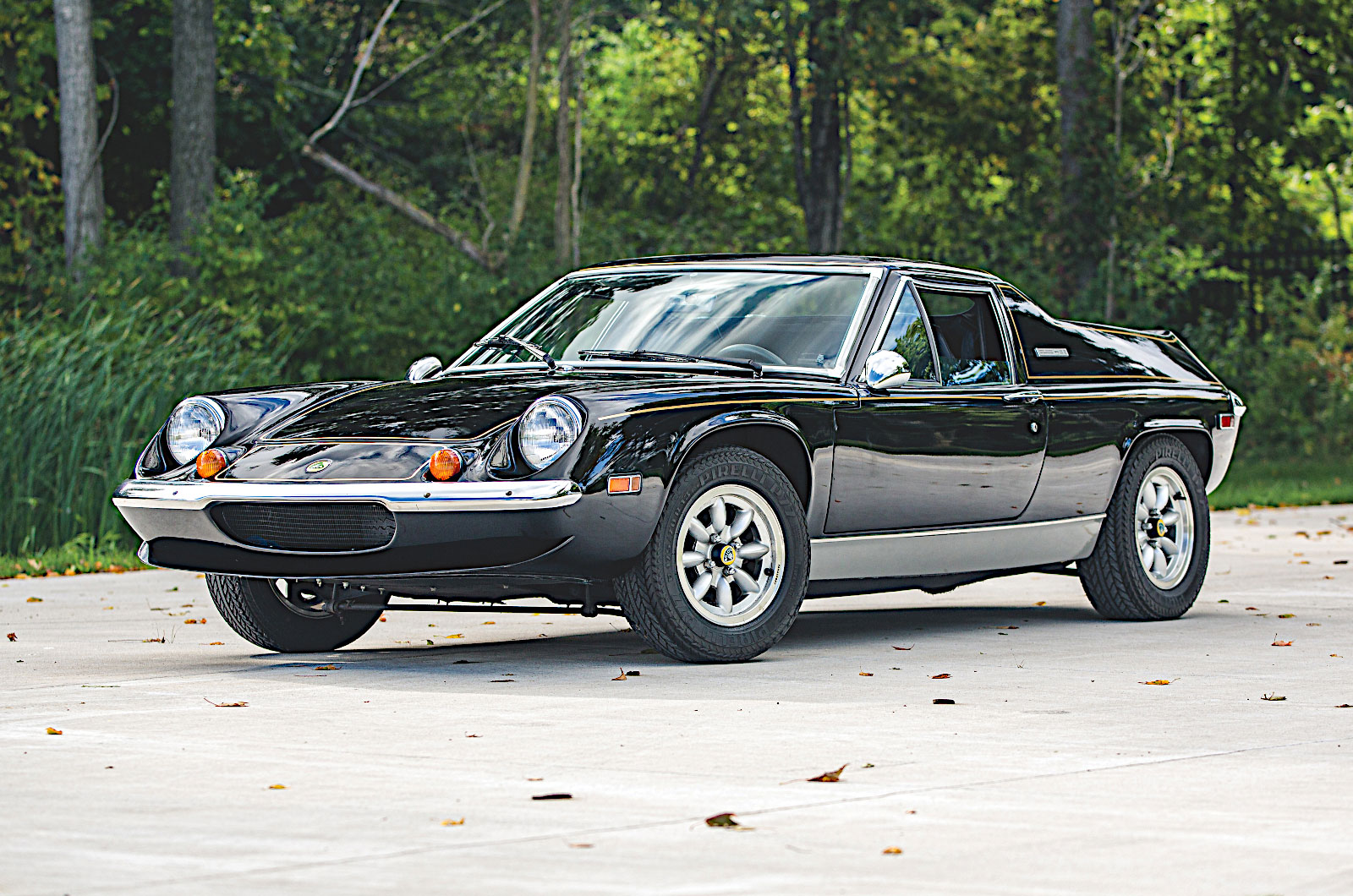
Launched in 1965, the Europa was a very early example – though by no means the first – of a mid-engined road-going sports car. To begin with, it was powered by the Cléon-Alu engine from the Renault 16, and also used that car’s transaxle which, unlike any transmission available from usual supplier Ford, could easily be adapted to suit the mid-engined layout.
Lotus continued using the transaxle through the Europa’s production life, but it eventually swapped the engine for its own Ford-based Twin Cam. Power outputs accordingly shot up, initially to 105bhp and later to 126bhp, giving the Europa far more straightline performance than it had started out with.
Mazda CX-7
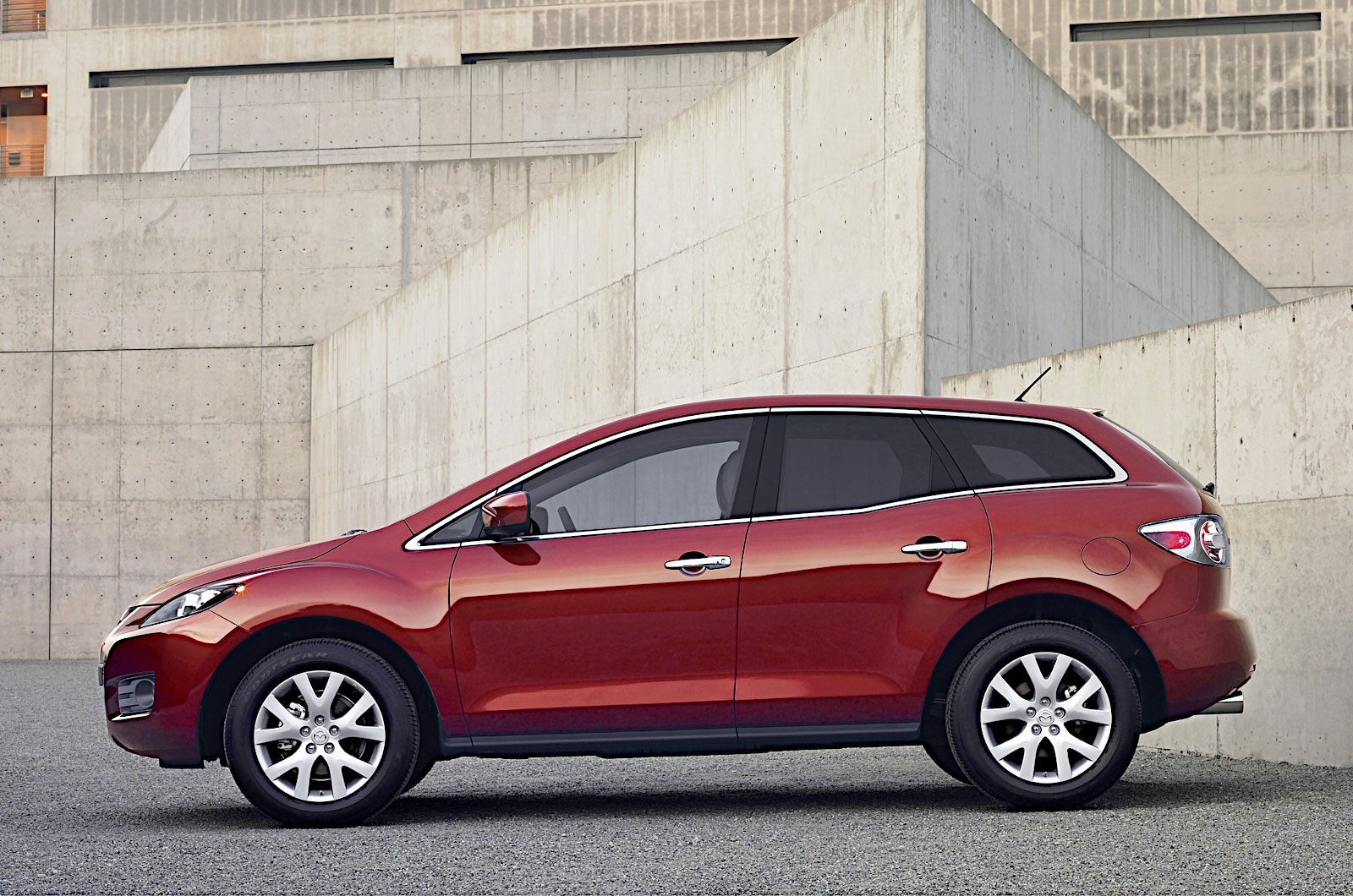
Replacing a powerful petrol engine with a much less powerful diesel may seem like a backward step, but in this case it was the right thing to do. The CX-7 SUV was initially available only in the UK with the 256bhp 2.3-litre petrol engine also found in the high-performance Mazda3 MPS and Mazda6 MPS. Everyone knew this was a bad idea – including, they would quietly admit, Mazda’s British representatives.
Two years later, in 2009, that engine was dropped in favour of a 2.5-litre diesel. The price went up, and the power output dropped by a startling 85bhp, but the CX-7 was now subject to £190 less Vehicle Excise Duty each year and was, according to the official fuel economy figures, 10mpg less thirsty. A previously almost unsellable vehicle had now been transformed into something that suited its target customers.
Mercedes A-Class
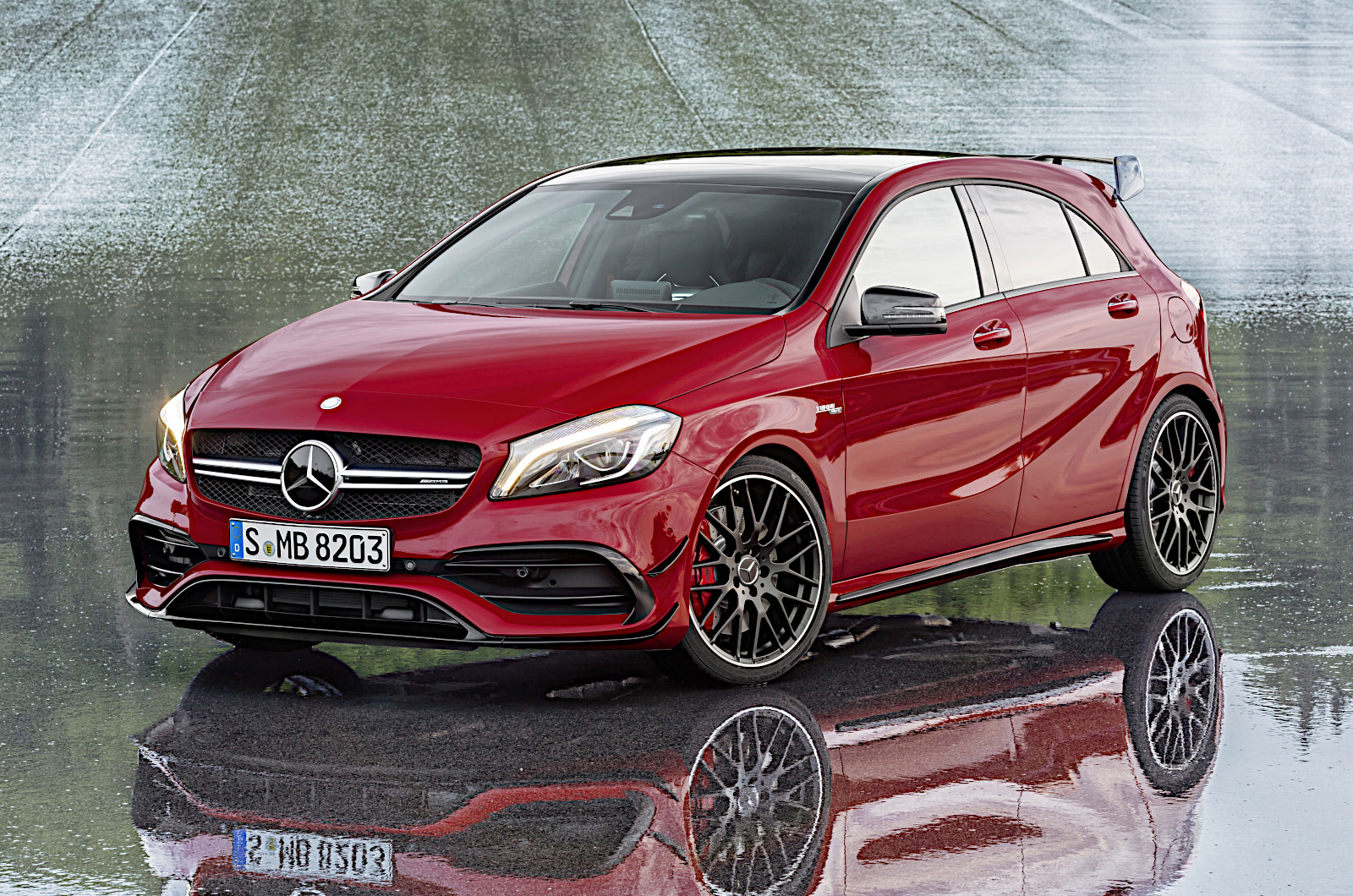
The third-generation A-Class was mostly available with a variety of engines with power outputs in the 100-210bhp range. One year after launch, though, Mercedes introduced the four-wheel drive A 45 AMG variant (subsequently renamed Mercedes-AMG A 45).
The difference this made to the car’s straightline performance was phenomenal. The highest power output in the range had now shot up by 70% to 355bhp, and that was only the start. Following a revision, it rose still further to 376bhp. Today’s fastest A-Class has a different but conceptually similar engine which produces 416bhp.
Mercedes R-Class
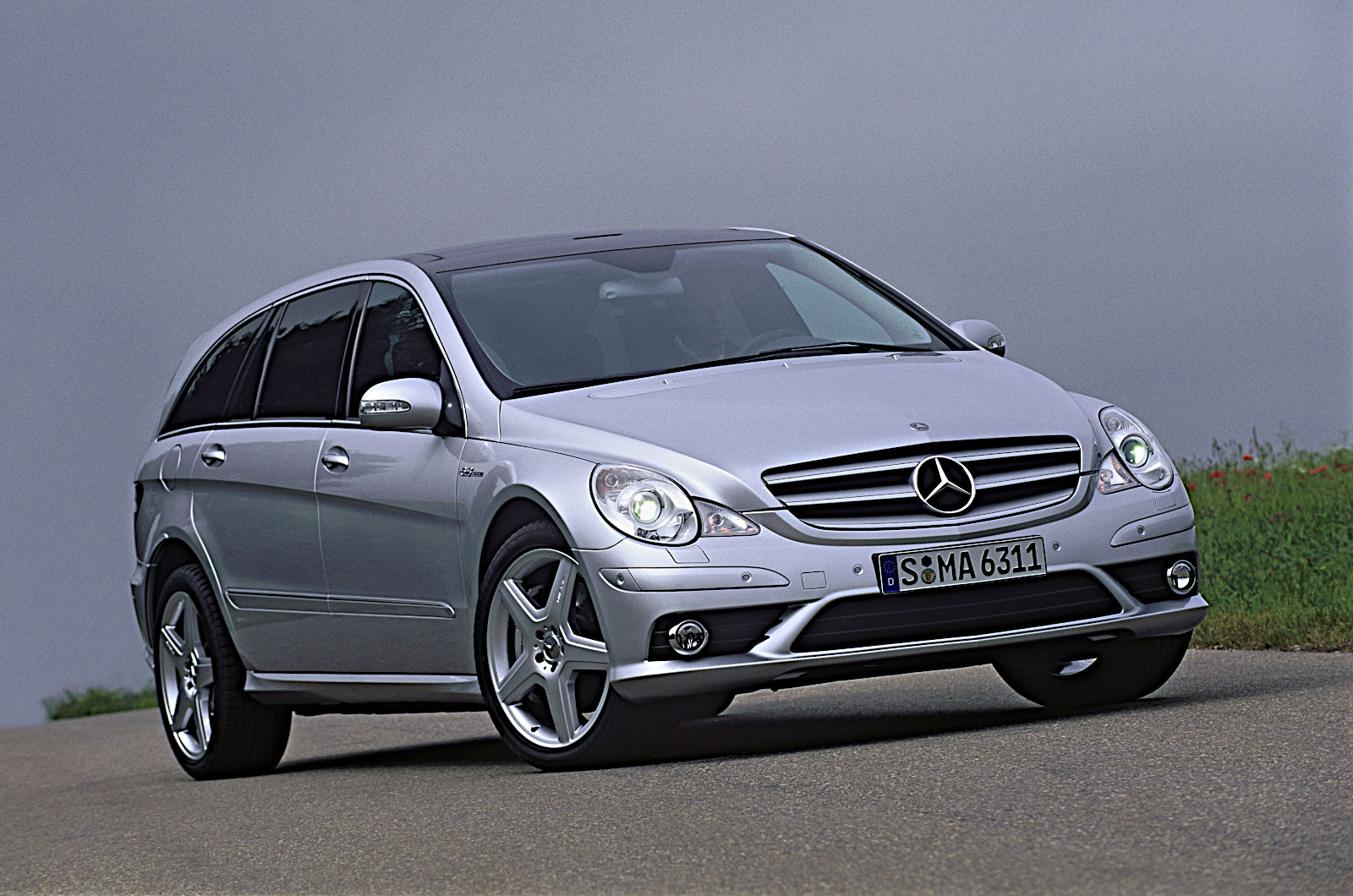
In a spectacular example of what we called “Mercedes’ every-engine-in-everything product planning,” the R-Class became available with a 503bhp 6.2-litre V8 engine a year after its launch.
As a large luxury MPV, it was well suited to powerful engines, but this was a whole new ball game. The big V8 produced 503bhp, which was far more than anyone needed – or, apparently, wanted. Sales were minimal, and the R 63 AMG, as it was called, disappeared from the price lists very quickly.
MGB
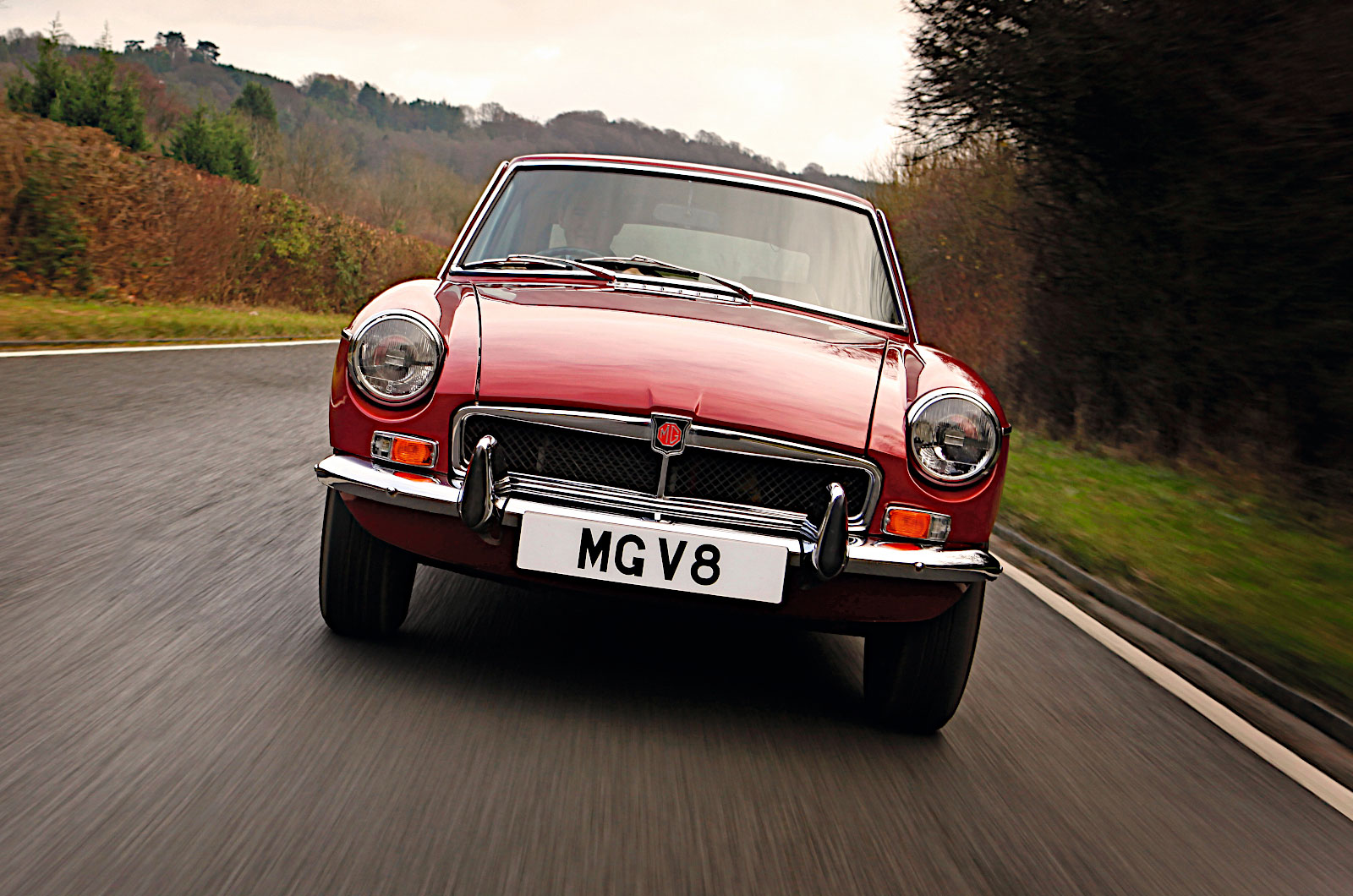
The MGB roadster was launched in 1962, and a coupe version called the MGB GT came along three years later. In an attempt to create a high-performance variant, MG first fitted a 2.9-litre straight-six engine and called the result MGC, but this was unsatisfactory and was abandoned after just two years.
A second attempt followed in 1973. This time, MG created the MGB GT V8 by fitting the 3.5-litre Buick-derived Rover engine into the coupe. It didn’t last much longer than the MGC had, but by general consent it was a far superior car.
Renault 6
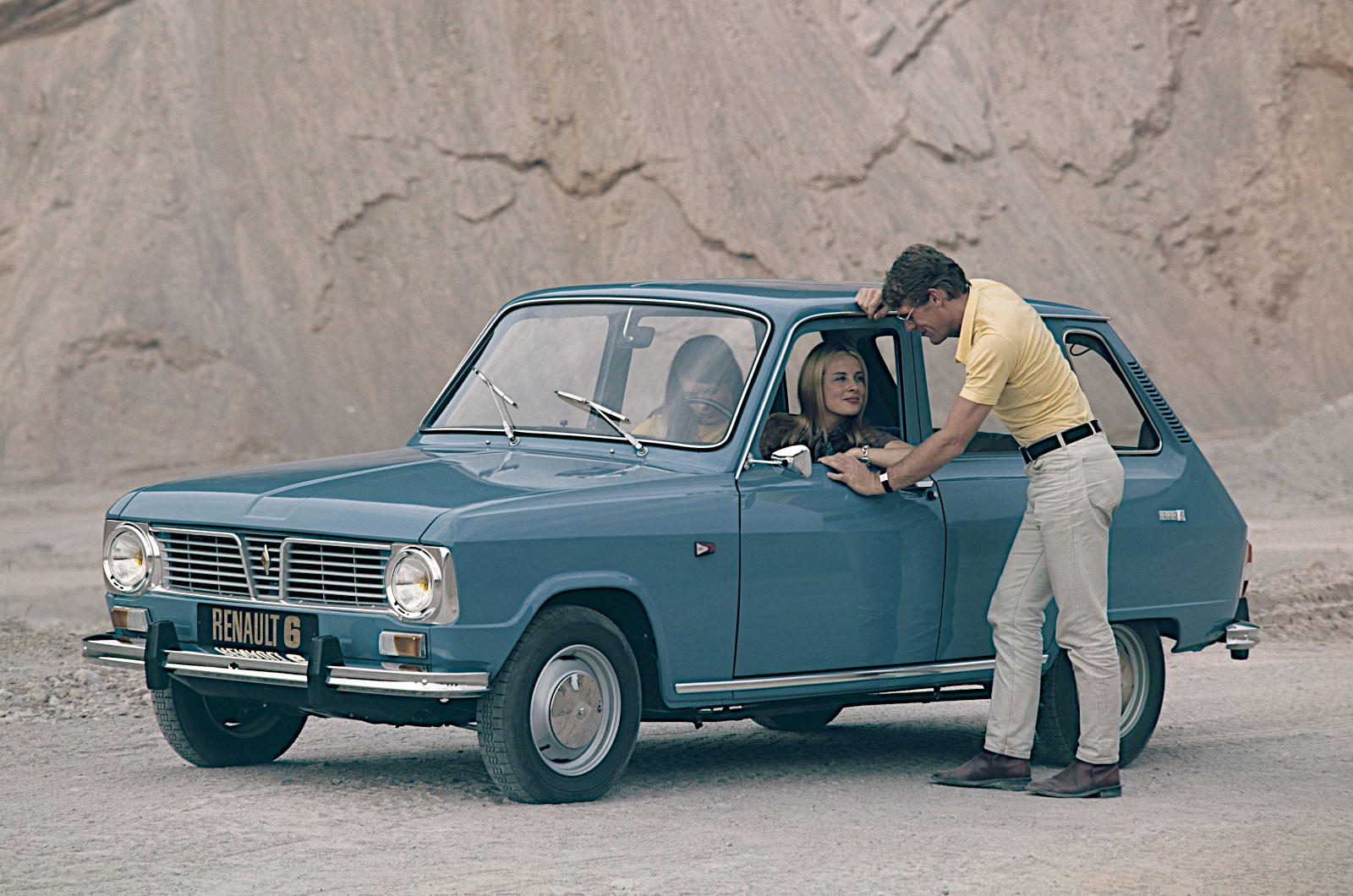
This was a very mild but still valid example of the principle we’re discussing. The 6 was designed as an upmarket alternative to the Renault 4 which was fitted at its launch in 1968 with the same immediate post-War Billancourt engine, even though the larger and more powerful Cléon-Fonte had been available for six years.
In 1970, Renault did the right thing and added the Cléon-Fonte to the range. With this engine, the 6 still wasn’t especially quick – and didn’t really need to be – but it was at least acceptably so. As we said in a 1974 road test, there was “no doubt that Renault’s engineers got their sums exactly right” at the second attempt.
Renault Clio Renaultsport
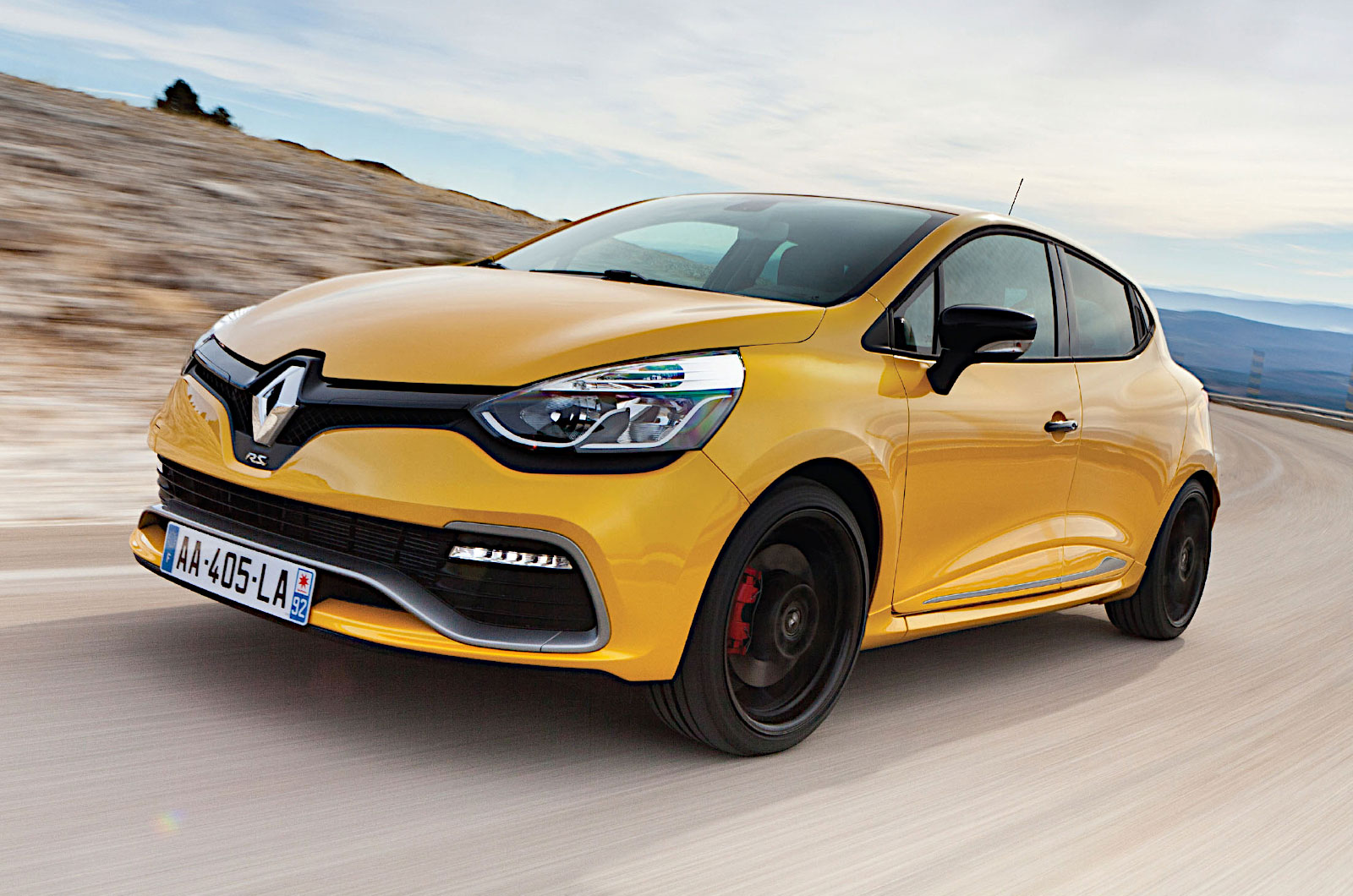
The first few versions of Renault’s hottest Clio were all powered by a high-revving, naturally-aspirated 2.0-litre engine. This policy changed dramatically in 2013, when Renault switched to a 1.6-litre turbo co-developed with Alliance partner Nissan and producing similar power (197bhp).
There was no doubt that the Clio’s character had been transformed. The question was whether this was a positive or a negative move. There were those who felt the superior mid-range performance was a major improvement, but we reckoned that “all the previous car’s impish zip has been sucked mercilessly from the bone”.
Saab 96
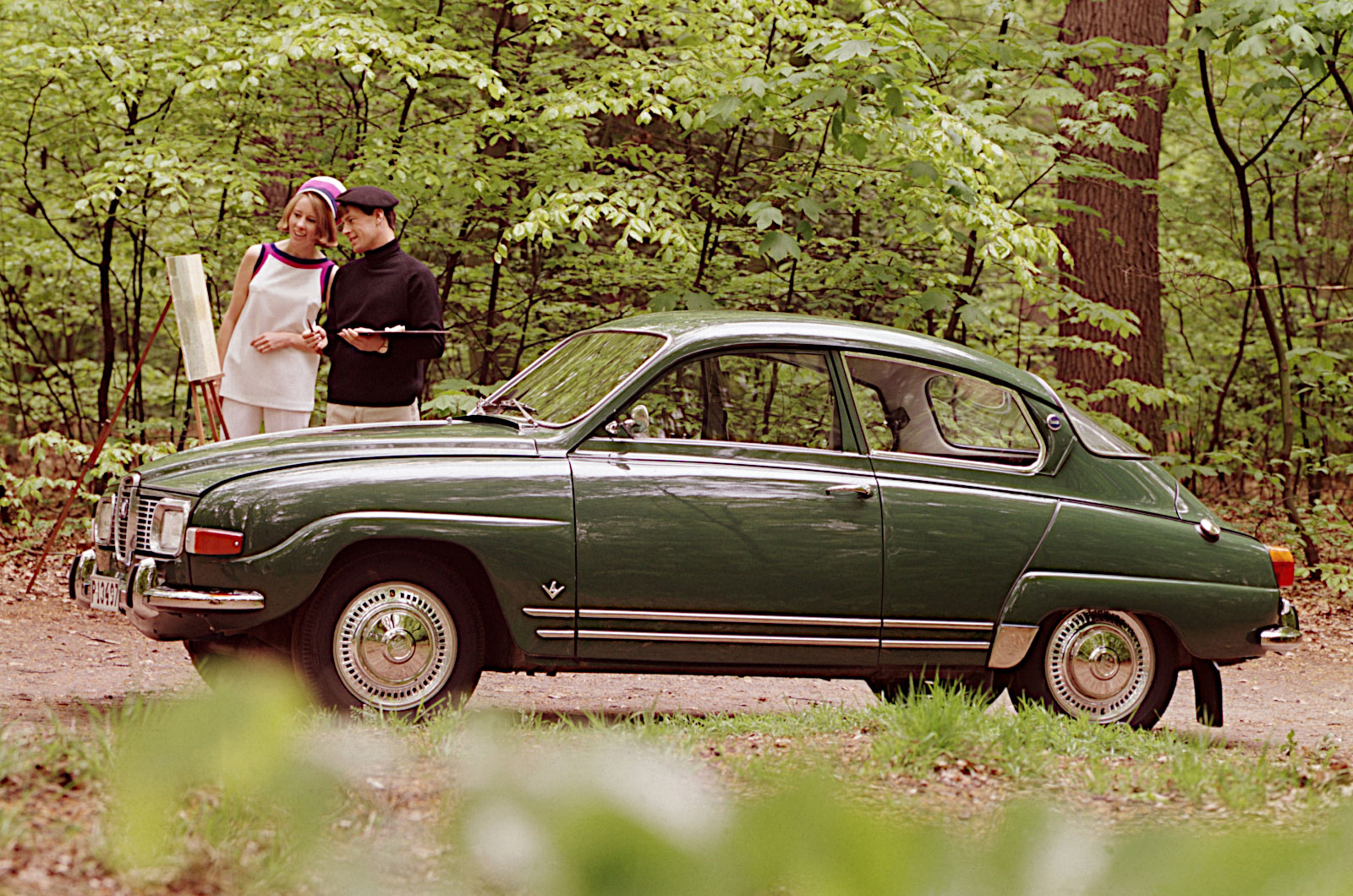
Saab fitted nothing but two-stroke engines to its cars all the way from the launch of the 92 in 1949 until nearly halfway through the production life of the 96 (the 92’s second successor) 18 years later. At this point, it switched to a four-stoke V4 developed by Ford of Germany.
It wasn’t one of the world’s great engines, but it was more powerful than anything Saab had used in the past. Crucially, it also didn’t sound like a wasp trapped in a tin can or emit clouds of smelly blue smoke. The 96 lasted until 1980, which it certainly wouldn’t have done if Saab had persevered with the two-stroke.
Sunbeam Alpine
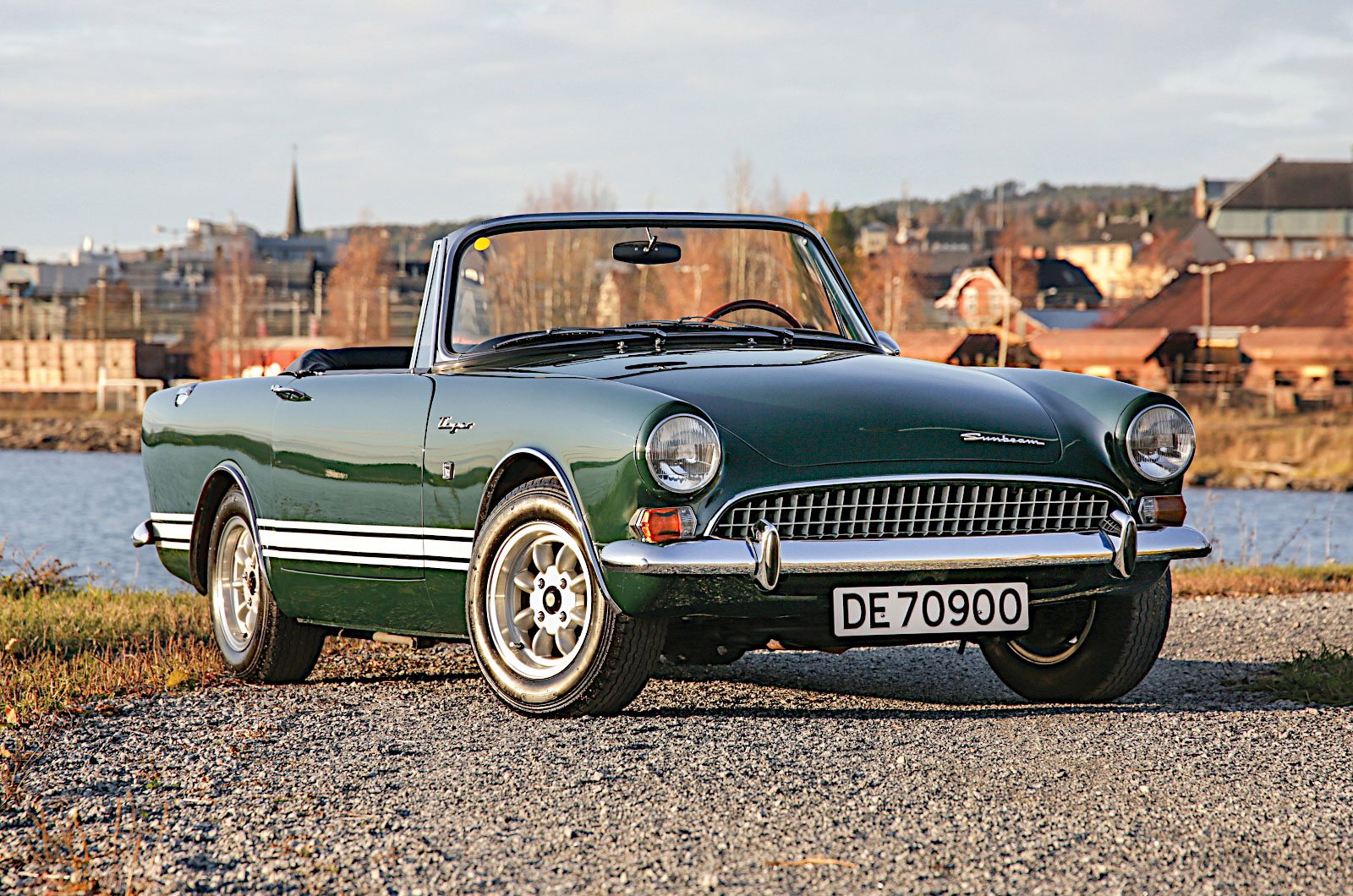
The story of the Sunbeam Tiger almost exactly mirrors that of the slightly earlier AC Cobra. Both cars were suggested by Carroll Shelby, who (in the case of the Tiger) thought there was nothing wrong with Sunbeam’s Alpine sports car that couldn’t be fixed by giving it more power.
As with the Cobra, the Alpine was converted to accept the Ford Windsor engine (4.3 litres at first, later 4.7) and given a suitably aggressive name. This time, though, there would be no progression to a larger Ford V8.
Vanden Plas Princess
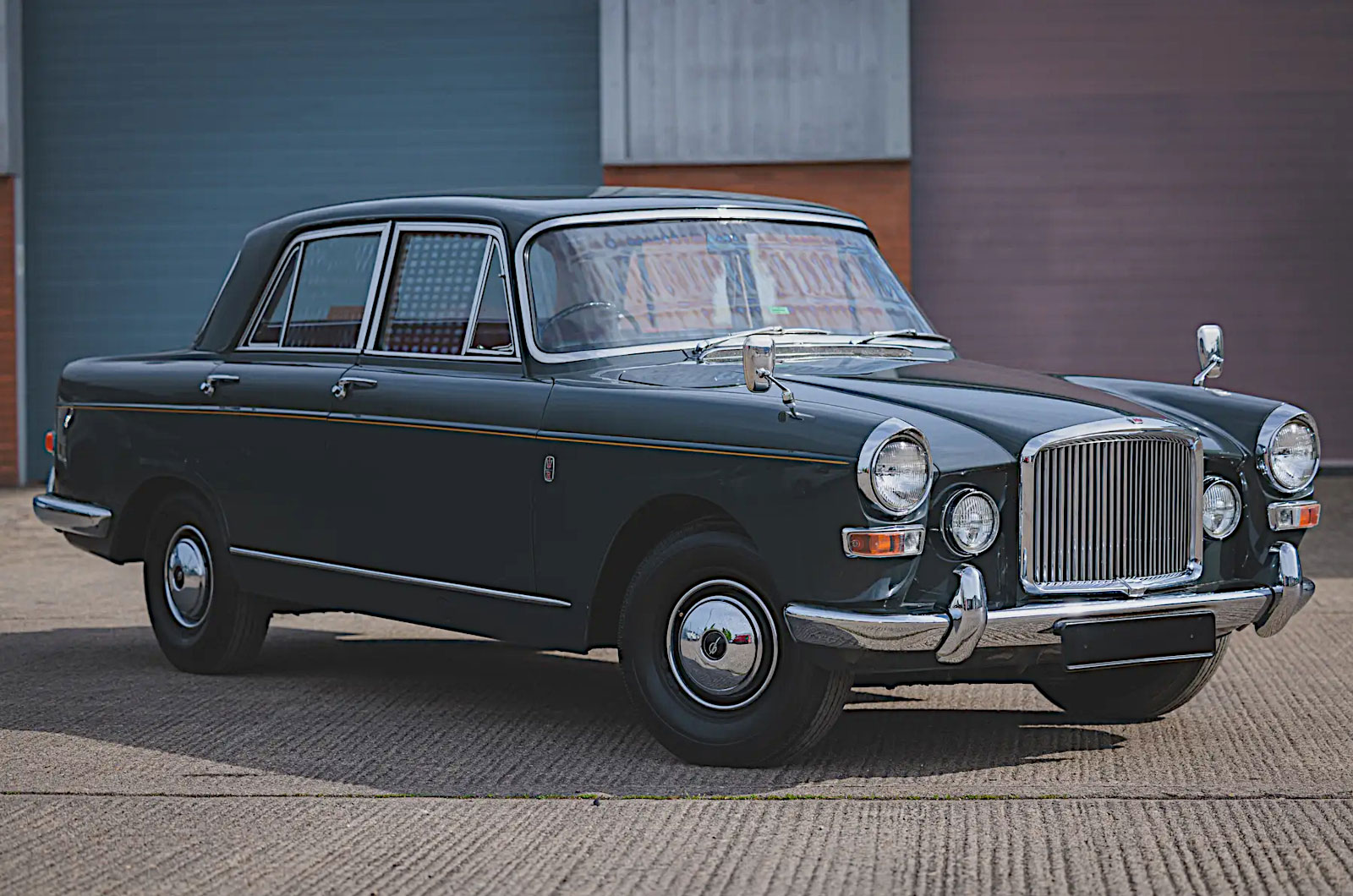
Of the several cars known as Vanden Plas Princess, the one we’re interested in here was the large, Farina-designed saloon which was almost identical to models produced by Austin and Wolseley. All were powered by a 2.9-litre straight-six engine, but only the Princess was taken a stage further.
In 1964, it was given a new name – Princess R – following several revisions, the most dramatic being the fitment of a 3.9-litre engine developed by Rolls-Royce. The power output jumped from around 120bhp to 175bhp, which made the Princess far quicker than before, though given the nature of the car it’s likely that more effortless high-speed cruising was considered more important than sharper acceleration.
Vauxhall Carlton
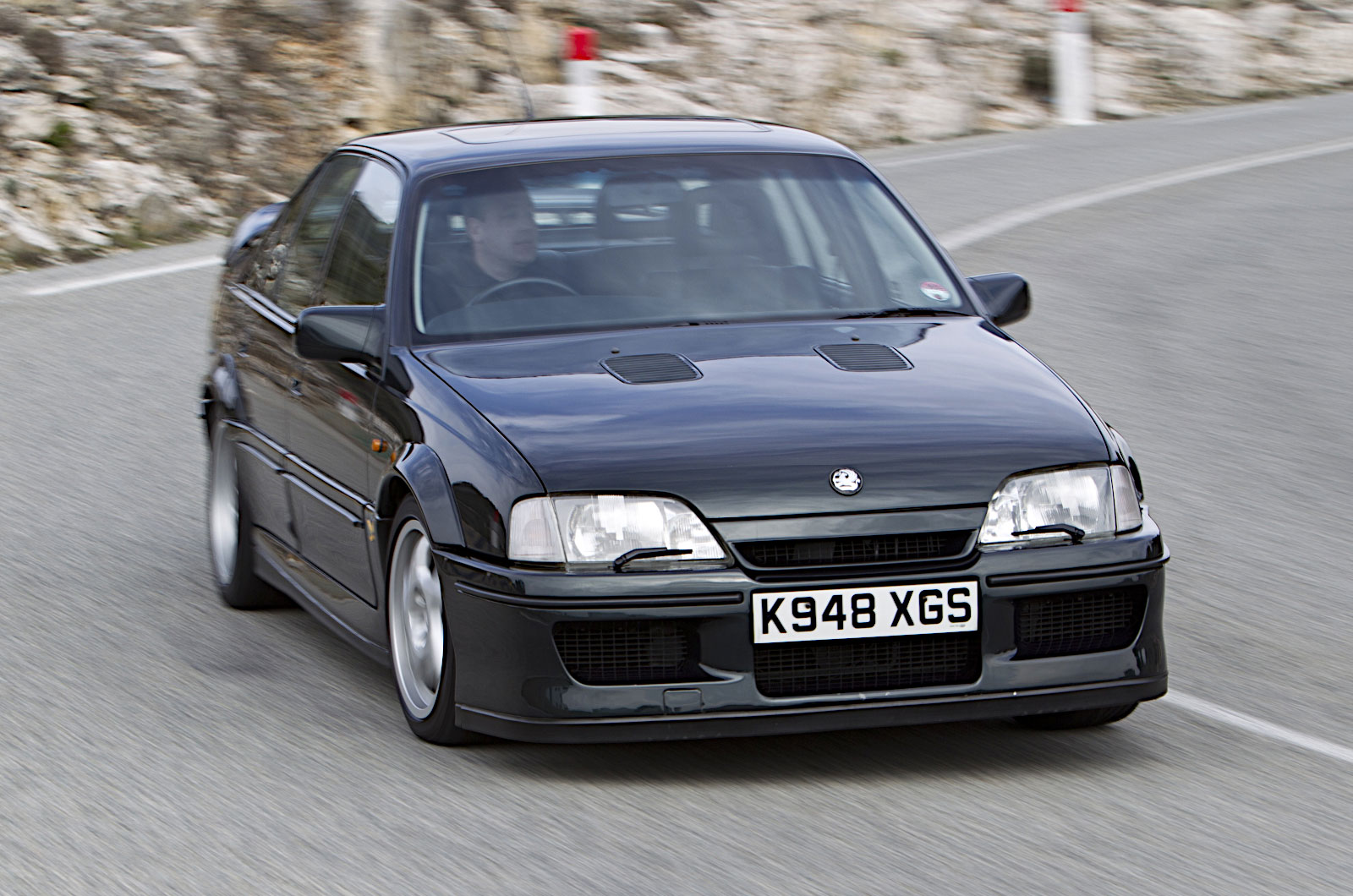
The Carlton GSi was a fine car with excellent handling and a strong 3.0-litre 24-valve engine. It was also the basis of that Wagner opera on wheels, the Lotus Carlton. Despite claims to the contrary elsewhere on the internet, every example of this model came off the Opel production line in Rüsselsheim as a standard GSi before being shipped to Lotus in Hethel for a conversion which lasted 150 hours.
The alterations included raising the capacity of the six-cylinder engine from 3.0 litres to 3.6 and fitting two Garrett turbochargers. Power output accordingly shot up from the original 204bhp to 377bhp (if the engines was fed with sufficiently high-octane petrol), and the straightline performance improved to such an extent that there were calls for the car to be banned.
Volkswagen Golf R
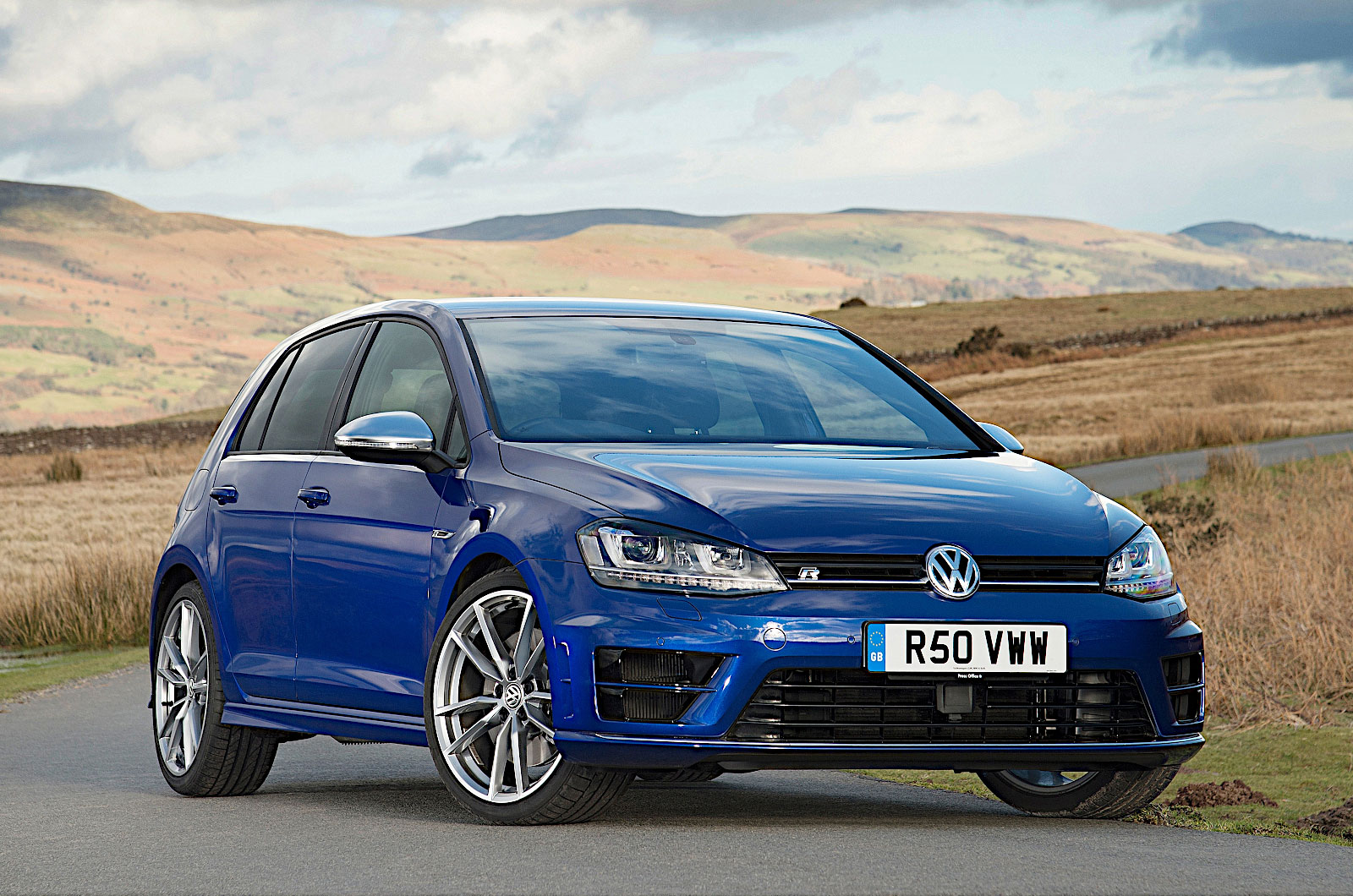
The first two generations of Golf R were known as R32, a reference to their 3.2-litre V6 engines. They were quick and sounded fabulous, but that engine was very heavy and mounted almost entirely ahead of the front axle, which created major handling problems in the original version. The next one was better, but still occasionally troublesome, especially over a series of closely-spaced crests.
For the generation after that, Volkswagen ditched the 32 part of the name and fitted a turbocharged 2.0-litre four-cylinder. This was more powerful, but crucially it was also lighter. The handling issues disappeared completely, and the R became the splendid hot hatch it should have been in the first place.
Volkswagen Passat
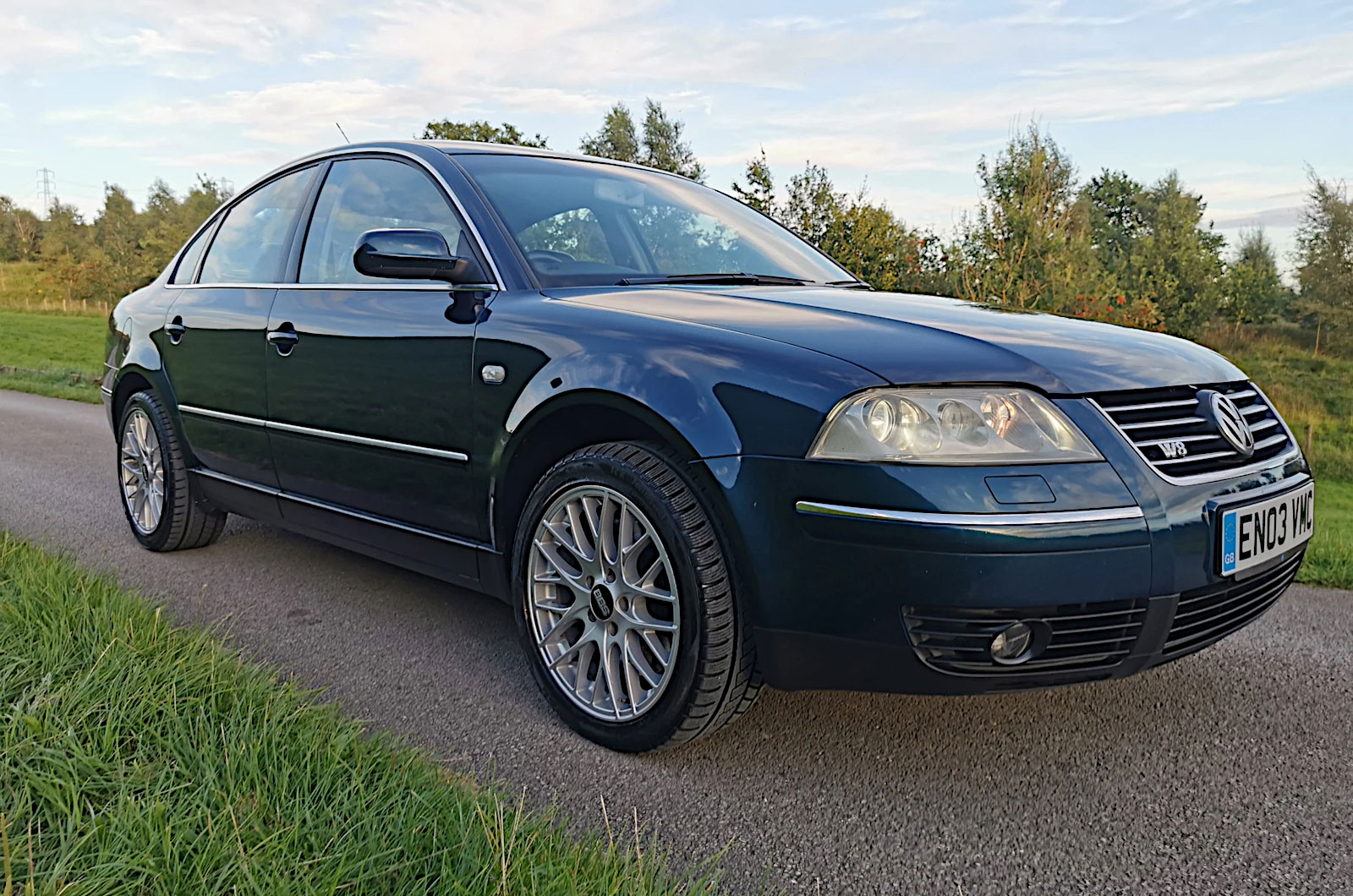
The Passat introduced in 1997 was (a former owner writes) a worthy but not particularly exciting car available with engines which could mostly be described as straightforward – except one. This was a 4.0-litre W8, essentially two 2.0-litre V4s mounted on a common crankcase, the only engine of that type ever fitted to a production car.
Available from 2001, it produced 271bhp, making it the most powerful engine used in a Passat of that generation by over 80bhp. Despite its outstanding features, it sold very badly, and the project was soon abandoned, which may have been what VW expected to happen.
Volkswagen Touareg
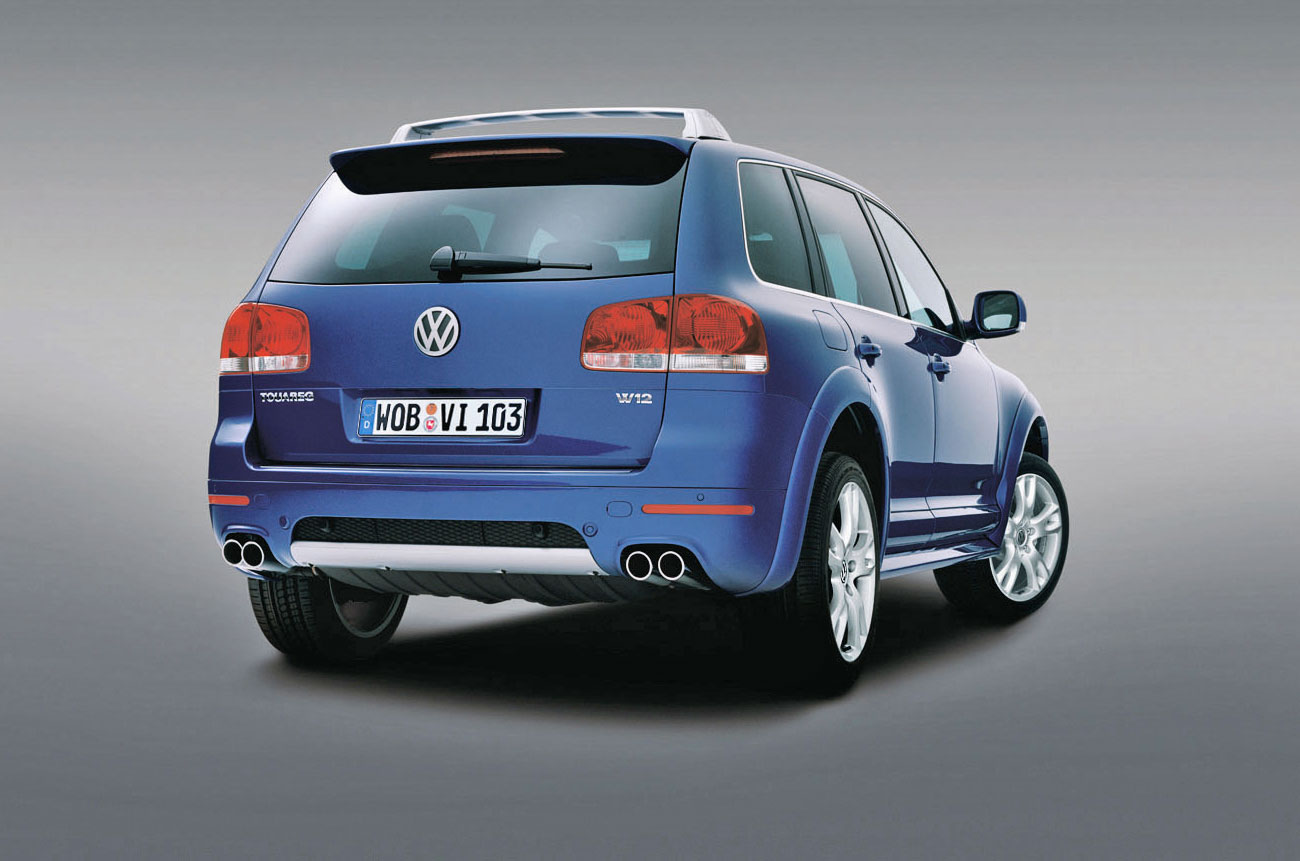
In another piece of extravagant engine policy, Volkswagen added a 6.0-litre W12 to the Touareg two years after the big SUV was launched. This engine was nearly as rare as the W8 fitted to the Passat, but was also used in the Audi A8, the Bentley Continental and the VW Phaeton.
Once again, this engine blitzed all the others in the range in terms of performance, with a maximum output of 444bhp. VW initially planned to build only 500 examples of this particular Touareg, but continued production when it proved to be surprisingly popular.
Morris Minor
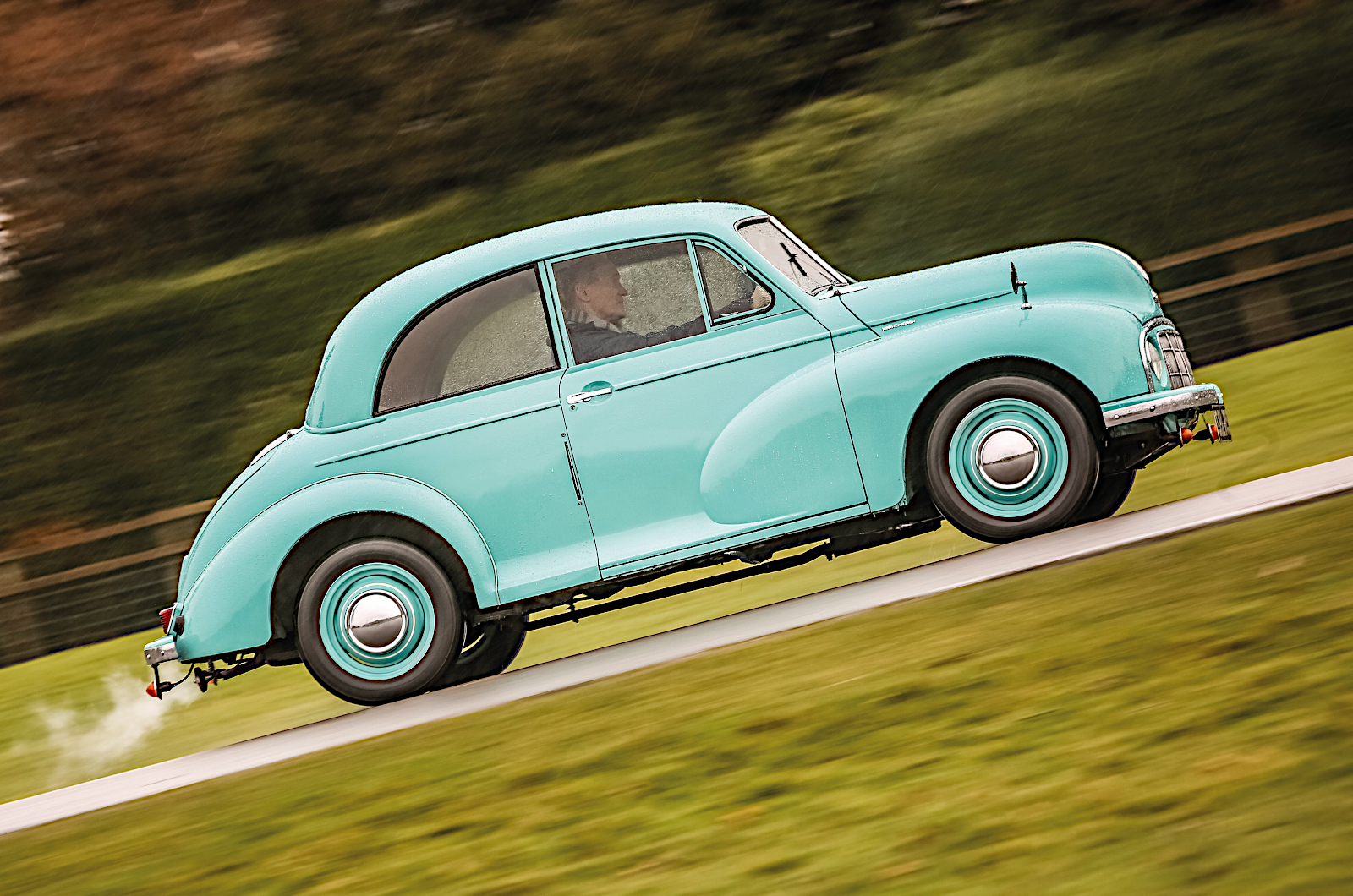
At the time of its launch in 1948, the Minor was fitted with a 918cc engine based on a Wolseley design which was already 20 years old. It was extremely unlikely that this unit would last, as the car did, until as late as 1971. In fact, the change happened very early in the Minor’s career. In 1952, Morris was brought together with its former arch-rival Austin in the British Motor Corporation.
This gave Morris access to the new BMC A-Series engine, which had just been introduced in the Austin A30. Despite being smaller, at 803cc, the A-Series had similar power to the engine it replaced, and far more scope for development. By the end of Minor production, it was being used in 1098cc form, and still had nearly three decades more life left in it.
Talbot Sunbeam
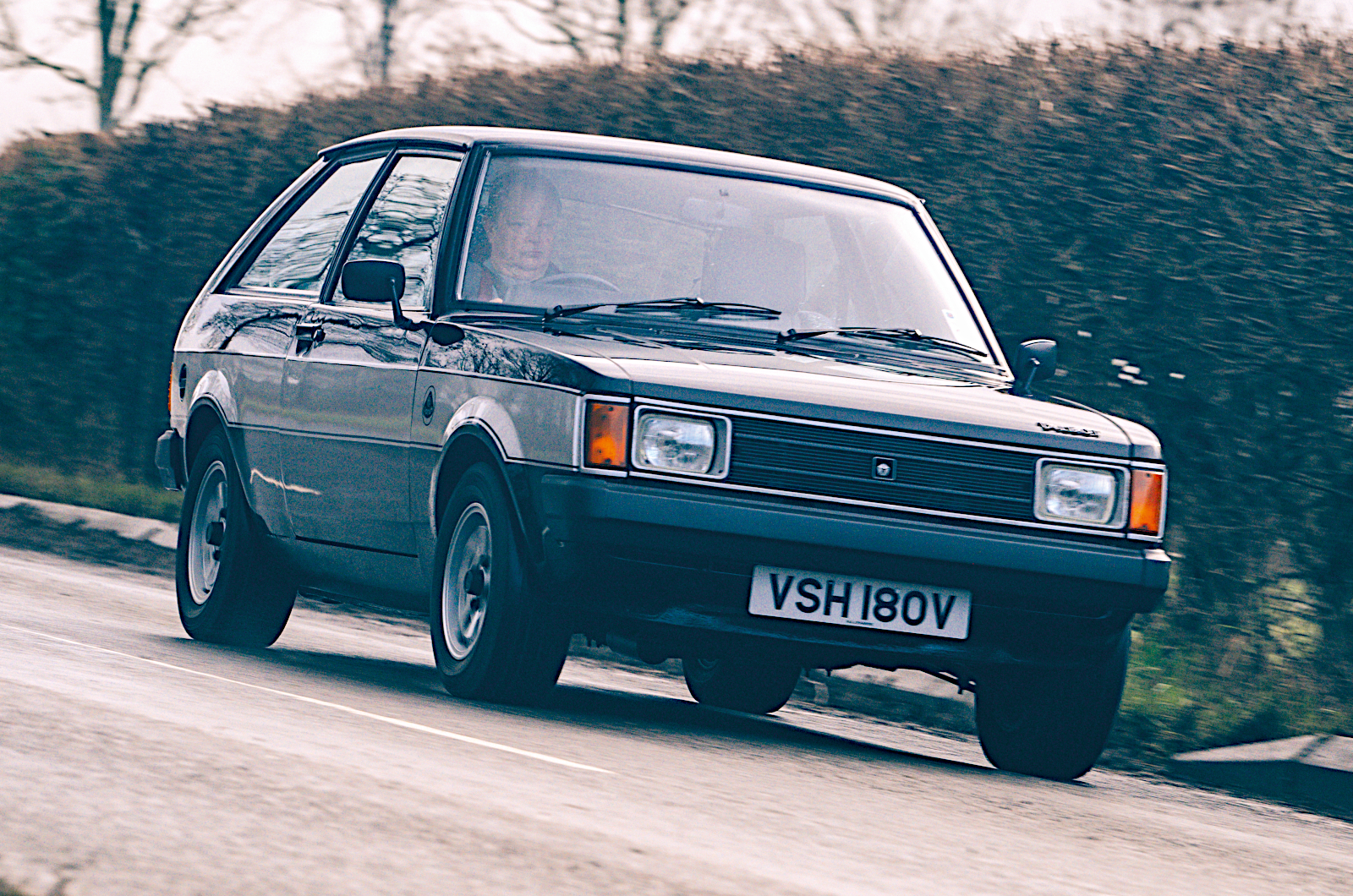
Most Sunbeams were fitted with either 1.3- or 1.6-litre versions of the engine used in the Hillman Avenger or a 928cc unit derived from that of the Hillman Imp. The outlier was a 2.2-litre 16-valve Lotus motor, part of a range which was used both in the Jensen-Healey sports car and several models produced by Lotus itself.
With a power output of 150bhp, the Sunbeam Lotus was a formidable road car, but that wasn’t its main purpose. The idea had been to attract publicity for the brand through motorsport, and it worked. Just before four-wheel drive turned the whole scene upside-down, the Sunbeam Lotus was competitive enough to earn Talbot the Manufacturers’ title in the 1981 World Rally Championship.
Vauxhall Chevette
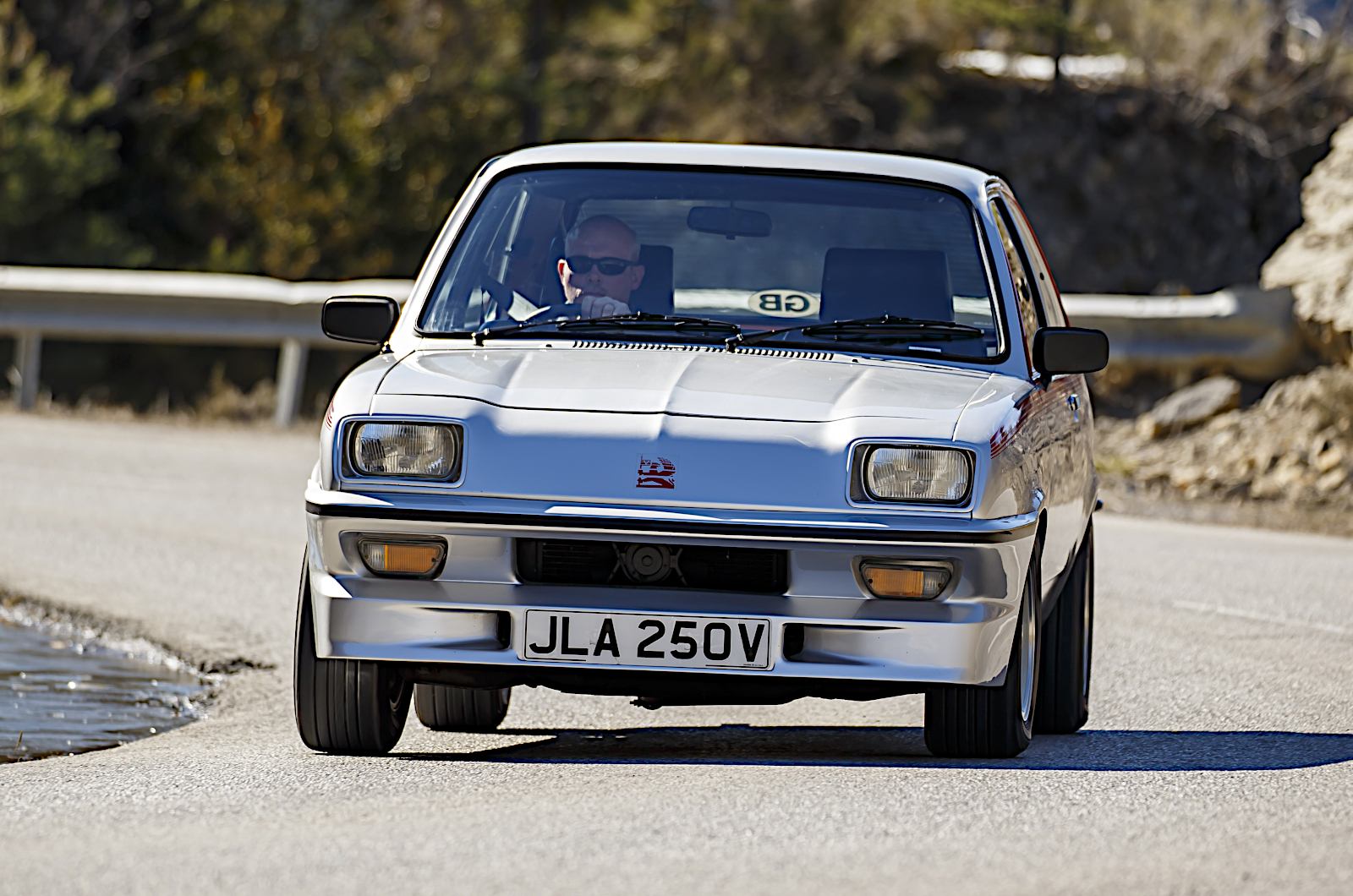
The Chevette was initially a small hatchback (though saloons and an estate followed) based on the Opel Kadett. Nearly every version was fitted with a 1256cc engine, but Vauxhall, like Talbot with the Sunbeam, decided that a more powerful version intended for rallying would be good for publicity.
There was no way that the original engine would be suitable for this, so Vauxhall took its 2.3-litre Slant-4 engine, added a 16-valve cylinder head and put it under the bonnet to create the Chevette HS (pictured). (Early rally cars were fitted with a similar head developed by Lotus, but this was soon banned.) The same mechanical arrangement was used for the later HSR, which had several fibreglass panels, including wide front and rear wings which gave the car a very dramatic appearance.

Headlight Repairability Emerges as Key to Reducing Auto Costs and Environmental Impact

BMW Starter Motor Defect Triggers Expansive Recall, Exposing Fire Risks Across BMW and Toyota...

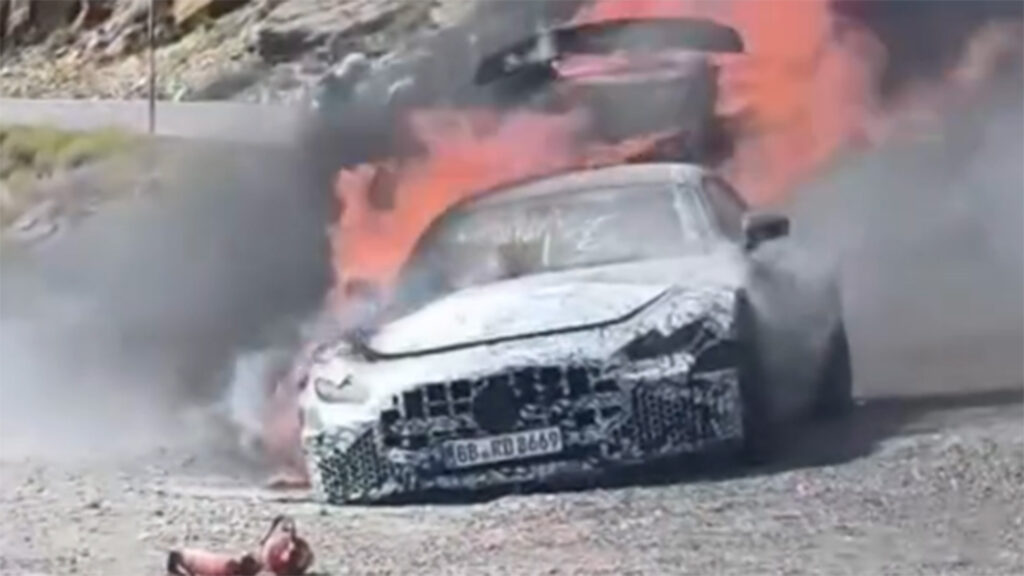
Mercedes-AMG GT Prototype Fire Highlights Uncertainty Over Hybrid Testing Risks

Car Flipping’s Hidden Costs and Public Backlash

Festival of the Unexceptional Highlights the Enduring Appeal of Ordinary Classic Cars
 Today is the annual gathering of all things weird, boring and wonderful. But what to take?
The Festival of the Unexceptional (FotU), described by organiser Hagerty UK as a "celebration of the mundane motors that were once commonplace", returns to Grimsthorpe Castle, Lincolnshire, today (Saturday 25 July).
Only cars registered between 1971 and 2001, and preferably in entry-level trim, will be eligible for entry to the display area and to the the main event, the Concours de l'Ordinaire.
The judges will be looking for the quirkiest, most charming and original examples of unexceptional classics to award the top honours to.
Hopefuls will also need to have a good story to tell about their car and, on the day itself, dress to impress in period clothes. We wish all entrants the best of luck.
But if you're tempted to take part in this impressive display of mundanity, here are 10 cheap and unexceptional cars no older than 2001-reg that we've found for sale that could make ideal contenders for next year.
Skoda Favorit
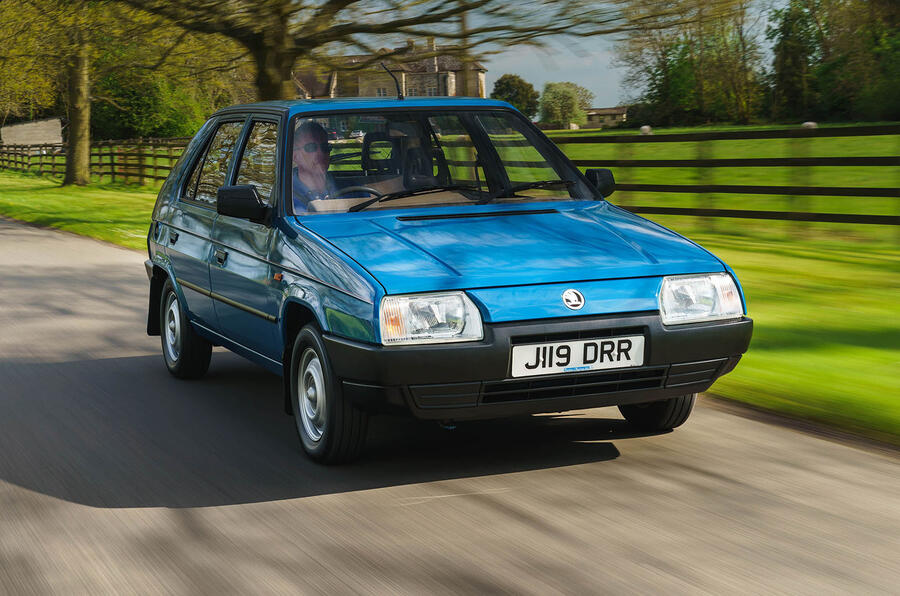
A Favorit won FotU last year. Launched in 1987, it was Skoda's first front-engined, front-wheel-drive car and this, plus its crisp design, were what persuaded Volkswagen to buy the company.
We found: Skoda Favorit 1.3, 1990/H-reg, 63,000 miles, £2695
It's always been garaged and has a full service history. "No power steering, no central locking, no CD/radio, no electric windows, no electric mirrors," brags the seller.
Rover Metro
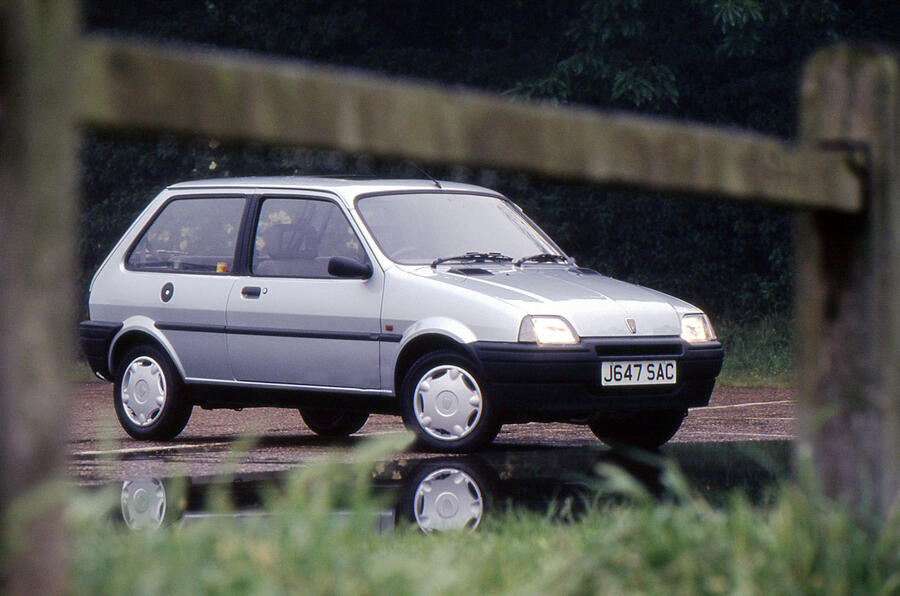
Including the later Rover 100, more than two million Metros were sold during the model's 17-year production run. Alas, its good name was tarnished by the 100 version's dismal crash test performance.
We found: Rover Metro 1.1L, 1991/H-reg, 42,000 miles, £2995
Described as "superb", this Metro has been garaged all its life. Being the Rover version, it should ride smoothly thanks to its interconnected, front-to-rear Hydragas suspension system.
Daewoo Lanos
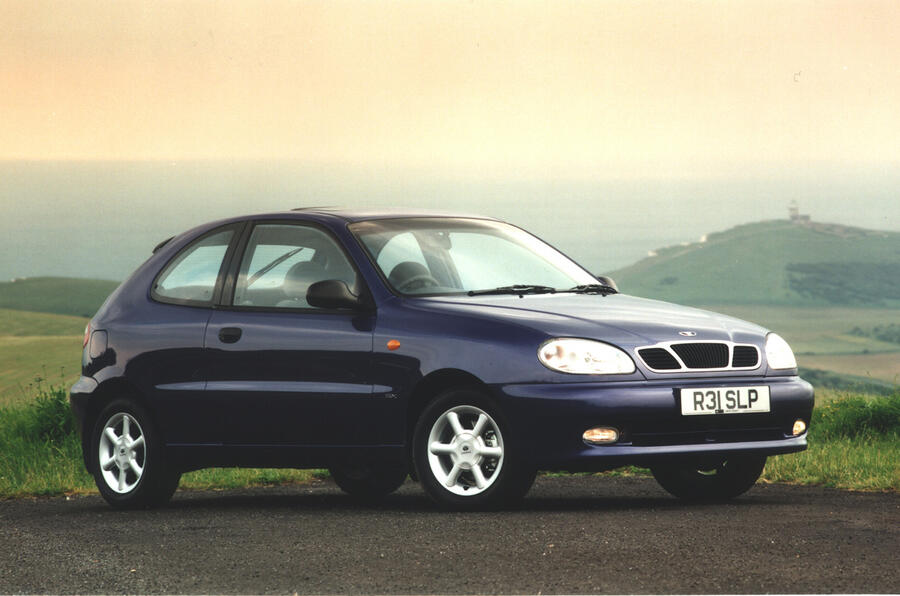
The Lanos's main attraction when new was its reputation for reliability - amazing considering that just three years before the model was launched in 1997, Daewoo had been churning out rebranded Vauxhall Astras and Cavaliers. A Lanos featured in the 2024 Concours de l'Ordinaire.
We found: Daewoo Lanos 1.4 SE 5dr, 1999/T-reg, 99,000 miles, £800
This "sold to clear without warranty" part-exchange looks a bright little thing and is described as a "cheap little runaround".
Nissan Primera
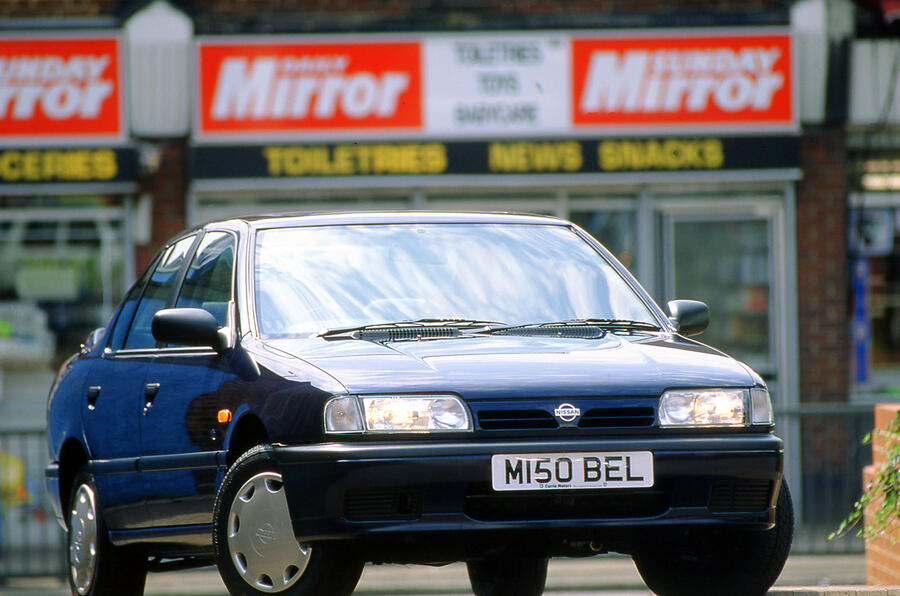
Like its Bluebird predecessor, the Primera was built in Sunderland. In fact, the Mackems did such a good job that some of them were exported to Japan. Just as my neighbour's 2002-reg example is, many surviving Primeras are still putting in the hours.
We found: Nissan Primera 1.6 Precision 5dr, 1996/N-reg, 59,000 miles, £2500
This first-generation Primera comes with a service book groaning with stamps - 24 of them no less, all with supporting invoices. Apparently, it "drives like new".
Daihatsu Charade
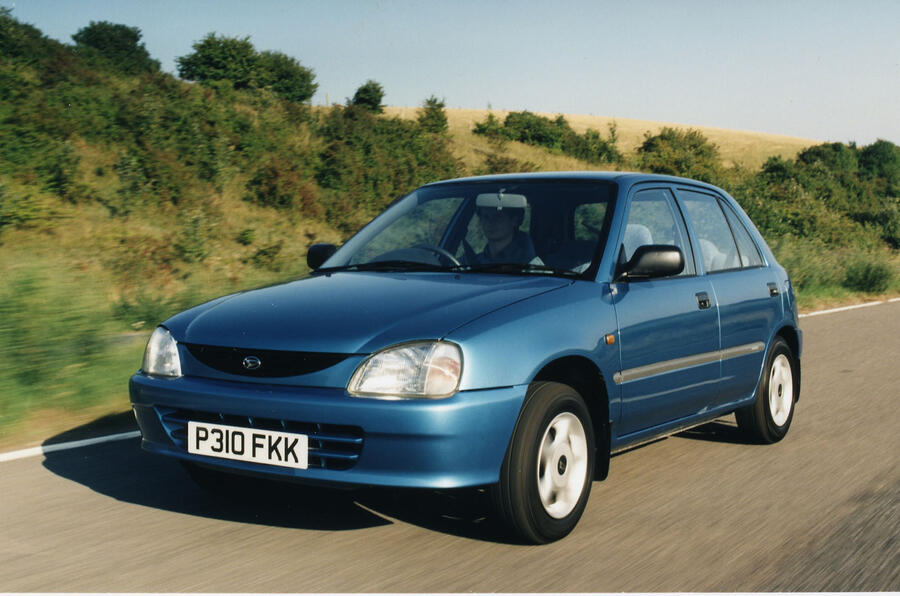
Autocar readers of a certain vintage will recall the turbocharged and intercooled Charade 1.0 GTti of 1987. This is not that car. Instead, it's the later fourth-generation Charade, which took dullness to new depths.
We found: Daihatsu Charade 1.3 GLXi auto 5dr, 1998/S-reg, 35,000 miles, £1495
The service book of this one-owner car has 22 stamps. Being a GLXi, it's replete with features such as electric windows and central locking.
Peugeot 309
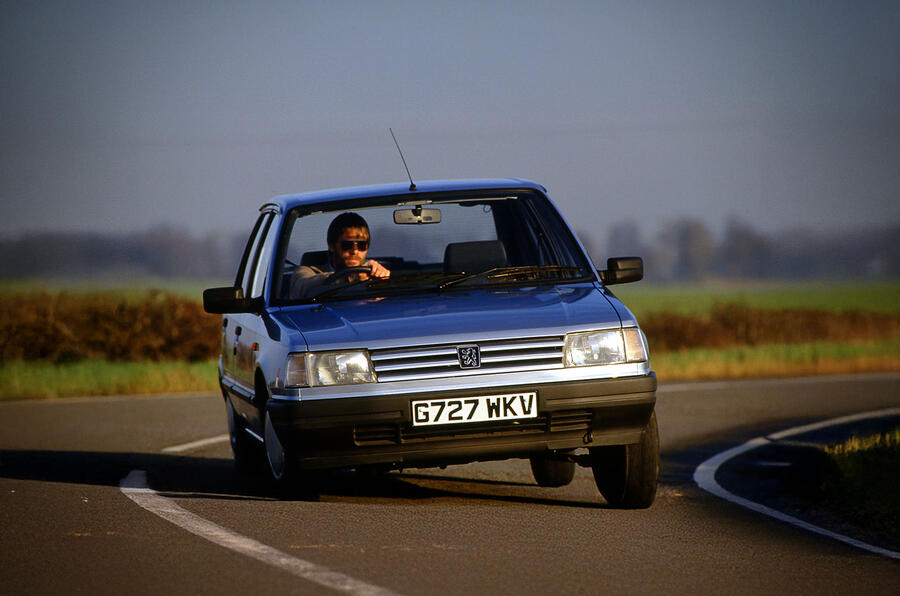
The 309 was overshadowed by the 205 hatchback it was based on. Still, it was reliable and resisted rust tolerably well. It was designed in the UK but you would hardly call it pretty, with its stumpy, notchback boot. It's a true FotU underdog.
We found: Peugeot 309 1.6 GLX, 1990/G-reg, 45,000 miles, £3000
"Starts and runs but just needs a bit of TLC," says the seller. We're not entirely sure what they base that on because it was last MOTed 18 months ago. It looks tidy enough, though.
Rover 25
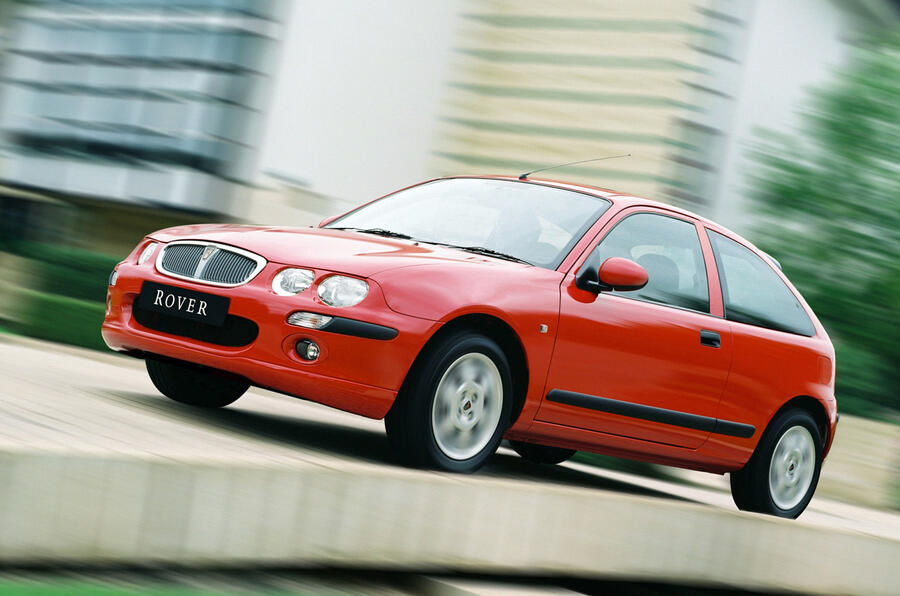
The roundly capable 25 was launched just as BMW sold Rover to the Phoenix Four for £10. At the time, sales rose on the back of public sentiment. Five years later, the company went bust. Driving your humble 25 to FotU will be like tipping your hat to the poor folk who built it.
We found: Rover 25 1.4 G727 WKV Impression 3dr, 2001/Y-reg, 40,000 miles, £1490
This example is finished in unblemished Sienna Gold and has a full service history and only three previous owners.
Volkswagen Golf Convertible
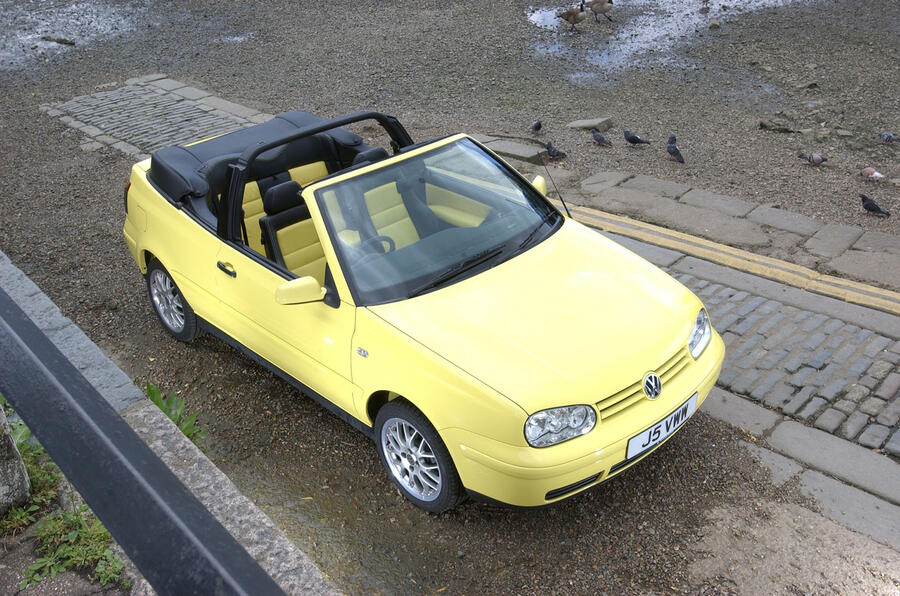
For this soft-top variant of the Mk4 Golf, VW restyled the Mk3 cabrio to look like the later model. No matter: as a Mk4 Golf it enjoyed the protection of a 12-year anti-corrosion warranty - a rare thing back then and a gesture of confidence justified by the many rust-free examples around today.
We found: VW Golf 1.6 SE Convertible, 2000/w-reg, 76,000 miles, £1499
No soft-top car has yet won FotU but that doesn't rule out driving to the event in this. It's a bright-looking thing with a new hood and, says the seller, a "folder full of service invoices".
Citroën BX
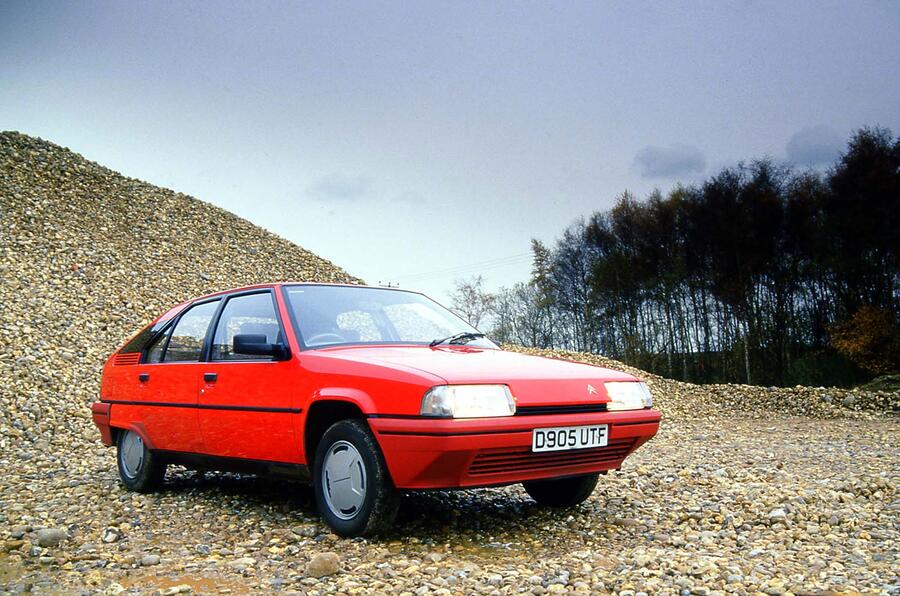
The BX takes us back to a time when Citroëns were genuinely weird creations. In 2019, a 1989 BX DTR bagged the Junior Judge's Choice award at FotU, its owner having a strong personal story to tell about it. (The car was first sold by the same garage his father had bought his Citroëns from.)
We found: Citroën BX 19 TGD, 1990/H-reg, 106,000 miles, £2500
"A well-maintained BX," claims the seller. Apart from some lacquer peel, the body appears to be in good condition and free of rust.
Hyundai Pony X2
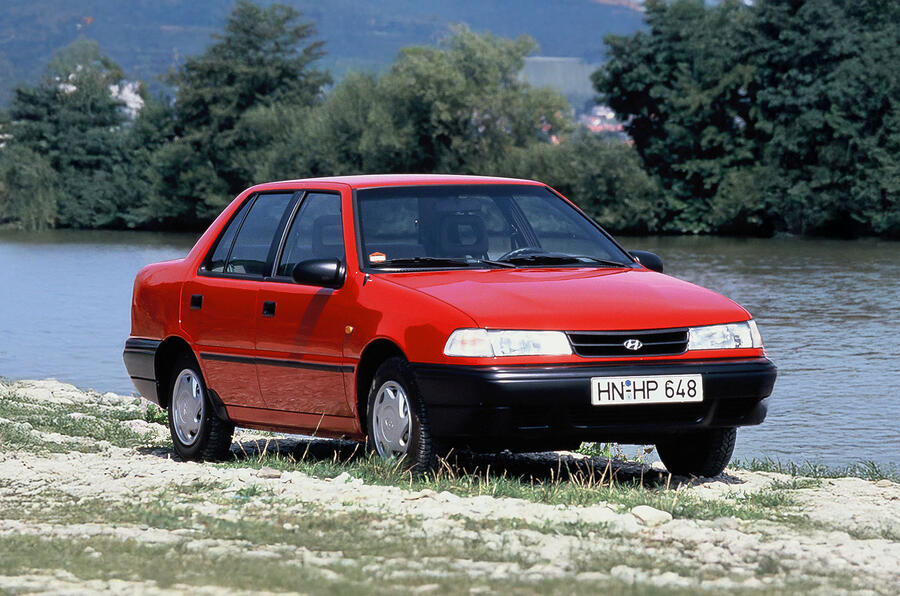
In 1982, when Hyundai came to the UK, the first model it offered sceptical buyers was the Pony, which was loosely based on the Ford Cortina. Forward 10 years and when its successor, the Pony X2, came out, Hyundai had raised its game. With styling by Giorgetto Giugiaro and engines by Mitsubishi, the new, well-equipped Pony was a lot more acceptable.
We found: Hyundai Pony X2 1.5 Spritza, 1994/L-reg, 75,000 miles, £2000
This is one of the last X2s in the UK and remarkably free of rust. In Spritza trim and with a fresh MOT and upgraded sound system, it's ready to WOW the crowds at FotU.
Past winners of FotU
With the exception of the Toyota Hilux, the roll call of FotU winners in recent years betrays a fondness for supremely dull cars of relatively youthful vintage. However, prior to 2021 (due to Covid, there was no 2020 FotU), they were more of a mixed bag, and one or two don't seem to have been dull enough. For example, the Alpine was a tasty car while the Cherry GTi, albeit the relative of the unloved Alfa Romeo Arna Ti, seems a tad flash.
2014 1985 Nissan Cherry Europe GTi
2015 1978 Ford Escort 1600
2016 1980 Morris 575 pick-up
2017 1983 Datsun Sunny 1.5 GL
2018 1977 Chrysler Alpine
2019 1977 Morris Marina 1.3 Deluxe Estate
2021 1989 Proton 1.5 GL Black Knight
2022 1994 Vauxhall Astra 1.4 Merit
2023 1991 Daihatsu Applause
2024 1982 Toyota Hilux
2025 1992 Skoda Favorit Forum

Cadillac Gas-Powered Revival Signals GM’s Strategic Pivot Amid EV Setbacks and Shifting Consumer Demand