Future Classic Cars and the Factors Driving Their Rising Value
 Autocar recommends the future classics you should snap up before collector status sets in
Predicting which cars will achieve classic status five or 10 years from now is a dark and uncertain art.
What are the key factors? Scarcity, for one, and reputation for another. If a car is rare and widely reckoned to be one of the best of its type to drive, it’ll probably reach classic status.
Beauty is another factor and so too is significance; a car that changed the game in its sector is bound to be held in high regard for years to come.
Every one of the cars we’re highlighting here meets at least one of those criteria, if not two or three. Let’s take a look:
Fiat Panda 100HP (2006-2010)
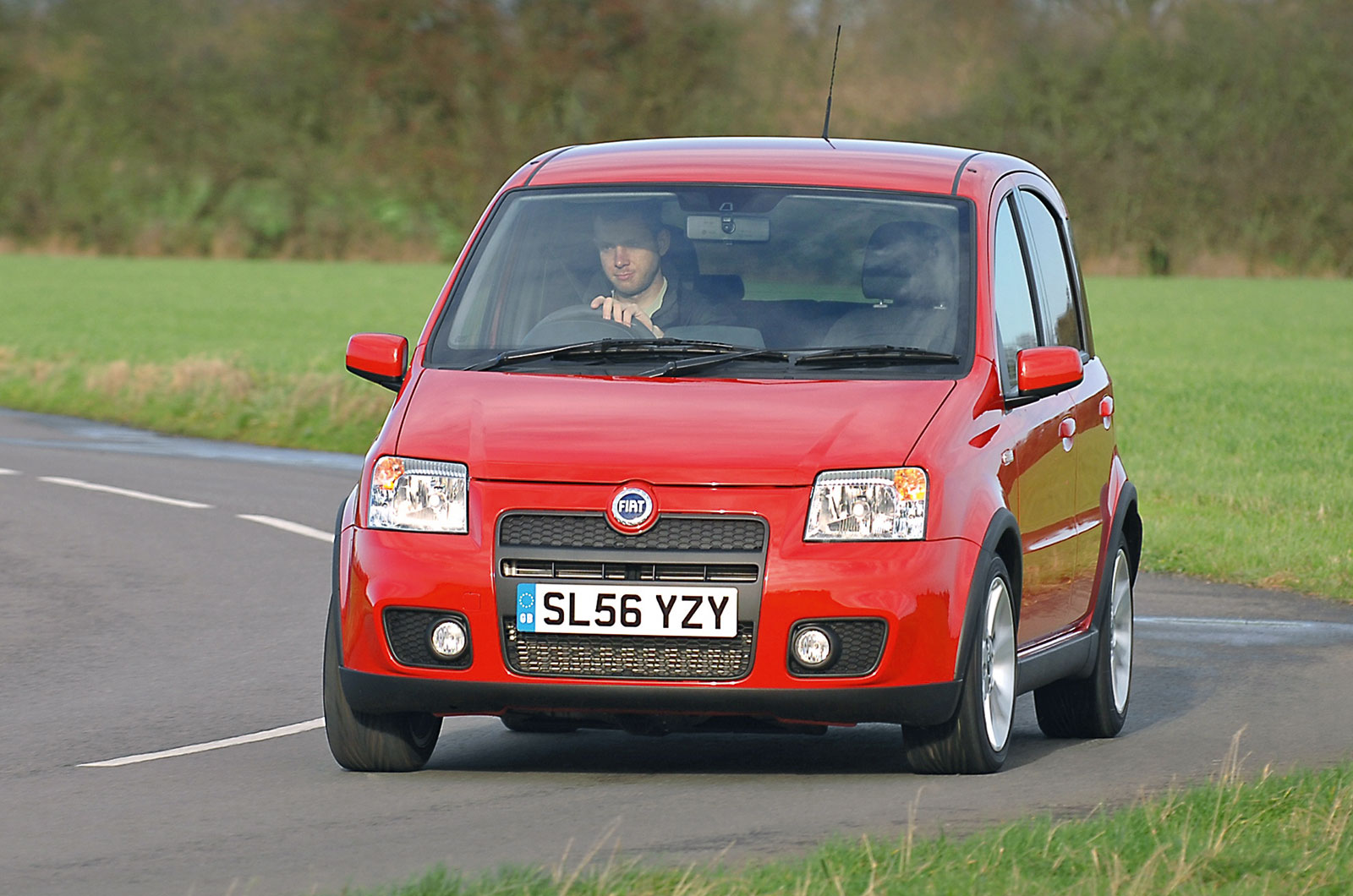
Whoever would have thought there was a vibrant baby hot hatch hiding away in the cheerfully upright Panda? Sitting a little closer to the road on 15-inch wheels that filled their arches perfectly, the 100HP looks poised and purposeful without being fussy or overwrought. More importantly, though, it’s a right old hoot to drive.
Fiat Panda 100HP (2006-2010)
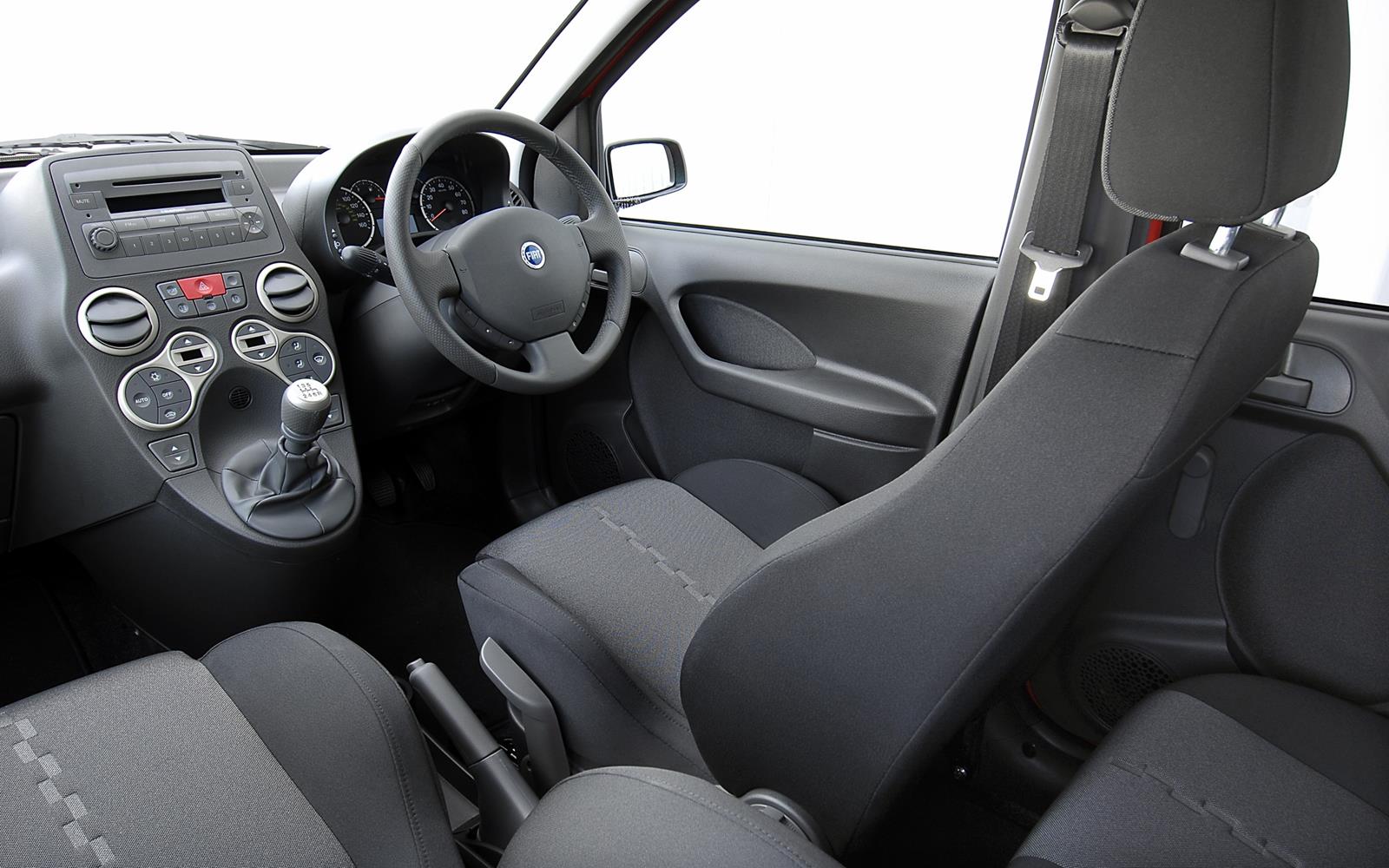
Running stiffer springs than a ready salted Panda, the salt and vinegar 100HP does tend to skip and pogo along the road, but with the tyres howling and the 1.4-litre motor singing its song that bouncy ride just seems to make sense. This is a fizzy, energetic sort of car.
The 100HP never sold in huge numbers during its four year life, which means it has scarcity on its side, which will help values greatly in the future.
Suzuki Swift Sport (2005-2012)
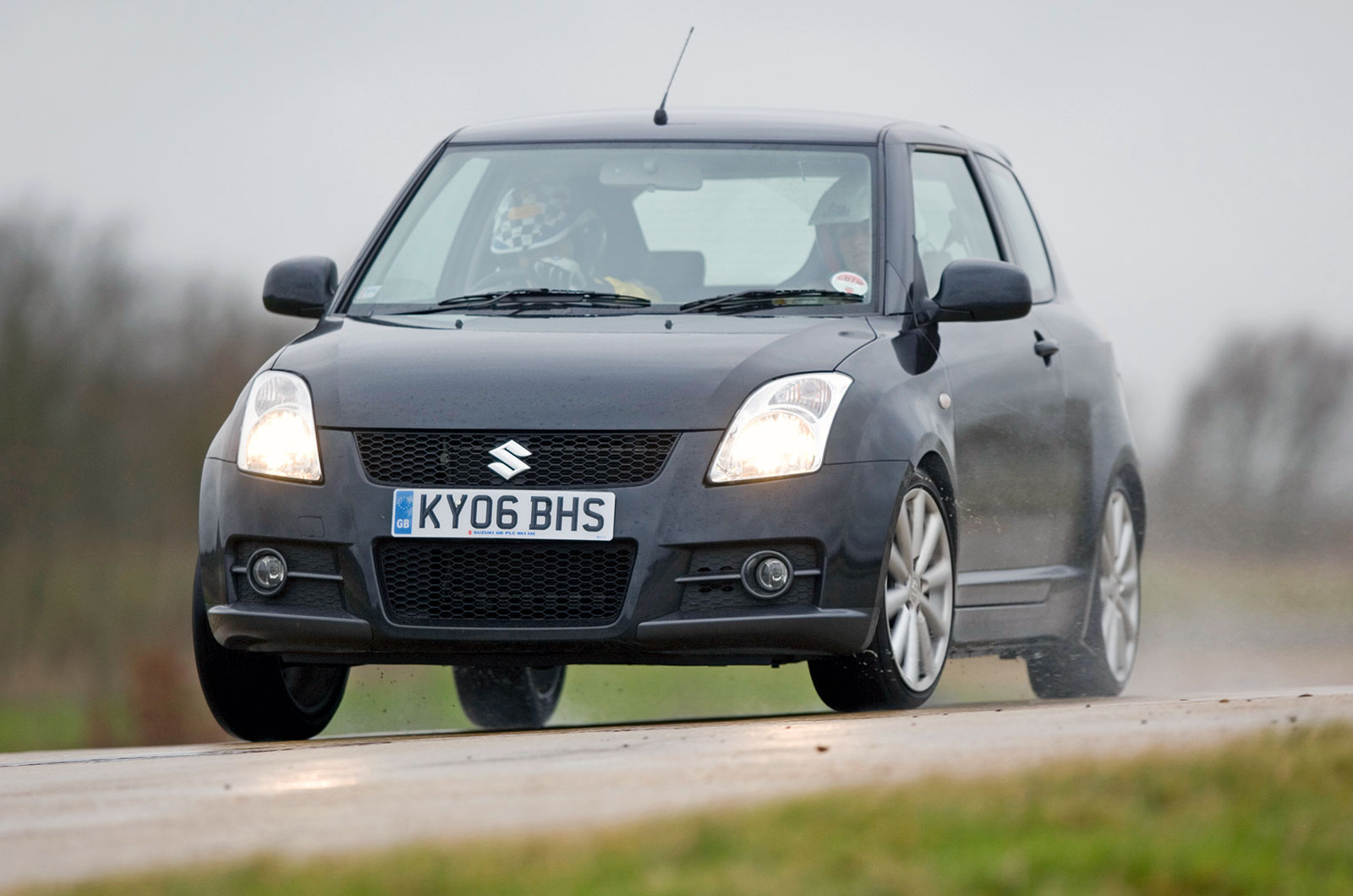
With its smily face and dinky proportions the Swift Sport is as cute as a puppy wearing a bow. In fact it is disarmingly sweet to look at, which simply makes its propensity for snap lift-off oversteer all the more alarming.
This charming little hatchback will have you off the road if you aren’t paying attention. Of course, that pointy handling balance is exactly what makes it so much fun to pedal along. The 1.6-litre engine is a ripper, if not exactly a powerhouse, and the gearshift short and direct.
Suzuki Swift Sport (2005-2012)
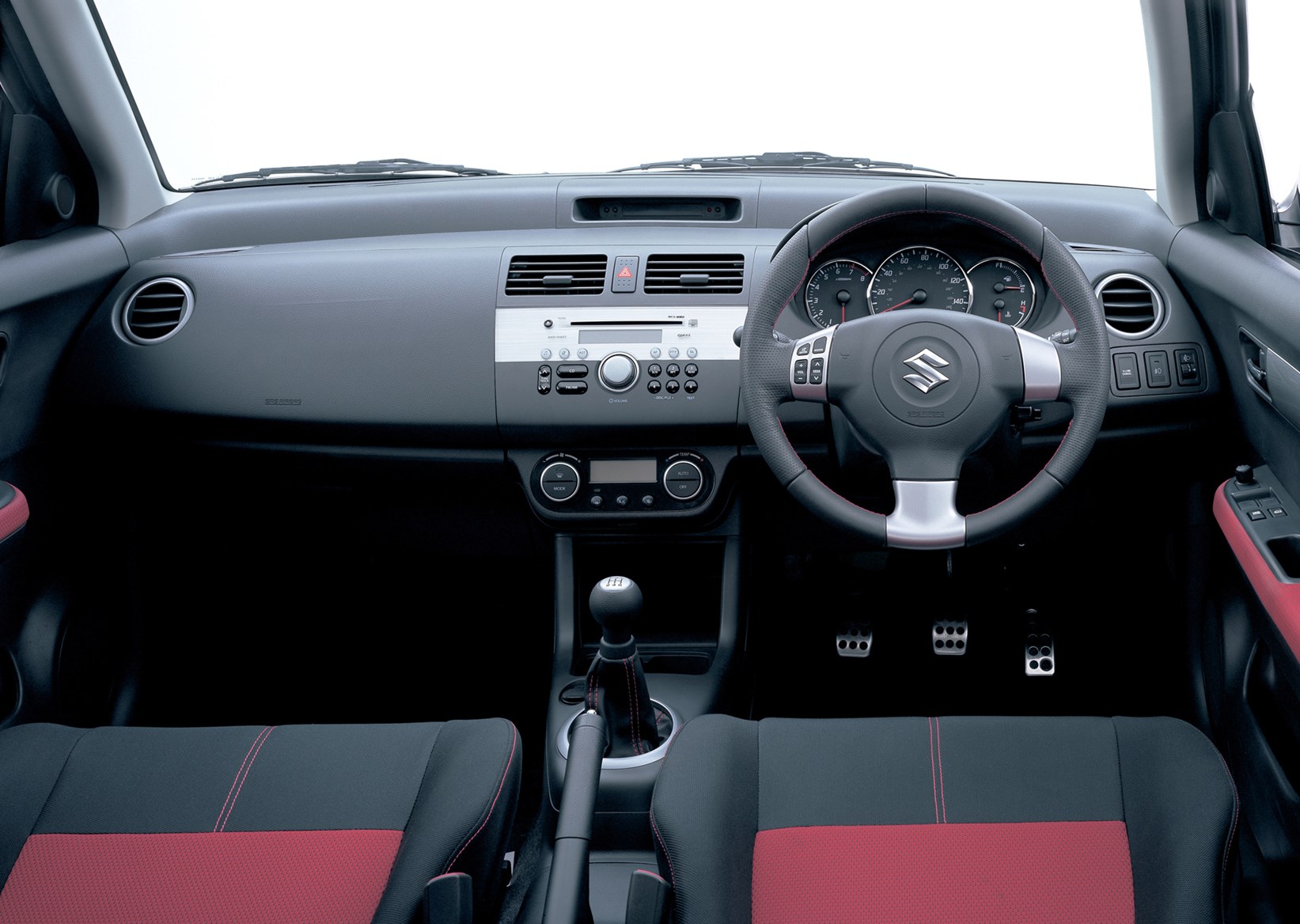
The Swift Sport will be revered in years to come because it was among the last of the old-school hot hatches that delivered their thrills not through sheer performance, but through feisty dynamics.
Audi TT (1998-2006)
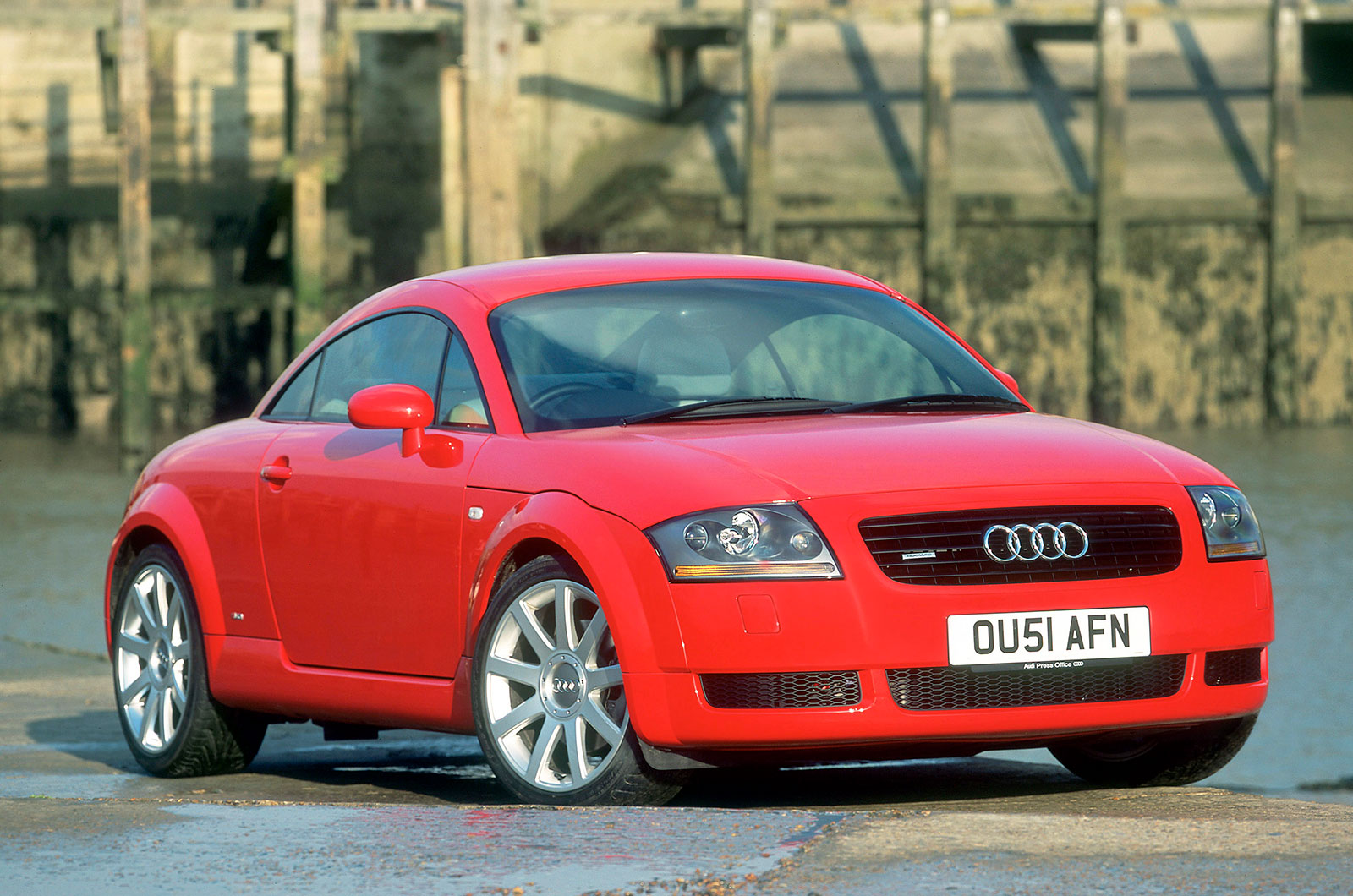
Being not much more than a reclothed VW Golf the Audi TT was never going to set new standards in the coupé sector for outright driving fun. Instead, it changed the coupé game with its ultra-cool and minimalist cabin, as well as its show-stopping Bauhaus exterior design.
Audi TT (1998-2006)
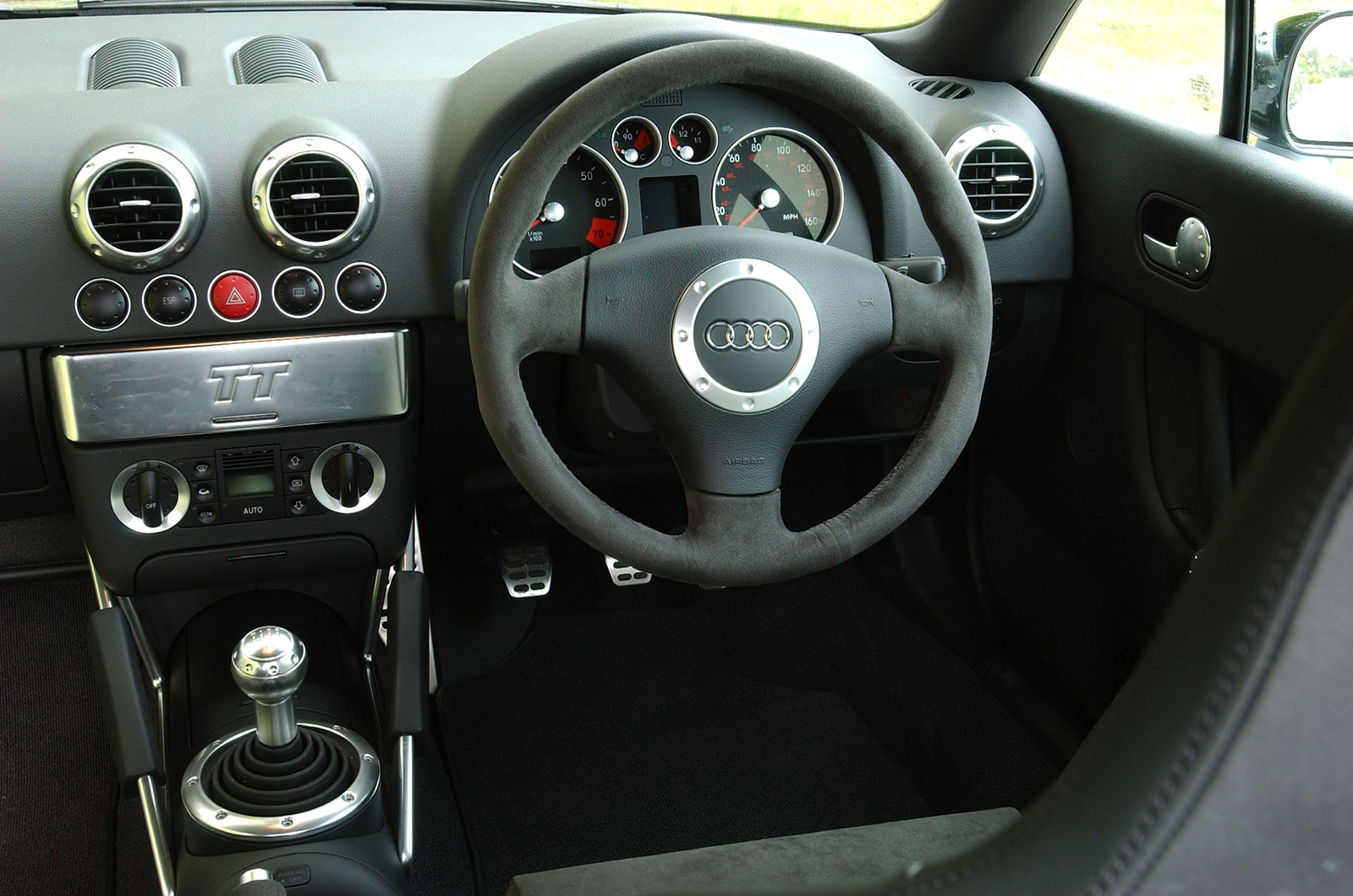
Tatty cars can be found for very small amounts of money now, but you should spend a little more for a well-looked after example with the muscular 225bhp 1.8-litre motor.
Toyota MR2 Mk3 (1999-2007)
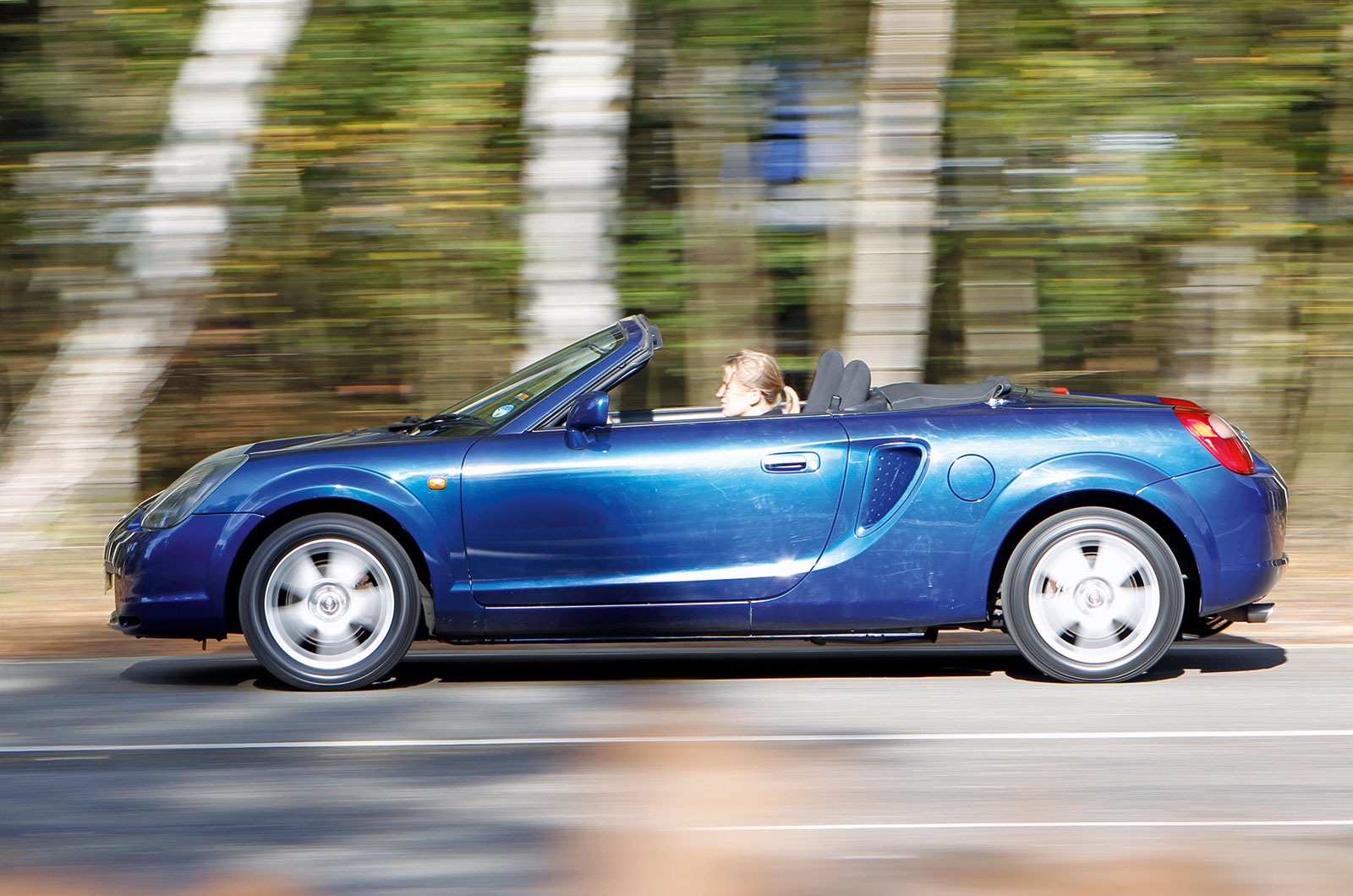
Even for a modest sum you'll get a very solid example, and there are plenty around to suit every budget in between. That gets you one of the most exciting sports cars of its time, too; firmer and sharper than an MX-5, but more usable and liveable with than an Elise.
Toyota MR2 Mk3 (1999-2007)
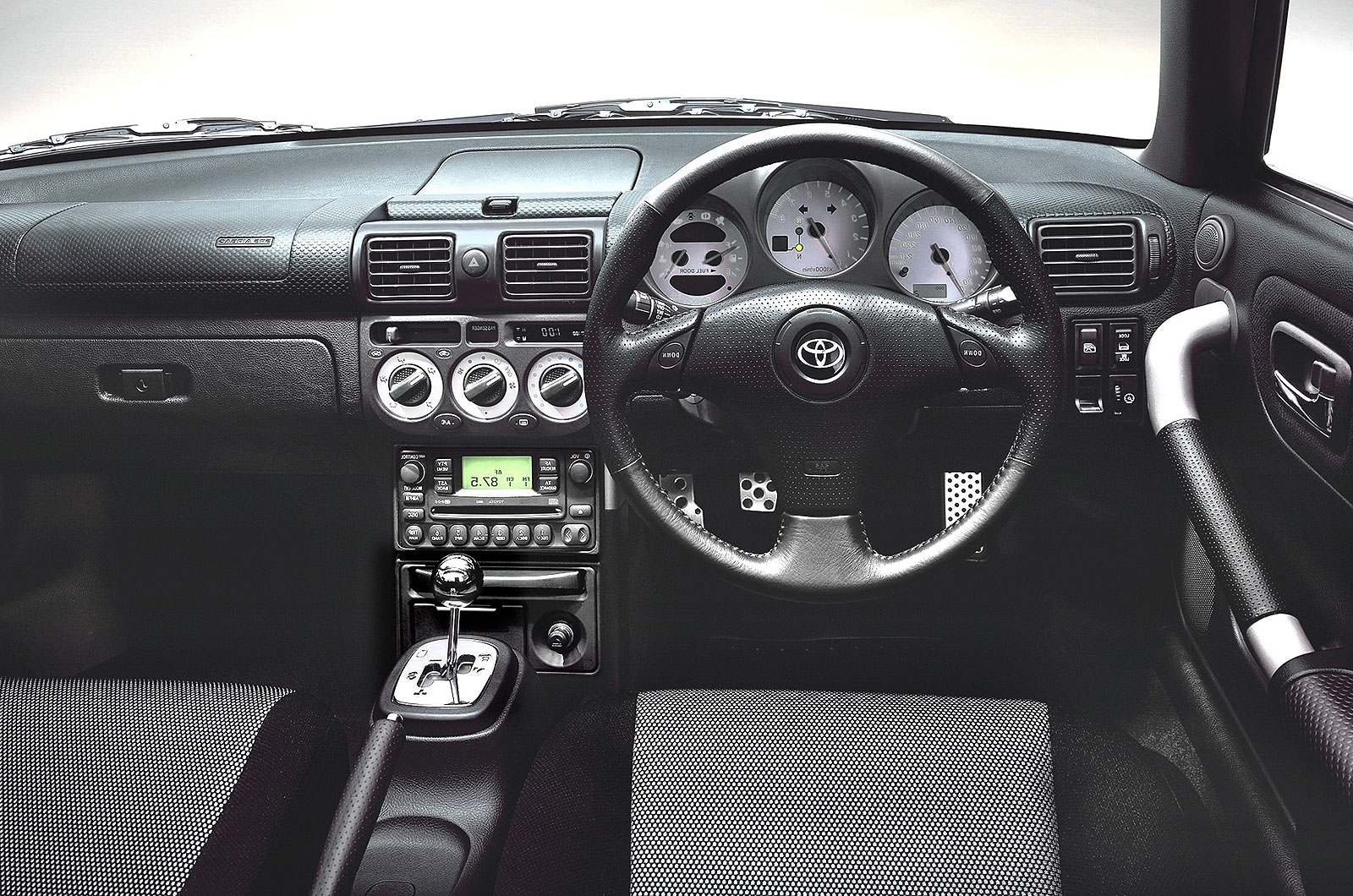
A perfect balance, in other words. Prices can only go one way from here.
Ford Puma (1997-2002)
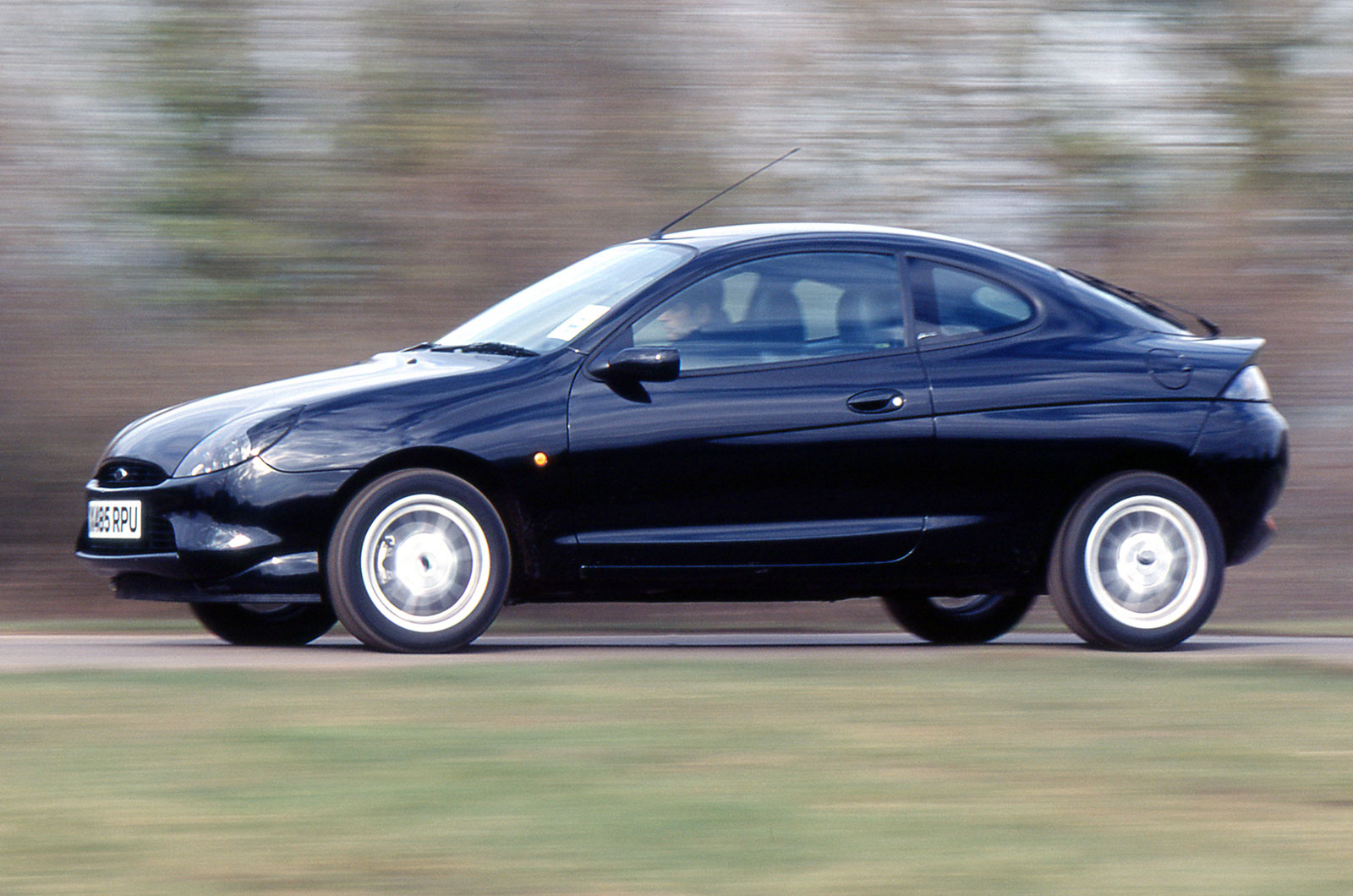
It may be a humble Ford Fiesta underneath its sharp, feline bodywork, but the Puma is actually a huge amount of fun to drive thanks to a sweet chassis, incisive steering and eager 1.7-litre engine.
Great swathes of the remaining Puma population are wiped out each year by that most virulent of automotive diseases, rust.
Ford Puma (1997-2002)
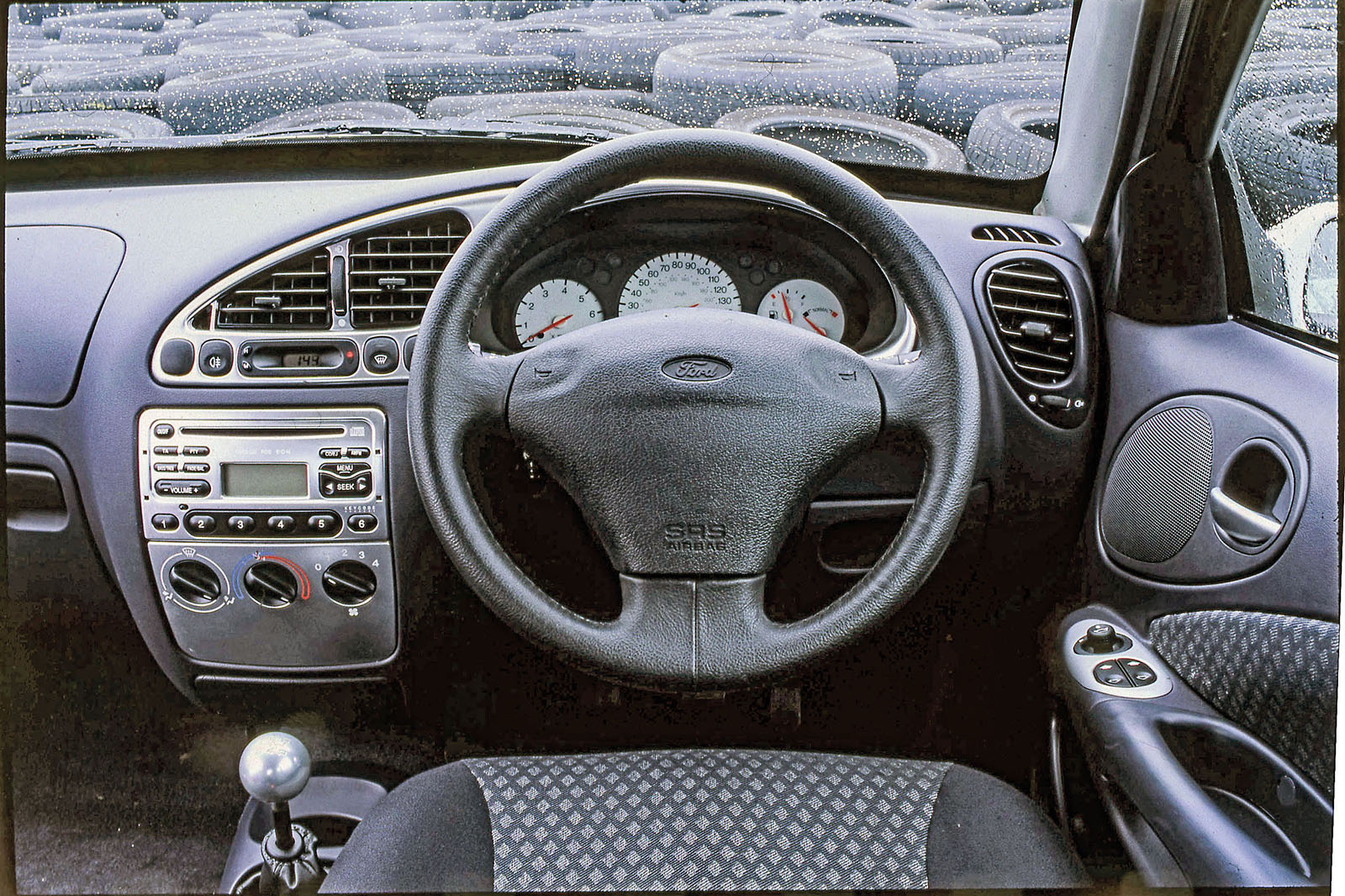
You can pick up a Puma today for very little money, and rust-free cars may start to rise in value.
Porsche Boxster 986 (1996-2004)
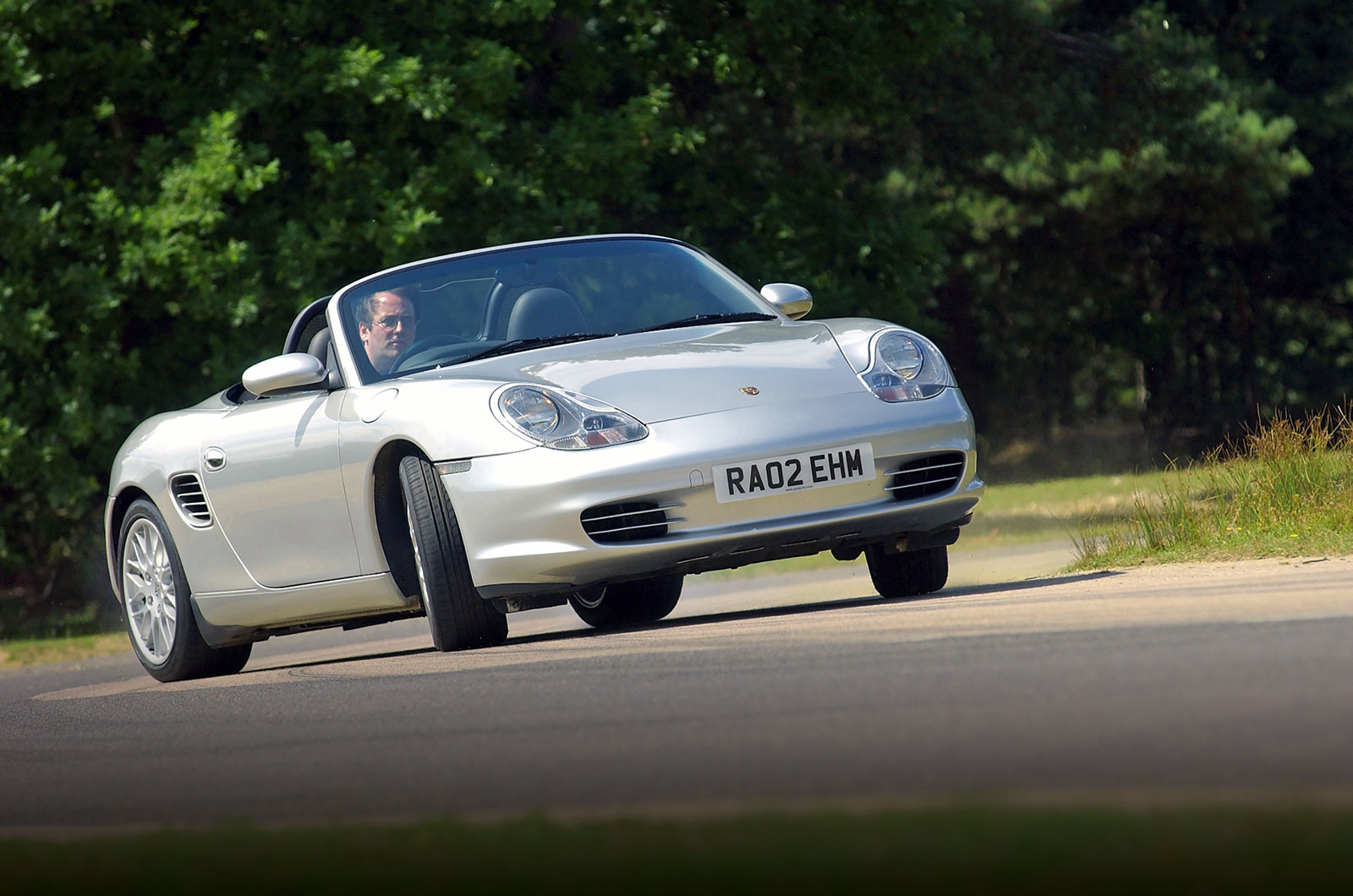
When the original Boxster arrived in the mid-1990s many people weren’t sure what to make of it.
For one thing it appeared to be styled with two front ends, and for another it was so clearly subordinate to Porsche’s flagship sports car, the 911, in every conceivable way that image conscious buyers didn’t want to be seen anywhere near it.
Porsche Boxster 986 (1996-2004)
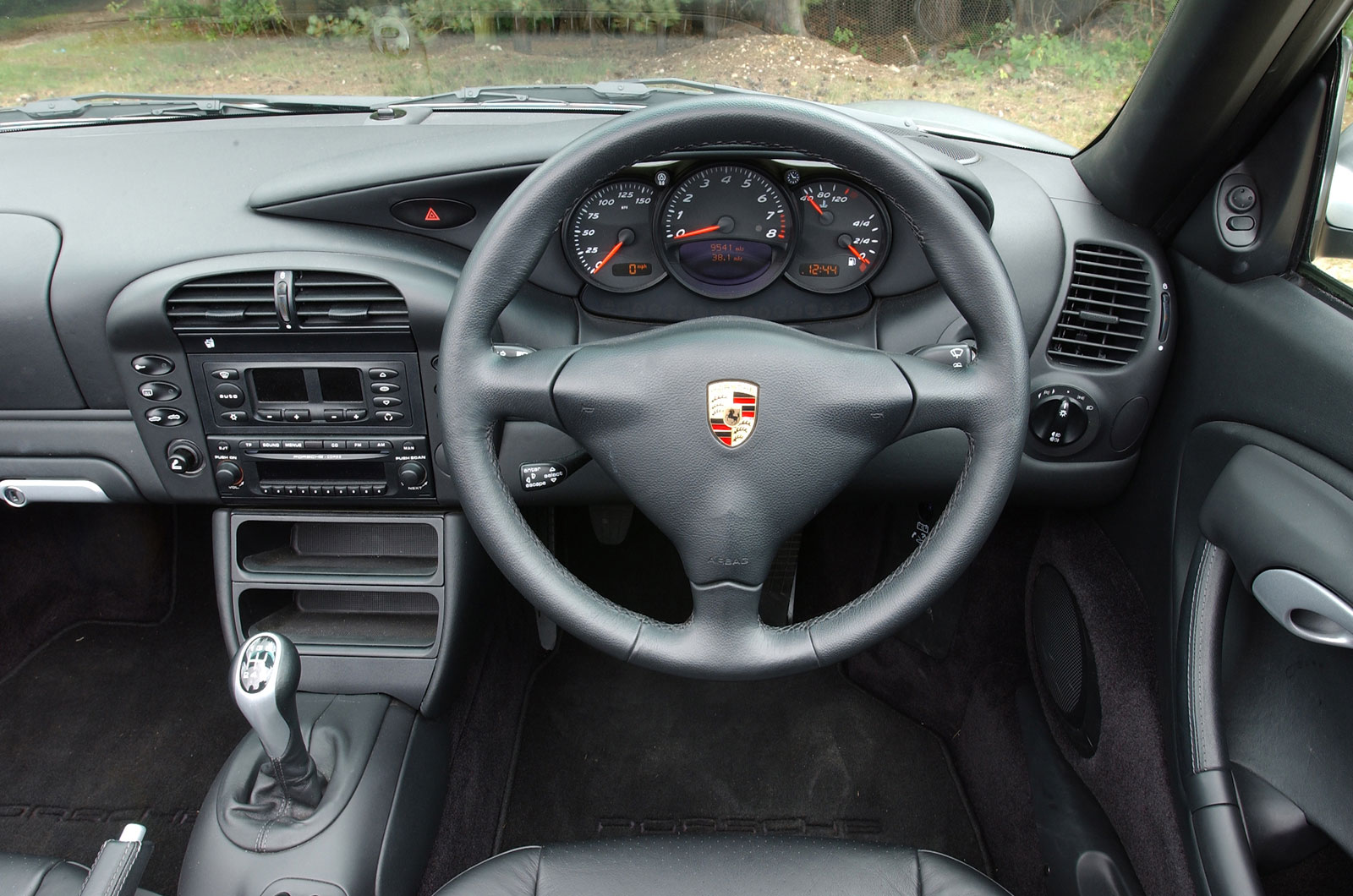
It was their loss, of course, because the Boxster was blindingly good to drive with communicative steering, a poised and perfectly balanced chassis and zesty flat-six engines.
Not much money will buy you a tidy Boxster today, and at that price you’ll find a car with the 2.7-litre engine that’s far preferable to the slightly asthmatic 2.5. In the fullness of time we’ll look back on the Boxster as the car that saved Porsche and propelled it towards global dominance.
VW Phaeton (2002-2006)
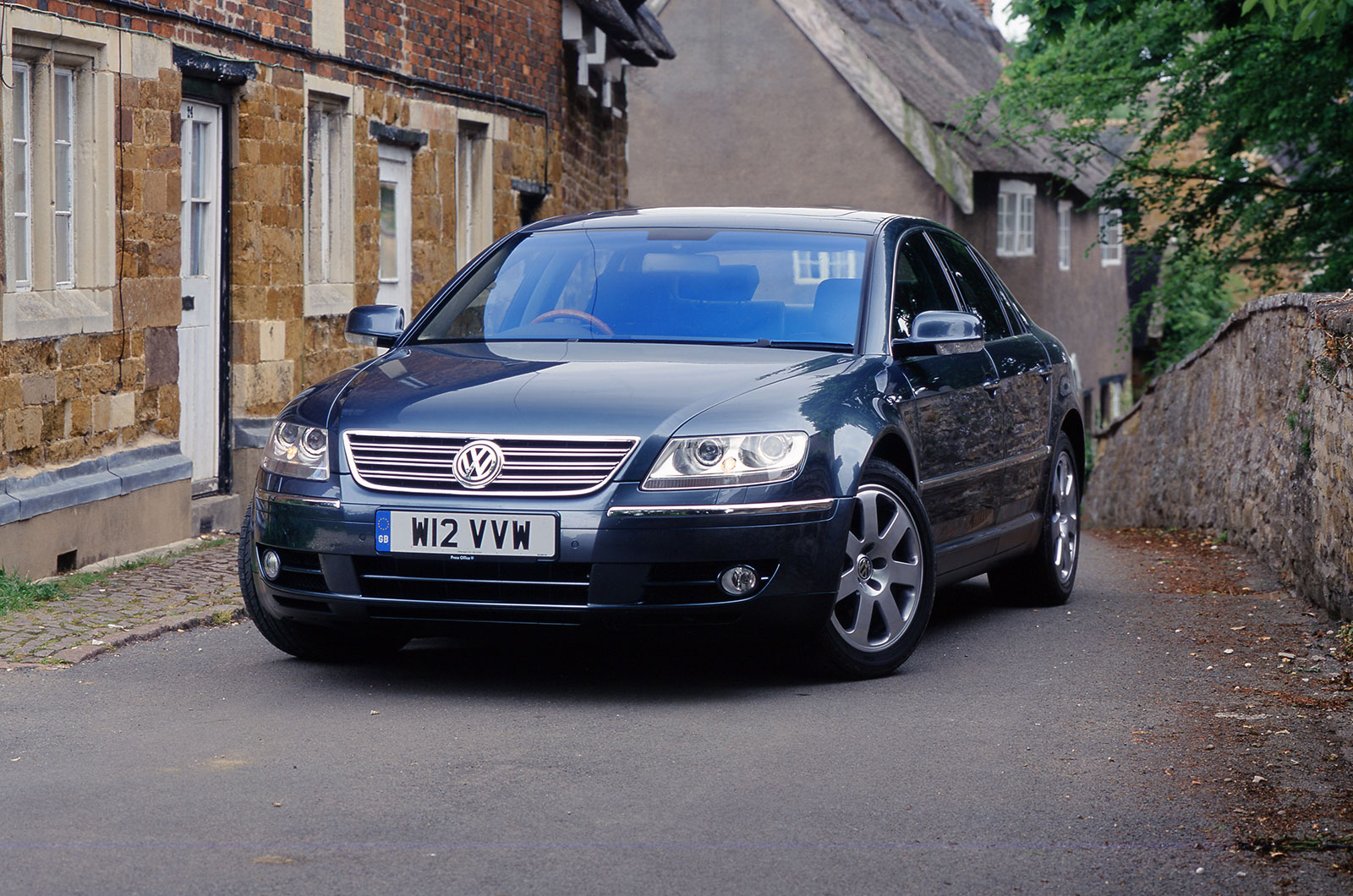
Anybody with even the faintest sense of the automotive market could have worked out that a Volkswagen luxury car would be a dismal flop. Plenty of people at Volkswagen probably knew it would be as well, but spearheaded by the mercurial Ferdinand Piëch the Phaeton was put into production in 2002 anyway. Sales were heroically slow, but an updated model remained on Volkswagen’s price lists until 2015 in most places.
VW Phaeton (2002-2006)
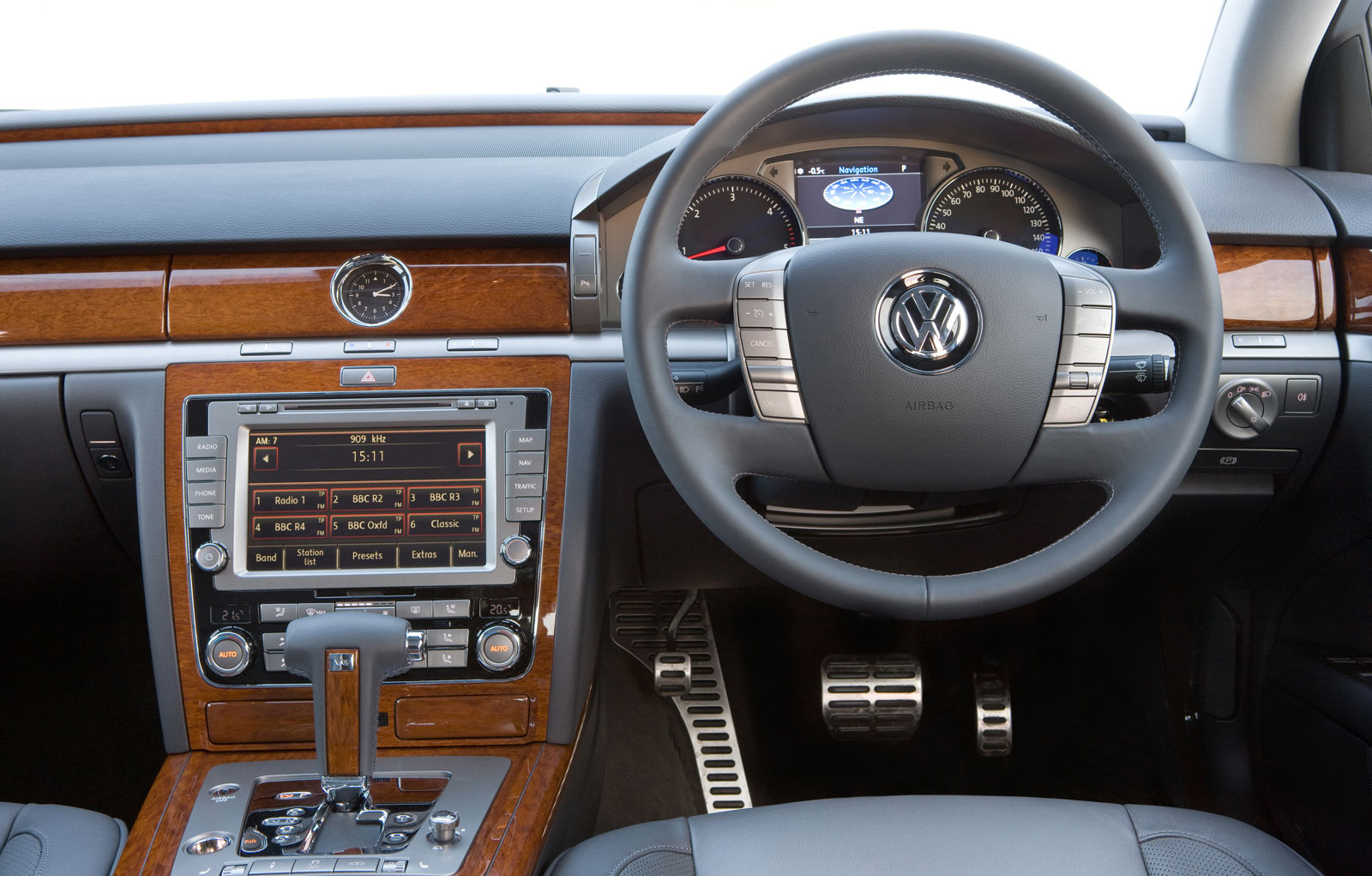
The most desirable engines were the 4.2-litre V8 and 6.0-litre W12, both of them petrol, although you’ll search high and low before you find either for sale at any price.
If you get lucky you might unearth a 3.2-litre V6 petrol not much money, but the vast majority are 3.0-litre V6 diesels (outside North America at least). As fine an example of corporate folly as you’ll find anywhere.
Citroën C6 (2005-2012)
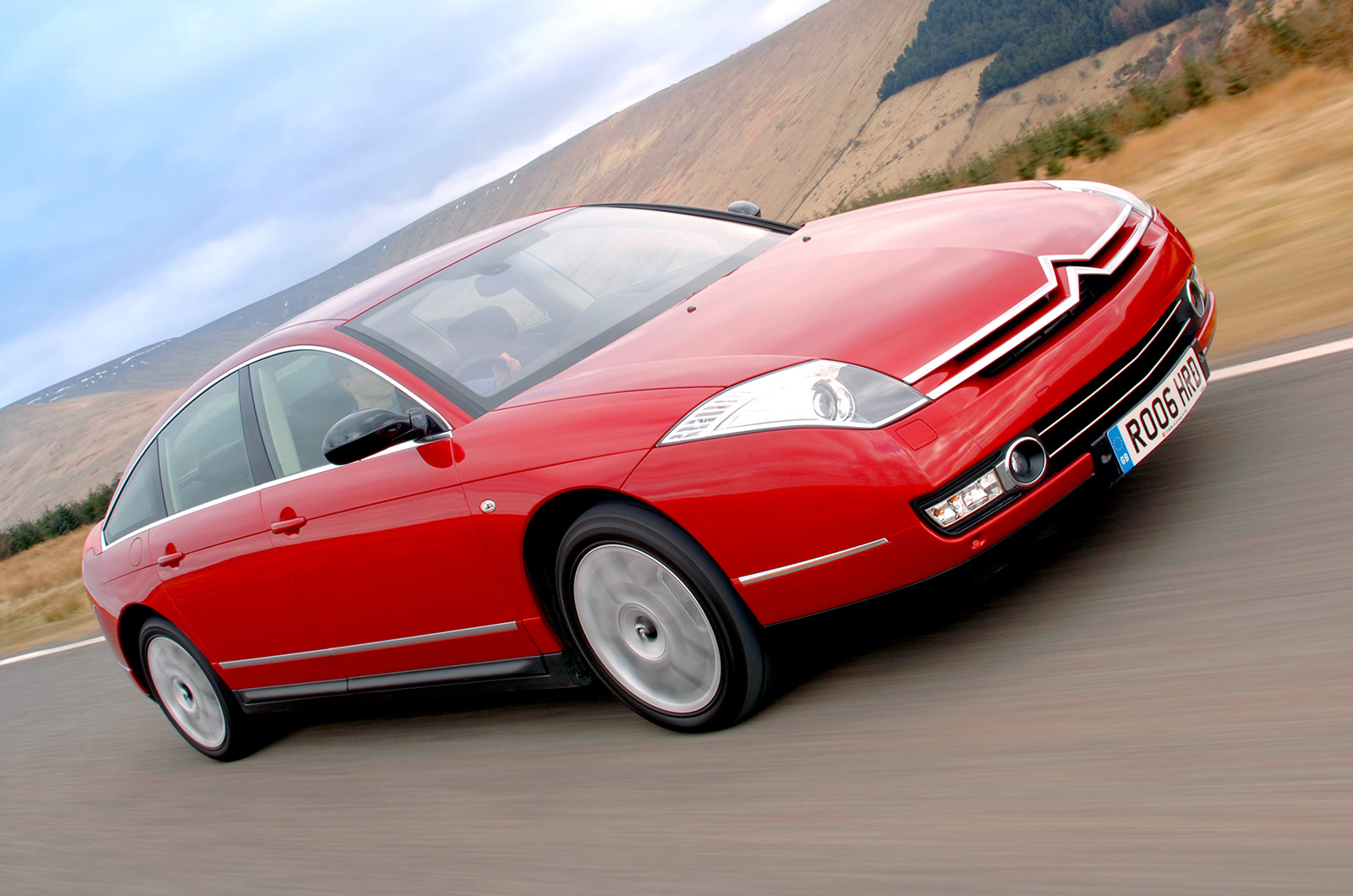
Citroën built its reputation on cars that were strange and non-conformist. For a long time the French company existed in its own little bubble, doing things its own way. The likes of the 2CV, DS, XM, BX and many others were proper oddballs.
Citroën C6 (2005-2012)
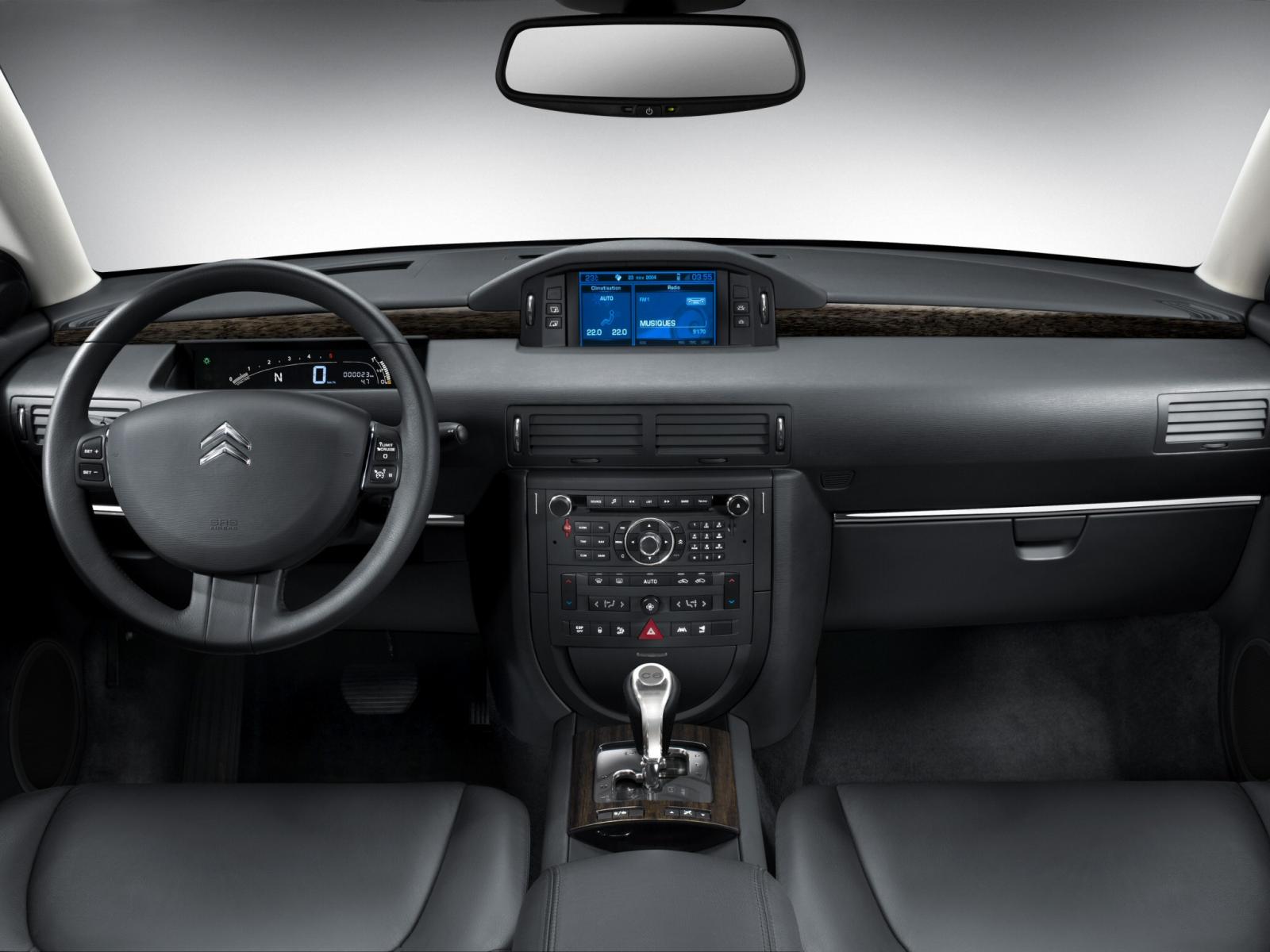
The C6 was among the very last of the bizarro Citroëns; its range today is nothing like as quirky as it once was.
BMW Z4 Coupé (2006-2009)
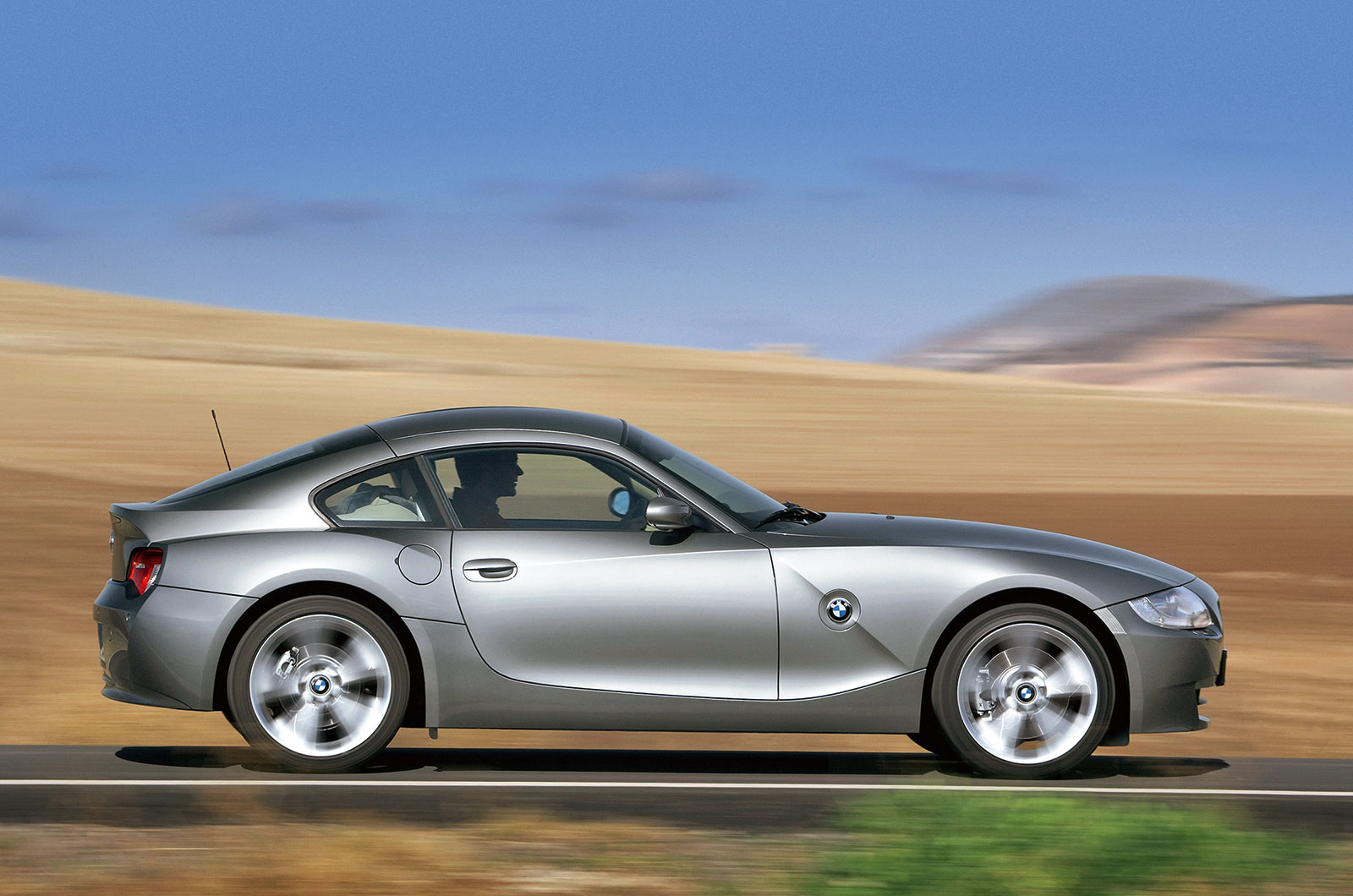
What is it that makes the Z4 Coupé so much more alluring than the roadster? Perhaps it’s a combination of rarity - just 9% of Z4s were Coupés- and the sleek, mini-supercar fastback styling.
Viewed from the rear three-quarters the Z4 Coupé remains one of BMW’s prettiest modern designs. Naturally, the Z4M Coupé is an even surer bet for classic status somewhere down the line, but even the leggiest cars command quite big money now.
BMW Z4 Coupé (2006-2009)
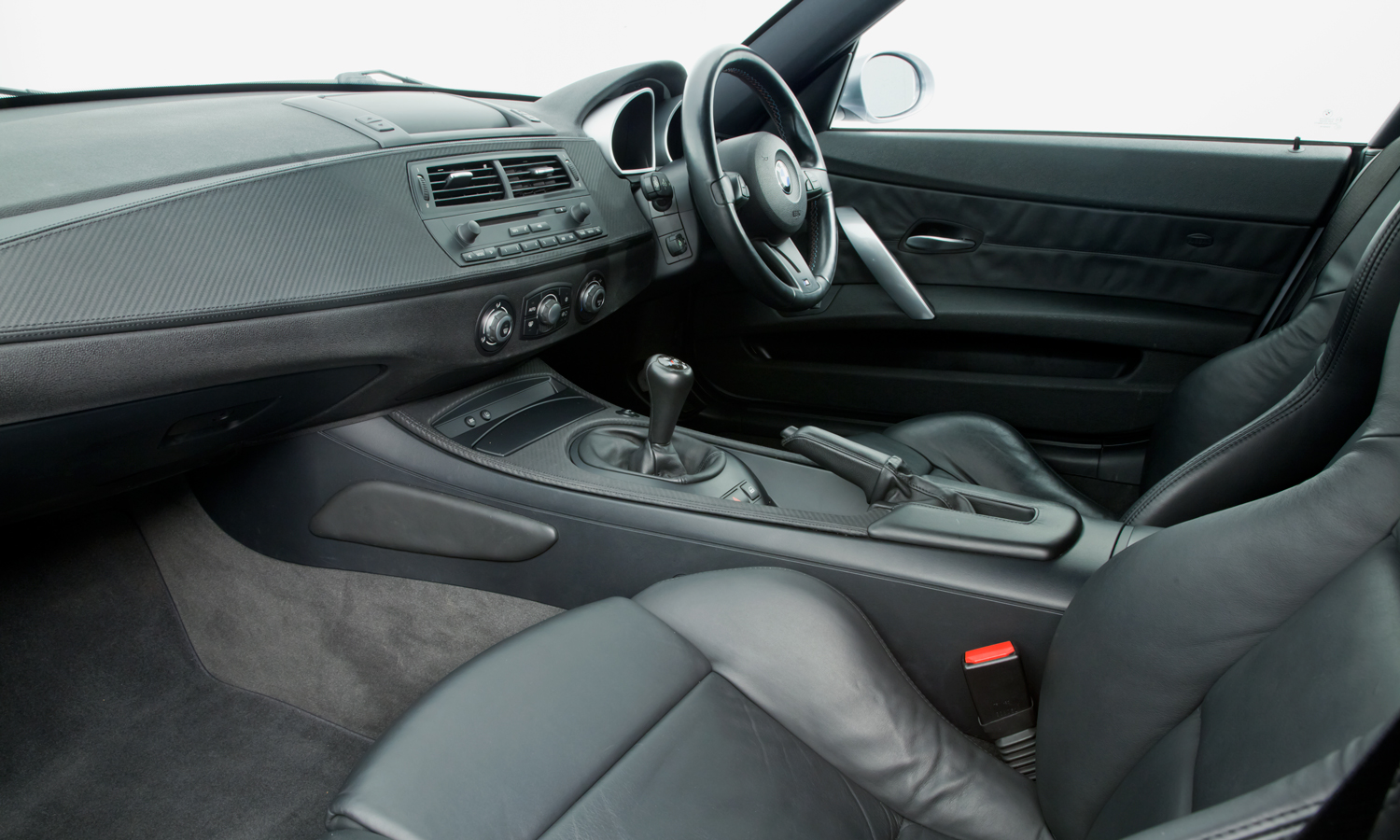
The 3.0si may not be a bells-and-whistles M-car and, yes, it does lack 75bhp compared to the Z4M, but prices are keen? Lower mileage cars aren't that much more and, notoriously weak rear springs aside, there isn’t too much to look out for. Just make sure you fit; the cabin is comically tight.
Renault Avantime (2001-2003)
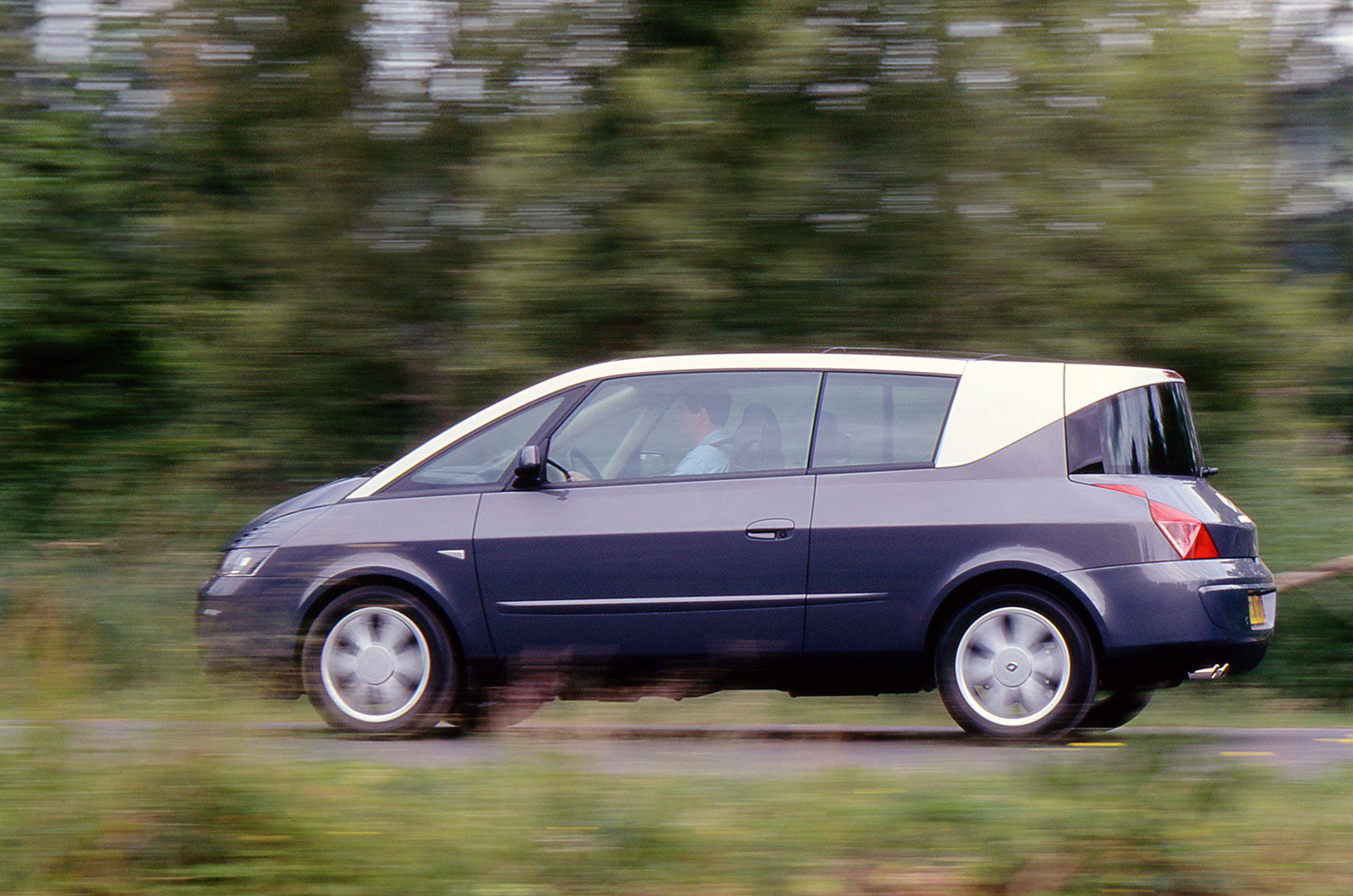
Very few car manufacturers can rival Renault in the noble discipline of building quirky, oddball cars. At least, that was true 25 years ago when the French company seemed to sign off whatever hair-brained concepts its - presumably very drunk - product planners could dream up.
Renault Avantime (2001-2003)
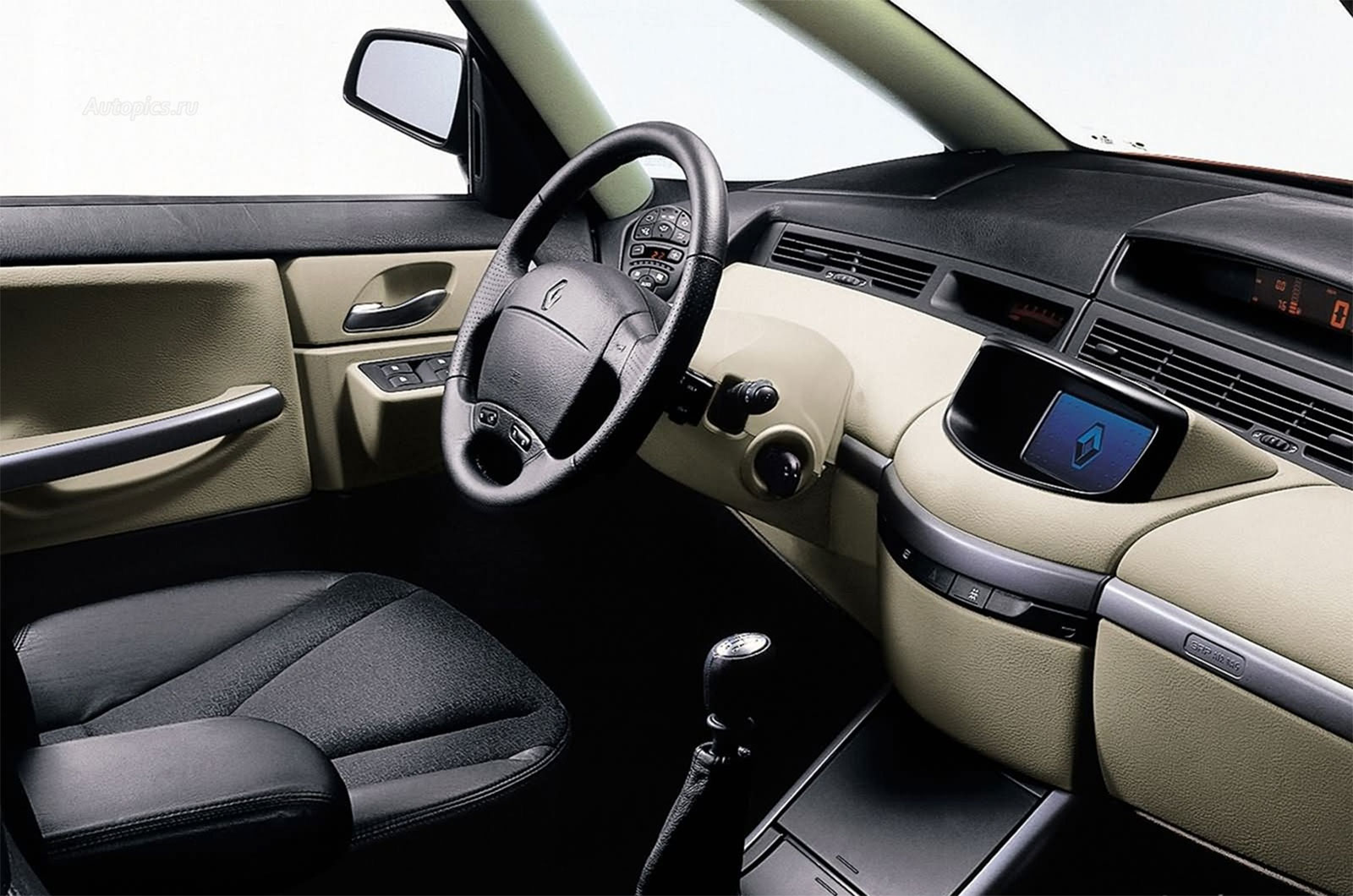
The Clio V6, the Vel Satis and the Avantime quasi-MPV would have been killed off by anyone else.
Subaru Impreza 2000 Turbo (1994-2000)
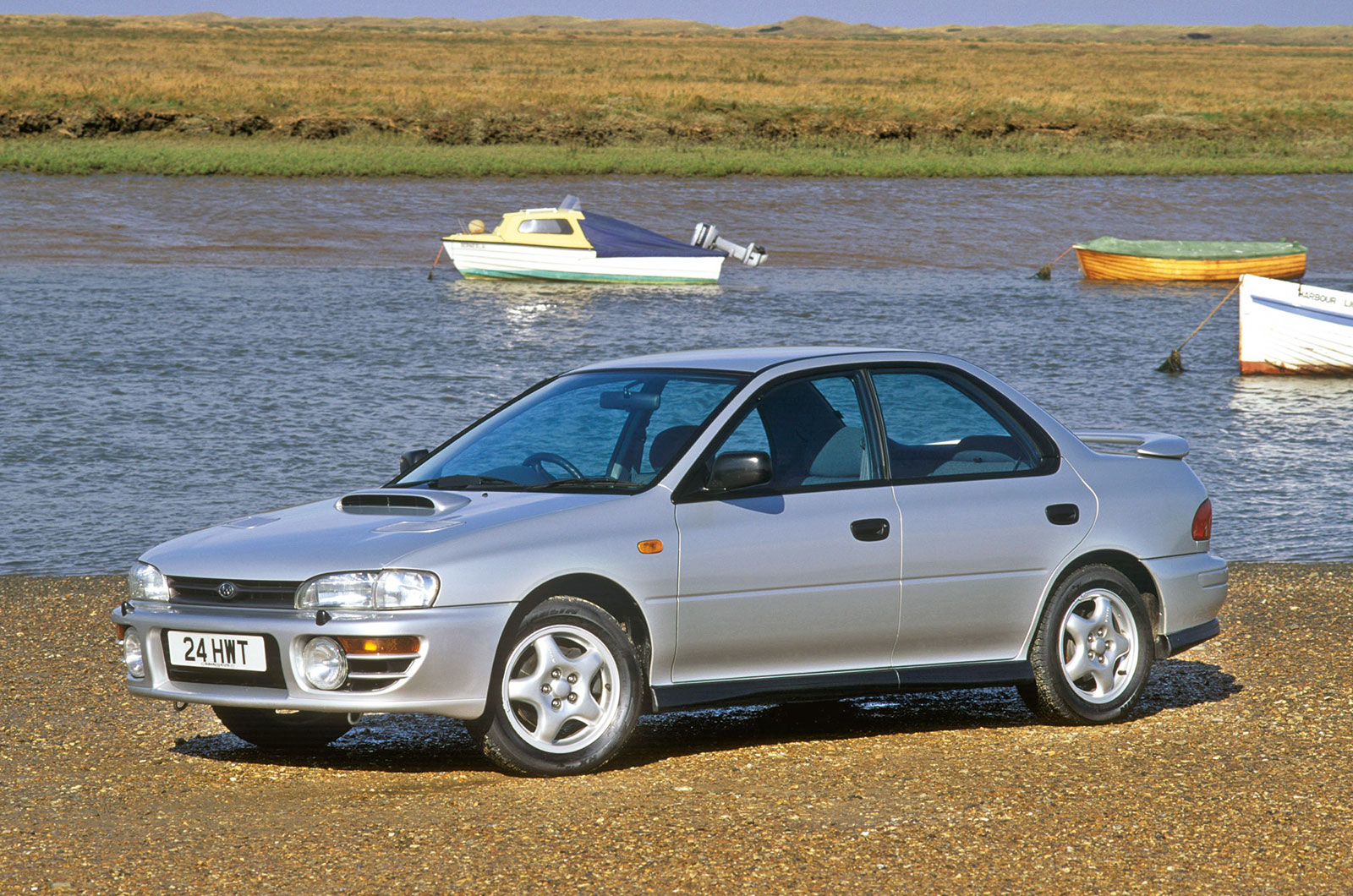
There is so much to enjoy about this most humble of high performance Subaru Imprezas, notably its punchy turbo performance, warbling boxer soundtrack and that rangey, fluid suspension that works so beautifully on bumpy roads.
Subaru Impreza 2000 Turbo (1994-2000)
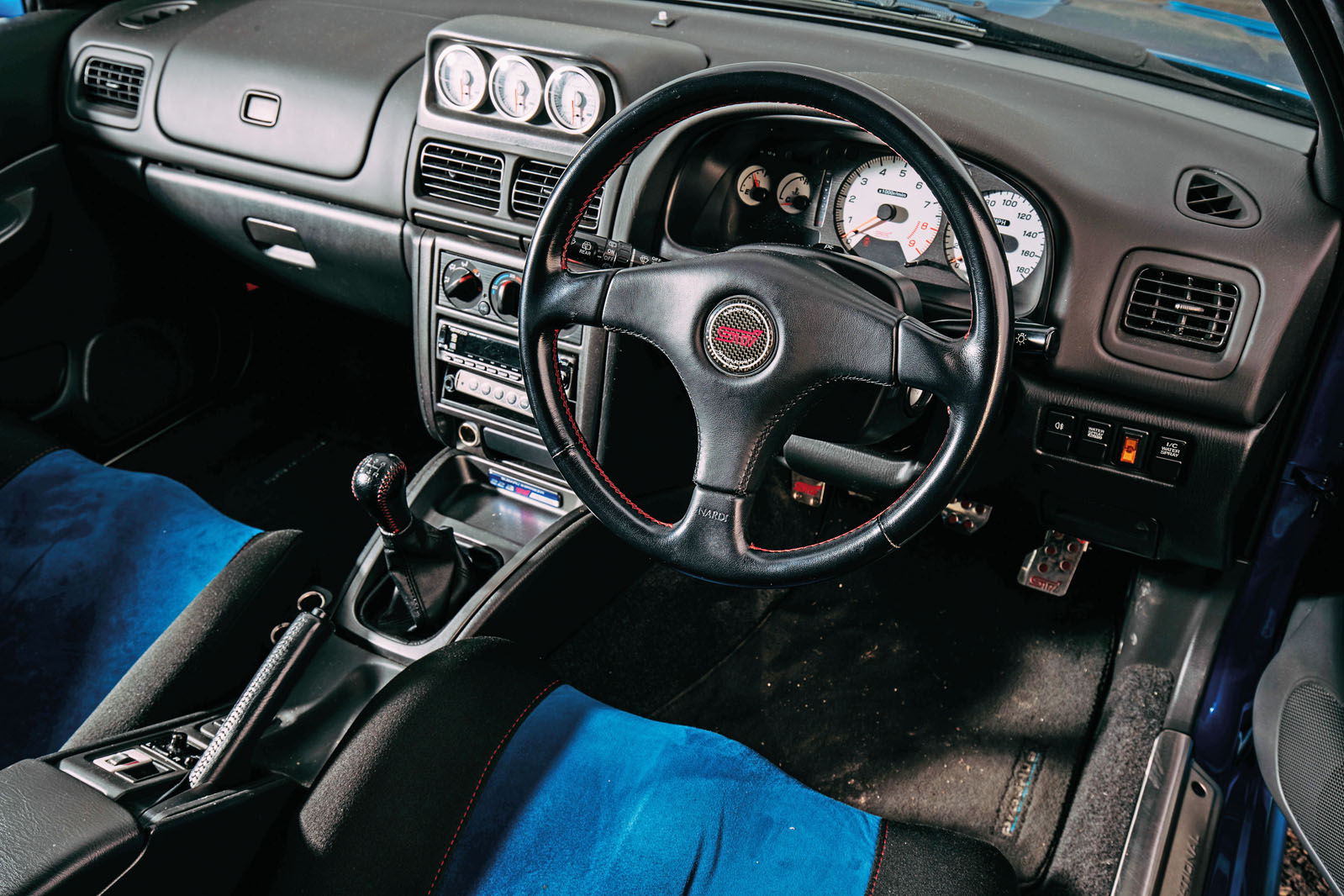
The trouble is, you’ll search far and wide before you find a car that hasn’t been messed about with. Indeed, originality is exactly what’ll make the Impreza Turbo a desirable car in years to come.
Porsche 944 (1982-1991)
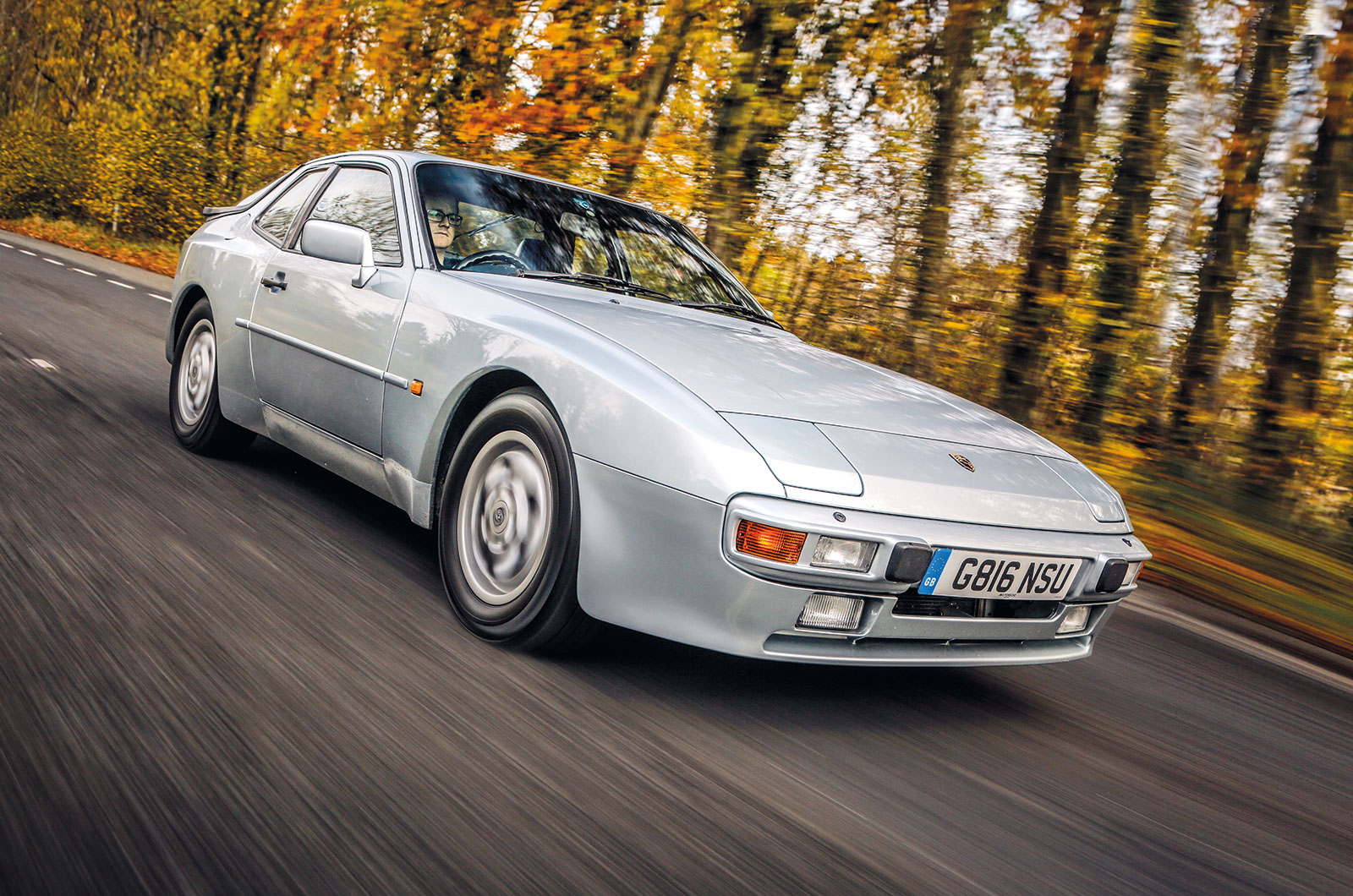
The Porsche 944 is already well on its way to being a classic, and values have been creeping upwards. Whereas contemporary 911s are fairly pricey now, a 944 is stil affordable.
Try and track down a a late-model 944 S - which had the more powerful, 190bhp version of the 2.5-litre four-pot - with not much more than 100,000 miles behind it.
Porsche 944 (1982-1991)
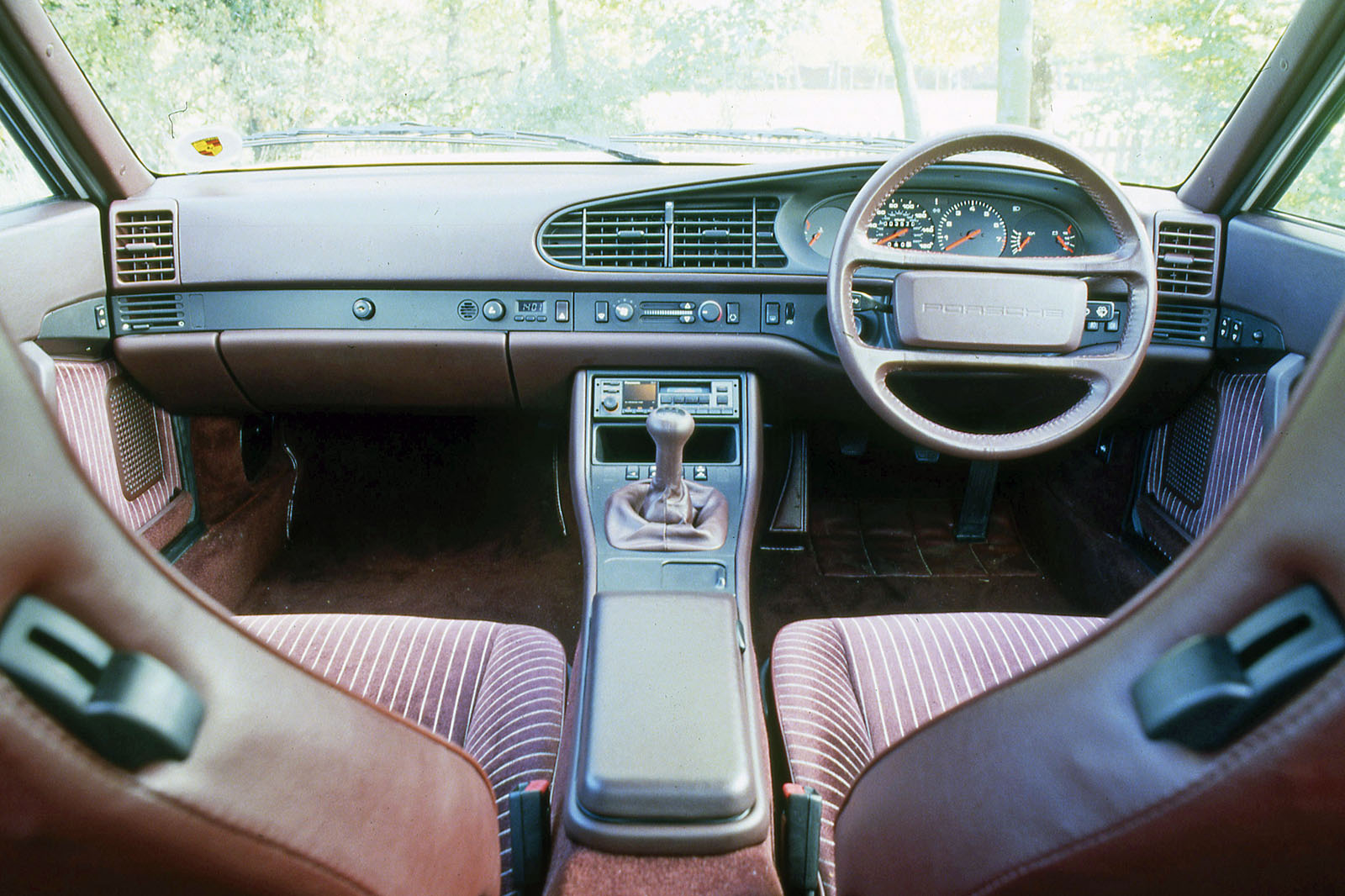
Values will never set off in pursuit of those stratospheric 911 prices, but they will continue to nudge along. What’s much more important is that the 944 will always be a sweet and rewarding car to drive. Mostly, that’s down to the transaxle layout, which gives the 944 its near-perfect chassis balance.
Honda Accord Type R (1998-2002)
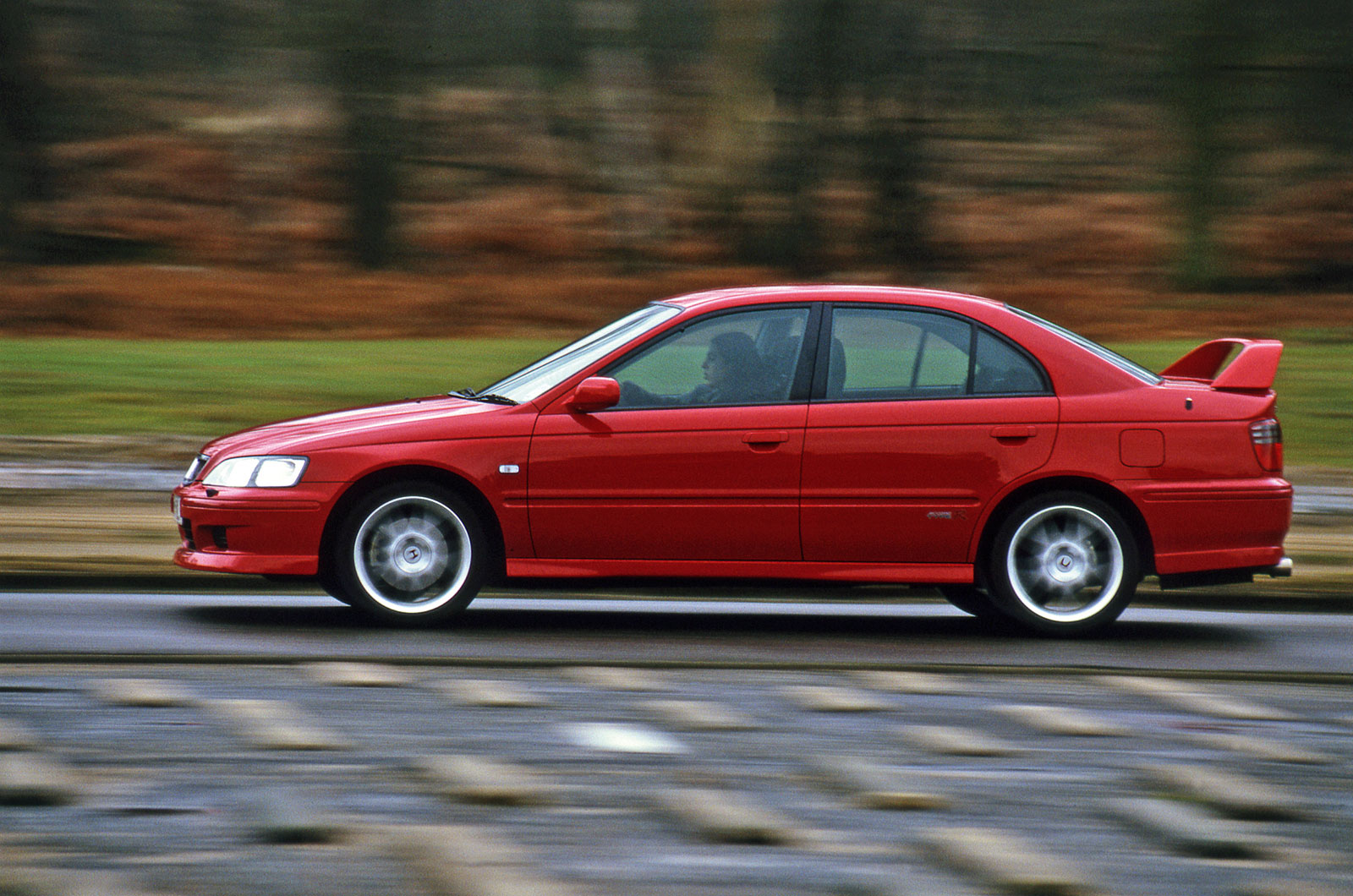
We're amazed that Honda's deliciously nutty Accord Type R isn't already attracting big prices. You certainly won't find many other modern four-door saloons with firecracker atmospheric VTEC engines, yet that offer room for the family.
Honda Accord Type R (1998-2002)
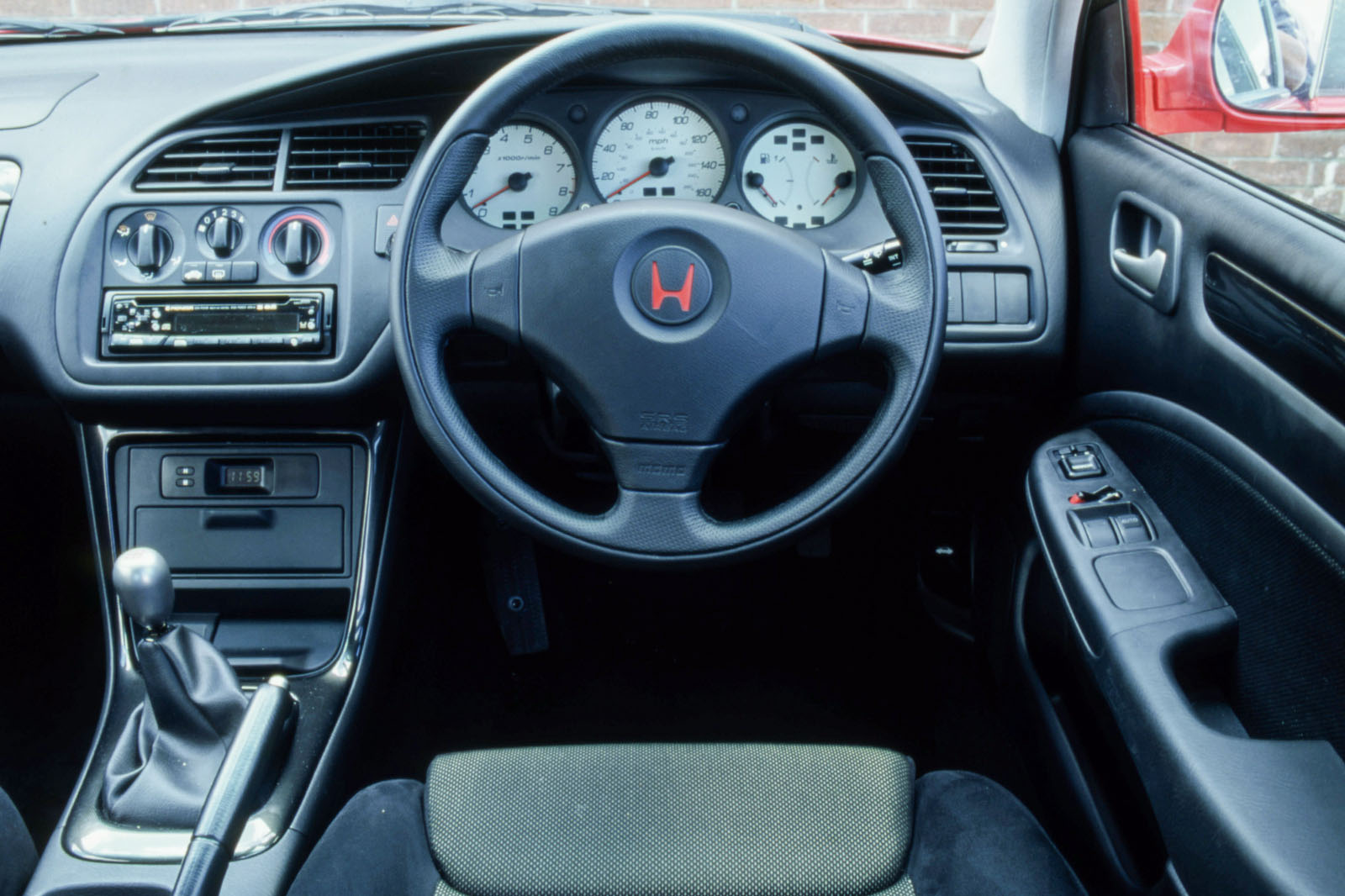
Superb shift quality, lovely steering, balanced and entertaining handling. And if scarcity's any guide of future classic status, this is one to watch: numbers on the road are dwindling fast.
Land Rover Defender (1982-2016)
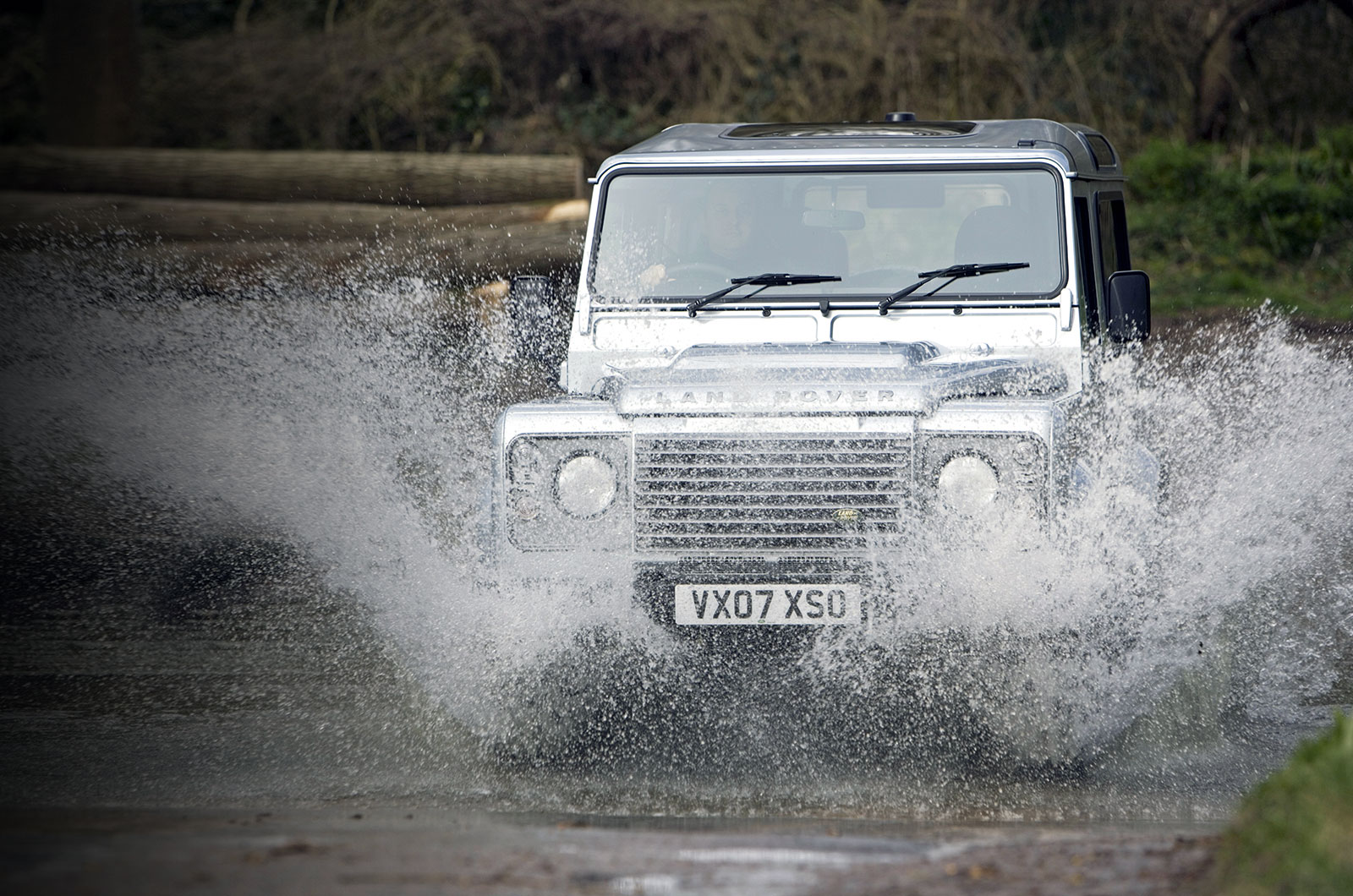
A Defender is as sure a place to put your money as bricks and mortar. It’s one of those cult cars that seems to command much higher values than rational common sense suggests it should.
Land Rover Defender (1982-2016)
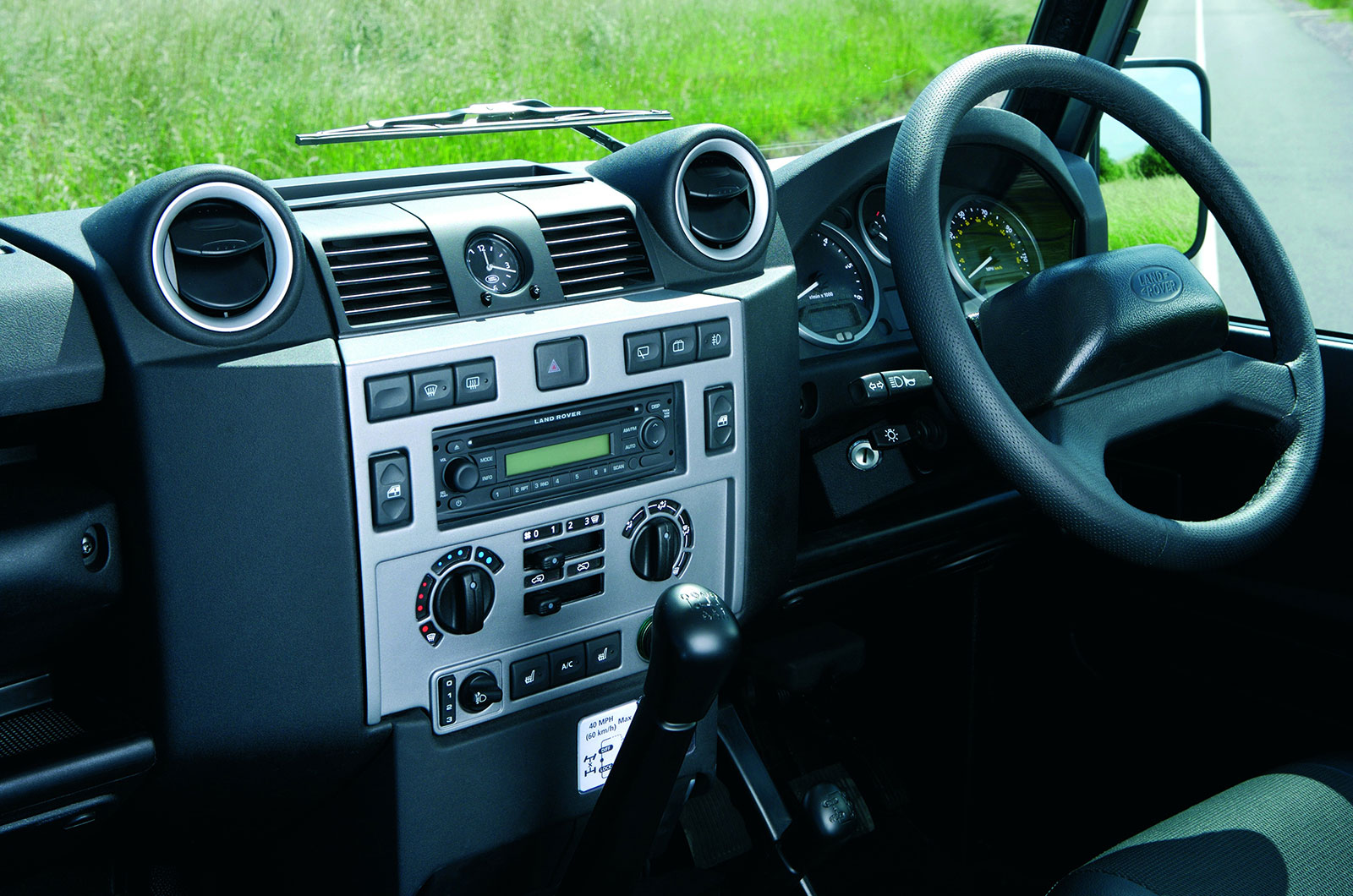
Defenders are slow and noisy and uncomfortable and hopelessly old fashioned, but they’re adored nonetheless and, accordingly, values are rising.
Mercedes SL55 AMG (2002-2008)
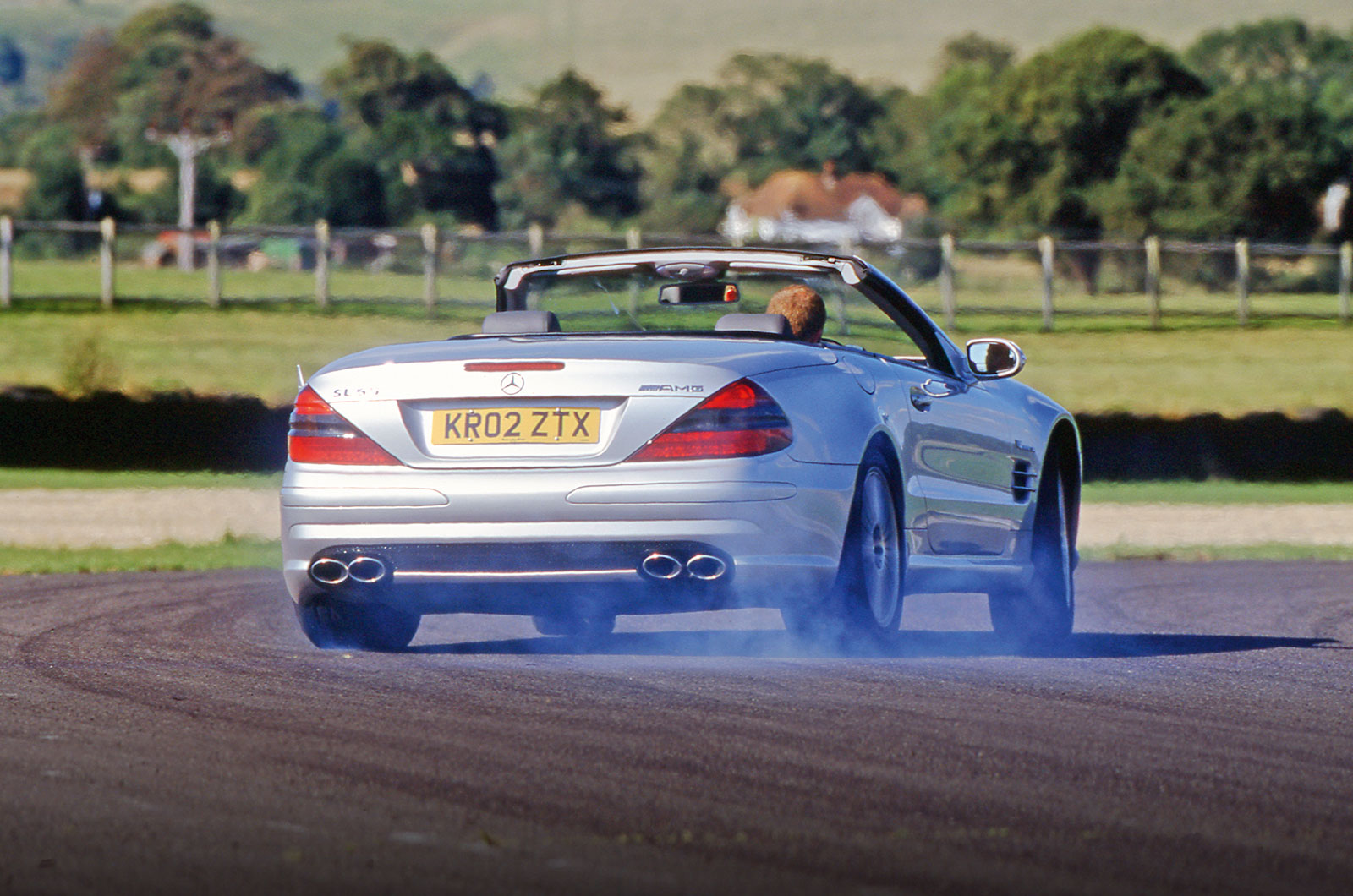
It is very easy to be sniffy about the SL. It’s much less a sports car and more a laid back cruiser, after all, but the full AMG treatment did unearth a hidden wild side. The SL55 AMG’s near-500bhp supercharged V8 also happens to sound like a low flying Spitfire, which goes a long way to vanquishing the SL’s well-groomed boulevardier image.
Mercedes SL55 AMG (2002-2008)
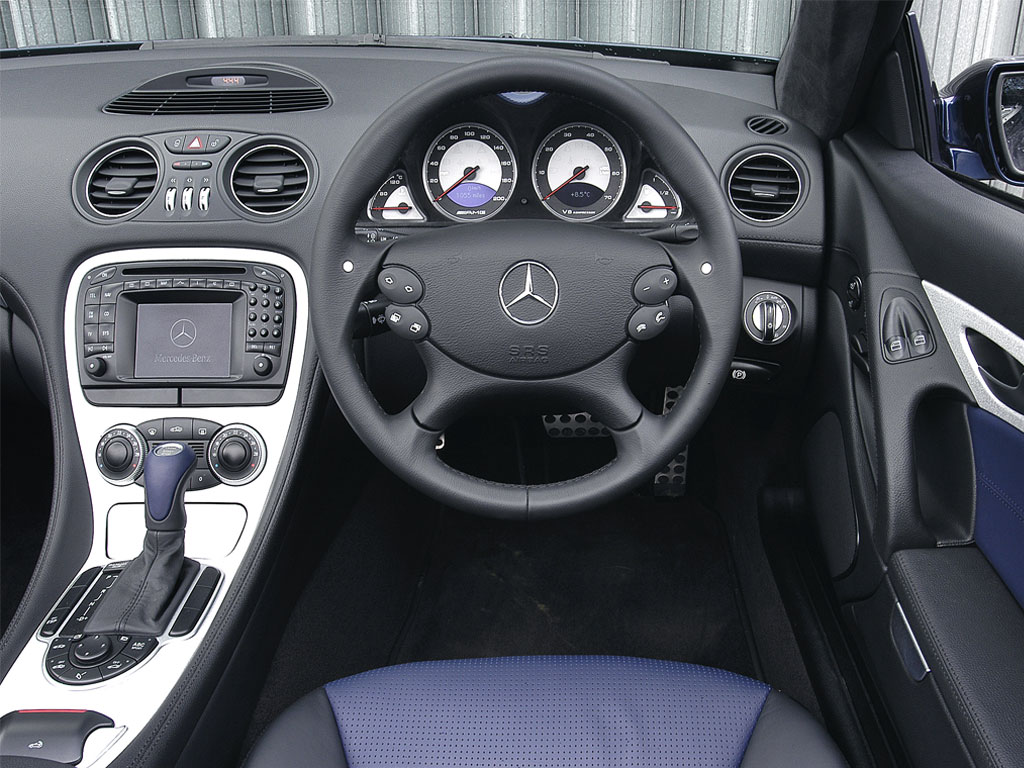
With a folding hardtop roof and Active Body Control suspension the SL55 is by no means a simple car. In fact, perished seals on earlier models mean the roof can allow water to leak into the boot, while the trick suspension can go wrong and chuck up nasty bills.
Those sorts of issues have suppressed SL55 values and they may even prevent them from climbing in years to come. The thunderous soundtrack will keep your mind off all of that, though.
Volvo 850 T5-R Estate (1995-1996)
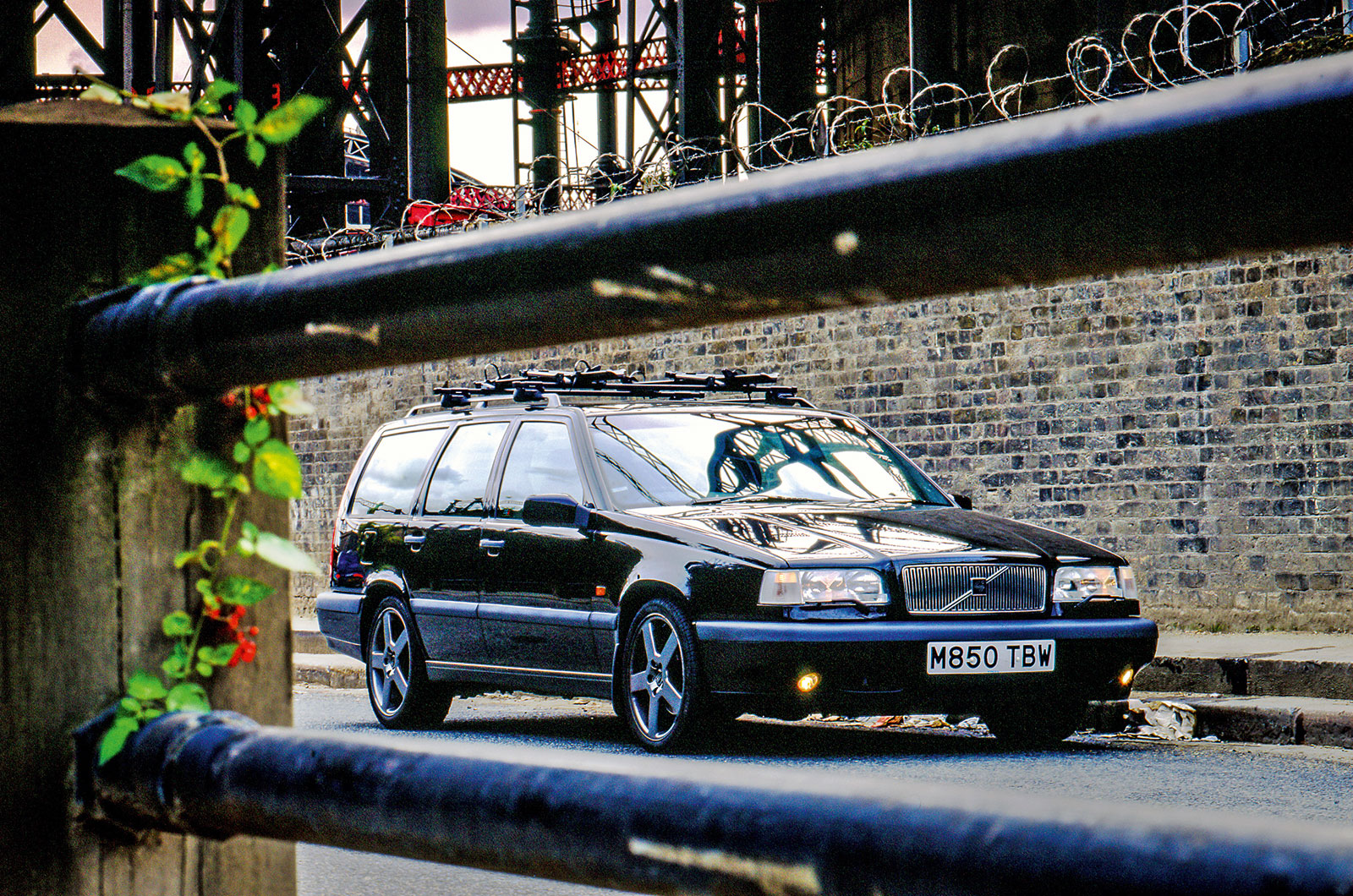
The sight of a boxy, square-edged Volvo 850 estate leaping across kerbs on a race track was so strange and incongruous that it remains one of touring car racing’s most iconic motifs.
Volvo 850 T5-R Estate (1995-1996)
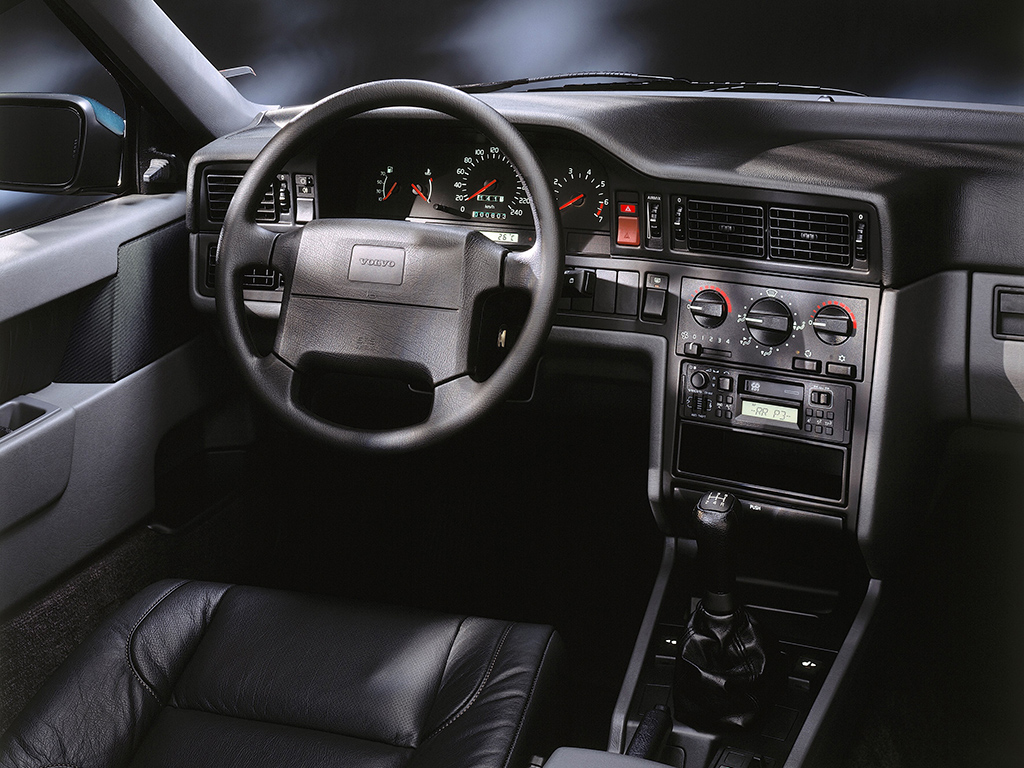
The road-going 850 T5-R will always be a sought after model simply for that association, even though the mechanical similarity between the two cars was close to negligible; the T5-R, after all, was no homologation special.
Ford Focus RS Mk1 (2002-2003)
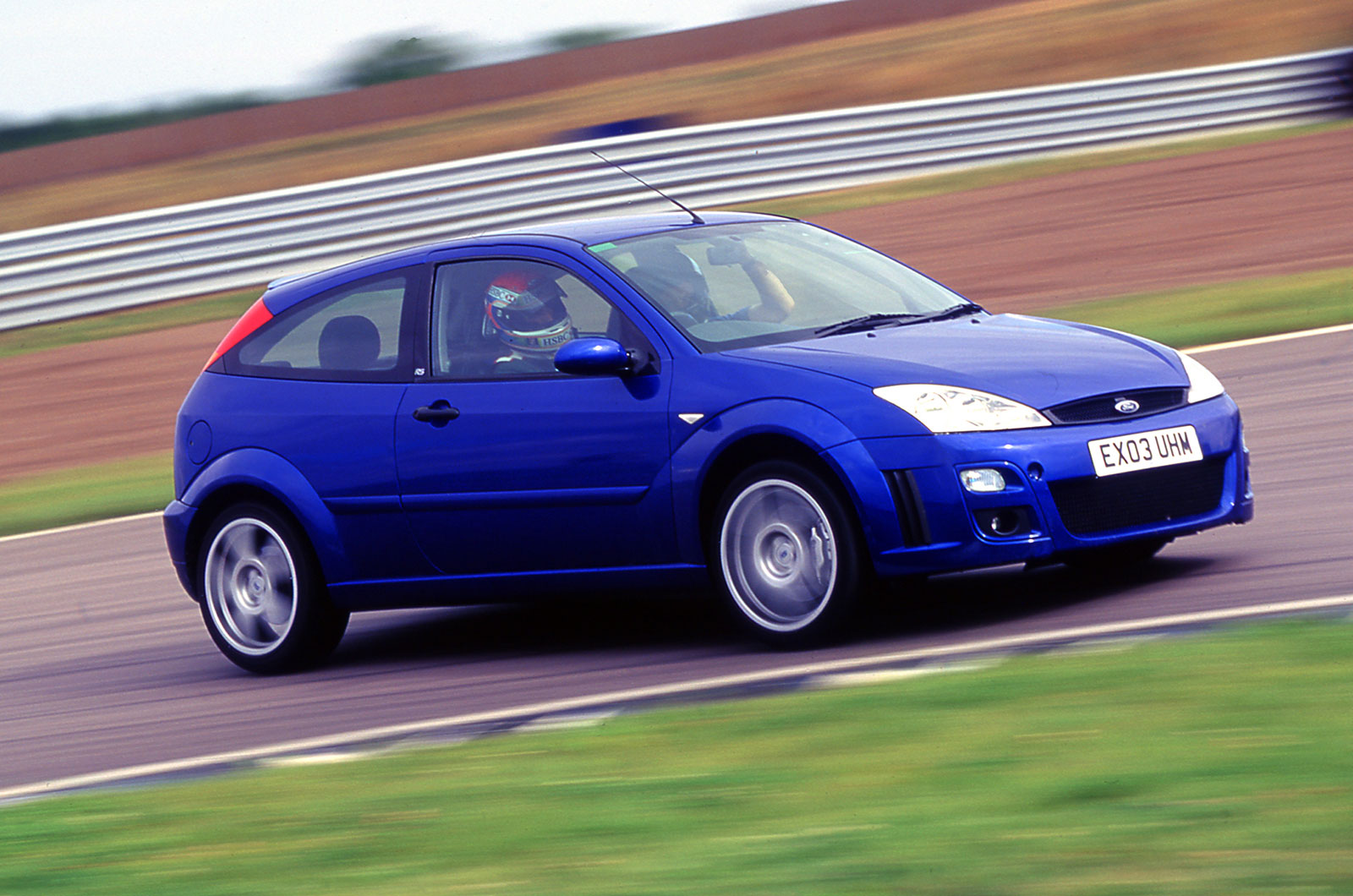
The original Focus RS arguably changed the hot hatch game more than any other car before or since. It was the first car of its type to be engineered with the same precision, attention to detail and track-proven hardware as a sports car.
In fact, the Focus RS reset our expectations for the sector: if a modern day hot hatch isn’t engineered to the same exacting standards, we write it off immediately.
Ford Focus RS Mk1 (2002-2003)
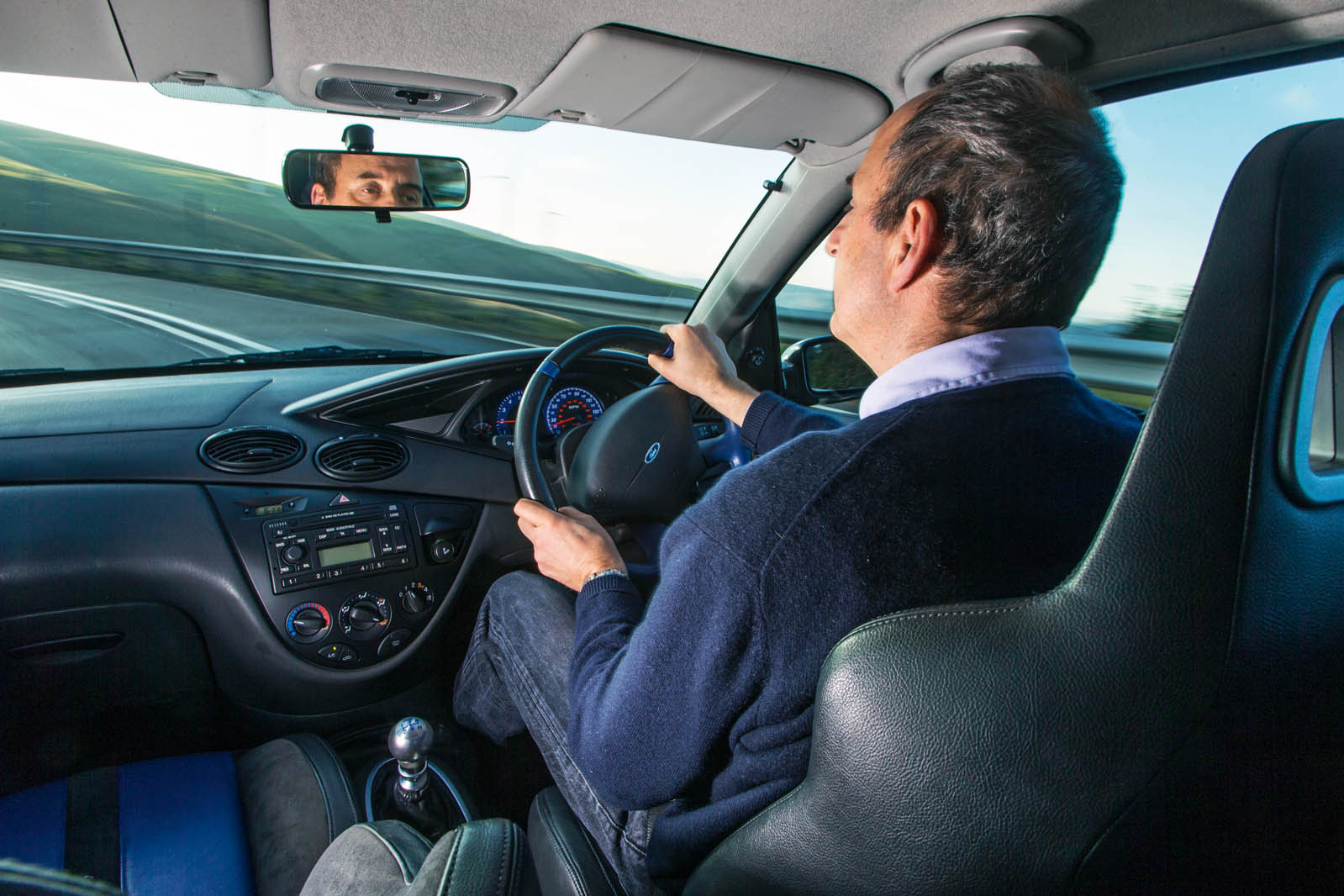
As well as being great to look at the Focus RS is thrilling to drive, albeit in a white-knuckle sort of way. The punchy turbocharged performance and tightly-wound Quaife limited-slip differential give it huge performance, but a ragged edge, too.
Factory-specification cars will one day shoot up in value, just as the more common Escort RS Cosworth has done.
Alfa Romeo 164 Q4 (1993-1998)
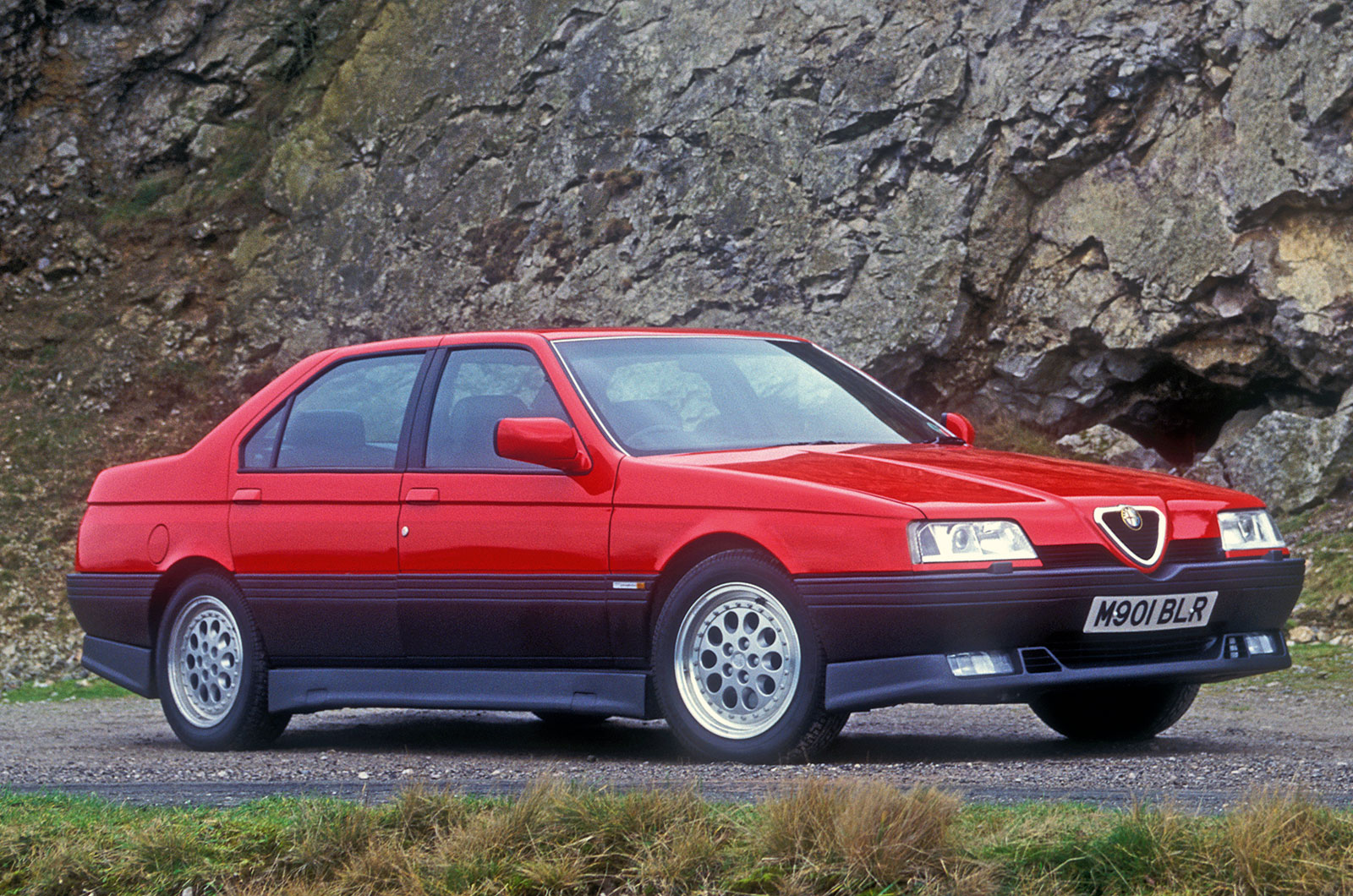
Styled by Pininfarina - apparently with judicious use of rulers and set squares - the 164 was Italy’s answer to the BMW 5 Series.
Alfa Romeo 164 Q4 (1993-1998)
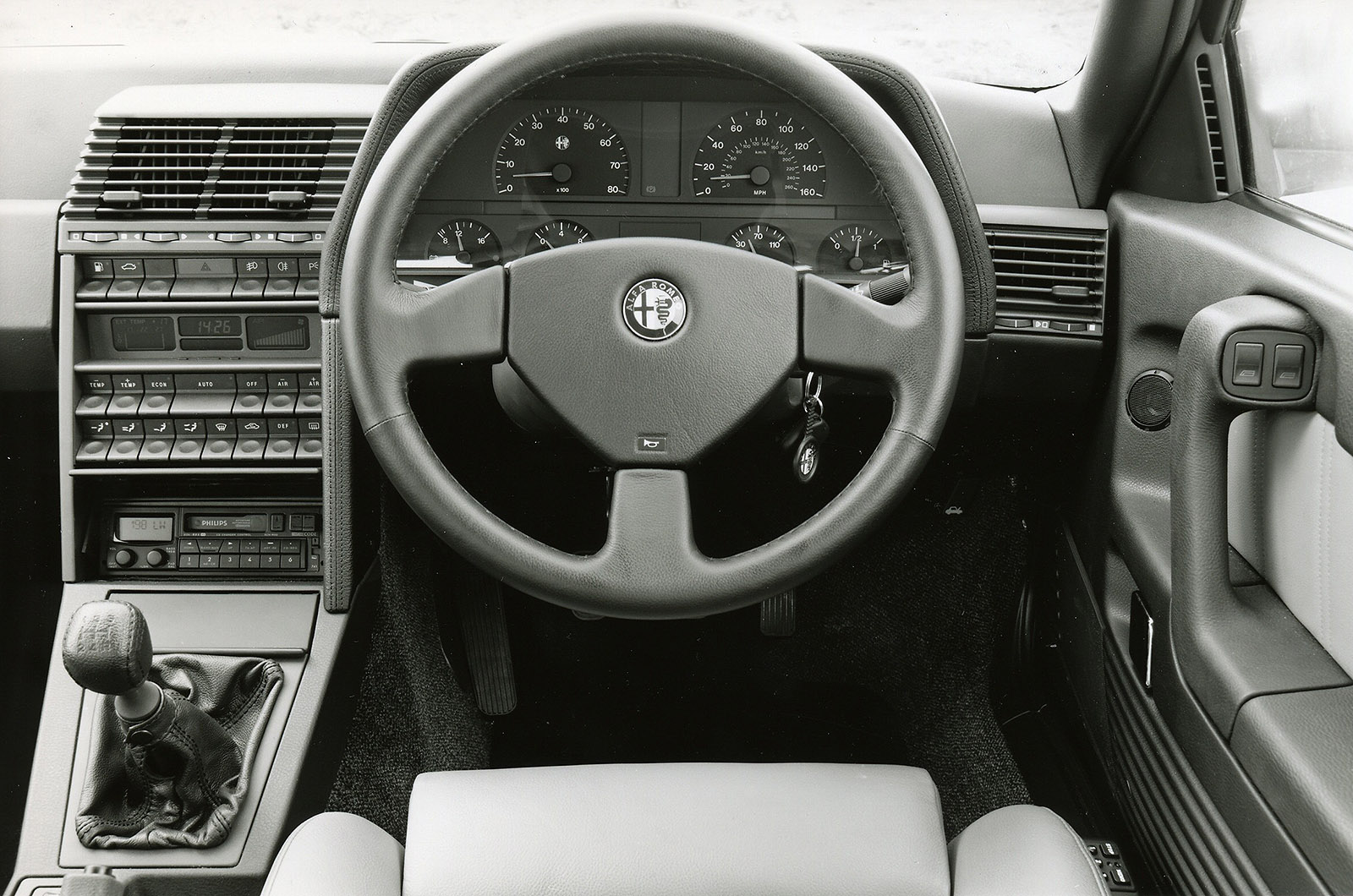
The V6-powered, four-wheel drive Q4 version that arrived in 1993 wasn’t exactly a rival to the 311bhp M5 of the time, but with 229bhp the Alfa was no slouch.
The car is extremely rare these days, but they can be found for fairly small sums.
BMW E39 M5 (1998-2003)
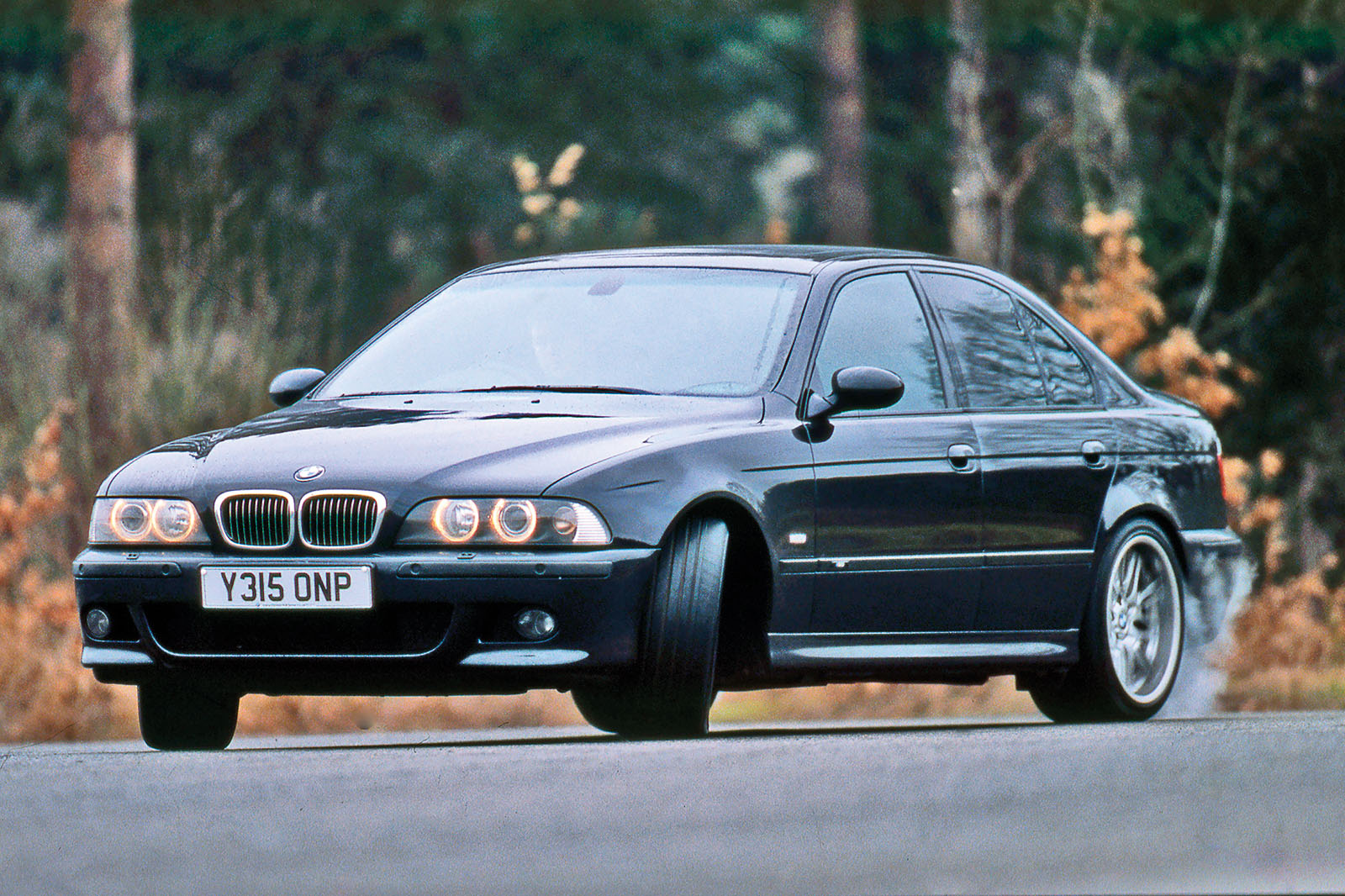
In this price bracket you're looking at an E39 M5 approaching, possibly exceeding, 100,000 miles, but that needn't put you off. A rebuilt VANOS variable valve timing system and rock-solid service history should see you straight.
BMW E39 M5 (1998-2003)
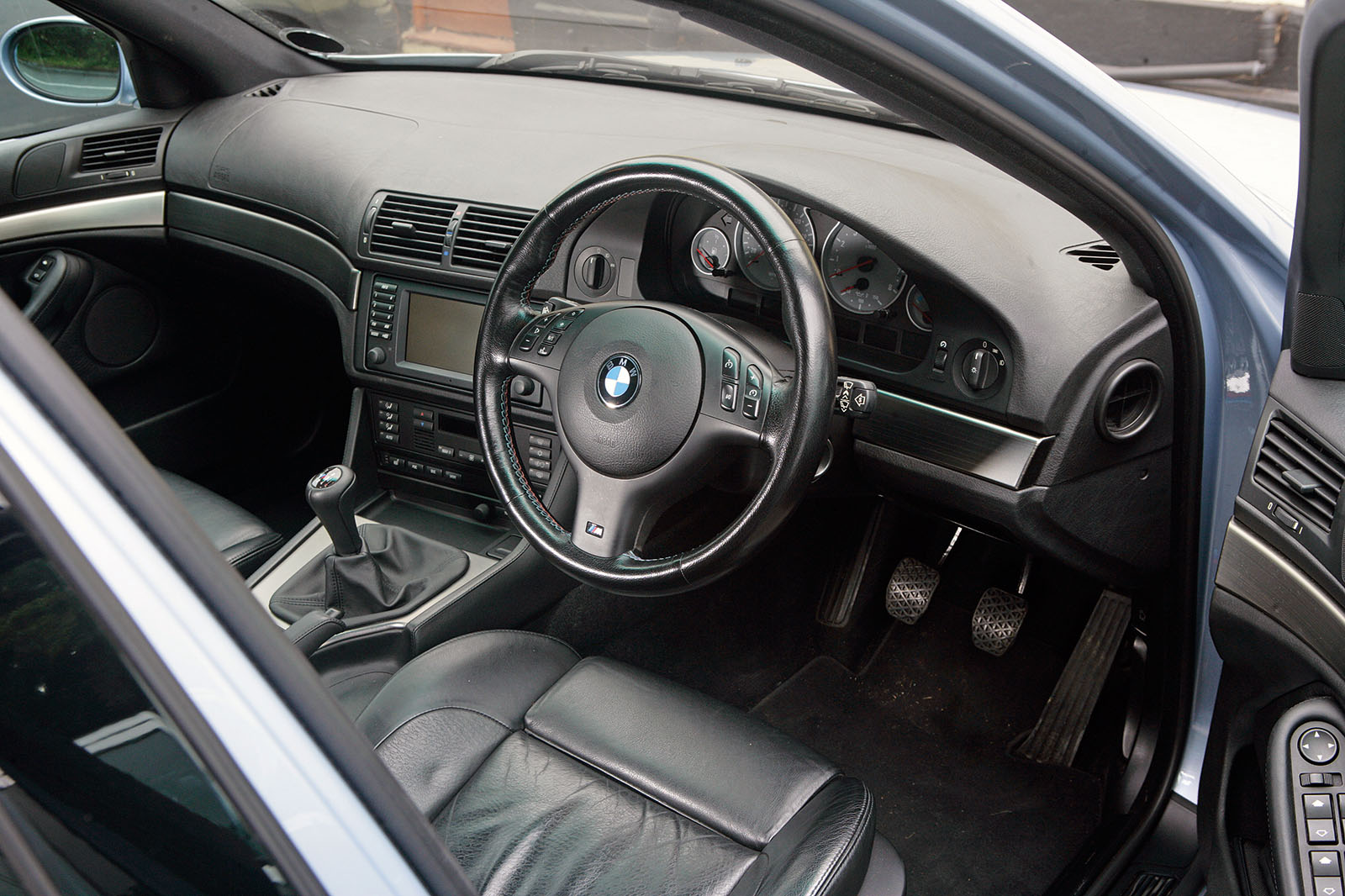
Then you can look forward to enjoying arguably the best M5 of the lot – manual gearbox, 400bhp V8 and a chassis that's almost as happy to play B-road stormer as it is grand tourer. Don't let the understated coachwork fool you into thinking this isn't a massively characterful super-saloon.
Toyota GT86 (2012-2021)
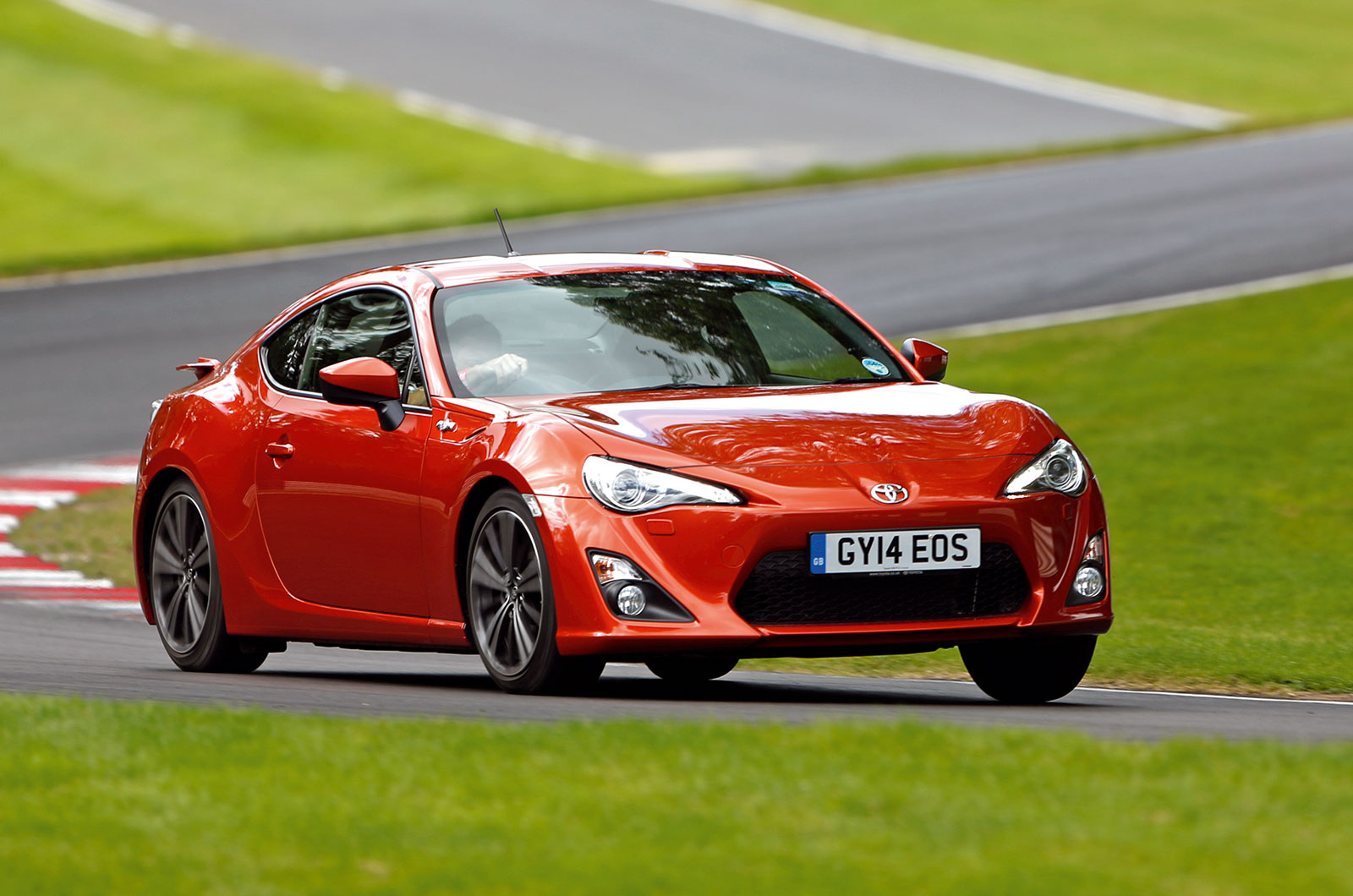
With the compact, rear-wheel drive GT86, Toyota - as well as Subaru with its own version, the BRZ - hit the reset button for the sports coupé sector. The GT86 prioritises fun and engagement over outright performance and is all the better for it. This car was known as the Scion FR-S in North America.
Aston Martin V8 Vantage (2005-2017)
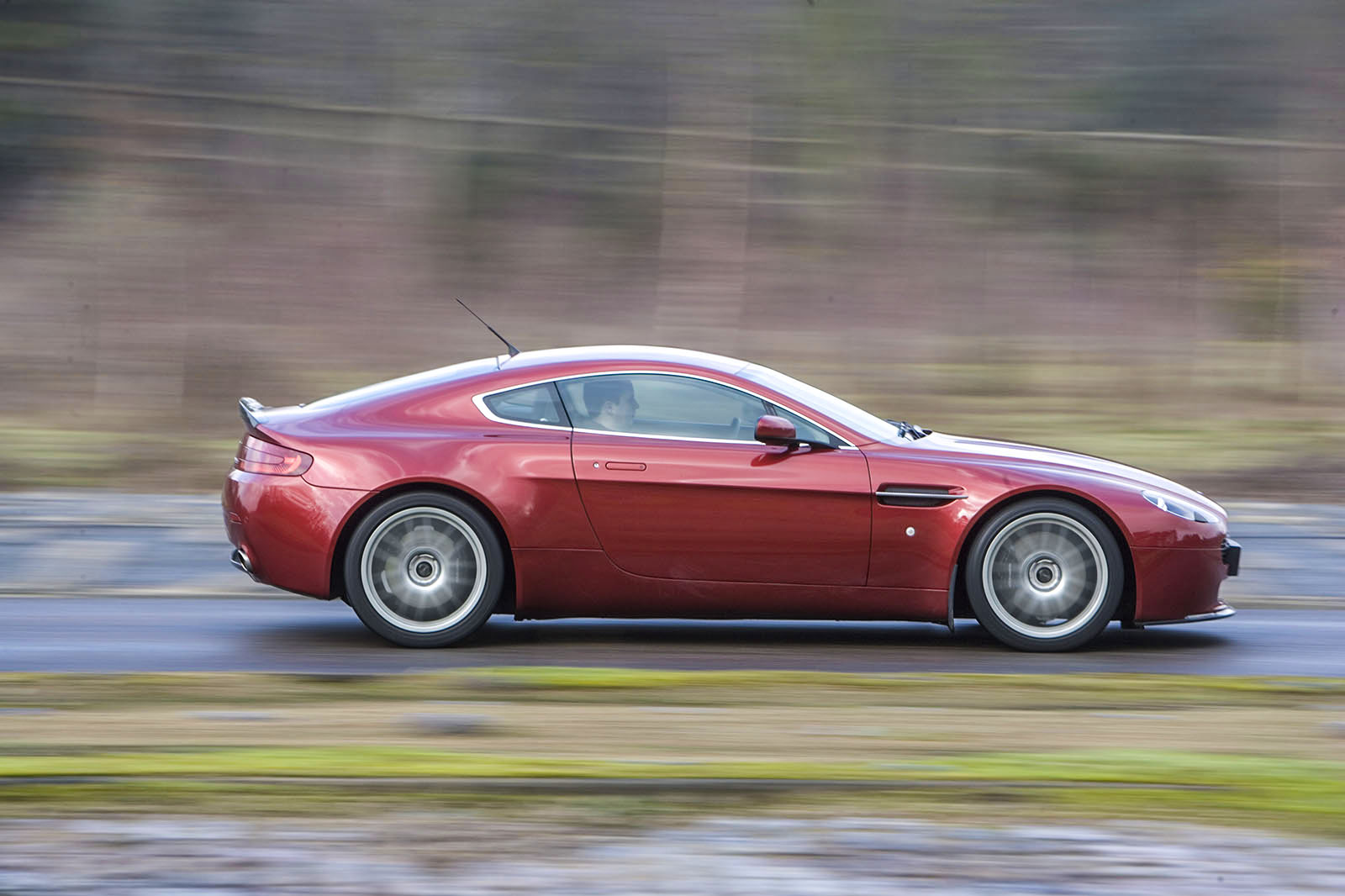
The previous V8 Vantage may be the most common Aston Martin ever, but it’s also the last of a breed. When we all commute to work in electric cars we’ll want to keep a normally-aspirated V8 in the garage.
BMW M3 E92 (2007-2013)
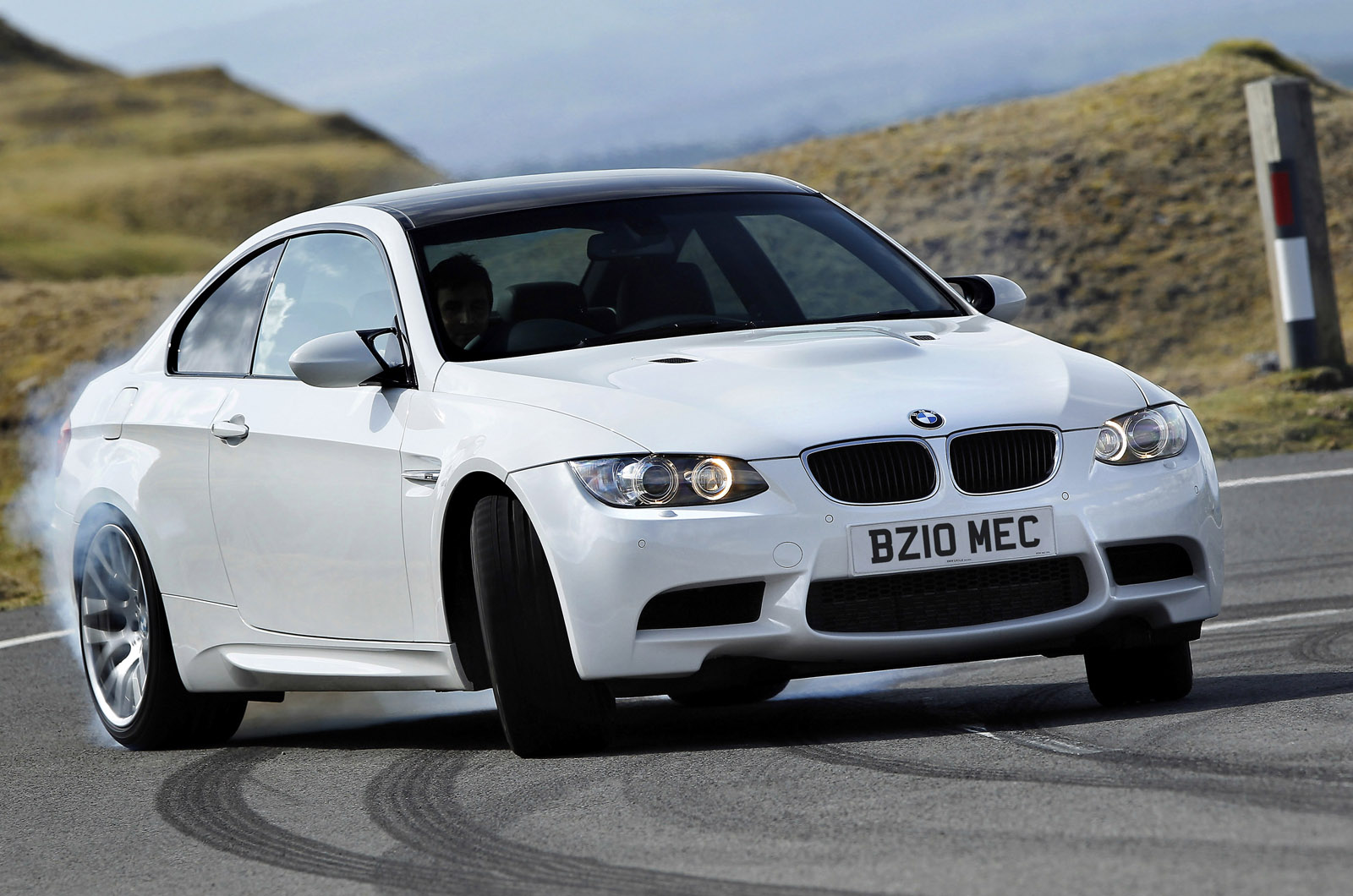
The M3 that came before it, the E46, is beginning to rise in value and you can bet the E92 will do the same thing one day. Its 4.0-litre V8 is such a masterpiece that demand will never falter.
Nissan GT-R (2008-present)
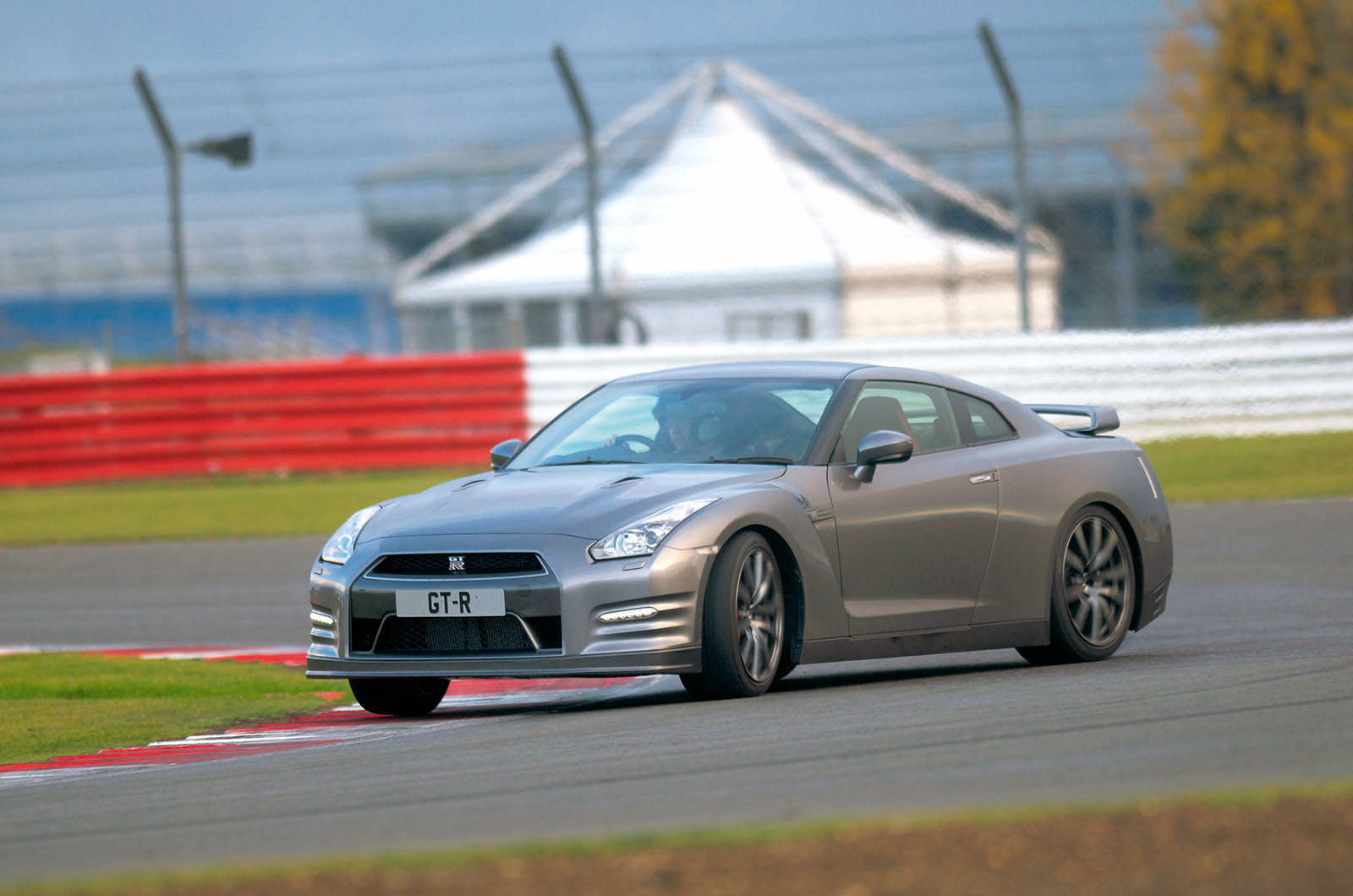
There aren’t very many cars that can claim to have conquered the world, but the R35 Nissan GT-R certainly did. It’ll go out of production soon and values will steadily drop until, years from now, they’ll begin to climb again.

BMW Off-Roader Ambitions Signal a New Front in the G-Class Rivalry

British Car Companies Lost to History Reveal the Industry’s Struggle with Innovation, Scale, and...
 A journey back in time to some of the UK's most excellent car companies, sadly now deceased
Car-making is hard.
Profitable car-making is a whole lot harder, and for proof you only need take a look at the failed British car companies we’re looking at here.
Some were born close to the dawn of the car, when bicycle-makers saw money in the new-fangled horseless carriage. But it wasn’t easy. Car-making at the start of the 20th century was like internet projects at the end of it - plenty tried, but only the fittest survived.
Here's a look at the best and most interesting of the ones who didn't make it:
Allard
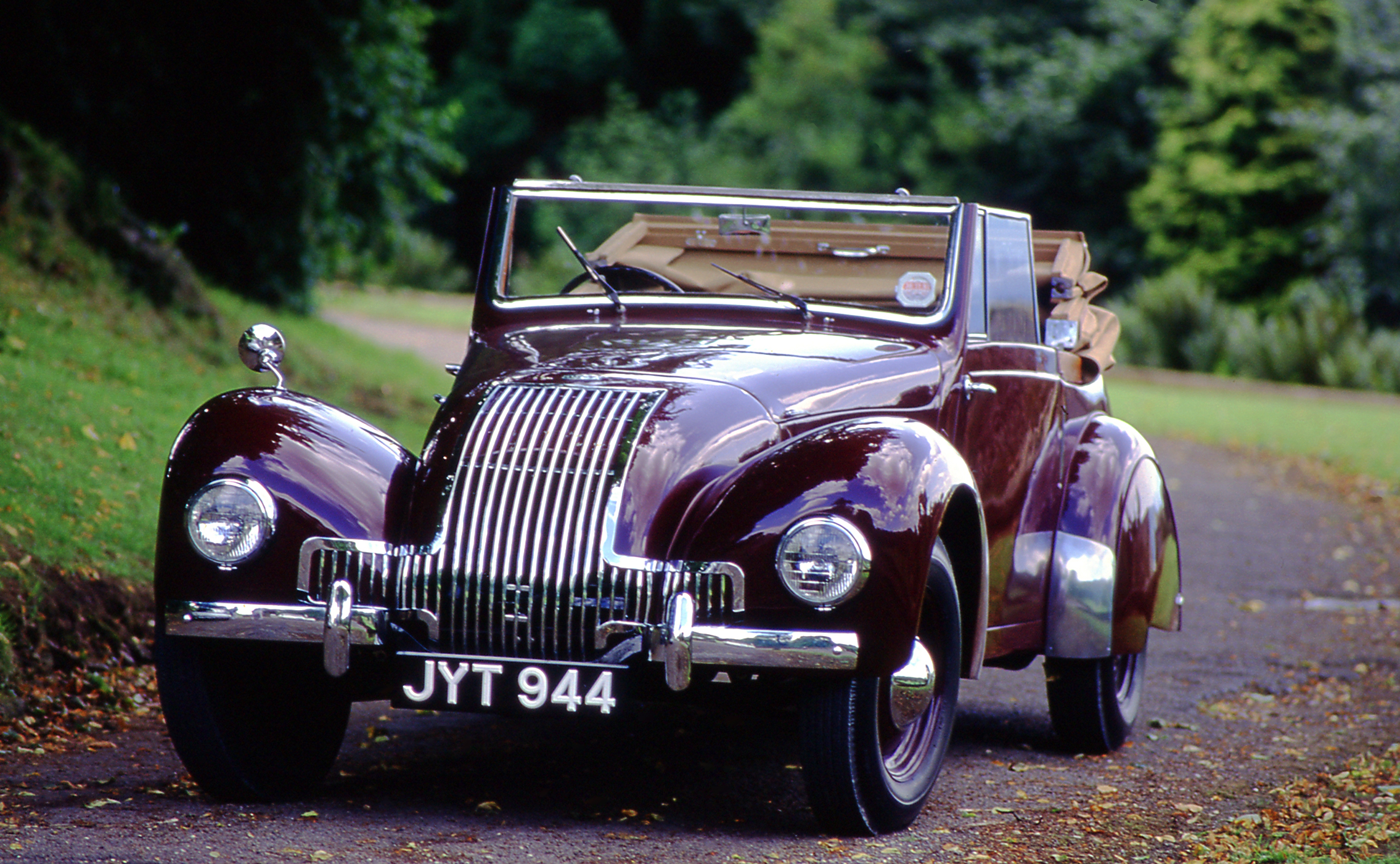
Sydney Allard built almost 2000 cars between 1946-57, many of them fast, American V8-engined sports cars, although there were plenty of saloons too.
But despite an array of models, Allard’s bosses failed to assess the direction in which the automotive world was headed and thus the final model from the company - the two seater Palm Beach - was said to have been a year behind its competitors for technology and driving dynamics.
Allard collapsed in 1957.
PHOTO: Allard M1 (1948)
Alvis
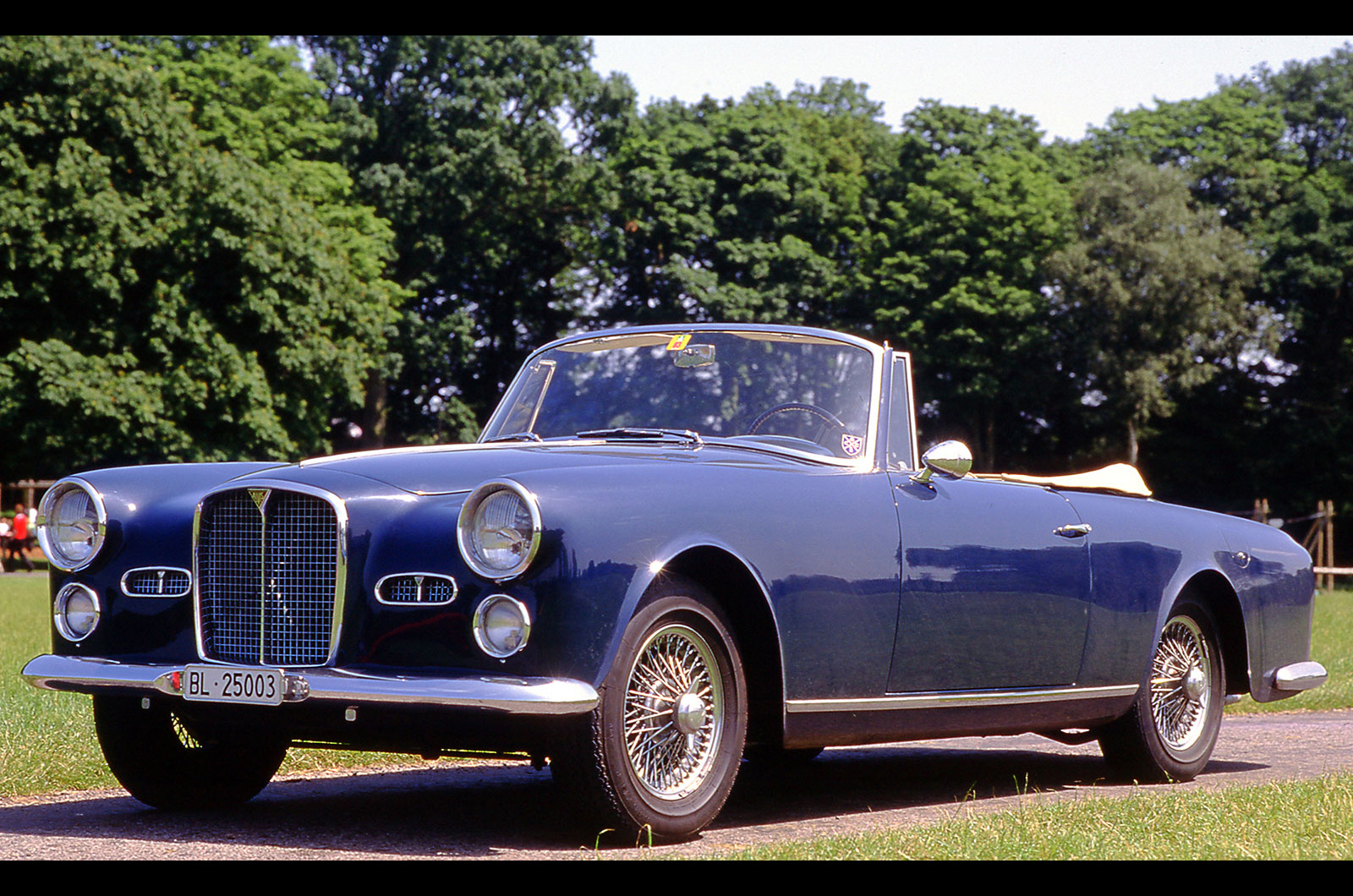
A maker of high-quality sports cars in its heyday. Duller saloons followed, but the TC to TF series of coupés and roadsters were a handsome swansong.
Bought by Rover in 1965, car production ended two years later, Alvis becoming a military vehicles maker. It was bought by BAE Systems in 2004.
Austin
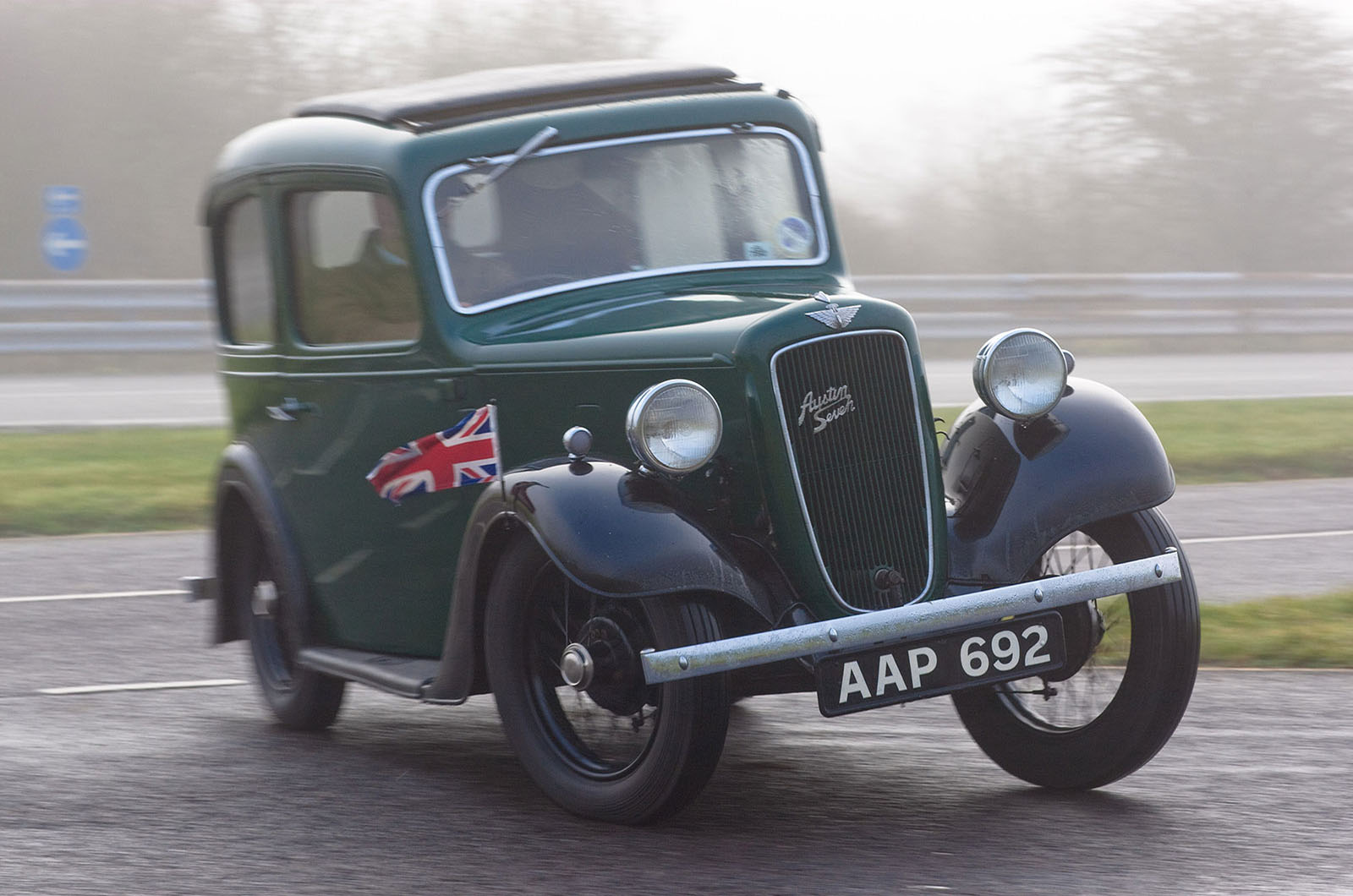
During much of its 83-year life, Austin was a serial maker of dependable and sometimes boring family cars. But it also produced two landmark designs. The 1922 Austin Seven was an affordable car that put much of the UK on wheels, while the 1959 Austin Mini triggered a small car design revolution.
The Mini was also available in larger sizes as the 1100 and the 1800, both advanced Alec Issigonis creations. All would be massive sellers. But it was 1973’s 1100 replacement that doomed Austin. Designed as a car for Europe, the Allegro wasn’t that and didn’t sell that well in the UK either.
By this point Austin was embedded within British Leyland’s Austin-Morris volume car division, which the company was desperate to revive. That almost came with 1980’s highly successful Metro, but the awkwardly formed Maestro and Montego follow-ups blew much of the resulting goodwill. The Austin names was dropped in 1988.
PHOTO: 1930s Austin Seven
Austin-Healey
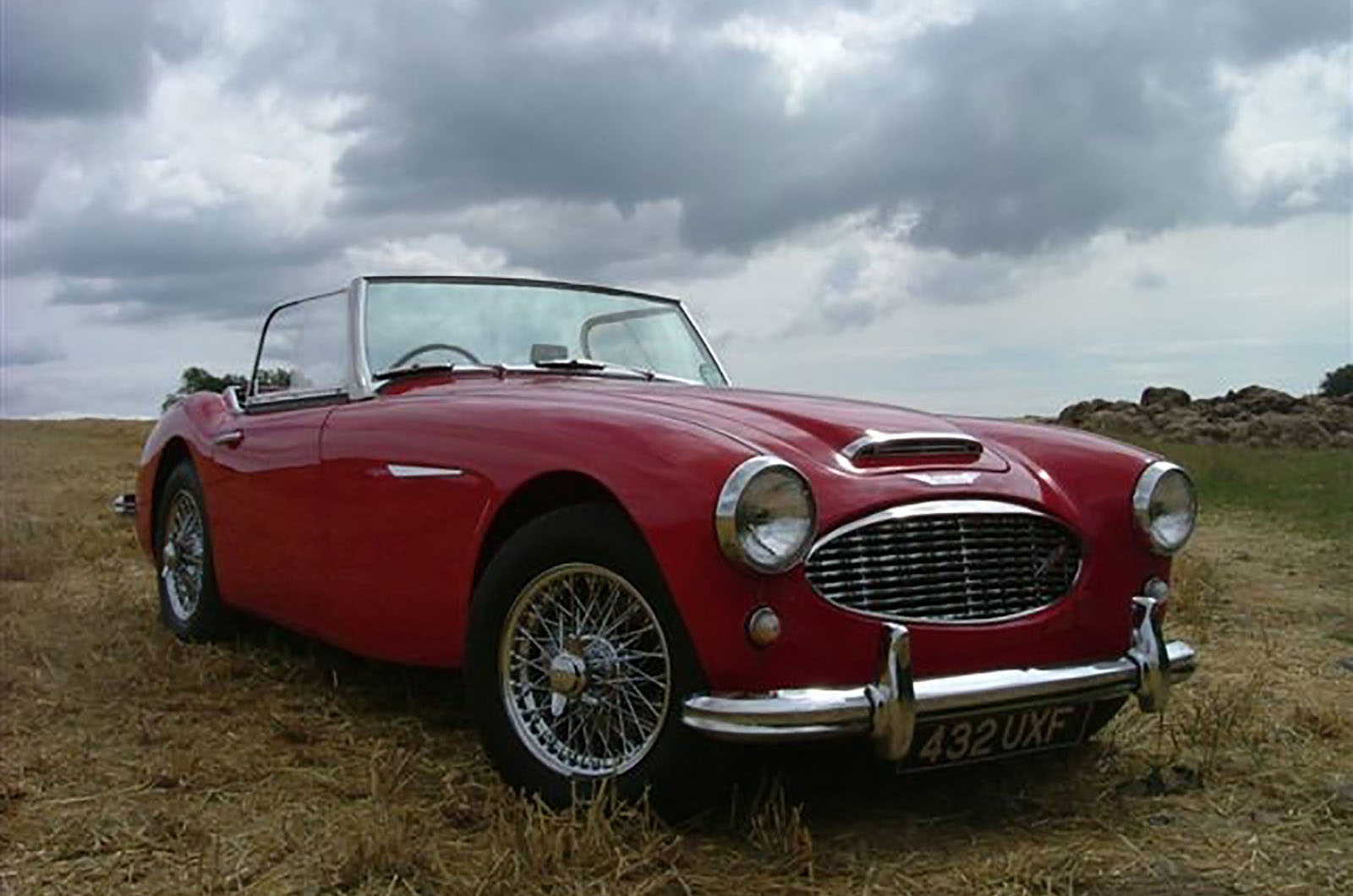
A joint venture between Donald Healey and Austin saw the beautiful 1953 Austin-Healey 100 and the later frogeye Sprite successfully built and sold by BMC. But the frogeye became an MG Midget and the big Healey was eventually outlawed by US legislation, the brand name wastefully retired in 1971.
BMW considered a revival in the late 1990s using a Z3 base, but the company's exit from Rover ended that intriguing prospect.
PHOTO: Austin Healey 3000
Bean Cars
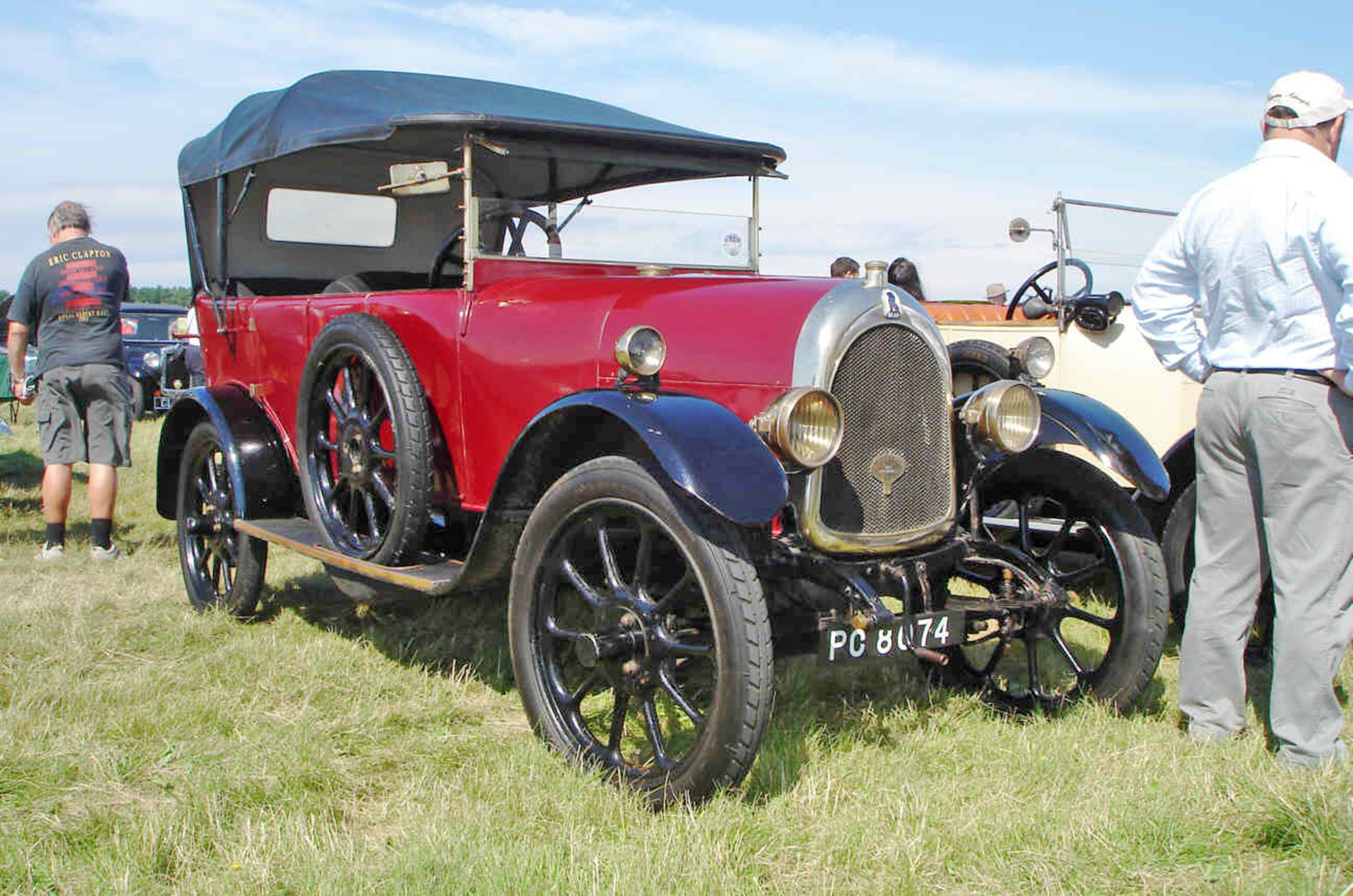
Bean got its name from George Bean; his company – based in Dudley near Birmingham -built artillery shells for the British military during the first world war, but orders dried up when peace arrived and he decided to enter the booming market for passenger cars and commercial vehicles. He bought the rights to make the Perry car, first developed in 1913 and a for a time it was a big seller – challenging even Morris and Austin. A remarkable 10,000 were produced.
In the meantime his son John, who was known as Jack, had built a complicated industrial company that collapsed in 1920. The firm was revived by his father in 1921 and did well for a while, especially when it started producing trucks to its range. It again faced problems and had to be rescued by steel-maker Hadfields, which owned a stake in the firm. However a series of unreliable cars hurts its reputation and it ended car production in 1929 and commercial vehicles in 1931. It was revived again in 1933 to make motor parts and engines; Standard-Triumph bought it in 1956 and thus became part of Leyland Motors in 1960.
Bristol Cars
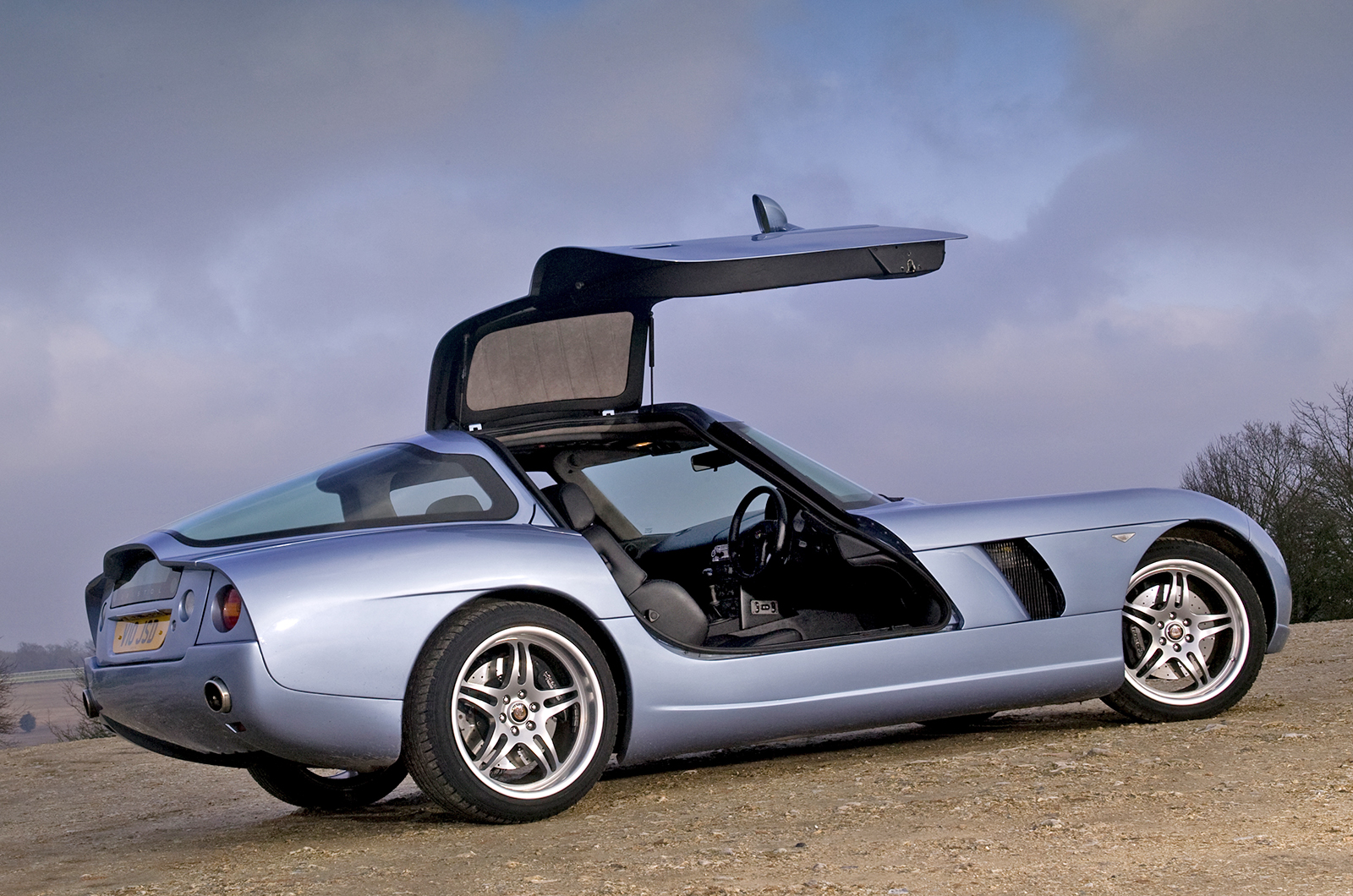
This company was started in 1945 by the Bristol Aeroplane Company. That company had prospered during the war, producing famous aircraft like the Beaufighter. Orders collapsed with the arrival of peace, so the company set up a car company. For several decades the company produced expensive and often eccentric luxury cars that attracted a small but discrete base of wealthy customers.
Its final car was the Fighter (photo), a supercar that featured a 8.0-litre V10 engine from the Dodge Viper. It produced 525bhp and 525lb ft of torque, giving the car a claimed top speed of 210mph. Around 12 were ever made, and the company ceased operating in 2011. It was revived again in 2015 with a new roadster called the Bullet, but that effort failed once more in 2020.
Daimler
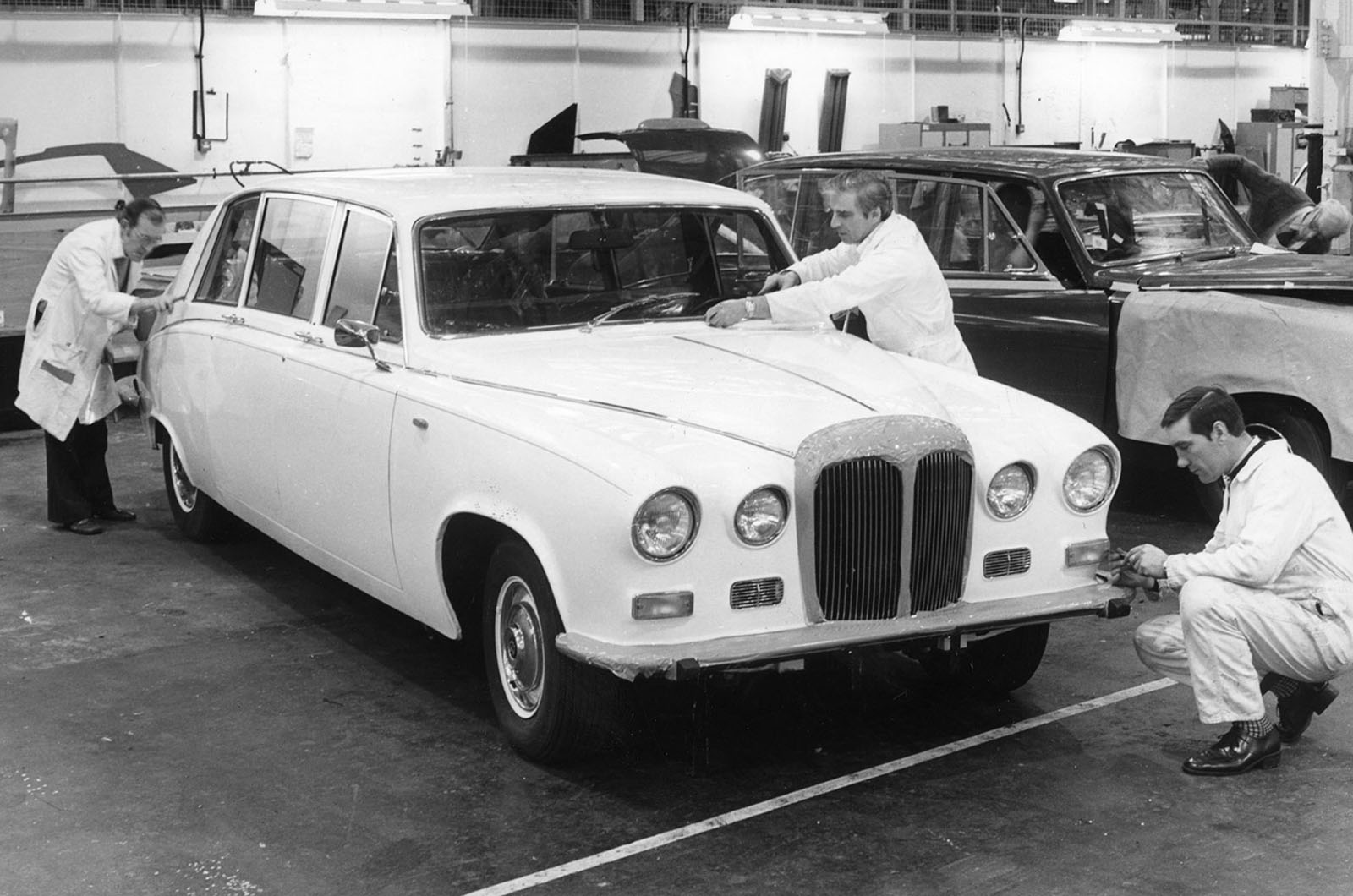
Once a supplier of motor-cars to royalty, Daimler grew out of the German company, but soon built its own models. Poor post-war management induced decline and a Jaguar takeover, its cars eventually becoming badge-engineered derivatives. It disappeared in 2010.
Jaguar retains the right to use the name on cars in many markets, but it seems less and less likely that it will ever come back.
PHOTO: Daimler DS240
Dawson Car Company
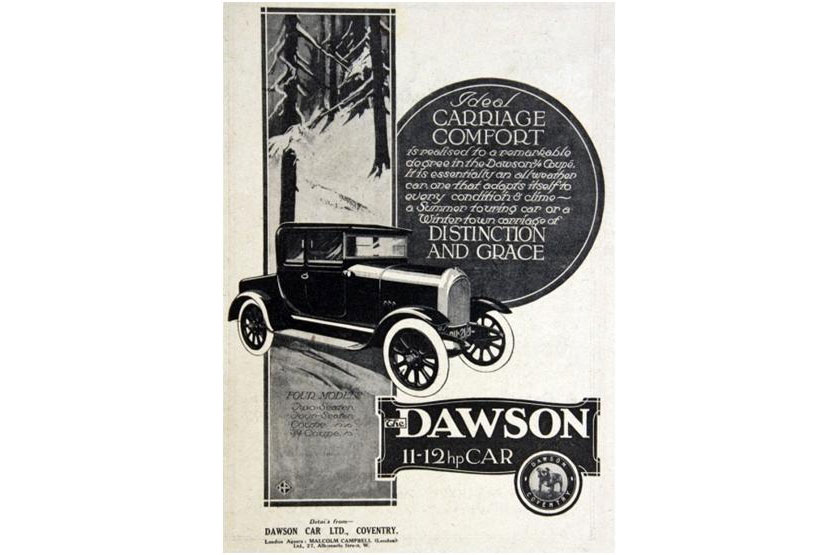
Dawson was started in 1918 by AJ Dawson, who used to work for Hillman. The company, based in Coventry, only made a single model, the 11-12hp, and it was too expensive for what it was. It couldn’t compete with the scale of competitors like Morris and Austin, and closed down in 1921 after only 65 cars were made. Its assets were then acquired by Triumph.
Gilbern
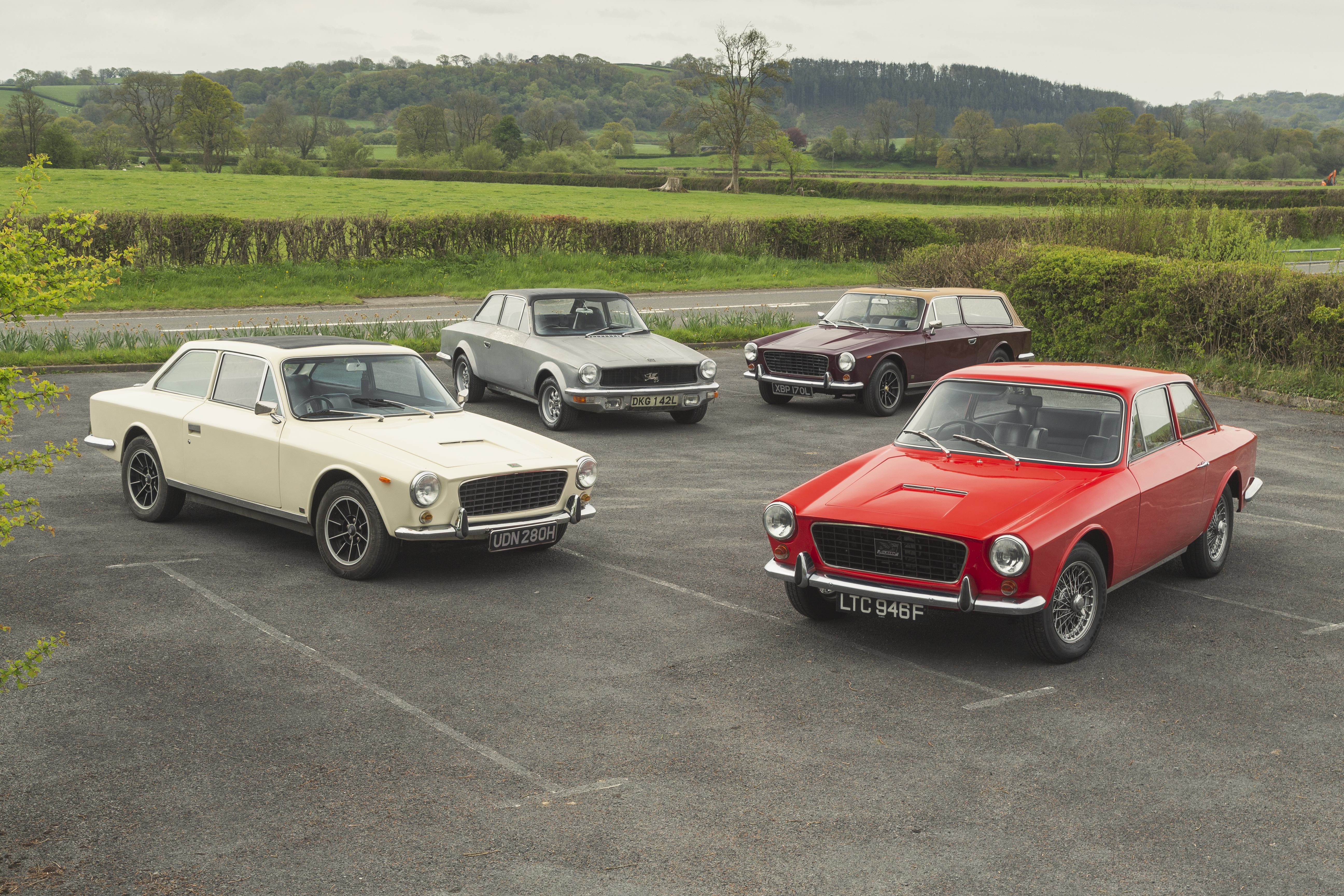
Kit-car manufacturer and virtually the only Welsh car-maker, Gilbern began selling a pretty GT component car from behind a butcher’s shop in 1959, but expensive purchase prices, added taxation and constant change of ownership saw the company shut up shop after the launch of the Genie. It went out of business in 1973.
Hillman
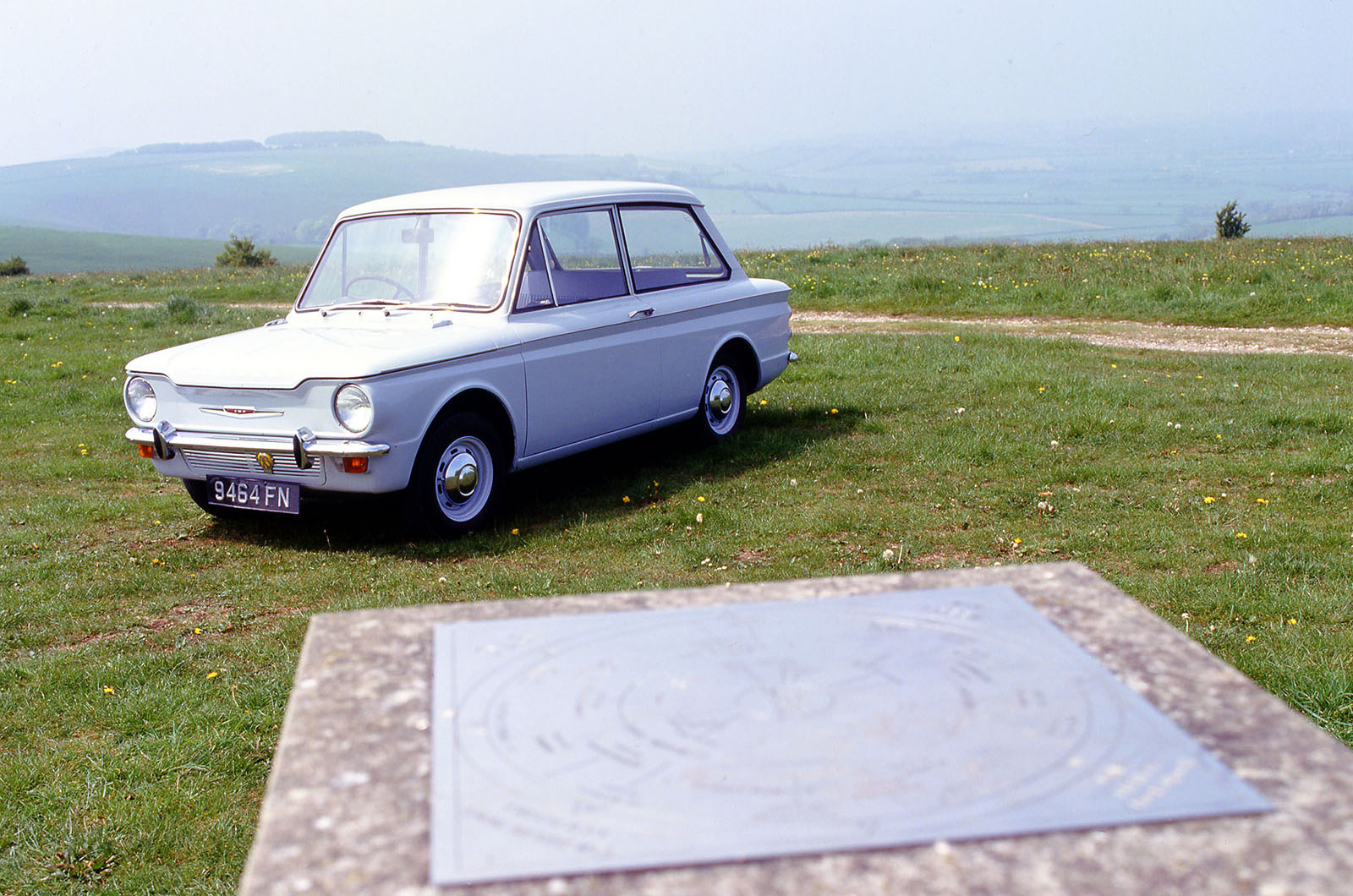
A successful maker of staple family cars, Hillman broke from the pack with its rear-engined Imp in 1963. Government interference saw it built in a new factory at Linwood, near Glasgow. The growing pains of this, reliability troubles and strikes not only undermined the Imp but dragged the Rootes Group, which owned Hillman, to its knees.
Chrysler bought Rootes in 1967, with the Hillman name dying in 1976.
PHOTO: Hillman Imp
Jensen
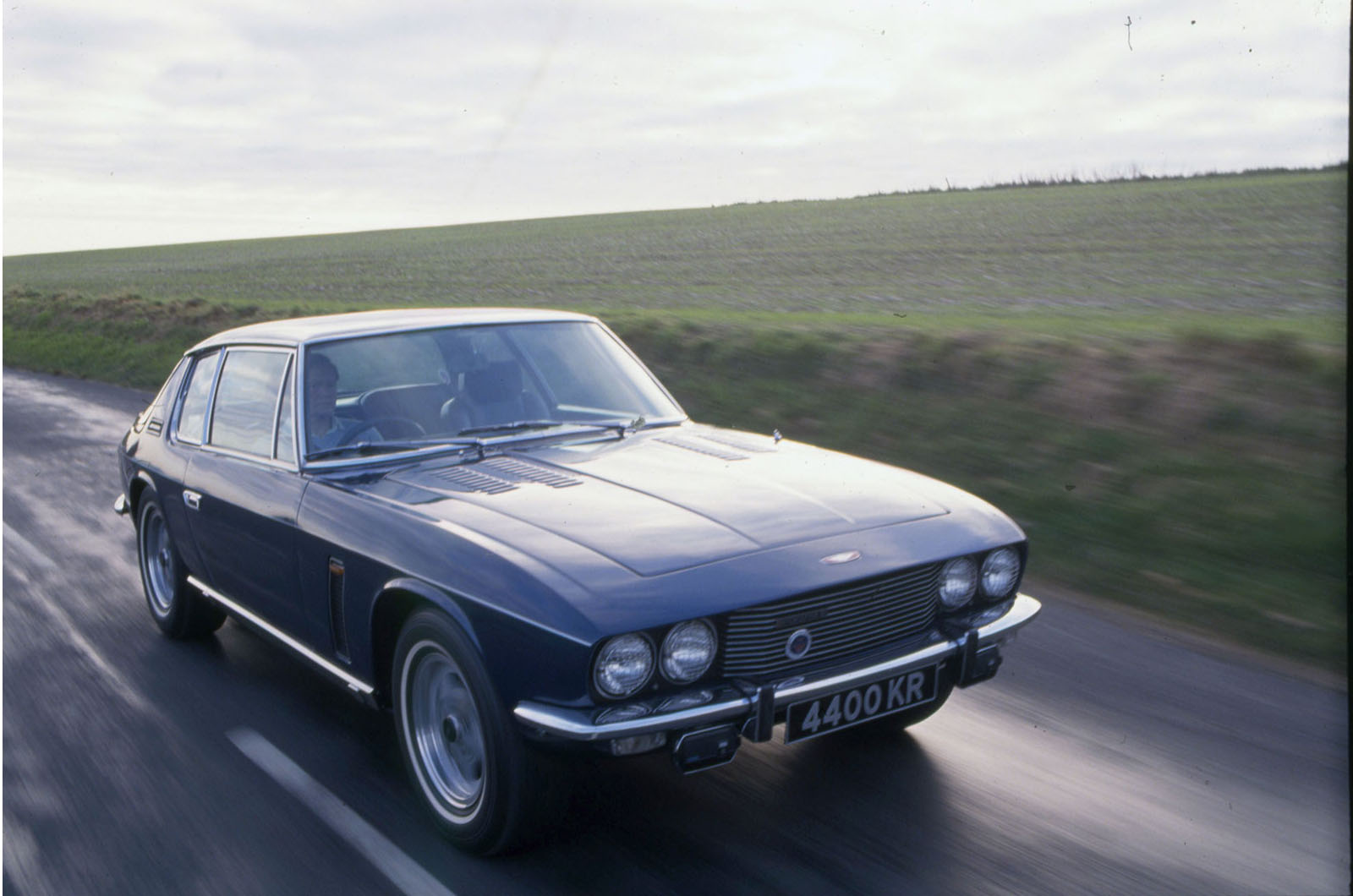
Jensen’s first car emerged in 1935. Beautiful American-powered GTs became a speciality, reaching its zenith with the 1966 Interceptor and FF, a technical tour-de-force combining four-wheel drive and anti-lock braking decades before Audi.
The financial wall was hit in 1976. A revival came in 2001 making a new car called the S-V8, but only 40 or so were built before the company closed again.
PHOTO: Jensen FF
Jowett
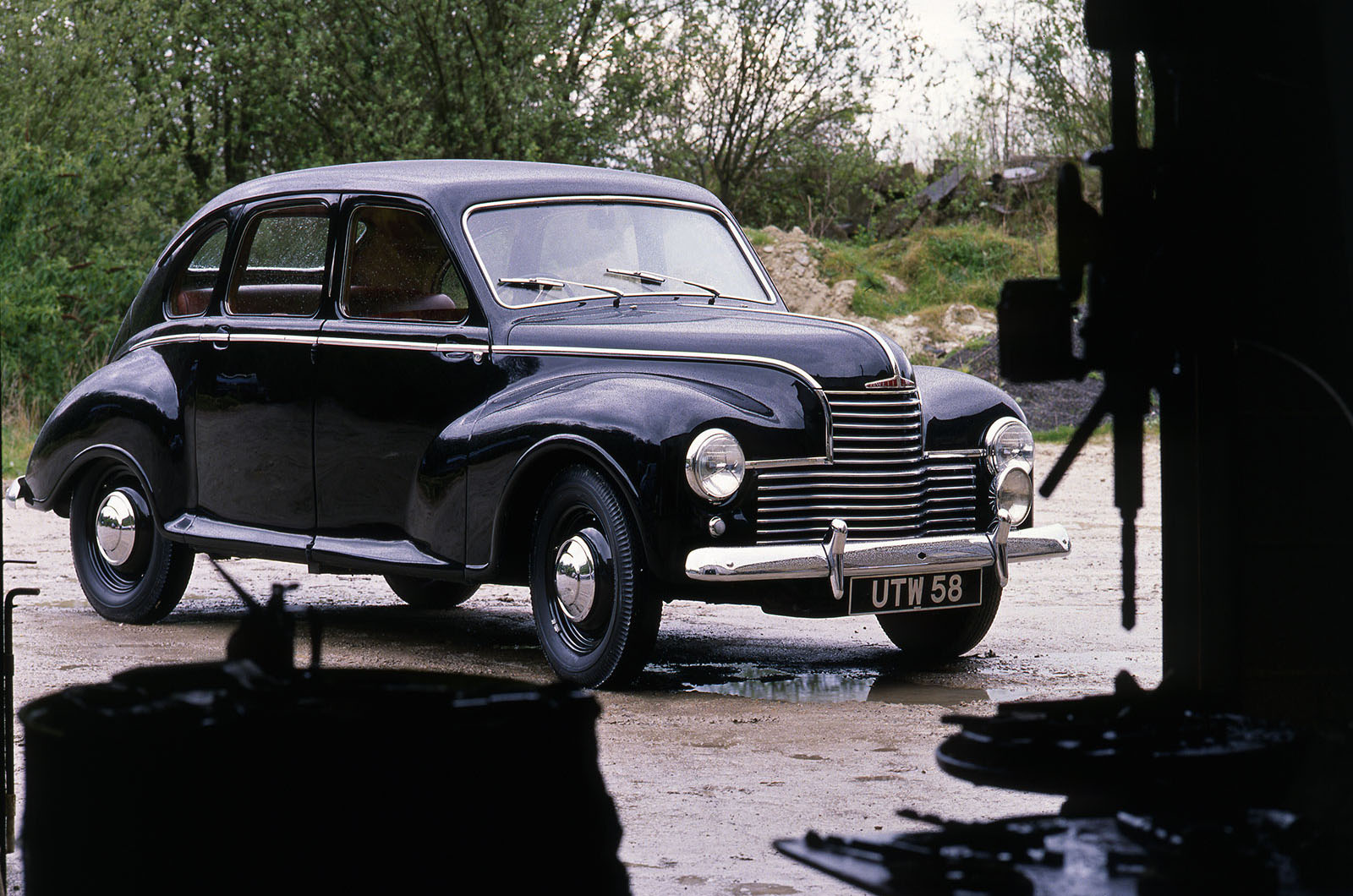
Jowett started with flat twins in 1913, but is best remembered for its advanced Javelin saloon. Jowett sank in 1954.
PHOTO: Jowett Javelin
Lanchester Motor Company
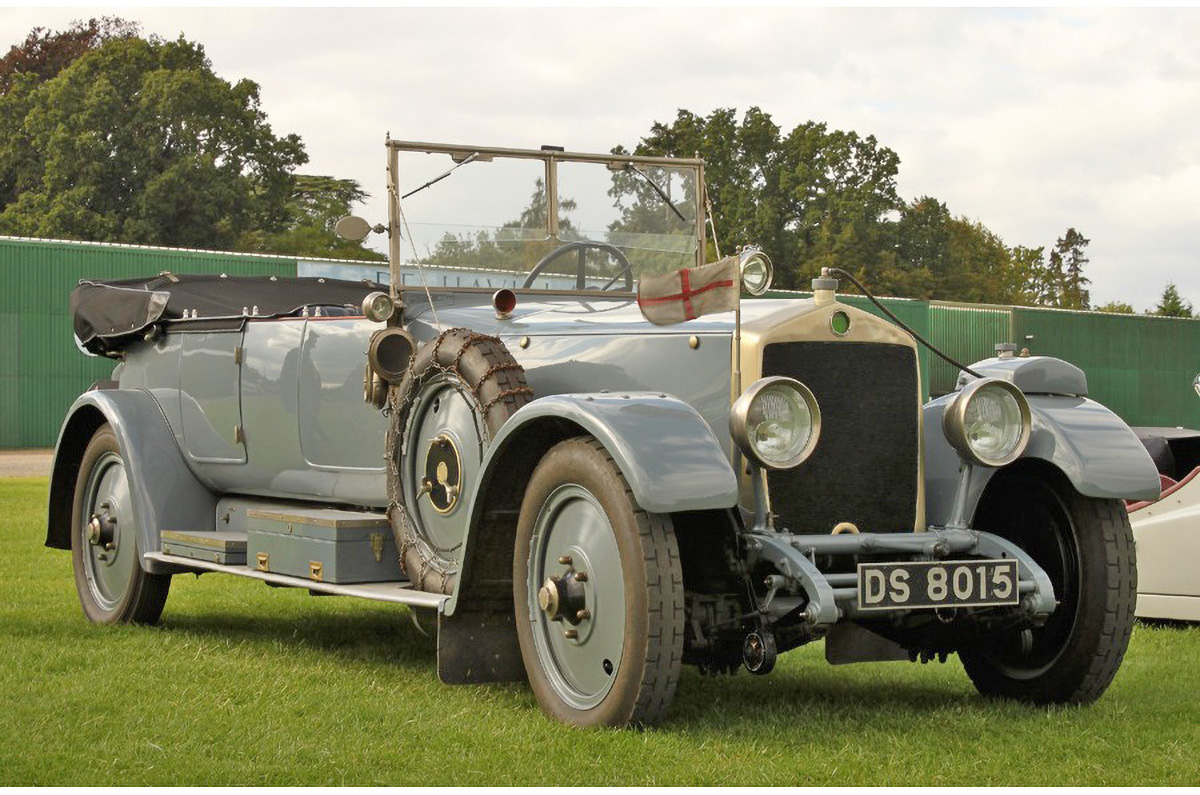
Lanchester is one British luxury car company that is nearly entirely forgotten today. It started in 1901 in Birmingham, but built armoured cars during the first world war. One of its cars, the Lanchester Forty (photo), was even more expensive than a Rolls-Royce Silver Ghost.
It was never a particularly large company, so when demand for luxury cars collapsed with the start of the great depression in 1930, it struggled to survive. It was acquired by Birmingham Small Arms (BSA) and merged with BSA’s Daimler. Today the Lanchester trademark is owned by Tata Motors.
Marcos
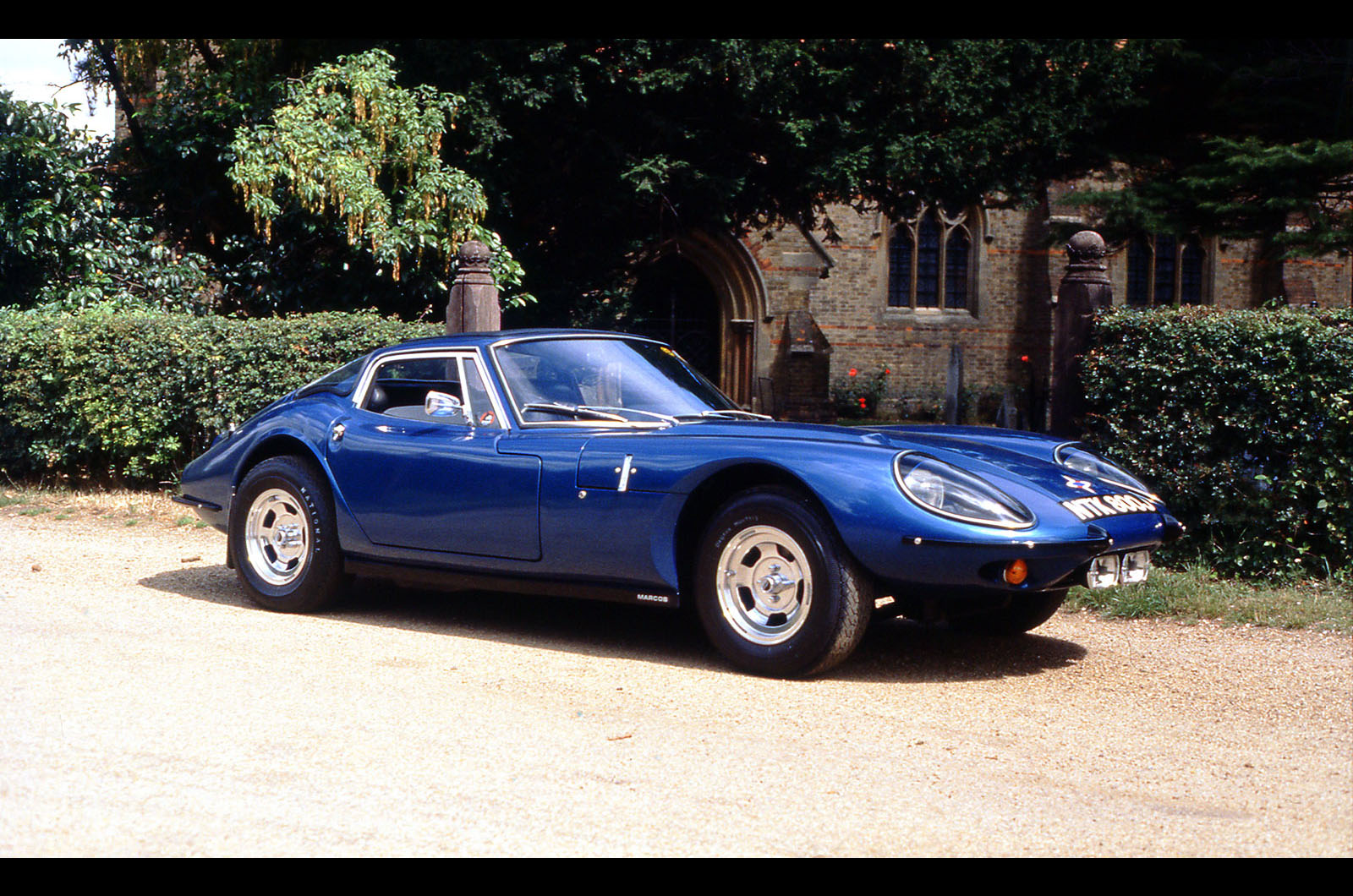
It started in 1959 with a strange, part-wood coupé. Its 1964 1800 follow-up was handsome enough to see Marcos revived in 1981 following a 1971 demise. Its final death was in 2007.
PHOTO: Marcos 1800
Morris
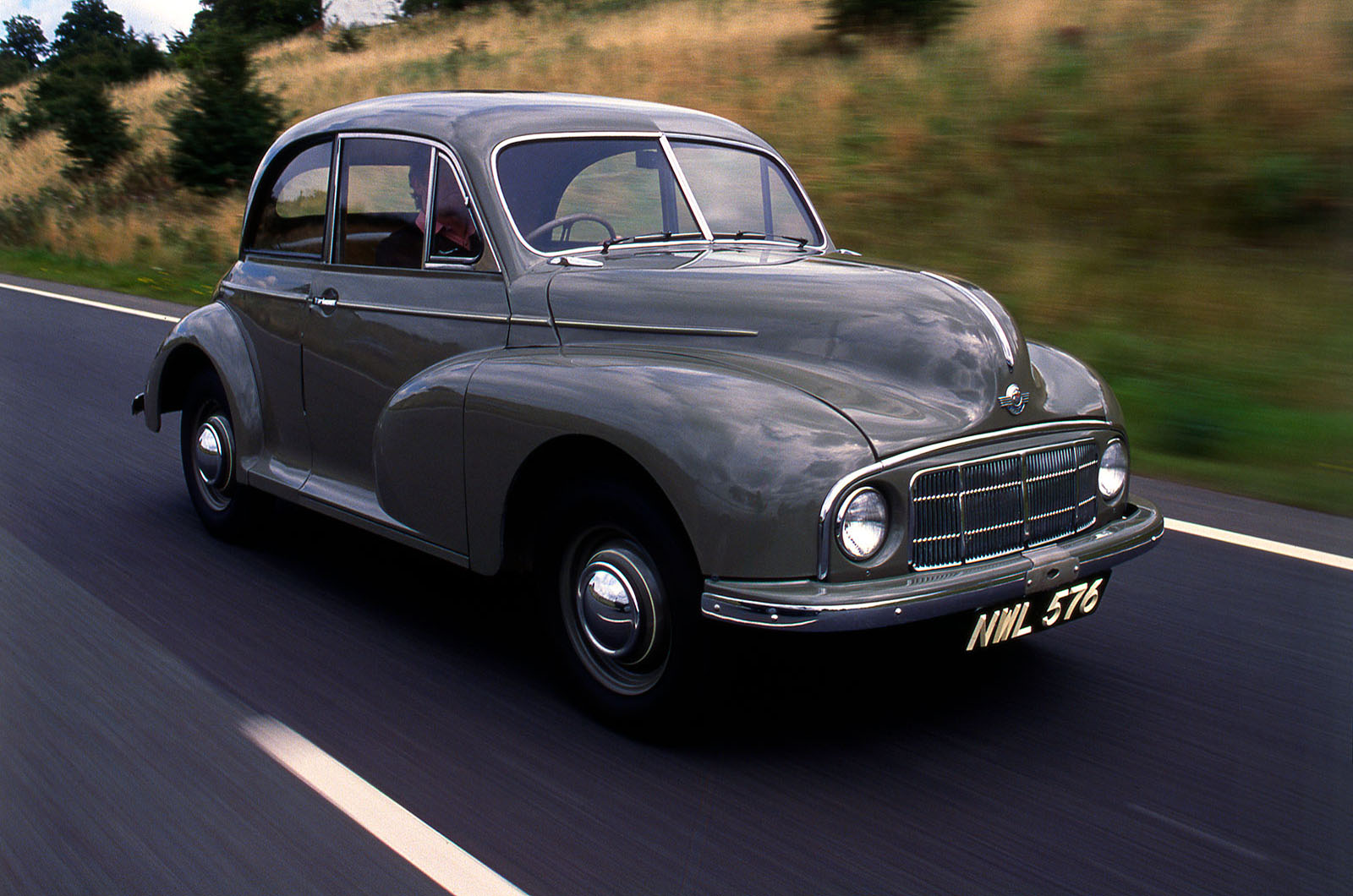
Morris started with the highly successful Bullnose in 1913, and a post-first world war price-cutting strategy won it 51% of the UK car market. After an early 1930s stumble Morris shot back with the hugely successful Morris Eight, planned by Leonard Lord. That was followed by the 1948 Morris Minor, Britain’s first million-seller.
Lord fell out with William Morris, and then Lord reappeared as boss of arch-rival Austin, and then the two companies merged in 1952 to form the British Motor Corporation. This eventually became British Leyland, whose under-engineered Marina was Morris’s last model of consequence. The end came in 1983. The name is now owned by China’s SAIC.
PHOTO: Morris Minor
Panther
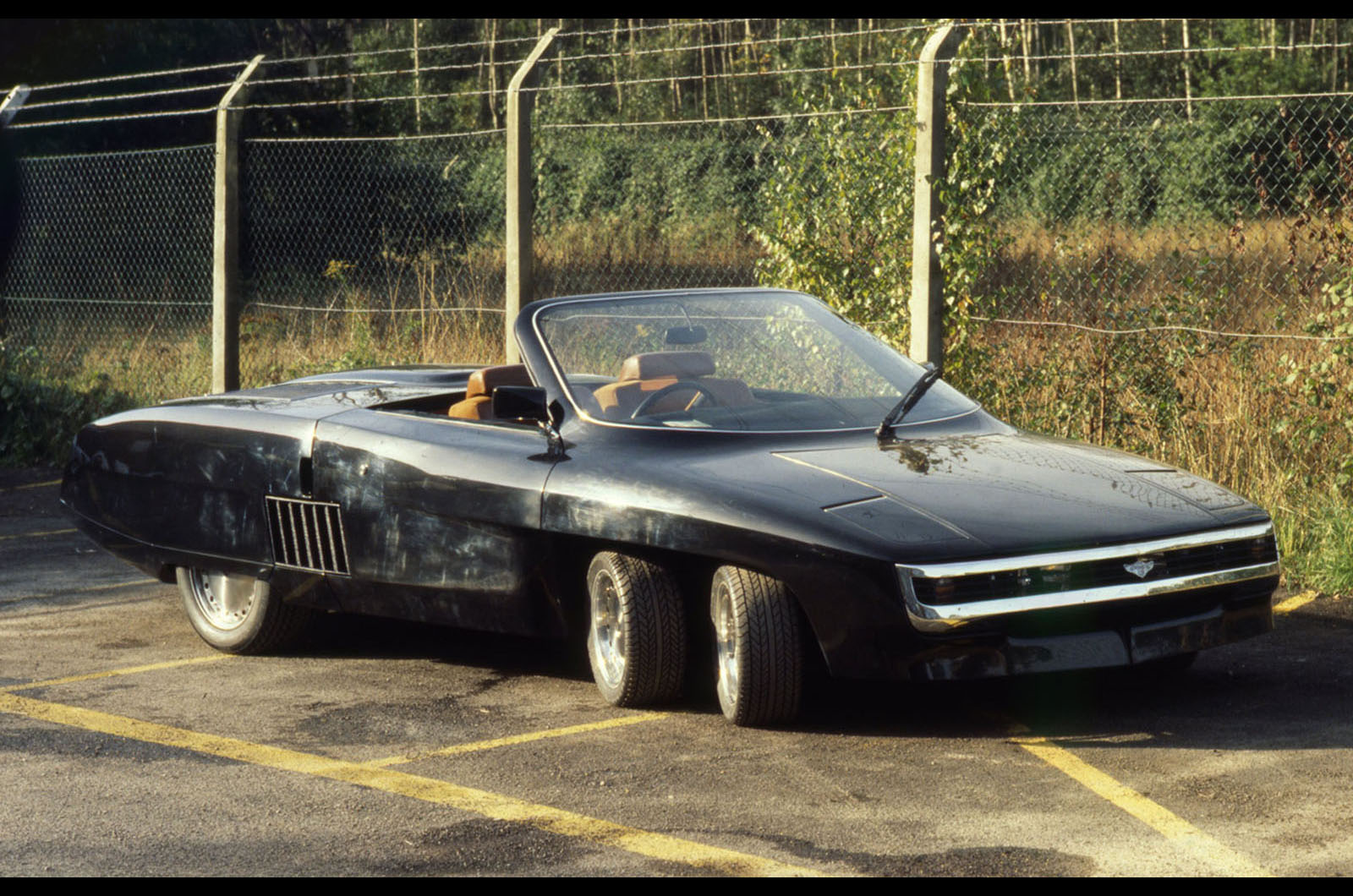
For a tiny business, Bob Jankel's Panther Westwinds made a big impact, starting with J72 of 1972. The De Ville was inspired by the Bugatti Royale and the six-wheeled Six got major publicity too, as did the ambitious Solo. But the car that actually sold was the ’82-90 Lima/Kallista sports car. The firm closed down in 1990.
PHOTO: Panther Six
Reliant
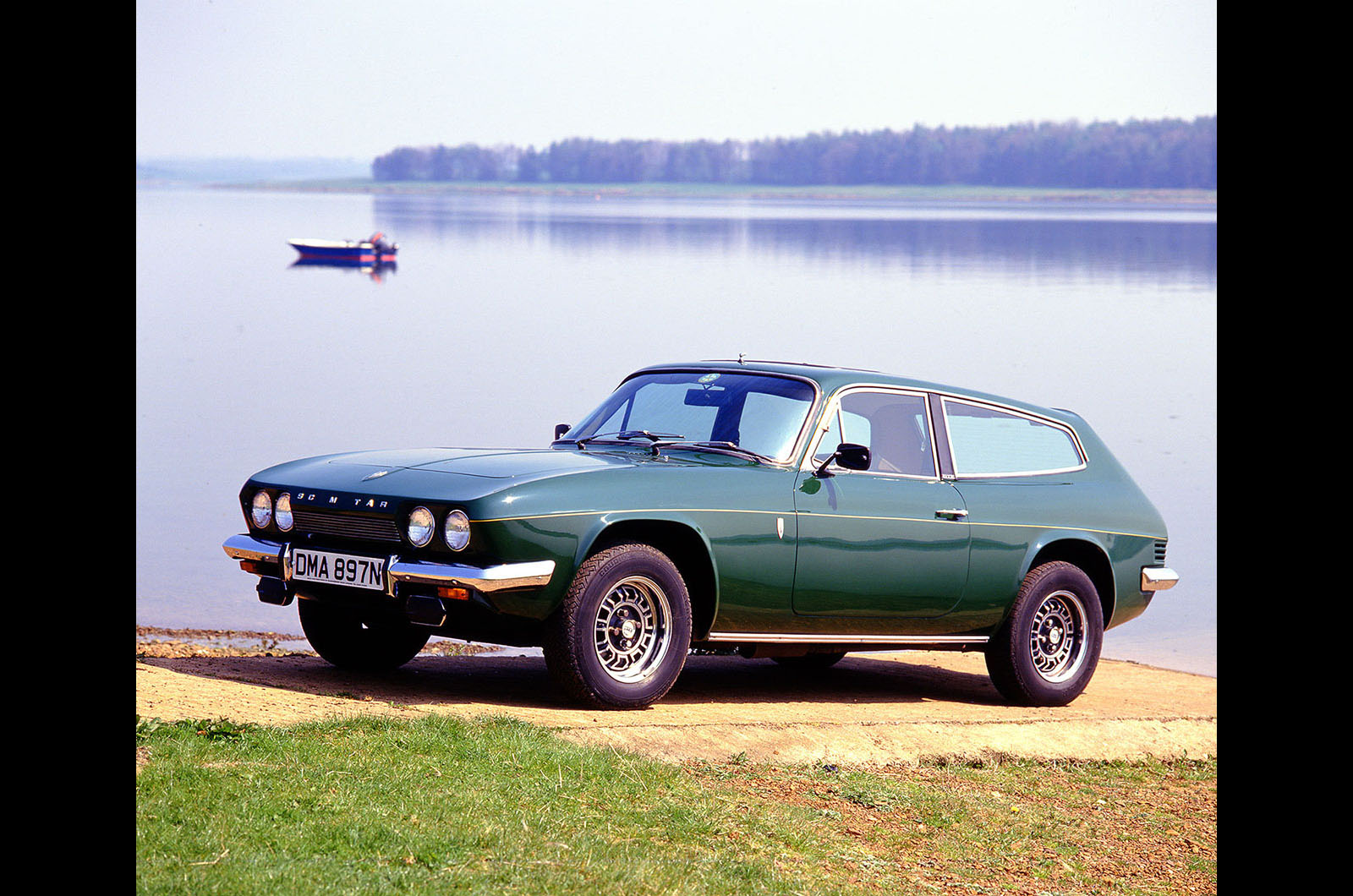
A bit of a bi-polar car-maker, producing three-wheeled grotesques at one end and the handsome, pioneering, Scimitar GTE sports estate at the other, a model serially bought by Princess Anne.
The later Scimitar SS1 was an ugly but surprisingly able sports car. The final Reliants were made in 2002.
PHOTO: Reliant Scimitar GTE
Riley
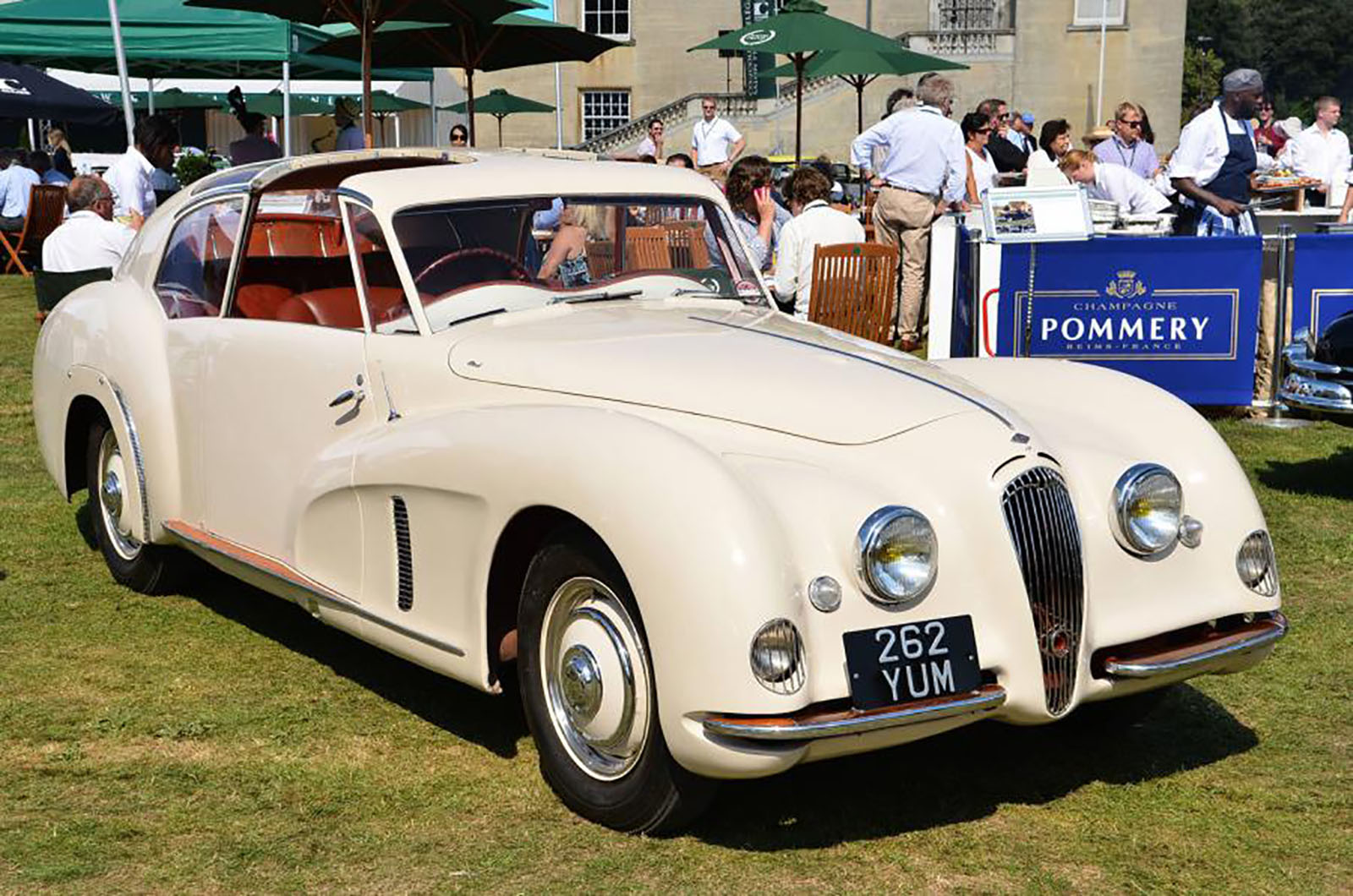
An admired sports model maker through the 1920s and 1930s, Riley lost its individuality following a 1938 acquisition by Morris. All models were badge-engineered Austins by the mid-60s.
It was killed in 1969 by British Leyland, but almost revived by BMW in the late ’90s. Interestingly, BMW owns the rights to the Riley name to this day.
Rover
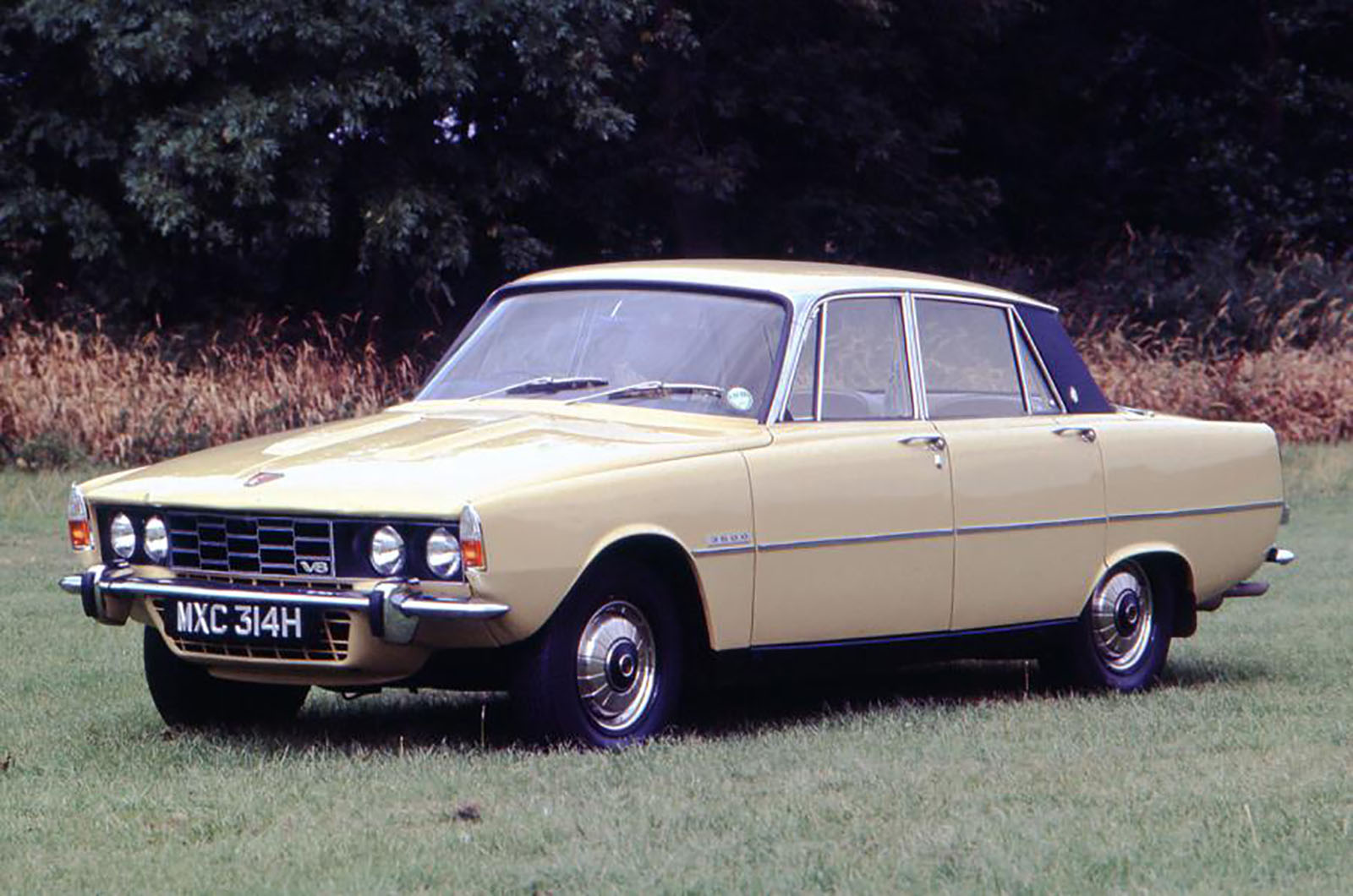
Rover switched from bicycles to cars in 1904 and did well before a wobble in the 1920s. Re-energised by the Wilks brothers, acquiring a fine pre-war reputation for quality cars. That continued post-war with the P4, P5 and P6, an era coinciding with Land Rover’s birth.
Bought by Leyland in 1966, flung into the 1968 British Leyland pot to begin a slow decline and shift downmarket. Owned by BMW between 1994 and 2000, it died a miserable death as MG Rover in 2005.
Highlights during the descent included the brilliant but badly made 1976 SD1, the very successful Honda-based 200 Series of 1989 and the 75– its best-ever car. The name however lives on as Land Rover and in China as Roewe, and JLR owner Tata owns the Rover brand name.
PHOTO: Rover 3500
Singer
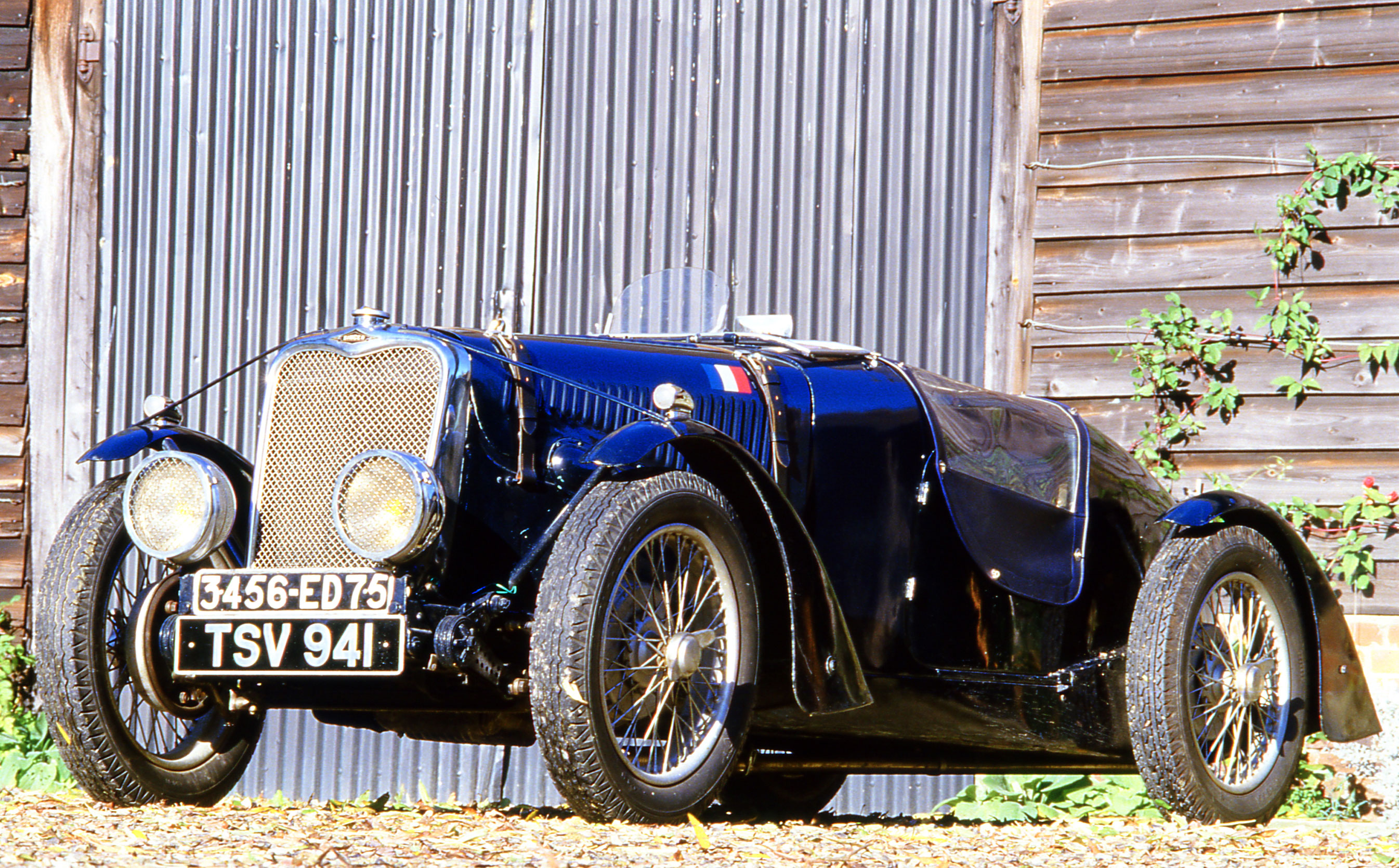
Singer graduated from bicycles to cars in 1905, with a pre-war Le Mans sportscar being its best model. The clunkingly ugly 1947 SM1500 saloon plunged it into the arms of the Rootes company, where it lived a badge-engineered afterlife until 1970.
PHOTO: Singer Nine Le Mans 1935
Standard
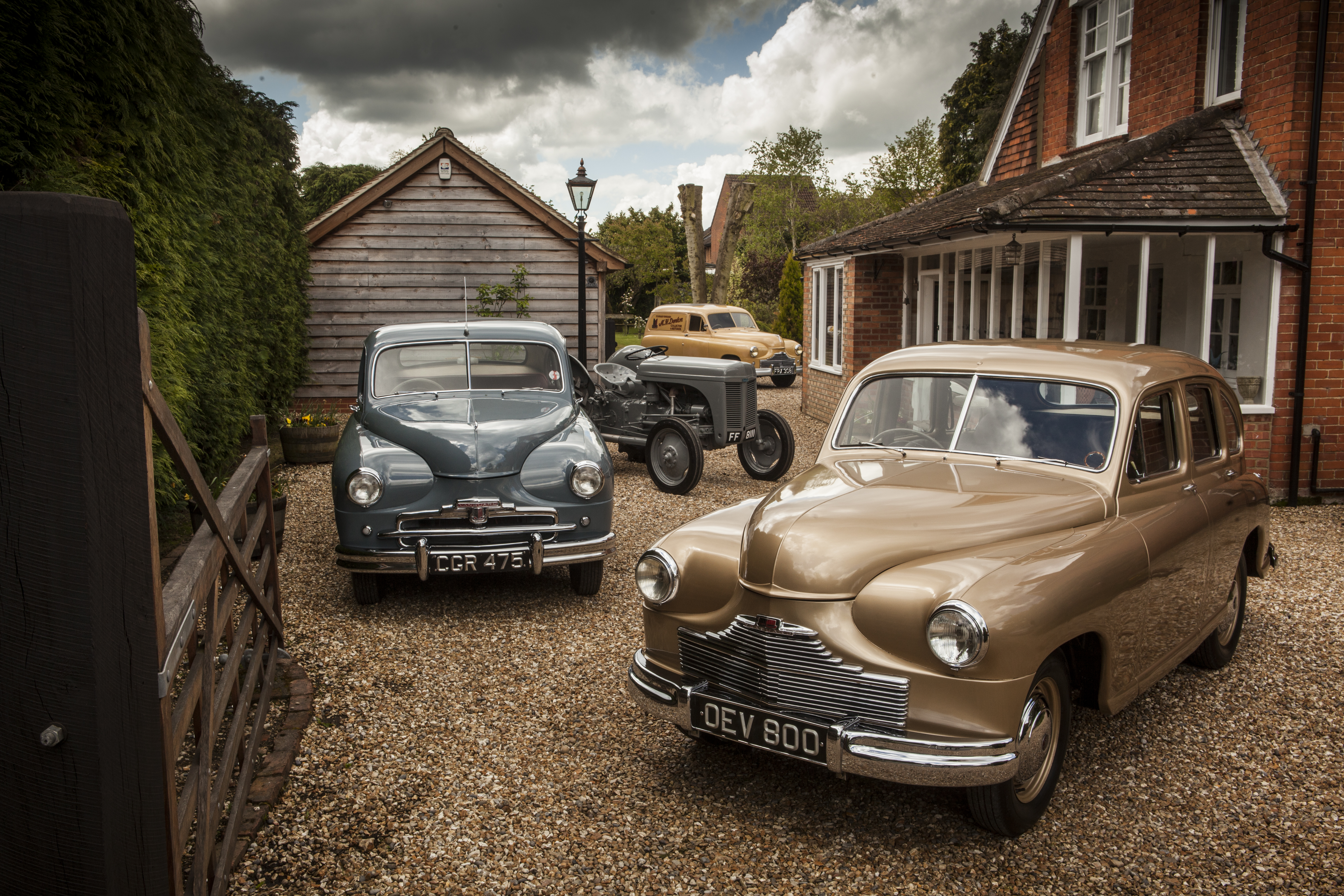
Standard sold inexpensive, unremarkable cars from 1906, and is best remembered for its odd, faux-American post-war Vanguards. It bought Triumph in 1945; the Standard name was dropped in 1963 after the Leyland takeover.
PHOTO: Standard Vanguard
Sunbeam
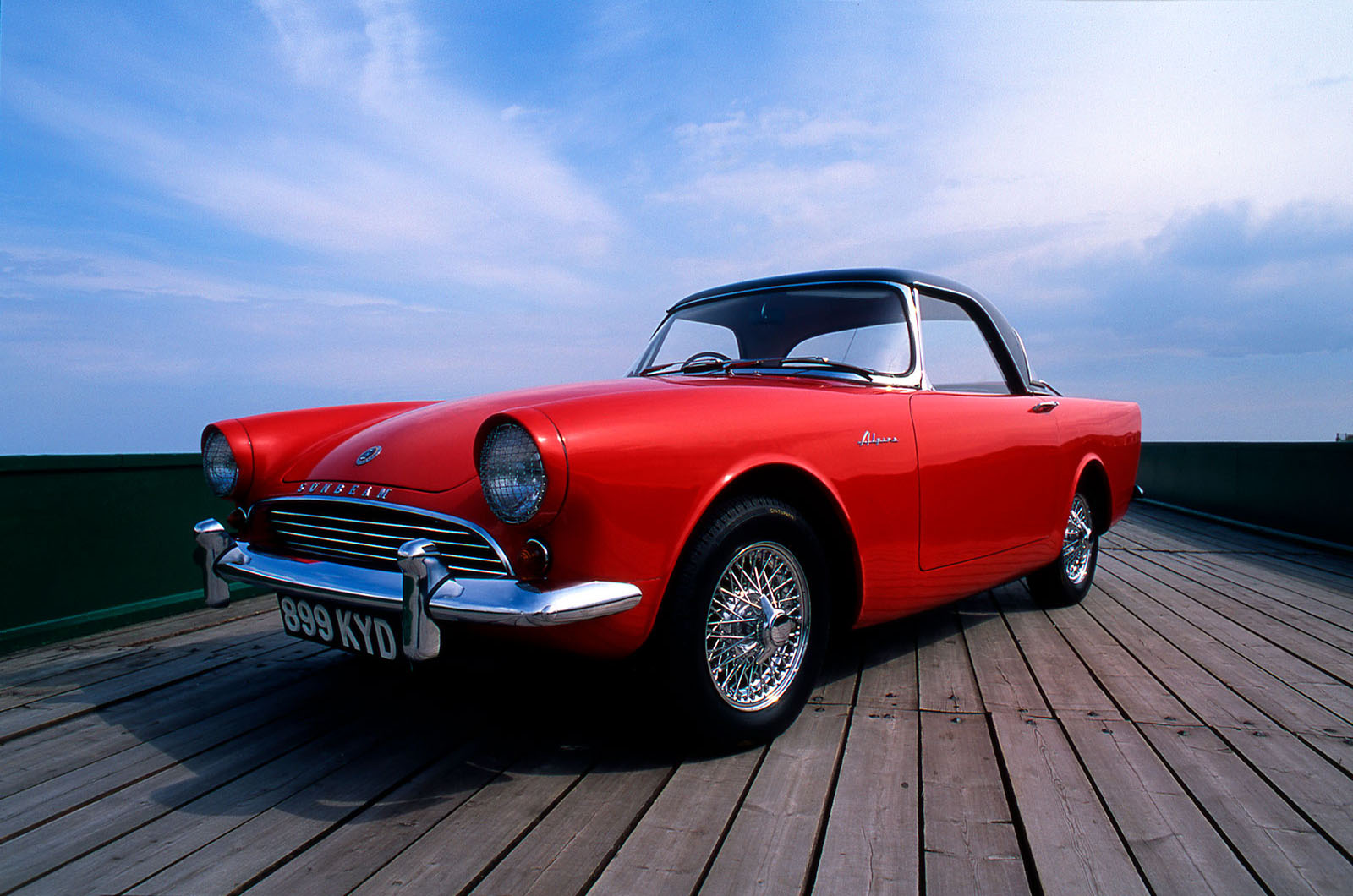
Sunbeam was the first British car to win a Grand Prix, in 1923. Part of the Sunbeam-Talbot-Darracq combine bought by Rootes in 1935, after which it was dormant until 1953.
Sunbeams became lightly sporting Rootes models, including the pretty Alpine. It was last used on the miserable Chrysler Sunbeam in 1981.
PHOTO: Sunbeam Alpine
Swift Motor Company
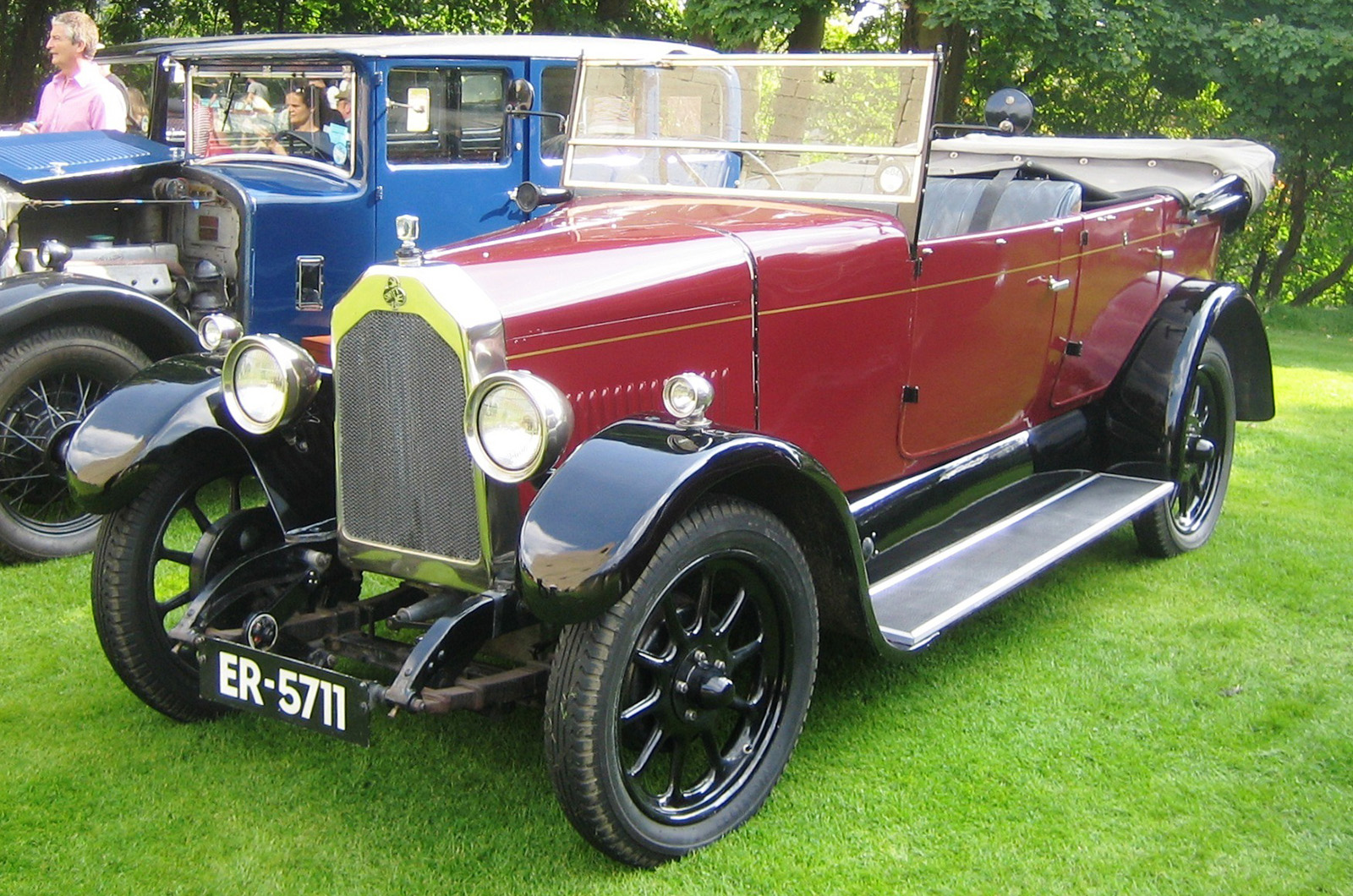
This company grew out of the Coventry Sewing Machine Company in 1901, and started quite slowly. It got properly going after the first world war but like so many other companies found it hard to compete with the economies of scale enjoyed by Austin, Morris and Ford. Its final model was the Cadet, in 1930.
PHOTO: 1926 Swift
Talbot
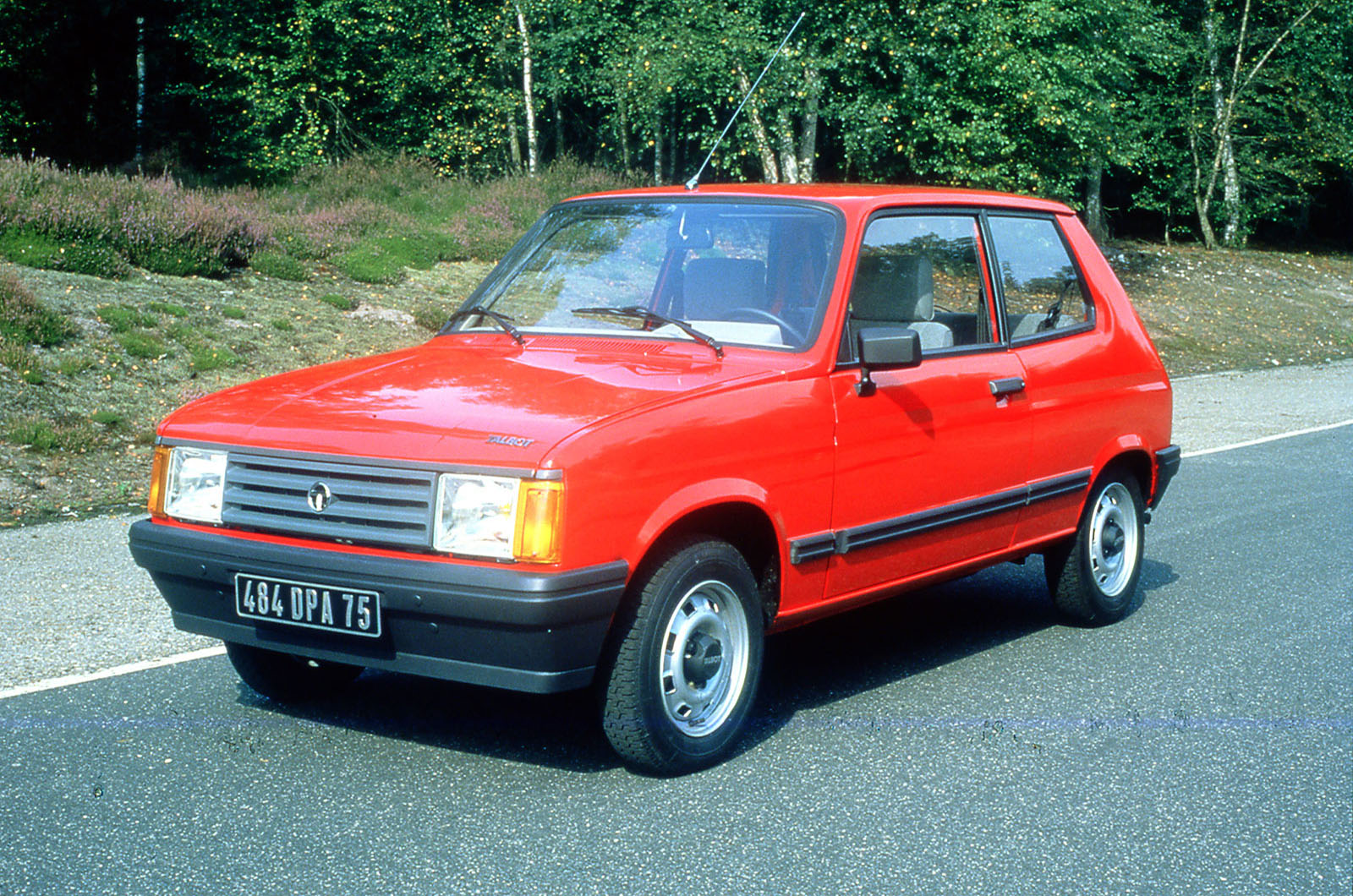
Talbot was an early 20th century Anglo-French enterprise that would end up being paired with and owned by a range of companies. It went to sleep in 1960 before its 1978 revival by Peugeot on a wide assortment of one-time Chrysler UK and Simca models. The Talbot name was last used on a van, in 1992.
PHOTO: Talbot Samba
Triumph
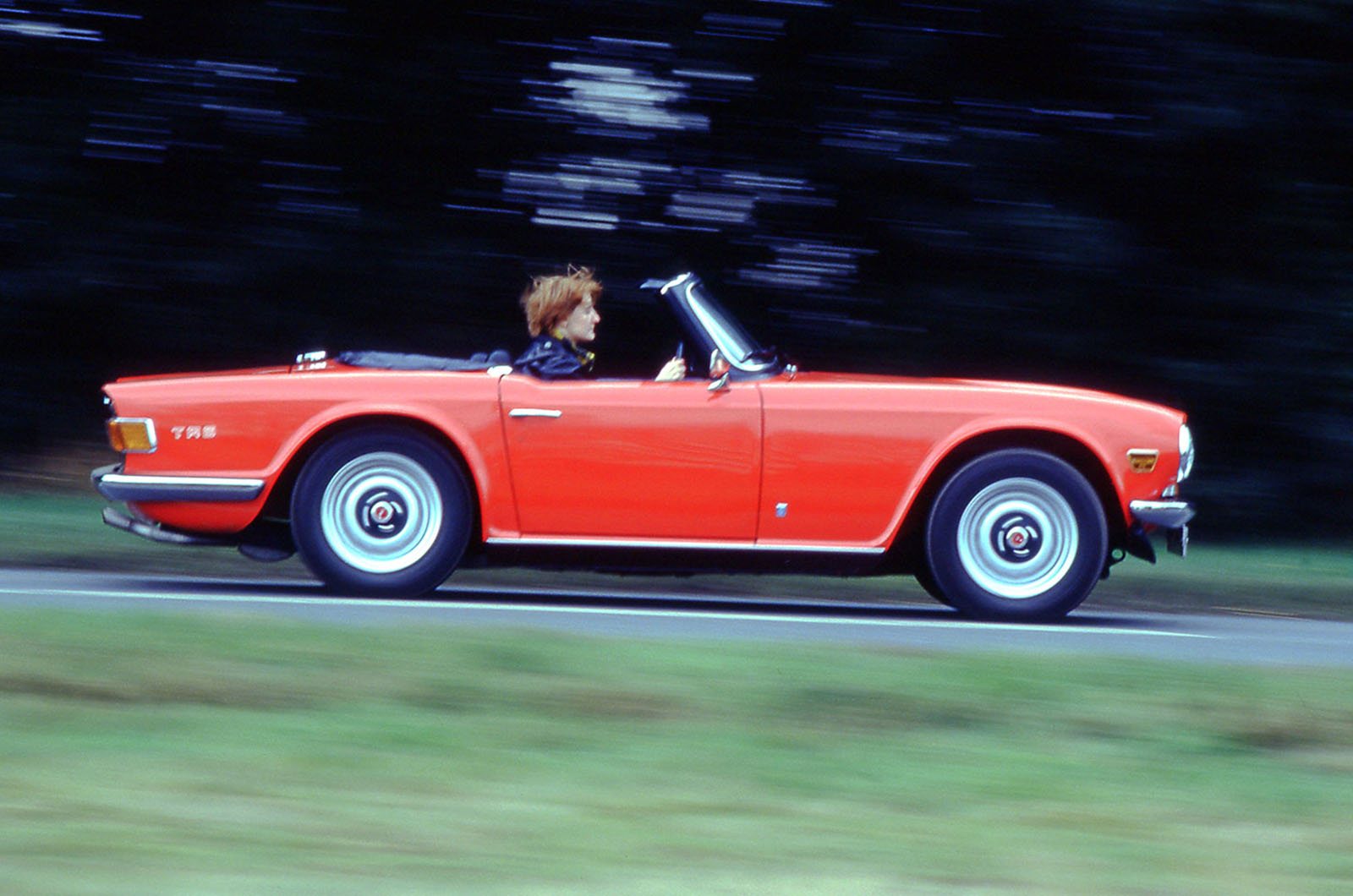
Despite decent success in the 1950s and 1960s with an exceptionally pretty range of sports and saloons cars, Triumph was run down by later owners British Leyland, with the oddball TR7 being the last car developed in-house.
That was followed by the 1981 Honda-based Triumph Acclaim, a car which raised hackles with Triumph fans, but compensated by being the first and indeed last Triumph not to breakdown with tedious regularity. Triumph Cars is another trademark still retained by BMW today.
PHOTO: Triumph TR6
TVR
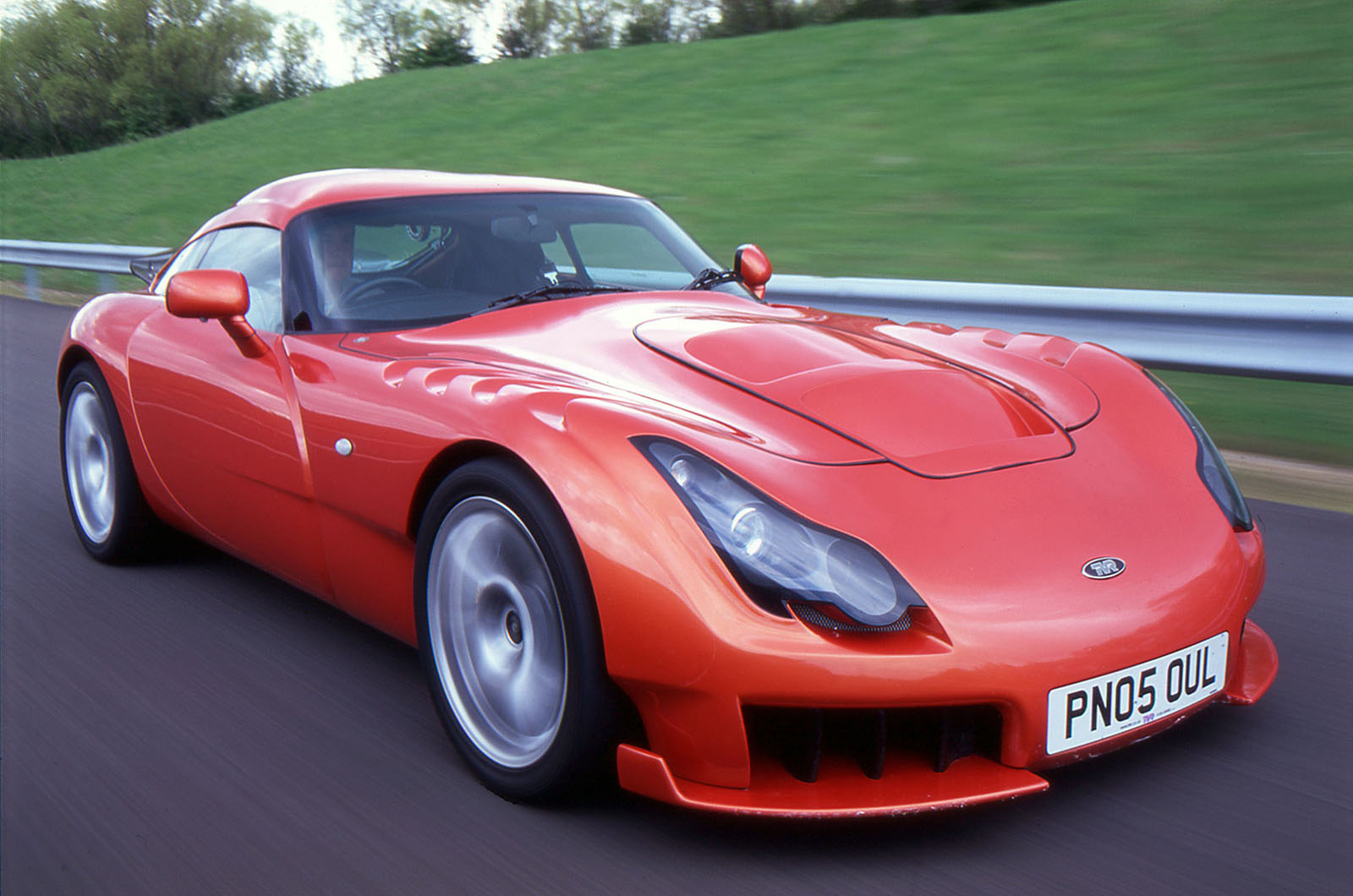
Founded in 1947, TVR survived amazingly long considering its precarious existence. It enjoyed a brilliantly creative period under Peter Wheeler from 1981 to 2004, but rapidly faded under new owner Nikolai Smolensky, with production ending in 2007. The marque is now being revived by businessman Les Edgar.
The first fruit of this is the new Griffith, unveiled in 2017, but production cars are taking a long time to arrive.
PHOTO: TVR Sagaris
Wolseley
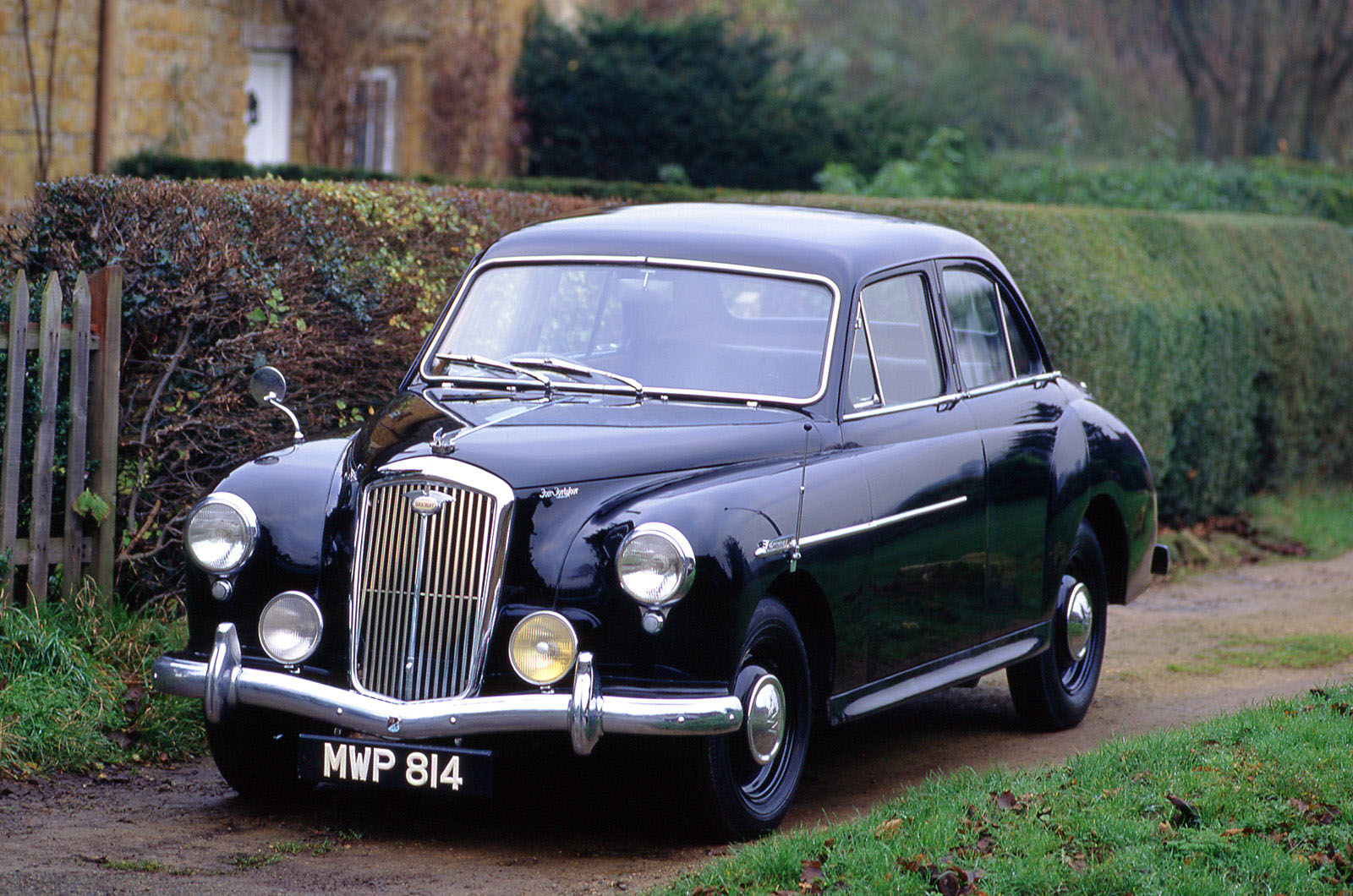
Wolseley was one of Britain’s earliest car companies. Absorbed by Morris in 1927, its cars became posher versions of Morris cars. Killed in 1975 by British Leyland, although its grand 1920s Piccadilly showroom survives as London’s fashionable Wolseley restaurant.
PHOTO: 1948-54 6/80

Chinese Automakers Face Political Barriers Despite US Investment and Local Production

Car Loan Debt Traps Deepen Mobility Inequality in Rural America


Global Automotive Icons America Never Got: How Market Forces and Regulation Shaped the Cars...
 We take a look at the great cars that America has missed out on over the years
Until China took over in 2009, America was the world’s largest car market.
This meant that all car makers did their level best to get a piece of the action. But there have long been substantial differences between the American market and those in Europe and Asia. And those differences tend to account for why certain models were never sold there.
But it does mean that America misses out on great vehicles like the BMW M3 Touring (pictured), a hot wagon that got rave reviews from most people. Take a look at all the other cars America never officially sold in America, in chronological order:
Renault 4 (1961)
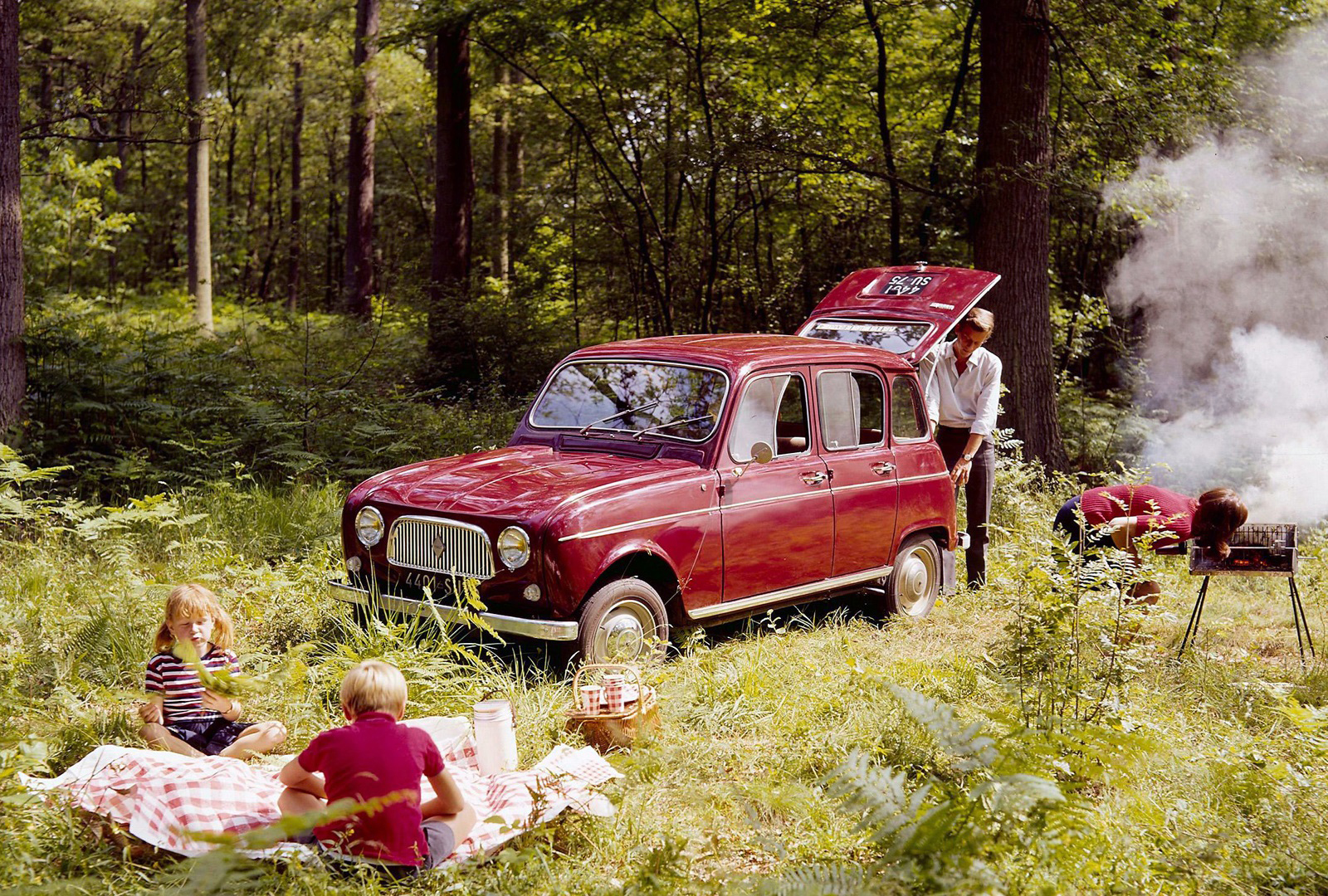
The 4 isn’t the pettiest or the fastest Renault ever to grace European roads, but it was an honest, humble car that ticked every box of basic transportation. Renault’s entry-level model offered winter-friendly front-wheel drive and a functional hatch well before either became common. Admittedly, the dash-mounted manual gear-change might have intimidated a few motorists, but this was good honest motoring.
Toyota Century (1967)
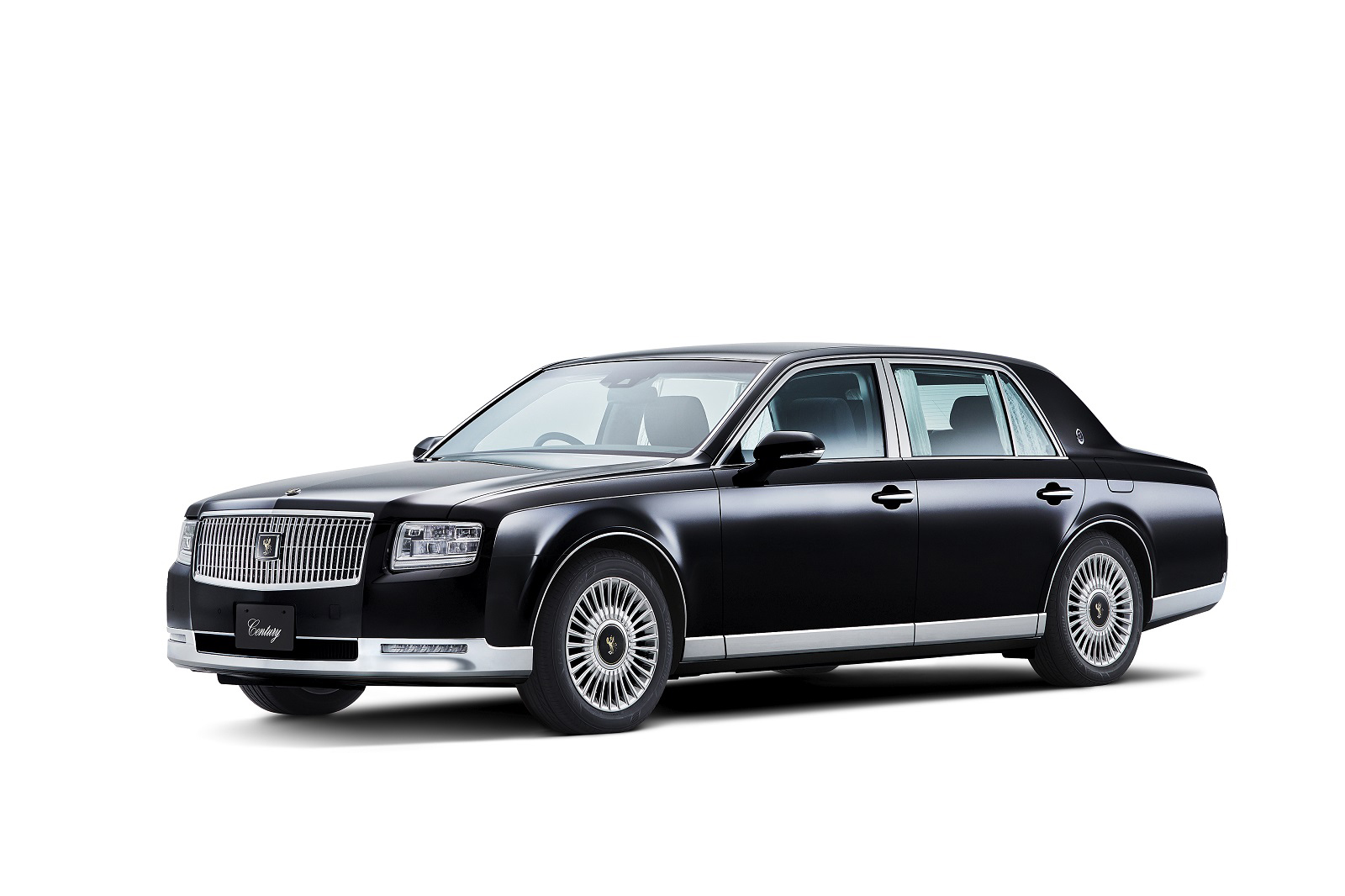
Toyota created the Lexus brand in 1989 to vie for a slice of America’s ever-growing luxury car market. Lexus was new to every class it entered, but Toyota had learned valuable lessons in building an opulent car from manufacturing the Century, its flagship saloon in Japan, for over two decades.
The second-generation of this car was powered with a V12 engine and lasted all the way from 1997 to 2017; it is the official state car of the emperor of Japan. A third-generation model arrived in 2017 (pictured), now powered by a V8 engine, and is still on sale.
Renault Rodeo (1970)
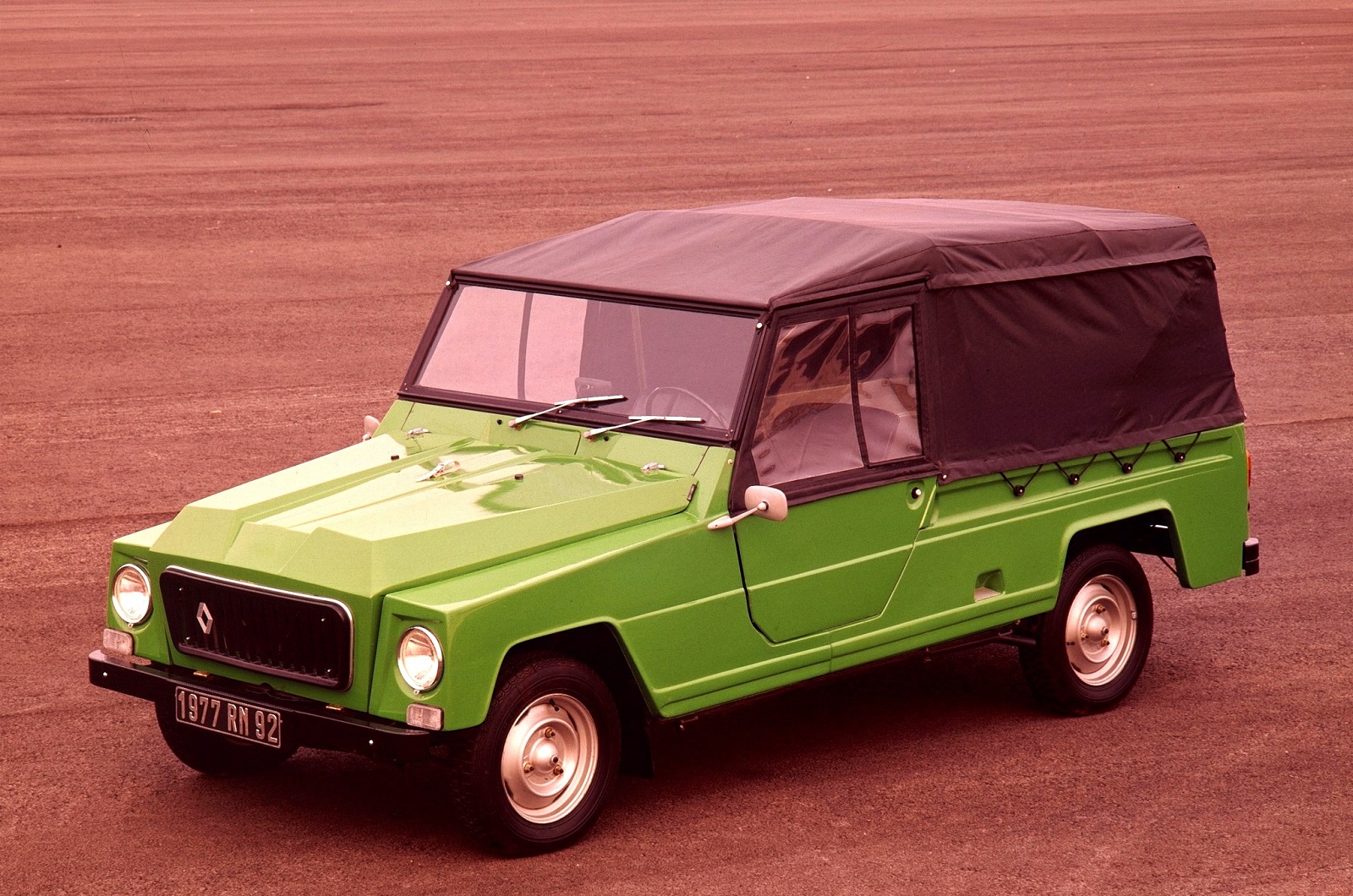
Utilitarian beach cars never caught on in the US, partly because the cars they were based on often weren’t sold there to begin with. Citroën made a half-hearted attempt to market the Mehari but stopped after just one year when American regulators made seatbelts mandatory.
We think the Renault Rodeo would have fared a lot better; it was more usable than the Mehari, and Renault had a better grasp on the American market than Citroën.
Volkswagen SP2 (1972)
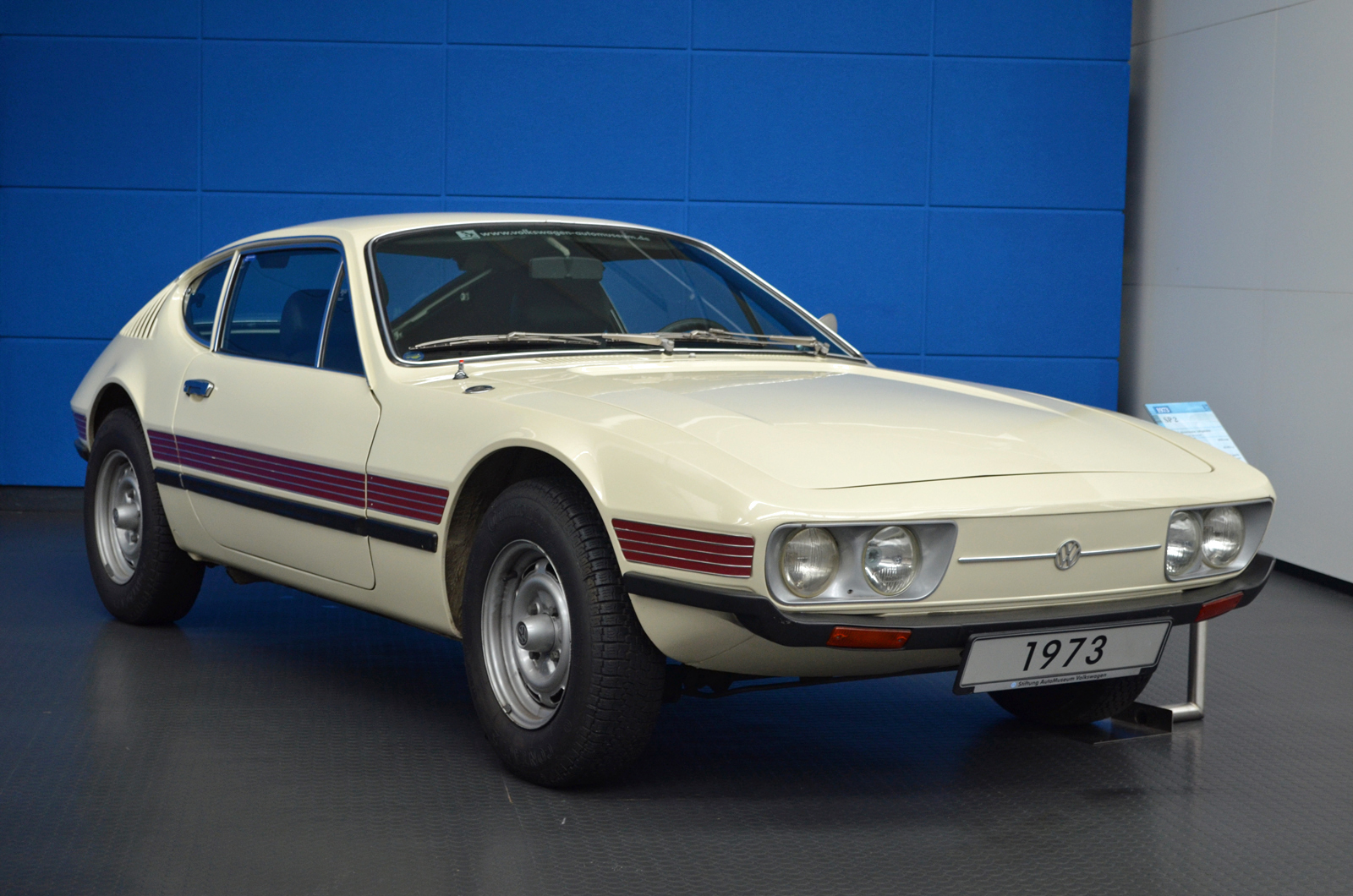
Volkswagen’s Brazilian division enjoyed a significant amount of independence from headquarters in Germany. The SP2 was designed in Brazil solely for the Brazilian market, using mostly off-the-shelf components like a chassis borrowed from the 412 and a 1.7-litre air-cooled flat-four engine. Its fastback-like design secured the SP2’s spot as one of the most handsome cars ever to wear a Volkswagen badge.
Lancia Stratos (1973)
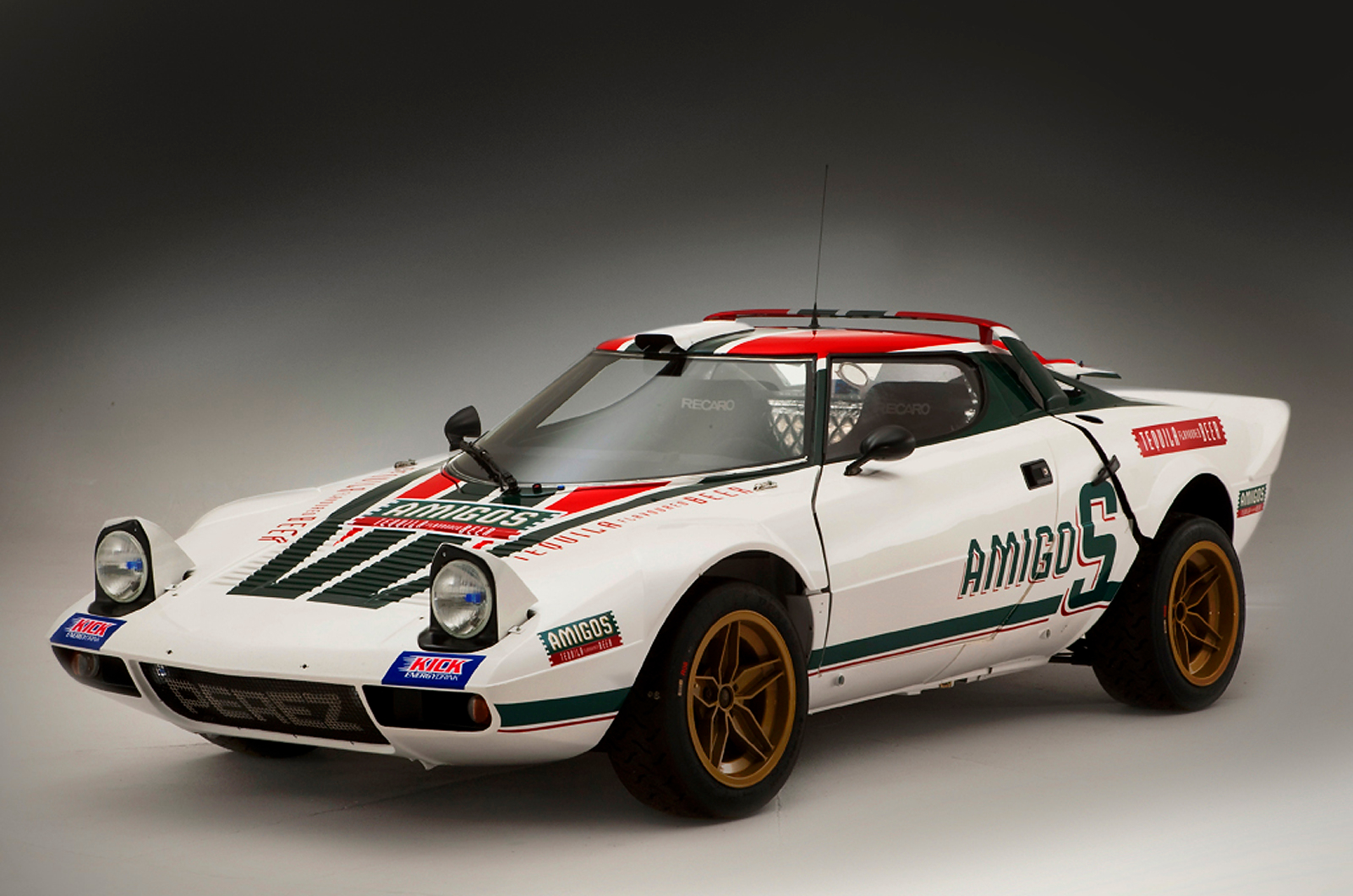
Lancia built the Stratos for homologation reasons. Developing and building a small series of high-performance cars was an immensely expensive project, especially for a company like Lancia that has often found itself in financial trouble. So trying to sell the car to Americans was ruled out. It’s a shame; a car like the Stratos could have helped salvage the brand’s sinking image.
Citroën GS/GSA (1979)
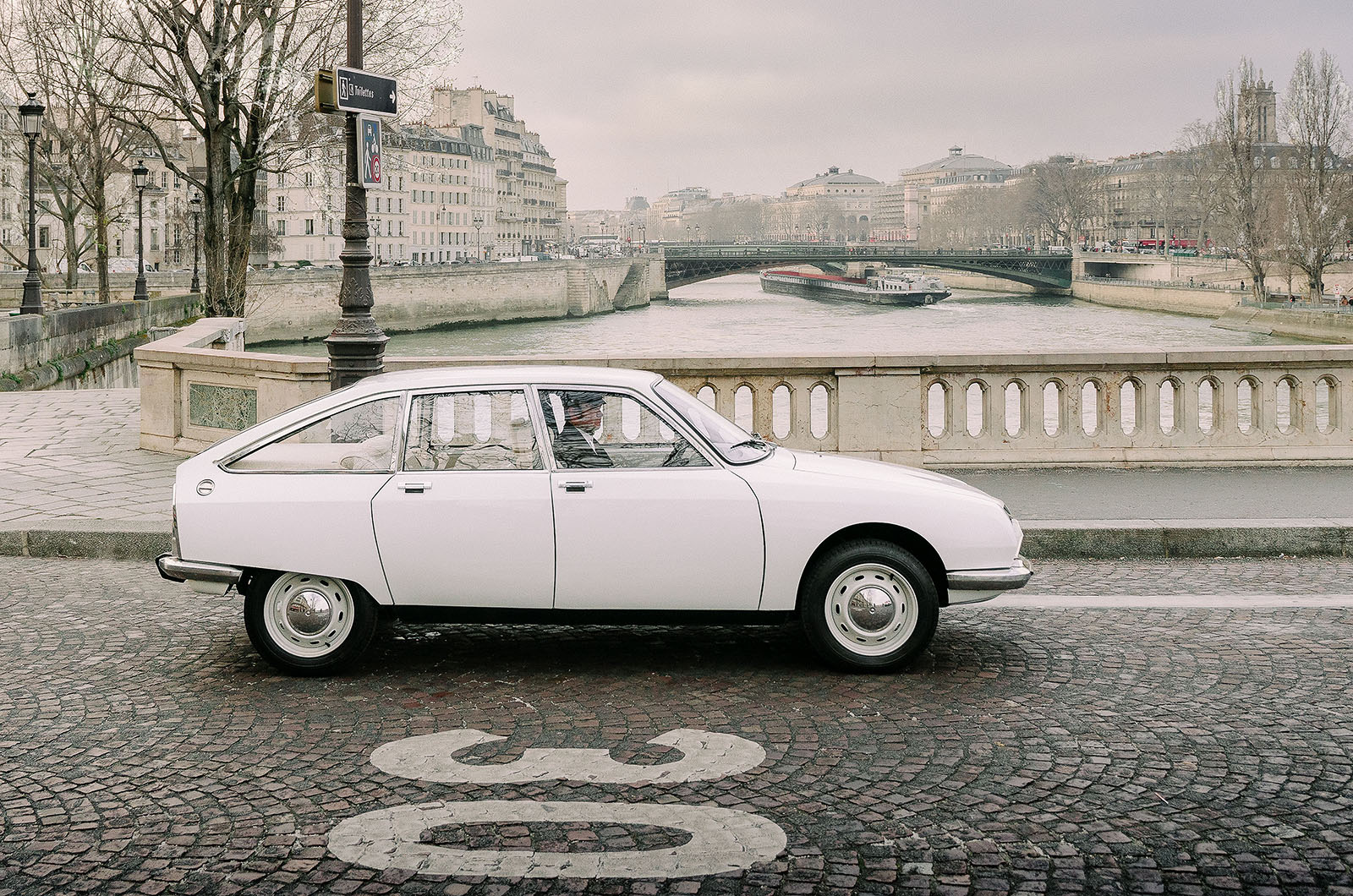
Citroën was ready to launch the GS in the US. It sent a small batch of cars to its dealers in preparation for the launch, but it changed its mind when it became aware of new safety regulations mandating a fixed ride height.
The GSA (an updated GS with a more practical hatchback and many of the original problems ironed out) could also have been sold in the US had it been allowed in, and it would have launched at a time when motorists were in the market for smaller and more efficient cars.
Mercedes-Benz G W460 (1979)
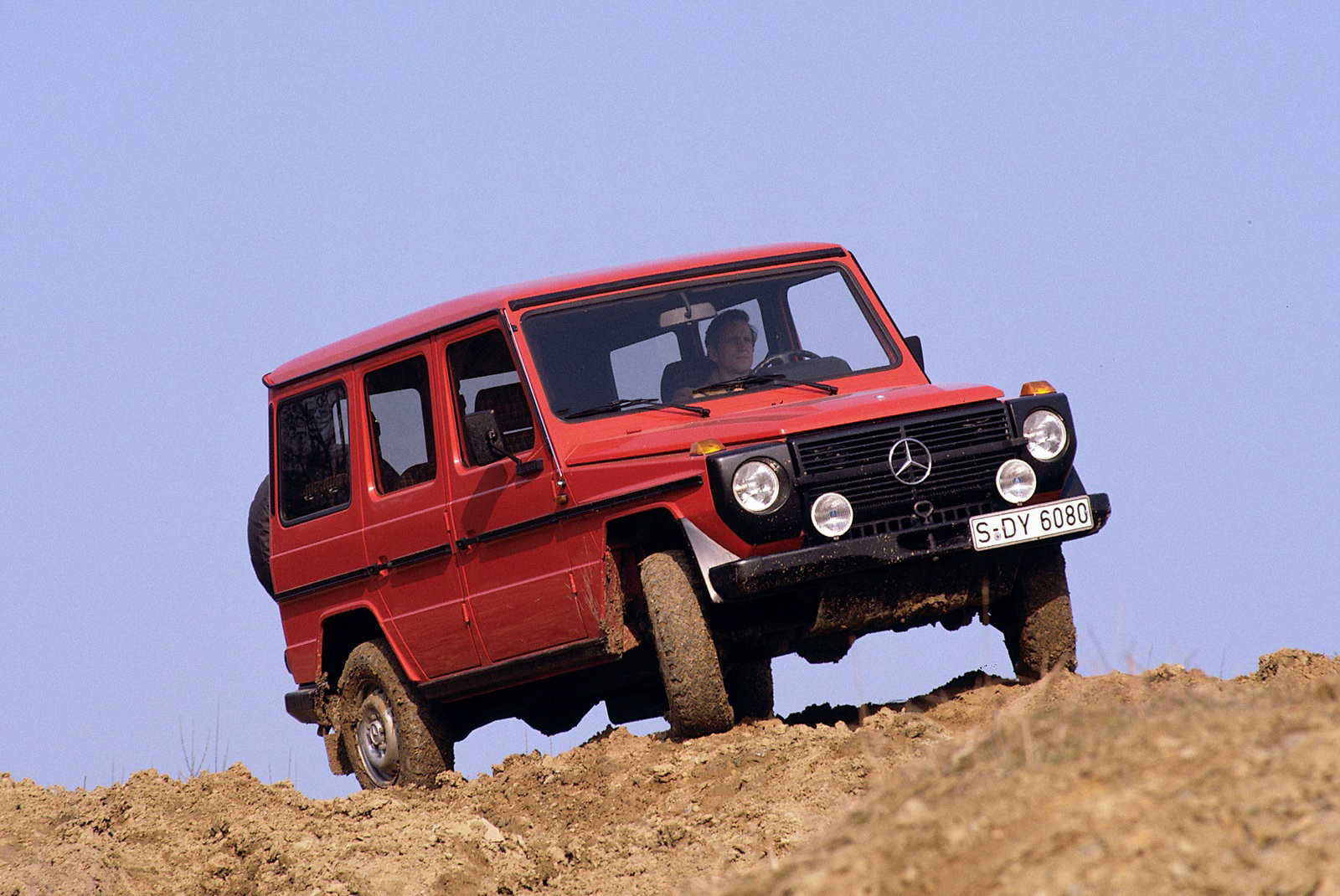
For decades, the G-Class wasn’t part of the Mercedes range in America. The German brand represented the pinnacle of luxury, so executives worried selling a utilitarian 4x4 wearing a Mercedes badge would harm the brand’s image.
The popularity (and very high transaction prices) of personally-imported cars convinced Mercedes to begin selling the G-Class in the US in 2002. By that point it had become much posher than anyone had envisioned when production started.
Volkswagen Transporter pickup (1979)
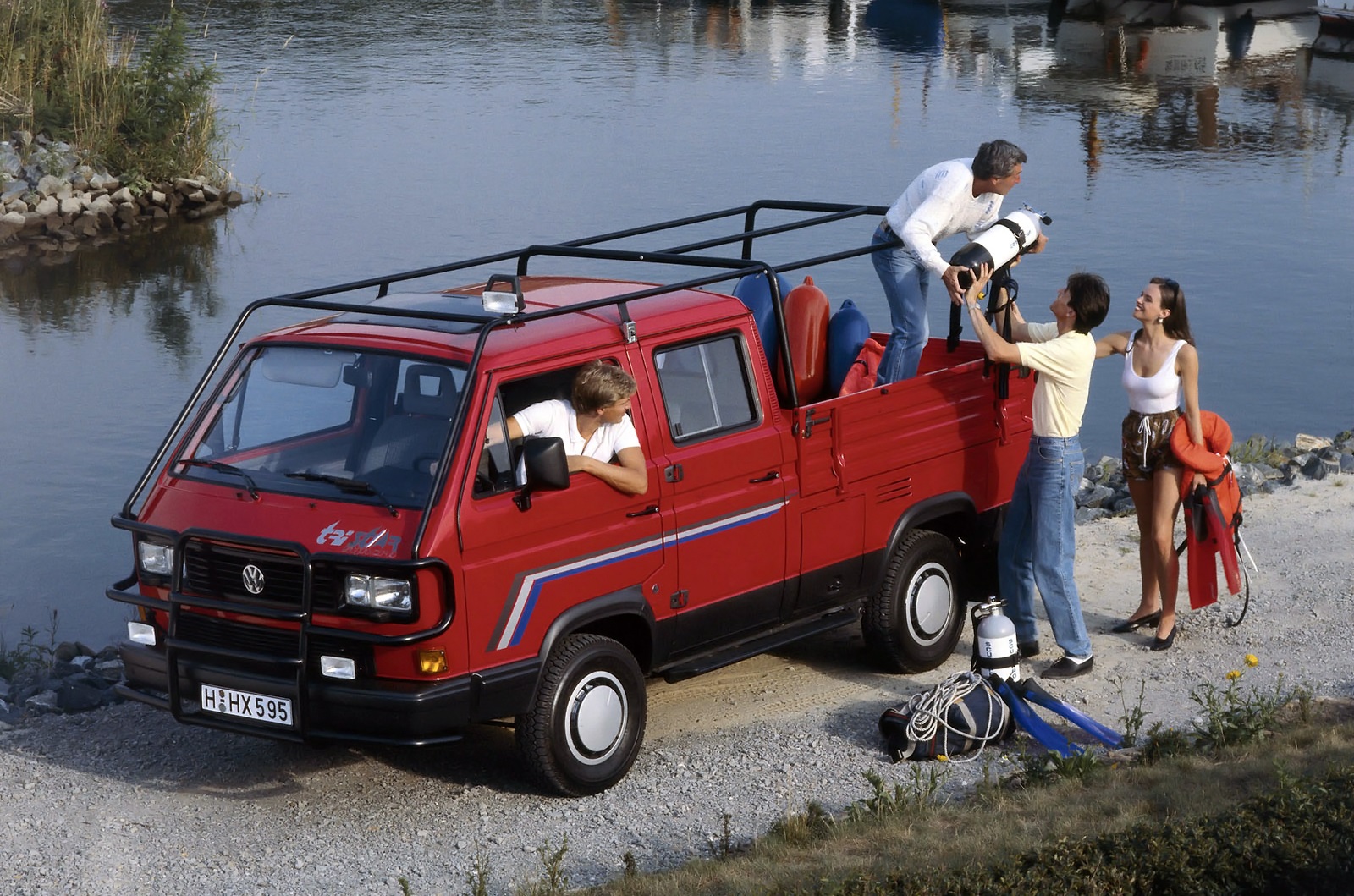
A US import tax that started in 1964 places a 25% tariff on all imported light commercial vehicles (including pickups), and remains today. It means that importing such vehicles and selling them is more or less impossible.
This meant that the excellent and interesting VW Transporter pickup never made it to the USA.
Alfa Romeo 33 (1983)
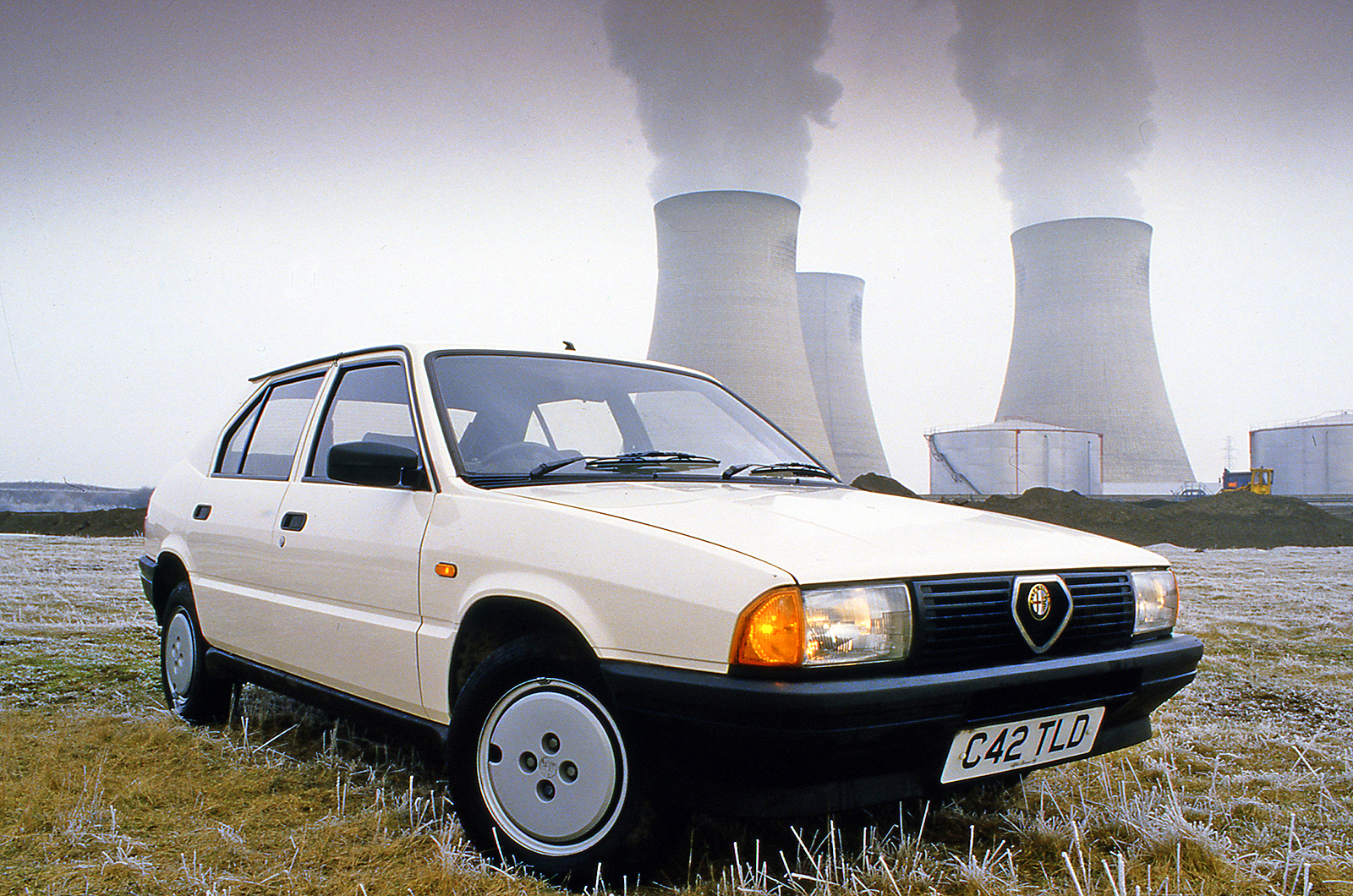
Alfa Romeo didn’t sell the 33 in the US because a small and economy-oriented model didn’t fit the image of Italian luxury it was aiming for in America. In hindsight, would it have been a volume model for Alfa Probably not.
Would it have saved Alfa’s ill-fated American division? Definitely not. But the remaining examples would still be cherished by Alfa Romeo fans today.
Ford Fiesta XR2 (1984)
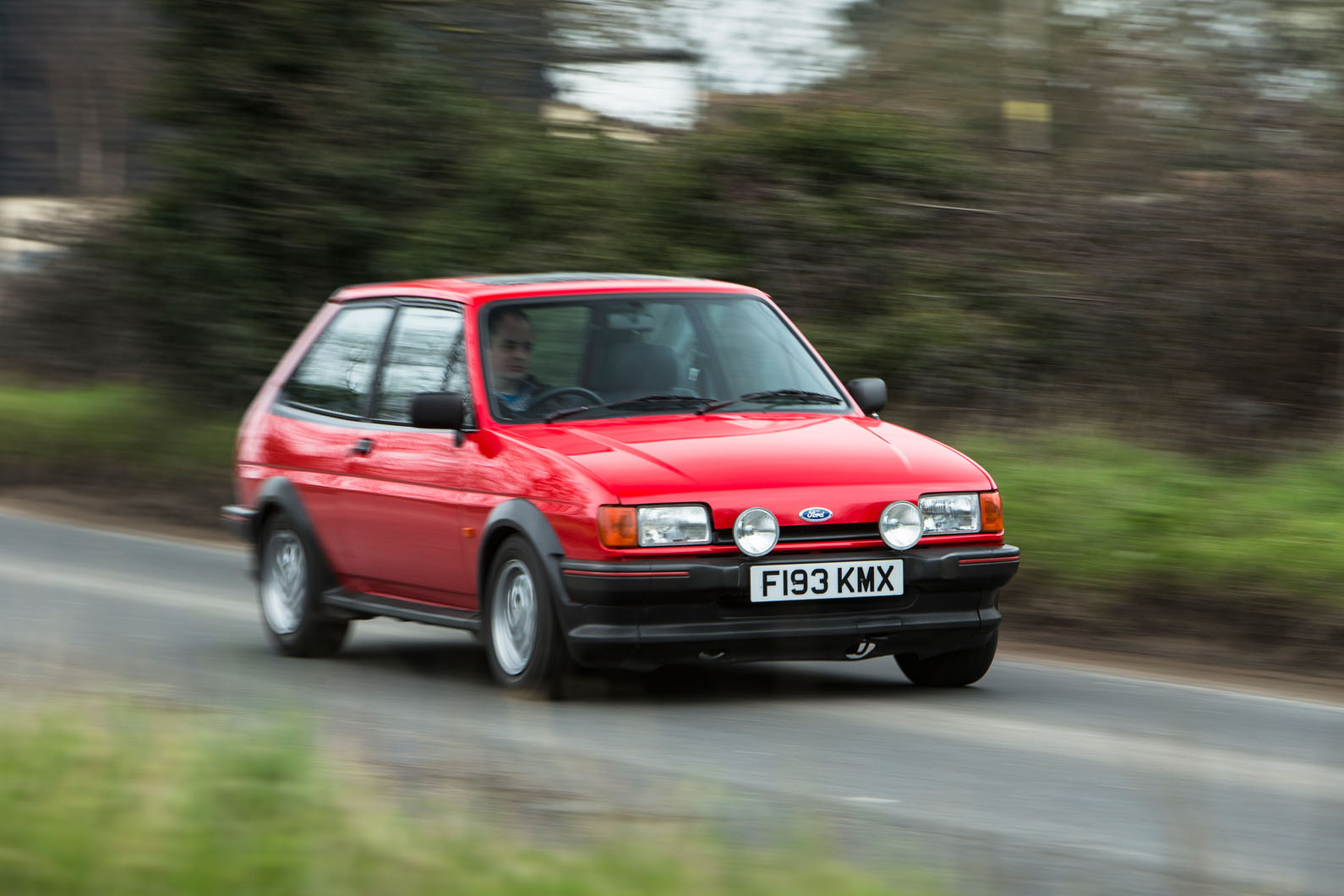
A marketing campaign billing the original Fiesta as the “Wundercar” completely failed to entice buyers, so Ford dropped the pint-sized hatchback from its US range after 1980. So Americans never got the hot 96bhp XR2 version of the second-generation Fiesta that young Europeans enjoyed.
The nameplate returned to America in 2011 model year and brought the formidable ST model along for the ride, though the Fiesta was dropped in the US in 2019, and the model died entirely in 2023.
Peugeot 205 GTI (1984)
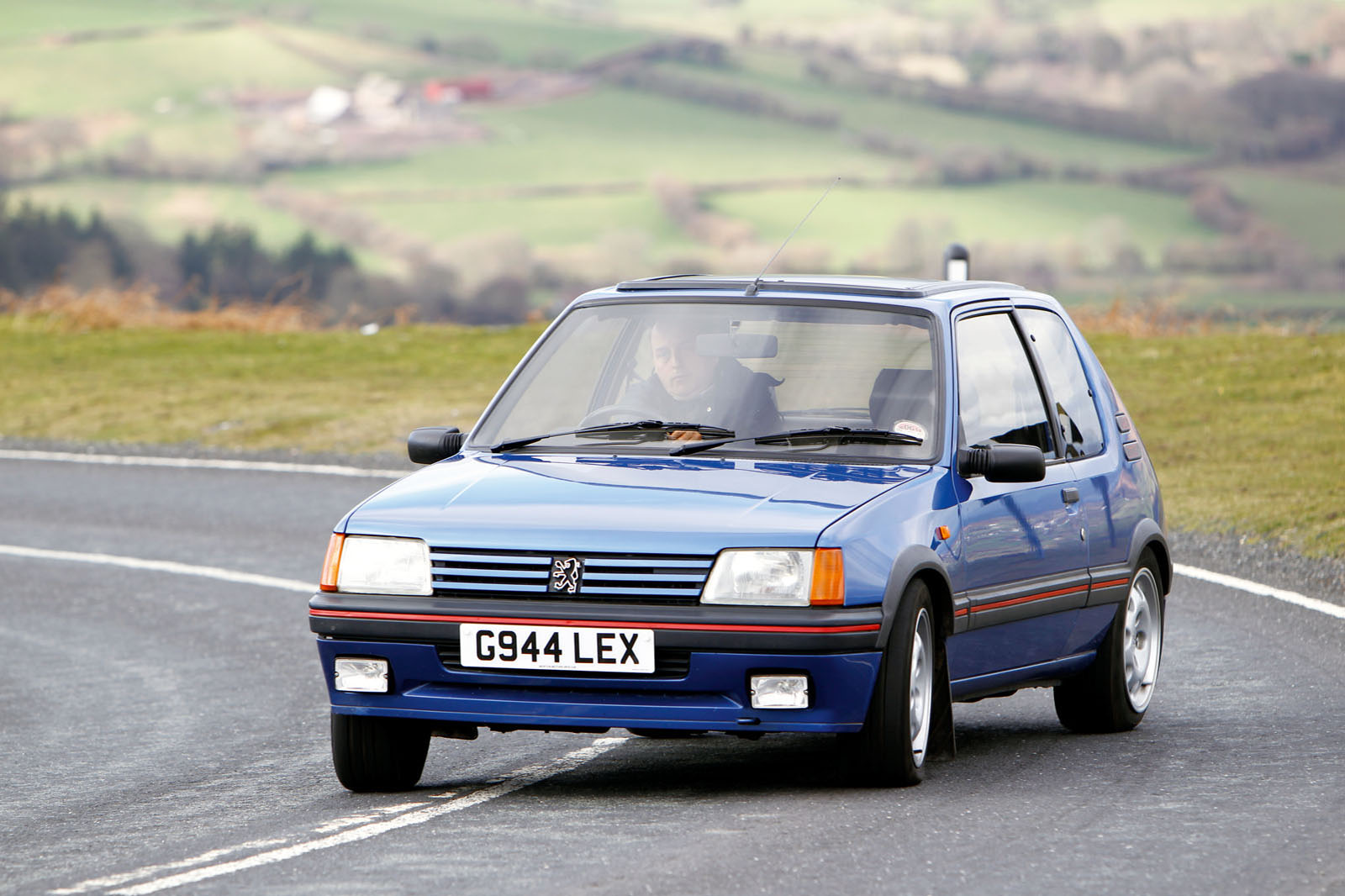
The Peugeot 205 GTI was often considered the benchmark of the fast hatchback class in the 1980s – except in the US, where Volkswagen had a monopoly on the segment. Peugeot’s popular hatchback never joined the 405 saloon in America . Americans are realising what a gem they missed out on, and clean examples imported recently are becoming increasingly expensive.
Toyota Land Cruiser 70 (1984)
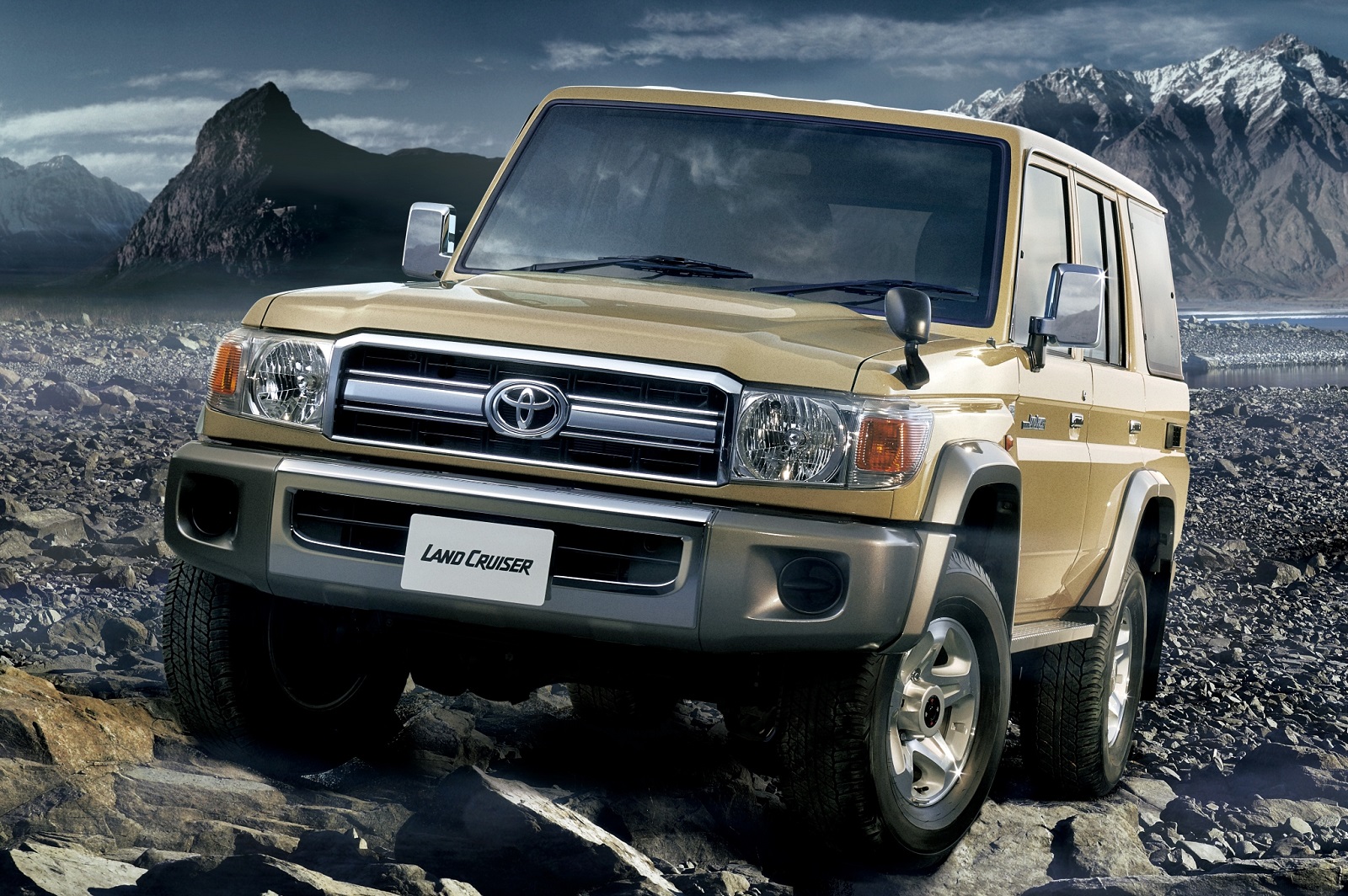
Toyota still builds the Land Cruiser 70 for certain places in Africa and elsewhere. Cheap it isn’t, but it enjoys a loyal following in the off-roader world.
It has adopted modern features like cruise control and Bluetooth connectivity while staying true to its roots, and to the design that made it an icon over the past three decades. We bet it would do well in America even today.
Lancia Thema 8.32 (1986)
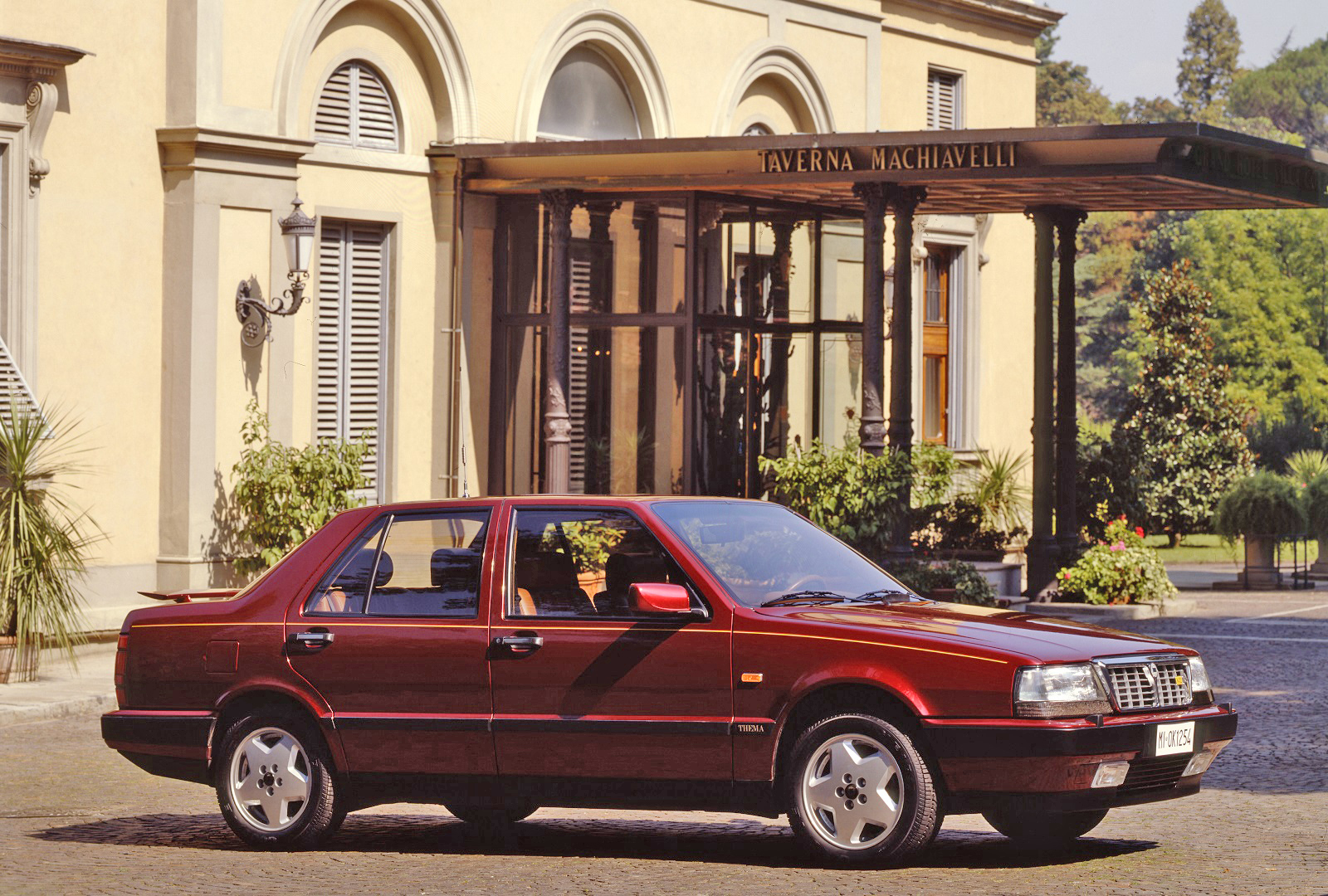
Reliability and rust issues slowly killed Lancia’s reputation in America, and it shut its doors in 1982. It was unfortunate timing because the Ferrari-powered Thema 8.32 would have done well in the surging market for sports saloons in the late 1980s. Instead, Americans who wanted a high-performance saloon built on the same platform had to order a Saab 9000 or wait for Alfa Romeo to introduce the 164.
BMW 3 Series Touring (1987)
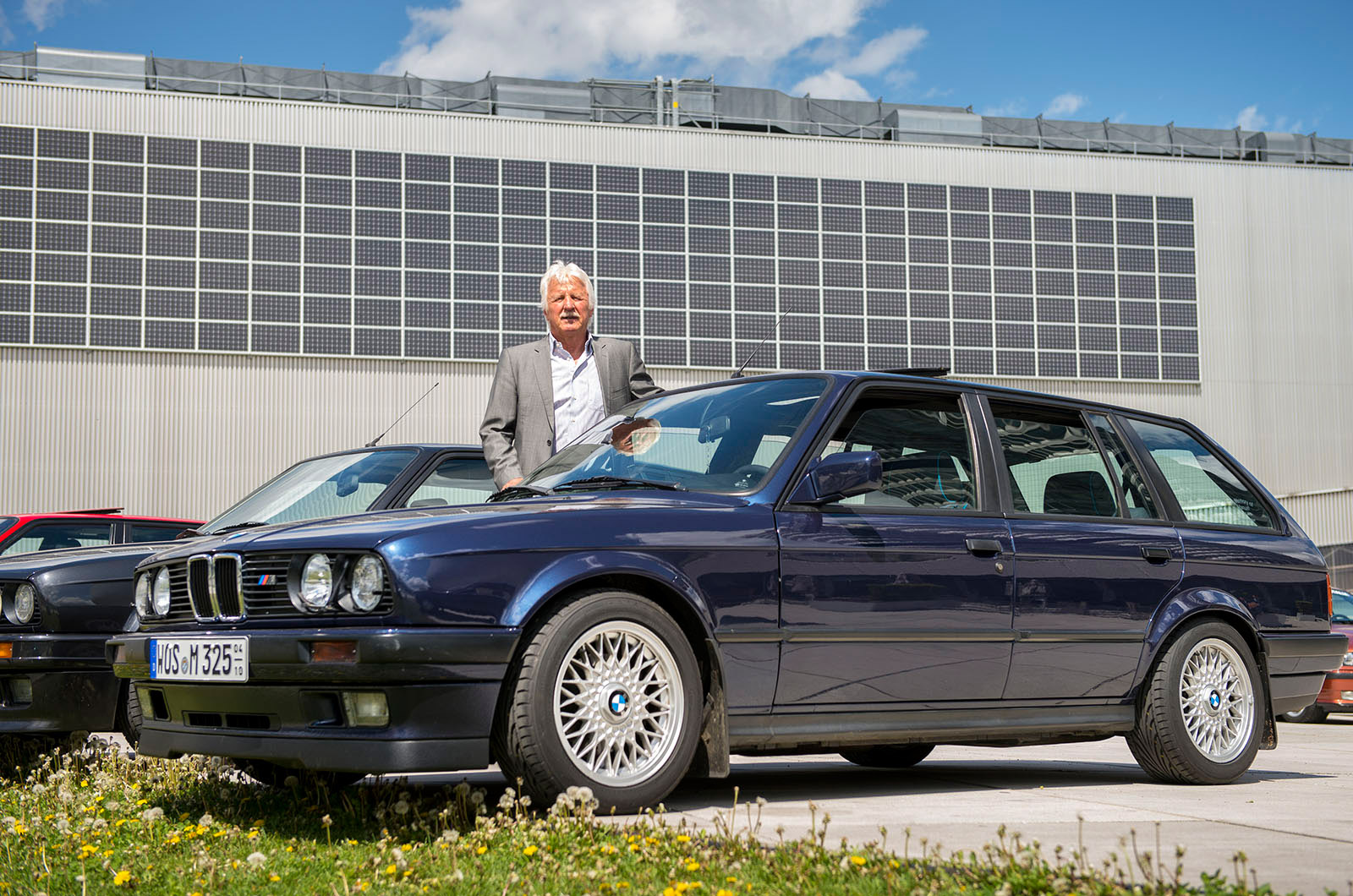
BMW’s first 3 Series Touring combined performance and utility in a spectacular fashion. It was a daring model from a company known for making conservative decisions, but the company wasn’t brave enough to sell it in America. Later generations of the 3 Series Touring did make it to the USA, but the current 3 Series is only available as a saloon.
This man is Max Reisböck; he is the BMW engineer who built a Touring prototype in his spare time to show senior management that it could be done. They loved it and placed it into production. BMW eventually gave him the last model of that generation ever built - of over 100,000 it ended up building - as a thank you for his initiative (pictured).
Nissan Pao (1989)
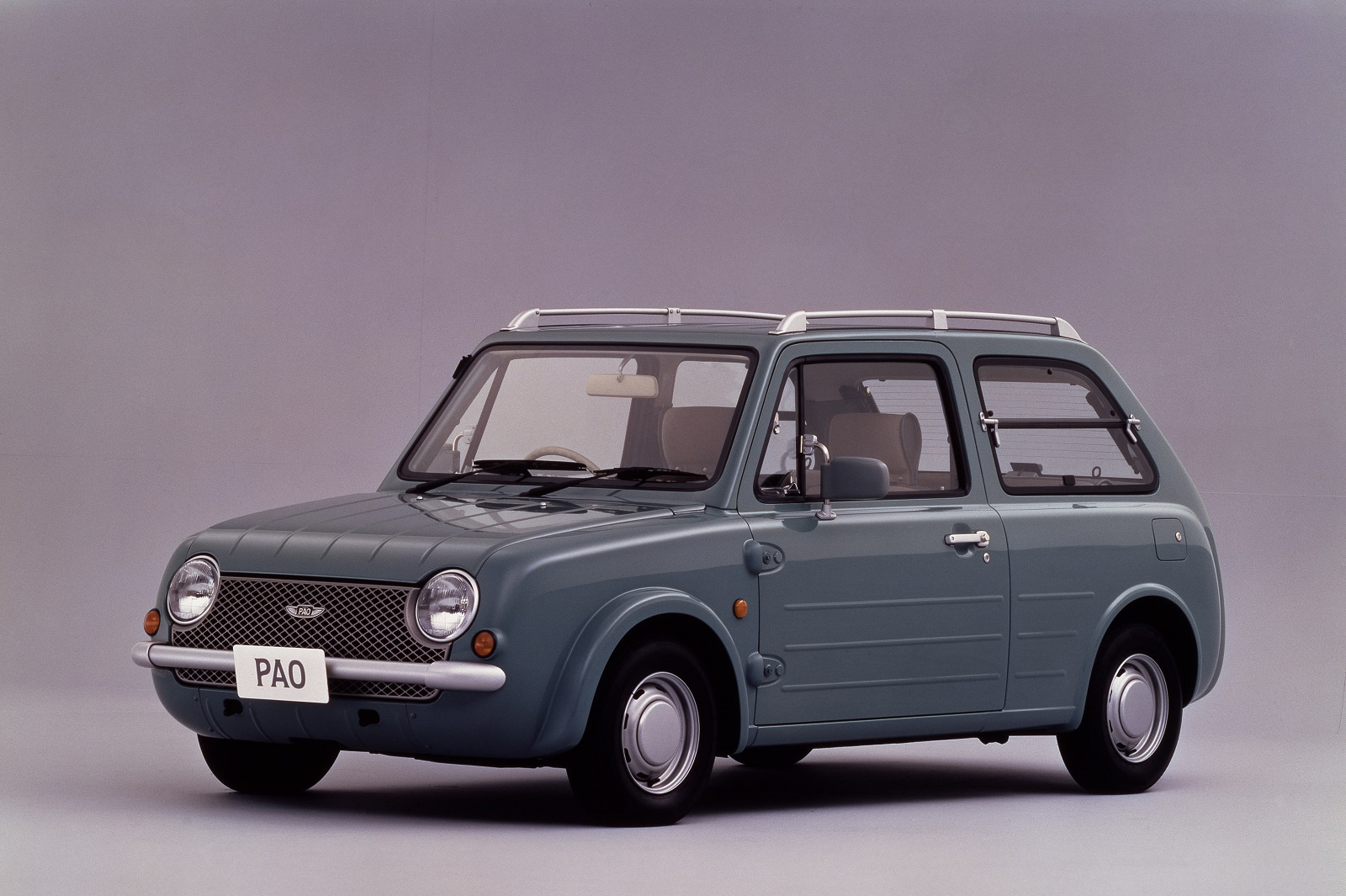
Nissan went on a retro car offensive in the late 1980s. The Japanese company took a trip to the heritage well and came back with styling cues echoing the Citroen 2CV, the Renault 4, and the original Mini, among other so-called people’s cars. The blend somehow worked, giving the Pao a look of its own.
Americans missed out on all of Nissan’s retro-inspired models, presumably because the company thought the designs lacked mass appeal. The car’s small size wouldn’t have helped either.
Volkswagen Rallye Golf (1989)
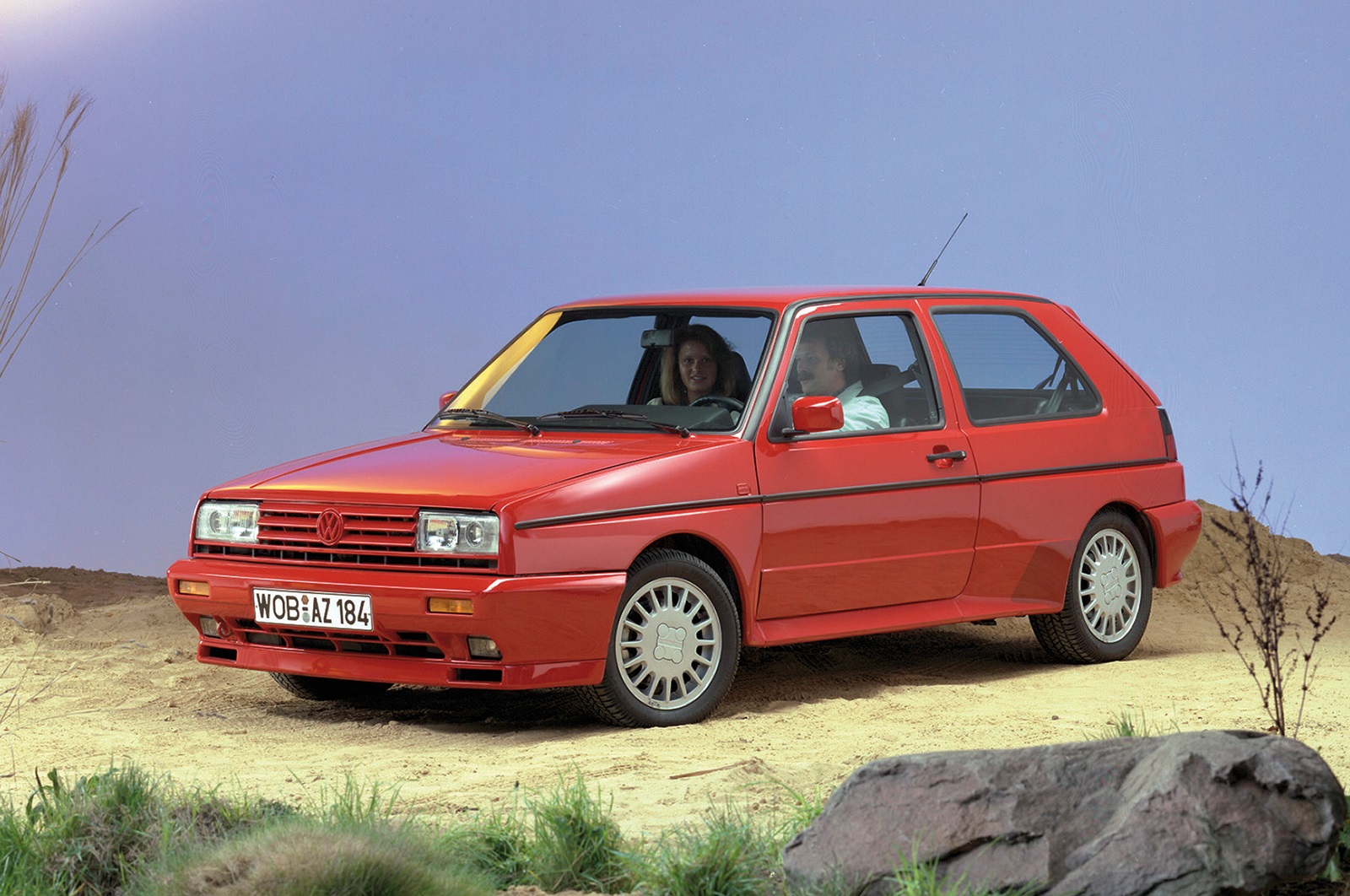
The Volkswagen Rallye Golf illustrates what today’s Golf R would have looked like in the 1980s. With its aggressive look and four-wheel drive, it served as a homologation special built so Volkswagen could go racing.
Executives considered selling the model in America, and they even sent over a few test cars for evaluation purposes, but they ultimately voted the project down because the this fastest of all Volkswagen hatches would have cost far too much.
Volkswagen Golf Country (1990)
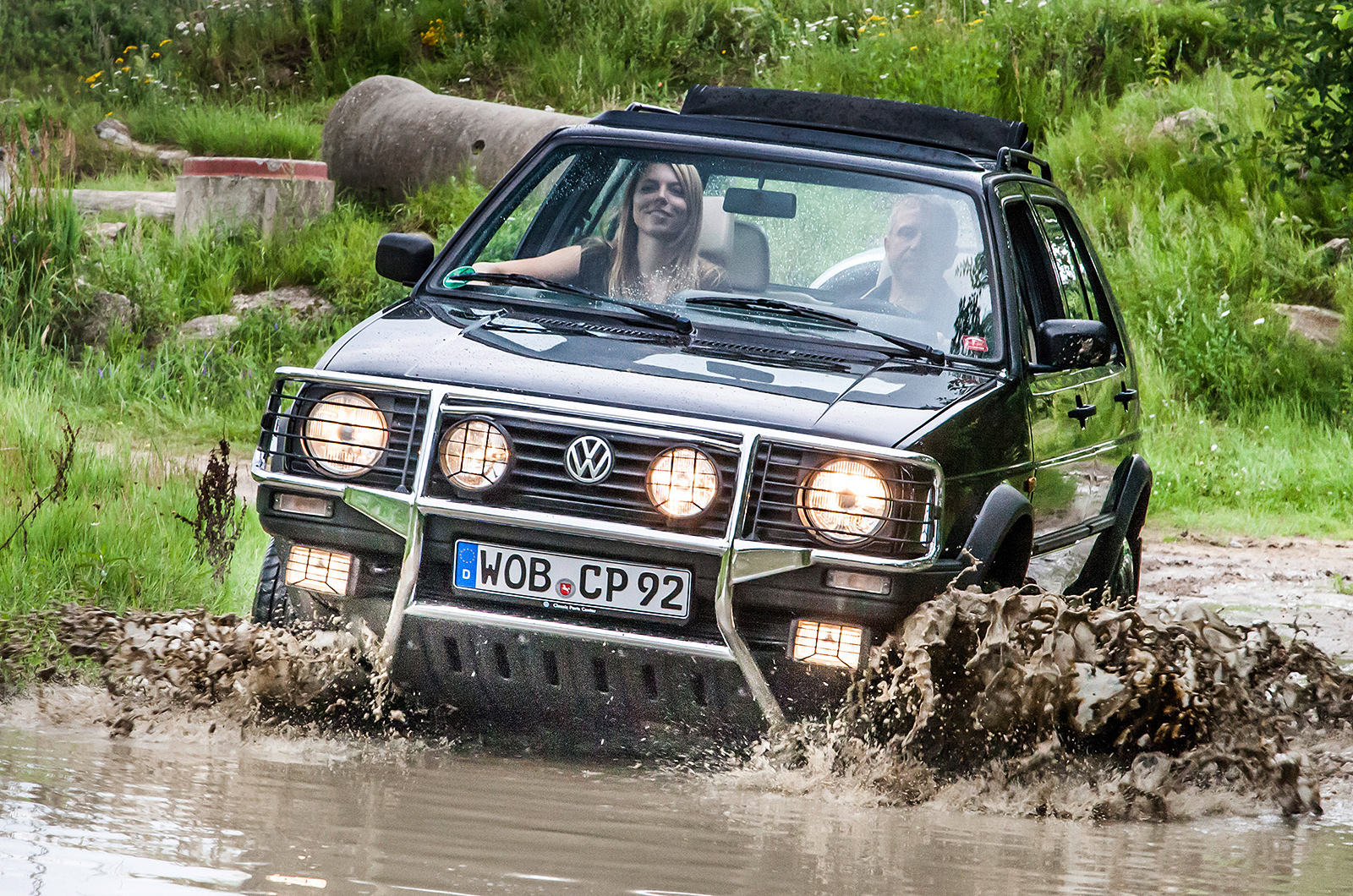
Volkswagen dipped its toes in the SUV segment before any of its rivals with the Golf Country, a hatchback sitting on a lifted suspension, with a rugged look and four-wheel-drive.
The Country was surprisingly popular among buyers in Europe who had grown tired of the basic Fiat Panda 4x4 and the ageing Lada Niva. Could it have competed with Subaru in the America’s mountainous regions?
Suzuki Cappuccino (1991)
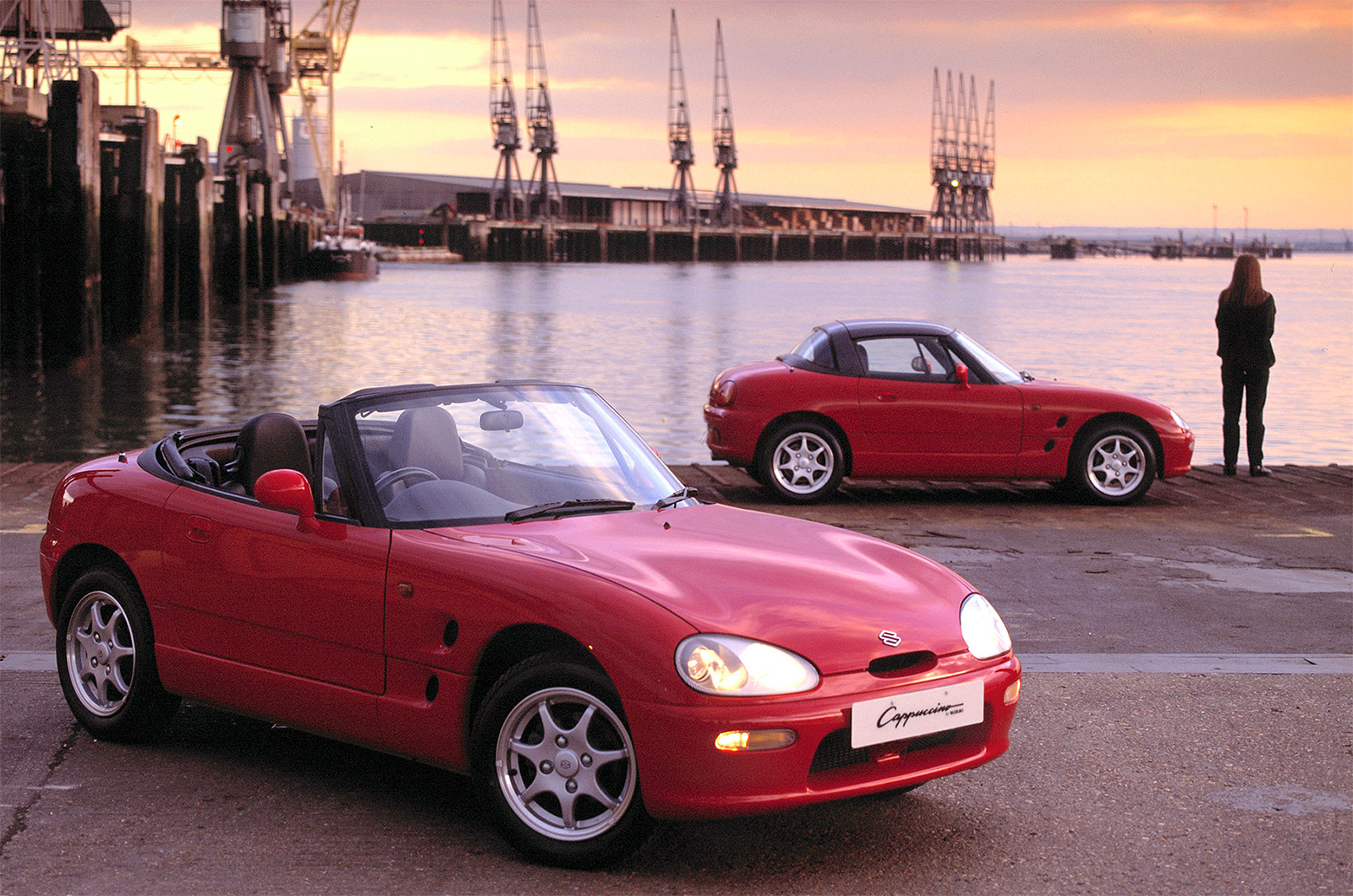
On the road, the Suzuki Cappuccino looked like a scaled-down Mazda MX-5. It took the traditional long bonnet, short bootlid proportions that characterized Mazda’s acclaimed roadster and packed them into an appreciably smaller footprint.
Suzuki’s clever roof design let the driver use the Cappuccino as a coupe, as a targa or as a full convertible. Safety concerns and federal regulations ensured it couldn’t be sold in North America when new, but early examples are beginning to arrive under the rule that allows cars over 25 years old to be imported to America.
Autozam AZ-1 (1992)
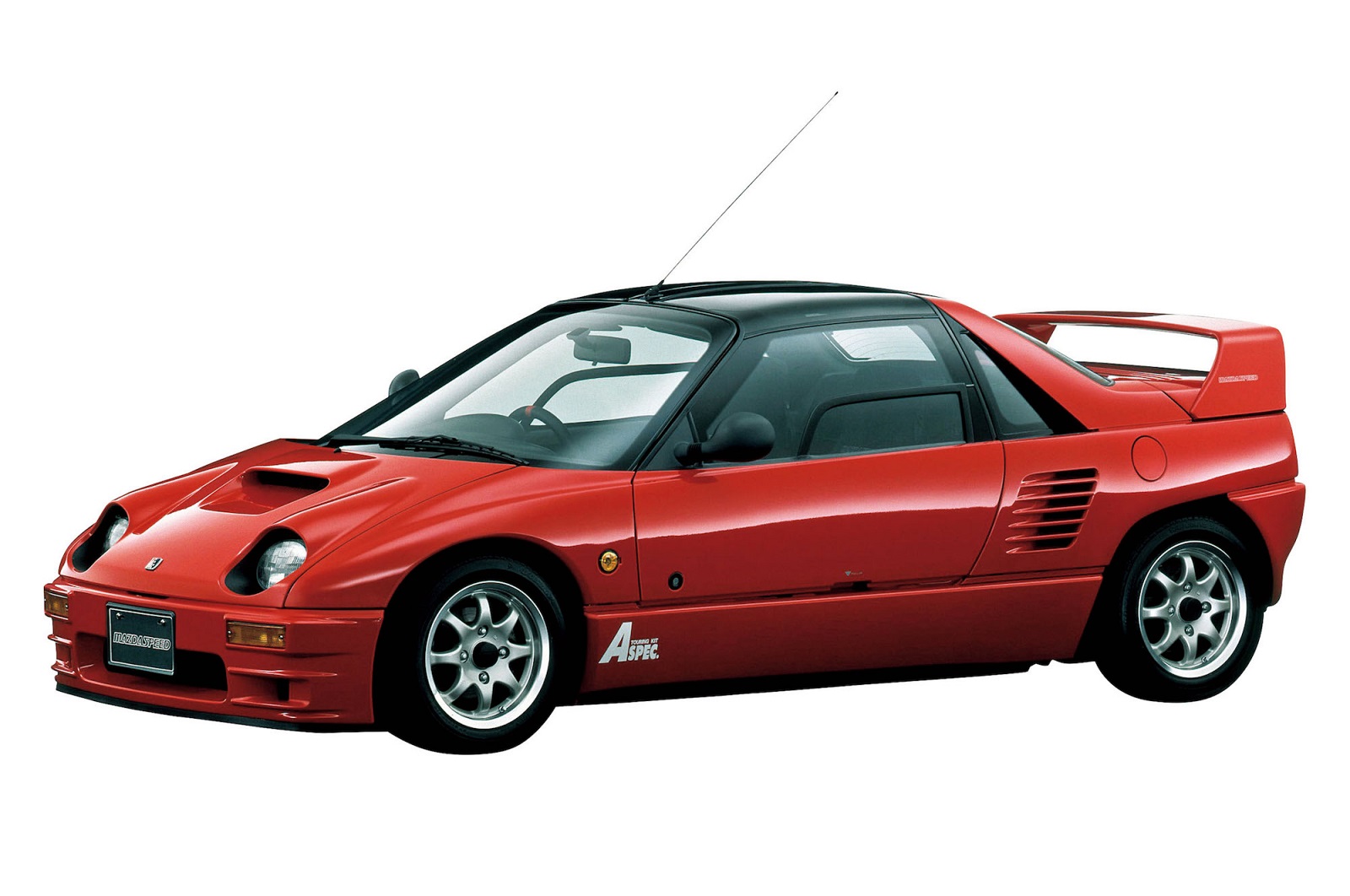
The Autozam AZ-1 was developed by Suzuki and built by Mazda; it was a mid-engined roadster, with gullwing doors. Engineers designed it as a kei car so no one seriously considered selling it in America, let alone tried making a sound argument for it.
The AZ-1 is ready to challenge the “size matters” maxim. It’s now over 25 years old, and American enthusiasts are already seeking the best examples left in Japan.
Citroën Xantia (1992)
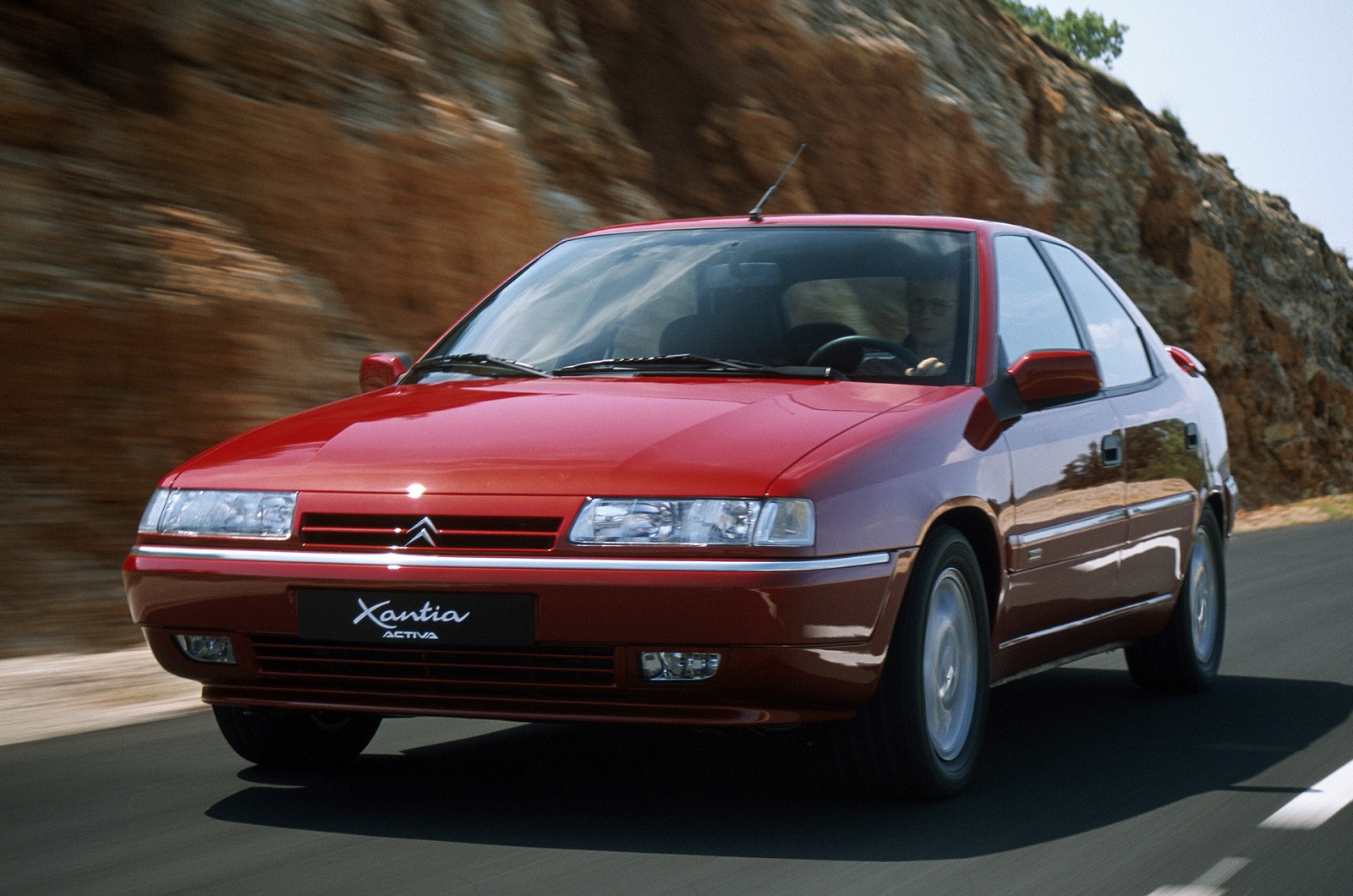
The Xantia possessed every trait a mid-size Citroën should have. It was eccentric, tough, aerodynamic and (importantly) had Citroën’s familiar suspension. Doubters changed their mind after going for a spirited drive in a V6-powered model. Selling it in America was out of the question because Citroën was long gone by the time production started. It’s too bad; it could have been the Saab 900’s quirky French rival.
Audi RS 2 Avant (1994)
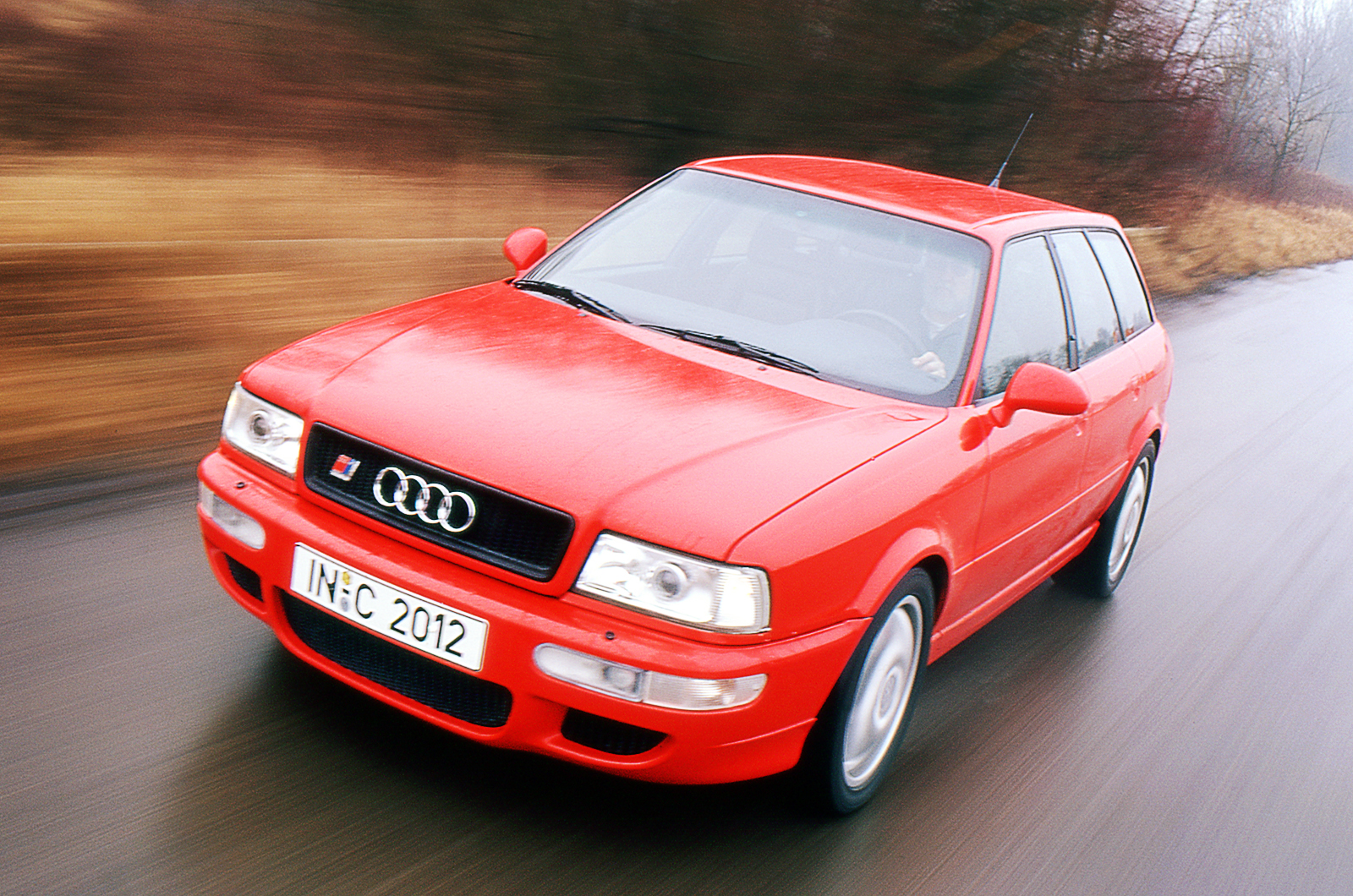
Co-developed with Porsche, the limited-edition RS 2 is the precursor of every Audi high-performance model sold globally today. The idea of an estate car capable of beating a Porsche 911 in a drag race was brilliant on paper, and it was even better in the metal, but Audi decided not to certify a low-volume model for the American market.
It’s now available for import under the 25-year rule, however, and they occasionally sell at auction for up to $100,000.
Renault Sport Spider (1995)
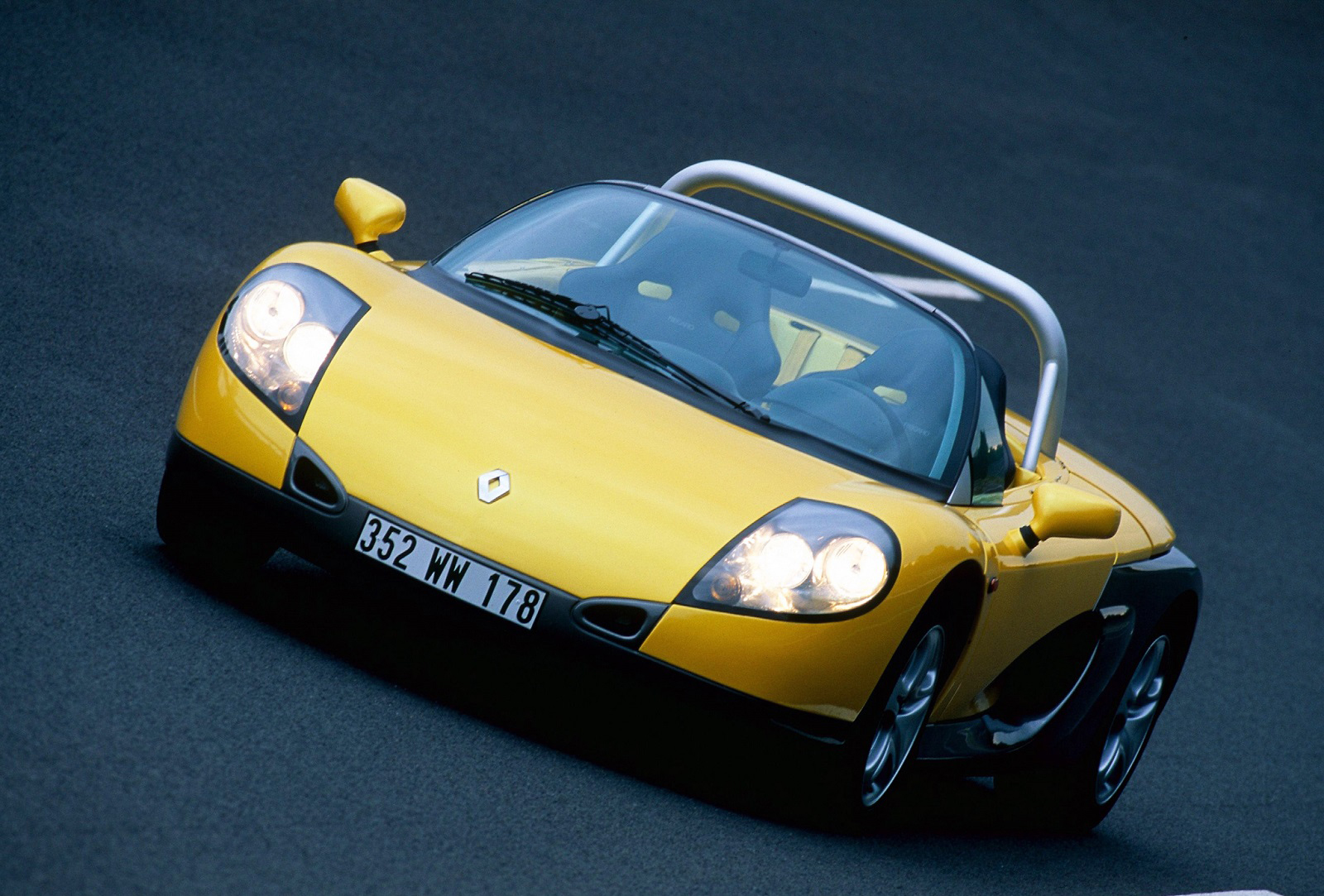
This car stood out with its striking design and powerful, mid-mounted turbo four. Renault pulled out of the American market in 1987 so it no longer had a dealer network capable of distributing the car.
Safety and emissions regulations were another hurdle. We imagine it could have competed in the same market as the original Porsche Boxster, but positioned as a more driver-oriented model.
Alfa Romeo 156 (1996)
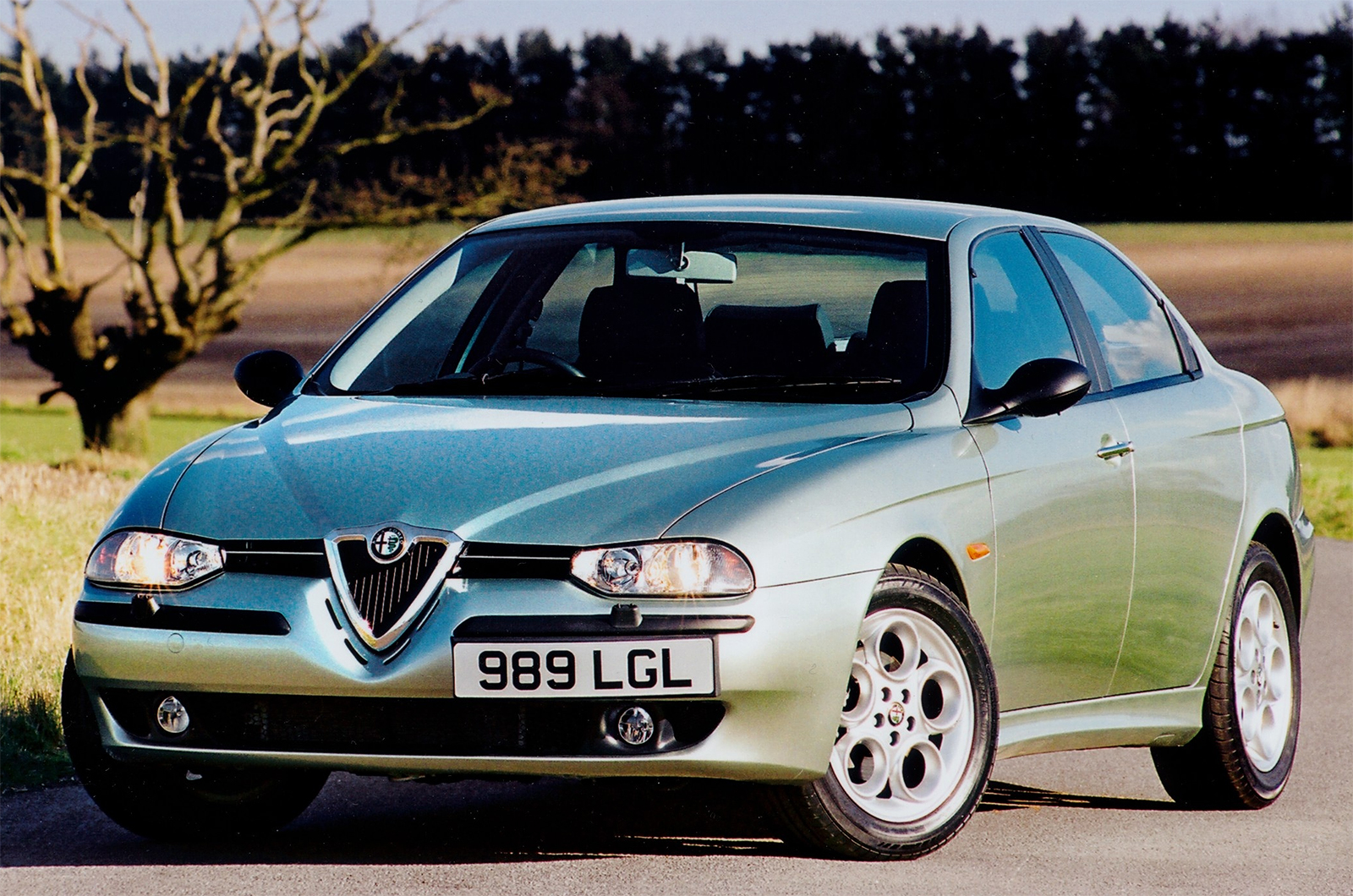
The 156 marked a stunning return to form for Alfa Romeo. It was one of the most handsome saloons on the road when it arrived, and it was good enough to earn the coveted European Car of the Year award in 1998.
Unfortunately, Alfa’s division in America has already closed gone belly up by the time the 156 arrived in European showrooms.
Peugeot 106 Rallye (1996)
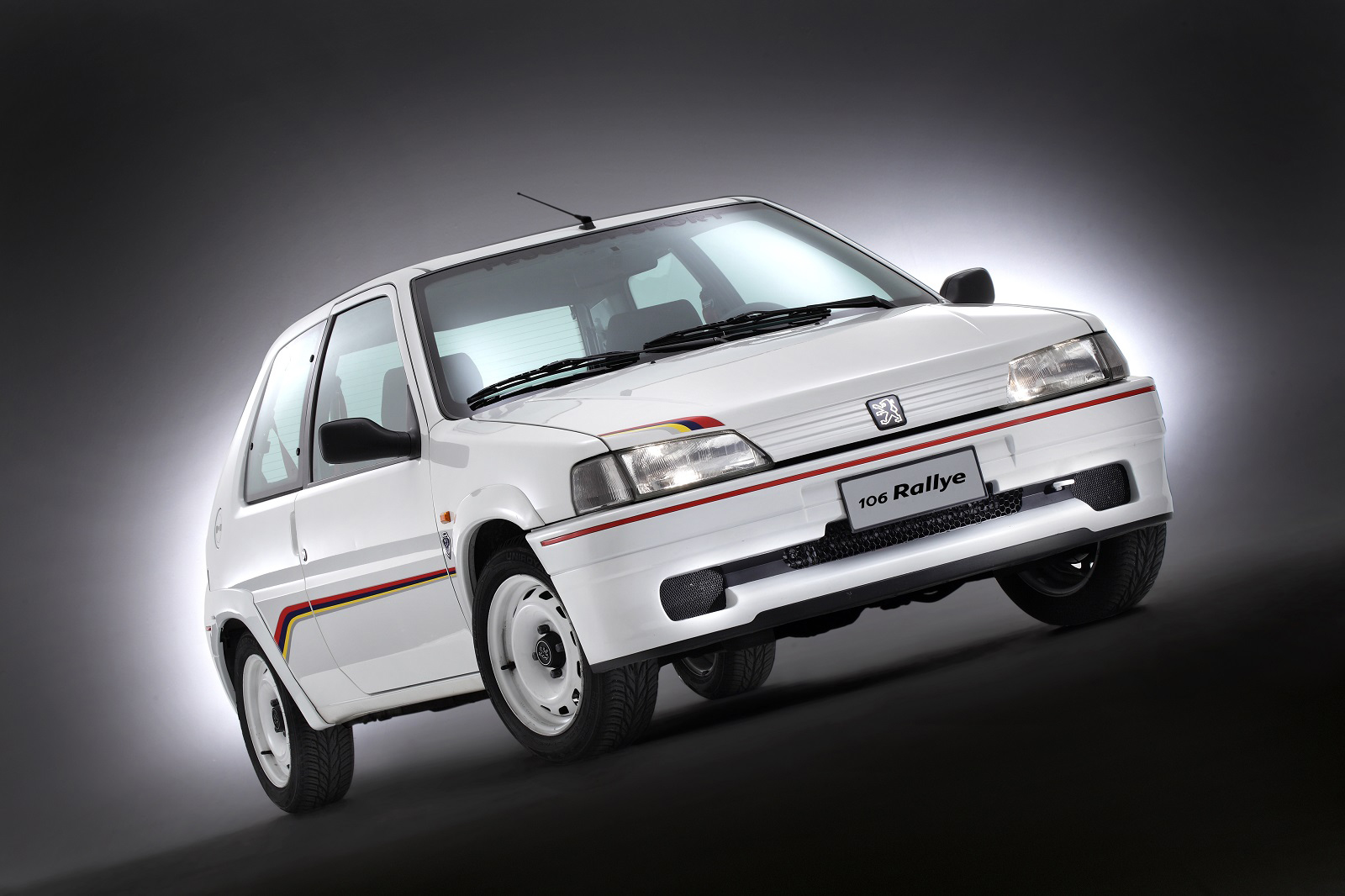
With this car, Peugeot placed a 1.3-litre engine in an ultra-compact, lightweight body shell. The 106 Rallye was unlike any enthusiast car sold on the American market at the time, and it was never seriously considered for export there because Peugeot closed its American division in 1991.
Had it been available, we bet it would have enjoyed a small but loyal following among autocross racers.
Honda Civic Type R (1997 - 2017)
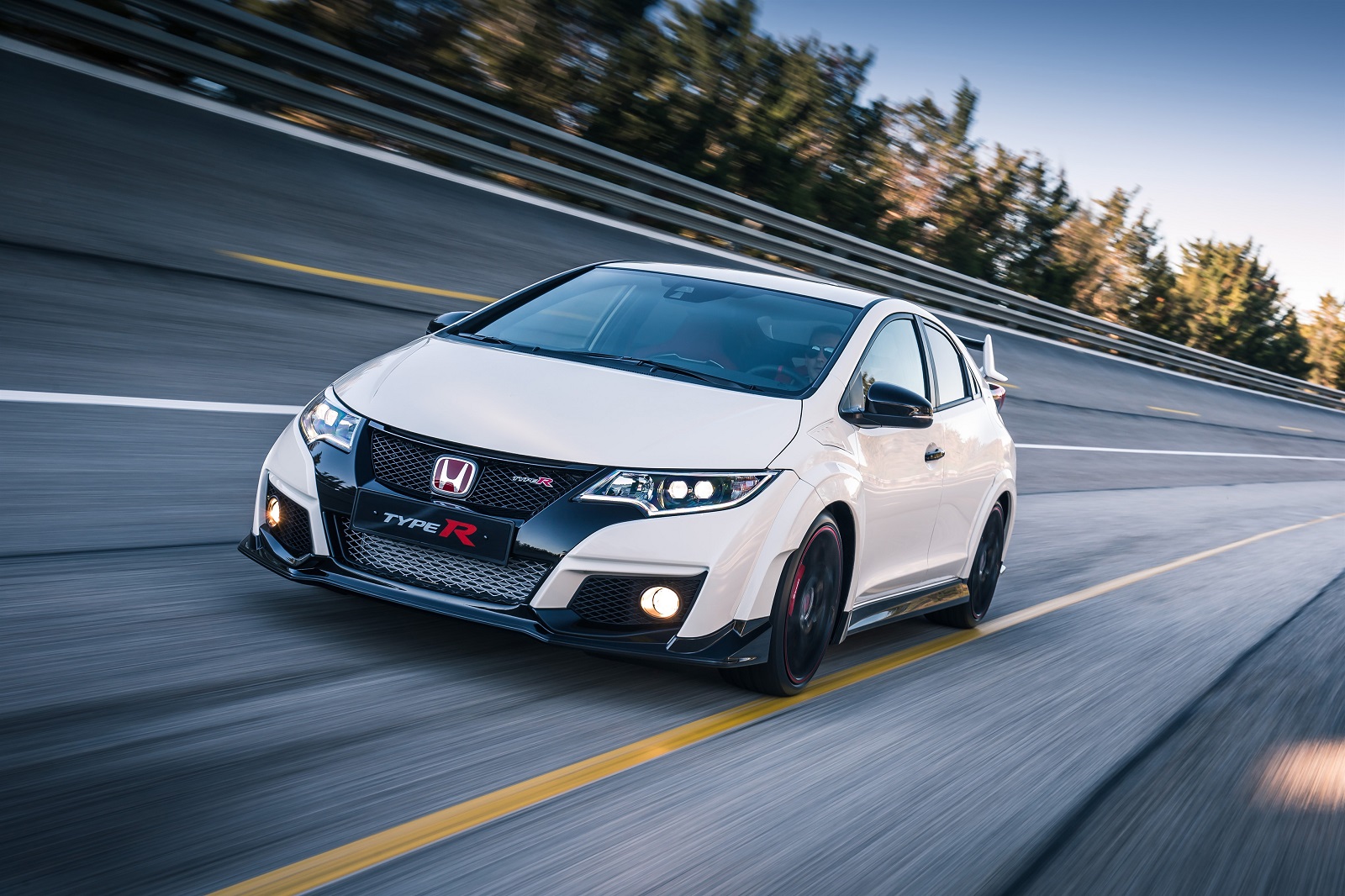
For nearly two decades, American Honda fans who wanted to slip behind the wheel of a Civic Type R had to do so in a video game like Gran Turismo, or by flying to a country where the car was sold. The first four generations of Honda’s fast hatchback never made the trip to America for reasons that remain vague.
The good news is Honda finally listened to enthusiasts across the pond, and the fifth-generation Type R was designed with American regulations in mind and it went on sale in 2017.
Subaru Impreza 22B-STI (1998)
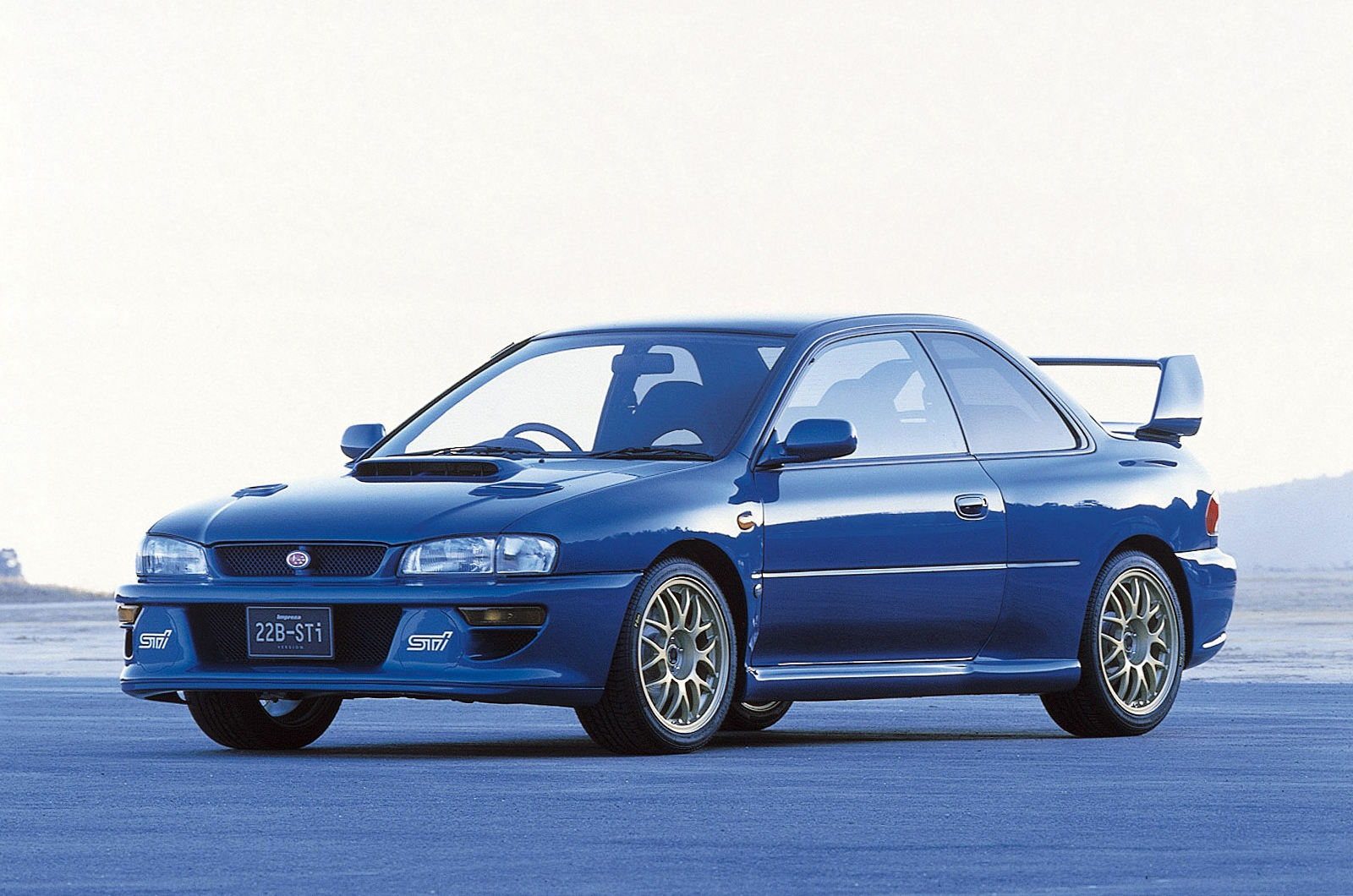
Introduced as a limited-edition model, this car benefited from a long list of mechanical modifications including a hand-built, 2.2-litre flat four cylinder engine, a strengthened five-speed manual transmission as well as numerous suspension and braking upgrades.
Subaru’s American dealers didn’t receive the original WRX, so they were deprived of the right-hand drive-only 22B.
Pagani Zonda (1999)
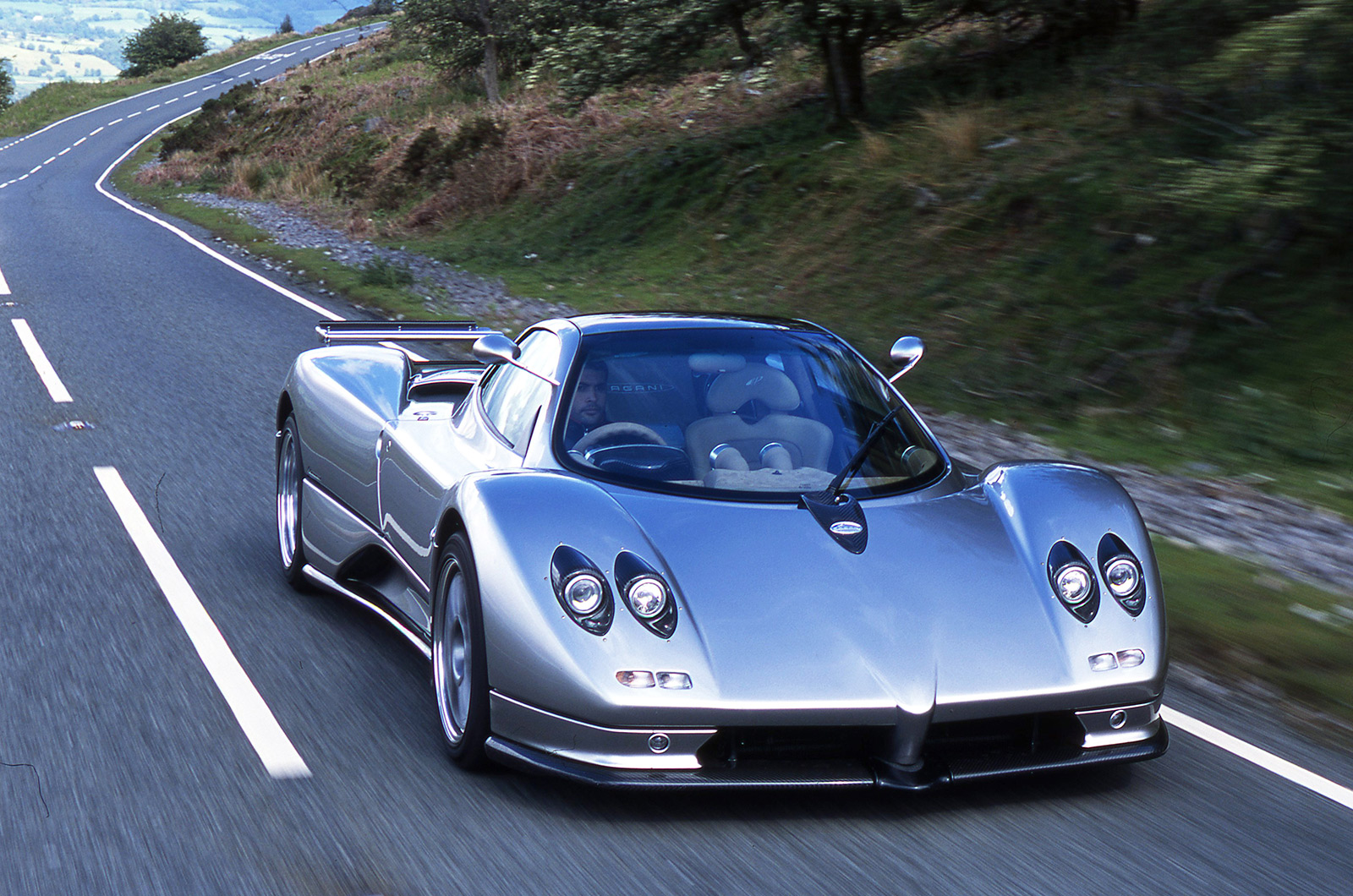
Argentina-born Horacio Pagani was an engineer with Renault and then Lamborghini, before striking out on his own firstly with an Italian consultancy and then, in 1999, he unveiled his first car, the Zonda. The original version, the C12, featured a 6.0-litre Mercedes-Benz V12 that delivered 395bhp or 444bhp, and its looks and performance immediately made the world take notice.
The company has since delivered numerous versions, but all produced in tiny numbers, and never enough it seems to make examples available for US regulators and crash testing to make it legal to drive on the road. It’s a shame as the US is a very major market for its Italian and British hypercar rivals.
Nissan Skyline GT-R R34 (1999)
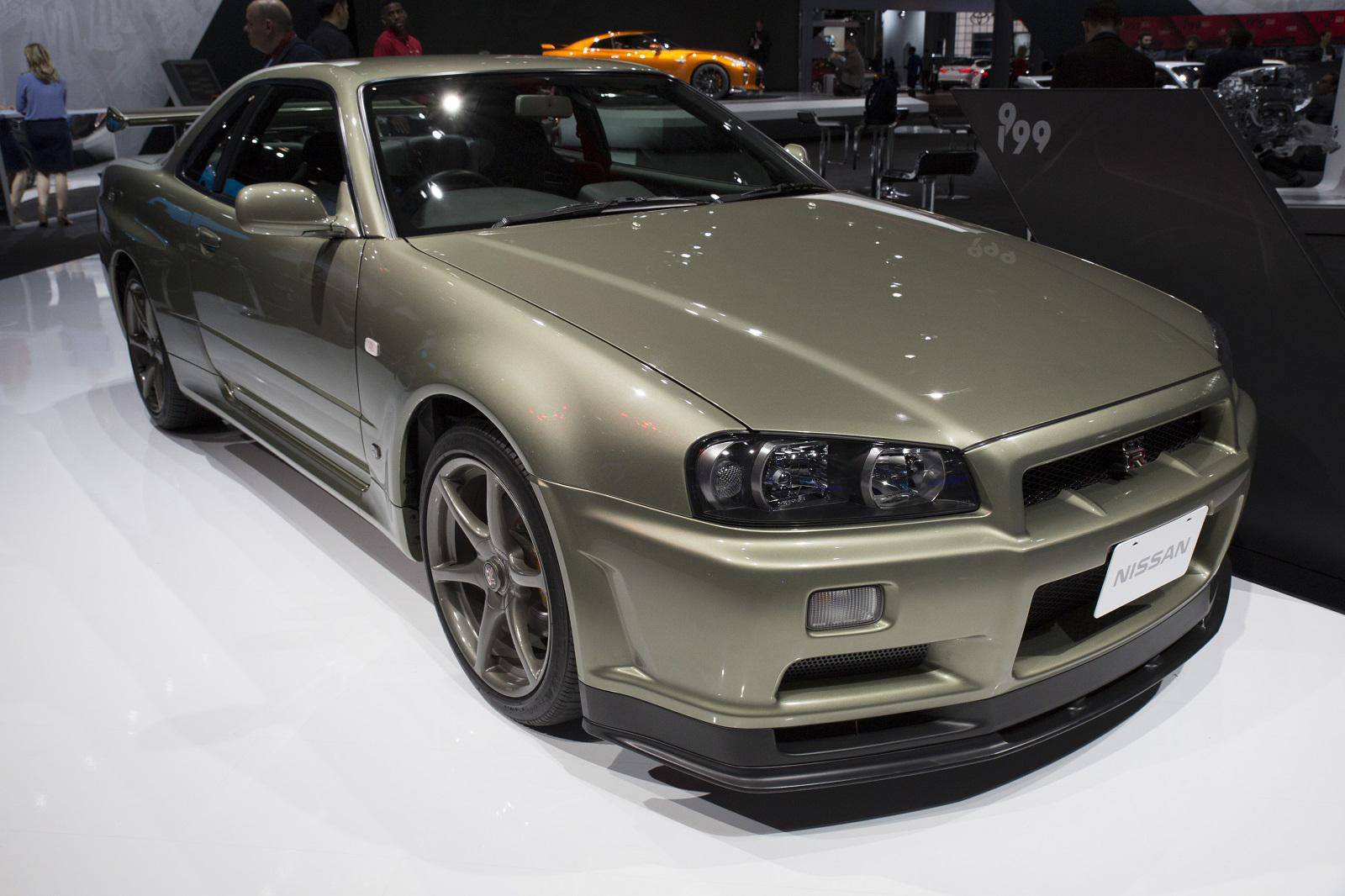
The R34-series Nissan Skyline GT-R was the ultimate forbidden fruit for American motorists. Enthusiasts knew what it was capable of because it starred in several Fast & Furious movies, and it was prominently featured in Gran Turismo, but they couldn’t buy one.
While it was never officially imported to the US, some examples found their way into the country through dubious channels as interest grew. US Customs quickly caught on, and illegal examples usually end up seized and crushed.
TVR Sagaris (2005)
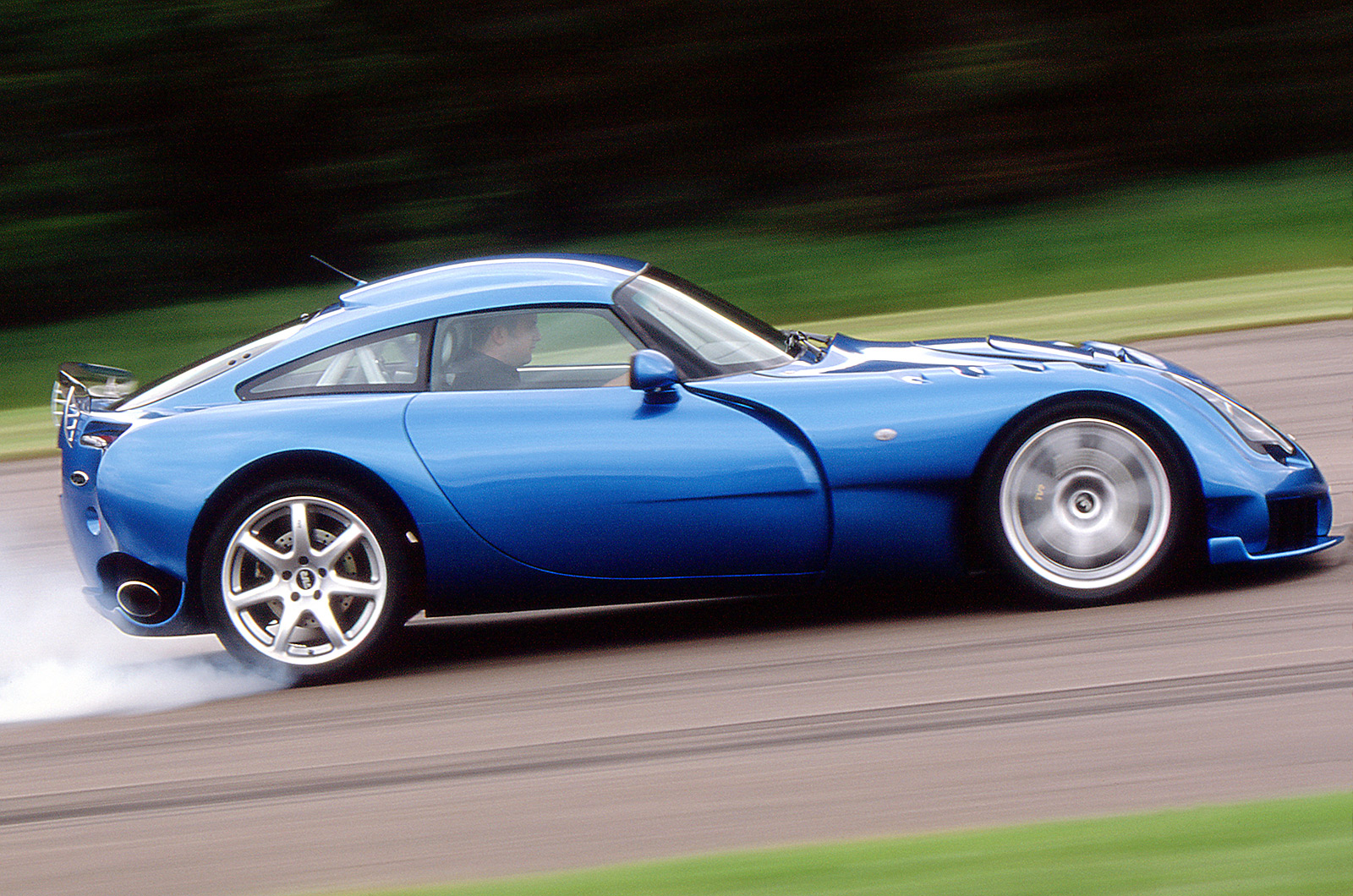
Most Americans have never heard of TVR, a small maker of British sports cars that was established in 1946, but the models were sold in the US in small numbers until the 1980s, but not since. Which meant the market missed out on TVR’s last and arguably greatest creation, the savage-looking Sagaris. And it was pretty wild as well.
It featured a 4.0-litre 406bhp straight-six engine, with no ABS or traction control. However the company closed down in 2006, and a revival is taking a long time to arrive.
Chrysler 300C Touring (2006)
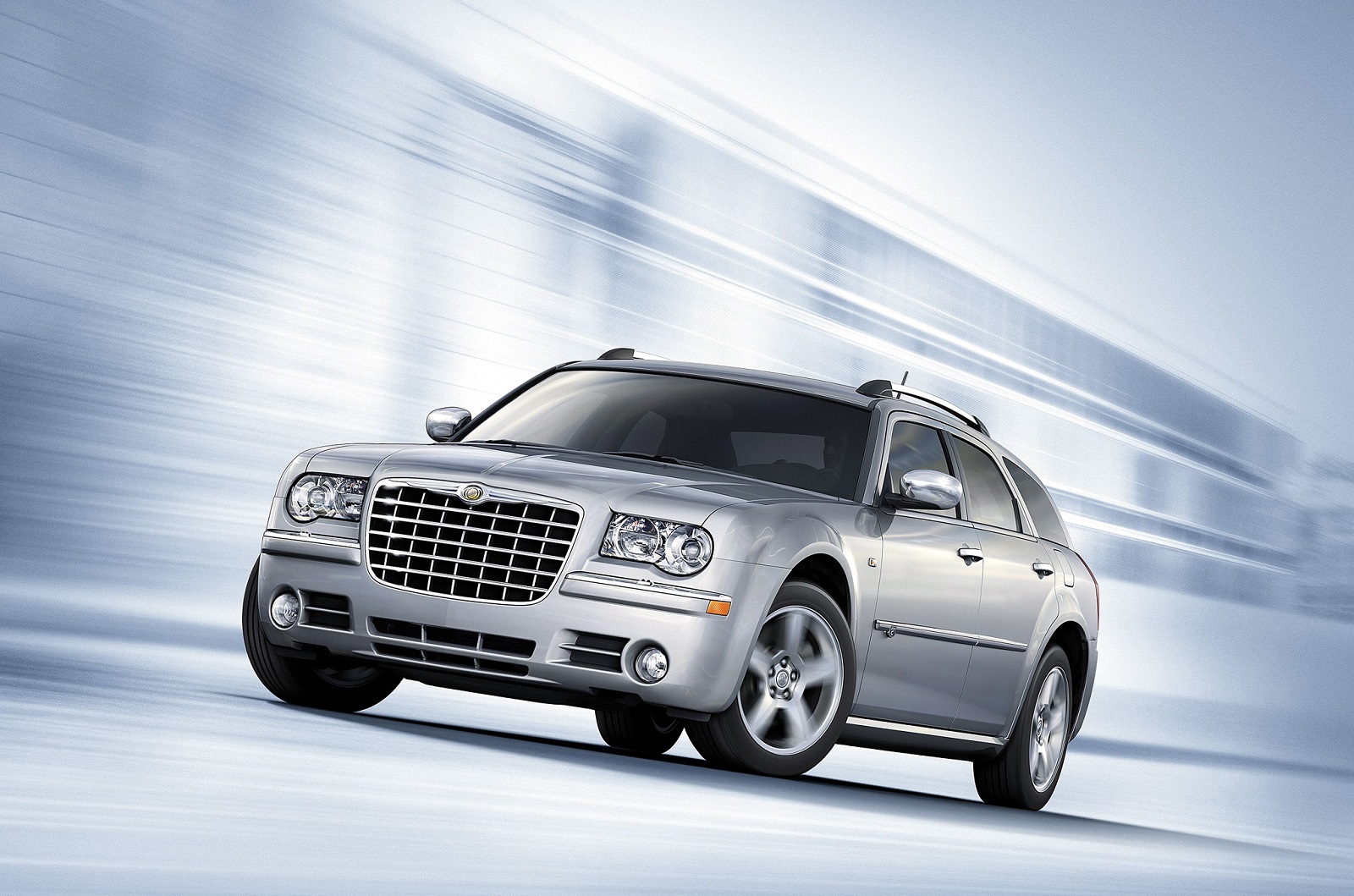
The 300C Touring was Chrysler’s first serious attempt at building a European-flavoured car since launching the Horizon in 1978. Basic market research showed Europeans liked estates, especially diesel-powered ones, so Chrysler set out to build just that.
The Touring was a Dodge Magnum with a 300C face and either a V6 diesel from Mercedes-Benz or a Chrysler Hemi V8. Steyr assembled the 300C Touring in Graz, Austria, alongside the Jeep Grand Cherokee and the Mercedes G-Class. Perhaps too obscure for its own good, the 300C Touring failed to gain traction in a class dominated by the Germans.
Holden VE Ute (2007)
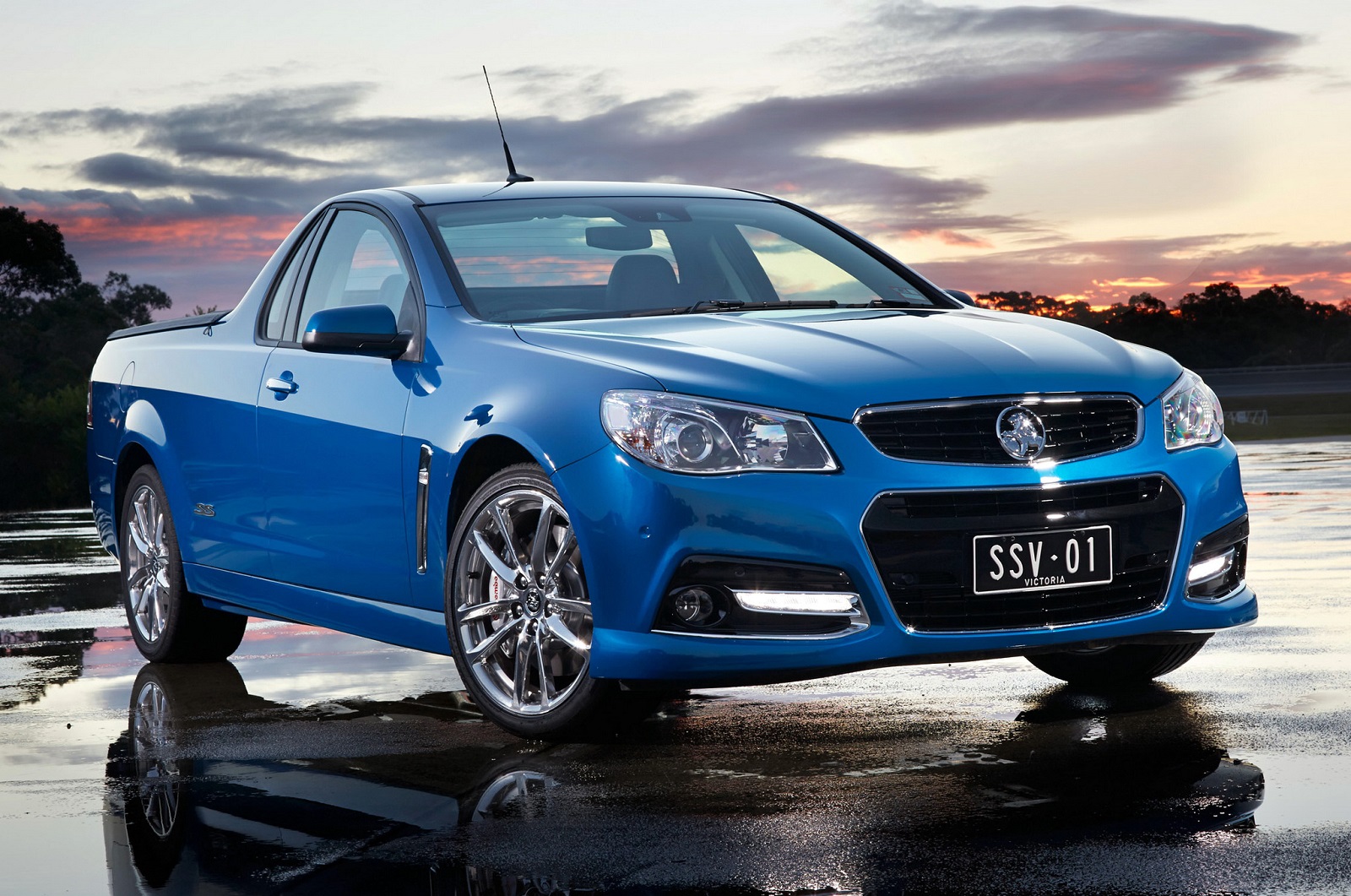
The Holden Ute embodies a concept Americans are intimately familiar with. It’s on the same branch of the pickup truck family tree as the Chevrolet El Camino. The El Camino died after the 1987 model year, but the body style continued thriving in Australia during the 1990s, where it became a lifestyle-oriented model rather than as a workhorse.
Reports suggest the Ute nearly went to America to join the now-defunct Pontiac brand in the late 2000s, but General Motors dropped the project in the wake of the global financial crisis, and closed down Pontiac in 2010.
Volkswagen Scirocco (2008)
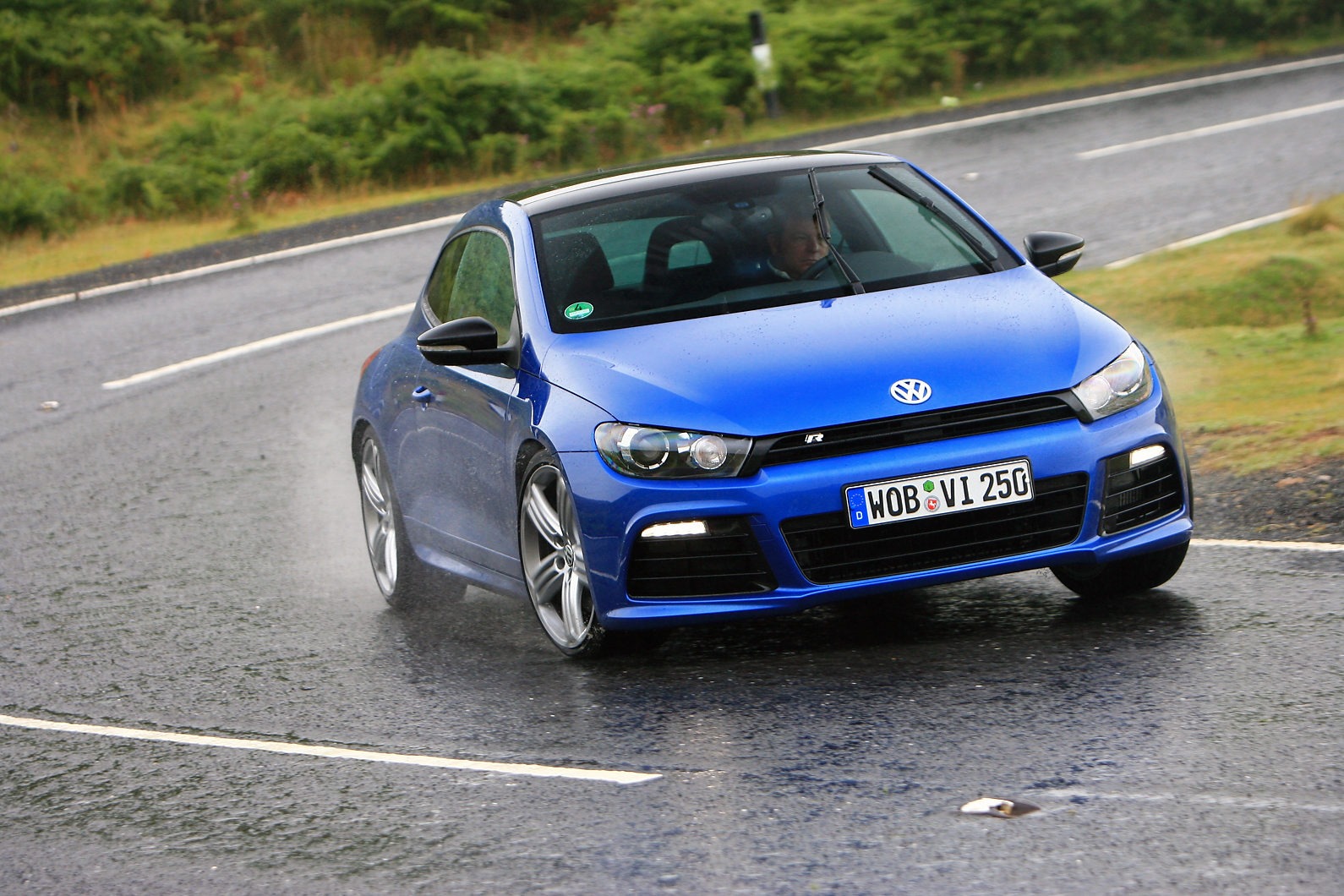
Both the first two generations of Scirocco were sold in America, but not this third generation model. That was a shame as the car was a great looking car with entertaining handling, as well as a good range of engines to suit every driver, with petrol power ranging from 120bhp up to 280bhp; it even had two diesel options.
Apparently Volkswagen didn’t think it could make money selling it in America because of the Dollar-Euro exchange rate at the time.
Dacia Duster (2009)
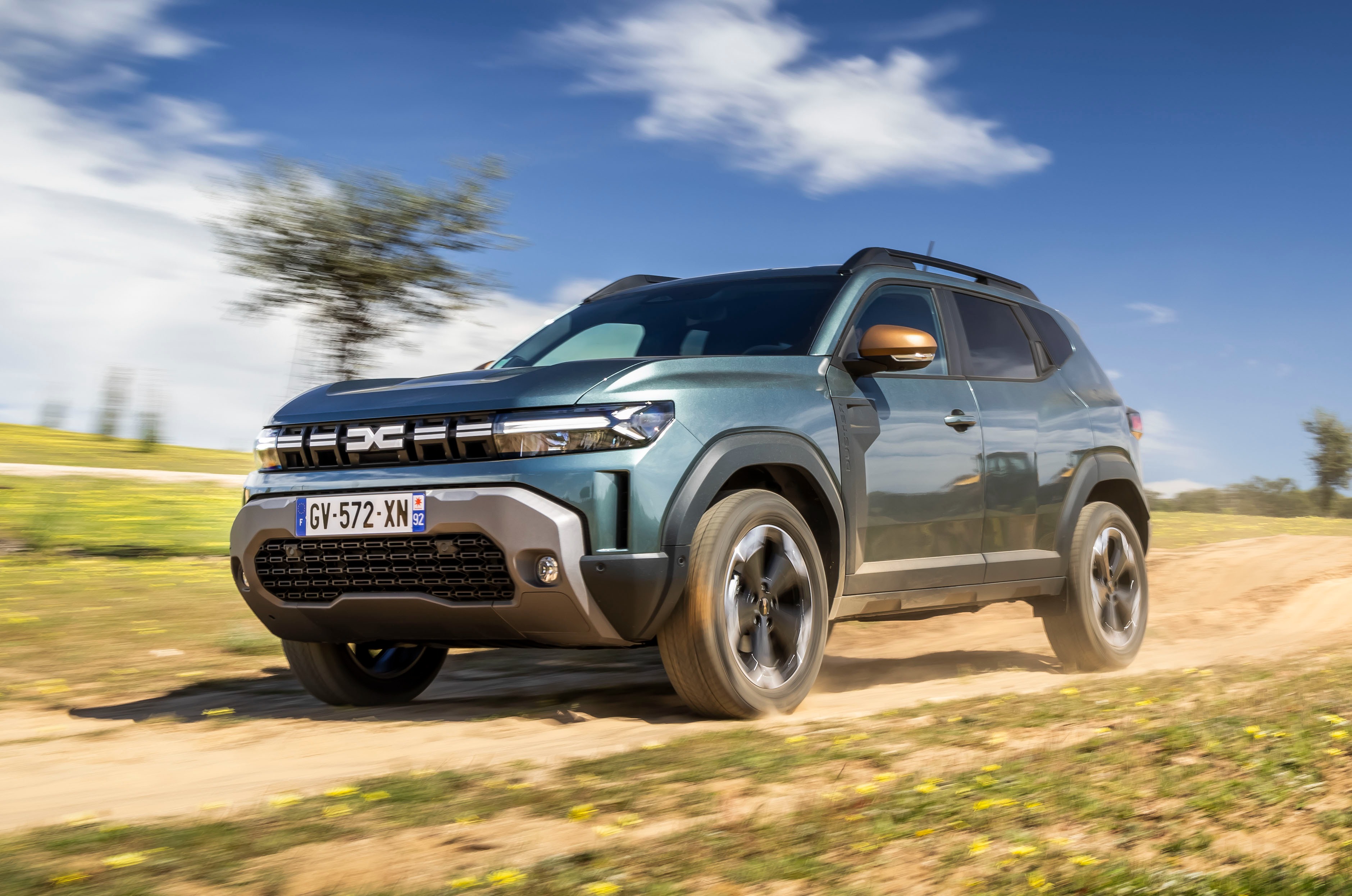
Americans would consider the Dacia Duster a subcompact SUV. The segment is big, and it’s going to get much bigger in the coming years, but it currently lacks an affordable, no-nonsense model capable of holding its own off the beaten path.
Enter the Duster, with its budget-friendly price and available four-wheel drive. Can you not picture one parked among cactus on a ranch in the American west? A third-generation model arrived in 2023 (pictured); like the original model, it’s still a lot of car for your money.
Honda N-One (2012)
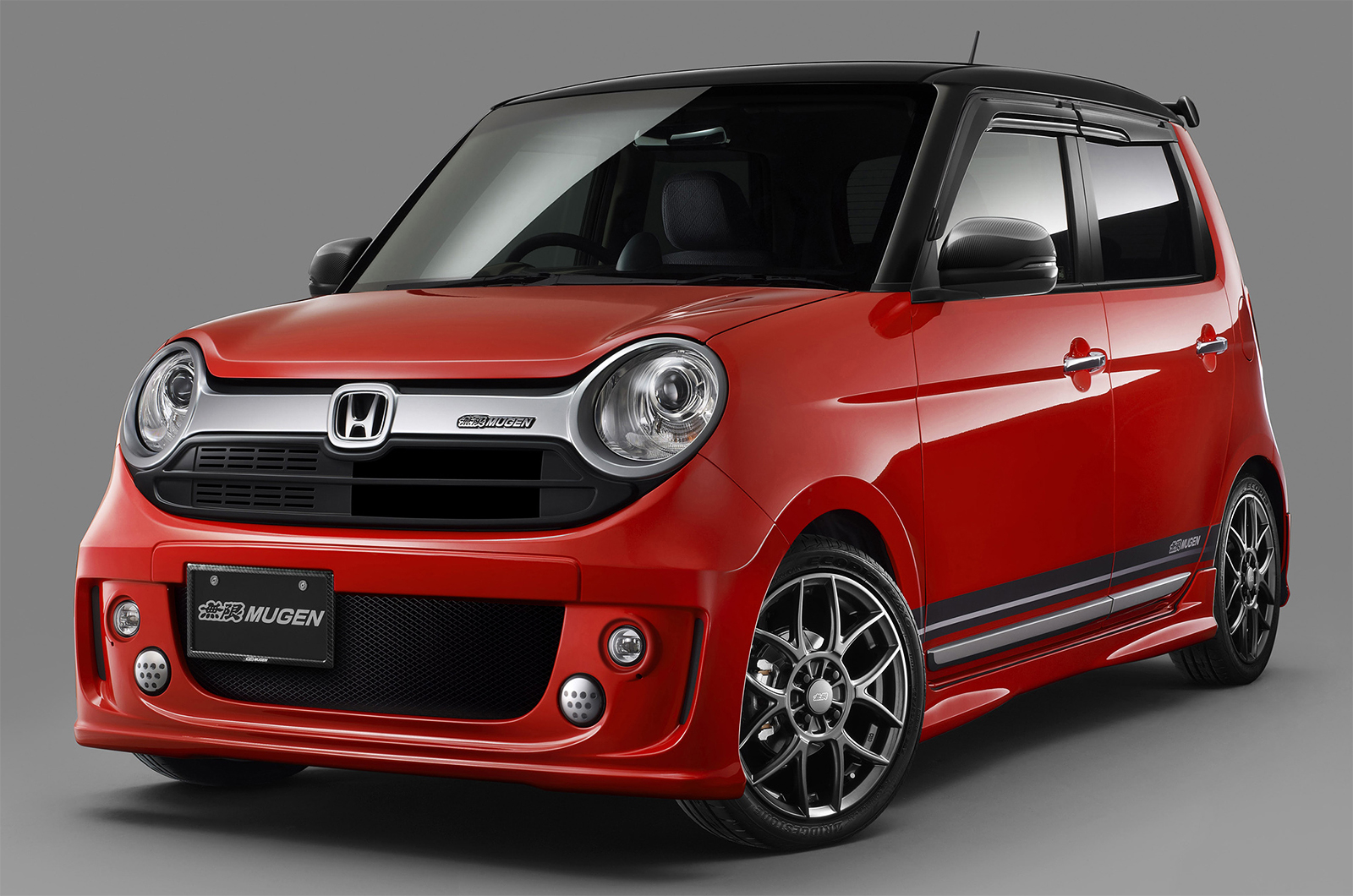
The N-One is an endearing machine with a surprisingly spacious interior, though Japan’s kei car regulations force Honda to use a tiny 658 cc engine. It’s not just Americans missing out on the N-One; Europeans can’t get their hands on this retro-fantastic Honda, either.
Mercedes-Benz C-Class Estate (2014)
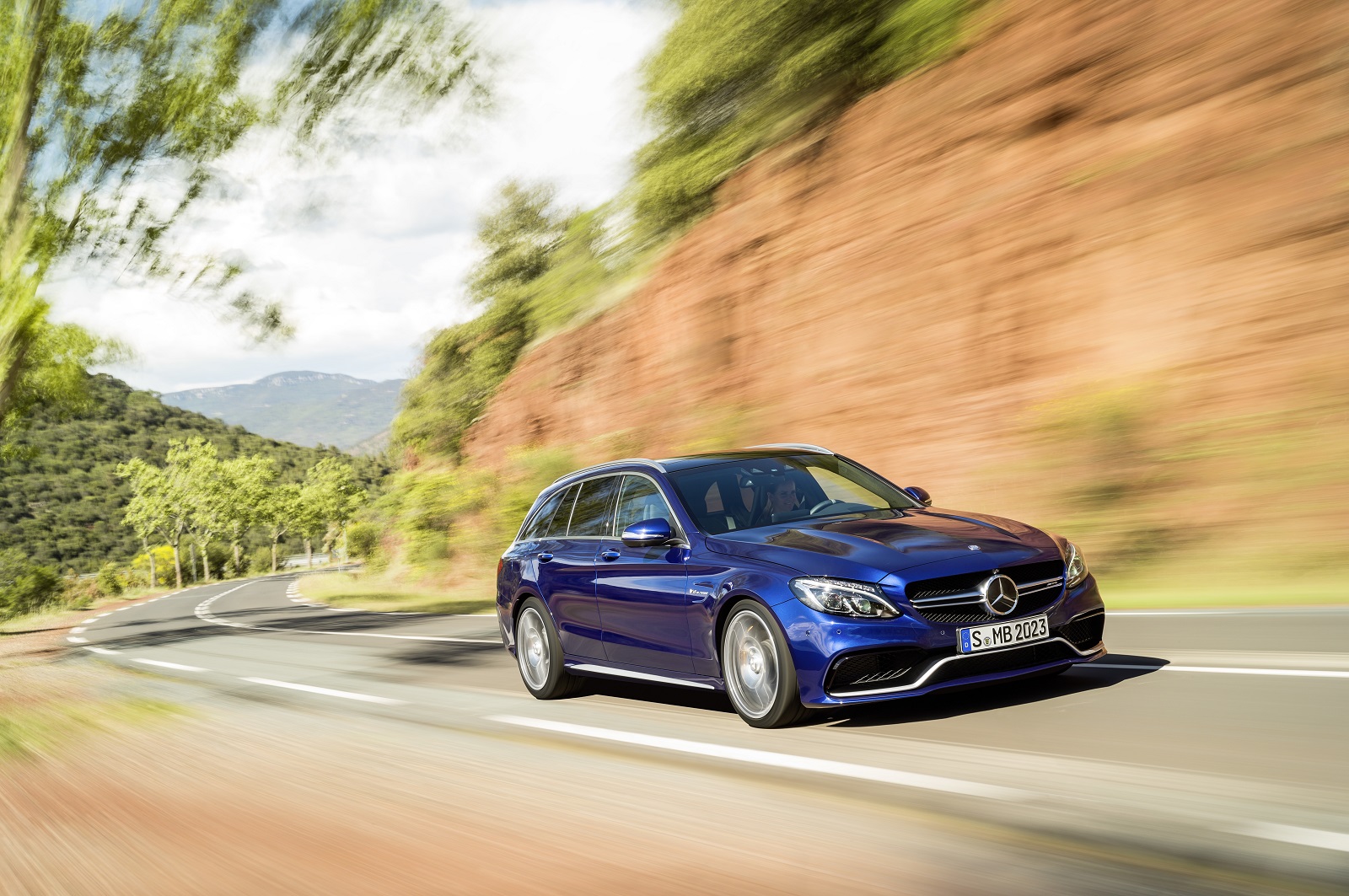
Unlike Audi, Volvo and BMW, Mercedes-Benz never paid much attention to the compact estate segment in the US. The phrase “Americans don’t buy estates” has prevented every single long-roof variant of the C-Class from roaming the nation’s vast network of motorways.
The German brand surprisingly perceived enough demand from buyers in Canada to build a market-specific C-Class Estate, though it’s a niche model rather than a volume offering.
Subaru Levorg (2014)
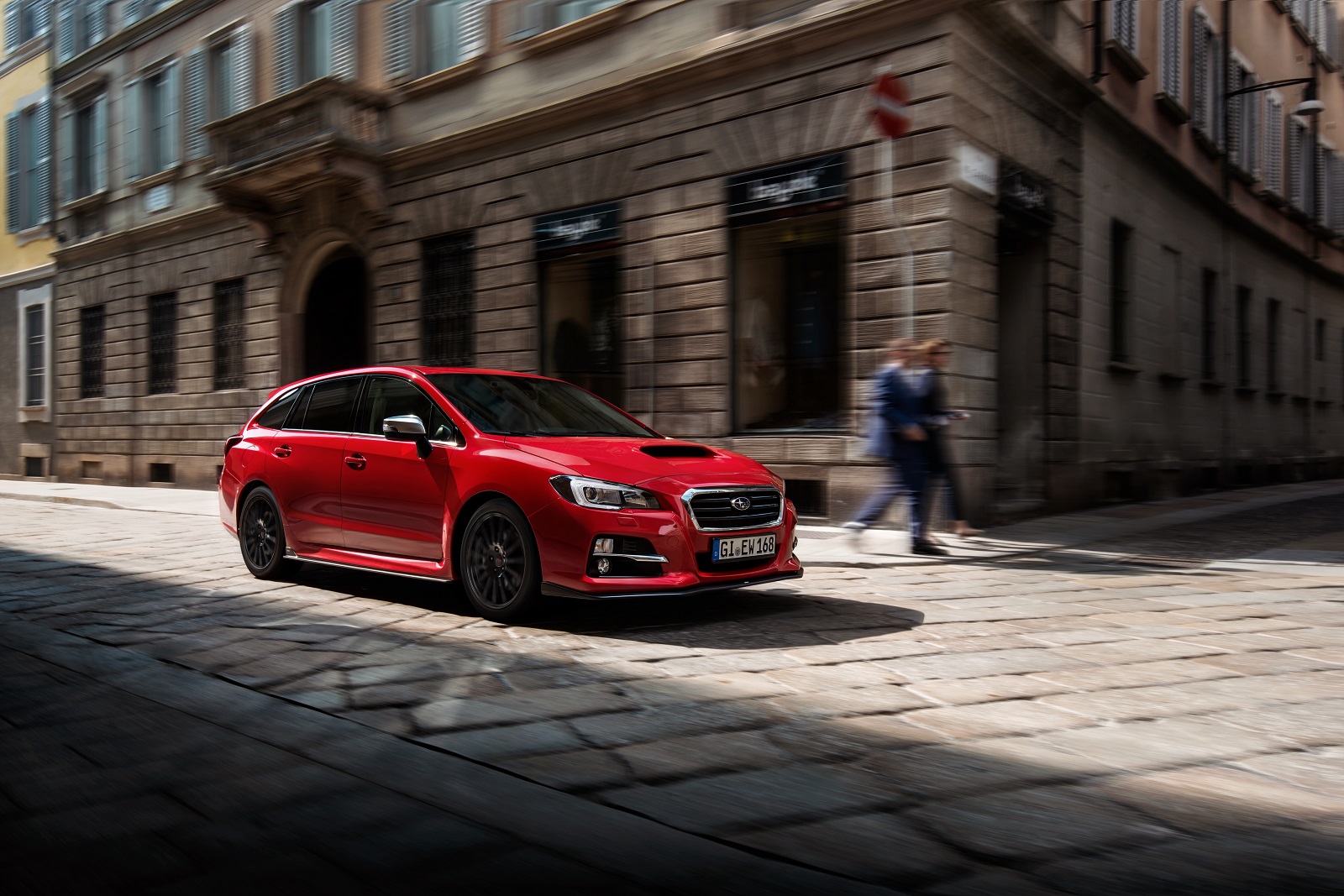
No brand is more closely associated with estates in America than Subaru. That’s why we’re surprised the Levorg remains off the US market. Subaru can’t use the “Americans don’t buy estate cars” argument everyone else employs because it almost has a monopoly on the class, and the Levorg would slot nicely between the Impreza and the Outback.
Volkswagen Passat Mk8 (2014)
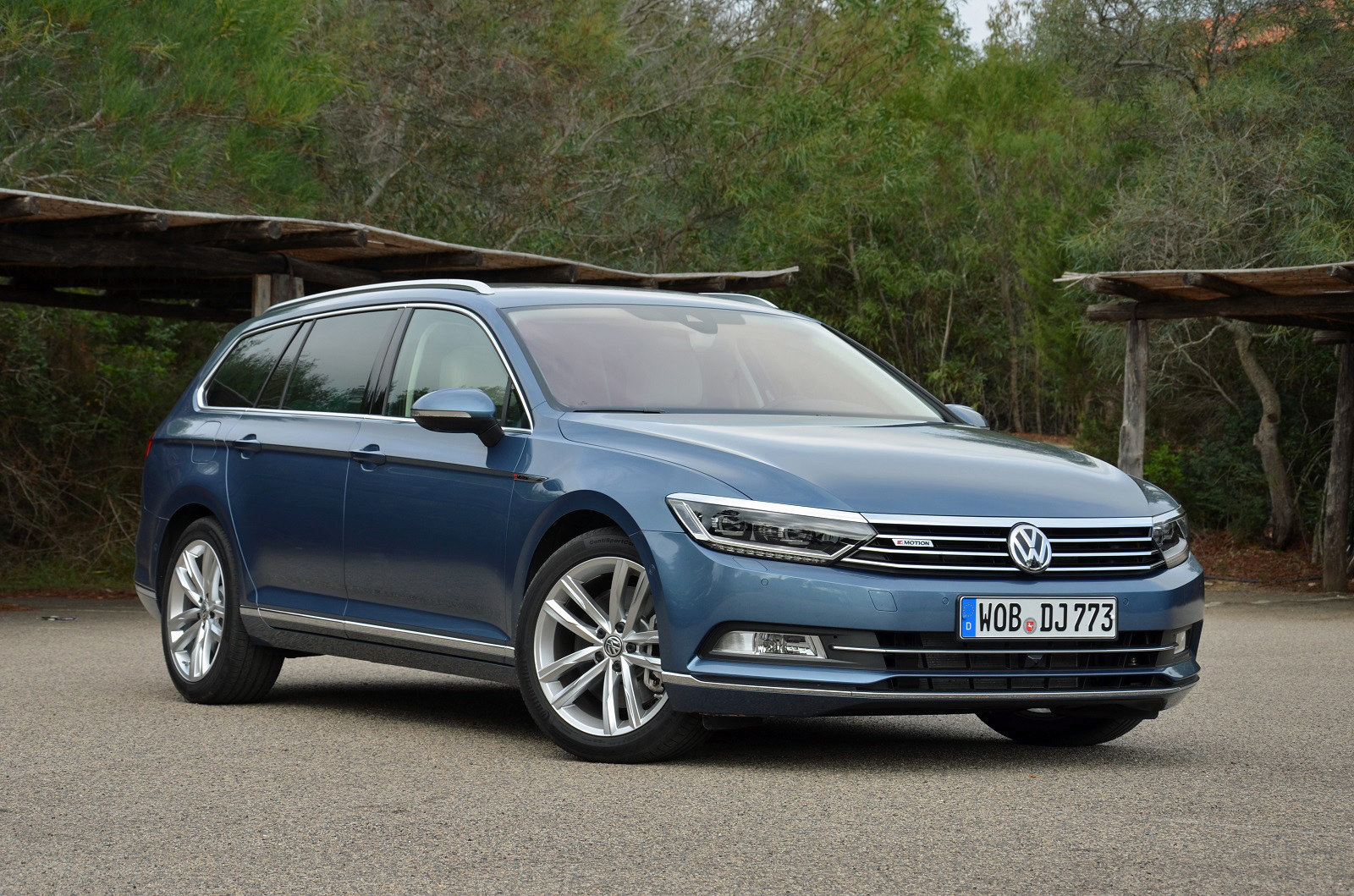
For years, motorists on both sides of the Atlantic drove roughly the same Volkswagen Passat. That changed when the German company gambled on reaching more buyers and decided to develop a Passat specifically for the US, and built at its large plant in Tennessee.
The Passat Europe got is handsome, well-appointed and sharp to drive in the right conditions; however the Passat that America received was a cheaper car didn’t look as good and had less equipment. Fortunately, the latest US Passat, launched in 2019, is much better.
Aston Martin Lagonda Taraf (2015)
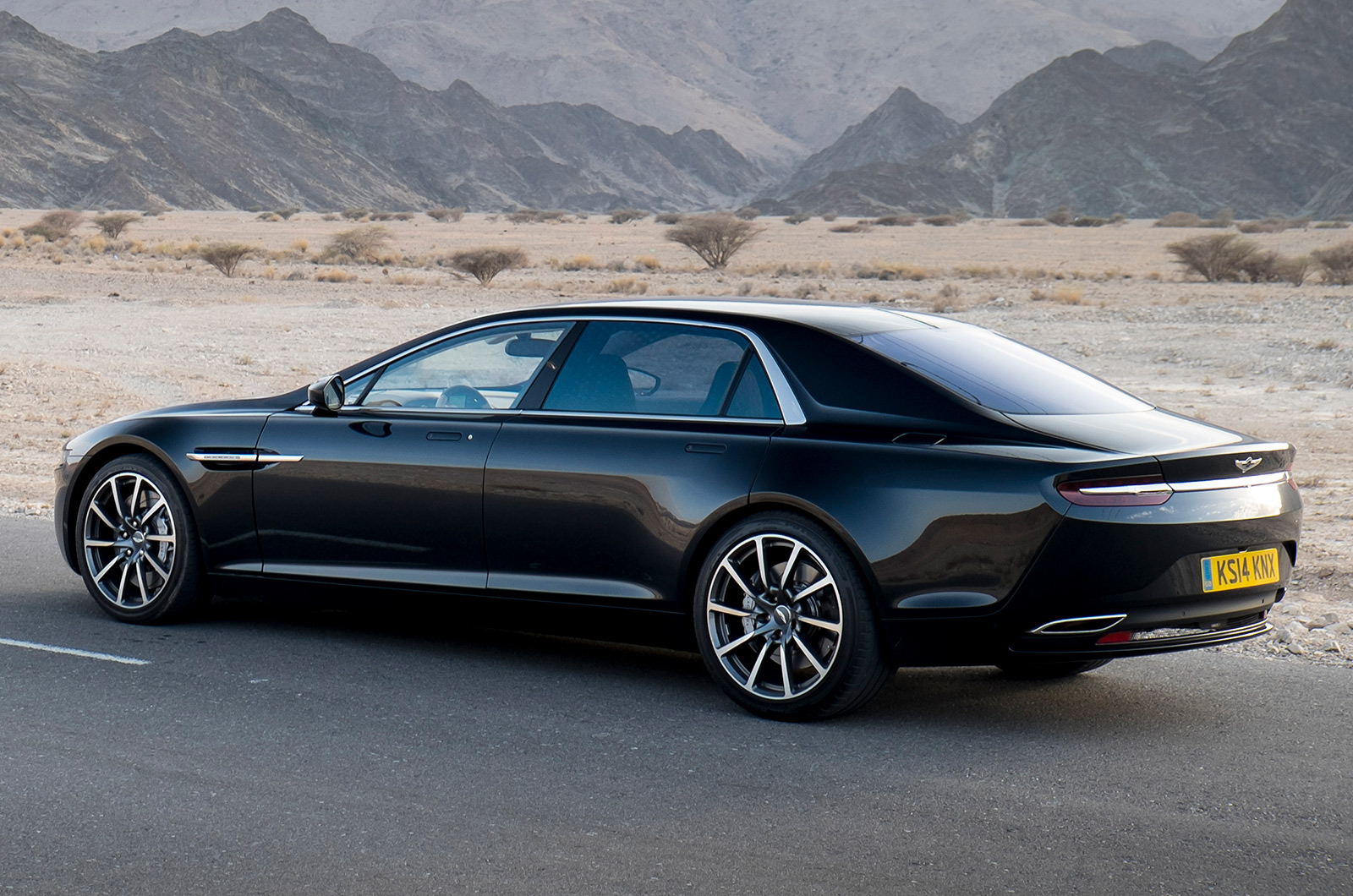
Seemingly from nowhere up Aston Martin launched this graceful super-sedan, designed for wealthy folk in the Middle East with an extraordinary price tag to match – around $1 million. Apart from the price, we rather admired its V12 pace and credible claim to be an uber sports limo.
200 examples were planned but that large price tag led to just 120 or so being produced, and none made it to America.
Audi RS3 Sportback (2015)
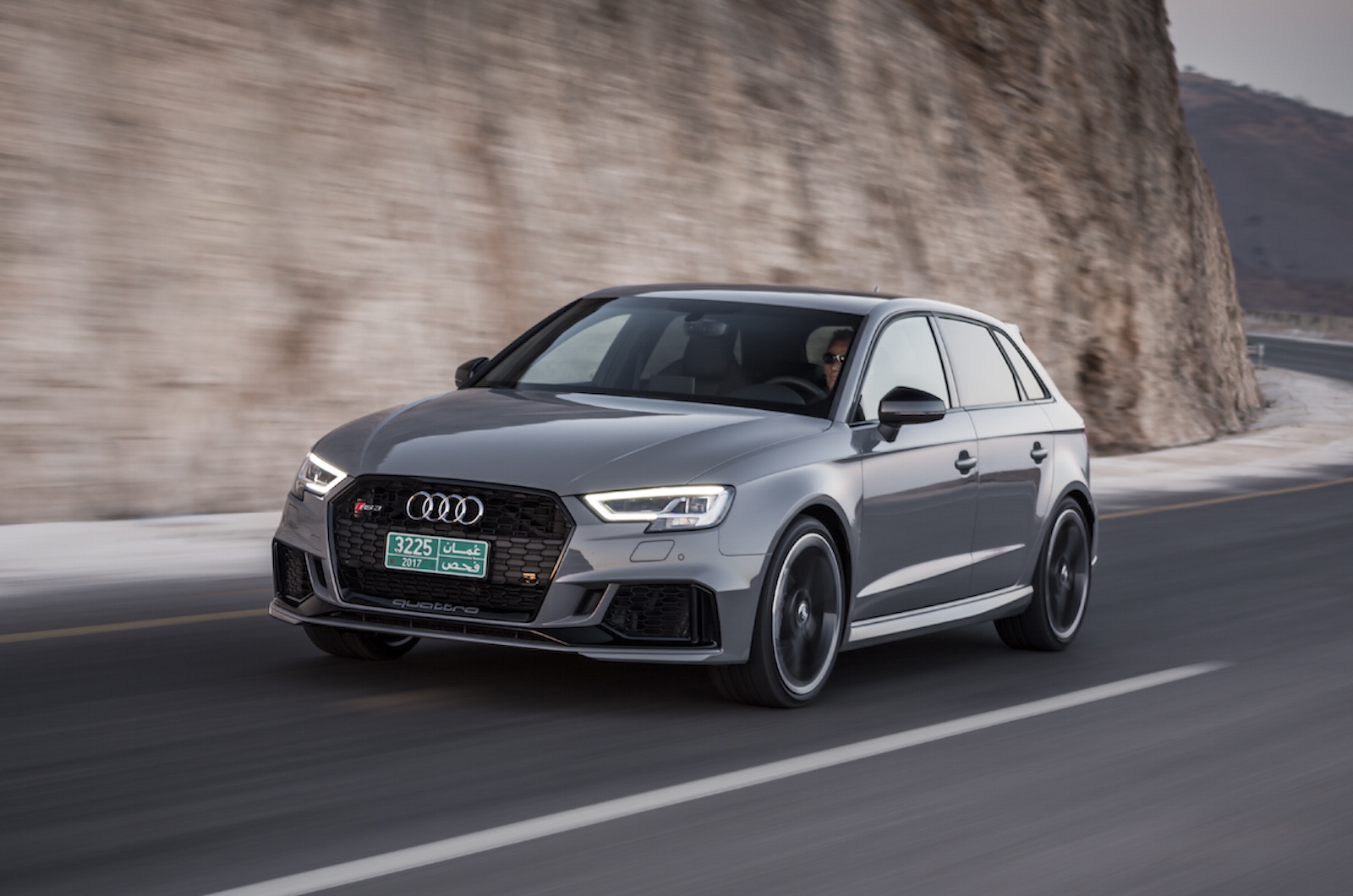
America has been able to get its hands on the RS3 in saloon form since 2016, and it’s a scintillating machine: it delivers 396bhp from an oddball 2.5-litre straight-five-cylinder engine. Europeans also get to buy that version, but they can also buy it in proper hot hatchback Sportback guise as well, which is a whole load more practical, and has stealth properties to boot.
Alpine A110 (2017)
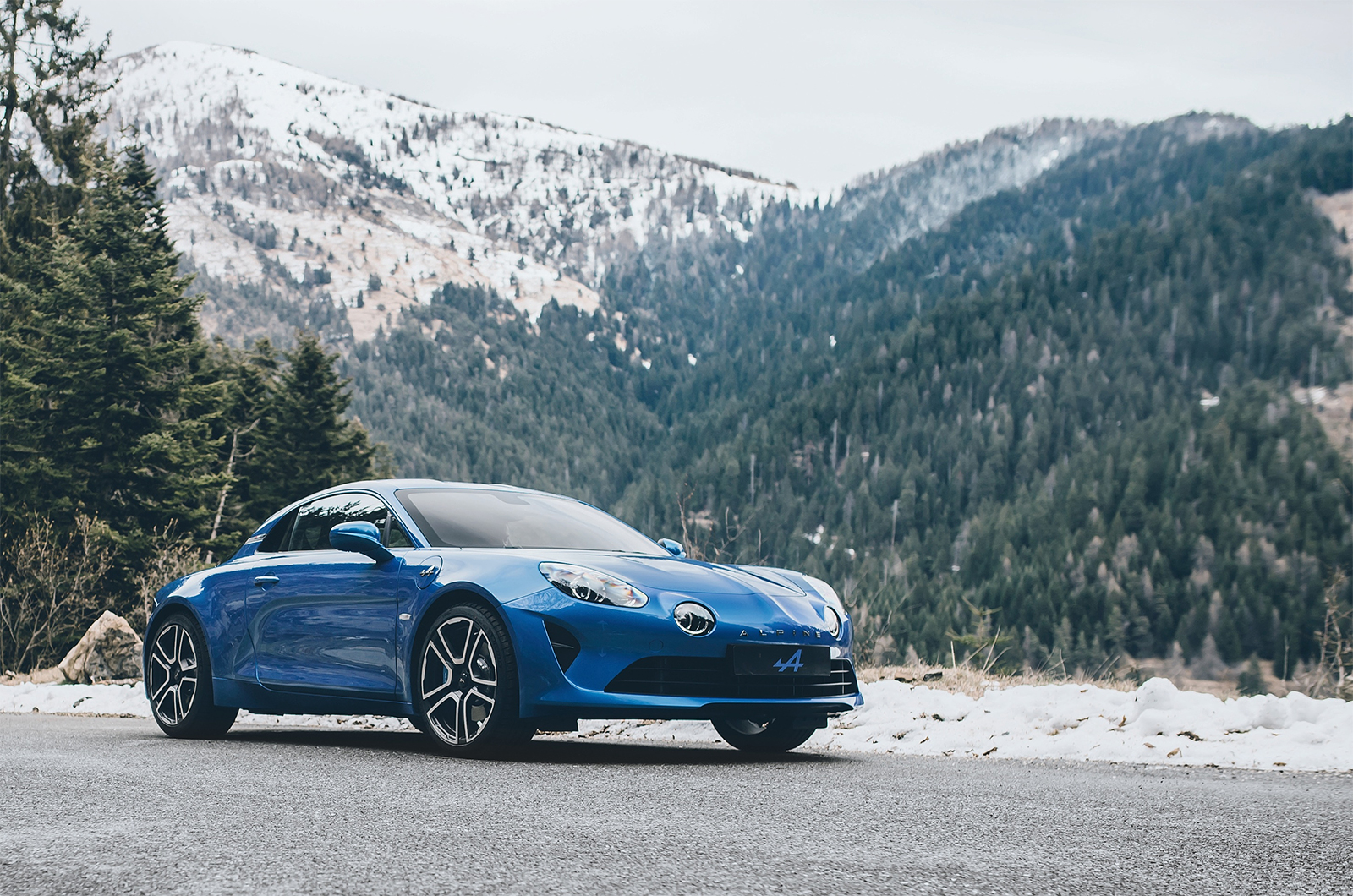
When you drive the A110 you discover one of the best-resolved sports cars ever made. But while it sounds like a budget Porsche Cayman would do well in the US, one of the largest markets for coupes in the world, the car won’t be available in the US.
Among other challenges, Alpine and parent Renault lack a dealer network there.
Volkswagen Up GTI (2017)
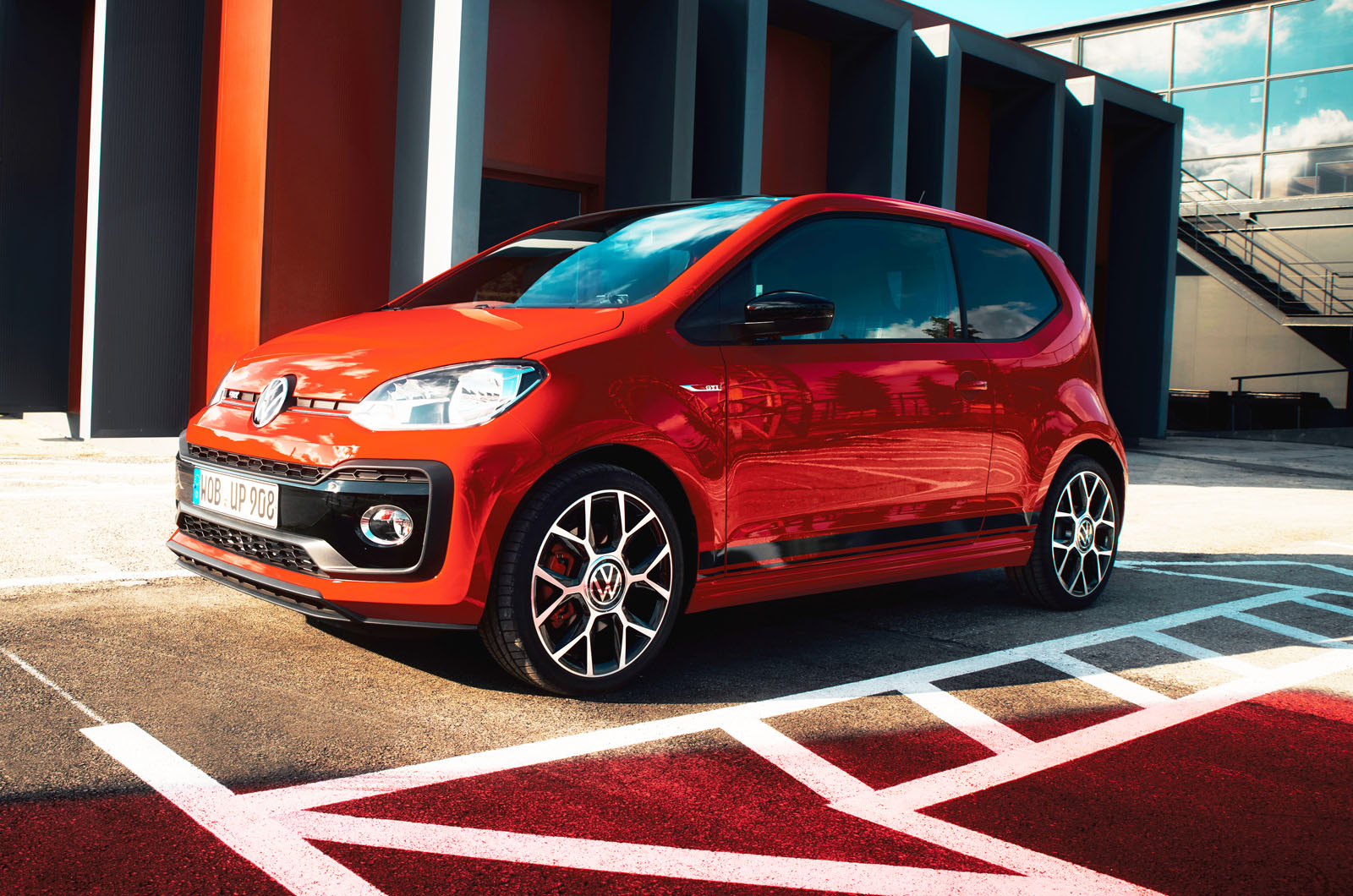
The Up is a useful enough citycar, but in GTI form it becomes a proper bundle of fun. Sure, a 1.0-litre engine delivering 113bhp doesn’t sound like it will light up your life, but it comes in a small 3600mm-long package and weighs just 997kg.
We think it’s as genial and charming a car as any pint-sized hot hatchback and may even be the most desirable of the lot.
Suzuki Jimny (2018)
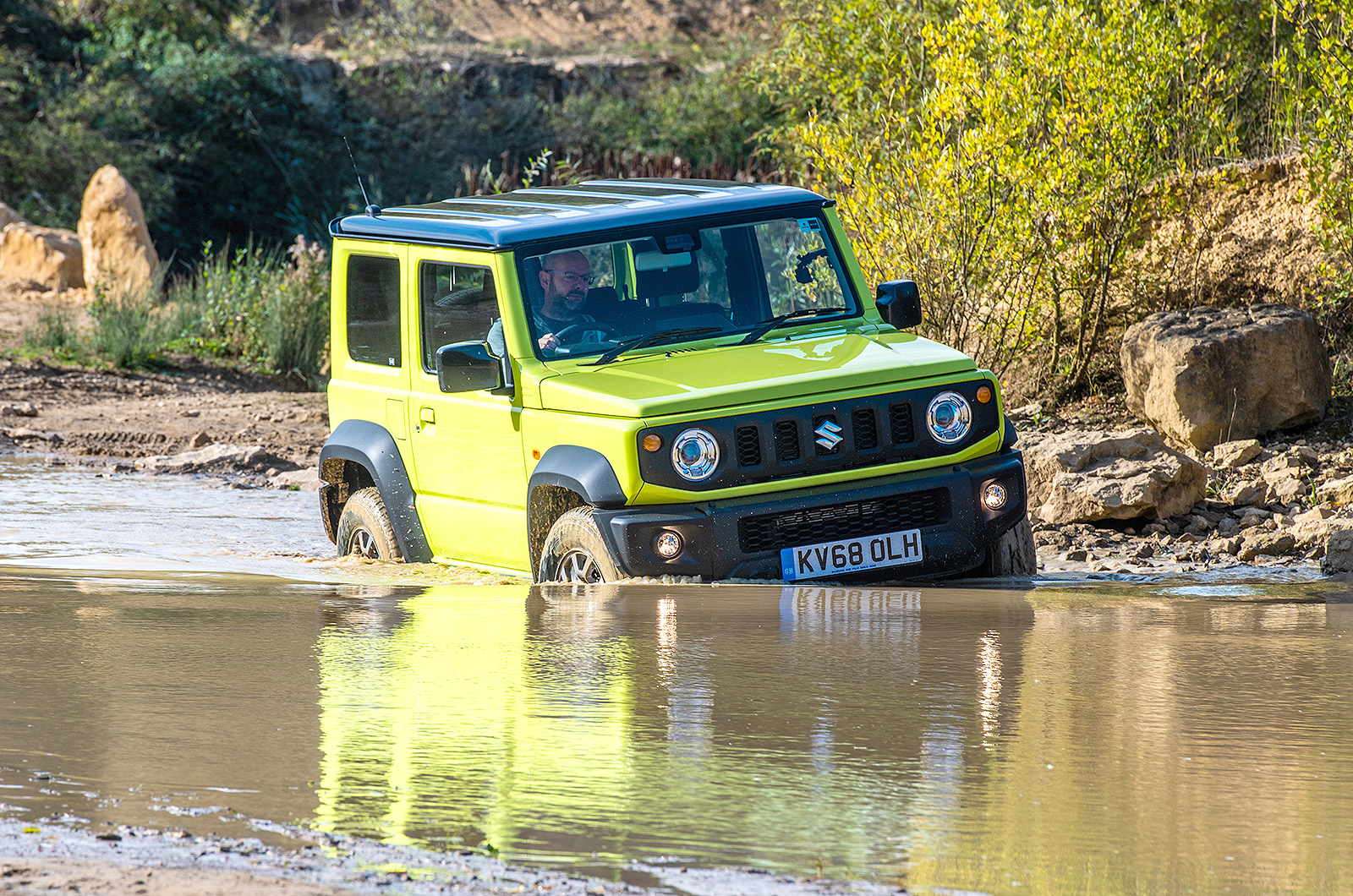
Suzuki quit the American market back in 2013, but even when it was present it never sold the Jimny mini-SUV in the US. Americans expect their SUVs to have a certain minimum size, and the diminutive machine may be cute but at 3480mm (137 inches) it’s not entirely practical, nor is it much fun at all on a fast highway.
This is a shame because it’s a charmingly capable mountain goat, capable of springing around harsh environments with alacrity, helped by its low weight of just 1135kg. Sure, it only has a 100bhp engine and is no hotrod, but we’re huge fans of this small four-wheel drive - complete with switchable low range gearbox as standard - that thinks big. And now it even has modern-day equipment like Apple Carplay and Android Auto. It's a shame that strict emissions rules brought its life to an early end in Europe, in 2020, though it lives on as a commercial vehicle, without rear seats.
With prices starting at the equivalent of US$28,000 (€25,800), we can’t help but think it would find some fans in mountainous parts of America.
Audi RS 4 Avant (2018)
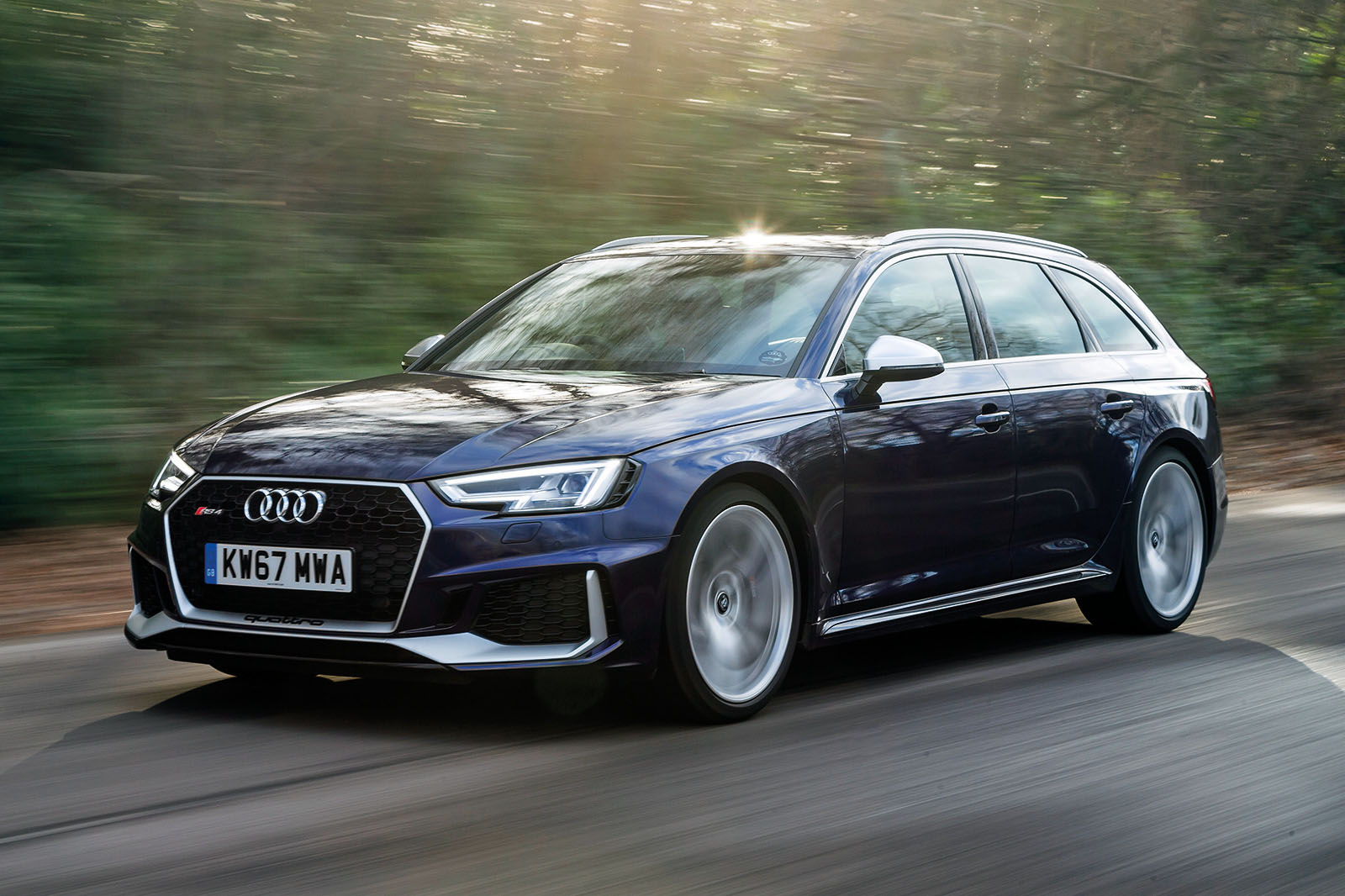
This car was unveiled at the 2017 Frankfurt Motor Show and offers a 2.9-litre turbo V6 giving 444bhp and 0-62mph in just 3.9sec, all in a relatively compact 4781mm package.
But not in America, where the most potent A4 you can get is an S4, and then only in saloon form; at least the Audi RS 6 Avant is available.
Ford Fiesta ST (2018)
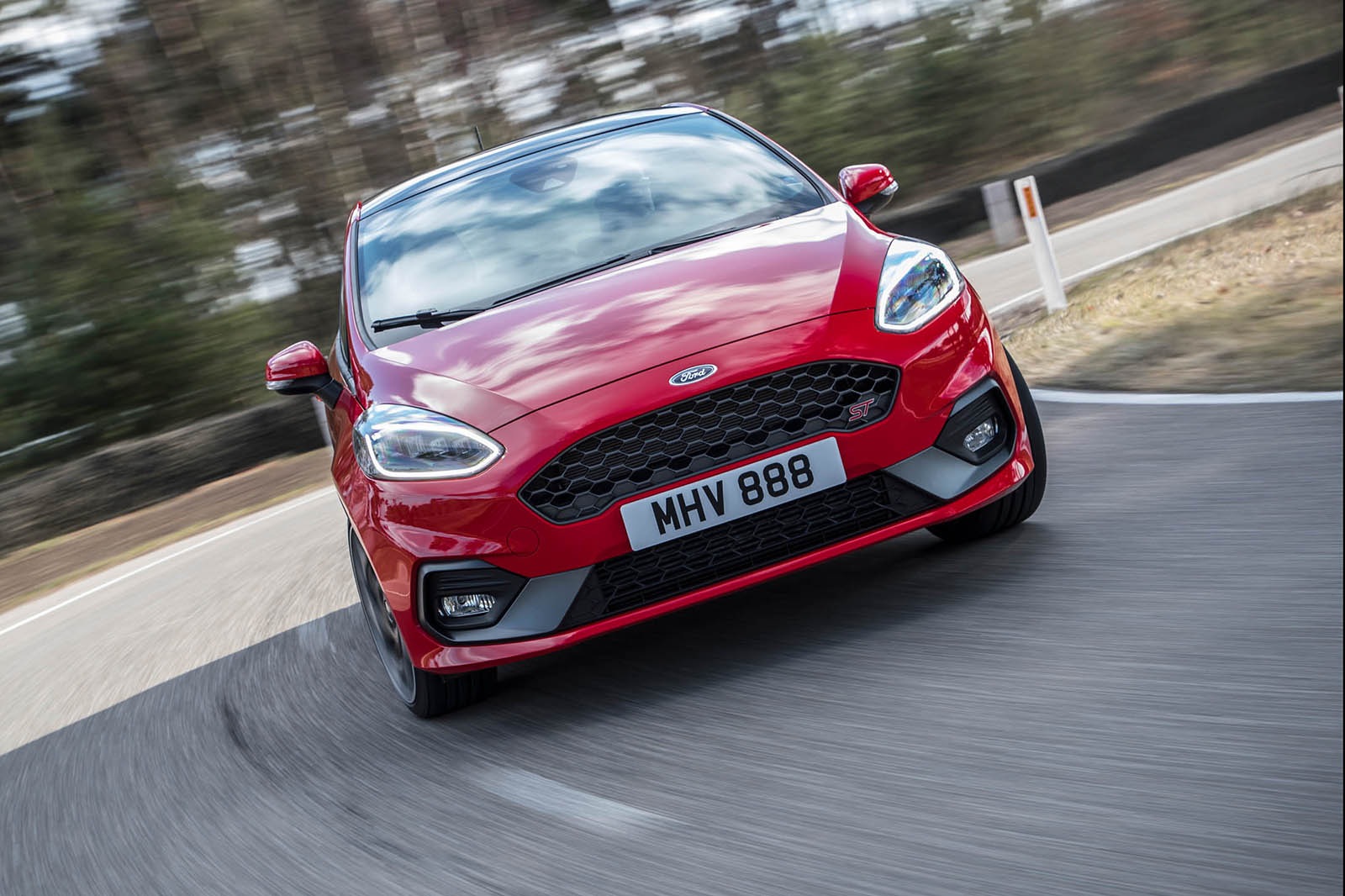
The previous model Fiesta ST held the title for being one of the very best hot hatchbacks and the new generation retained that title. The hot hatch is powered by a three-cylinder 1.5-litre Ecoboost engine which makes 197bhp, 17bhp more than the older generation.
Sadly this new generation Fiesta ST never got to America since the entire Fiesta lineup was withdrawn in 2023.
Ford Focus ST Estate (2019)
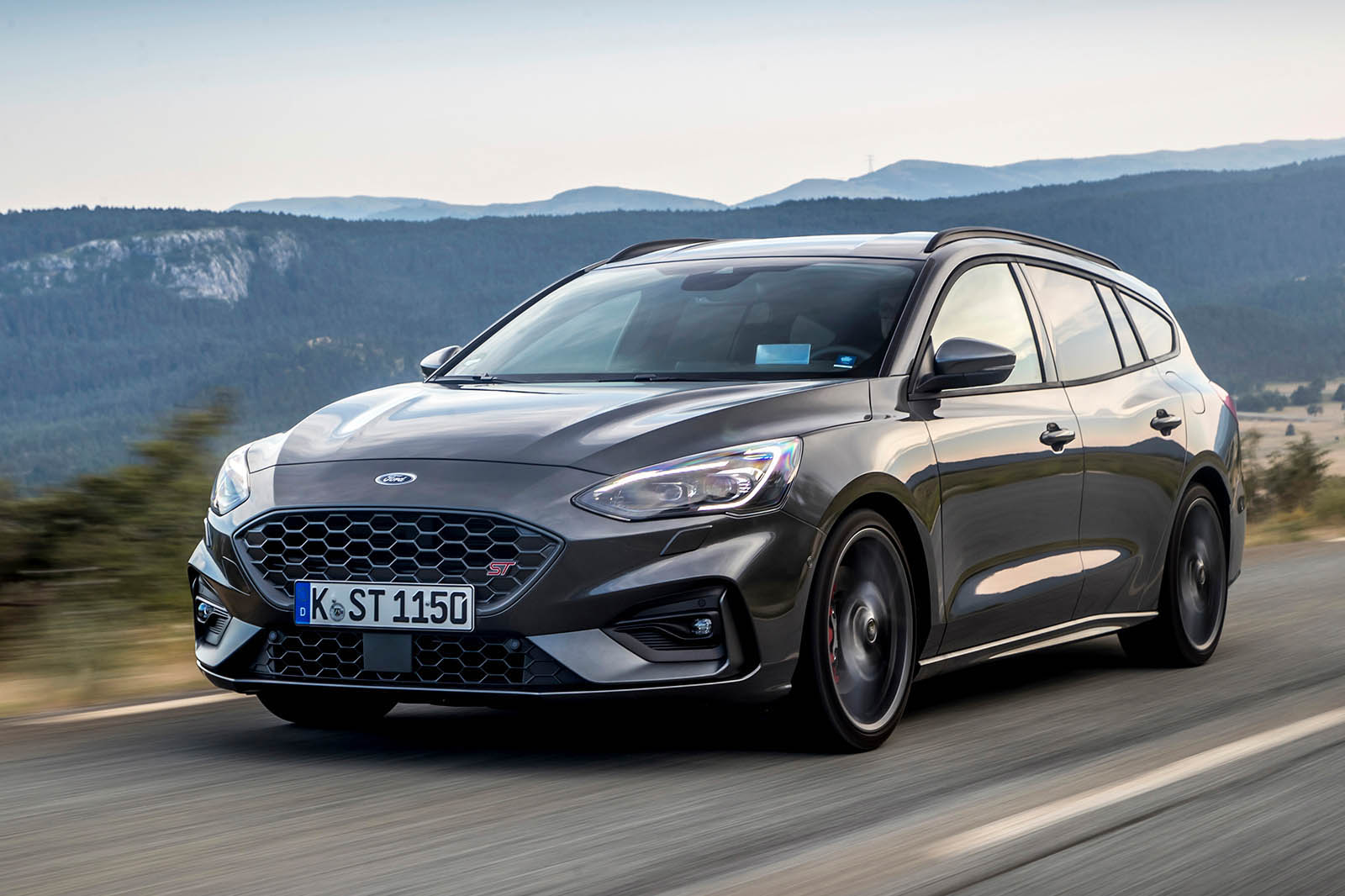
In Europe buyers for a while could can get the latest Focus estate in both 187bhp diesel and 276bhp petrol forms, Americans could not buy either car, and the US didn’t receive the latest Focus at all.
Which is a shame, as the Focus RS acquired quite a following in America in its brief stint on sale, and we dare say this slightly less hot ST version of the latest model might have had a few fans too.
Volkswagen ID 3 (2019)
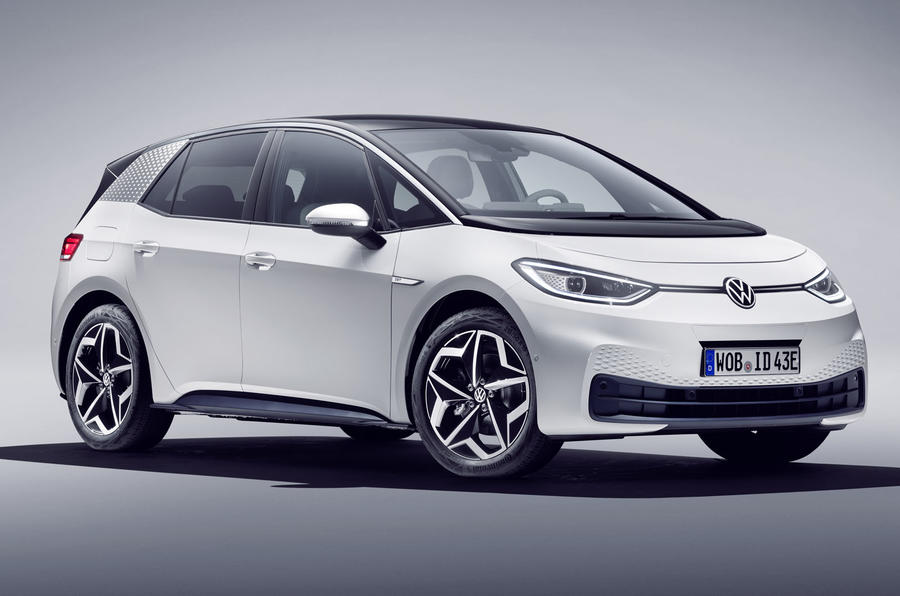
After a troublesome few years, Volkswagen aimed to change its image wholesale with the launch of its first mainstream all-electric model called the ID 3, which in some versions has a single-charge range of over 300 miles.
But despite the success of Tesla’s Model 3 stateside the ID 3 rival won’t be coming anytime soon. America instead gets the ID 4, an SUV sister vehicle built at VW’s plant in Tennessee.
Honda E (2019)
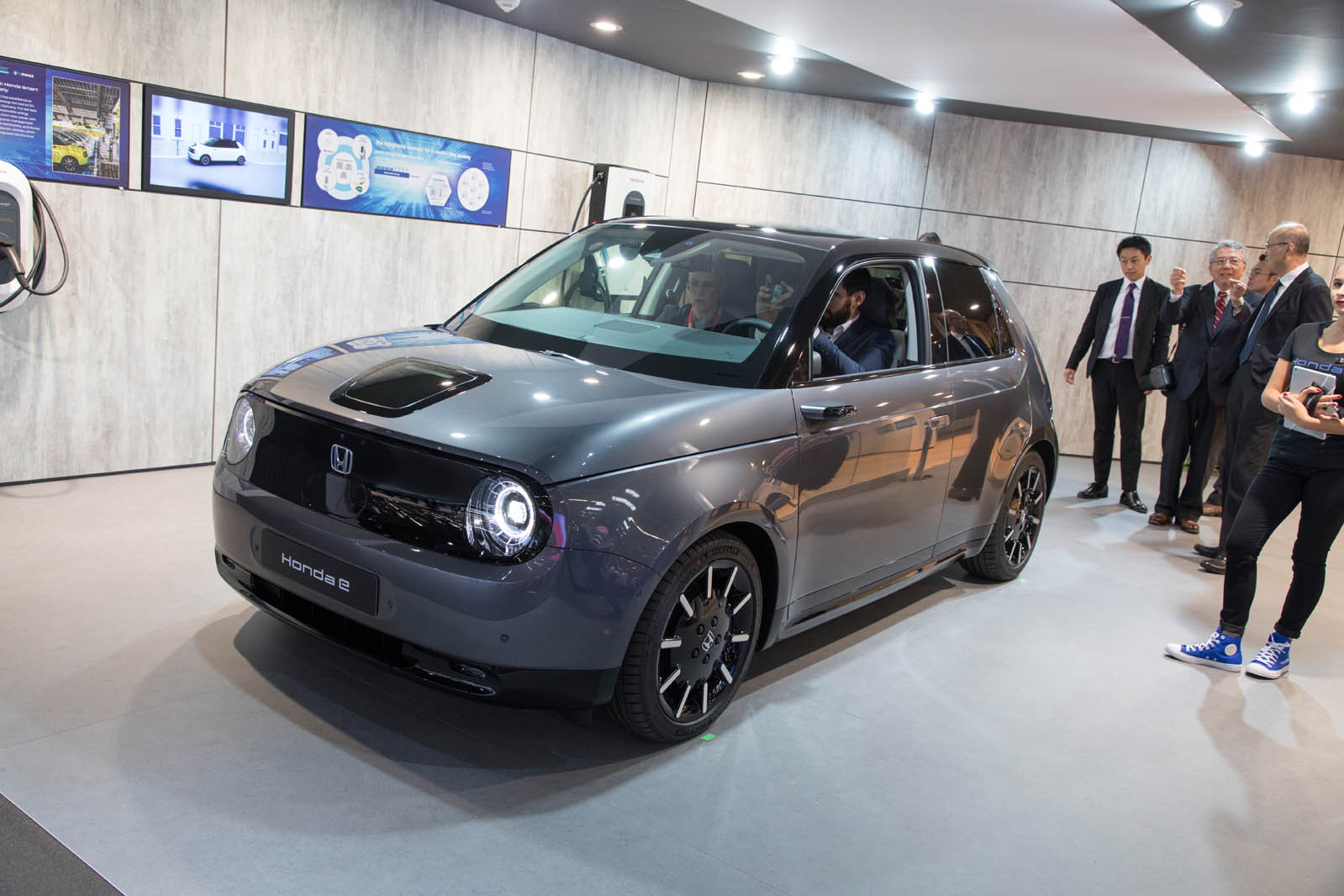
Honda’s cute little urban electric car, the E, also didn’t come to America. That was probably because of the E’s small size (its length was 3894mm – 153 inches) and meagre 130-mile range; average American journeys tend to be a fair bit longer than in Europe or Japan, though we reckon it might have been popular in places like New York City and San Francisco, nevertheless.
Sadly its limited range seems to have counted against it in Europe and Japan, and sales were disappointing; it was cancelled in 2024, after less than four years on sale.
Mercedes-Benz A45 S AMG (2019)
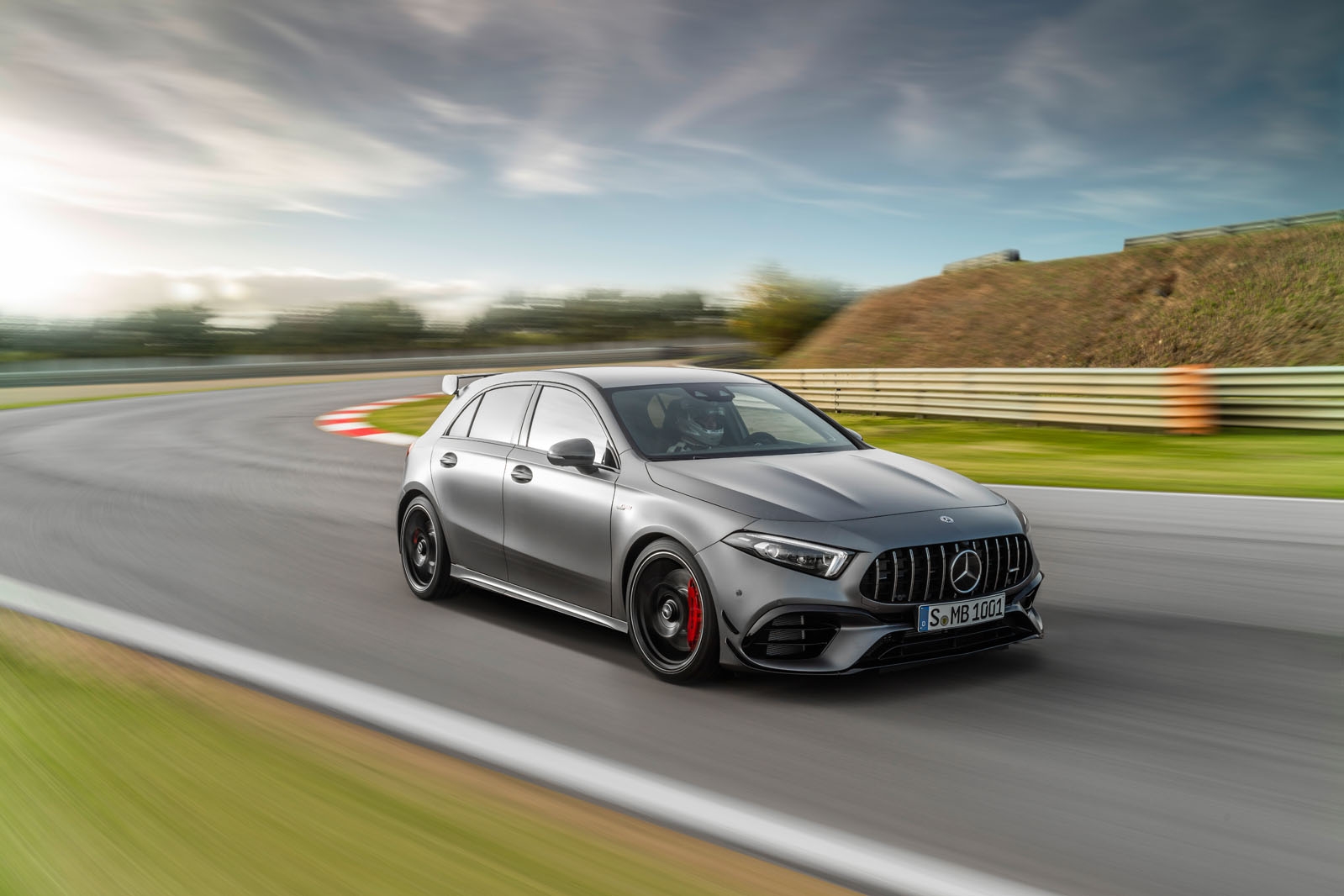
In 2019, Mercedes unveiled its latest pocket-sized hotrod, the A45 S AMG. This remarkable car features a 415bhp engine that gleans all that turbo-charged power from just a 2.0-litre four-cylinder. And while markets in Europe may have no problem spending very serious money on a four-cylinder hatchback, America is different.
America did eventually get the 45 S engine, but only in the CLA model, in late 2023 as a 2024 model. Europe gets the model in shooting brake wagon form as well, but America is again a no-go.
Ford Puma (2020)
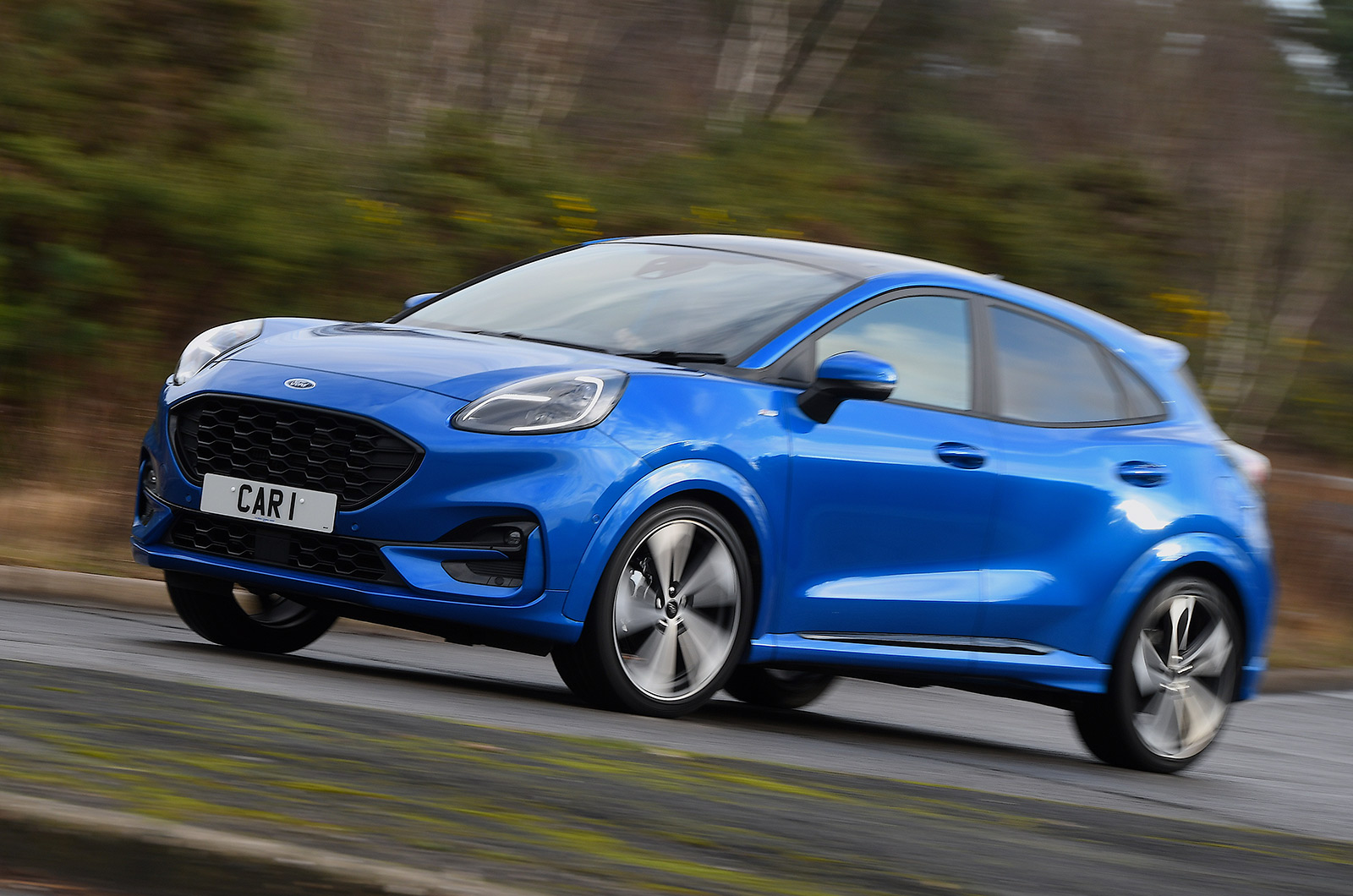
The Puma name was first used on a well-regarded small sports saloon based on the Fiesta, sold in Europe between 1997 and 2001. The name’s was revived on a compact SUV built in Romania, and it’s one of the very best of the type you can buy.
It’s great to drive, interesting to look at, and has strong economy due to a 48V mild-hybrid system. There’s no word on a US appearance, which is shame.
Toyota GR Yaris (2020)
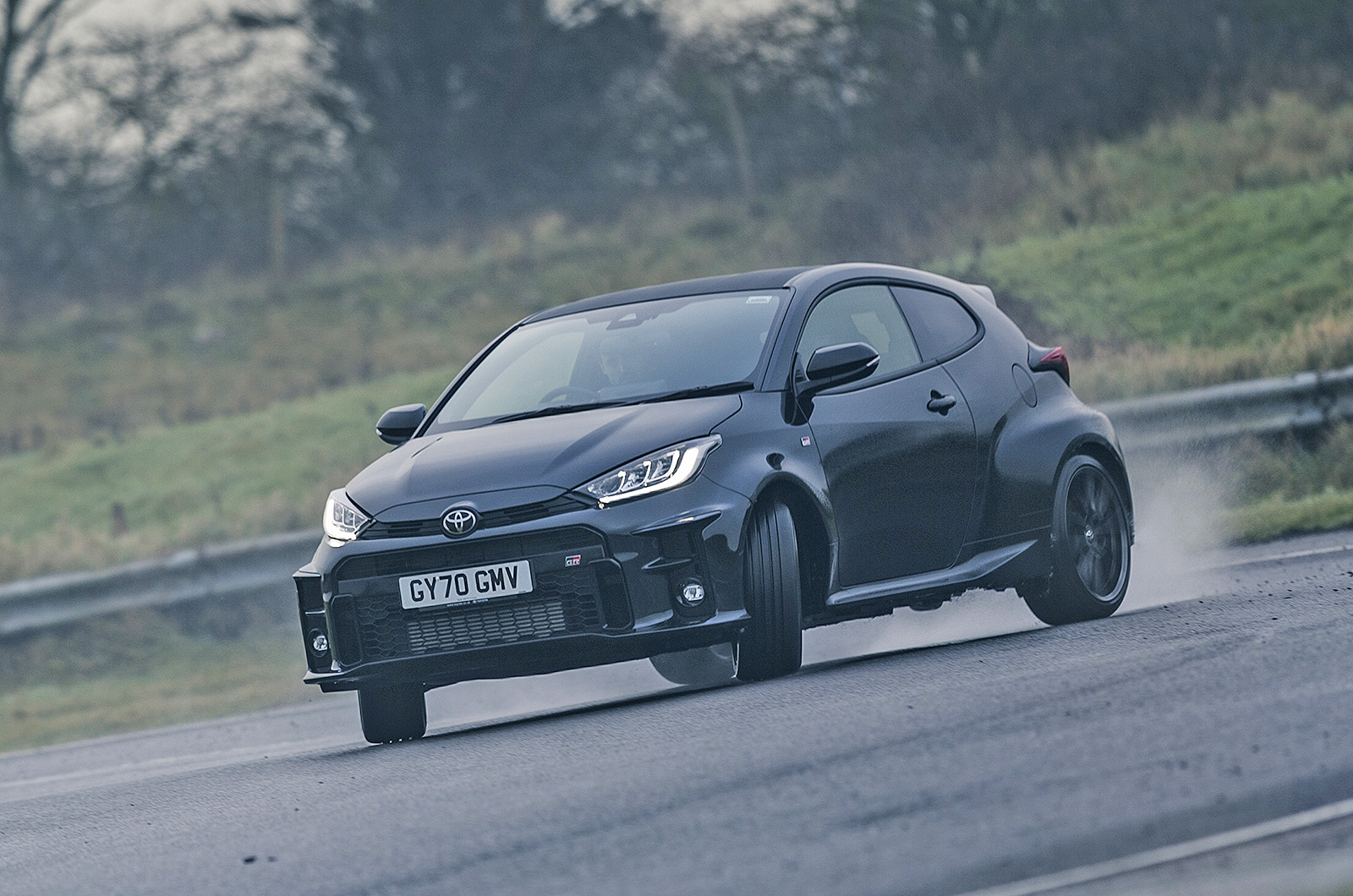
The GR Yaris is one of the most exciting small cars made this century. It fizzes along with a cool 276bhp from a turbocharged 1.5-litre engine driven through a six-speed gearbox, and is hilarious to throw around on a country road. But the Yaris is deemed too small for the US market, which means America doesn’t get the GR Yaris either.
Mercedes-Benz Unimog (2021)
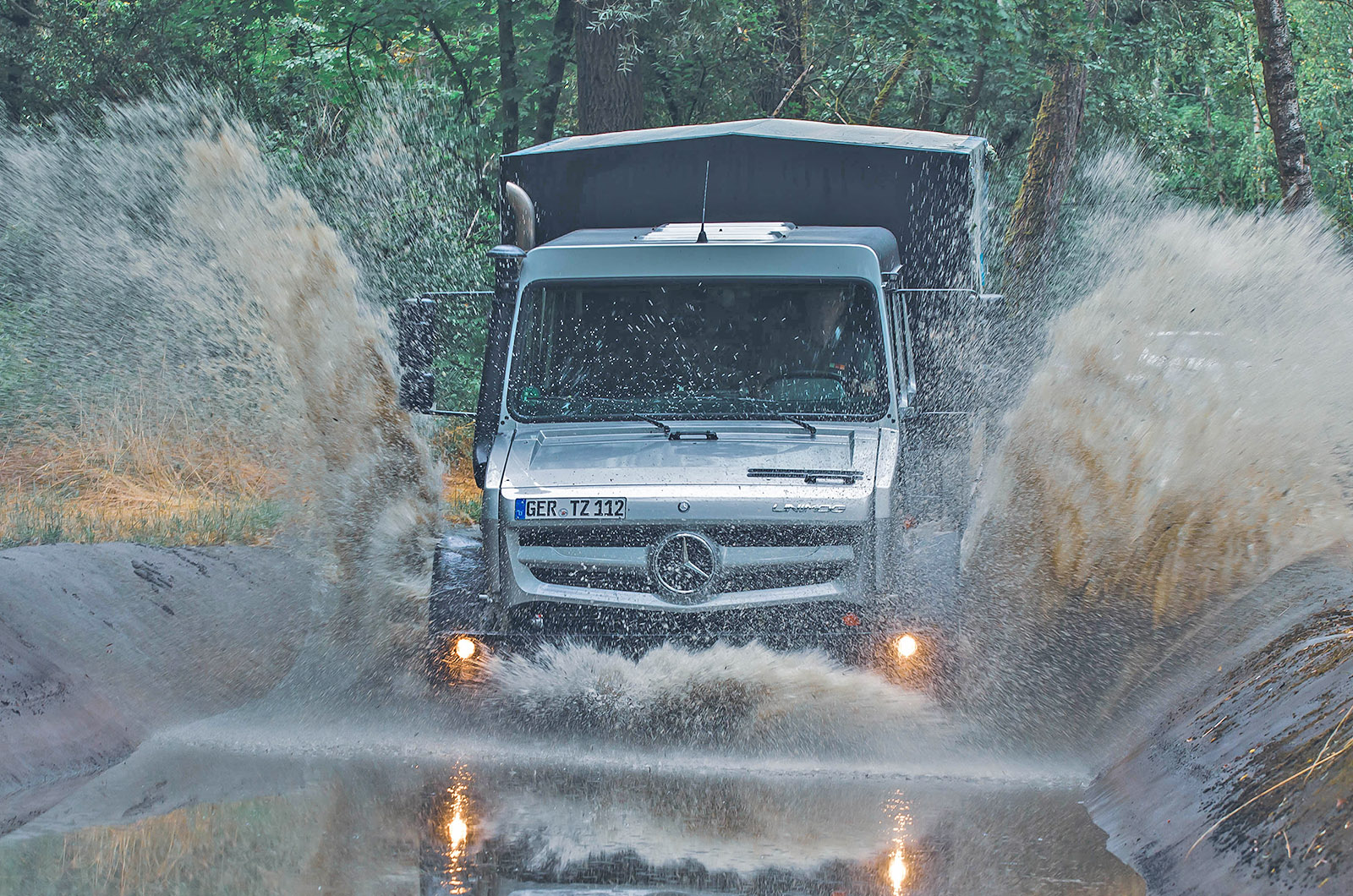
The Unimog has a cult status these days both because of its unusual looks and its amazing off-road capabilities. Simply speaking, there is nothing better in the rough stuff this side of a tractor. Small wonder then that they’re the vehicle of choice for emergency services, farmers and the military across the world – just not in America.
The model was briefly sold in the USA in the late 1970s, but we think it could do very well in a market that loves its rough and tough off-roaders…
BMW M3 Touring (2022)
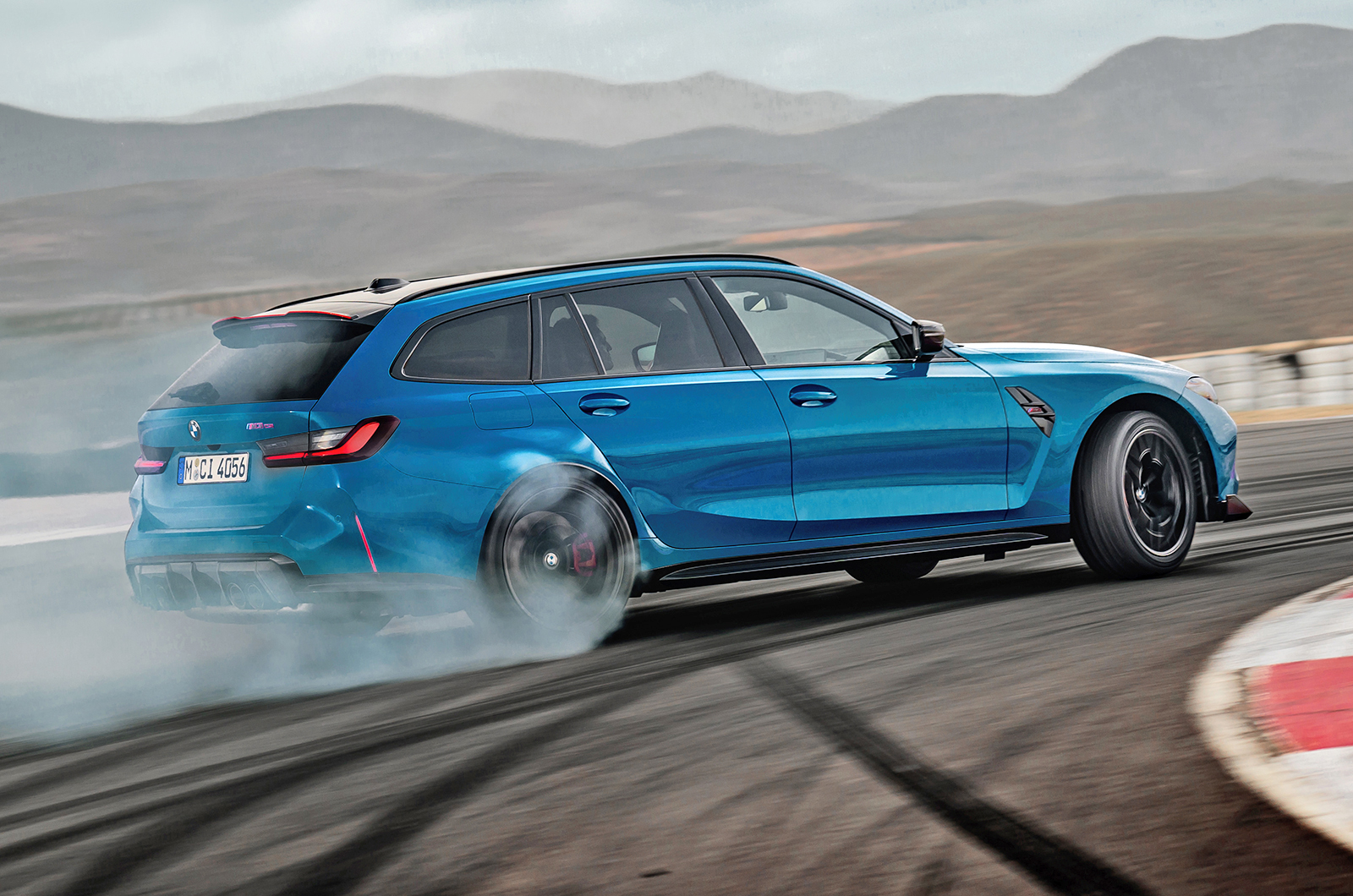
BMW sells plenty of M3s and M4s in America, so perhaps it would be a natural home when Munich made the brave decision to make the first wagon in the M3’s long history. It enjoys the same 502bhp turbocharged six-cylinder engine and engaging handling as the other shapes in the M3/M4 range – but with far more space for family, stuff, and dogs.
But the USA doesn’t really like wagons much these days, so no M3 Touring.
Renault 5 (2025)
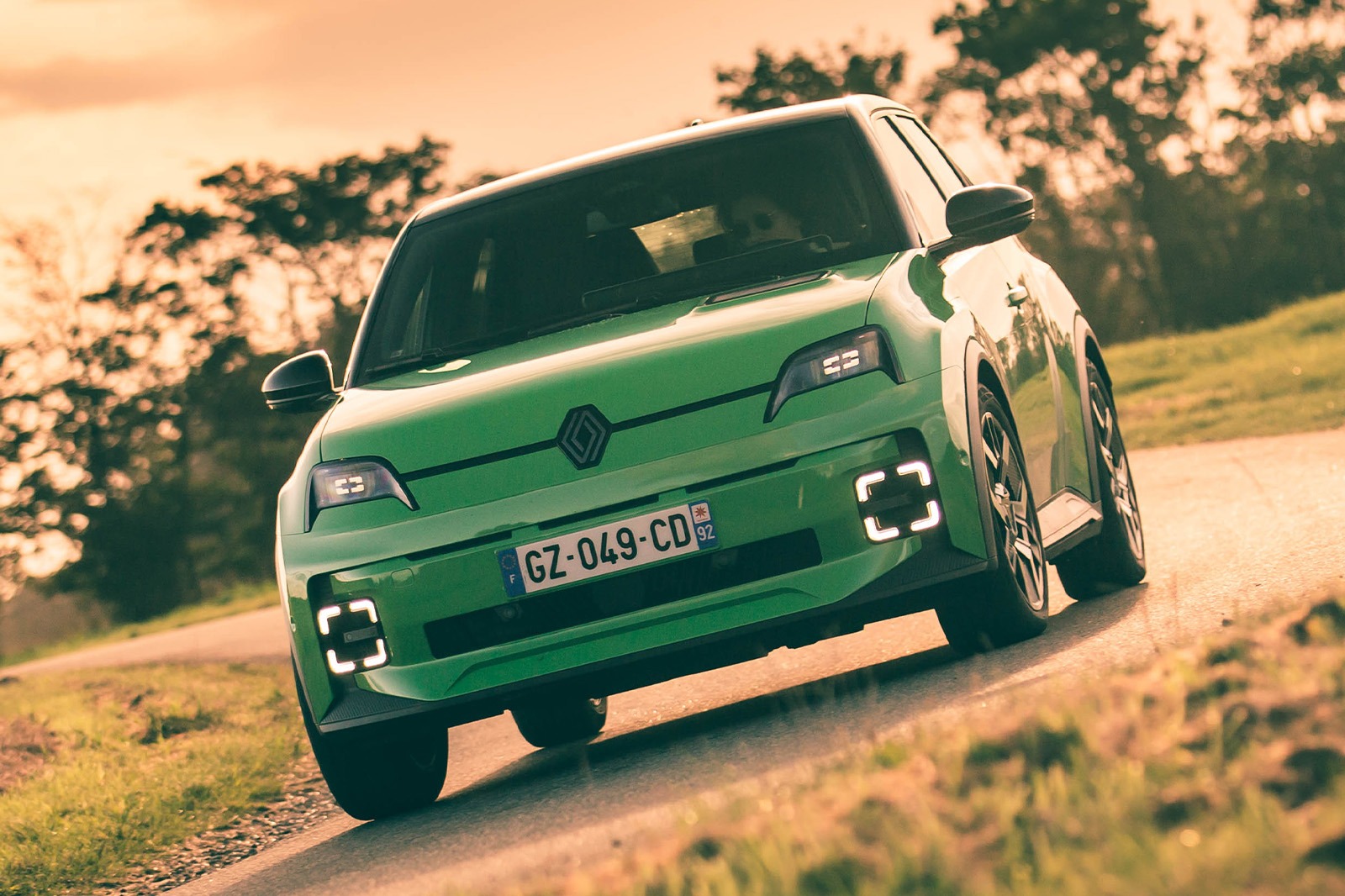
Electric cars are all really expensive and always too large and heavy, right? Well, there’s some truth to all of that, but the industry is responding, in Europe at least. The new Renault 5 is small, relatively light (1449 kg – 3188 lb), but still practical enough for four people and their luggage. It has a decent real-world range of around 200 miles, and all for the equivalent of $29,000 or so.
But Renaults haven’t been sold in America since 1987, and that isn’t changing anytime soon.
Skoda
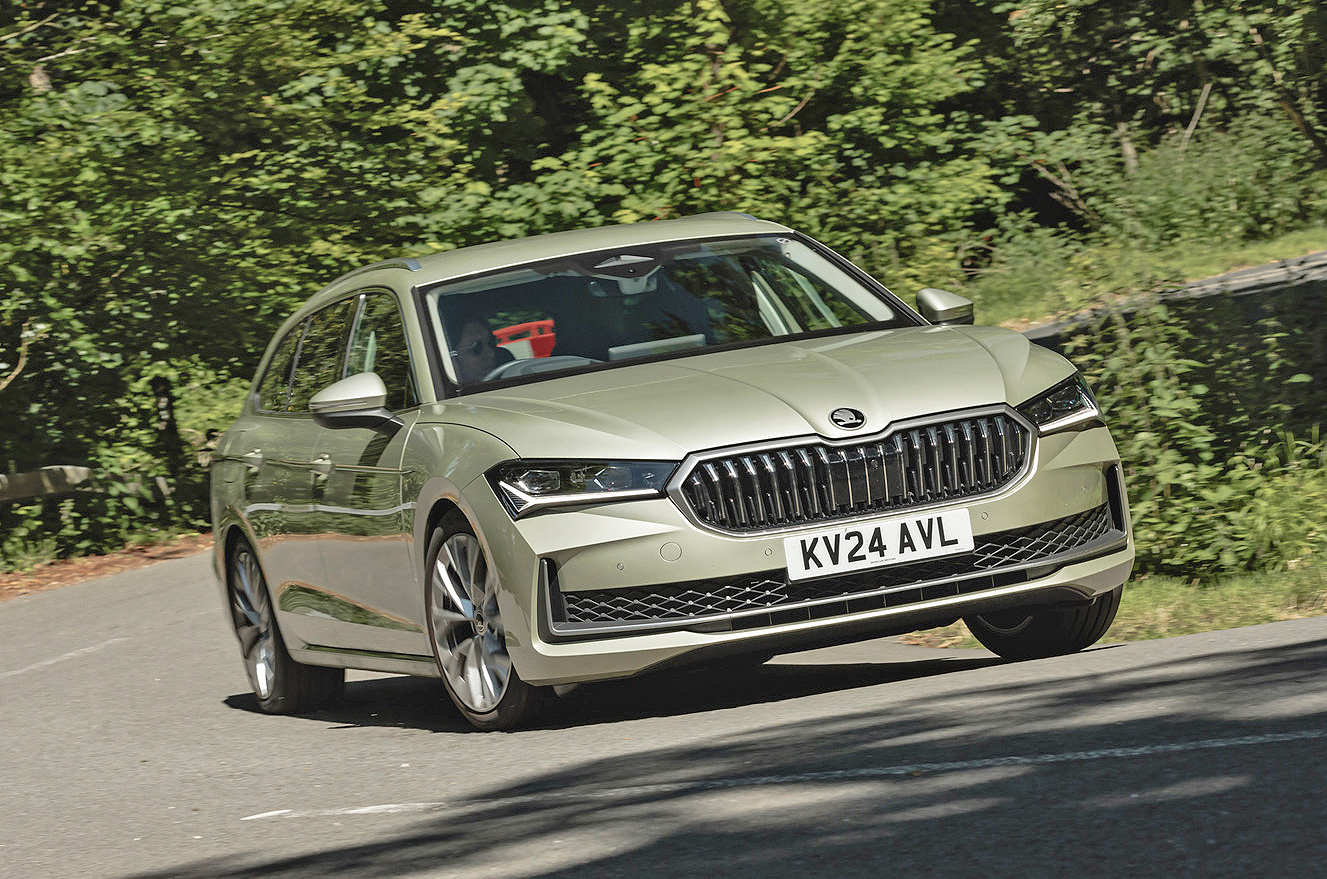
Skoda sold cars in the US between 1946 and 1967, well before Volkswagen purchased and rejuvenated the brand, but is no longer present in the market. Among other cars, America is missing out on the Superb (pictured), a well-appointed but reasonably-priced saloon and estate car that effortlessly cruises for hours on end.
Rumour is that an entry into America was actively contemplated until the Dieselgate scandal in 2015 turned everything upside down at VW.
SEAT/Cupra
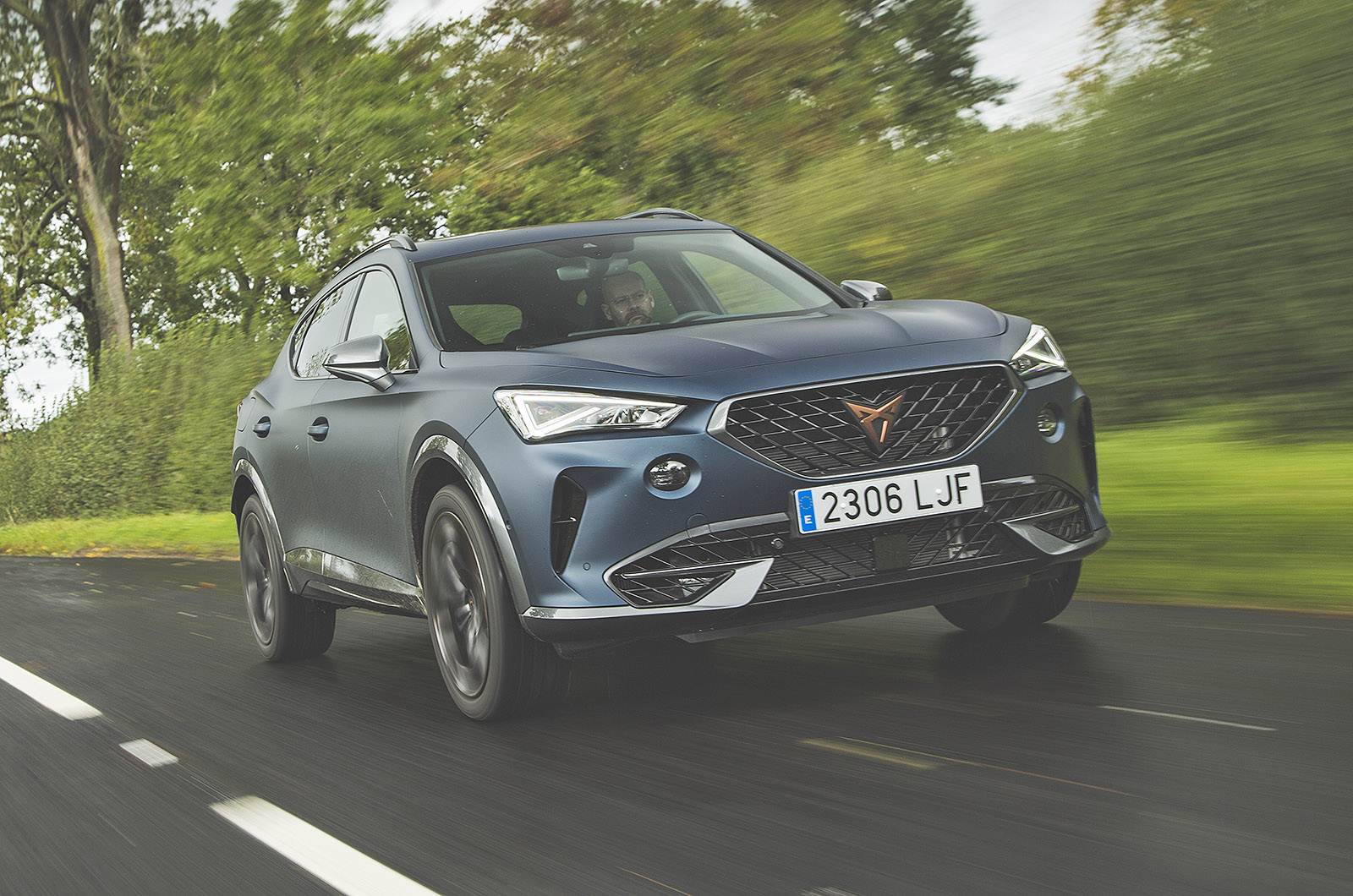
SEAT is one of the few European automakers that has never sold a single car in the US. For decades, exporting cars was impossible because the brand operated as Fiat’s Spanish satellite. Its international presence has grown considerably since it joined the Volkswagen empire in 1990, but America has never been on the list.
Part of the issue lies in its name, no doubt. VW would probably do better with its new SEAT spin off brand Cupra, which at least doesn’t have the name/language issue, and also makes some great cars like the Formentor crossover (pictured).
If you enjoyed this story, please click the Follow button above to see more like it from Autocar

Used EV Prices Surge as Fuel Costs Shift Demand, While Porsche 911 Values Plummet

Hemi V8 Revival Drives Dodge Durango to Record Sales Despite Aging Platform

British Leyland’s Best Cars and Their Unfulfilled Promise Amid Industrial Turmoil
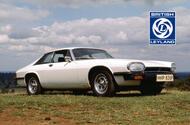 A BL badge may not be the most hallowed in the automotive world, but let's celebrate its best cars nonetheless
British Leyland: a reliable source of jokes for ‘Fawlty Towers’, Private Eye and anyone searching for a symbol of Failing Britain in the 1970s.
And it was also, briefly, the second biggest car company outside the US (after Volkswagen) after it was officially formed 55 years ago, on May 13 1968. BLMC was created out of the merger between the Leyland Motor Corporation and British Motor Holdings, then the two largest wholly British car manufacturing groups in the UK.
The resultant industrial sprawl saw Austin, Morris, MG, Triumph, Rover, Jaguar, Land Rover, Riley, Wolseley, Vanden Plas and Daimler thrown together, along with an extensive assortment of truck, bus and engineering businesses. The indigestability of this merger, together with massive underfunding and nightmarish industrial unrest saw the business shrinking faster than a lake in an Australian drought.
But that didn’t stop some interesting machines from emerging, several of them legends, before the increasingly stained British Leyland (BL) name was eliminated, in 1986. Join me as we take a look at its best:
Slideshow story - click the right arrow above to continue
Austin 1300 GT (1969)
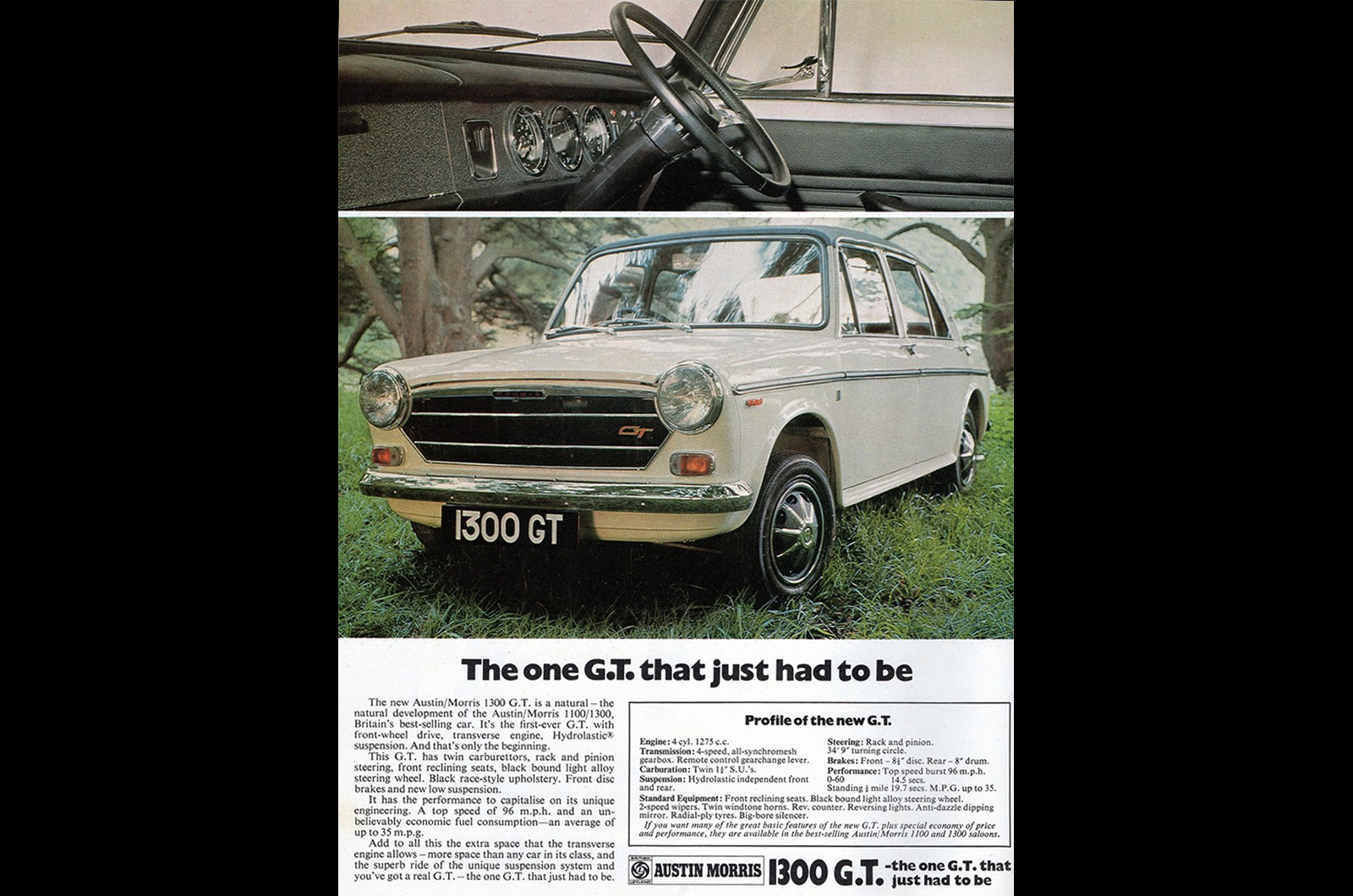
‘The One GT That Just Had To Be’. So read the ads for the vinyl-roofed, fake alloy-wheeled, twin carburettor Austin 1300, which appeared seven years after the original hugely popular big Mini that was the Morris 1100, for many years the UK's top-selling car.
Austin 1300 GT (1969)
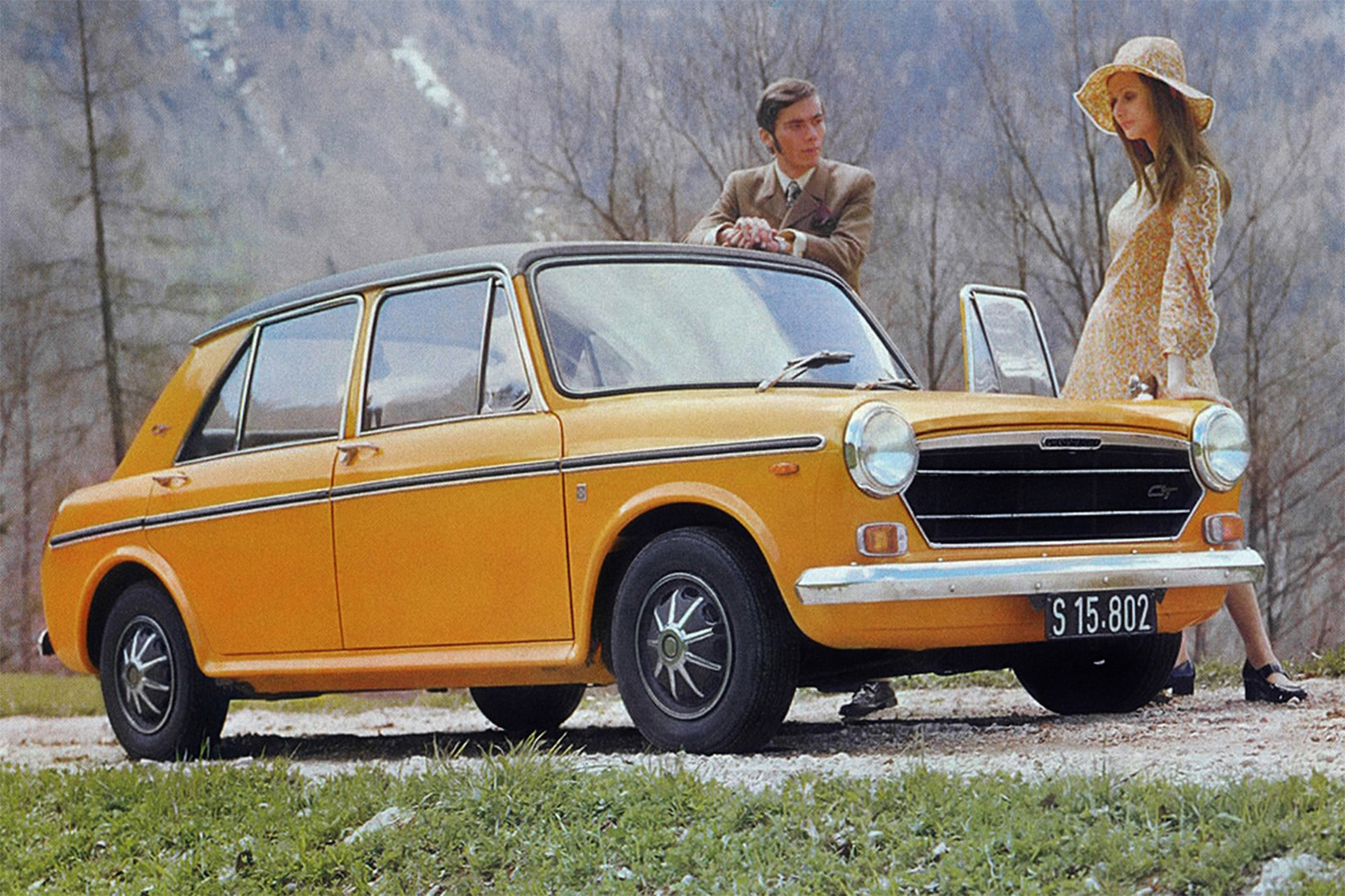
This was more than the lifespan of the average car today, but five years before the 1100/1300 went out of production. Quite a hit despite the tackiness of its modish matt black add-ons, and much-prized today. Its 70bhp might not sound much today, but back then it qualified this car as a hot hatchback.
Innocenti Mini Cooper 1300 (1972)
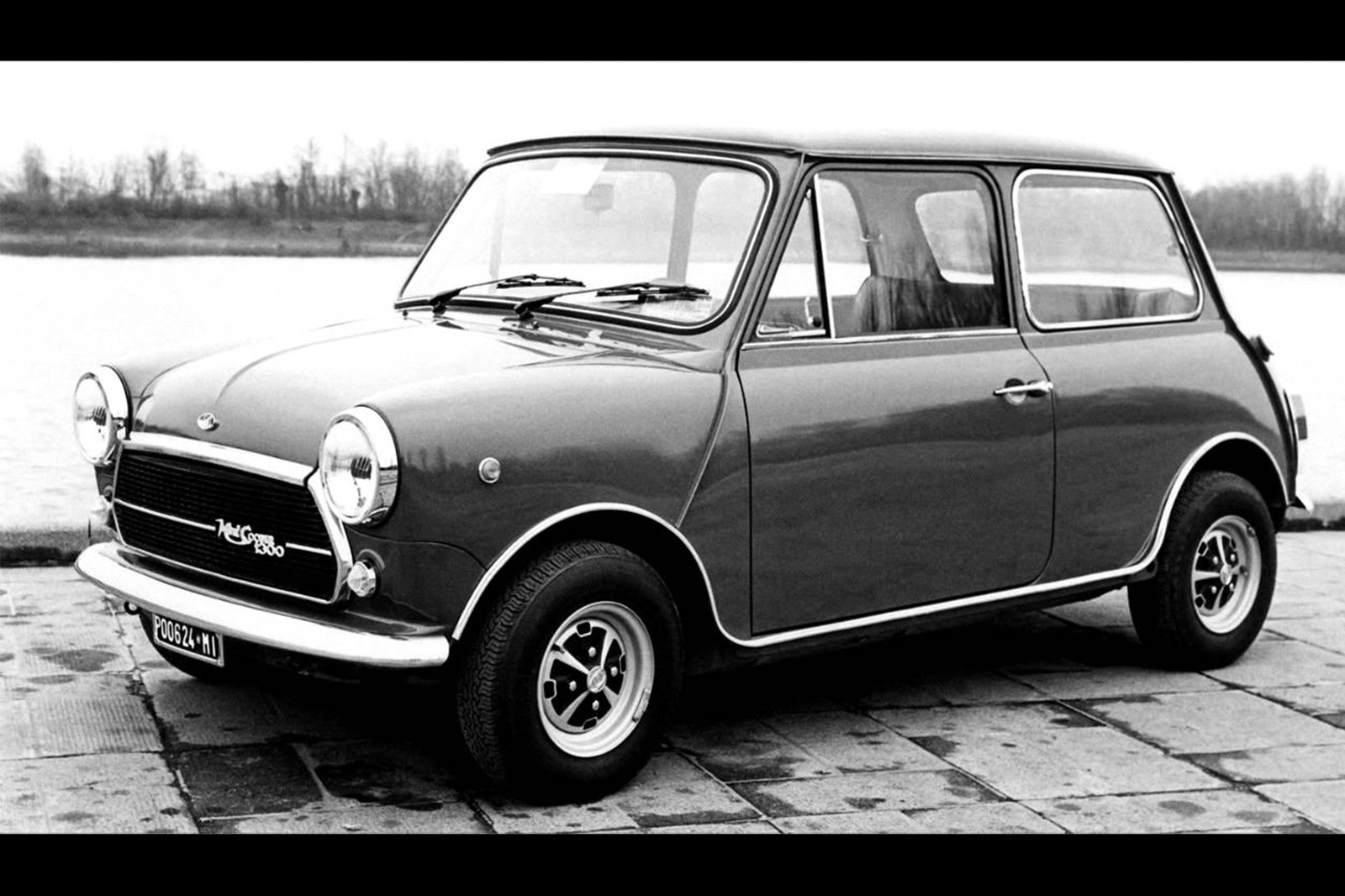
BL canned the Mini Cooper in 1971, but its Italian partners Innocenti continued to build Coopers until 1975, launching the 71hp Cooper 1300 in 1972.
Innocenti Mini Cooper 1300 (1972)
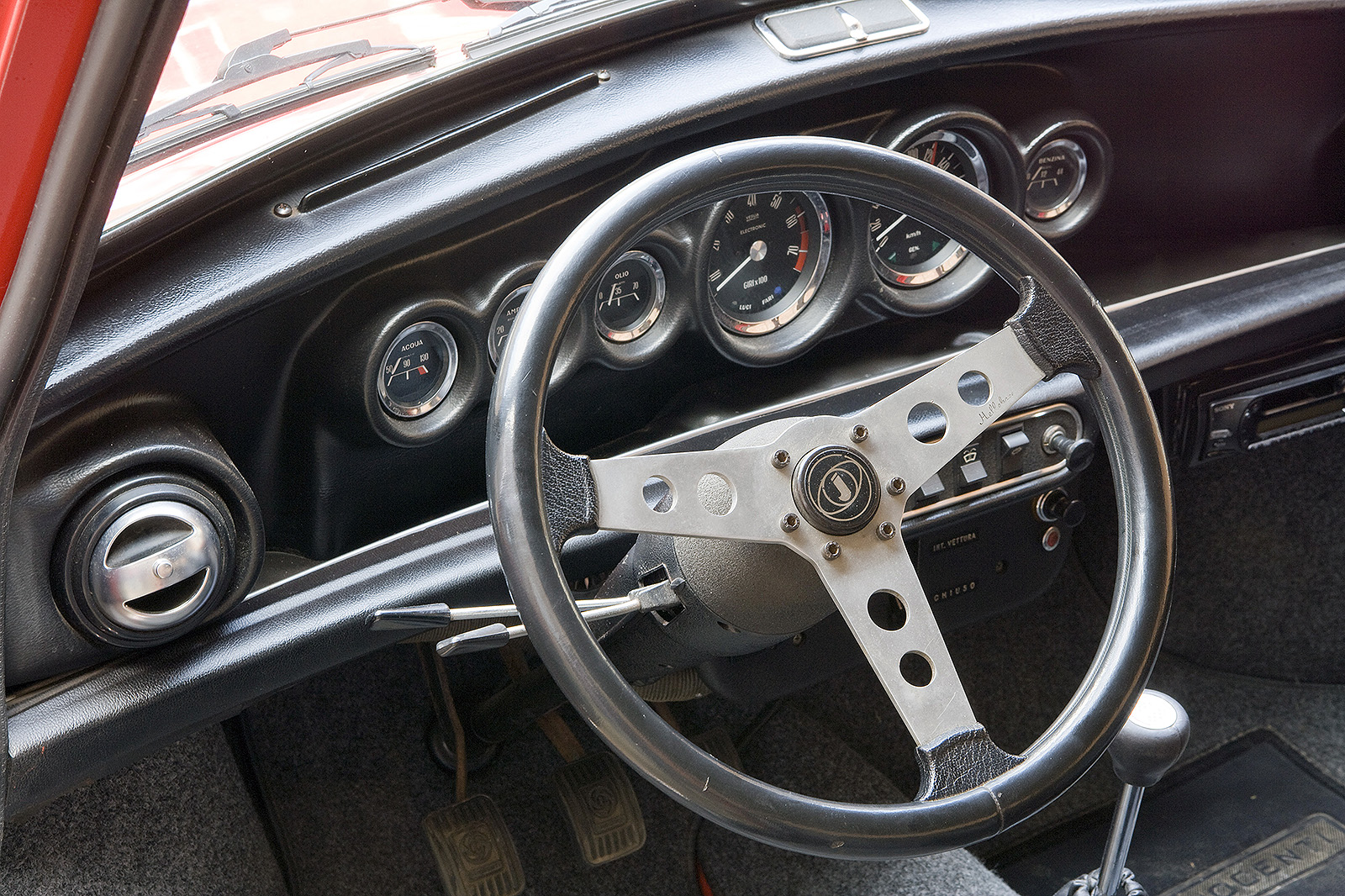
Much better finished than the UK variety, it featured six-dial instruments, cloth trim, Rostyle wheels, opening quarterlights and many other detail improvements, selling well in Italy, Germany and France.
Innocenti Bertone Mini (1974)
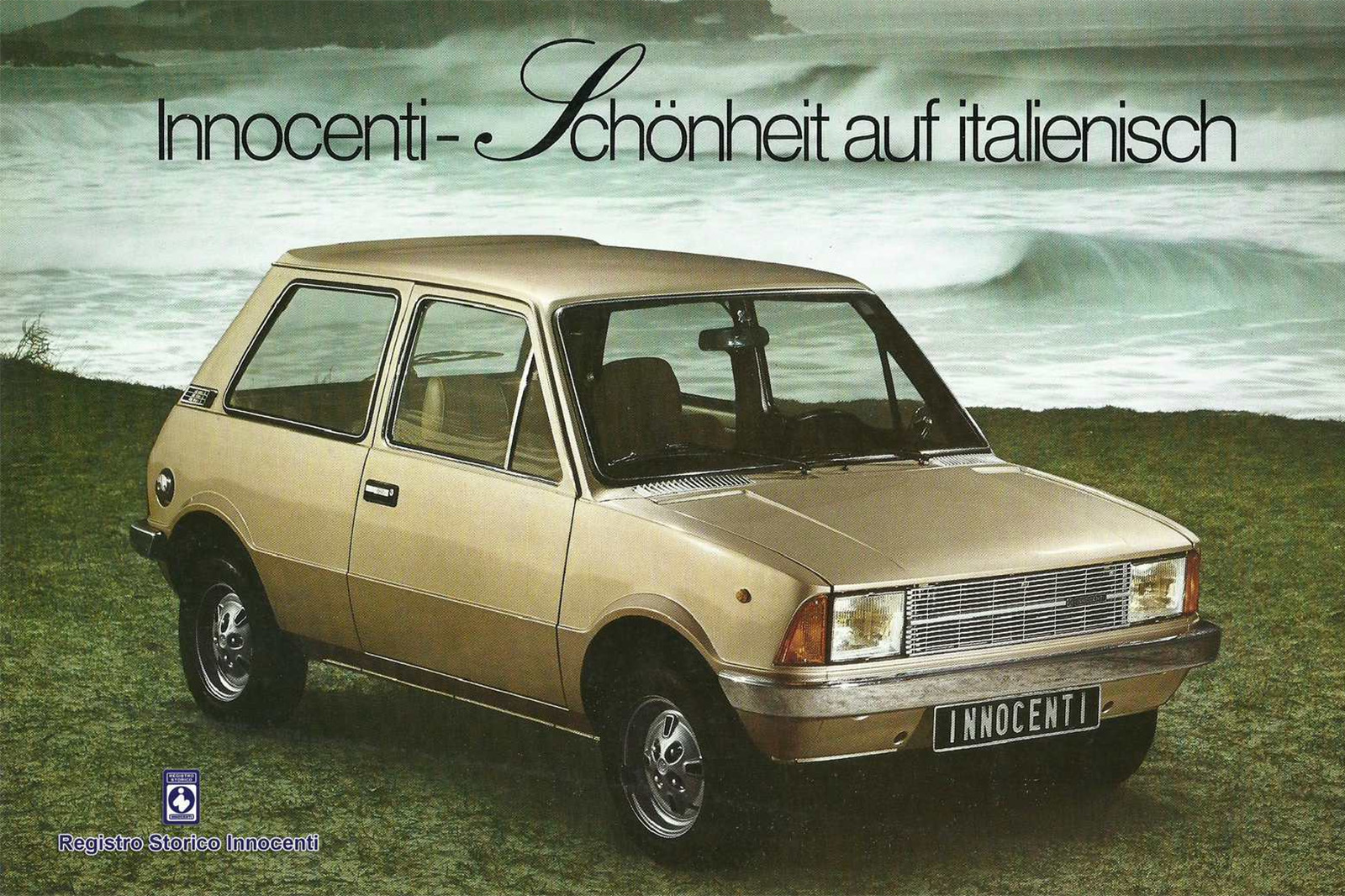
Such was the success of Innocenti that it did what BL had failed to do, and developed its own Mini replacement. Designed by Bertone, it used Mini mechanicals and was almost identically scaled because BL couldn’t afford the £1 million investment required to extend the wheelbase.
That limited sales of a stylish, well-built supermini that with that extra investment, could have filled in for the Metro that came six years later.
Jaguar XJ12 (1971)
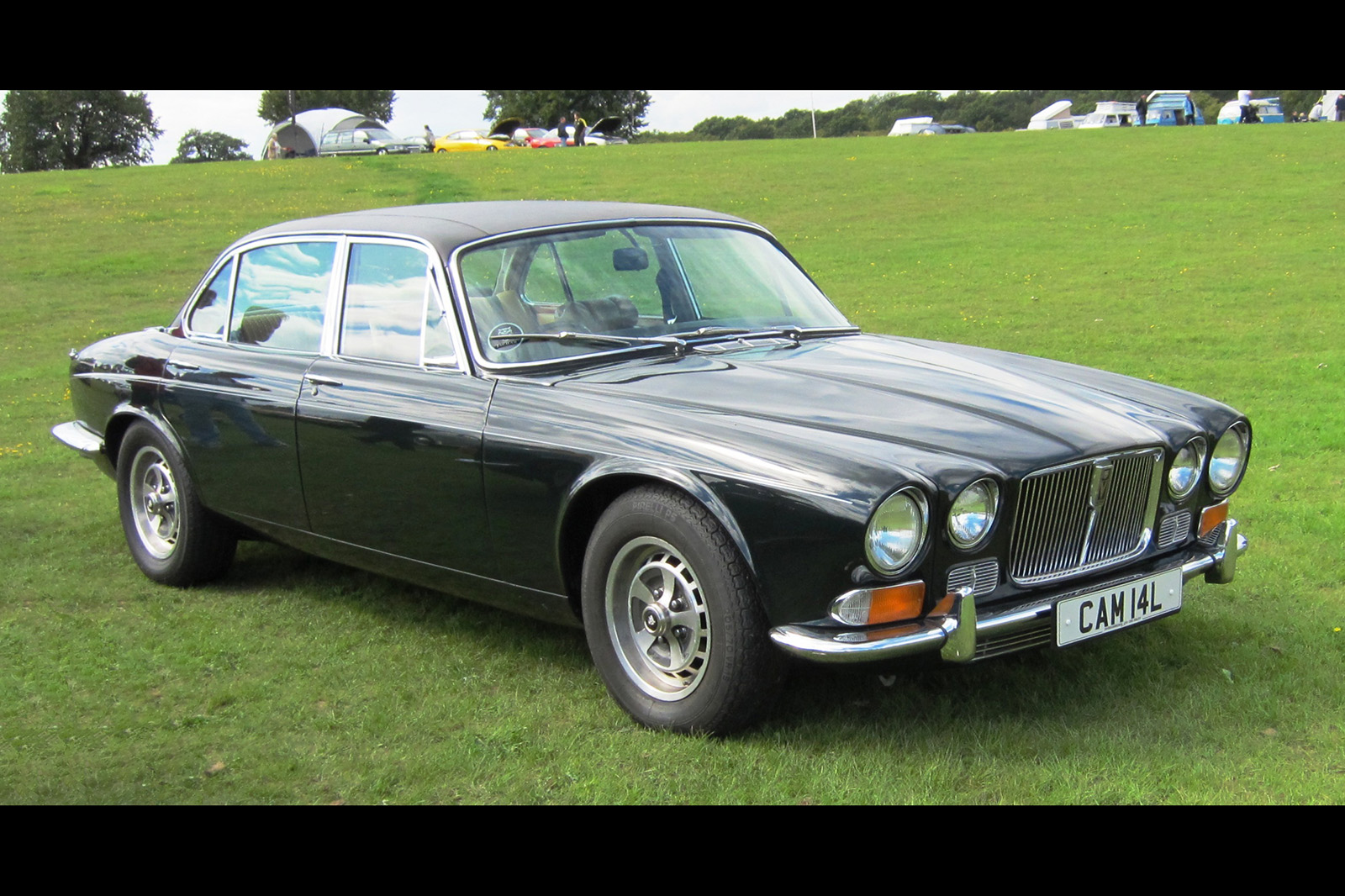
The 1968 Jaguar XJ6 was impressive enough with its sporting chassis, sumptuous comfort and subtle elegance, but the much-anticipated XJ12 was a clear contender for the best-car-in-the-world title.
Amazing refinement, subtle potency and the sophistication of 12 cylinders was yours for well under half the price of an Italian V12. The waiting list was enormous.
Jaguar XJ-S (1975)
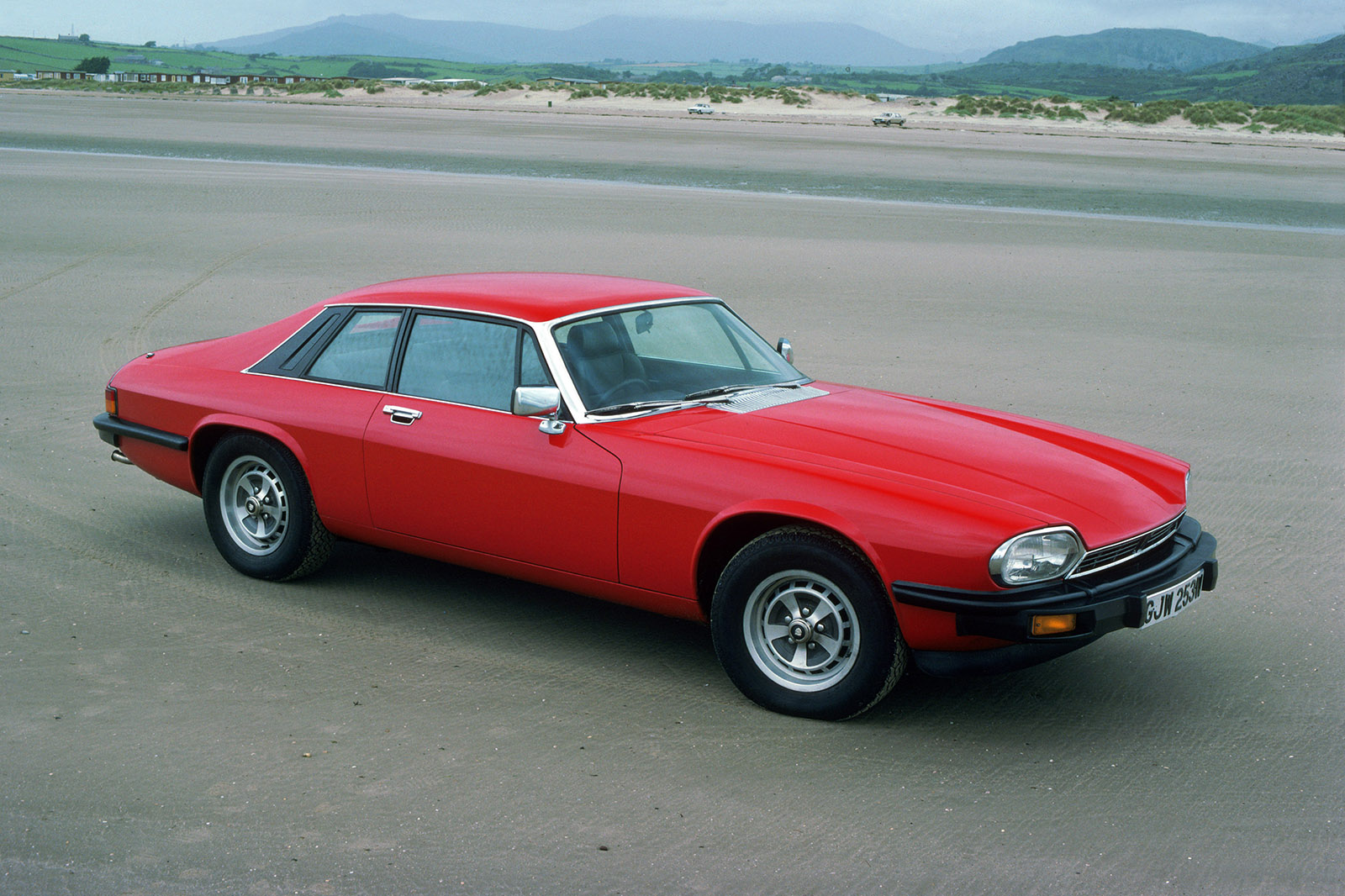
There was no escaping the disappointment of the XJ-S, this sleek, oddly styled high-speed cruiser an indirect replacement for the legendary E-type sports car.
Jaguar XJ-S (1975)
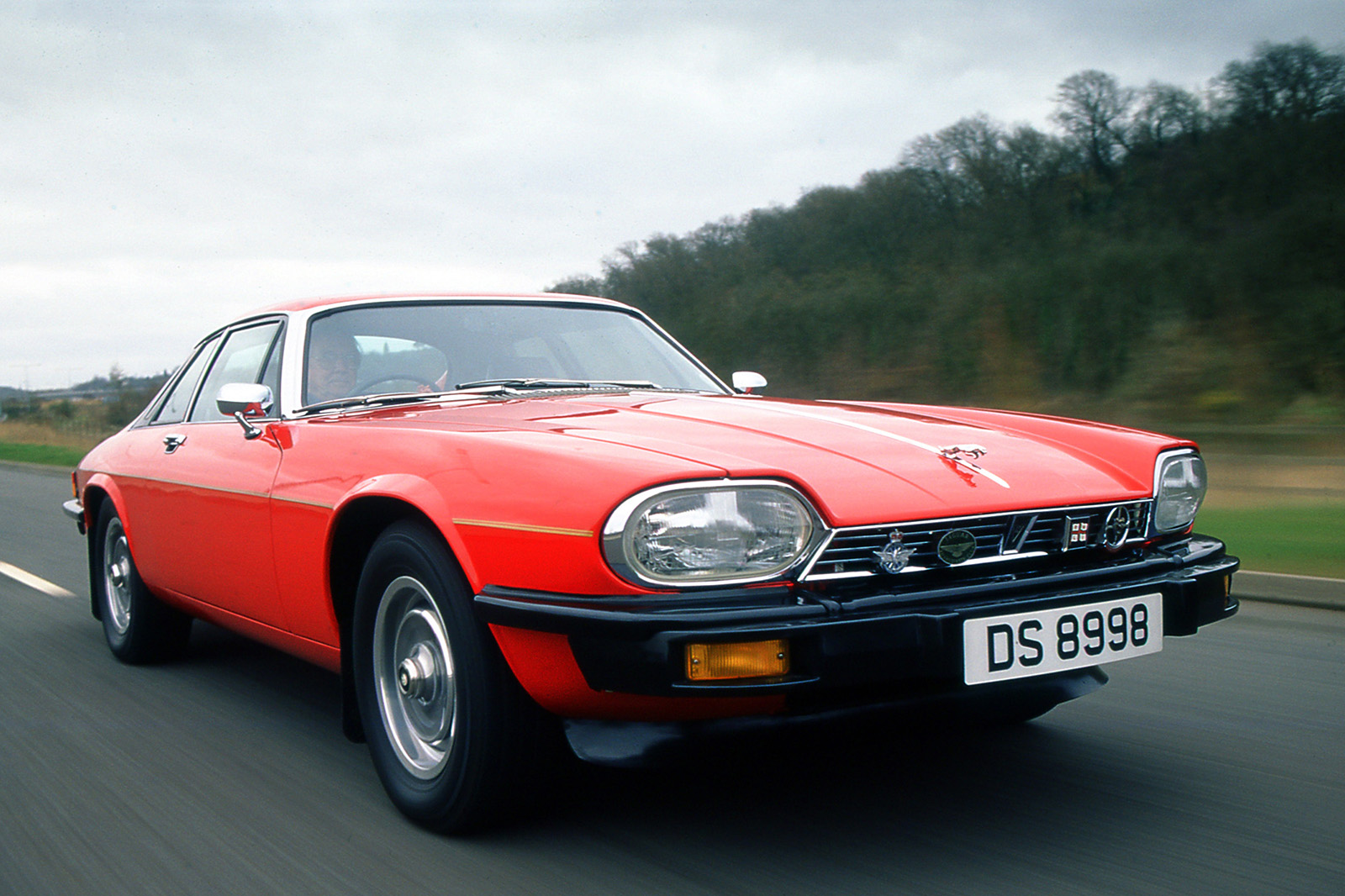
Equally unescapable, however, was the fact that the XJ-S did the svelte long-distance coupe thing better than any German or Italian rival, for a fraction of the price. Thus saving you enough to fuel its voracious appetites.
Leyland P76 (1973)
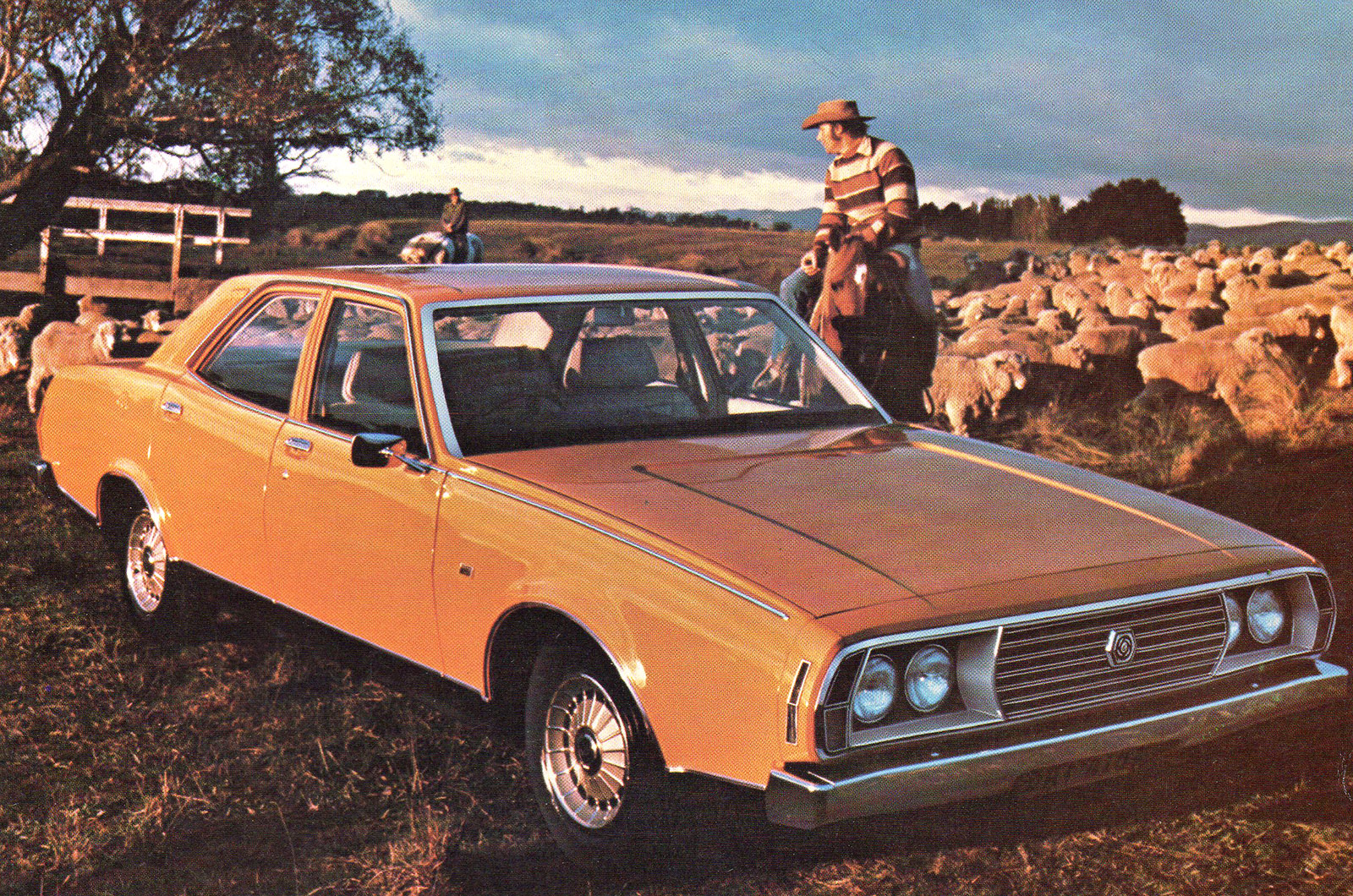
By the early 1970s, Australians had developed a taste for big, American-style V8 saloons tough enough for outback survival. Leyland Australia took on GM's Holden, Ford and Chrysler with the P76, a vast saloon capable of swallowing a 44-gallon oil-drum and out-handling all its rivals.
Leyland P76 (1973)
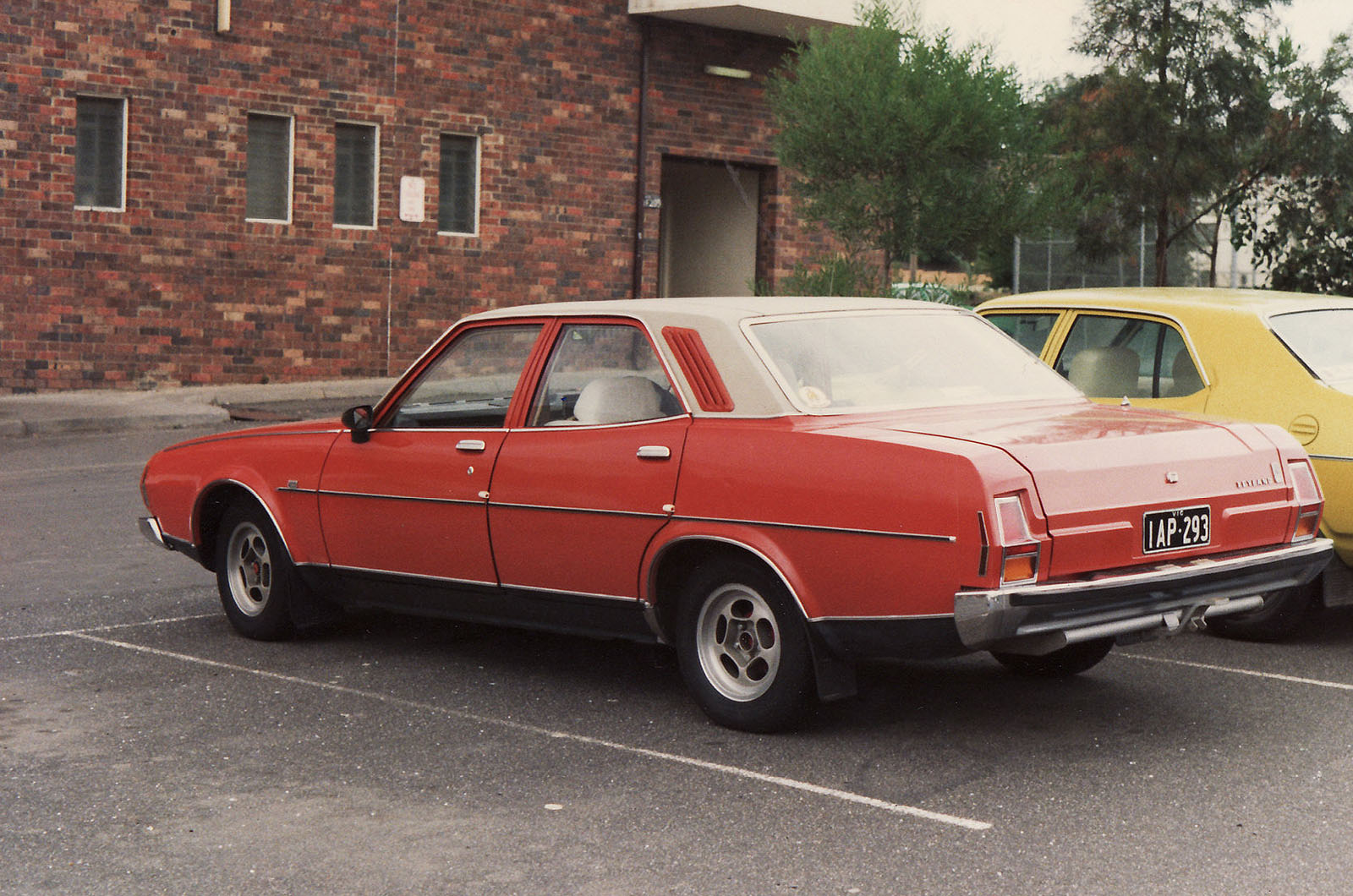
But poor quality and the arrival of a BL axe-man saw Aussie Wheels magazine’s car of the year winner killed just 18 months after launch, together with the Sydney factory that built it.
MGB GT V8 (1973)
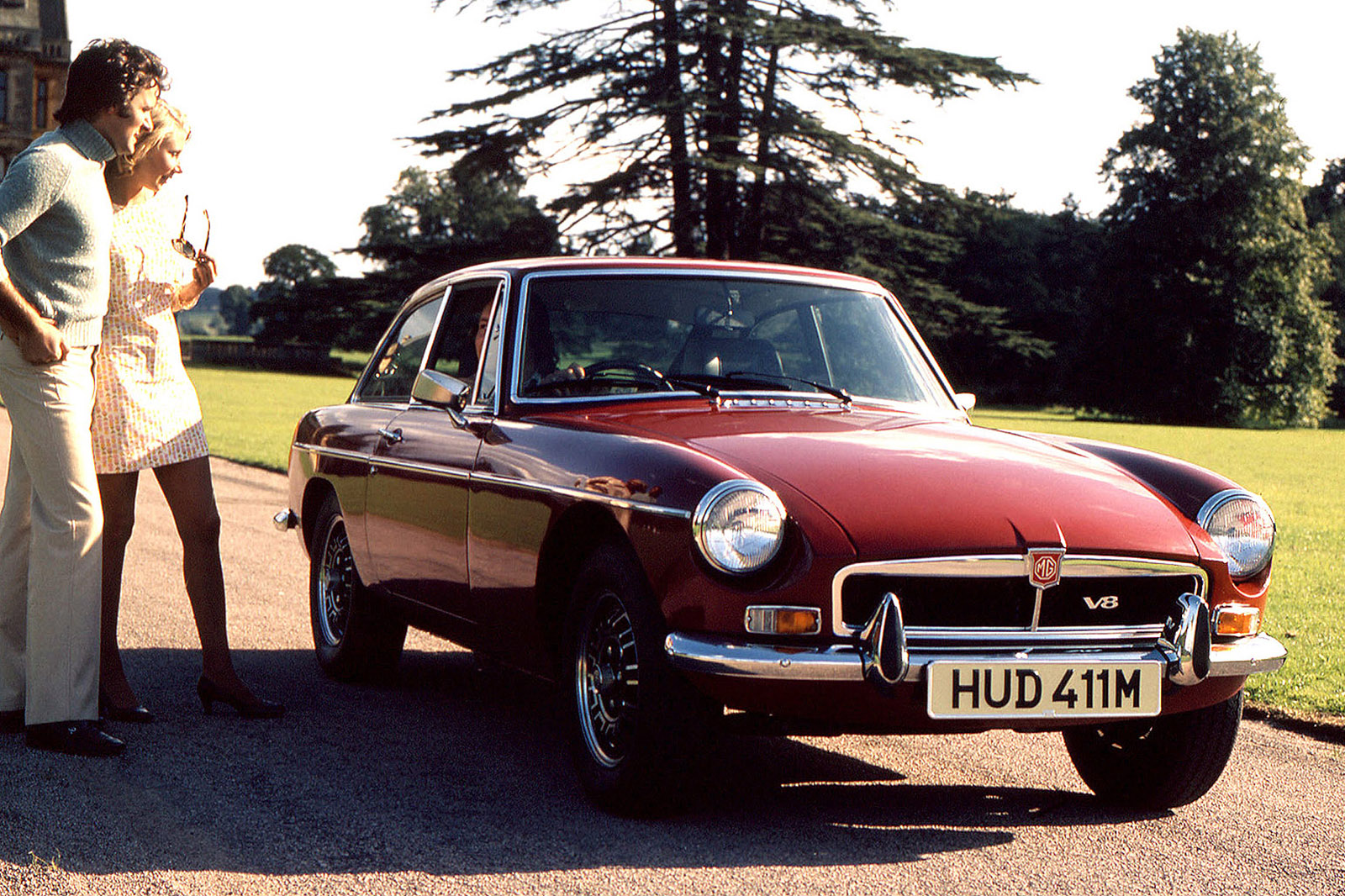
It took tuner Ken Costello to demonstrate the feasibility, and appeal, of squeezing the Rover 3.5 V8 beneath the MGB’s bonnet, a conversion that sliced over 3sec of the standard car’s 12.1sec 0-60mph time and boosted its top speed to 130mph.
MGB GT V8 (1973)
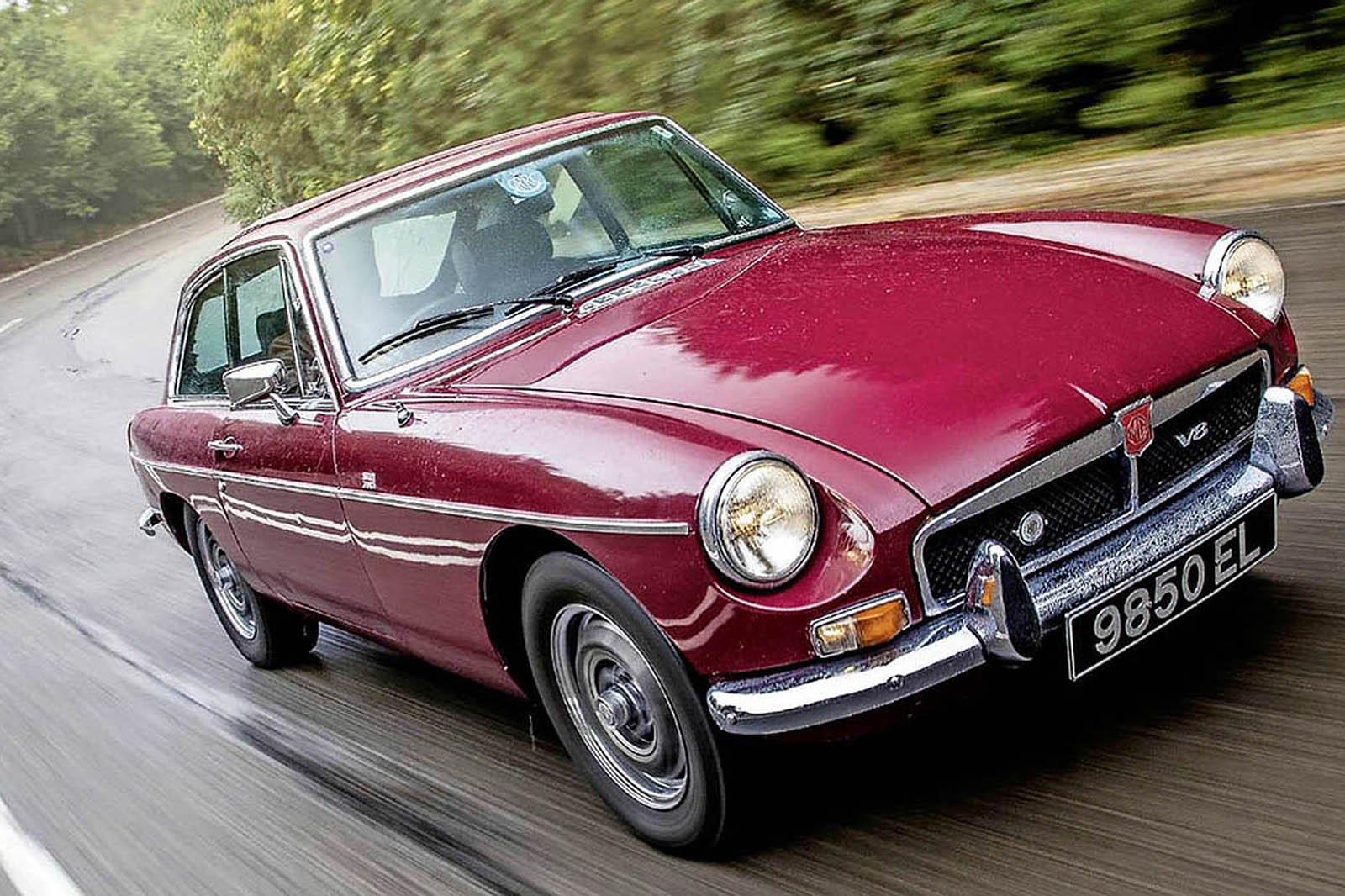
It took BL four years to effect the same conversion; the MGB GT V8 launched in 1973, just in time for the sales-deadening fuel crisis. Only 2691 were made, but it’s the best MGB.
Land Rover Range Rover (1970)
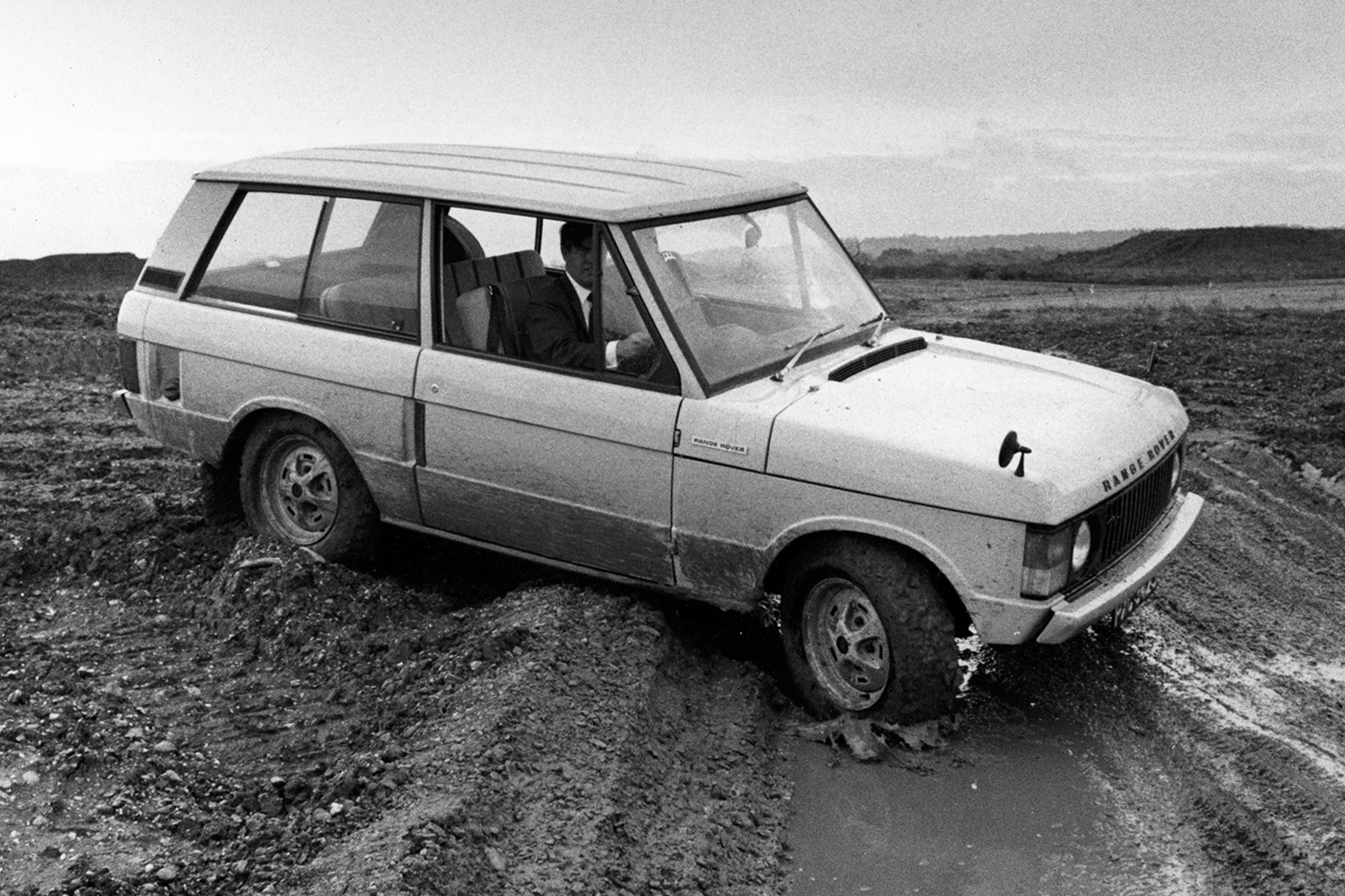
An early example of the cross-over, combining go-anywhere mountain goatery with modishly dignified elegance, executive car comfort and 100mph performance. One of a handful of cars that kick-started the SUV craze, and one of several genuine world-beaters from British Leyland.
Land Rover Range Rover (1970)
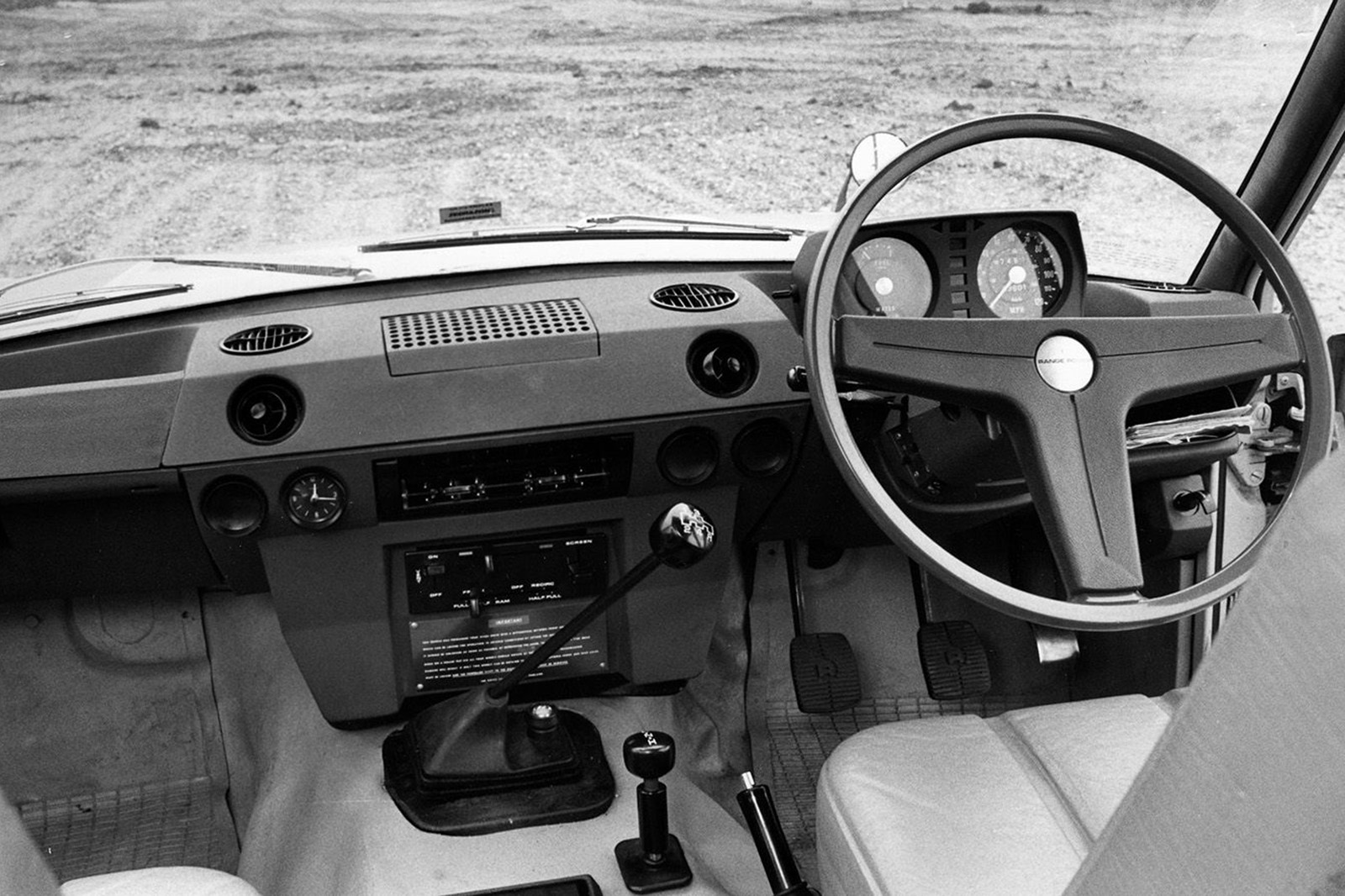
It took the company years to realize what it had done and exploit it, though, and even that was mostly done by the subsequent owners of Land Rover. Still, uniquely in this feature it is a nameplate that survives to this day.
Rover SD1 (1976)
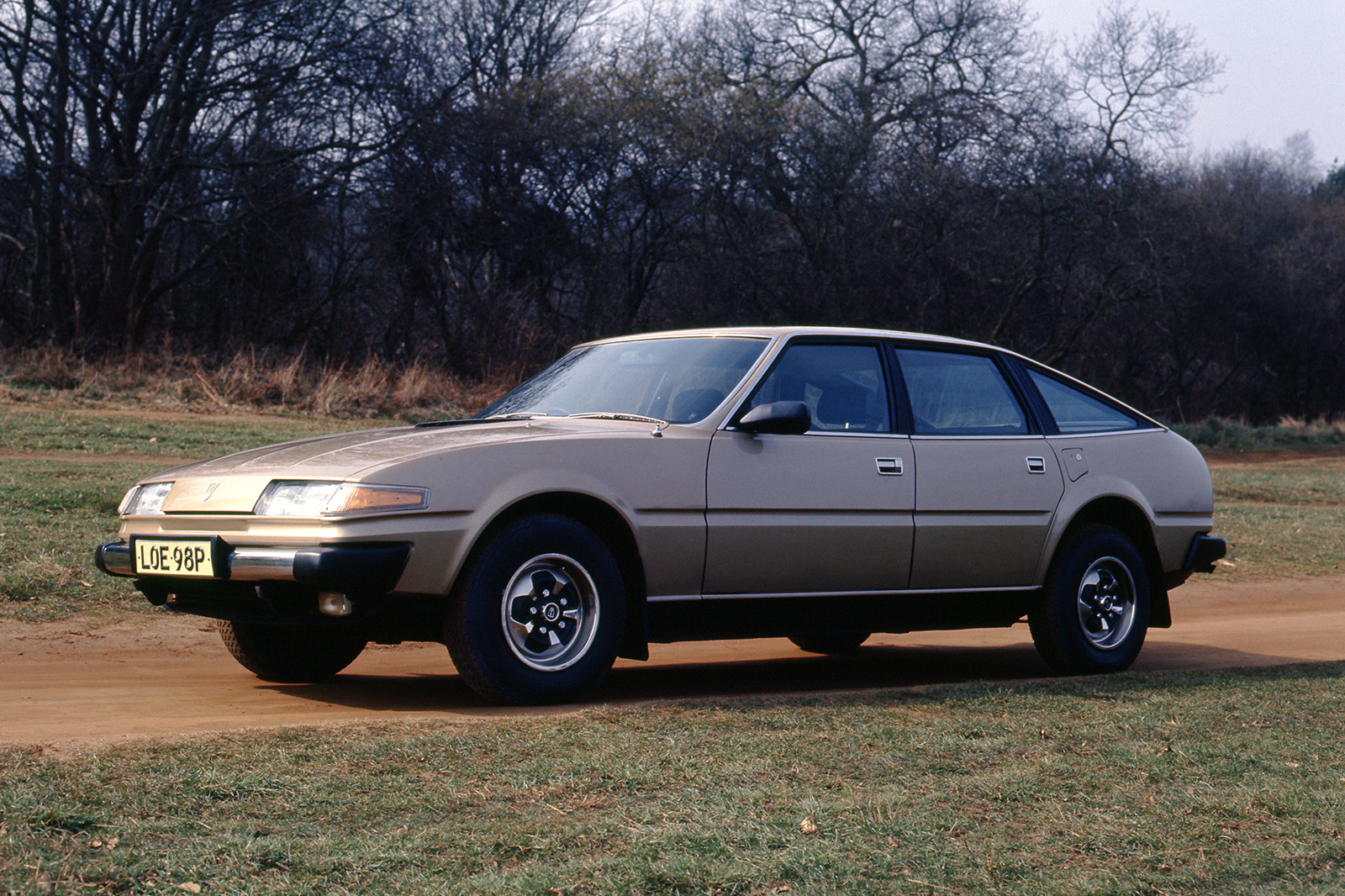
This was the car that might have turned BL around. The Ferrari Daytona inspired it, almost to the point of copying, its lightweight V8 combined with simple, well-engineered mechanicals to terrific effect. This dramatically fresh executive machine outpointed the opposition on every metric bar one: quality.
Rover SD1 (1976)
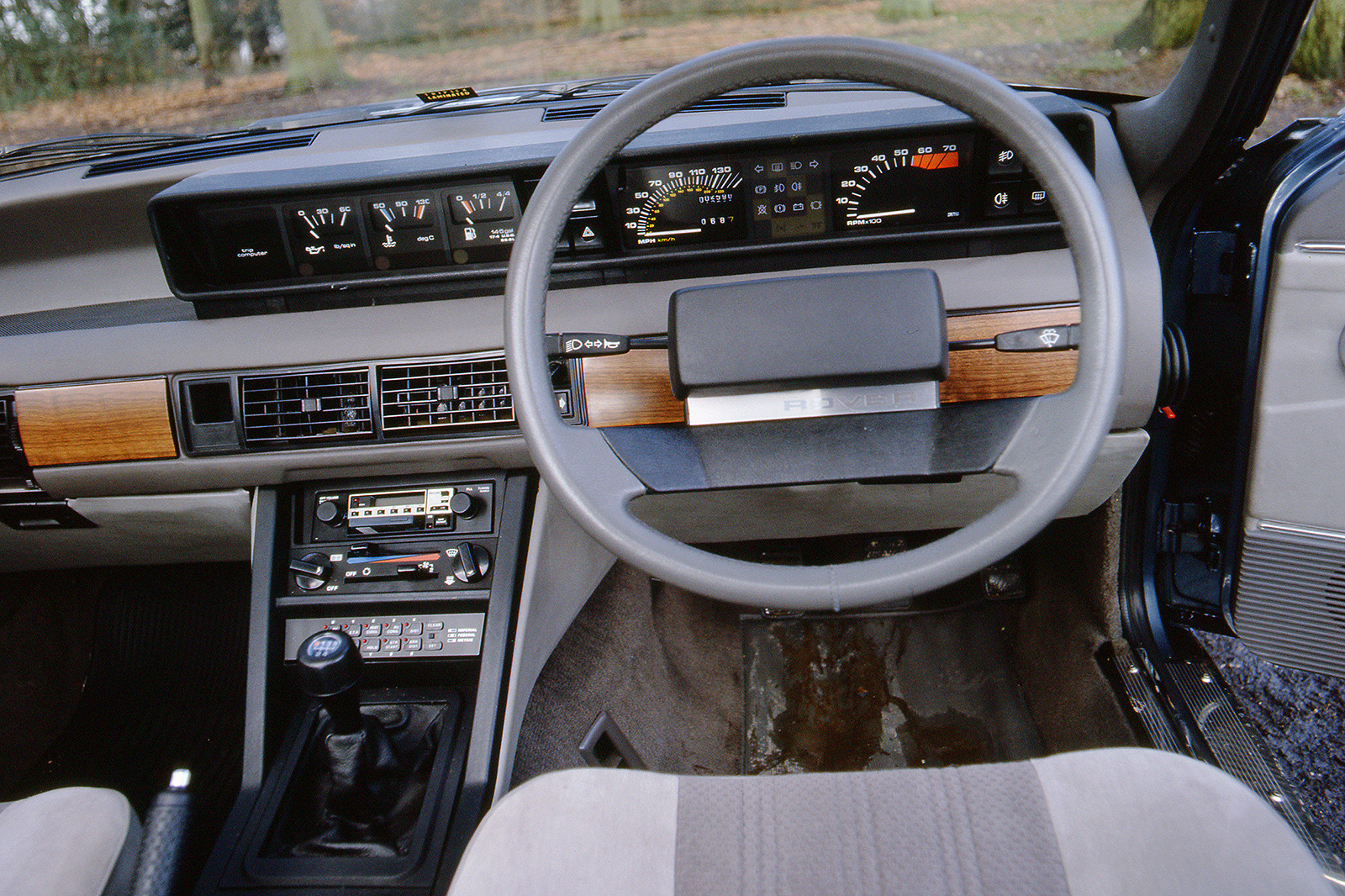
Dire materials and assembly standards undermined a great design, regular strikes and awful quality control turning a world-beater into a sad also-ran.
Triumph 2.5 PI (1969)
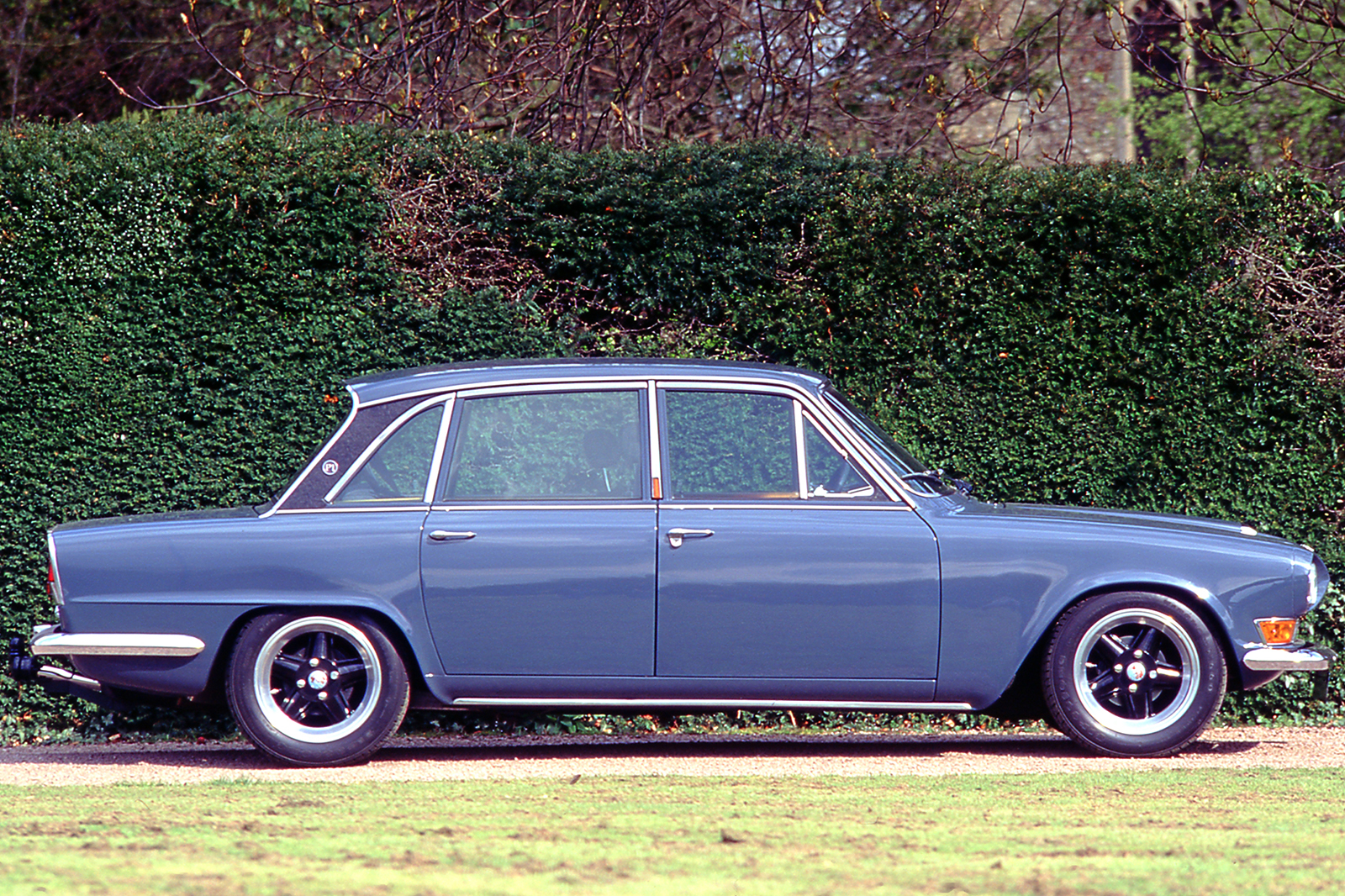
Triumph and Rover pioneered the executive car with their 2000 saloons, Triumph cementing its UK success with a clever Michelotti facelift and the apparent advance of Lucas fuel injection for its tuneful straight six.
This was just the recipe BMW was pursuing, except that the Munich machines did not need the regular attendance of breakdown vans.
Triumph Dolomite Sprint (1973)
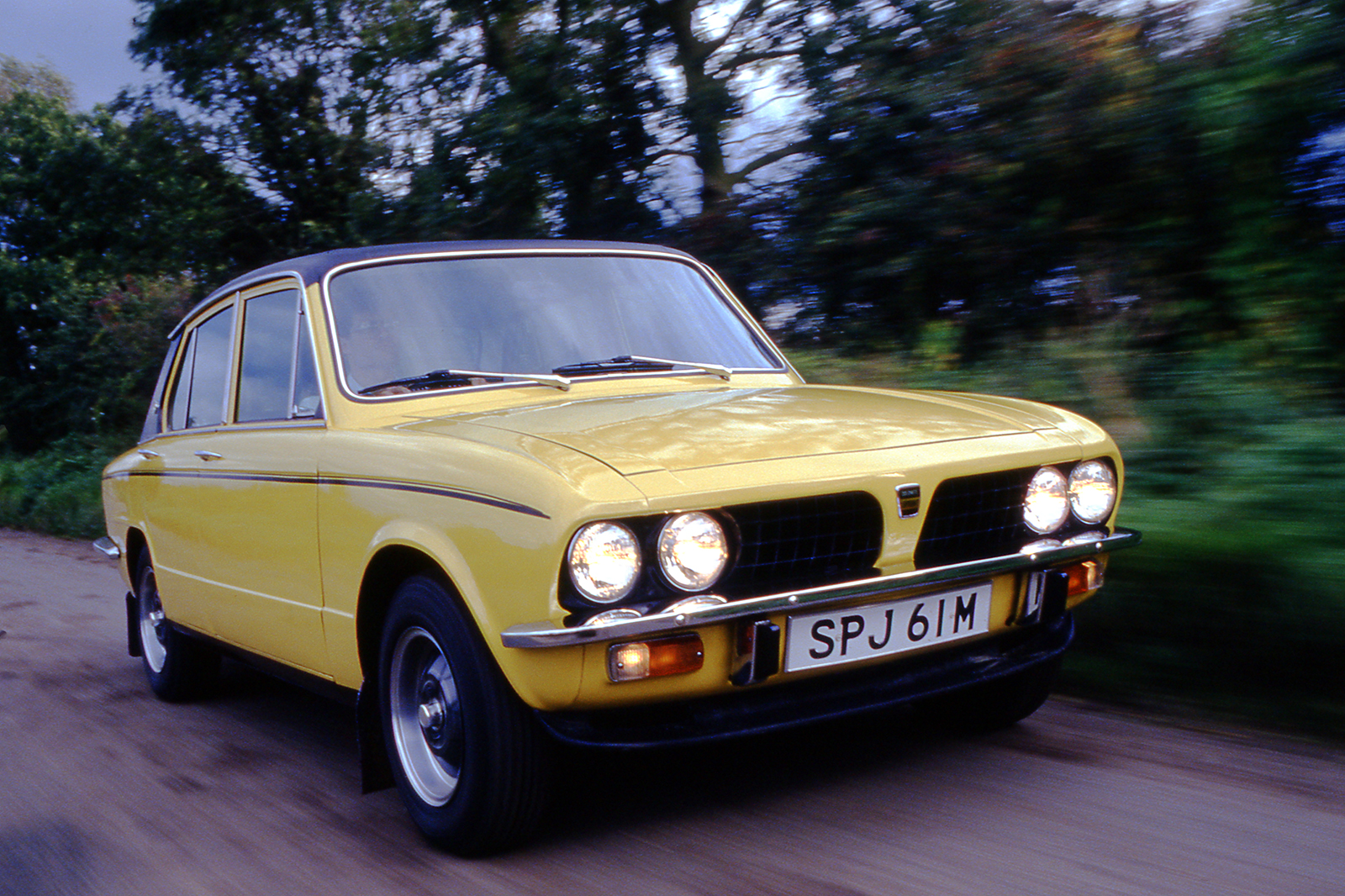
Another BMW challenger, the rear-drive 16-valve Sprint ingeniously cobbled out of Triumph’s front-wheel drive 1300. A vinyl roof, sexy alloys and a spoiler papered over the cracks, the Sprint was an appealing cut-price alternative to the BMW 20002 Tii.
Triumph Dolomite Sprint (1973)
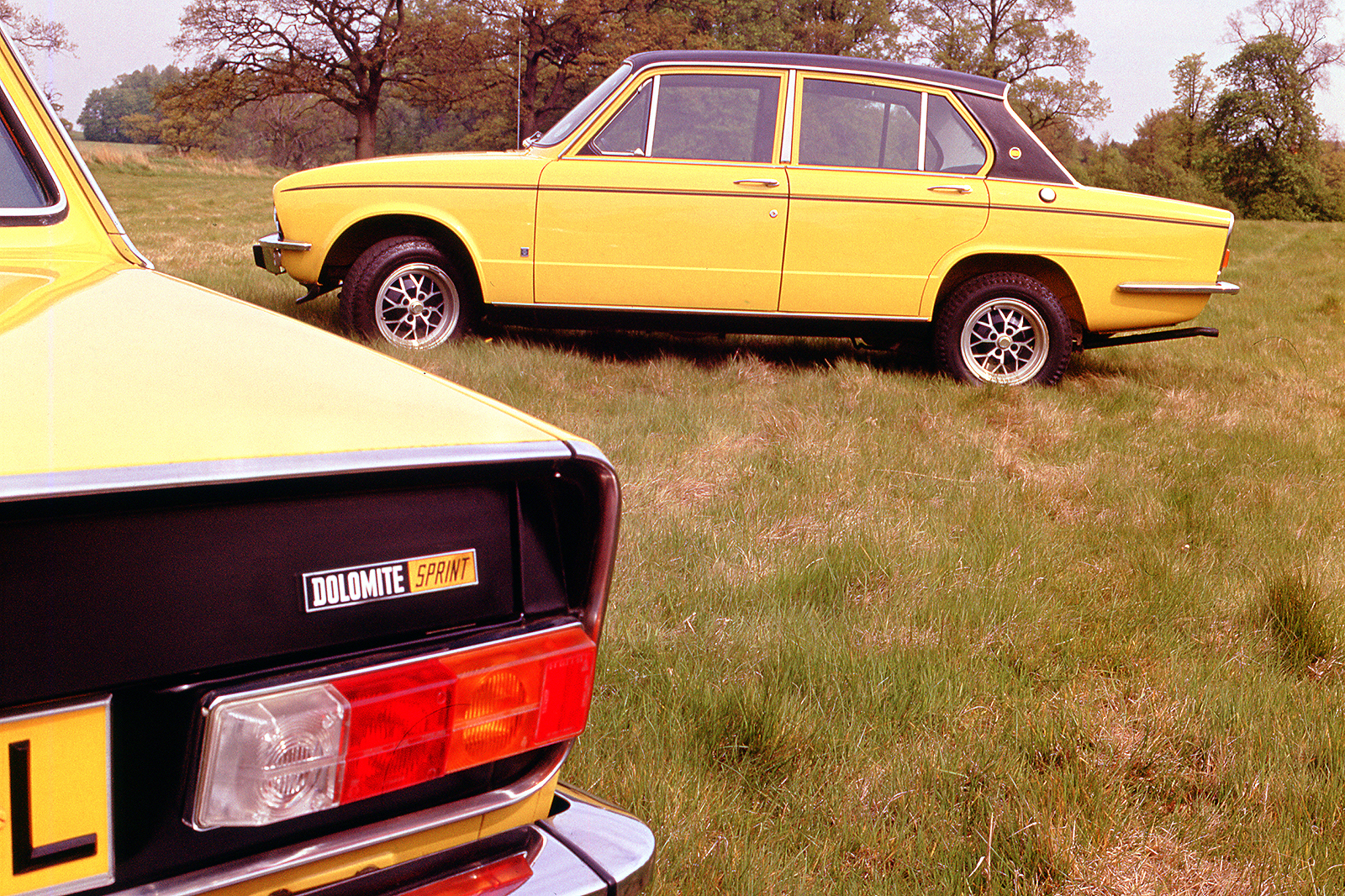
It also won the British Touring Car Championship. Well-regarded, but BL failed to develop or produce a replacement.
Triumph Stag (1970)
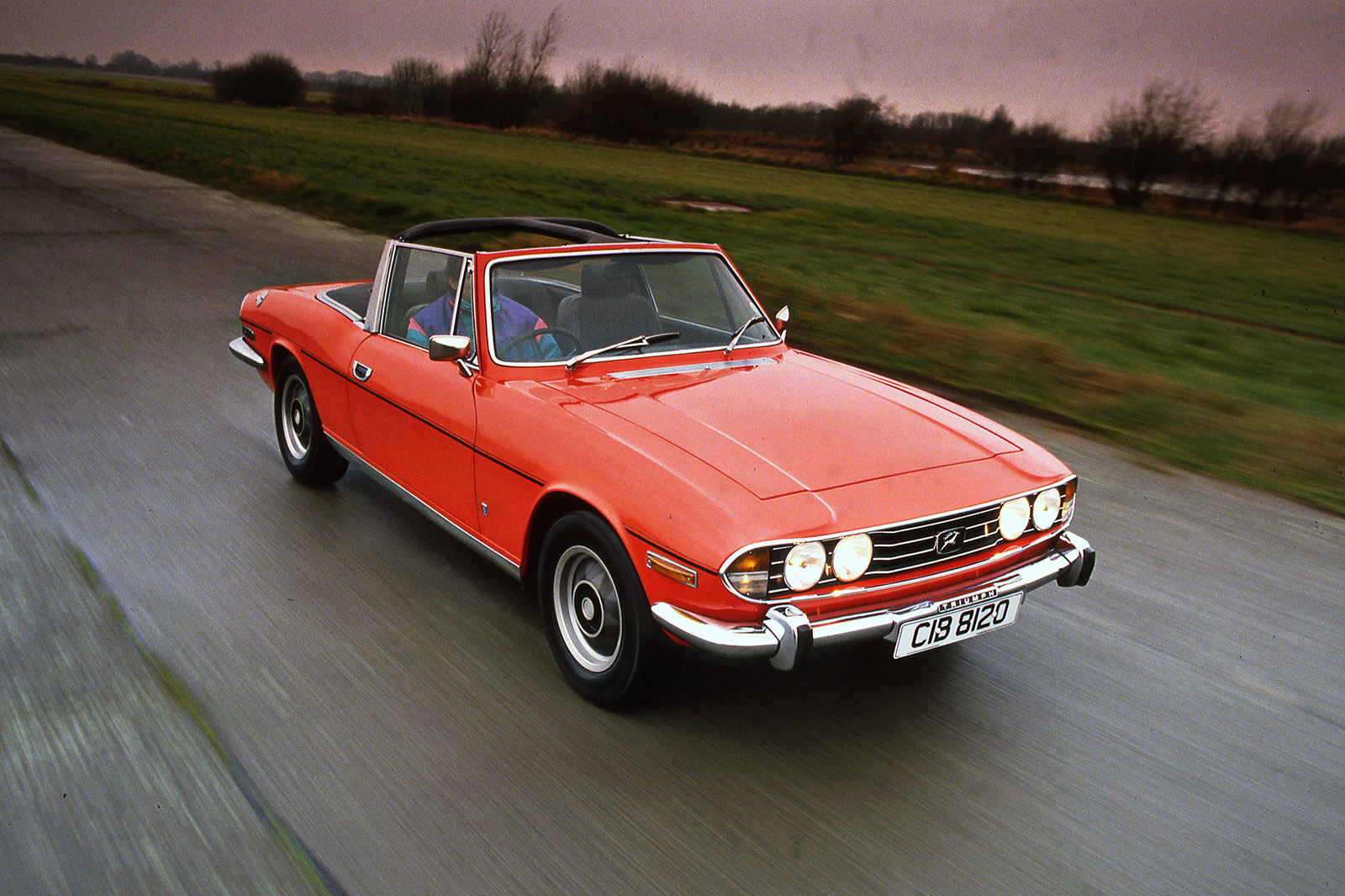
Turning an elegant, four-door saloon into a still more elegant 2+2 convertible was inspired, the substitution of the Triumph 2000’s straight six for a woofling 3.0 V8 completing this delectable confection. Until the Triumph V8 boiled up that is, the wrongly placed temperature sensor threatening the entire engine.
Triumph Stag (1970)
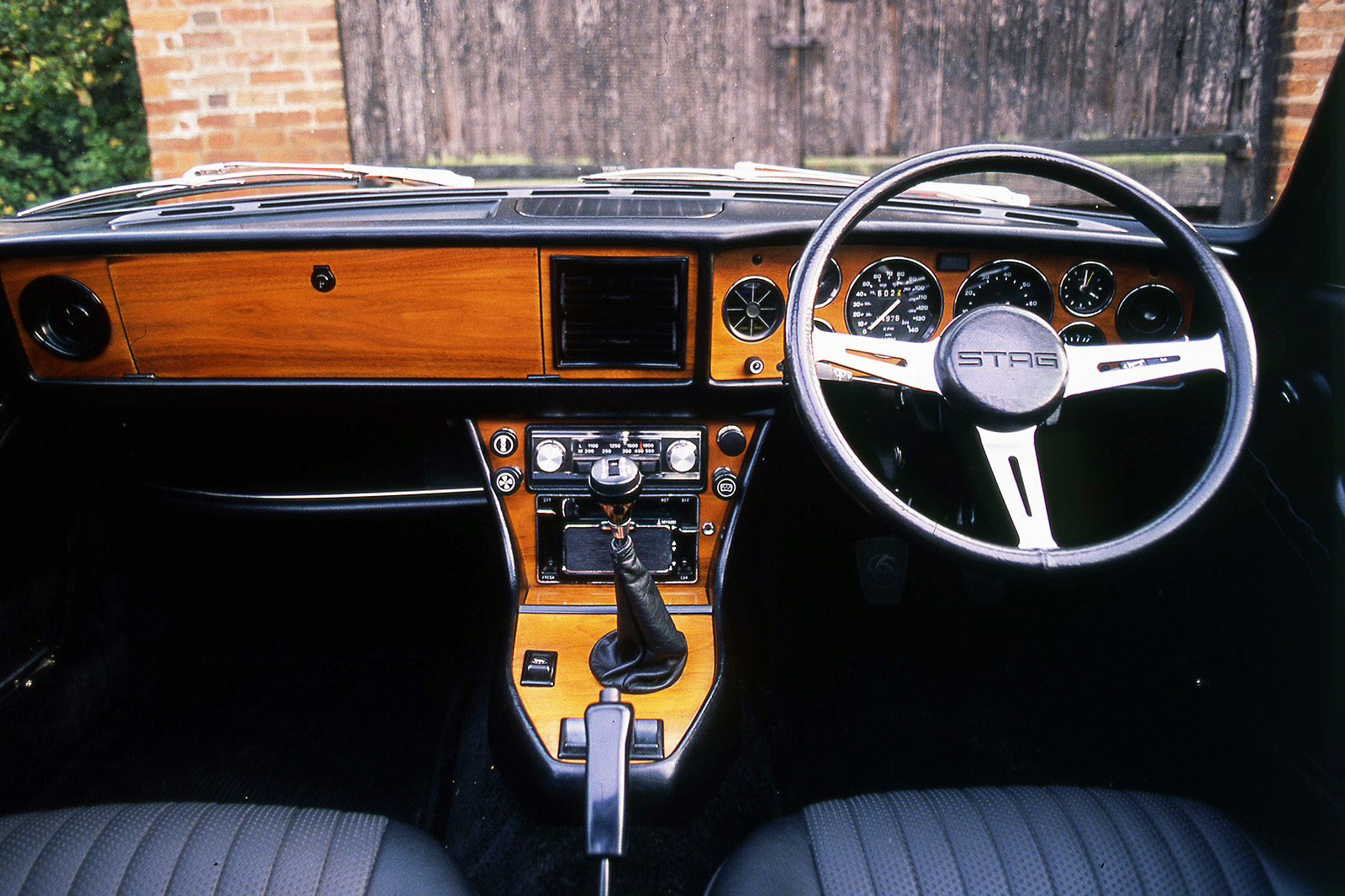
That was enough to ensure that the Stag bombed in the US. It was and still is better looking than the contemporary Mercedes SL that it undercut, but quality always wins.
Triumph TR8 (1979)
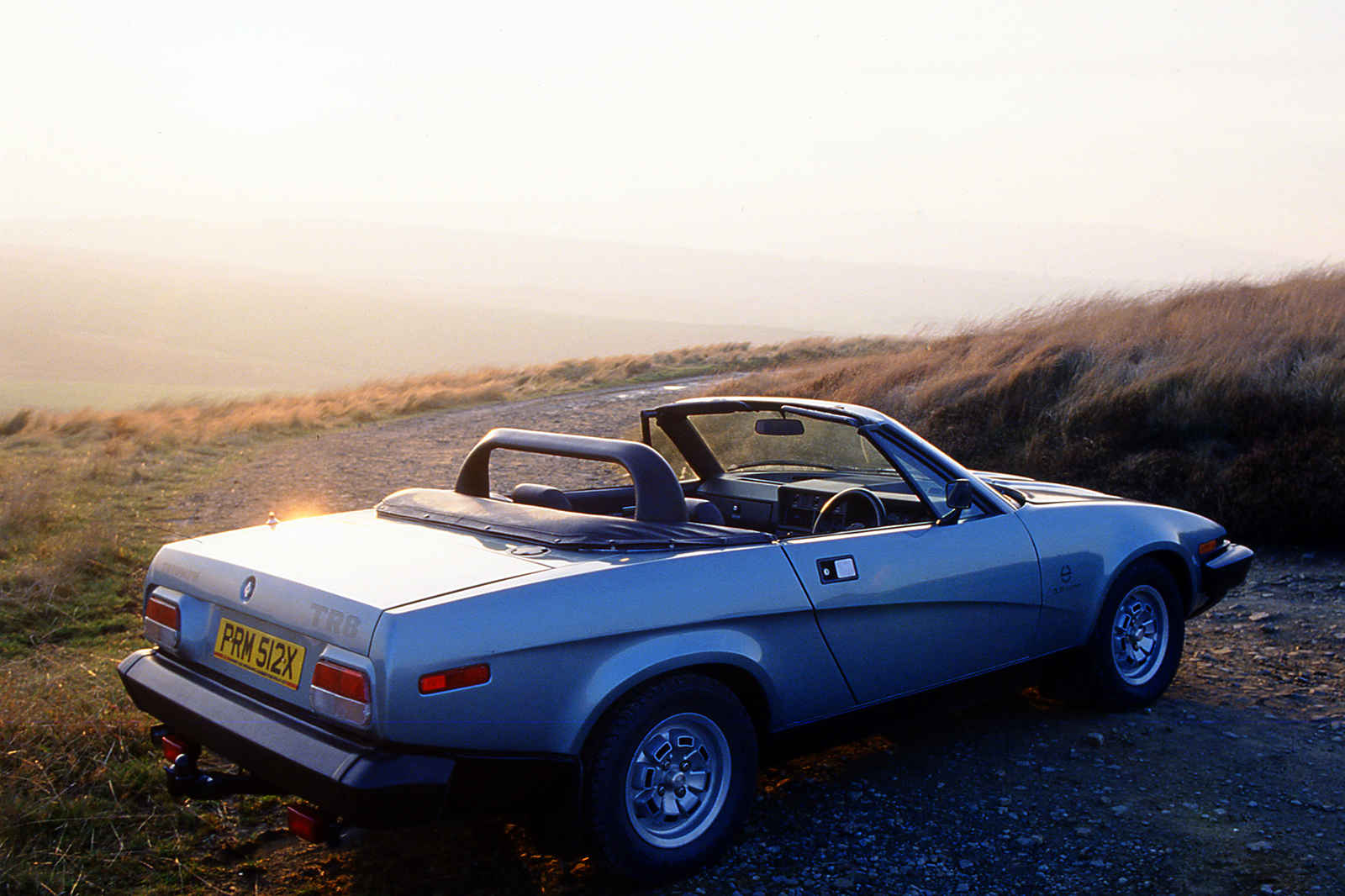
The wildly individual (or weirdly individual) TR7 was improved by decapitation, and spectacularly so with the substitution of its Triumph slant four for a Rover V8.
Triumph TR8 (1979)
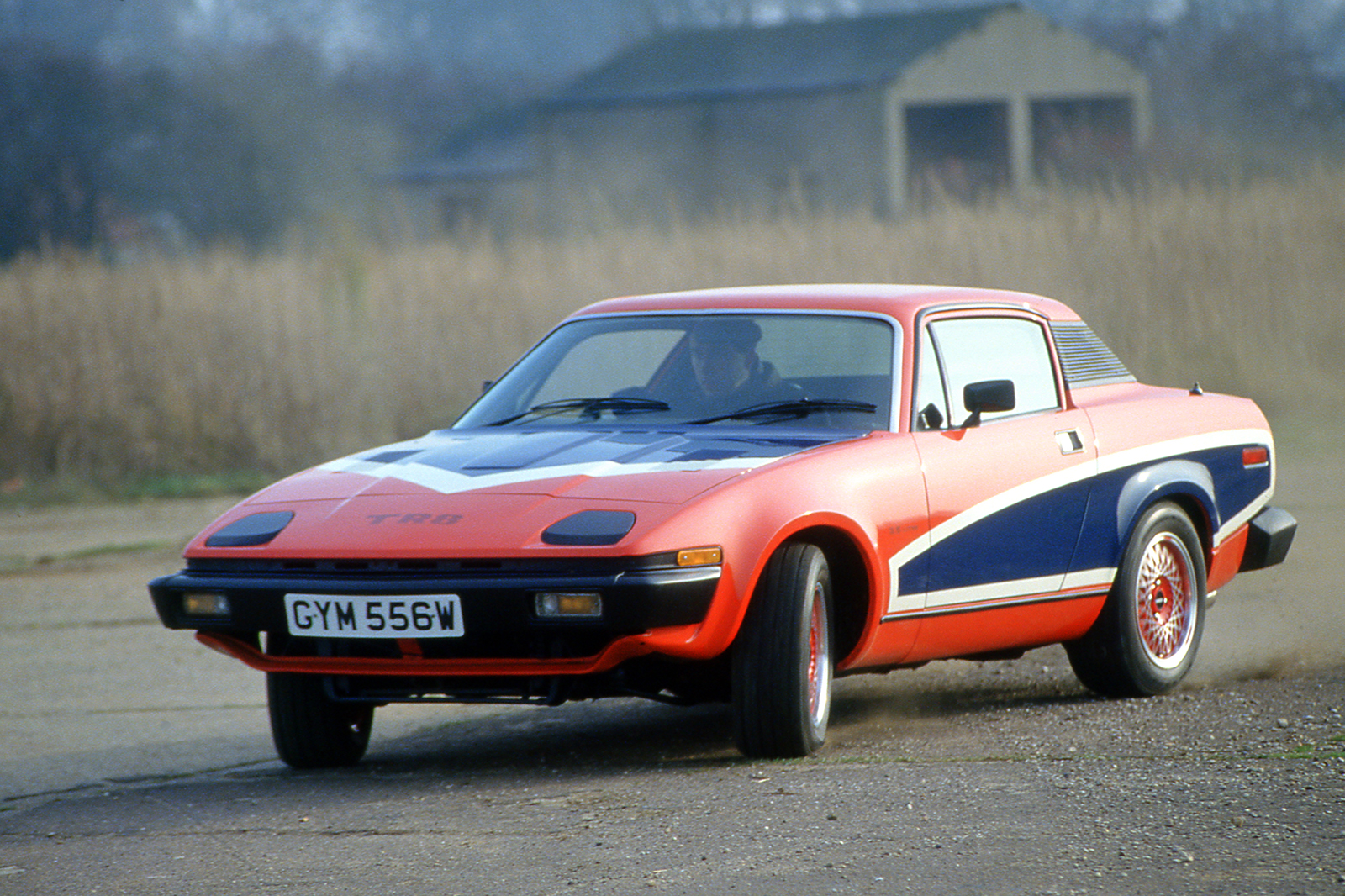
Power, performance and the sound track improved immeasurably, and with little impact on the car’s tidy handling, so light was the alloy V8. Another promising BL model prematurely culled.
Wolseley 2200 (1975)
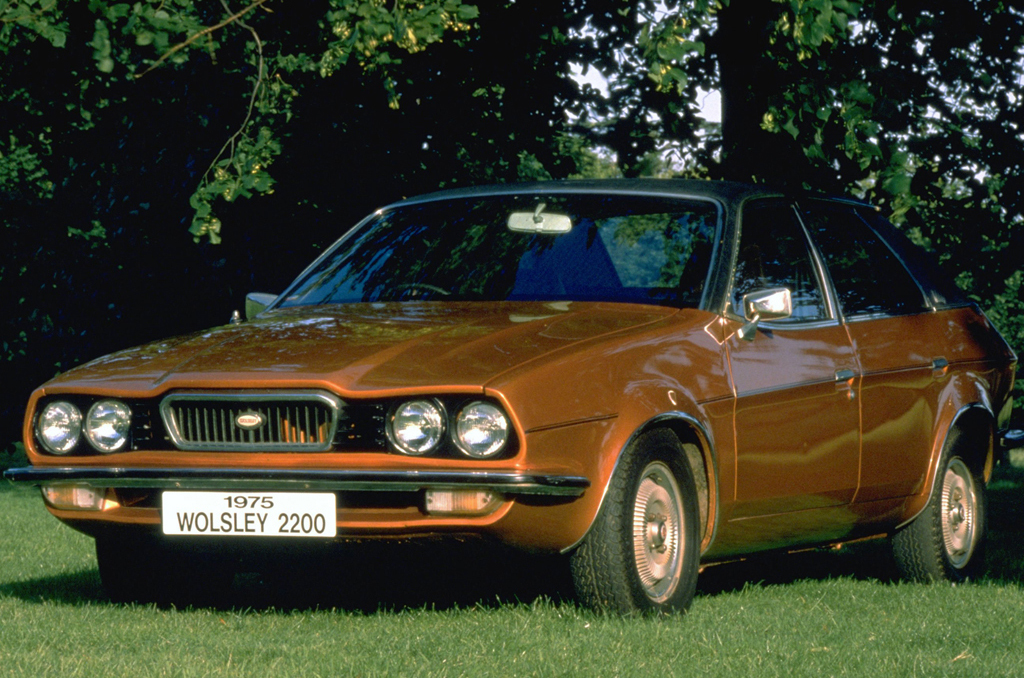
As updates go the replacement of the Austin 1800/2200 by the 18/22 Series was as dramatic as replacing an antique horsehair-stuffed four-poster with a heated waterbed.
Inspired by the 1970 Zanda concept car, this startling wedge of a saloon won good reviews and a long waiting list before engineering faults did for it.

Land Rover Discovery Recall Exposes Low-Tech Fix for Rearview Camera Water Intrusion