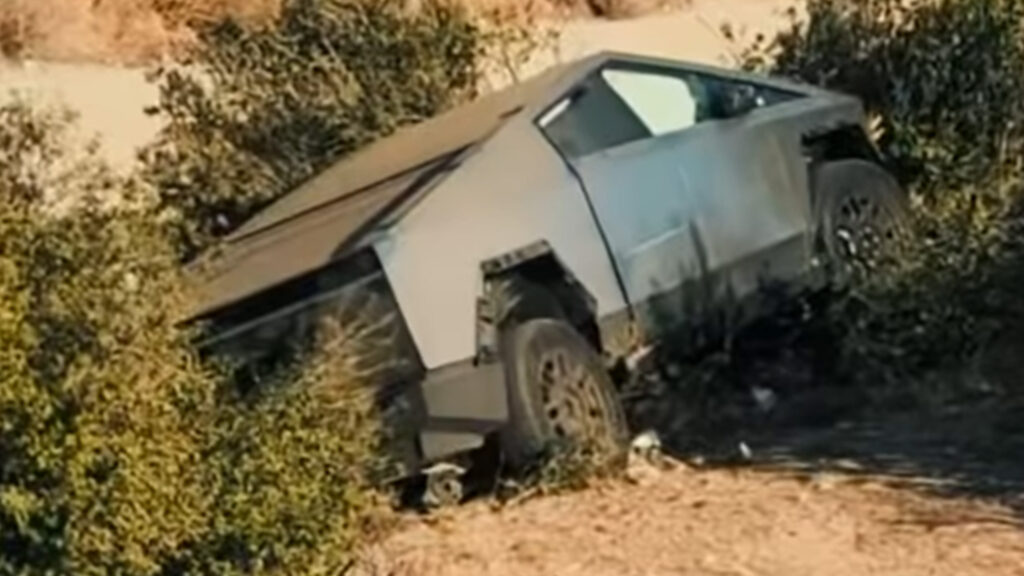
Tesla Slashes Cybertruck Prices and Offers Free Self-Driving Transfers in Major Sales Push
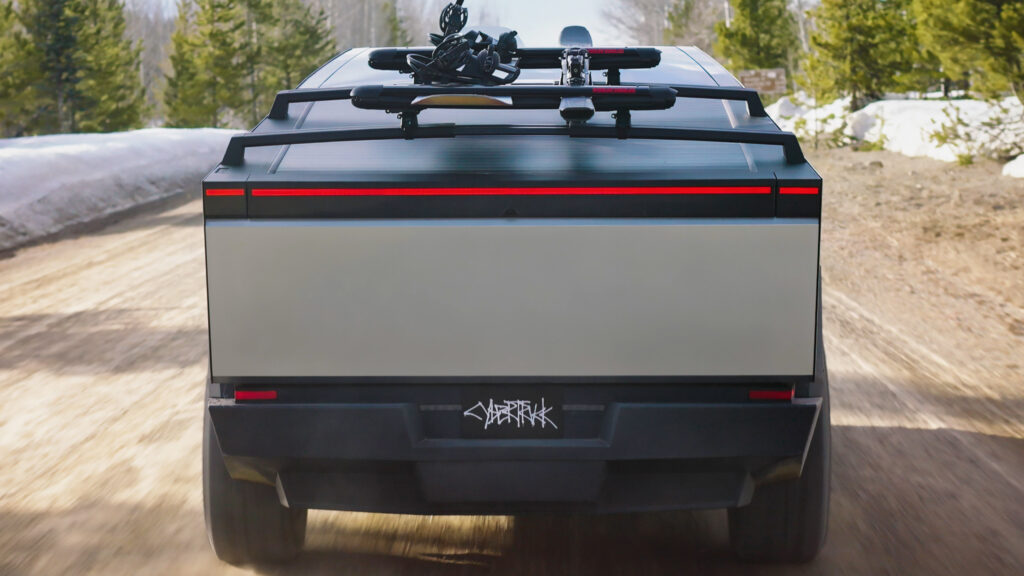
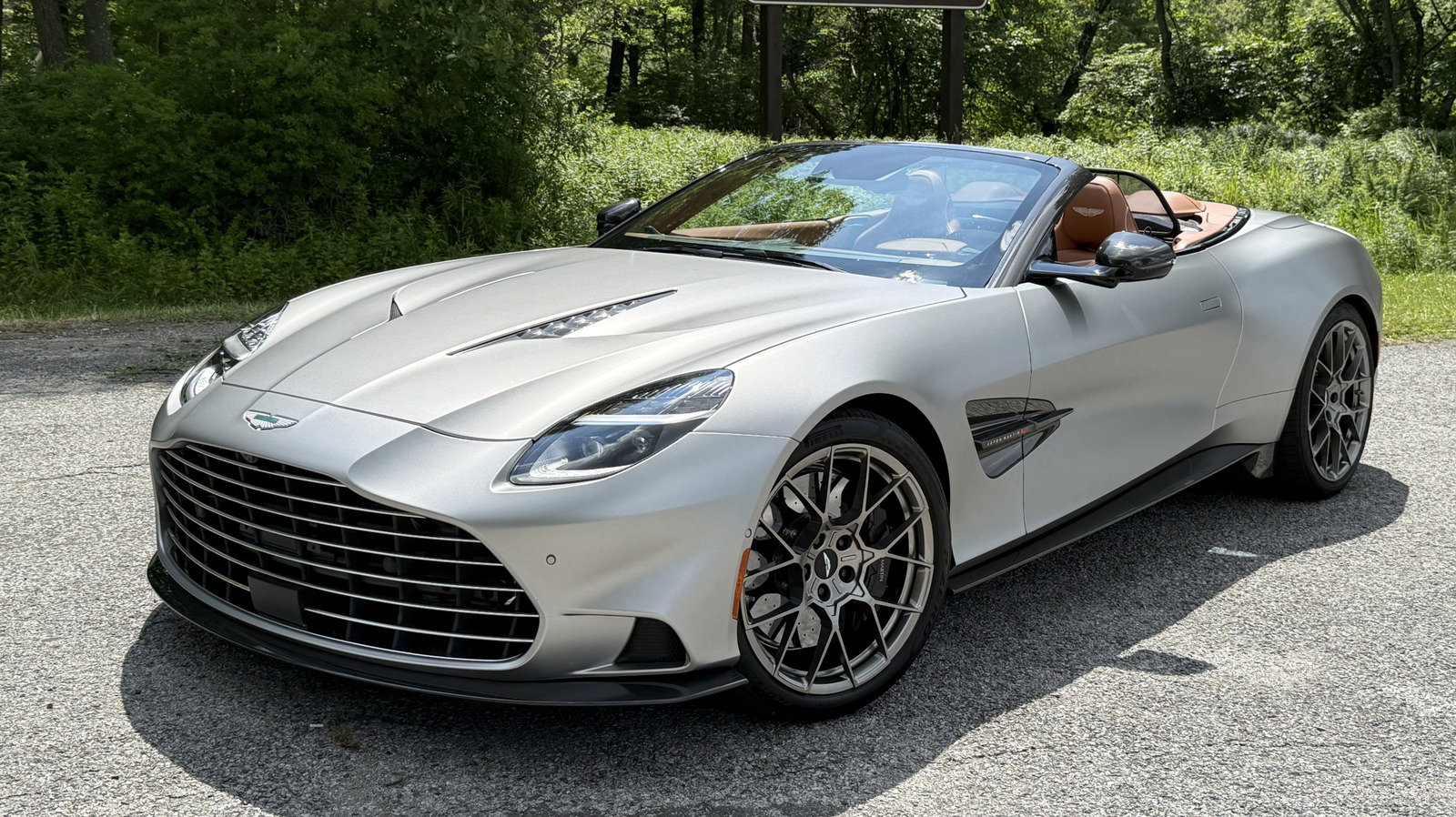
Aston Martin Vanquish Volante Sets the Standard for Beauty and Performance
Vauxhall Mokka GSe Unleashed as High-Performance Electric Crossover with 276bhp Power Surge
 Mokka Electric gets nearly twice as much power as standard, plus a limited-slip 'diff
Vauxhall has reimagined its GSe performance brand with a new version of the Mokka Electric that has nearly double the power of the standard car.
Previewed by the Mokka GSe Rally prototype in May, the crossover’s arrival marks the relaunch of GSe, most recently used for the plug-in hybrid Astra GSe, as a badge for performance-honed fully electric cars. The Mokka is also a more serious proposition than the Astra, with substantially more power and extensive chassis modifications.
Its new motor, which is shared with the Abarth 600e, the Alfa Romeo Junior Elettrica Veloce and the new Peugeot e-208 GTi, puts out 276bhp and 254lb ft. That’s sent to the front wheels through a Torsen limitedslip differential, and it allows the Mokka GSe to hit 62mph from rest in 5.9sec.
To cope with that significant uptick in performance, the GSe’s rear axle has been redesigned to add an anti-roll bar and tauter bushings. Together, these are said to increase the back end’s torsional stiffness by 189% compared with the regular car.
The GSe also gets more heavily weighted steering, 380mm Alcon front brake discs with four-pot calipers and new dampers with hydraulic bump stops. The Mokka GSe rides on new 20in alloy wheels shod with Michelin Pilot Sport EV tyres, and it tips the scales at less than 1600kg.
The brand has yet to disclose a range, but the e-208 GTi, 600e and Junior Elettrica Veloce all return around 200 miles between charges. For reference, the standard Mokka EV has a 247-mile claimed range from the same 54kWh battery used by the GSe.
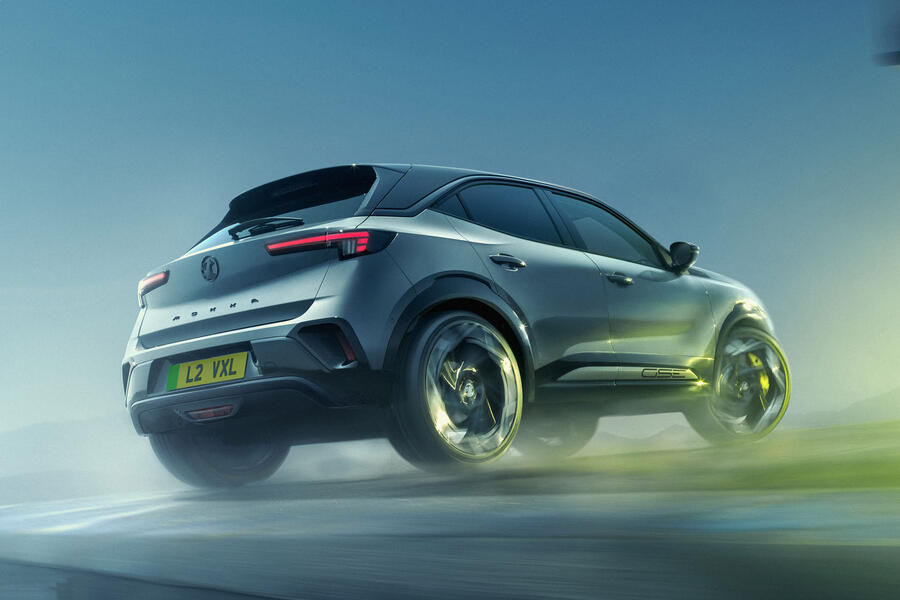
Visually, the new model is marked out by its neon yellow contrasting elements and new gloss black panels on its front and rear bumpers. Inside, it has Alcantara bucket seats and door cards, and the infotainment touchscreen features new displays including a g-force meter.
Prices and delivery dates have yet to be confirmed, but a 600e with the 276bhp motor starts from £39,885, while the Junior Elettrica Veloce is £42,305.
That suggests the Vauxhall could land in the high-£30,000s – possibly just undercutting the UK’s £40,000 luxury car tax threshold.
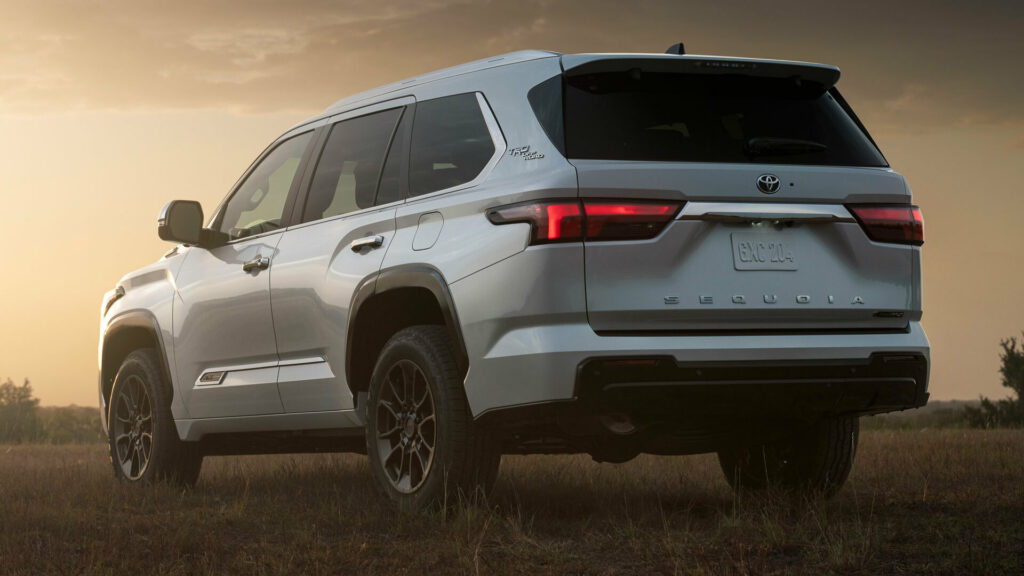
2026 Toyota Sequoia Arrives with Higher Prices, Fresh Luxury, and More Standard Features
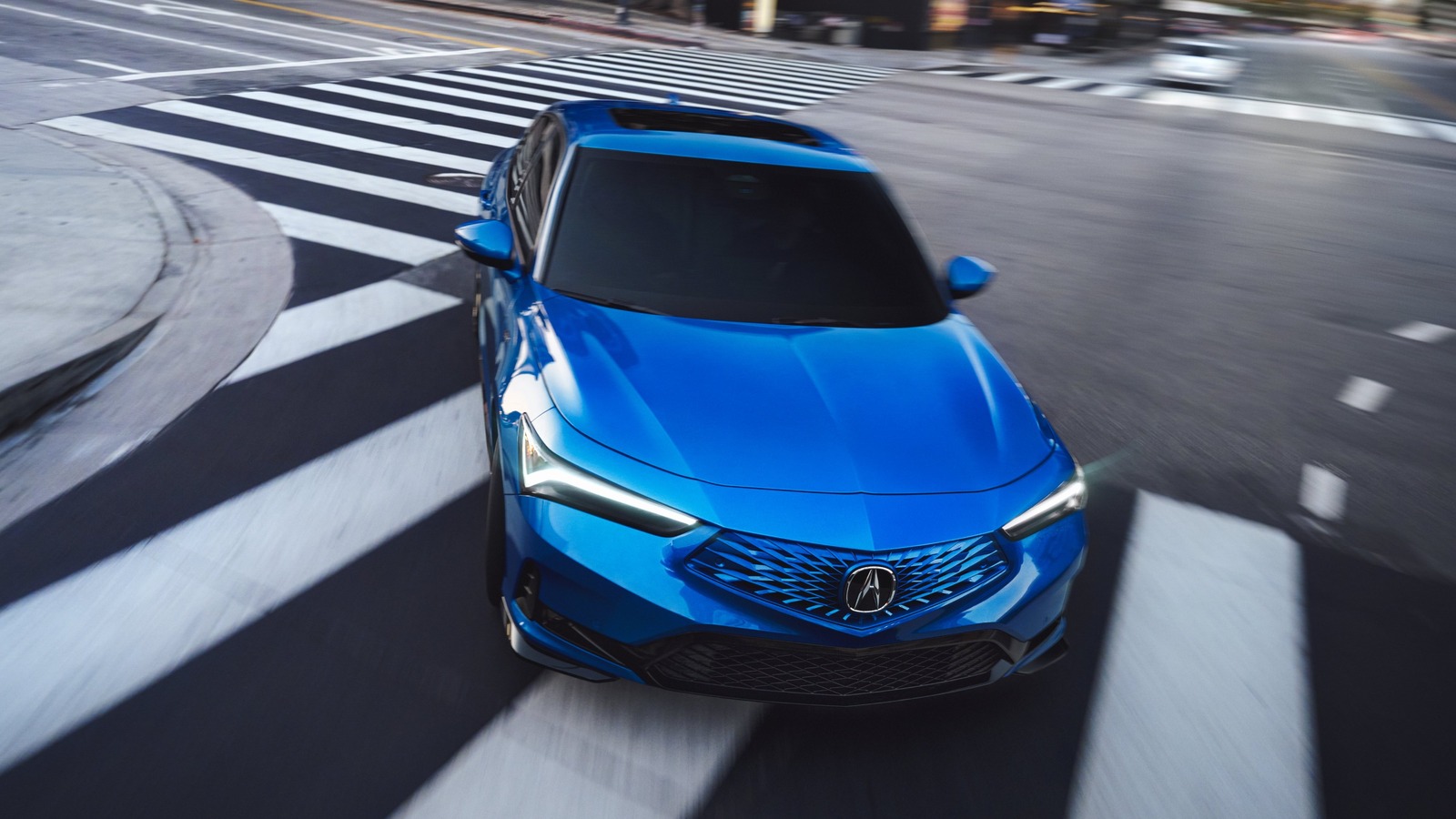
2026 Acura Integra Shines With Fresh Colors, Enhanced Interior, and Upgraded Touchscreen
How a Communist Dictator and Western Car Makers Shaped the Surprising Rise of Dacia
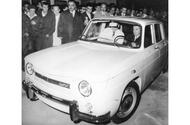
Romanian communist dictator Nicolae Ceausescu drives the first Dacia carThe Renault Group brand has had a rather tumultuous life since it first emerged in the 1960s
As the 1950s dawned, the recently installed communist government of Romania dictated that its population of peasant farmers be sent to work in factories.
The industrialisation of the country was rapid – and a decade later, the ruling party decided to add vehicle manufacturing to their growing collection of heavy industries.
Recognising that Romanians lacked the required knowledge or experience to design and build a car of their own, the party sent a group of specialists abroad to learn how to make automotive electricals and set about buying a production licence for a modern family saloon from a Western manufacturer.
Between 1965 and 1967, six sent representatives to Bucharest for discussions. Britain’s BMC offered its hugely successful Mini, Italy’s Fiat and Alfa Romeo the retiring 1100 and new Giulia, and France’s Renault and Peugeot the 10 and 204, both new.
Meanwhile, America’s Ford proposed a comprehensive 10-year industry-building project.
Romania’s new general secretary, Nicolae Ceausescu, most fancied Renault, after the firm secretly flew out a pre-launch prototype 12 in a guarded crate for him to personally evaluate.
Enjoy full access to the complete Autocar archive at the magazineshop.com
Alfa was particularly miffed about this, because Ceausescu announced his choice in the same week that his foreign affairs minister was visiting Italy to strike a deal for production of Giulias and Alfa buses.
A new firm, named UAP, would build Renaults in Mioveni, near the city of Pitesti, where a wartime IAR aeroplane factory had transitioned to making truck parts. There was a hitch, though: the tooling for the 12 wasn’t yet ready.
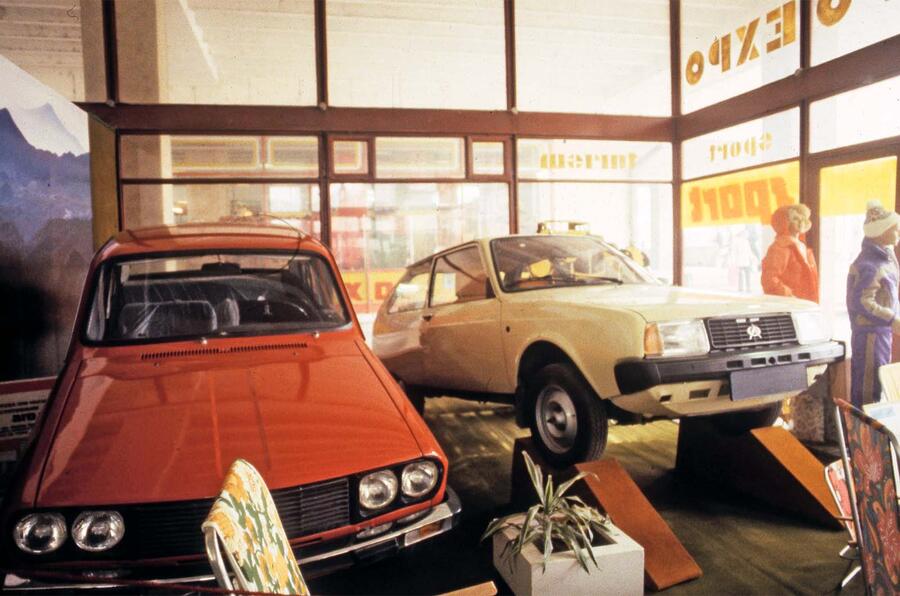
Renault offered the innovative 16 as an alternative, but the party deemed this too pricey. So the factory would have to start off making the older, rear-engined 8.
It was renamed the Dacia 1100 (Dacia was the name of Romania in antiquity), and efforts would be made to localise its supply chain.
The very first 1100 was driven off the line by Ceausescu in August 1968, and a year later it was joined by a rebadged 12, the Dacia 1300 – and Mioveni also started making parts for Renault.
From around 30% initially, local content would rise to 100% through the 1970s. Production totalled about 20,000 cars annually, many of them exported to France.
Such was Dacia’s success that in 1973 the party asked Renault about adding a smaller, more frugal car (the new 5, we would imagine) – but the answer was no. So instead it partnered Citroën, creating the Oltcit brand.
A new factory was built in Craiova, opening in 1981 with production of the new Visa and Club superminis – the latter developed from an old proposal for a 2CV successor and sold abroad as the Axel.
None of this was reported by Autocar when it happened, due to the obfuscation of the Iron Curtain and the lack of relevance to British drivers.
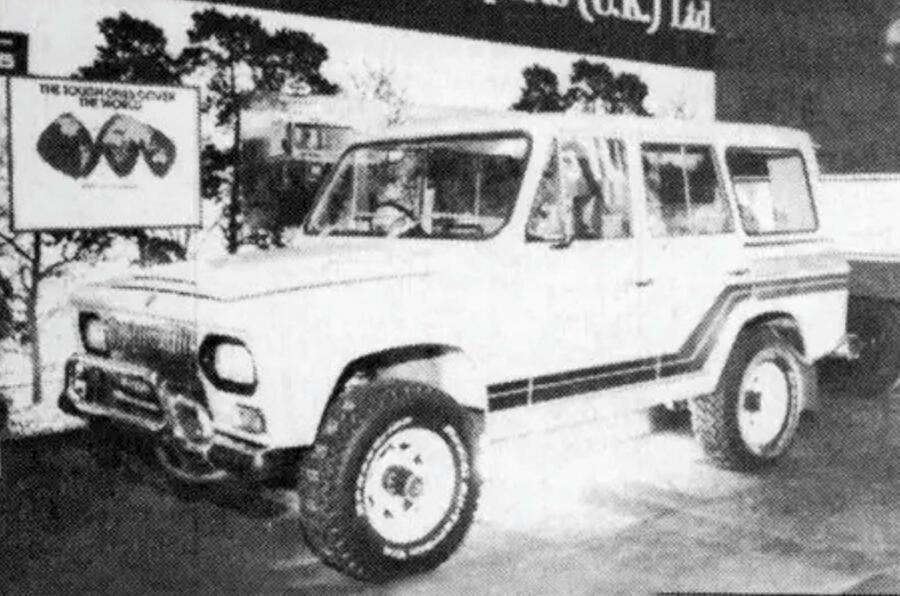
That changed in 1981 with an announcement by Yorkshire company Tudor Vehicle Imports. TVI had begun life two years prior importing 4x4s and commercial vehicles made by Romania’s ARO and TV firms, and now it was adding the Dacia 1300 saloon/estate to its dealerships.
“It is an ideal vehicle for the family man,” said TVI’s marketing director. “It compares favourably in size, power and fuel consumption with the Morris Ital but will be much more competitively priced.”
This was part of a £10 million expansion plan, backed by the Romanian government taking a 75% share in TVI and providing a cash injection. A new factory was to be built in Brighouse to build Dacias from knocked-down kits, creating 400 jobs – and so many applied that the company was “unable to cope”.
So it was disastrous when, merely months later, the party “suddenly seemed to lose their enthusiasm” and backed out of the plan, forcing TVI into receivership. It took legal action, but the result is unclear.
A Hampshire firm soon stepped in to import the 1300, renamed the Denem, to the great annoyance of embittered TVI boss Jack Wade – but the Dacia Car Co also slumped into receivership two years and 200 sales later.
Presumably the Denem wasn’t “very acceptable”, after all. But guess what? Our story doesn’t end there. Yet another firm fancied a crack, this one from Wiltshire.
And so in 1985, Autocar was able to conduct its first-ever Dacia road test (even if this Dacia was actually a rebadged ARO).
It was a rough-and-ready 4x4, and it was called the Duster.
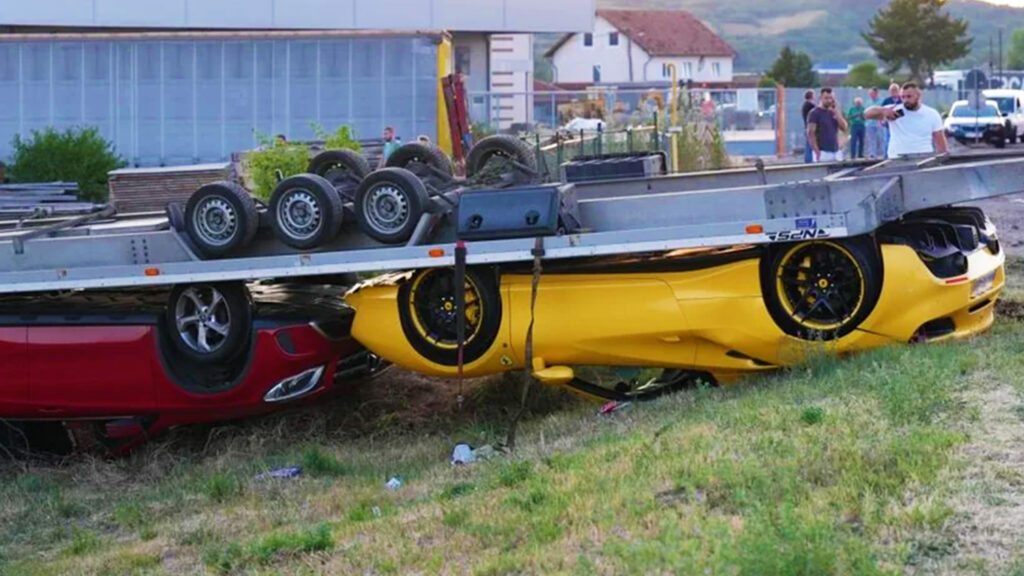
Luxury Cars Left Dangling After Trailer Disaster Highlights Towing Dangers
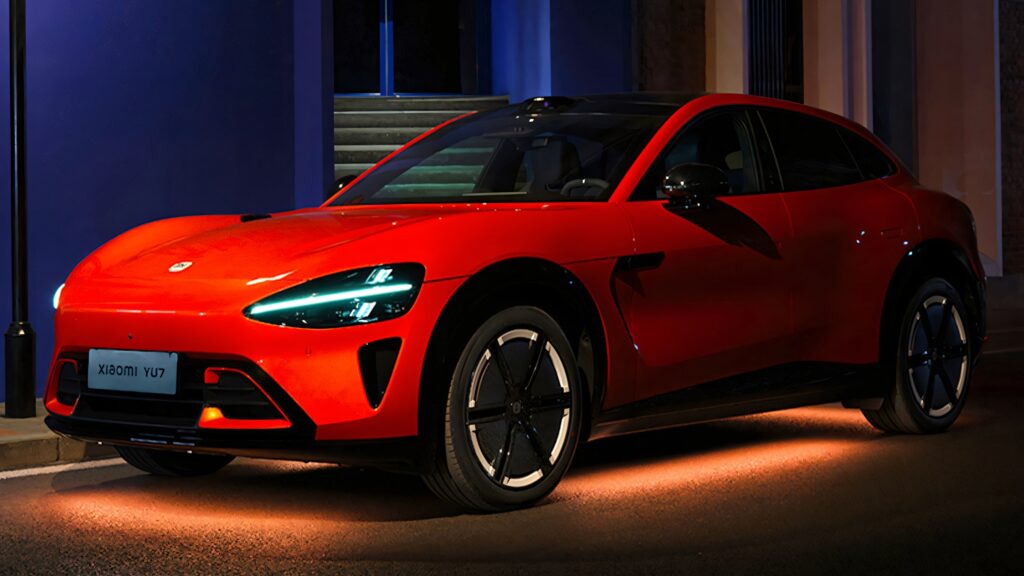
Xiaomi YU7 Frenzy Drives Sky-High Resale Prices Amid Year-Long Waitlists
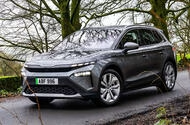
Five Reasons the Skoda Elroq Is the Ultimate Family Electric SUV
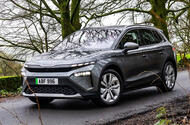 We explore five reasons why What Car? named the Skoda Elroq as its Family Electric SUV of the Year.
Skoda has an apparently simple mantra when it comes to developing its electric cars: “Do it once, do it right.” It’s a mantra that sounds simple, but which is remarkably difficult to pull off. Nevertheless, that’s what the company has managed, first with the prizewinning Enyaq electric SUV, and now with this, the award-winning Elroq, a car that stands as a tribute to the brand’s painstaking development process.
So, how has the Skoda Elroq earned its accolade as the What Car? Family Electric SUV of the Year? By being impressively multi-talented, that’s how. Here are five ways in which the new Elroq became What Car?’s best family electric SUV you can buy.
Learn more about the Skoda Elroq
#1 Space and comfort
Skoda has long been known as a brand that specialises in making its cars roomy and practical, and the Elroq certainly delivers in that regard.
As you’d expect, there’s generous space for the driver and front-seat passenger to stretch out in comfort, and the way the driver’s seat “offers support and lines up perfectly with the steering wheel and pedals”, was an area of particular commendation. Then as What Car? states: “it’s in the back that the Elroq really impresses: even a six-footer will have plenty of head and leg room to spare when sitting behind a similarly tall driver”. The cabin is also wide, which means that three people can sit abreast quite comfortably. It helps that the Elroq was “designed from the ground up as an electric car, and has a flat floor”, enhancing comfort for everyone in the back seats. And greater comfort means less chance of squabbles if you have a couple of “competitive” teenagers back there.
When people get into a car, they often bring a lot of stuff with them, but that’s no issue for the Elroq. As What Car?’s testers noted: “There are lots of handy storage cubbies between the Skoda Elroq’s front seats, plus its door bins are large and lined with felt so your possessions don't rattle around”. That’s a prime example of Skoda’s desire to ensure that every journey in the Elroq is perfectly convenient.
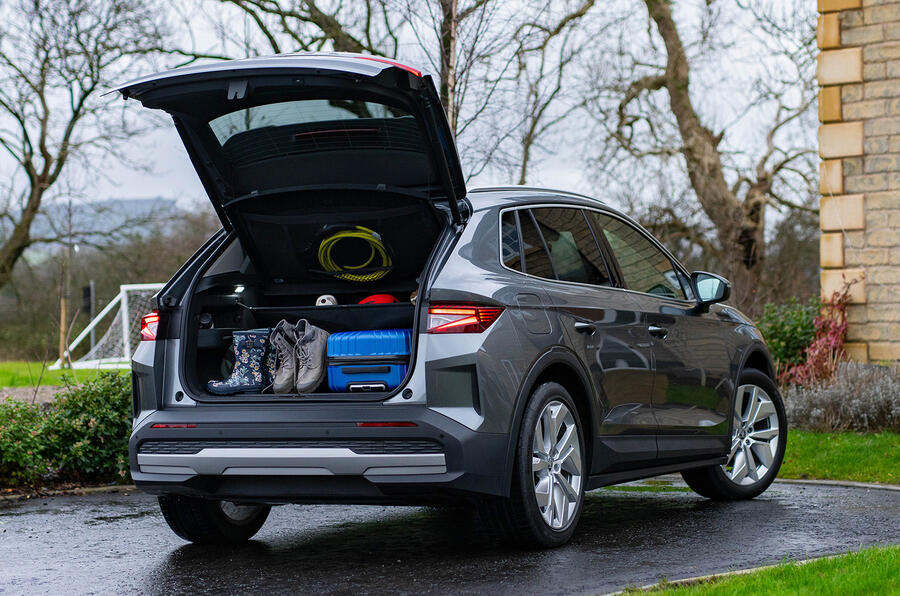
That continues in the boot area, where there’s a whole 470 litres of space. And better still, if you follow What Car?’s recommendation and add the Transport Package, the boot area will have not only a net for the underside of the rear parcel shelf to store your charging cable in, but also a height-adjustable boot floor, which “gives you more underfloor storage and reduces the size of the lip at the boot entrance so that it's easier to load and unload heavy items”.
#2 Range and charging
No matter what your daily motoring needs, there is a Skoda Elroq that will fit seamlessly into your life.
The range kicks off with the 50 model, which has a 55kWh battery. This offers a range of 232 miles – more than enough to make day-to-day journeys stress-free experiences.Next up is the 60 model, which features a 63kWh battery. It’s ideal if your motoring life comprises daily urban trips with the odd longer journey.
And at the top of the range sits the 85 model, which has a 82kWh battery and an official range of 355 miles. So, if you need to take a trip from, say, Birmingham to Edinburgh, you’ll be able to cover the distance without giving range a second thought. Anxiety? That’s a thing of the past with an Elroq.
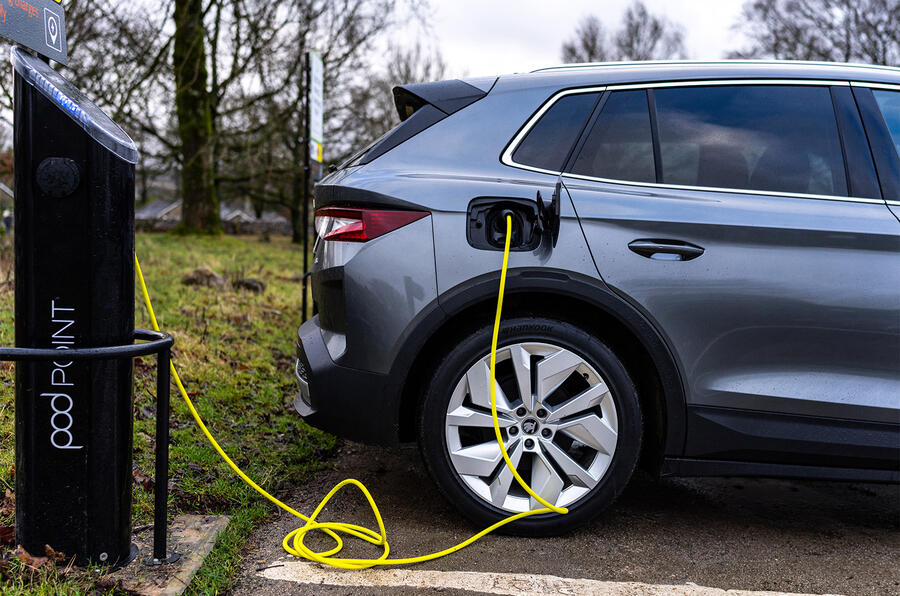
And when the time comes to recharge your Elroq, you won’t have to spend long doing so. The 85 version can be recharged at a maximum rate of 135kW, which means a top-up from 10%-80% takes just 28 minutes – just about long enough for a snack and a beverage. Overall charging times are much the same for the 50 and 60 models, too.
#3 It’s great to drive, everywhere
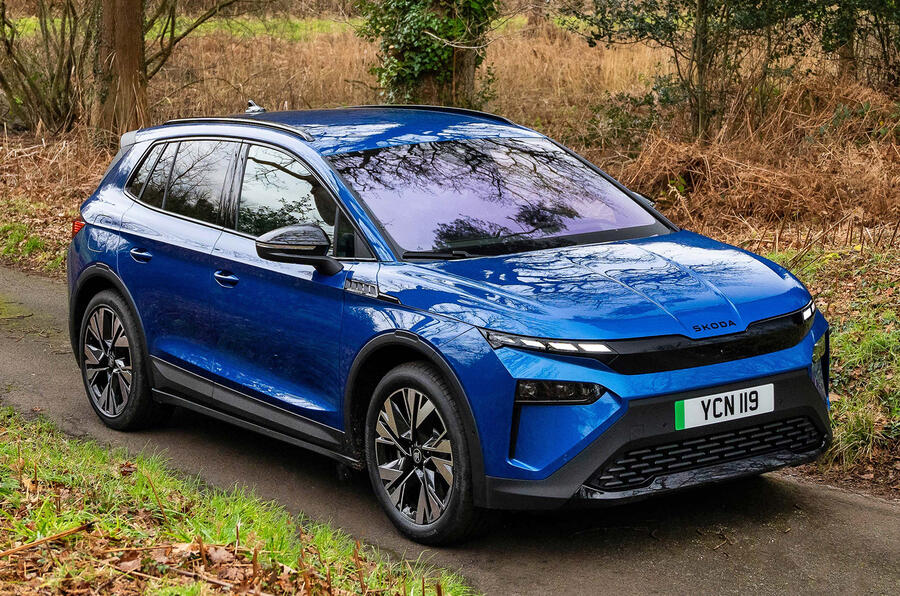
The Skoda Elroq is the ideal companion on any journey. The 50 model produces 168bhp, then the 60 model generates 201bhp, and the 85 version puts out 282bhp, an output that’s normally the preserve of hot hatchbacks. What this means is that no matter which model you choose, it has more performance than you’re ever likely to need.
You’ll be happy to travel long distances in your Elroq too, because as What Car? says: “The standard suspension absorbs most imperfections in the road surface well and delivers impressive body control on undulating country roads”. However, in further evidence that the Elroq caters for everyone, the 85 SportLine version can be specified with a Driver Package, which includes Dynamic Chassis Control – this is a system that allows you to alter the firmness of the suspension according to the bumpiness of the road, and the sort of driving mood you’re in.
According to What Car?, it has a wide range of configurations, so that “Comfort mode of DCC does exactly what its name suggests”, then “in the stiffest setting, body lean through corners is reduced noticeably”.
What Car? is also full of praise for the Elroq’s brakes, which allow you to pull to a halt smoothly, while the adjustable regenerative system on SportLine Elroqs is also singled out as a useful technology addition.
The well-weighted steering also gives the driver confidence in any situation, while the tight turning circle makes the Elroq very easy to manoeuvre.
Any car can be wearing if it’s too noisy on a journey, but there are no such concerns in the Skoda Elroq, which What Car? tests have shown is quieter than many rivals. Indeed, testers reported: “Big journeys should be relaxing and stress-free – an important consideration given the Elroq’s long-distance credentials.”
#4 It’s packed with technology
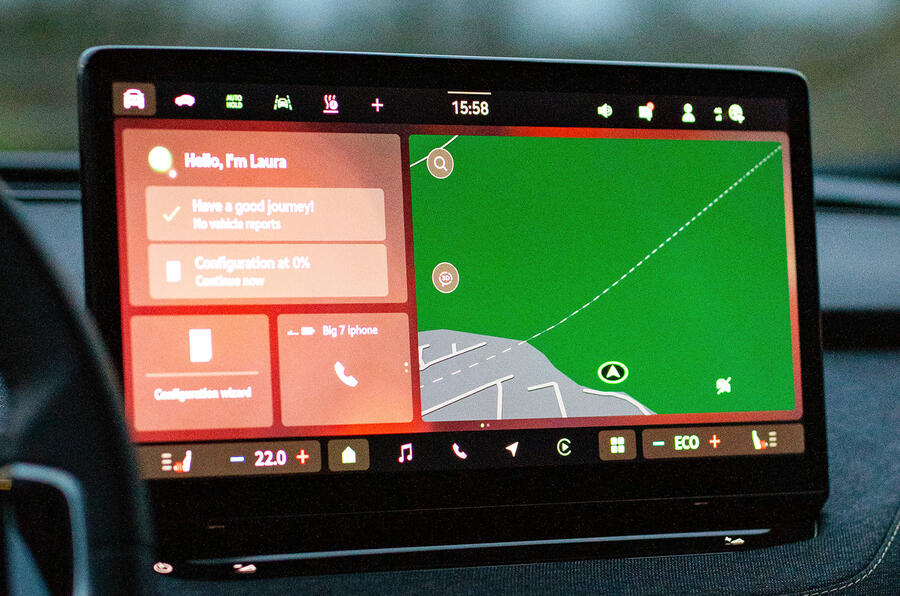
There are four trims available, starting with SE and ascending though SE L, Edition and SportLine, and SE provides proof that when you invest in a Skoda Elroq, you’ll feel like you’re being spoiled. That’s because this version comes with 19-inch alloy wheels, super-bright LED headlights and a dual-zone climate control system for the cabin. And that’s not all – how about heated, self-dimming and electrically folding door mirrors, rear parking sensors, a rearview camera and cruise control?
If you’re the sort who feels the cold, then SE L is the trim for you, because it adds a heated steering wheel and heated front seats. Front parking sensors make tight manoeuvres easier, too.
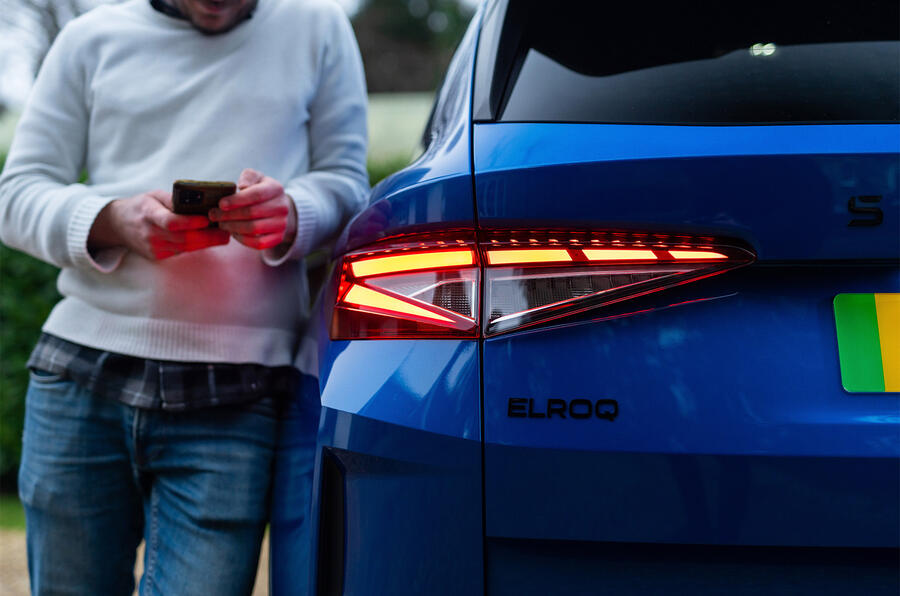
Edition trim is perfect if you regularly do longer journeys, because you’ll be able to take advantage of the standard adaptive cruise control (which includes traffic jam assist), the wireless smartphone charging, the satellite-navigation system and the ability to select your preferred drive mode. Your Elroq will lock automatically as you walk away from it at journey’s end, too.
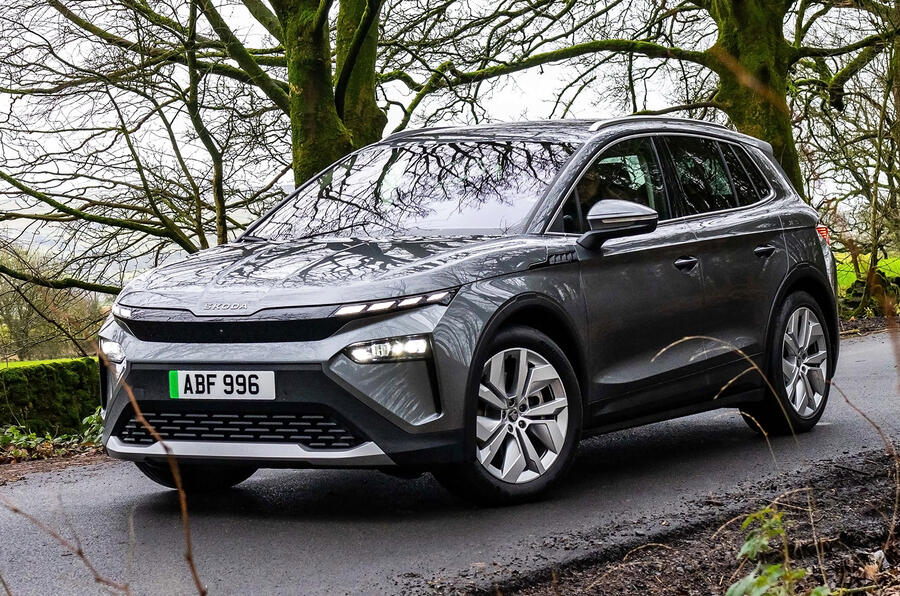
SportLine models have an undeniably purposeful presence, thanks to their gloss-black styling highlights, and the upgraded 20-inch alloy wheels. Full Matrix LED headlights ensure no corner of the road goes unlit, and are backed up by the Dynamic headlight range control. An electrically operated tailgate with kick activation just makes life easier when you’re loaded with shopping, and the front sports seats hold you firmly and comfortably on even the most spirited drive.
#5 Safety is paramount
The Skoda Elroq is designed to keep you safe and protected during every excursion. Indeed, it contains such a range of both active and passive safety systems that even NASA might be impressed. As What Car? noted: “Even the cheapest version comes with lots of safety kit, including automatic emergency braking (AEB), traffic-sign recognition, a driver attention warning system, blind-spot monitoring and plenty of airbags.”
That AEB set-up is designed not only to stop an inattentive driver from rear-ending a car ahead, but will also help to prevent collisions with pedestrians and cyclists. The Turn Assist system can also prevent a collision while the driver is turning.
That’s not all, because the airbag system even incorporates a “central interaction airbag”, which inflates from the central armrest in a millisecond in the event of a side impact. In doing so, it stops the driver and front-seat passenger coming into contact with each other.
Summary
So there you have it. Five reasons that show how the Skoda Elroq is a car designed for everyone.
It’s for people who want a low-cost car to get around in, but also one that will make them feel special on every journey. It’s for people who want a vehicle that will make them smile during each trip, as well as provide the reassurance of a comprehensive safety net every time they and their family get into it.
And it’s a car that makes sense as a private ownership package, or as a business choice.Like we said – everyone.
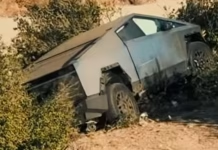
Cybertruck Crash in Cajon Pass Sparks Dramatic Ravine Rescue