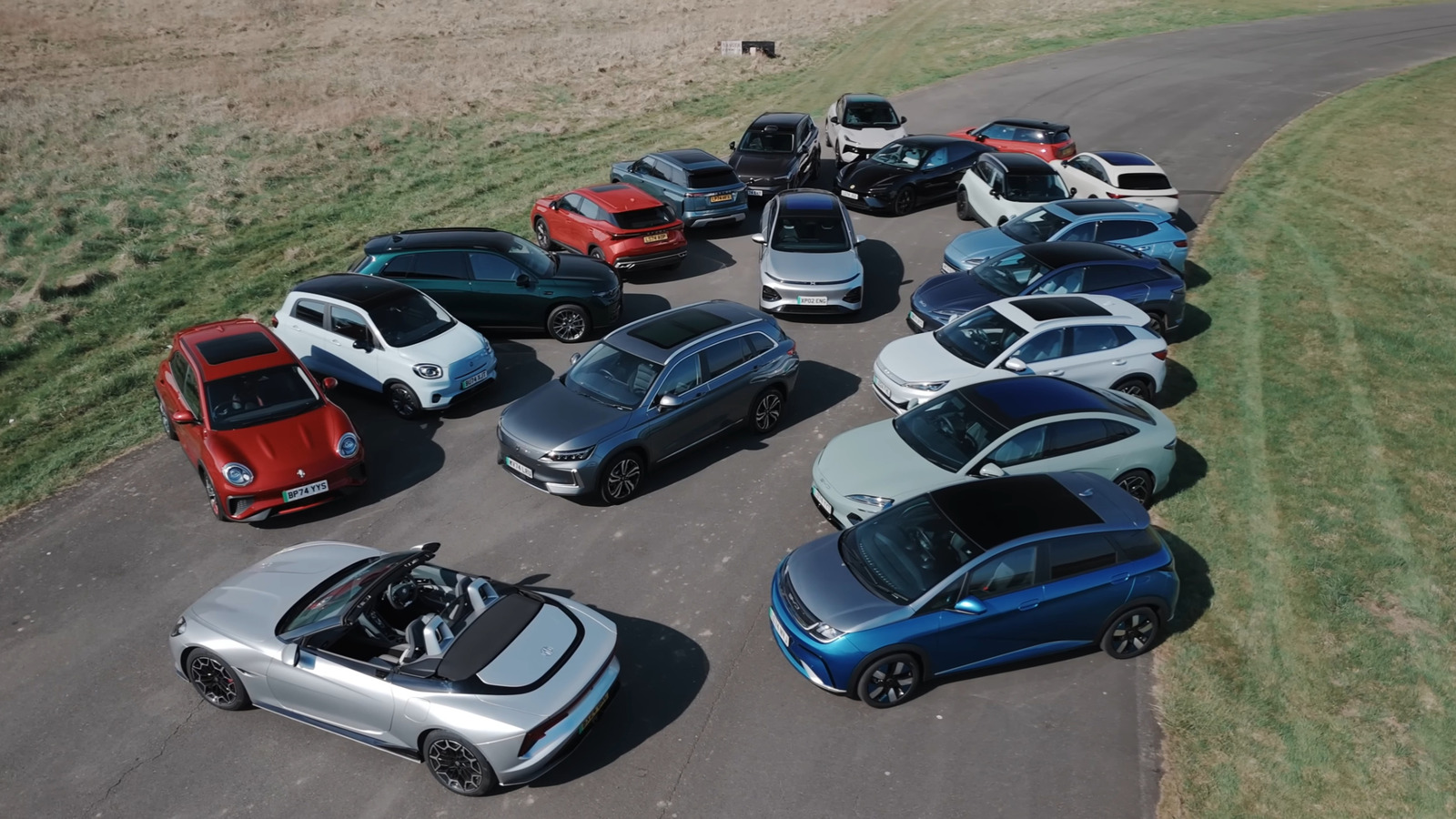
Top Supercars Ranked: The Ultimate Guide to Today’s Most Thrilling Rides
 The latest mid-engined Ferraris, Lamborghinis, McLarens… our road testers rank them and name the best
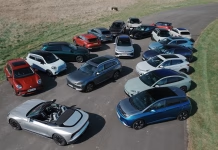
The best supercars aren’t just fast. They feel, and look, like they’ve been plucked from a fever dream. Albeit a lucid one where the finest engineers in the world attempt to achieve driving perfection.
Supercar itself is a somewhat elastic term. Over the years it has stretched to fit all manner of exotica. But at their core, supercars need outrageous power and outlandish design. They need to be impactful, full of drama and they need to be somewhat brash.
Apart from that, the term supercar can be loose. No one manufacturer particularly follows a set of rules governing what a supercar is, or is not. Combustion-loving car makers still wage war with a cornucopia of options; naturally aspirated V10s, turbo’d V6s and flat plan V8s are ever present - while the Lamborghini Reveulto found on this list even adopts a PHEV V12.
To be crowned the best, though, a supercar must do more than just thrill in a straight line. It has to seduce you at walking pace, whisper promises of greatness, then deliver in full flight.
The McLaren Artura excels in all these areas, which is why it sits atop this list. Its versatility as a mid-engined supercar is special. It’s usable enough that you could actually drive it every day, yet its all-round driver engagement is better than any other car on sale.
Keep reading to discover our definitive list of the finest supercars you can buy in the UK right now.

Ineos Grenadier Trialmaster X Letech Unleashed as Ultimate Off-Road 4×4 with Portal Axles
 Conversion by German firm Letech promises genuine go-anywhere capability
Ineos will sell the extreme portal-axled version of the Grenadier 4x4 shown at last year’s Goodwood Festival of Speed, with prices starting at €170,000 (£147,000).
Called the Grenadier Trialmaster X Letech, it can be had as both an SUV and a pick-up, with a choice of BMW-supplied 3.0-litre straight sixes powered by petrol or diesel.
Built by German firm Letech, it replaces the regular Grenadier’s coil suspension with a new portal-axle design with five reinforced links at its front and rear ends, and offset wheel hubs. Combined with a set of 18in Hutchinson Industries beadlock wheels and 37in BFGoodrich tyres, this raises the Grenadier’s ground clearance by 186mm to 450mm and its wading depth rises to 1050mm.
The new axles are also said to provide greater wheel articulation and better weight distribution, further improving the 4x4’s off-road capabilities.
Completing the package are flared wheel arches, a ladder with a jerry can mount, spotlights, a spare wheel carrier and a front winch capable of lugging 4.5 tonnes.
The conversion will be offered first in European Union and European Economic Area (EEA) markets. Ineos has yet to confirm whether it will be launched in the UK, saying only that a wider roll-out is “subject to future announcements”.
It added that it has received more than 1000 expressions of interest from customers, such as from rescue services.
The decision to offer the portal-axle conversion officially confirms Autocar’s previous report that it was being considered alongside a range of other special editions, in a bid to maximise the brand’s revenues from relatively few sales.
“The main feedback from dealers is that the Grenadier is too cheap. It needs to be more expensive for the amount of car you get,” George Ratcliffe, then commercial director of Ineos, told Autocar last year. “They want to sell it for more.”
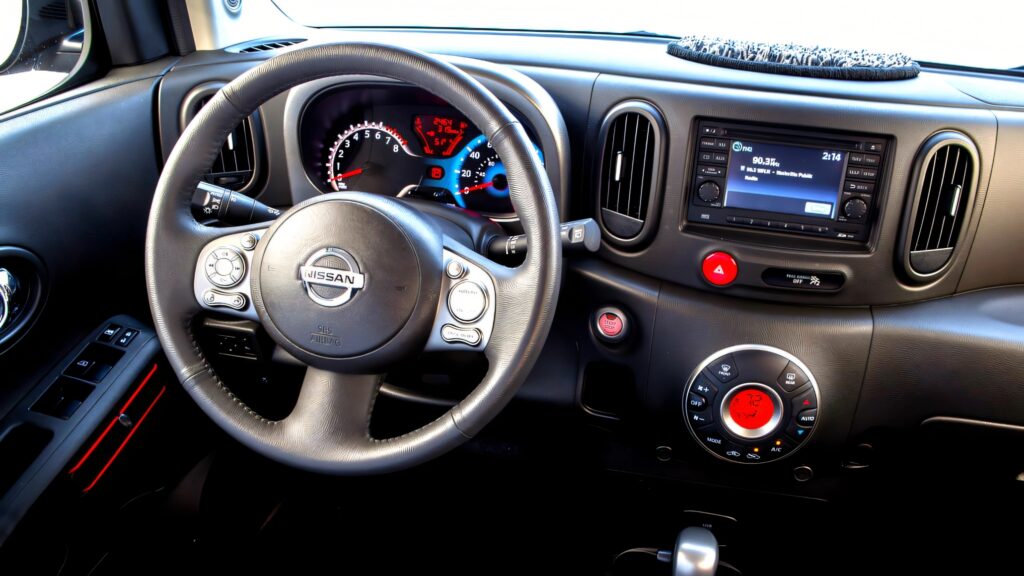
Nissan Cube Faces Safety Scrutiny After Airbag Malfunction in Crash
Unlock Incredible Savings: The Case for Buying Zero-Mile Used Cars
BMW’s Bold Comeback: The Return of Range-Extended EVs
Volkswagen’s ID 2 R: The Future of High-Performance Electric Hot Hatches
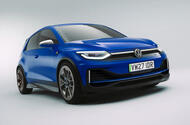 Four-wheel drive hot hatch will use groundbreaking tech to pave the way for future R cars
Volkswagen is exploring plans for a high-performance ID 2 R, which could be its first model to use in-wheel motors as part of a new four-wheel drive system.
The hot hatchback is claimed to be part of a broader engineering initiative, led by the R performance brand, to explore the potency and torque-vectoring potential of hub motors. If given the green light, the ID 2 R would sit above the already announced ID 2 GTI – and potentially even be pitched against the mega-powered Renault 5 Turbo 3E.
The drivetrain under consideration for the ID 2 R retains the front-mounted electric motor and power electronics of its GTI sibling but adds two independently controlled electric hub motors within the rear wheels. This would provide a significant boost in performance and four-wheel drive without compromising boot space.
Volkswagen officials have confirmed the ID 2 will make its debut in 2026, with the heavily related ID 2 crossover arriving in 2027.
Sources at the firm’s Wolfsburg HQ in Germany suggest the potent R version is being developed with input from a technical partner based in the Balkans that is believed to specialise in lightweight, high-output in-wheel motor systems. Combined with predictive torque distribution, brake-based yaw control and dynamic drive modes, the system is claimed to offer genuine hyper-hatch performance and agility without the bulk and cost of a conventional dual-motor set-up.
However, Autocar has also been told that it would not require expensive modifications to the ID 2’s ‘MEB Plus’ platform to accommodate a second, rear-mounted motor, should VW opt to offer the same performance from a more conventional setup instead. The smallest MEB-based car currently available with dual motors is the Skoda Elroq vRS, which is 400mm longer than the ID 2 concept.
With the front-wheel-drive ID 2 GTI set to deliver as much as 286bhp, it is expected that the ID 2 R will deliver in the region of 400bhp or more from its trio of electric motors.
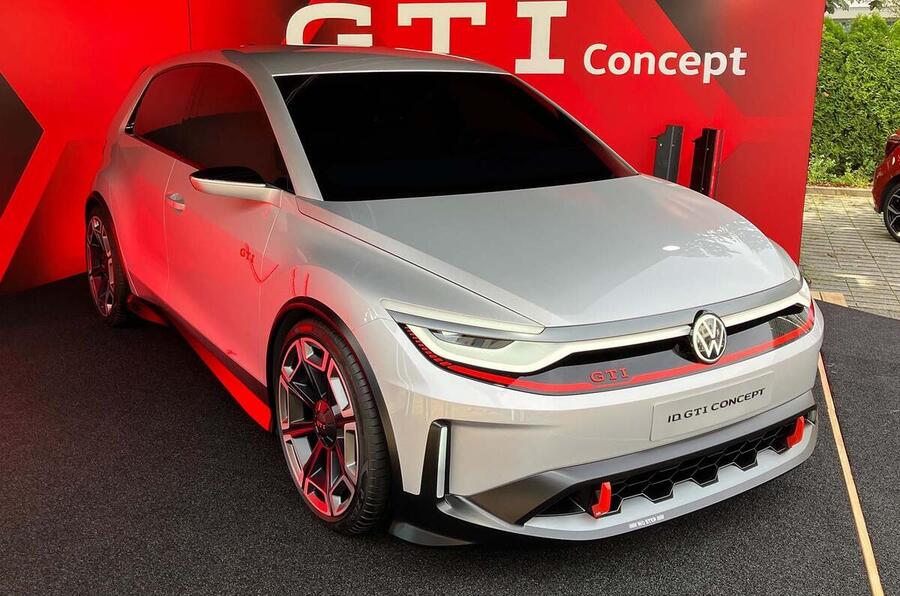
Volkswagen’s R division is understood to be focusing on minimising the weight penalty, ensuring the ID 2 R remains relatively light and responsive by class standards while delivering the traction and acceleration expected of a four-wheel-drive model – hence the experimentation with lighter in-wheel motor technology.
The target is to match or exceed the performance and handling of today’s warmed-up GTX EVs, such as the ID 3 GTX, but with a smaller footprint and at a more affordable price.
R division insiders hint that the ID 2 R could receive bespoke bodywork, chassis tuning and interior elements to distinguish it from the upcoming ID 2 GTI. Though not officially confirmed, it is seen as a spiritual successor to the 151mph Polo R WRC hot hatch of 2012 and a showcase for affordable electric performance technology.
The implications for the rest of the MEB Plus line-up are equally significant. By packaging the rear drive components entirely within the back wheels, VW can extend four-wheel-drive capability to compact crossovers and SUVs without packaging compromises. That could pave the way for the ID 2 crossover to be offered as a baby off-roader, like the upcoming dual-motor Renault 4 and Fiat Grande Panda.
This approach could also allow four-wheel-drive variants of future Volkswagen electric models, including the electric Golf – based on the next-gen SSP architecture – to retain the same boot volume, floor height and interior flexibility as the front-driven derivatives.
It is also claimed to help streamline platformsharing, giving Volkswagen the ability to build front-, rear- and four-wheeldrive models on a single architecture with minimal hardware divergence.
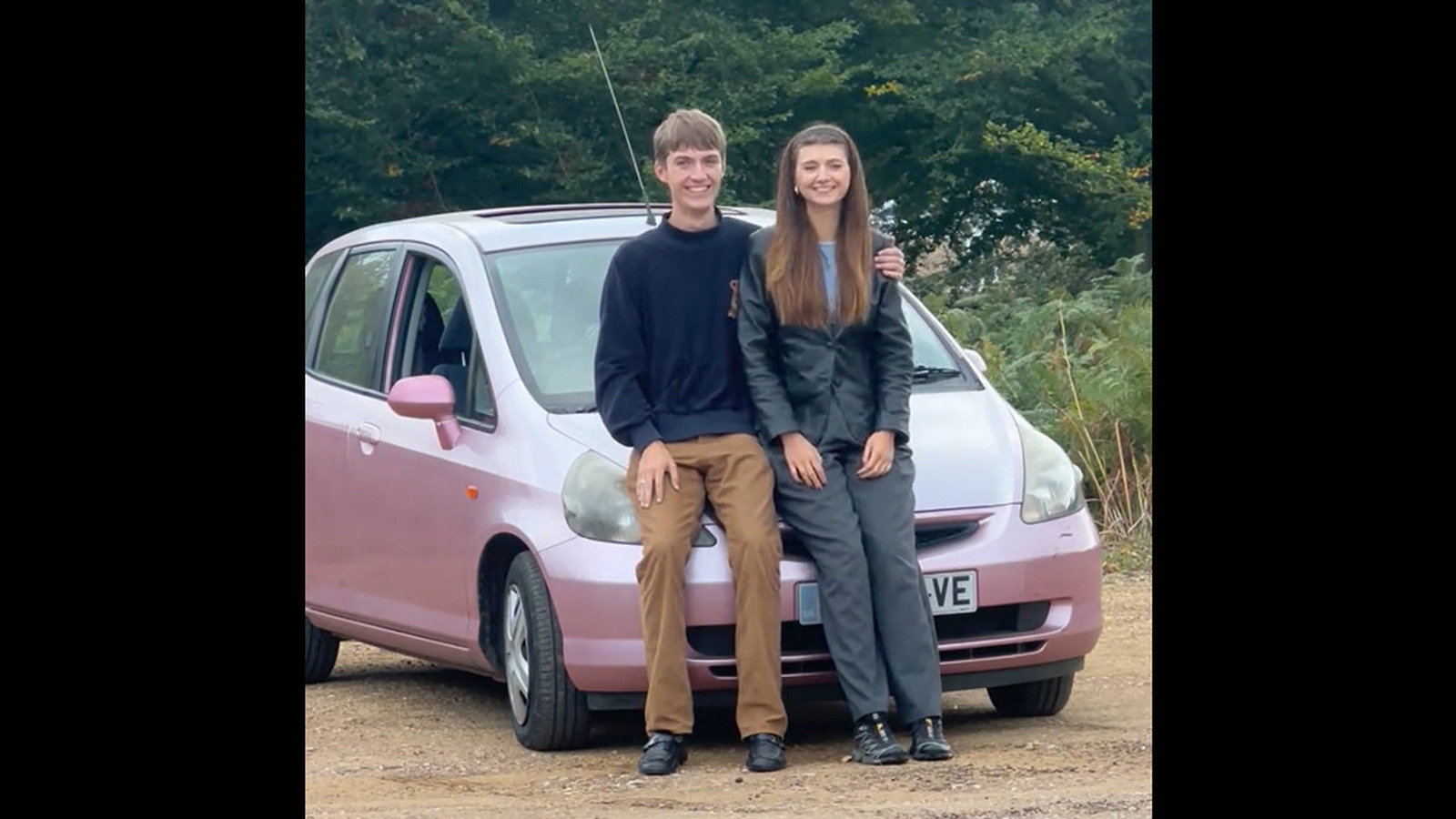
Transforming Rhonda: The Quest for the Ultimate Honda Jazz Restoration
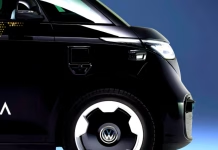
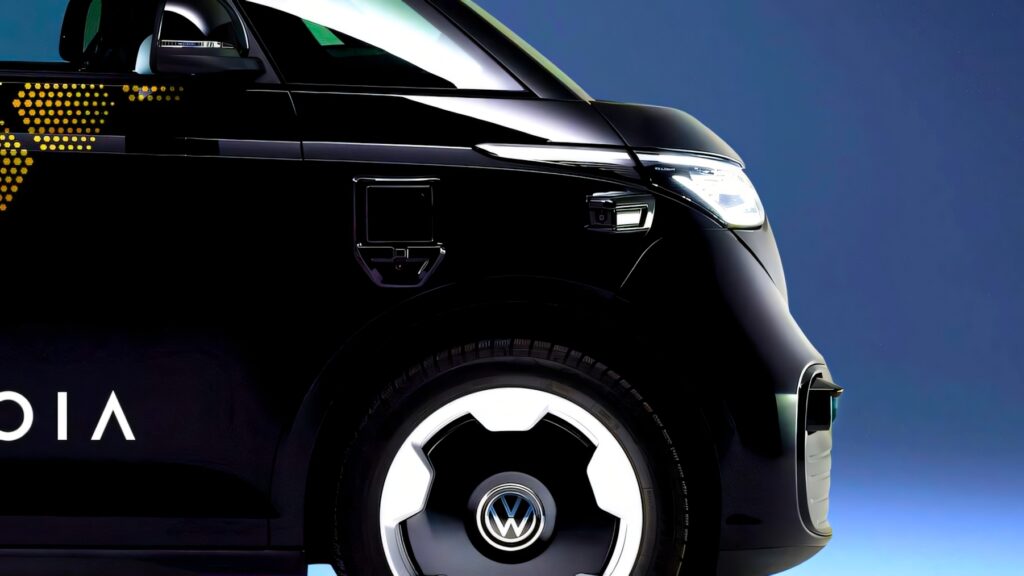
Volkswagen Unveils ID. Buzz AD: The Future of Autonomous Urban Mobility
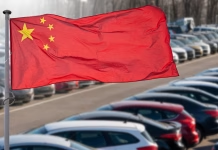
Chinese Brands Surge to the Top of the UK PHEV Market, Challenging Established Giants
 The BYD Seal U and Jaecoo 7 SUVs took the top two spots in the UK's PHEV sales chart last month
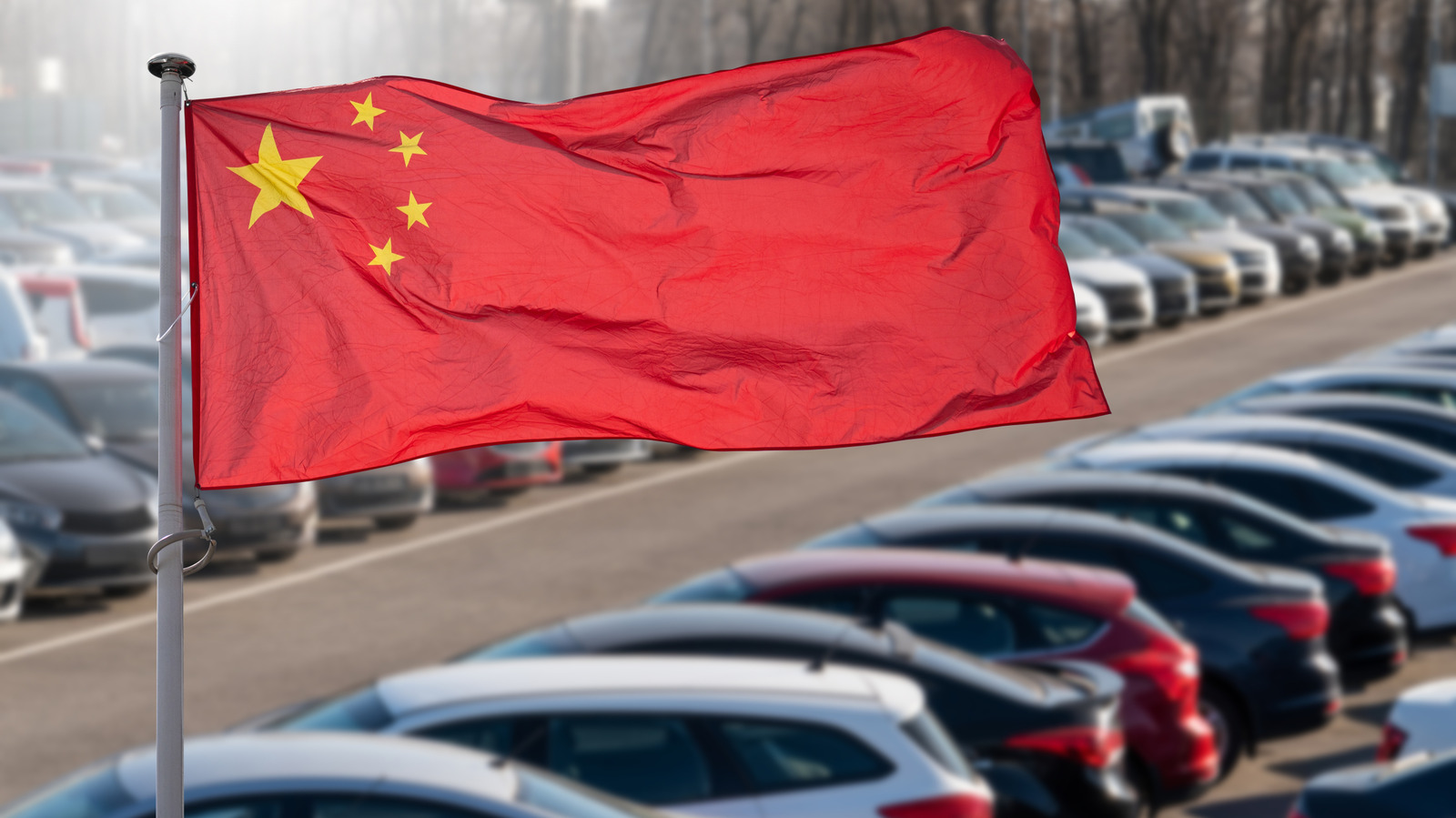
Chinese car makers have broken the stranglehold of Volkswagen, Ford and the premium brands on the booming UK plug-in hybrid market, taking the top two positions in May.
The BYD Seal U took the top spot with 1576 sales, followed by the Jaecoo 7 with 1346 sales, according to figures from market analyst Jato Dynamics. The Volkswagen Tiguan was third, followed by the Ford Kuga and Range Rover Sport.
The situation in the UK is being played out across Europe, where sales of Chinese PHEVs rose 421% to 30,400 in the first four months of the year, giving them an 8.3% of the PHEV market, Jato has revealed.
The growth of the Chinese is even more remarkable when you consider how few models they actually offer. More than half of those sales came from the Seal U, a fifth came from the MG HS SUV and 16% came from the 7, according to Jato. (Sales of the Geely-owned Lynk&Co 01 SUV, a pioneer in the segment, have however tumbled as the brand reassesses its model plan.)
China now has a greater share of the PHEV market than it does of the EV market in Europe, as makers diversify in response to the tariffs on Chinese-made electric cars. PHEVs aren't hit by those tariffs.
“They are trying to offset the drops from their BEV models in Europe with these powertrains, which are equally competitive,” Jato global automotive analyst Felipe Munoz told Autocar.
Chinese cars, along with new models from the Volkswagen Group, are driving growth of PHEVs across Europe, according to data from the bank UBS.
The UK was the second largest PHEV market in Europe in May, after Germany, with sales up 51% to hit 17,899 for a 12% share, UBS figures show.
German PHEV sales rose by a similar percentage to reach just over 25,000, while in Spain PHEV sales climbed 66% to 12,896 and in Italy they rose 52% to 8953.
France was unique among the big five European markets in recording a fall in PHEV sales, after tax concessions were removed at the start of the year.
“May was a month with strong momentum for Chinese brands,” UBS analyst Patrick Hummel said, noting their strong PHEV sales. “They’re no longer negligible in the competitive landscape.”
For a long time, PHEVs were the preserve of premium brands, with contribution from the Volkswagen Group for larger models.
Volkswagen, BMW and Land Rover were still the three biggest PHEV brands in the UK in May, according to SMMT figures.
However, the Chinese have won over a more cost conscious buyer with a combination of keen pricing, long electric-only range and generous standard equipment.
The Seal U, for example, starts at £33,315 with an official EV range of 50 miles. The 7 costs from £35,165 with a 56-mile EV range.
Both are beaten by the HS, which costs from £31,995 with a 75-mile EV range. By contrast, the cheapest Tiguan PHEV (also with a 75-mile EV range) costs 35% more, at £42,665.
The low official CO2 emissions figures of Chinese PHEVs gives them lower BIK tax ratings and thus makes them more appealing to fleet drivers. The UK's PHEV market was 70% fleet in May, SMMT figures show.
More Chinese PHEVs are on the way. BYD has said it will add another two models to its European line-up; one of them is expected to be the new Seal 06 estate, revealed at the Shanghai motor show in April.
Jaecoo owner Chery meanwhile has promised a slew of new PHEV models as it looks to pull a lead in the segment across Europe as part of a broader move away from pure-ICE models.
Already confirmed for the UK is a PHEV version of the current Omoda 5, as well the larger upcoming Omoda 7. The Omoda 9 PHEV has already gone on sale.
Between now and the first half of 2026, Chery will also launch models in its Tiggo SUV range in the UK, including PHEVs, as well as the new Lepas budget SUV brand.
These use the T1X platform that incorporates the Chery Super Hybrid drivetrain. The forthcoming Freelander PHEV SUV, developed in conjunction with JLR, will also be T1X-based.
The sharp growth of PHEV sales marks a remarkable reversal of fortune for the drivetrain, which has come under scrutiny by the EU for the wide discrepancy between lab-created CO2 figures and real-world usage.
The drivetrain has been mocked by green groups for creating ‘fake electric cars’ chosen for their tax benefits rather than fuel savings, with their owners being under no obligation to plug them in.
New rules governing the so-called ‘utility factor’ in the WLTP emissions testing however has forced car makers to increase the battery size to stretch the EV range.
Meanwhile, feverish competition in China, along with a supply chain estimated to be around 30-40% cheaper than that in Europe, has vastly improved the electric driveability.
For example, the electric motor in the HS is rated at 209bhp, higher than 1.5-litre petrol engine at 143bhp, encouraging drivers to use the engine as a range-extender back-up only.
The Chinese have more up their sleeves. BYD is working on a range of new PHEVs with around 200km (124 miles) of EV range and the ability to rapid-charge at speeds of more than 150kW.
Geely's Zeekr meanwhile has rolled out its so-called super electric hybrid technology on its new 9X large SUV, with 900V electricals promising ultra-fast charging of batteries up to 80kWh in capacity.
On the battery front, Chinese battery giant CATL has developed low-cost sodium cells specifically for PHEVs and range-extender EVs, bringing fast charging and better low-temperature performance.
Those signed up to the so-called Freevoy battery include Li Auto, Geely and Chery, CATL has said.
The hope is that the PHEV drivetrain redeems itself to the point it becomes the saviour of the combustion engine.
“PHEV has become the new battleground,” BYD's special advisor for Europe, Alfredo Altavilla, told Autocar recently. “Everybody is shooting for a revision of the so-called green deal that will open up markets also beyond 2035.”
The danger in the short term is that the EU clocks the sharp rise in PHEVs from China and envelops them into the EV tariffs.
“The question is how long will the EU wait to impose tariffs on these cars too,” Jato’s Munoz said. “Or have the Chinese makers learnt the lesson to go more gradually?"
Discovering the Hidden Gems in China’s Automotive Revolution