Kia EV9 GT: The Electrifying Seven-Seater That Redefines Speed and Style

EV9 GT gets a different daytime running light signature to the regular EV9Kia's huge EV can now dispatch the 0-60mph sprint in just 4.3sec; also gains a simulated gearbox
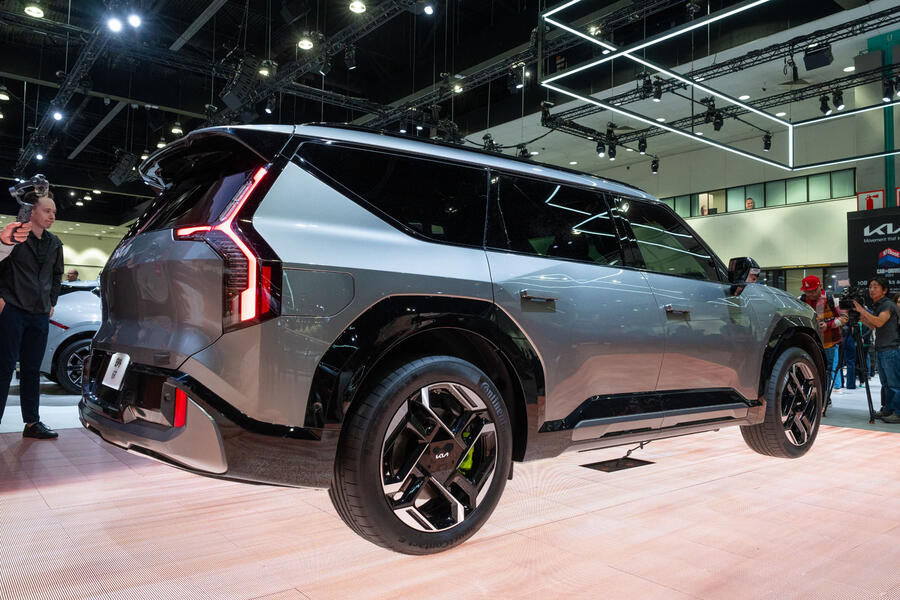
The hot new Kia EV9 GT will be priced from £82,185 when it lands in the UK later this summer.
One of the UK's fastest seven-seaters, it's capable of dispatching the 0-62mph sprint in 4.6sec, putting it on a par with the BMW iX xDrive60 and placing it between the 4 and 4S versions of the Porsche Macan Electric.
The electric SUV has a 215bhp motor mounted on the front axle and a 362bhp electric motor at the rear combining for a total output of 502bhp. That’s 124bhp more than the current EV9 range-topper, the GT-Line S.
The only seven-seaters faster than the EV9 GT are the Audi SQ7 (taking 4.1sec to hit 62mph) and the Tesla Model X Plaid (2.5sec to 60mph) – although the Tesla is no longer offered in right-hand-drive form here.
As well as the significant bump in power, the EV9 GT gets the simulated gearbox and engine sounds from Kia sibling brand Hyundai’s Ioniq 5 N.
This can be controlled using paddles mounted on the steering wheel and is intended to add more engagement to the electric driving experience.
Kia has also made a number of tweaks to ensure that the SUV – which weighs 2648kg in more mild GT-Line form – can corner too. It gets electronic suspension, which adjusts its firmness based on the car’s drive mode, in addition to an electronic limited-slip differential that distributes power to the wheels with the most traction.
Stopping power is said to have been boosted by the fitting of larger front brakes.
The EV9 GT's range is officially pegged at 280 miles between charges, considerably down on the 349 miles of the more efficient EV9 Air.
Its 99.8kWh battery can be recharged from 10-80% in 24 minutes, according to Kia.
Inside, the EV9 GT is differentiated from the standard EV9 by a range of neon-green accents, such as on the steering wheel and on the GT-specific sports seats, which are upholstered in Alcantara and imitation leather. The ambient lighting can also be set to the same green tone.
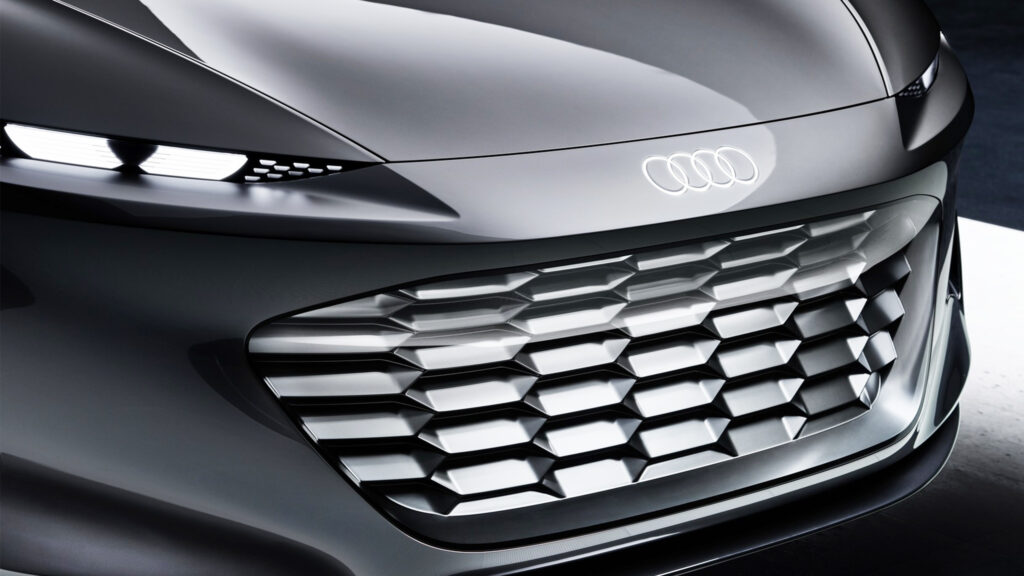
Audi’s Bold New Direction: First Concept Under Fresh Design Leadership

Exploring Lotus and Nostalgia: A Journey Through Cars and Memories
 Cropley travels to Hethel to meet Lotus, Prior laments the demise of a Cozy Coupe, and the pair discuss Caterhams and Dacia Joggers
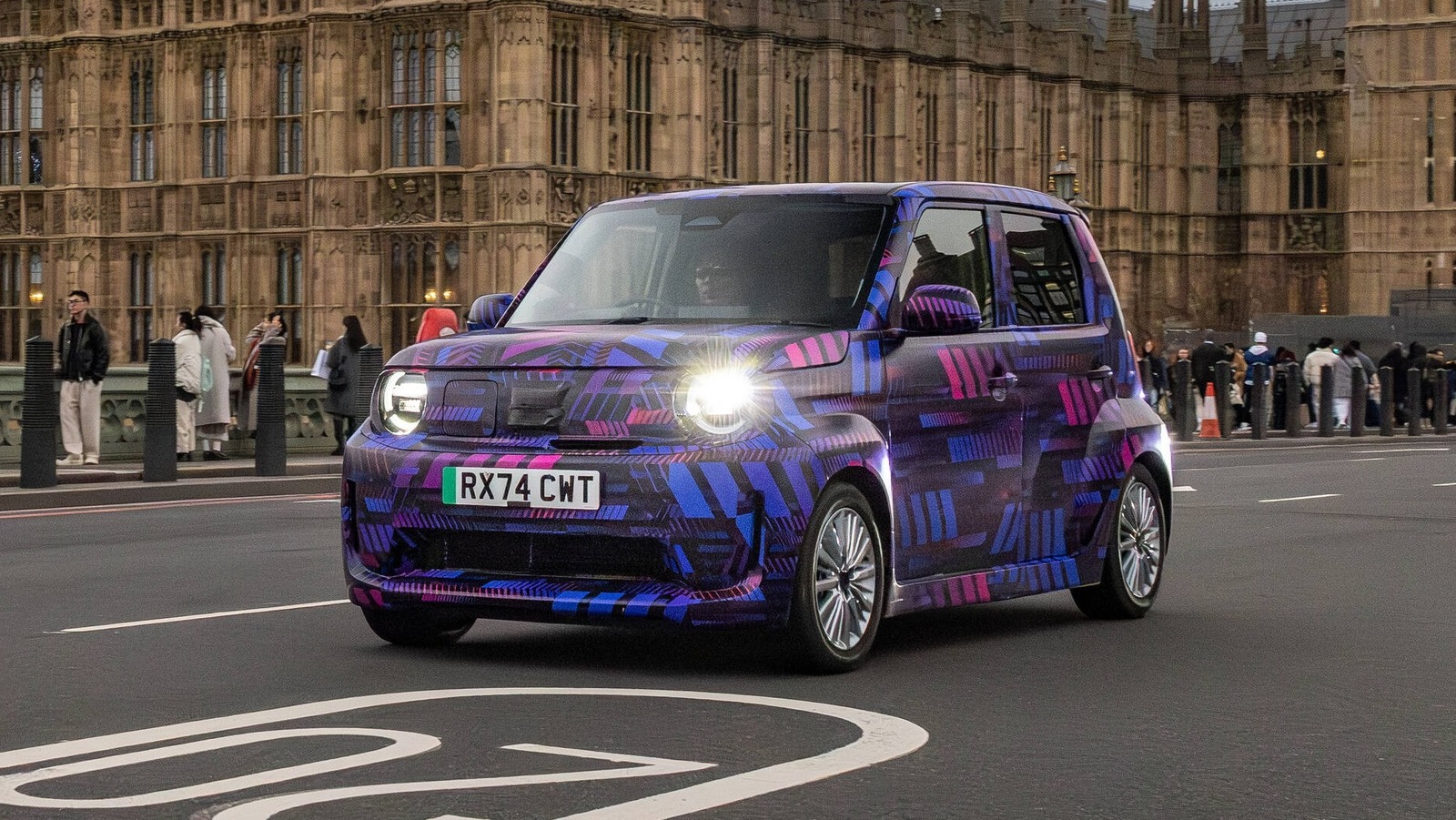
Unveiling the Super EV: A Bold Kei Car Concept Set to Dazzle at Goodwood
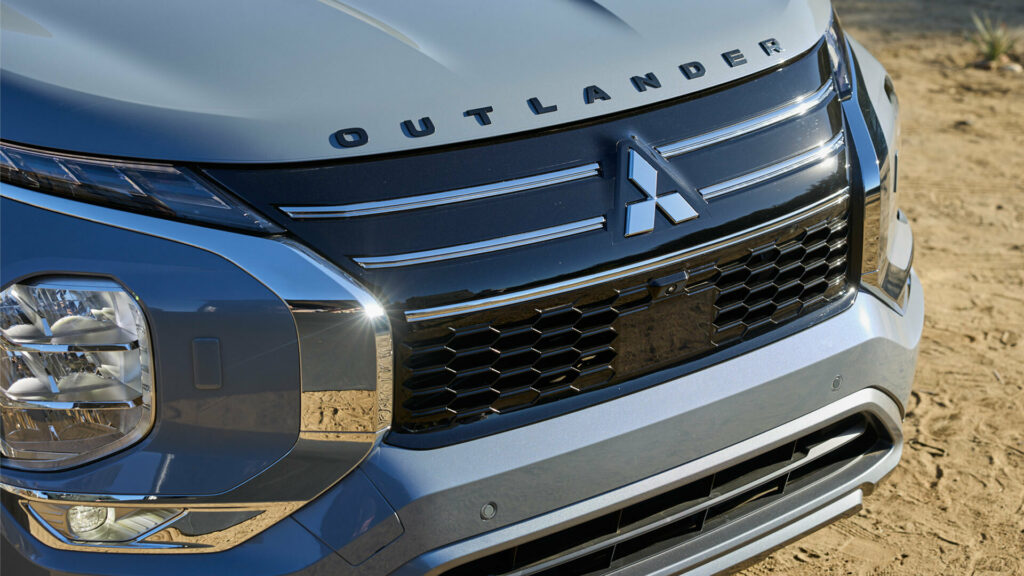
Mitsubishi’s Price Hike: What You Need to Know Before Buying
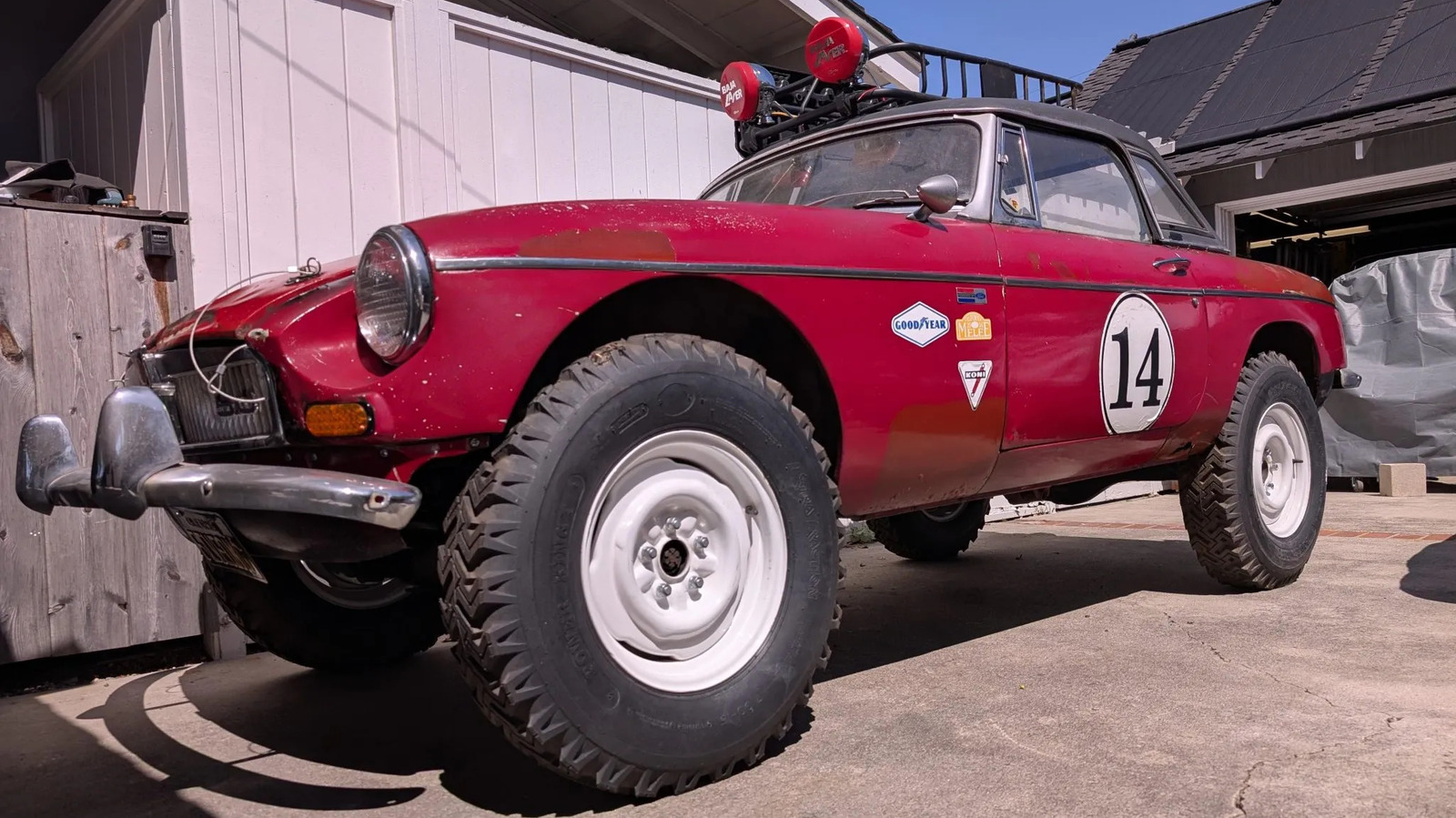
Unleashing Adventure: The MGB That Redefines Off-Roading

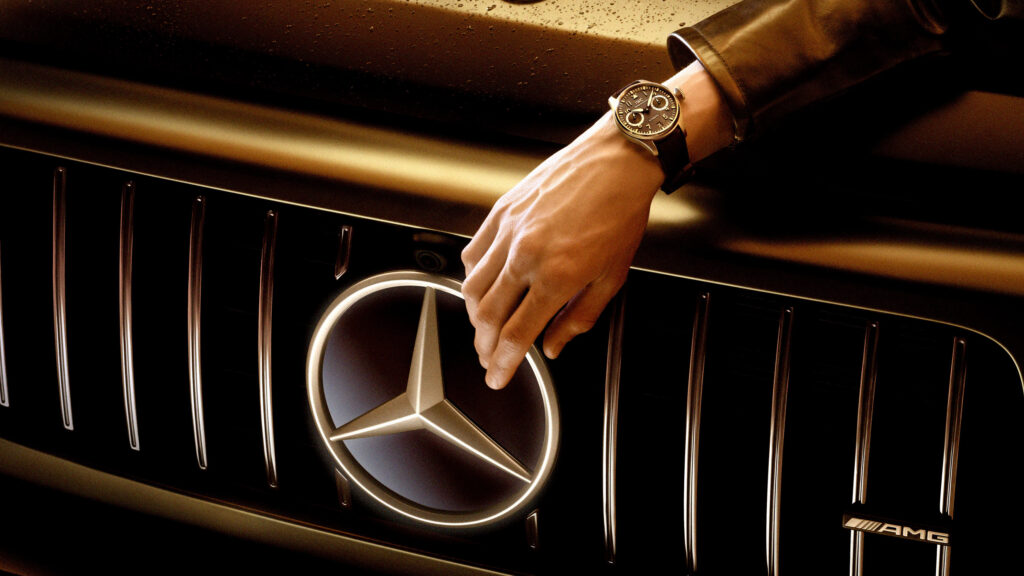
High-End Heist: $350K Mercedes G63 Disappears in Dealer Scam

Electrifying Performance: The Next-Gen Audi RS6 Blends Hybrid Power with Electric Innovation
 Both hybrid and electric performance A6s are being readied for 2026
The next Audi RS6 will be completely electrified for its fifth generation in 2026, when it will arrive with both a plug-in hybrid V8 powertrain and a fully electric one – a first for Audi Sport.
Set to rival both the electric BMW i5 M60 and the PHEV BMW M5, the new RS6 will be the most powerful version yet, producing as much as 730bhp in combustion-engined form.
And for the first time since 2010, the RS6 will offer a choice of estate and saloon bodystyles.
The decision to continue offering a combustion-engined RS6 comes two years after Audi Sport confirmed its intention to take the RS6 fully electric. Slower than anticipated EV sales in important markets prompted a revision of that plan, with Audi now instead seeking to extend the life cycles of key ICE models well into the next decade.
The dual-powertrain approach is underpinned by a dual-platform strategy. The electric RS6 E-tron sits on the Volkswagen Group’s Premium Platform Electric (PPE). Meanwhile, the combustion-engined RS6 adopts the Premium Platform Combustion (PPC) – an evolution of the MLB architecture used by the current RS6, which was introduced in 2019.
Details remain scarce, but the combustion-engined RS6 is understood to continue with an updated version of the Porsche-developed twin-turbocharged 4.0-litre V8 petrol engine used by its predecessor. But in order to meet stricter Euro 7 emissions legislation, it is expected to be combined with a plug-in hybrid system that incorporates a gearbox-mounted electric motor and a lithium ion battery – a set-up already deployed in various Porsche and Bentley models.
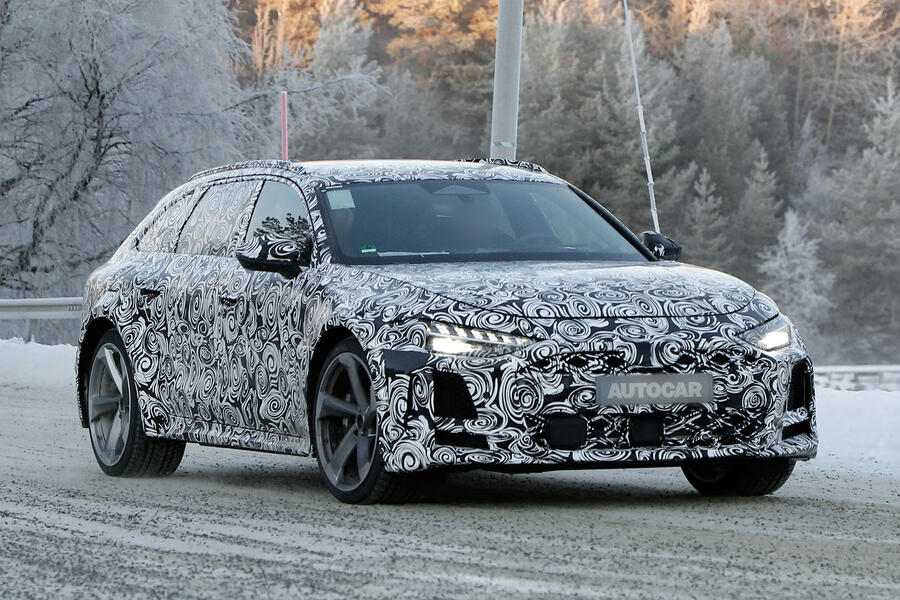
Recent sightings of test vehicles appear to confirm this development, with mules spotted wearing smaller, more inboard tailpipes closely resembling those fitted to the Porsche Cayenne Turbo E-Hybrid. A ‘high voltage’ sticker has also been seen on these prototypes.
Using this set-up also means a bump in power over the existing RS6’s 621bhp and 627lb ft. For example, in the most potent Cayenne, the PHEV arrangement delivers a combined 730bhp and 701lb ft of torque.
An even more powerful version of this PHEV powertrain is used in the facelifted Porsche Panamera Turbo S E-Hybrid, where it develops 771bhp and 738lb ft. That provides the four-wheel-drive luxury liftback with an official 0–62mph time of 2.9sec and a 202mph top speed – figures that Audi Sport will be aiming to emulate with the new RS6.
The move to develop the V8 for the RS6 is reinforced by fellow Volkswagen Group brand Porsche, which announced last year that the next-generation Cayenne and other models will retain combustion engines into the future, with investment aimed at “improving the efficiency of the V8 developed by Porsche and built at the Zuffenhausen engine plant”.
The electric RS6 E-tron, meanwhile, is confirmed to run a sophisticated dual-motor, four-wheel-drive powertrain that builds on the one already in the S6 E-tron.
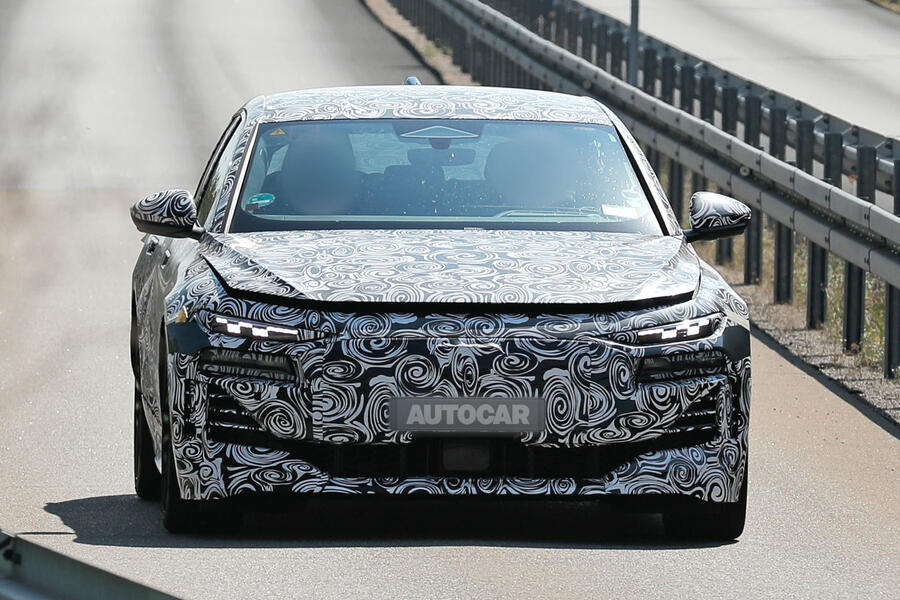
In that model (launched alongside the standard A6 E-tron earlier this year), the system develops 543bhp and 631lb ft.
Insiders at Audi Sport have suggested to Autocar that power will be ramped up to somewhere closer to 670bhp and 701lb ft.
One source said: “It’s unlikely to reach as far as the RS E-tron GT [Audi Sport’s most powerful model, at 912bhp], but there will be a solid increase over and above the S6 E-tron as part of the differentiation measures.”
Like some other performance EVs, such as the Hyundai Ioniq 5 N, Audi will also give the RS6 E-tron a trick gearbox and pump sound into the cabin to increase driver engagement.
Audi Sport engineers are also claimed to be developing a progressive torque curve.
The EV will use the same 94.8kWh (usable) battery as the A6 E-tron but, given its performance positioning, it isn’t expected to achieve the same range as the standard saloon (463 miles) or Avant estate (437 miles).
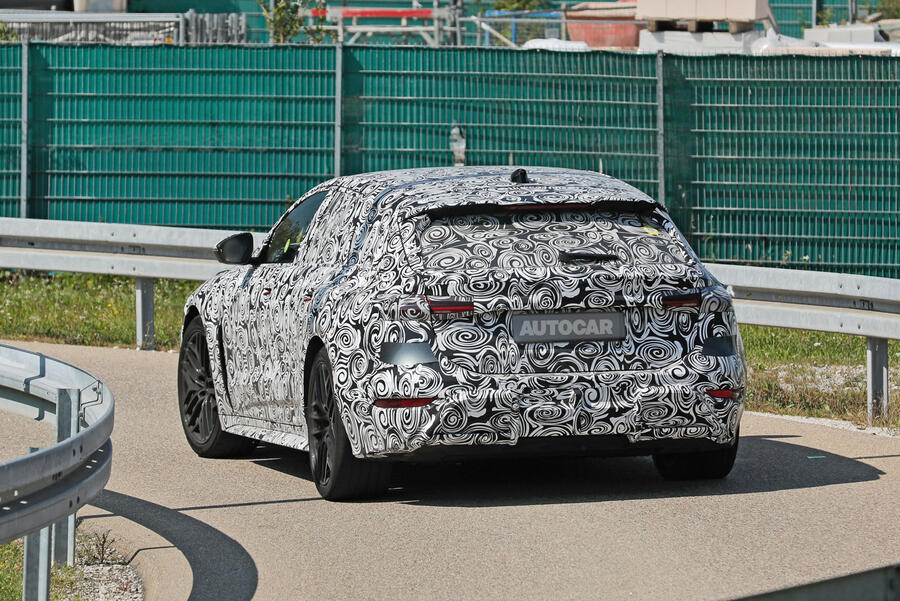
Both the electric and combustion-engined RS6s will be visually more aggressive than their standard stablemates, with a more angular design, wider arches and, at the rear, a deep diffuser and larger roof-mounted spoiler.
For the PHEV, notably larger air intakes and centrally positioned oval tailpipes will be added. Meanwhile, the EV will grow to 4900mm in length, to match its PHEV V8 sibling.
Despite the adoption of lightweight materials such as aluminium and composites, the extra hybrid hardware will add mass, tipping the new PHEV RS6 beyond the 2090kg of its predecessor. The electric RS6 E-tron, meanwhile, is set to exceed the 2500kg mark.
To preserve handling agility and improve comfort, Audi Sport is expected to introduce a new active suspension system similar to that of the Panamera Turbo S E-Hybrid.
Sightings of prototypes also suggest braking will be handled by large carbon-ceramic discs and 10-piston front calipers.
As with previous iterations, the new RS6 is expected to maintain a significant premium above the rest of the A6 range. For the EV, it will rise beyond its £99,300 S6 sibling, while prices for the petrol-powered car are expected to extend in the direction today’s £176,975 RS6 Avant GT.
Unlock Big Savings: Top Discounted SUVs You Can’t Miss
Ram’s Bold Move: A 10-Year Warranty to Keep You on the Road Longer