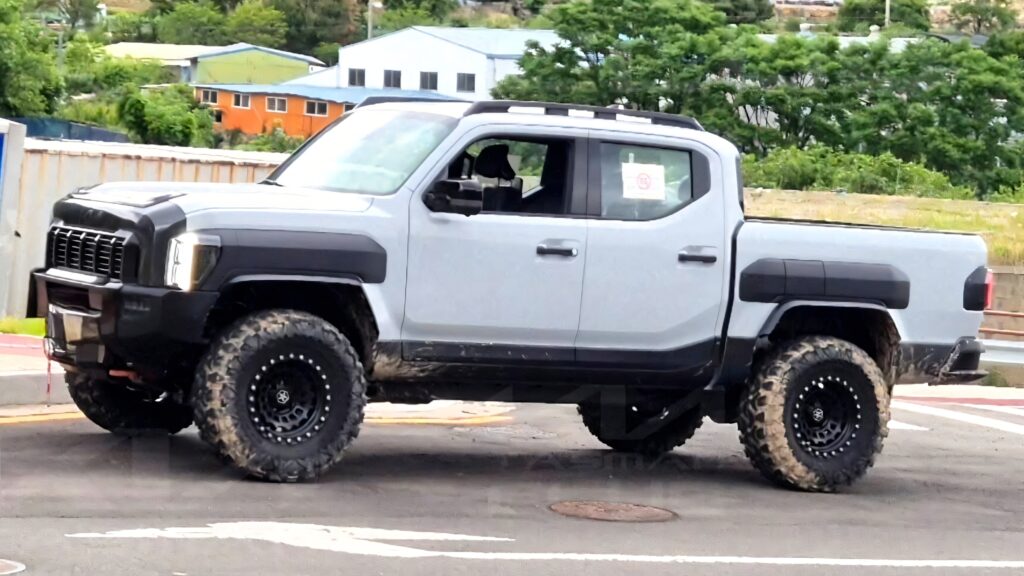
Kia’s Rugged Tasman Prototype: A Bold Step into Off-Roading Adventure
Revolutionizing Performance: Alpine’s Electric Sports Cars with In-Wheel Motors
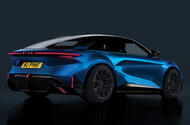
Alpine's upcoming A310 sports saloon is among the models set to use in-wheel motorsAlpine confirms electric A110 and A310 fastback will use in-wheel motors, like Renault 5 Turbo 3E
Alpine’s upcoming electric sports cars will use in-wheel motors as part of a radical plan to reduce weight below that of an equivalent combustion engine sports car, Renault Group CEO Luca de Meo has confirmed.
“It will change everything,” de Meo said of the APP (Alpine Performance Platform), which has been designed by the premium brand for up to four separate models- including a sports car due next year to replace the A110, previewed on the sidelines of the A390 SUV's unveiling.
In-wheel motors offer a range of benefits to Alpine when trying to package a sports car for the modern era. “With a motor in the wheels, you have more room for either luggage or footwells, or for sliding your seat backwards or forwards,” Renault Group design head Laurens van den Acker told Autocar. “The A110 is fine for a weekend but if you want to appeal to a bigger audience, you need more room.”
In-wheel motors have forced the designers to slightly widen the car's body, van den Acker added.
Alpine plans “three or four” models off the APP platform, de Meo said. Along with a two-seat coupé and a roadster, Alpine will also launch a four-seat Porsche Taycan rival called the A310, which De Meo described as a “sports sedan”.
The use of in-wheel motors frees up space for Alpine to put the batteries in a different location than the traditional place of under the floor, a format that has proven restrictive for sports cars given the need to force the driver to sit higher.
The aluminium platform will save up to 150-250kg compared to equivalent electric sports cars, according to Alpine, but further details remain under wraps.
Parent company Renault will use in-wheel motors first in the Renault 5 Turbo 3E - a £135,000 electric hyper-hatchback that's due in limited production next year. That car's two rear-mounted in-wheel motors combine to produce a claimed 3540 lb ft of wheel torque. The all-aluminium platform was developed by Alpine, suggesting it previews the APP.
In-wheel motors also allow individual control of separate wheels, known as torque vectoring. Alpine has debuted the technology with its new A390 electric crossover, which uses two inboard motors on the rear of the car.
Issues with in-wheel motors include the extra unsprung weight and the potentially damaging forces put through the motor, for example when the wheel hits a pothole, and the design has yet to make it onto a production car.
They featured in the innovative Nissan Bladeglider sports car, which remained a concept, and were meant to have powered the since-cancelled Lordstown electric pick-up, supplied by Slovakia’s Elaphe. The Dutch Lightyear solar car was also to have used Elaphe in-wheel motors before it too succumbed to financial realities.
Suppliers include the UK’s Protean, which has launched its fifth-generation model. Protean believes that by the middle of next decade, in-wheel motors will be a €20 billion (£17bn) market globally, but admits the high cost is still an issue. Supercar hybrid motor supplier Yasa is also working on in-wheel motors.
David Francis
Tesla Introduces Vegan Suede Upgrade for a Touch of Luxury in Model 3 and...
Alpine A110 Goes Electric: A Lighter, Sportier Future Unveiled
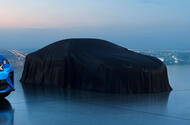 Brand's sporting flagship swaps circular running lights for hexagons and will be lighter than rivals
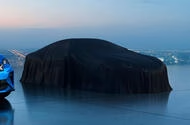
Alpine has released the first preview image of the next-generation A110, due next year.
The new car – which will replace the current model's petrol engine with a battery-electric drivetrain – appears to have a similar cab-forward design, but swaps circular daytime-running lights for a new hexagonal motif.
Little else can be drawn from the image of the car under wraps, but it is possible that it features a small ducktail rear spoiler for aerodynamic purposes. Indeed, efficiency will almost certainly become a key directive with the swap to electric power.
The new car will also be lighter than its combustion-engined rivals, despite the switch to EV.
Renault Group CEO Luca de Meo previously told Autocar that the company had made a “not rational” decision to “invest a lot of money” in a bespoke electric sports car platform for the next A110 and its derivatives – including a likely 2+2 version called the A310 – but it had “looked at Porsche for inspiration” in how to successfully build a sports brand.
“Porsche has the 911 [platform] as their own, and then they use others [VW Group architectures] for the likes of the Taycan and Cayenne. You keep the heart then as very true to the brand,” he said.
To that end, the Alpine sports car platform will be uncompromising in its purpose to root the French brand in performance models, which then lends credibility to its more lifestyle-focused mainstream models, such as the new A390 SUV.
“The next A110 will be lighter than a comparable car with a combustion engine but with no compromise in performance,” said de Meo.
He added that making the bespoke architecture was objectively “a completely stupid decision” due to the likely return on investment in pure sales terms. A planned tie-up with Lotus on the architecture fell through but Alpine places such importance on bona fide sports cars that it has continued development by itself.
Alpine has experimented with lightweight electric models previously, such as with the A110 E-ternité concept, an electric conversion of the current A110 that just undercut the Porsche 718 Boxster at 1400kg.
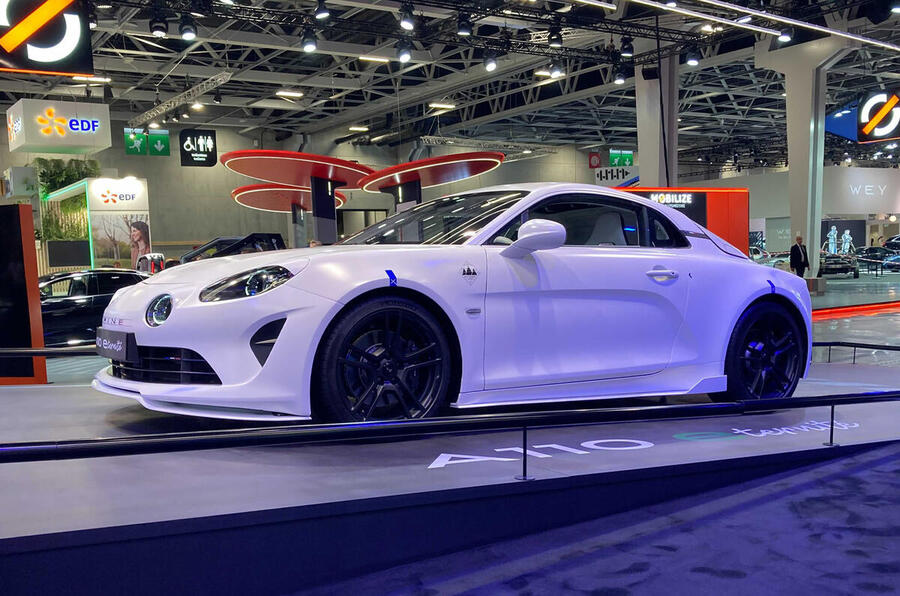
The electric A110's design will be only subtly evolved from the current car, de Meo suggested. It "needs to look like" an A110, he said. "Porsche doesn't make a square 911."
More broadly, de Meo said “six or seven” uniquely positioned models would make up the Alpine range, including “some emotional pure sports cars”. Eighteen months ago, the brand said its intention was to launch seven models by 2030, starting with the new Alpine A290 hot hatchback.
The plan is to crown the range with a supercar and Alpine CEO Philippe Krief hinted that this will come towards the end of the “really ambitious” range roll-out and serve as the flagship of its “dream garage”.
Krief said the firm is “not yet” ready to launch the model, which will be developed at a new R&D centre born out of the firm’s soon-to-be-closed Formula 1 engine factory. He added that the launch of a supercar for the firm is a three-stage process: first a “brand exercise”, next a “tech showcase” and then the third one is “business”.
To that end, Alpine has shown off a pure concept supercar called the Alpenglow as a brand exercise in 2022, followed by a hydrogen-combustion technology showcase version of it earlier this year, the Alpenglow Hy4. The working title for the production model is Future Alpine Supercar.
Krief said Alpine wants to position itself as a “French sports specialist brand that also happens to be electric”, rather than call itself a pure EV maker.
Head of product Sovany Ang added that the firm wants to “retain accessibility” and will “target specific things and segments where it makes sense for us to be”, rather than try to be a volume or a premium car maker.
The dealer network will expand to around 140 globally by the end of the year as Alpine looks to break itself out of France and it has established a new flagship facility in Barcelona that also includes e-sports and sim racing areas, as well as a bar and restaurant. This format will also be introduced in London and Paris.
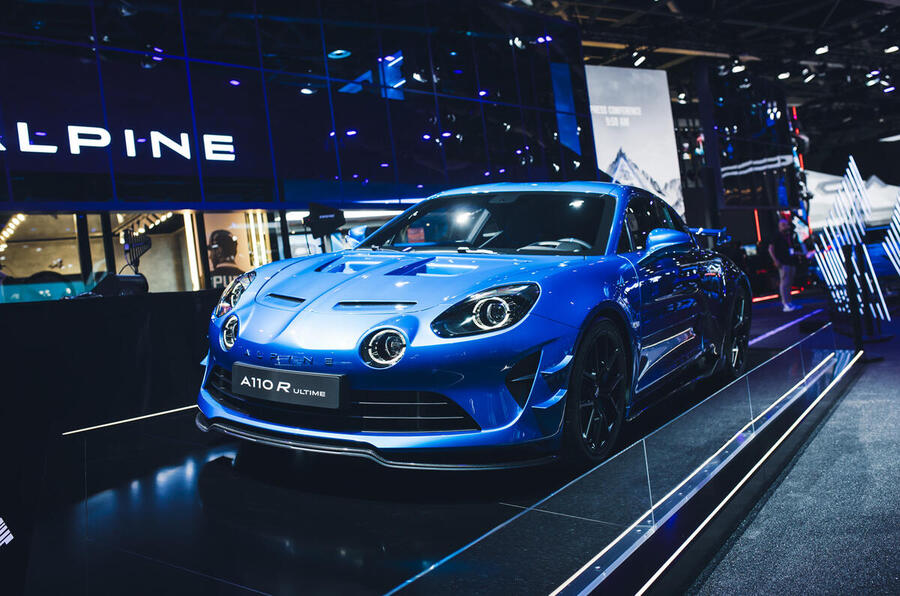
Krief confirmed that the current A110 will end production in 2026, when a small-series exemption for GSR2 regulations ends. Some 95% of the £276,000 A110 R Ultime’s (pictured above) production run of 110 units sold within two months of its unveiling at the Paris motor show.
Alpine A390: The Electric Fastback Redefining Performance and Practicality
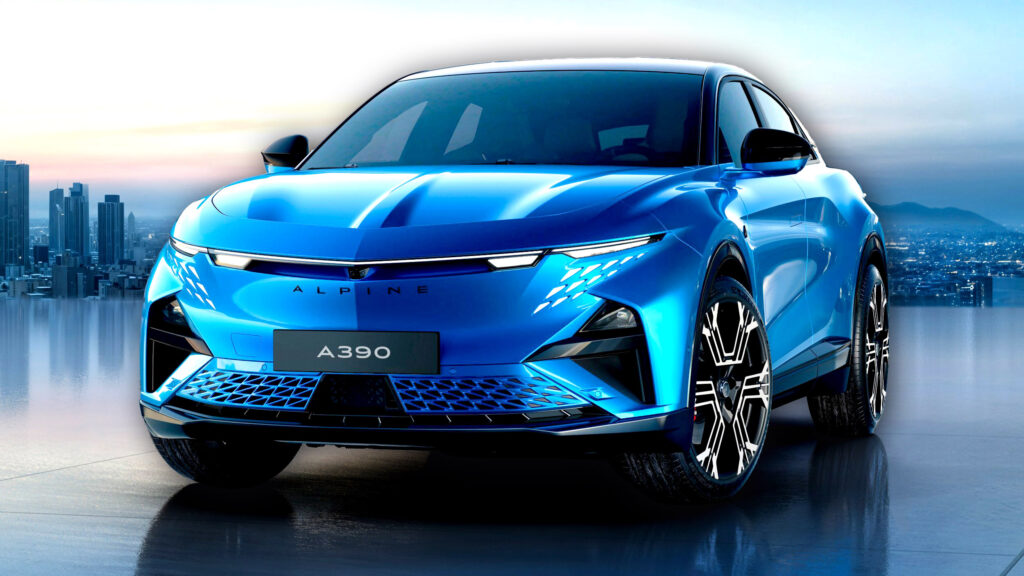
Alpine A390: The Performance SUV Redefining Electric Driving Excitement
 New SUV will arrive in the UK next year with focus on drive engagement
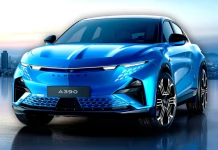
Alpine is going up against the Porsche Macan Electric and Hyundai Ioniq 5 N with its first SUV, the A390.
The French performance brand’s third model line – joining the A110 coupé and A290 hot hatch – is a sleek, striking crossover-coupé that remains largely true to the A390 Beta concept revealed at the Paris motor show last year.
Due to start from around £60,000 when UK orders open in November, the A390 will play a significant role in broadening the market reach of Alpine’s product portfolio. Its dimensions place it right at the heart of Europe’s most popular car class and it has a more overt focus on daily usability than the brand’s dedicated sports cars.
It measures 4.6m long by 1.5m tall and has a 532-litre boot, which makes it a close match for the likes of the Cupra Tavascan and Tesla Model Y. But with up to 464bhp and a drivetrain that has been engineered with a rigid focus on driver engagement, the A390 is pitched more directly at the dedicated performance SUV segment.
The A390 shares its basic Ampr Medium architecture with the Renault Scenic and Nissan Ariya. However, it uses a bespoke tri-motor powertrain – two at the rear and one at the front – to give rear-biased all-wheel drive and torque vectoring to boost agility and responsiveness.
Alpine CEO Philippe Krief recently told Autocar that this arrangement will play a key role in instilling the A390 with a “perceived lightness” that helps to mitigate the inherent weight penalty associated with an electric SUV.
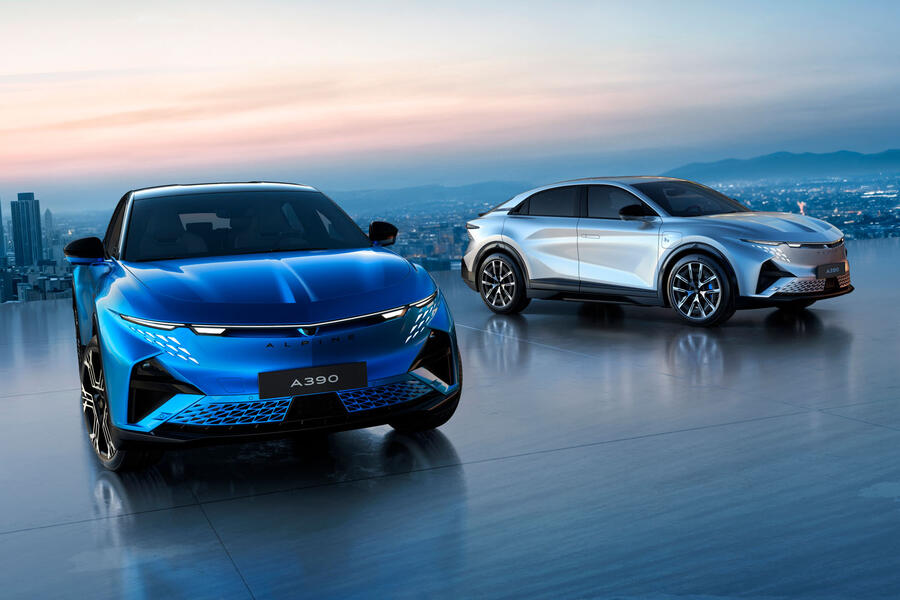
“You can generate a quite immediate response time. It’s like the behaviour of a light car,” said Krief of the tri-motor powertrain, which is capable of overspeeding the outside wheels in a bend, rather than simply braking the inside wheels. Alpine says this gives a “much smoother, delicate feeling of control”, while also allowing for easily controllable powerslides.
Producing 395bhp in standard GT guise and 464bhp in the top-rung, circa-£70k GTS – and with a peak torque output of 596lb ft – this powertrain can send the A390 from 0-62mph in as little as 3.9sec. That matches the stripped-out A110 R, which weighs around a tonne less.
A cheaper variant with a more conventional dual-motor arrangement is understood to be on the cards, but it has not yet been officially given the green light.
The A390 is powered by an 89kWh battery that enables a maximum WLTP range of 342 miles and can be rapid-charged at speeds of up to 190kW.
Inside, the A390 is more closely related to its Renault Group siblings, with a portrait-oriented touchscreen angled towards the driver and a host of physical controls on the steering wheel and centre console.
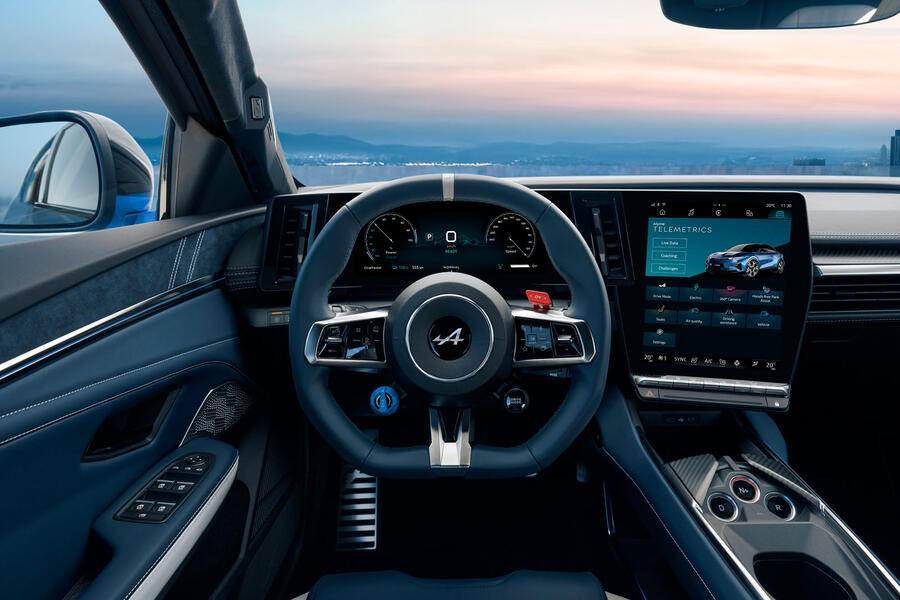
It follows the A290 in gaining a race-inspired adjustment dial on the steering wheel for the brake regen and an overtake lever that liberates the full-power reserves for short periods.
Unlike the Ioniq 5 N, the A390 does not feature a simulated gearbox, but it does offer the option of a synthetic ‘Alpine drive sound’, which is said to be inspired by the A110’s four-cylinder petrol engine.
The A390 is the second of seven electric cars that Alpine plans to launch in the coming years. Due next is an electric successor to the A110, which will be offered as a coupé and a cabriolet. After that, the brand will reveal the A310, a four-door fastback to rival the Polestar 4.
Two larger E-segment models – including a Porsche Cayenne competitor – were set to arrive after the A310 as part of the brand’s push into the US market. However, president Donald Trump’s new car import tariffs have prompted Alpine to put its Stateside ambitions on ice and it remains to be seen whether those cars will see the light of day.
Today’s A110, launched in 2017 as the first Alpine model in more than three decades, will be withdrawn from sale next year.
Unlikely Favorites: The Cars We Love Despite Their Flaws
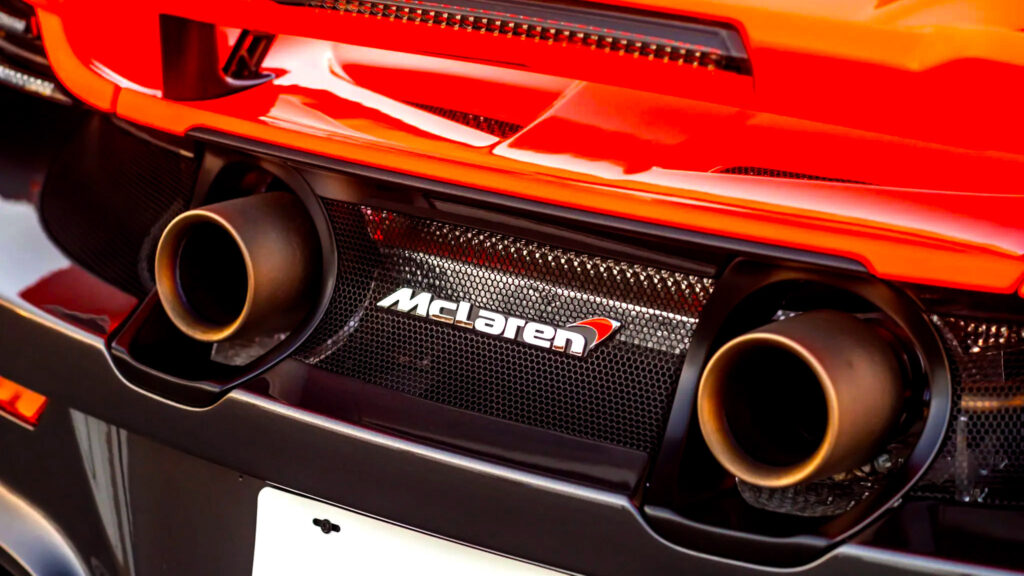
One-of-a-Kind McLaren 675LT: A Supercar with a Unique Marlboro Twist
Vauxhall Frontera Gravel: The Electric Crossover Transformed for Off-Road Adventures
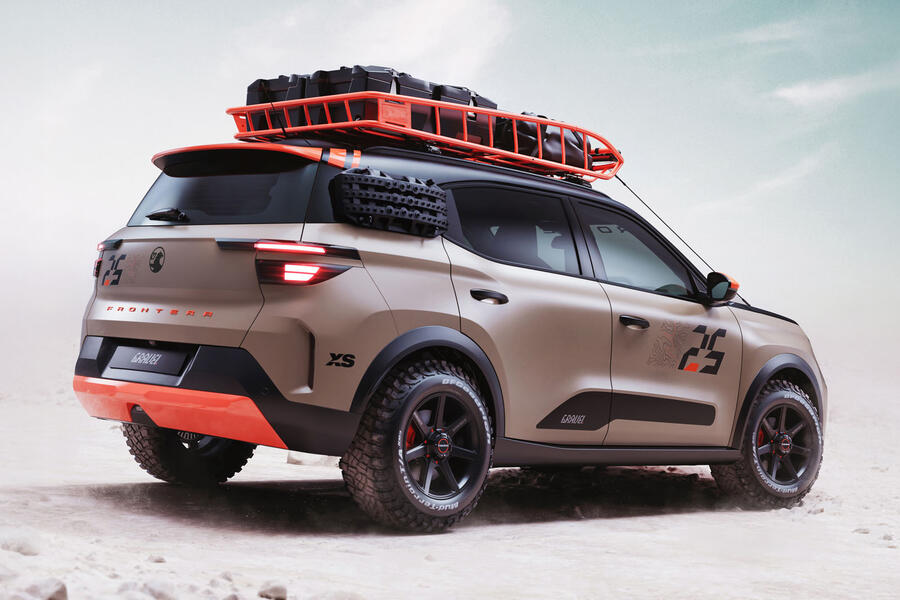
 All-terrain tyres, roof rack and tow winch transform the crossover into an adventurous off-roader
Vauxhall has hinted at a more rugged version of the incoming Frontera with a new concept car that turns the conventional electric crossover into a trail-hunting 4x4.
Named the Vauxhall Frontera Gravel and based on the electric version of the family car, it gains several key elements aimed at helping it tackle the wilderness.
Up front, it receives a tow winch and extra LED light bars, while the car's rear haunches now feature extra storage panniers.
It also gains a chunky roof rack with a spare tyre and further storage, and the wheels are shod with aggressive BFGoodrich all-terrain tyres.
Inside, the interior configuration matches that of the regular Frontera, but it has been reupholstered with orange contrasting elements to match the car’s exterior livery.
Opel-Vauxhall CEO Florian Huettl said it “embodies [Vauxhall’s] commitment to making electric mobility versatile and accessible… with respect for the environment”.
Although Vauxhall has yet to state any production plans for the Frontera Gravel, the car's modifications are ultimately minimal and could in theory constitute a special-edition variant of the crossover.
Sibling brand Fiat recently showed its vision of a 4x4 version of the Grande Panda, which shares its Smart Car underpinnings with the Frontera. It is possible that Vauxhall could use the electrified rear axle from that car to give its model four-wheel drive – although the Fiat uses a hybrid powertrain, whereas the Frontera Gravel has a battery-electric powertrain.
Such a model would more clearly carry the torch from the new Frontera’s 1990s ancestor, which was a 4x4 based on Japanese brand Isuzu’s Mysterious Utility Wizard.
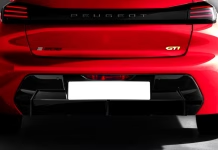
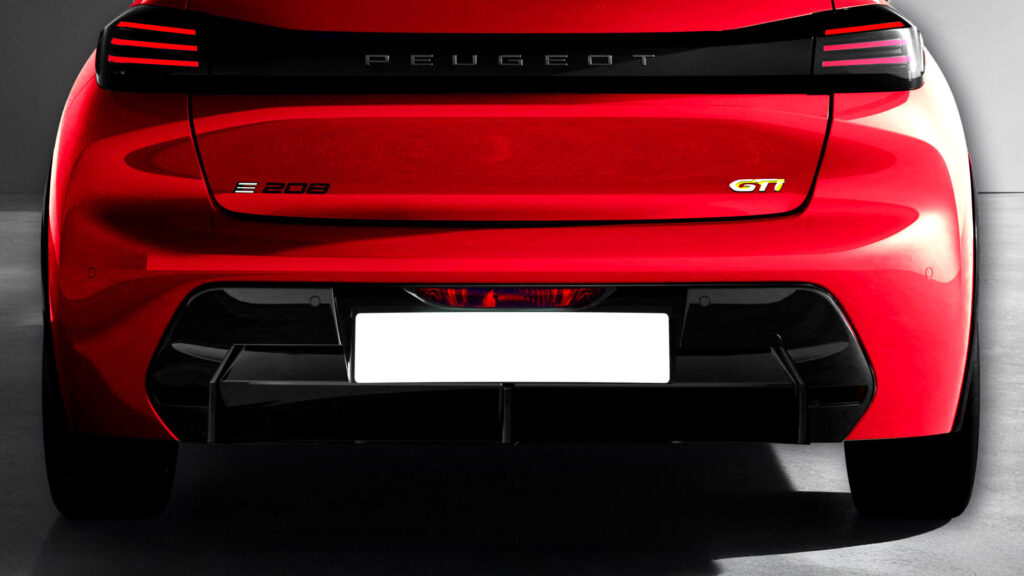
Peugeot Revives the GTi Legacy with All-Electric E-208 Hot Hatch