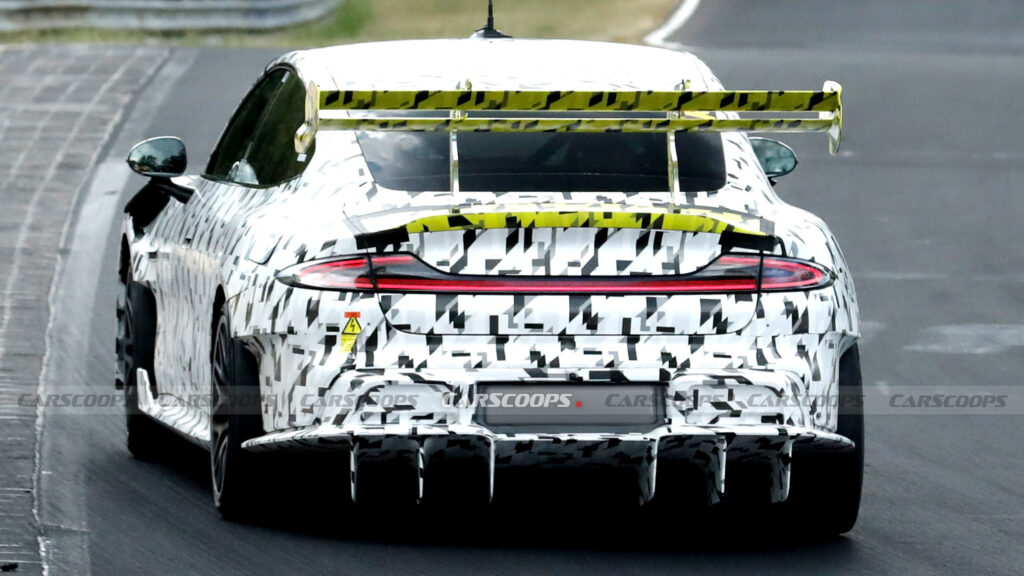
Montana’s Four-Car Rule Targets Roadway Frustration and Risky Passing on Two-Lane Highways
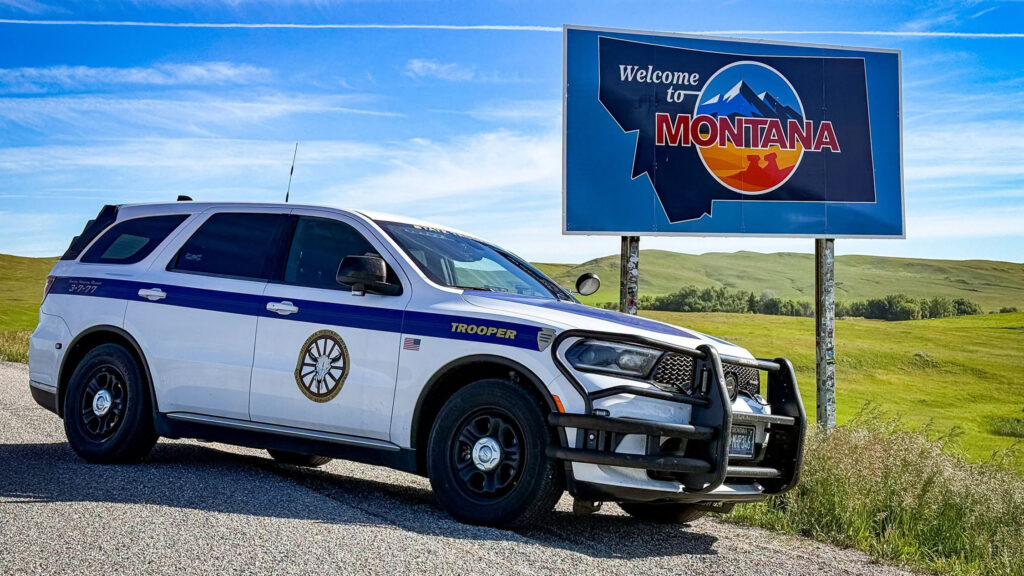

Tesla Headlight Recall Highlights Limits of Software Fixes in Automotive Safety

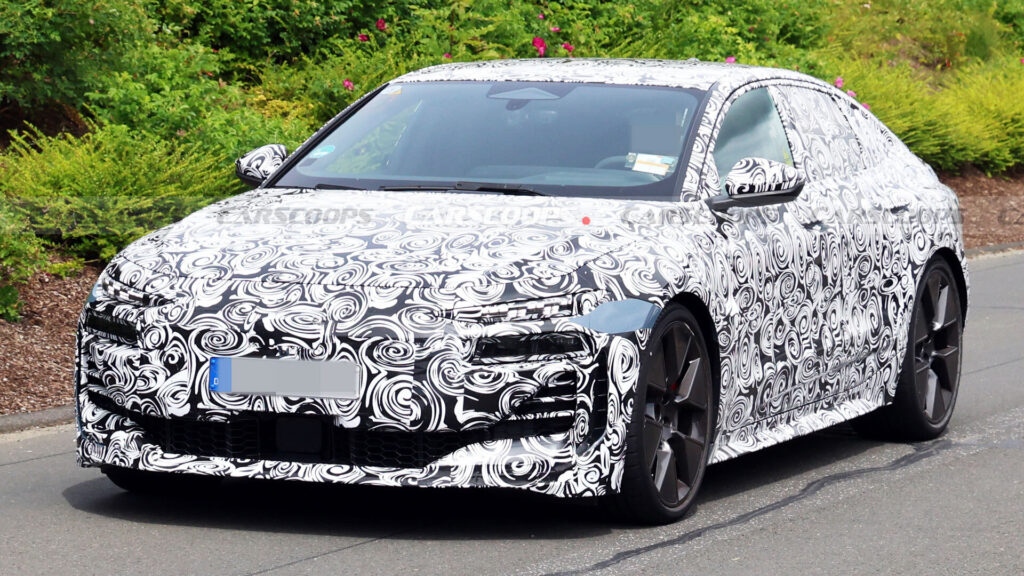
Audi S6 e-tron Performance Signals Shift in Electric Sport Sedan Strategy Amid RS6 Uncertainty

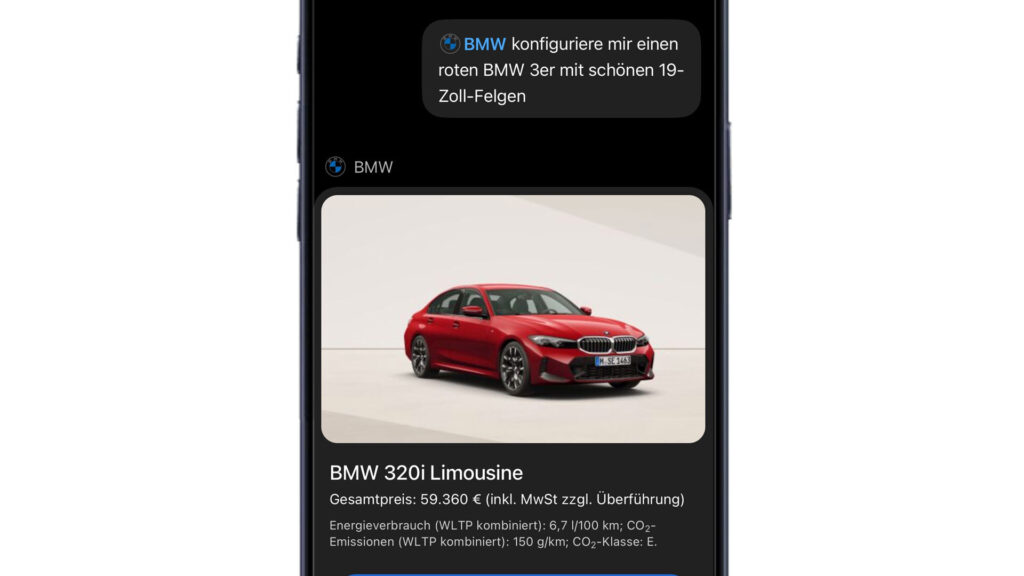
BMW’s ChatGPT Configurator Promises AI-Powered Personalization but Faces Access Hurdles

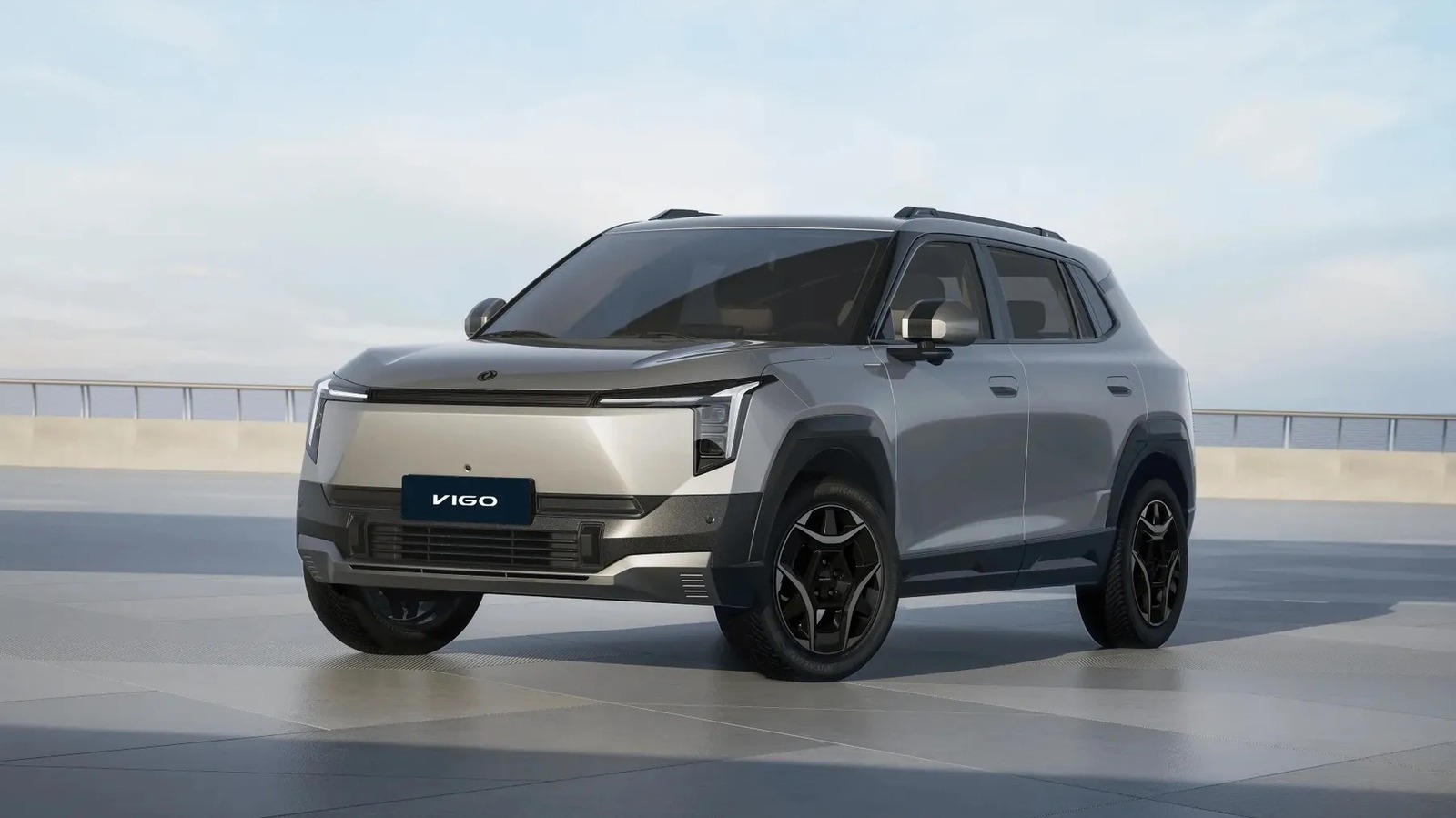
Dongfeng’s Entry into Canada Signals a New Era for Affordable Electric Vehicles

Renault 4 Versus Renault 5 Weighs Practical Comfort Against Engaging Drive in Electric Sibling...
 Renault’s practical new crossover comes face-to-face with its retro-styled electric sibling
I don't like to brag, but I reckon I could currently be the most knowledgeable and experienced person in the UK on the subject of small electric Renaults. Perhaps excluding the people who sell them.
Not only have I recently swapped an Alpine A290 for its Renault 4 relation, but my partner and I have also just taken delivery of a new Renault 5 – giving me valuable lived experience of each of the French firm's funky electric triplets.
As a result, I'm becoming pretty well versed in the differences between these sibling models – extremely closely related as they are. Naturally, the contrasts in character between my new 4 crossover and the souped-up, sporting-minded Alpine hot hatch that I had before it are fairly stark, but what's interesting is the clear air I'm finding between the SUV and the standard 5, despite the fact that the two cars are notionally identical under the skin.
Last weekend, I took the 4 and my partner's 5 out for an hour apiece on local roads to see exactly where their respective strong suits lie and it reinforced that the disparities go far beyond their different silhouettes.
For starters, the 4 is the markedly plusher proposition on battered UK Tarmac. Like my partner's 5, the 4 rides on top-spec 18in wheels, but it is far more adept at isolating judders and jolts through the seat base and steering column – an attribute that comes into particular focus on city streets, where I confront a towering speed bump or chasmic pothole every 50 metres.
The 5 doesn't ride harshly by any stretch but its lower ride height and stiffer dampers make for a slightly less composed treatment of such obstacles and that means it can grate after a day of chugging around town. The loftier 4 feels positively serene by comparison.
The trade-off, of course, is that the 5 is by far the more engaging car to chuck around enthusiastically: its steering feels dartier and more direct, it corners flatter, and the lower seating position puts you closer to the road, amping up the engagement factor.
The 4 is still an agreeably agile car, and feels tightly packaged and manoeuvrable despite the size increase, but it has obviously been tuned with more of a focus on liveability than liveliness.
It's harder to tell any difference in straight-line performance, given the two use the same 148bhp front-mounted motor and there's only about 30kg of added bulk on board the larger car. The 4 feels every bit as keen and gutsy when you want it to but is otherwise entirely smooth, quiet and predictable off the mark.
I haven't yet noticed any efficiency improvement in the smaller 5, either, with both cars currently averaging around 4.2mpkWh in mixed use during the heatwaves, for a range of 218 miles – though, based on previous experience, I'd expect the 5 to claim a tiny advantage on a long motorway run, but only to the tune of around five miles per charge.
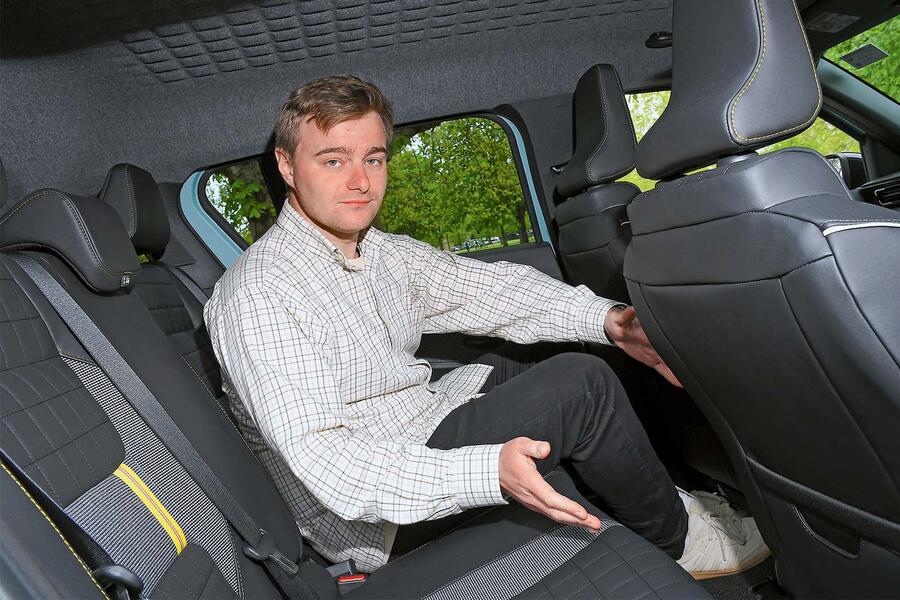
The 4 scores a couple of extra points for having almost 100 litres more boot space and improved leg room in the rear (albeit still not quite enough: I can't comfortably sit behind my normal seating position). But then the 5 saves you a couple of grand, spec for spec. It's a tough call.
There are prospective buyers who'll simply need the extra space the 4 offers, and others for whom the 5's undeniable visual allure is simply too compelling, but my general takeaway is that both of these cars do their respective jobs pretty well, and your choice might have to come down, simply, to which one you like the most. Glad to be of service.

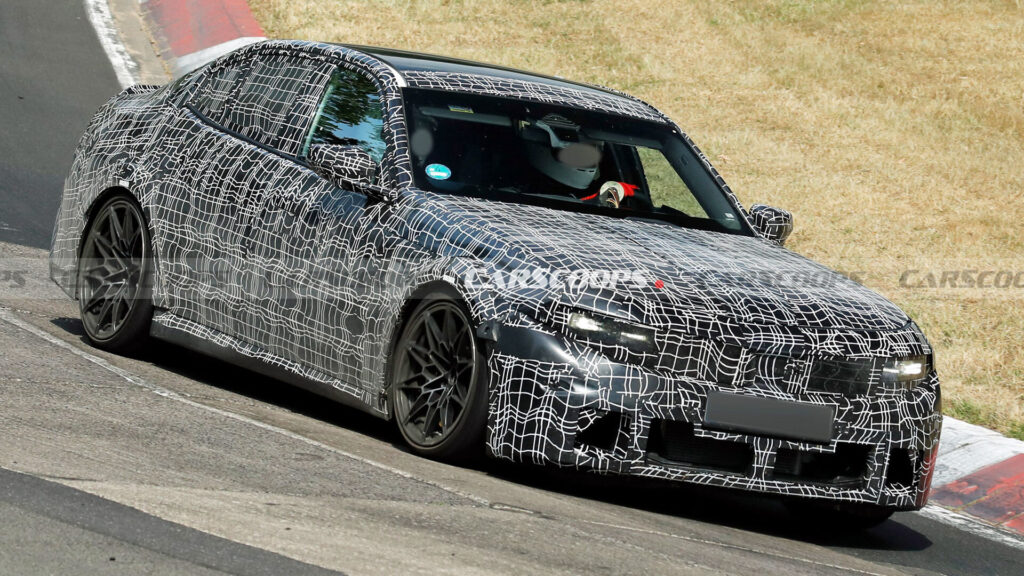
BMW M3 Redesign Signals Hybrid Performance Shift with Neue Klasse Styling and Cleaner Inline-Six

Boeing’s Profit Pressures and the Persistent Challenge of Aviation Safety

Electric Car Versus Sleeper Train From Paris to Berlin Weighs Speed Against Flexibility in...
 You can now get a sleeper train between the capitals of France and Germany. We decided to find out if it was easier to drive
Germany's oldest drinking water reservoir is only a few metres behind me.
And because I'm a sucker for big bits of engineering, and old bits of engineering, I would love to walk around the dam - even though I'm terrified by large bodies of water in places they're not meant to be.
But I have no idea it's there. We're about to enter the small hours, my Kia EV4 Fastback is accepting juice at a satisfactory rate and there's a hotel over my shoulder that looks far more inviting than its €64-per-night price tag might suggest. While my colleague Charlie Martin is turning down his sheets and tucking himself in for the night, I'm 325 miles into a 650-mile all-night journey as I race my electric car against a train across three countries.
Cars have been racing trains for an inordinately long time - at least since car proponents decided they had a chance against the mighty steam locomotive. Rover's Light Six popularised perhaps the most famous series of contests, which were dubbed the Blue Train Races, by trying to beat a train that travelled through France, from Calais to Cannes, in 1930. The Rover won by 20 minutes - although the train was unaware it was competing in a race.
That sparked a host of follow-ups. 'Bentley Boy' Woolf Barnato even reckoned he could drive to his London club by the time the train reached Calais from the Riviera. He was right, but the French were less than thrilled by these ongoing wheezes. "She [France] was not best pleased at being treated as a motor race course for another country," a staffer from The Autocar wrote at the time. "The French had very good reasons for their dislike, especially as Paris happened to lie on the route."
That challengers faded away was a disappointment, perhaps, to some of pre-autoroute France's rural level crossing attendants, who supplemented their income by being persuaded by co-drivers and navigators to open up gates they would otherwise have been inclined to leave safely closed.
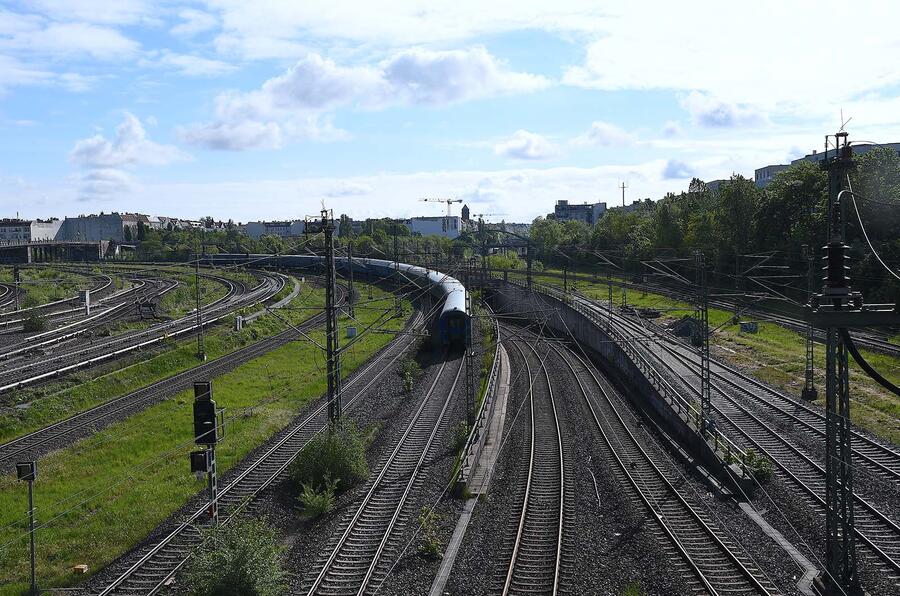
These days there are enough routes to choose from that you could virtually guarantee a win either way depending on your preference. You won't beat a true high-speed non-stop train over a long distance no matter how you drive - the London to Edinburgh route takes just four hours with one stop in 400 miles. But pick a train that stops and to beat it you might only need to put your toe in antisocially.
Unless we're talking about an electric vehicle - in which case putting your foot down and leaving it there won't be the most effective way to beat a train, because it takes rather more than three minutes to fuel an EV. Instead, one has to pick one's speed carefully, stop appropriately and infuse a trip with some tortoise versus hare mentality. Can an EV really beat a respectably quick train over a decent distance?
So here I am, watching the charge rate and battery level on this fine Kia EV4 while concluding that, no, I probably don't have time to head to the nearby service station cafe for a chippy tea, given that my expected range is clinking skywards with satisfying speed. I am, I think, ahead of young Charlie, and a pie and chips, as much as I'd like one, could hand the advantage back to him.
This car versus train route, from Paris to Berlin, was carefully chosen - not by me - to set things in the balance. It's a long trip, at 650 miles, which should take Charlie nearly 16 hours after his 18.00 departure, including a stop in Brussels. If I take no stops, I'll need less time. But I will have to stop, because neither I nor the Kia can go the distance without some kind of break. Ideally we'll synchronise them. I could, of course, call on snapper John Bradshaw to drive a stint should I start nodding off, but that would be cheating.
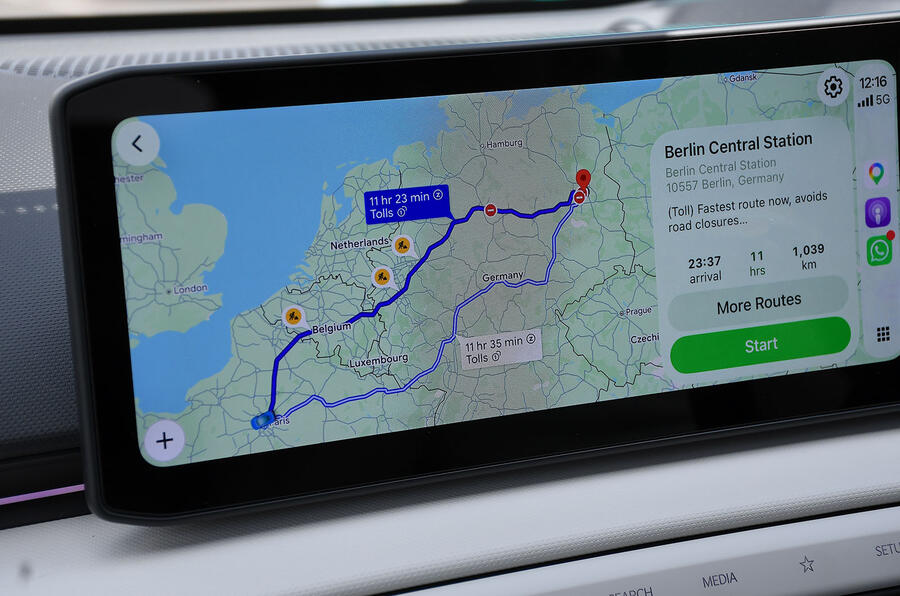
I think one fast juice-up, which I'm having now, with one slower one while I kip for an hour or two, will keep me ahead of the train. When moving I'll have to cruise at a slower speed than my map app reckons is normal, in order to maximise the range from the Kia's 81kWh battery. Given everyone's predilection for closing roads overnight these days, plus the evening traffic in Paris and early morning traffic in Berlin, it could be a close-run thing.
The odds, though, seem to be in my favour - clearly too much so for the good people of Charlie's train company, who, not long after he boards, announce that instead of Berlin central station, the rattler will instead finish at Berlin Gesundbrunnen. Also, instead of arriving at 09.50, he'll be in at 08.30, which puts a rather different slant on my plans. (It's also wild that your train can finish at a different place from the one printed on the ticket, and that you don't find out about it until you're already under way.)
Despite the devastating news dropping into a WhatsApp group, I'm in the lead. I think. I had dropped Charlie off at Paris Gare du Nord well ahead of his departure, but then John and I spent sufficient time in Paris taking pictures that the train's and my exit times weren't so dissimilar. This, then, is a fairly straight fight.
There is some contrivance, of course. It's unlikely that our driver or rail passenger would live within touching distance of the main Paris rail station, or have a specific destination planned near to whichever Berlin station the train deigns to finish. So a driver would typically steal an advantage from the outset by travelling directly from home or office. For the sake of the set-up, then, let's imagine we have two colleagues, or lovers, who on departure realise that one of them has left something precious with the other one - a valuable piece of equipment or perhaps their heart - and the only way to satisfactorily reunite them is to meet immediately at the journey's end.
Features such as these tend to start tentatively, like a high-pressure cup final, so there's not that much to tell you about the initial stages. I drive out of Paris, whose leafy but busy avenues give way to motorway relatively quickly, then I take up a 60mph-ish cruise, which I think will give the best compromise of longevity versus speed.
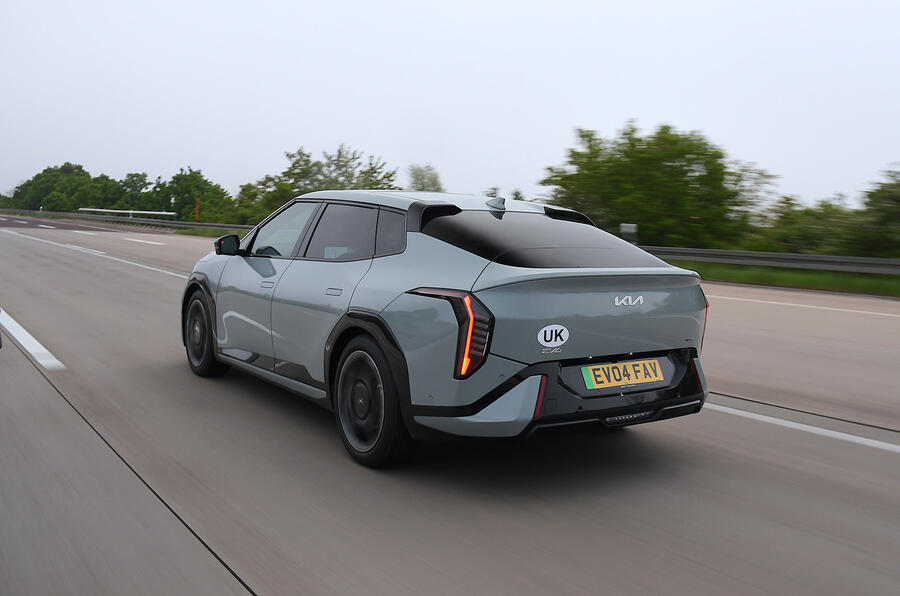
I'm loaded up with Haribo and don't want to stop until I have to. Batteries charge at their fastest when they're nearly empty - a bloke once crossed the US in a Porsche Taycan and set a record by charging for only 2hr 26min. He never topped up to more than halfway, and he tried to start when the car was in small single digits of capacity. You can pour water into a mug most quickly without spilling when it's empty, and you ease off as it fills. I think of charging a battery in the same vein. I won't have to be as dramatic as American Porsche guy, but the train's change of plans has upped the urgency.
My first stop is on the French/Belgian border: 'comfort break', I believe, is the polite term (I am 50). The Kia's battery is at 66%, and given that it's for only a couple of minutes there seems little point searching out a charger.
Belgium is also, surprisingly, mostly not problematic. Not that I have a problem with Belgium generally, you understand, but its motorways are typically epitomised by closed lanes, roadworks, poorly towed trailers and tailgating. My passage isn't outstanding, but it passes by in 'could have been worse' fashion.
The Kia is a thoroughly good companion, too. It's an extremely relaxing car, with big seats, low noise levels, clever adaptive cruise control and enough space for John's Belin Chipsters. Now, I'm no expert on European gastronomy, and I firmly believe the great British crisp has nothing to fear from anything that foreign savoury snacks have to offer, but I will admit that the Belin Chipster is up there with the best of them.
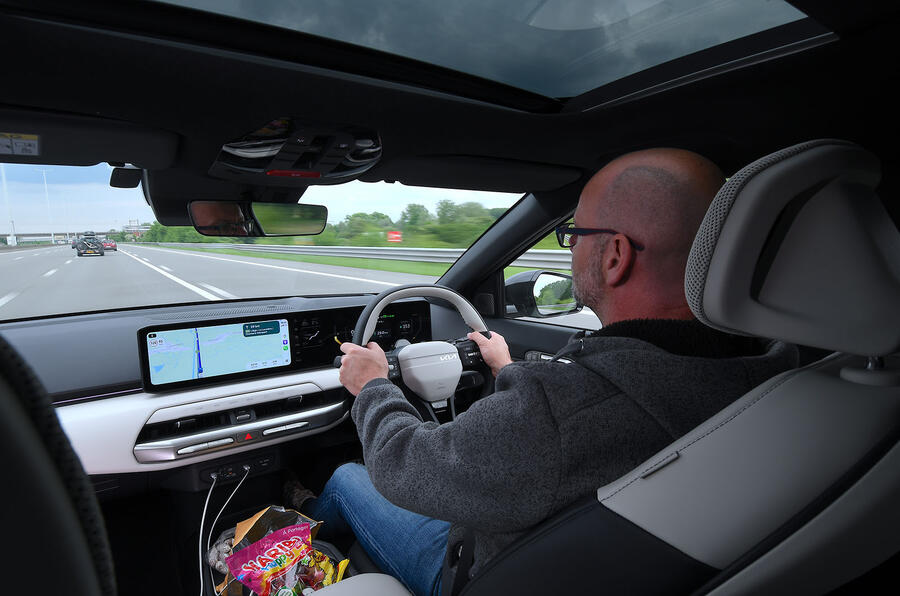
I'm also convinced it is no longer the case that the dead of night is the best time to make up distance on the road if you need to. With lighter traffic and an absence of speed cameras back in the day, if you were 'making progress' you'd have to be pulled over by a patrol car to land yourself in trouble - and if you were driving otherwise well, a traffic officer might even turn a blind eye to a slightly elevated speed.
I'm not sure the same is true any more. Even if I could put my foot down, I can't because, just as at home, the night is when the road workers come out. I usually support this trend: I'm sure it's safer for the workforce and better for the economy because fewer people are held up at night than in the day. Unless, of course, I'm stuck in a tailback, in which case literally any other time would be preferable to work on the road. At least it's good for preserving energy usage. And that's the story that leads to me having just 15% of charge in the battery and with paranoia unwilling to let that drop any further. So here I am, just a boy, standing in front of a damn impressive dam and not knowing about it.
From here, a rather respectable 341 miles into my journey (what a good range this Kia has), the drive gets more interesting. I could stay here for a full charge, but the rate will drop and I don't want to stop for too long when I'm so far from Berlin, because it could run me out of flexibility later. Plus I'm not tired enough. I have a destination in mind - a hotel just a minute off the motorway near Hanover, where I'll be able to stick the car on a 22kW charge and catch some shut-eye, emerging refreshed before dawn with only a few hours to run. It is a fine plan, and nothing can go wrong with it.
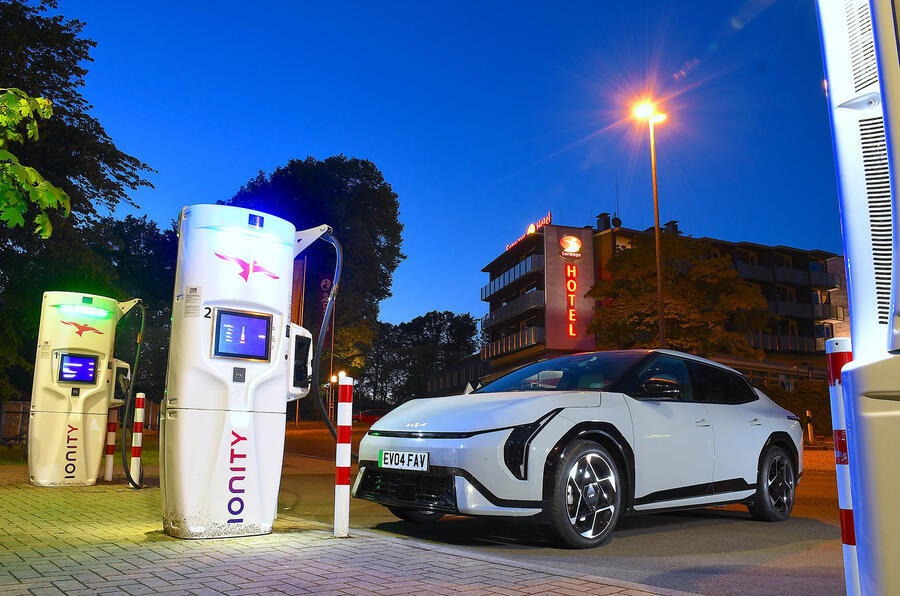
Something goes wrong. I arrive at Hanover at about 03.00 and plug into a charger, then work out I should leave in a couple of hours with enough juice to complete the journey. I'm prepared to risk two hours' kip.
This is an error. I've got around 200 miles to run, but when I wake up the car has been charging at just 10kW, which means there isn't enough juice to get there. I'll have to stop again.
I think - just - I can still win this, so long as the traffic isn't horrible. And then the traffic is horrible. Then it gets worse: signs say there are fast chargers nearby, so I duck off the autobahn. The quick chargers are there, but the road between me and them is closed. I'm in a petrol station that does not have chargers, with 23% battery, and can either spend eight minutes taking a detour on some pavé, to circumvent the shut road, or wing it and hope there is another batch of chargers within reach.
I opt for the safer bet and take the short detour, plug in, wake up a coffee guy and between 05.51 and 06.04, while John takes some photos, the range rises to 48%. That'll be enough, but I've still got an estimated two hours to go, the morning rush hour hasn't begun and Charlie is due precisely when Google Maps says I'll arrive. I promise I haven't concocted this. With better decisions I could be an hour or so down the road, but it is touch and go who wins.
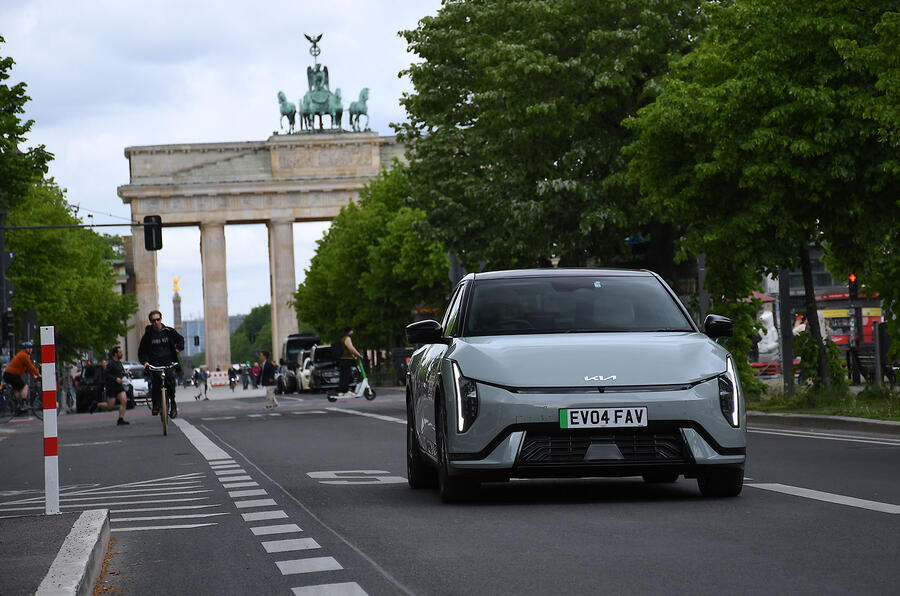
And then the train shoots itself in the foot. It's 08.44 when, after two laps of the station car park, I find a spot (where seemingly I could park all day, for nothing - imagine that at Clapham Junction). Charlie should be here, but a dramatic chase through the station isn't needed. I saunter down to the platform, where the 08.32 arrival is delayed until 09.03. I even have time to pretend I'm not exhausted. But here I am, ready to meet my valued colleague/beloved off the train when he arrives. The car has won - even one whose operator has made some poor decisions.
I could have arrived earlier, and I could have arrived later, but at least it was down to me when I arrived. And ultimately that's what I like about the car. The best bet wouldn't be to race a train; it would be to take your own path, your own timings - stop for a walk around that lake - and get some kip.
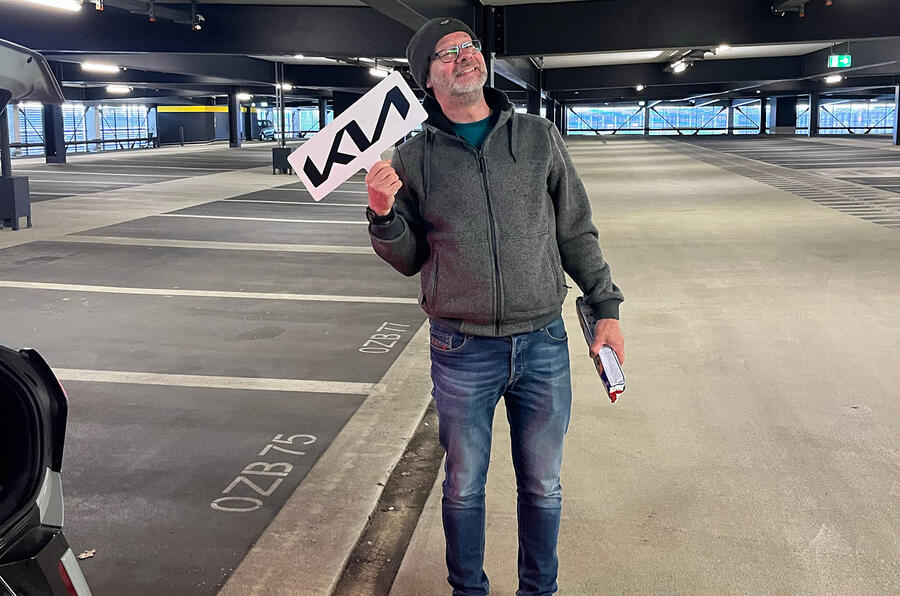
Let the train take the strain
My journey begins with an hour's wait at Gare du Nord, Paris's main train station. I'm relieved to find a little cafe tucked away from the main concourse, isolating me from the sensory assault brought by all the announcements, the general hubbub and the bloke standing next to me being searched by armed police. I'm overloaded with bags - my work backpack, a duffel with clothes and a shopper brimming with snacks - and wishing for a return to the EV4; it is a sensory deprivation pod by comparison.
Confession time: snapper John had already taken some photographs of me 'getting on' a modern TGV train, anticipating my ride to look roughly the same. But when the PA system finally announces the European Sleeper has arrived, it bears no resemblance: it clatters into the station, revealing itself to be more like the tired old rolling stock you get riding London's overground network.
I'm helped aboard by a friendly guard and locate my cabin, a three-person 'Comfort Plus' that's about as large inside as a decent camper van. My seat is comfortable, there's a plug socket for me to keep my phone topped up and I'm handed a free drink of my choice. I opt for a beer - I might as well given that I'm not driving. Lovely.
Chocks away - and straight away we are told we are no longer going to Hauptbahnhof, Berlin's central station, but instead to Gesundbrunnen.
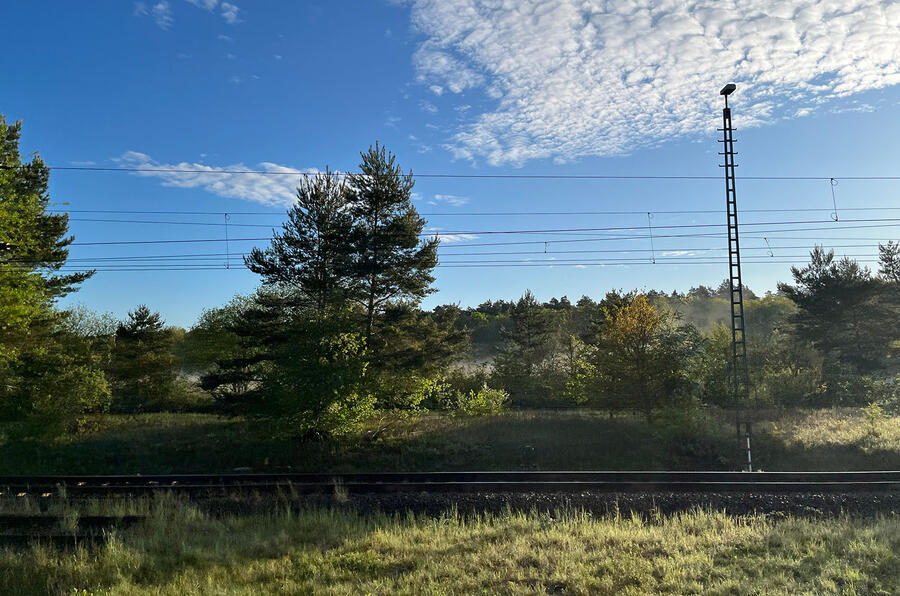
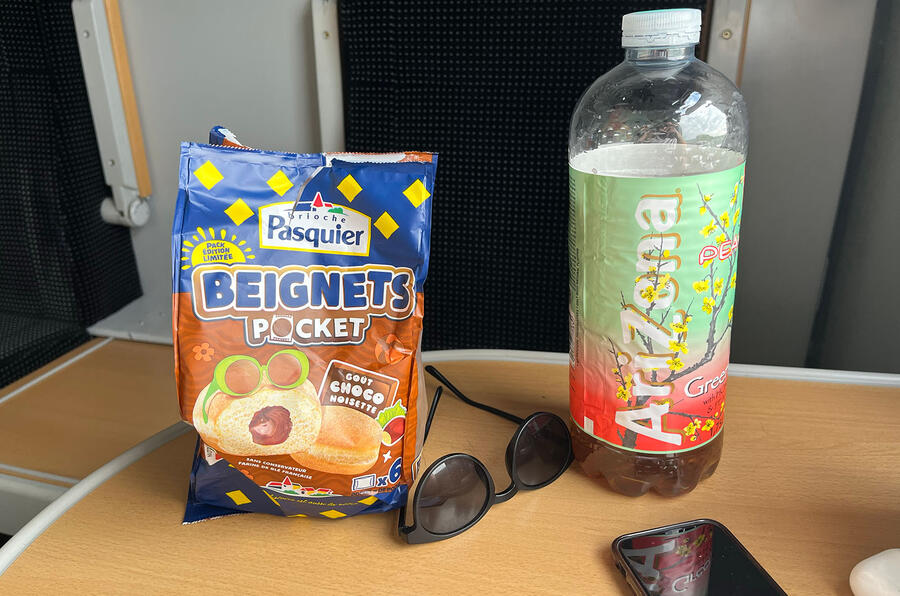
Soon after, we're free of Paris. As the scenery outside becomes greener, my phone's signal gradually weakens. Any plans to get some work done have gone to pot, but it's no bother. This is all quite nice, and it would be a shame not to take it in. A rumble of the belly reminds me it's dinner time, so I peruse the options on offer: pot noodle, cup-a-soup or packet mac-and-cheese, all about €5. None seems particularly appealing, so I sure am glad to have brought my bag of baked goodies and a baguette.
Having practically inhaled possibly the least nutritious meal I've ever enjoyed, I fire up my games console and settle in for a few hours replaying an old Need for Speed. I may be sitting on a train, but my subconscious, it seems, yearns for a steering wheel.
Bedtime is pronounced by a crash-bangwallop-ow from next door. Someone has fallen out of their cot, and their cabinmates are most unsympathetic, giggling away as I take to unfolding mine. Sleep soon descends.
I get a decent rest. I enjoy pink skies as the spring sun bids me good morning, and I go to brush my teeth at the cabin's sink - only to remember I don't have any towels. These are supposed to be included, but the guard tells me there just aren't any on the train. I'm given a few empty pillowcases and paper towels to wash with, making for the most harrowing not-a-bath I've ever had.
I hardly feel fresh as, two hours later, we finally pull into Berlin. I gather my things, find a window and... there's Prior. Great. The race to the actual finish line — the platform - is on. And it's one that, with all this baggage in tow, I know I'm going to lose. Yet despite all the niggles, I reckon I'm still feeling a little more rested - and I'm not sure what mode of transport I would actually prefer. Maybe a business class flight. CM

Xiaomi SU7 Ultra Extreme Targets Porsche Taycan With Radical Aero and Renewed Nürburgring Ambitions