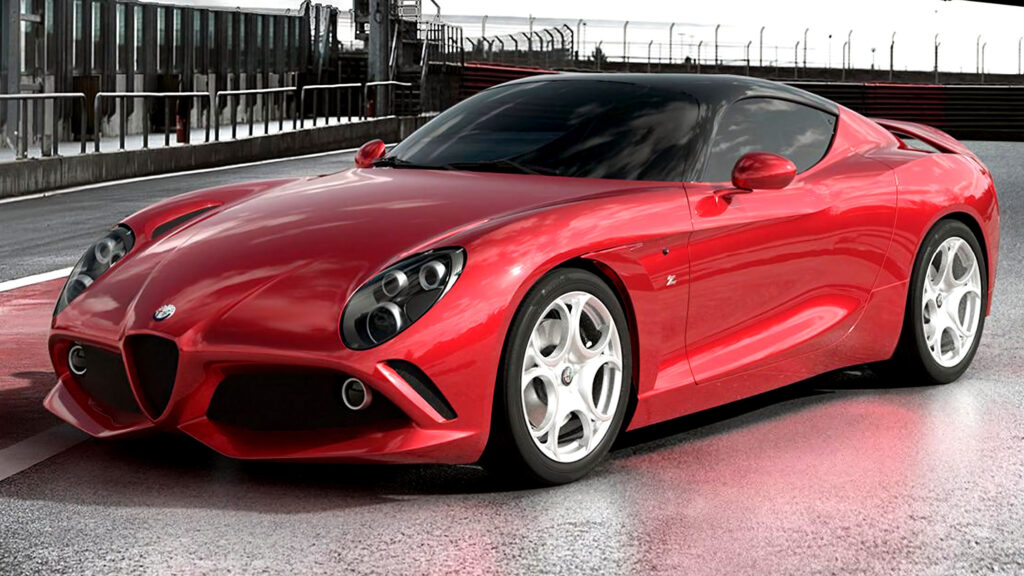
Zagato Unveils Exclusive Alfa Romeo 8C Doppiacoda Ahead of Villa d’Este Debut
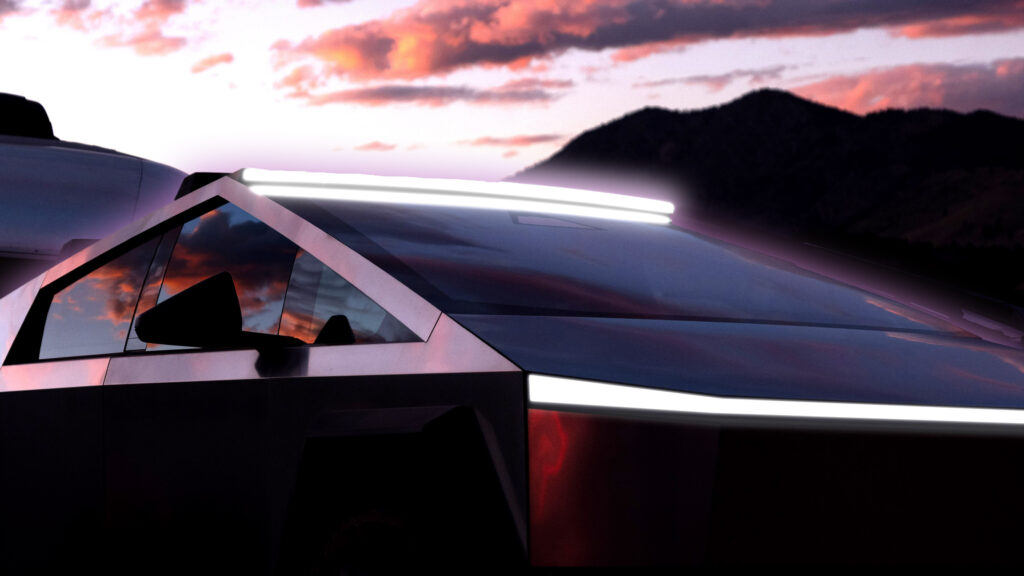
Cybertruck’s Tough Exterior Fails Against Molotov Cocktail Attack

Tesla’s New Bylaw: A Barrier to Shareholder Lawsuits Against Musk
BMW Accelerates Solid-State Battery Testing in the i7, Paving the Way for EV Innovation
 German group previously said it would not need the technology until 2033
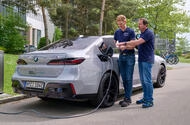
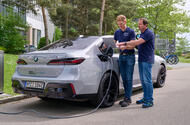
BMW Group has fitted a BMW i7 with a solid-state battery as it ramps up testing of the next-generation technology.
Working with partner Solid Power, the pack – known as ASSB, for all-solid-state battery – uses cells that yield a higher density but which are smaller and lighter than those in the lithium ion batteries used by BMW today. In simple terms, this means more energy can be stored in smaller pack sizes.
This prototype pack also uses the current Gen5 architectures’ construction principles – prismatic cells in modules, rather than the more advanced Gen6 Neue Klasse bolted-to-pack cylindrical cells - that have been adapted in order to house Solid Power’s ASSB cells.
This suggests the group's current platforms could be modified to take the next-generation technologies in a push to bring solid state batteries to market quicker than had previously been expected.
Speaking in February, Martin Schuster, BMW Group’s vice-president of next-generation battery tech, told Autocar that the group was eight years away from needing a solid-state battery option in its EV line-up. Schuster said that whlie solid-state battery tech could be used now, the group's main focus was to continue the development of lithium ion batteries. He added there was still “a long way to go” with current battery technology.
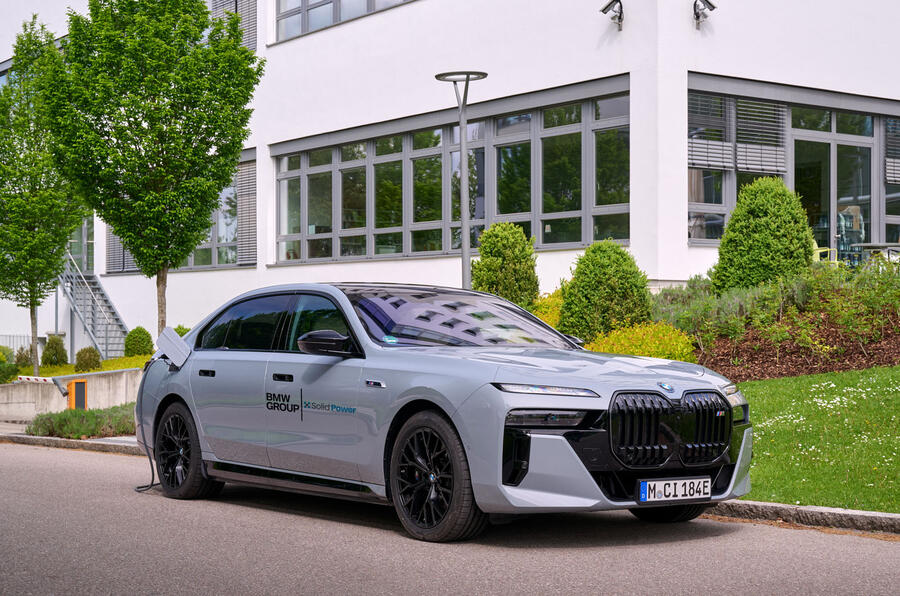
However, the new test vehicle shows the group's "technology-open mindset", according to Schuster, who added: "We are continuously advancing the development of new battery cell technologies."
The car will now be tested over the coming months to gather information on temperature and operating pressure, said BMW.
Solid-state batteries are widely thought to be the holy grail of EVs and crucial to their longevity: they offer greater capacity and more range than similar-sized batteries in use today. Their simplified make-up is lighter and less susceptible to temperature variations, and they can be charged more quickly.
Today’s announcement follows that of rival Mercedes-Benz, which earlier this year claimed it was close to putting the technology into production.
Last Call for the Lexus IS 500: A V8 Legend’s Final Edition

From F1 to Indy: Rookie Shwartzman Makes History with Pole Position

Revving Up: The 2026 Lexus RZ Unveiled with Enhanced Power and Range for North...
Reviving a Legend: The Fiat Grande Panda 4×4 Concept Blends Classic Charm with Modern...
 Cult-classic off-roader returns, likely using a small rear-mounted electric motor to provide four-wheel drive
The new Fiat Grande Panda 4x4 concept previews a revival of the cult classic go-anywhere supermini and the latest expansion of the Italian firm’s fast-growing line-up.
The original Panda 4x4 was launched in 1983 and quickly became a cult classic, thanks to the raised ride height and rugged styling elements that made it an affordable off-roader.
The revived concept is based on the new Grande Panda, which is offered with both 111bhp electric and 108bhp 1.2-litre mild-hybrid petrol powertrains and sits on Stellantis’s cost-conscious new Smart Car platform.
While Fiat hasn’t officially confirmed production intent, it refers to the Grande Panda 4x4 as “the next chapter” in its legacy and a “potential true symbol of versatility, reliability and freedom”.
Fiat Europe boss Gaetano Thorel wouldn't outright confirm the machine would reach production, but said: "Surely we will have this car on the road in the future – but not tomorrow." He added that there had been demand for a 4x4 version since the Grande Panda was first revealed, and the firm had a desire to meet that demand.
While full details about the concept's powertrain haven’t been revealed, Fiat does refer to it as offering an “electrified innovative rear axle”.
Thorel said that Fiat engineers were still working on the potential four-wheel-drive powertrain and refused to give details on whether any production 4x4 would be electric or combustion-based. However, it would use the Smart Car platform and Fiat insiders hinted would have an electric motor powering the rear axle, although details of that unit's size have yet to be confirmed. It could be a smaller e-axle that adds supplementary power only when required.
A similar mild-hybrid arrangement is employed by the rival Dacia Duster 4x4.
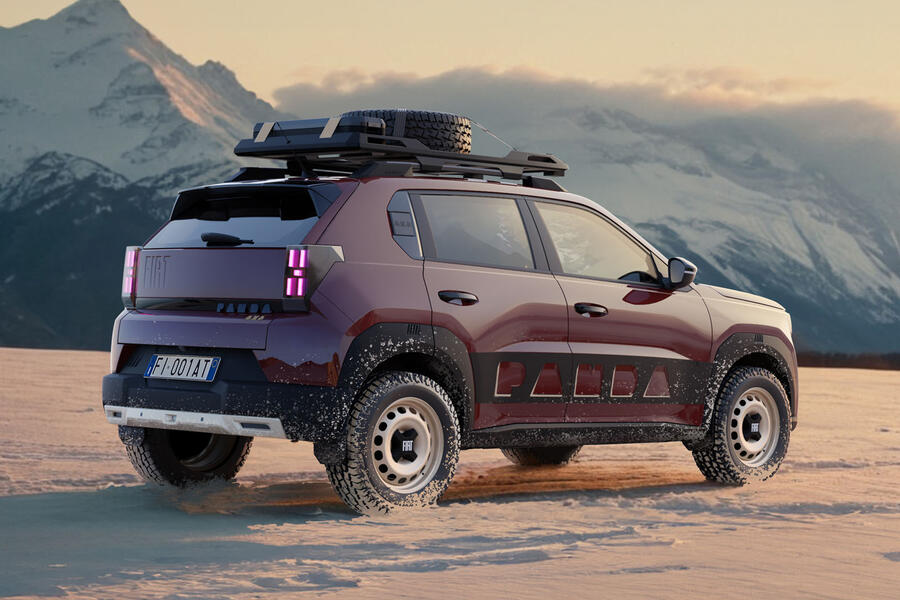
The Grande Panda 4x4 concept features several bespoke design cues, including a dark red paint that echoes a special edition of the original Panda 4x4.
There are also steel wheels; special graphics on the doors that emphasise the stamped Panda lettering and evoke traditional off-roader body cladding; a protective underbody skidplate; and a roof rack.
Fiat has hinted that any production version would “most likely feature other accessories”.
The Grande Panda is intended by Fiat as a global car, and will eventuallty be manufactured in factories on three different continents. To meet those global requirements it can adopt a wide range of powertrains, including a manual pure ICE, a hybrid, full electric and even LPG. While the manual ICE is launching in Europe later this year it is not likely to be offered in the UK initially due to the extra costs of right-hand drive conversion.

Nostalgic Thrills: Hammond and May’s Last Lap in the Porsche Taycan Turbo GT

Tesla’s Cybertruck Trade-In Policy Sparks Controversy Over Depreciation and Value