

Nilu27 Hypercar Redefines Performance with Hot V V12 and Manual Transmission in a Digital...

Bentley Dynamic Symphony Uses Live Instrumentation to Reimagine Emotional Impact of EV Sound Design

Forgotten Cars of the 1990s Reveal the Decade’s Overlooked Innovations and Missed Icons
 The decade marking the most significant change in car design yet seen, but some undeservedly slipped our net...
The ‘90s saw a sea-change in cars.
Out went the straight lines and sharp edges of the ‘70s and ‘80s, in came sleeker, aerodynamic and bulbous designs. And the decade also brought in widespread use of fuel injection, which greatly boosted reliability; arguably ‘most cars became pretty good’ on that front for the first time in the decade. And some got the credit in terms of fame and sales. But not this lot, which (usually) deserve to be better remembered….
Mercedes-Benz 500E
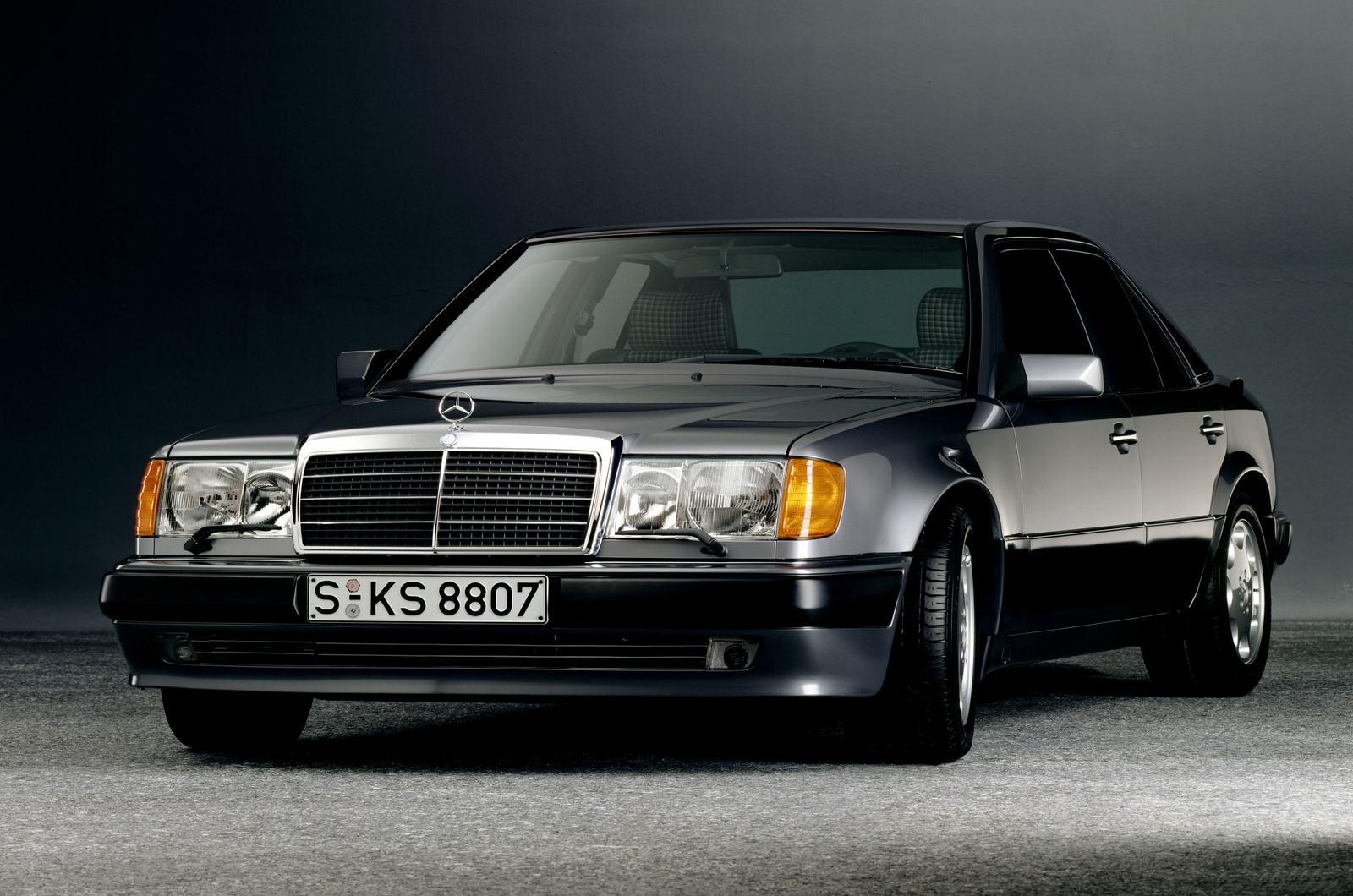
The 500E was built from 1991 to 1994. Mercedes hired Porsche which took a bog-standard W124 and redesigned the chassis to fit the 322bhp 5.0-litre V8 from the SL while also changing various bits in the suspension and the drivetrain — muscular bodywork was also fitted to compliment the engine. Only 10,479 cars were made during its production run, making them a rarity. One sold at auction in 2021 for £32,250, but the car has long lived unfairly in the shadow of the BMW M5.
Mitsubishi Eclipse GSX
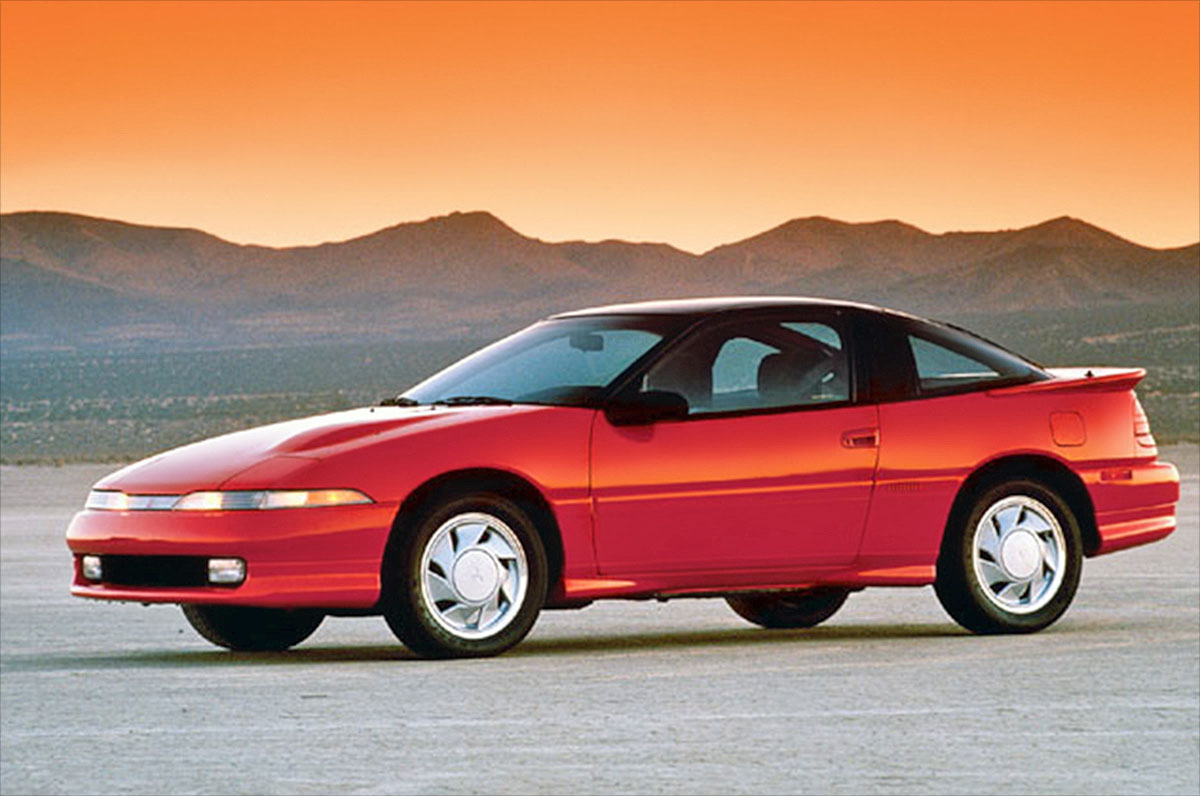
When the Eclipse GSX arrived in the ‘90s, it was an instant hit because of its petite size, four-wheel drive chassis and turbocharged four-cylinder, capable of blowing the doors off most American sports cars of the era. The GSX was the range-topping AWD model, producing 195bhp and capable of 0-60mph in under 7sec. Mitsubishi eventually dropped the Eclipse to focus on hybrid technology.
Porsche 968
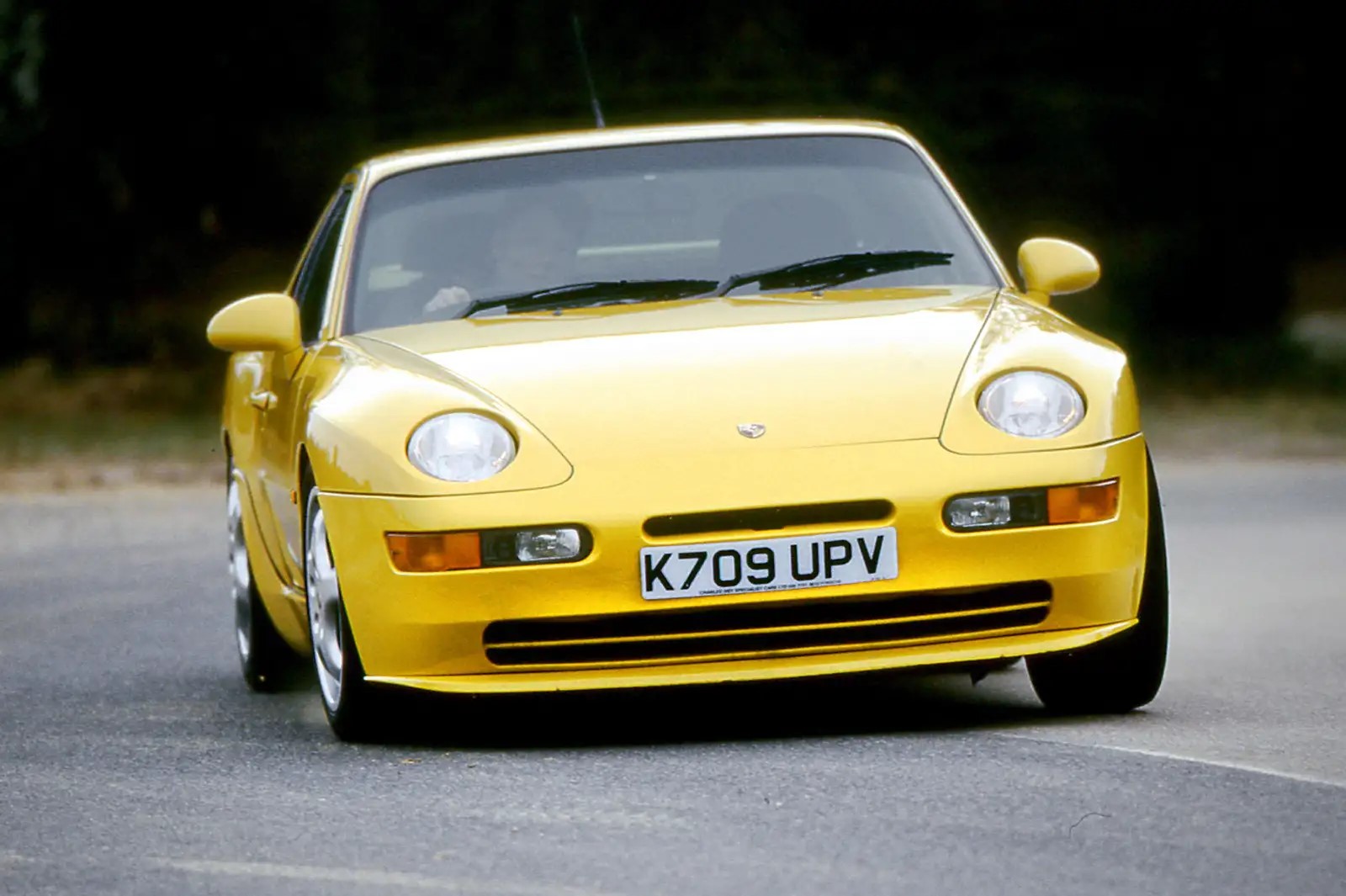
Porsche’s famous models include the 944, 911, Boxster and 928; the 968, however, was simply forgotten about. Its engine had the same layout as the 944, although Porsche had introduced its VarioCam system for the 968. With 237bhp, it was a 156mph car even though the focus was predominantly on handling.
It was the last of Porsche’s transaxle layout and fans looked down on these with disappointment - they wanted cars like the mid-engined 911. A shame really, as the 968 had the recipe for a good Porsche: speed, agility, luxury and looks.
Nissan Sunny GTI-R
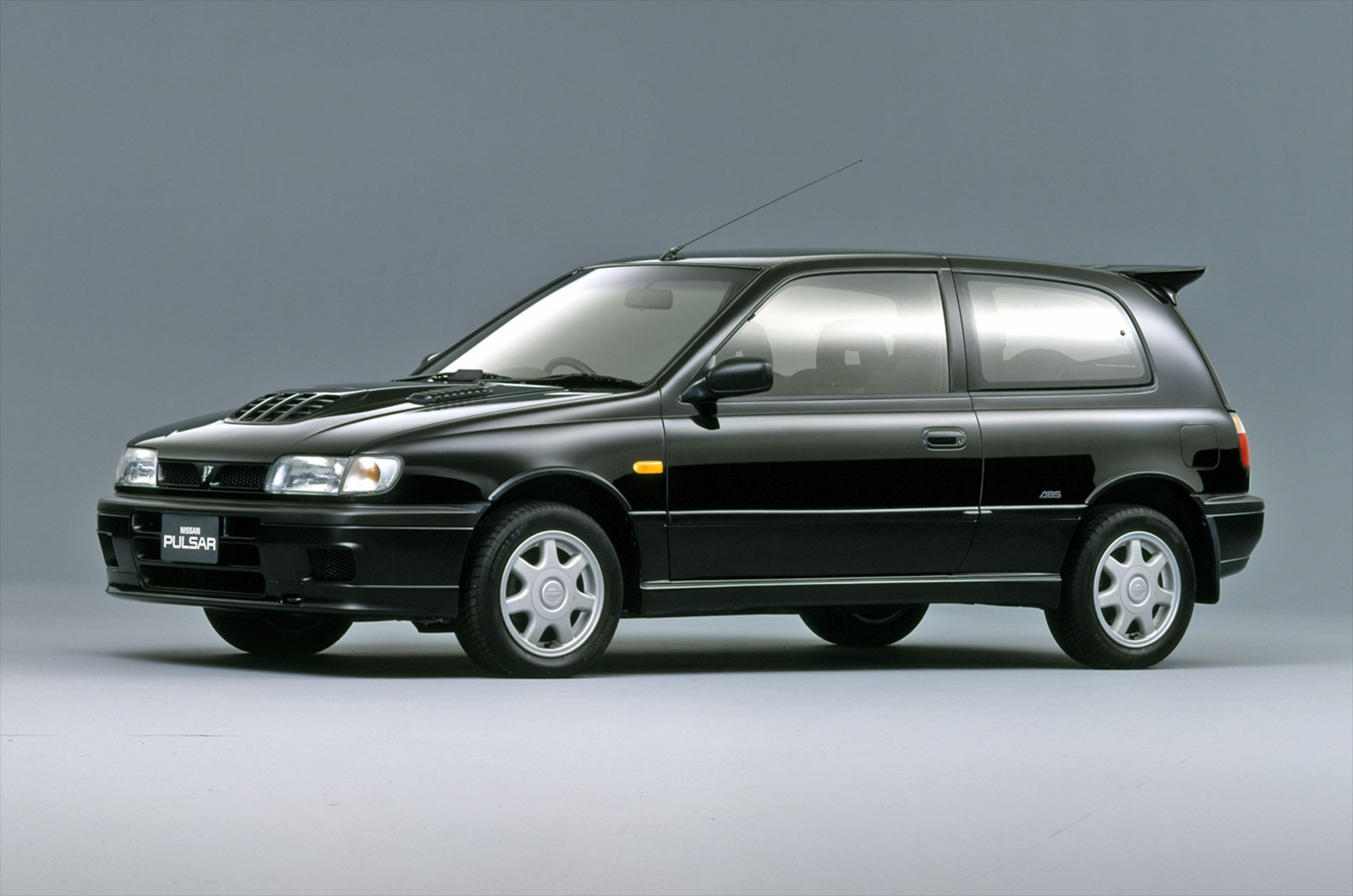
Even without a push from Nissan, the GTI-R rapidly gained a cult following in the early to mid-2000s but quickly slipped off the radar. The basic Sunny’s goal was to be a cheap A to B car that would sell in large numbers but, in the early 1990s, Nissan turned its attention to motorsport and WRC’s Group A was the target.
It would go up against Mazda’s 323 but the average Sunny would be clobbered. Drastic changes were made and the GTI-R was born. Sold as the Pulsar in Japan, the GTI-R had a turbocharged 2.0-litre with 220bhp fed through all four wheels. Overall, Nissan produced just 14,613 cars.
Dodge Neon R/T
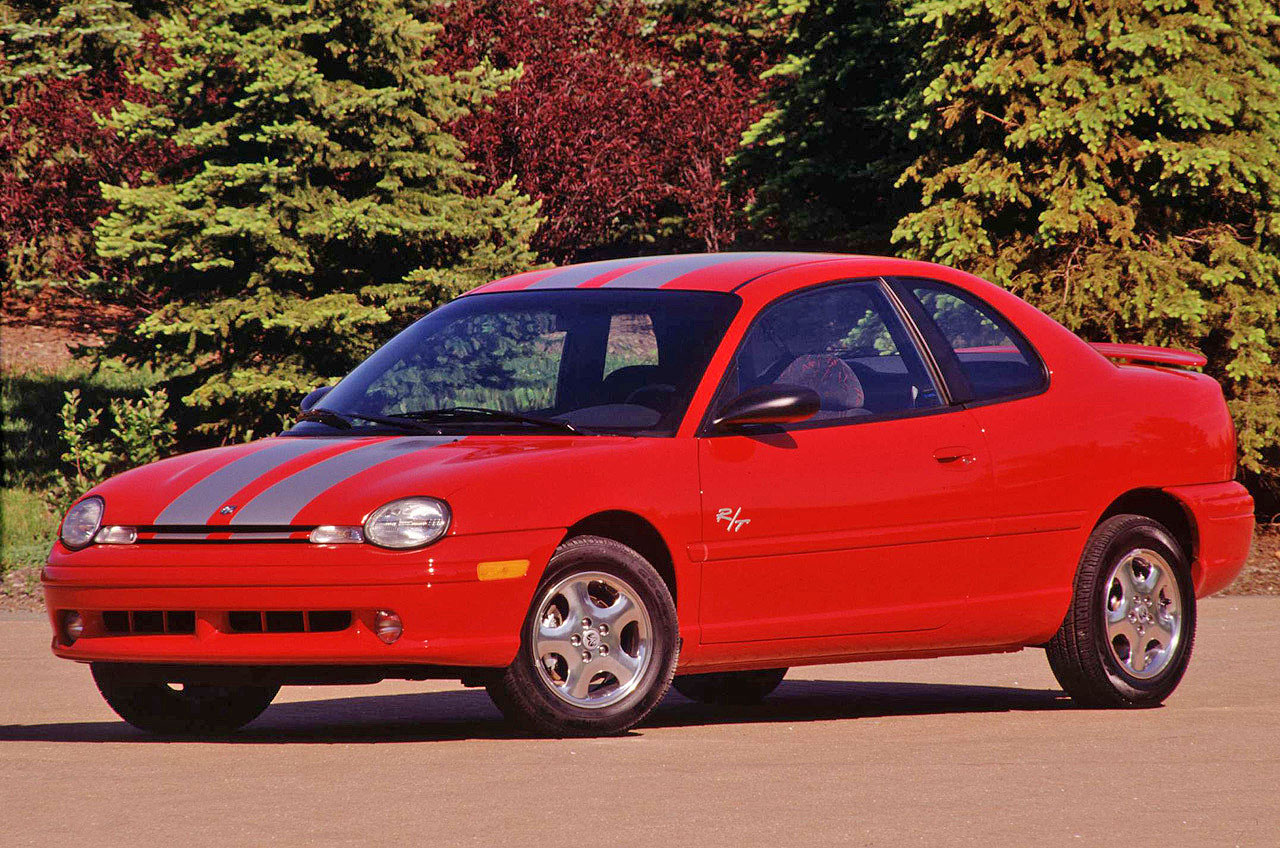
The Road/Track (R/T) emblem graced the front and rear of the iconic ‘70s Charger and Challenger - but as time went on, Dodge experimented with more family-oriented cars such as the Neon. The Neon started in life as 1.8-litre but, in 1998, the R/T variant arrived with a 2.0-litre. R/Ts were previously known to be the fire-breathing guise, but the Neon possessed just 150bhp, an 18bhp increase over standard.
Although it was faster than the Golf GTi of the same period, many claimed it lacked the sophistication of cars like the Ford Focus. Soon, the R/T vanished into the history books.
Volvo 850R
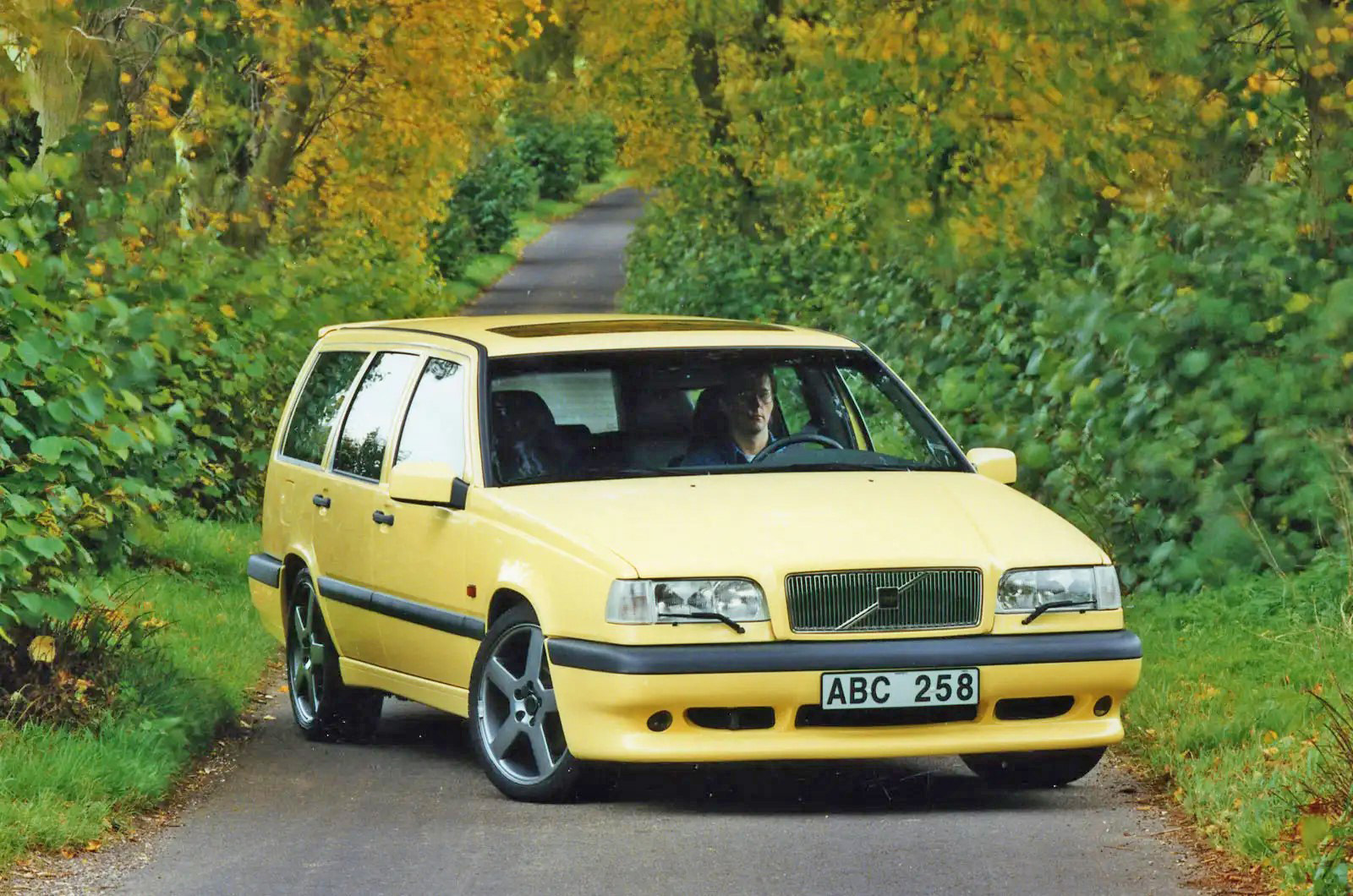
As cars like the C5 Audi RS6 and the more modern Volvo V50 T5 moved into the 2000s, the legendary 850R was pushed aside. The 850 replaced the 240 and it was offered as both a sedan and an wagon. In 1996, the 850R arrived which had 18bhp more than the standard 850 Turbo, or 247bhp in total, and a turbocharged 2.3-litre.
62mph from rest was over in just 6.9sec with the five-speed manual, or 7.5sec with the four-speed auto. It had subtle sporty bodywork, 17” alloys, Alcantara seats and a two-tone leather steering wheel.
Volkswagen Corrado
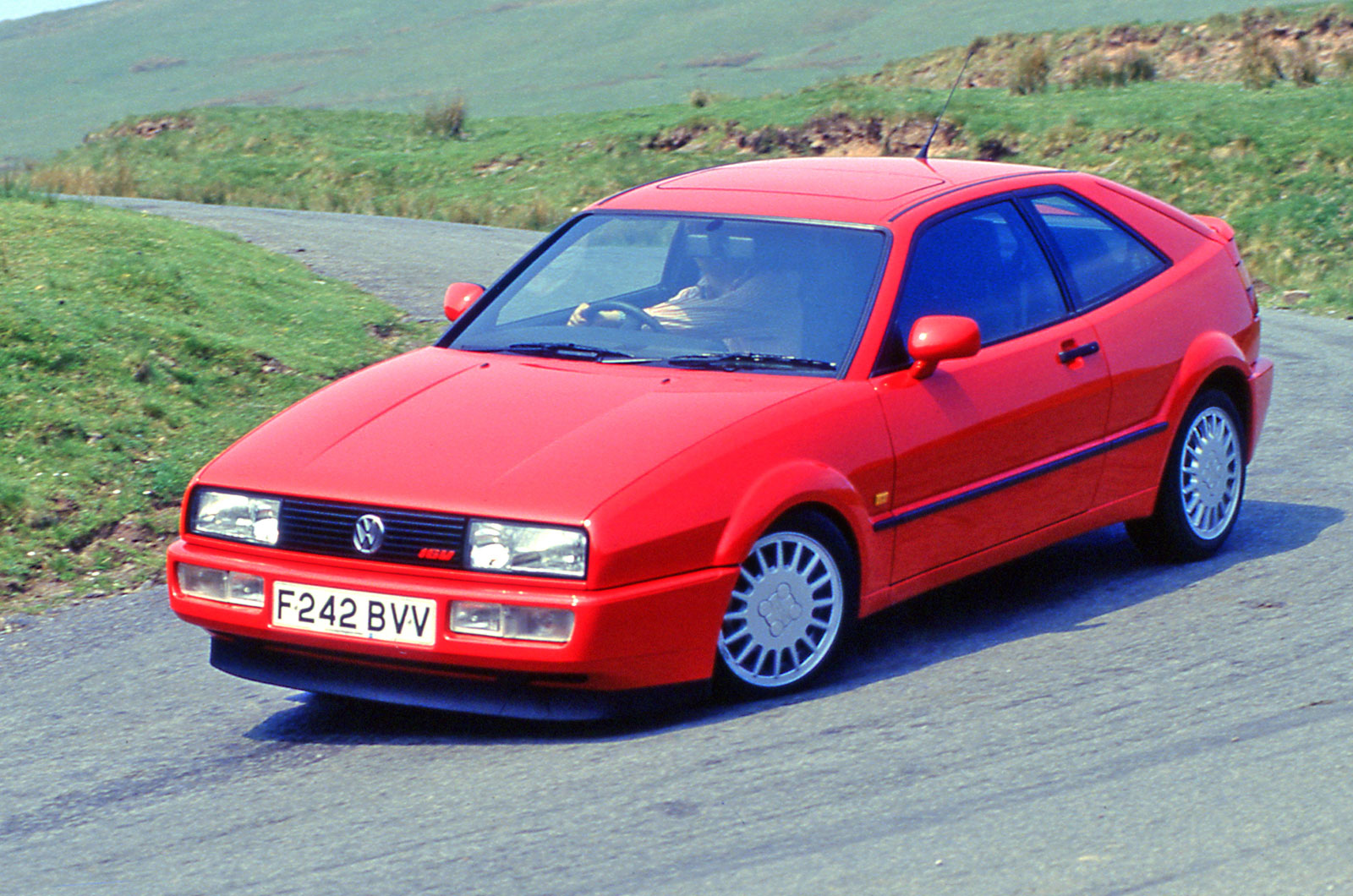
Focus was mainly on the hot VR6 version of the Corrado and today it remains that way. However, the Corrado was available in other guises as well, such as the 1.8-litre 134bhp and the supercharged 1.8-litre 158bhp G60. In 1992, a 2.0-litre 134bhp was introduced and then the 187bhp VR6, which was followed by another 2.0-litre, producing 113bhp.
In base form, the Corrado still looked majestic and it featured an active aero spoiler. In total, 97,521 Corrados were made.
Vauxhall Corsa B GSI
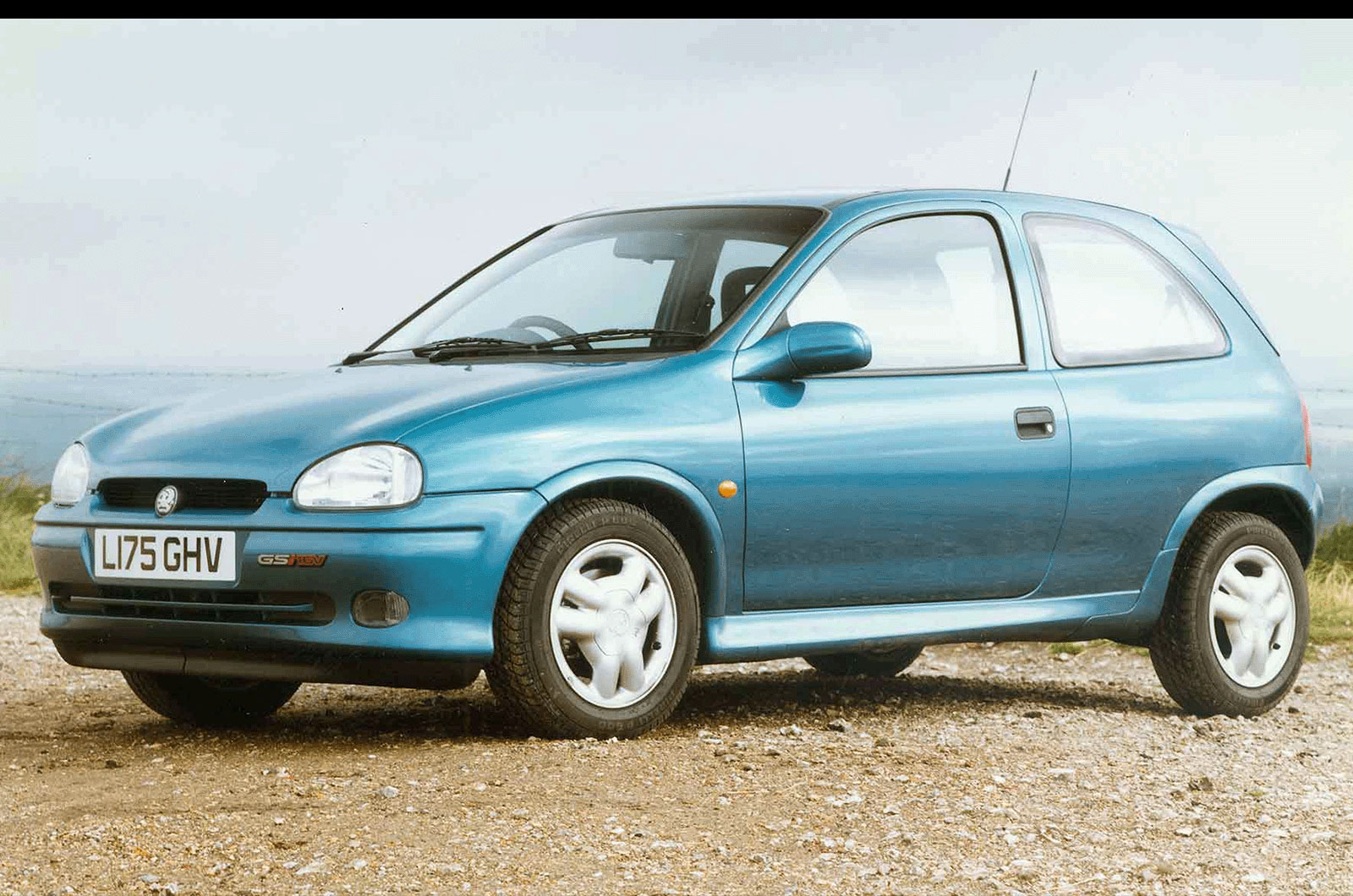
The GSI badge was placed on cars that had gone through Vauxhall’s ‘hot’ tuning, giving those, who wanted more oomph from the likes of the Astra and Corsa, another avenue. Vauxhall had already given the Nova the GSI treatment and the next small car in line was the humble Corsa B. Weighing in at just under one tonne, the GSI had 108bhp meaning that 0-60mph was under 10sec and a 119mph top speed was achievable.
Sporty bodywork and agile steering made it popular. Vauxhall had to keep up with design and in 2000 the Corsa B was discontinued and the more modern Corsa C was introduced.
Nissan 100NX
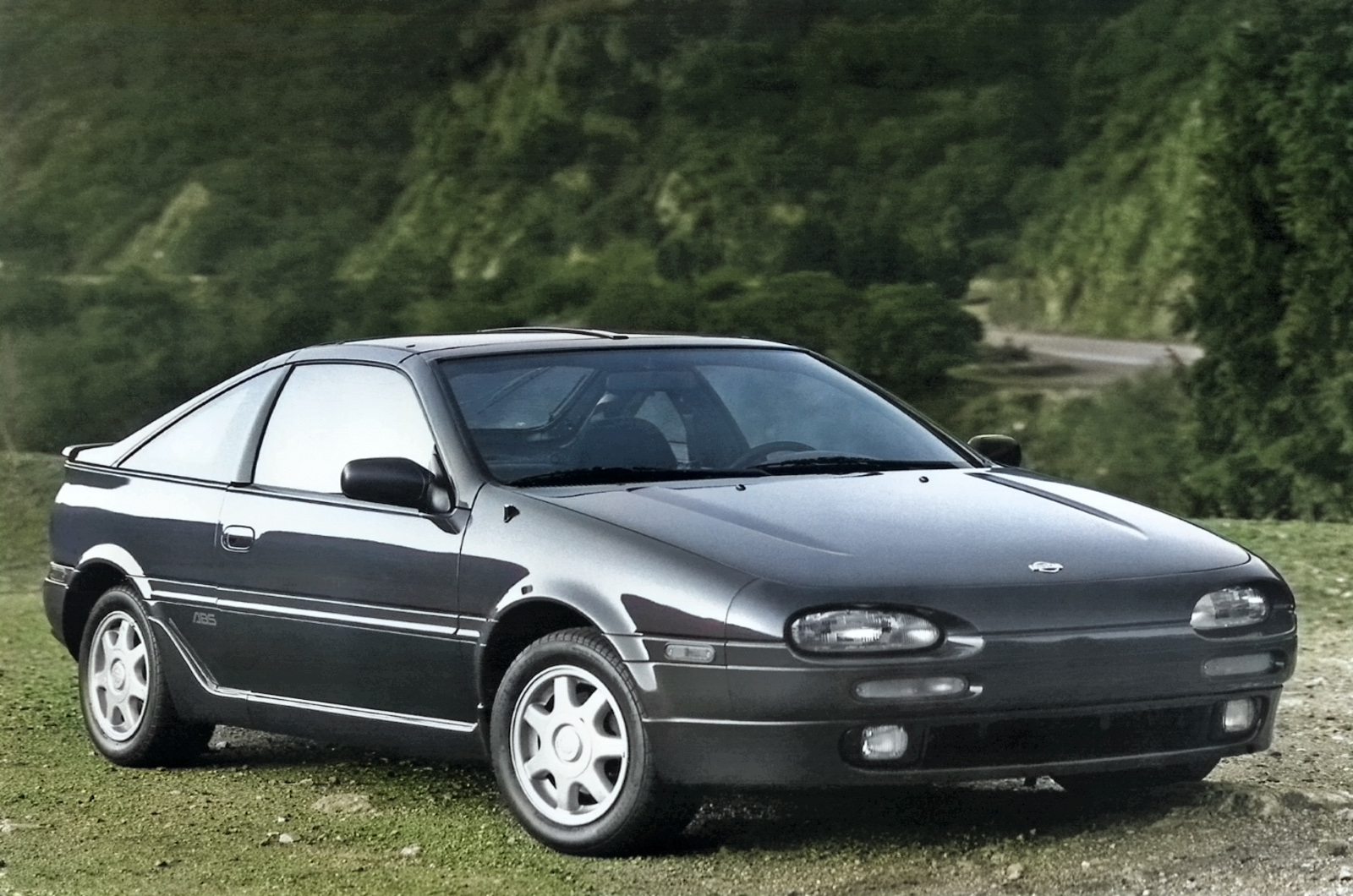
Arriving in 1990, the 100NX was a front-wheel drive sports car that was loosely based on the 1987 Nissan Pulsar. Underneath, it had the 1.6-litrefrom the Sentra although buyers could opt for a more powerful 2.0-litre from the Sentra SE-R. Most buyers purchased T-Top variants but there was also the option of a hardtop. In 2.0-litre form, the NX, with its lightweight stiff chassis and limited-slip differential, was considered one the best handling front-wheel drive cars of its era, next to the Lotus Elan. Unfortunately, the 100NX failed to reach the set sales figures and it was dropped.
Lincoln Mark VIII
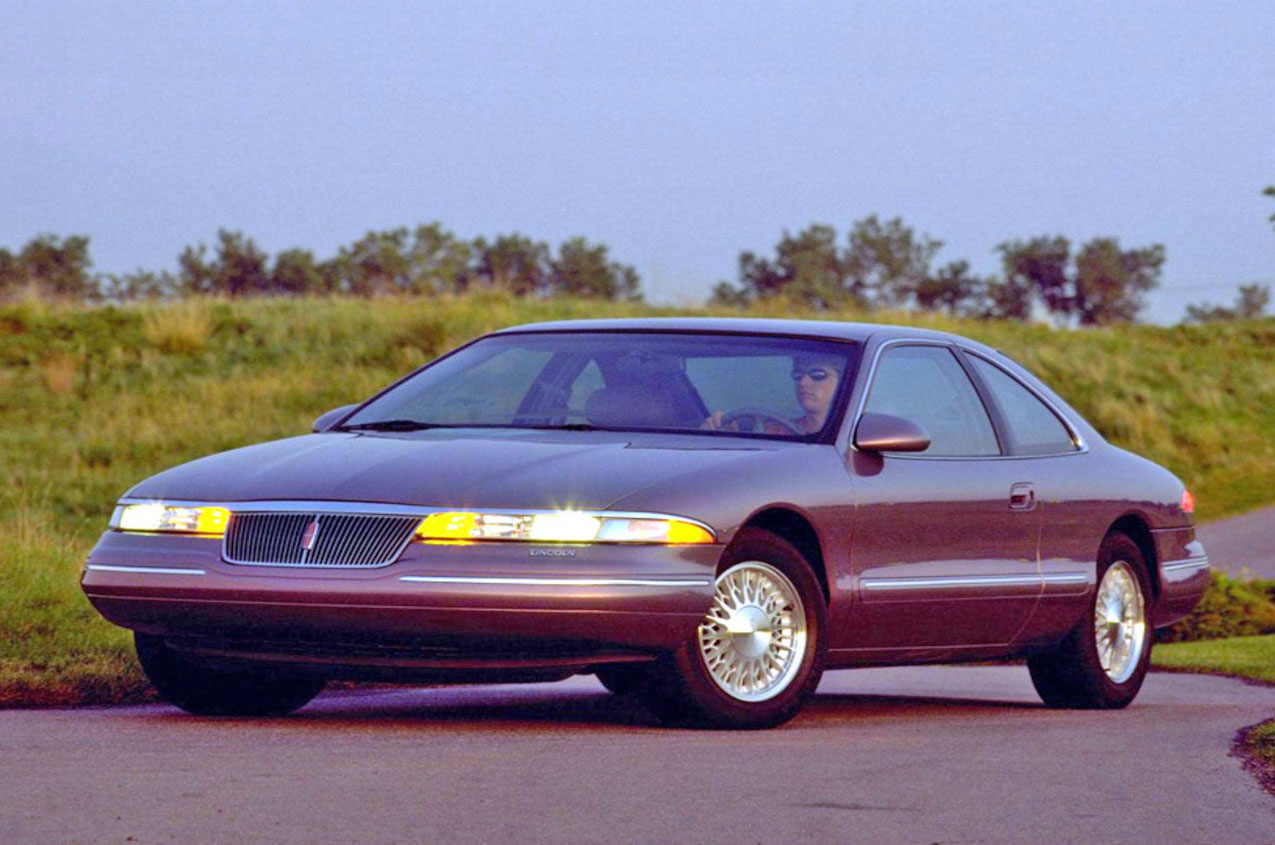
The Mark VIII was an opulent grand tourer produced by Lincoln from 1993 to 1998 and rivalled the Cadillac Eldorado. It used a similar platform to that found on the Ford Thunderbird and Ford Cougar, although it was slightly larger. It had a long hood and a sharp front end, complete with elongated headlights.
Its 4.6-litre V8 powerplant it produced 280bhp. A facelift arrived in 1997, which gave it a smoother front and rear. In total, 122,060 were made.
Ford/Mercury Cougar
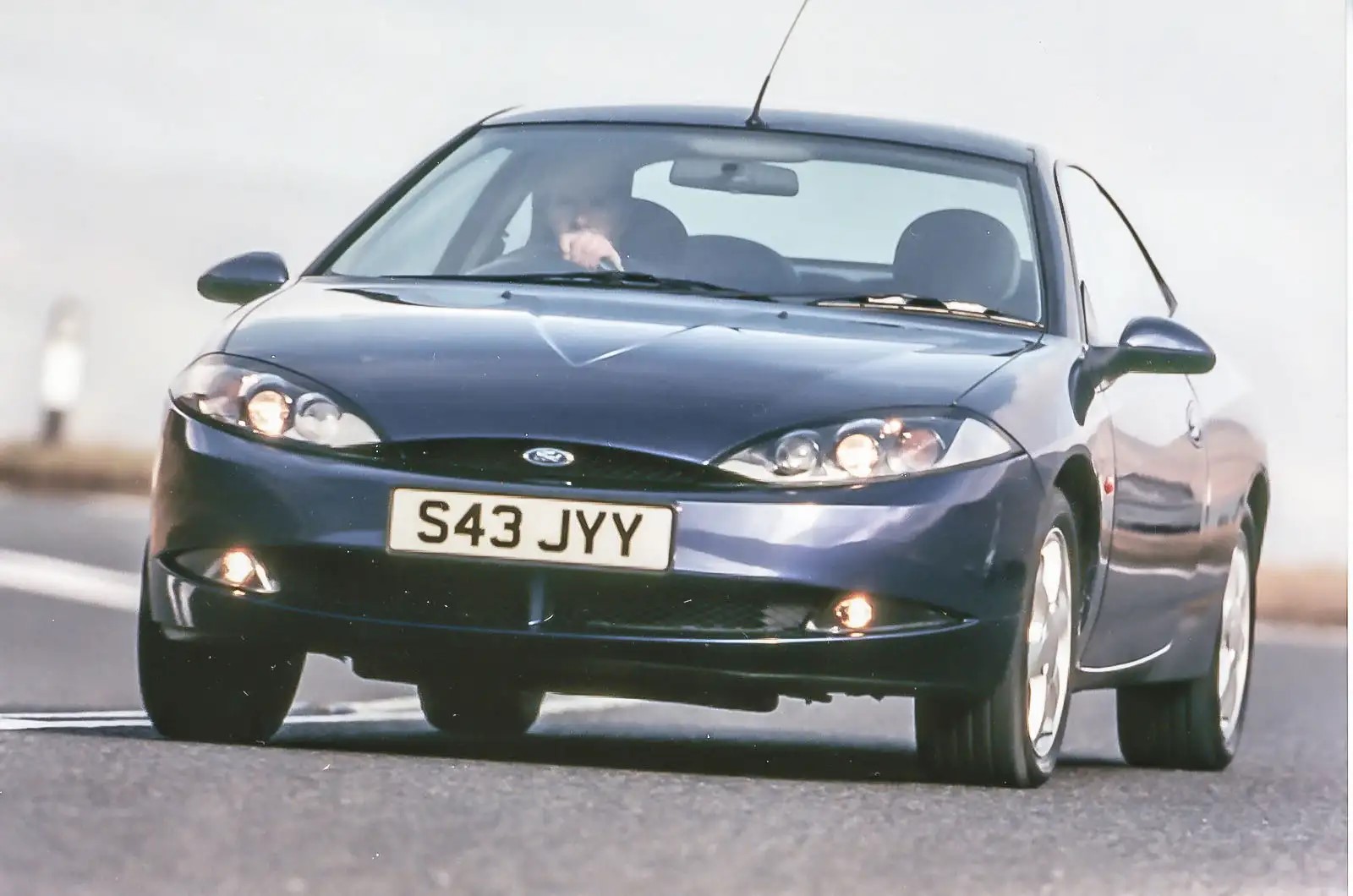
Ford had already released the Puma at this point and a year later the Cougar followed. It was a coupe that was intended to be the third-generation Ford Probe but the name was dropped. When it first arrived, it had mixed reviews due to its bulbous styling, but it handled well enough, and buyers could choose from two gasoline engines: a 123bhp 2.0-litre or a 168bhp 2.5-litre.
A similarly priced Toyota Celica GT from the same era, with similar power levels, was quicker and became a popular alternative, whilst those looking for a fast Ford were often found going for the Mondeo ST200 or ST24 instead. The Cougar sported Mercury badging in North America.
Suzuki X-90
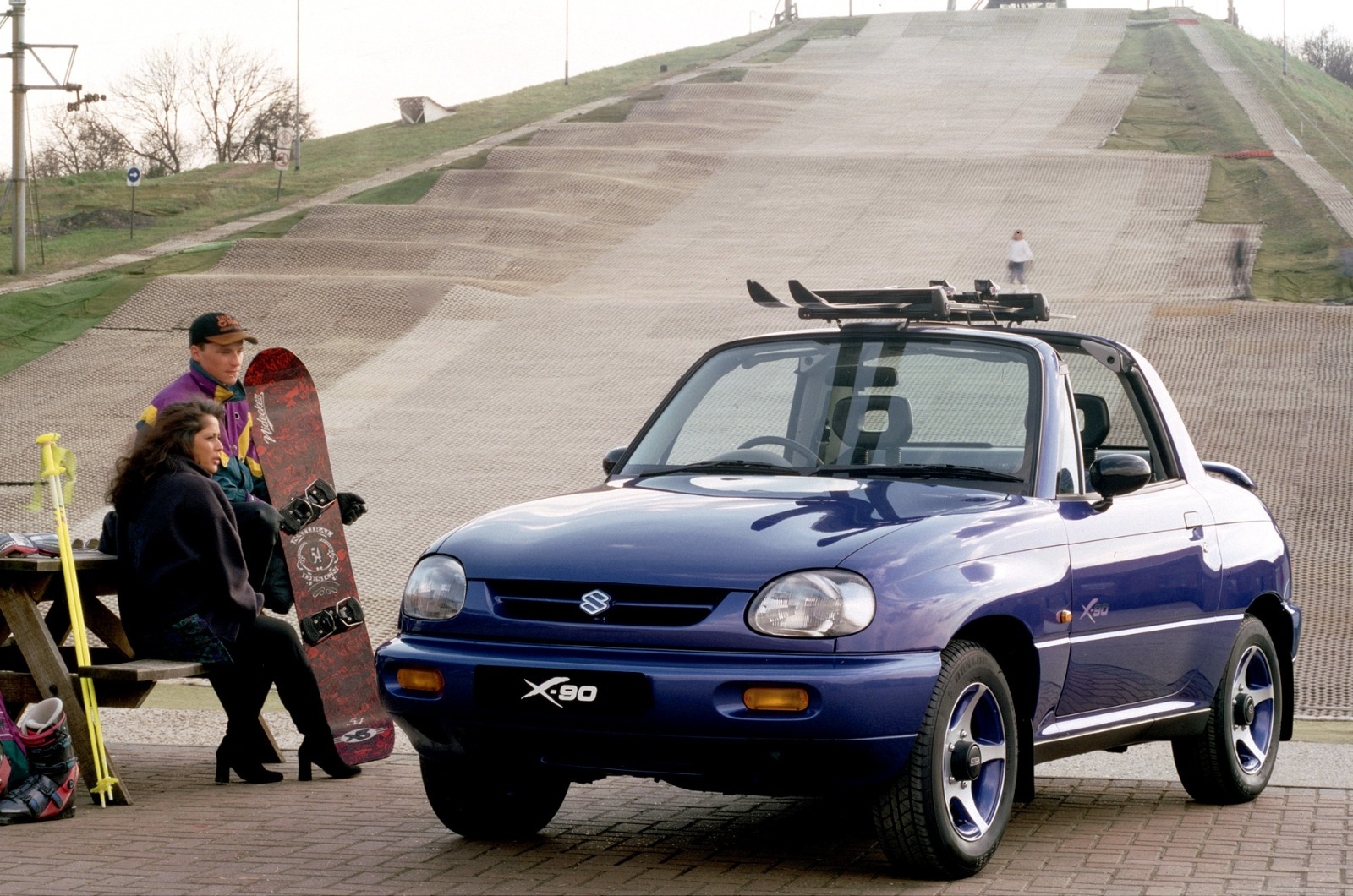
A two-seater short-wheelbase convertible SUV? The similar Toyota Rav4 just hit differently than the little Suzuki, and as a result, the X-90 earned its Barbie-Doll-jeep moniker. In rough offroad environments, it was perfectly capable, although the 95bhp 1.6-litre struggled at steeper inclines. Buyers also could have it in four-wheel drive or rear-wheel drive.
When it came to sales, the X-90 flopped and only 7000 were sold in the US, a market that Suzuki thought would have buyers digging deep. Eventually, after little success, Suzuki canceled the X-90 after just two years of production.
Mitsubishi Galant VR-4
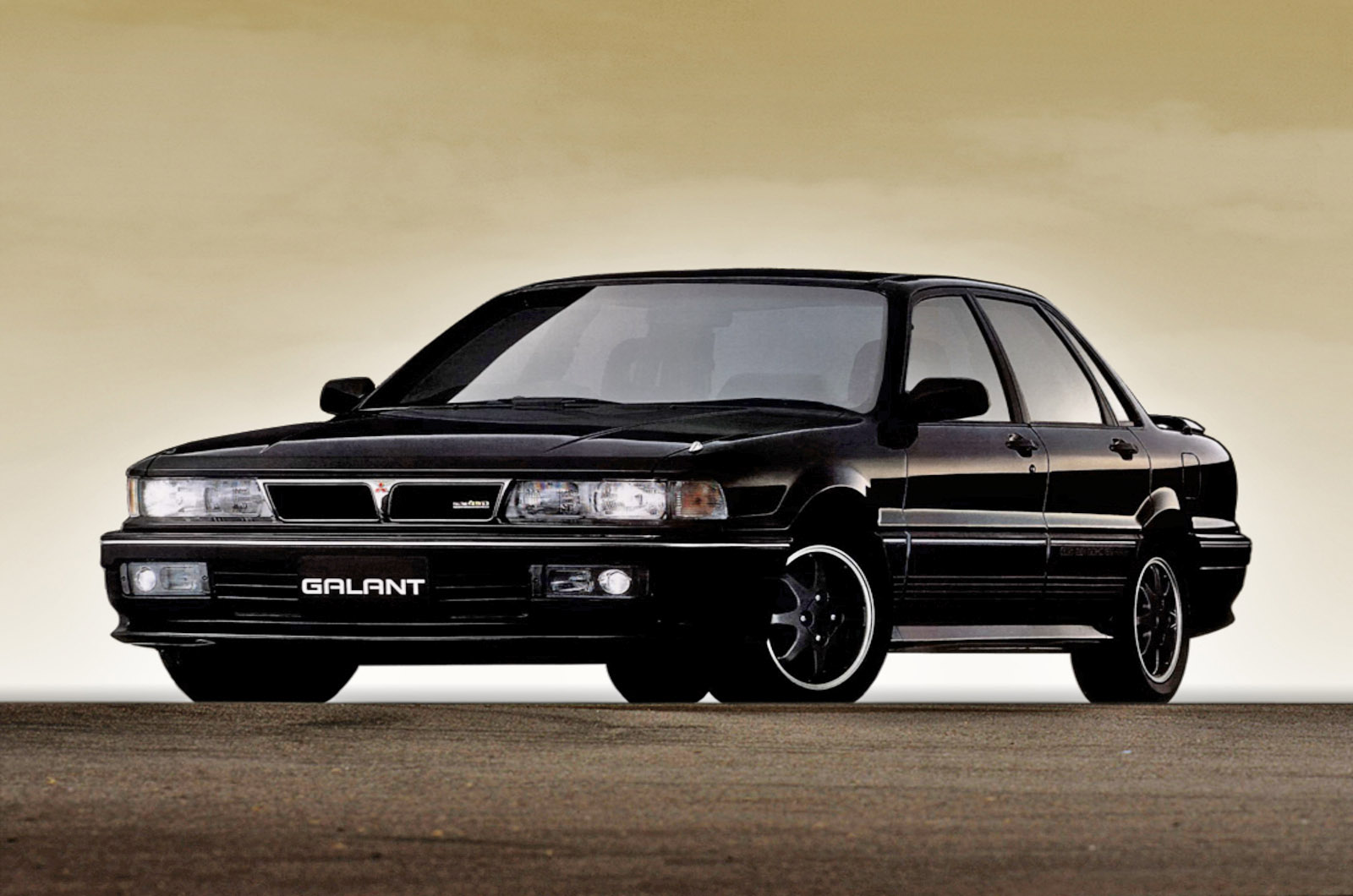
Generation seven Galants, built from 1992 to 1998, also had a VR-4 option, but the most memorable for the UK is said to be the eight-gen, built from 1996 to 2006. There were various Galant options available, from diesel to gasoline, but those who had deeper pockets could spec the range-topping VR-4. Buyers were rewarded with a 276bhp four-wheel drive brute capable of 160mph derestricted and 0-60mph was over in just 5.3sec.
An automatic five-speed was available which was based on Porsche’s Tiptronic. Eventually, the Galant was dropped in favor of the Lancer Evolution series.
Lotus Elan M100
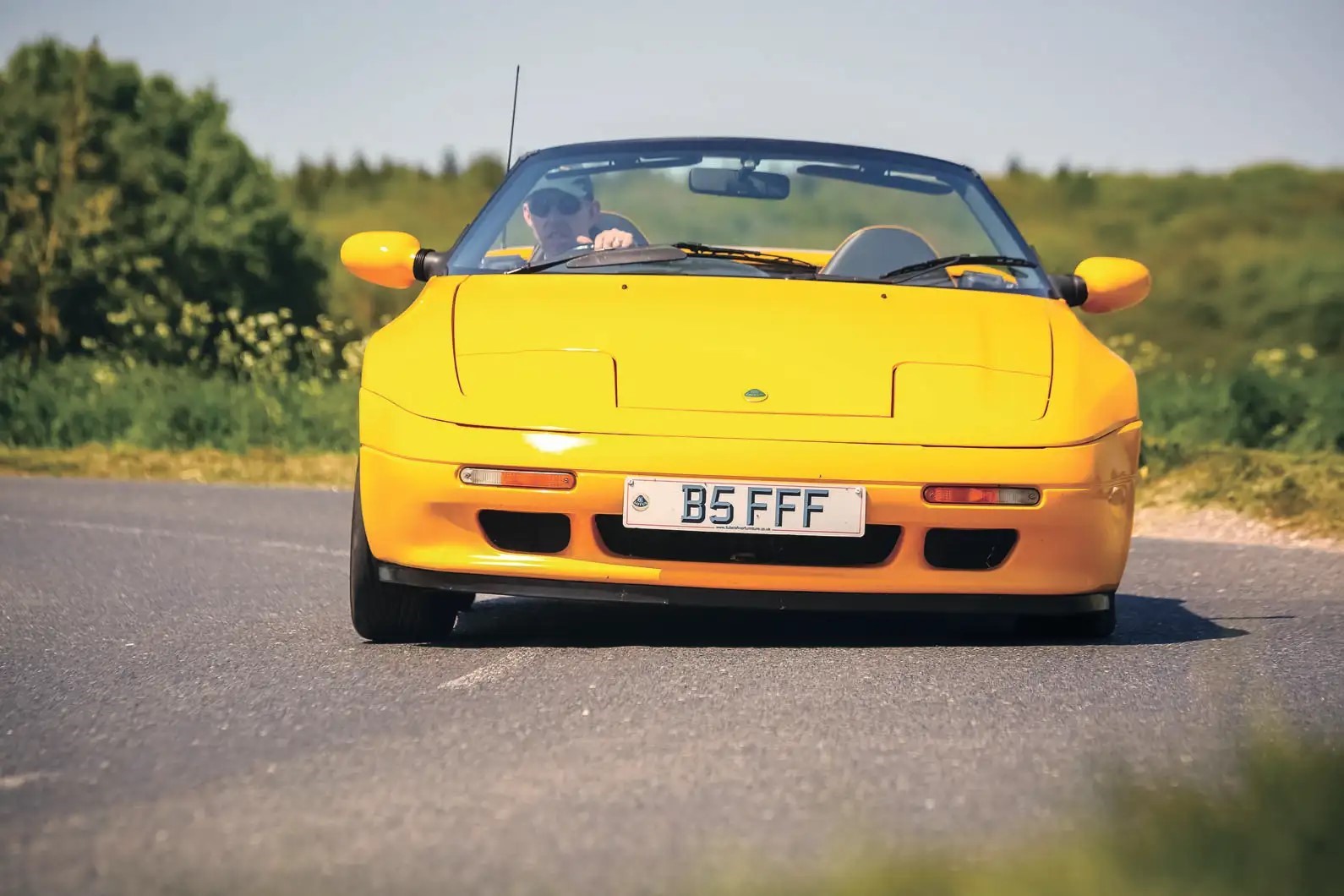
Elan M100s have climbed slightly in popularity, but for a long while they remained a bygone. In its short production run, from 1989 to 1995, Lotus made just 4700 Elans over two series: the SE and S2. A feisty 162bhp turbocharged 1.6-litre sat up front, driving the front wheels, while the chassis was rigid which minimised body roll.
A naturally aspirated 1.6-litre was also available. It was classed as one of the quickest point-to-point cars available. People simply couldn’t see past the idea of a front-wheel drive Lotus sports car, never mind a front-wheel drive Lotus, and while sales and interest started strong, they eventually divebombed. Lotus sold the rights to Kia, who sold the car in South Korea bearing that badge for a couple of years.
Honda Del Sol
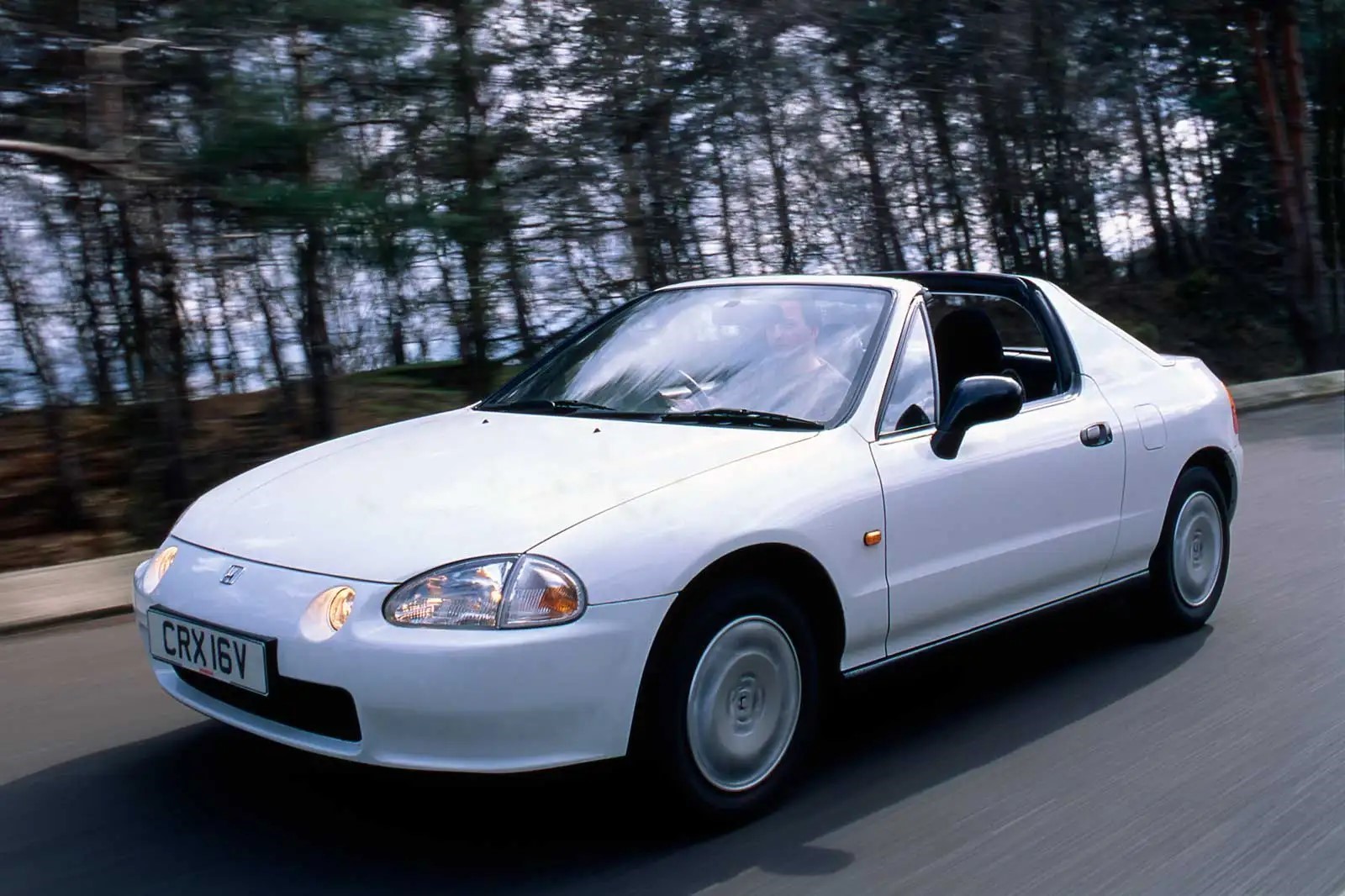
The CR-X was gone, and Honda needed to replace it with something just as sporty — enter the Del Sol. It shared its underpinnings with the Civic and the name Del Sol, which means ‘of the sun’ in Spanish, was a perfect fit as it was a convertible. When the Del Sol is brought up in conversation, it’s often remembered for its party trick — the TransTop. At the click of a button, the trunk lid would rise and two arms would extend to collect the 11kg hardtop.
The driver would lock the lid to the arms, the arms would then retract, and the trunk lid would lower. Of course, if you didn’t like showing off, you could opt for the manual hardtop. The Mazda MX-5, however, delivered better thrills and people bought it instead.
Citroen AX GTI
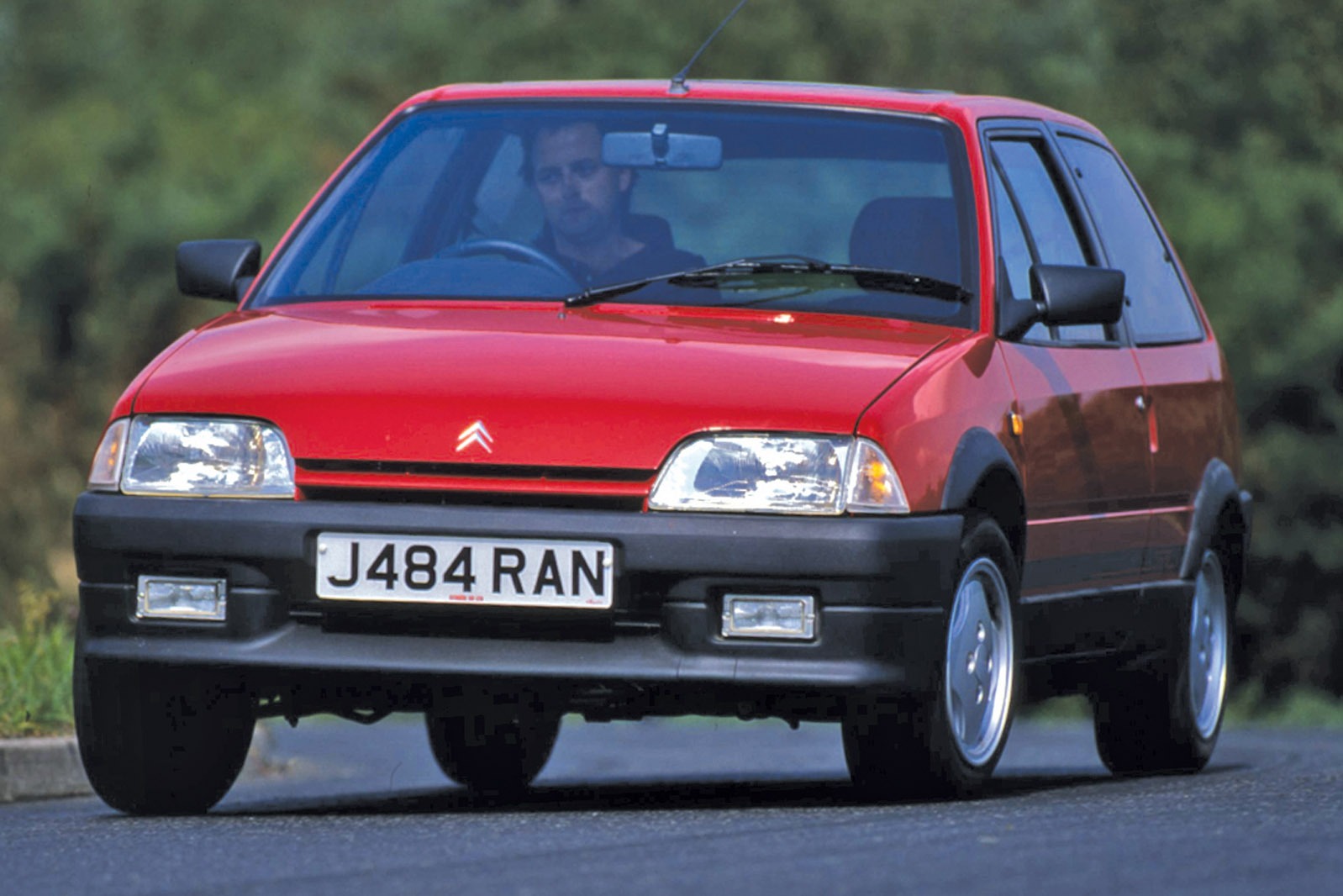
AXs could be spotted zinging about town centers all over the UK during the ‘80s and ‘90s, they were small, cheap and largely popular. The UK saw the arrival of the hot GTI guise in 1992. What you got was a sub-800kg car with a hungry 99bhp 1.4-litre.
This meant that, off the mark, the little AX GTI could rival bigger, more powerful cars up to 60mph from a standstill (8.5sec); it pirouetted around bends as it cocked its wheels and, if it had enough room, it would eventually hit 120mph. As the Saxo was introduced, Citroen had to cut their range and the AX was axed.
Mercury Capri
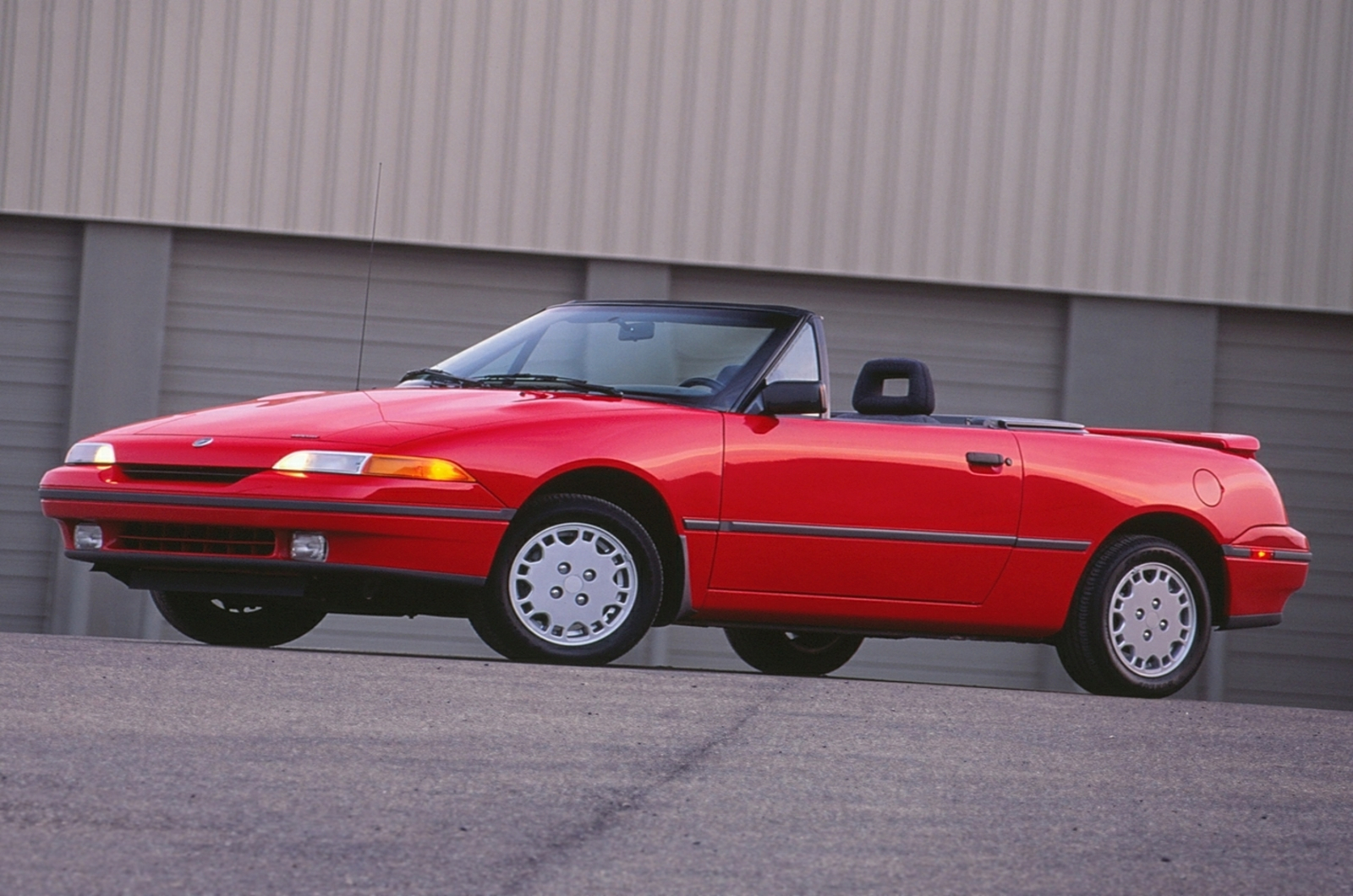
Many people loved the Capri of the ‘70s, it was cool with its fastback styling, long hood and Ford Mustang roots. A second generation arrived in 1970 which kept the fastback styling but had more modern lines and aesthetics. Then the third-gen hit in 1991. It was built by Ford Australia to rival the Mazda MX-5/Miata and Toyota MR2 and it used many Mazda 323 components.
Larger engines were no longer an option and those interested had a choice of either a 100bhp Mazda 1.6-litre or the same 1.6-litre with a turbocharger attached, producing 132bhp. The MR2 and Miata did the job better, leaving the Capri in the history books.
Mazda MX-3
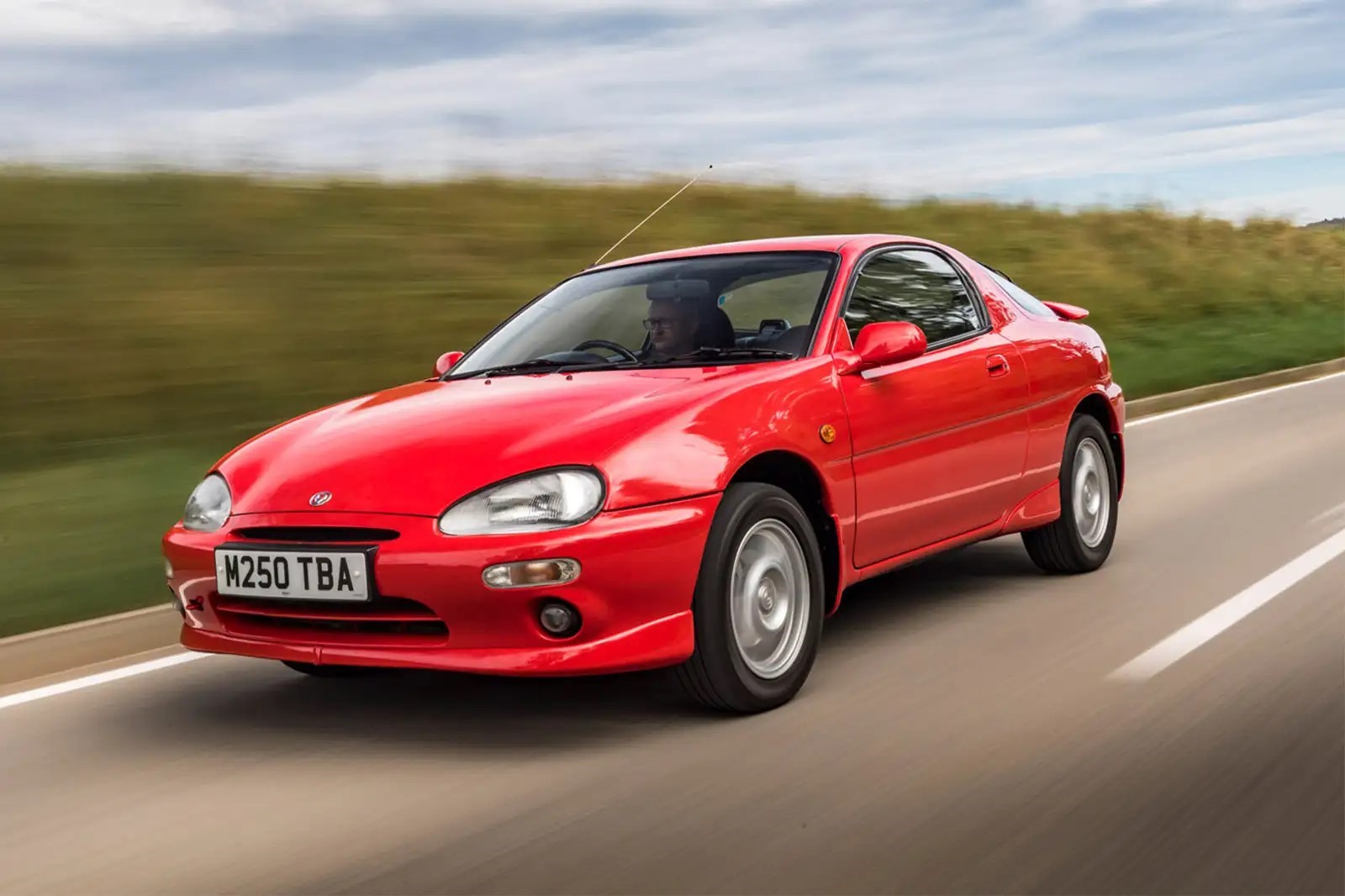
Unlike the MX-5, the MX-3 was a four-seater, and it had front-wheel drive. It shared the 323’s underpinnings and was built from 1991 to 1998 before Mazda canned production due to the MX-5 becoming more popular. There was a choice of engines: a 1.5-litre, a 1.6-litre, a 1.8-litre and a 1.8-litre V6. At the rear, Mazda used its Twin-Trapezoidal Link technology, which delivered all the benefits of four-wheel steering without the extra weight.
Mitsubishi 3000GT
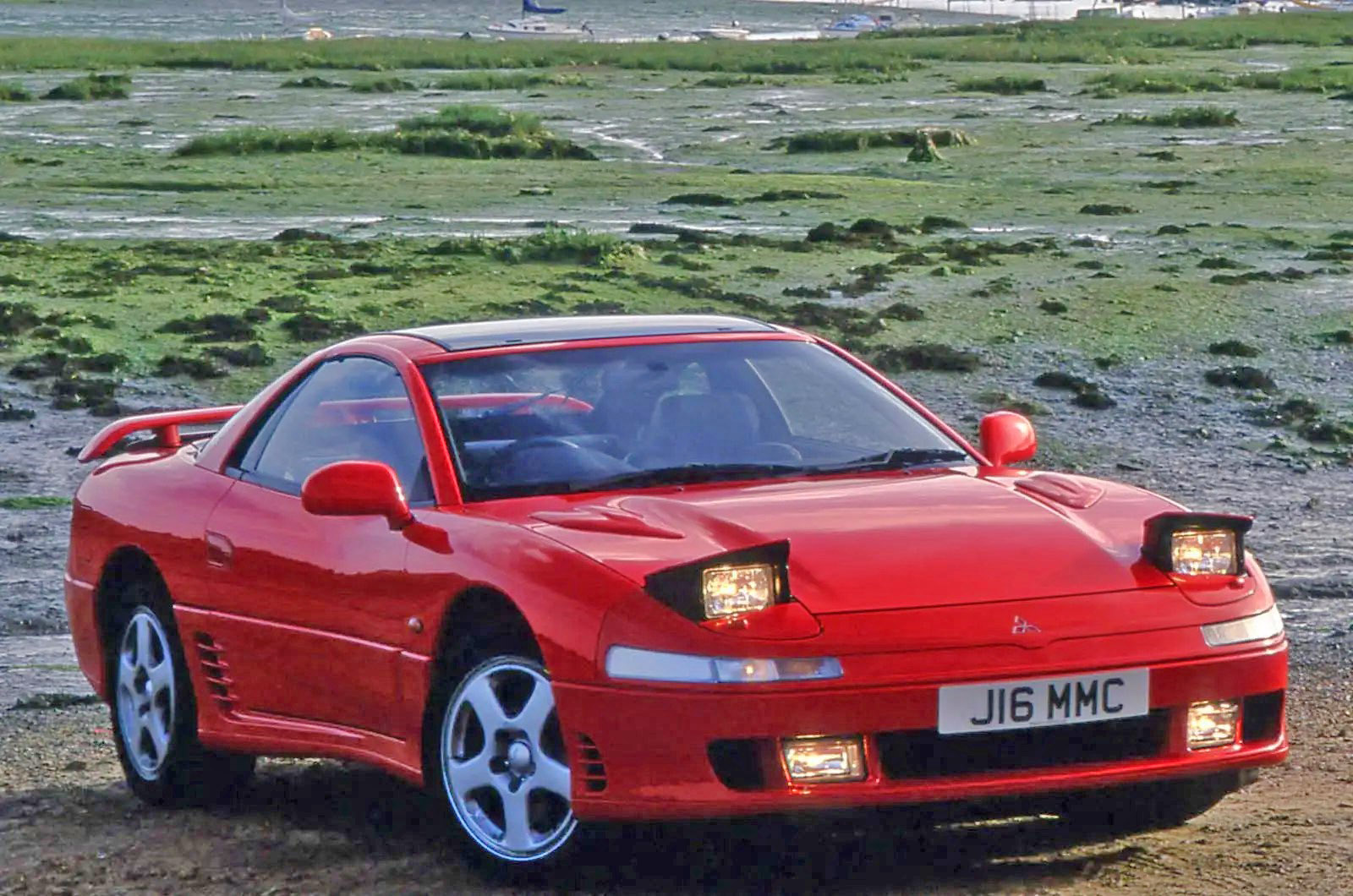
The market was popular for grand-touring sports cars during the ‘90s. Mazda had the RX-7, Nissan had the 300ZX, Toyota had the Supra and Honda - the NSX. Mitsubishi had to compete and so the 3000GT was born, remaining the brand’s flagship model for the rest of the era. Due to various US regulations, Mitsubishi was forced to strangle the 3.0-litre V6 powerplant to produce just 164bhp, but it later introduced a 222bhp GT guise.
Europe, however, got full power with the GT producing 282bhp. The 3000GT was a mechanical complexity and it was pulled because future generations would cost too much to produce.
Alfa Romeo 164
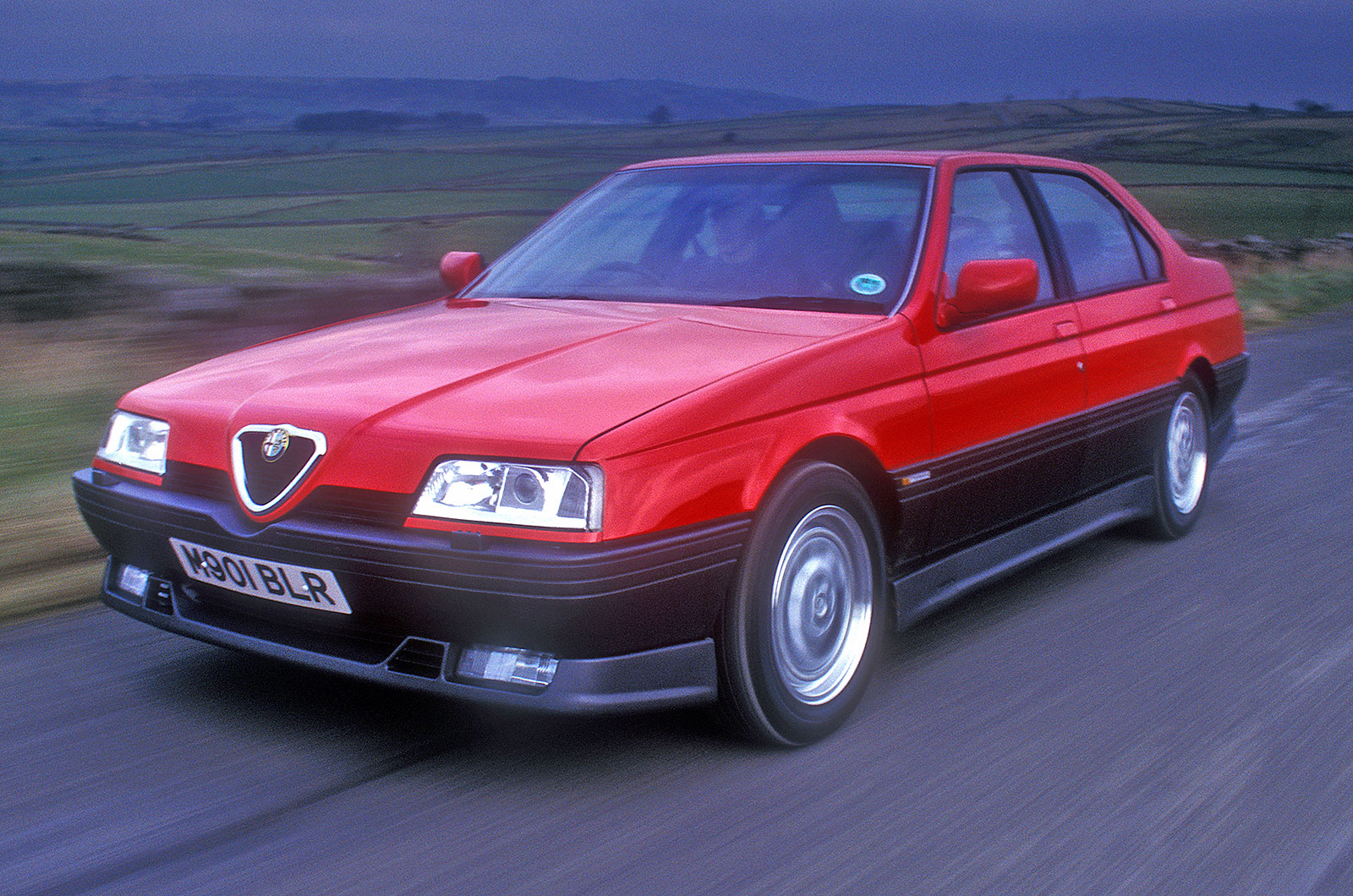
Although built in 1987, the 164 makes our list due to its popularity in the ‘90s and the introduction of the fast Quadrifoglio Verde and Q4 models. Before the two hot guises, Alfa gave buyers, who were looking at an executive German sedan, further food for thought with the 164. In base form, there were three engines: a 2.0-litre Twin Spark, a 3.0-litre V6 12-valve and a 2.5 diesel. In 1990, this expanded with a 2.0-litre Turbo and then the 229bhp Quadrifoglio Verde. In 1998, Alfa dropped the 164 for the more curvaceous 166.
Audi S4
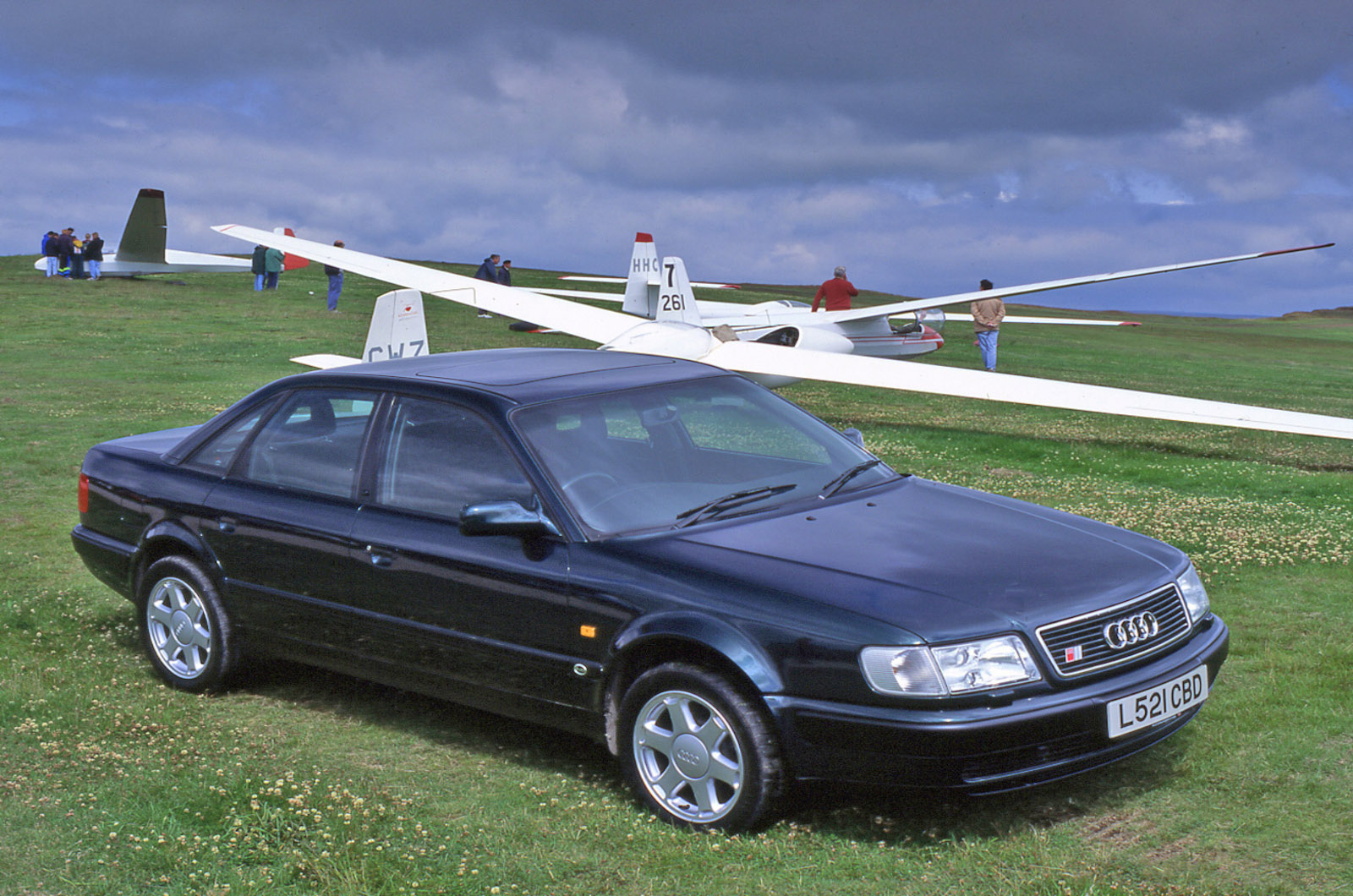
Introduced in 1991, the C4 S4 was aimed at those with a lead right foot, in addition, the 200 Quattro Turbo had been on the go for a while at this point and needed replacing. Two engines were available: a turbocharged 2.2-litre, which fed 227bhp to all four wheels using Audi’s quattro system, and a 276bhp 4.2-litre V8, only available in the ‘Plus’ trim.
The S4 lived a short life and was canceled in 1994. This was because Audi planned to re-introduce the car as an S6, the S6 would go on to mirror the S4 mechanically but it featured small cosmetic changes.
Mitsouka Viewt
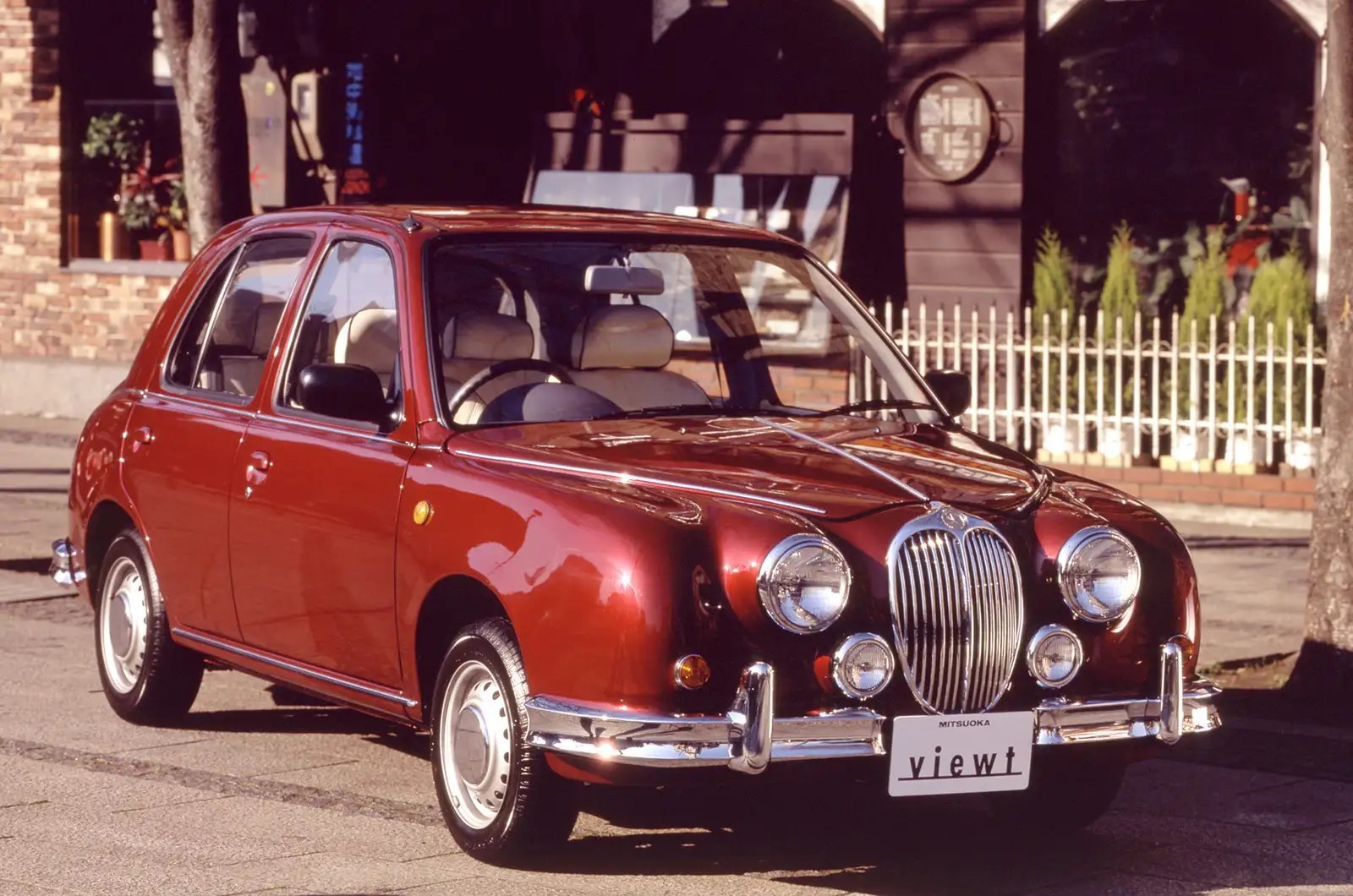
Since its release in 1993, the Viewt had people bewildered: “Is that a 1963 MkII Jag?”. Not quite. It almost looked like one from the front but that was Mitsouka's intention. If you were to lift off the glinty bodywork, you’d be met with a Nissan Micra or March as it was known in Japan.
By looking through the windows, you’d quickly notice that the interior had nothing to do with the Jaguar’s either. Those interested could have a 1.0-litre or a 1.3-litre in either a manual or automatic. The Viewt was never sold in the UK but found its way to UK soil via importers.
Toyota Celica
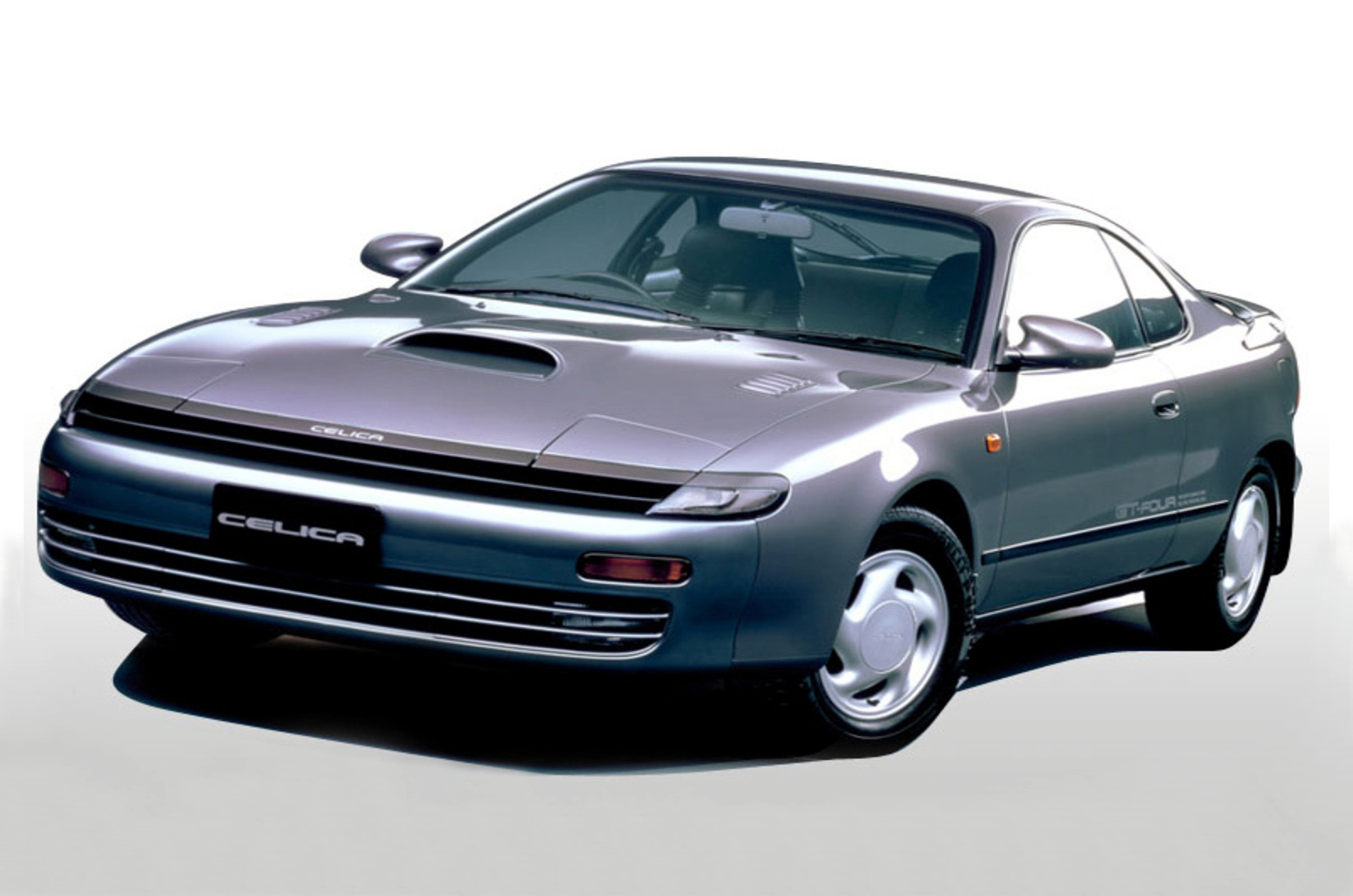
The Celica name was popular, especially when it comes to the seventh-generation cars released from 1999 to 2006. The fifth-generation 1990s cars, however, were made for a really short period of time, until 1993, before Toyota opted to focus on the updated sixth generation. Various trim levels were offered but Europe only received the ST-I — a 103bhp 1.6-litre, the 2.0-litre GT-I — a 158bhp 2.0-litre, and the ST185 GT-Four which had 232bhp.
Mercedes C36 AMG
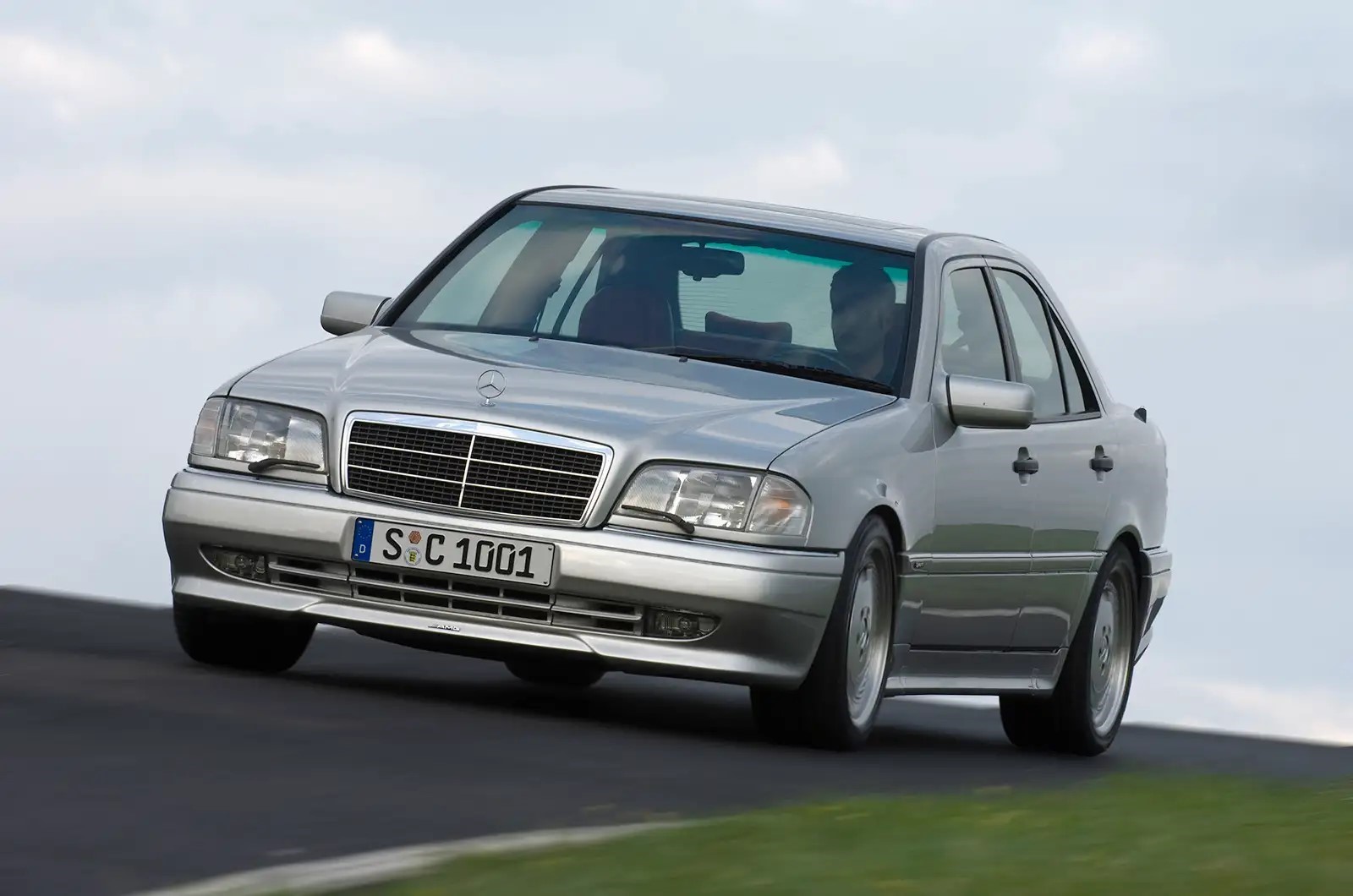
It was difficult to tell the C36 AMG and the car it was based on, the C280 Sport, apart; the big giveaways were the AMG badges, twin-exhaust and the 3.6-litre straight-six which produced 280bhp. It was a 155mph car, capable of cracking 0-62mph in 6.7sec, putting it in the firing line of the BMW M3. While the BMW was considered a better driver, Mercedes stepped up and offered the C43 AMG — a V8 variant with 306bhp that directly replaced the C36. Only 5221 C36 AMGs were made with 378 making it to the UK.
Subaru SVX
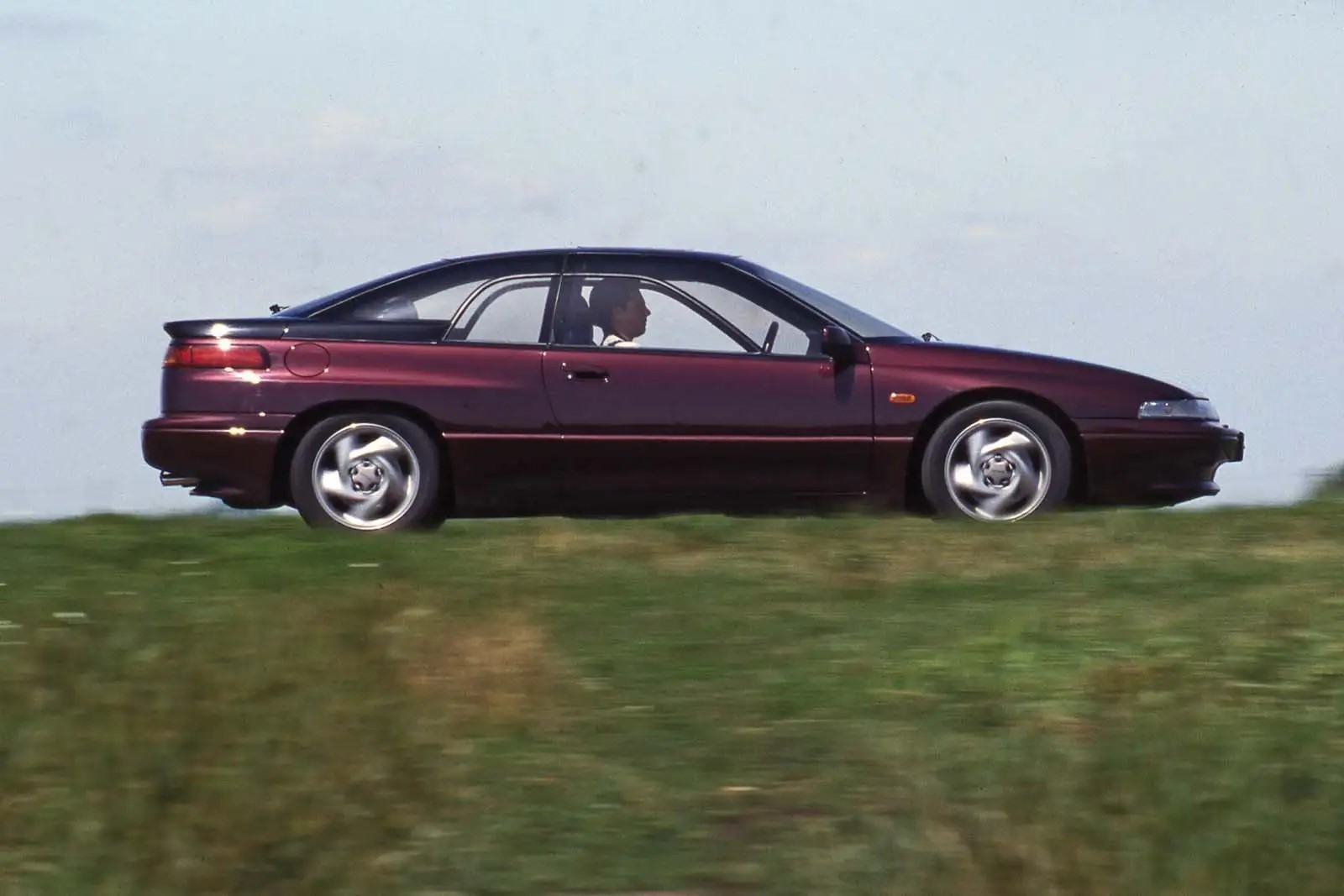
Subaru’s go at a grand tourer resulted in the SVX, a car designed by Giorgetto Giugiaro, the man behind the Lotus Esprit and DMC DeLorean. The SVX had four-wheel drive, funky side windows, an aircraft-inspired instrument panel and a jet-fighter-like glass roof. Upon its arrival, it was popular with the media but not the public as its design was outlandish and it was expensive.
The 3.3-litre flat-six produced 230bhp but it was held back by a slow four-speed automatic gearbox, restricting its full performance potential and putting the final nail in the coffin. Its lack of popularity saw Subaru pull it from sale after five years.
Lexus SC
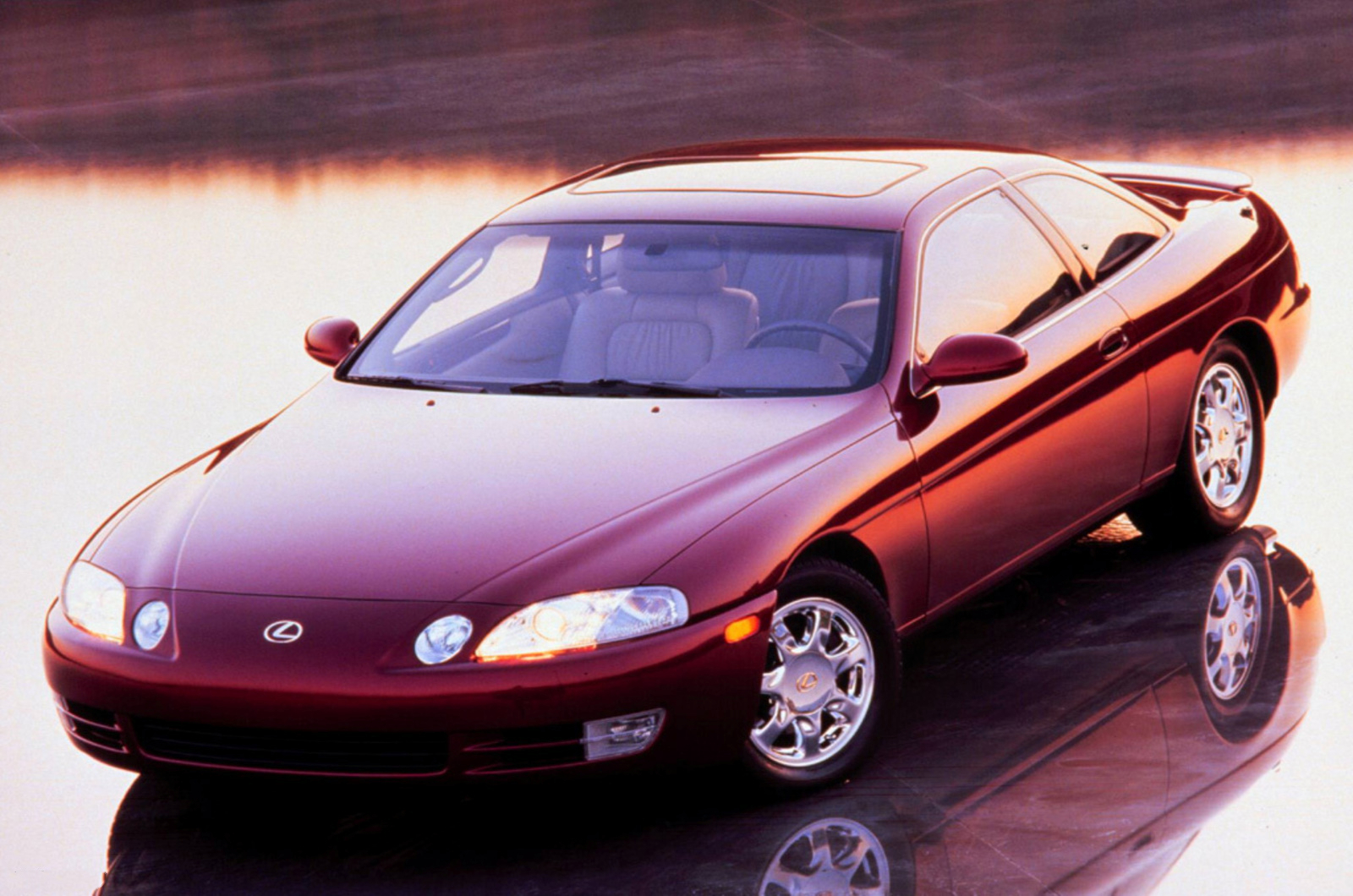
Mercedes had the CL and it was Lexus’s time to compete with its new SC. On offer was the SC 400 which featured a 4.0-litre V8 and the SC 300 which had a 3.0-litre inline six. The SC 300 was the one to get a five-speed manual whereas the rest had four-speed or five-speed automatics. Lexus built the SC till 2000 before it was canceled to make way for the second generation.
A car that received points for luxury but also received heavy scrutiny because of its design. Lexus produced just 33,000 first gen SC300s and 49,538 SC400 variants.
Isuzu VehiCROSS
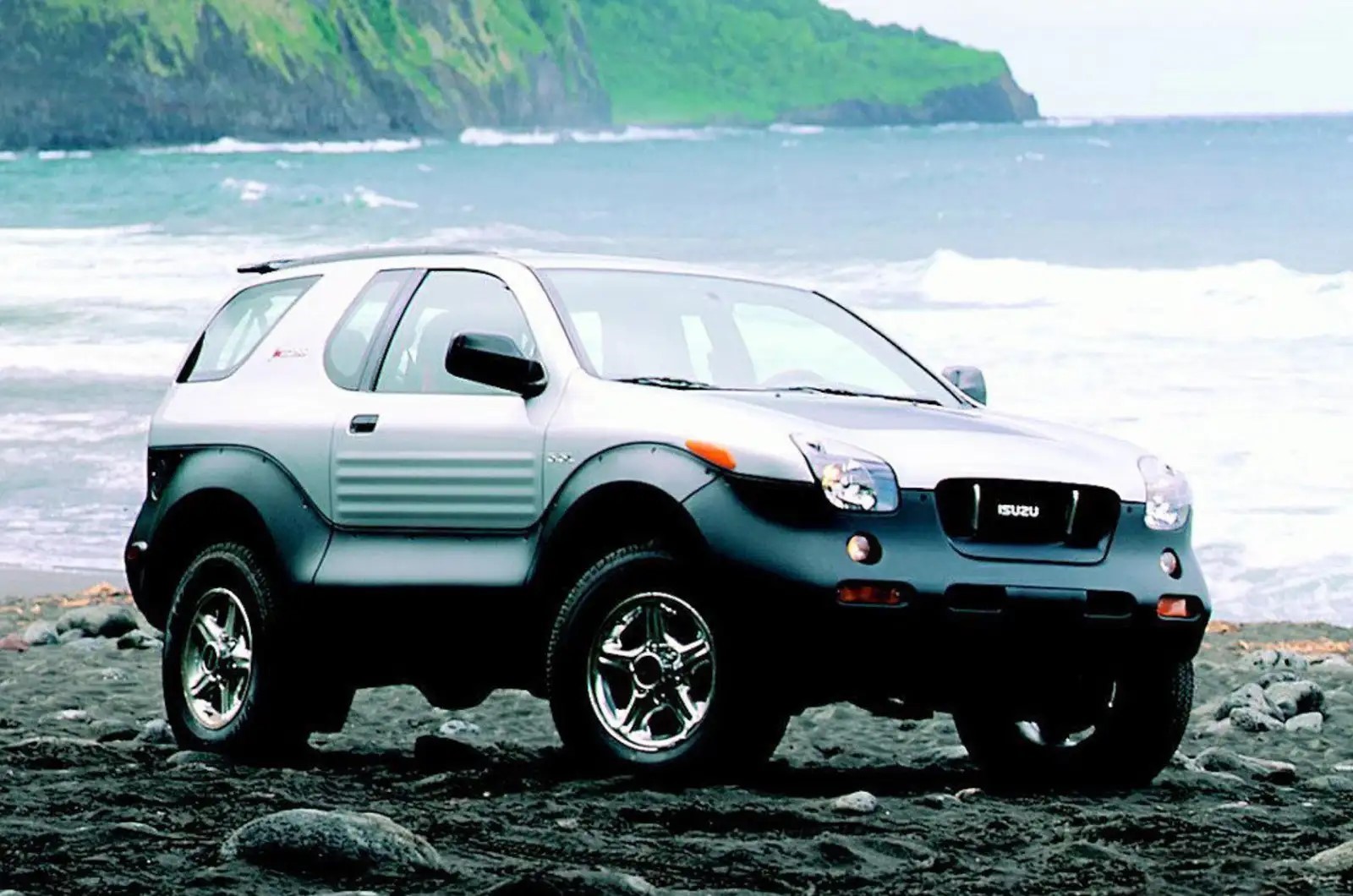
When looking at the VehiCROSS concept car, it looks like Isuzu changed very little for the production version. Built from 1997 to 2001, it had a direct relation with the Isuzu Trooper as most of its components were shared and Isuzu planned to build just 5958 vehicles, most of which were to be sold in the US. The four-wheel drive was computer-controller “Torque On Demand” system and there was a separate off-road low-gear system.
While perfectly capable, it suffered the same fate as the Pontiac Aztec and many struggled to get over its looks.
Aston Martin Vantage V550
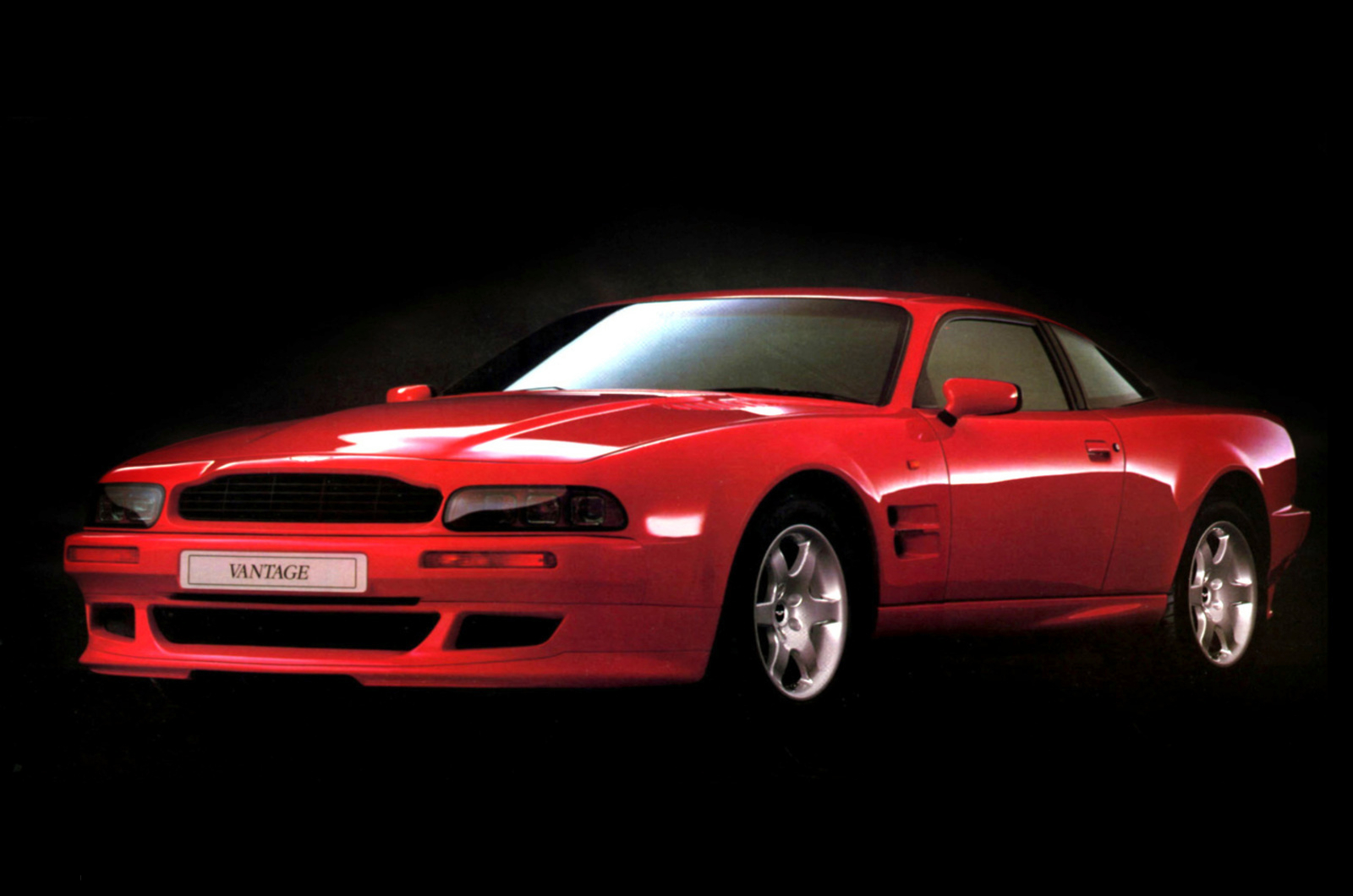
Like many previous Aston Martins, it was only a matter of time before a high-performance Vantage guise would land on the Virage production line. From 1993 to 2000, Aston Martin produced only 239 standard Vantages and 40 Le Mans special edition cars making them extremely scarce. Over the standard Virage’s 5.3-litre, producing 330bhp, the Vantage had twin superchargers at its disposal, which meant power was now upped to 550bhp, despite using the same engine.
Maserati Shamal
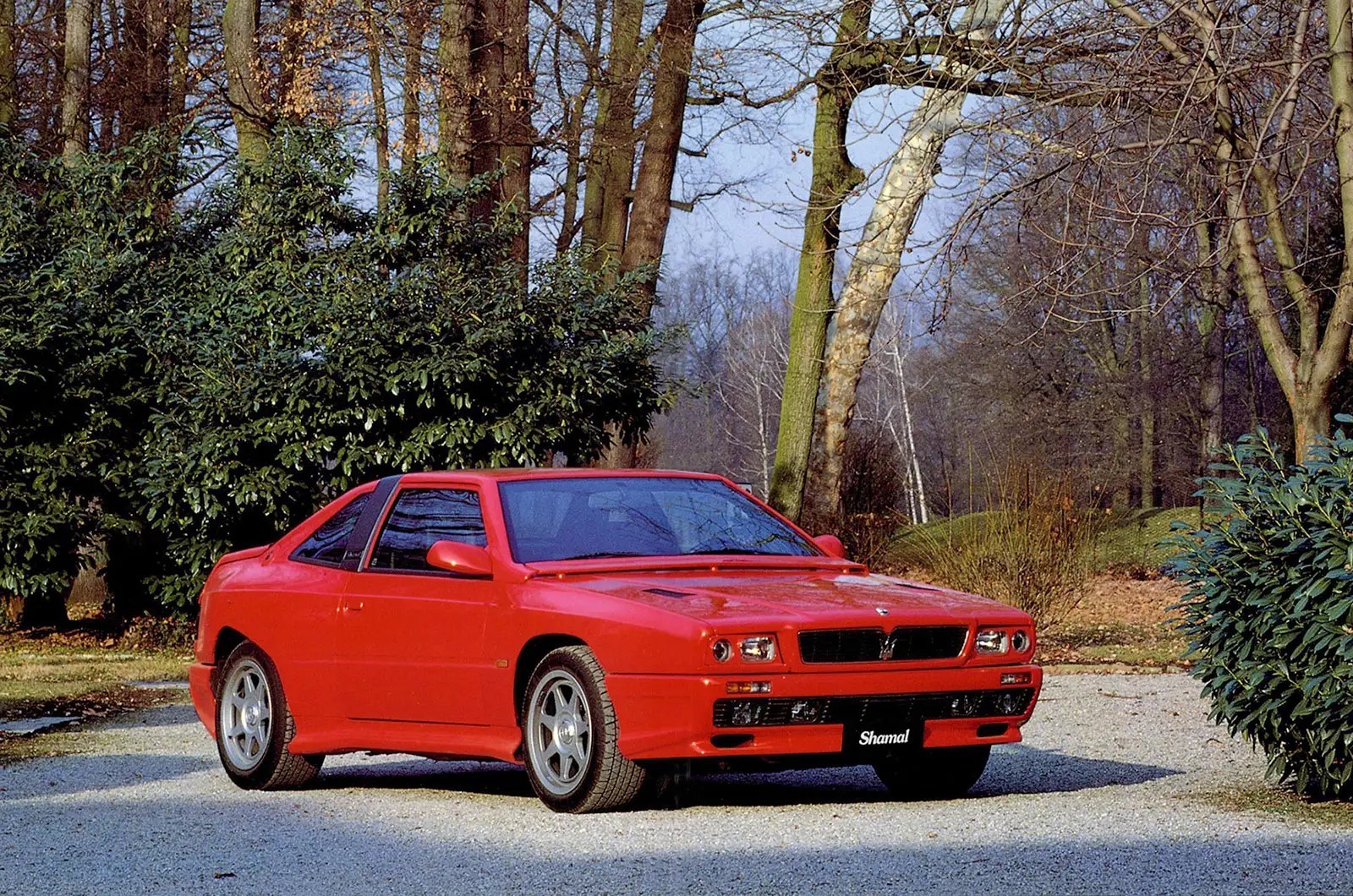
Marcello Gandini, designer of the Lamborghini Countach, and Maserati joined forces to design the 2+2 grand tourer Shamal. Built from 1990 to 1996, the Shamal came at a time when Maserati was drowning in debt and therefore couldn’t afford to build an entirely new car. As a result, the Biturbo parts bin was robbed and the Shamal had the Biturbo’s body shell, doors and interior but it sat on a Biturbo Spyder wheelbase which was shorter.
The twin-turbocharged 2.8-litre V6 was also taken from a Biturbo and fitted to the Shamal but it was given an extra bank of cylinders. With various other changes, the result was a twin-turbocharged 3.2-litre V8 with 322bhp. Only 369 examples were ever made.
Ferrari 456
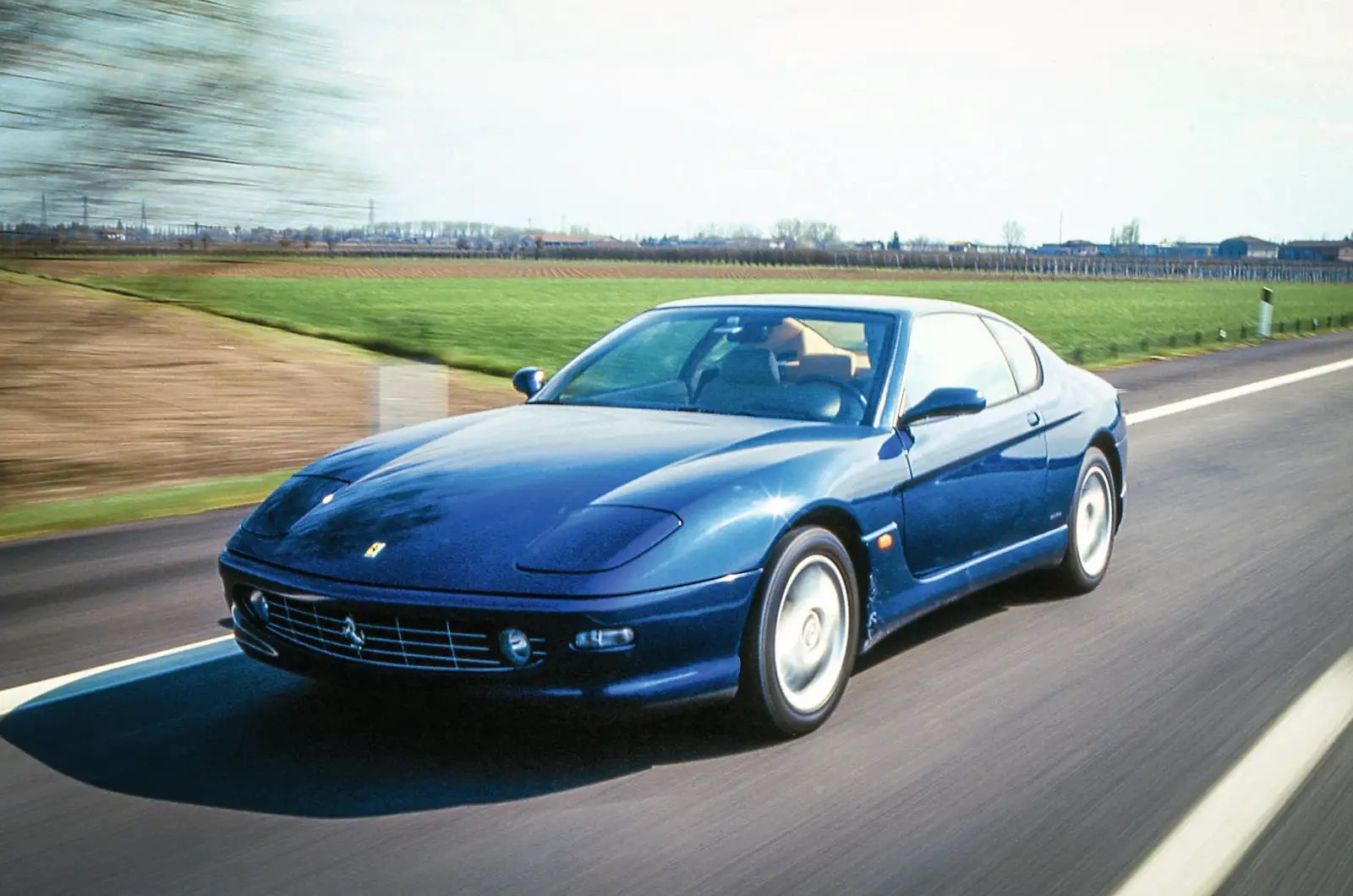
It was time to replace the front-engined four-seater 412 with something more modern and, in 1992, Ferrari had the answer with the 456. It was the last in the Ferrari line-up to feature pop-up headlights; when production ended in 1997 with just 3289 units made, Ferrari replaced it with the 612 Scaglietti.
Buyers could have the 456 with either a six-speed manual or a four-speed automatic gearbox but the 436bhp 5.5-litre V12 (derived from the Dino V6) was the only engine choice; it was enough to get the car to 192mph. In 1998, the 456M arrived which featured aerodynamic, cooling and interior updates.
MTX Tatra V8
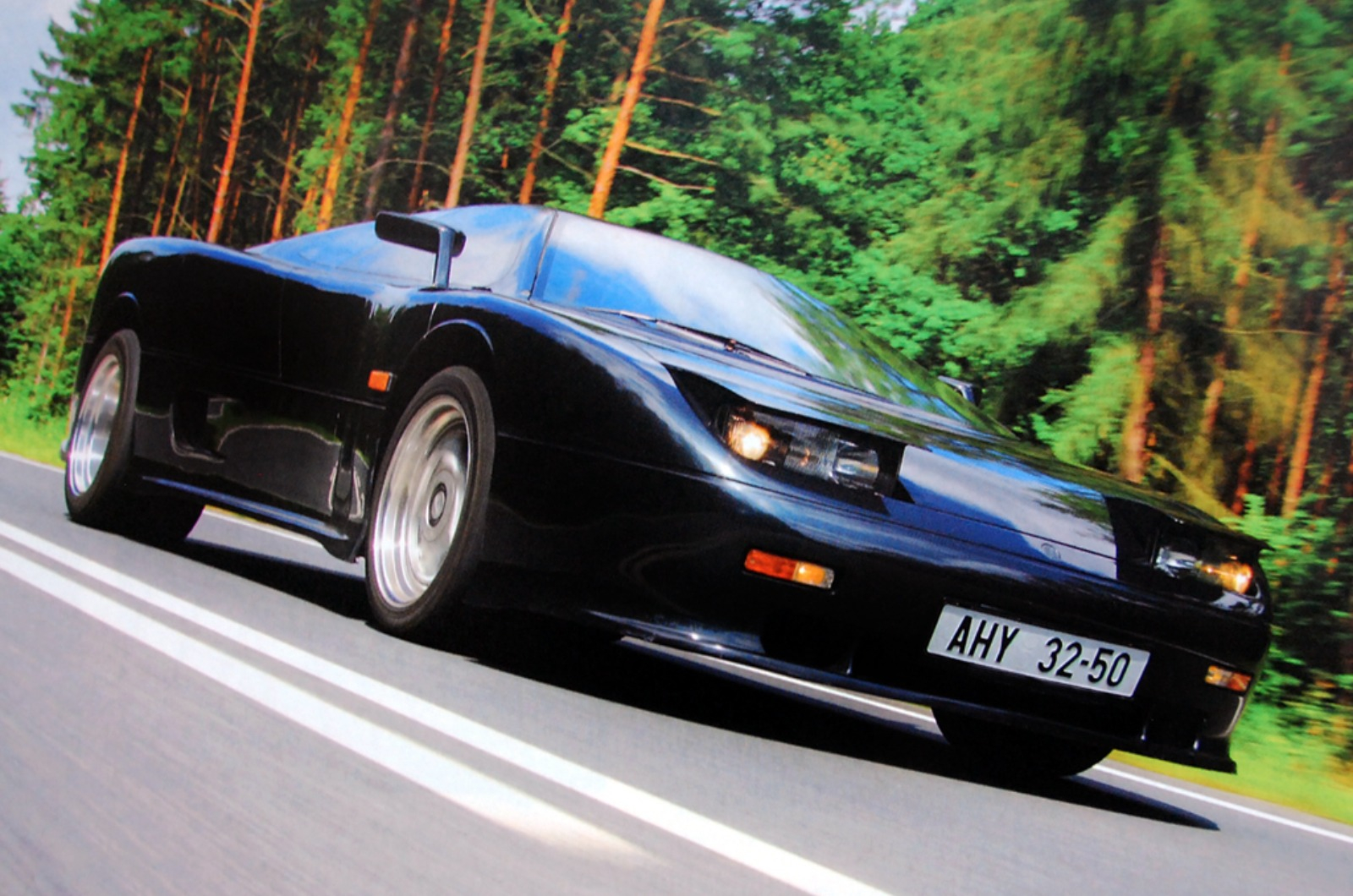
Back in 1991, a Czech Republic car builder, MTX, paired up with Tatra to venture from building Formula One cars and build a supercar — the result was the Tatra V8. Equipped with a 302bhp 3.9-litre V8, the Tatra V8 was the fastest Czech car of its time, reaching 62mph from rest in 5.6sec while being capable of 165mph. It was teased at the auto show in Prague in 1991 where 200 orders were placed, but in the early stages of production the factory burned to the ground with only four cars ever built.
Vector W8
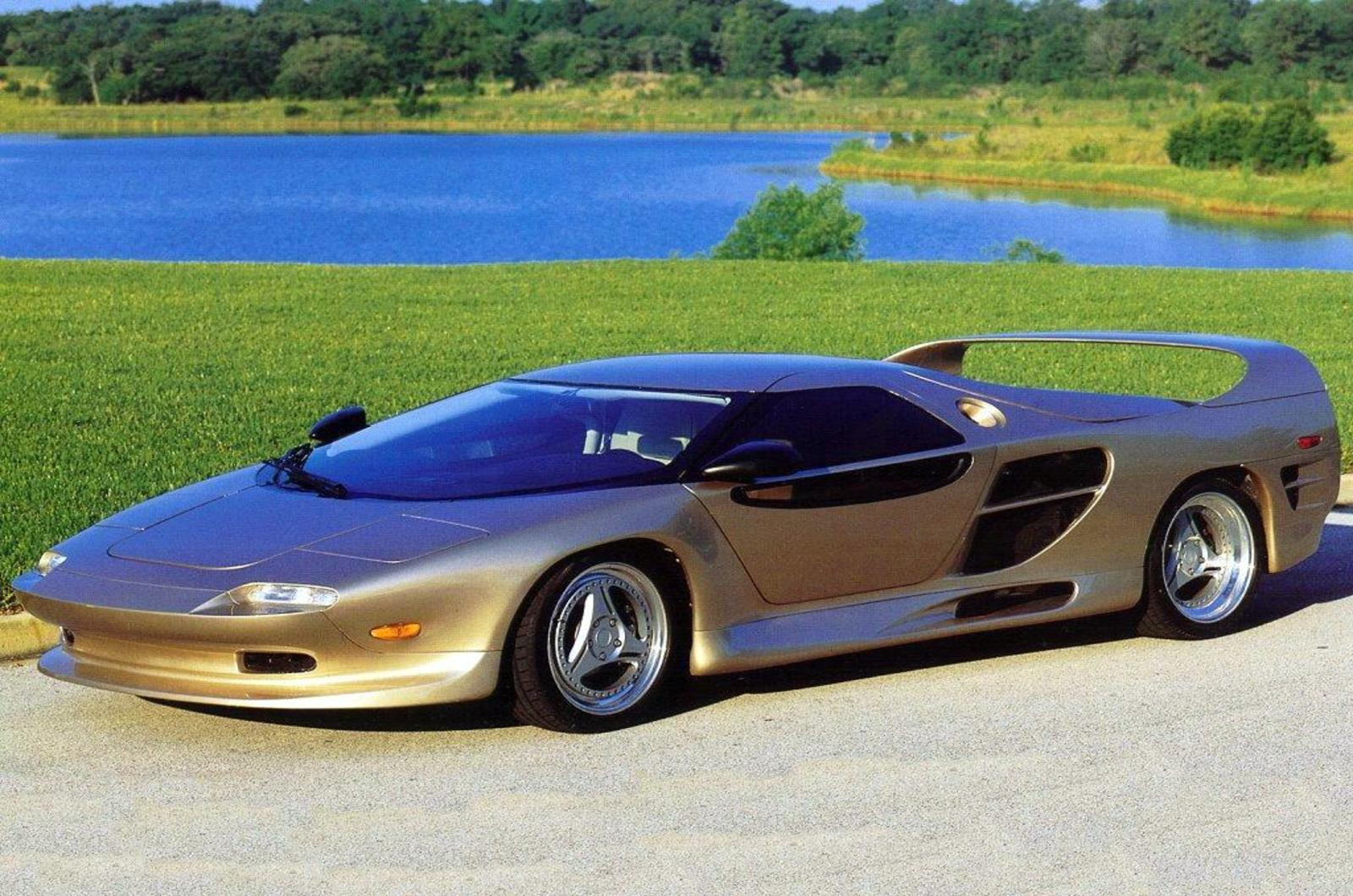
Gerald Wiegert, Vector’s company founder, had a dream of building the ultimate sports car and in 1980 he came up with the W2 prototype. It was presented to the public in 1976 but production was delayed due to lack of financial backing and a world economy plunge. In 1980, finances were better and Vector grew to 80 employees meaning that the W2’s successor, the W8, could proceed.
It was given a 6.0-litre twin-turbocharged V8 powerplant and, at 8psi, it produced 625bhp. Boost could be adjusted in the cabin and during testing the car managed 1200bhp. Unfortunately, a hostile takeover by Megatech ended the W8 in 1993 after just 22 cars were produced.
Honda Accord Type-R
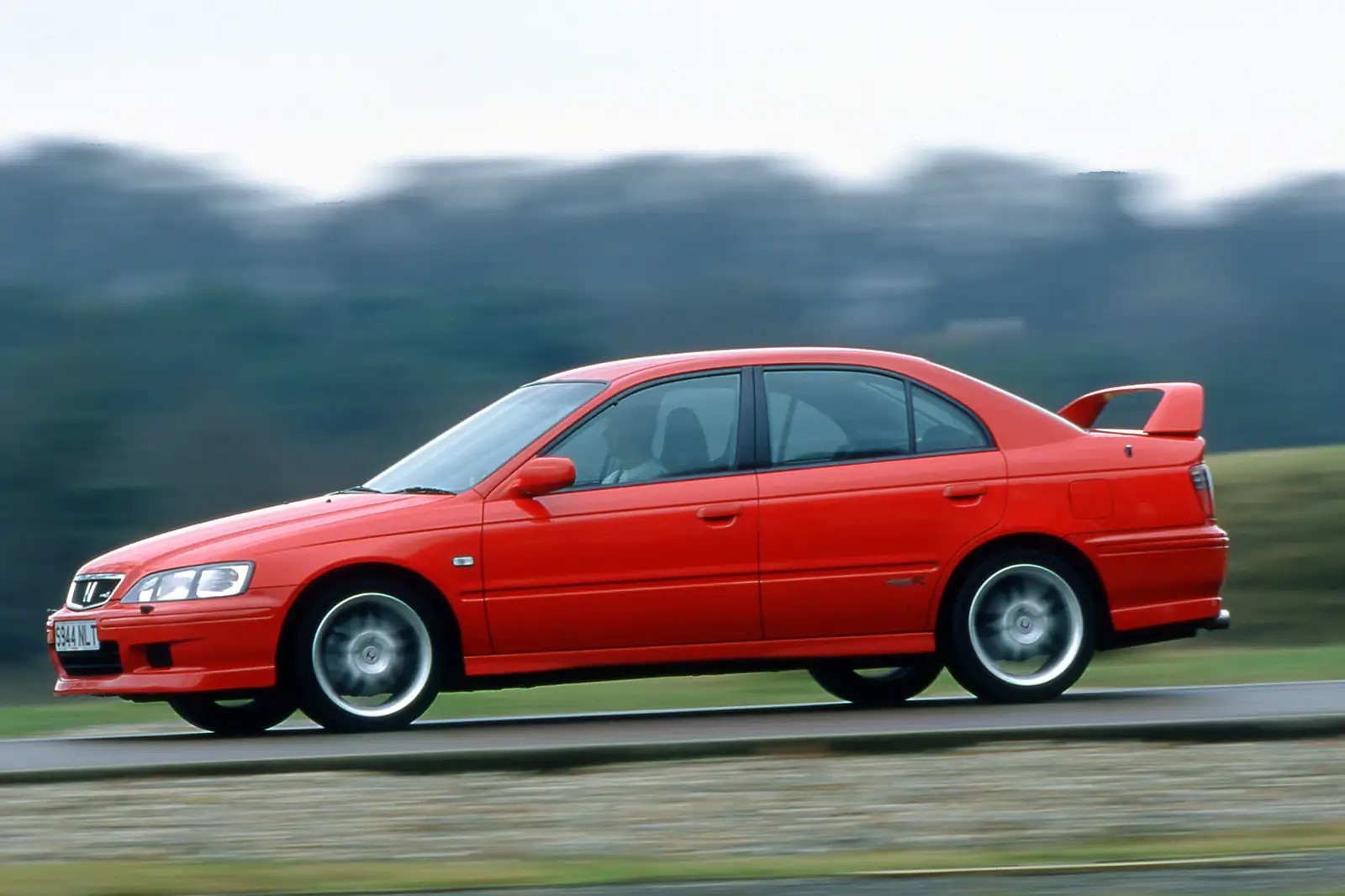
There was no real direct competition for the Accord Type-R when it arrived in 1998: the Ford Mondeo ST200 and Vauxhall Vectra GSI were fast repmobiles and the Integra Type-R was classed as a sports car. Honda used a 2.2-litre VTEC producing 217bhp with 164lb ft at 6700rpm while the chassis and suspension were both stiffer in comparison to the standard car. It also received a limited-slip differential, dual exhaust, better brakes, Xenon headlights and Recaro seats.
Honda made only 3789 Accord Type-Rs before stopping production in 2002. There was no dramatic reason for this, but it was a car that belonged to the sports sedan class, something that no longer existed.
Proton Satria GTi
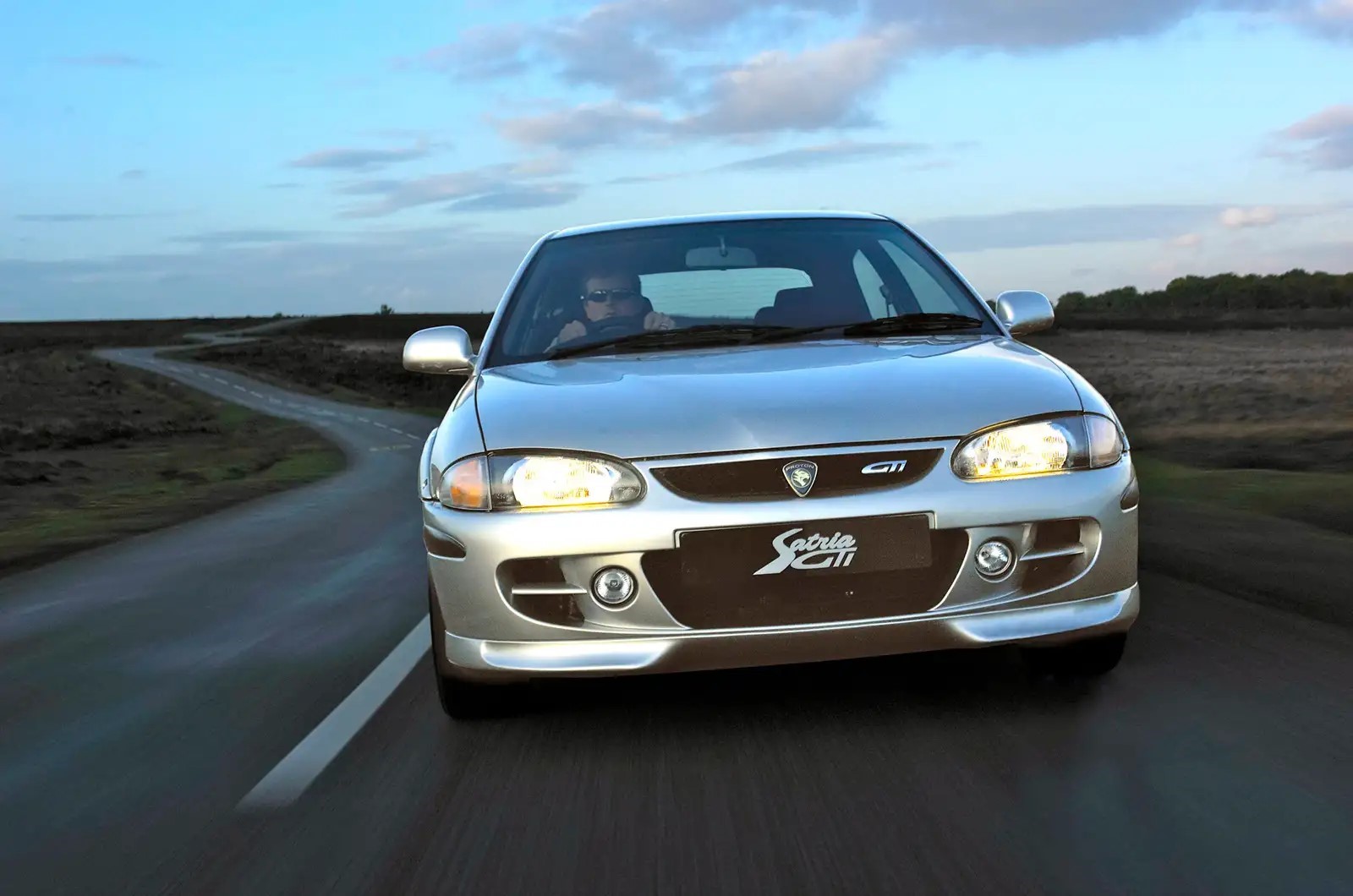
When building the Satria GTi, Proton opted for a 1.8-litre Mitsubishi Lancer GSR engine without the turbo. The compression was increased to make up for the forced induction loss which meant power landed in at 138bhp. Lotus hopped on board to assist with the handling and, as a result, it was among the fastest Proton models ever made.
Proton had built it to pick fights with the Volkswagen Polo GTI and the Peugeot 206 GTI but it wasn’t enough to persuade the public to part with their hard-earned cash and, in 2005, the Satria GTi came to an end and slowly disappeared from our roads.
Nissan R390 GT1
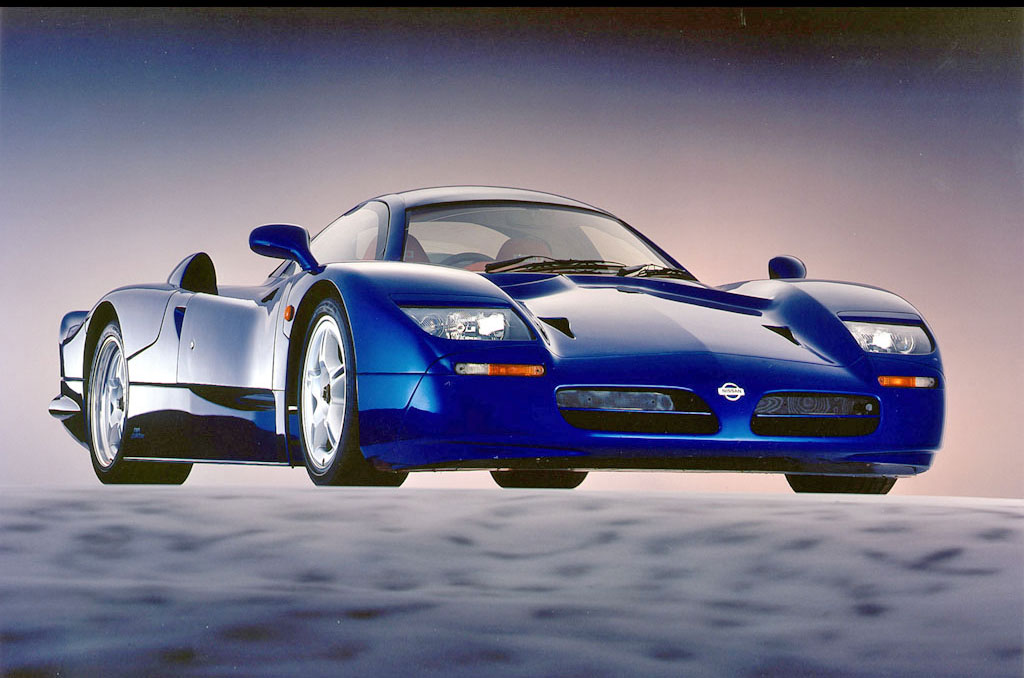
In the 1990s, Nissan was entering into Le Mans and, before they could do so, they needed to meet homologation rules which stated that a road-going version of the racecar had to be built. Nissan developed one R390 road car and never had the intent of mass production.
It’s powered by the same twin-turbocharged 3.5-litre V8 that’s in the racecar and feeds 550bhp to the rear wheels via a six-speed manual gearbox. Later, one of the race cars was modified over two years so it could be driven on the road. It kept 95% of its race car components. The styling effort here was led by Ian Callum, then working for TWR.
Rover Metro
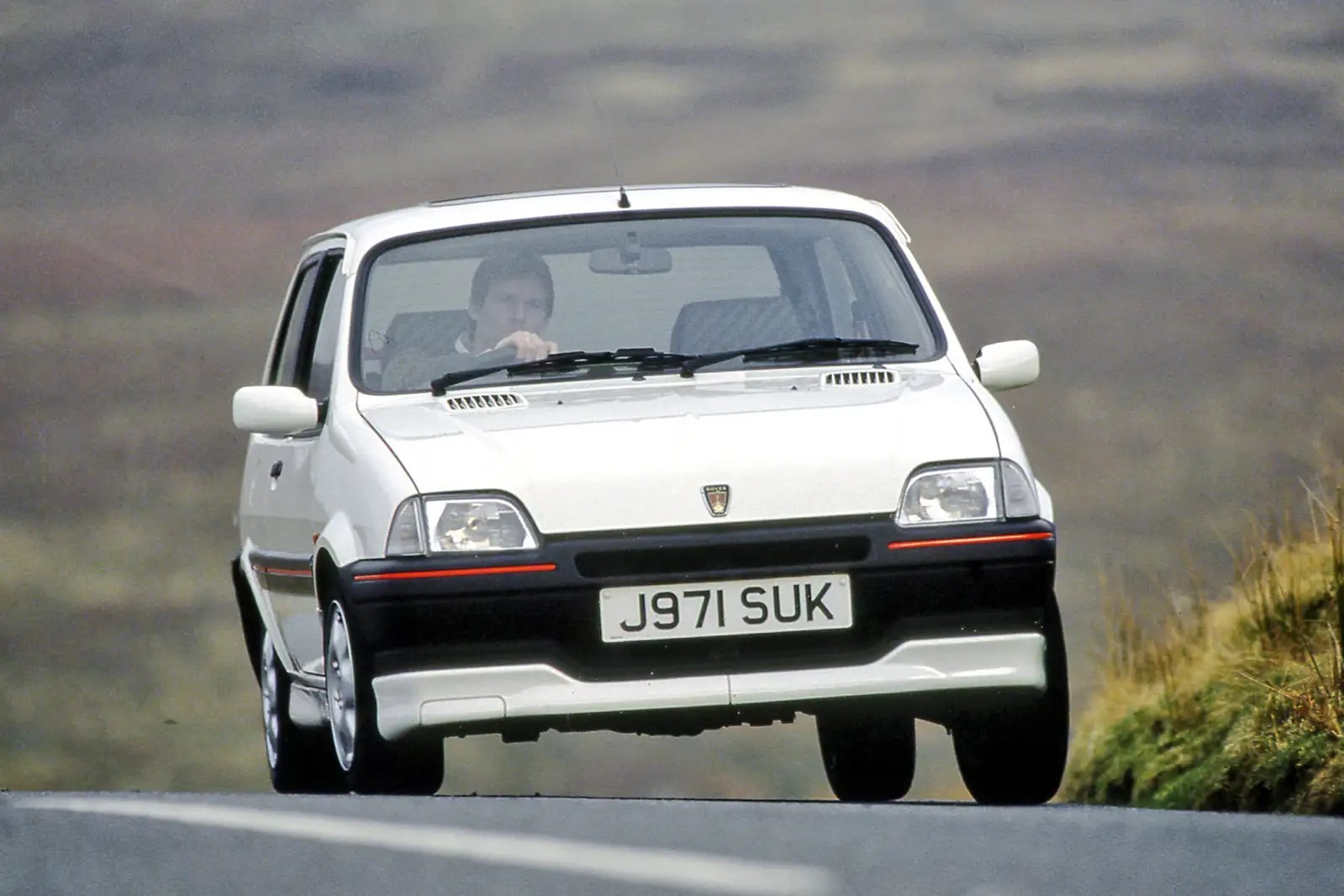
Originally known as the Austin Metro, the Rover Metro arrived in 1990 and came with heavy design changes. The K-series engines were introduced in 1.1 and 1.4-litre sizes while a 1.4-litre diesel was also available. In 1994, the new Rover 100 appeared: a revised variant of the Metro which kept the same gasoline engine sizes but buyers could now have a 1.5-litre diesel.
When 1997 arrived, Euro NCAP put the Rover 100 through a multitude of crash tests and it failed drastically, giving just one star for adult occupancy. With sales collapsing, Rover pulled it from the line-up.
GMC Typhoon
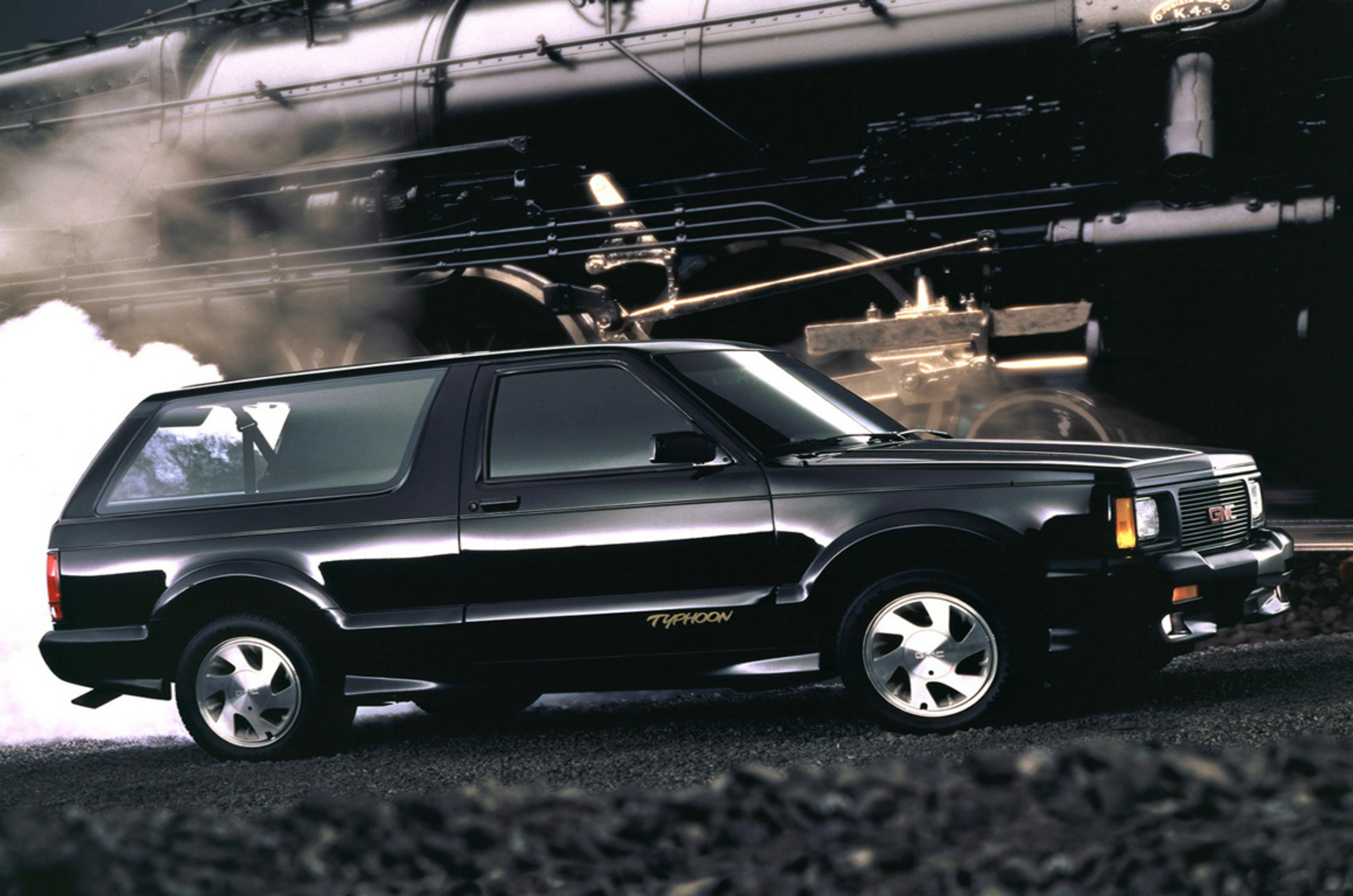
For those who are fans of performance SUVs, the Typhoon was the car that started it all. It was powered by the same engine its Syclone sibling had, a 4.3-litre 280bhp V6, but it featured unique pistons and a throttle body from a 5.7-litre Chevrolet small block engine. It sent power to all four wheels and although it only came with a four-speed automatic, it could hit 60mph from nought in 5.3sec and reach the quarter mile in 14.1sec.
This meant performance that could rival both the Ferrari 348TS and Chevrolet Corvette. GM produced just 4697 cars from 1992 to 1993.
De Tomaso Guara
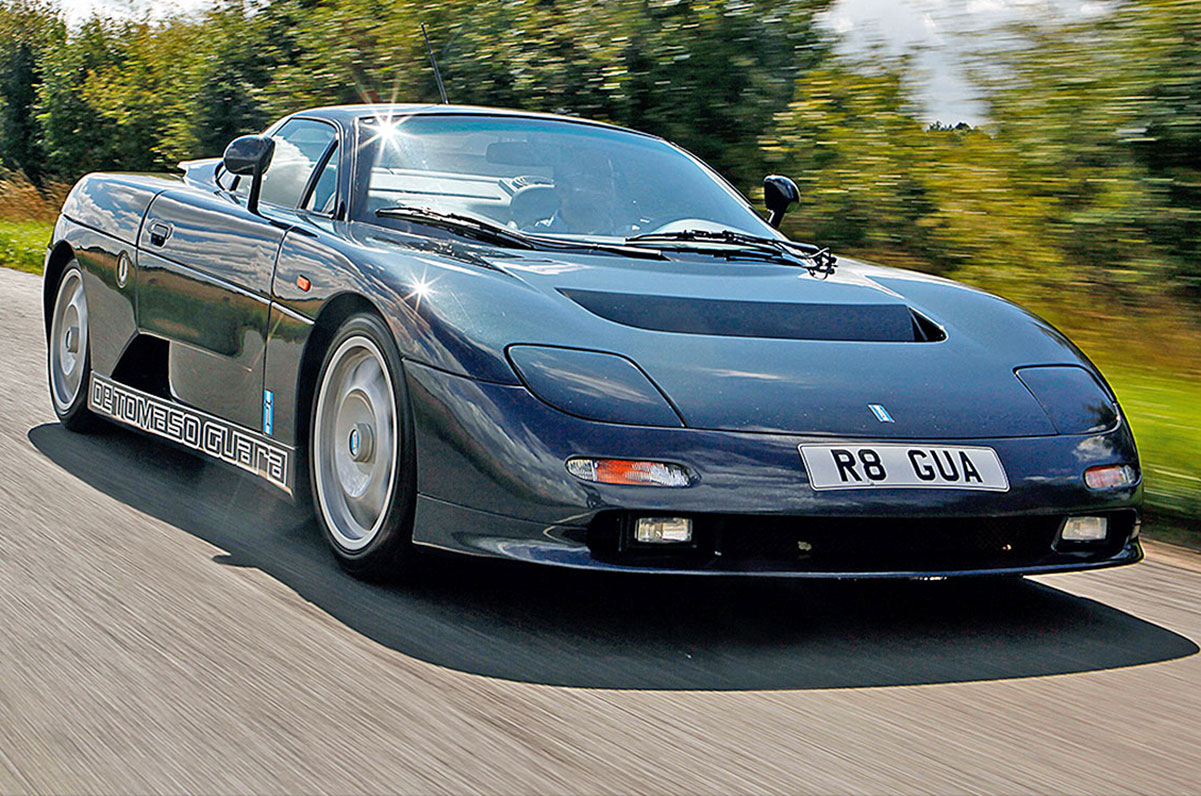
In design terms, Alejandro de Tomaso based his Guara idea on the Maserati Barchetta Stradale prototype from the early ‘90s. The fiberglass and kevlar body sat on an aluminum backbone chassis with suspension like that of a Formula One car. Ford was originally meant to supply engines for the car but was unable to, and attention was turned to BMW engines instead.
Early cars used the V8 found in the BMW 840Ci which gave 280bhp but BMW later phased out this engine and Guara’s were later given a 4.6-litre V8 with 316bhp. Only 52 cars were produced from 1994 to 2004 as De Tomaso went into liquidation.
Renault Sport Spider
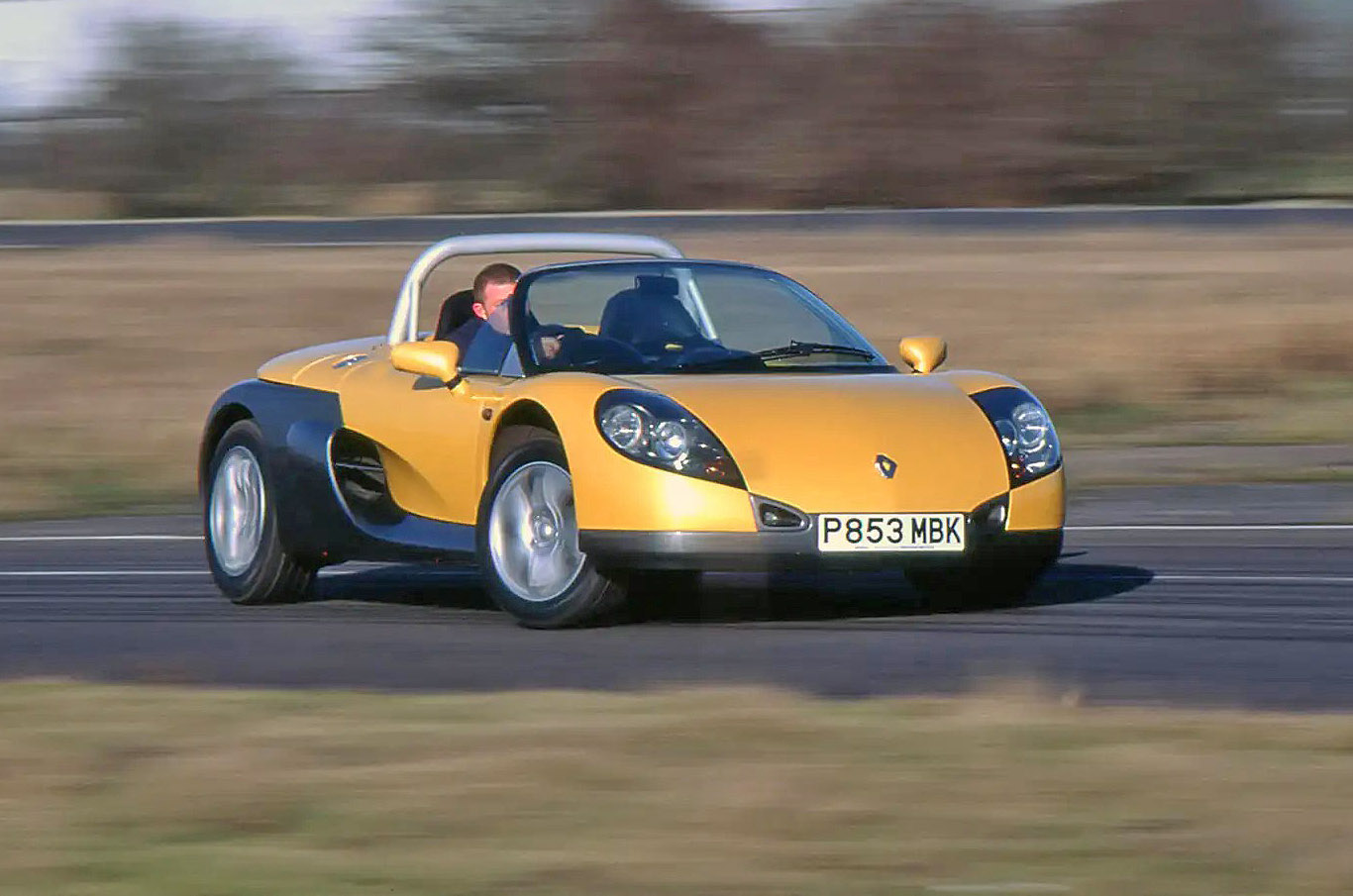
The Renault 5 Turbo was a success and Renault decided that a sport division was needed - to kick things off, they made the Renault Sport Spider. The Spider would serve in Renault’s one-make racing series and serve as a road car. Production started in 1996 and all cars were fitted with a small aero screen but, in 1997, buyers could choose to have a full windshield with a windshield wiper, whilst all cars got scissor doors.
Its chassis was made from aluminum while the bodywork was a plastic composite, the engine was robbed from a Clio Williams and produced 148bhp. Renault made just 1726 Sport Spiders before seizing production.

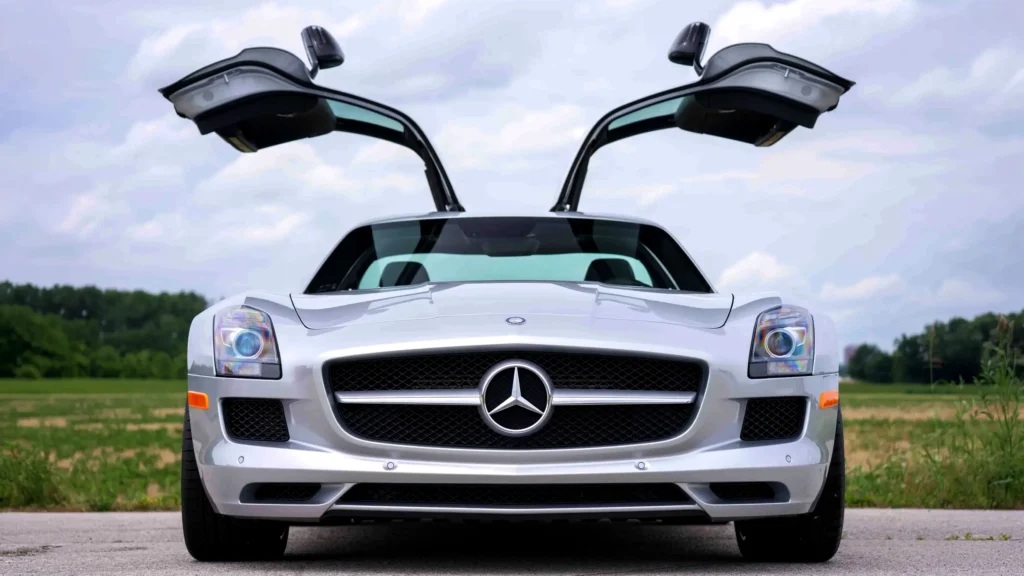
Mercedes SLS AMG Sale Redefines Collector Car Values After Record $775,000 Auction

Overrated Cars and the Reality Behind Their Reputations
 Overrated is a strong word - we wouldn't want you to think any of these aren't much good, but they do have overlooked flaws
It’s not a lemon list, more a herd of sacred cows about which the world thinks of in one way yet the reality can be slightly different.
All – or, at least, most – of these cars have some mega plus-points, but they also have reputations that are a bit larger than life. We take a look at some, and explain why those reputations can be over the top:
Land Rover Series I (1948)
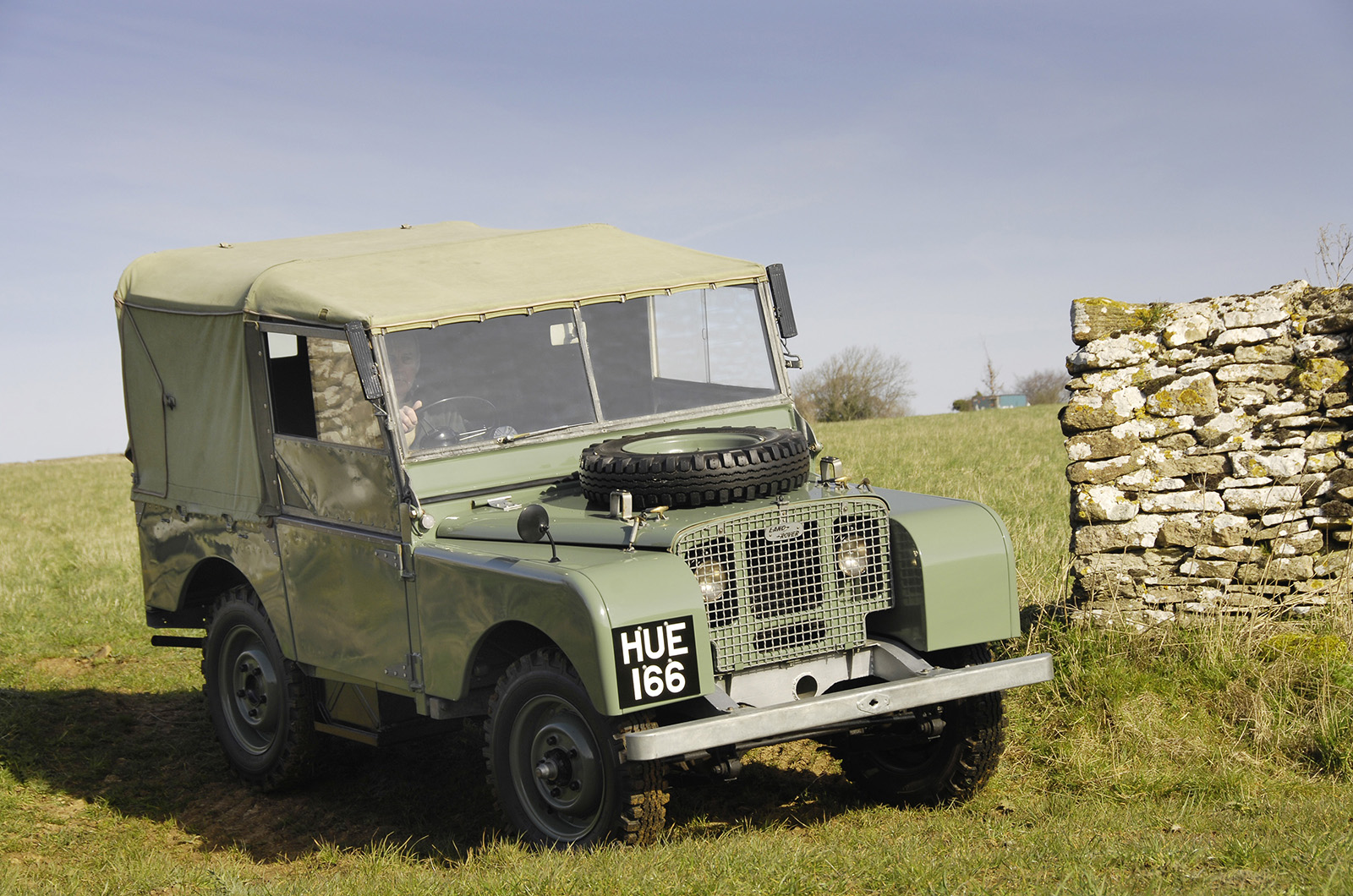
The lovable Land Rover is hailed, quite rightly, as the grandfather of all civilian off-roaders, and how these very early vehicles can still perform in the rough is impressive – were you to submit your Series I to some farm life. ‘Dual-purpose’ is where the concept falls down.
Land Rover Series I (1948)
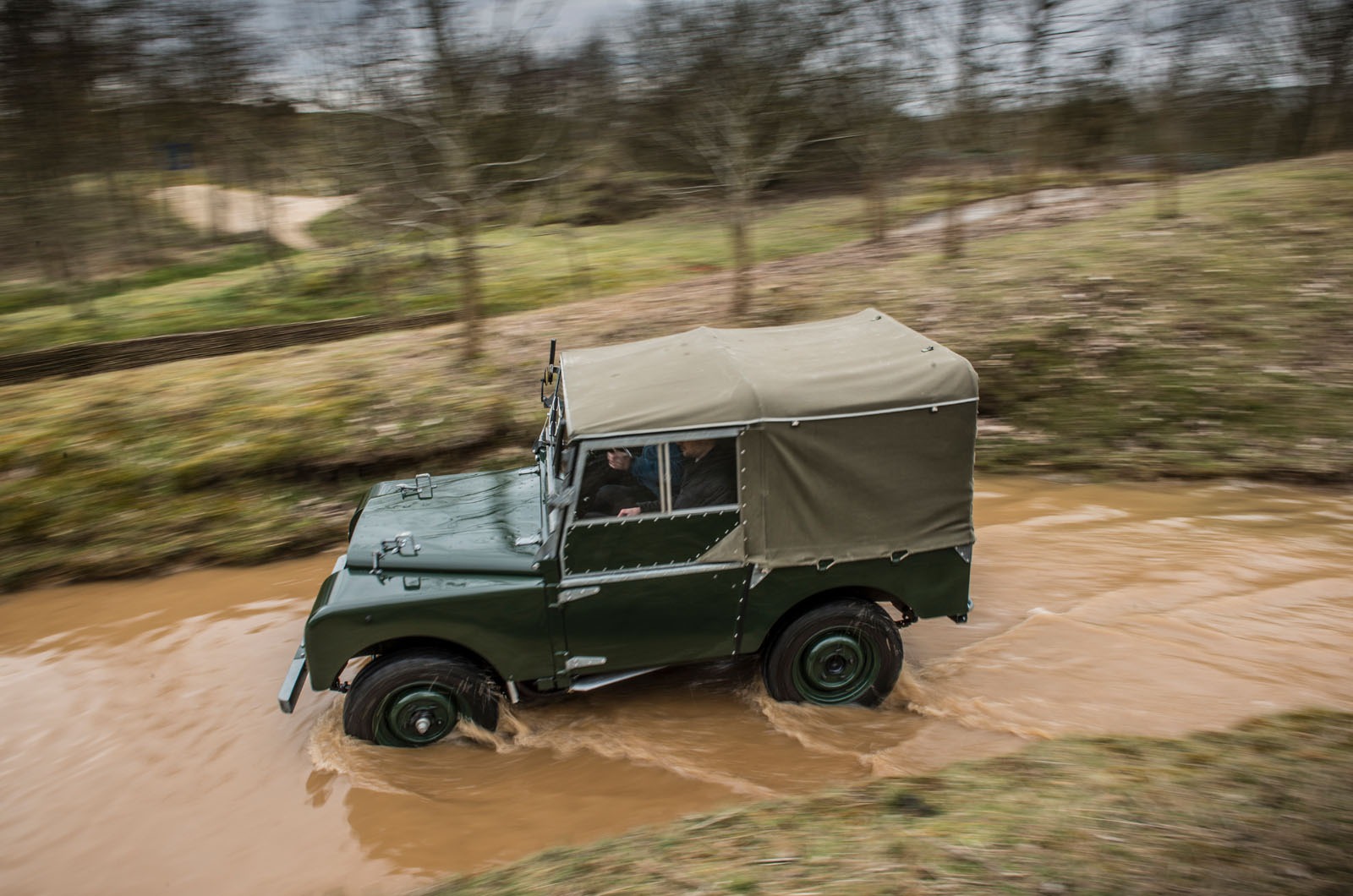
While there’s no disputing it can, legally, be driven on tarmac, the experience is one that should be kept as short as possible in the best interests of your spine, teeth, joints and nerves as the leaf springs, chassis girders and hefty, turning axles make their jarring progress. Think of it as not really a car, and keep to the fields, and you’ll be fine.
Volkswagen ‘Beetle’ (1950)
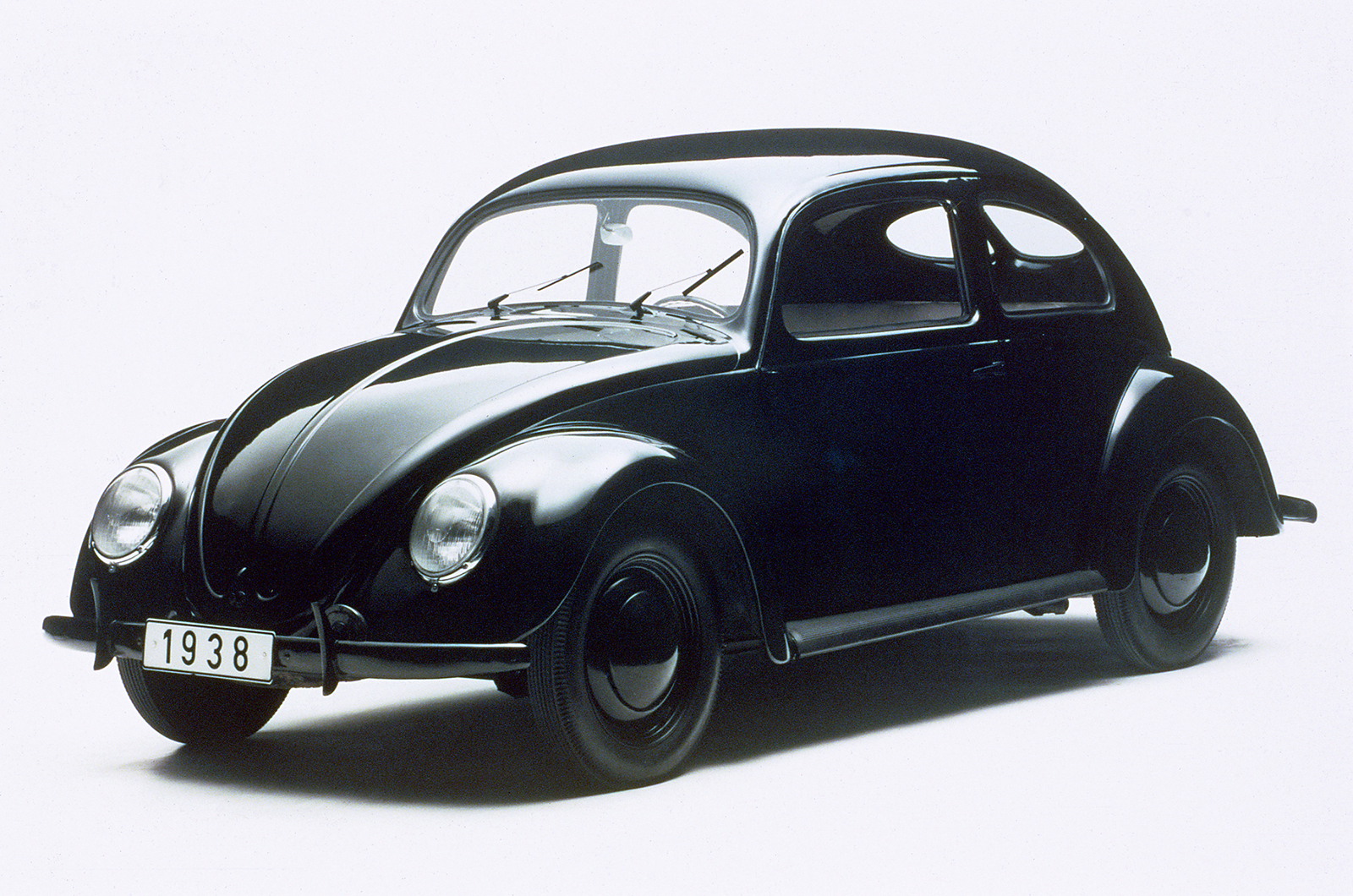
That a cheap, 1930s economy car design should survive on sale for some 60 years, and sell 21 million examples, is of course a phenomenon. It is, though, one celebrated today by people who would find a Beetle an appalling prospect, as it certainly did not set the pattern for the modern car. The rear-engined layout, and weight bias, is not the most forgiving.
Volkswagen ‘Beetle’ (1950)
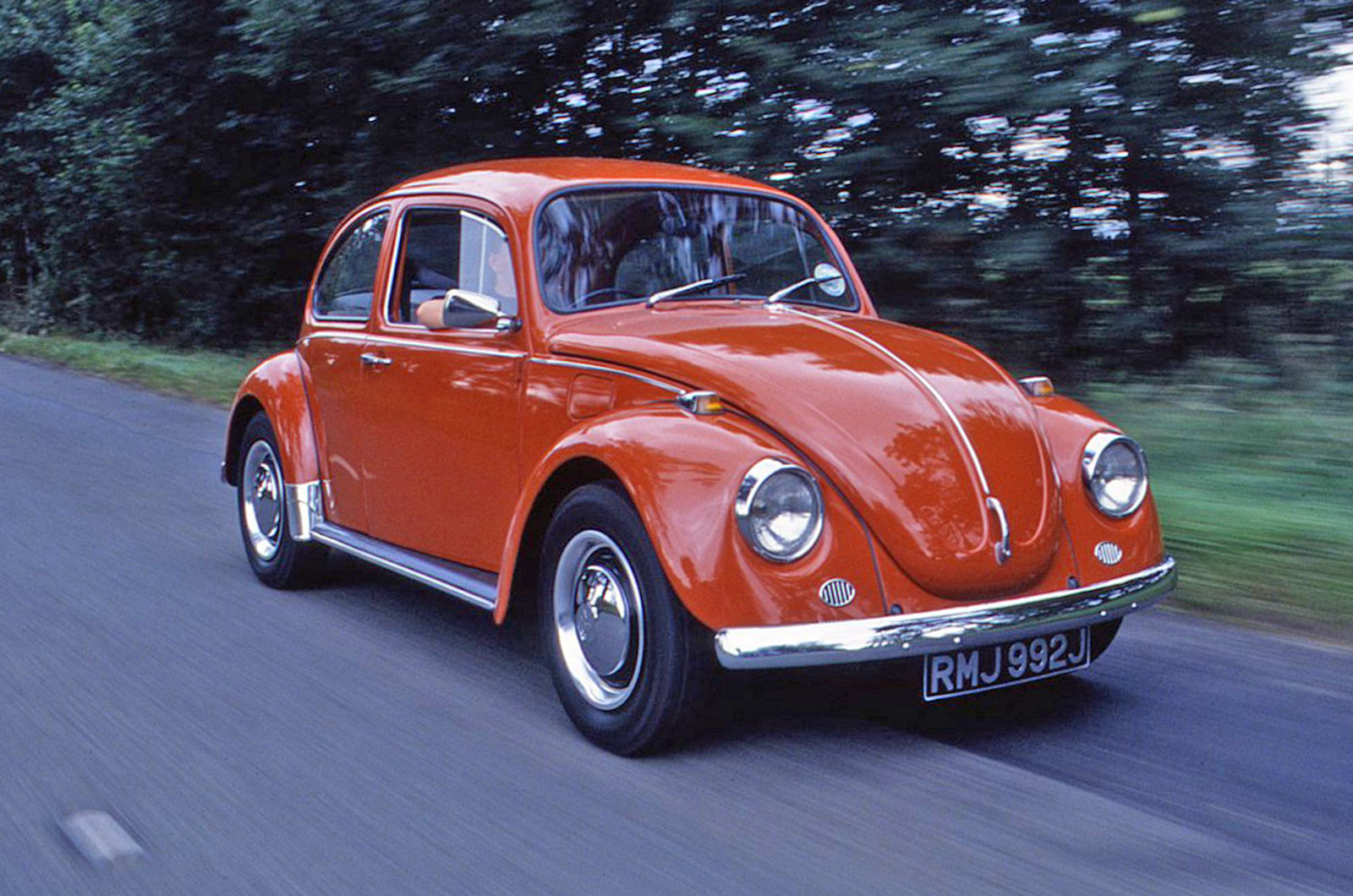
And by the mid 1960s – the Beetle’s heyday, especially in the US – the flimsy structure, complete absence of safety systems, and poor brakes was anachronistic in the extreme. “But it’s so reliable,” people said; or were they getting confused with the ease with which you could work on it? Yes, there’s charm, but the Golf couldn’t come along soon enough…
MGB (1962)
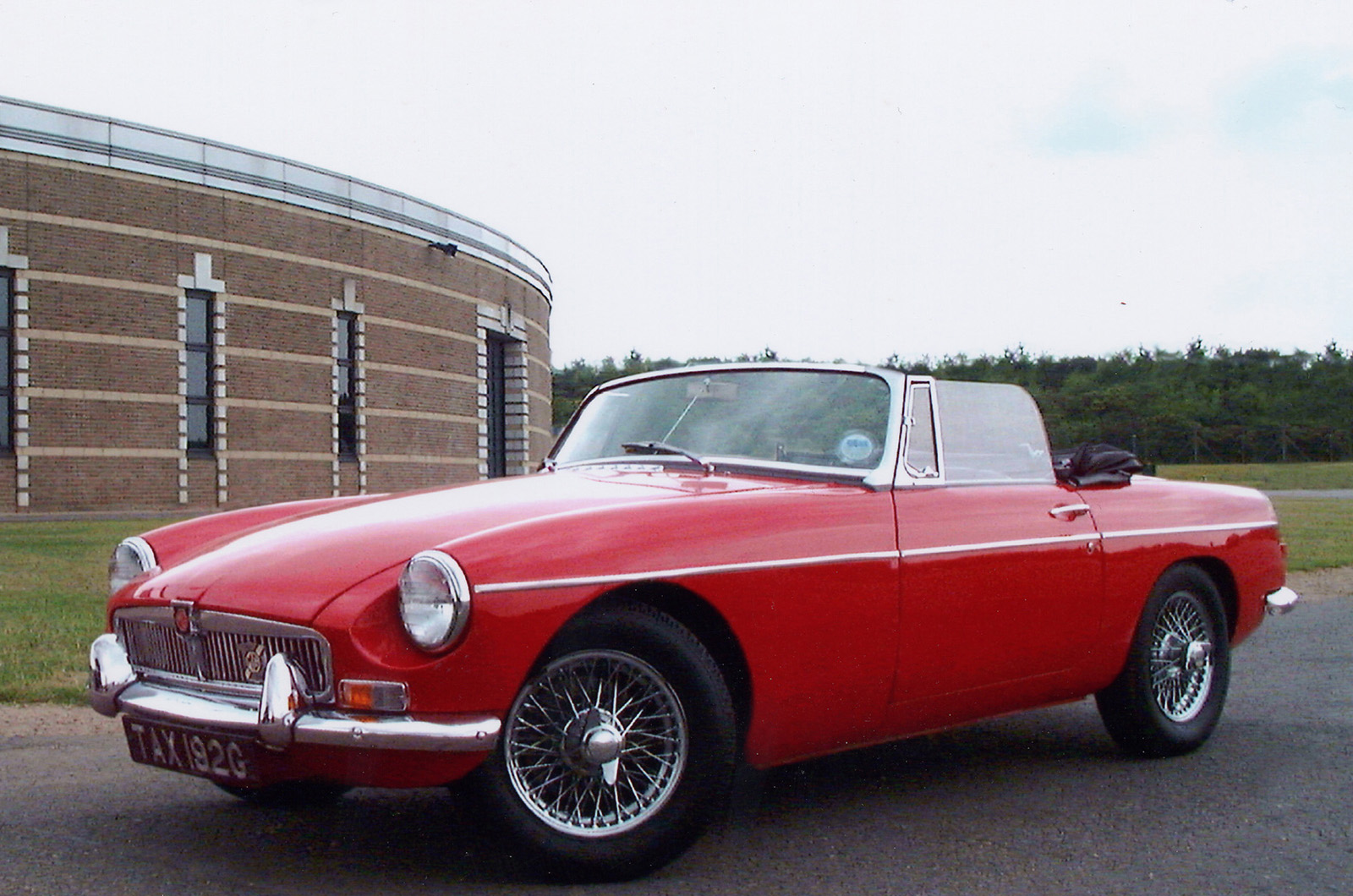
Here’s another car whose venerability, like the Beetle’s, has given it an aura that usually makes it immune to proper analysis. Introduced in 1962, it had monocoque construction and solid performance with all the inconveniences – sweaty cockpit, heavy steering, leaky hood, rust traps aplenty – that a sports car owner was expected to overlook.
MGB (1962)
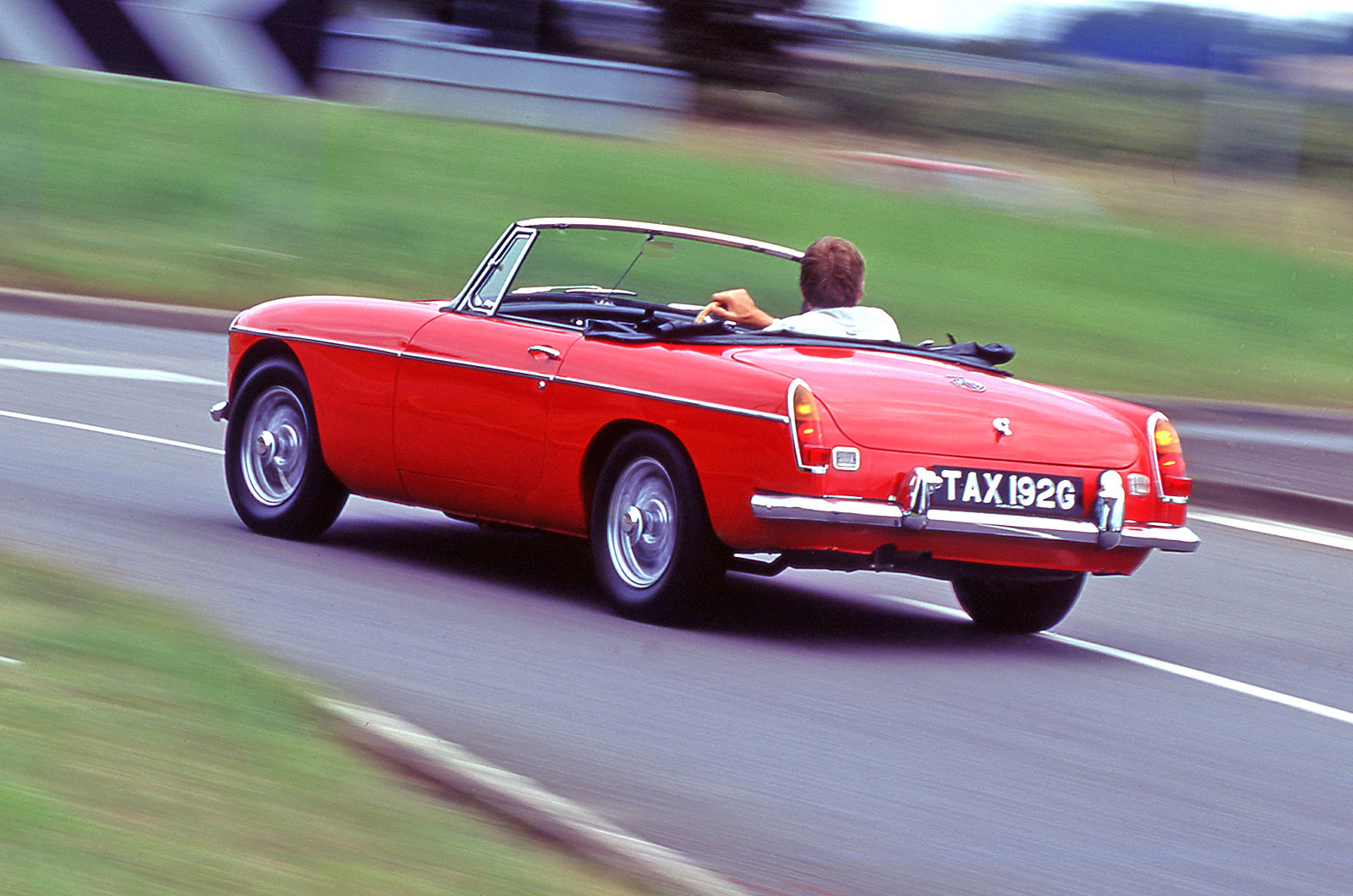
British Leyland decided not to bother replacing the car, especially as most of its rivals were discontinued so that by the B’s demise in 1980, this living antique was the default sports car option. That’s why it led the classic car boom, until the Mazda MX-5 came along and proved that, yes, wind-in-the-hair for two could actually be done really, really well…
Buick Riviera (1963)
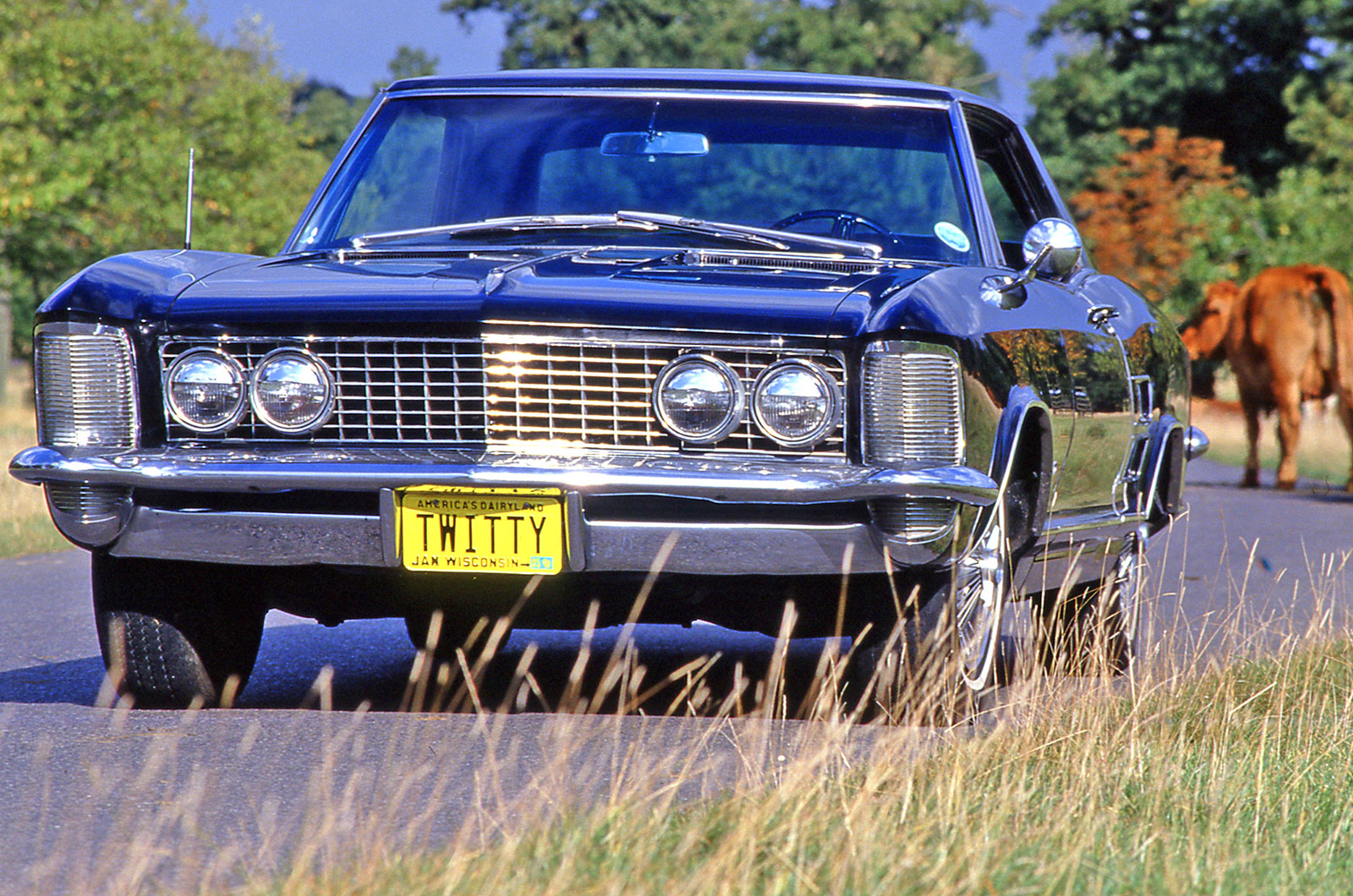
General Motors styling boss Bill Mitchell, like his predecessor Harley Earl, had this fixation that a home-grown roadster for the US highway should be something vast and imposing, while the late 1930s Lincoln Continental which evolved into the Continental II of 1956 had an enormity that no-one from Europe would consider remotely sporty.
Buick Riviera (1963)
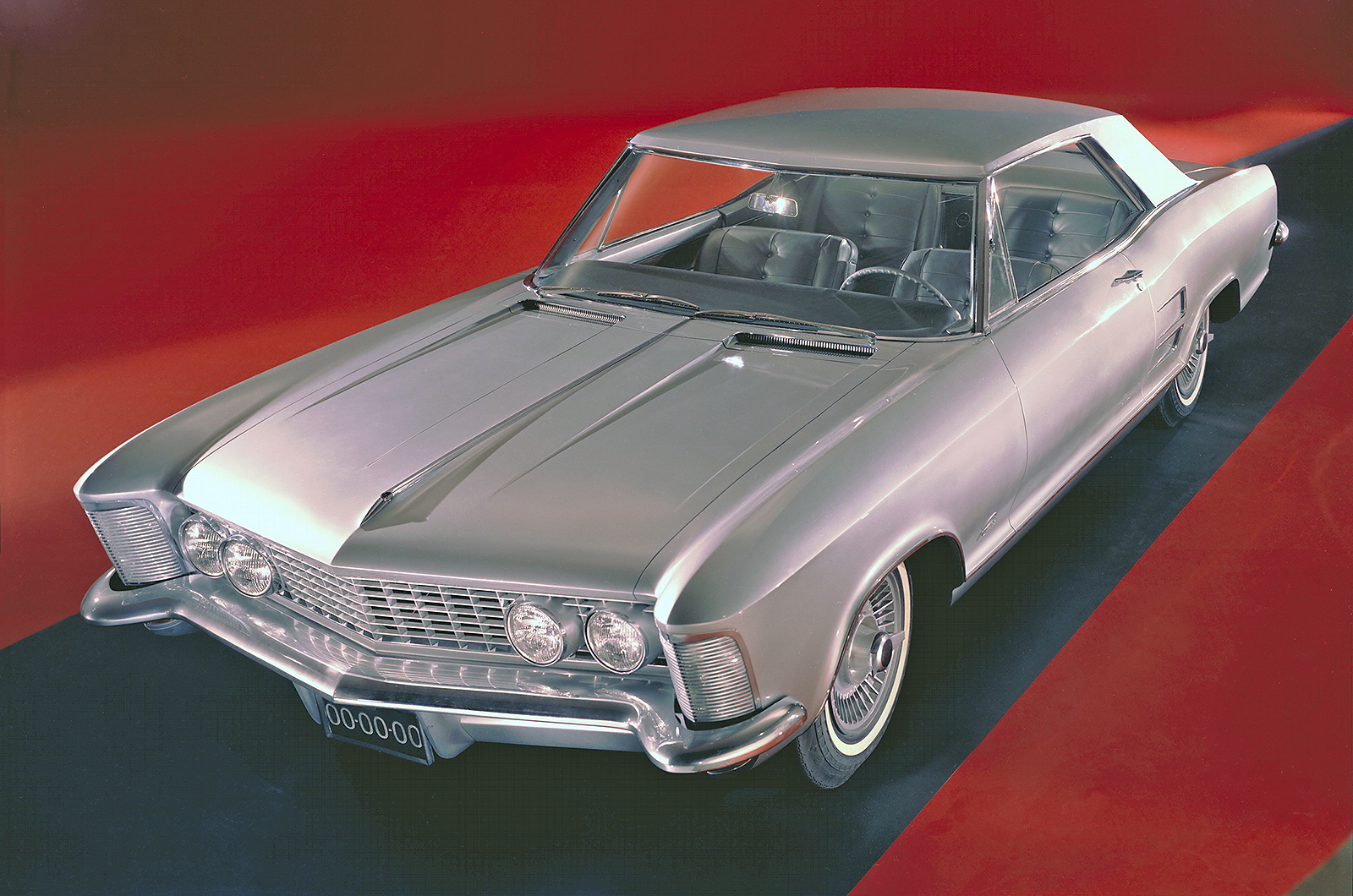
So when Mitchell conceived his “American Ferrari” in the 1963 Buick Riviera, it became a skyscraper to Italy’s bell tower. It was an enormous hardtop coupé with a 6.6-litre V8 engine, admittedly beautifully styled, but a turnpike cruiser and not a sports car. It wafted along like a bed at the Beverly Hills Hotel, with vague steering and even vaguer brakes. Rolling sculpture for sure, but no Ferrari.
Alfa Romeo Alfasud (1971)
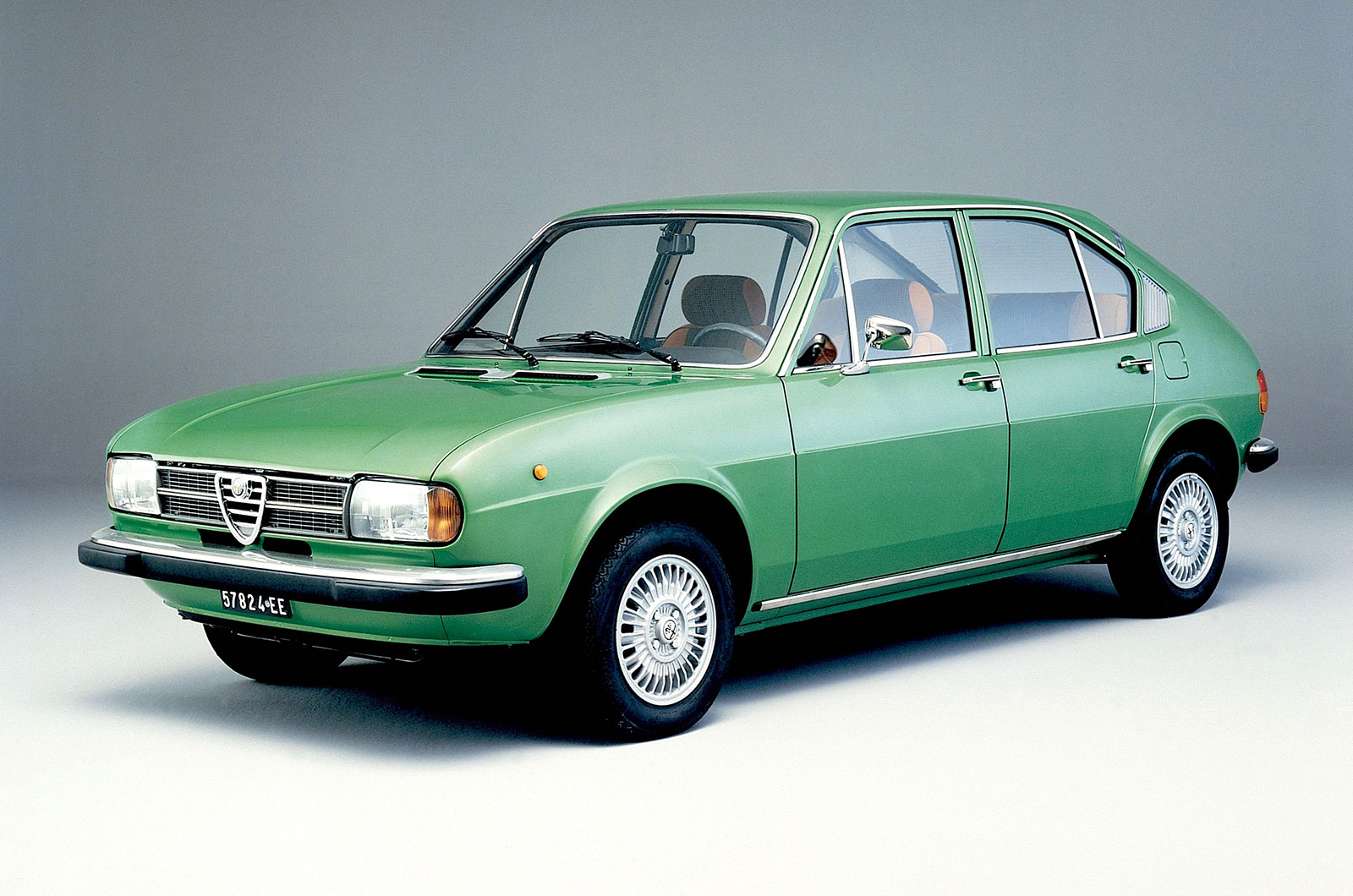
For about three years in the 1970s, the Alfasud Ti was the most exhilarating small car on the planet. Its grip, handling, verve and sheer joie de vivre wowed everybody who tried it. Then the Volkswagen Golf GTi arrived, and the Ti slunk into its shadow. The Ti, like all Alfasuds, is a classic case of a critically-acclaimed car that was often a disastrous prospect for actual ownership.
Alfa Romeo Alfasud (1971)
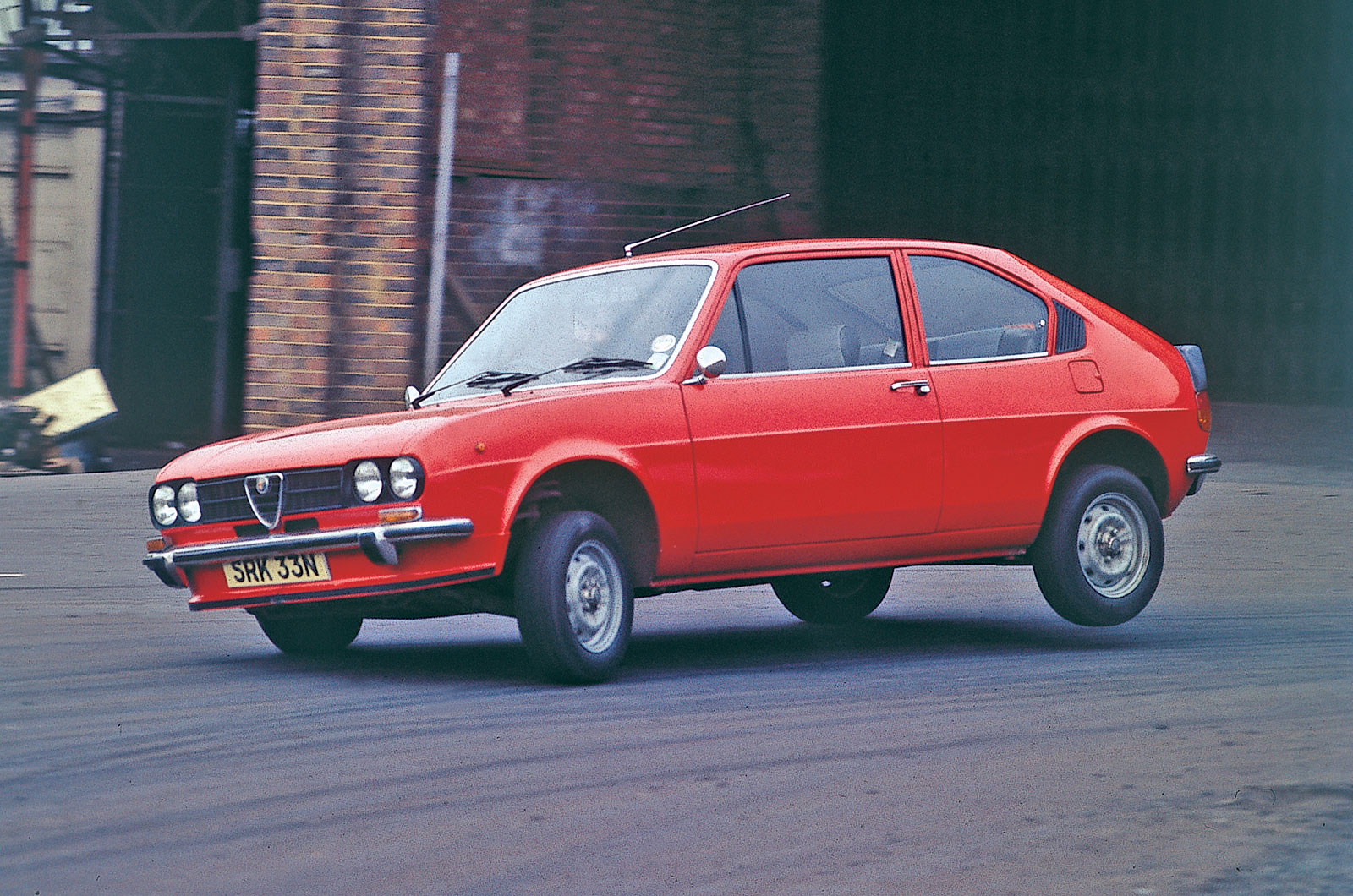
The magazine road-tester would have it for a week and then reluctantly hand it back, having raved about the way it drove. But then the beguiled buyer would watch the car disintegrate and corrode often mere months after taking delivery. You just didn’t get any of that with the Golf.
Bristol 412 (1976)
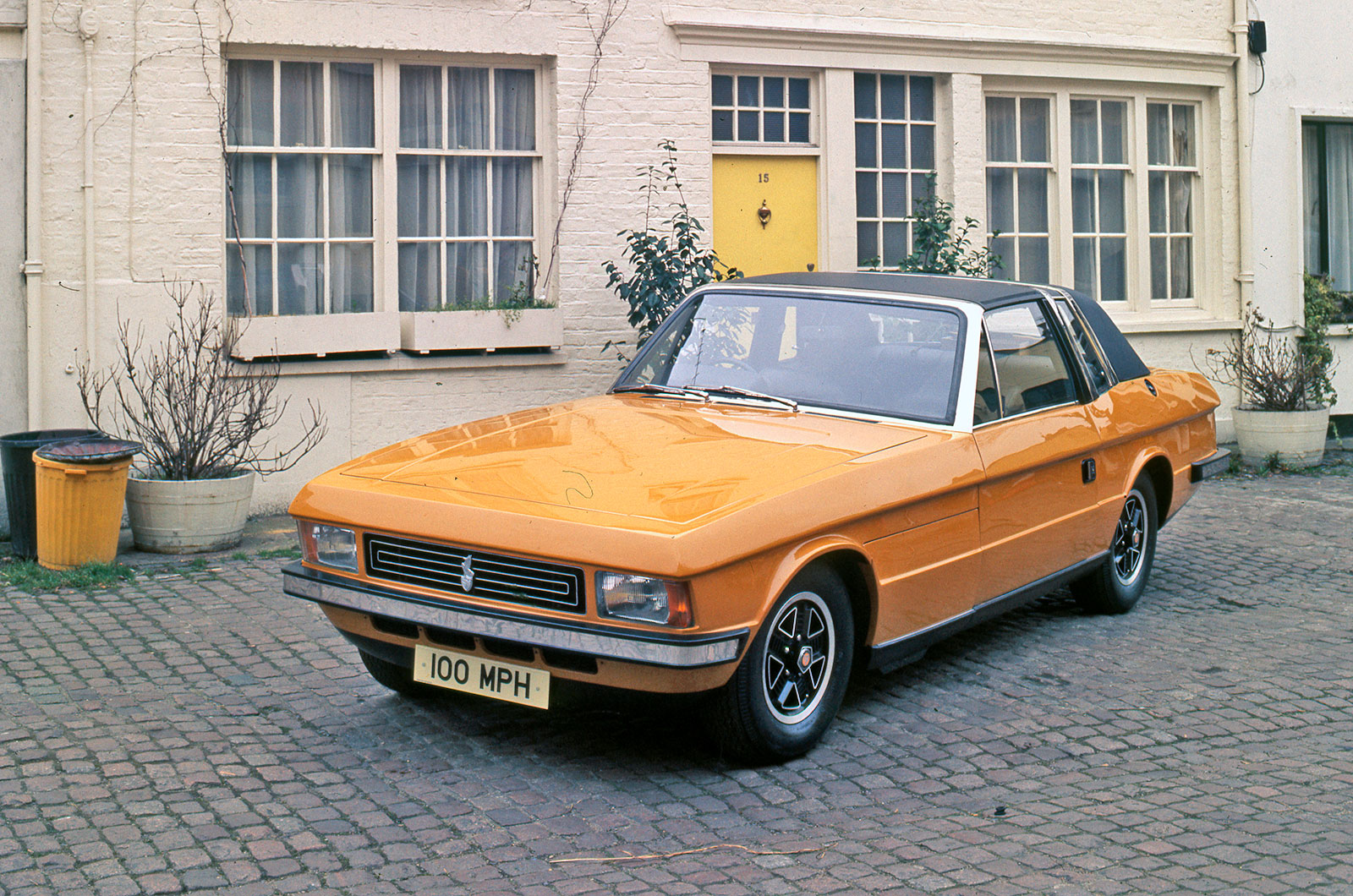
Rolls-Royce money was required to purchase this targa-topped Bristol in 1975, along with the turbocharged Beaufighter edition of five years later. The separate chassis traced its roots back to the 1940s, although no doubt the car was still pretty capable, being fast, riding well and having a perhaps unexpectedly competent level of road manners.
Bristol 412 (1976)
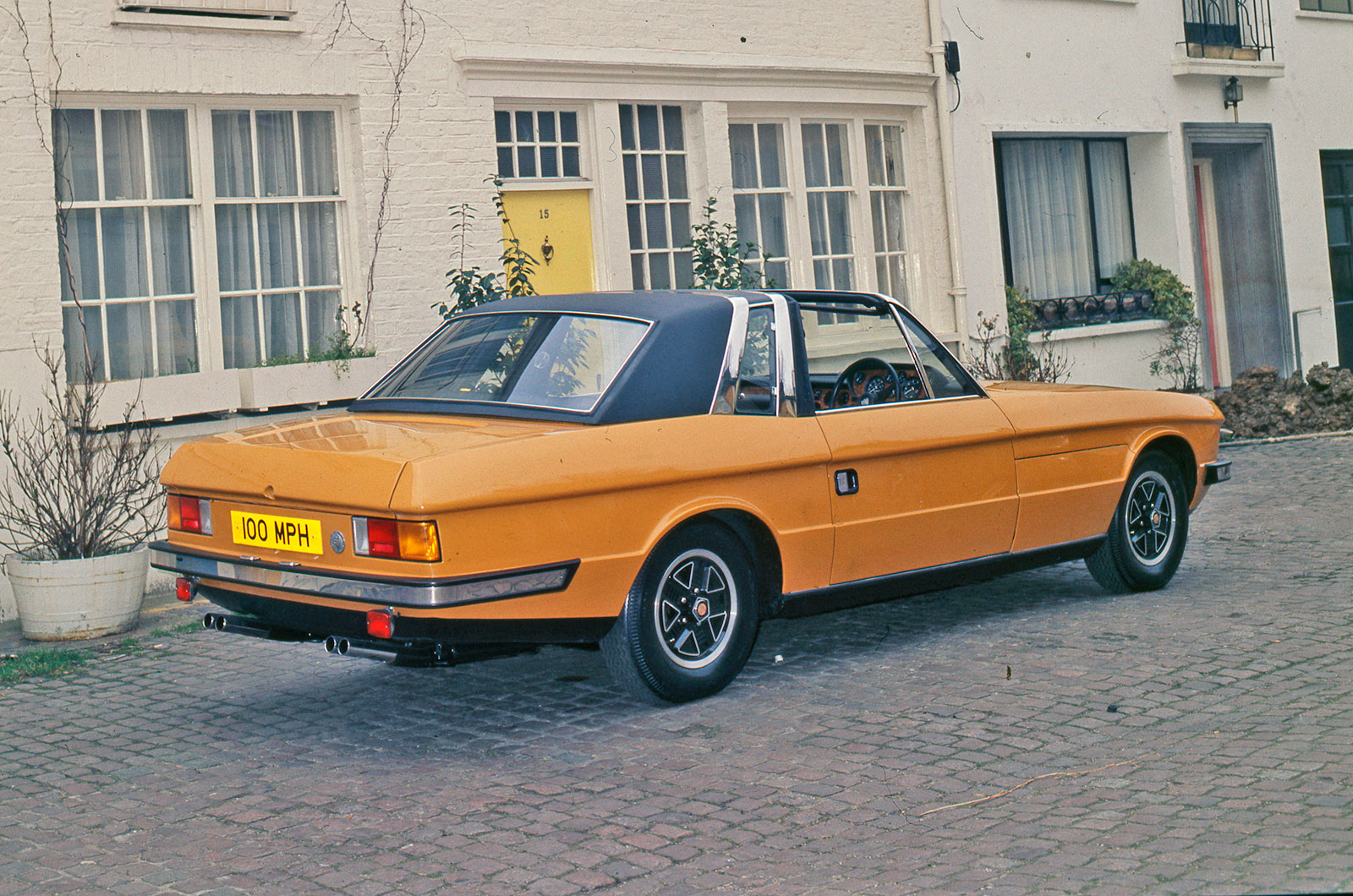
Unlike a Rolls, though, or even an Aston Martin, with their handbuilt engines, you were getting in the Bristol a V8 power unit from a Canadian truck and – apart from a gleaming walnut dashboard and plump leather seats – parts from other cars that were somehow thrown into the mix in a haphazard way. The eccentric coteries of Bristol owners loved them, but connoisseurs quite rightly tended to head off towards the Porsche 928.
Lancia Gamma (1976)
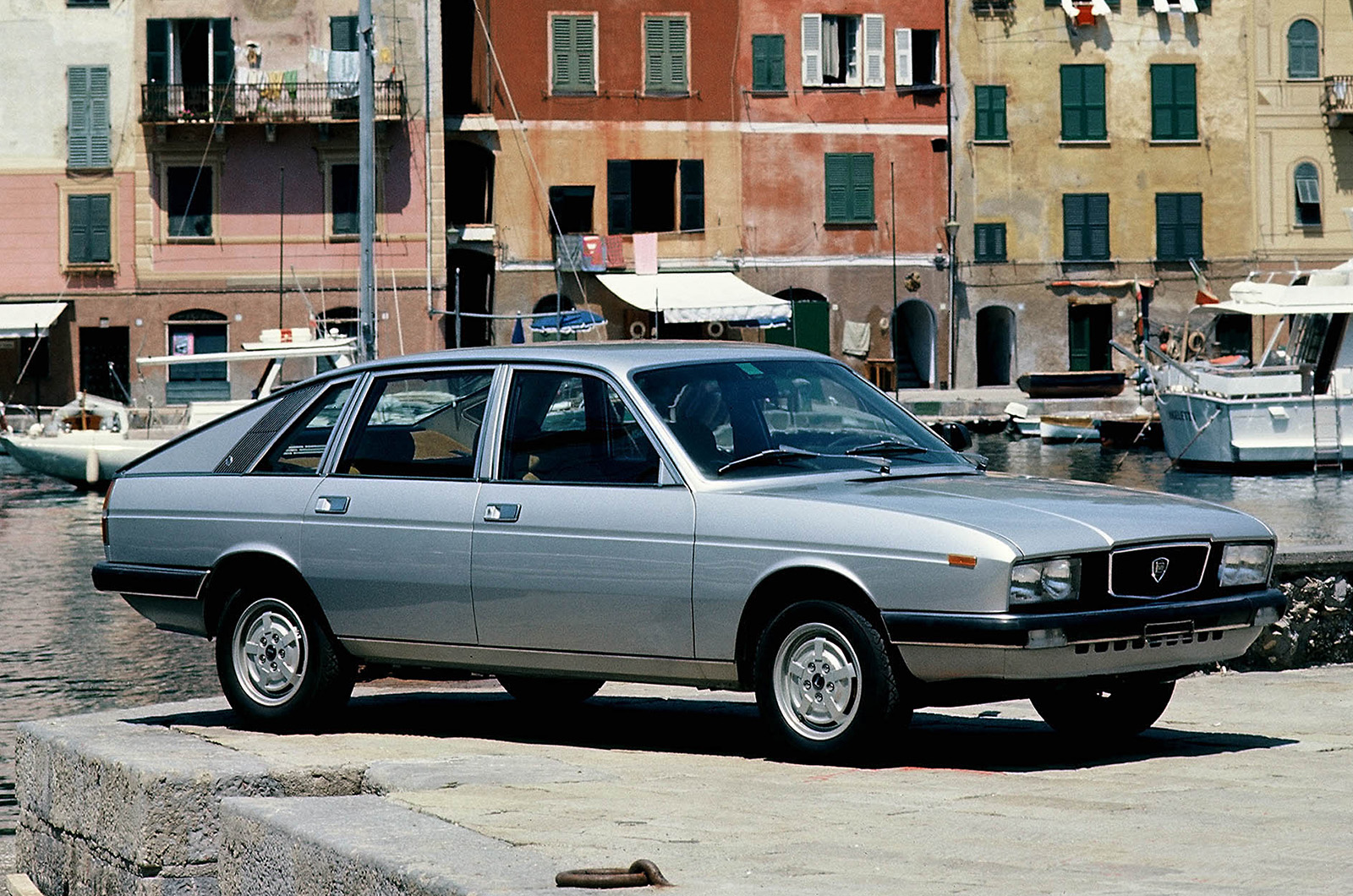
As one of Pininfarina’s most acclaimed production car designs, the Lancia Gamma Coupé is a familiar 1970s high spot on the car enthusiast’s timeline. Its saloon counterpart was and remains utterly overshadowed by it. Technically, it became an extension of the Lancia Flavia in using an all-aluminium, four-cylinder ‘boxer’ engine driving the front wheels.
At a time when six cylinders denoted cachet in this market sector, it was a perplexing choice to go for a large, 2.5-litre four.
Lancia Gamma (1976)
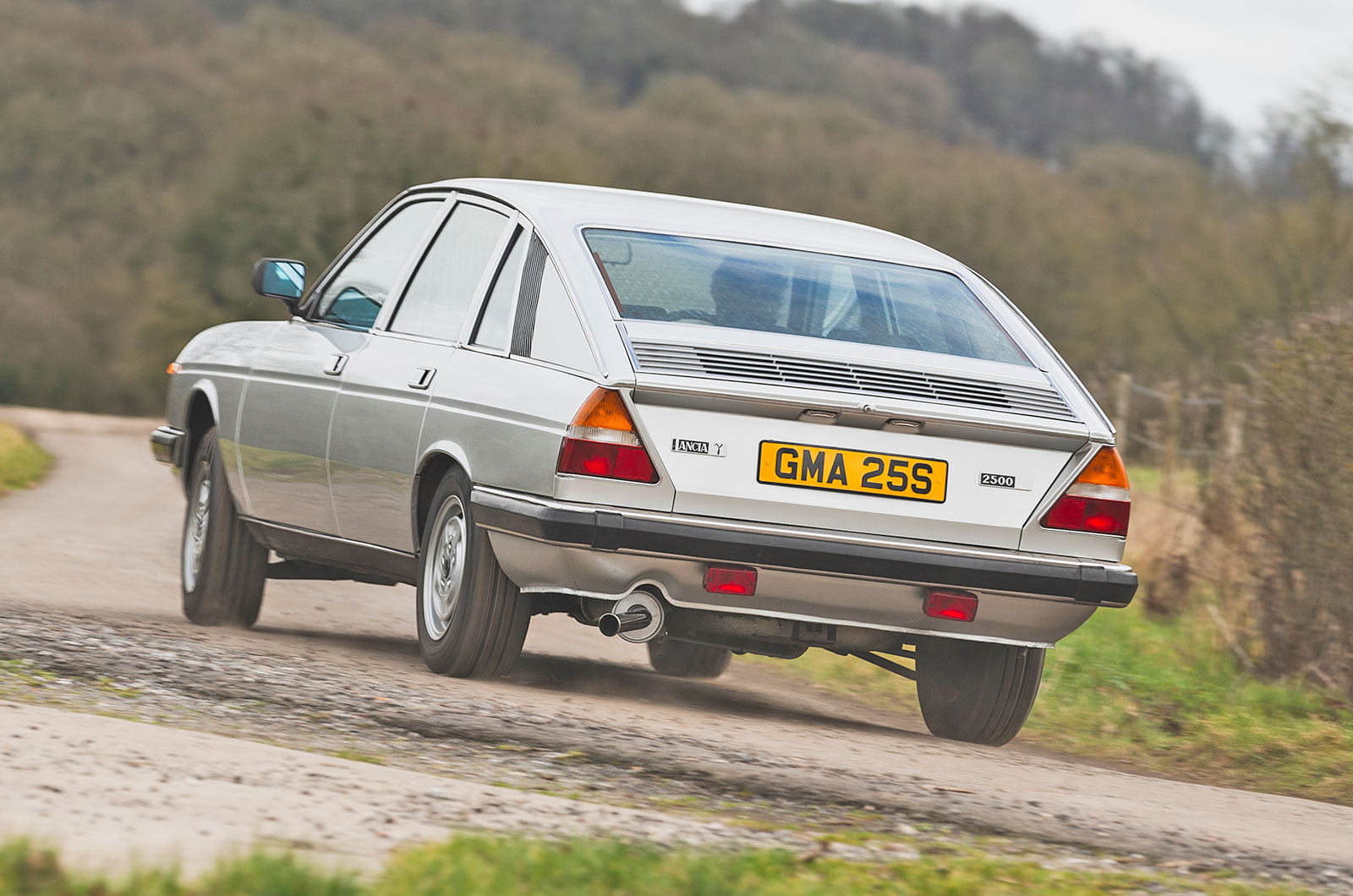
Buyers had to balance an excellent pure driving experience on every front, five-speed manual gearbox and terrific roadholding included, with design flaws that included engine cambelt issues and worrying vibrations, and grave concern at patchy quality. Executive car owners also liked automatics but Lancia refused to offer one until 1983… Potentially it was a great car, but a poor product.
Rover 3500 SD1 (1977)
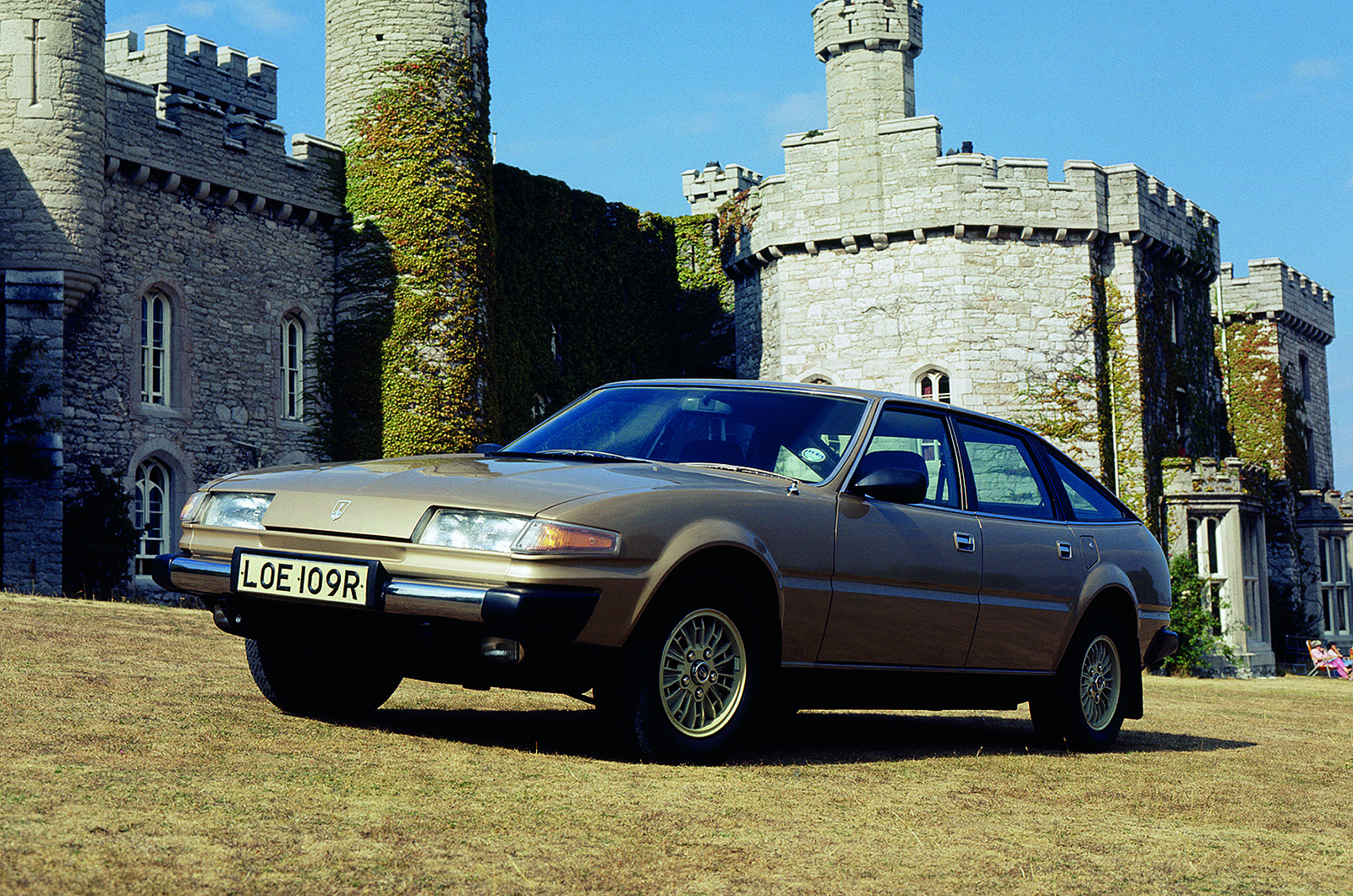
Every British car enthusiast loves the beefy, five-door Rover with its V8 engine and Ferrari Daytona nose. It could almost be the law that you have to. Yet in the race to perfect the luxury sports saloon, it was BMW, Mercedes-Benz, Audi and possibly even Saab that set the pace.
It wasn’t just that the SD1 swapped its P6 predecessor’s racecar-like rear suspension for an old-fashioned live axle.
Rover 3500 SD1 (1977)
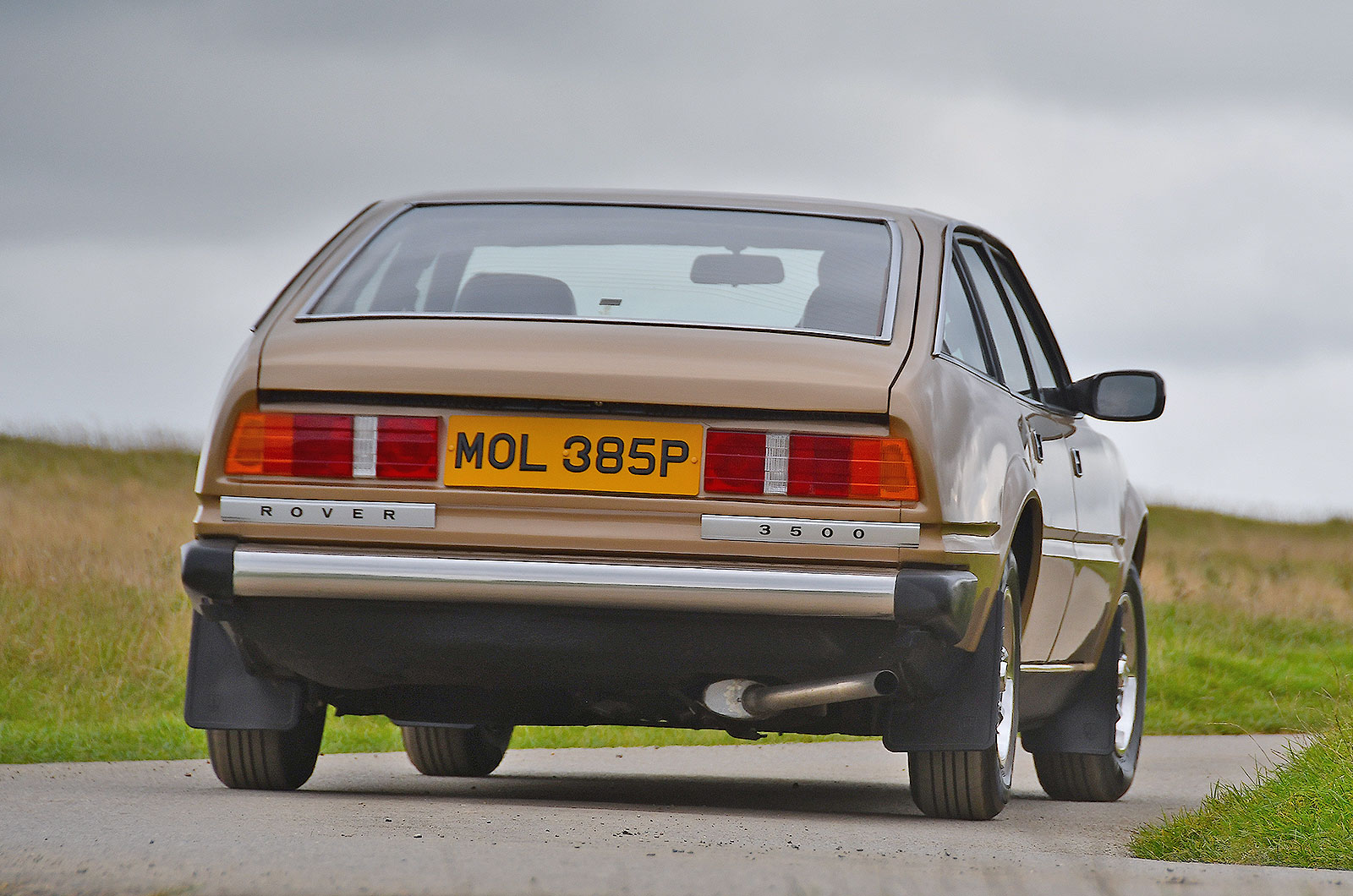
It was that Rover’s workers consistently failed to deliver a quality job to those company bosses and city lawyers who were rooting for the marque. The German models were better cars overall, and spent more time with their owners’ gravel than on the ramp in the workshop. Only the British police were forced to stick with it for reasons of patriotism.
Delorean (1981)
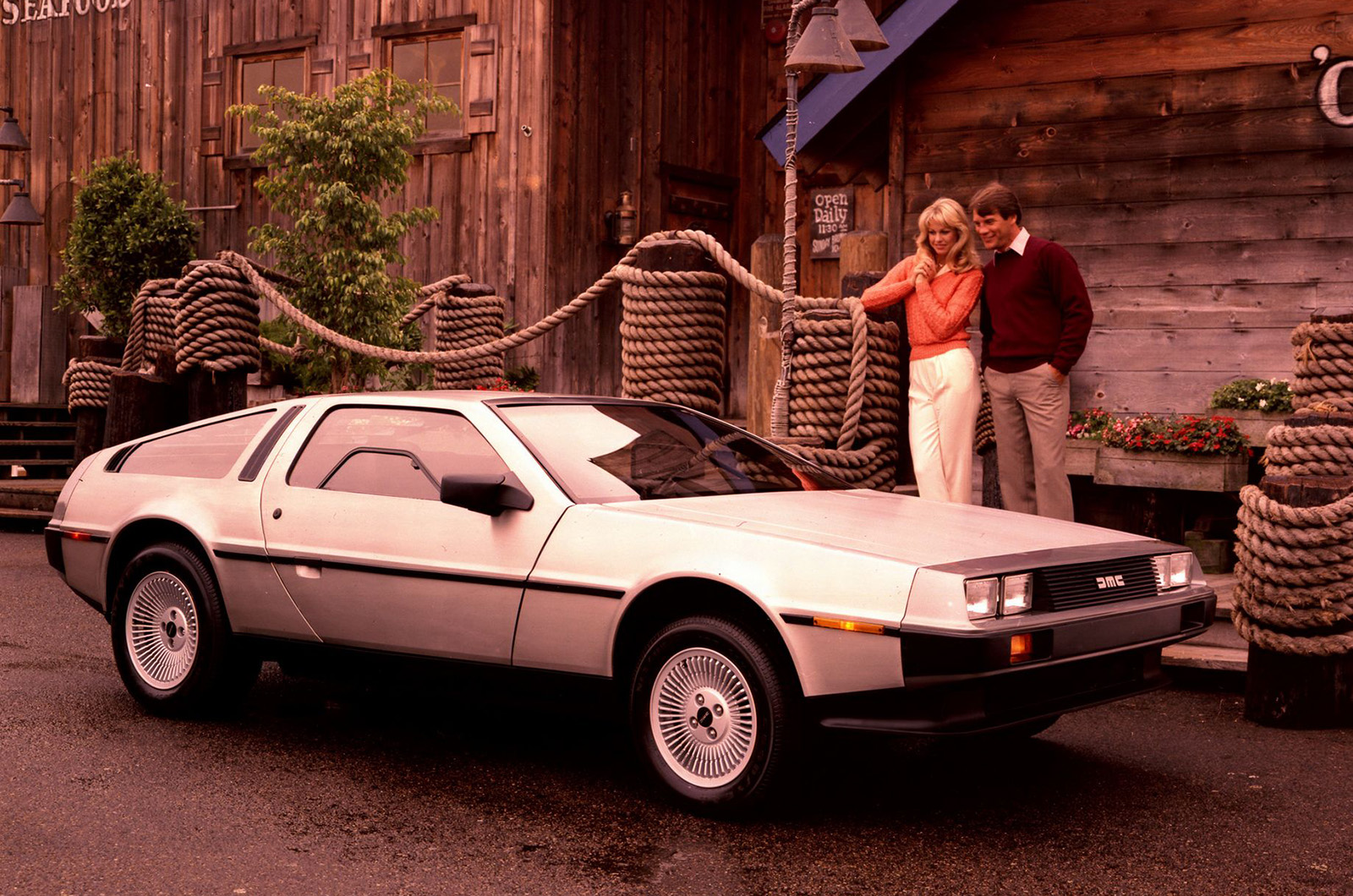
Is the Tesla Cybertruck going to be the Delorean of the 21st century? Quite apart from the fact that they both share hugely impractical stainless steel panels, seasoned industry watchers can sense a similar syndrome of pointless reinvention propelled by the hubris of an industry maverick. John Z De Lorean set out to teach the car industry a lesson by producing his idea of an ethical sports car, but it was a disaster.
Delorean (1981)
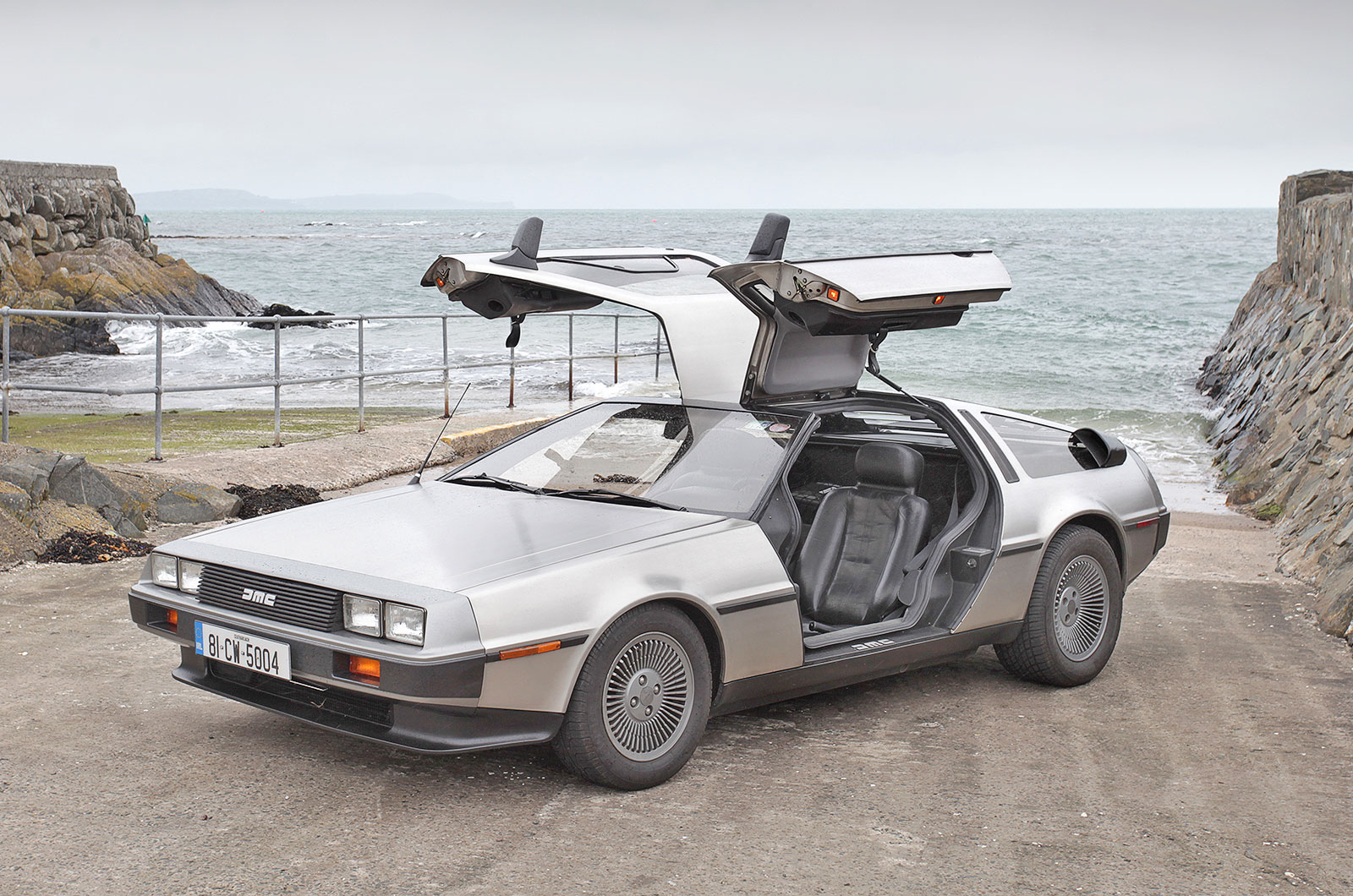
The car wove together a Lotus chassis, a Renault engine and gullwing doors that were not to be trusted; it had a short run of fame, and once it had sunk Porsche could get on and dominate the 1980s.
Ford Sierra (1982)
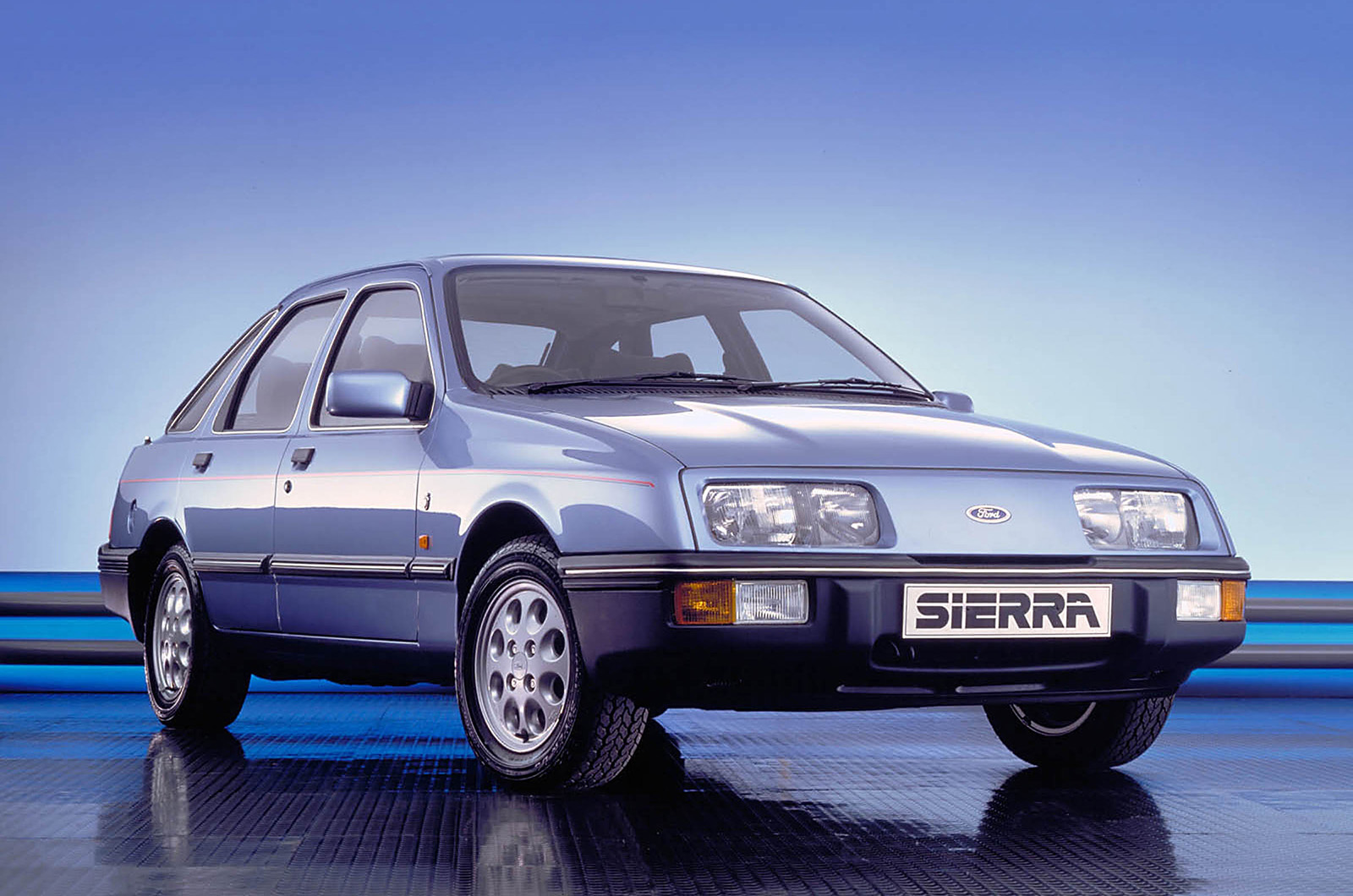
The car that replaced the Ford Cortina in 1982 among the then hugely important fleet buyers had quite a task on its hands: to offer radical modernity and dependable familiarity at the same time. So while a great big fuss was made of its aerodynamic lines, underneath it was all old-school rear-wheel drive and Cortina-style Pinto engines.
Ford Sierra (1982)
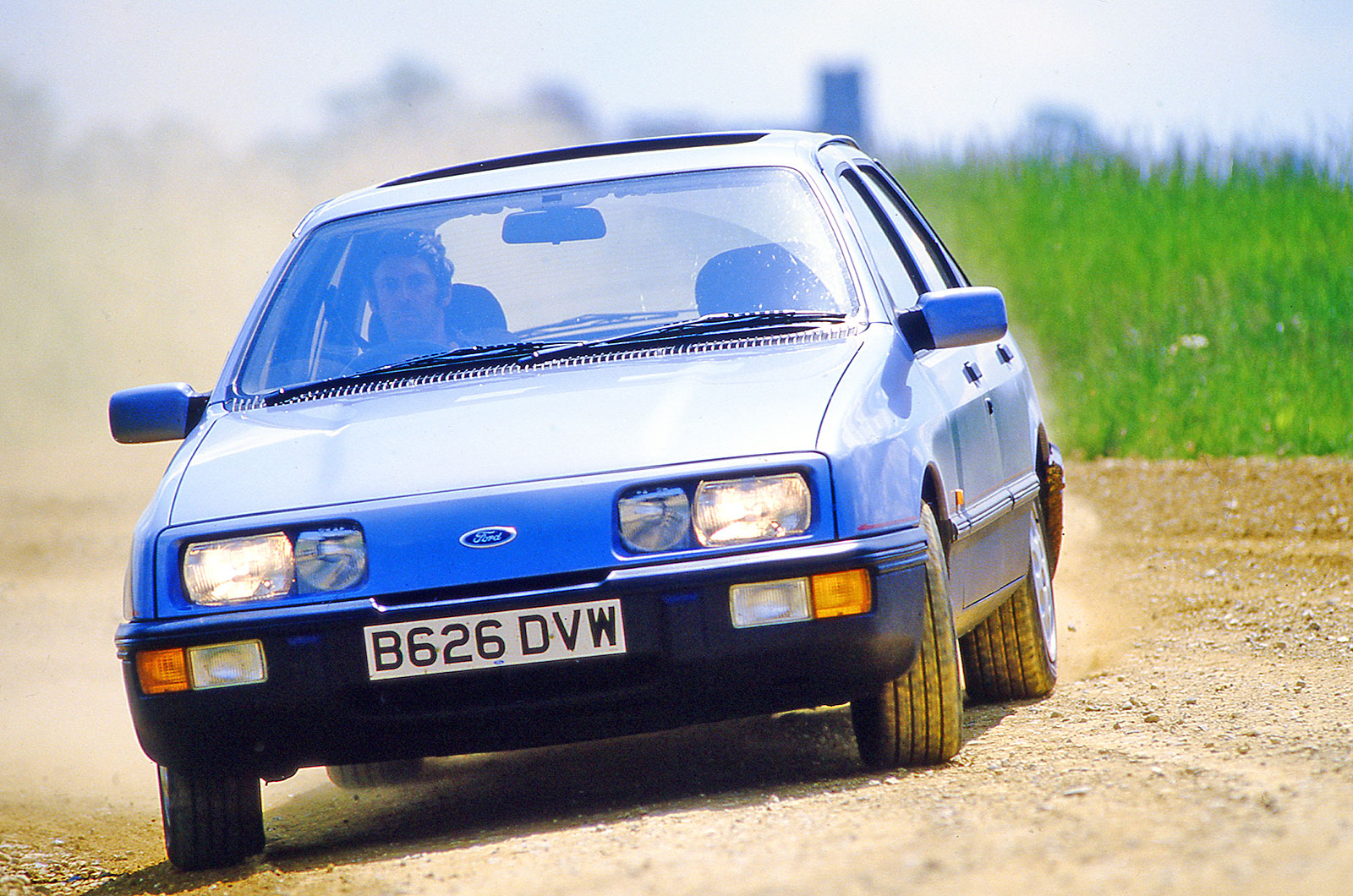
And while by no means awful to use, the Sierra hardly impressed, the later Cosworth-engined and turbocharged 4x4 excepted. Its new feature, a lift-back tailgate, also got a lukewarm reception, obliging Ford to add a four-door Sapphire to the range in 1987 that toned down the infamous “jelly-mould” profile. And while all this was going on, Vauxhall and Opel’s acclaimed, front-wheel drive Cavalier simply leapt ahead in the fleet sales charts.
Cadillac Allanté (1987)
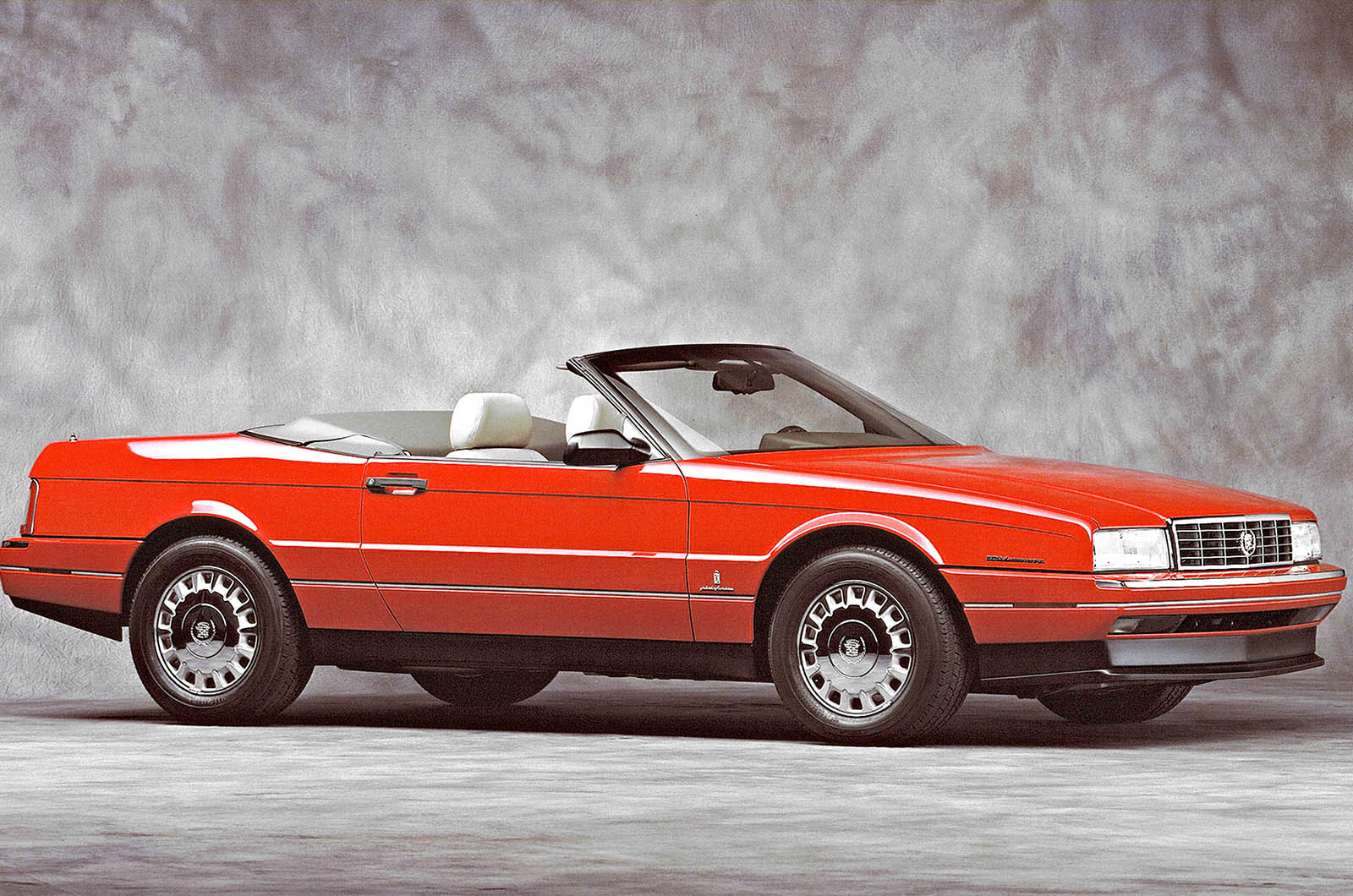
This two-seater Cadillac was the product, so they liked to boast, of ‘the longest production line in the world’. That meant that the bodies were constructed by Pininfarina in Italy and flown to the States for assembly in an ‘air-bridge’ operation in expensively-modified Boeings 747s – all of which was, really, of no tangible benefit to any buyer, and extremely costly.
Cadillac Allanté (1987)
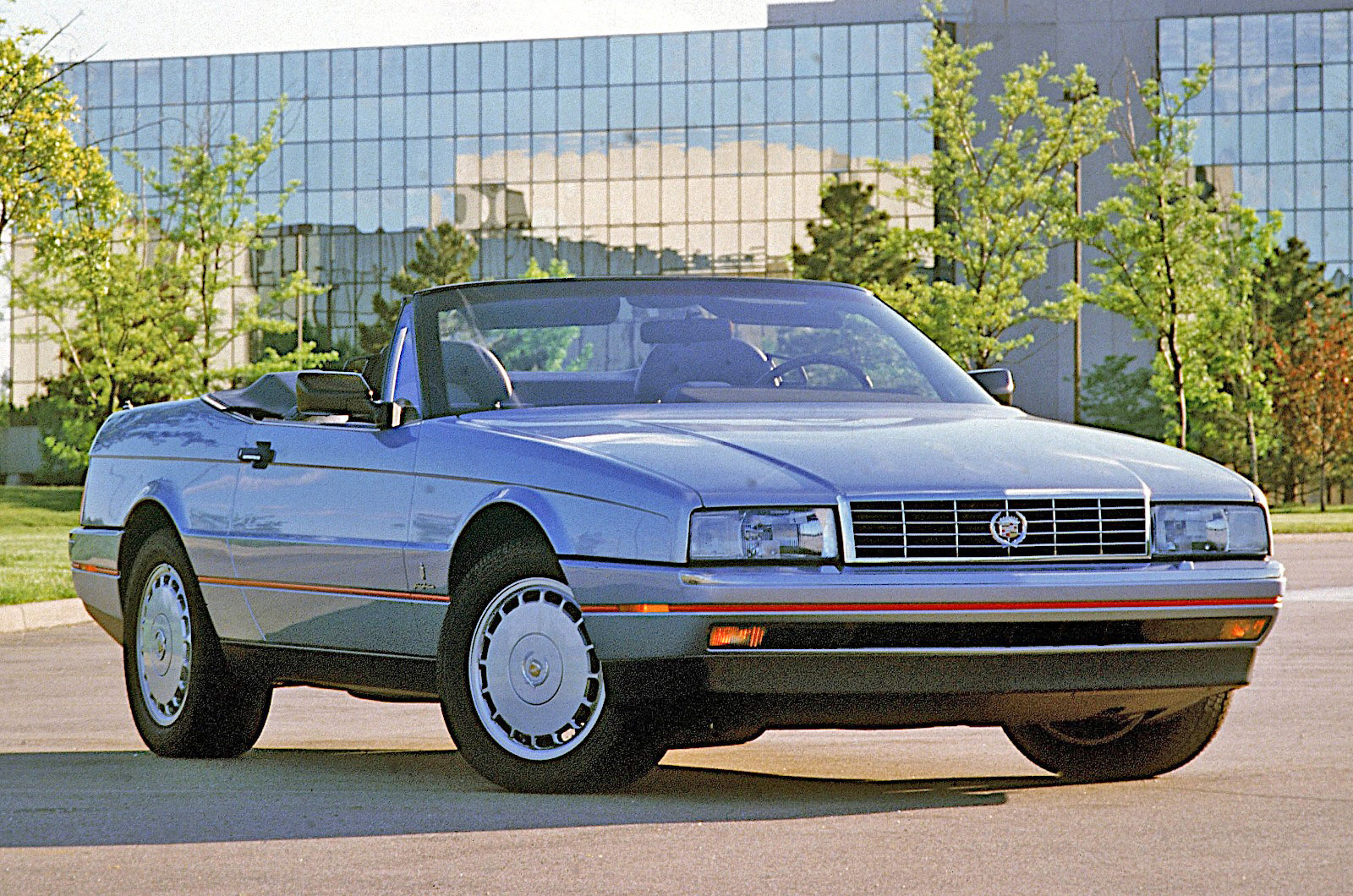
The two-seater styling was also by Pininfarina, but was pretty unmemorable, with none of the character of the open-top Merc SL or Jaguar XJS. Introduced in 1987, the final cars in 1993 at least came with Caddy’s excellent Northstar V8 engine.
Daihatsu Sportrak (1989)
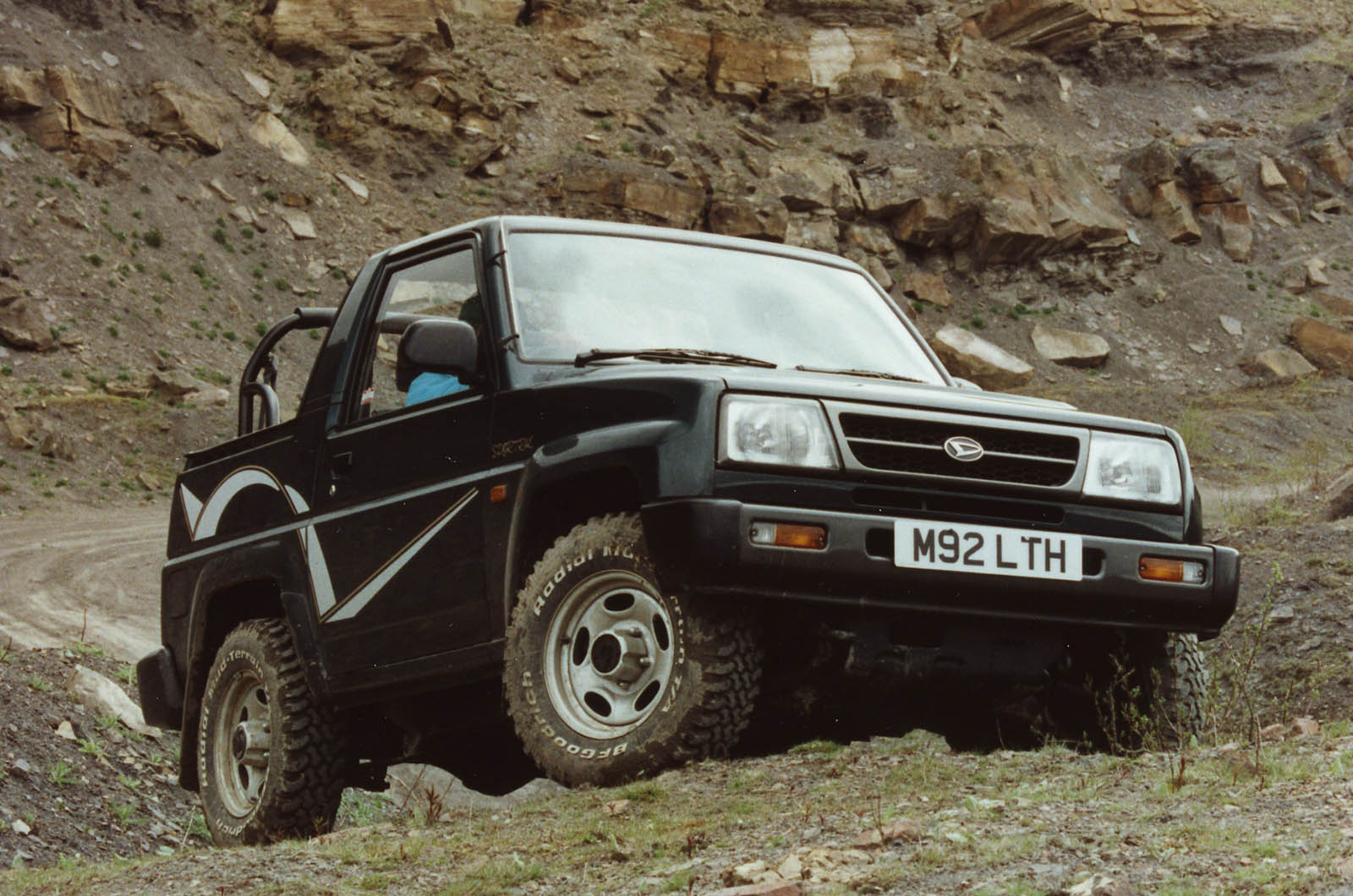
The Sportrak, or Feroza as it was alternatively known, was a very good choice for thrifty mud-plugging in the early 1990s – the sort of thing every country estate manager would want, with four-wheel drive and a reasonable 1.6-litre engine from the Daihatsu Applause which, while not able to make it go like the clappers, was perfectly adequate. Along with the contemporary Suzuki Vitara, the Sportrak was the first compact sport-utility vehicle.
Daihatsu Sportrak (1989)
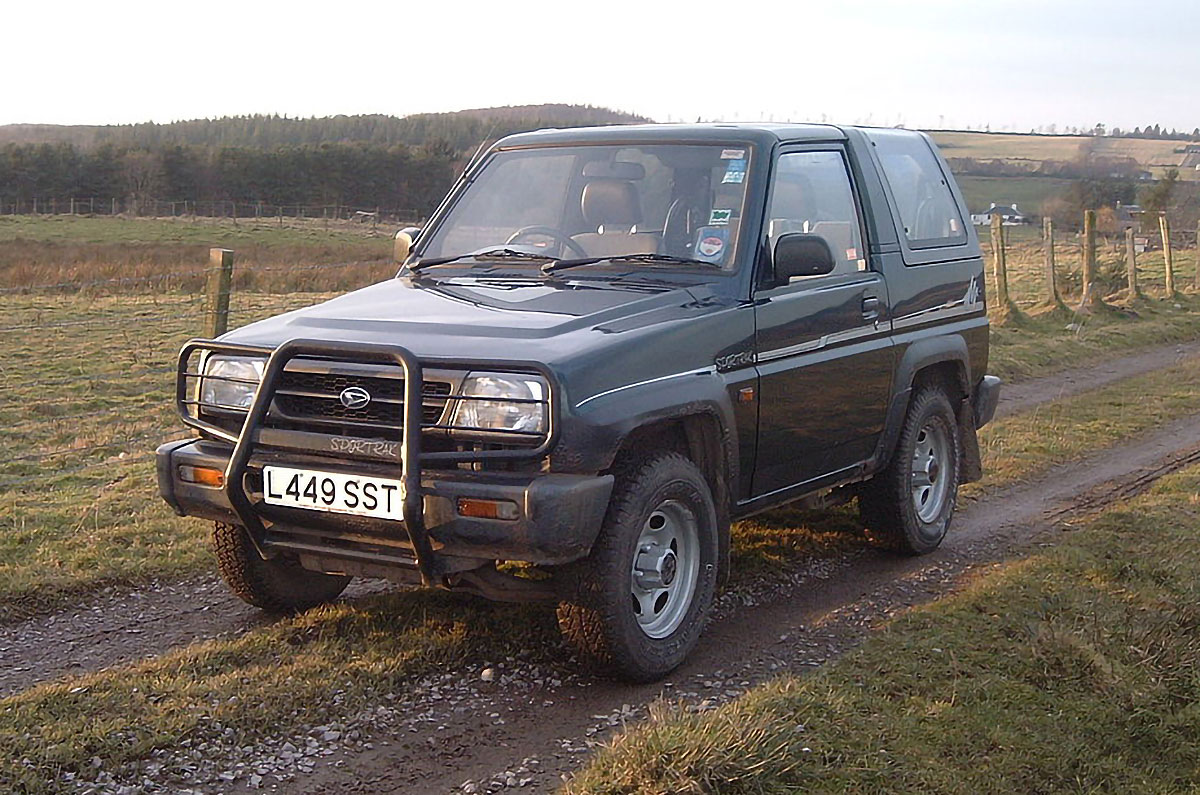
Yet history is sometimes unkind to pioneers. Just five years after the Sportrak’s launch, along came the Toyota RAV4 and re-set the benchmark. The key difference? The RAV4 had a monocoque structure and was genuinely as capable on-road as off it; the Sportrak had a ladder frame chassis that the Romans would have recognised, and so would always be tiresome on the open road.
Pontiac Le Mans (1988)
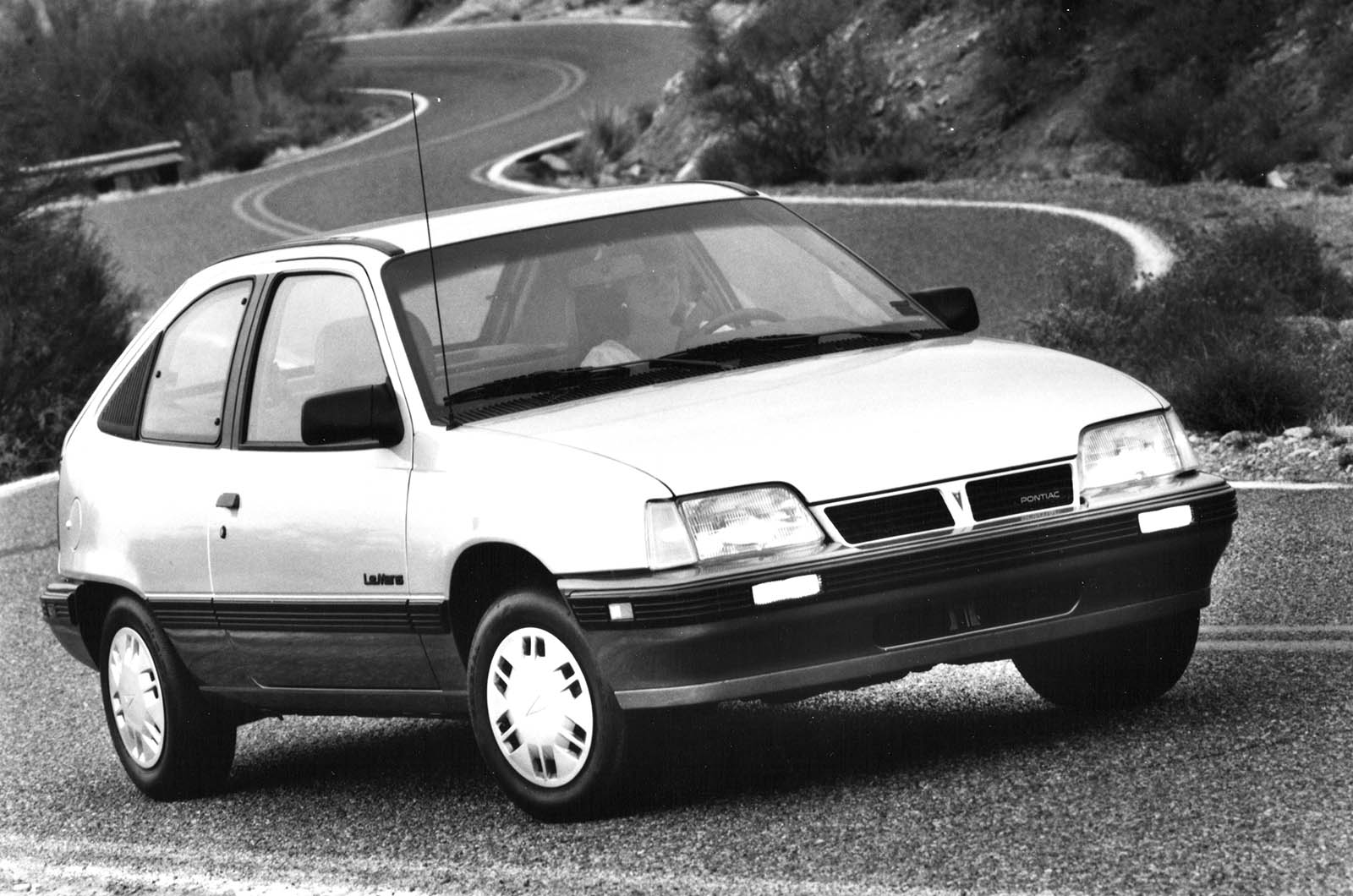
This nameplate gave the world some interesting muscle cars in the late ‘60s, but by 1988, not so much. If ever you were swayed to buy a car based on the allure of its name then this has to be the nadir; an ageing Opel/Vauxhall Astra, built for maximum cheapness in South Korea by Daewoo, and sold across the USA as an entry-level Pontiac.
Pontiac Le Mans (1988)
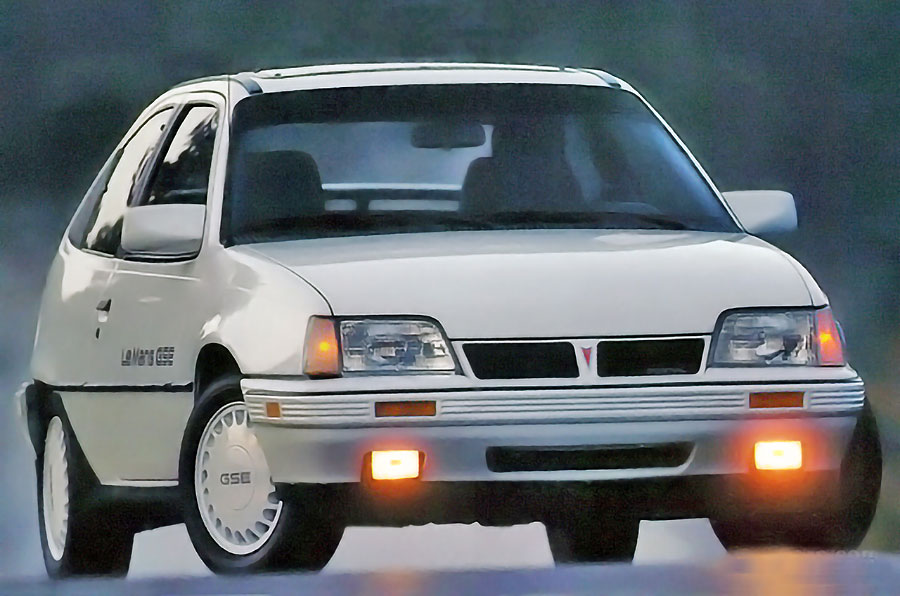
All the emphasis was on the bargain-basement nature of the offering, but any compact offering from Honda or Toyota would surely have been better, and a lot less plasticky.
Buick Park Avenue (1992)
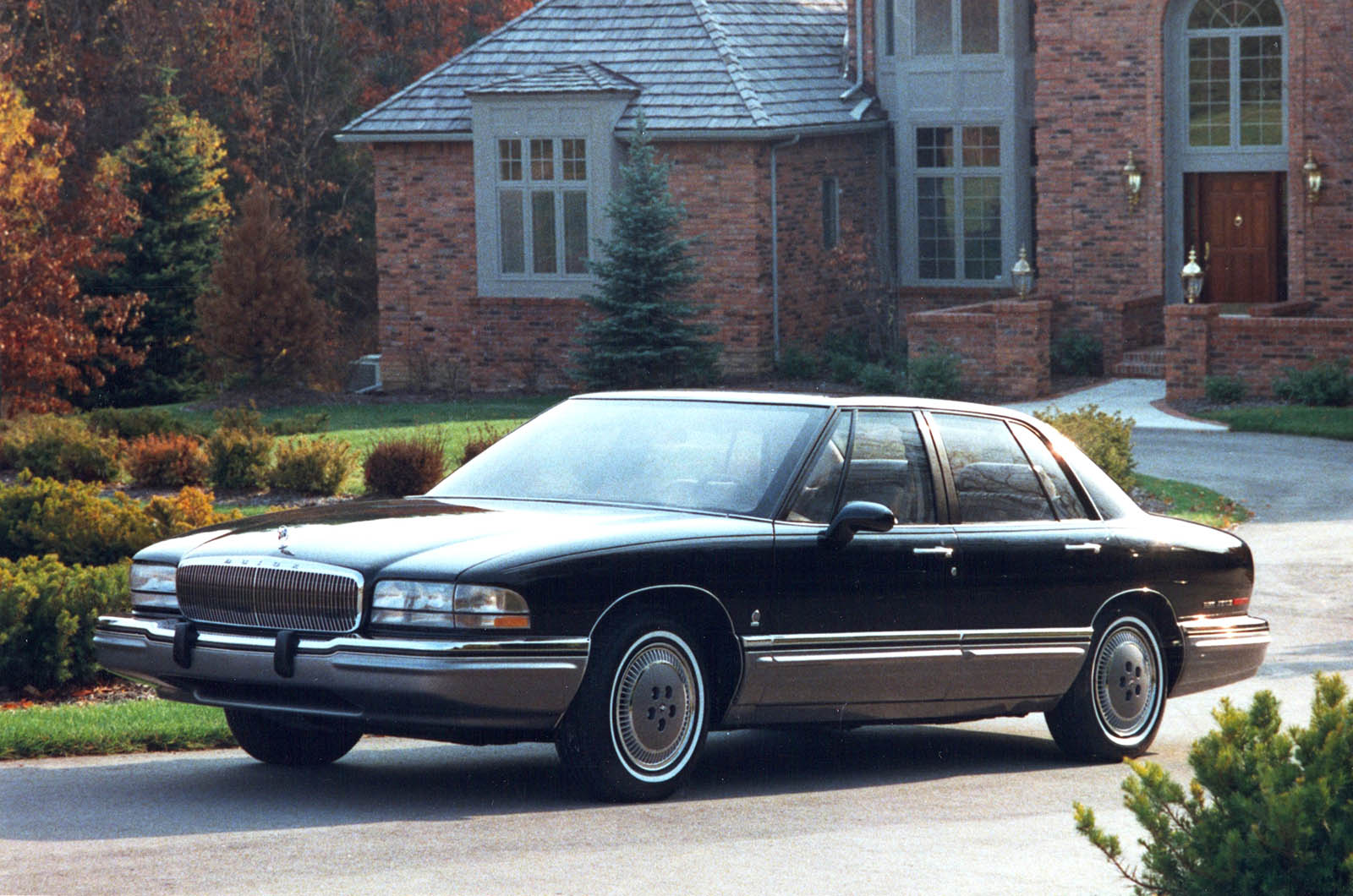
Something went quite awry between the unveiling of the 1989 Buick Park Avenue Essence concept car and the 1991 production Park Avenue. The former hinted at a dynamic new image for large US cars, but when the latter arrived it was little more than the usual softly-sprung sedan with its formerly rectilinear corners shaved off.
The 3.8-litre V6 engine wasn’t half-bad, especially in supercharged Ultra guise, but this was not a car to hurl around enthusiastically because its bench front seat was unsupportive and its ride soft and wallowy.
Buick Park Avenue (1992)
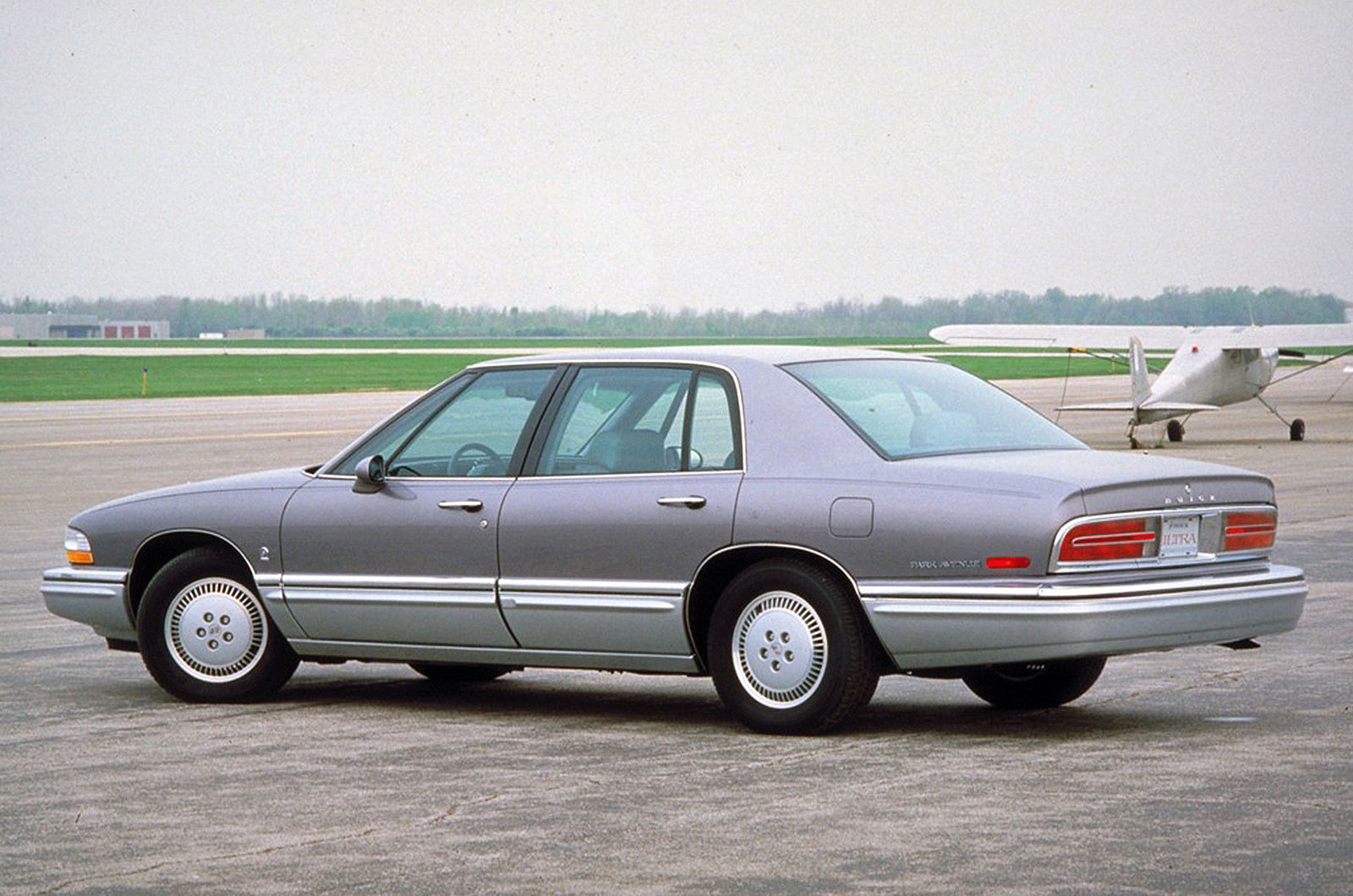
A column gearchange and mediocre refinement meant it fell well short of any BMW or Lexus standards, and yet this car was actually exported to Europe as some kind of totem of American prestige. Ultra-kitsch value today, mind, assuming you could dig one up.
Bristol Fighter T (2004)
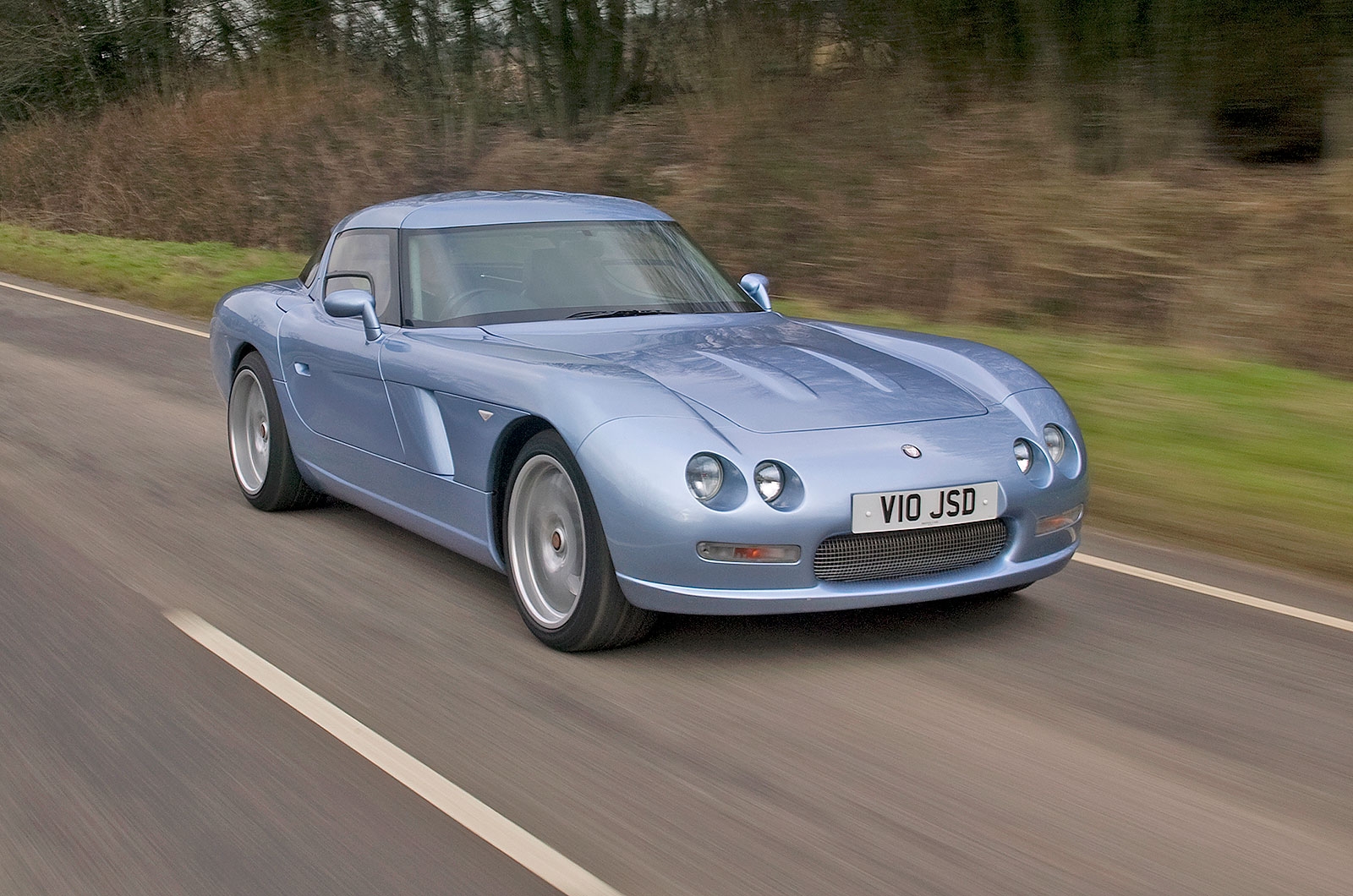
A car boasting some massive claims – such as 1012bhp in twin-turbo form, 225mph top speed, and a 0-60mph figure of 3.5sec – that seemed at definite odds with the world’s smallest and least well-capitalised ‘supercar’ maker.
Gullwing doors were another feature that you’d rather have, if at all, engineered by Mercedes-Benz rather than some bloke in a West of England shed.
Bristol Fighter T (2004)
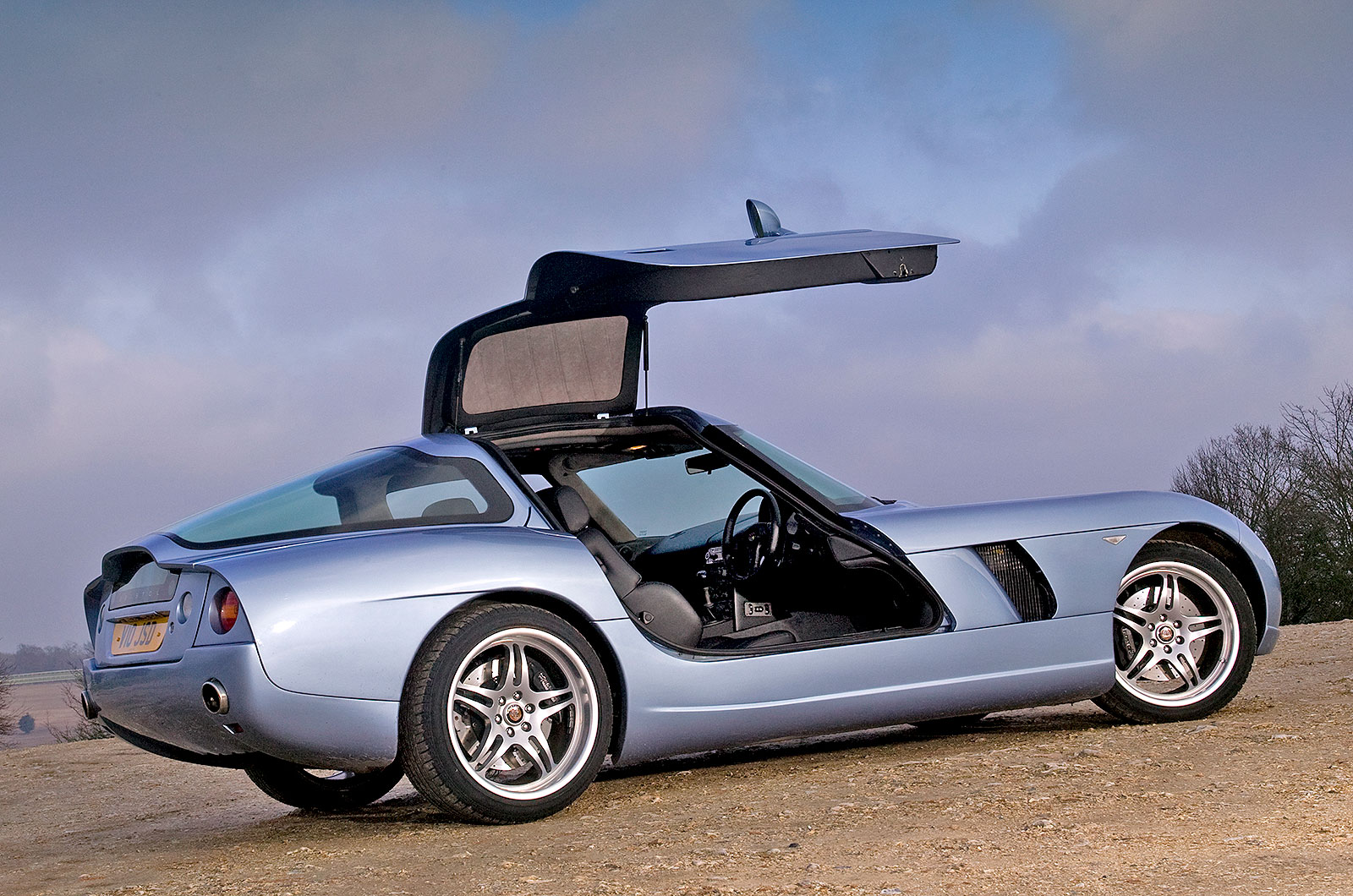
Actually, the Fighter T barely existed as a production car, although about a dozen standard Fighters were made, all with Dodge Viper V10 engines. And were the aerodynamics at all credible? Everything else so ridiculously rapid tends to need spoilers and air dams to tether them safely down, but maybe Bristol was taking its aircraft heritage seriously, and aiming high?
Honda S2000 (1999)
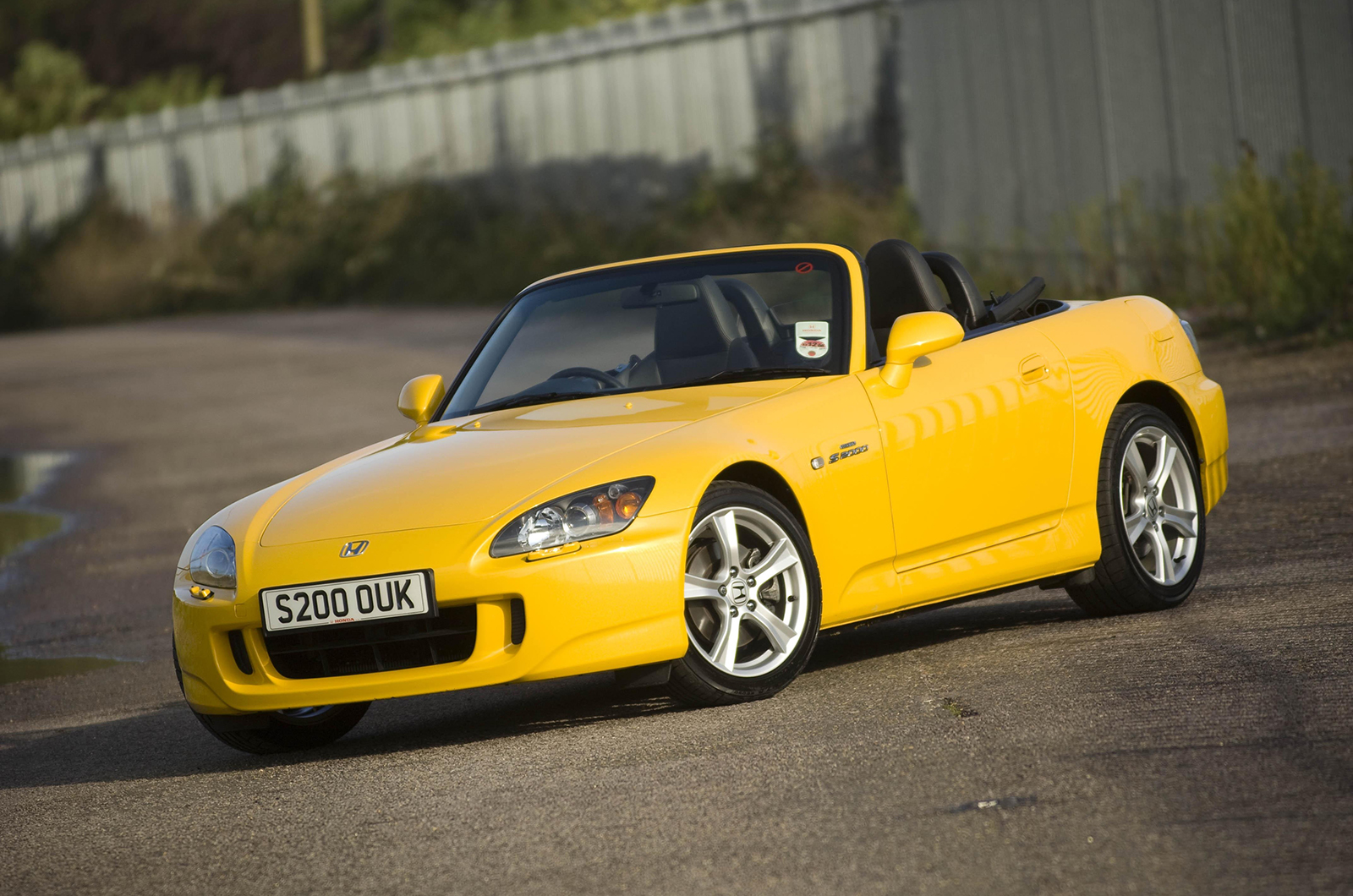
The 1990s and early 2000s was somewhat of a golden era for two-seater sports cars, and this Honda should have gleamed the brightest, especially with its 2.0-litre engine being one of the most powerful non-turbo units ever installed to a road car – a scarcely believable 240bhp dished out at a screaming 8300rpm.
Unfortunately, in the hands of the most experienced drivers, the overall recipe was deemed to be not quite right, despite all the attention on getting a 50:50 weight balance.
Honda S2000 (1999)
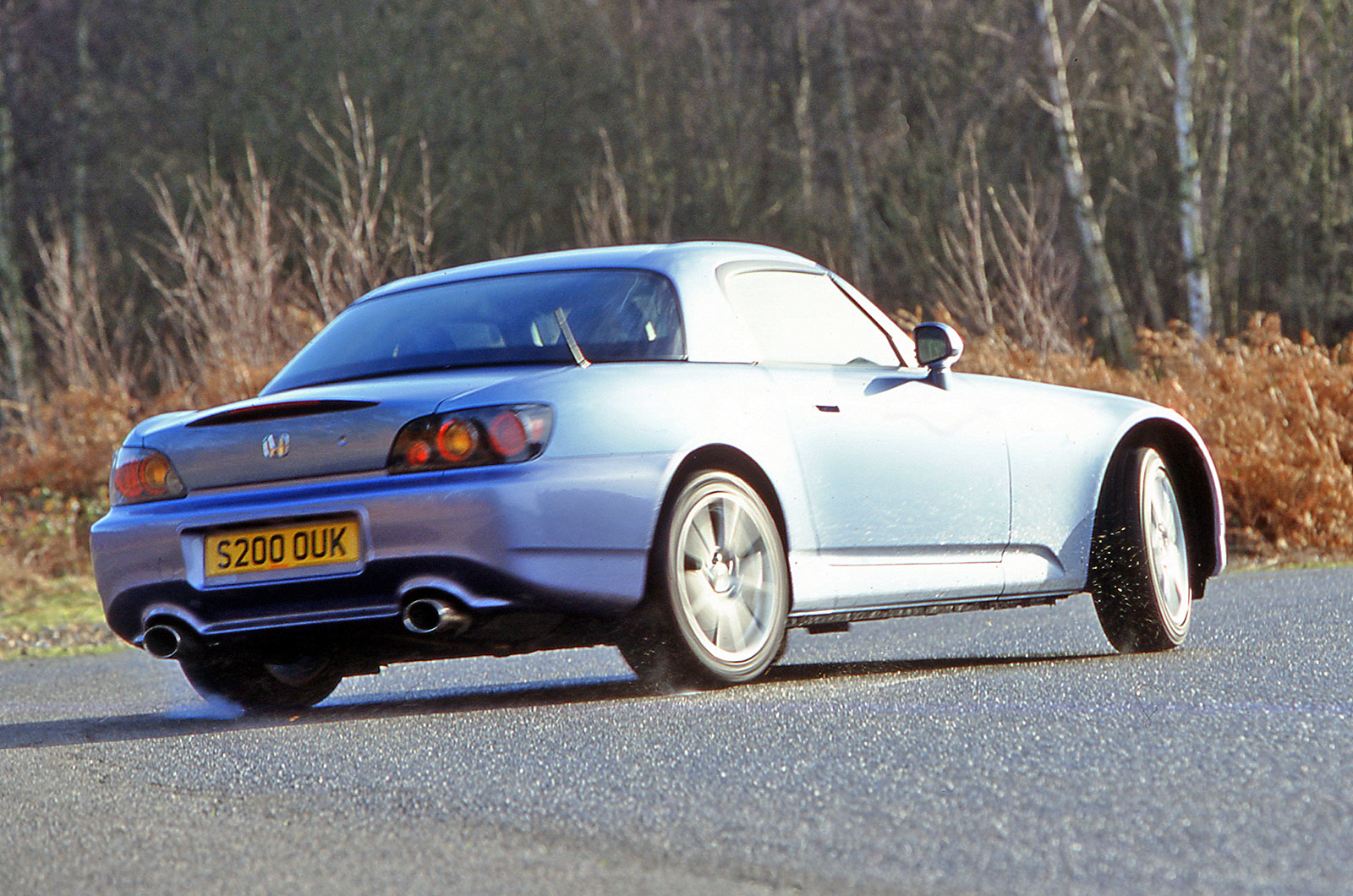
Flaws include unresponsive electric power steering, an awkward driving position, and a frightening tendency to snap oversteer that would catch you out alarmingly. In its favour are a fantastic six-speed gearbox, drop-dead gorgeous looks, and classic status today, but a lot more brilliance was expected from the home of the NSX.
Volkswagen Phaeton (2002)
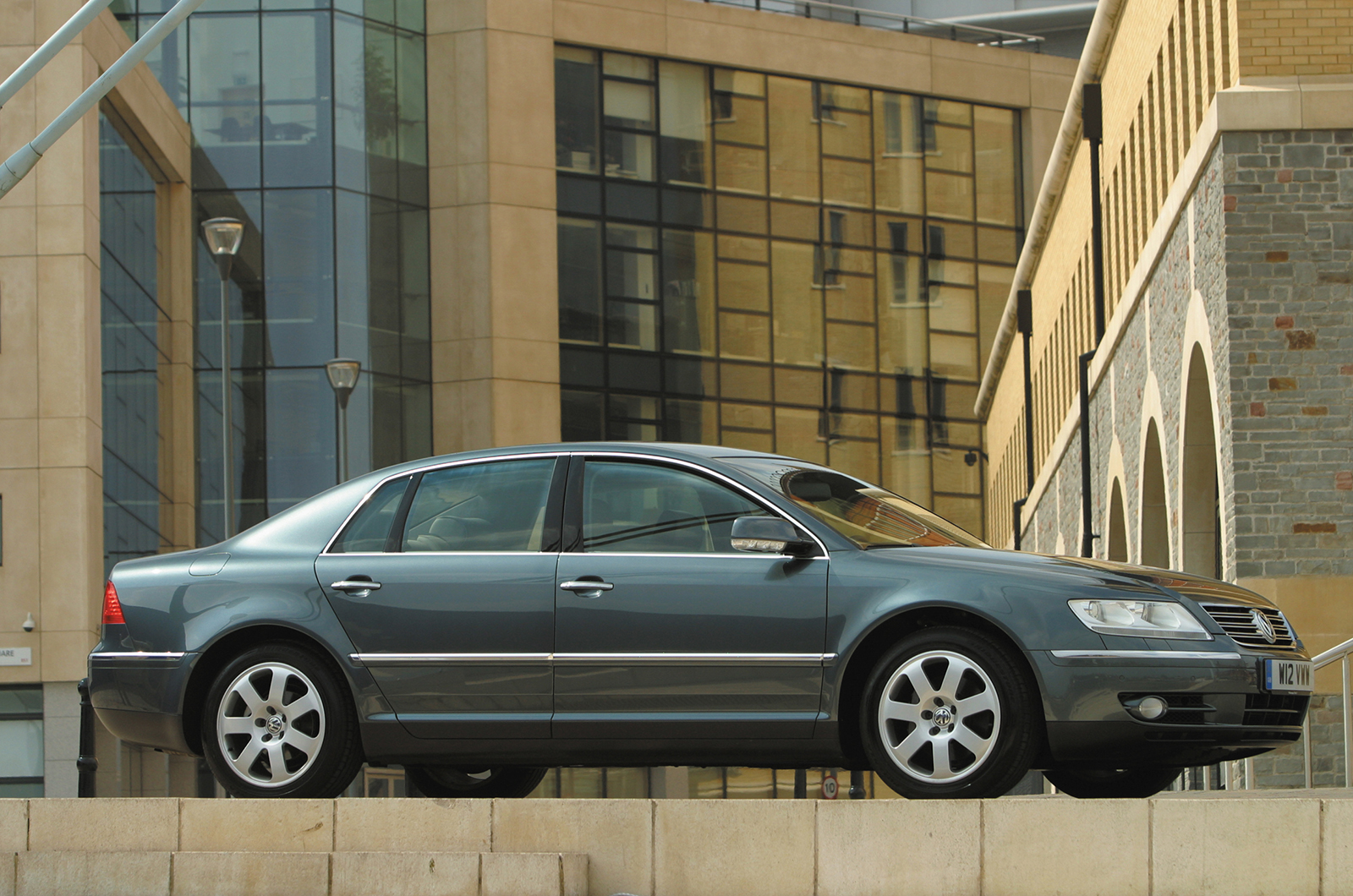
The Phaeton was intended as a limousine for the shy but rich individual who didn’t want to lord it in a Bentley, but in fact this car only came to life precisely because it shared its 6.0-litre W12 underpinnings with the Bentley Flying Spur.
The Phaeton itself was the pet project of VW’s scary chieftain Ferdinand Piëch, anxious to give Volkswagen the range-topper he felt it deserved – and it was said, to keep his Audi guys on their toes - but the reception for it was lukewarm.
Volkswagen Phaeton (2002)
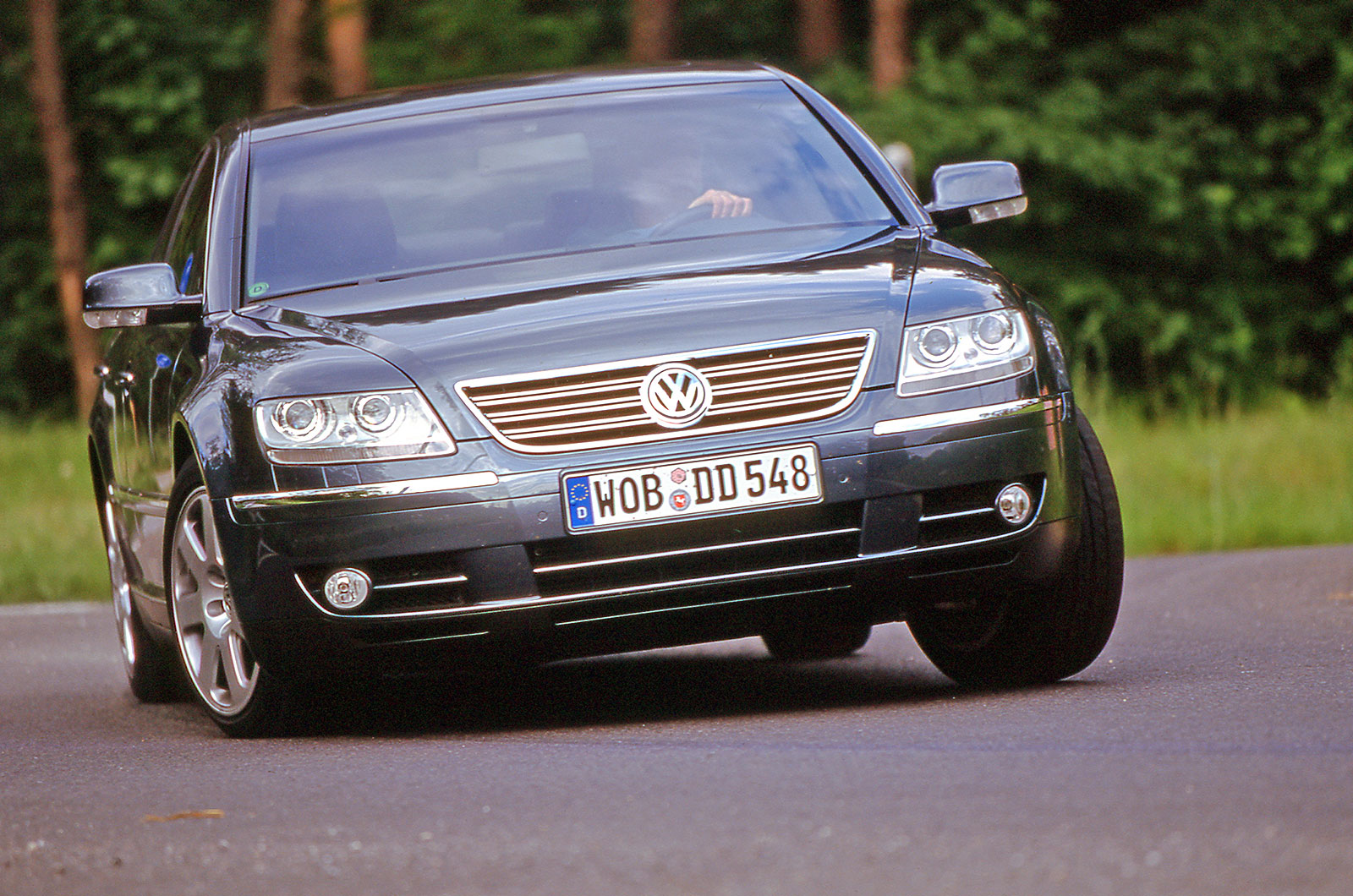
Fantastic machine, but overrated for its subtlety next to the Bentley, and very much unwanted today by comparison. If Angela Merkel had designed a luxury car, it would probably have turned out like this.
Bugatti Veyron (2005)
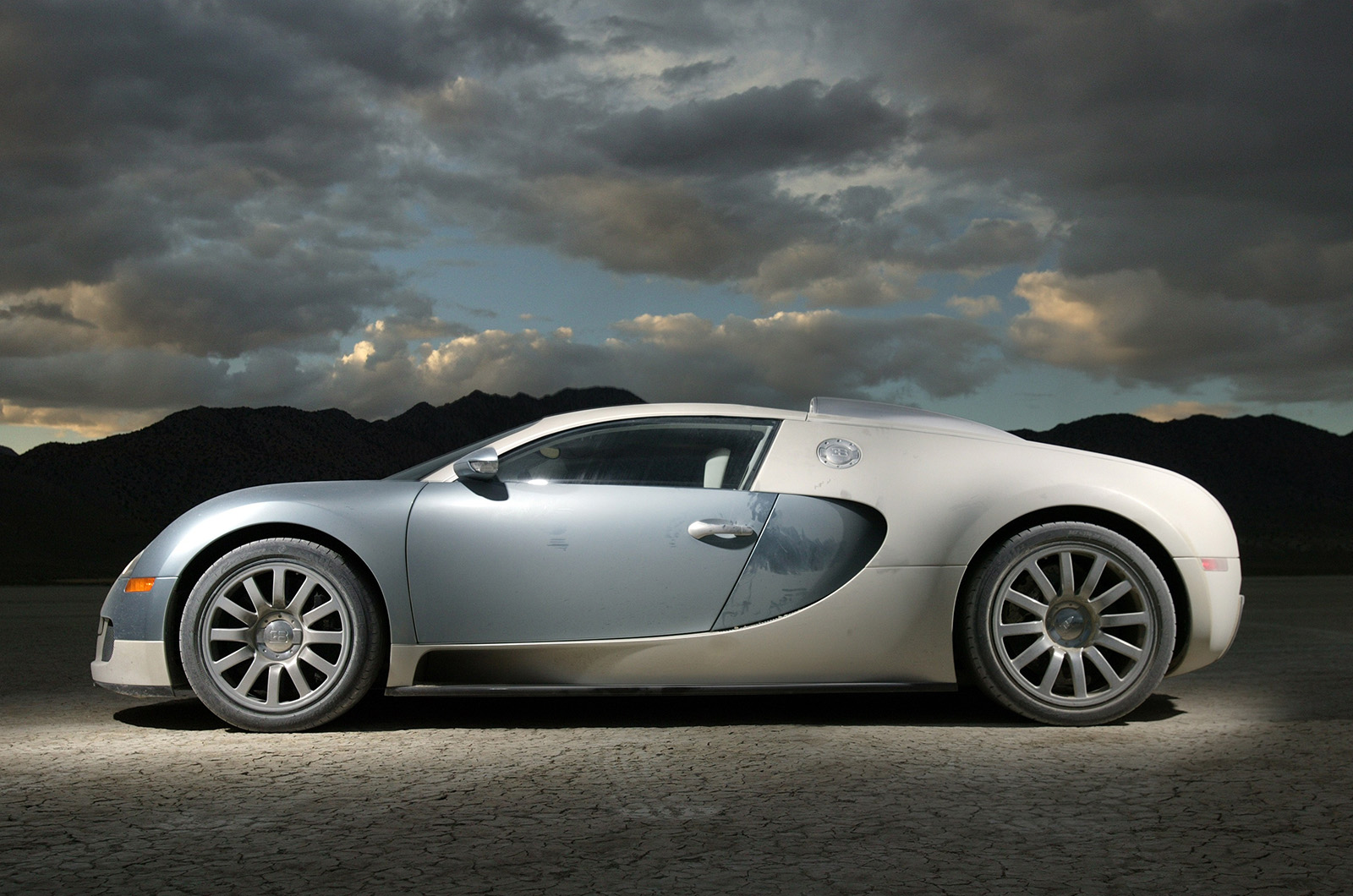
The top 10 most powerful cars on sale in the year the mid-engined French supercar was launched started at No10 with the 612bhp Porsche Carrera GT or Mercedes-Benz SL65 AMG and culminated at the No1 with the 987bhp Veyron. The Bugatti could also manage 253mph, making the quad-turbo, W16-engined two-seater the world’s fastest car.
Bugatti Veyron (2005)
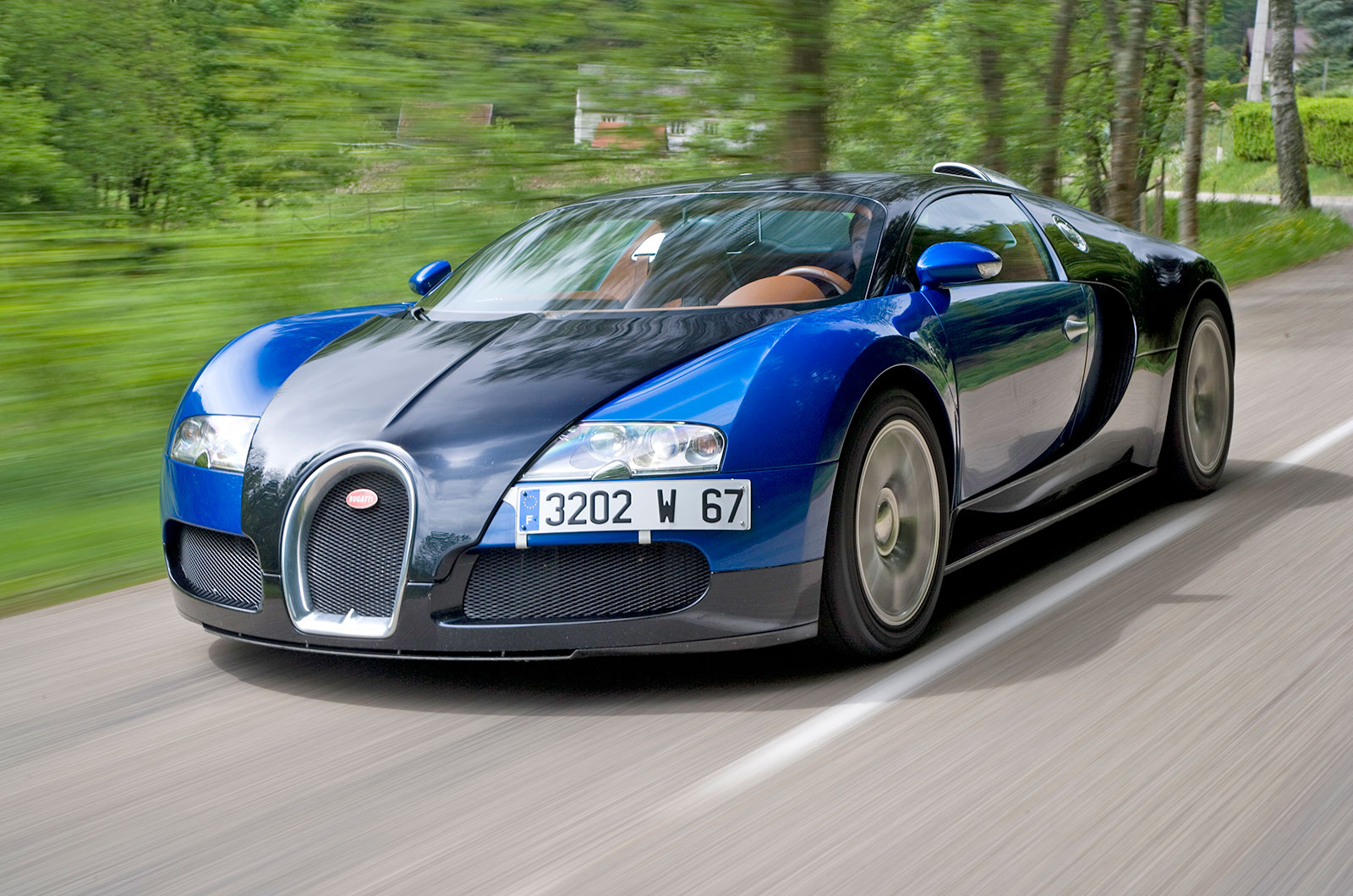
But was it really, really worth all the mountains of extra dosh for a car that – in the real world – had power and velocity that no-one could actually use? It was also 2.0 metres wide, making it one of the most cumbersome of city-drivers, and there were 10 radiators to keep topped up. And it was extremely expensive to both buy and operate.
Subaru Impreza STI WRX hatch (2008)
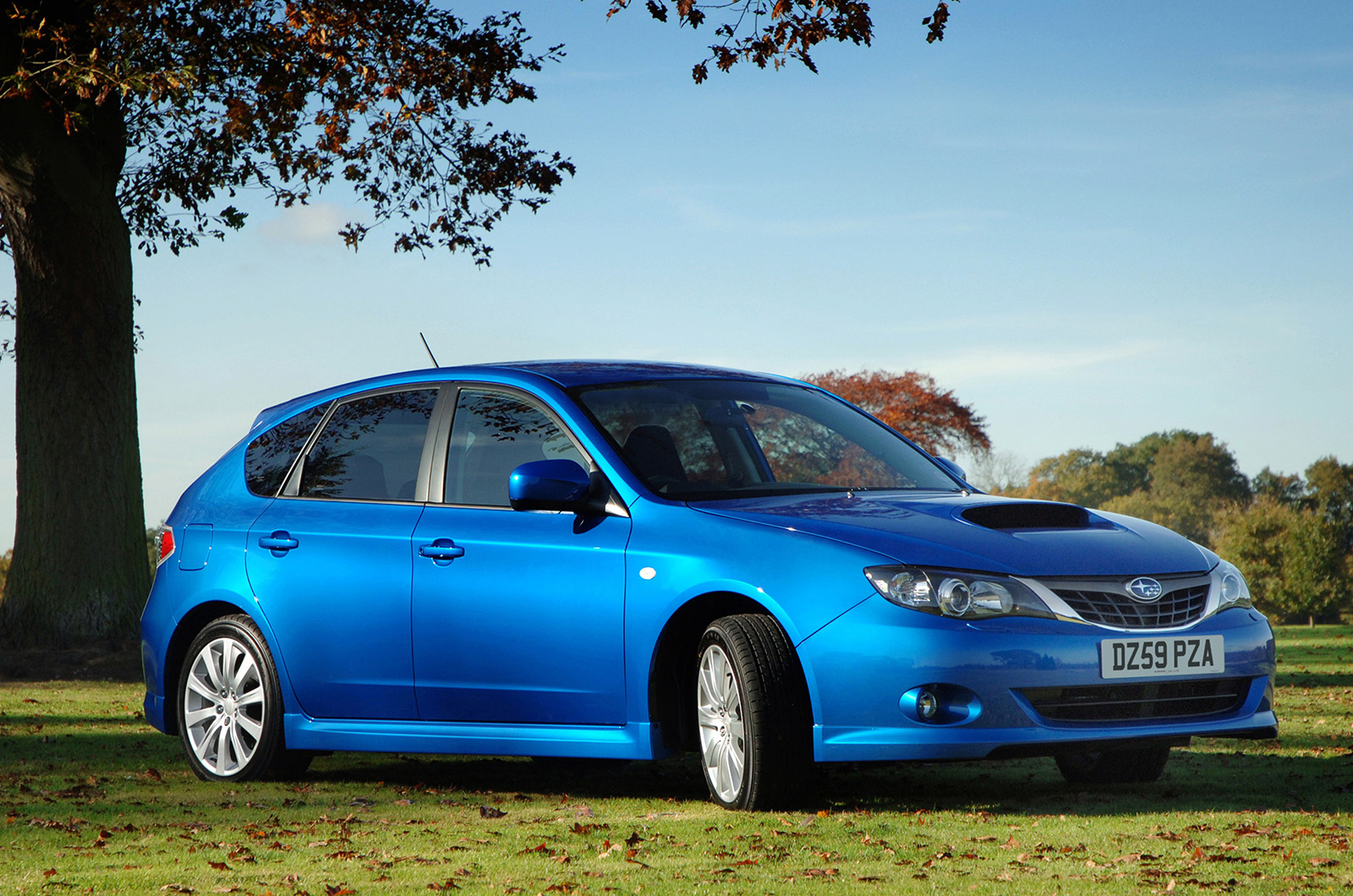
The raw performance largely remained from the old days, with 300bhp and prodigious, four-wheel drive grip as the 2.5-litre boxer engine rocketed the car to 60mph in 4.8sec. But no matter what the marketing and statistics relayed, the character had been lost in Subaru’s quest to broaden its hardcore Impreza’s appeal and align it with Germany’s performance best-sellers.
Subaru Impreza STI WRX hatch (2008)
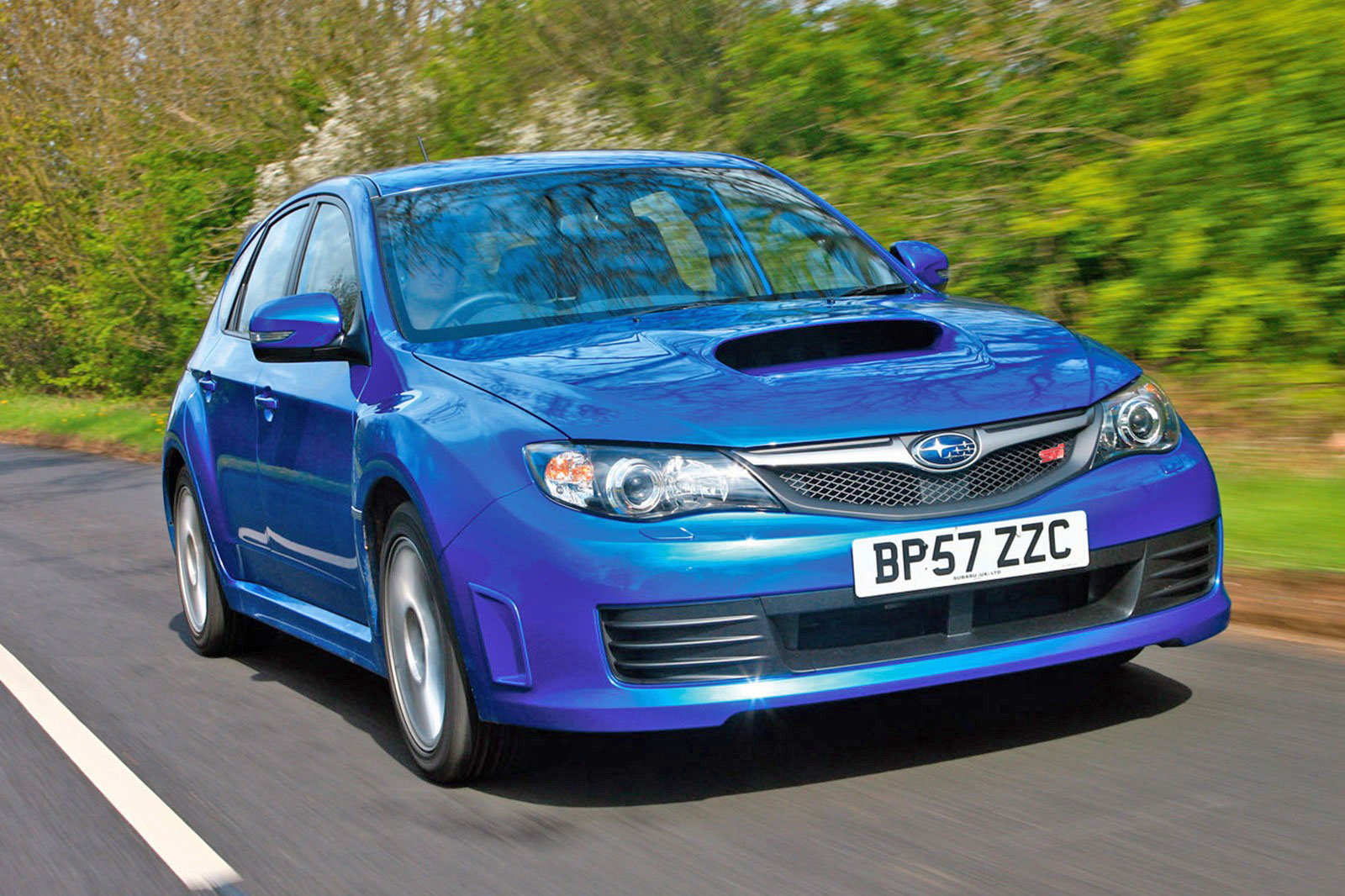
The familiar three-box shape, with its giant rear aerofoil, was gone, and in its place came a blander-than-bland five door hatchback. Then, Subaru’s cost-cutting team combed through the interior, making it as cheap and coarse as they could. It seemed like a shameful way to treat an icon…
Toyota GT86 (2012)
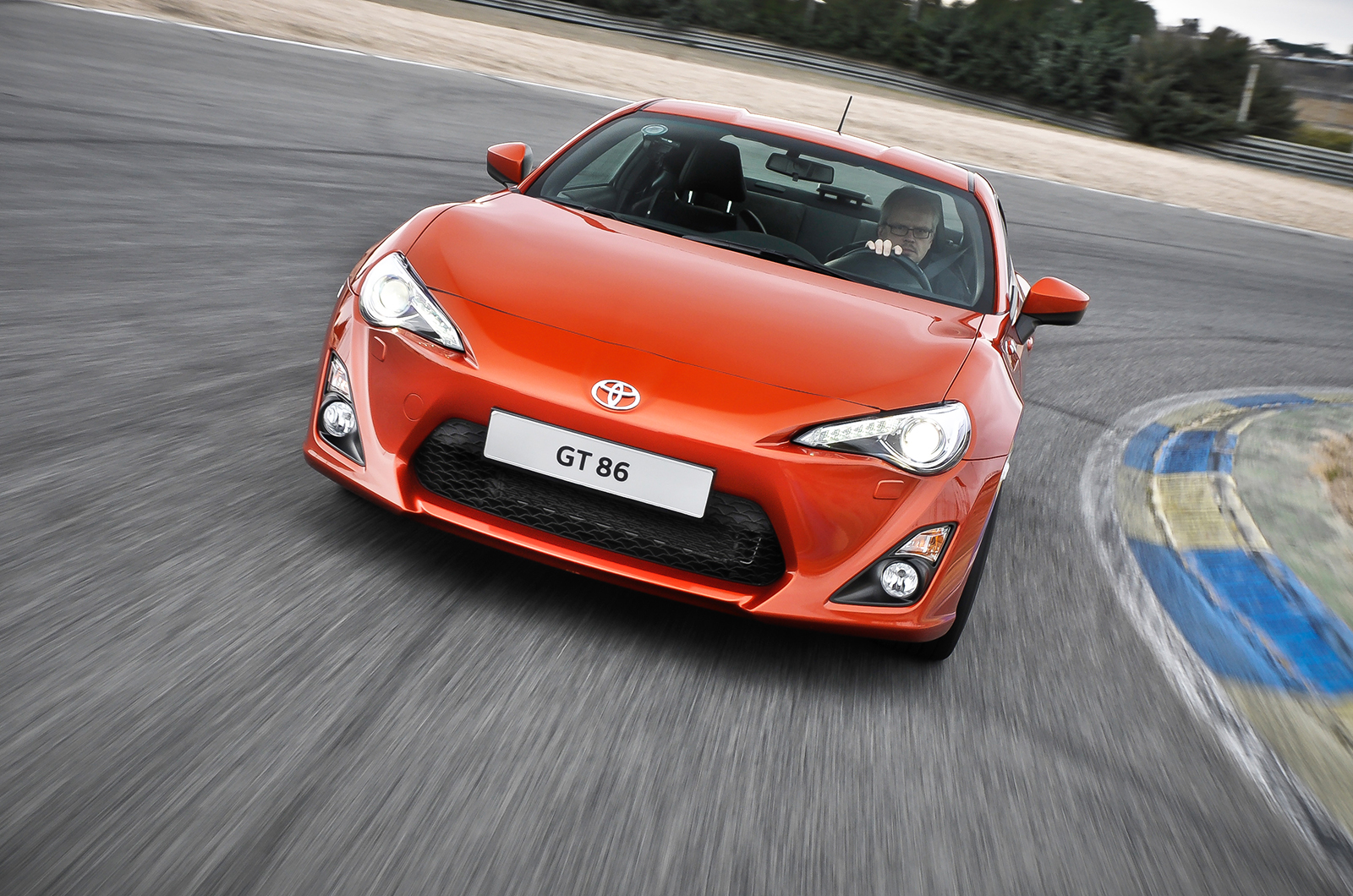
The 2.0-litre two-plus-two seater was designed to get back to basics with its rear-wheel drive and skinny tyres, and you did indeed get quite a basic car. And not necessarily in a good way: inside, it was claustrophobic and cheaply finished. Oversteer was the major characteristic of the handling – okay for some weekend drifting on a disused airfield, possibly a liability on rain-soaked public roads.
Toyota GT86 (2012)
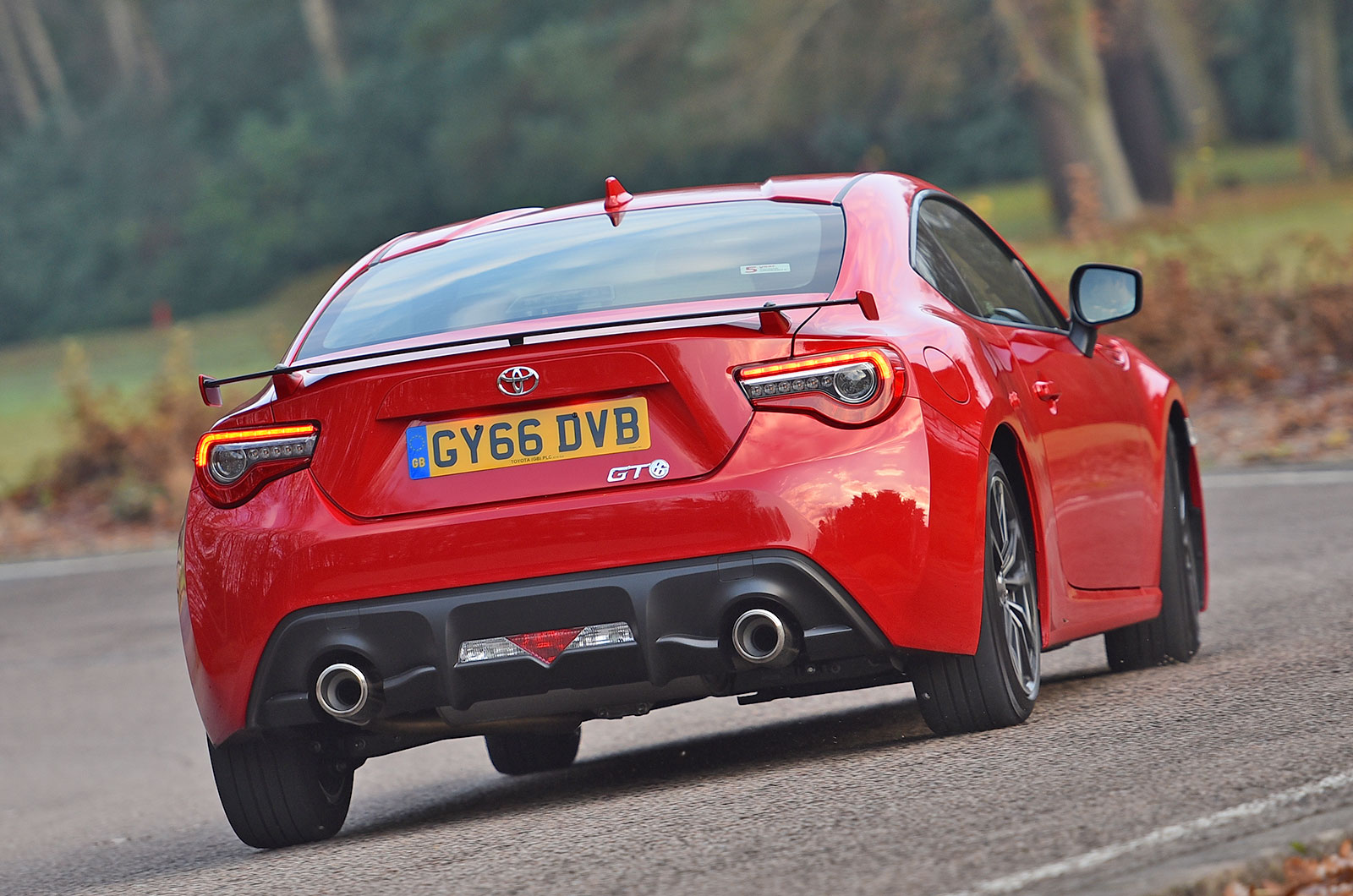
And there was a distinct lack of torque right in the middle of the rev range, which kind of put the kybosh on spirited everyday driving. None of it had to be this way, as Mazda’s all-round excellent MX-5 continued to demonstrate. The new GR86 takes the GT86 recipe and improves it.

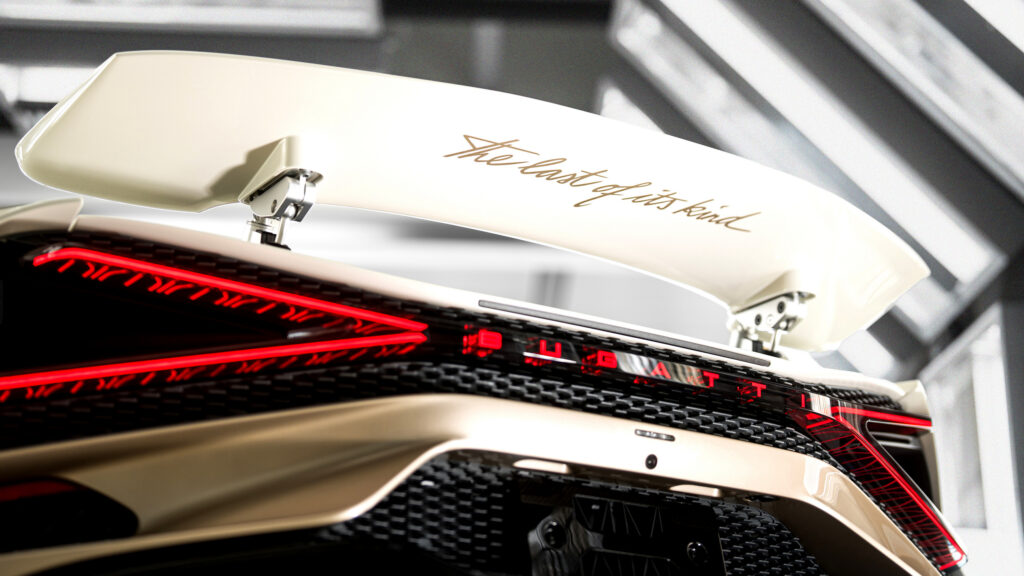
W16 Mistral Marks the Definitive End of Bugatti’s Catalog Hypercar Era, While Bespoke Commissions...

Hydrogen Combustion Advances as Toyota’s Super-Conducting Pump Boosts Liquid Hydrogen Racing Viability
 A new super-conducting pump is helping to revolutionise its hydrogen program
Toyota moved its hydrogen racing car programme on at the beginning of June with the TGRR GR Corolla H2 Concept and the TR LH2 Racing Prototype.
The pair made appearances at the Fuji 24 Hours Race in Japan and prior to the Le Mans 24 Hours respectively. Both are ICE-powered but fuelled by liquid hydrogen as part of Toyota’s research into developing the use of hydrogen fuel, which has been ongoing since the FCEV-1 hydrogen fuel cell prototype of 1996.
The GR Corolla, powered by a hydrogen version of the three-cylinder GR Yaris engine, completed 468 laps at the finish with fuel being fed to the engine by a new, super-conducting hydrogen pump, something that Toyota is claiming as a world first. The job of the hydrogen pump is to compress liquid hydrogen as it leaves the tank on its way to the engine.
Previously, pumps were fairly conventional affairs powered by an electric motor. The new pump has a super-conducting motor, super-conductivity being a phenomenon that occurs at extreme low temperatures, such as at liquid hydrogen’s -253deg C. With this arrangement, the pump can therefore be mounted inside the tank instead of on top, as in the case of previous versions.
Doing so frees up space, increasing the tank’s capacity from 220 litres in 2025 to 300 litres. The motor unit is fairly hefty so mounting it lower, inside the tank, subsequently lowers the centre of gravity, which should improve vehicle dynamics.
The car was also paired with Toyota’s Direct Automatic Transmission (DAT), the first time that unit has been used in conjunction with the hydrogen engine. The DAT is an eight-speed torque-converter automatic, developed on the race track and rally stage.
A match for a dual-clutch transmission and faster than a manual, says Toyota, the DAT brings lock-up clutches into play once the car is rolling to avoid driveline slip and was calibrated on track to anticipate the driver’s next move.
The Corolla first appeared with Rookie Racing in the Japanese Super Taikyu Series as the ORC Rookie GR Corolla H2 Concept, and was fuelled by gaseous hydrogen from 2021 before the introduction of liquid hydrogen from 2023.
The GR Yaris H2 also demonstrated the company’s hydrogen ICE technology by completing demonstration runs at the 2022 Ypres Rally, a round of the World Rally Championship. As part of the programme, Toyota has also experimented with recycling ‘boil-off gas’ into the engine, avoiding wastage as liquid hydrogen evaporates due to its extreme low temperature.
Last year, Toyota rolled out its GR LH2 Racing Concept at Le Mans and also at Goodwood on static display. Based on the GR010 Hybrid WEC car, and now elevated to ‘Racing Prototype’ with the name TR LH2, the car completed a demonstration lap at La Sarthe on 11 June, prior to the Le Mans 24 Hours, which Toyota’s TR010 Hybrid WEC car won.

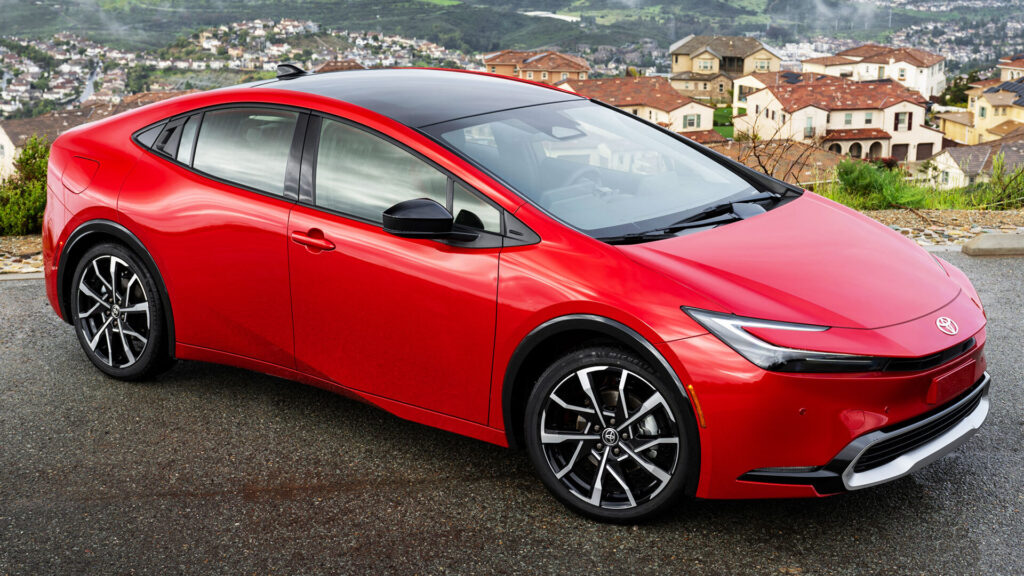
Prius Faces Steep Sales Decline as 2027 Model Offers Minimal Updates Amid Rising Prices

Blue Angels Low Beach Flyover Highlights Risks of Unauthorized Maneuvers and FAA Safety Violations


Bentley Torcal Reinvents Electric Luxury with Orchestral Soundtrack and Analog Design Touches
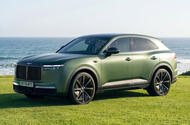
Autocar rendering showcases how Torcal will draw on the EXP 15 conceptCall it Charlie Watts: the first electric Bentley plays the drums rather than faking engine note
Bentley’s first electric car will replace the roar of a large-capacity combustion engine with an orchestral soundtrack that uses musical instruments to mimic the character of a V8.
Rather than synthesise an engine noise like the Hyundai Ioniq 5 N or amplify the actual sound of its EV motors like the Ferrari Luce, the new Torcal SUV takes an entirely different approach to fill the silence of an electric powertrain.
Bentley took inspiration from the “incredible engines” in its back catalogue – including the very early supercharged motors of the 1930s, the long-serving 6.75-litre V8 and the more recent W12 – as it worked to create a distinctive ‘engine note’ for the Torcal.
The priority, said Bentley, was to ensure its debut EV provided the same “immersive and emotional experience” under acceleration as its petrol-powered forebears - an experience it likens to “listening to a grand orchestral performance”.
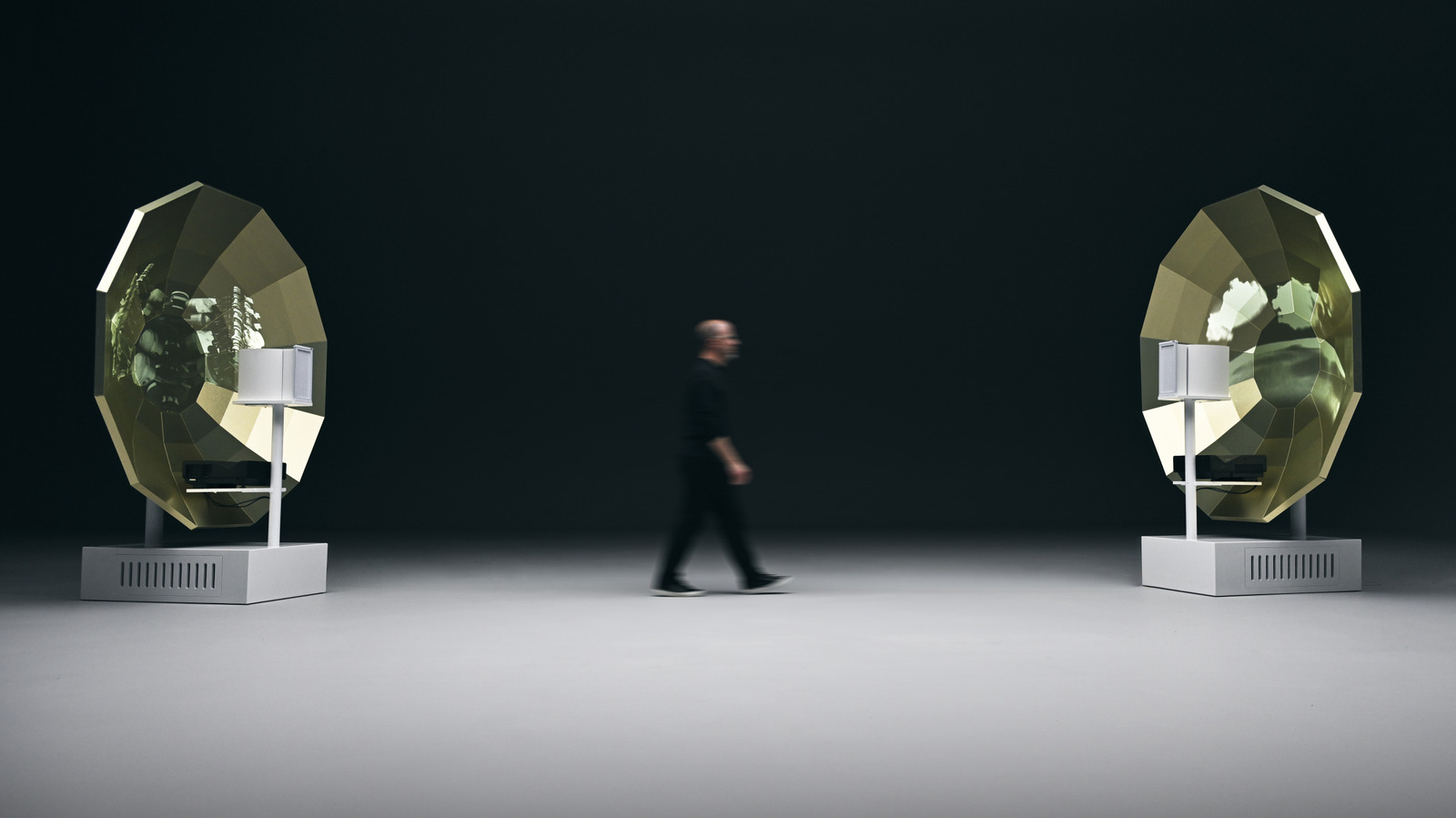
To that end, Bentley put a V8 engine in a studio and analysed its aural characteristics, determining that “rhythm, rather than pure mechanical tone, was central to its emotional appeal”. Comparing the V8 with a live drummer, it said, “revealed striking similarities in energy, cadence and impact”.
Another finding was that a combustion engine soundtrack is “not perfectly uniform” but rather contains subtle variations and imperfections that “introduce a distinctly human quality”.
The end result is the ‘Bentley Dynamic Symphony’ (listen below), which “is not designed to replicate an engine but to evoke the same feelings”.
Primarily using drums to replicate the thump and thrum of a V8 engine, the Torcal’s soundtrack will also feature viola and bass guitar to create a “powerful and emotive” feeling on the move.
Bentley said it will respond to driver inputs too, suggesting the tempo will increase under acceleration and vice versa.
The Torcal, which is in the final stages of testing ahead of its unveiling on 23 September in London, will effectively be a production-ready interpretation of the EXP 15 concept that Bentley revealed last year as a showcase of its new-era design language.
Like the Bentayga, Bacalar and Batur, the Torcal is named after a natural landmark, in this case El Torcal de Antequera, a limestone rock landscape in Andalusia, Spain. The moniker is also a nod to the Latin verb 'torquere', which means to twist and is the origin of the word 'torque'.
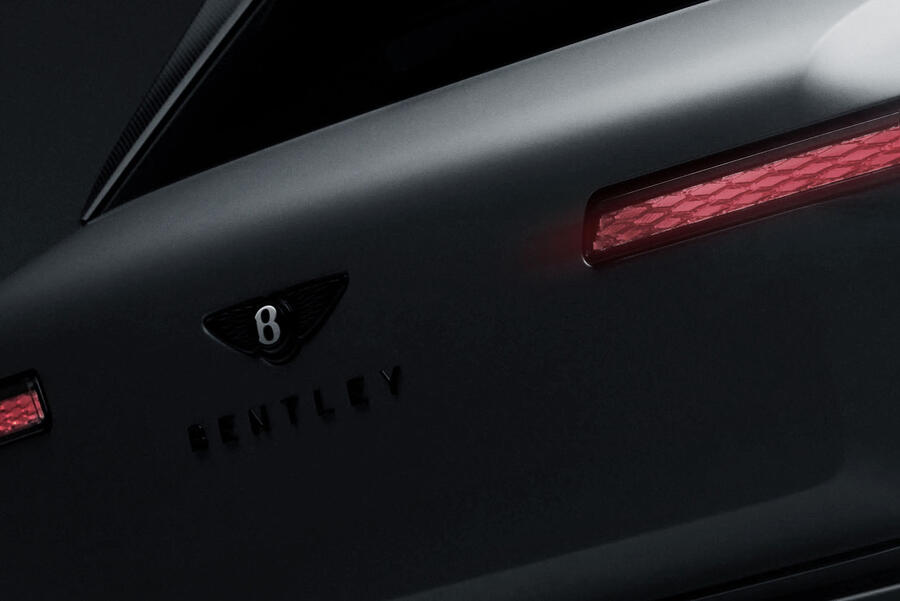
The 5m-long SUV will sit below the Bentayga in Bentley's line-up. Defining features that were previewed on the earlier show car include a striking illuminated grille panel, new-look vertical LED quad headlights and - as the first official preview image reveals – the so-called "prestigious shield" at the rear, which is modelled on the luggage carriers fitted to vintage Bentley tourers.
While it's similar in silhouette to Bentley's existing SUV and not significantly smaller, the Torcal is wholly distinct in its design. It is not intended as a replacement for the V8-powered Bentayga, which will remain on sale and gain a new combustion-powered generation in 2028, in line with Bentley's strategy of offering a multi-powertrain offering globally.
The Torcal was originally scheduled to make its market debut last year but was pushed back in light of weak demand for electric luxury cars. The other EVs that were due to follow it have been similarly delayed, with Bentley scrapping its earlier plan to go all-electric by 2030.
The firm will now instead launch a new plug-in hybrid or pure-electric model each year until 2035. Rival brands including Aston Martin, Porsche, Lotus and Lamborghini have also slowed their EV transition plans and now Bentley will be first to market with an EV in this price bracket.
The Torcal is expected to go on sale from around £170,000 - roughly halfway between the likes of premium propositions including the BMW iX and Volvo EX90, and full-blown ultra-luxury models like the Rolls-Royce Spectre and Ferrari Luce. Its closest rival will be the new electric Range Rover. Bentley believes now is the right time to launch its first electric car, despite the market uncertainty. It claims the new SUV will be "the right car in the right environment more of the time", touting day-to-day practicality as one of its defining attributes.
Bentley has confirmed it will offer a range of "more than 300 miles". Bentley director of design Robin Page previously told Autocar the Torcal will not chase any outright range records. "We're finding that there's a sweet spot in terms of range. Our customers are basically telling us that 300-350 miles is that sweet spot. Beyond that, they'll use the private jet," he said.
Underneath, the Torcal will be closely related to the Porsche Cayenne Electric, mirroring the relationship between the Bentayga and petrol-powered Cayenne.
Based on the same PPE electric architecture as its German cousin, the Bentley is set to take its power from a 113kWh battery capable of charging at up to 390kW, which in the Porsche allows for a 10-80% top-up in fewer than 16 minutes. Like the Porsche, the Bentley is expected to be dual-motor as standard, but Bentley has not yet indicated whether it plans to match the heady output of the flagship Cayenne Turbo, which has 1140bhp and 1106lb ft. The 657bhp of the mid-rung Cayenne S would seem more in keeping with the Torcal's refined remit.
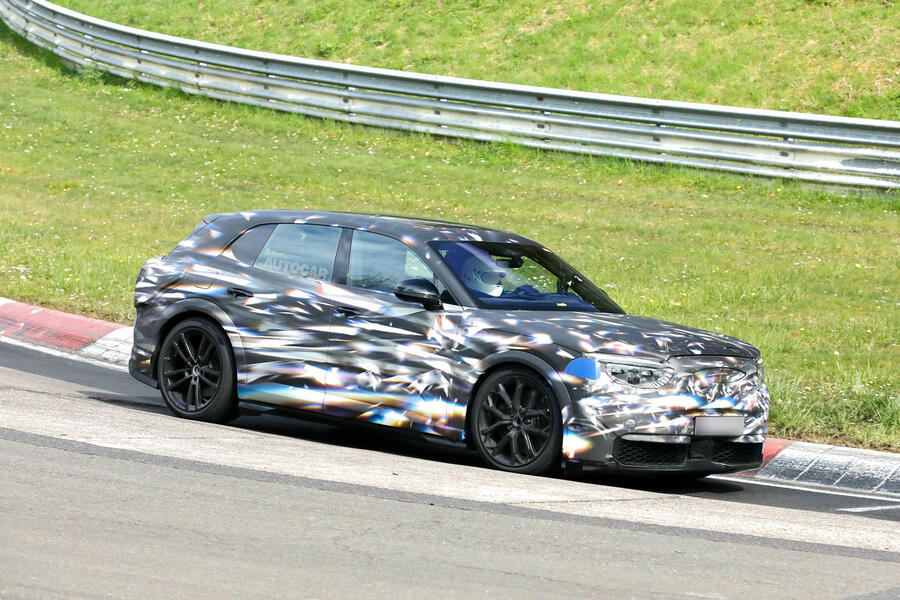
Bentley has still to preview the cabin of its new model, but recent spy shots reveal it will feature the same curved central touchscreen as the Cayenne, portrait-oriented and split into two sections: infotainment at the top and climate control settings below. However, while this will be the largest screen yet fitted in a Bentley at 14.25in - it is unlikely to herald an all-out focus on digital controls.
The future-looking EXP 15 concept's cabin placed a renewed emphasis on physical controls to cater to the modern luxury buyer's analogue preferences. "What we're finding, especially at our end of the market, is that people are a bit bored with full-digital screens," said Page earlier, suggesting that Bentley may not offer a secondary passenger touchscreen, as Porsche does. "What makes us premium is to keep a good level of mechanical detailing that the others can't do."
Bentley will reveal further details in the run-up to the Torcal's debut in September, which will be around the time the electric Range Rover is officially revealed and just a few weeks before Jaguar takes the wraps off the long-awaited Type 01 GT - making it a landmark moment for the UK's automotive industry and taking the country's series-production EV count from two to five.