

Honda Collection Hall Showcases the Evolution of Innovation From Soichiro Honda’s Early Racing to...
 The official Honda museum in Motegi is a must for both automobile and motorcycle fans
Situated about two hours north of Tokyo in the rolling hills and forests of Tochigi province is the Honda Collection Hall.
Located at the Motegi Twin Ring complex, which can be a bit tricky to get to, the museum is a delight for all automotive fans. Built in 1990, the site includes impressive oval and road course race circuits, a hotel, go-kart track, hiking trails and camping areas as well the museum.
Featuring treasures from company founder Soichiro Honda’s early pre-war racing, the birth of the motorcycle company up to more recent history of Formula One, sports car and Indy car racing, the museum celebrates the Honda philosophy of ‘creating products that serve people’.
Autocar recently visited and these are the highlights from our intriguing visit:
Curtiss Special (1924)
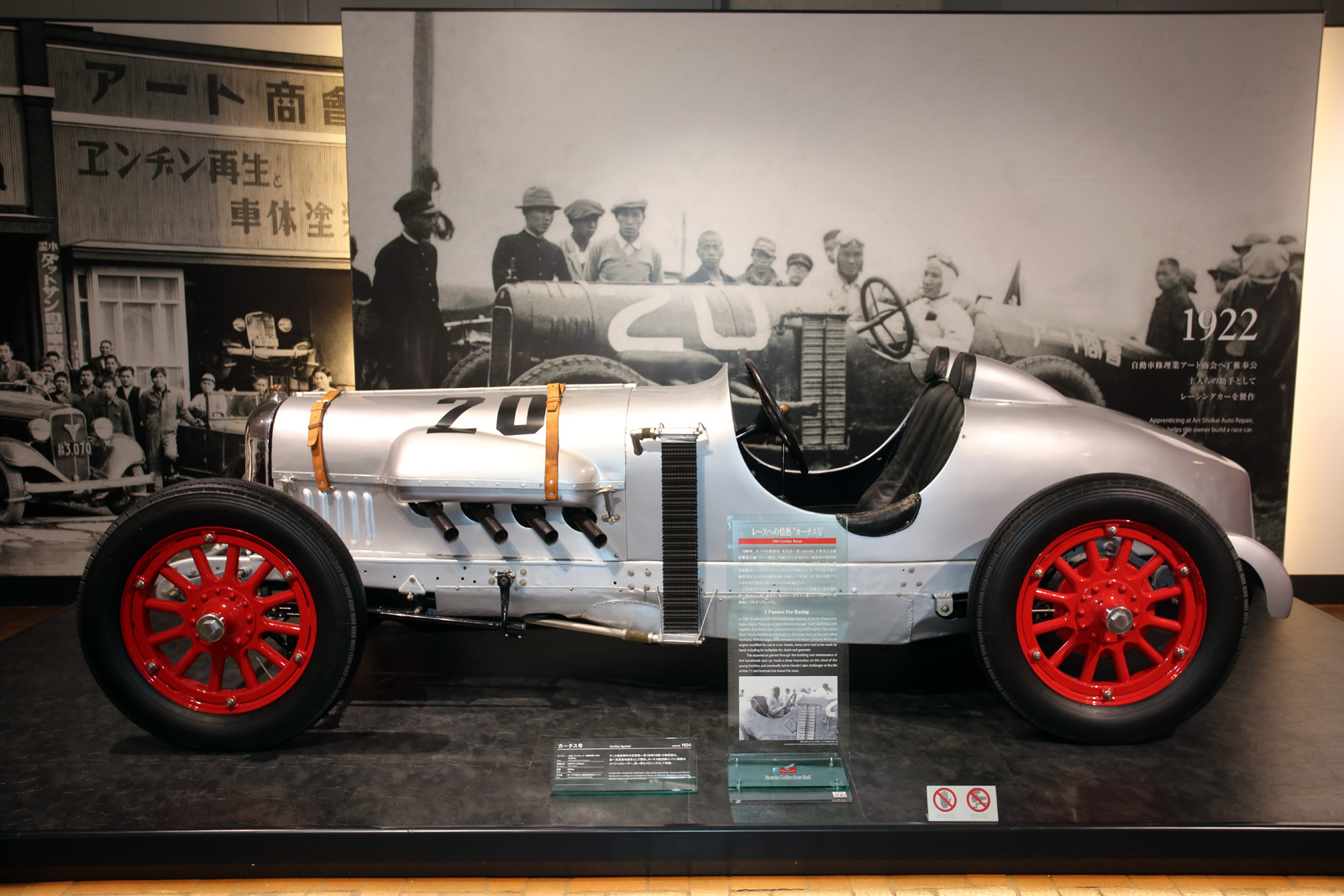
This is the race car that the young engineer Soichiro Honda worked on at the Art Shokai automobile service station in Tokyo, competing in as riding mechanic and firing his passion for motorsport. The car featured an 8.2-litre overhead valve Curtiss V8 aircraft engine mounted in a bespoke chassis and multi plate clutch.
Honda S360 (1962)
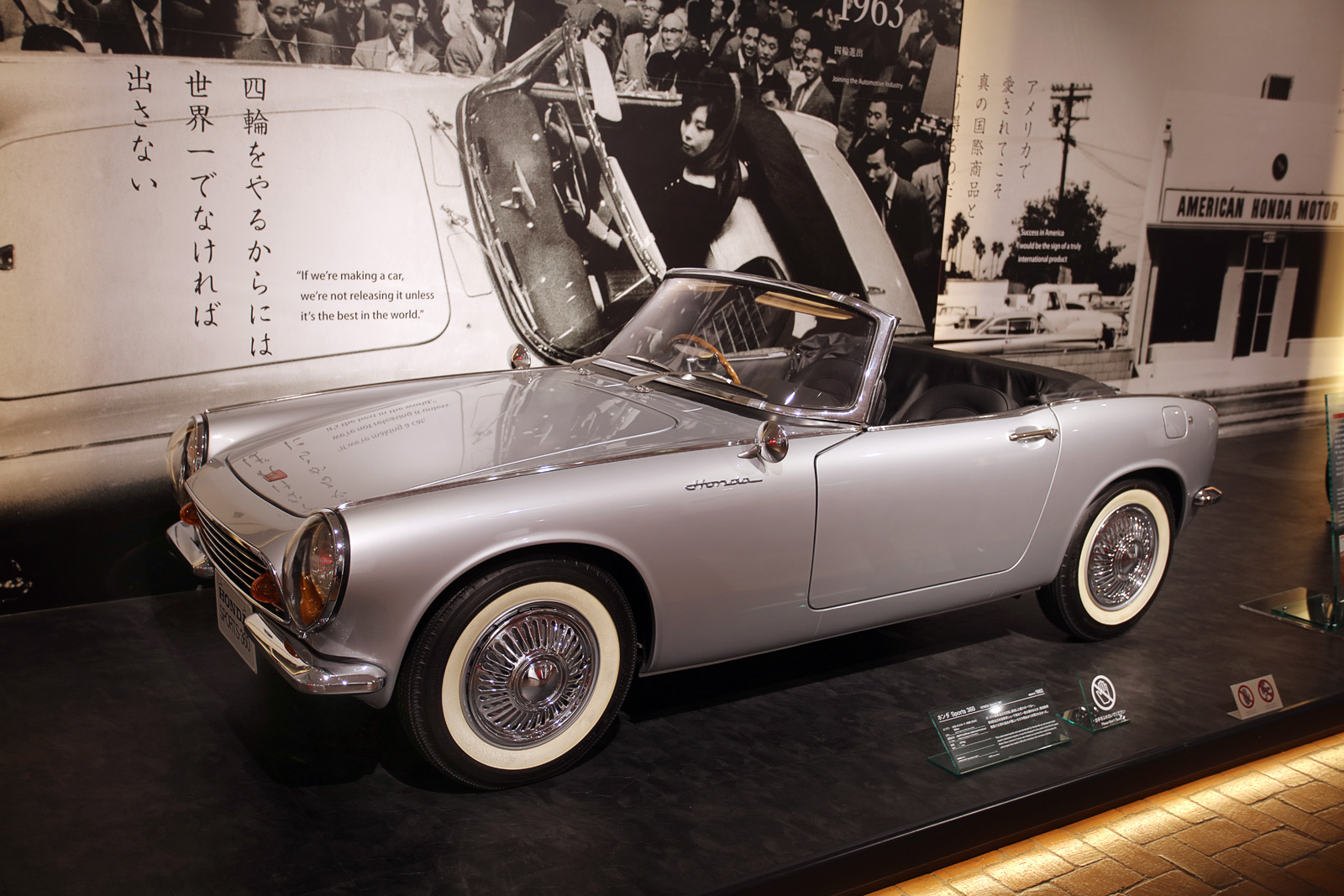
Honda’s first car was this pretty little sports car developed using much of its motorcycle technology. It featured a 356cc DOHC four power plant with chain rear wheel drive and weighed in at just 510kg. Effectively a prototype, it never saw full scale production.
Honda S500 (1963)
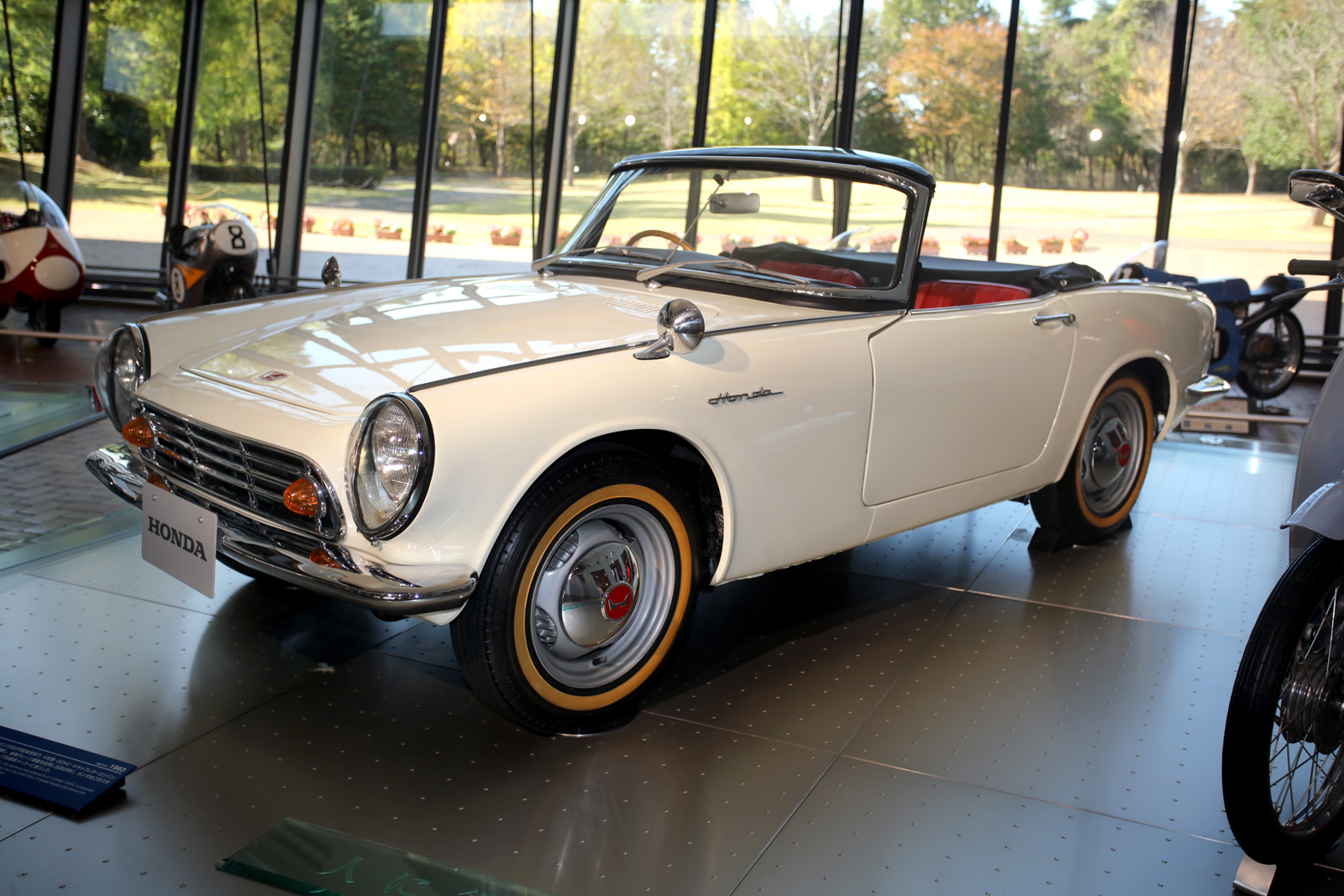
Realising that customers needed more performance, this is the first Honda that made it to market, thankfully with a larger engine. It featured a 530cc straight four-cylinder, four carburettor DOHC engine. Despite being one-third heavier than the prototype at 680kg, the 44bhp machine could achieve 85mph. With a nod to both its motorcycle past and its future, its engine speed redline was at a heady 9500rpm.
Honda S800 (1968)
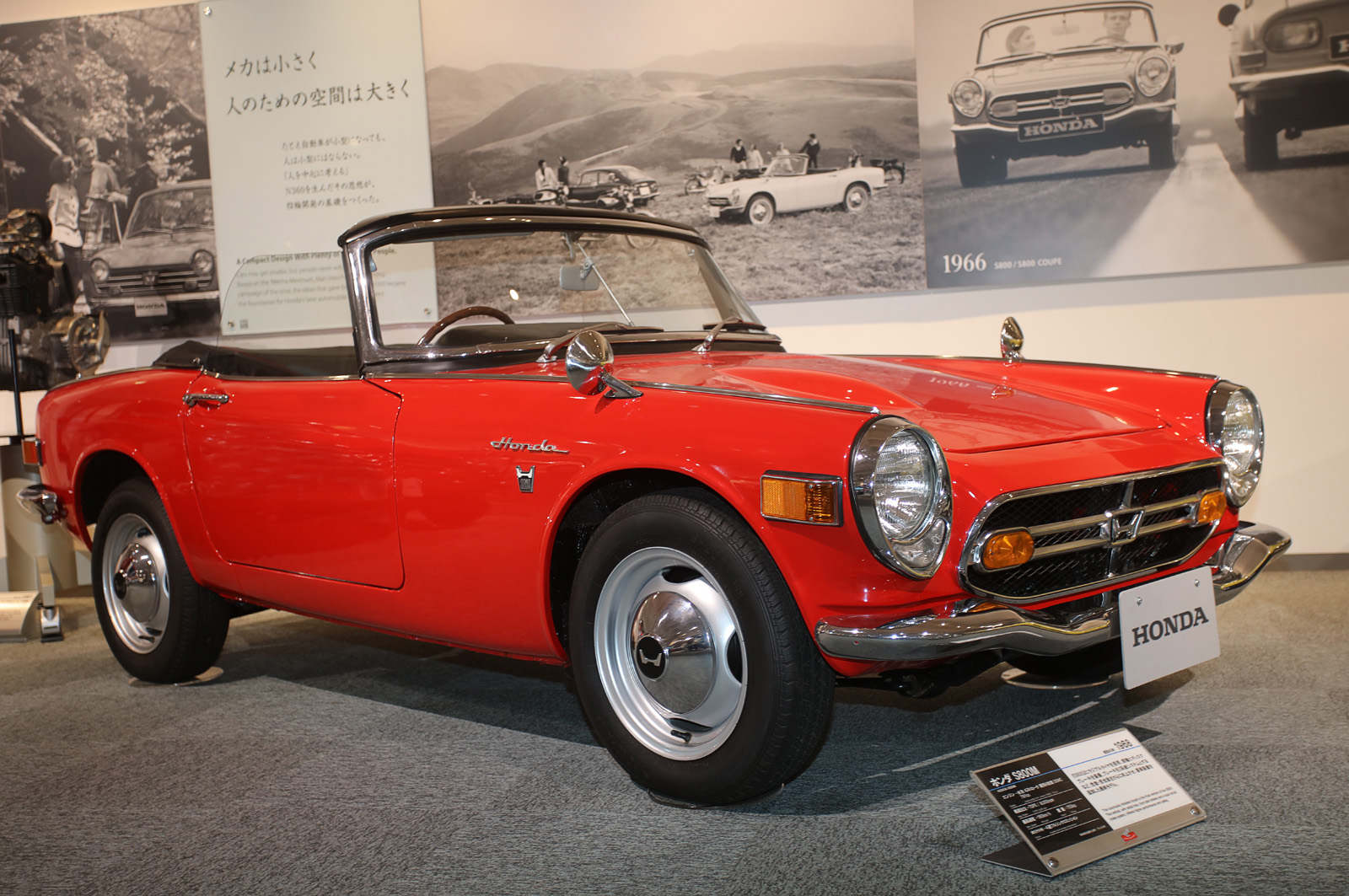
The final iteration of the S series was the S800M available both as a roadster and a coupe. With dual- circuit brakes, discs up front, four speed synchromesh gearbox and 70bhp at 8000rpm on tap, it was capable of 100mph. Built to take on the export market of the sporting MG and Triumph range, Honda described it as ‘the fastest production 1.0-litre car in the world’.
Honda N360 (1967)
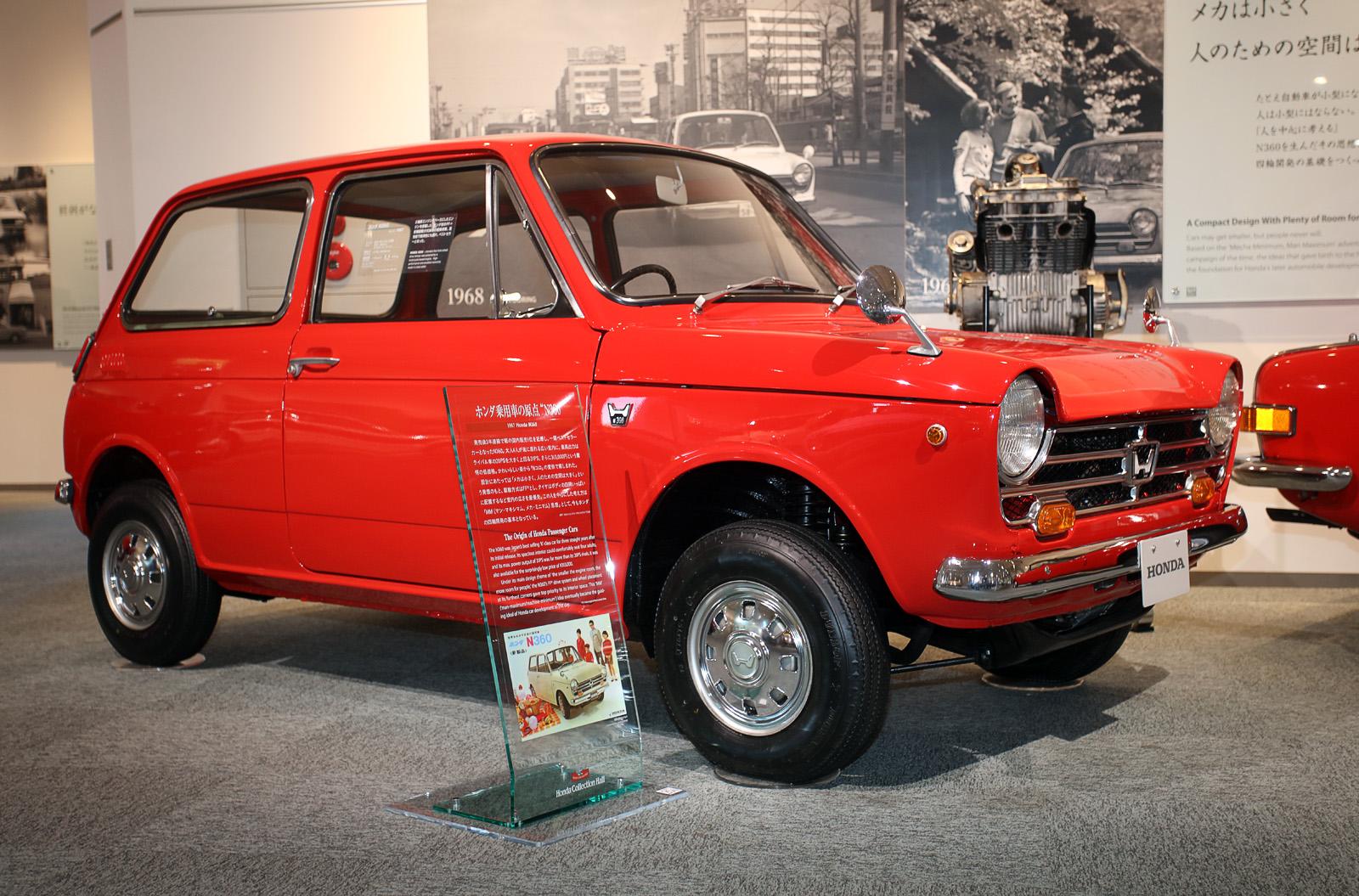
Using the mantra of ‘man maximum/machine minimum’ Honda produced the N360 and it was Japan’s best-selling ‘kei’ car for three years running after launch. With 30% more power than its rivals, it featured an air-cooled 356cc in line four delivering 31bhp to the front wheels. The spacious interior could comfortably seat four adults, or so Honda claimed.
Honda 1300 (1969)
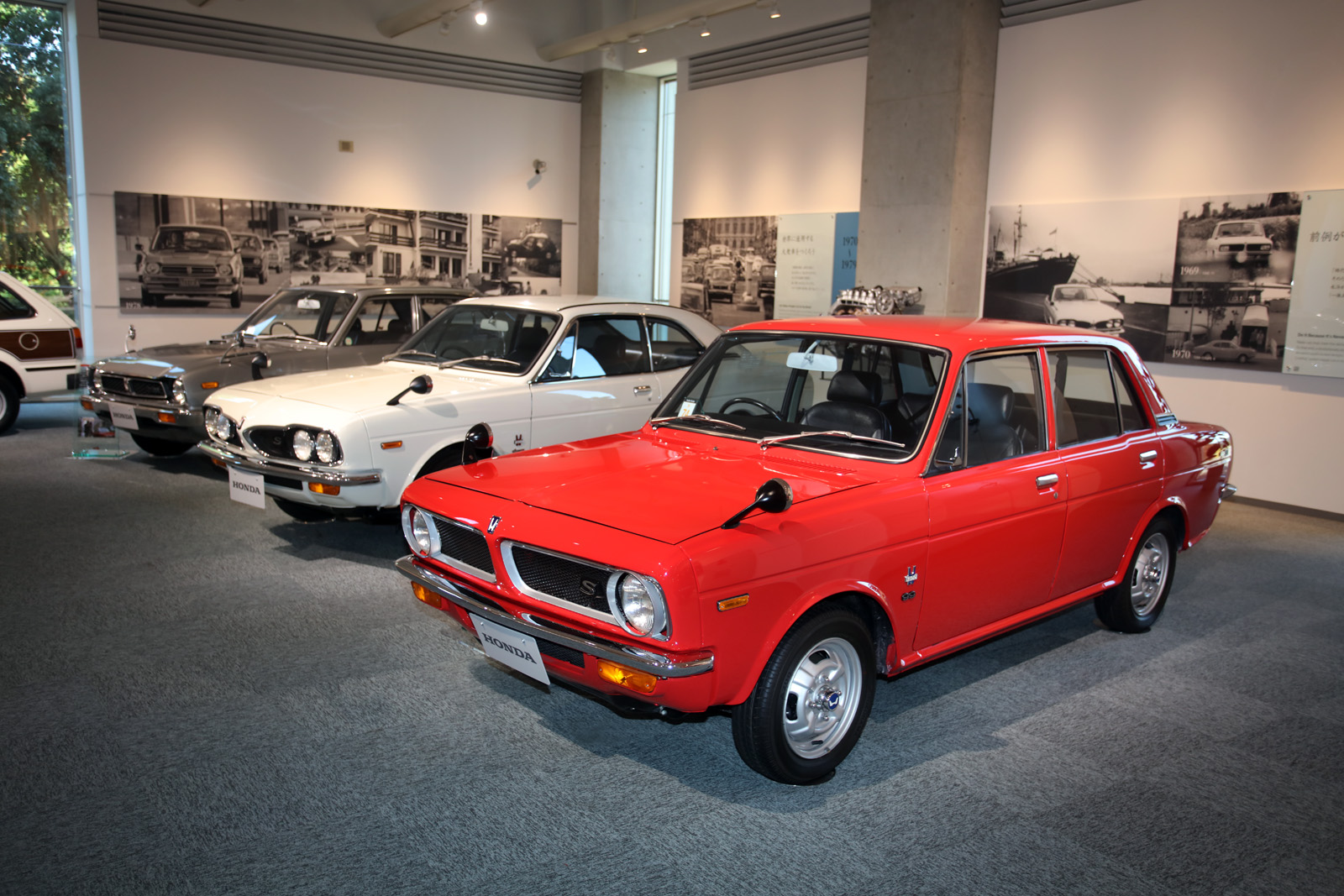
Honda biggest car to date was this 1.3-litre air-cooled and front wheel drive model. It featured founder Soichiro Honda’s innovative Duo Dyna Air Cooling, a system that forced cooling air from a fan mounted on the flywheel through a jacket around the four-cylinder engine.
Honda 1300 Coupe S (1970)
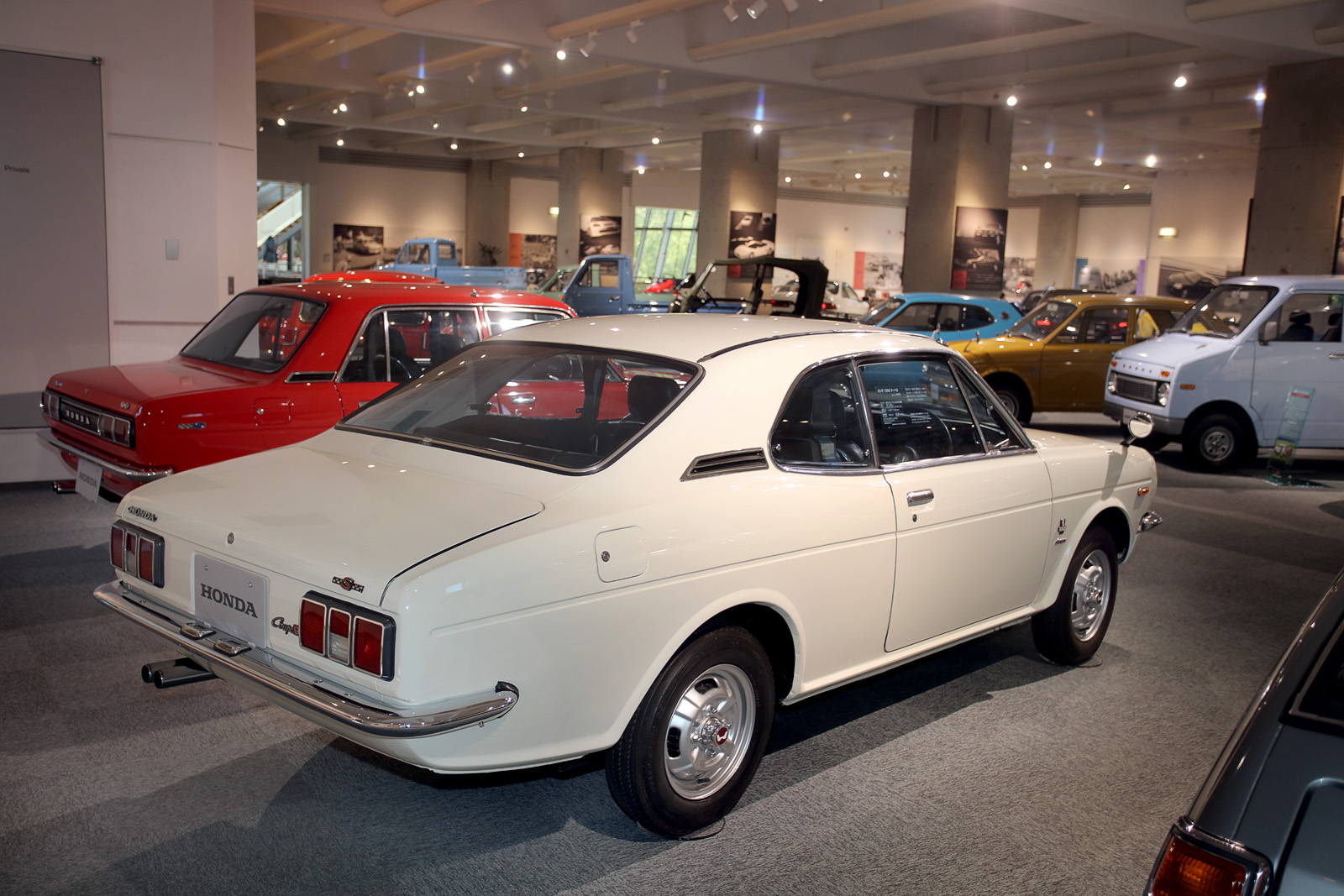
Available in two body styles, Sedan and Coupe the four carburettor all-aluminium SOHC dry sump engine developed more than 110bhp and was much loved by racers. It was to be Honda’s last air-cooled car engine.
Honda Civic (1972)
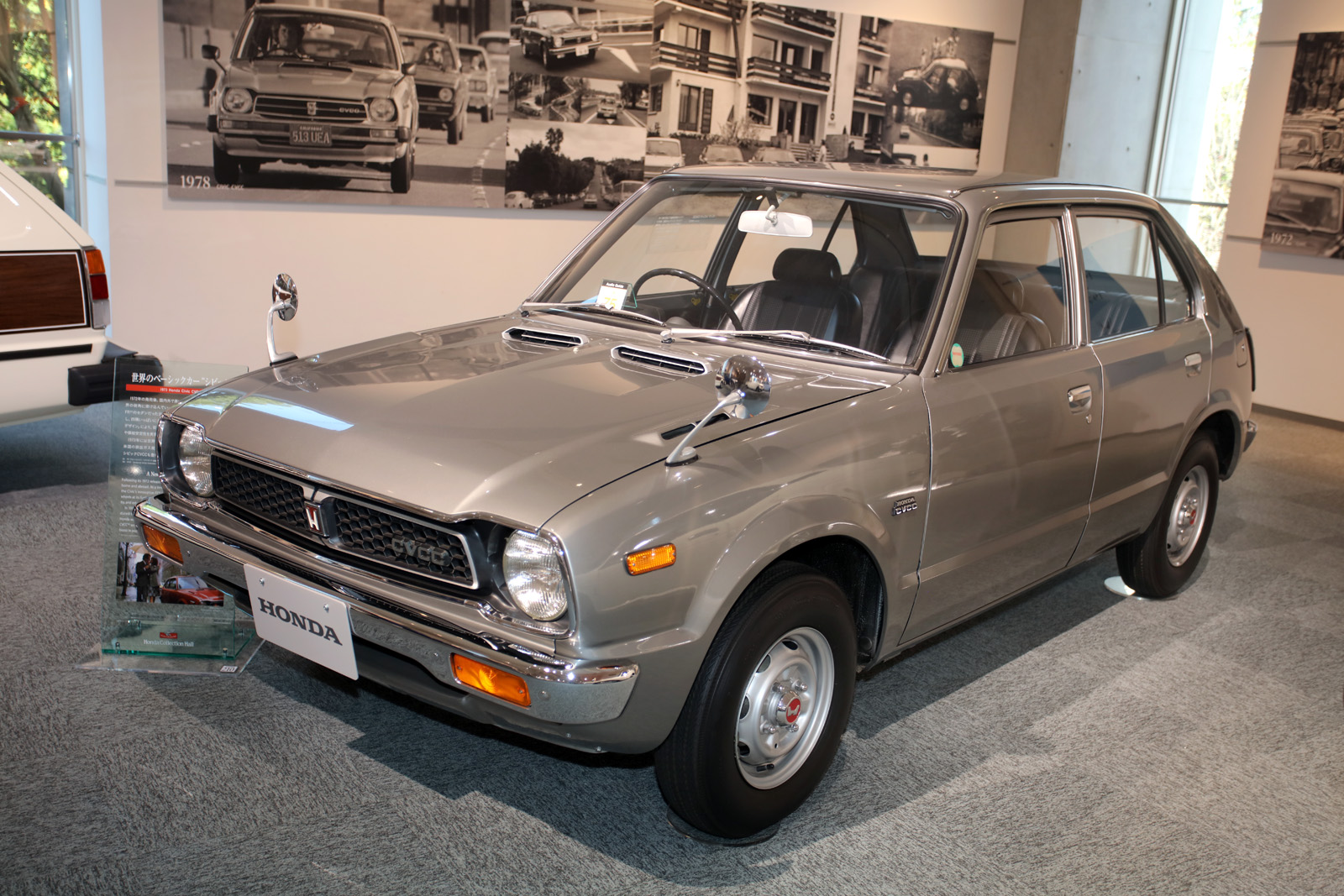
The Civic set a new standard for small cars in the world. The styling was modern with a powertrain layout mimicking the best-selling Mini, with a wheel in each corner and transverse FWD engine. In 1973 the Civic was the first car to be fitted with Honda’s CVCC low emission engine to meet the stringent new US emissions rules.
Honda Civic Country estate car (1980)
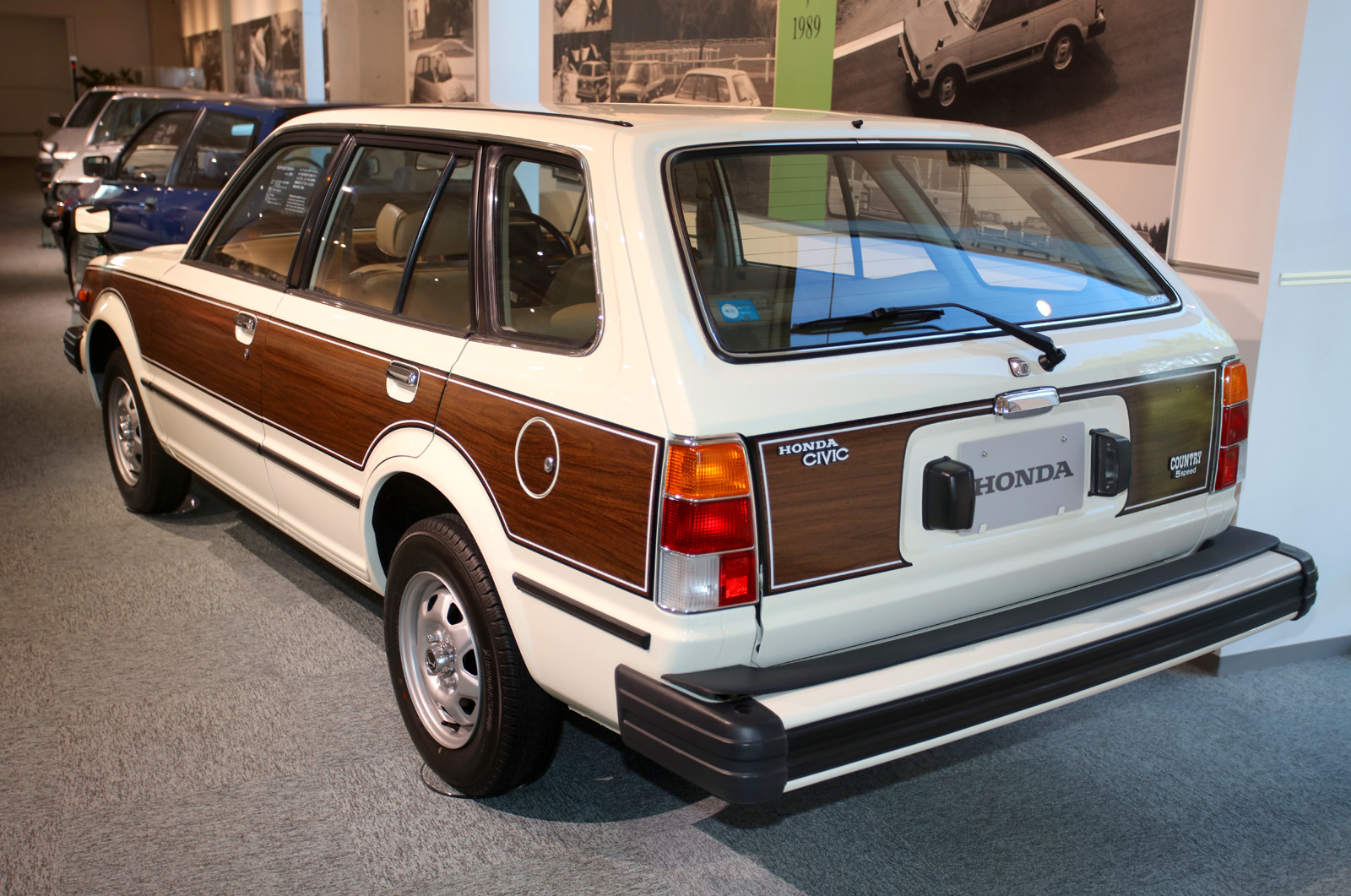
For the second generation of Civic the ‘Country’ station wagon was added to the list of models available that also included a saloon, coupe and hatchback. There was also the option for the new two-speed Hondamatic transmission featuring sliding rather than planetary gears to reduce drag. The Civic is now its tenth generation; 20 million Civics have been sold to date, over half of them in America.
Honda RA272 F1 car (1965)
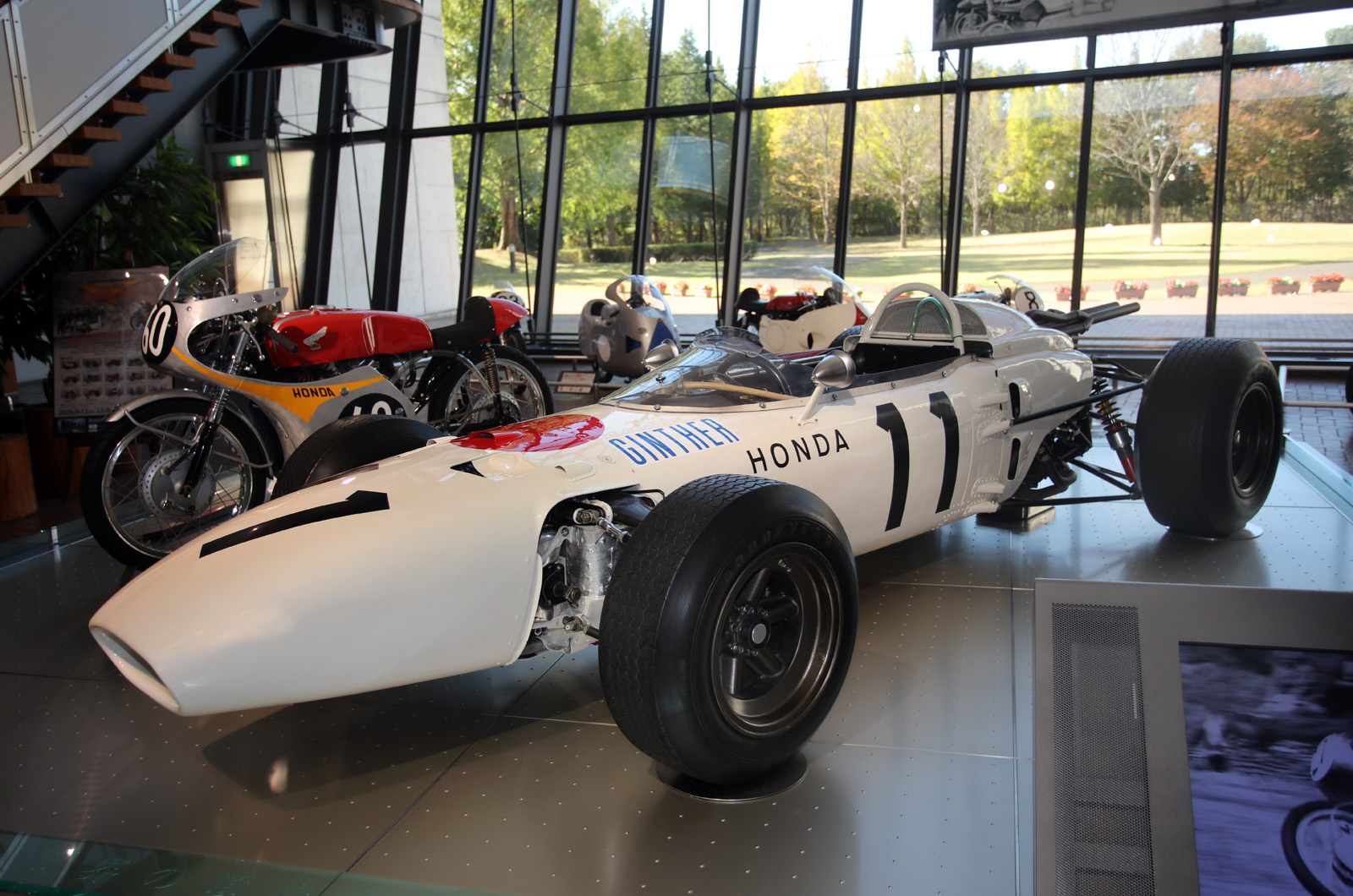
The RA272 was the first Japanese car to win a Formula One Grand Prix. The RA 272 debuted at Monaco with Americans Richie Ginther and Ronnie Bucknum behind the wheel. With a real screamer of a transversely mounted 1.5-litre V12 high revving engine, the car was very fast off the line. While it proved initially unreliable, in the season’s final race in Mexico Ginther took the lead on the first lap and stayed there right through to the chequered flag.
Honda P800 Pick-Up (1966)
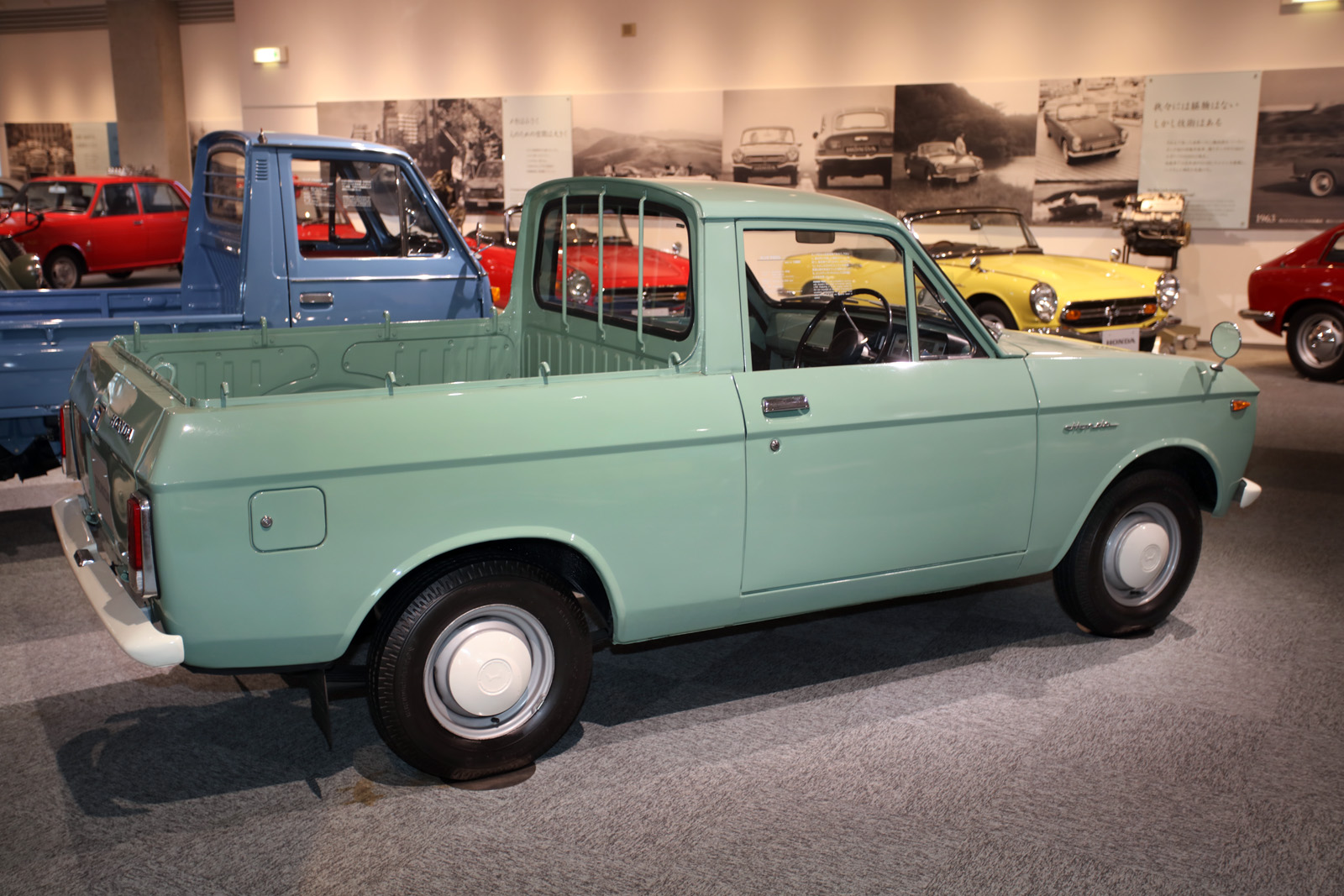
Just over 1000 of these nippy little pick-ups were built featuring mechanicals from the S800 sports car and a chassis from Honda’s first light commercial vehicle, the L700. With 58bhp on tap from its 791cc DOHC straight four-cylinder engine and rear-wheel drive, the P800 boasted excellent performance, though sales were scarce.
Honda Z (1970)
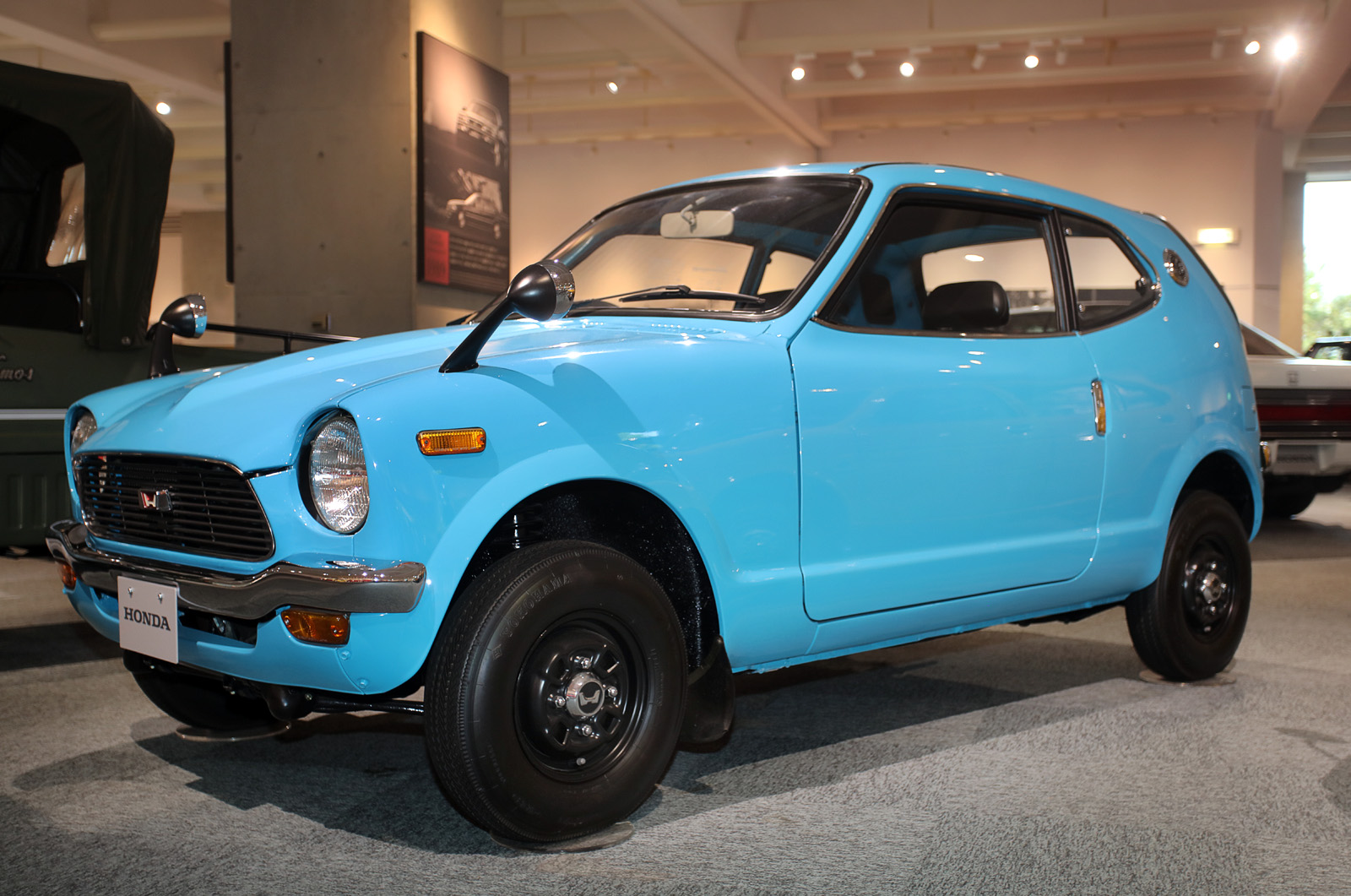
With wacky dayglo colours right on trend for 1970 the ‘Z ‘ was one of first specifically designed city or ‘Kei’ cars to appeal on the exterior design front. Initially sold through Honda motorcycle dealers before the more mainstream Civic spawned car concessions, the Z was available with a range of small air-, and later, water-cooled engines and continued in production until 1974.
Honda Life Step Van (1972)
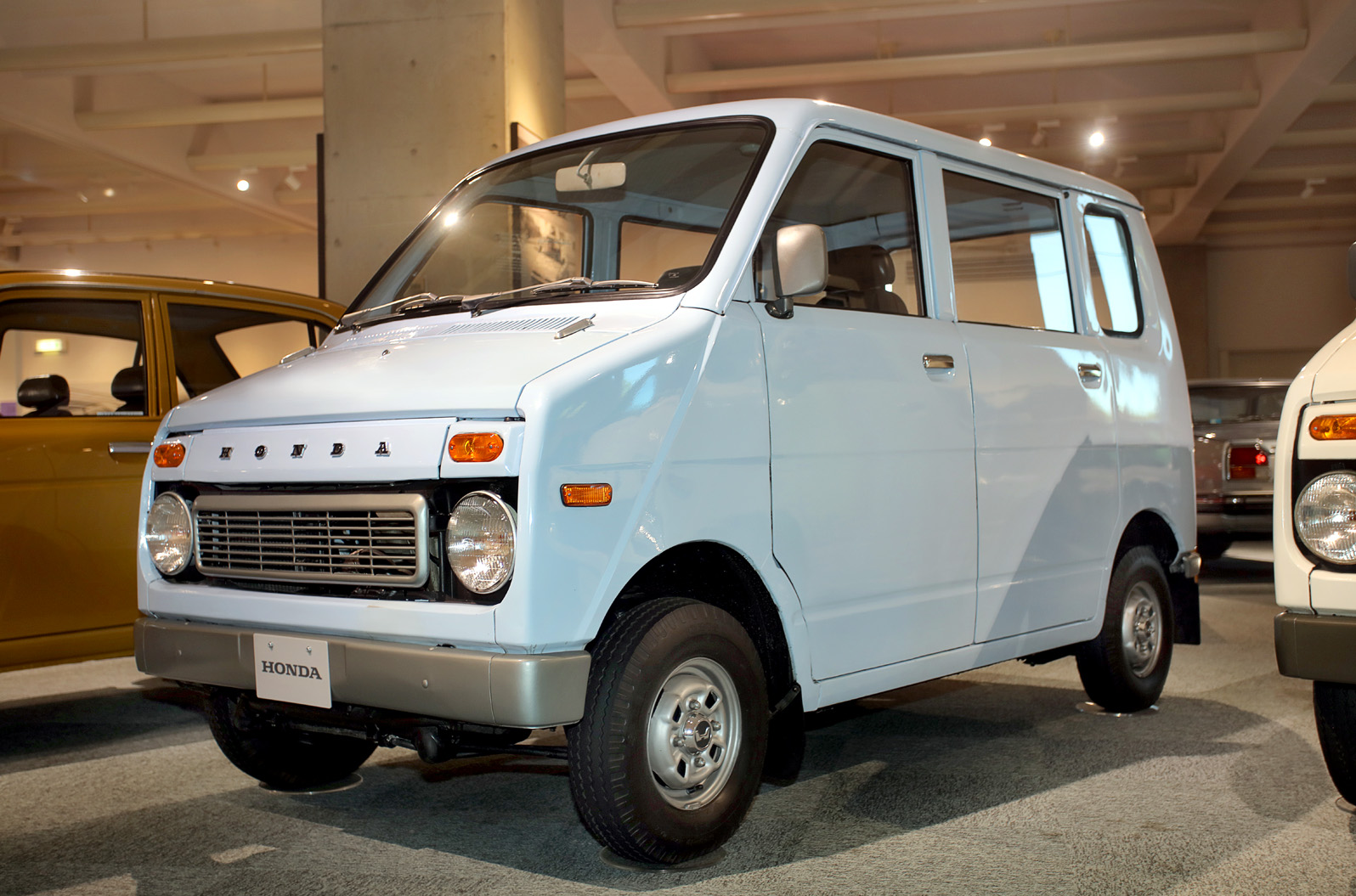
An early MPV? With a high roof, wide opening doors and decent luggage space, the car featured Honda’s high revving 356cc twin mounted up front driving the front wheels as opposed to the standard light commercial arrangement of the time of rear-wheel drive, allowing a flat floor throughout.
Honda Electro Gyrocator (1981)
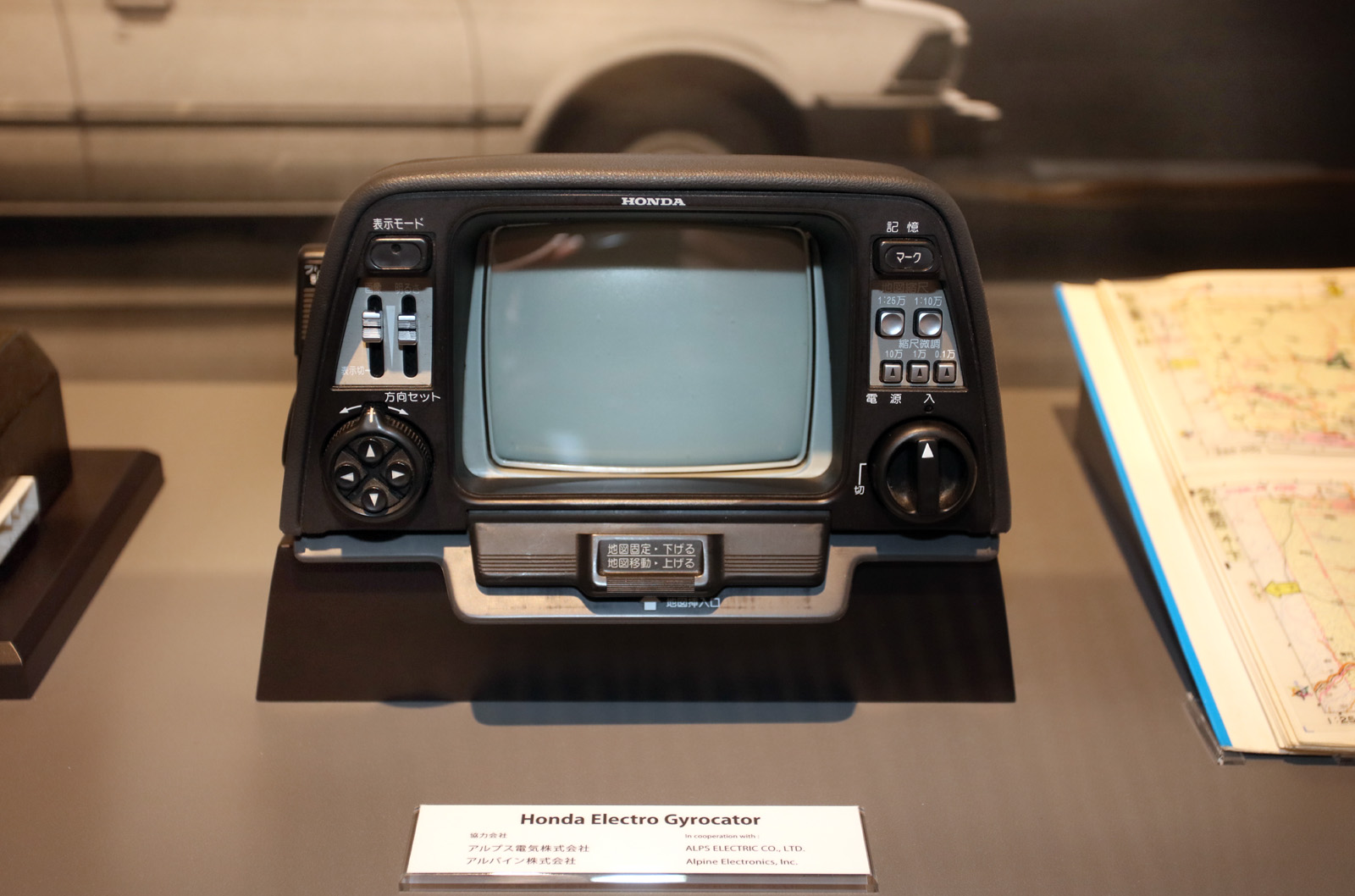
Years before GPS became widely available, this was the world’s first automotive map-based navigation system. Based on the vehicle’s inertia it worked using a series of gyroscopic and distance sensors. It pioneered the on-board display mounted in the dash with the route overlaying a transparent road map.
Honda Ballade Sports CR-X (1983)
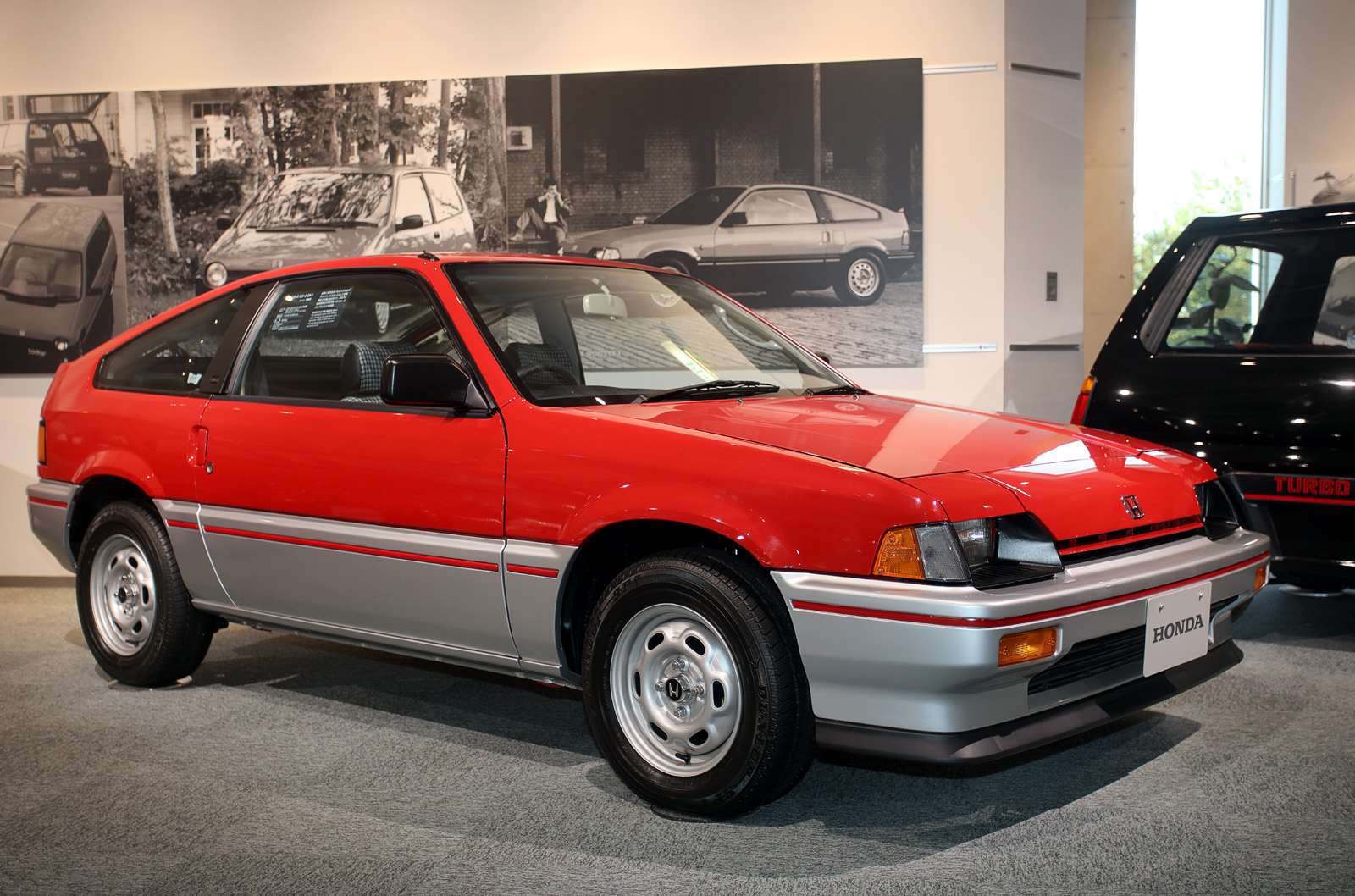
This was Honda’s first CRX, a sporty coupe much loved by boy-racers, and initially branded Ballade in Japan. With 135bhp on tap in the later Sport model, it featured an all aluminium 1.6-litre straight four-cylinder engine with three valve head.
Honda Beat (1991)
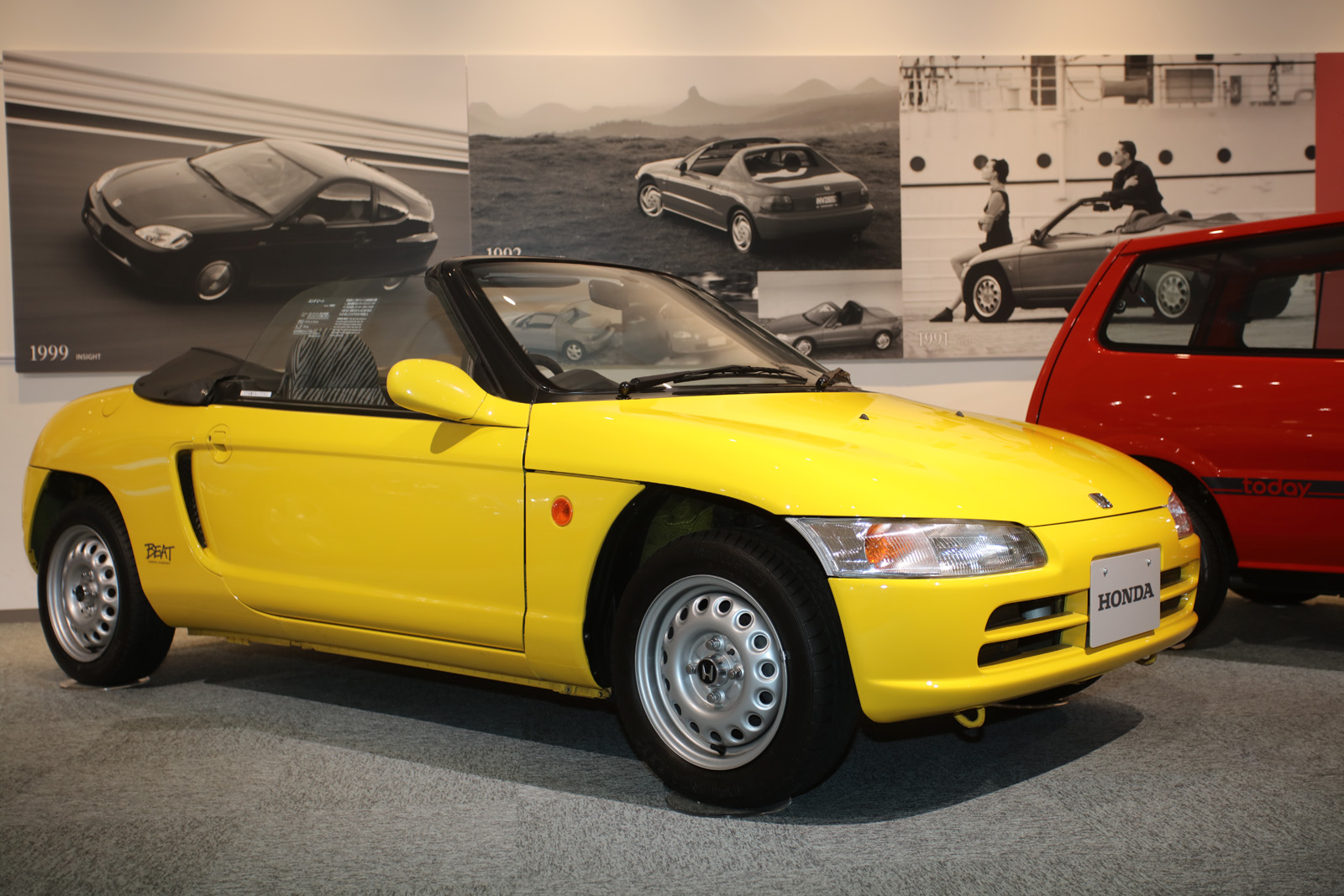
The Pininfarina-designed Beat was the last car to be approved by Soichiro Honda before he died in August 1991. The mid-engined, rear-wheel drive two seat roadster was the first sports car to be built by Honda since the S800 finished production in 1970 and featured a 656cc three cylinder engine with belt drive transmission. A hoot to drive, this 760kg 63bhp machine could reach an electronically-governed 84mph top speed.
Honda Insight (1999)
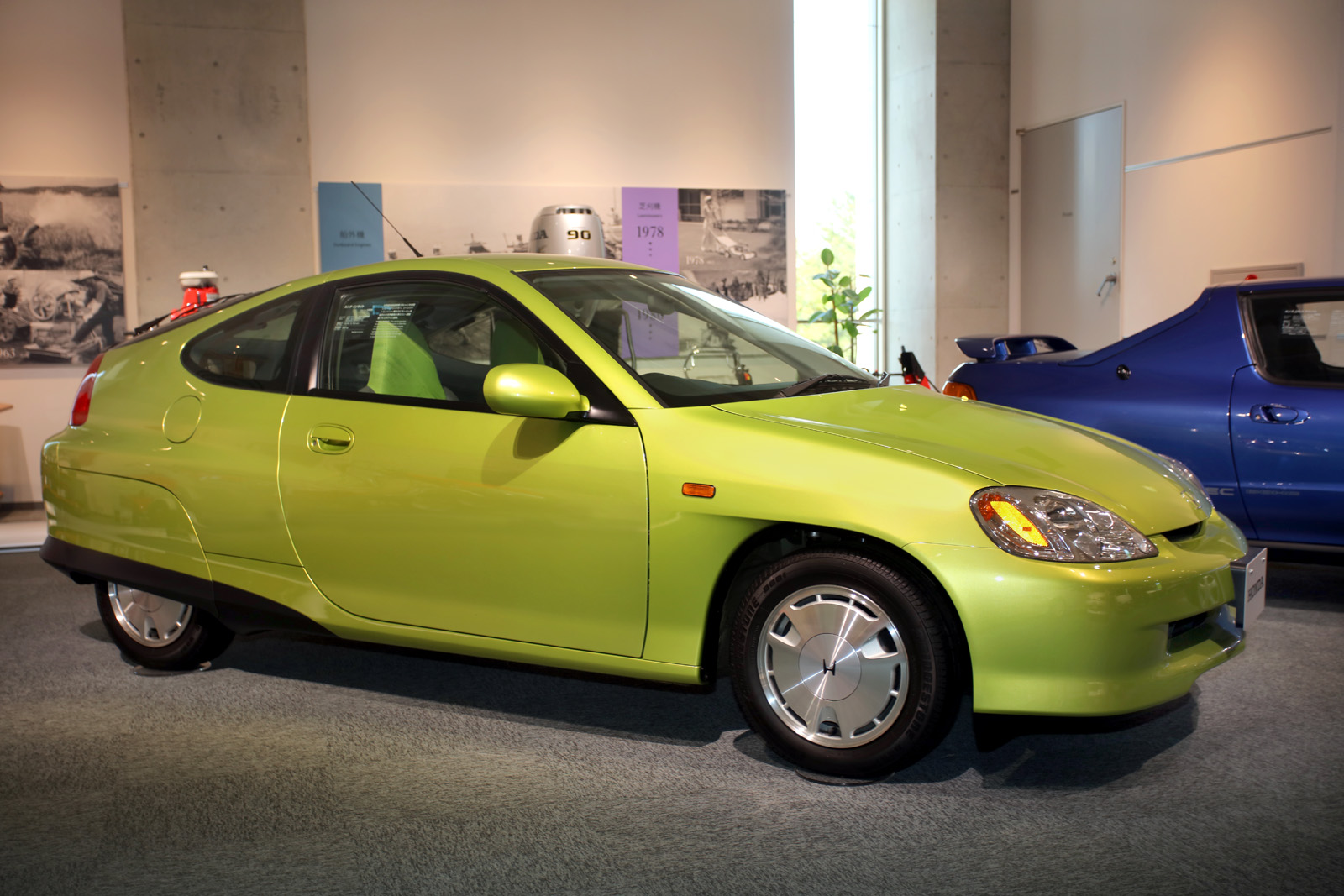
In reply to the Toyota Prius which appeared in 1997, Honda launched its hybrid based on the J-VX concept. It was the first use of Honda’s Integrated Motor Assist. This car featured an electric motor between the engine and the transmission, and with a 0.25 drag coefficient the Insight was the most aerodynamic car in production at the time.
Honda Legend (1985)
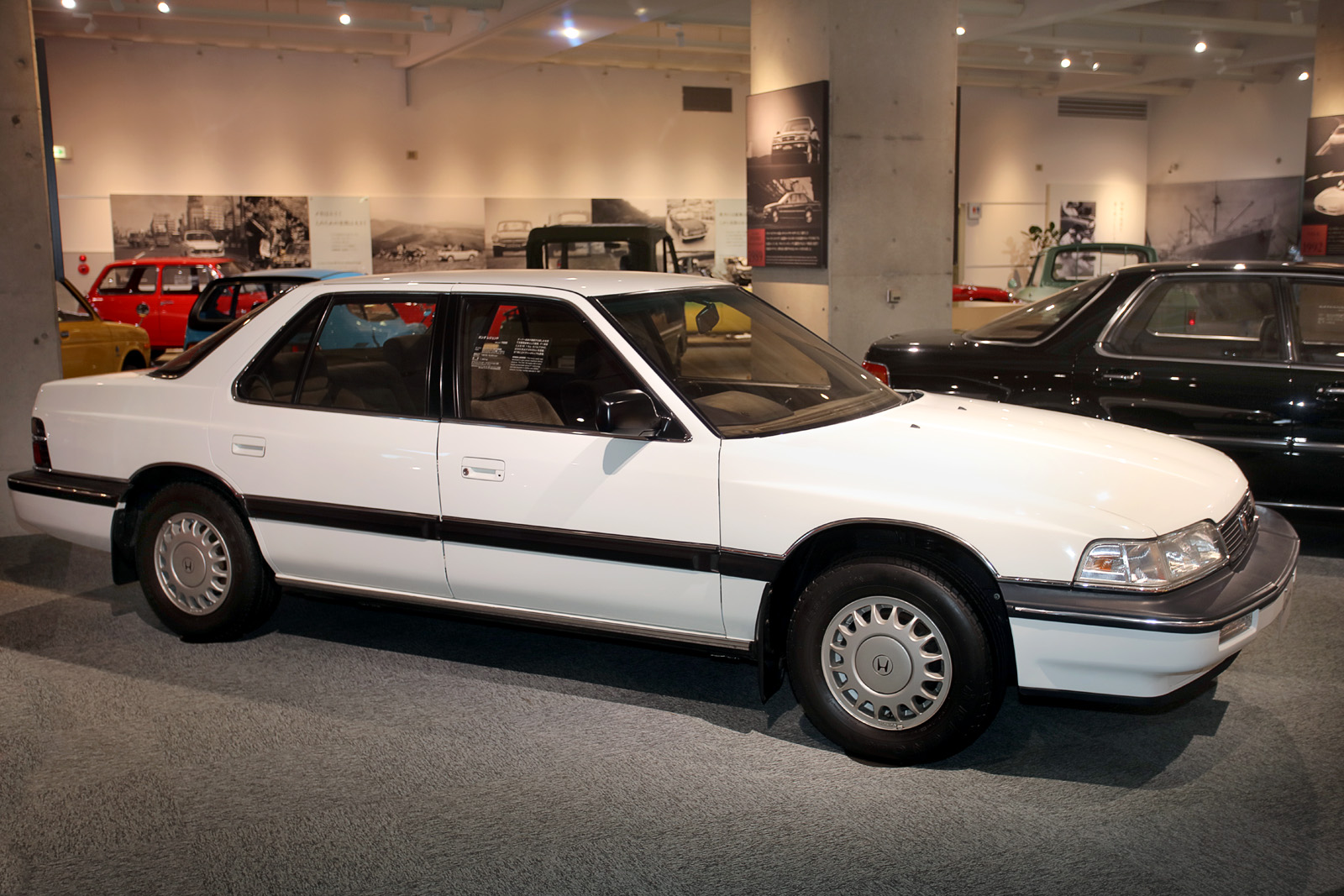
The Legend was the result of a partnership with Britain’s Rover to produce a luxury flagship model for Honda and successor to the SD1 for Rover. Cars were built in the UK under both the Legend and Rover 800 name, and were sold in the US under the Sterling name. It was initially powered by a 2.5-litre V6 engine driving the front wheels and though the Legend set new reliability standards, the 800 unfortunately did not.
Honda Dream D (1949)
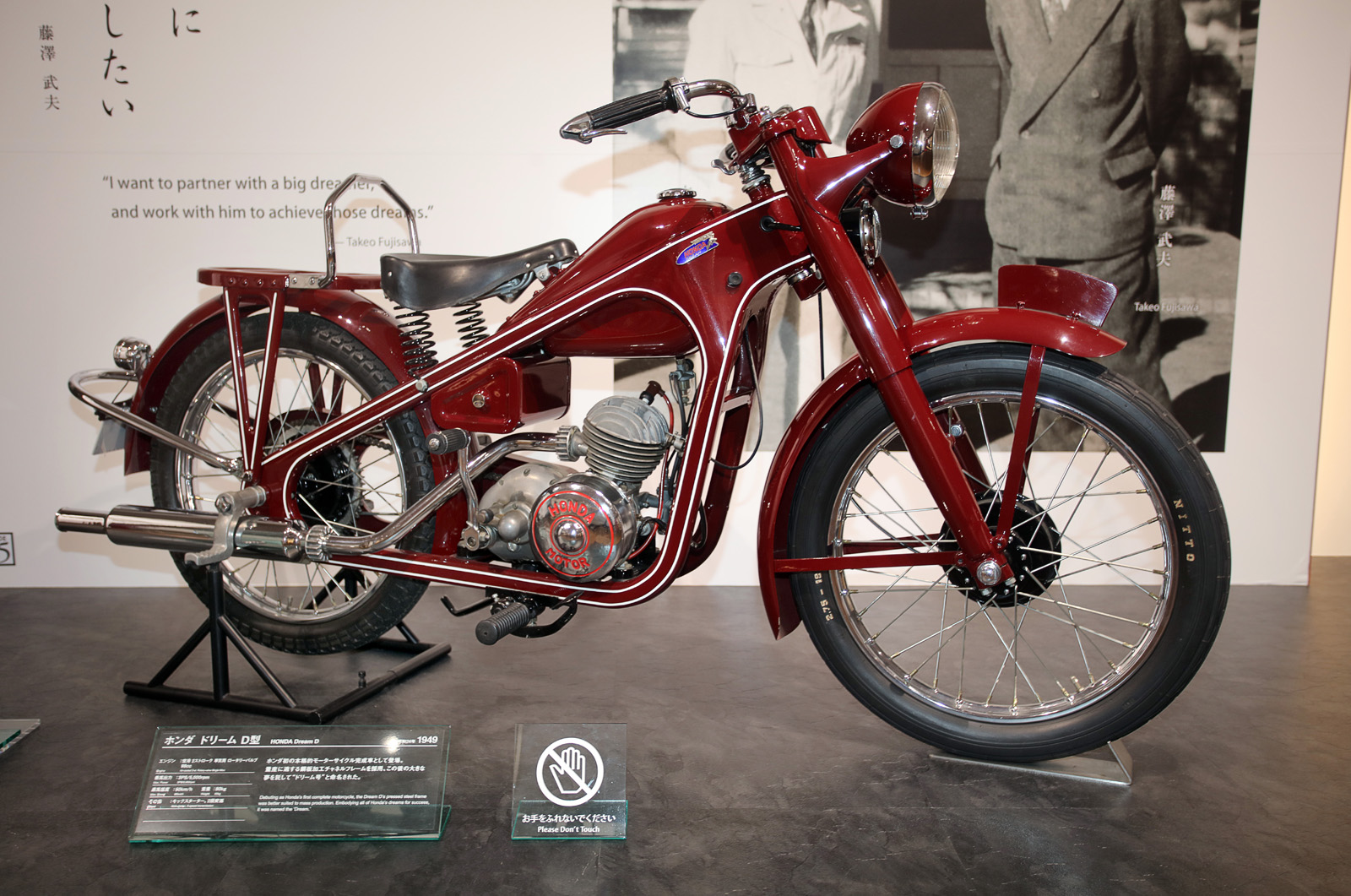
This is where it all began for Honda: its first complete motorcycle. Before this Soichiro Honda had been using a small engine used by the military to power field radio equipment, reworking it for auxiliary bicycle propulsion. The new motorbike featured a two-stroke 98cc single-cylinder engine and a pressed steel frame well suited to mass production.
Honda RA series of F1 cars (1964-68)
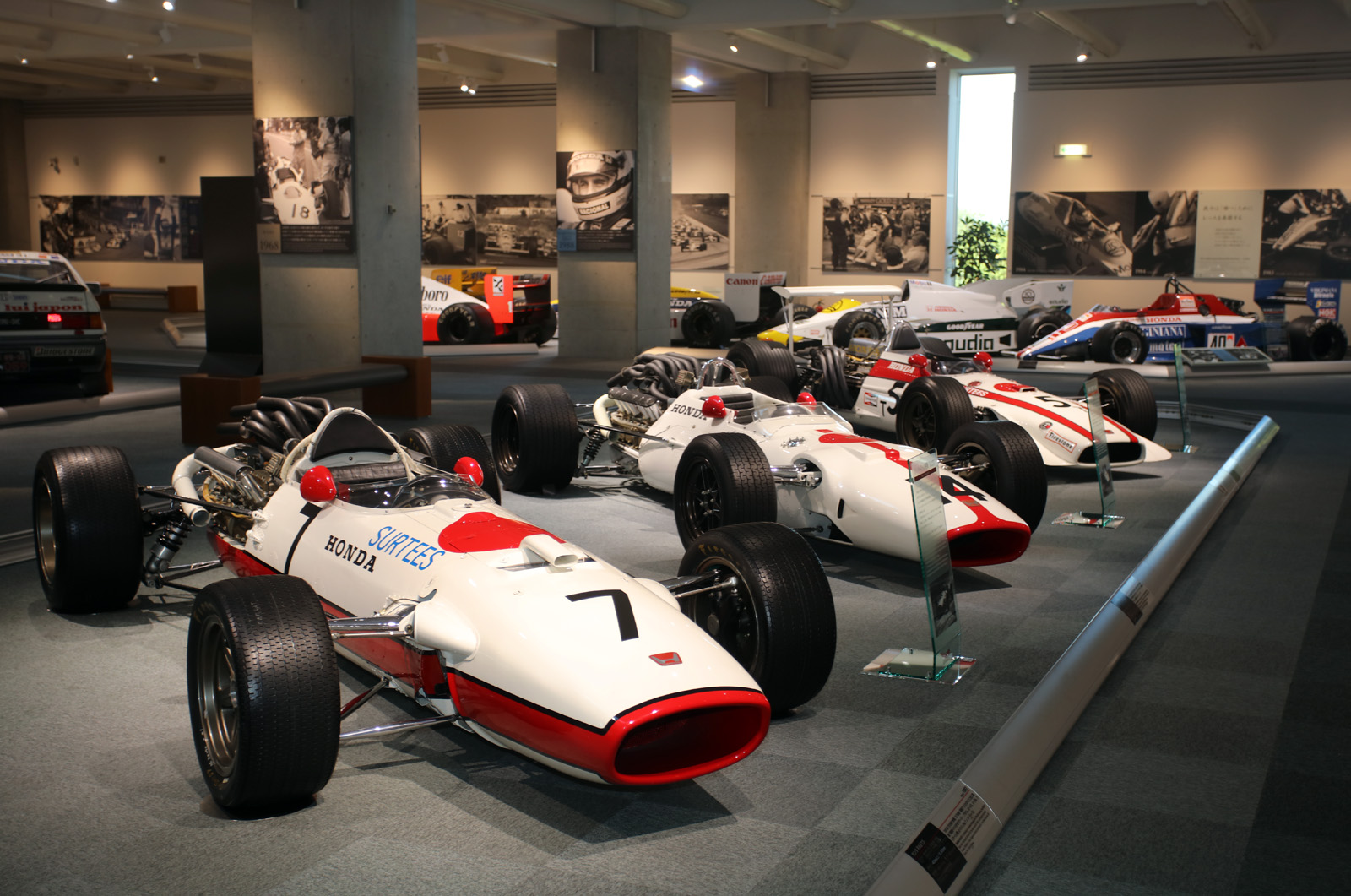
Honda built its first F1 car in 1964, the RA271. When a new 3.0-litre engine for 1966 became available a brand new car was needed and the RA 273 was built. Retaining a V12, the engine was now mounted longitudinally but it was heavy and struggled to be competitive.
A new lighter chassis was built for 1967, the resulting RA300 saw British driver John Surtees took a win with it at the Italian Grand Prix. There was more power for the following year’s RA301 but unreliability plagued the team all year and Honda bowed out of F1 at the end of the 1968 season.
Spirit Honda 201C (1983)
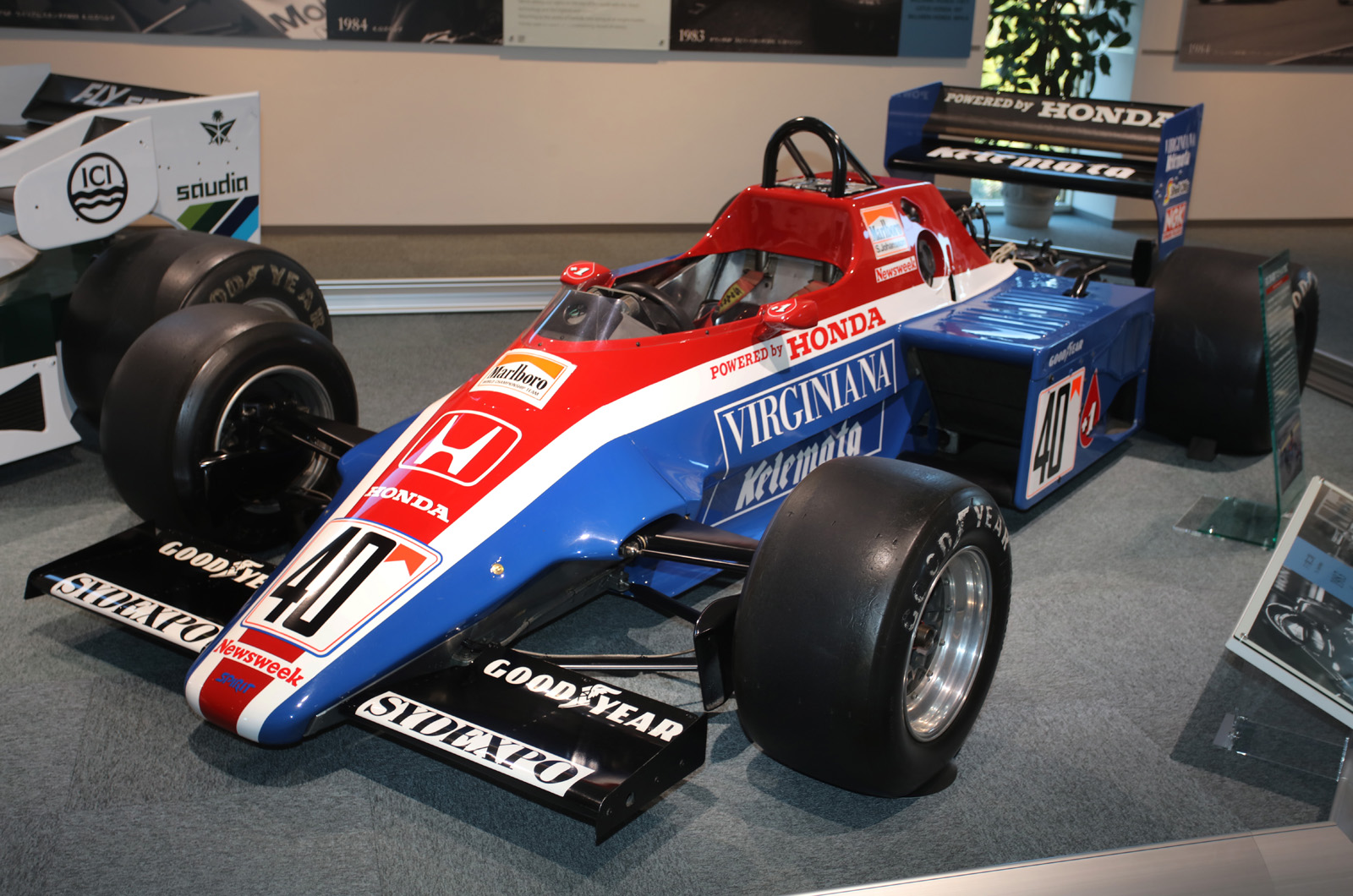
After 15 years away from F1 Honda returned to supplying F1 engines, now to small British team Spirit. Debuting at the British Grand Prix in the hands of Swedish driver Stefan Johansson, it was a small sign of things to come. However for now at least success eluded it, and its powerful twin turbo-charged 1.5-litre V6 engine failed to win either the team or Johansson any championship points.
Williams FW09 (1984)
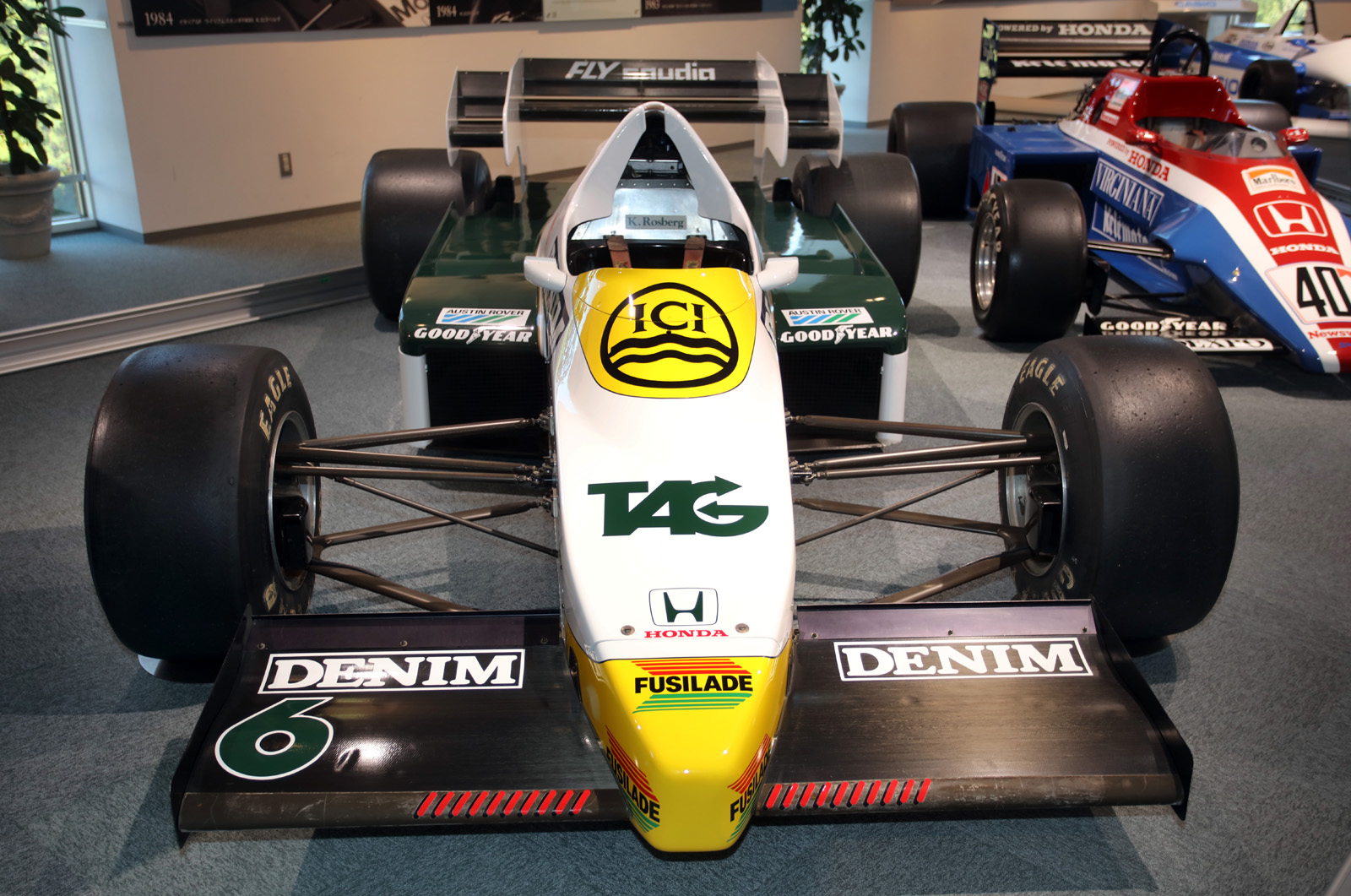
Reigning world champion Keke Rosberg secured Honda’s first win on its return to F1. With the more established team of Williams and the FW09, he scored a victor at the American Grand Prix in Dallas. However the car was unpredictable to drive even for the Flying Finn and Rosberg could only manage 8th place overall at the end of the season in the driver’s championship.
Williams FW11 (1986)
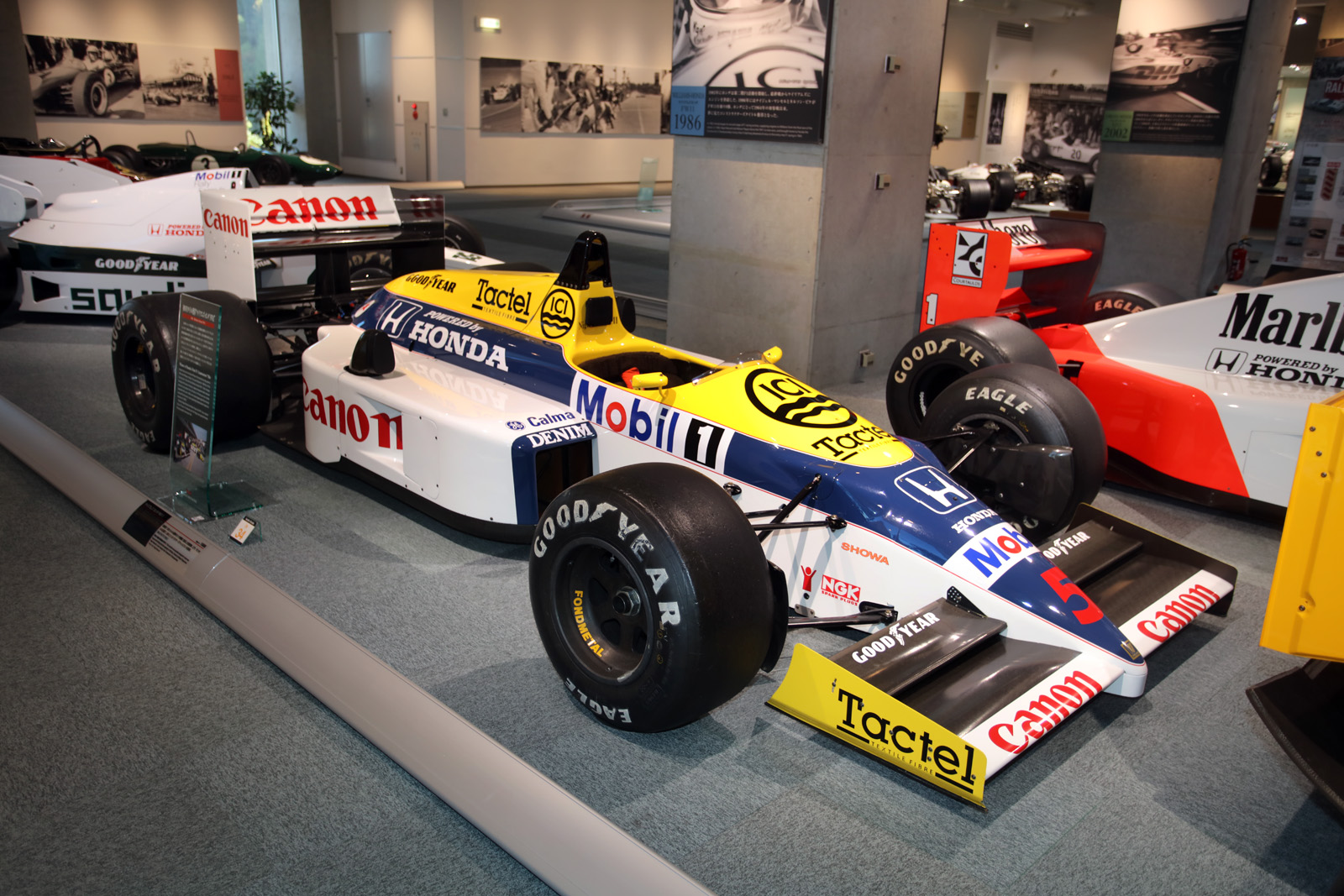
The FW11 was Nigel Mansell’s F1 car for the 1986 season, and with team mate Nelson Piquet it led Honda to its first-ever Constructors’ Championship that year. As well as advanced aerodynamics courtesy of Patrick Head and Frank Dernie, its enormously powerful twin-turbo 1.5-litre Honda V6 could deliver up to 1200bhp in qualifying and 800bhp at 12,000rpm in the race.
Honda Indy 500 winner (2004)
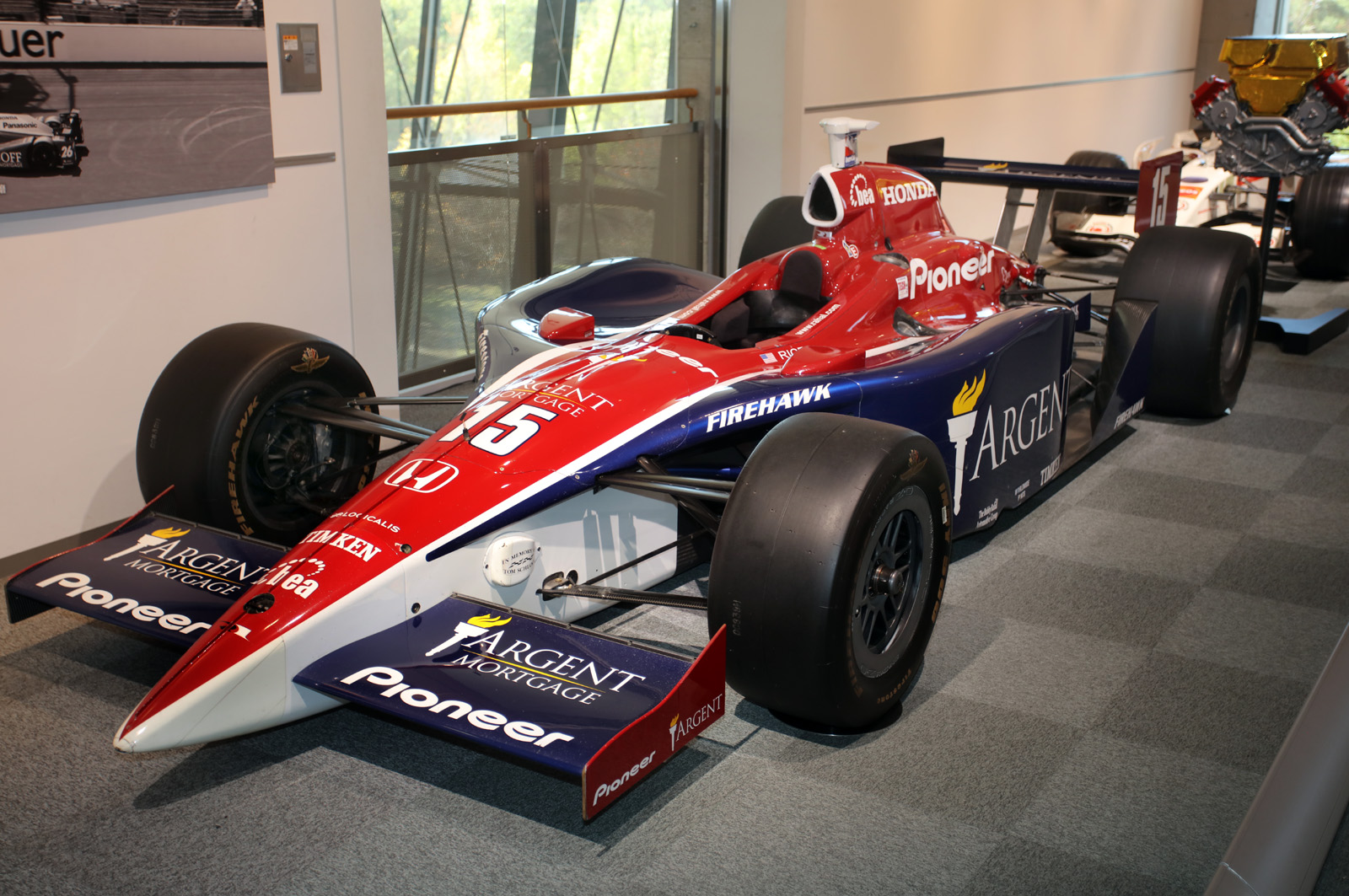
Honda’s highly successful 3.0-litre V8 race engine took the top seven positions for the 2004 Indy 500. It was so dominant that the following year both Toyota and Chevrolet bowed out of the Indy Car series leaving Honda as the sole engine supplier for a full five years.
Honda RA106 (2006)
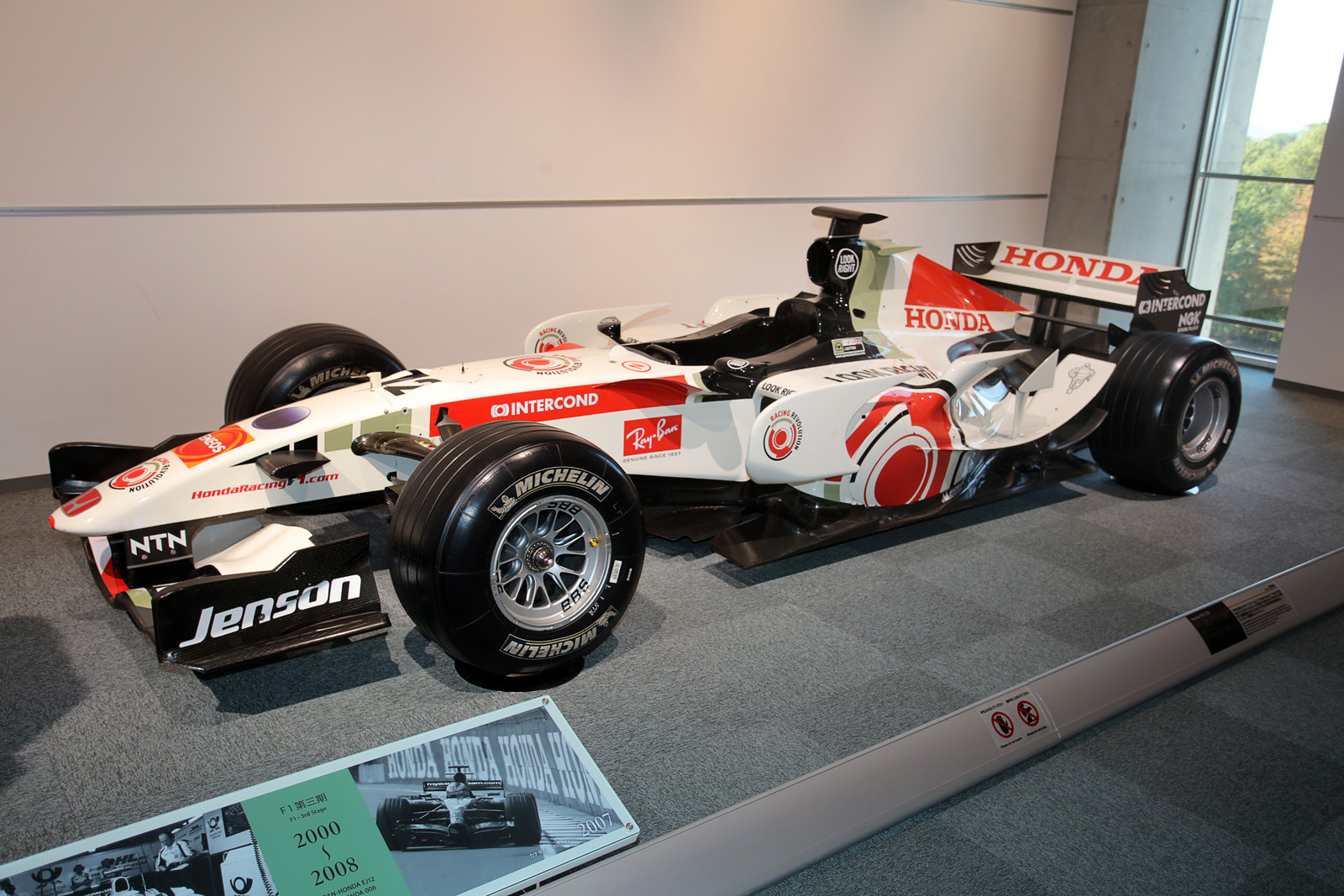
The first Honda works F1 team since 1968 featured drivers Jenson Button, which it had inherited when it bought the BAR team in 2005, and Rubens Barrichello who joined from Ferrari. The car struggled early on in the season but Button achieved three podium finishes, and reached the top step at the Hungarian Grand Prix, placing the Honda team fourth in the Constructors’ Championship for the season.
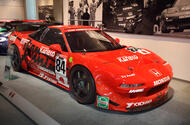
Honda NSX Le Mans (1995)
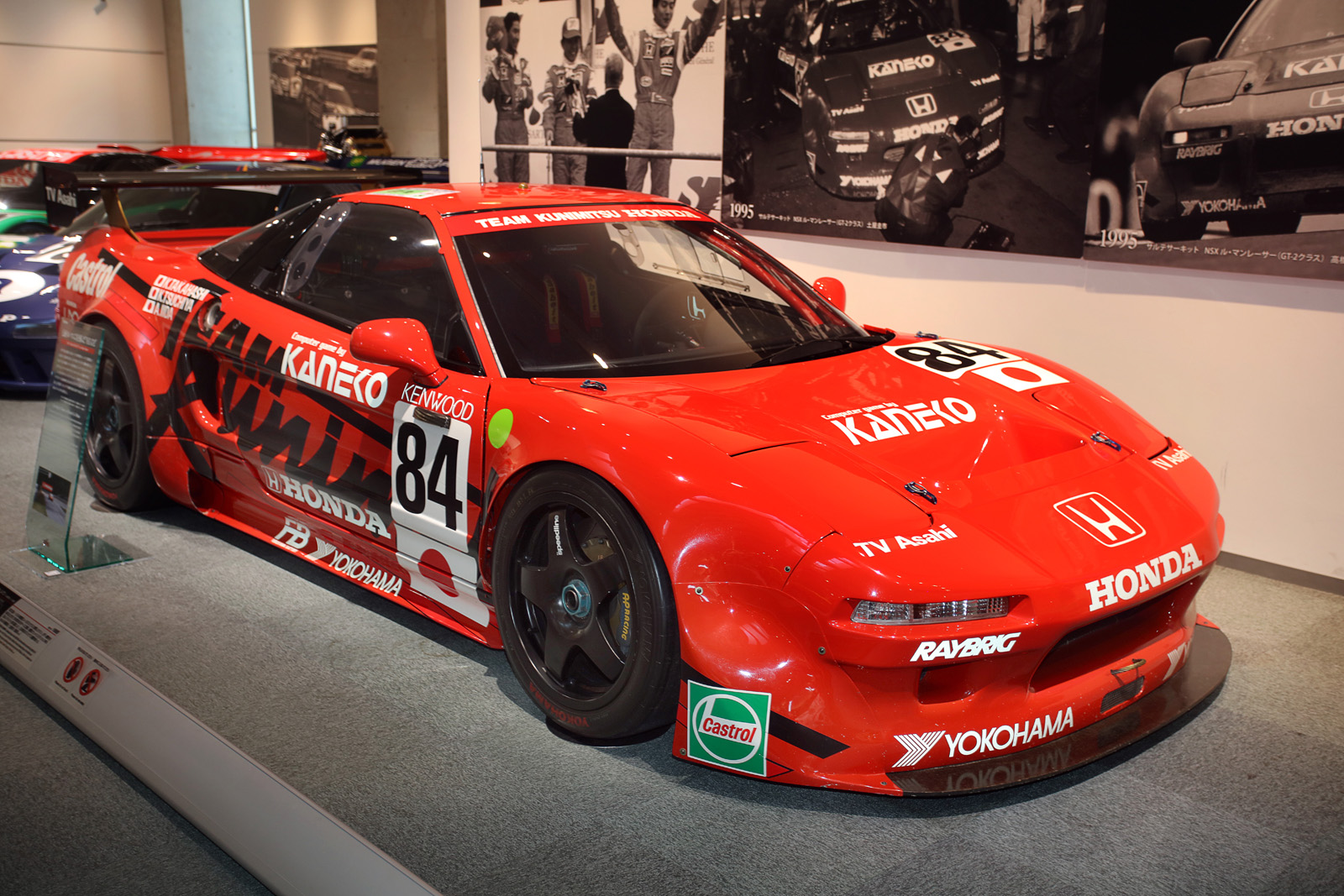
In 1995 Hondas won their GT2 class and finished eighth overall after one of the wettest Le Mans in history. With a stiffened and tuned version of the NSX road car driven by an all Japanese team they beat the Callaway Corvette teams with an engine of less than half the size.
Motorcycle racing hall
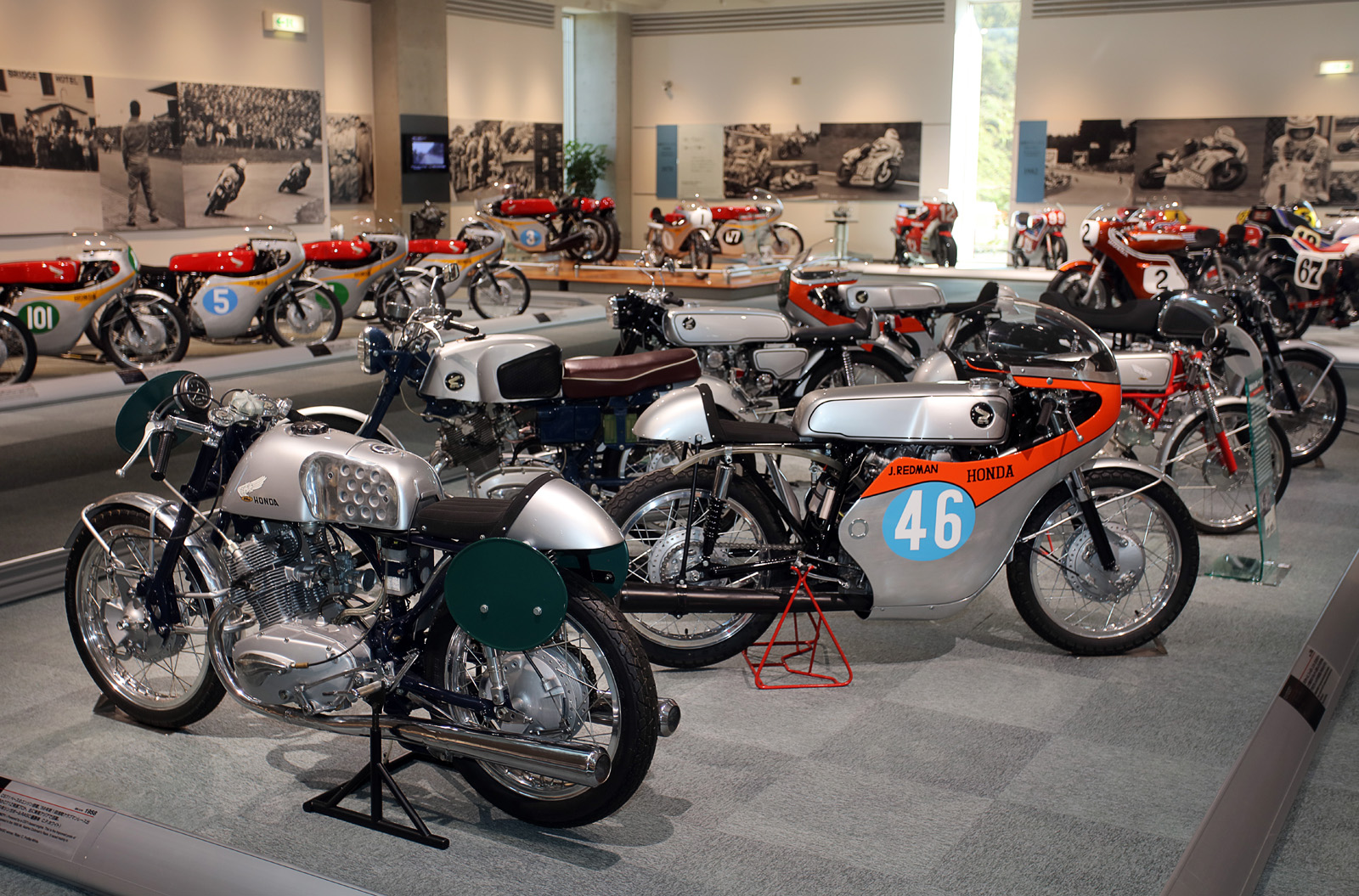
The Honda Collection Hall is split onto two floors with production cars and motorcycles on the first and racing cars and bikes on the second. Here you can see Soichiro Honda’s real passion for racing starting with the RC71 from 1958 in the foreground plus an incredible array of machinery from Grand Prix, Motorcross and Superbike racing.
The Honda Collection Hall
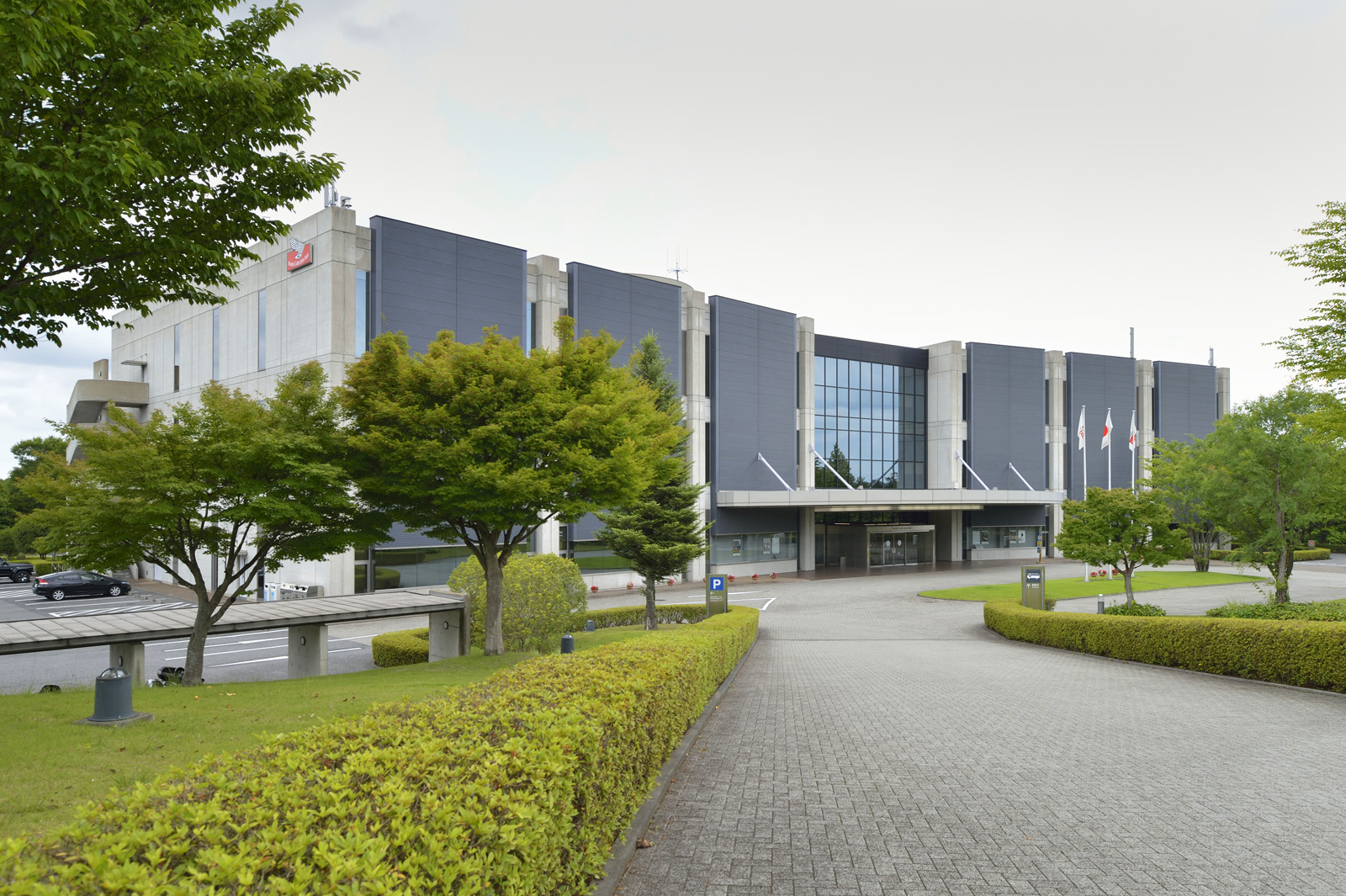
The museum is open every day 9.30am to 5pm, except on certain holiday days – check website for information and admission fees.
Honda Collection Hall120-1 HiyamaMotegiHaga DistrictTochegi 321-3533Japan

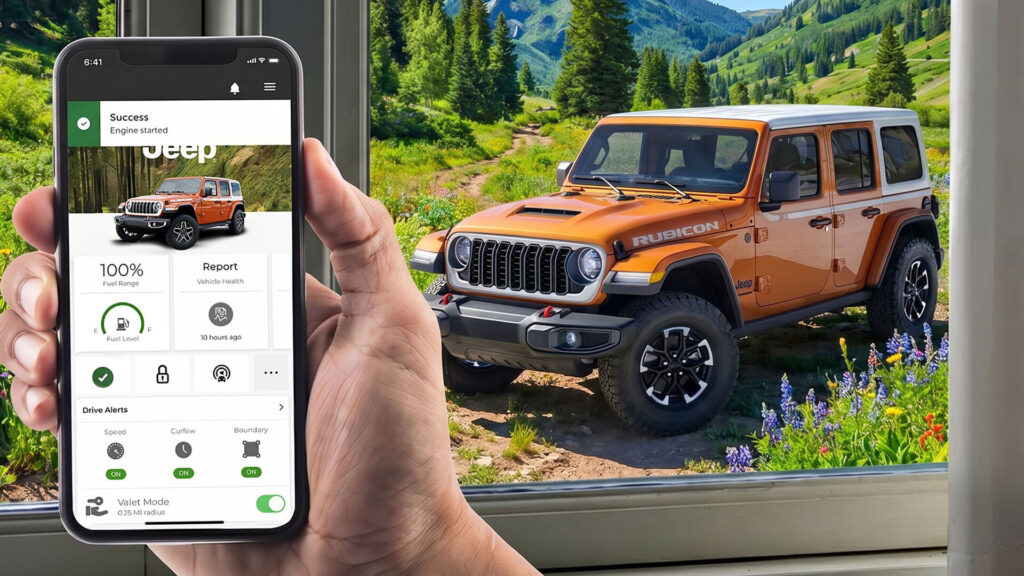
Stellantis Eases Subscription Backlash with Free Remote Start and Lower Connectivity Costs

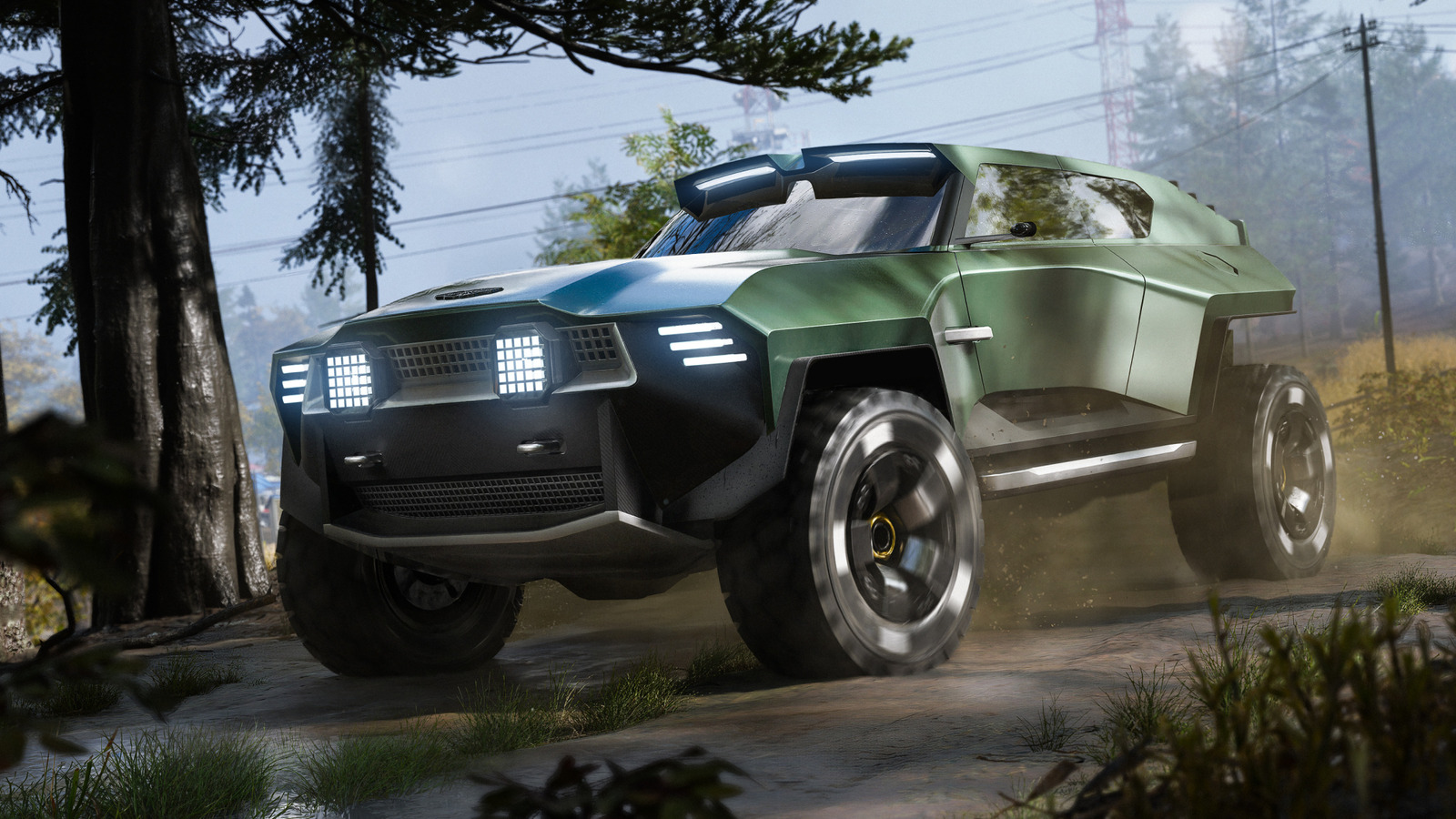
Dreadnought V12 SUV Redefines Virtual Military Design in Call of Duty Modern Warfare 4

Peugeot Reinvents Its Future by Merging Heritage Design with Next-Generation Electric Platforms
Autocar rendering imagines how the Polygon will translate into a production carPeugeot will draw from heritage for a pair of era-defining concept cars and its next-gen supermini
Peugeot is priming a new platform, design language and interior treatment for seven new models that it will launch by 2030 as part of a push to dramatically increase its sales volumes.
The French brand aims to increase global sales from 1.1 million last year to 1.5m in four years' time - a huge 36% increase. An onslaught of new cars to support that ambition will kick off next year with the reveal of the new e-208 supermini.
Due to be launched in the second half of 2027, the second-generation e-208 will be the firm's first car to use parent company Stellantis's new STLA One modular platform, and it will serve as the technological and stylistic flagbearer for the wave of new models that will follow.
As previewed by last year's radical Polygon concept, it will take influence from its popular 205 forefather.
Peugeot CEO Alain Favey said this is in keeping with the French brand's plan to draw from its past in shaping its future cars.
Peugeot will reveal two "striking" new concept cars at the Paris show in October, and they will preview the design language and technology that will define its future production cars.
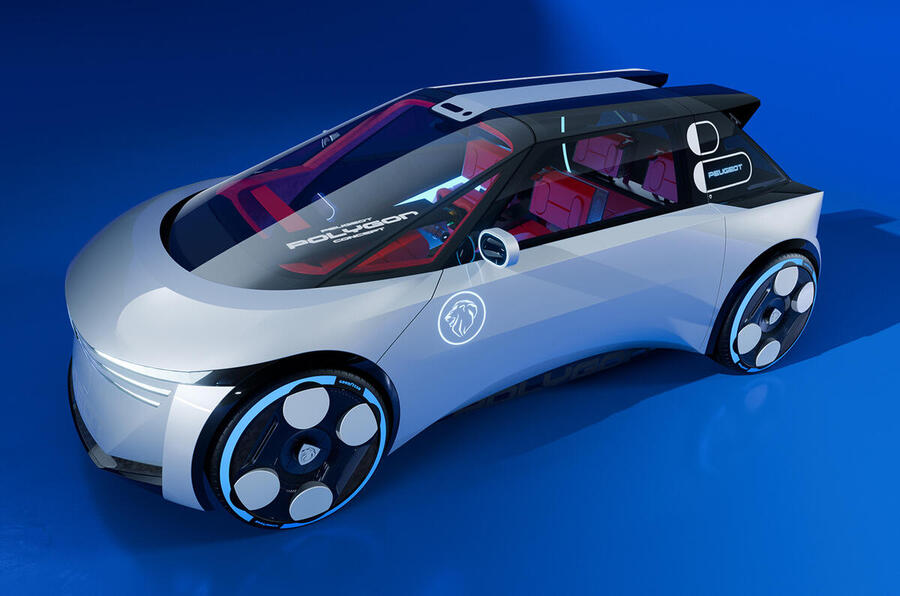
Favey said the show cars will "show a lot about the future of the Peugeot brand".
He was tight-lipped on specifics but said they will "show the way" for the evolution of Peugeot's design language and take influence from the brand's history.
"Our heritage is very important to us, but it's important in the sense that it gives us ideas for the future, which we will express again at the Paris motor show," he said.
Peugeot has drawn from its past for several recent concepts including the E-Legend, which was in effect a modern recreation of the 1960s 504 coupé, and the retro-futuristic Inception concept of 2023.
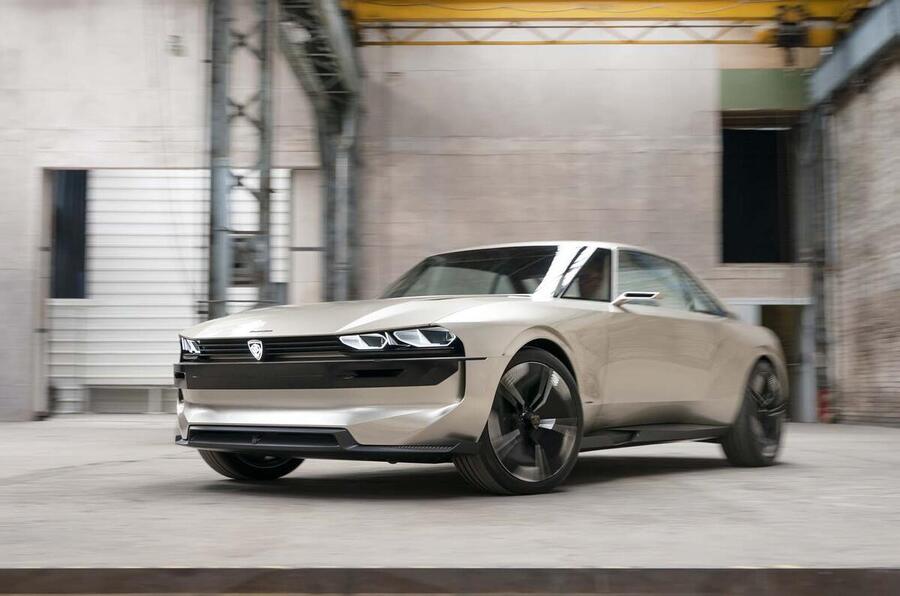
Favey also confirmed that Peugeot wouldn't use its home motor show to unwrap the new e-208, as had been speculated. The second-gen supermini will launch in the second half of next year after making its debut at a dedicated event shortly beforehand.
The new concept cars will set the tone for the next era of Peugeot production cars; the six cars behind the e-208 are thought to be the next 308 hatchback, a trio of C-segment models produced in France and a pair of D-segment flagships engineered with China's Dongfeng.

Jensen Interceptor GTX Prototype Signals Brand’s Return With Track-Only V8 and Ambitions for Future...

Luxury Cars on a Budget Weighing Value Versus Risk in Affordable Used Models

Brand Loyalty in the Car Market Erodes as New Entrants and EV Technology Reshape...
 Sticking with only one car maker could cost you a fortune – but there are benefits, too
A rule of business is that it is cheaper to keep a customer than find a new one.
It's also a rule today's car manufacturers and their dealers ignore at their peril, especially now there are so many new car brands tempting previously loyal customers to switch. Not long ago, motorists stuck to one brand for almost their entire lives - motorists like David Franklin, who in 2022, and at the age of 84, bought his 55th Fiat.
"Fiat never let me down, so I didn't let them down," he explained. Brand managers would give their right arm for that kind of customer loyalty today. In the 1960s, when Franklin first started buying Fiats, there were around 60 brands in the UK, but by 2020 there were only 40.
By the end of this year, however, it's predicted there will be close to 80. Around 20 of those will be Chinese, including new entrants Denza, Aion, iCaur, Lepas, Xpeng and Zeekr. When there were fewer brands, manufacturers could rely on customer loyalty rates of at least 40%, but this figure is being eroded as more brands come on stream and customer choice increases.
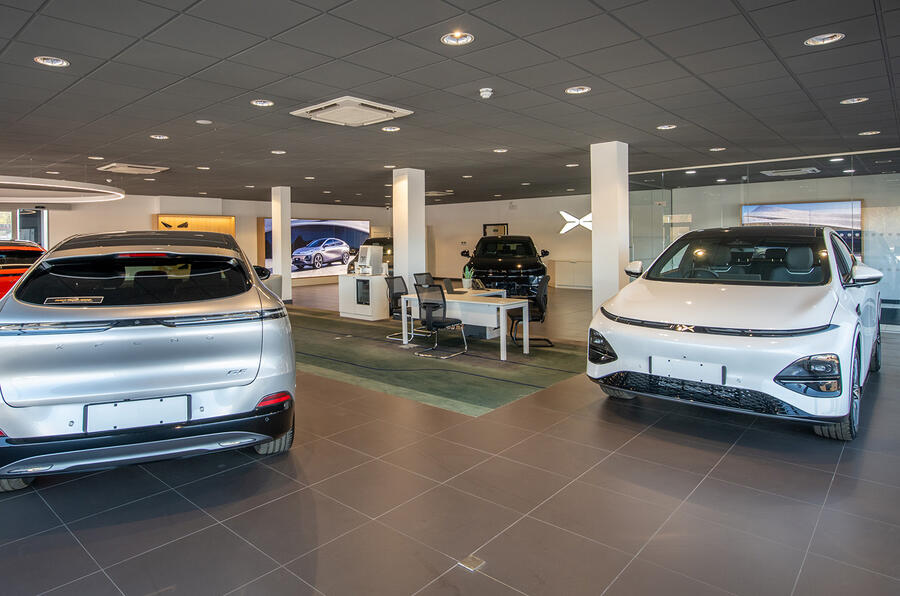
Another reason is the arrival of hybrid and electric power. "There's brand agnosticism with EVs because people are buying into the technology and not the brand," says Tony Whitehorn, former president and CEO of Hyundai UK and operations director of Lexus GB. "For example, when we launched the Ioniq 5 in 2021, the model attracted a lot of new customers who were drawn to the technology but not to the brand."
This same technology is also helping to drive the commoditisation of new cars. They have always been things to be bought and sold, of course, but historically there was also a subjective aspect to one's car choice that was influenced by its brand. This is no longer quite the case. Octopus Energy, for example - which is very much not a car brand - offers a range of popular new and used EVs on lease deals sweetened by thousands of miles of free electricity and a free home charger. The key differentiators between cars are monthly cost and driving range; brand plays second fiddle.
I'm a car buyer who still places a value on a brand, though. We have had five Volkswagens in the family, and I drive a seven-year-old Golf 1.5 DSG that I bought new. Last month I received an invitation from a dealer to upgrade it. "You have been selected by Volkswagen UK to receive a brand-new manufacturer upgrade in March on your current Volkswagen," gushed the invite. I was hooked. Motorway, the car-buying service I used once with great success, valued my Golf at £12,125 in good condition. I reckoned £11,500 was more realistic. The VW salesman offered me a paltry £9600.
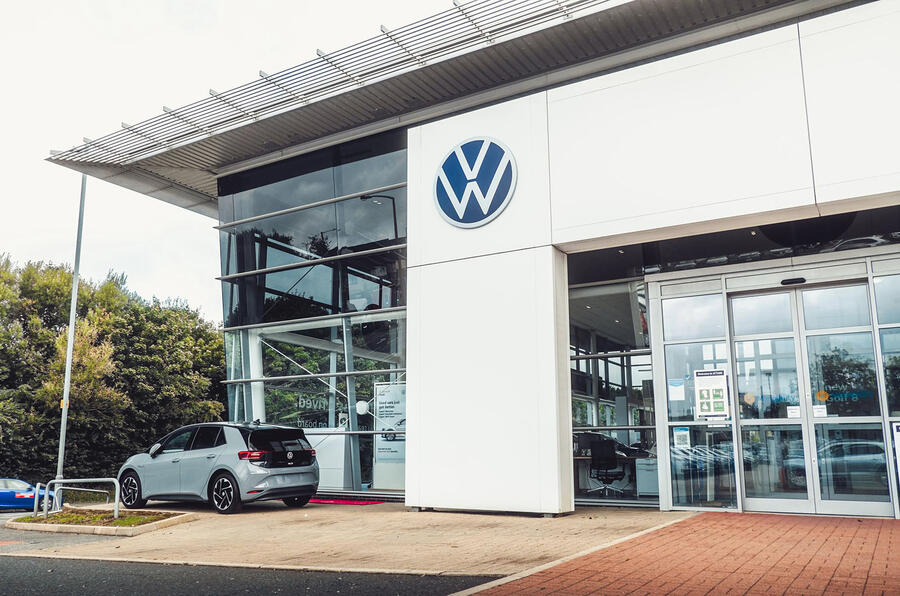
Sensing my disappointment, he chipped a measly £1500 off the price of the new Golf and announced that VW Finance would contribute a PCP deposit allowance of £4250. Later, I discovered that during March - what is dealers' peak sales month - this deposit contribution was available to anyone, while I suspect the £1500 discount was cross-subsidised by the salesman's low part-exchange valuation. I should own a BMW. Also in March, BMW dealers were advertising so-called 'loyalty APRs' to existing owners, ranging from 1.9% on the i4 to 5.9% on 2 Series; enhanced discounts and part-exchange offers were also available.
However, Whitehorn says when he was operations director of Toyota GB, he didn't believe giving money away was always productive. "We'd offer owners £1000 if they upgraded to a new Lexus, but such an offer can damage a premium brand," he explains. "Customers think: 'I bought a Lexus because it's a good car but now you're just making it a transaction by giving me money off."
Manufacturers wishing to build brand loyalty now have an alternative to discounts and deposit contributions: the My Car app. By signing up to something like MySkoda, for example, an owner can access a range of services from route planning and EV charging to vehicle health reports and special offers. For the owner the app adds value, while for the manufacturer it's a way to coax the owner to a point where, just like staying with the same phone brand, staying with the same vehicle brand is easier.
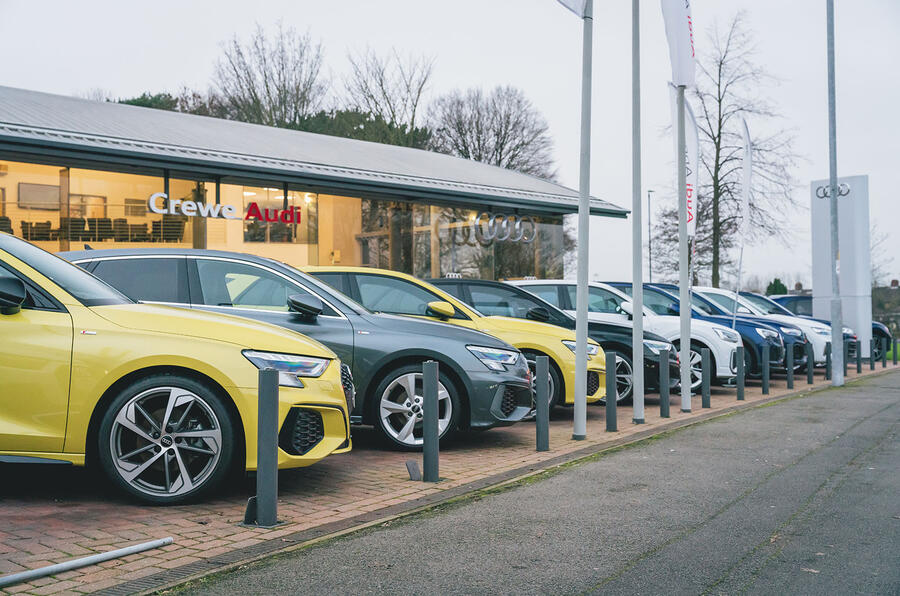
Rewards and experiences programmes also build loyalty. For example, Audi Presents offers owners treats ranging from discounts to meet and greets with celebrity brand ambassadors. Later this year it will start offering RS-focused track experiences at Silverstone. A spokesman said: "Audi Presents has a loyal and engaged customer base. Time and again we see increased levels of brand awareness, loyalty and ultimately purchase rates among the 100,000 customers engaged with it compared with those who aren't - something like a 25% difference."
However, Franklin's comment about Fiat never letting him down is a reminder that the best way to foster customer loyalty is simply through a good ownership experience. With more car brands fighting for a share of a new car market unlikely to grow very much over the next few years, that's something every car owner has a right to expect.
The Tesla conundrum
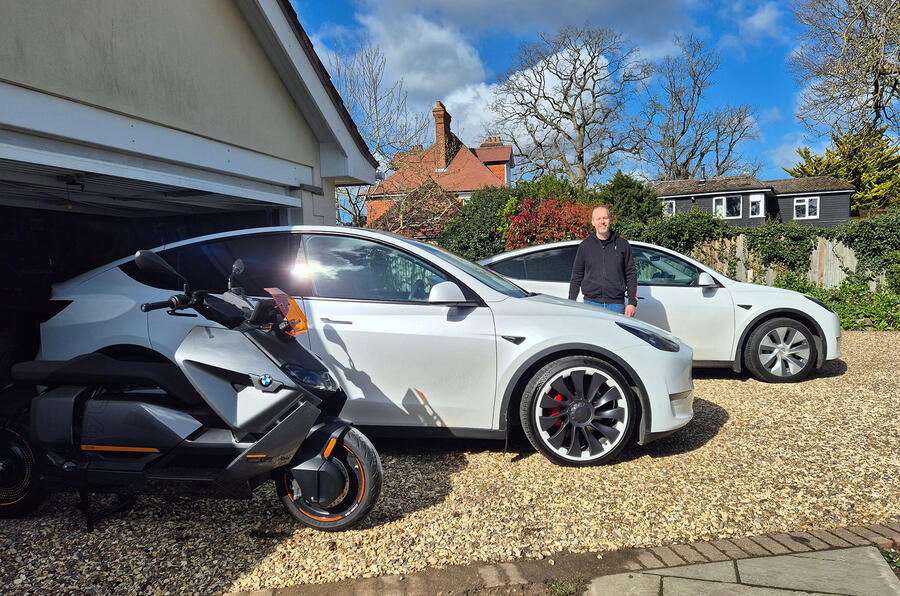
Dan Lynch may have two Tesla Model Ys, but the car maker shouldn't take his loyalty for granted. "I used to be an admirer of Elon Musk, but he has said a few things recently that have made me revise my opinion," says Lynch, an operations director. "In any case, I've never been that loyal to any brand. Since I bought my first EV, a BMW i3 in 2013, I've had a Nissan Leaf, a Hyundai Kona and a Polestar, as well as the Teslas.
"I believe that people like me chop and change their EVs because, unlike a new mobile phone where the gains over the previous model are marginal, with each new EV there can be huge differences between brands. There would be more brand loyalty if every car had, for example, a range of 300 miles and the same core features."
The facts
- 40% of car buyers are prepared to switch brands
- 75% of Toyota customers are loyal to the brand
- 25% of new car enquiries are directed towards emerging brands

Honda Prologue’s Demise Signals Deeper Struggles for the Brand’s US Electric Ambitions

Harley-Davidson Deadwood Redefines Touring by Stripping Away Tradition

Suzuki’s Affordable EV Strategy Drives UK Comeback Amid ZEV Mandate Challenges
 New rival for the Honda Super-N will be instrumental in the brand meeting EV sales targets
A new sub-£20,000 electric city car in 2027, growing sales of the Swift hatchback and a third EV in 2029 underpin Suzuki's UK expansion plan after the upheaval of the early years of the zero-emission vehicle (ZEV) mandate.
UK boss David Kateley, who took over in January last year, has refocused the company's strategy under the mandate's influence. The firm is pushing sales of the eVitara, Suzuki's first EV, alongside the buoyant Swift supermini, and focusing on heartland private sales.
"I believe in concentrating on the controllables. The mandate is here and we all want to help the environment. We are embracing it," said Kateley.
The approach appears to be working. So far this year Suzuki sales have grown at a faster rate than any other established brand - up 43% in the first five months of 2026 - pushing its market share back over 1%.
It's a remarkable success story after sales slumped in 2025 to just 18,000 units, as the ICE model line-up was trimmed to comply with the ZEV mandate. It's also a solid indicator that, with the right models, Suzuki has a strong UK future.
At the core of the brand's UK recovery is the nimble and affordable Swift, which starts from £19,000 and sold 6000 units in the first quarter of the year. "We are so delighted with the Swift's popularity," said Kateley. "It shows there is a market for small, rewarding-to-drive ICE cars."
The Swift's secret sauce is the three-cylinder 1.2-litre mild hybrid with a WLTP-certified 64.2mpg. Its low CO2 emissions of 99g/km generate all-important ZEV credits under the Vehicle Emissions Trading Scheme.
With the eVitara expected to sell 5000 units in 2026, helped by a manufacturer contribution that matches the Electric Car Grant, and combined with sales of the Vitara and S-Cross, Suzuki is on track to head back to pre-2025 levels with sales of around 23,000 units this year.
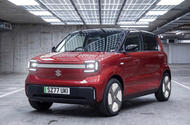
A further boost will come in spring 2027 when a production version of the Vision e-Sky urban EV will be launched. It will join a growing segment of affordable electric city cars, like the new Honda Super-N, a similarly boxy kei car.
The production Vision e-Sky will have five doors like the concept and share its tall, boxy proportions. Details of the EV powertrain remain scarce but a battery of around 29kWh capacity for a 130-mile range would be typical for the class.
"The A-segment BEV is vitally important. It's an entrant in a different segment for us and I'm very excited about its prospects," said Kateley. Given Suzuki's traditional appeal among private buyers, the e-Sky should be a keenly priced offering. For reference, Honda's Super-N entry EV starts at £19,000.
The new city car will also move Suzuki closer to the 2027 mandate mix of two EV sales for three ICE sales, although Kateley diplomatically avoided any comments on the rumoured mandate review being brought forward, and whether it might ease or upset forward planning.
The e-Sky will also pave the way for the 2029 launch of Suzuki's third EV, which is most likely to be a B-segment SUV to slot between the e-Sky and eVitara. "It most definitely won't be an electric Swift," said Kateley firmly.
Suzuki unfazed by Chinese newcomers
Suzuki also faces the challenge of ever-growing competition from Chinese car makers, which have swollen the number of UK automotive brands from 40 to 70 in recent years.
However, UK boss David Kateley is confident the effect will be felt elsewhere: "I'm not concerned. We are a 1% brand. The bigger legacy manufacturers will feel it more."
But not for nothing does Kateley describe the current market as "3C" - "competitive, confused and conflicted".