Affordable Car Financing Shrinks as Sub-$500 New Vehicle Payments Disappear

BYD’s Build Date Blunder in Australia Tests Consumer Trust and Brand Momentum

Waze Integrates AI and Personalized Routing to Enhance Navigation and Motorcycle Safety

1980s Cars and the Lessons of Obsolescence: How Forgotten Models Reveal Shifting Tastes and...
 The 1980s bear similar parallels with today, so perhaps it's time for us to remember the cars everyone seems to have forgotten
Wars, high fuel prices and rampant inflation.
Ring any bells? Well there was also plenty of this in the 1980s as well, which is why in this feature we’re celebrating the cars from that decade – or cars from slightly earlier that made their name in the decade – that you may have completely forgotten:
Subaru BRAT (1977)
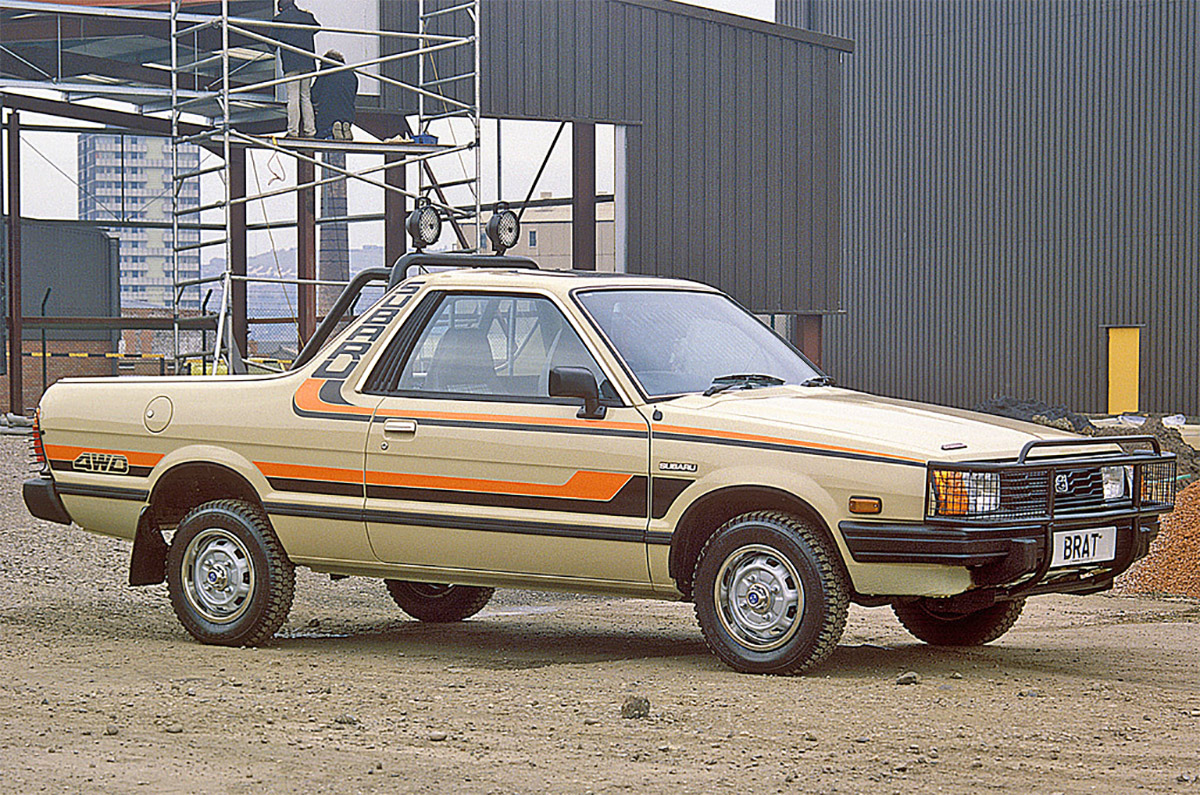
You might not have heard of it, but Ronald Reagan owned one for 20 years on his Californian ranch. This rugged, harebrained, poundshop Lancia-lookalike was sold by the Japanese giant from 1977-1994 and attracted clientele you’d expect to see in a Mercedes S-Class. With 100,000 examples sold over its life, the Brat was Marketed in America as ‘Fun on Wheels’. Later versions used a gutsy turbocharged 1.8 and proved so popular it cemented Subaru’s reputation for reliability and set the company up for major success in the US in the past couple of decades.
Plymouth Sapporo (1978)
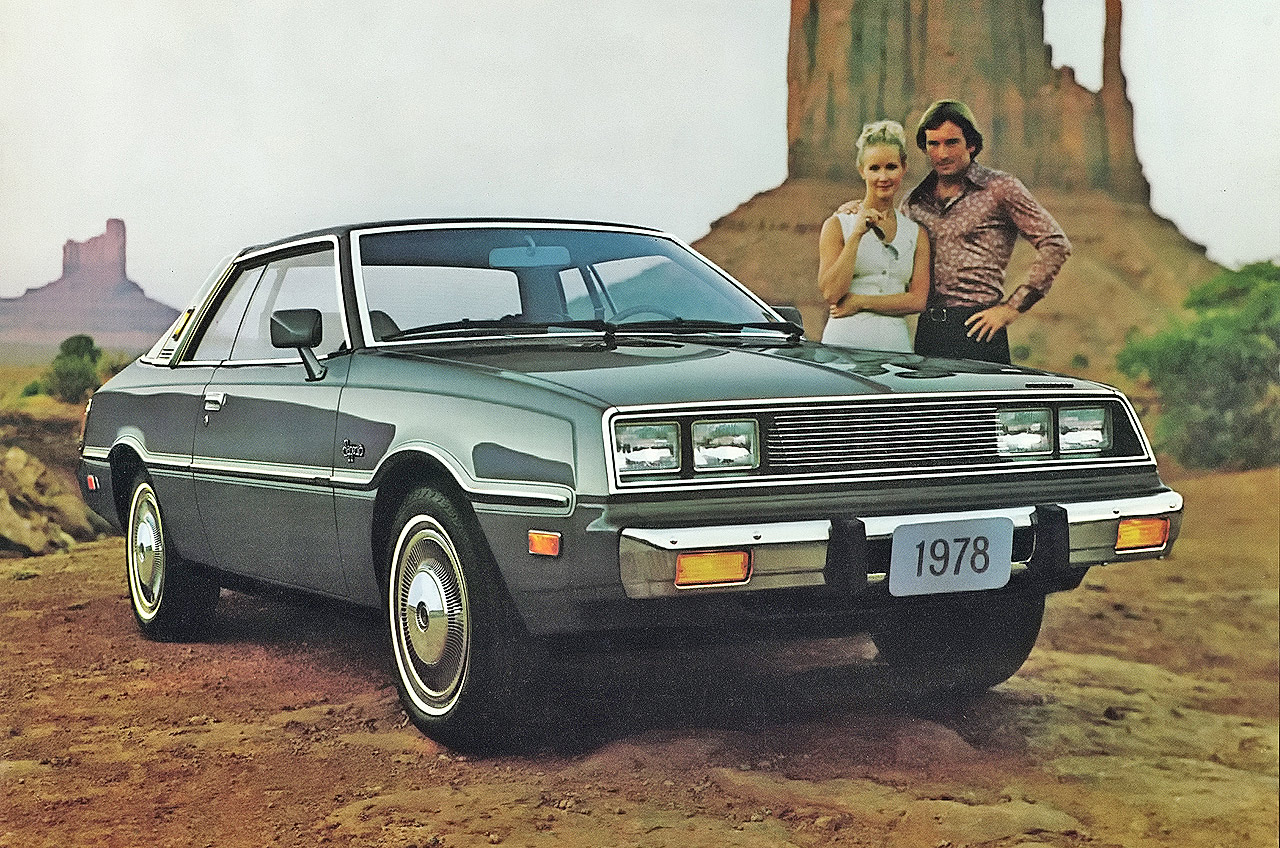
Business ventures constantly give customers an offer they can’t refuse. Mitsubishi’s contract with Chrysler birthed a car that appeared to offer it all, from extravagant options to economy that impresses by today’s standards. You got bucket seats with lumbar support, tinted glass and power-adjustable mirrors. Naming the others would simply take up too much room.
On top of the features, it promised a 40mpg thirst and performance to keep most of the 70,000 buyers entertained. Why, then, was it forgotten? The relationship between the two companies changed, and Mitsubishi began selling the Conquest; the new offer customers couldn’t refuse.
Midas Bronze (1978)
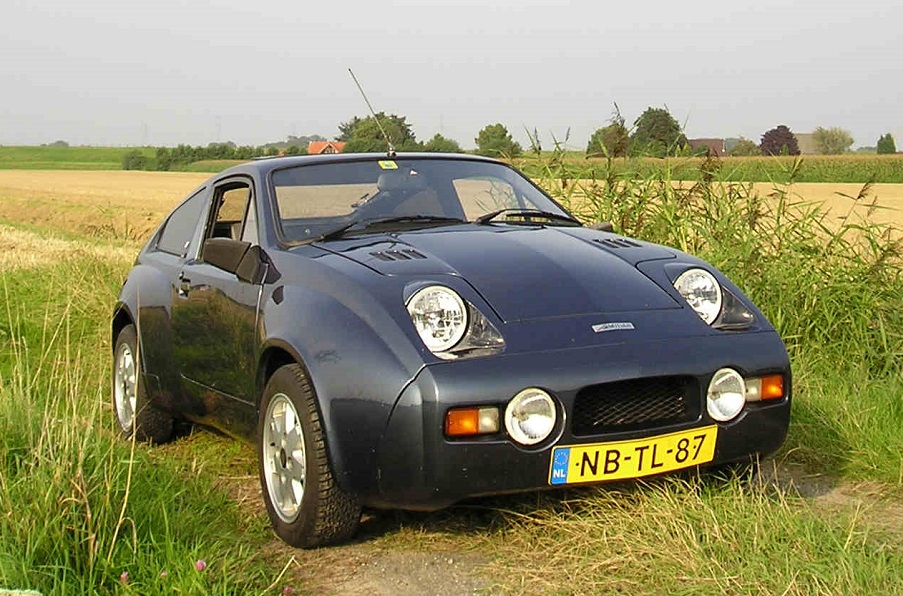
Harold Dermott’s Midas outfit could so easily have become a world-beater in the affordable sports car market. However, a devastating factory fire in 1989 put paid to that and the company folded shortly afterwards in 1989 despite huge acclaim for its compact cars.
The Bronze was launched in 1978 with a glassfibre monocoque body and was the first car with this construction to pass contemporary crash tests. With neat styling by Richard Oakes and aerodynamic design input from Gordon Murray, the later Gold was just getting into its sales stride when that fire destroyed all of the tooling. In all, 500 Bronze and Gold models were produced and they are slowly gaining recognition for their ground-breaking design.
Alfa Romeo Alfa 6 (1979)
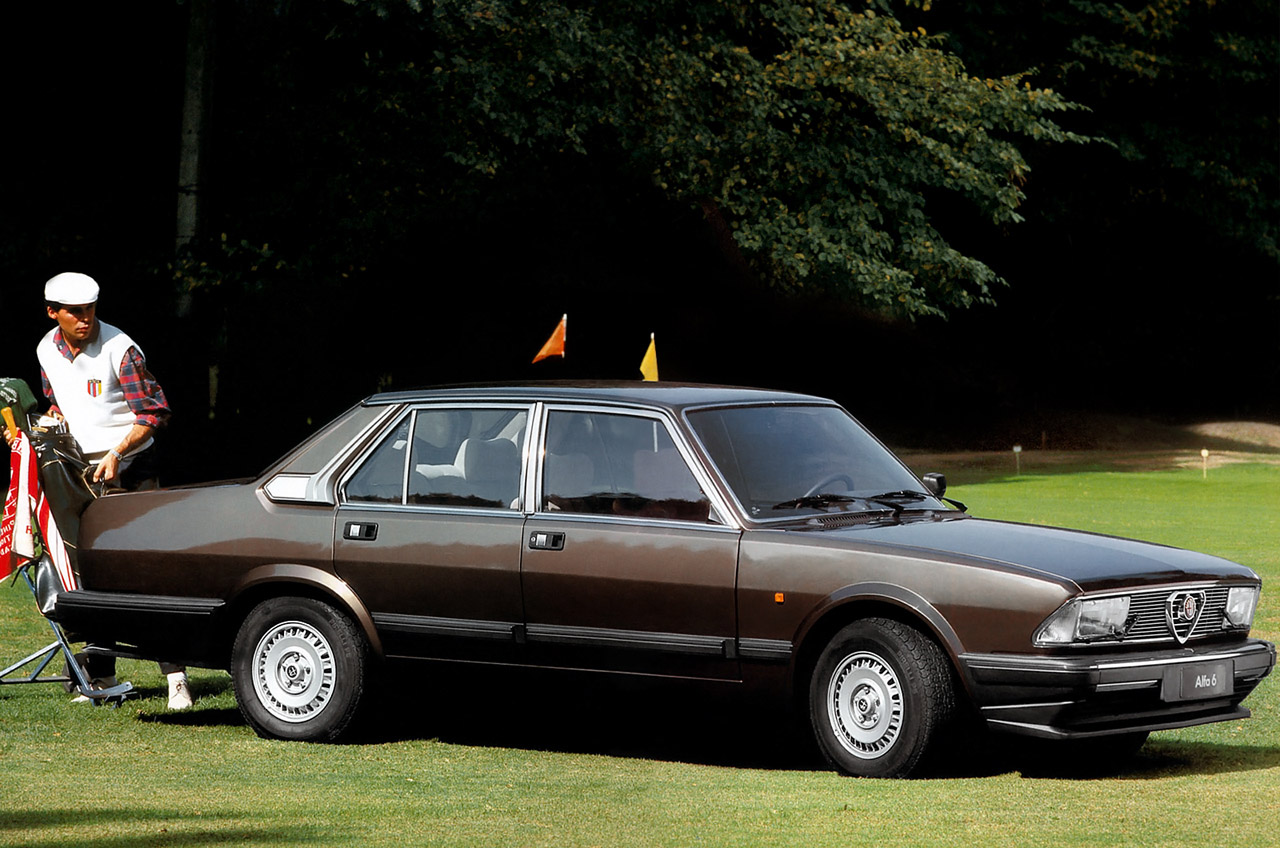
Alfa Romeo’s plans to introduce the 6 in 1973 derailed when the oil crisis made the idea of driving a big, fuel-thirsty sedan unpalatable to all but the wealthiest European motorists. Executives consigned the project to the automotive attic until the late 1970s, when the oil market had seemingly settled. Alfa Romeo made several changes before launching production but the first 6 that drove off the line already looked dated.
The carburetted, 2.5-liter V6 was a real gem of an engine but its high fuel consumption raised eyebrows even in 1979. 1983 brought styling revisions (pictured), Bosch fuel-injection and an available turbodiesel but the improvements were too little, too late. 6 production ended in 1987 after Alfa Romeo built approximately 12,000 units.
Buick Century Turbo Coupe (1979)
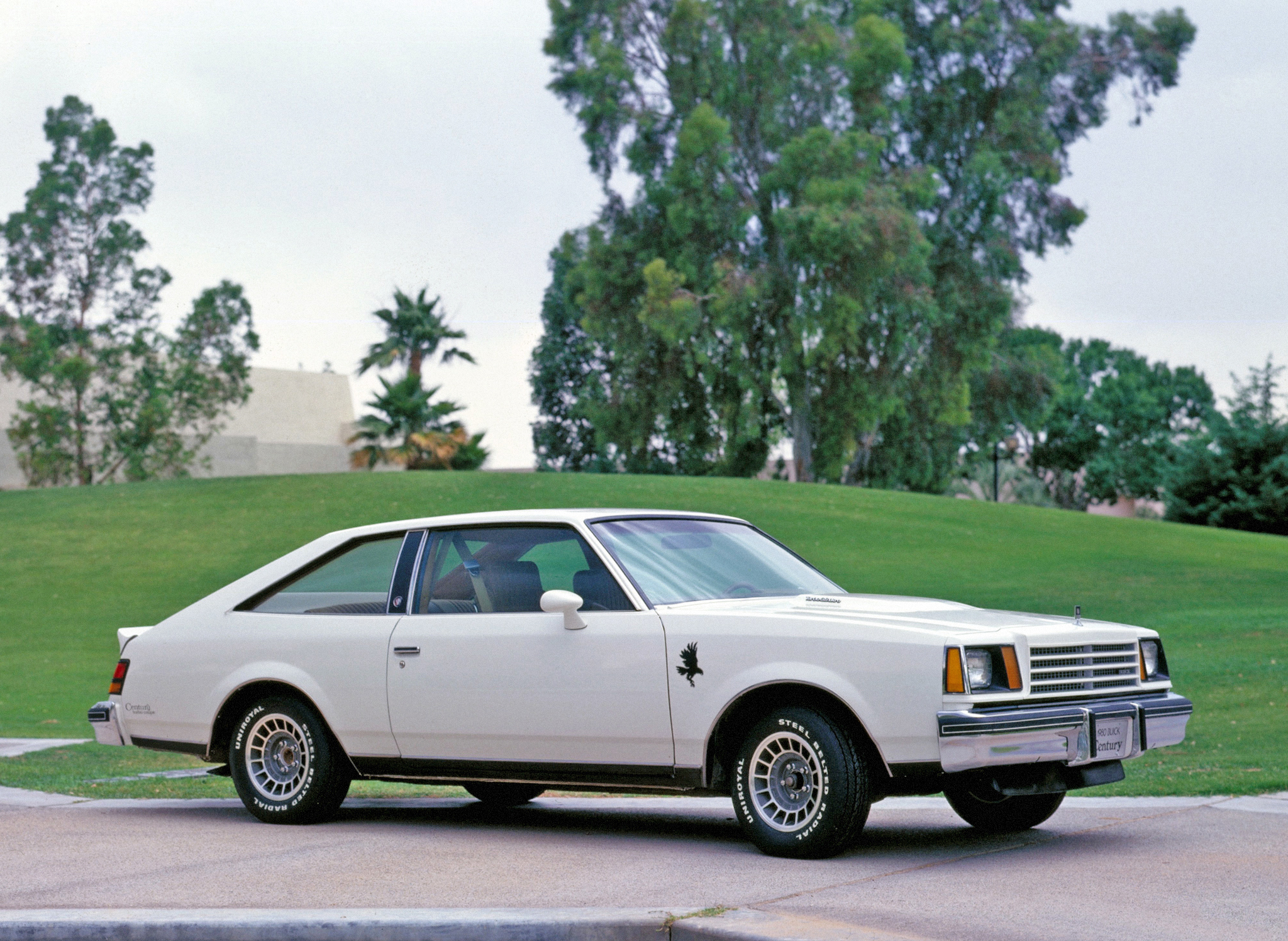
How do you attract young buyers? If a book existed detailing the answer, Buick read it cover to cover. Their Century Turbo was an impressive offering produced by the same company making the Indianapolis 500 pace car. Talk about motorsport pedigree. The Turbo Coupe used a 175bhp 2.8-litre turbocharged V6 which had around as much torque as the then Corvette. With looks not dissimilar to a Saab 900, Buick boasted ‘European-influenced’ styling. But it simply wasn’t enough to lure young buyers and after two years of production and less than 2000 sold, it was dropped.
Stevens Cipher (1980)
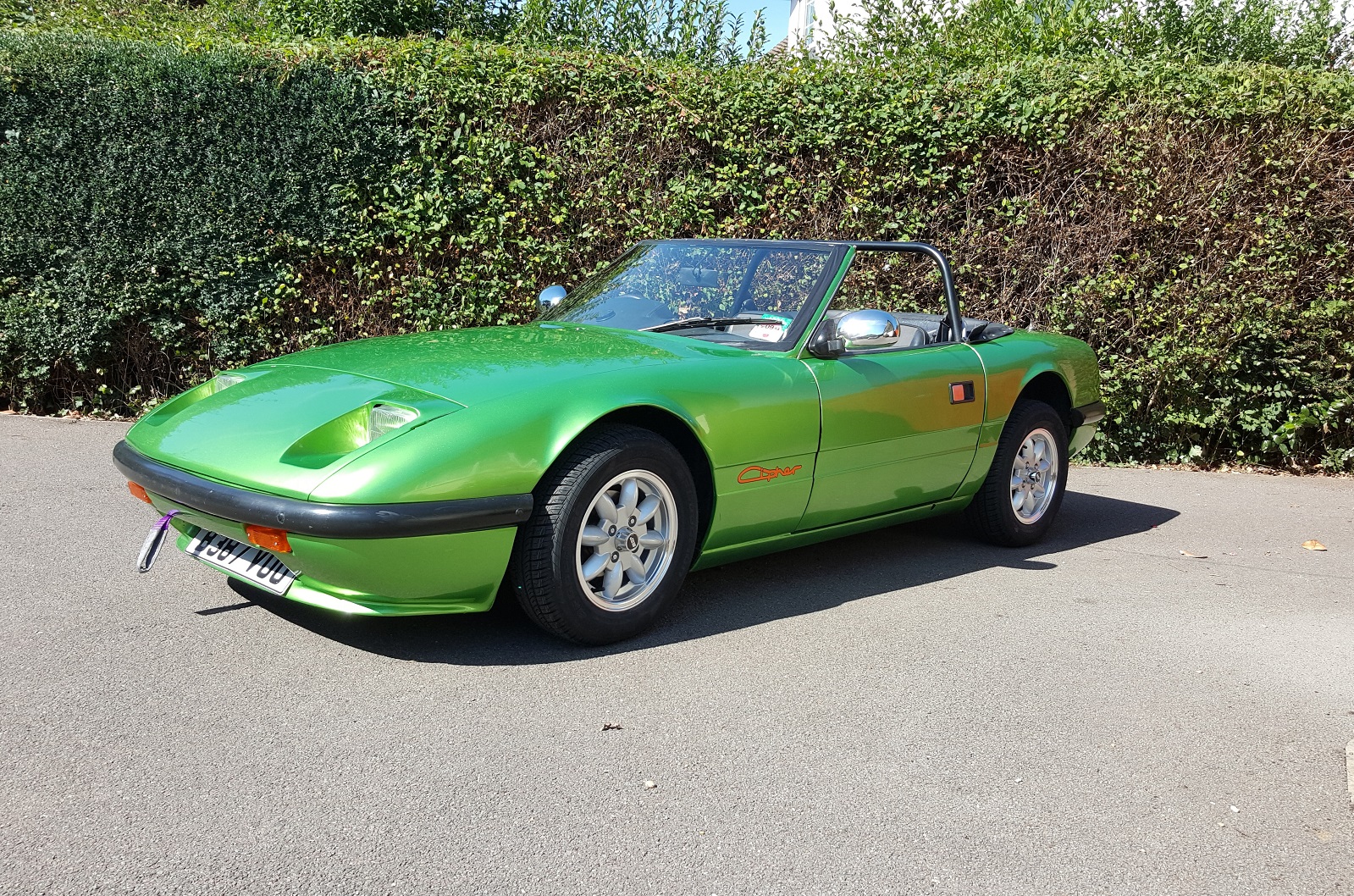
When almost everyone else was abandoning the sports car market amid fears the USA would legislate them out of existence, Professor Anthony Stevens came up with the superb Cipher. Light and compact, it used a simple chassis, glassfibre body and 850cc Reliant engine. Autocar’s Steve Cropley praised it when he drove one, and the Cipher helped inspire the Mazda MX-5.
Despite all of this, Stevens could not raise the funds to take the Cipher into production and only seven were ever completed. It’s the UK car industry’s loss the Cipher didn’t get the backing it deserved as was the right car at the right time.
Chevrolet Citation X-11 (1980)
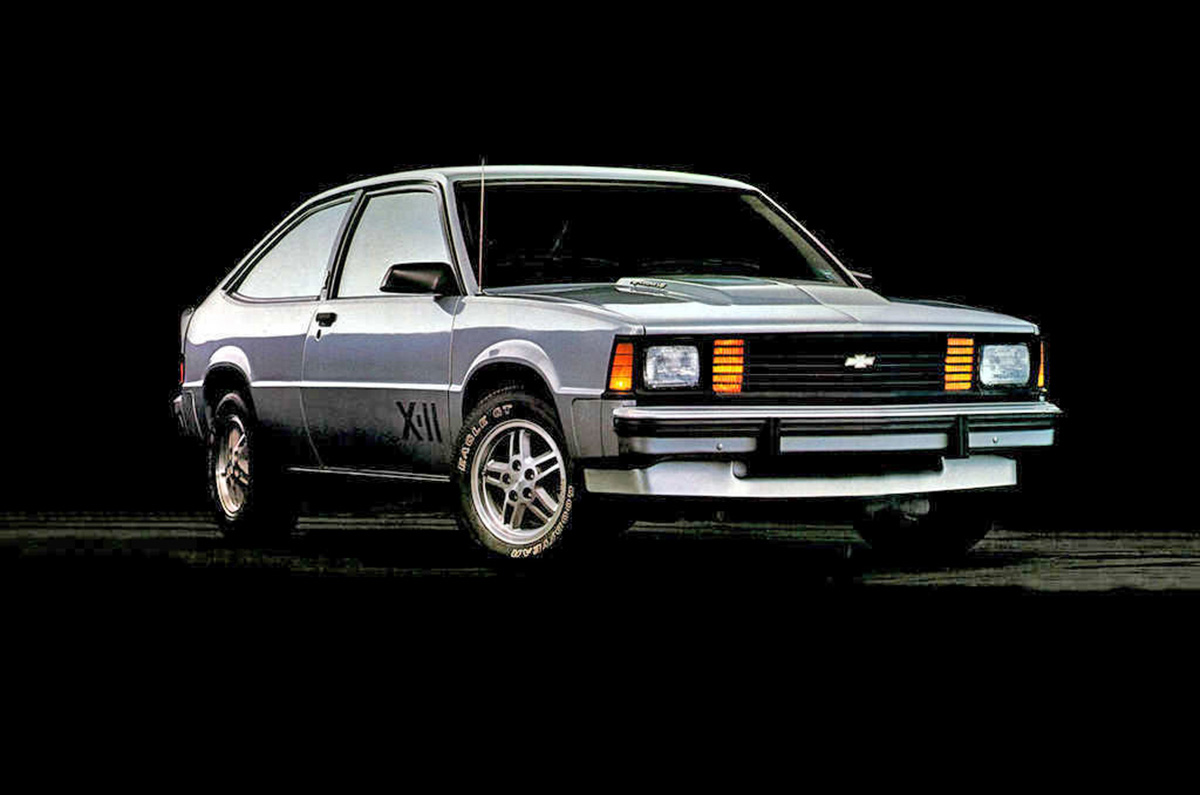
The X-11 was, to Chevrolet, what Polestar is to Volvo. It didn’t set out to become the ultra-rare brother of the ordinary Chevrolet Citation, but with 20,000 X-11’s sold out of 1.54 million ordinary Citation’s, that’s exactly what happened. The X-11 was a performance offering which featured a fizzy 2.8-litre V6 and a bulge in the bonnet to exercise its sporting credentials. As a result, the X-11 drove Chevrolet to racing championships in competitions held in 1982 and 1984.
Dodge Mirada (1980)
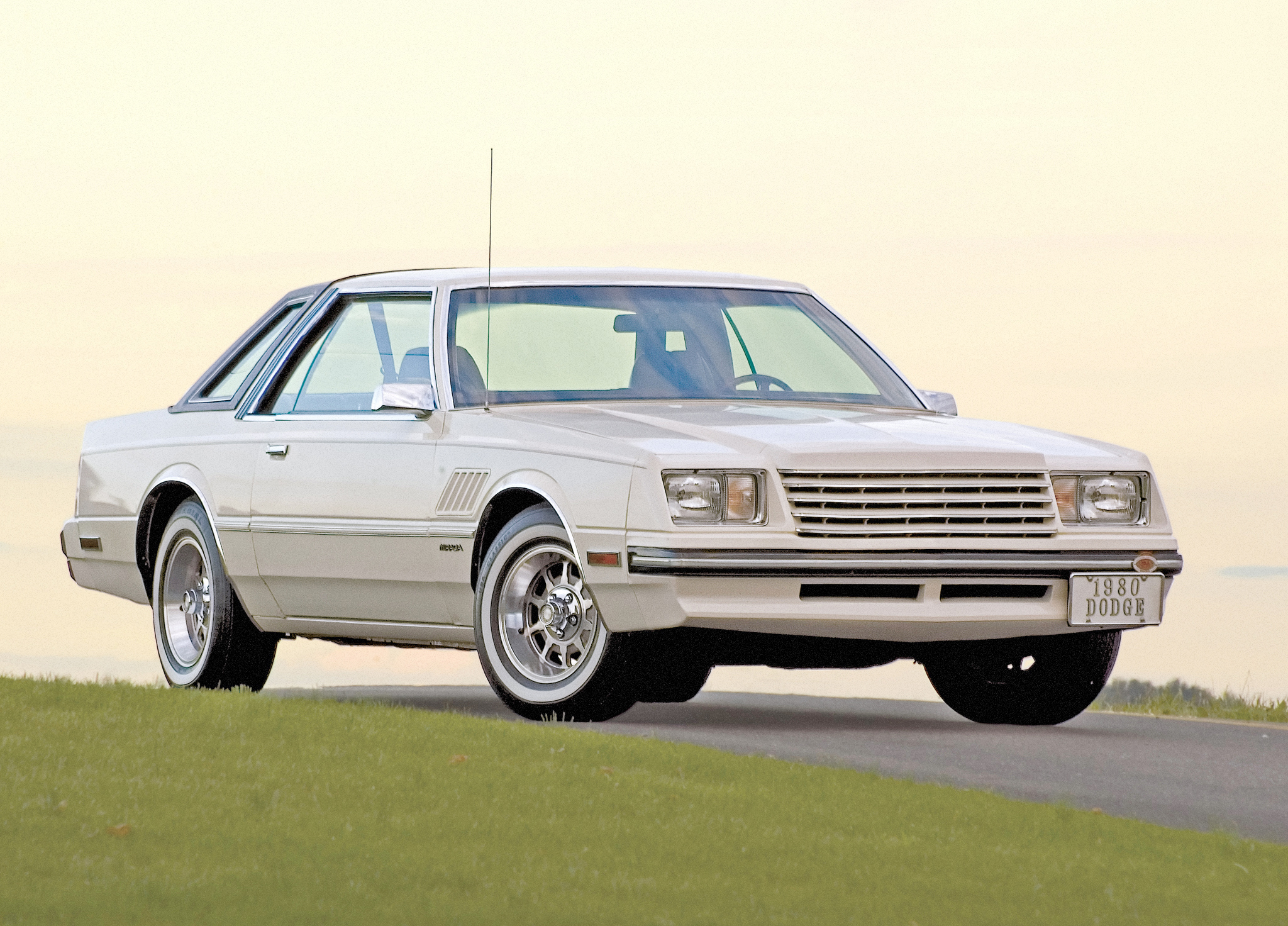
Nothing says 80s chic like the Mirada – born for the V8 engine and adorning whitewall tyres. This car was ideal as a comfortable motorway cruiser, but developed to have a sporting edge. This would become its main problem, with customers disappointed in its performance and poor driving manners for a vehicle with such sporting intentions. Just 52,000 were sold over three years, a piffling amount compared with rivals, and the car was dropped. Still, it lives on as a lesson in tasteful American motoring.
AMC Eagle Kammback (1981)
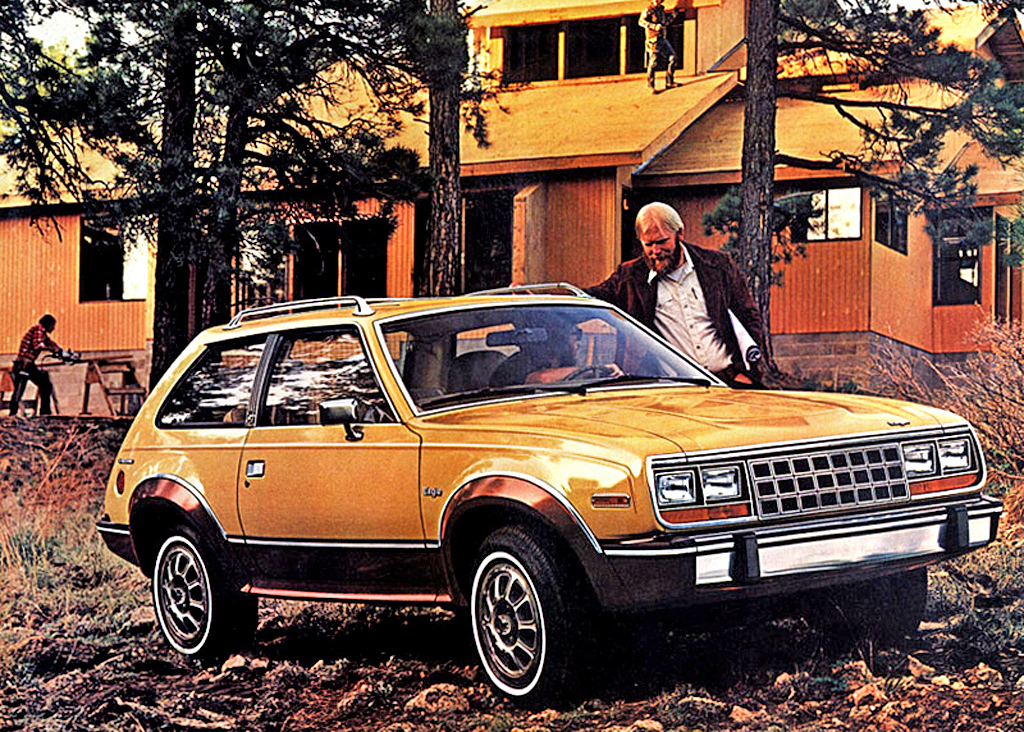
Automotive niches inspire some of the oddest creations. The Reliant Robin. The Mercedes R63. And in America, the AMC Eagle Kammback - a niche within a niche. It was a compact car with an interchangeable four-wheel drive system. The owner, typically a first-time buyer or a fleet driver, had to stop at the side of the road to switch between its four and rear wheel drive modes. These days, to get an interchangeable drivetrain you have to buy a BMW M5. However, it wasn’t enough and sales diminished after just one year, despite being 34,000 strong in year one. Like every other niche, it’s only interesting once it’s gone.
Jeep CJ-8 (1981)
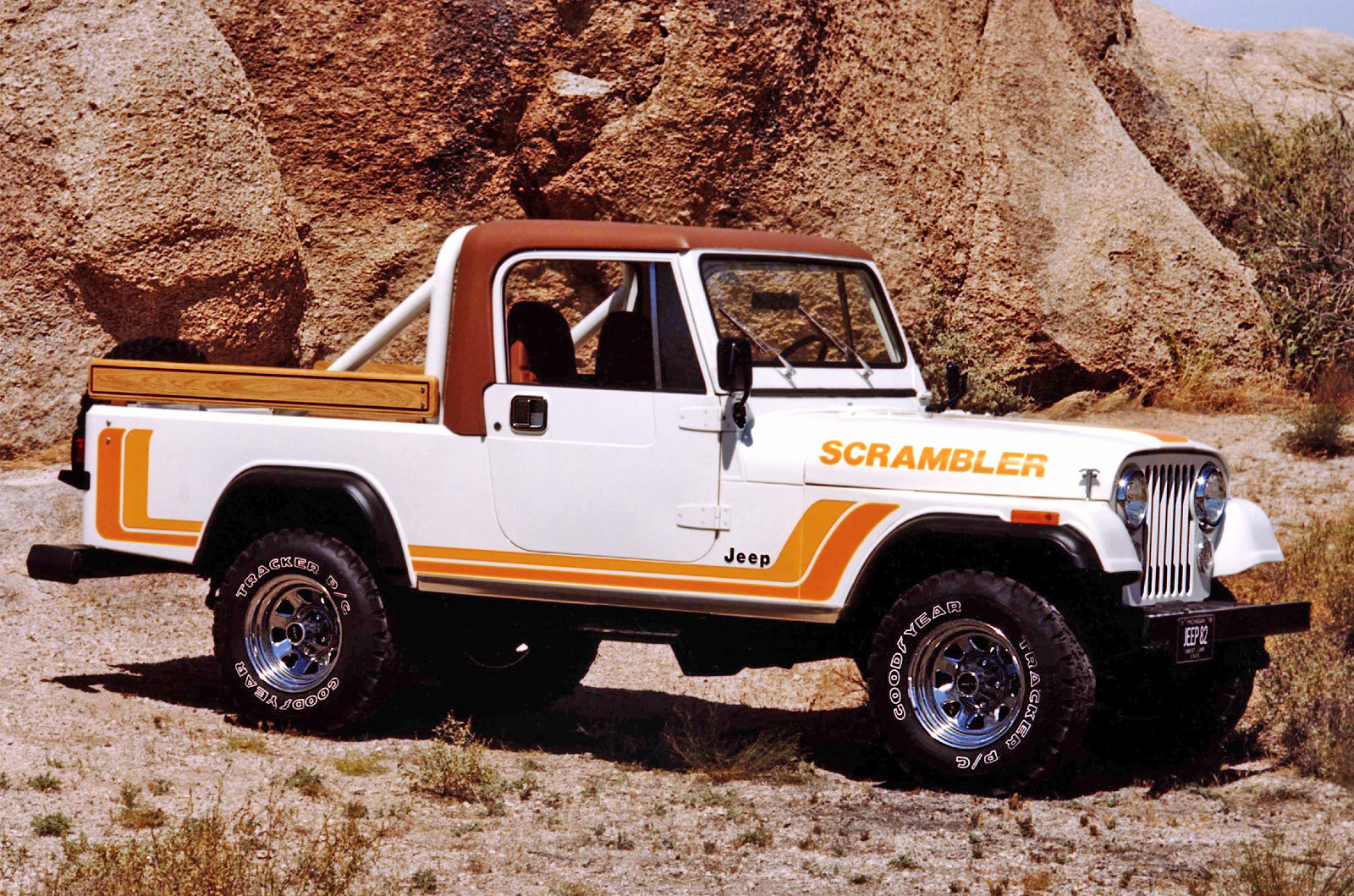
The Jeep CJ-8 was a CJ-7 with 10 additional inches of sheet metal between the axles. It retained the CJ-7’s legendary off-road capacity, but it was unique in its segment because it was more of a leisure-oriented model than a workhorse. Jeep didn’t replace the CJ-8 until it introduced the Unlimited variant of the TJ-series Wrangler in 2004, and it returned to the pickup class with the Wrangler-based Gladiator in 2019.
Ford EXP (1982)
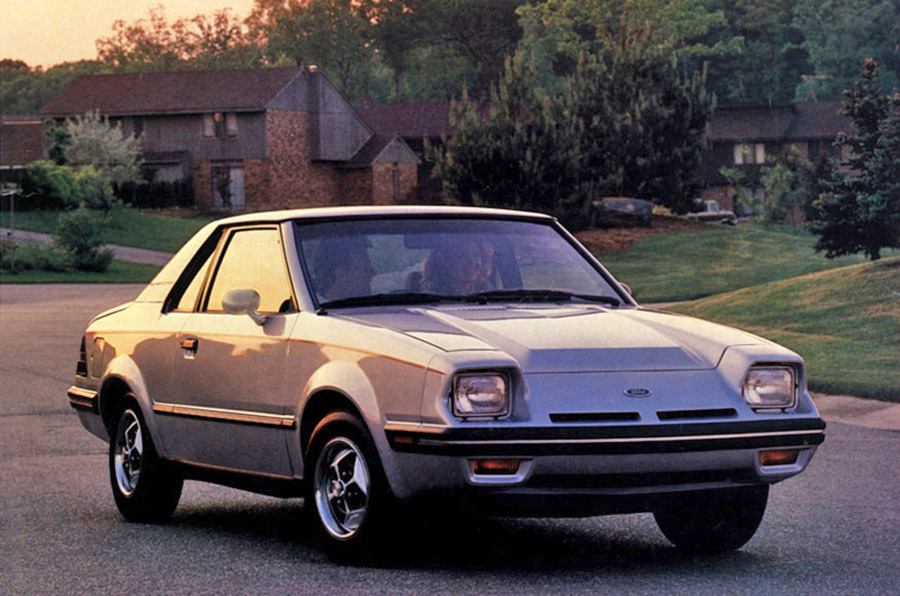
It was just about to be axed from production, but engineers stepped in to save its life. The Ford EXP was introduced in 1982 as a sportier alternative to the Escort, albeit with a more intricate design that seemed to be missing a front grille. Despite 225,000 being sold, the cult following from the EXP’s life wasn’t found on the road, but in the factory. At the end of the first version’s life, workers took a new Escort, restyled it and showed it to their approving boss. The resultant EXP lived on in the Escort family, saved by its human family.
Lincoln Continental Turbodiesel (1983)
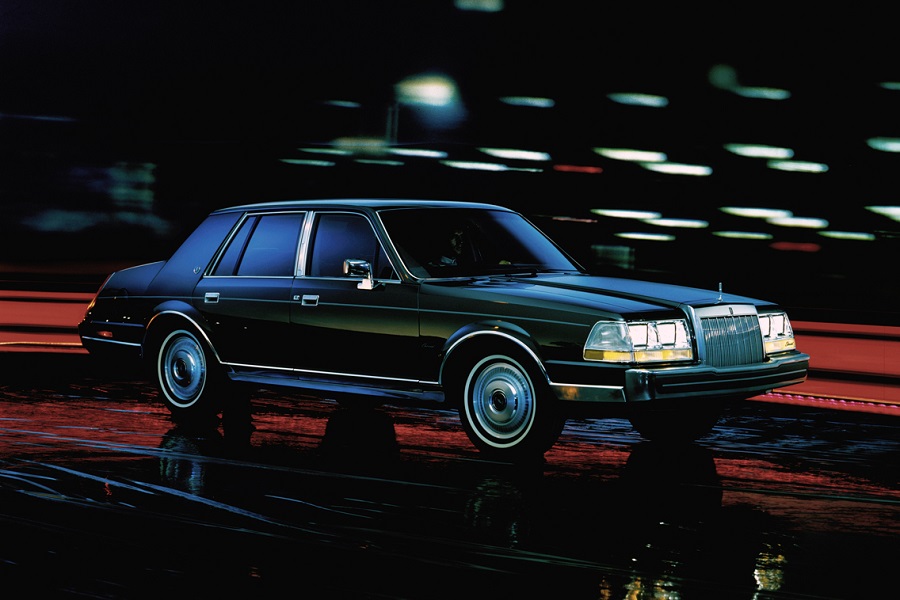
Although the Continental is one of Lincoln’s best-known models, the European-flavoured diesel-powered variant is remembered as an obscure footnote in the nameplate’s decades-long history. Mercedes-Benz sold every diesel it imported into the United States, much to Lincoln’s annoyance, and even some it didn’t bring – the grey market was booming in the early 1980s. Cadillac had jumped on the diesel bandwagon, too, though its models were not nearly as successful. Decision-makers decided the best way to keep customers in the fold was to offer the diesel engine they were leaving to find.
For the 1984 model year, Continental buyers could choose between a 4.9-litre, 140bhp V8 and a 2.4-liter turbodiesel straight-six built by BMW and tuned to 115bhp; it was the same unit that powered the 524td. Lincoln charged $1235 (around $3100 today) for the German engine. As it turned out, Mercedes-Benz buyers didn’t want a Lincoln and Lincoln buyers didn’t want a diesel. The option disappeared after 1985.
Isuzu Impulse (1983)
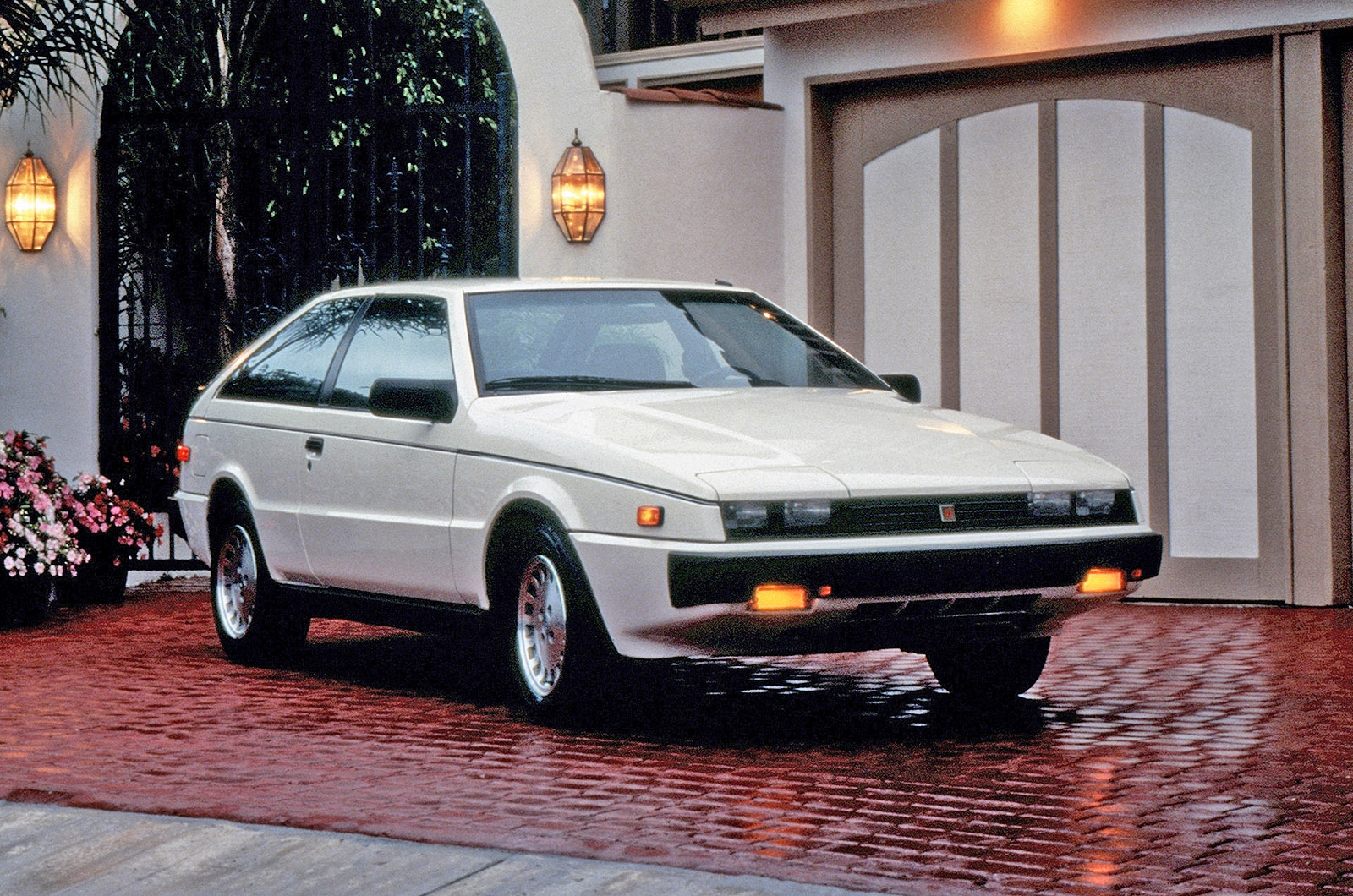
Cutesy but slender. Powerful but delicate. None of these are words anyone would associate with an Isuzu. But judging by the marketing campaign that read “It screams when you step on it” with a dark, moonlit background denoted something of menacing proportions. Styled by Giorgetto Giugiaro and bearing suspension developed by Lotus, the Suzuki was far ahead of its time.
Perhaps too ahead of its time, as those eye-catching looks and delicate personality weren’t enough to secure its success. Even in its best year, Isuzu only just managed to sell 40,000 and the Impulse was dropped after 6 years.
Marcos Mantula (1983)
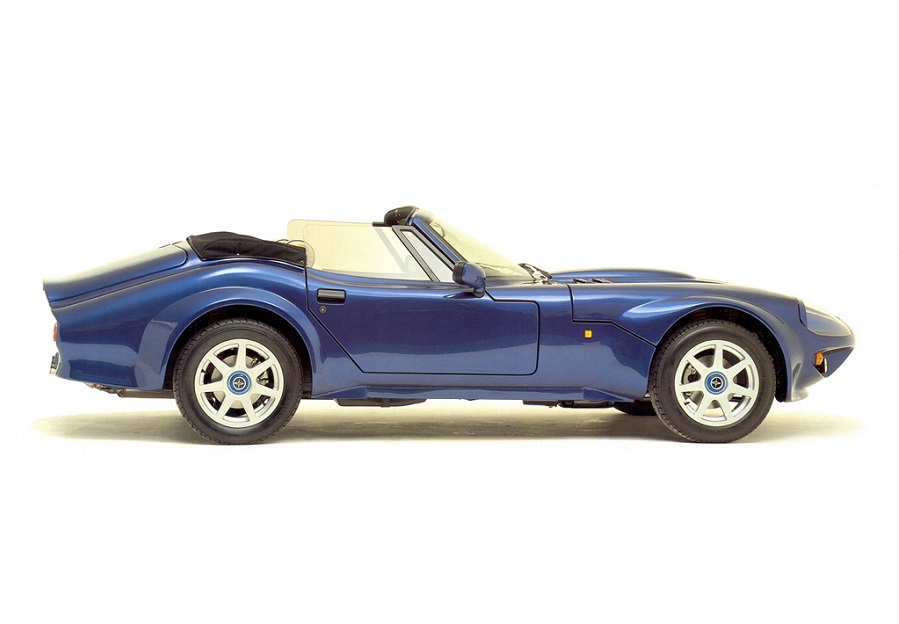
Every Marcos is a rare machine, but most have achieved a small but loyal and vocal following. However, the Mantula and its Mantara and Mantaray derivatives are too easily ignored. That’s a shame when they offer much of the thrills of contemporary TVRs, helped by using the same Rover V8 engine for propulsion. Offered in fully-built or kit form, the Mantula never quite shook off those kit car connotations for some potential buyers, even though the body, chassis and running gear were all very well made. Marcos made 289 Mantulas, so they do still appear for sale and deserve fair consideration for the performance and driving enjoyment they offer.
Zimmer Quicksilver (1984)
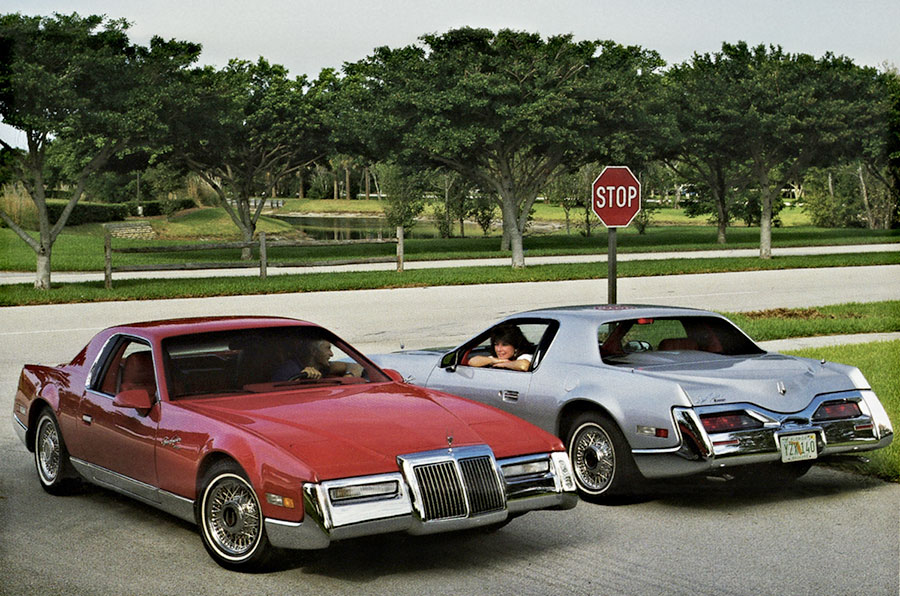
Paul Zimmer set up the Zimmer Motorcars Corporation in 1978, to build luxury cars. His first model was the neo-classic Golden Spirit, but in 1984 the Pontiac Fiero-based Quicksilver came along. Each second-hand Fiero chassis was stretched by 16 inches, on to which a glassfiber bodyshell was bolted, while the interior was spruced up with leather and wood. Production ran until 1988.
UMM Alter (1984)
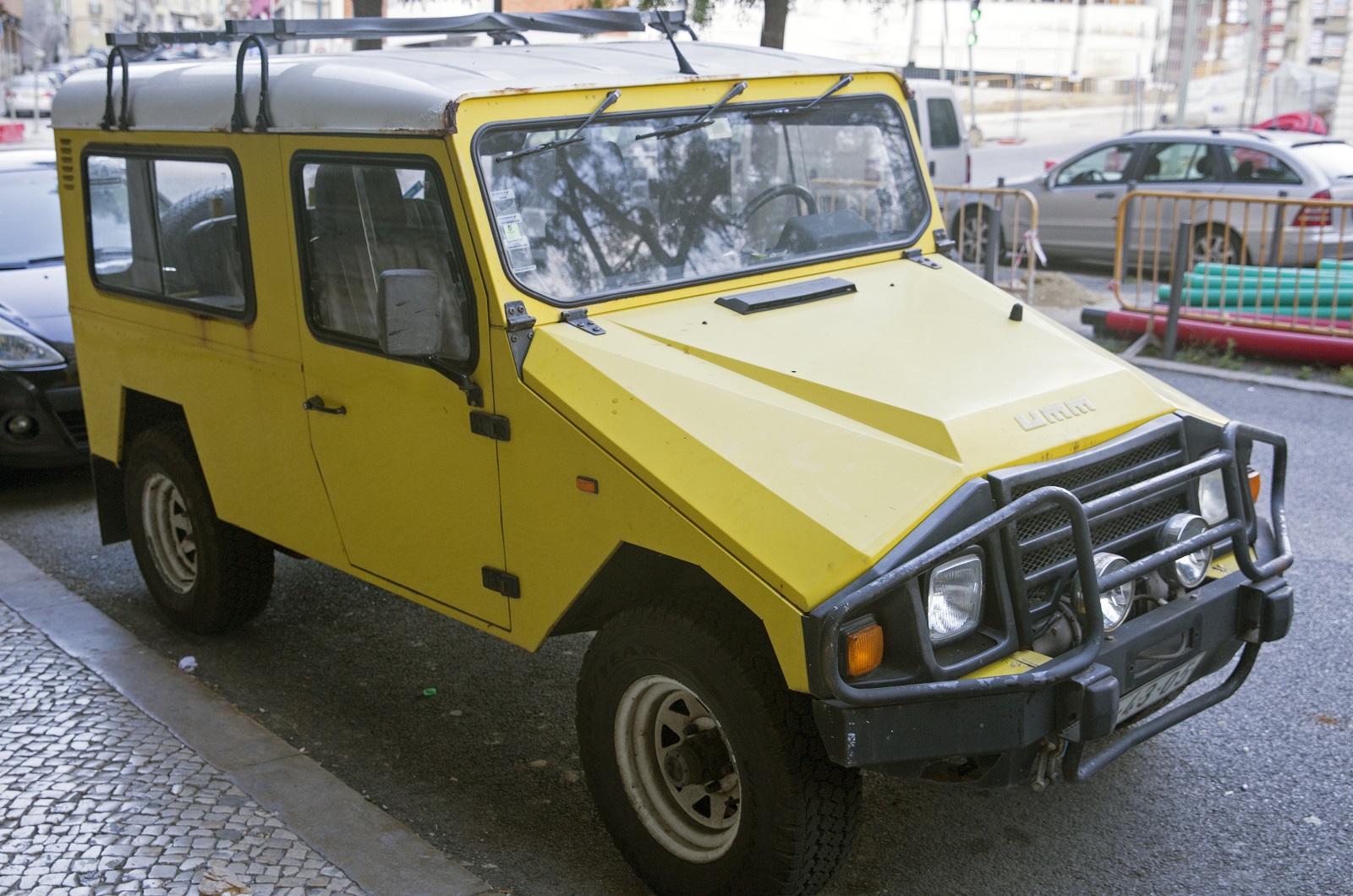
Two versions of this car would eventually come to market, in 1984 and 1986 respectively. Both variants of the Alter were near-perfect embodiments of function-over-form design, with drivers given as much space as possible. Durability, however, was the Alter II’s claim to fame, even finishing the 1989 Paris-Dakar rally. UMM also sold civilian-friendly variants of the Alter II (including some with bright, beach-friendly decals on both sides) but they remained too basic for their own good, even compared to a Lada Niva. Most examples consequently ended up in the hands of government agencies – one was even turned into a Popemobile when Pope John Paul II visited Portugal in 1992.
Pontiac Sunbird (1984)
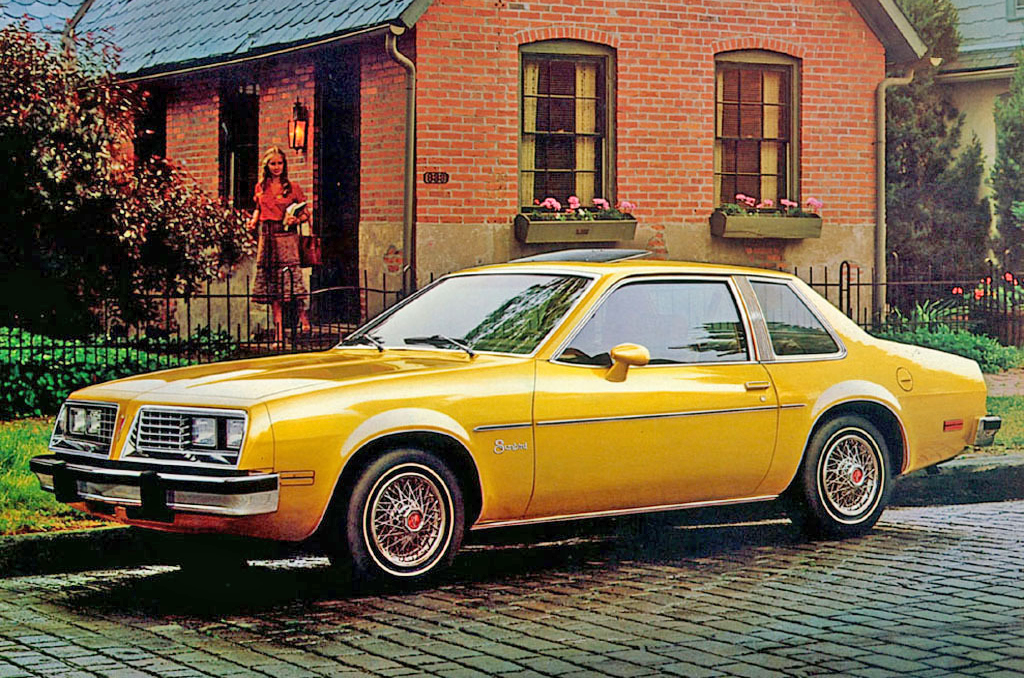
The story of the Sunbird is one of adaptation. The first generation car was dreary and sales weren’t much better. But when the Sunbird GT was introduced, all was transformed. It had a turbocharger and sporty styling cues worthy of the GT badge. Following the addition of a convertible, sales more than doubled in the first year. The final car even had a 3.0-litre V6. But the bestseller was a 165bhp 2.0-litre four cylinder, a formula that proved so successful it wasn’t changed for three years – a record for Pontiac’s laws of evolution.
Chrysler Laser (1984)
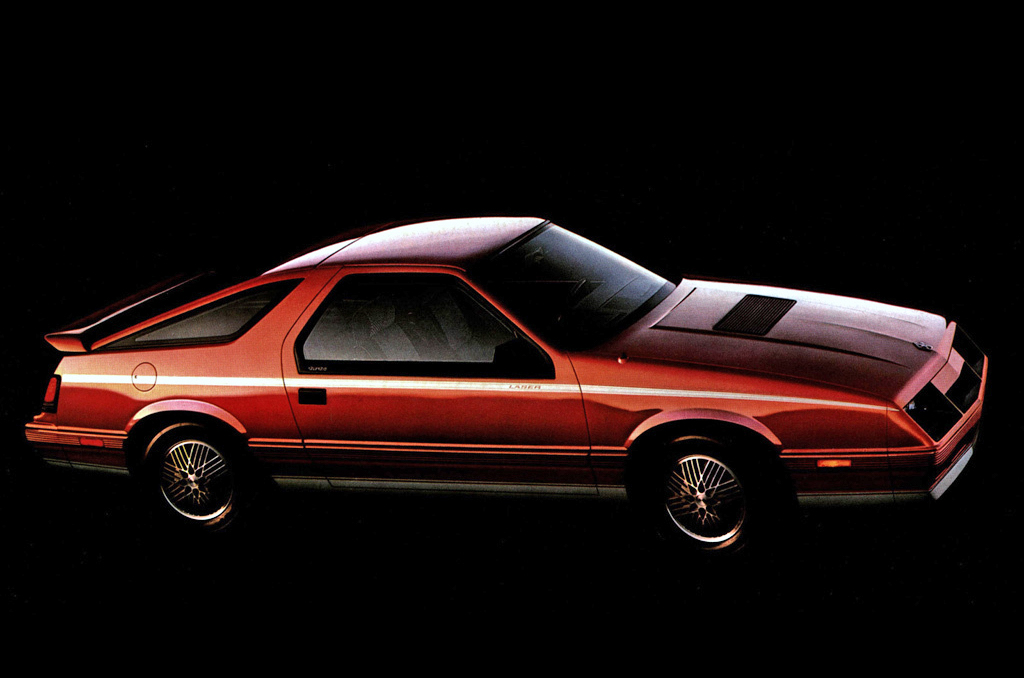
Did you love the 80s? If not, here’s some convincing. The Chrysler Laser was marketed with retro-purple sunsets and had digital dials that looked as wackily trapezoidal as its air vents. It was clearly a car that looked to the future for inspiration, and its competitors. Its 0-62 time matched the likes of Porsche’s 944 and Nissan’s 300ZX Turbo, all while delivering 35mpg. And if that wasn’t enough, the Laser used a turbo boost gauge so its 150,000-strong customer base could regulate its turbo pressures.
Dodge Omni GLH (1984)
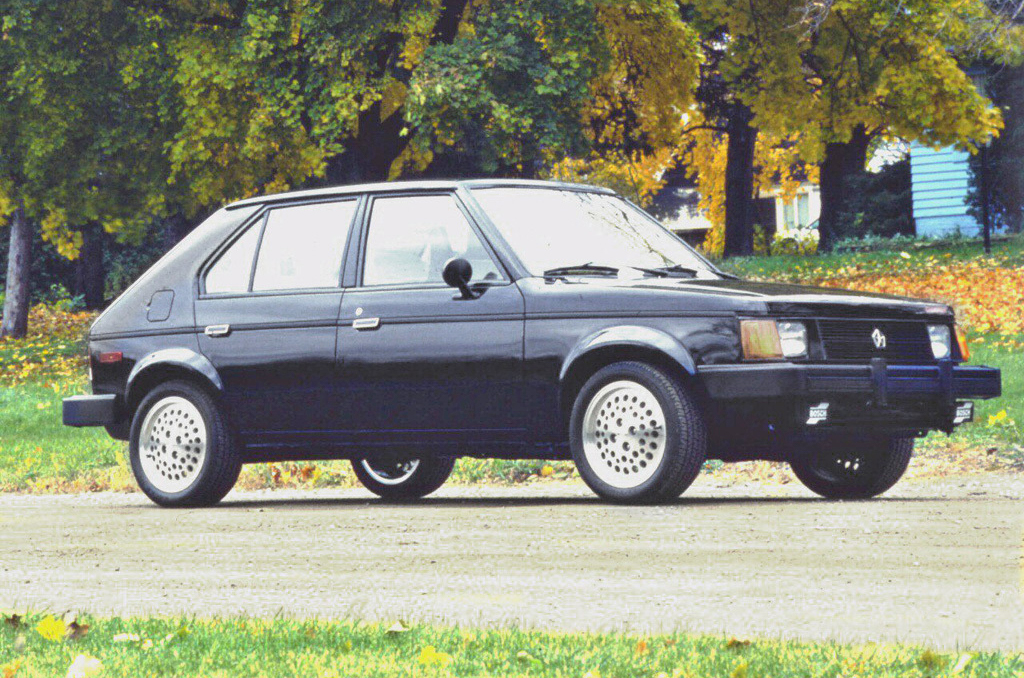
Believe it or not, ‘GLH’ doesn’t refer to this car’s mechanics, or its history. It simply means “Goes Like Hell”. With development overseen by Carol Shelby, this should come as no surprise. What does surprise is the fact that only 13,000 GLH’s were sold. The performance of these cars, particularly the Turbo variant, was impressive even by today’s standards. The Turbo managed 0-62 in 7.5 seconds, just one second slower than a new Volkswagen Golf GTI. And it wasn’t even the quickest one. The Omni GLHS was as quick as a new GTI, whose acronym aptly stood for “Goes Like Hell, Shelby”.
MVS Venturi (1984)
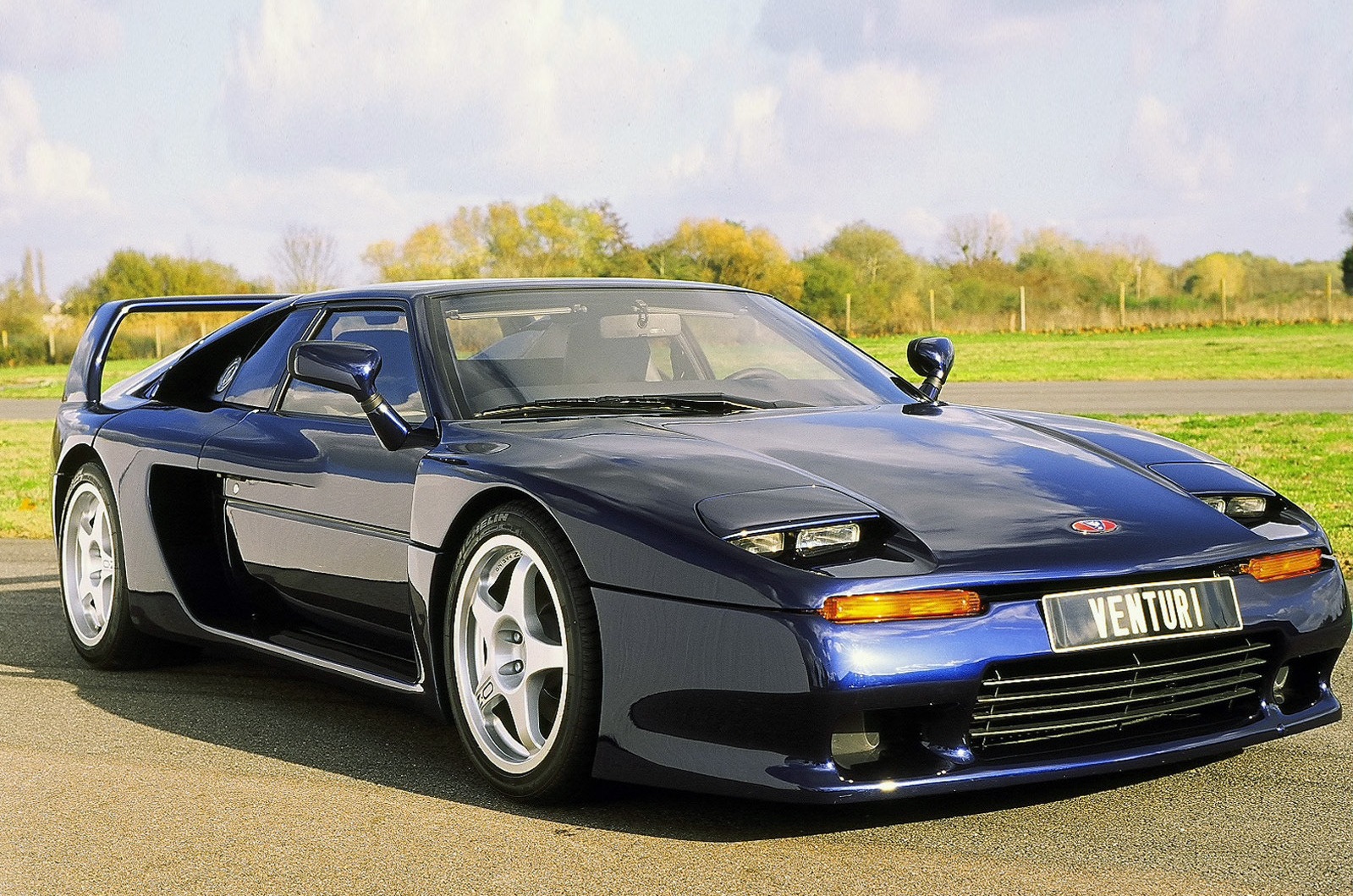
Although it looks similar to the Renault Alpine A610, the MVS 260 and its Atlantique 300 sister were entirely independent products. Built by Manufacture de Voitures de Sport, they did use the Renault V6 engine in 260- and 302 hp forms but the motor was mid-mounted in the MVS. Performance was strong, but the MVS never made the Ferrari-rivalling impact the firm hoped for, even in its native France. The 260 was made from 1984 to 1994, then superseded by the Atlantique that lasted until 2000. While quick, the handling wasn’t in the same league as that of a Porsche 911, which cost almost exactly the same as the MVS.
Pontiac Fiero (1984)
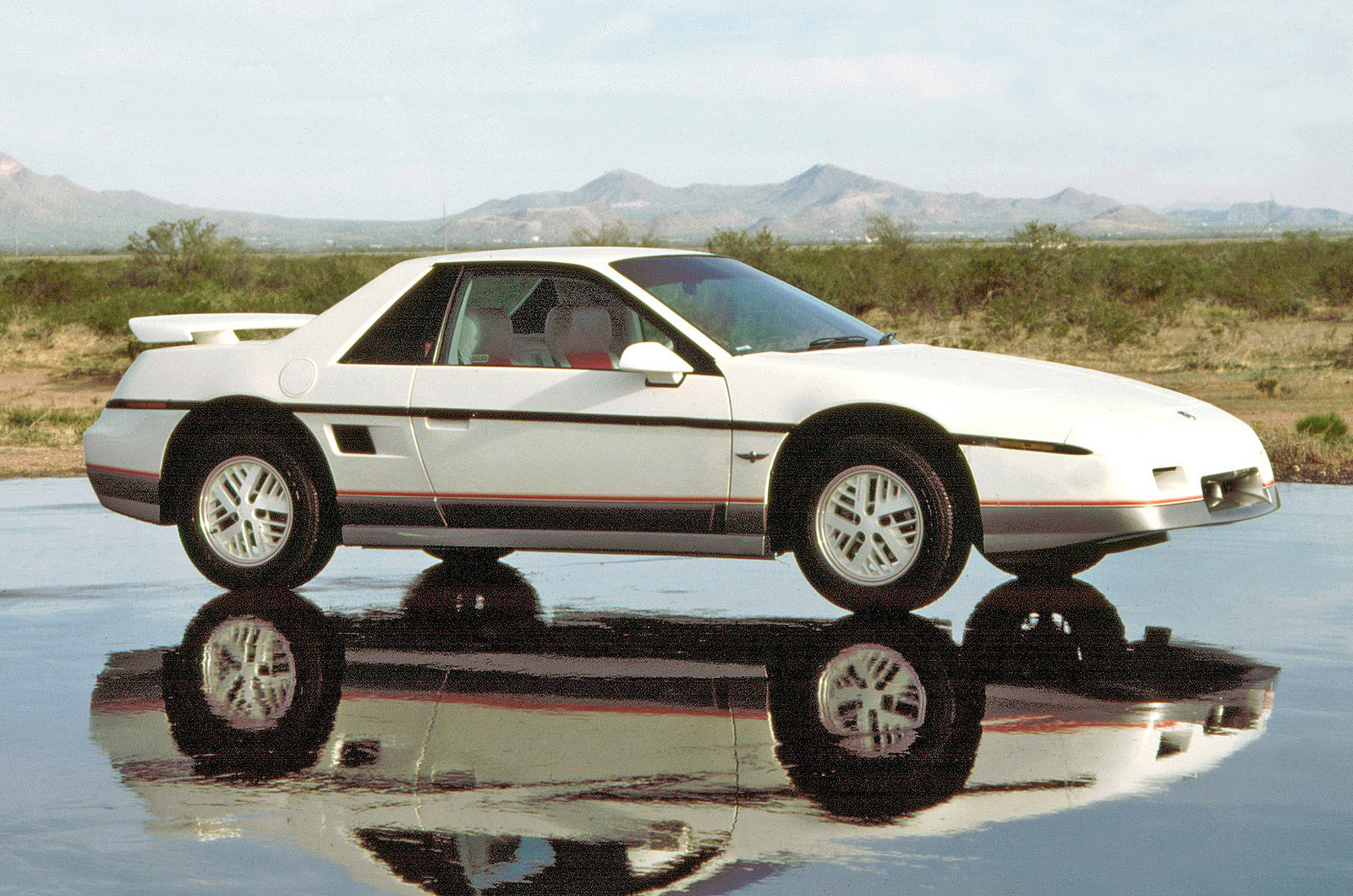
The Fiero was the most European of American sports cars. Under its rust-proof body law a mid-mounted 2.5-litre four-cylinder engine with drive sent to the back wheels. Unfortunately, the European similarities all but end there. Cost saving meant the Fiero didn’t drive as well as it could, and issues with oil leaking onto the exhaust manifold meant cars caught alight, prompting a recall.
Pontiac spent $30 million trying to save the Fiero for the second generation, but it was too late. Sales halved between 1986 and 1987, and the wannabe Lotus was axed after 370,000 units produced.
CXA CX (1985)
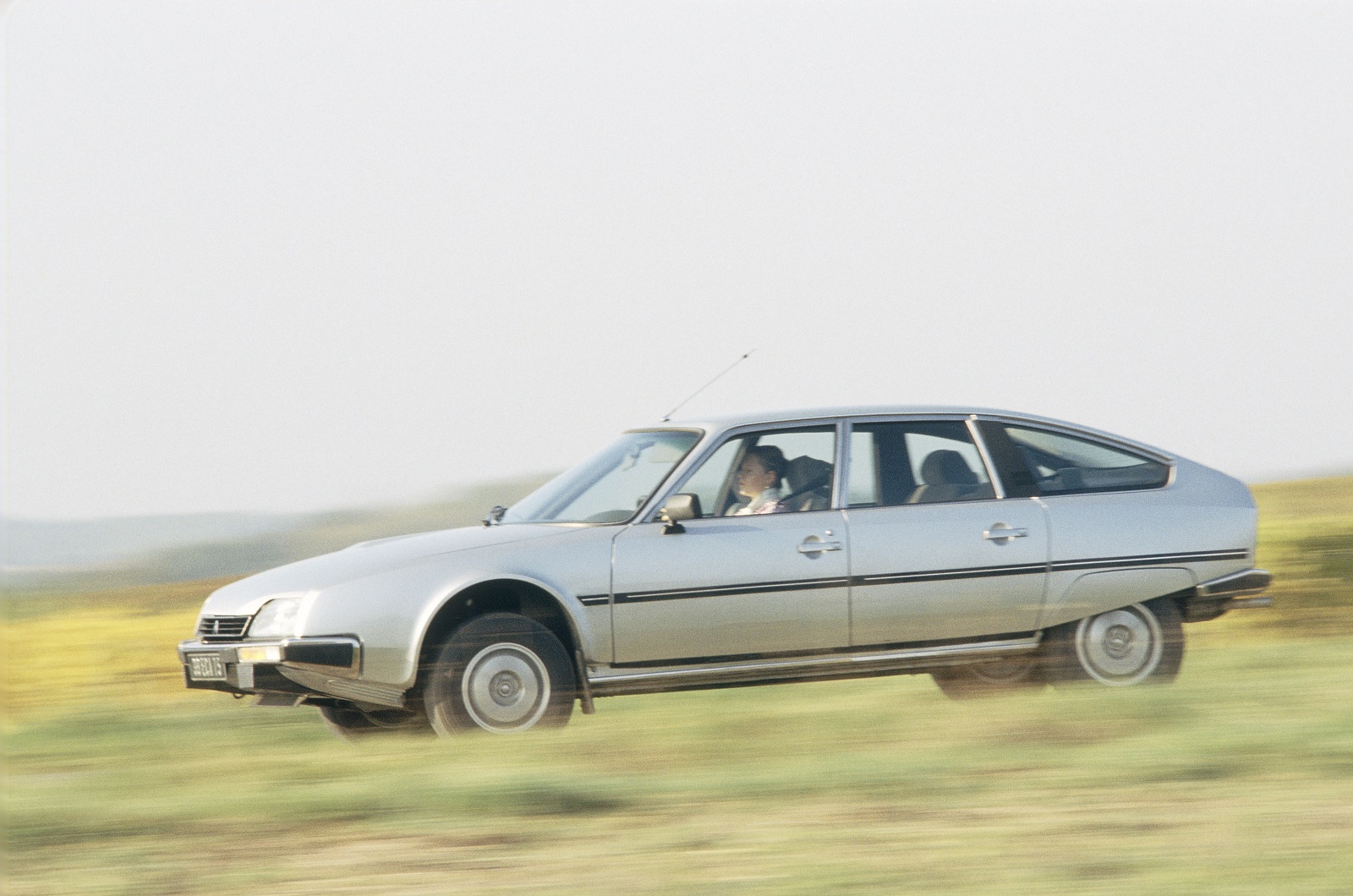
Citroën unceremoniously left the American market in 1974 and hasn’t returned since. Although the NHTSA regulated hydropneumatically-suspended cars like the CX (pictured) out of the United States, Dutch businessmen Andre Pol and Malcolm Langman gave the model a chance to shine when they formed CX Automotive (CXA) in the early 1980s. Their team carried out numerous modifications (like installing side-marker lights and sealed-beam headlights) to make Citroën’s flagship compliant with American regulations.
Upmarket features like real wood trim were sometimes added as well. The cost of buying a CX, modifying it and shipping it to America was extremely high so CXA charged about $30,000 (around $73,000 today) for a legal, homologated model in the United States. It sold a handful of examples and turned its attention to the XM when CX production finally ended in 1991.
Volvo 780 (1985)
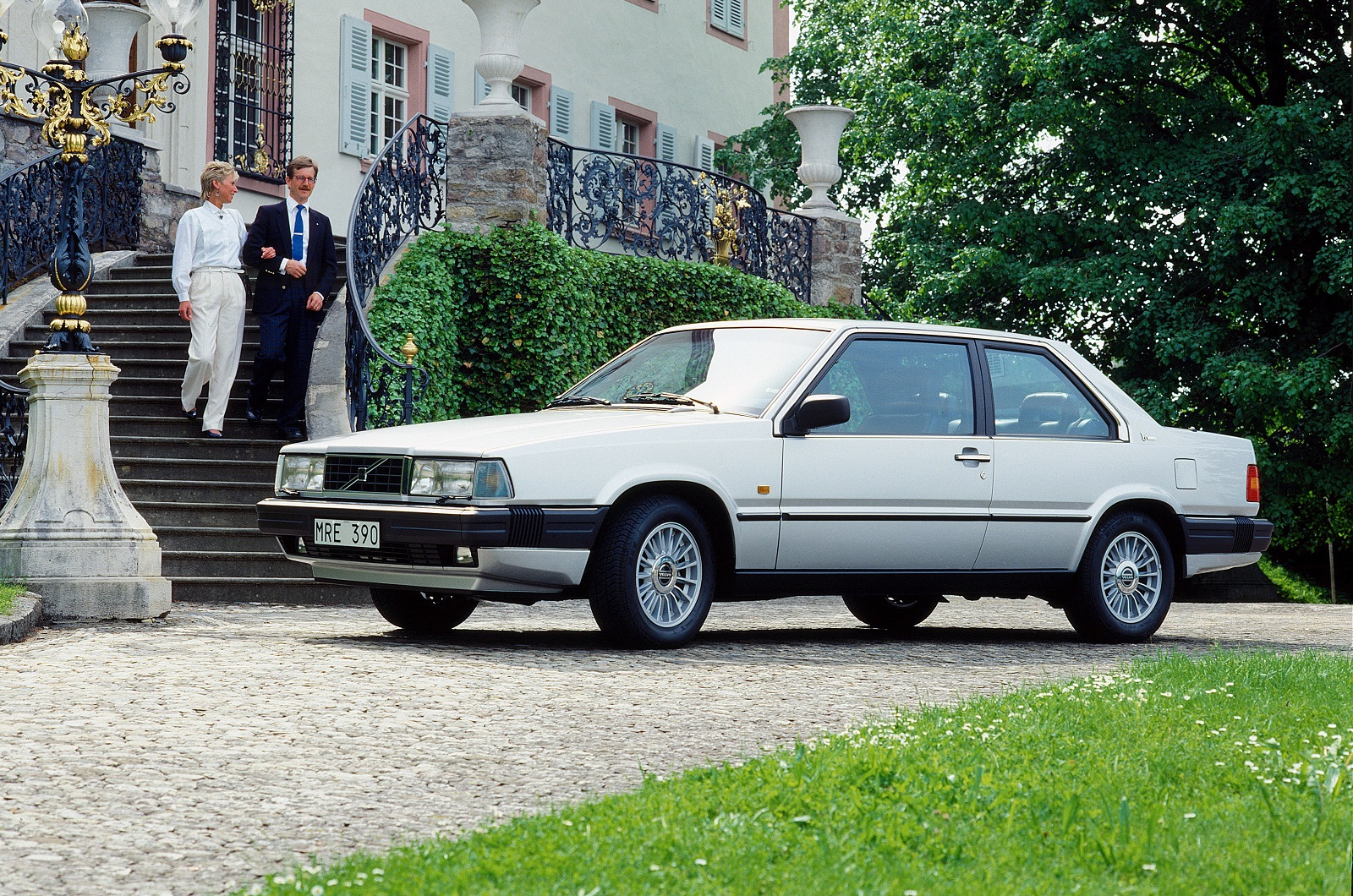
Volvo renewed its ties with Italian coachbuilder Bertone to transform the 760 into a coupe named 780. Unveiled at the 1985 Geneva motor show, its proportions were easier on the eyes than the 262C’s and it was not available with a vinyl top. It wore sharp, sporty lines that fit in well with the rest of the Volvo range and fell in line with what buyers expected in that era.
Inside, leather and wood trim helped it live up to its flagship positioning. It stood proud as one of the most exotic cars ever released by Volvo. Globally, engine options included a V6, a turbodiesel and a turbocharged four-cylinder. Historians disagree about the number of 780s built; Volvo pegs the total output at 8518 cars but some claim the accurate number lies in the vicinity of 10,000 units. Regardless, 780 production ended in 1990 and it wasn’t replaced until the first-generation C70 – which Bertone played no part in – arrived in 1996.
Naylor TF (1985)
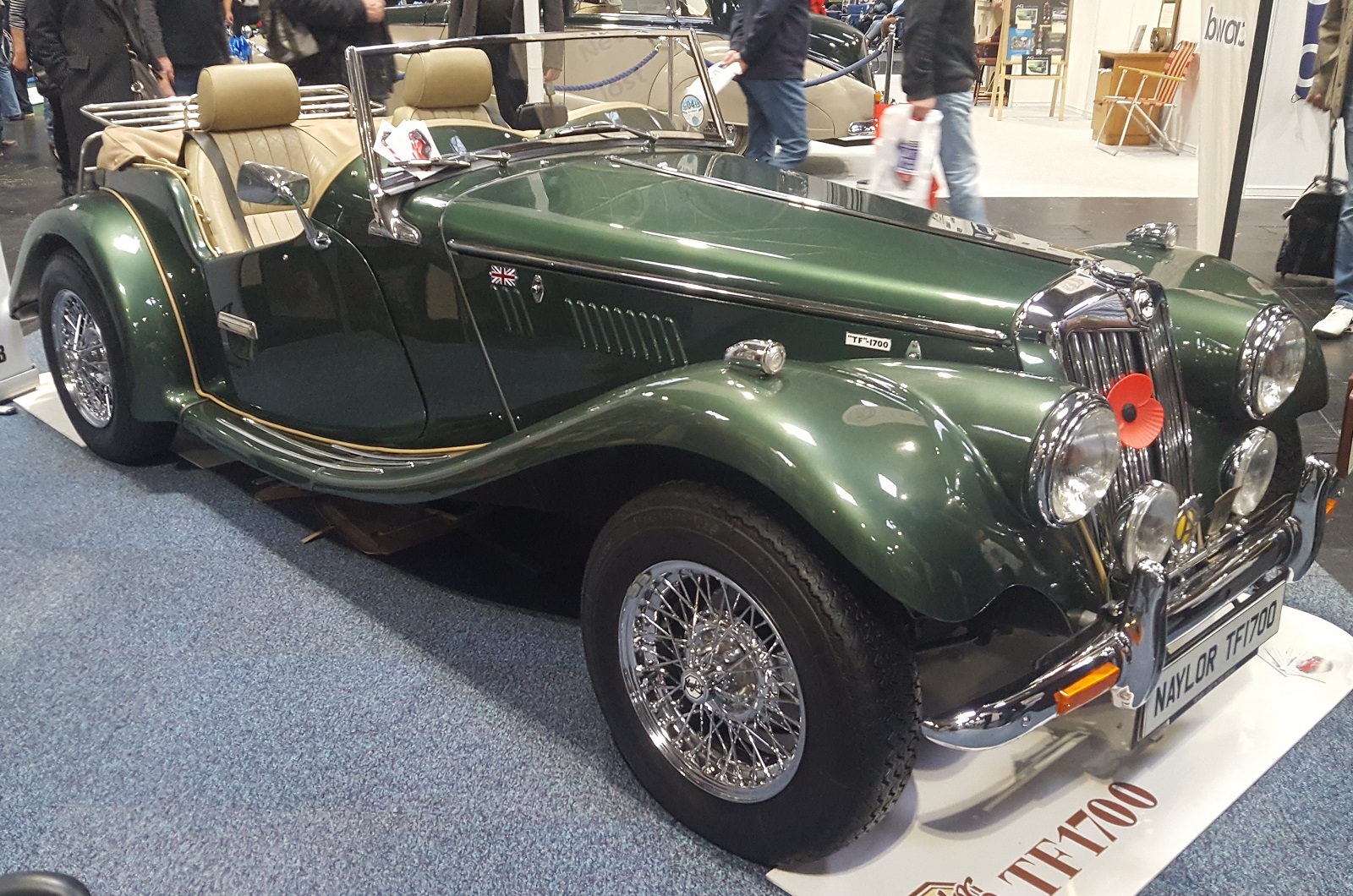
Naylor had built an enviable reputation for high quality restorations of classic MGs, so the idea of building its own MG TF with modern engine, gearbox and electrics seemed like a good idea. There was no faulting the high standards of the Naylor TF, though choosing a 78 hp British Leyland O-Series engine and four-speed manual gearbox didn’t inspire many buyers. The real problem for Naylor, however, was cost as the TF was offered for £14,950 when a Toyota MR2 was cheaper, better to drive and more practical. Not even a test drive from Prime Minister Margaret Thatcher could drum up enough patriotic support to boost sales beyond 100 cars in total.
Merkur XR4Ti (1985)
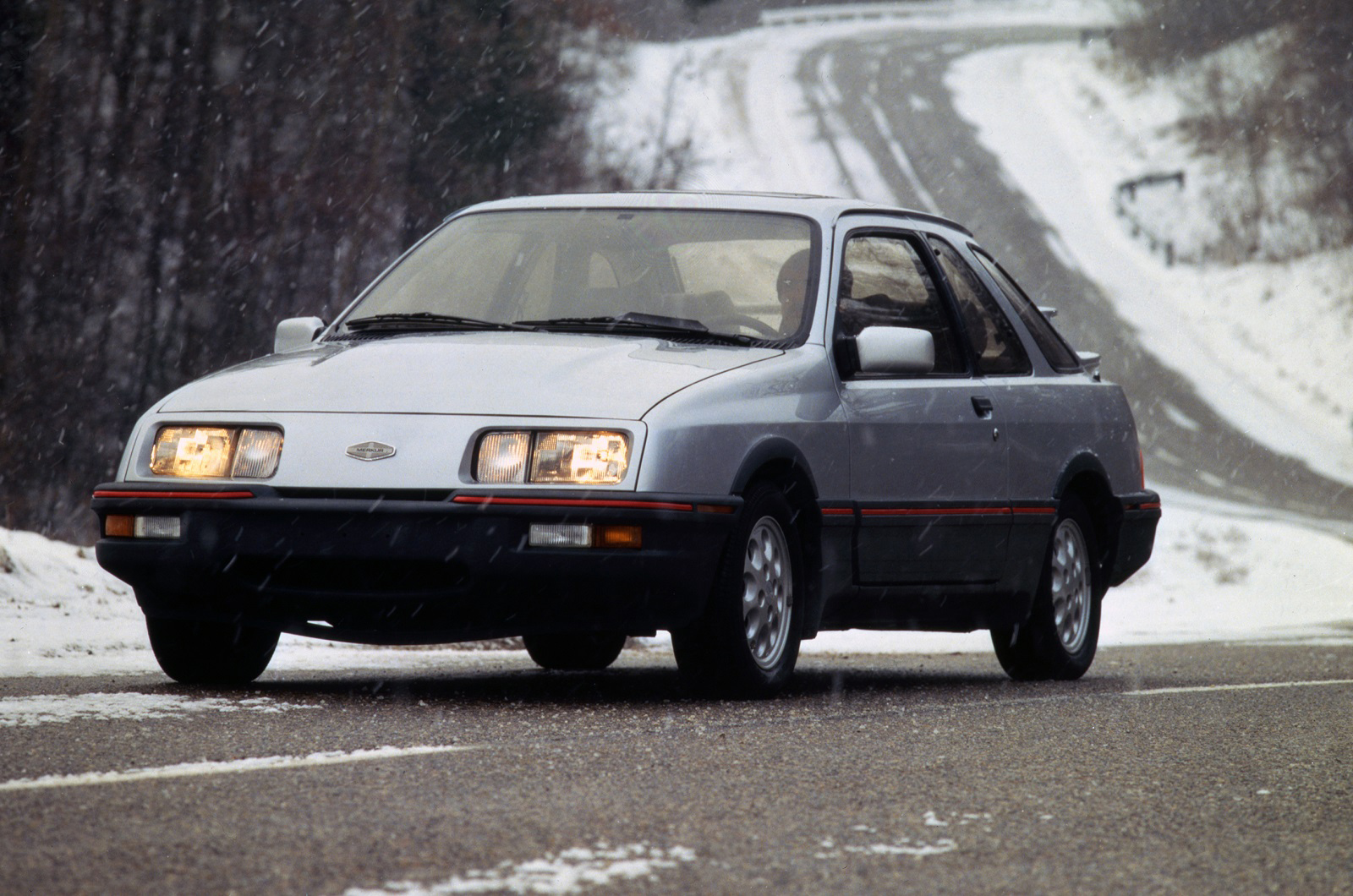
Ford believed selling the Sierra XR4i in America would help it fend off competition from brands like BMW, Mercedes-Benz and Audi. It chose to market the car under a new brand called Merkur, a name presumably chosen because it sounded more German. The US-spec model received a turbocharged 2.3-litre four-cylinder engine instead of a V6, which explains the “T” in its name. Too esoteric, the XR4Ti retired in in 1989 after Ford imported about 42,000 examples from Germany. The bigger Merkur Scorpio suffered the same fate.
Daihatsu Cuore Avanzato TR-XX R4 (1985)
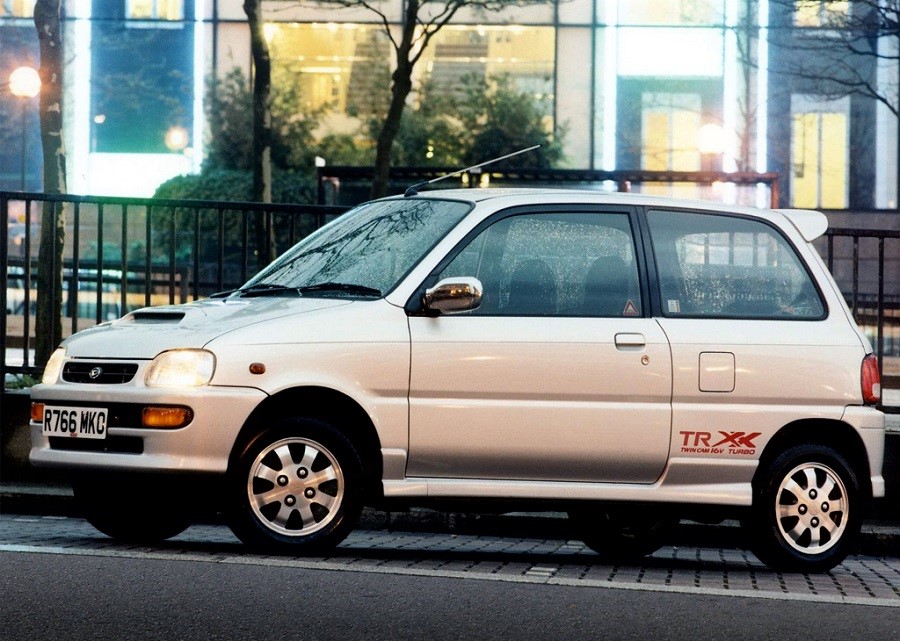
When the world was going crazy for roadgoing versions of World Rally Championship cars like the Mitsubishi Evo and Subaru Impreza, Daihatsu offered its take on the theme: the Cuore Avanzato TR-XX R4. However, it was more a product of the fertile Kei car market in Japan than stage victories in the WRC.
The tiny Cuore came with four-wheel drive and a turbocharged engine like its more illustrious compatriot, but with 659cc on hand it was somewhat less powerful. The four-cylinder engine corralled 64bhp to offer 0-60mph in 8.5 seconds and, if you were determined, it could hit 101mph. Doesn’t sound much but the way the Cuore had to be driven hard made it a surprisingly entertaining and unusual way to brighten any journey.
UVA F33 (1986)
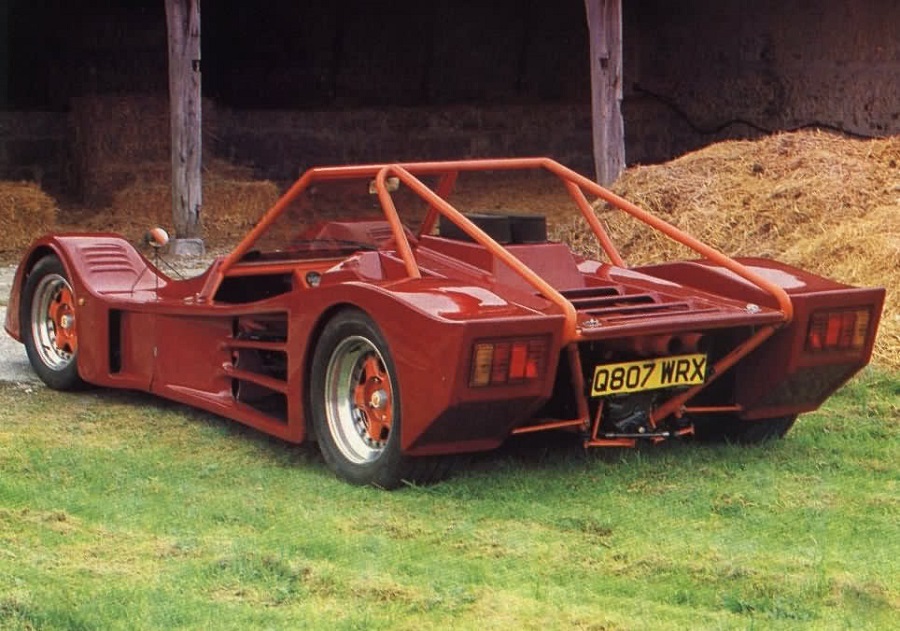
The UVA Fugitive F33 Can-Am was born out of the earlier F30 that set the template for this minimalist vehicle with mid-mounted Rover V8 engine. Pre-dating the likes of the Ariel Atom by more than a decade, the F33 had some bare bones bodywork over a chassis inspired by UVA’s off-road sand rail buggies. The result was supercar pace when it was unveiled in 1986. However, even the Ferrari Testarossa-style side intakes and rapid performance were not enough to convince more than 12 people to part with their cash for this slice of 1980s excess.
Suzuki Samurai (1986)
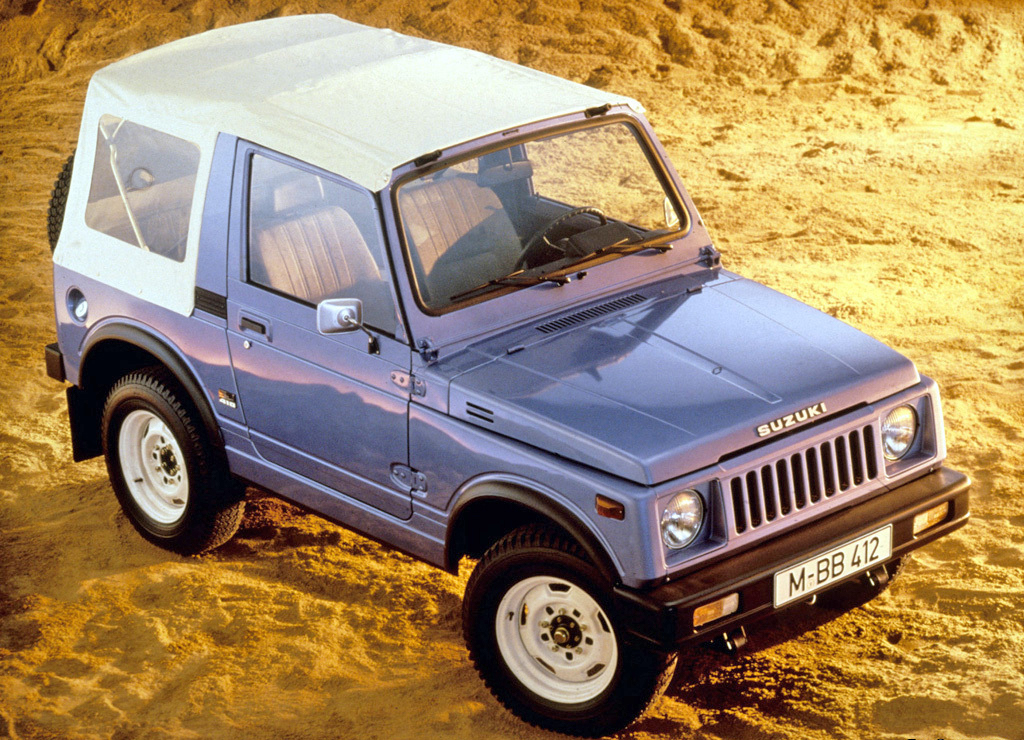
The idea that these cars were inherently unstable sits in the minds of everyone born after its launch. It’s so engrained it could actually be considered local legend. Unfortunately, it resulted in a turbulent lifespan for the Samurai in the United States. Sitting as a cheaper alternative to the Jeep Wrangler, the Samurai was designed to appeal to younger drivers who looked for fun and off-road competence. True enough, around 200,000 examples were sold over its life. However, after a lawsuit against the magazine who wrote about the car’s instability, sales became as allegedly unstable as the car.
BMW Z1 (1988)
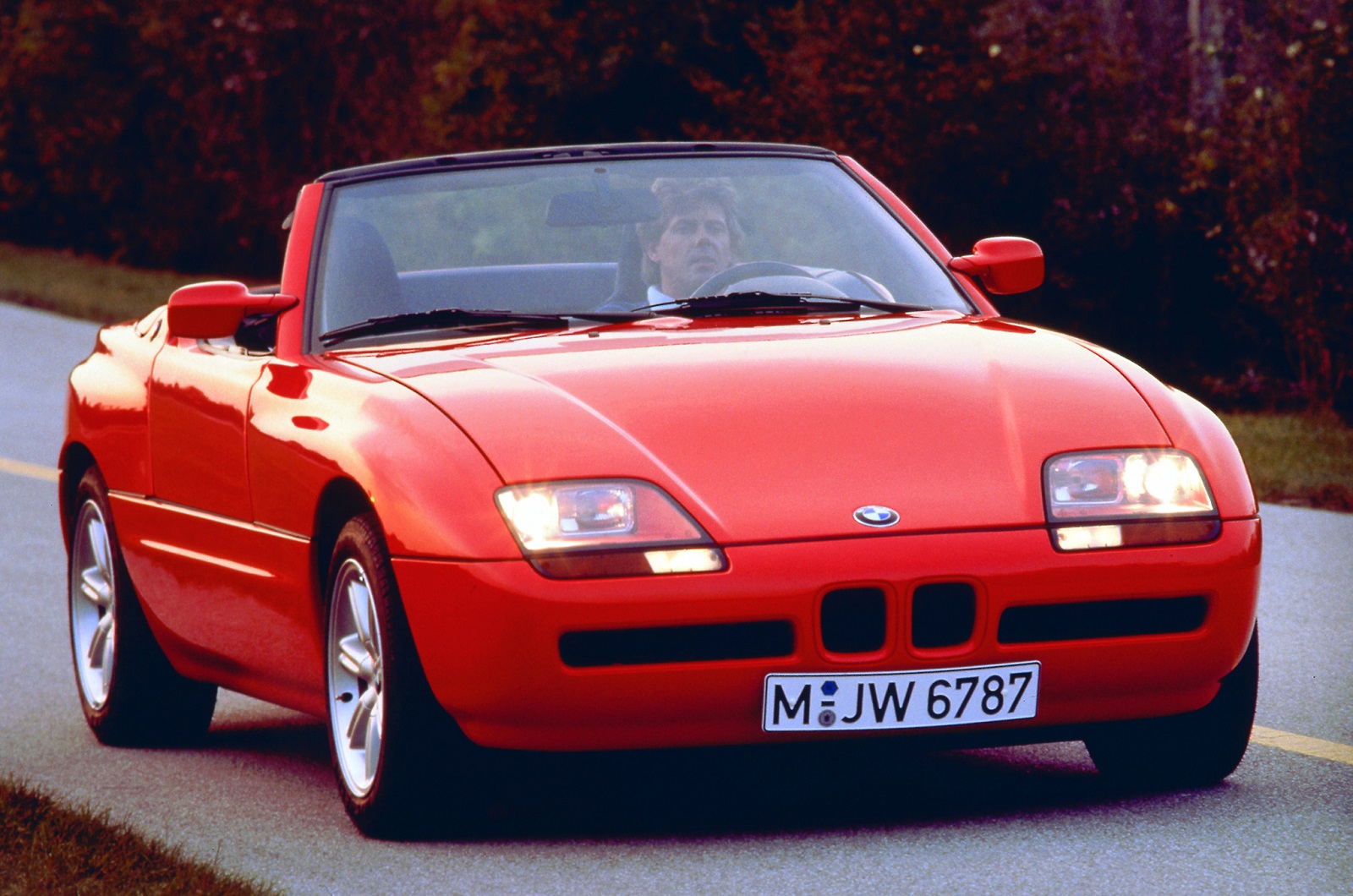
For a car that sold 8000 units in period, the BMW Z1 loiters in the shadows of BMW history. At its launch in 1988, it was expensive – more than twice the price of a contemporary 325i Sport on which it was based – but many were drawn in by its sleek looks and trademark drop-down doors. The intervening years have witnesses the Z1 being somewhat overshadowed by its Z3M and Z4M descendants, not helped by the Z1’s slightly unfair reputation for stodgy handling and mild performance. Even so, it has a small but dedicated following to compensate for its overlooked stature.
Chevrolet Beretta GTU (1988)
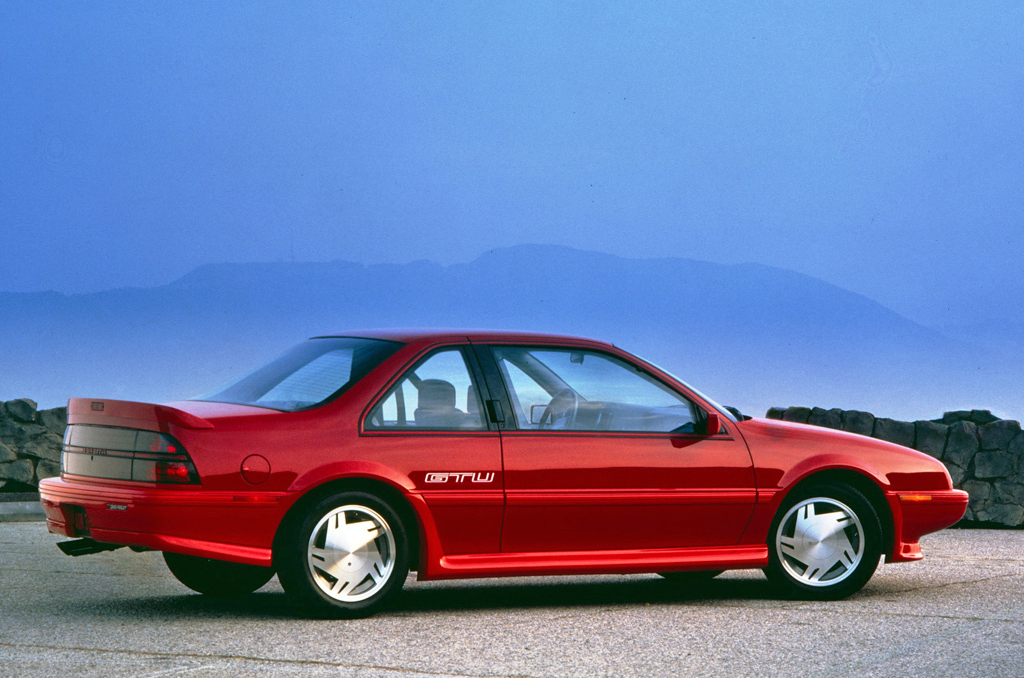
Ever wondered what an American version of the MK1 Golf GTI would be like? Wonder no further. The Beretta GTU was borne out of Chevrolet’s recent racing success, and used a 130bhp 2.8-litre V6 capable of reaching 60mph in 9.2 seconds, just two tenths of a second off a Golf GTI.
What set the Beretta apart was its departure from other sporty versions of normal cars. Chevrolet didn’t simply fit a bodykit, they fettled with the suspension and fitted performance tyres. What’s more, it was understated in the way it portrayed its GTU heritage. Much like the Golf GTI.
Buick Reatta (1988)
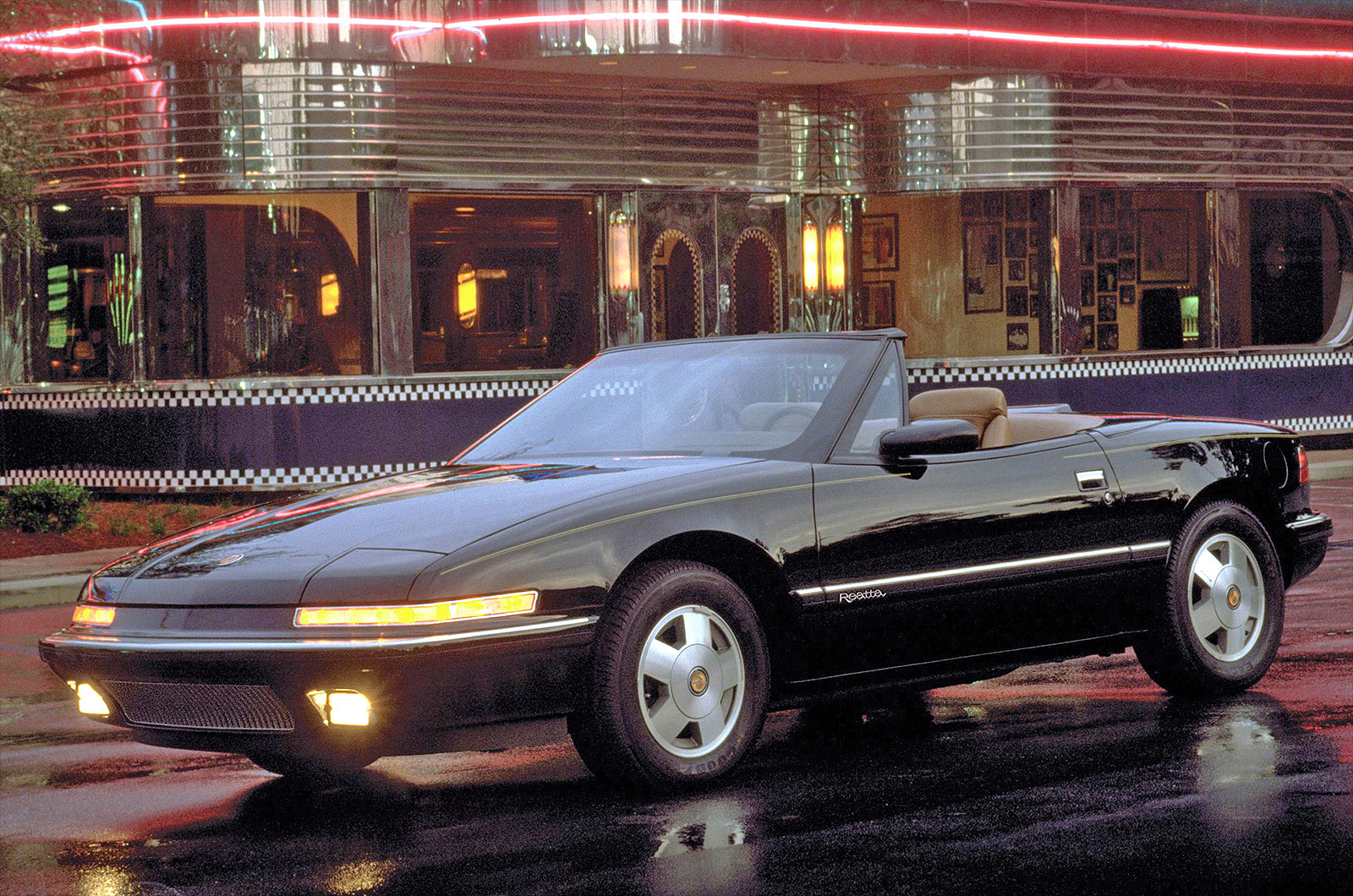
Offered as a coupe and as a convertible, the Reatta sat at the very top of the Buick lineup in the late 1980s. It was built largely by hand in a special facility located in Lansing, Michigan, and it was a relatively advanced car for its era. Buyers could order 16-way adjustable seats, automatic headlights and even a touch screen, though the forward-thinking feature was phased out before the end of production. Buick built nearly 22,000 examples of the Reatta between 1988 and 1991. It was hardly a success; executives predicted they could sell about 20,000 cars annually. Having learned its lesson, Buick hasn’t sold a two-seater model since.
Daihatsu Rocky (1988)
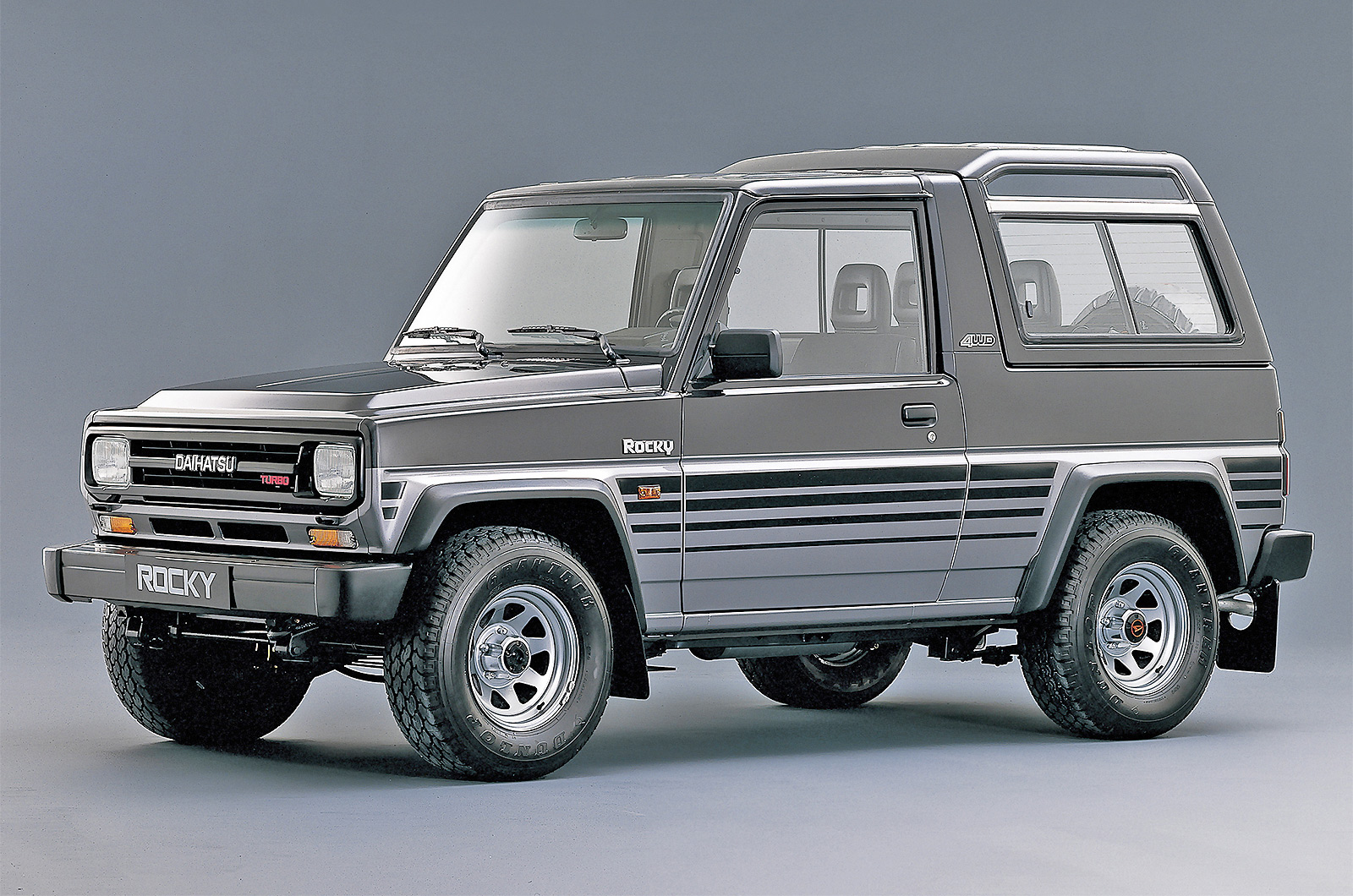
This compact SUV was also known as the Rugger in Japan and Fourtrack in the UK. While it worked reasonably well in its home market and UK, it was far too small for America where they expect their SUVs to be big boned. Nor did the engine line-up impress: four-cylinder engines that couldn’t quite crack 100bhp, delivering predictably lethargic performance. Handling was awful too, and generally did nothing for the company’s image stateside; it withdrew from the US altogether in 1992.
Chrysler TC by Maserati (1988)
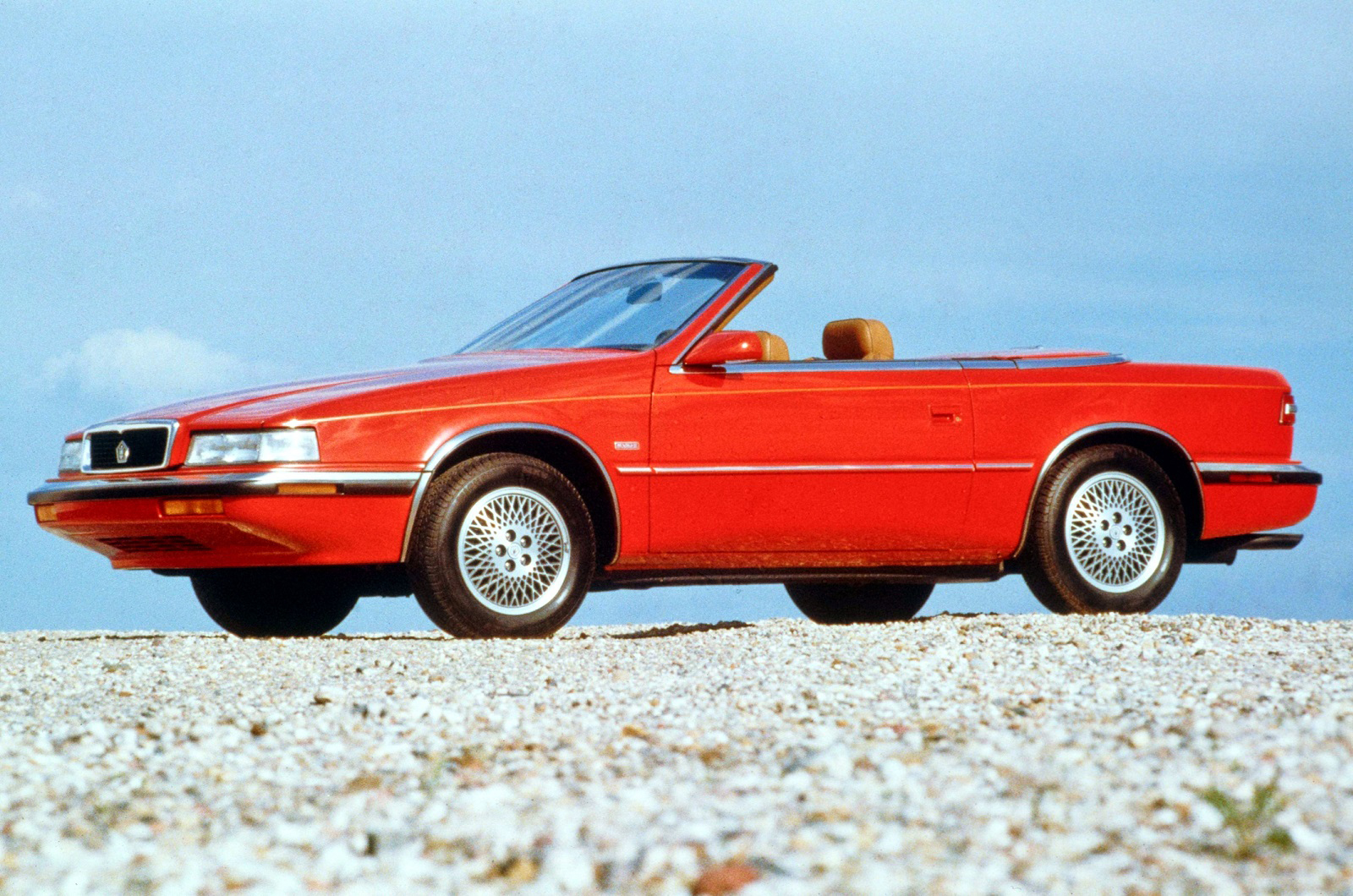
Chrysler and Maserati parent company De Tomaso agreed to jointly build a sports car in the mid-1980s. The idea was brilliant on paper: Chrysler would leverage the prestige associated with the Maserati name to build a flagship model capable of taking on some of the finest two-doors on the American market. Production was delayed as the TC would be assembled in Milan, however engine options included a 2.2-litre four-cylinder with a Cosworth-designed 16-valve head and a V6 from Mitsubishi. Chrysler pulled the plug on the project after importing about 7300 cars to America. In hindsight, using a true Maserati engine could have prolonged the TC’s life.
Lexus ES (first generation,1989)
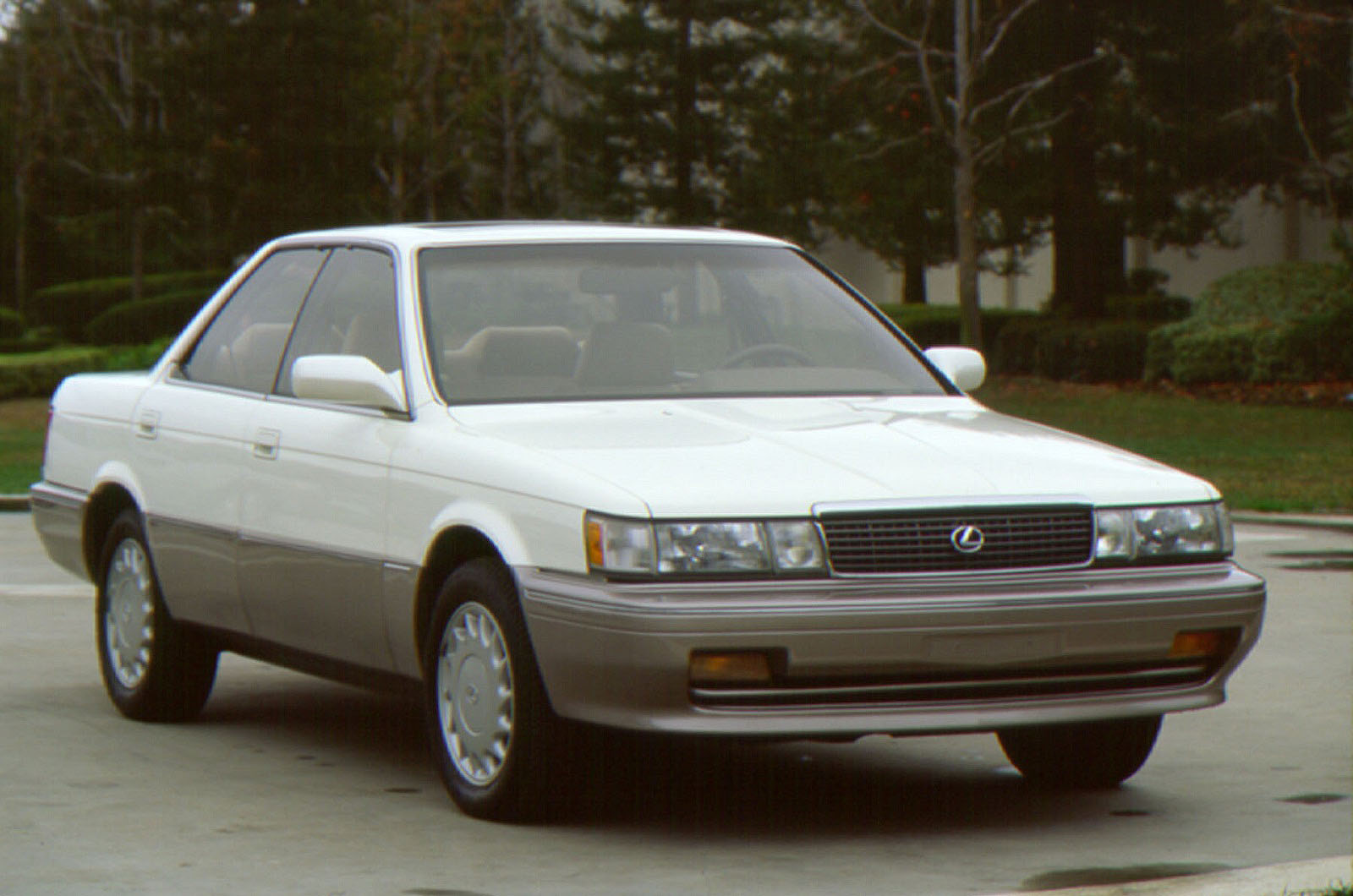
Toyota initially envisioned the original Lexus LS as its flagship model. Executives decided it deserved its own brand after looking at the results of market research, especially in the United States, but they didn’t want it to stand on its own so they Lexus-ified a Camry into the ES, and to give its dealers a larger sales volume. It made its debut alongside the LS at the 1989 Detroit motor show and it was positioned as a smaller, cheaper alternative to the LS. Lexus began selling the ES in September 1989, a month after it received the first 1000 examples of the LS. Both models were popular and the newly-minted firm had logged 16,000 sales by the end of 1989. The second-generation ES arrived in 1991 with a Lexus-specific design inside and out.
Bertone Freeclimber (1989)
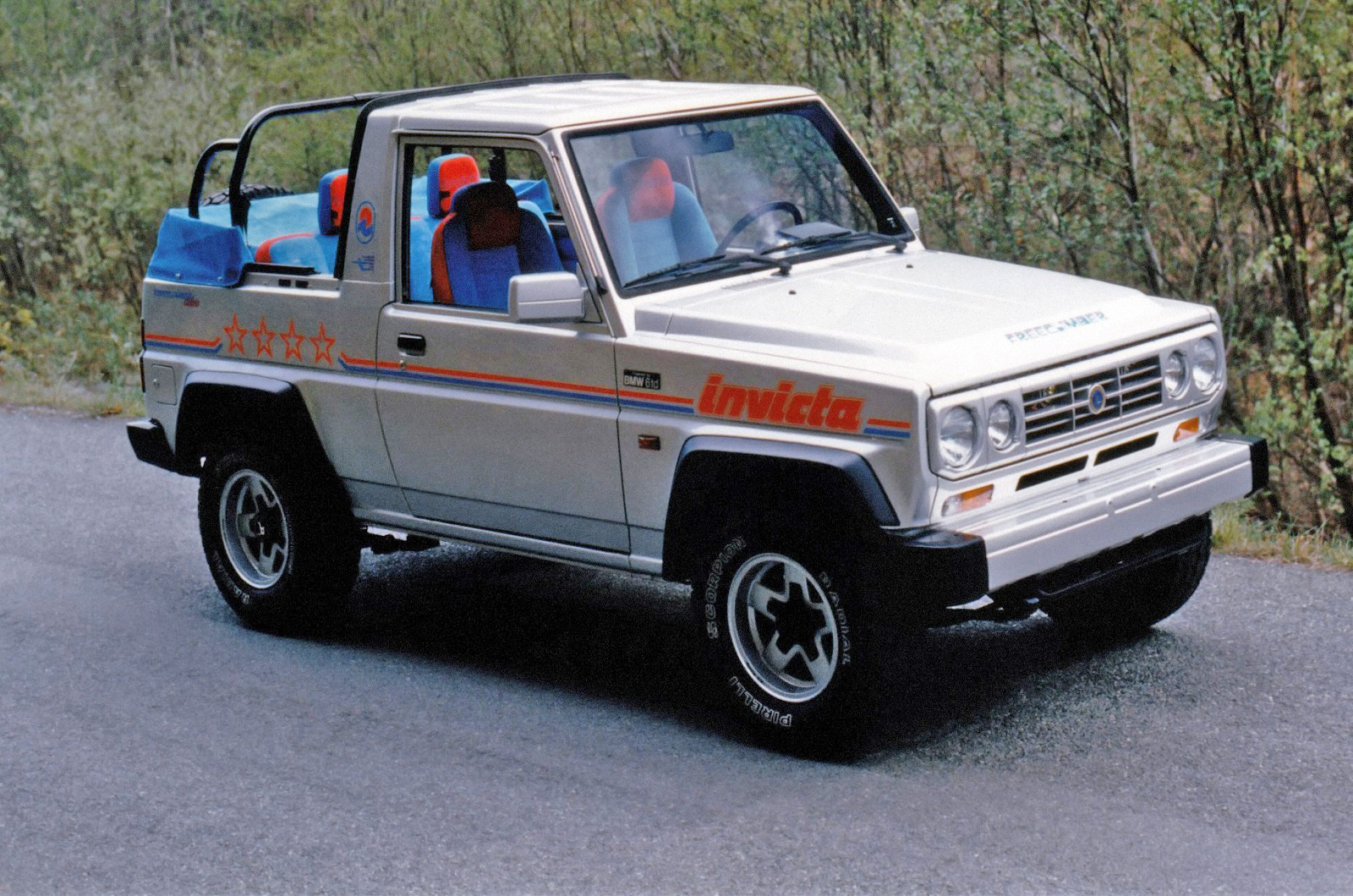
The 4x4 segment underwent a profound transformation during the 1980s. Models like the Jeep Grand Wagoneer and Land Rover’s Range Rover that were once purchased as tools had become a status symbol. Bertone saw this transformation as an opportunity.
It took a Daihatsu Rocky, gave it a much nicer interior, made a handful of design tweaks and, significantly, replaced the original engine with smoother, more powerful BMW units. It sold its creation as the Freeclimber starting in 1989. Bertone made about 2800 units of the original Freeclimber between 1989 and 1992. This number wasn’t stellar but it was high enough to warrant the development of a second-generation model based on the updated version of the Rocky. Sales of the Freeclimber II (pictured) started in 1992 and Bertone built an additional 2800 units until 1995, when it canceled the model to free up production capacity for other projects.
LaForza 5-litre (1989)
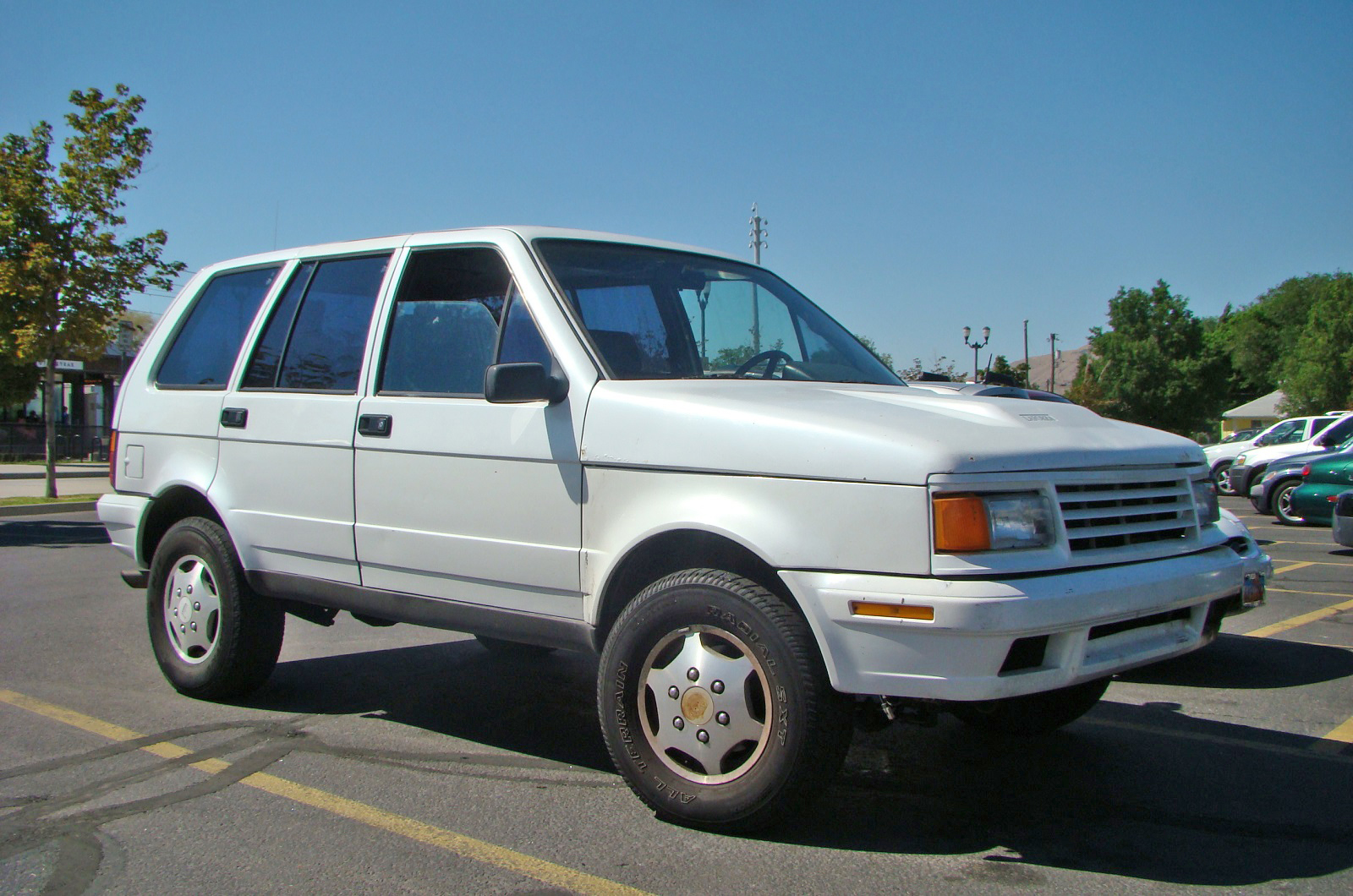
Introduced in 1989, the LaForza 5-litre looked familiar to anyone who had taken a trip to Italy in the late 1980s. It was based on the Rayton-Fissore Magnum built on Iveco bones for the Italian military, police and Carabinieri. Tom Tjaarda (1934-2017) designed the Magnum, which looked a little like a Fiat Uno on steroids, and was asked to turn it into a luxurious SUV positioned as an alternative to the Range Rover.
The 5-litre was powered by a 4.9-litre V8 provided by Ford and a four-speed automatic transmission that spun the four wheels. It offered a posh cabin with leather upholstery and real wood trim. It sold well at first, especially in California, but early cars were plagued by various problems that took their toll on the firm’s American division. It filed for bankruptcy in 1990 and made a comeback after Saudi Arabia-based Badrahn Enterprises purchased its assets (and started distributing the 5-litre in its home country).
Dodge Dakota Sport Convertible (1989)
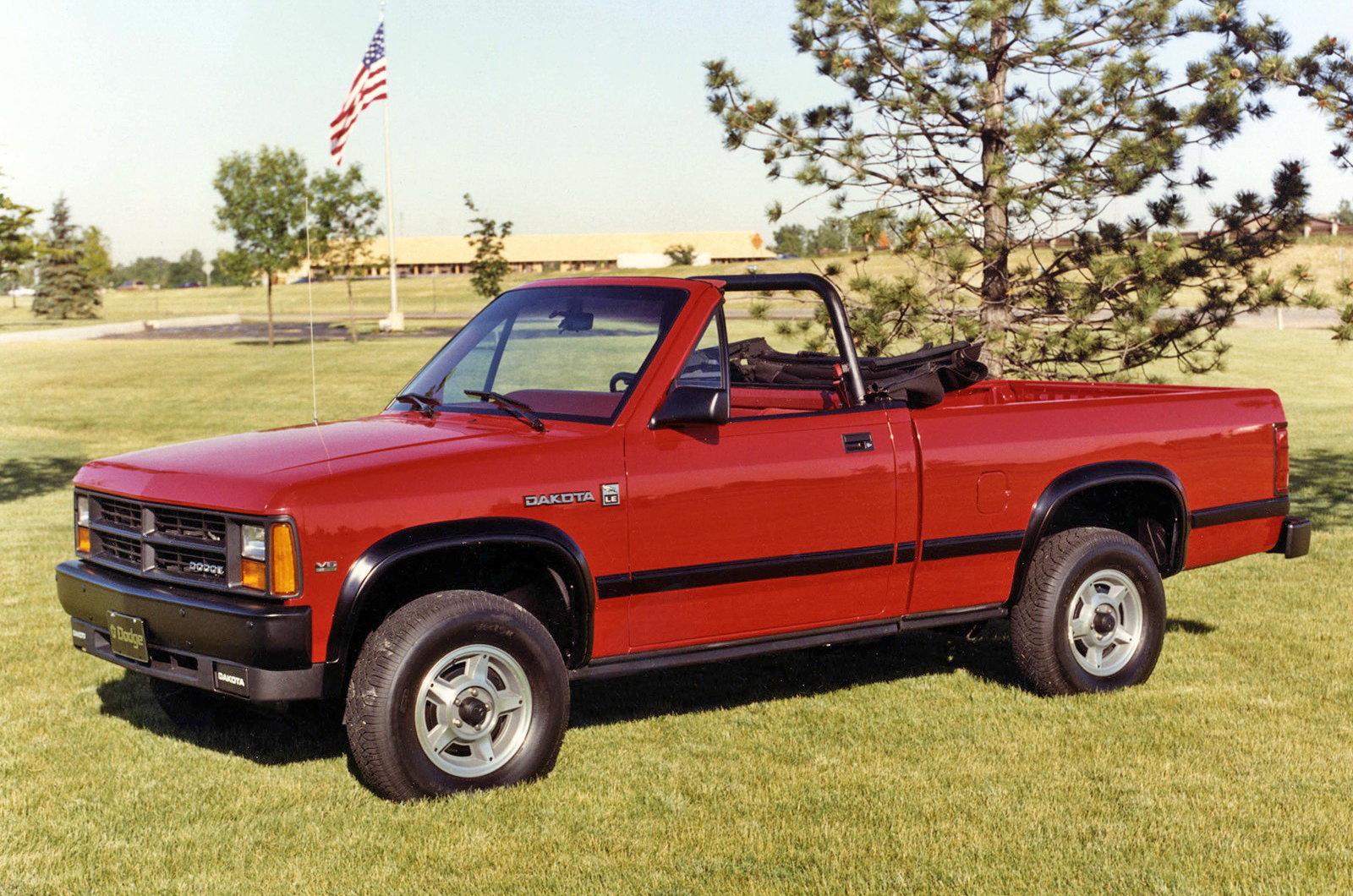
Buyers met the Dodge Dakota Sport Convertible with a collective “wait, what?” followed by a “why?” when it broke cover in 1989. As its name clearly implies, it was a Dakota trucklet with a manual soft top, though the “Sport” part of the moniker was highly debatable. It didn’t exist for long, and it never spawned competition from Ford or Chevrolet, but it remains one of the most unique pickups in the 1980s. Could this have been the predecessor to the Range Rover Evoque Convertible?
Vegantune Evante Mk2 (1990)
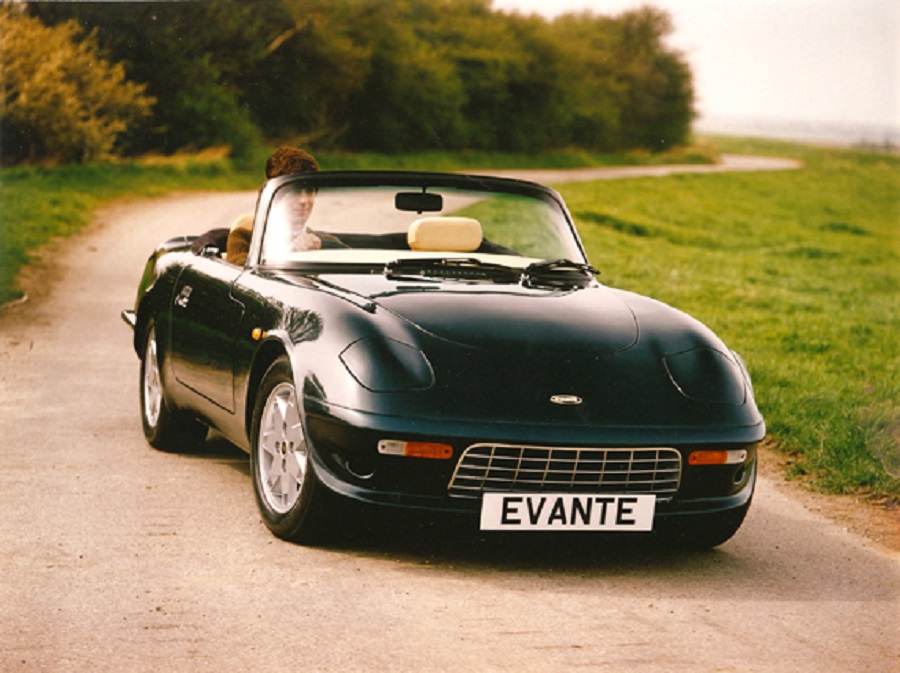
Updating the original 1960s Lotus Elan worked brilliantly for Mazda, but it proved a harder task for Vegantune boss George Robinson when he set up Evante. Based around a backbone chassis very similar to the Elan’s, the Evante Mk2 was powered by a Vegantune 1.7-litre engine built around a Ford block with 142bhp. Performance was better than the original Lotus’ and so was build quality. What did for the Evante was launching a pricey two-seater that looked like a classic Lotus at the height of the early ‘90s recession.
Few showed interest and even less coughed up the money, so Evante only ever produced six of these hand-built machines in Mk2 form; the company was sold to another firm called Fleur De Lys which then produced 12 further cars, powered by Ford Zetec engines. There is an active owners club for the car who are apparently in close touch.
Cadillac Cimarron (1982)
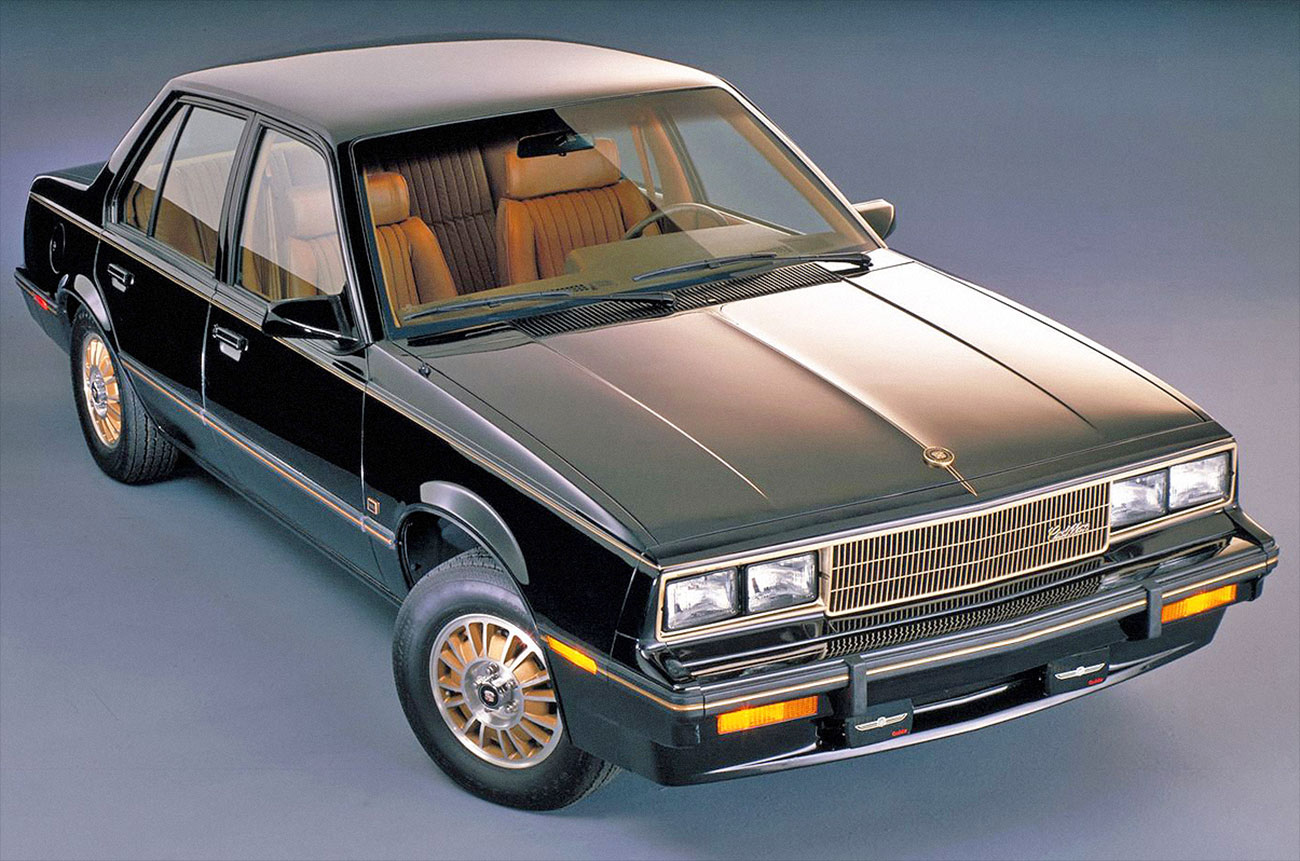
The tale of the Cimarron reads as one of half-heartedness. Introduced in 1982 it was a product of pressure. Cadillac, concerned about overseas manufacturers stealing sales, insisted GM give them a car to develop using an existing platform. The problem was, they had just one year to do it.
The solution was to fully spec-up the Chevrolet Cavalier, rebadge it, and market it as “The Cimarron by Cadillac” for a $4000 premium. Despite selling a steady 20,000 cars per year, customers saw through this poor disguise and sales of the Cimarron slowly burned to the ground after 6 years.
PICTURE: 1983 model

Best-Selling American Cars Reveal Shifting Consumer Tastes and Industry Innovation Over Decades
 We take a look at the cars that topped the sales charts in the US over the decades
From the clanging of the assembly line to the roar on the highway, American automakers have been pioneering the automobile industry for well over a century.
These companies have not only sculpted the nation's economic landscape but have also significantly influenced global automotive trends. We've decided to take a look at some of their biggest success stories with a list of the best-selling American-made automobiles of all time.
This list not only celebrates the impressive sales figures but also the features, innovations, and consumer preferences that have driven the success of these cars. We’ve listed the 30 highest-selling models, in ascending order of the total number of sales over their lifetime:
#30: Jeep Cherokee XJ (2,884,000)
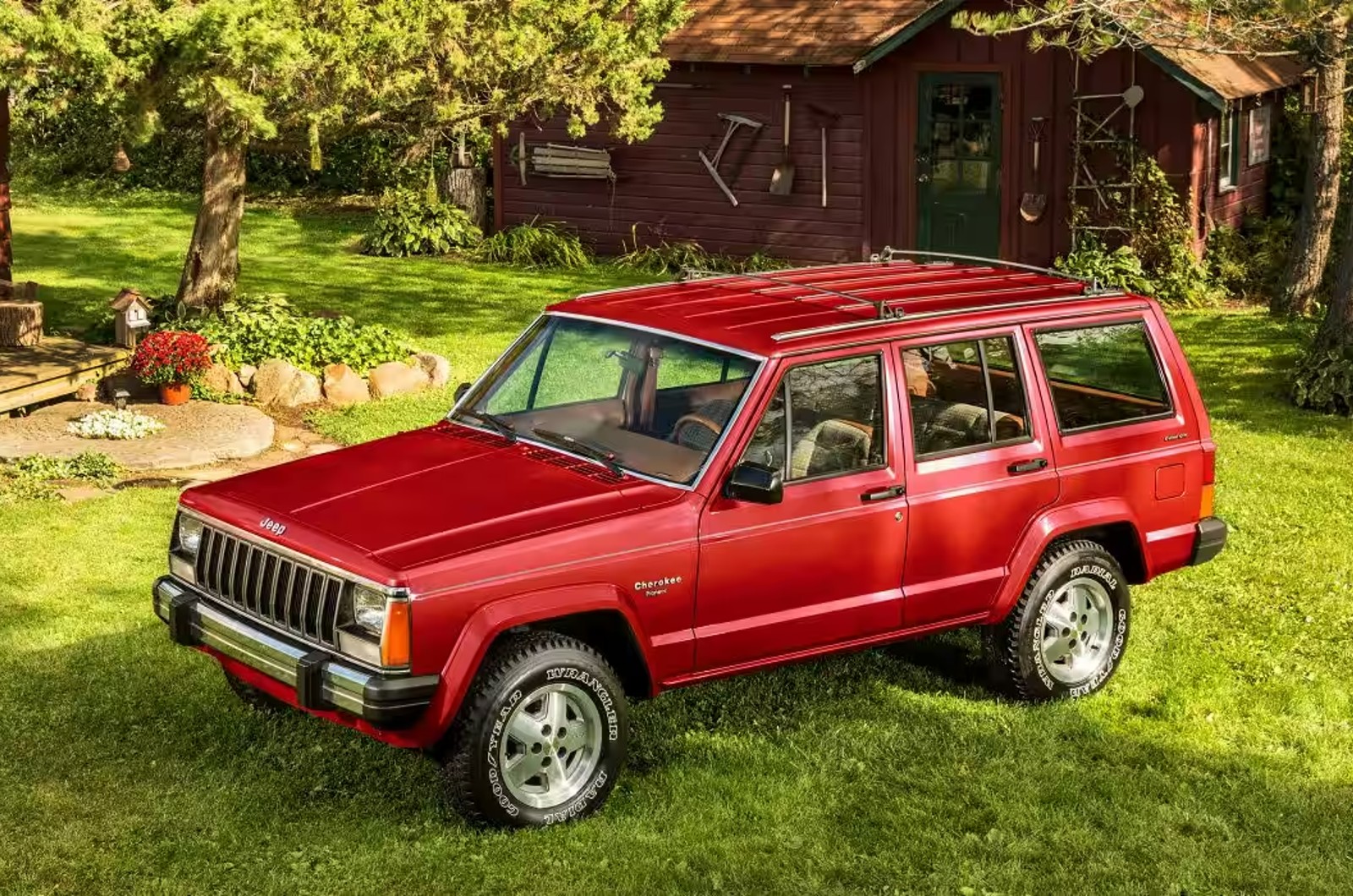
This 4x4 SUV was produced across a single generation from 1983 to 2001, and continued to be manufactured internationally all the way up to 2014. The XJ was the first non-military 4x4 vehicle to utilize a unibody construction, making it both lighter and tougher.
Consumers loved the Cherokee XJ for its versatility both off-road and on. It is credited with kicking off the SUV craze, eventually replacing the role of the station wagon as the car of choice for suburban families.
#29: Mercury Cougar (3,078,000)
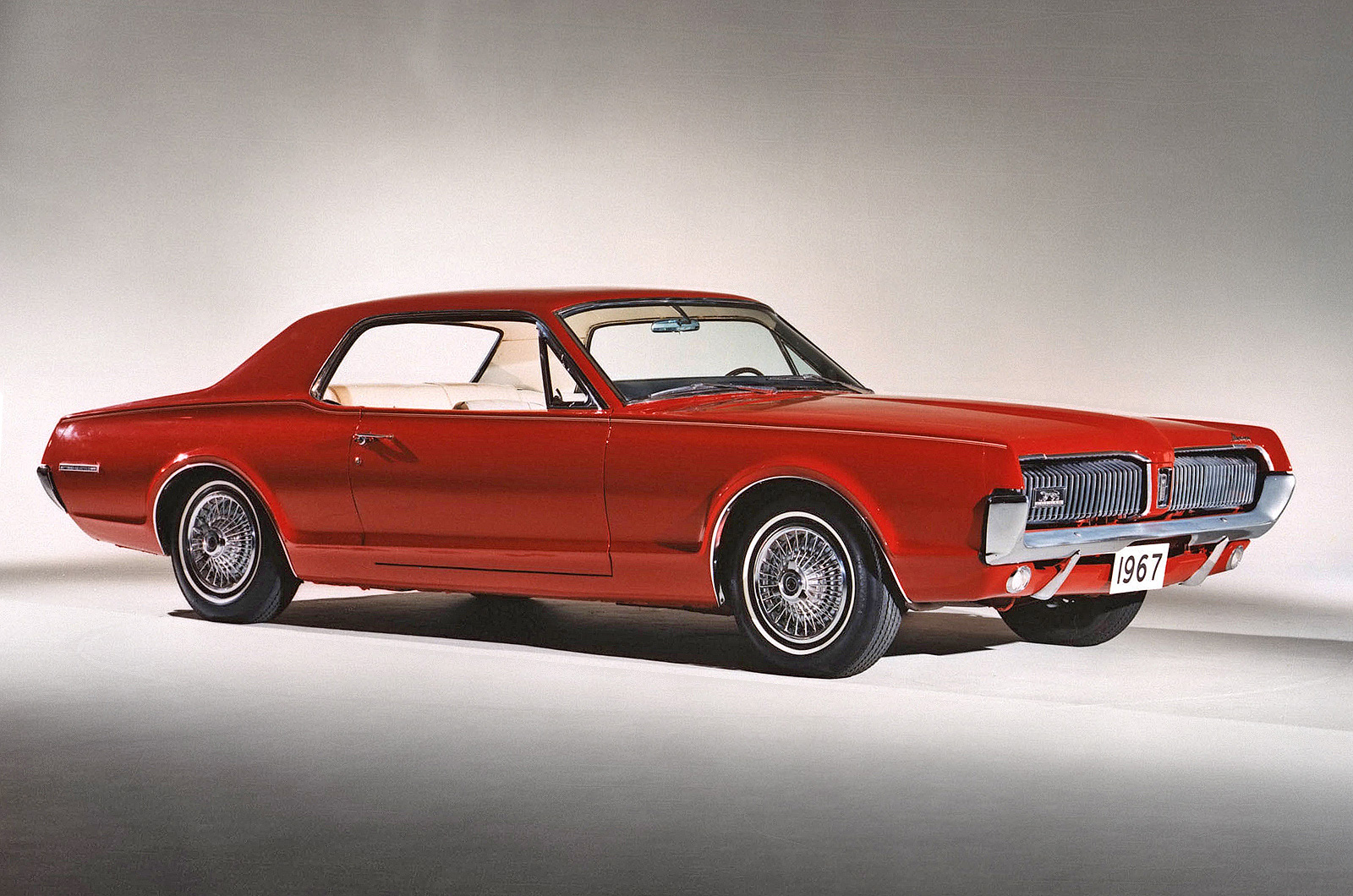
Throughout its history, Mercury was known for making upmarket versions of existing Ford vehicles, and the Cougar is no different. It was originally the counterpart to the incredibly popular Mustang in 1967, and was set apart from the Ford by its sleek and sophisticated looks as well as hidden headlights.
The Cougar’s success didn’t just ride on the back of its Ford counterpart’s popularity, however. It successfully changed with the times, becoming a more luxurious vehicle as time went on, until the model was finally put to bed in 2002, after eight model generations.
#28: Buick Electra (3,170,000)
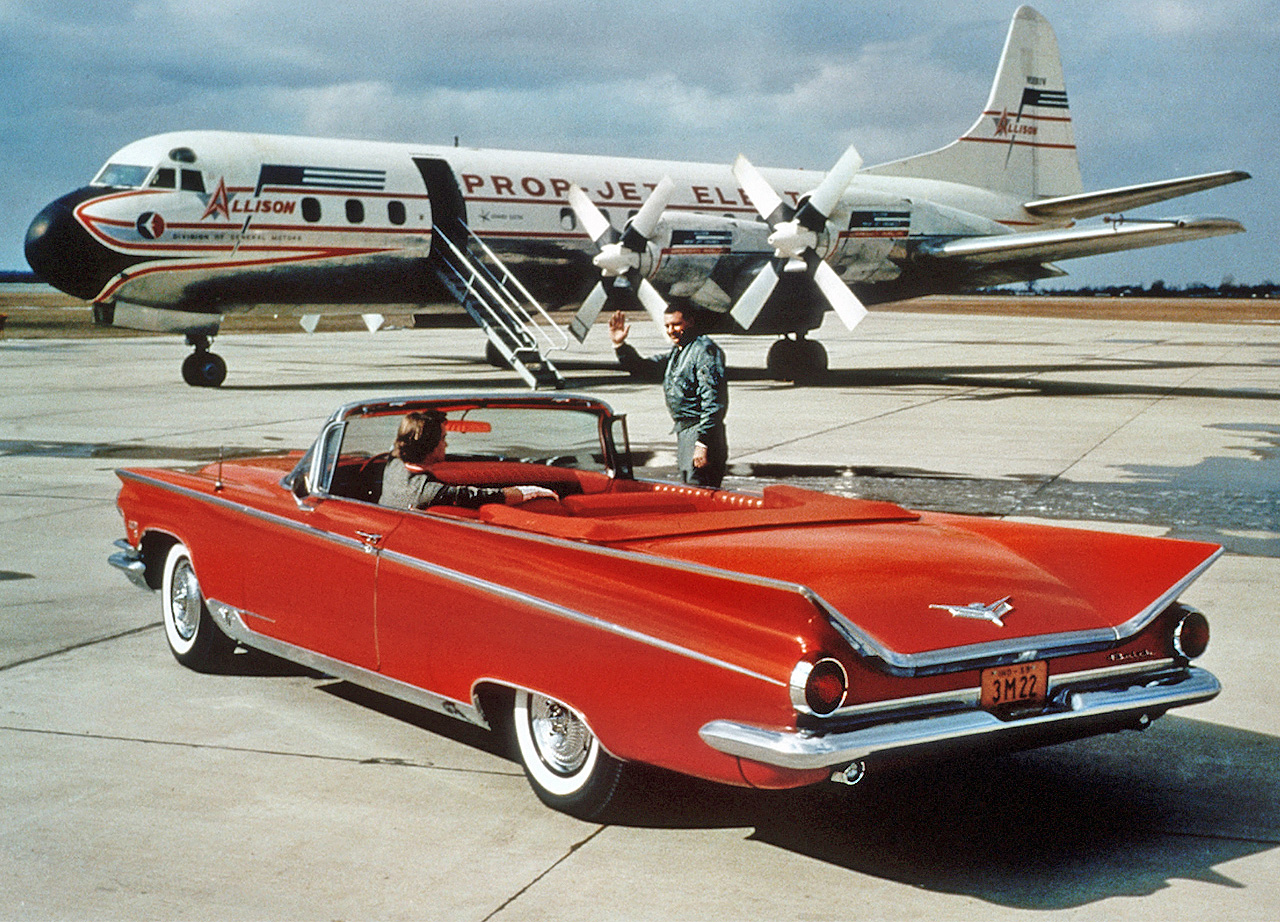
The Electra was Buick’s flagship sedan throughout its six-generation run from 1959 to 1990. This top-line model was chock-full of deluxe features and was available in a variety of body styles.
What made the Electra so popular was its luxury features that rivaled more expensive models from the brand’s sibling Cadillac. According to GM, the nameplate will see a revival as an EV in the near future.
#27: Pontiac Bonneville (3,460,000)
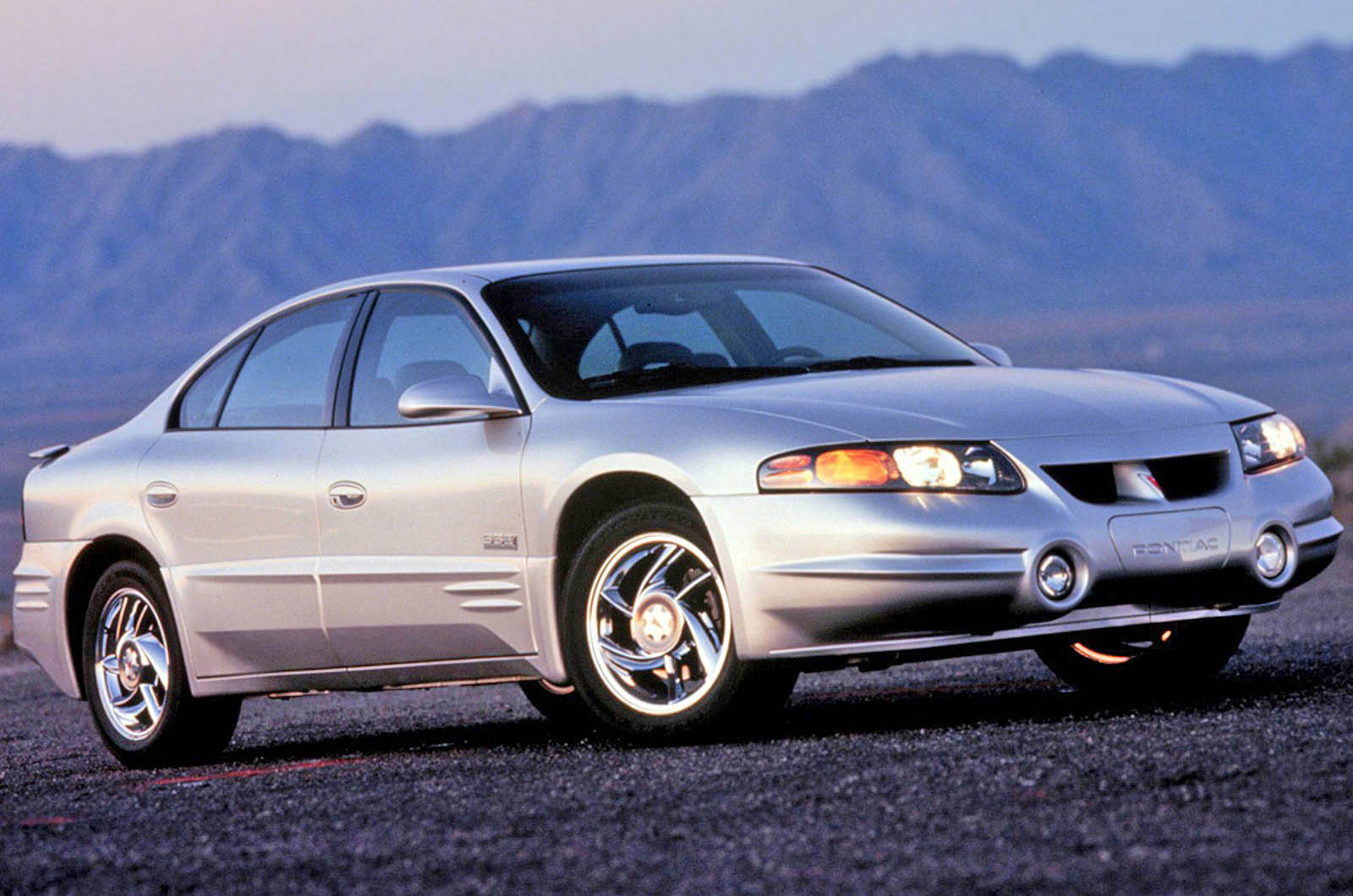
Built from 1957 to 2005, the Bonneville was most popular as a full-size sedan. At its start, it was the largest and most expensive Pontiac on offer.
The Bonneville changed drastically over 10 generations. Over time, it became known as Pontiac’s most reliable family car, and became a favorite for its full line of body styles.
#26: Plymouth Fury (3,680,000)
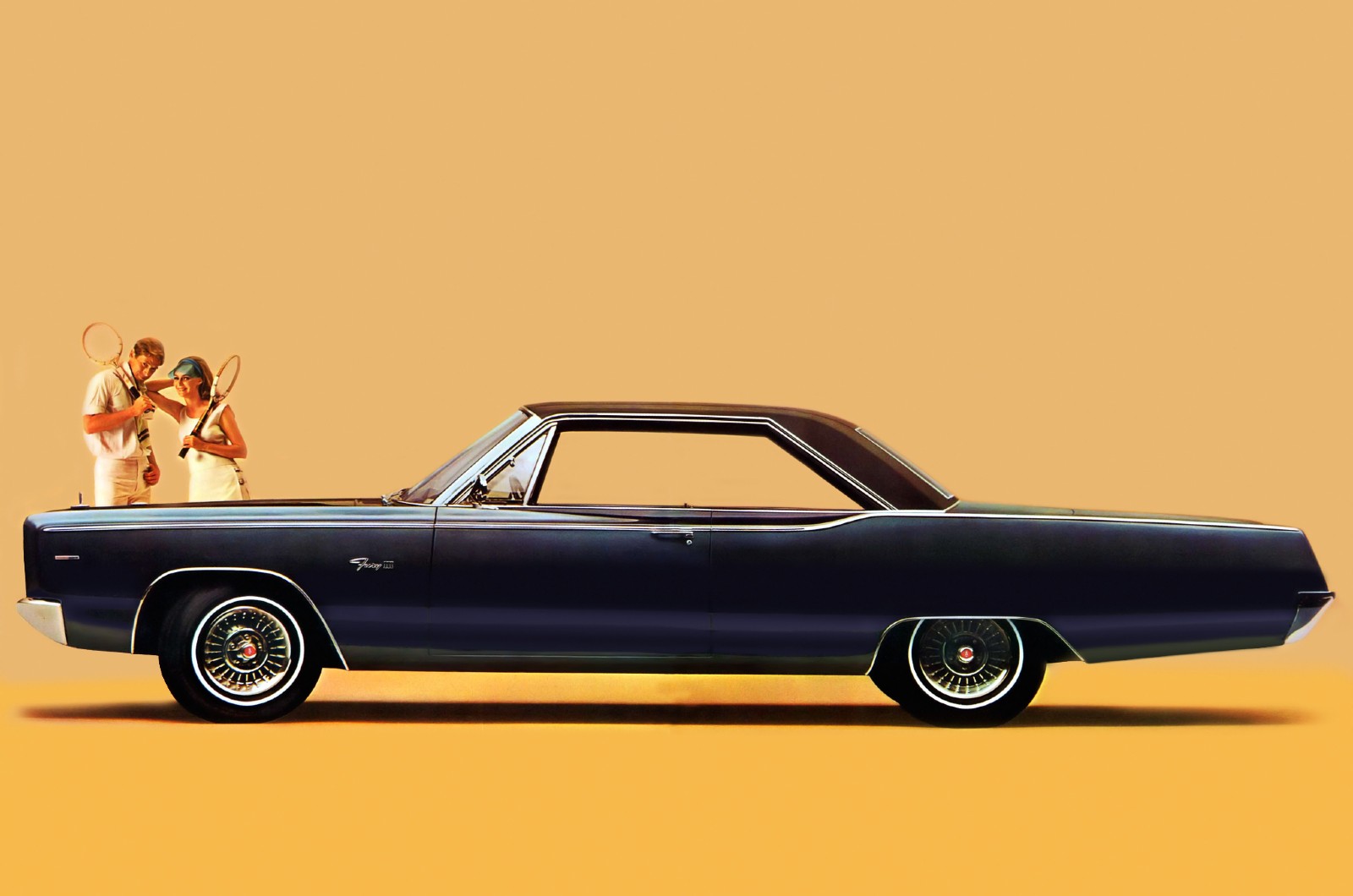
The Fury was built to compete with more popular luxury cars like the Chevrolet Impala and Ford LTD and was in production from 1955 to 1989. It had an admirable level of performance and was popular among government/fleet vehicles during its final years.
The Plymouth Fury was also well-known in popular culture, especially as the titular demonic car in Stephen King’s best-selling 1983 novel, Christine, made into a film the same year. It was also promoted by a young Betty White.
#25: Cadillac DeVille (3,870,000)
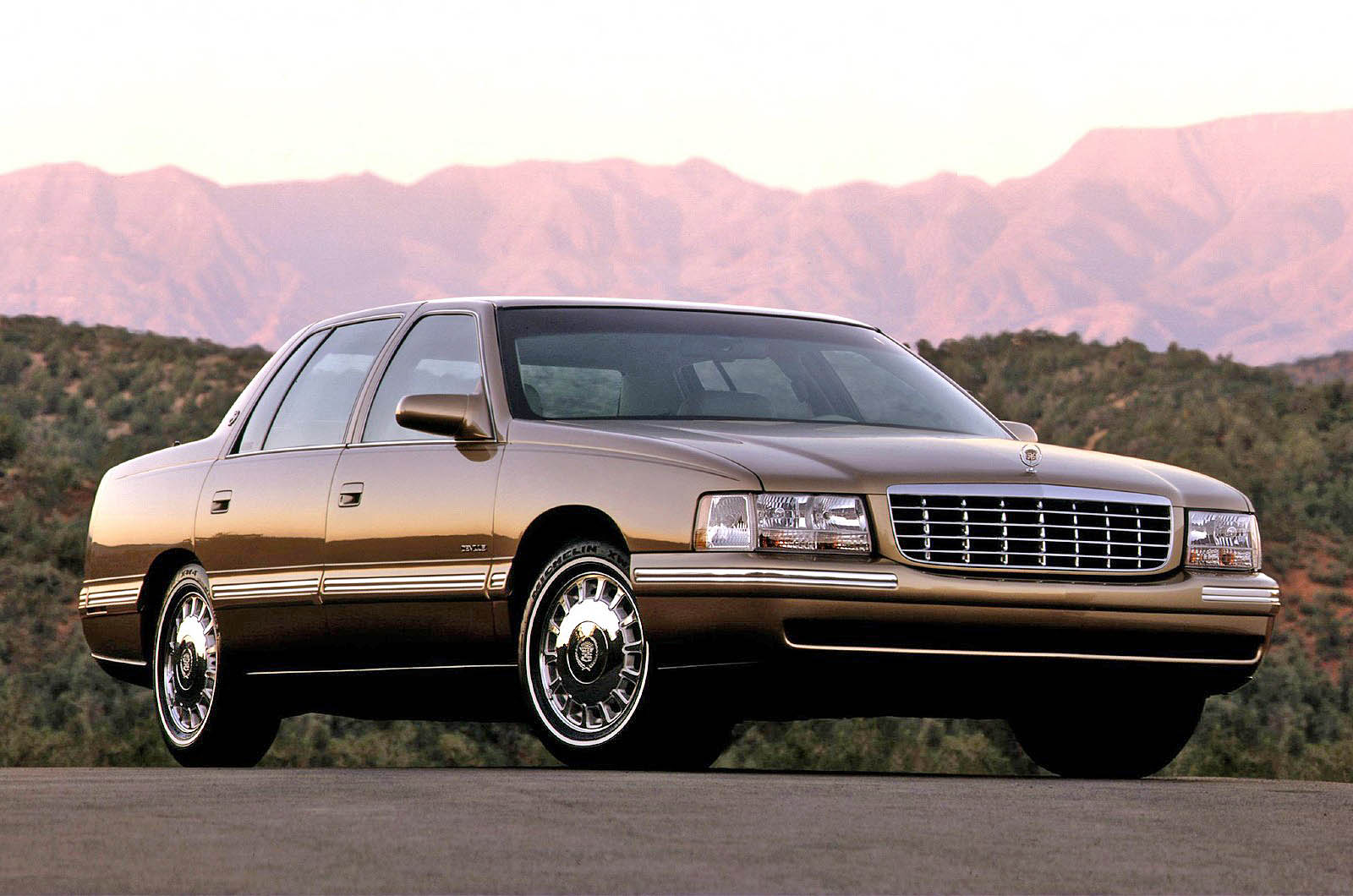
The DeVille was a nameplate used by Cadillac from 1958 to 2006, over eight generations. While the original coupe was the lowest-priced of the brand’s models at the time, it still had a plethora of standard luxury features as befitted a Cadillac.
The luxury car was frequently in the limelight as it was used by celebrities and political figures, solidifying its place as a status symbol. While the DeVille name was retired in 2006, the model line continued in a new generation as the DTS, with Cadillac adopting more European-inspired nomenclature.
#24: Ford Focus (3,882,358)
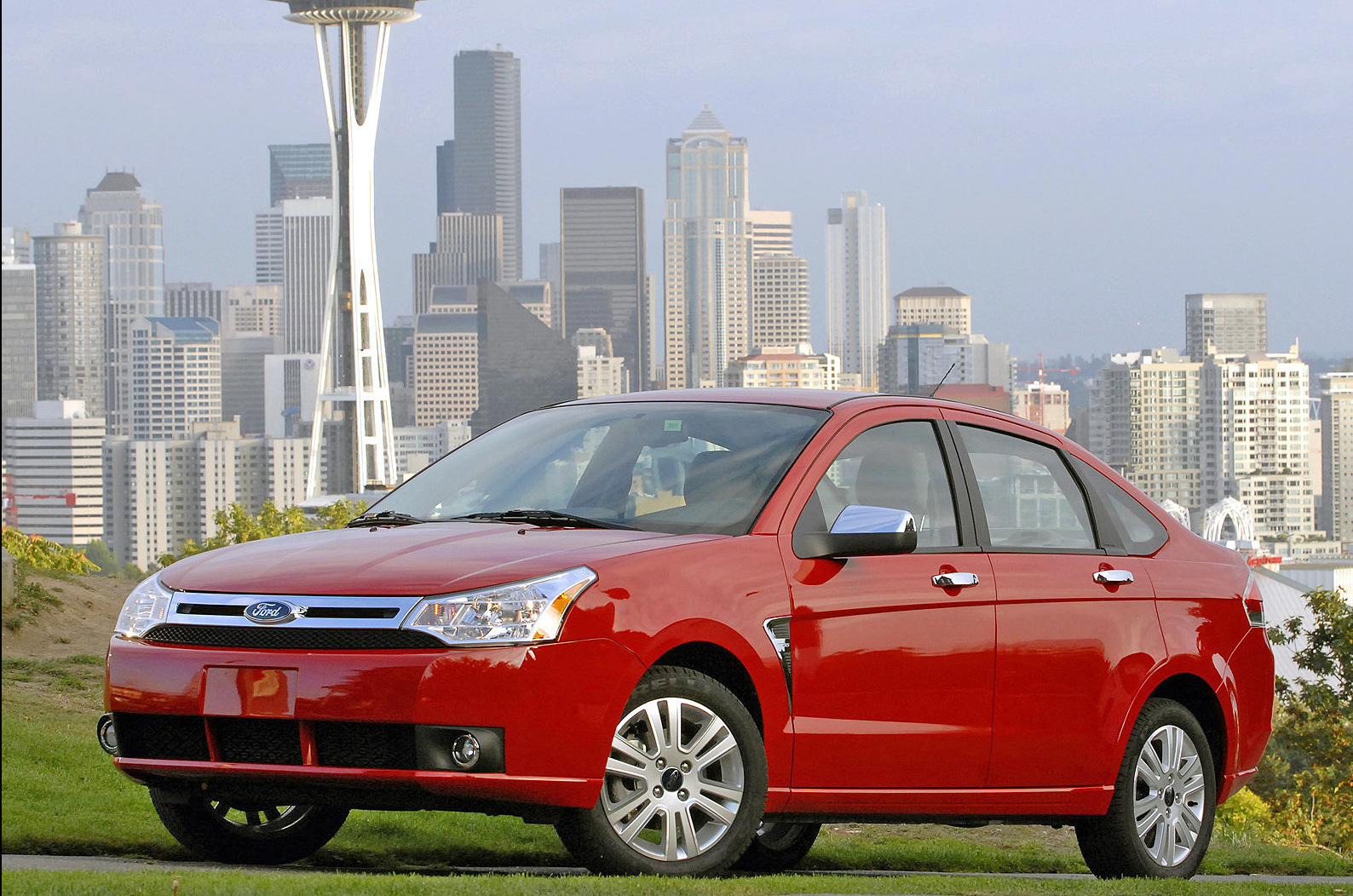
This compact car was introduced in 1998 and has been in production since, though US sales ended in 2019. Much like its predecessor, the Ford Escort, the Focus was designed to be sold globally— a large part of why it has been so successful.
The Focus continues to be sought after as an affordable, reliable, compact family car. However, it also has some hot hatch versions on offer, including the ST and the RS, which have been used in rally sports.
#23: Buick Special (3,890,000)
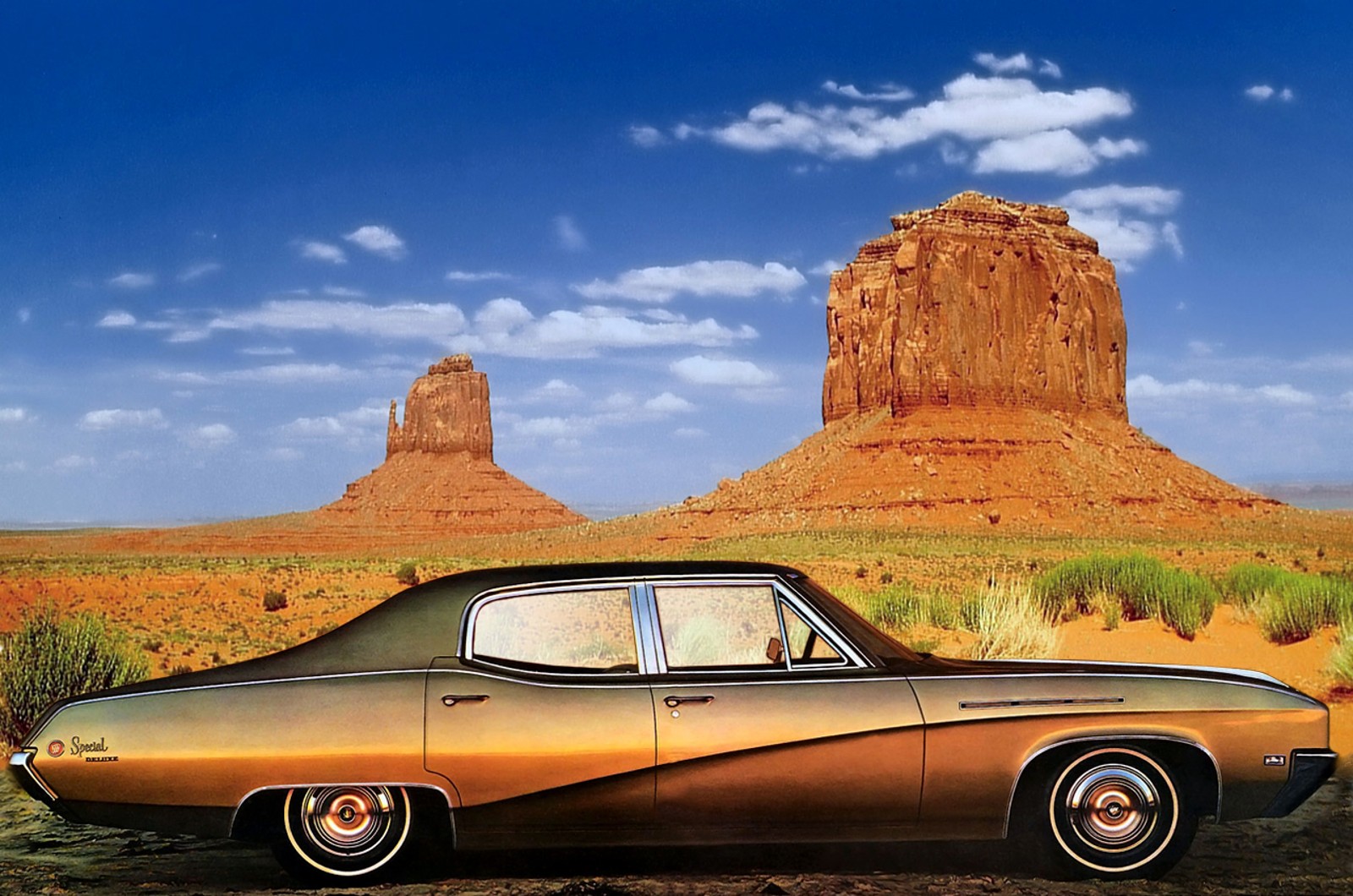
This entry-level Buick was introduced way back in 1936 and lived on until 1969. It remained a consistently good-looking model over the decades and over many body styles, whether it was as a coupe, sedan, or station wagon.
The Special was known for introducing the Buick V6 in the 1960s, an engine that became a GM mainstay all the way until 2006. The car’s reliable powertrain, as well as great styling and comfort in an affordable package made the Special a popular model.
#22: Chevrolet Cruze (4,302,000)
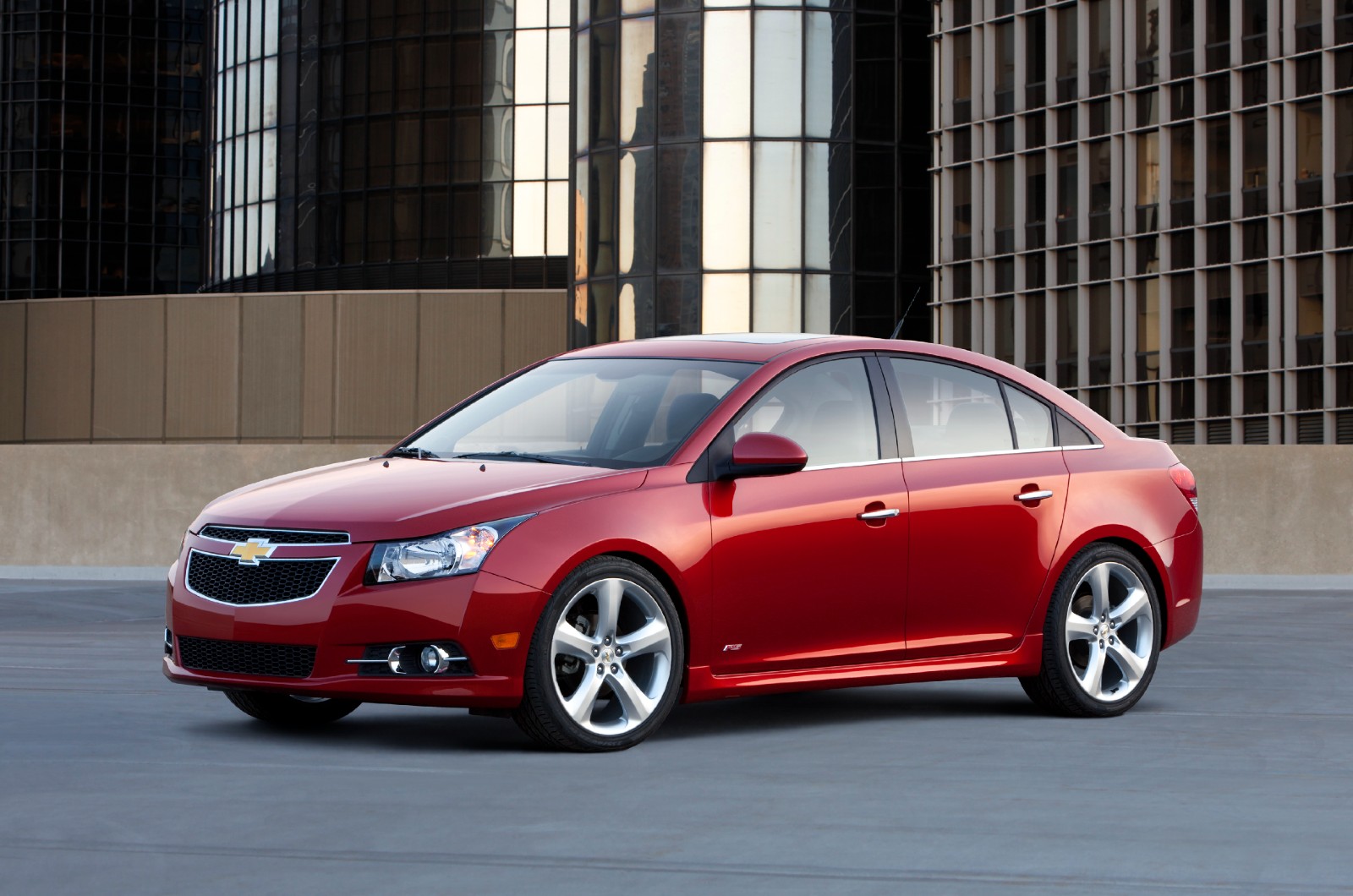
This compact car has been in production since 2008. Chevrolet aimed to give shoppers a good mix of what they were after with the Cruze, balancing safety and fun, as well as versatility and affordability.
After the company’s Chapter 11 restructuring in 2009, GM hedged their bets on a car that would perform well globally. The Cruze hit the market at just the right time, as consumers were looking for more inexpensive and fuel-efficient models. US production ended in 2019, though the model continues elsewhere.
#21: Ford Thunderbird (4,438,000)
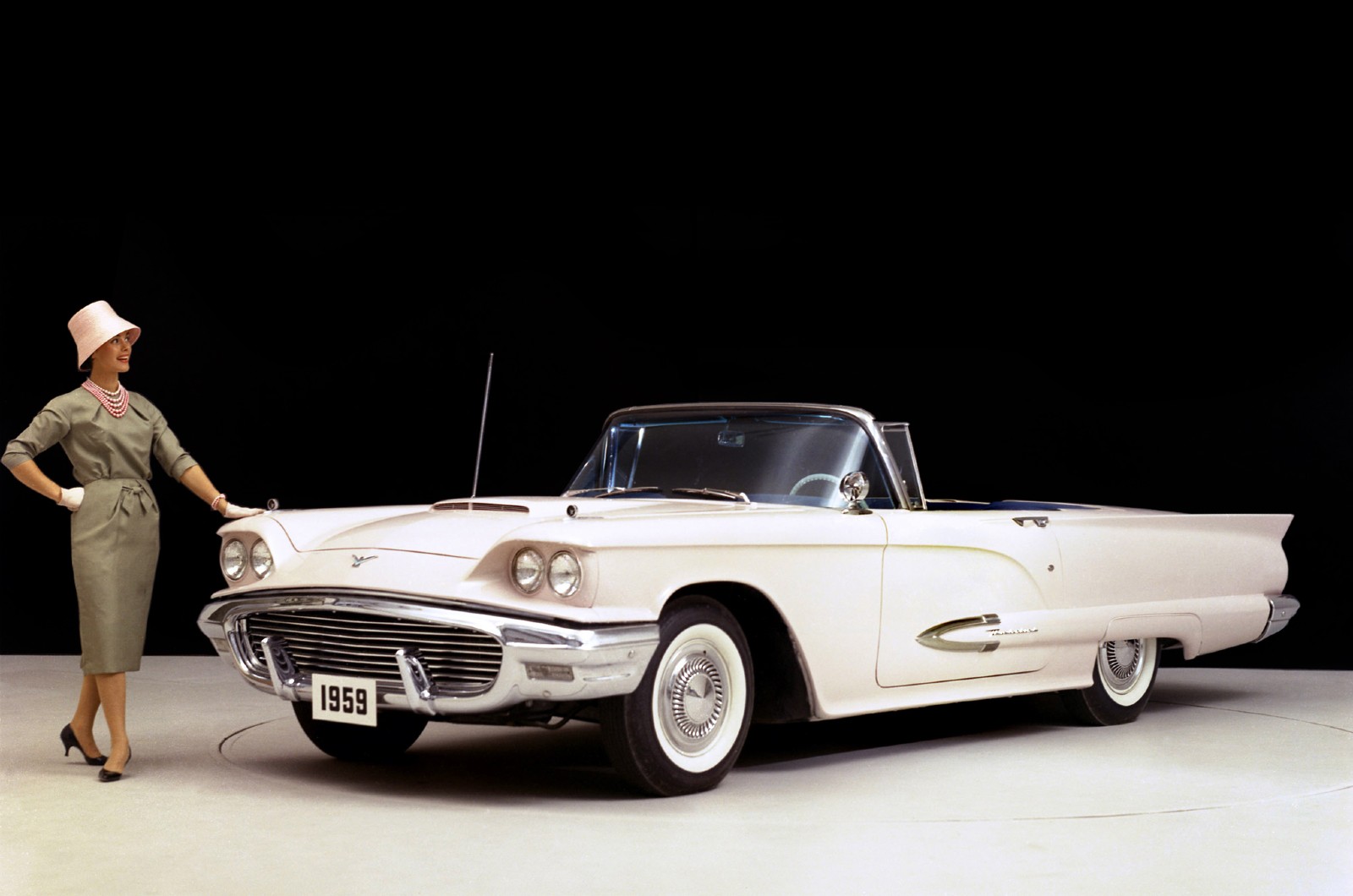
The legendary T-Bird was produced by Ford across 11 generations, from 1955 to 2005, with a brief hiatus from 1997 to 2002. This vehicle introduced a new market segment to the US: that of the personal luxury car.
While the Thunderbird placed its emphasis on comfort and convenience, early models still had powerful V8 engines under the hood. The car’s cultural significance grew through its frequent appearances in pop culture.
#20: Chevrolet Caprice (4,630,000)
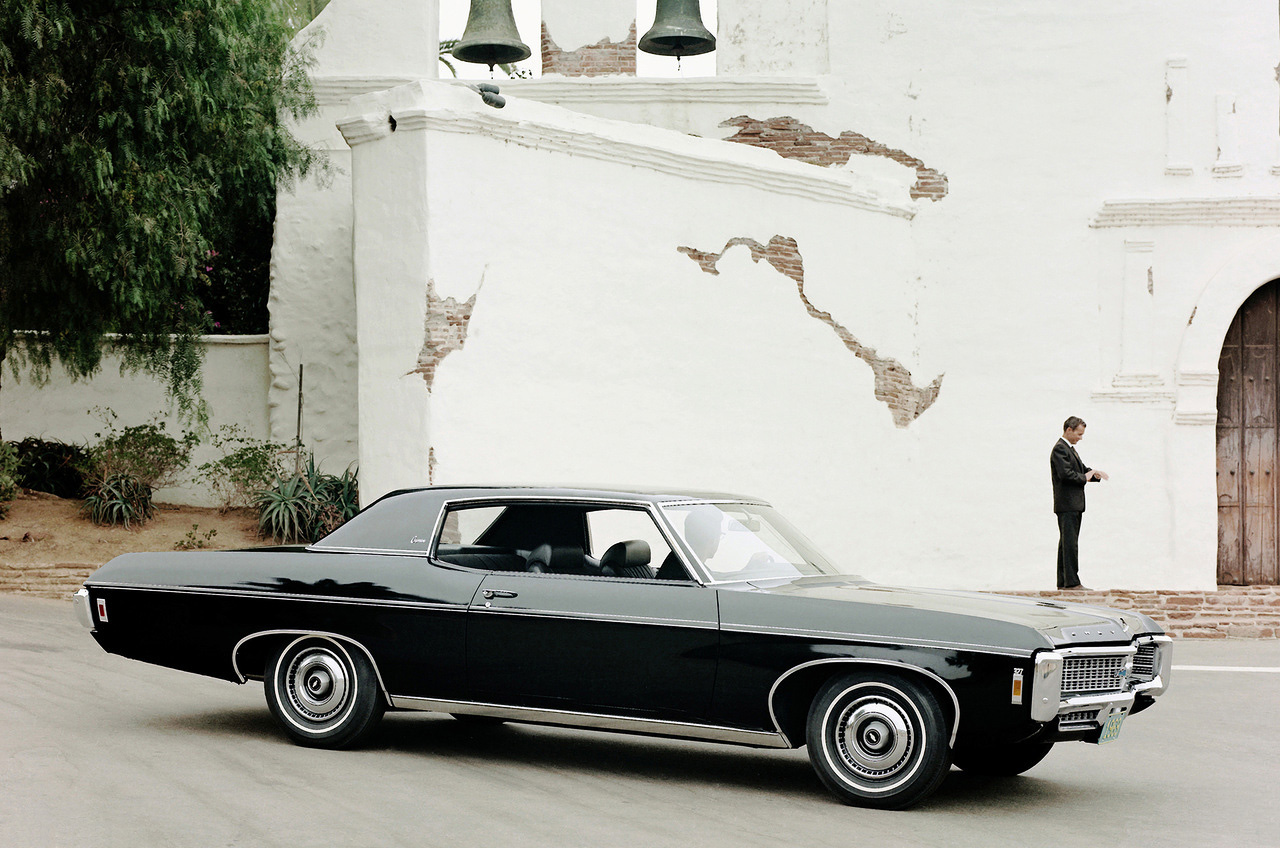
This full-sized car was produced in North America from 1965 to 1996, although continued to exist through GM’s Australian subsidiary as the Holden Caprice. The Caprice is yet another American pop culture icon, and also won Motor Trend’s Car of the Year twice, in 1977 and 1991.
Early models were among the largest cars ever built by Chevy. Sales were especially strong in the 1960s and early 1970s, when full-sized vehicles were in high demand.
#19: Pontiac Grand Am (4,667,000)
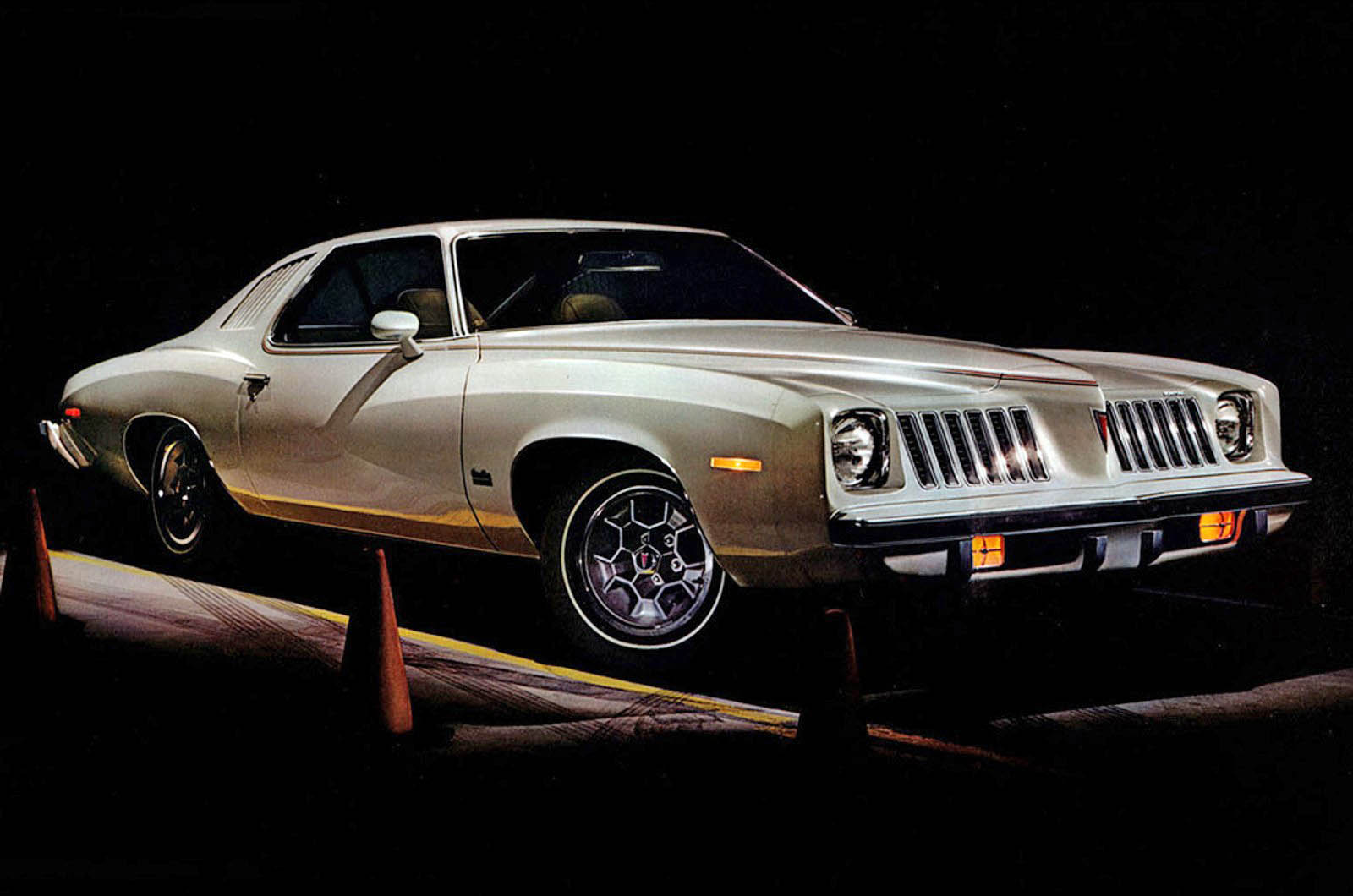
Much like the earlier Ford Thunderbird, the Pontiac Grand Am helped bring a new market segment to America: the luxury performance coupe. This was achieved by incorporating both luxury car and sports car features, a common combination on imports, but largely absent on American-made cars of the era.
The Grand Am hit on the right formula and became Pontiac’s highest-selling car. Later models were especially successful, as they were known for bringing sporty aspects to the affordable compact car. First built in 1973, the model ended in 2005.
#18: Ford Model A (4,858,000)
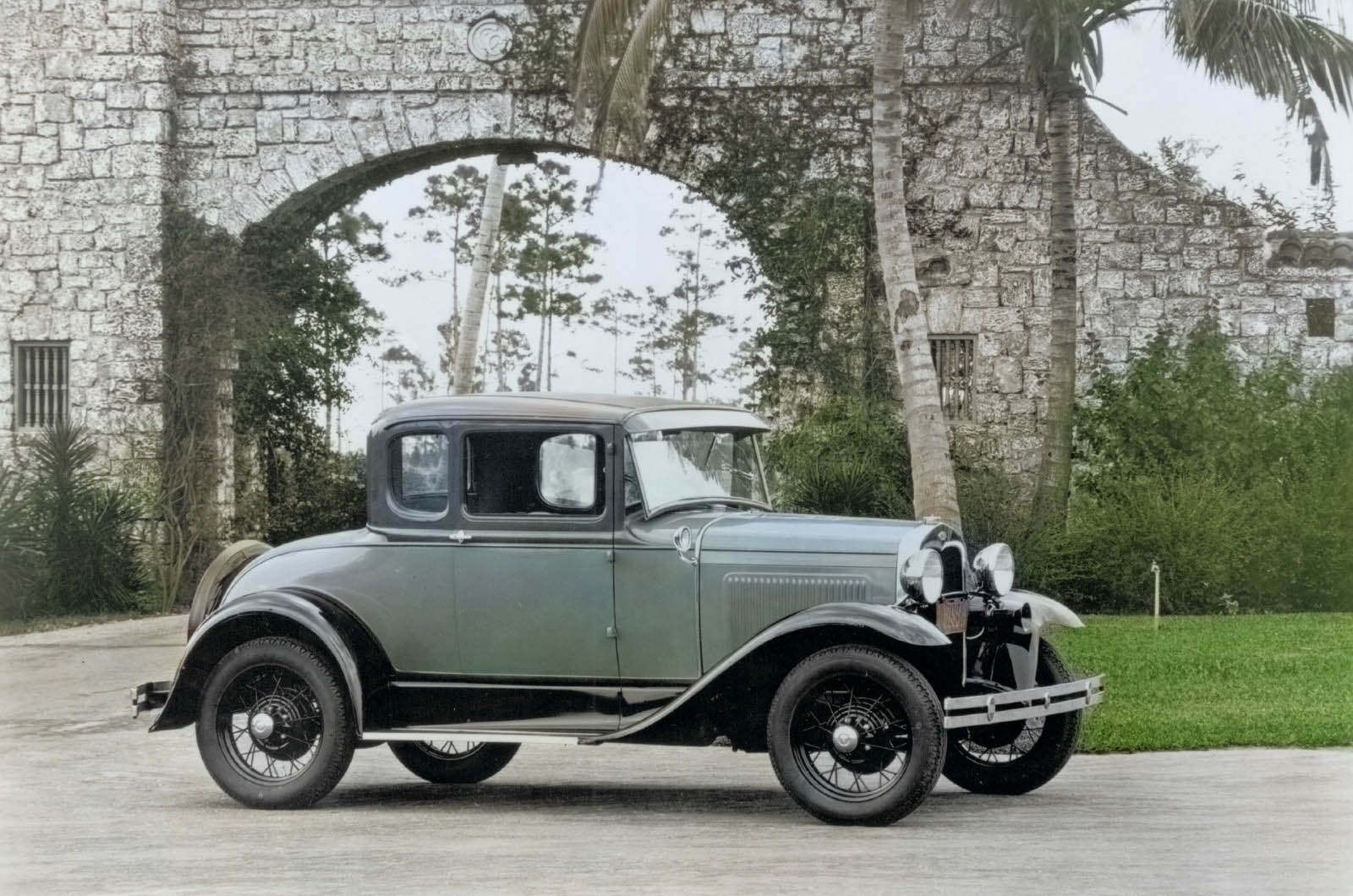
The successor to Ford’s eminent Model T was produced for just six years, from 1927 to 1932. During this time, the Model A was available in an incredibly diverse selection of body styles, from a sports coupe to a truck and everything in between.
The Model A brought a number of innovations, including the first instance of safety glass windshields, as well as the standard set of driver controls we know today. Like its predecessor, the Model A became an incredible market success for Ford.
#17: Ford LTD (5,530,000)
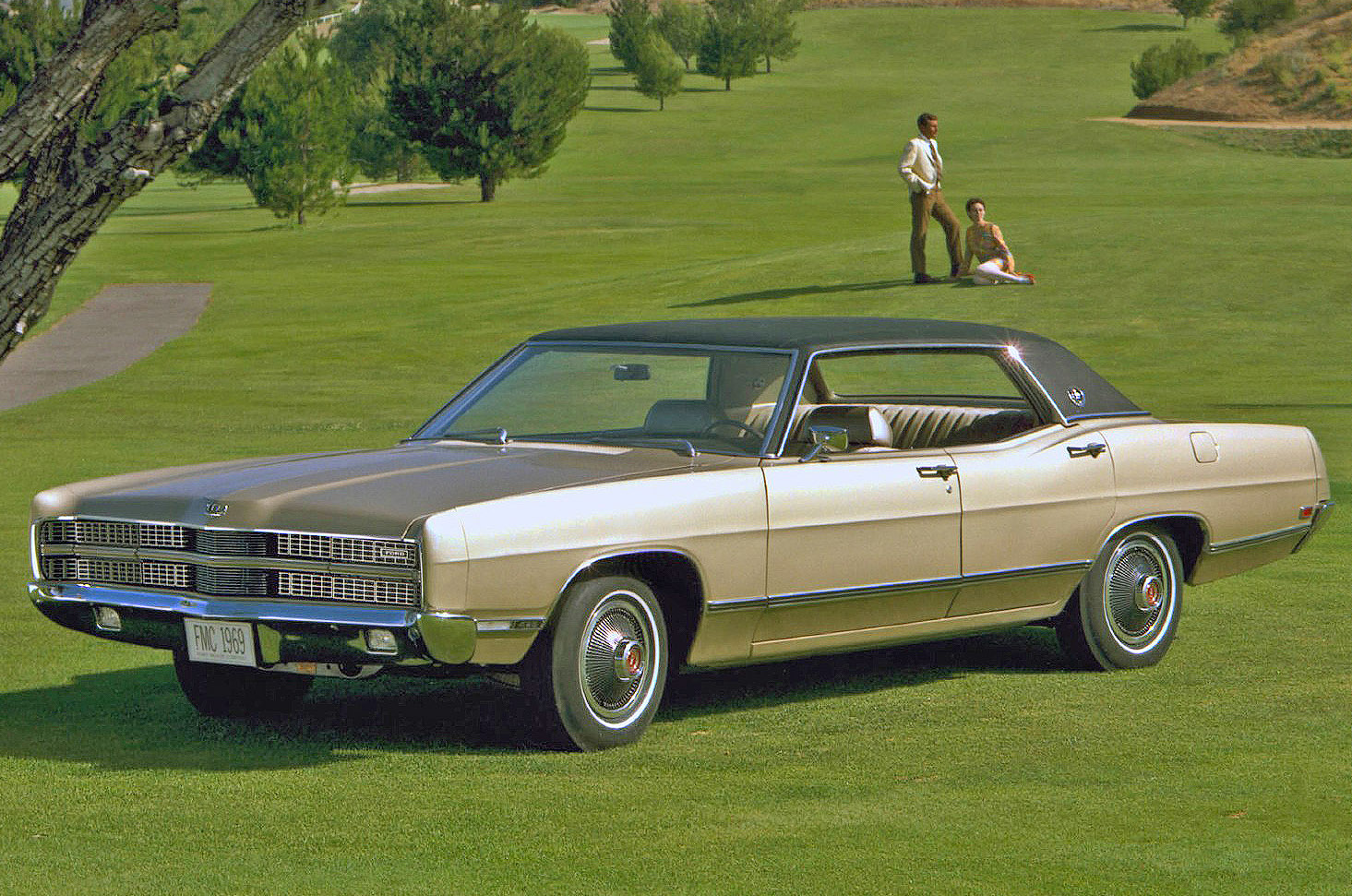
In production from 1965 to 1986, the LTD was originally the highest trim option on the Galaxie before becoming its own model range. The LTD was the largest and most deluxe car offered by Ford for most of its life.
What made the LTD popular was the options and features it had that were normally found only on more expensive Lincoln and Mercury models. The car was essentially a Ford body with a plush Mercury interior.
#16: Chevrolet Camaro (5,594,000)
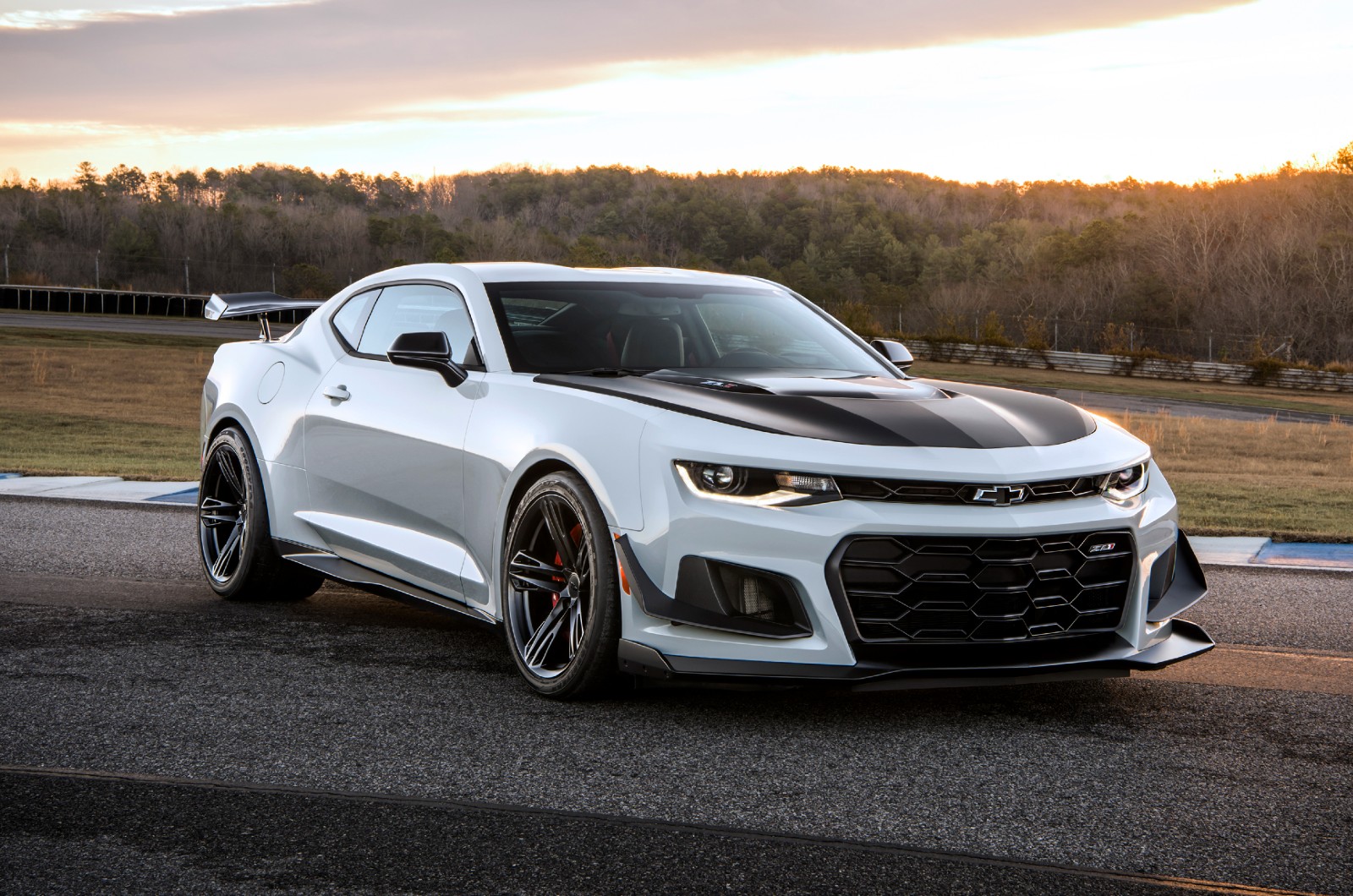
First on sale in 1966, the Camaro is set to be discontinued after the 2024 model year and its sixth model generation, although Chevy has hinted that it is likely to return in a different form. The much-loved Camaro embodies the style and performance that is the epitome of American muscle cars.
The Camaro was originally rush-released to compete with very popular Ford Mustang. When asked about the meaning behind the name, Chevy’s answer was “a small, vicious animal that eats Mustangs.”
#15: Buick LeSabre (6,000,000)
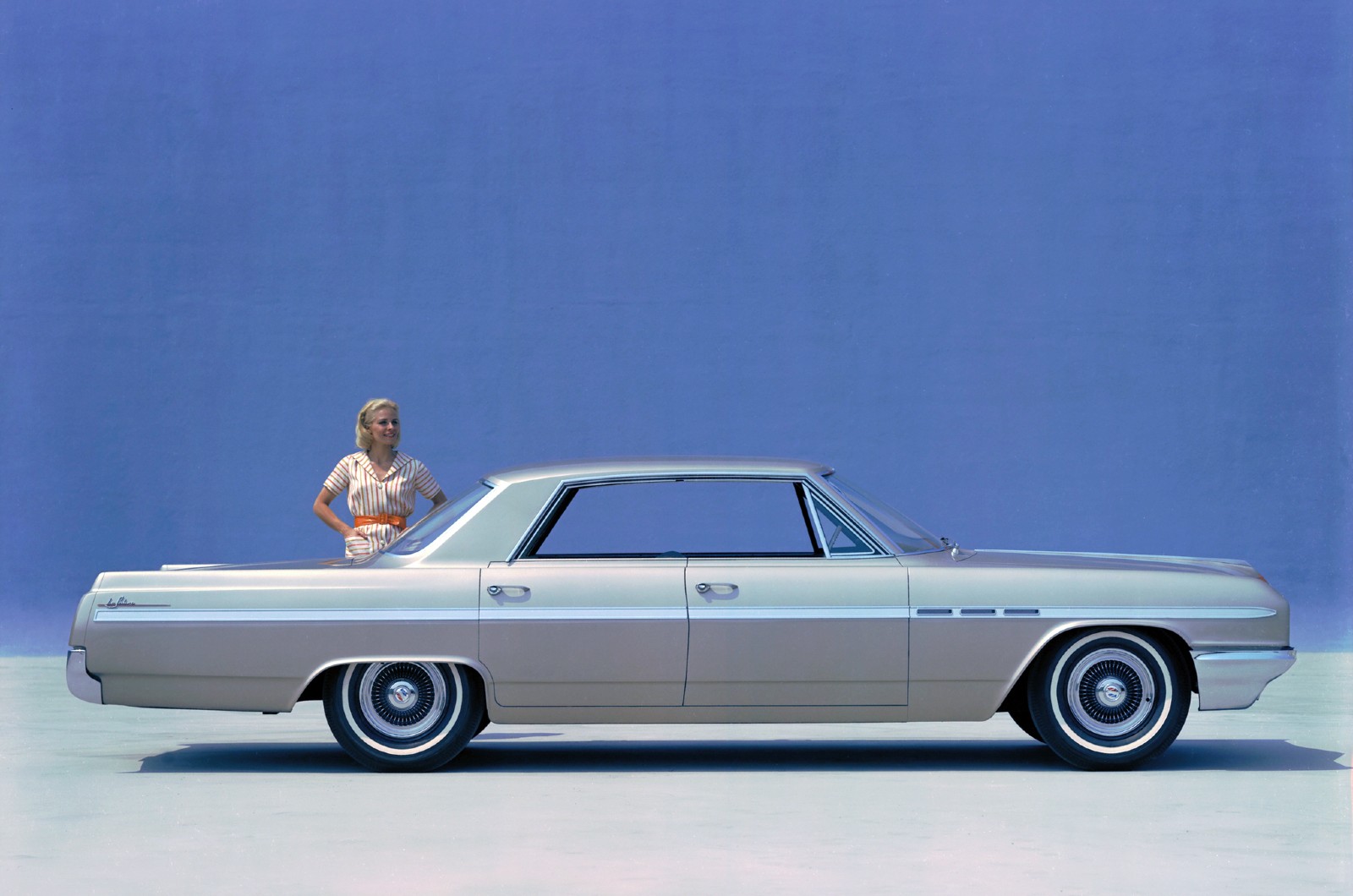
The LeSabre was a full-size car offered by Buick from 1959 to 2005. It provided a comfortable ride, modest performance, as well as surprisingly good handling for its size.
During its long production run, the LeSabre was Buick’s most popular car. In fact, the car was America’s best-selling full-size car in 2005 - the same year it finally got the ax. Eight model generations were produced.
#14: Chevrolet Cavalier (6,434,000)
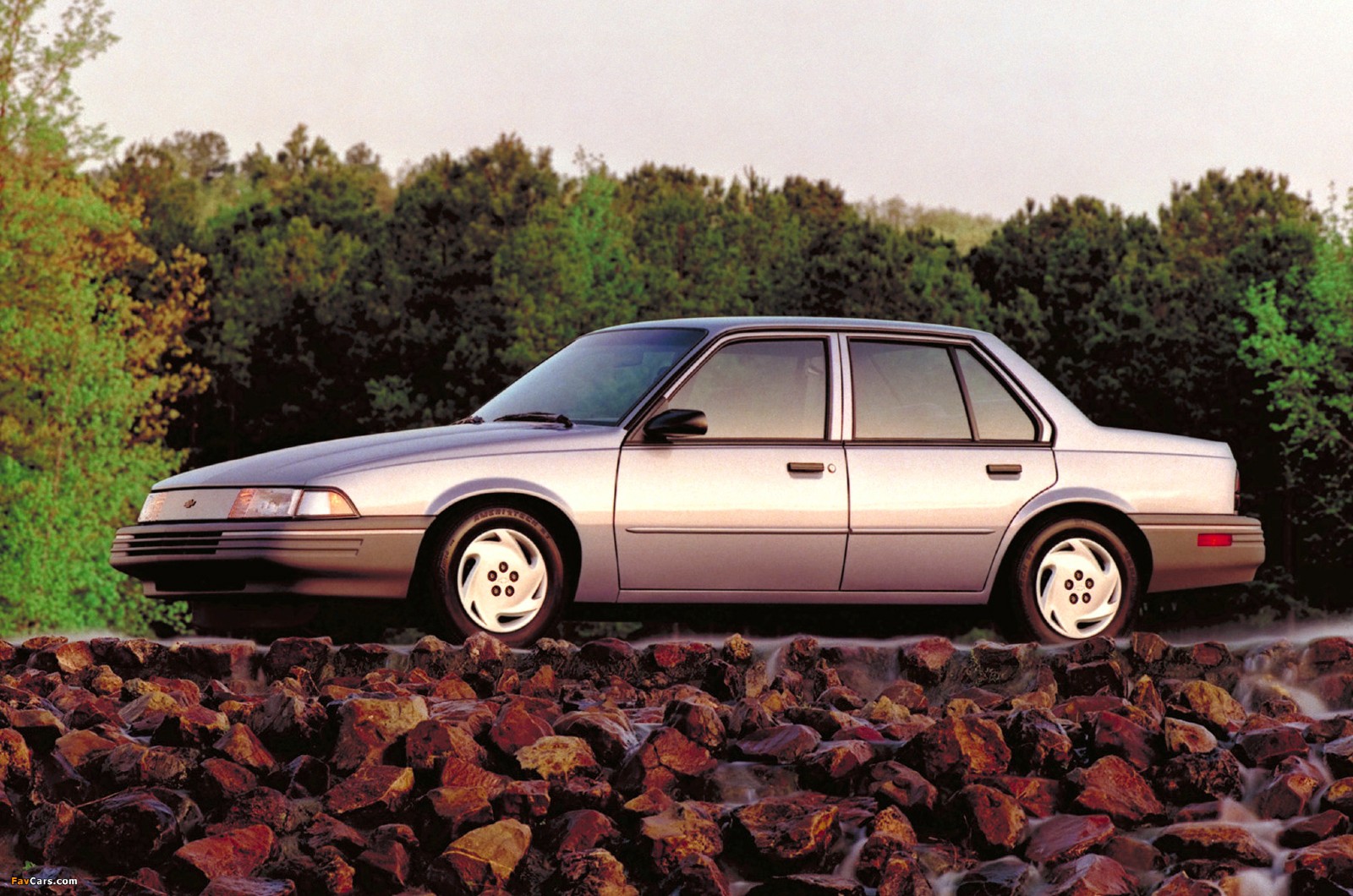
Taking a similar approach to the North American Ford Escort released two years prior, the Cavalier was GM’s first “world car.” It was intended to perform well domestically and also be easily rebadged by GM’s myriad of overseas subsidiaries.
This Cavalier was in production from 1982 to 2005, although it was sold as a fourth generation exclusively in China until 2021. Chevy’s front-wheel-drive compact car performed exceptionally well against Japanese imports in the 1980s, a time when compacts were in high demand.
#13: Ford Ranger (7,683,000)
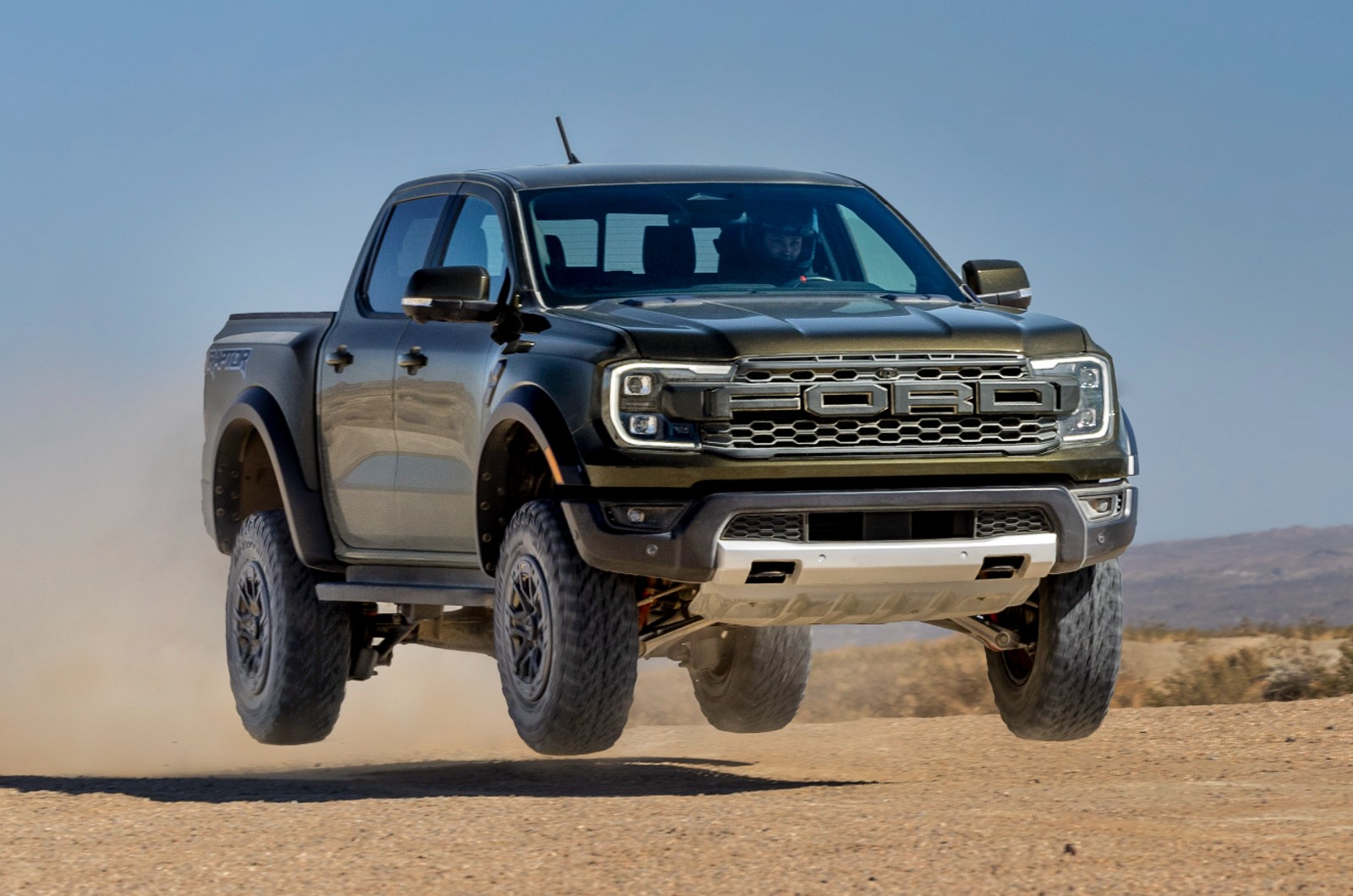
The Ranger is Ford’s close rival to the Chevrolet S-10 and Colorado models. The fourth generation was reintroduced for North America in 2019, although it had been previously in production in the US from 1983 to 2012.
Rangers are known for being both reliable and easy to service. They’re also popular for their powerful engines and impressive off-road performance.
#12: Ford E-Series (8,200,000)
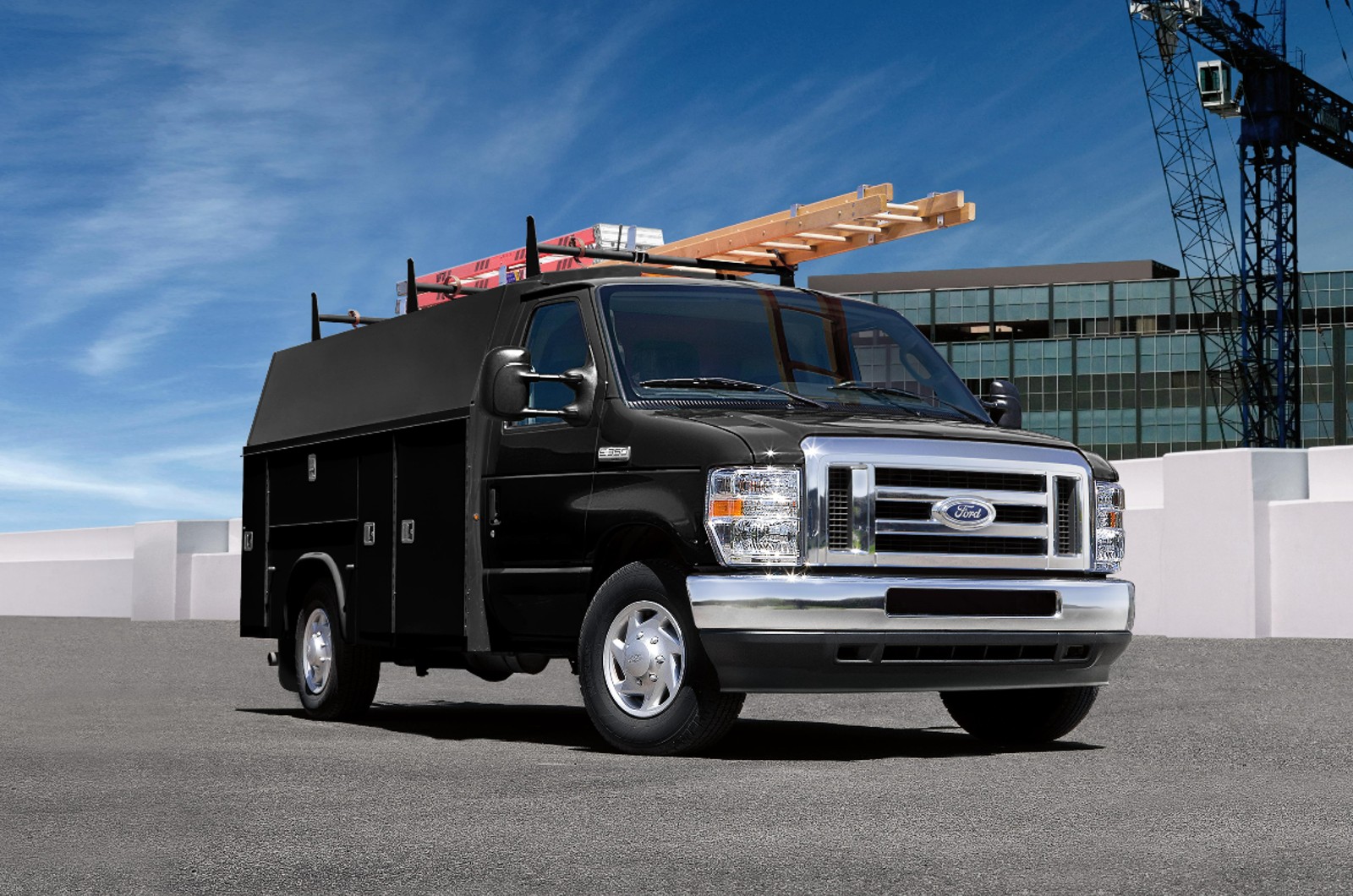
Also known as the Econoline, the E-Series is Ford’s range of full-size vans introduced in 1961. The van was replaced by the Ford Transit in 2015 and only the chassis of the E-Series remains in production.
What makes the Econoline so popular is the sheer amount of versatility available on the platform. It can be configured as a passenger or cargo version, and the chassis can accommodate everything from ambulances to ice cream trucks and more.
#11: Ford Taurus (8,404,000)
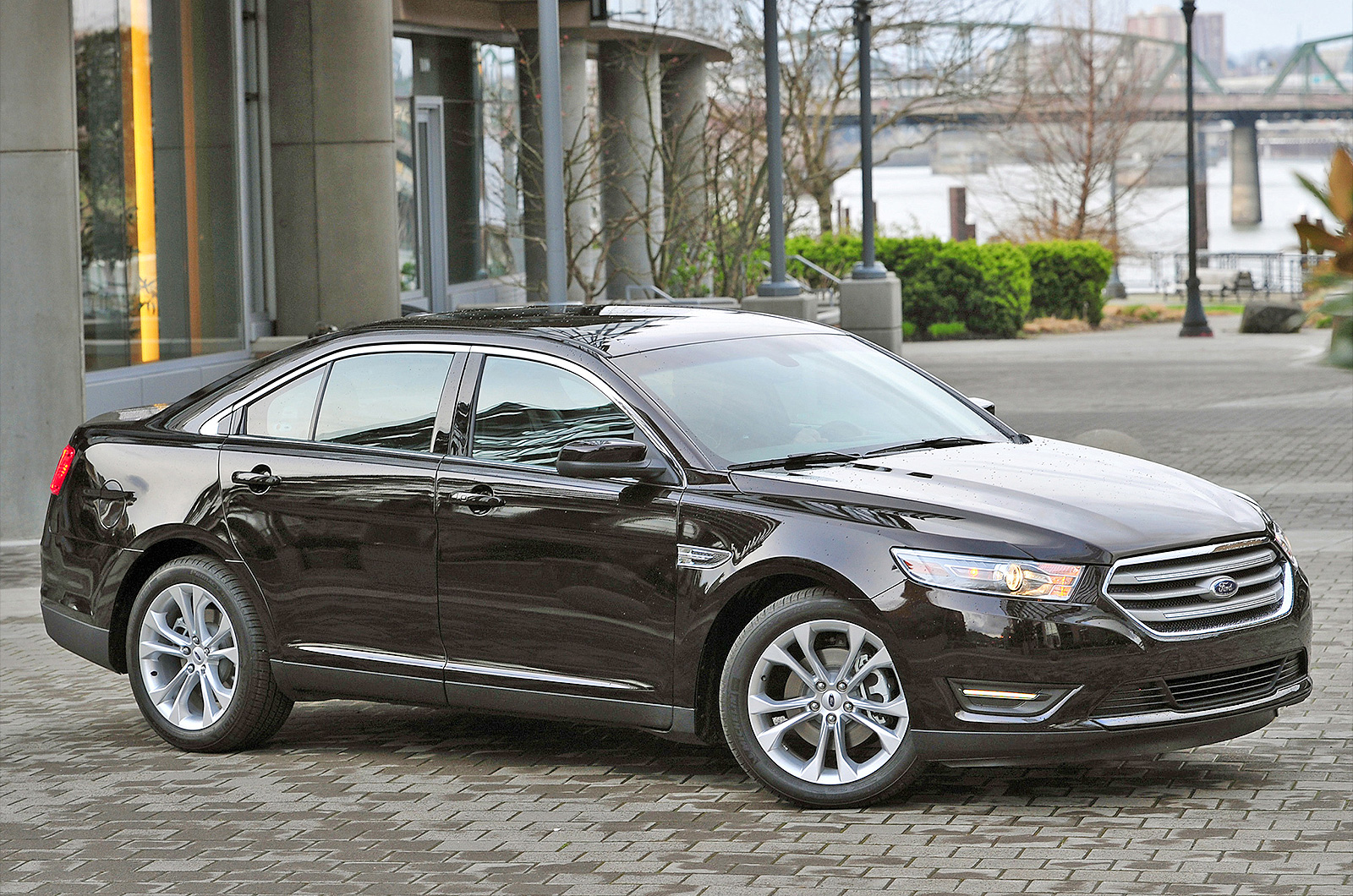
Six generations of Taurus were produced by Ford from 1986 to 2019. The robust and reliable Taurus platform replaced the long-running Crown Victoria as Ford’s Police Interceptor Sedan in 2013.
The Taurus brought a number of innovations, including the statistical process control model for Ford production. This new method of efficient quality control ensured that the Taurus met the needs of the buying public.
#10: Ford Explorer (8,936,000)
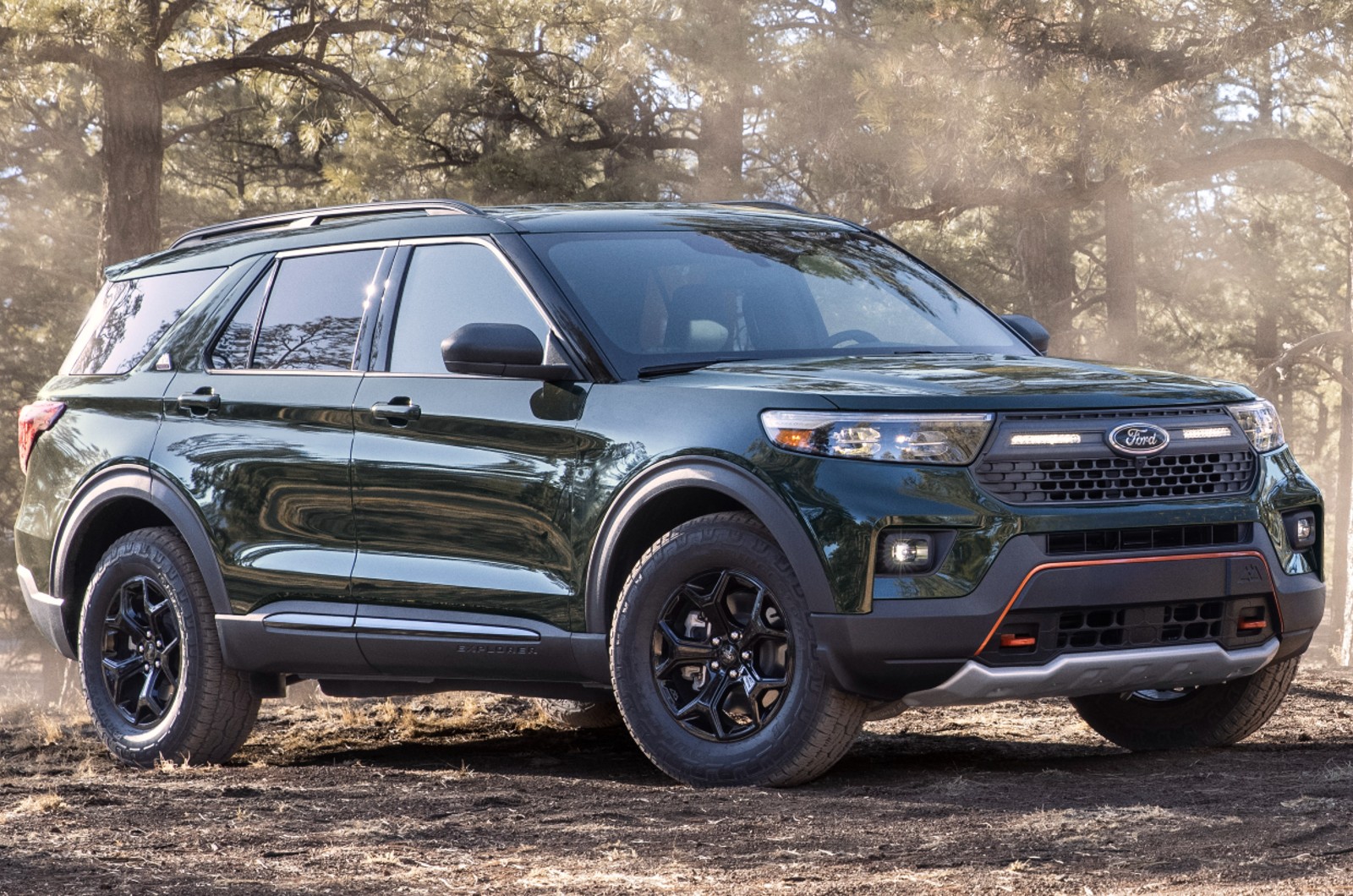
This four-door SUV was a replacement for the two-door Bronco II and was first introduced in 1991. Much like the Taurus, the Ford Explorer has been adapted for police use as a replacement for the Ford Crown Victoria.
With its comfort, cargo space, and reliable engines, the Explorer is the best-selling American SUV. It hit upon the right formula to achieve this, continually bringing more standard features to the SUV class, which had once been very barebones and utilitarian. It’s currently in its sixth generation.
#9: Oldsmobile 88 (9,647,000)
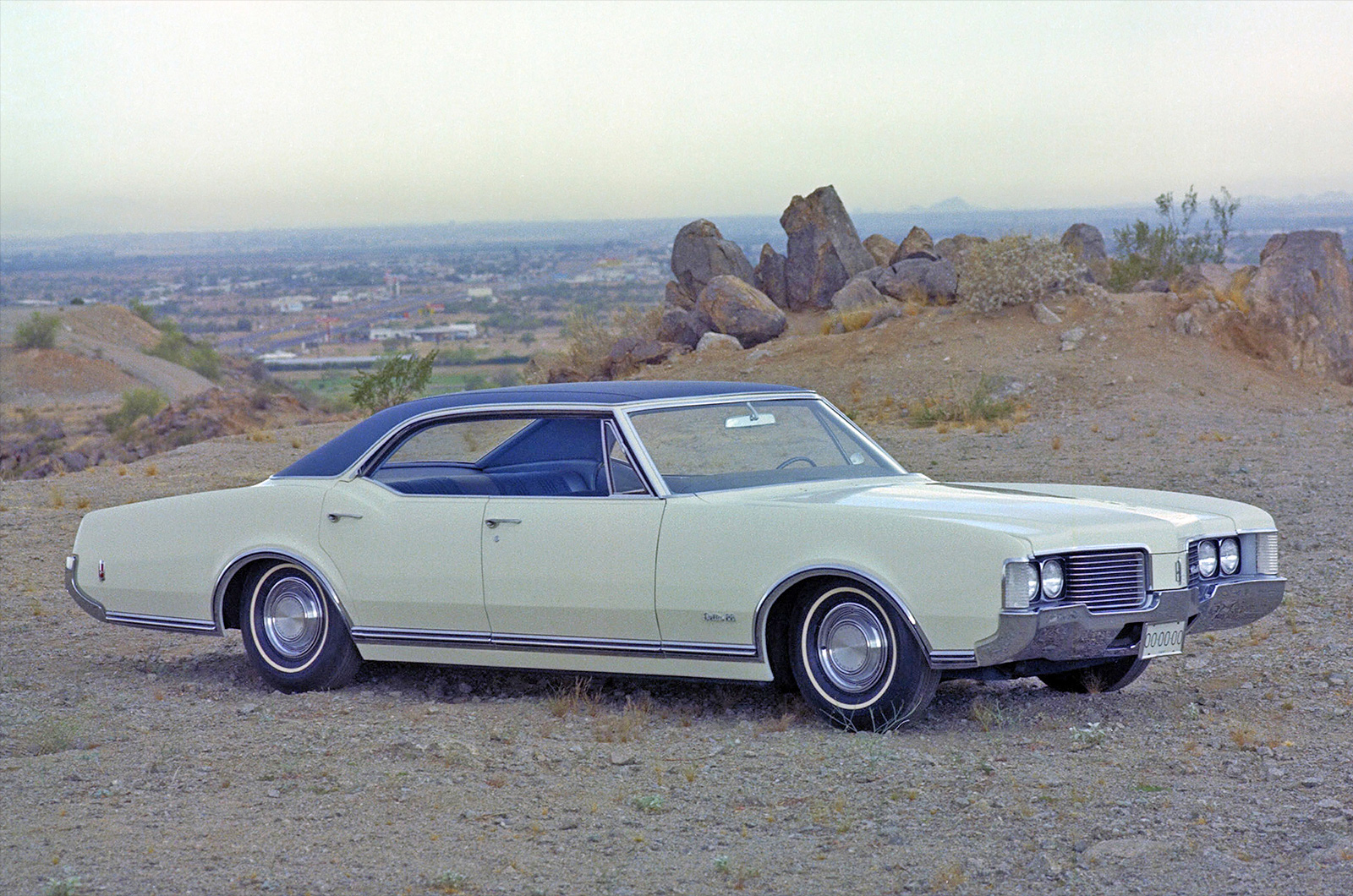
Produced from 1949 to 1999, this full-sized car was at one point Oldsmobile’s most profitable automobile. It is even considered by some to be the first muscle car, although this statement may get you into a heated debate with a nearby gearhead.
During its early years, the 88 was one of the best performing American cars. Its light weight and advanced overhead-valve high-compression V8 engine made it a hit with buyers that had a real need for speed.
#8: Ford Mustang (10,200,000)
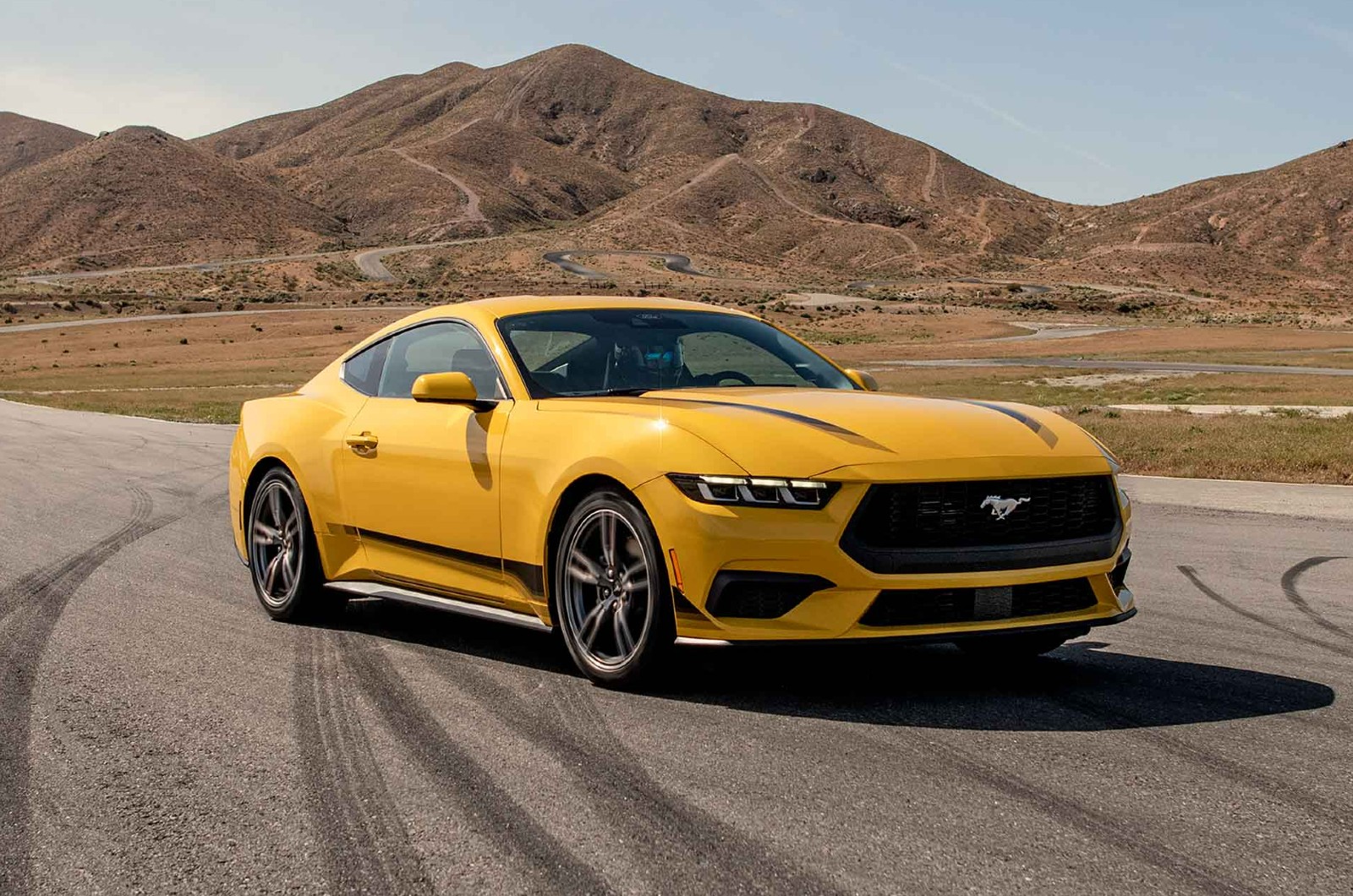
The iconic Mustang spawned the pony car craze and gave rise to many competitors— a few of whom are also on this list. In continuous production since 1964, the Mustang is currently Ford’s longest-running nameplate.
In order to keep costs low, Ford designed the Mustang to use components from existing Ford vehicles, chiefly the Falcon compact. 400,000 were sold in the first year, with 22,000 sales on the first day alone.
#7: Chevrolet Malibu (11,300,000)
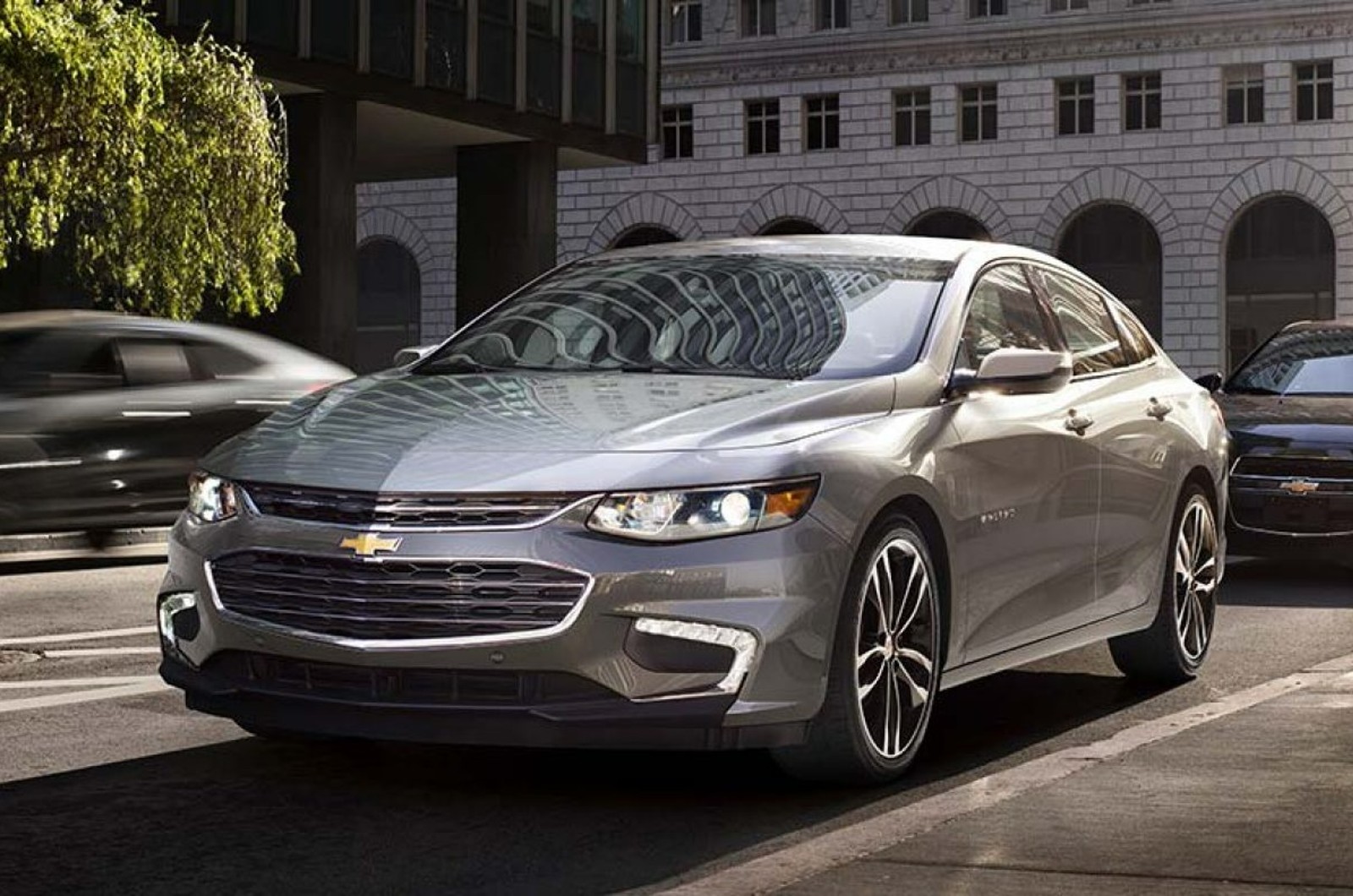
This mid-sized car evokes the name of a city on the sunny California coast. First introduced in 1965, the Malibu remains in production today, although it faced a hiatus from 1983 to 1997.
The Malibu is known for its spacious interior and quiet, comfortable ride. It continues to perform well despite the shrinking market share of sedans in favor of SUVs, with a strong year-on-year sales increase in 2022.
#6: Oldsmobile Cutlass (11,900,000)
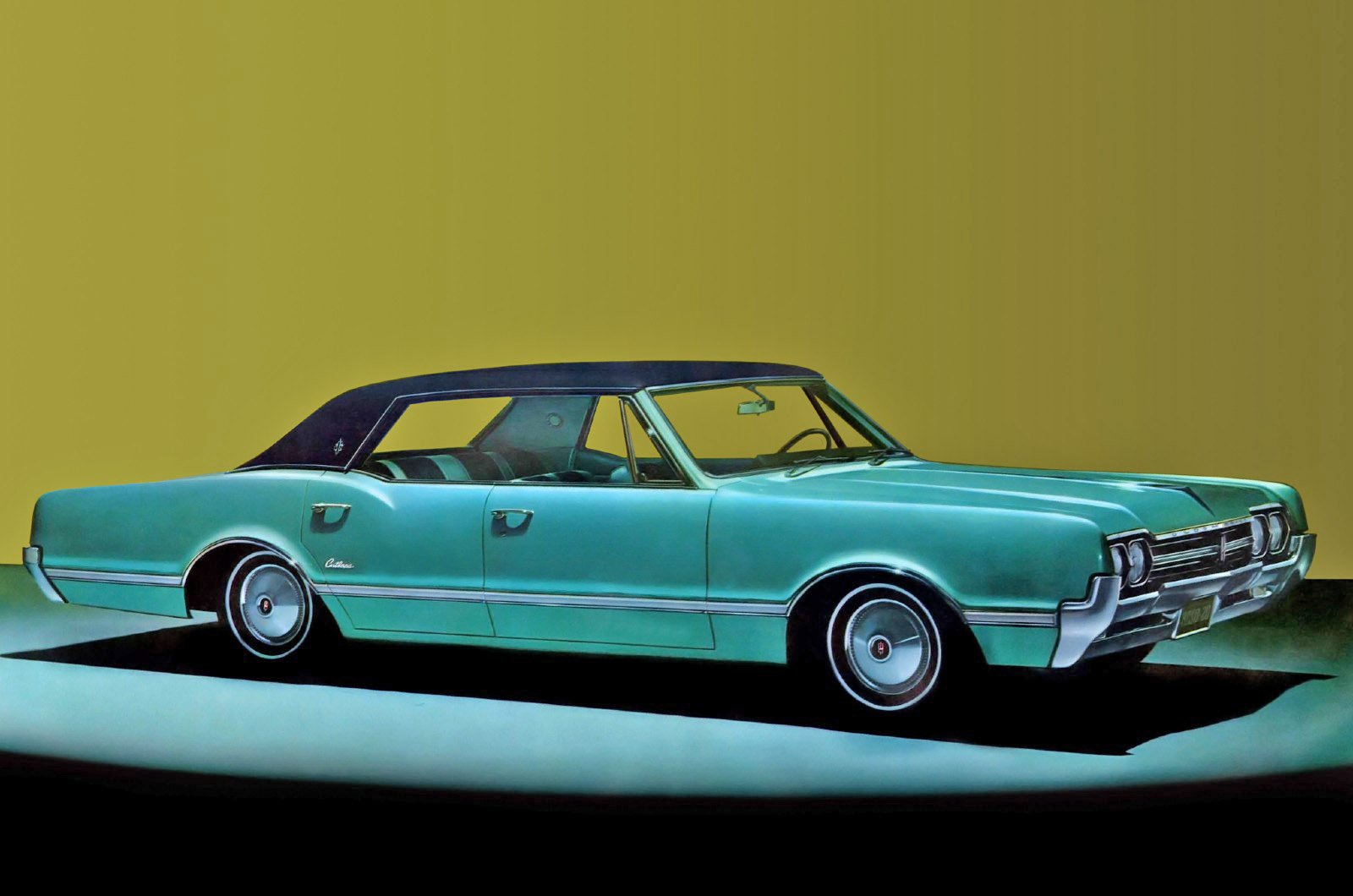
First introduced in 1961, the Oldsmobile Cutlass was the most popular car in America by 1977, selling 632,742 units that year. It was eventually phased out in 1999, but not before leaving a lasting impact on the automotive world and becoming Oldsmobile’s most successful model.
The Cutlass was popular due to its distinct styling and luxury features. A number of variations were spawned, including the Cutlass Supreme, the 4-4-2, and the Hurst/Olds. Six generations have been made.
#5: RAM Pickup (12,135,000)
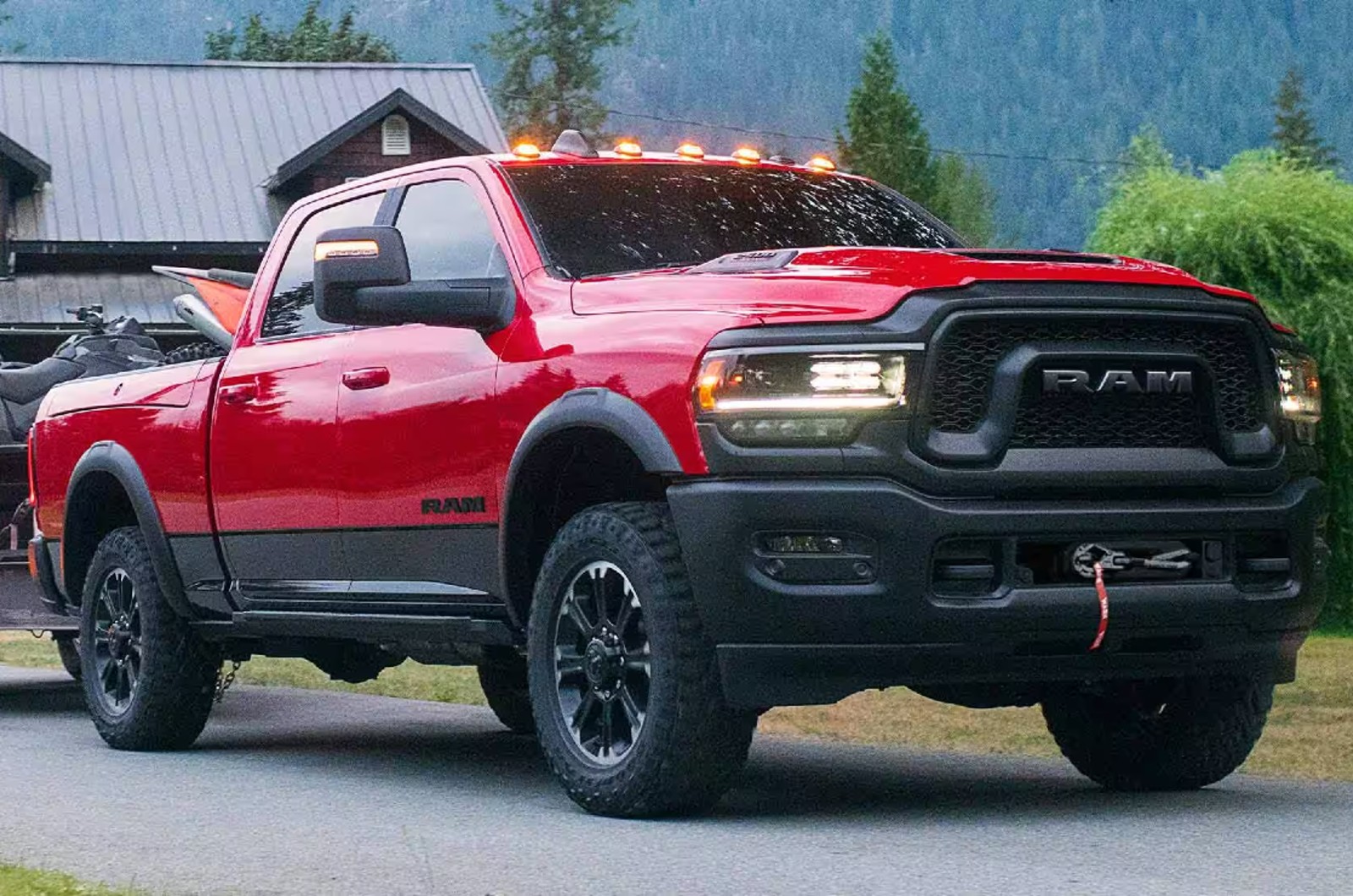
This full-size pickup truck has been in production since 1980, originally as a “Dodge Ram” before RAM became a standalone brand. The RAM Pickup has a reputation for a smooth, comfortable ride, reliable powertrain, and spacious interior.
This pickup has been named Motor Trend Magazine’s Truck of the Year a total of eight times. The current fifth-generation model has the distinct honor of winning the award three times— the first truck in history to do so.
#4: Chevrolet Silverado (14,075,000)
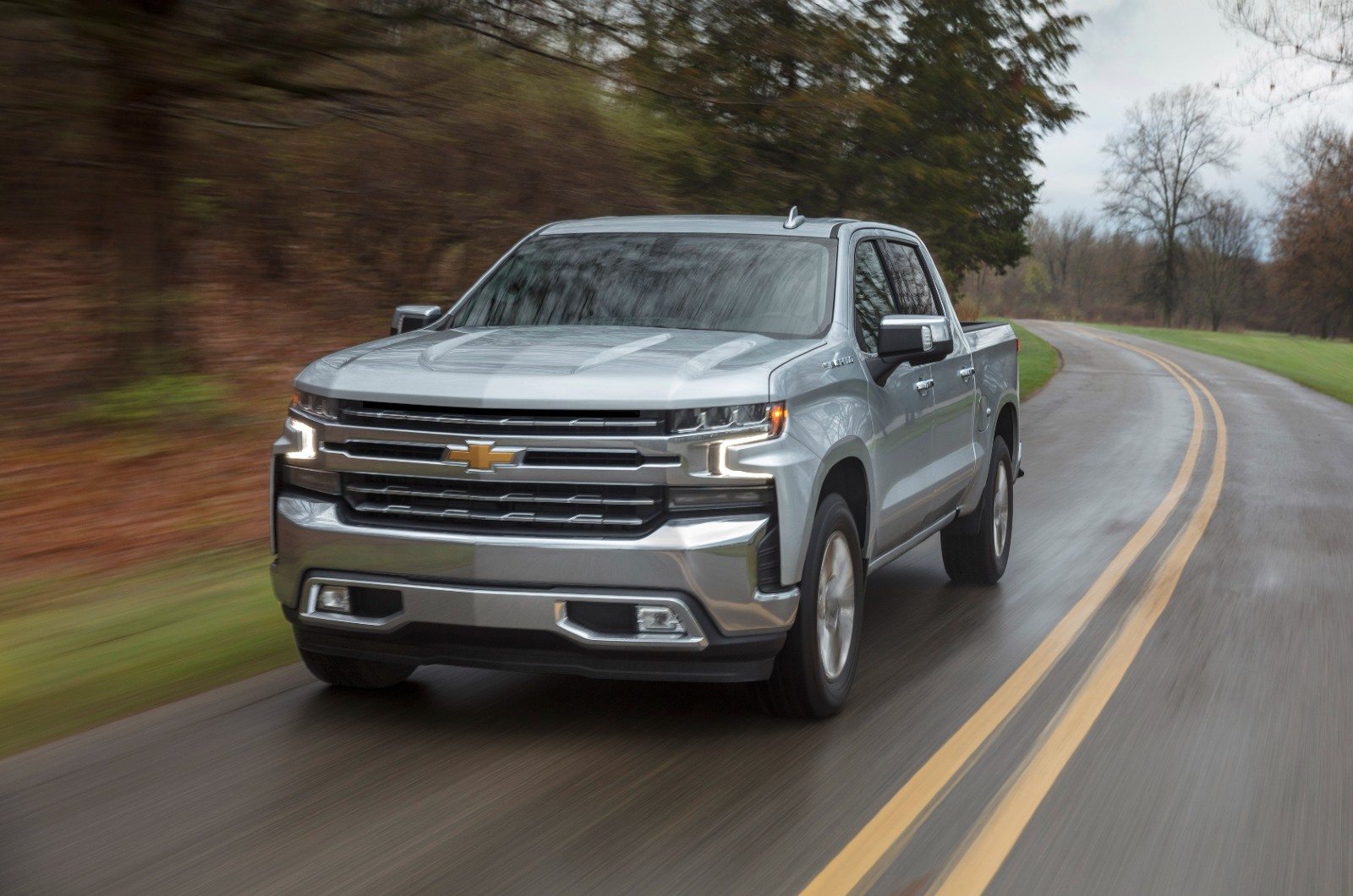
The Silverado is available as a full-size truck, chassis cab truck, or medium-duty truck. It was originally a top-trim level of the Chevrolet C/K truck introduced in 1975, before becoming its own model in 1999, which remains in production today.
Along with the Sierra, its GMC-branded sibling, the Silverado is a great all-around truck. Consumers love it for its wide range of configurations, as well as great performance both off-road and on.
#3: Ford Model T (15,000,000)
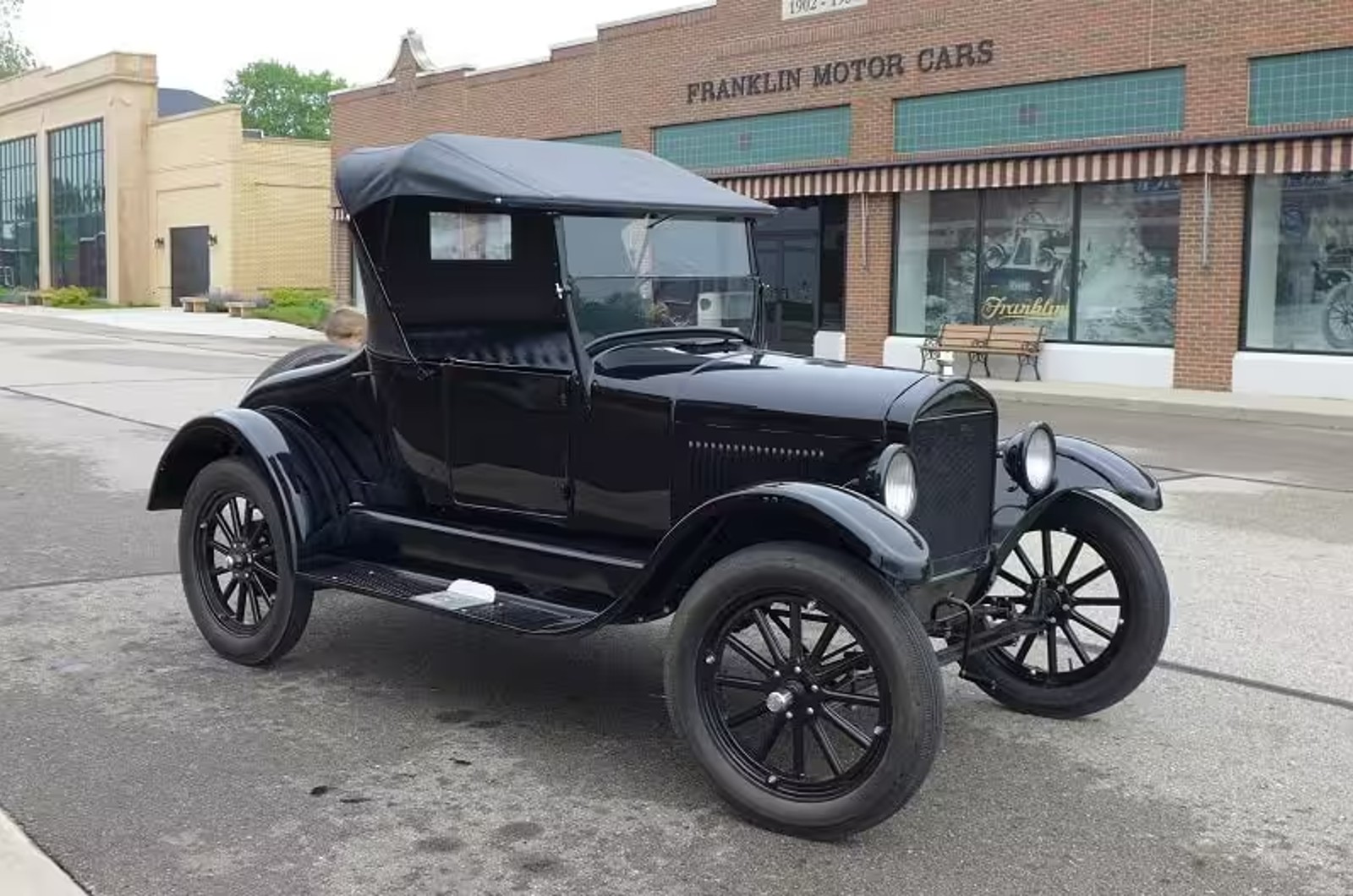
The Model T was the first mass-produced automobile, and made car-travel readily available for the middle-class. Its assembly line production enabled Ford to sell the Model T at a much lower price than had been possible before.
By the early 1920s, half of all the cars in the world were Fords. Henry Ford and his son Edsel personally drove the 15-millionth Model T out of the factory on May 25, 1927, marking the car’s last day of production before it was succeeded by the Model A.
#2: Chevrolet Impala (16,700,000)
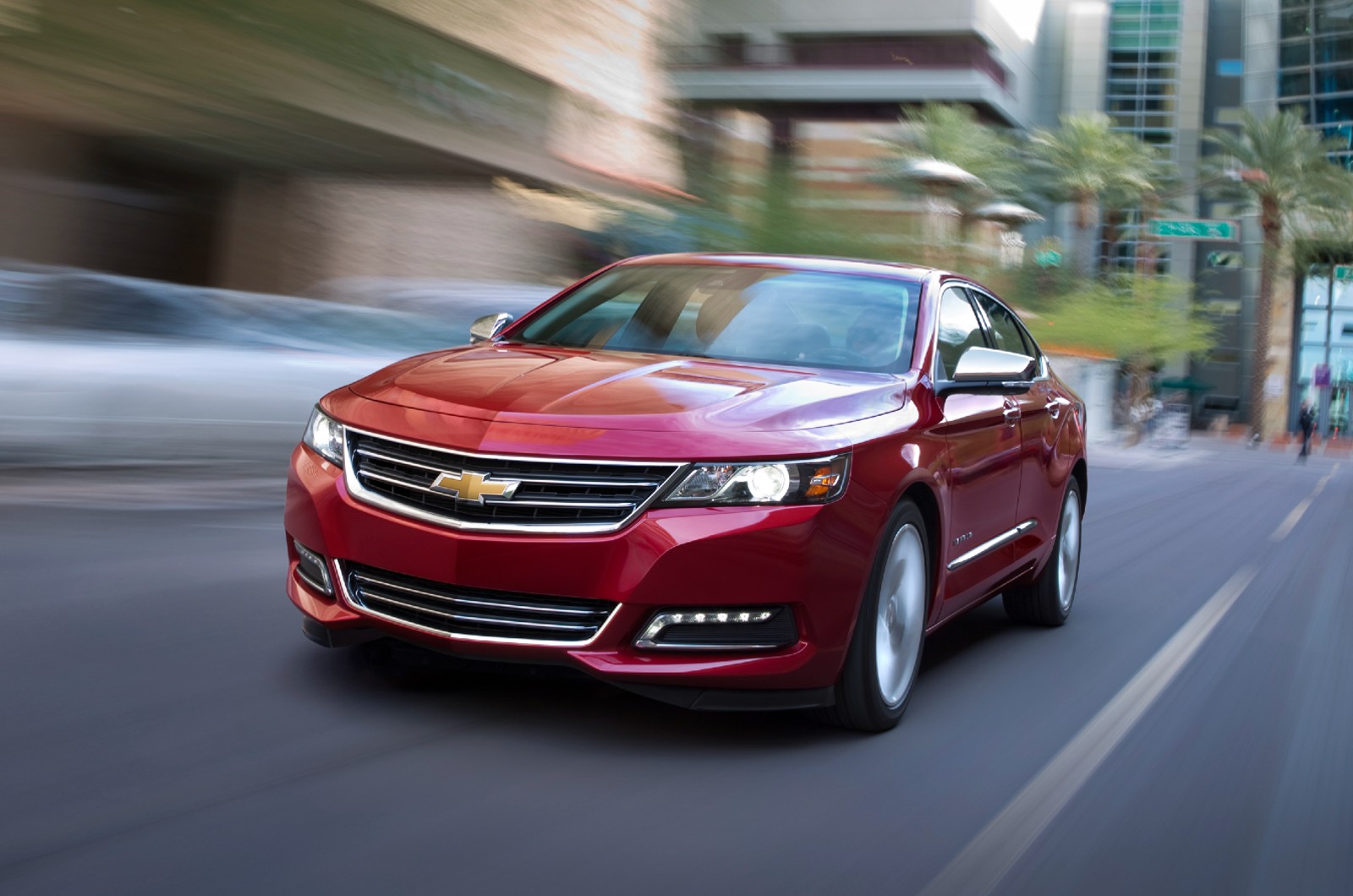
The Impala was Chevy’s popular flagship car during its long production run. It was built from 1957 to 2020, although production of the Impala took a break from 1986 to 1994, and again from 1997 to 1999.
The Impala was the first car to use the “SS” designation, making it a pioneer in the muscle car craze of the 60s and 70s. Over its ten-generation run, the Impala won numerous awards and attracted a huge audience.
#1: Ford F-Series (40,000,000+)
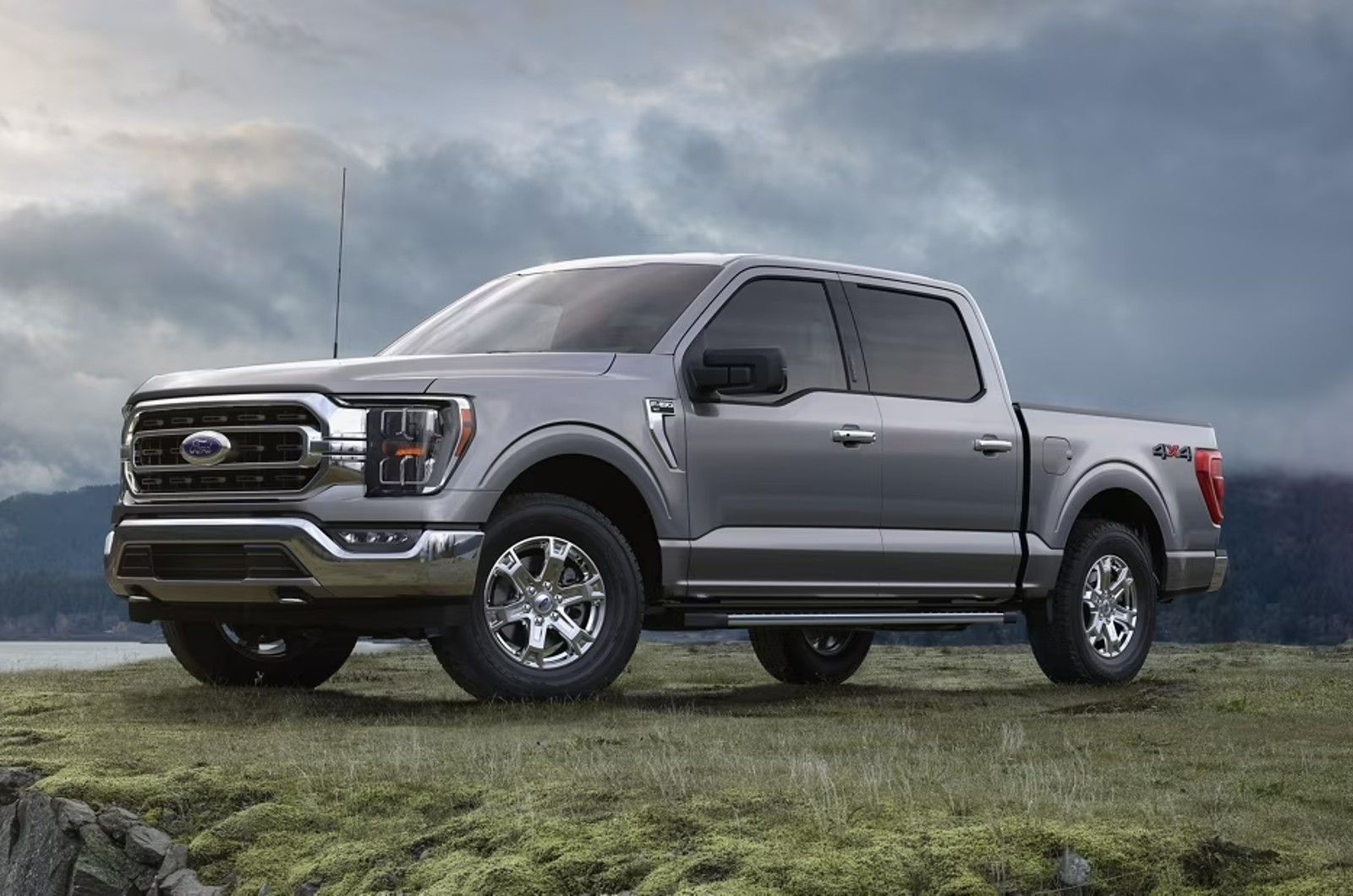
Blowing this list out of the water, the Ford F-Series is the best-selling American-made automobile of all time. This truck has been in continuous production since 1948, and the 40 millionth truck rolled off the assembly line in January 2022.
The F-Series was the first truck to be built on its own dedicated platform, unlike previous trucks that had been built on existing car platforms. The F-150 is the most popular member of the family, and is popular for its versatility, reliability, and “Built Ford Tough” durability; it’s currently built in four locations in the US. An all-electric F-150 derivative named Lightning went on sale in 2021.

Audi Q3 Delivers Premium Practicality and Value in the Crowded Compact SUV Market
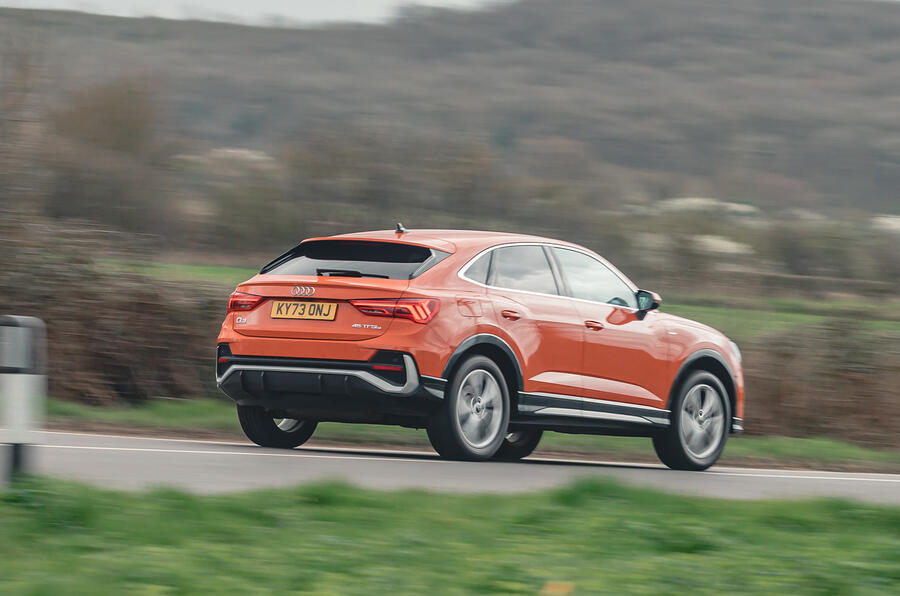
 Audi's Q3 is more than an elevated A3, especially in Mk2 guise from £10k
There's no guaranteed recipe for success in today's fiercely competitive car world, but taking a best-selling model and raising its ride height is a fairly safe bet - as Audi showed in 2011 when it launched the A3-based Q3, now one of its most popular models.
With the compact SUV recently entering its third generation, this is a good time to consider the appeal of the Mk2 - which represents the opportunity to bag a practical, plush, modern- looking Audi from only £10,000.
At just under 4.5m long, it's a little larger in footprint than an A3 and so a little roomier. To drive, it's pretty similar: the ride is fine, if a bit wooden over rougher stretches, while the controls are easy to use and the refinement is strong.
Audi interiors were for a long time among the best in the business and the Q3 shines in this regard, benefiting from a still-modern- feeling infotainment system with Apple CarPlay and Android Auto, physical ventilation controls and a level of tactile quality and solidity of feel that a Mercedes GLA and BMW X1 can't quite match. A clear and configurable set of digital instruments came as standard.
However, while crossovers are often usefully square and glassy to aid manoeuvrability, the Q3 has big pillars that create big blindspots, which are made worse in the sloped-back Sportback version, with its really limited rear visibility. Note that parking sensors aren't standard on lower-spec models.
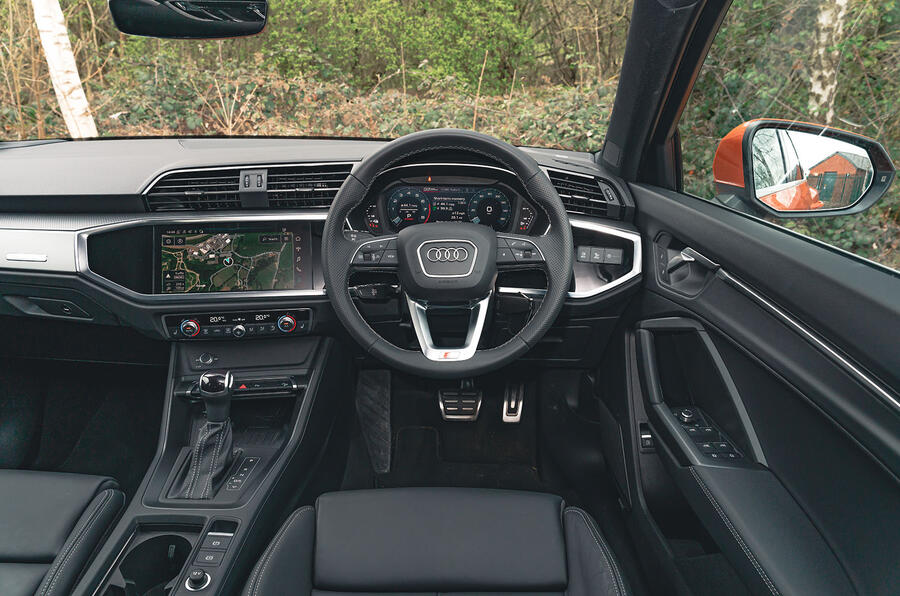
The seats are comfortable for long journeys, especially if you go for Sport trim or above because you get sports seats with more adjustment for the bolsters and lumbar support. Second-row space is only average, so taller adults won't find the back seats especially comfortable - particularly in the Sportback - but growing teenagers are unlikely to complain. A sliding rear bench allows for boot space of 530-675 litres with the backrest up, or up to 1525 litres with it folded down.
The Sportback has slightly less, as does the plug-in hybrid with its battery in the boot. For a while, Audi used a confusing model badging system featuring numbers that didn't relate to power output. The range consists of the 35 TFSI, 40 TFSI, 45 TFSI, 35 TDI, 40 TDI and 45 TFSIe - and the bigger the number, the more powerful the engine.
The 35 TFSI is the most common and has a 1.5-litre petrol that will do 40mpg but sounds a bit resistant under acceleration, while the larger 2.0-litre petrols above it are thirsty.
The TDI diesels are rarer but should be good for 50mpg on a run. The 242bhp TFSIe PHEV is little more expensive and has a real- world electric range of 25 miles.
The 1.5-litre has either a six-speed manual or seven-speed dual-clutch auto (DCT), while the 2.0-litre petrols are DCT only. The 40 is front-drive, with Quattro four- wheel drive as an option, and all 45s have Quattro. The 35 diesel can be had as a manual or seven-speed DCT with front-drive or Quattro.
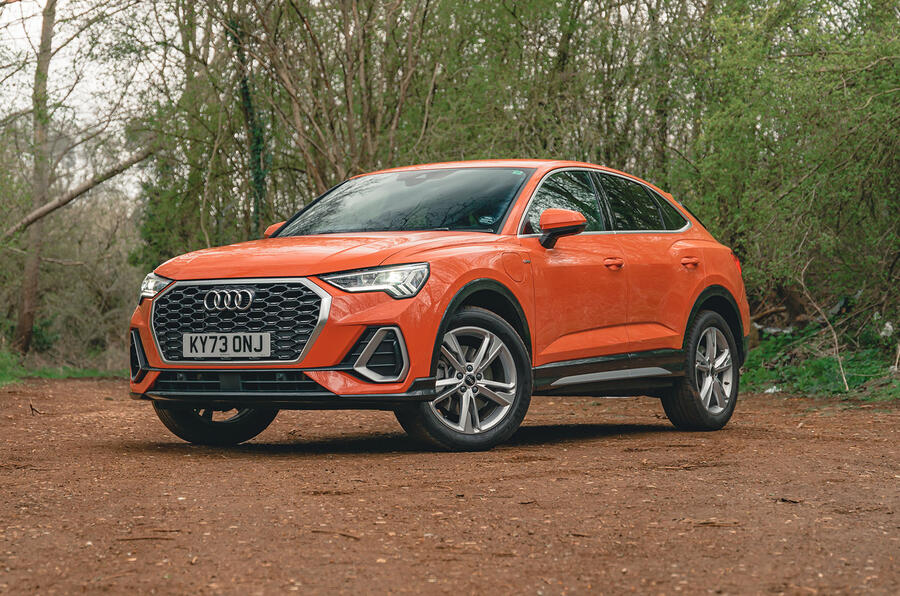
In a class as crowded as the premium mid-sized crossover's, it can be hard to identify a real standout flag flyer - a default choice like a VW Golf, for example. The Q3 may not have the same sort of everyman appeal, but for do-it- all dependability and all-round practicality, you will struggle to find anything better for the money.
What to look out for
Engine: All Q3s are fitted with a cambelt. There's no mileage interval for changing it, but Audi recommends replacing it every five years, at a cost of £600.
Gearbox: Manuals are susceptible to clutch judder. Garages might try to get you to change the dual-mass flywheel (£1000-plus) but check the forums for cheaper solutions.
Suspension: Many owners have reported a frustrating clunking from the front suspension at low speeds. It's especially noticeable when turning or going over speed bumps. The cause has not yet been identified, but poorly fitted components, premature wear and insufficient lubrication commonly appear on the shortlist of potential reasons.
Build quality: Rattles around the cabin have been reported by some owners, particularly a buzzing sound in the passenger footwell/door area due to a known issue with the fuel line, which is often fixed under warranty but can return.
Sunroof: Leaks are common. Cleaning the drains at regular intervals can help. A special tool for this is available online.
Also worth knowing
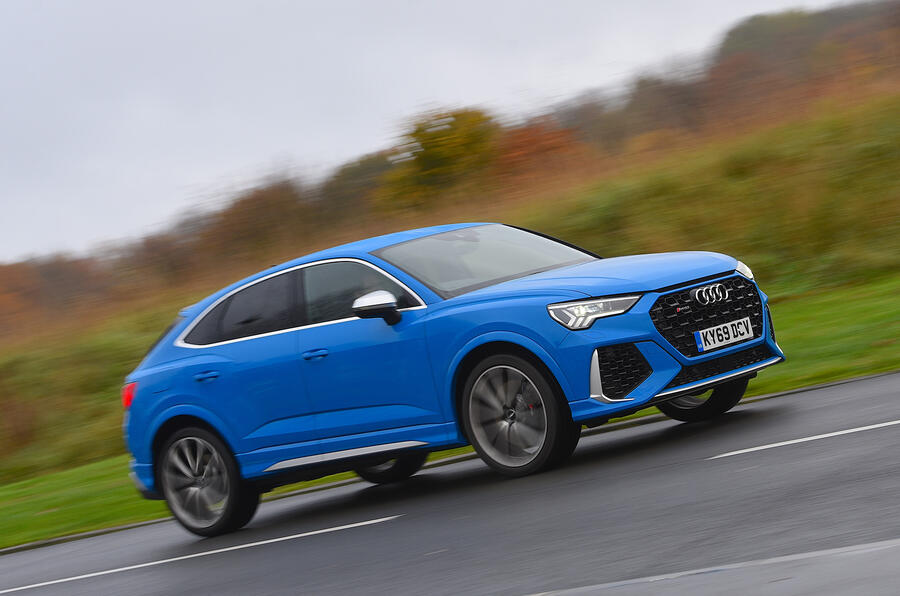
All Q3 models are ULEZ-compliant. Insurance groups begin at a reasonable 21 but rise as high as 40 for the hot RS Q3.
As for tax, most Q3s are £195 each year. However, those younger than five years old and with a list price of more than £40,000 (you would be surprised how many cars in S Line trim and above fit this bill) will be £620 per year until their fifth birthday. On the flip side, some will still be less than three years (and 60,000 miles) old so will be covered by Audi's standard warranty. An extended warranty can be purchased for older models, should you want it.
Trim levels range from the basic-looking Technik (halogen headlights, 17in alloys, cruise control and climate control) to Sport (18in alloys, LED headlights, a power tailgate, acoustic glazing and electric mirrors), S Line (19in alloys, sports suspension, LED tail-lights and a bodykit), Black Edition (dark optics and wheels) and Edition 1, replaced by Vorsprung, which are both loaded with every extra and command a premium due to desirable features such as an upgraded sound system and opening panoramic sunroof.
How much to spend
£10,000-£14,999 Early high-mileage heroes and less desirable lower-spec cars.
£15,000-£19,999 Reasonable sub-70,000-milers, S Line versions, and Quattros and automatics.
£20,000-£29,999 Where you will find most Mk2 Q3s, notably two- and three-year-old cars with 10,000-40,000 miles in good specs, including Vorsprung.
£30,000-£50,000 RS Q3s and late, nearly new high-spec cars.
An owner's view
David Sloane "I bought my approved-used Q3 in 2021 because my wife wanted a higher-riding car as she got older. We like the interior usability and practicality, and the performance from the 2.0-litre petrol. However, the economy is surprisingly poor for a modern engine - I get 30-35mpg - and the gearbox is frustratingly dim-witted. Reliability-wise, it's been mostly perfect except for a leak from the sunroof and some rattles from the plastics."

GM Rear Sliding Window Defect Lawsuit Challenges Company’s Handling of Silverado and Sierra Water...

Traffic Fatalities Reach Decade Low as Cyclist Deaths Defy National Safety Gains

Start Inhibit transforms Ford vehicle security with app-based engine lockouts and real-time police collaboration

Congestion Pricing Cuts NYC Traffic and Speeds Emergency Response