Le Mans Drivers Parade as Cultural Spectacle Ferrari 296 Speciale and the Rituals of...
 From handing out high-fives to revving an 870bhp Ferrari: part motoring spectacle, part sensory overload
It's the Friday afternoon of race week in Le Mans. The town centre municipal car park is filling up with vehicles you won't see here every day.
Pre-war Citroëns, post-war American land yachts, one-off concept cars, chrome-covered road-hog motorcycles, supercars, movie tribute cars and more. It's a joyously assorted mix.
Then there are the pick-up trucks – lots of pick-up trucks, actually – necessary for reasons that will soon become apparent. Something is about to happen that, every year, fuels the fevered race fan's enthusiasm for this famous, century-old endurance epic: La Grande Parade des Pilotes des 24 Heures du Mans.
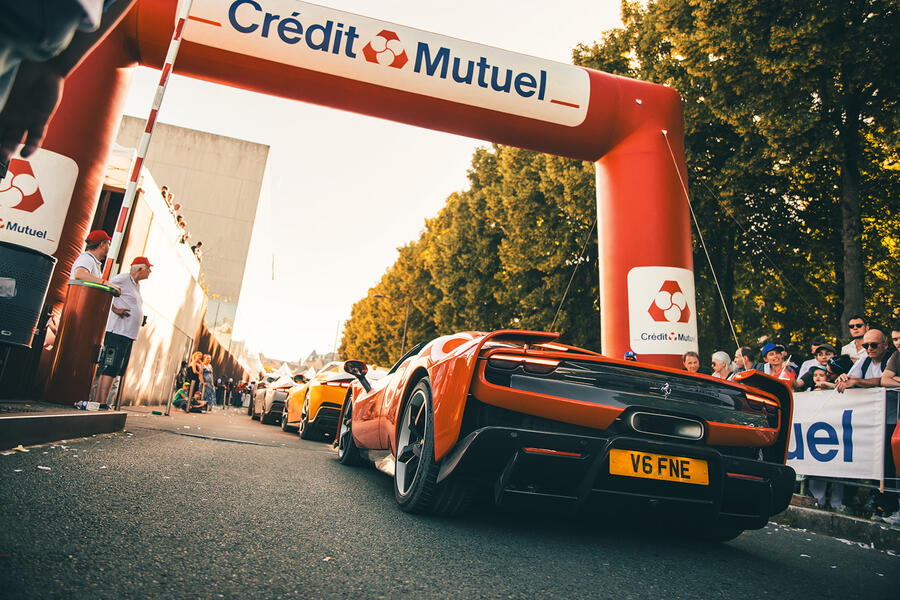
And this year, I will be taking part. I'm among a bunch of British motoring journalists who've driven to La Sarthe in a cavalcade of Ferrari supercars. We've been invited to join the parade to add the colour and excitement of these cars to the sum total of the occasion's drama.
How could we say no? Nobody will have a clue who the drivers are, of course, but as long as we look like we're enjoying ourselves, perhaps that won't matter too much. So here we are, waiting as the start-line car park slowly fills. I must admit that when they asked if we'd drive in the Le Mans parade, I assumed it would be on the race circuit. But here, they bring the race to the town.
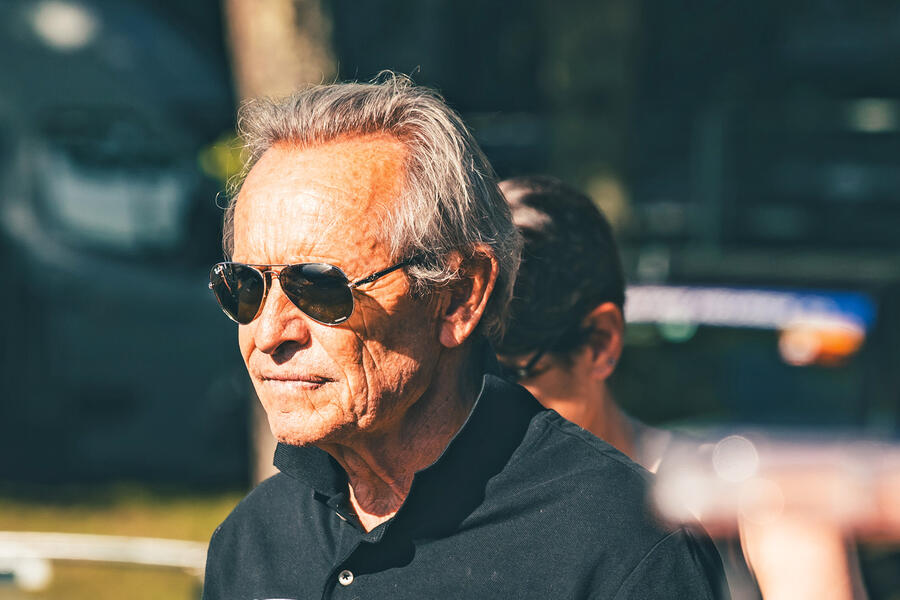
The motorsport celebrities and grandees are arriving and the race drivers are filtering in after their various briefings and meetings have been completed at the circuit a few miles away. Jacky Ickx's sunglasses are proving about as effective a disguise as they normally are and he can't move for the queue of selfie hunters mobbing him at every turn. He might be the only person in the world who is less recognisable when he's not wearing his aviators.
The influencers are out in force, posing in front of this and that, and live streaming their feigned enthusiasm for just about everything to their digital faithful. Some local classic car and sports car owners have clearly been invited by their dealers to run their machinery, and quaff champagne in the VIP area as they wait for the procession to start.
But that's very much what this will be: a procession – done so the fans can get up close with the drivers as they pass – rather than any kind of demo run. The parade route is no more than a mile long and is lined with barriers, running out of the car park, emerging in front of the town's imposing Saint Julien cathedral, and then winding its way through some tight left and right turns along the narrow, sprawling city streets.
It runs directly past several popular bars, restaurants and cafes, which seem to be the prime viewing areas, but pretty much every foot of barrier is occupied by a spectator who's on the hunt for a souvenir or memento.
Imagine the Goodwood Festival of Speed done without the speed – but with more music and free stuff – using your local town's shopping centre, bus station and pedestrianised areas as its backdrop.
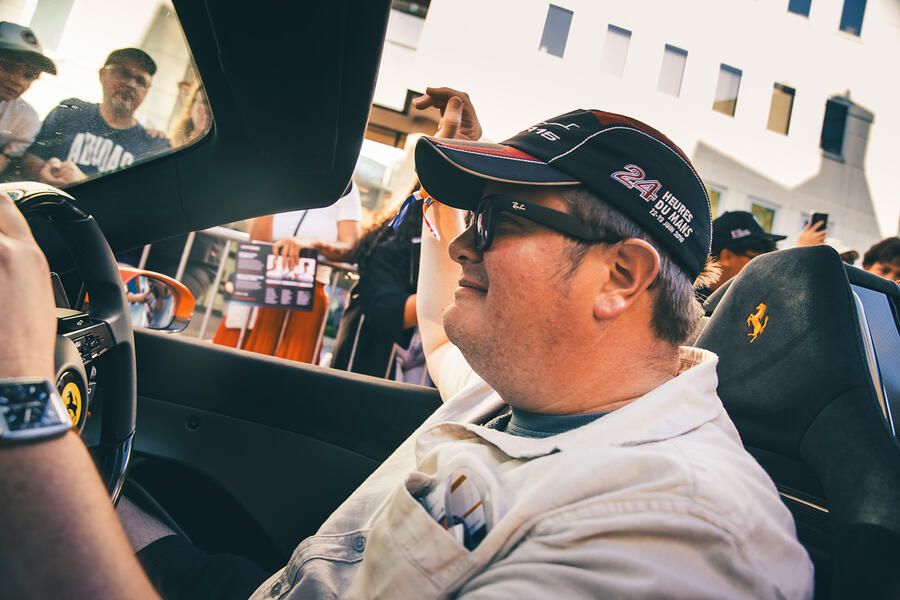
There is one race fan who's getting a massive cow bell autographed, for reasons best known to himself. Then I notice a kid who's made a basketball hoop out of cardboard and is collecting quite the haul. This is where Le Mans worshipped meets its worshipful – and, clearly, there's a toll to be paid.
As we wait to run, the occasion builds. A DJ is blasting out dance music from the back of a Maxus flatbed for the benefit of the fans. But he's competing with a roving free-form jazz saxophonist, who's connected to his own PA system and doing his best to entertain the moneyed VIP car club set. Then there are dance troupes and mascots in bear suits. Spider-Man, The Predator and the cast of Transformers are all here too.
The cars that you might expect to be in attendance, however – the track racers – are not. But those that have come are as special as they are unexpected. This is France, so the Citroën Méharis are mandatory inclusions. Some are original but there's a bright pink electromod as well.
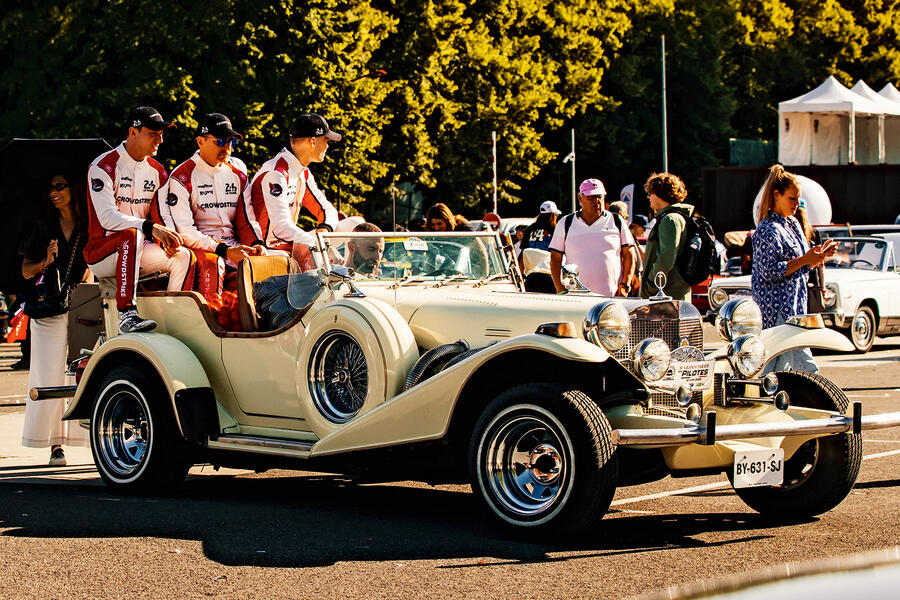
They're ideal because race drivers can hang out of them, waving, throwing out freebies, firing off their T-shirt cannons and whipping up the mood to a frenzy. But there's a 1959 Ford Galaxie convertible about the size of a French local-area département that looks made for the task as well.
There's the Genesis Box Buggy concept, which is a little like a golf cart with superpowers (castor-style wheels, each with an in-wheel electric motor, and four-wheel steering). And then there are the pick-up trucks, whose flatbeds are ideal for loading with a crew of three endurance racing drivers, and enough bouncy balls, flags, caps and cuddly toys to keep any baying mob happy.
We wait for all of the race teams to get called and then they crawl through the course. And then come the motorbikes, and the vintage cars, and the movie cars. (One of them is a Cadillac Sentinel made to look like the Ectomobile from Ghostbusters, except it's been made, perhaps ironically, out of a hearse rather than the correct Miller-Meteor ambulance conversion.)
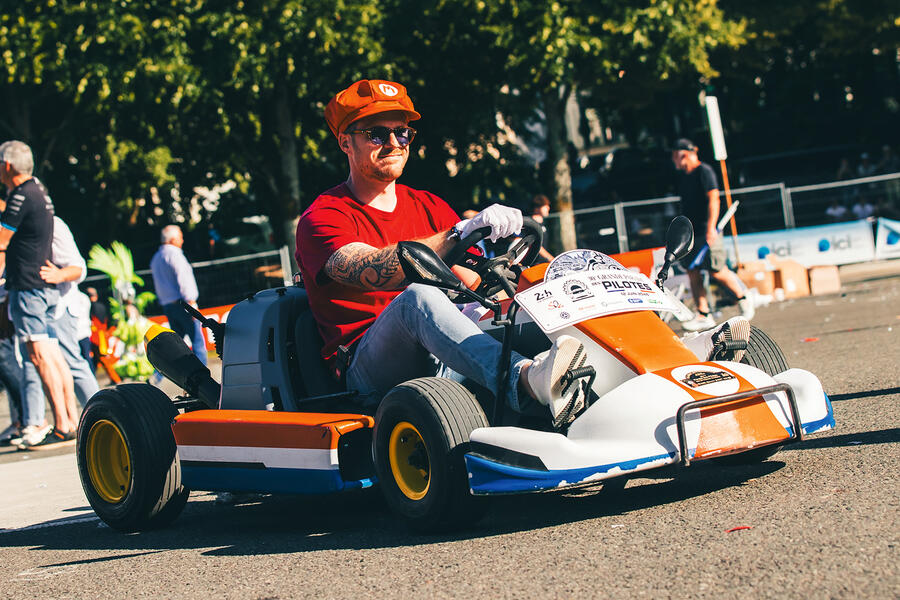
By the time it's our turn, it's gone 7pm – and we fully expect the masses to have dispersed for the most part. Hell, no. The barriers are still packed as I approach the start line in a Ferrari 296 Speciale Aperta. Even though they've already seen so much, the crowd's reception is enthusiastic, demanding – and well mannered.
“Monsieur, monsieur! Bruit, bruit, bruit, s'il vous plaît!” “Please, my English friend – make some music for us!” “Come on! Where's the V8?!” (Everyone's a critic.)
“Rev the nuts off it!” (That one in a decidedly Estuary English accent.) The last of those requests seems very much to be what we're here to do.
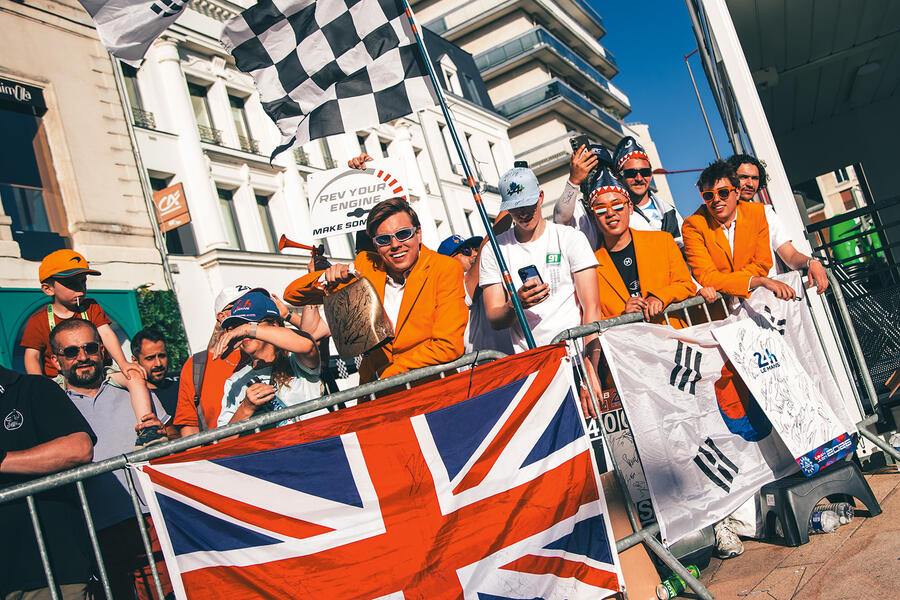
So, proceeding quite a lot more slowly than walking pace, I let the Speciale's hybrid powertrain run in Performance mode, creeping forwards mostly, but double-paddling into neutral every 20 metres or so in order to rev it up and satisfy the crowd's appetite for exhaust theatrics.
The car's V6 is a bit meek-sounding compared with the V12 motors of the 12Cilindris ahead and behind, but it seems to be doing the trick anyway.
The instinct for mechanical sympathy leads me to try to content a few groups of onlookers with a cycle of the car's folding roof. They're not having it – not for a minute. “Gas, gas! Noise, noise!” they shout. So that's what they get.
It's all going very well. The high fives are flowing, the marshals are smiling and everybody's waving and cheering. The course is too narrow for any other showboating, I'm relieved to find, and the rate of progress prohibitive. It would be like trying a burnout upstairs on a Channel Tunnel train – only with far more witnesses to see it all go wrong.
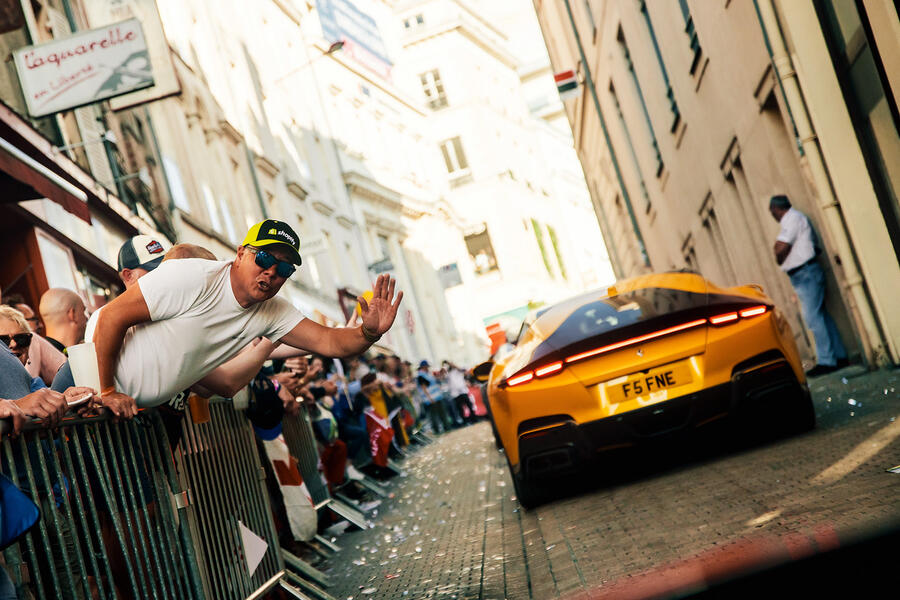
So we carry on smiling, waving, honking, revving and generally getting carried away with all the entirely unwarranted adulation, until about 200 metres from the end of the course – when the car decides it's had enough.
The combination of lots of revs at near-stationary speeds, with no cooling, has overheated something, and it unceremoniously shuts down. And so the first 296 Speciale that many will see in the raw becomes the first they see being pushed (although, very shortly, it won't require more than a few minutes to cool down, and a booster pack on the 12V electrics, to restore it to health).
It was almost certainly my fault. A few metres earlier, a lad who couldn't have been older than seven or eight had asked for my ‘casquette’ (my baseball cap) – itself a souvenir of a trip to Le Mans I made more than a decade ago – and I'd refused to throw it over. The parade gods clearly saw fit to punish me for being ungenerous. Next time, I'll know to bring spares.

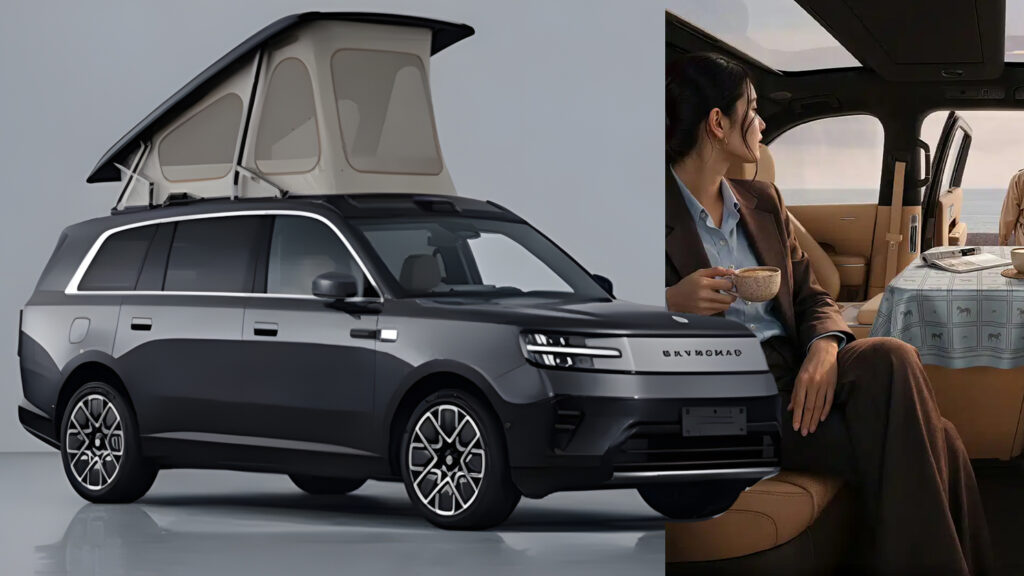
Xiaomi N90 Reinvents the Full-Size SUV as a Modular Living and Working Space with...

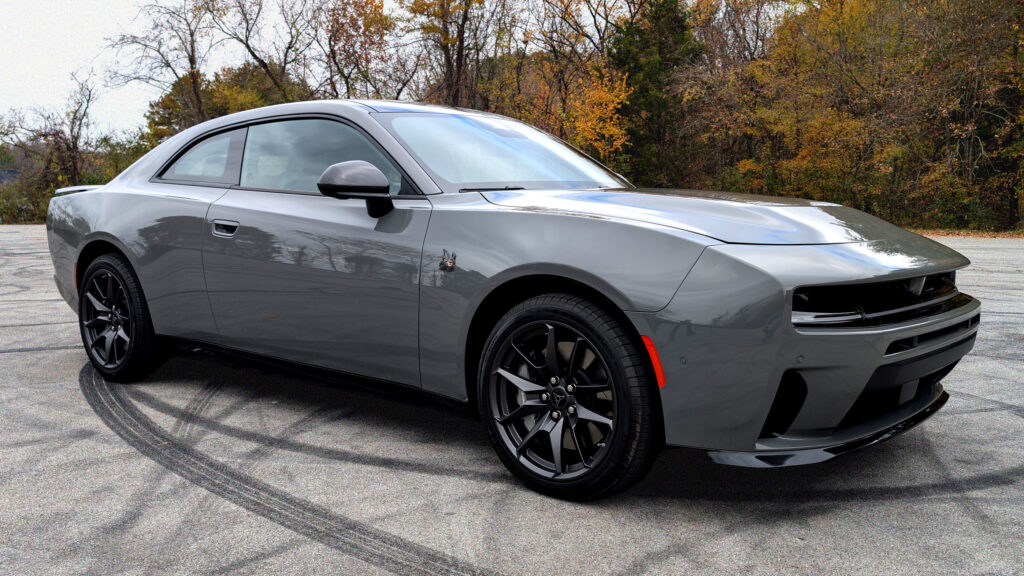
Dodge Charger Inventory Surge Signals Buyer Leverage as Slow-Selling Models Reshape Summer Car Market

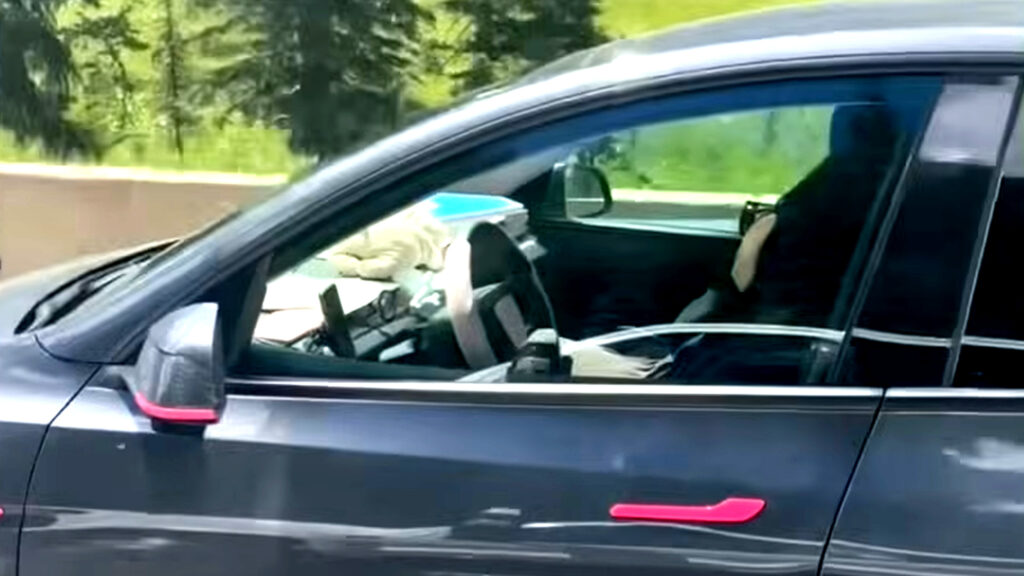
Tesla Driver-Monitoring Failures Exposed as Sleeping Motorist Endangers Children at Highway Speeds

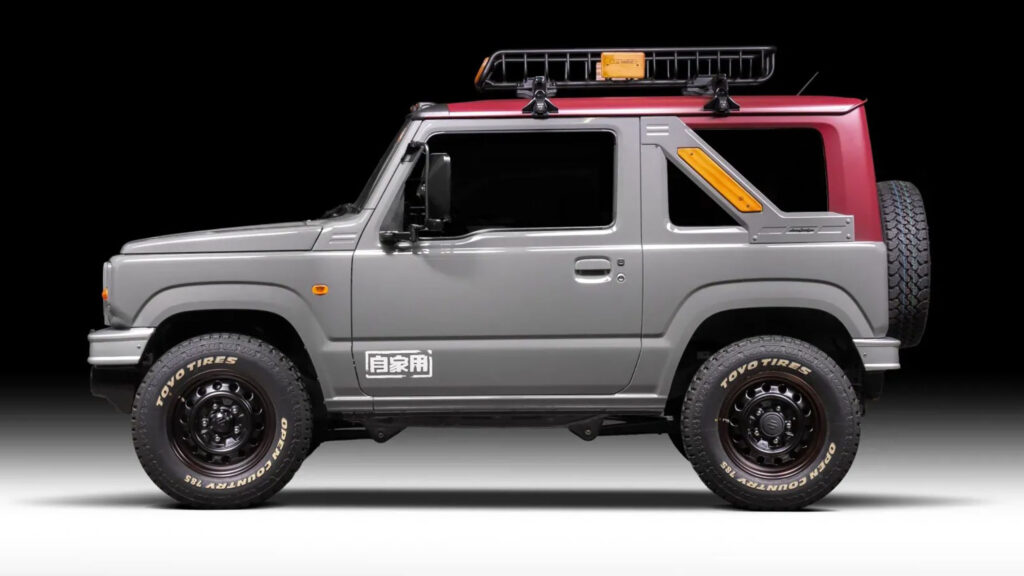
Suzuki Jimny Slash Garnish Revives Retro Soft-Top Style Through Subtle Visual Illusion

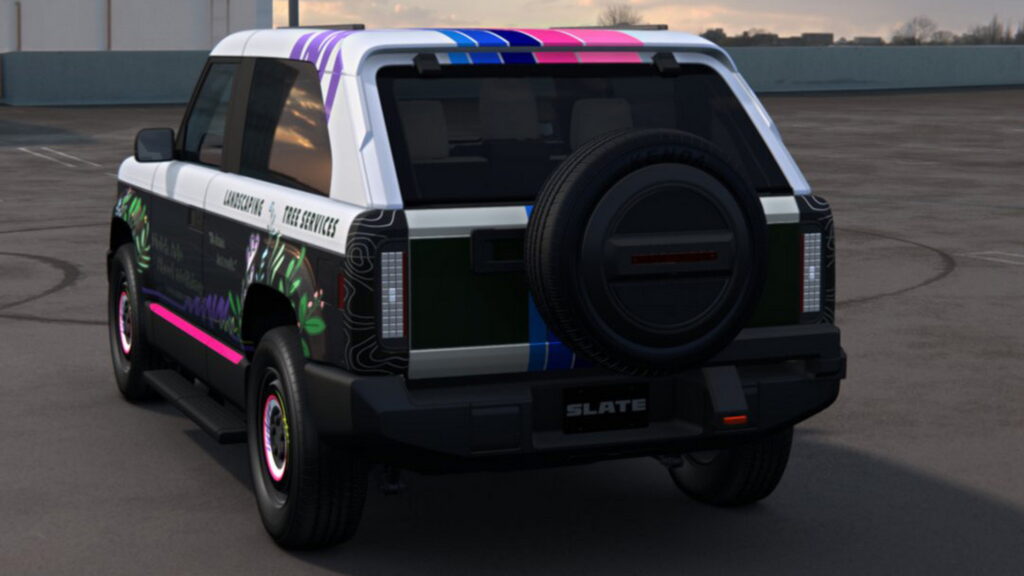
Slate Truck Customization Turns Affordable EV Into a Pricey Personal Statement

Illinois Raises Mandatory Driving Test Age to 86, Redefining Senior Driver Oversight


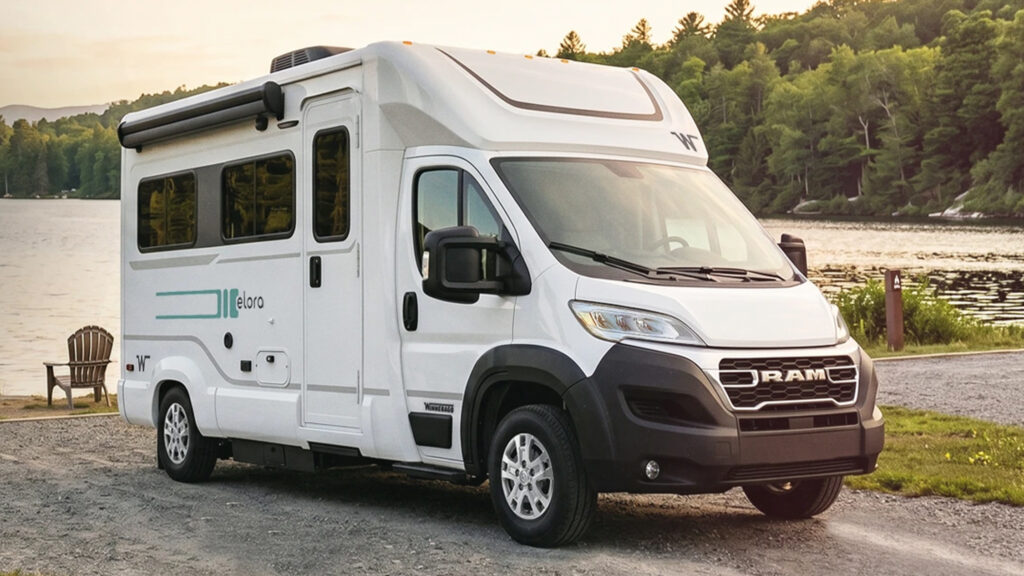
Winnebago Elora Redefines Entry-Level RVs by Simplifying Ownership for First-Time Buyers

German Cars as Cultural Icons How Engineering, Innovation, and Identity Shaped the Nation’s Automotive...
 Germany is famous as the home of some of the world's great car makers. We look at some of the cars they've built that we think are the best
Germany is one of the most prolific car-building nations in the world.
This in turn gives it a brilliant back catalogue of all types of car. Here, we choose the best Germany has to offer from the present and past, arranged in alphabetical order:
Alpina B3
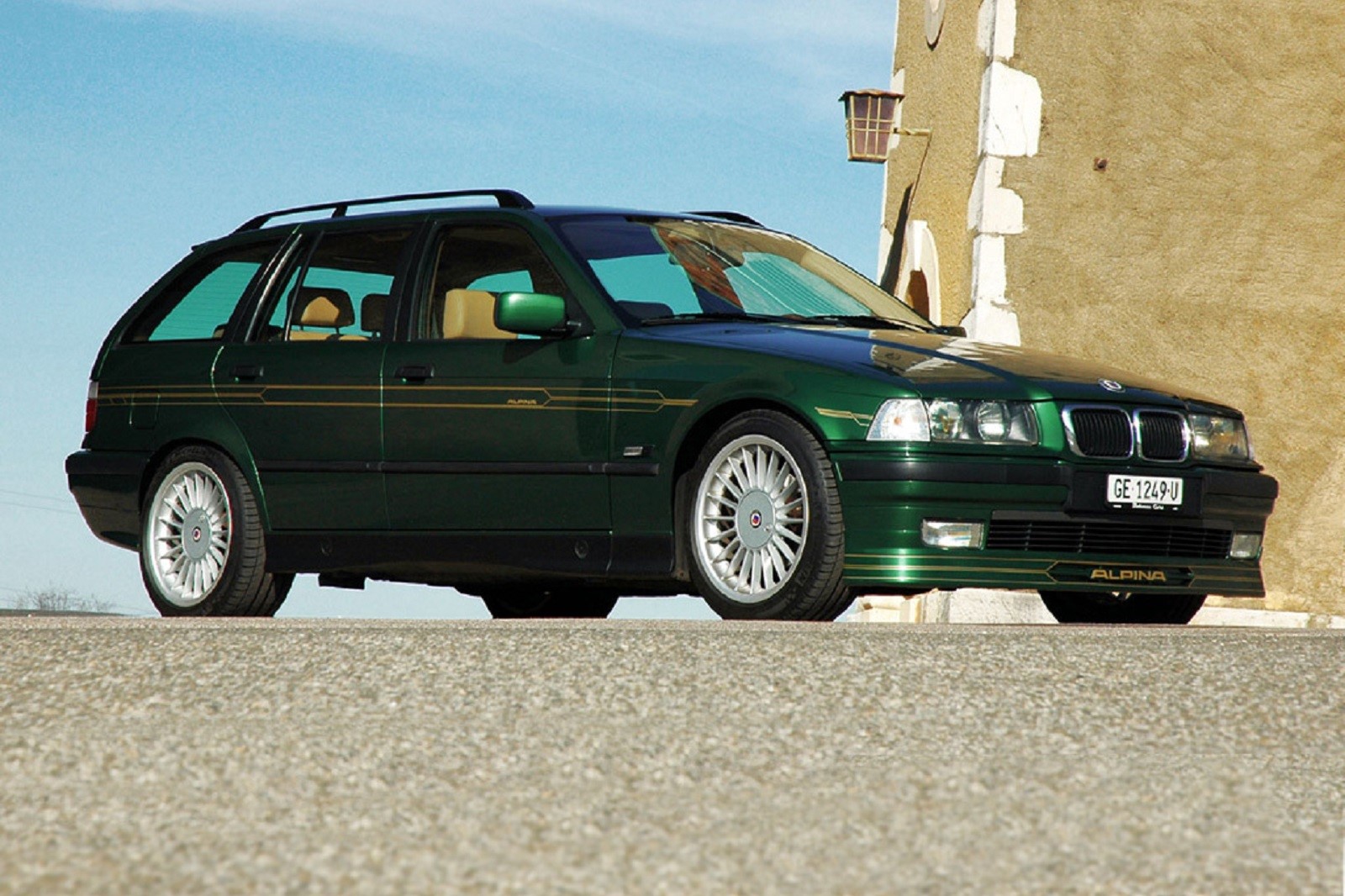
There has been an Alpina B3 for every generation of BMW 3 Series, with the tuning firm adding more than a sprinkle of extra performance. It all started with the B3 2.7 based on the E30 3 Series and since then these bespoke models have offered a subtle, fast alternative BMW’s own M3 models.
Where Alpina has often found favour with buyers has been its ability to upgrade the 3 Series where BMW has not. Anyone who disappointed by the lack of an M3 Touring would soon find Alpina only too happy to build them a B3 Touring.
Audi Quattro
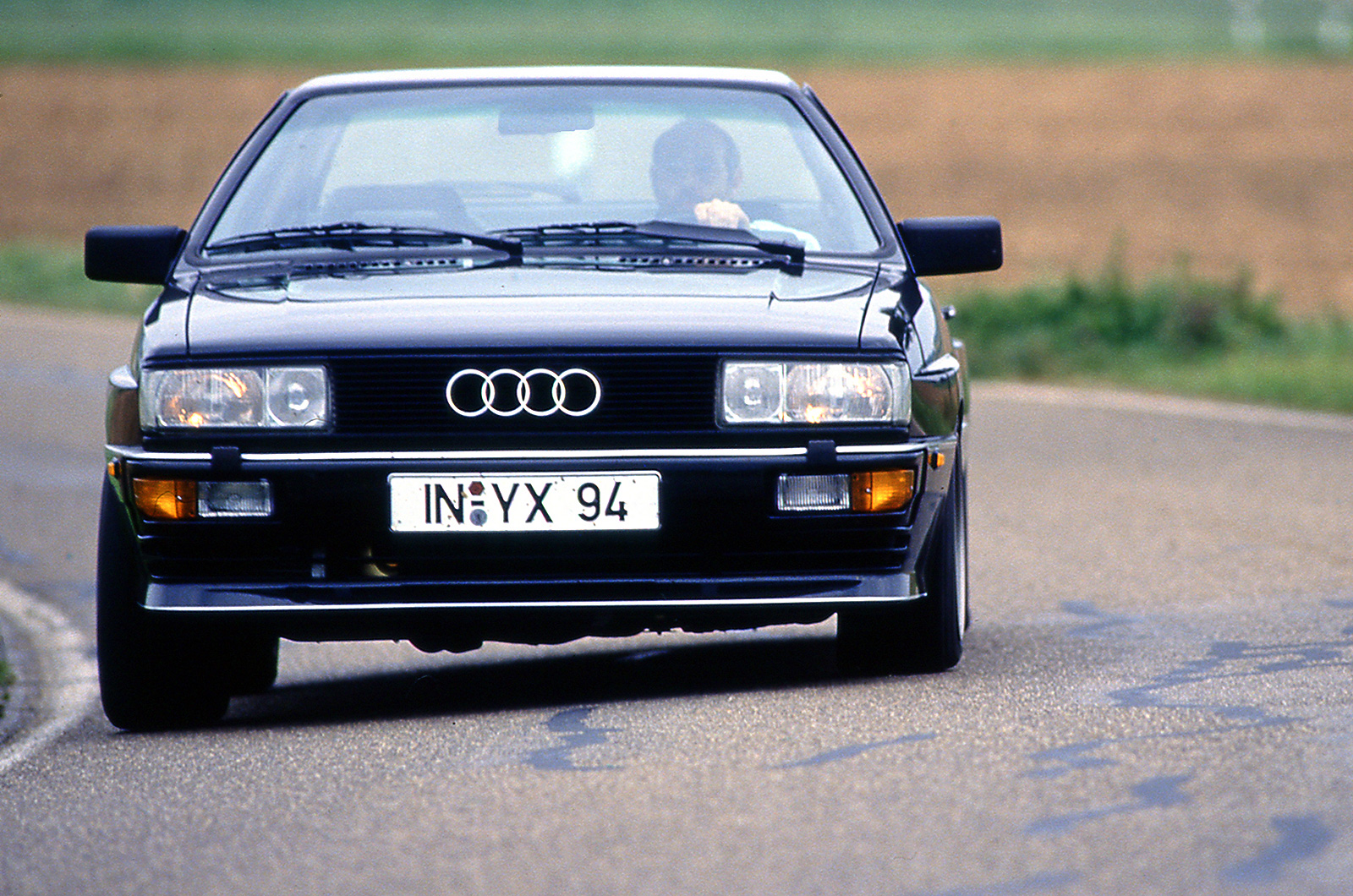
This is the car that Audi has based its entire modern brand on. It created not just the name but the legend of the Quattro all-wheel drive system thanks to the company’s desire to go rallying. The original idea for the four-wheel drive layout came from a military truck, but it was quickly refined to become a world-beater on stage and road.
The Quattro 20v survived in production until 1991, long after it was supposed to have been phased out, but demand from UK buyers saw it carry on. It’s also considered the best of the bunch to drive.
Audi R8
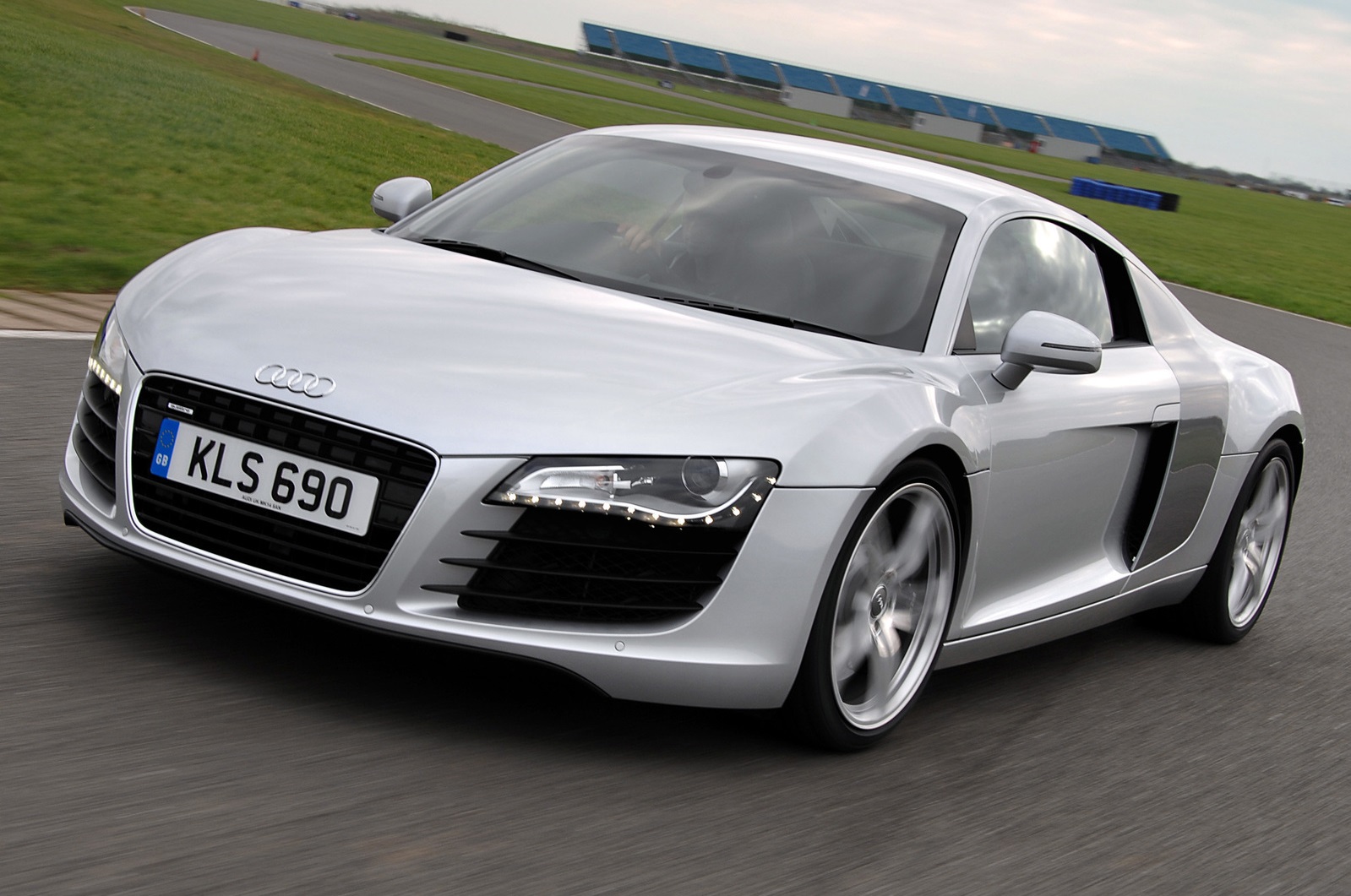
Like the original TT, Audi took a concept car and turned it into a production reality with the R8. Its genesis was the Le Mans concept and the road car looked little changed. Its dramatic style put Audi right into contention with the Porsche 911 for title of most practical supercar as the first 4.2-litre V8 was and is very easy to live with and handling that flatters even very average drivers.
The R8 V10 shares its engine with the Lamborghini Gallardo and Huracan. Audi also briefly offered the R8 e-tron all-electric version in 2015, but fewer than 100 were produced.
Audi TT
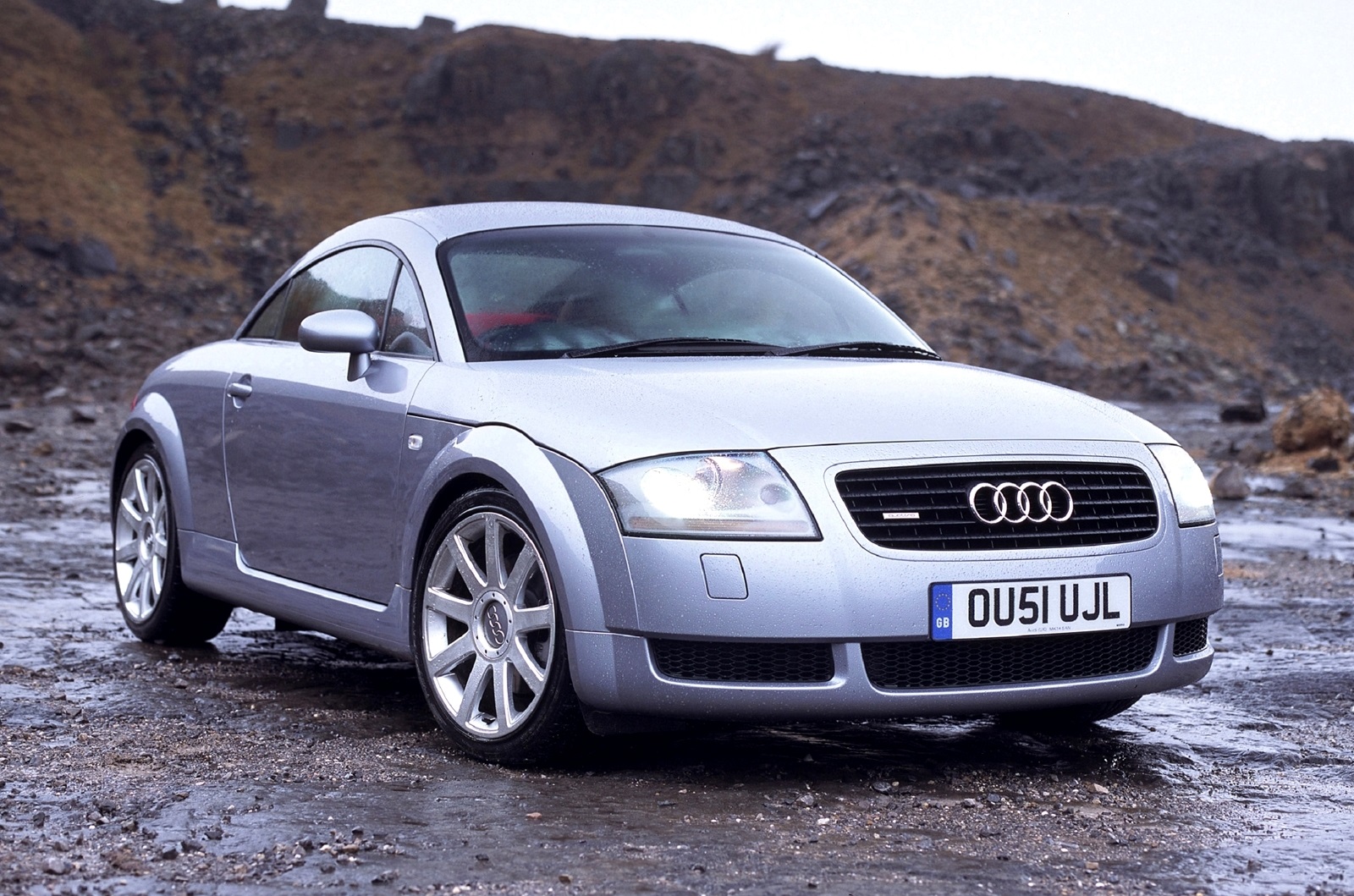
It did not matter that the first Audi TT was based on the humble Mk4 Volkswagen Golf platform - here was a car that outdid rivals from BMW, Mercedes and Porsche in the style stakes. Waiting lists were long for the first TT coupe, which went on sale in late 1998. Even a recall for an optional rear spoiler to be added, which solved a potential high speed instability concern, could not dampen buyers’ enthusiasm.
Four-wheel drive was standard on the 225bhp models and an option with the 180bhp version. A 3.2-litre V6 arrived in 2003, but a 225 Coupe is the one to have as the first TT becomes collectible.
Bitter SC
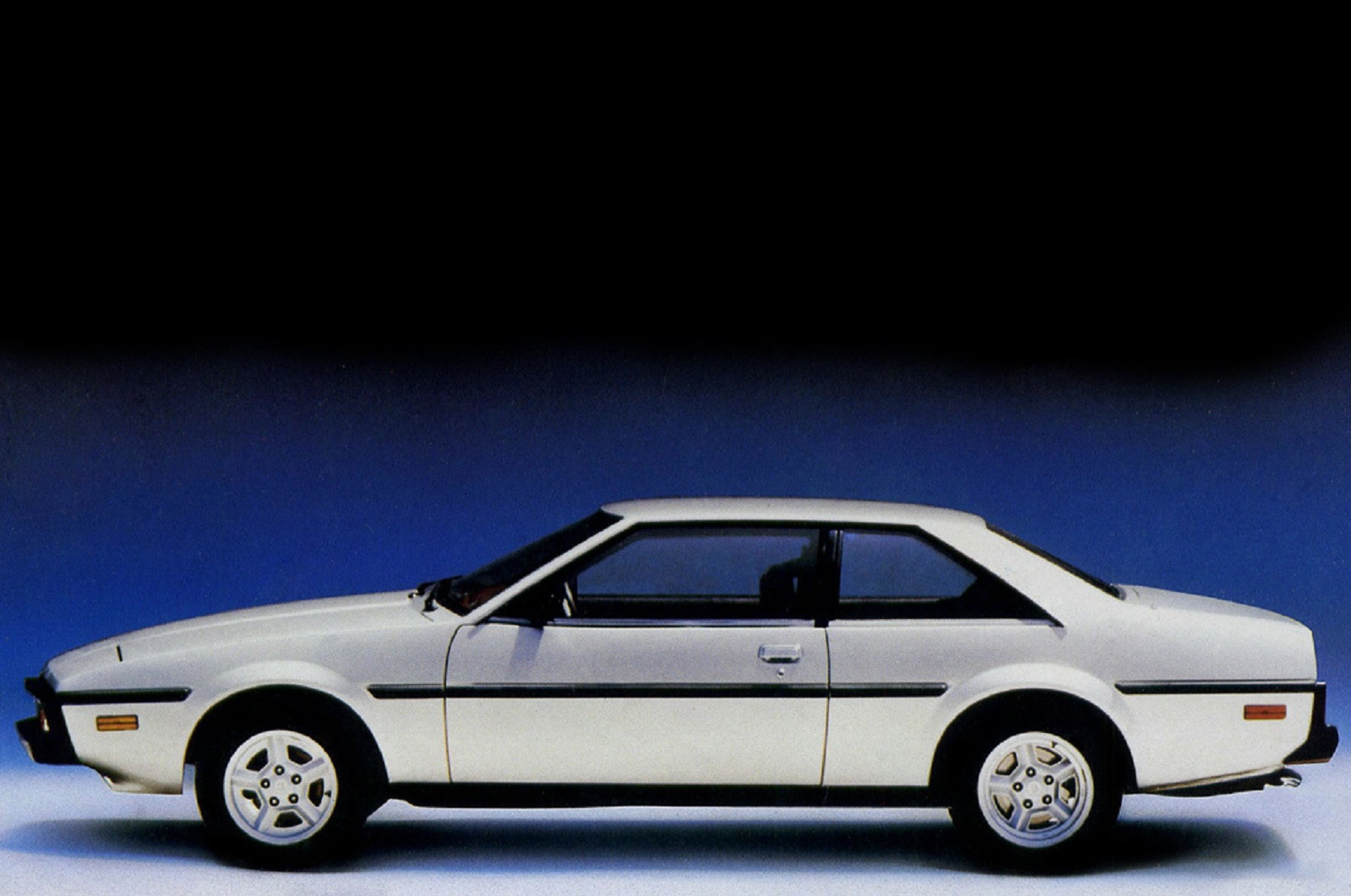
Erich Bitter started his company in 1969 to offer bespoke cars based on Opel platforms and running gear. The firm really hit its stride with the handsome SC, offered in saloon, coupe and convertible forms. Initially, the 180bhp Opel 3.0-litre engine was a bit underwhelming, but a tuned 3.5-litre unit with 210bhp solved this and delivered 0-62mph in 7.6 seconds and 140mph.
Sales of the SC went on at a trickle between 1979 and 1989, with 458 made in total and some even had a Ferguson four-wheel drive system fitted.
BMW 2002
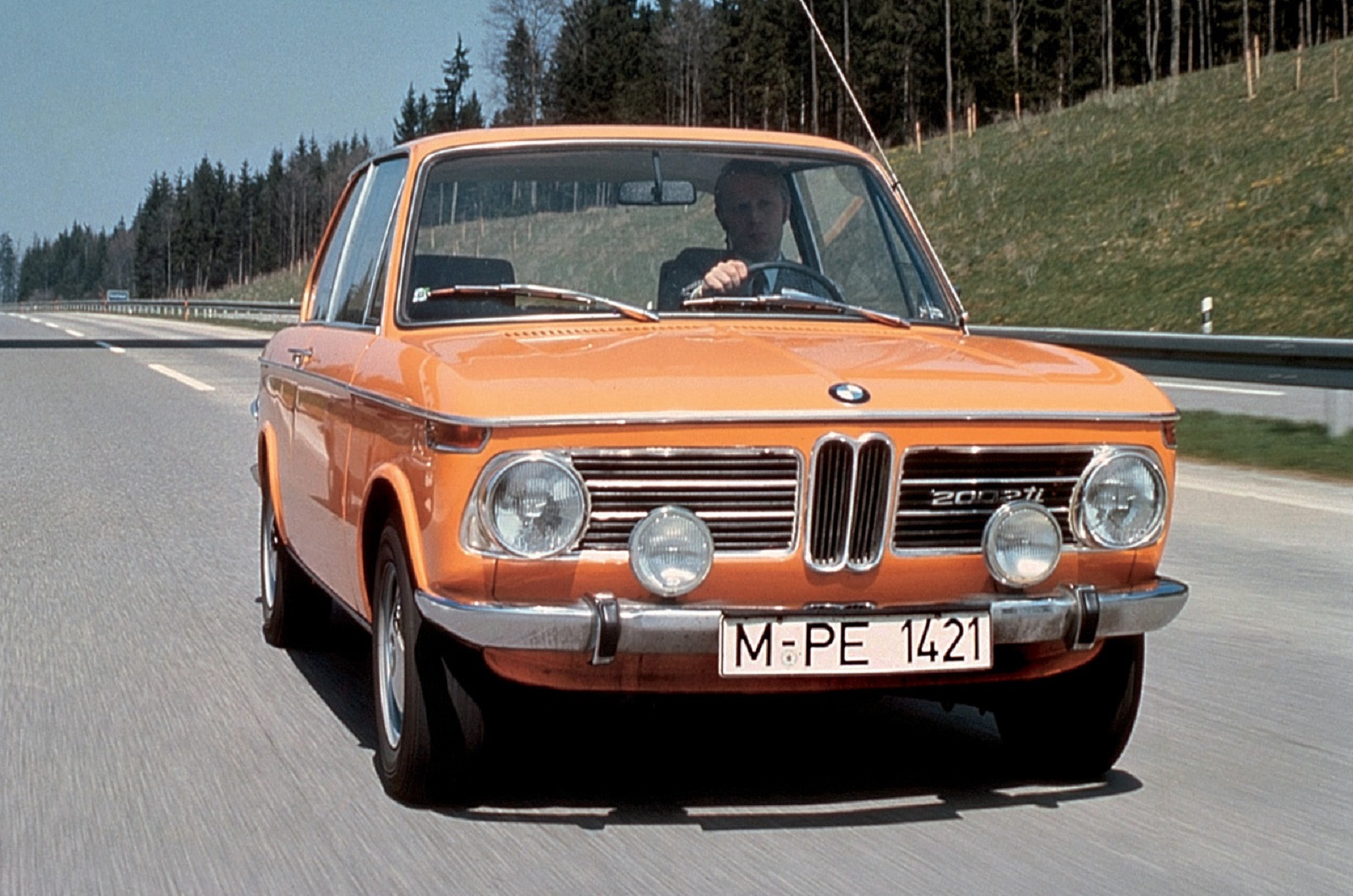
The 1502 and 1602 introduced the world to small BMW saloons, but it was the 2002 that set the template for those that followed, notably the 3 Series. With 100bhp, the 2.0-litre engine of the 2002 gave it a top speed of more than 100mph when most rivals struggled the nudge 90mph.
Then BMW introduced the 2002tii with 130bhp, fuel injection and 120mph. That was then topped by the rare Turbo, offering a heady 170bhp and tail-happy handling.
BMW E30 M3
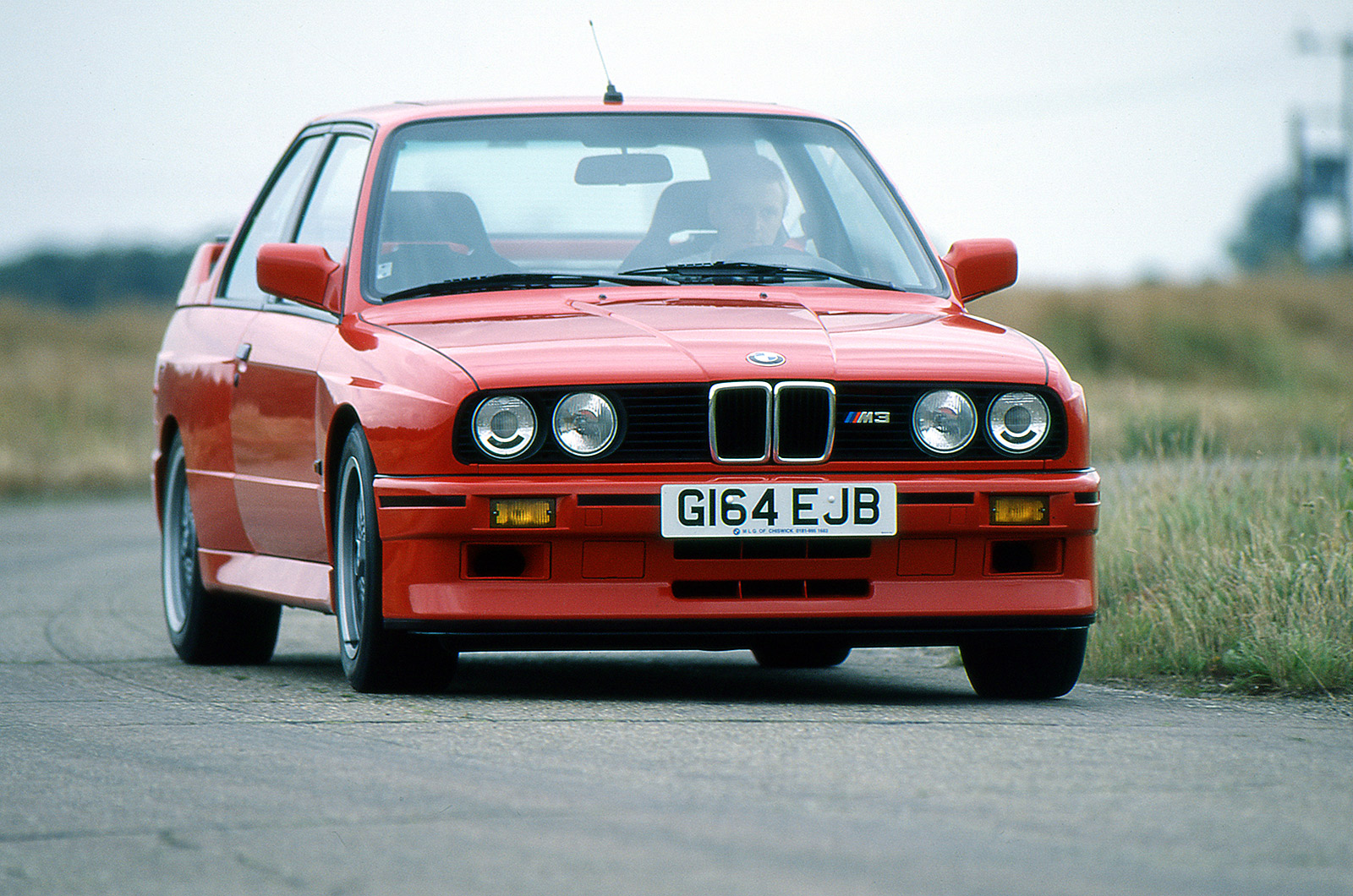
Not just one of the best cars from Germany, BMW’s first M3 helped to define the 1980s as a decade. It came with blistered wheelarches, low stance and was a bespoke model with a completely different rear window angle to the standard 3 Series two-door model. Originally BMW planned 5000 cars to qualify for the European Touring Car Championship, but demand dictated a final tally of 17,184 E30 M3s.
The Sport Evolution was the ultimate E30 M3, complete with a 238bhp 2.5-litre engine and only 600 built.
BMW 5 Series
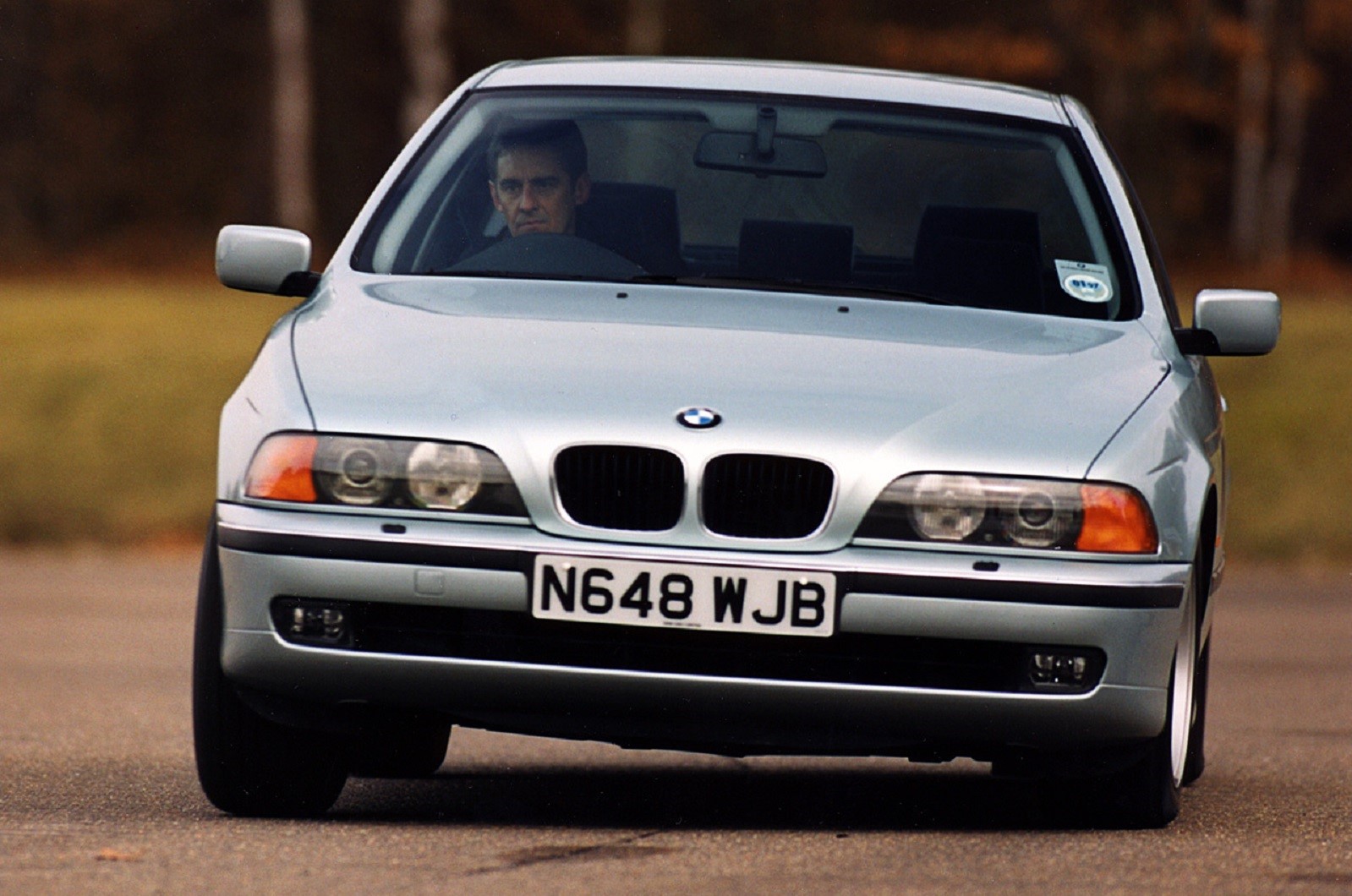
BMW’s stalwart 5 Series made its debut in 1972 with the four-cylinder versions of the E12 generation, followed a year later by the six-pot models. However, it’s the fourth generation E39 that is the definitive 5 Series. Unbeaten in almost every magazine comparison test, the E39 offered something for every middle manager form the entry-point 520i to the supreme M5. A sales hit for BMW, up to 250,000 E39s were made in a year and sales totalled almost 1.5 million.
Borgward Isabella
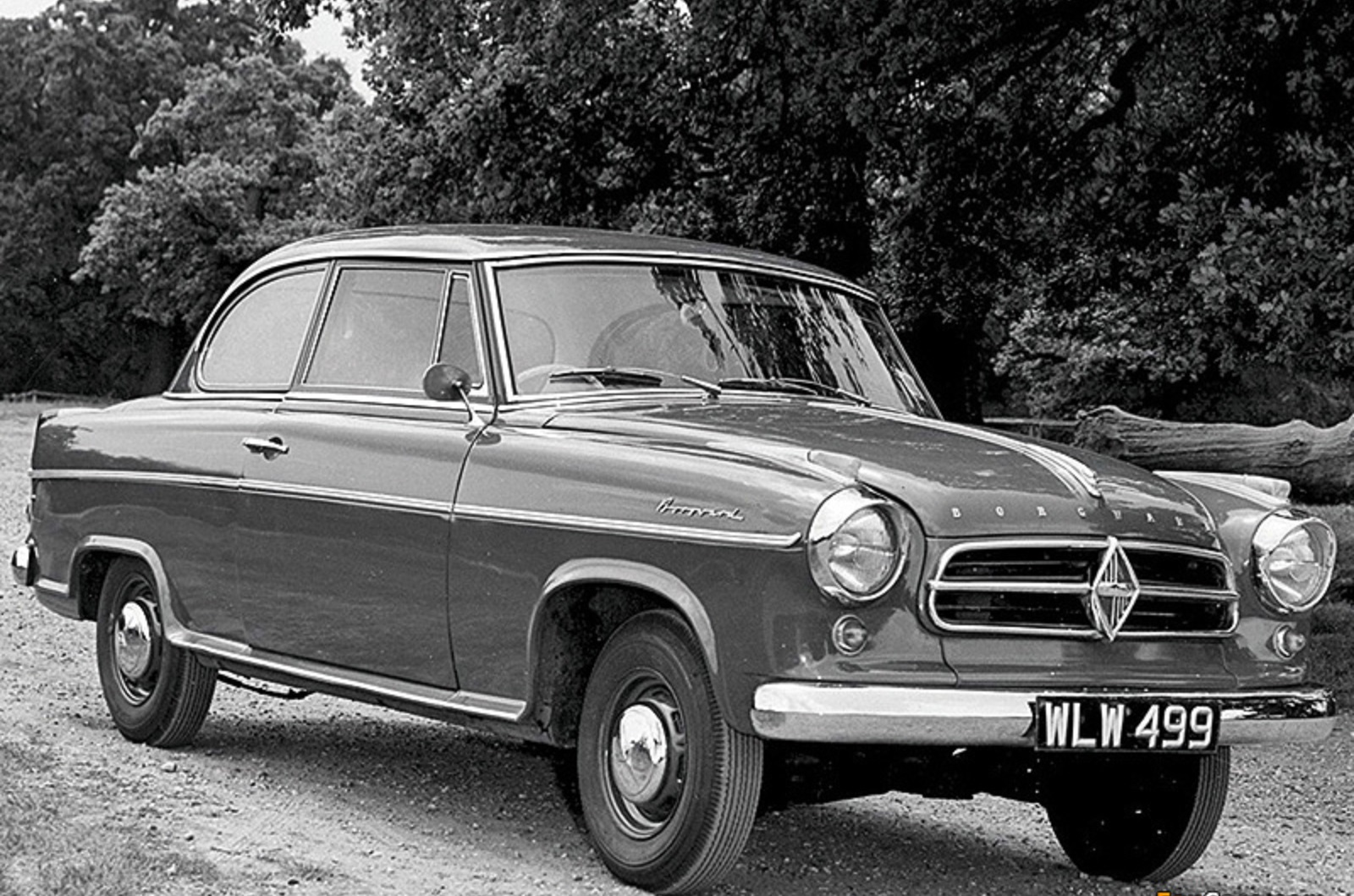
The Borgward Isabella could be considered Germany’s answer to the Lancia Aurelia as it was pretty, cleverly engineered and good to drive. The saloon Isabella, named after company founder Carl Borgward’s wife, arrived in 1954with a 1.5-litre engine featuring an alloy cylinder head. It was joined by the coupe a year later, along with a very rare cabriolet.
Not common outside of Germany, Borgward still sold 202,862 Isabellas during a seven-year production run.
Ford Capri
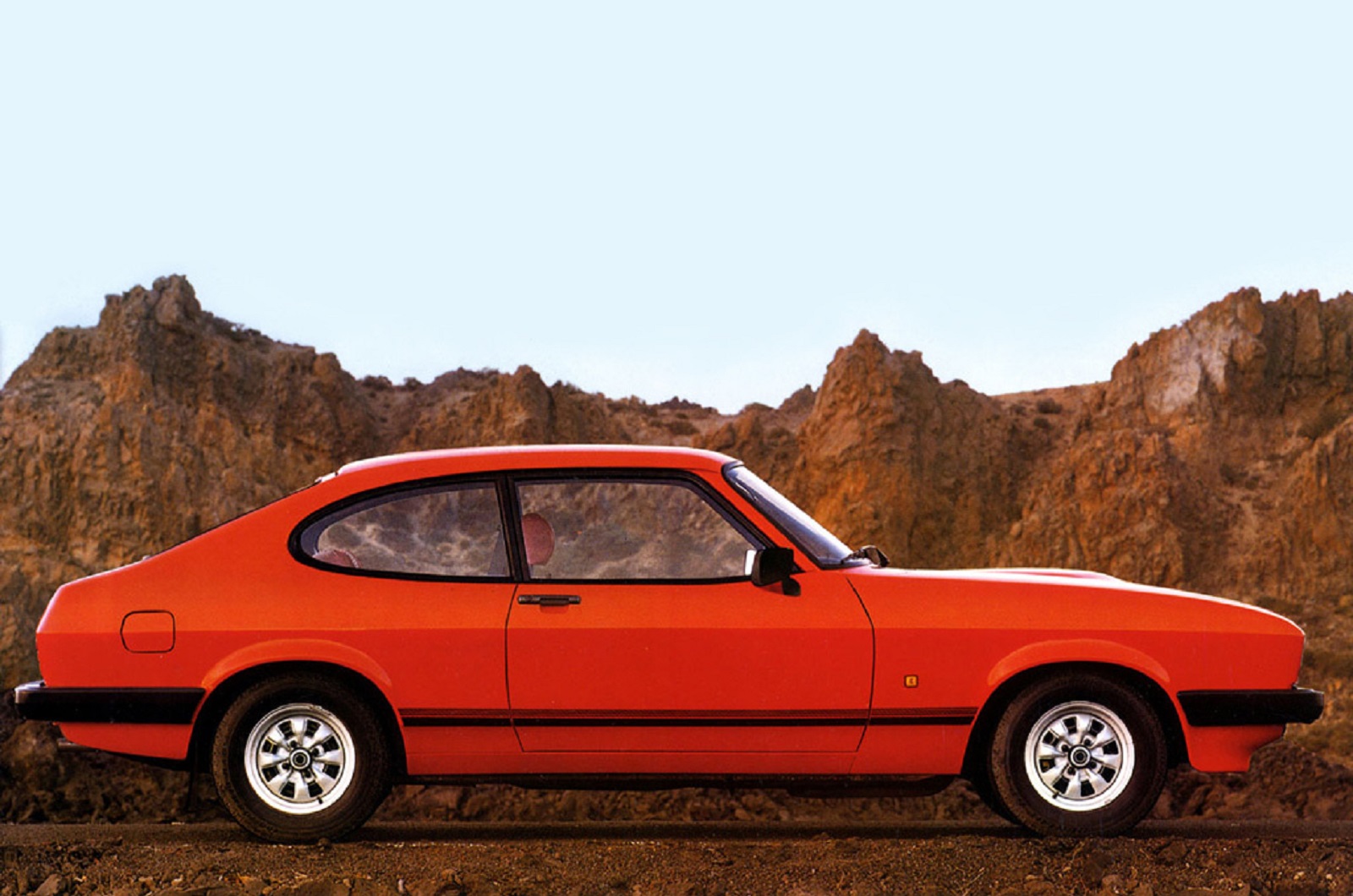
The Ford Capri has Anglo-German roots, being built in both the UK and Germany as Europe’s answer to the Mustang in the US. It was a runaway success, with more almost 1.9 million sold altogether across three generations. The most powerful early models used the Essex V6 engine, which took its name from the county where it was born in the UK, but European buyers were offered a Cologne V6 in 2.0- and 2.3-litre capacities.
Ford then used the German-made Cologne V6 as the basis of the RS2600 in 1971 to homologate the Capri for racing in the European Touring Car Championship.
Ford Puma
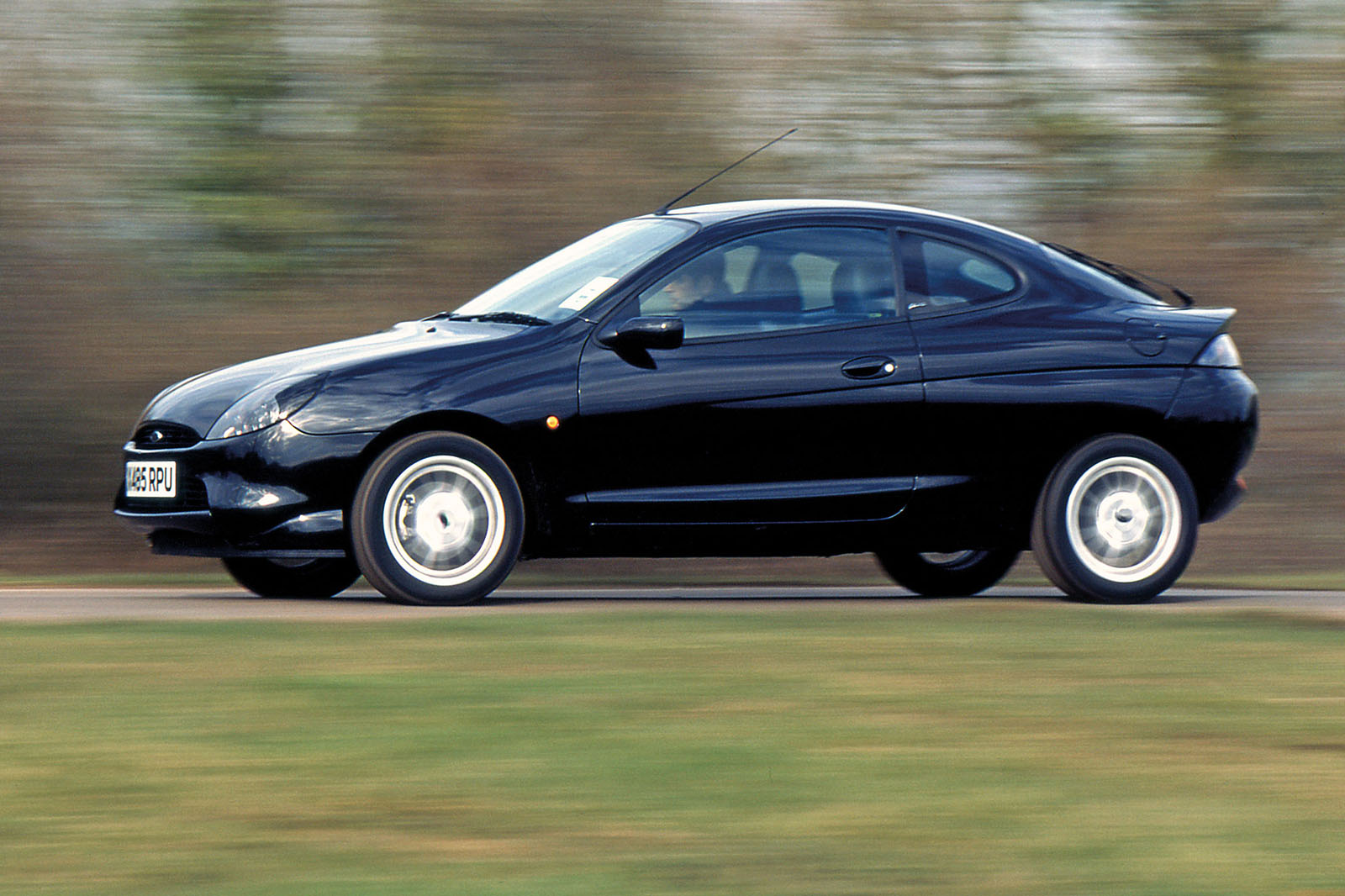
Ford nailed it when the Cologne-built Puma coupe was launched in 1997. There may have been Fiesta underpinnings, but they delivered superb handling and a zingy 1.7-litre engine added to the fun. This motor was built with help from Yamaha, which designed the cylinder head, which gave the motor its free-revving nature and 123bhp.
The Puma Racing’s engine had an extra 30bhp at 153bhp, bulging wheelarches, and handling developed by Ford’s racing department.
Ford Sierra
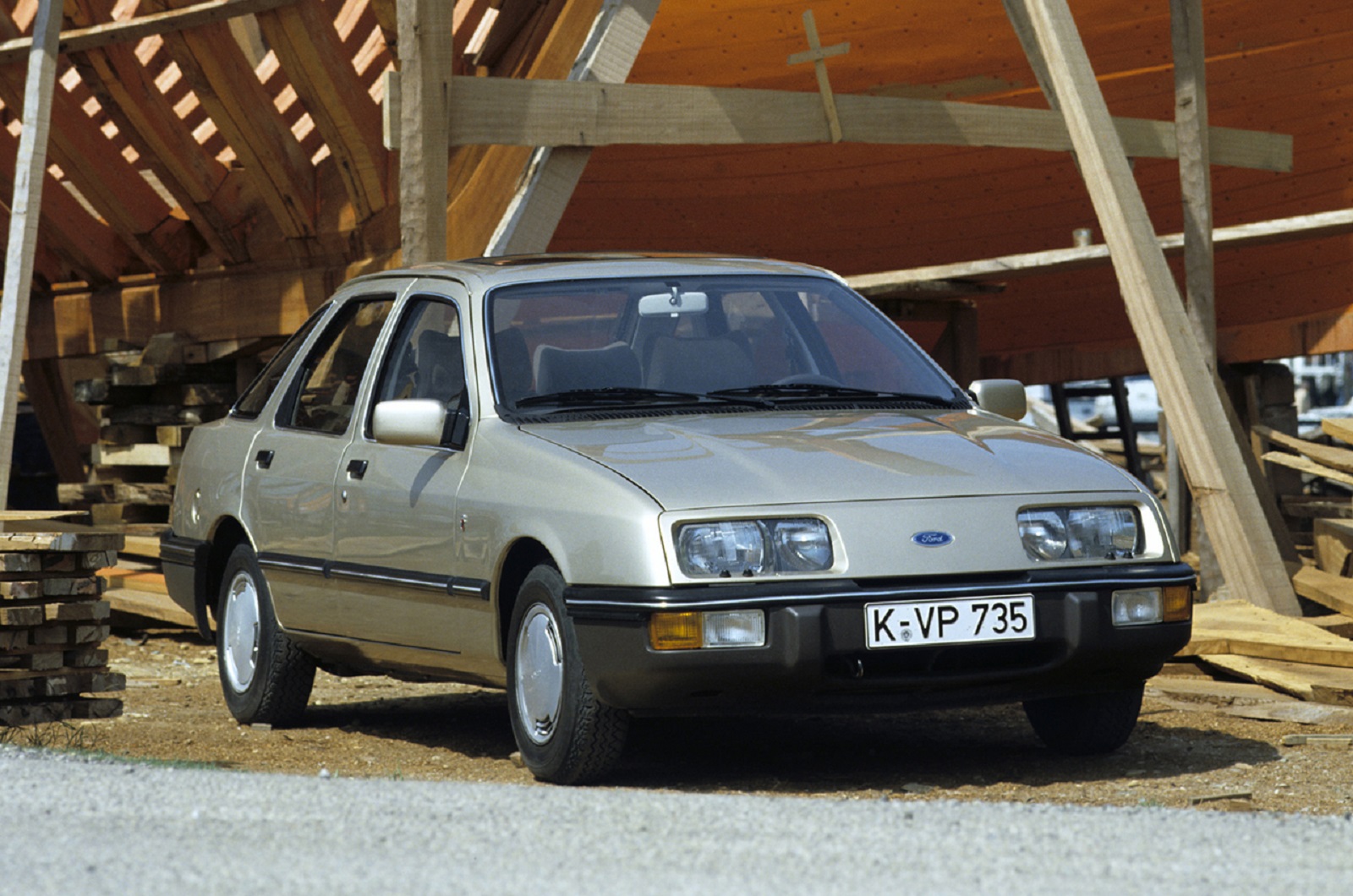
While anything with ‘Cosworth’ in the name garners instant attention, it’s easy to overlook the mainstream Ford Sierra. Its smooth styling and hatchback were radical departures from the Cortina’s, though underneath the mechanical similarities were much more obvious. Wagon, saloon, hot hatch, and four-wheel drive models were all added to the line-up to give a sales total of 3.44 million.
The Sierra was styled by Patrick Le Quément, who went on to shape the Renaults Twingo, Megane, Vel Satis, and Avantime.
Melkus
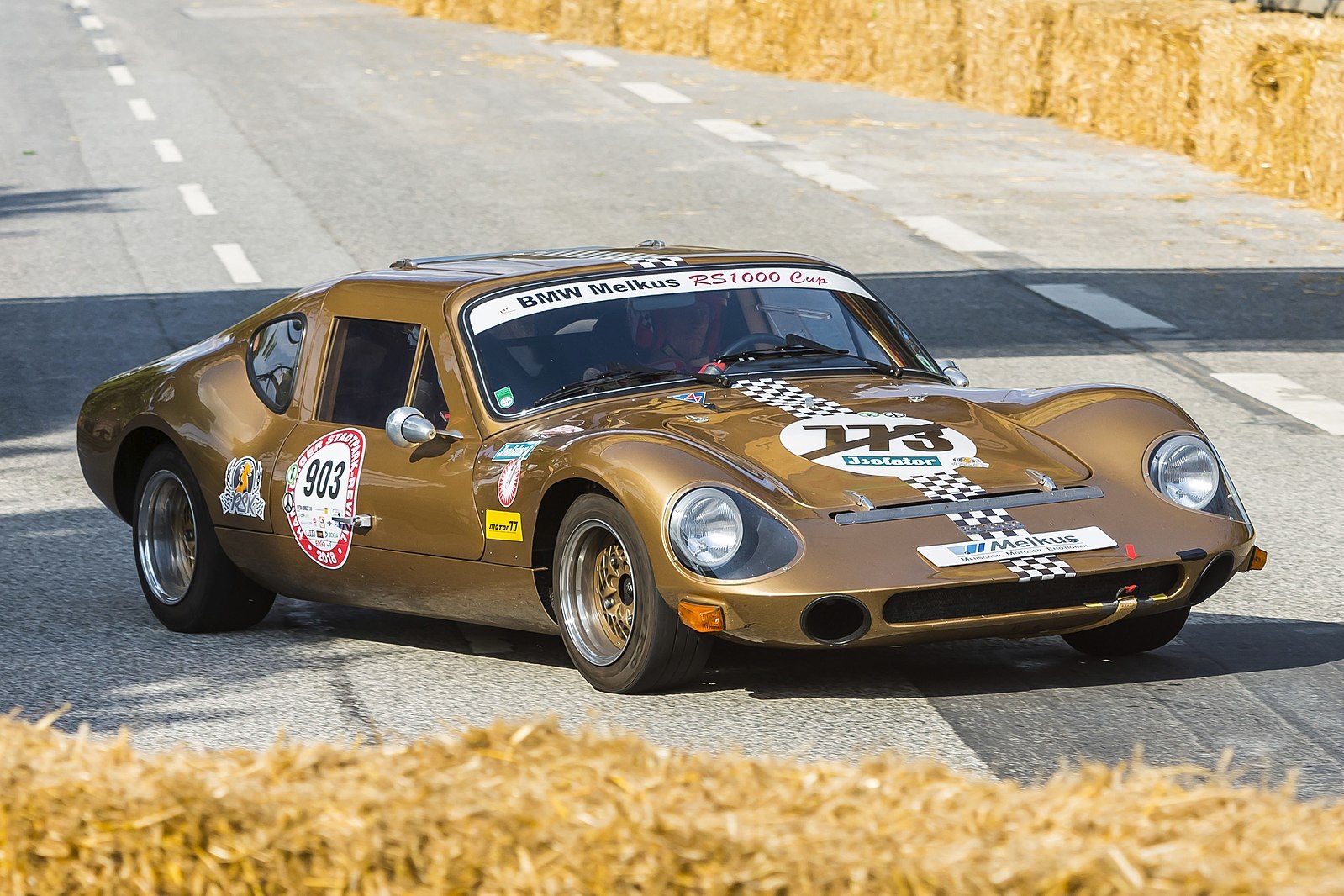
It’s a credit to company founder Heinz Melkus that he managed to build any of his sleek RS1000 coupes under the communist dictatorship of East Germany. Using the three-cylinder 1.0-litre two-stroke engine from a Wartburg, the firm managed to build 101 RS1000s, and it also made a Formula Junior single-seater using the same mechanical base.
Melkus ended production in 1986, but the company was reformed by Heinz’s son Peter in 2006 to offer the RS2000 between 2009 and 2012.
Mercedes-Benz A-Class
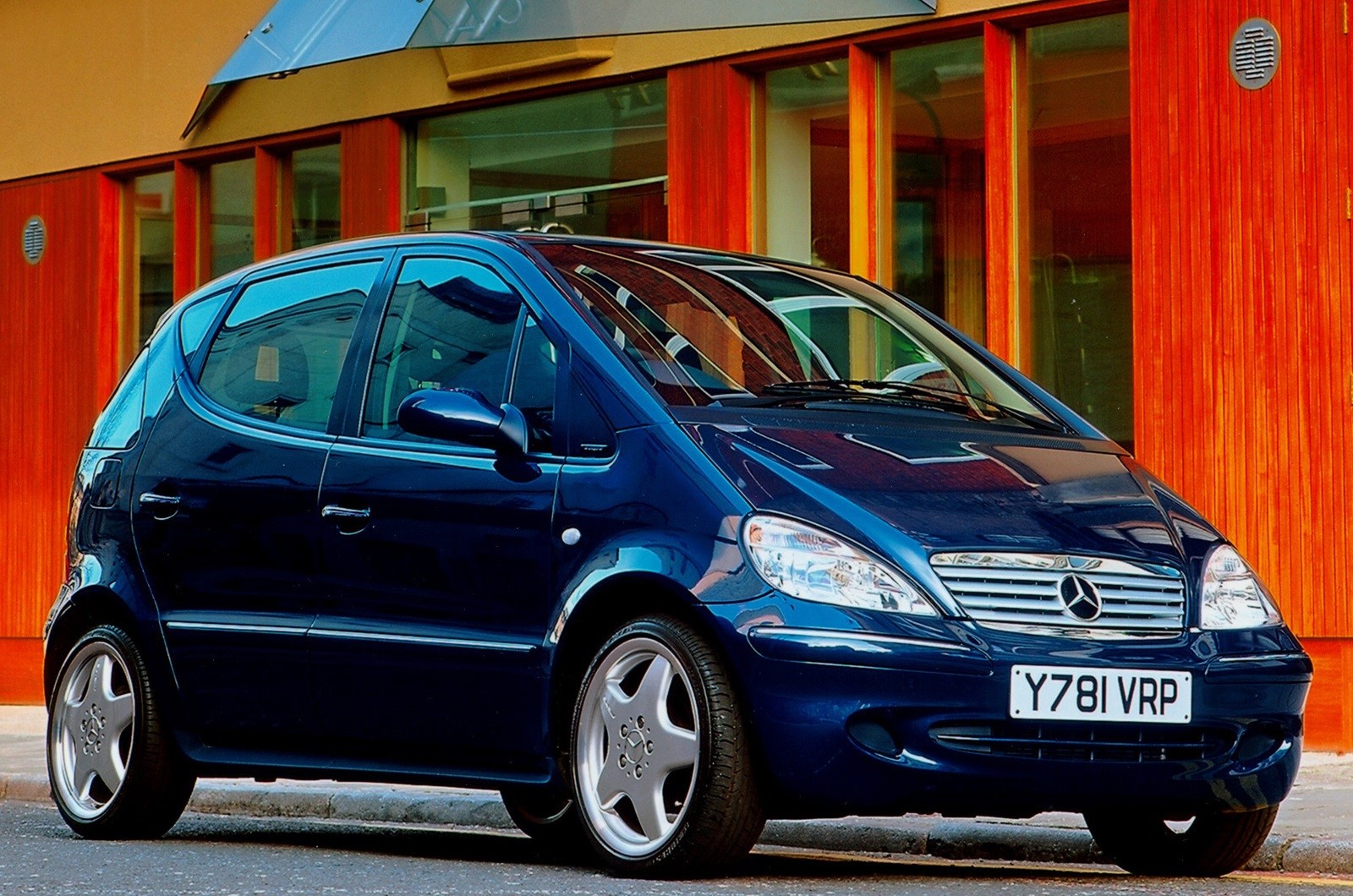
The ubiquity of the first Mercedes A-Class during its on-sale life masks how important this car was. It was the German firm’s first move into the small hatch sector up against the might of the Ford Focus and Volkswagen Golf. Yet the A-Class found considerable success, selling 1.4 million cars in its seven-year run.
The sandwich floor design made the A-Class very safe in a collision, directing the engine under the passenger compartment to protect occupants’ feet and legs.
Mercedes-Benz E-Class
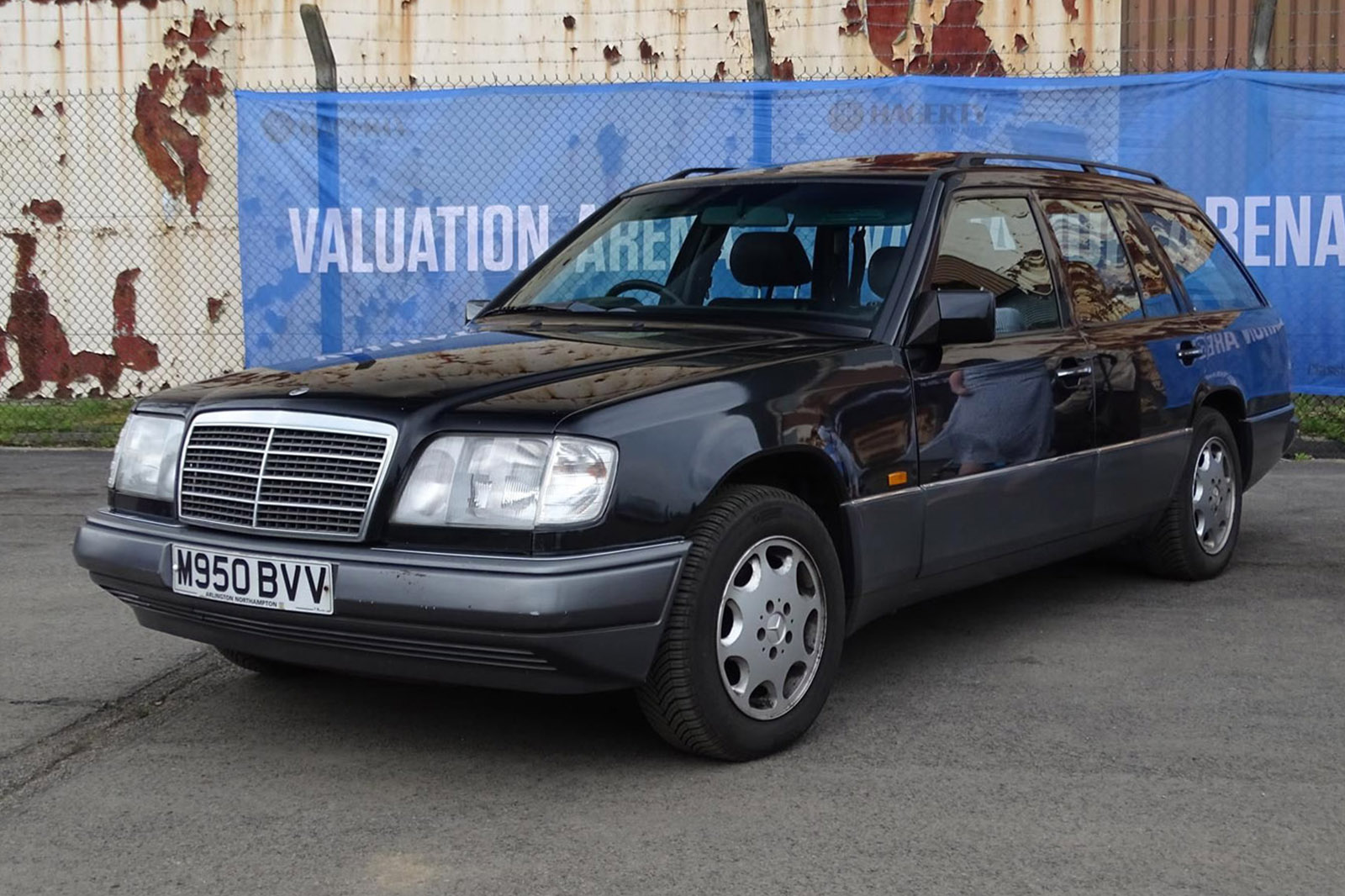
At one point, the E-Class accounted for one in every five Mercedes sold worldwide. It remains a hugely important model, but it was never more emblematic of the company than in its late 1980s W124 form. Its build quality and reliability are still legendary and explain why so many of this generation E-Class are still in daily use around the world.
Mercedes also offered a handsome coupe and convertible based on the W124 platform, setting a trend that continues to this day for sleeker E-Class variants.
Mercedes-Benz S-Class
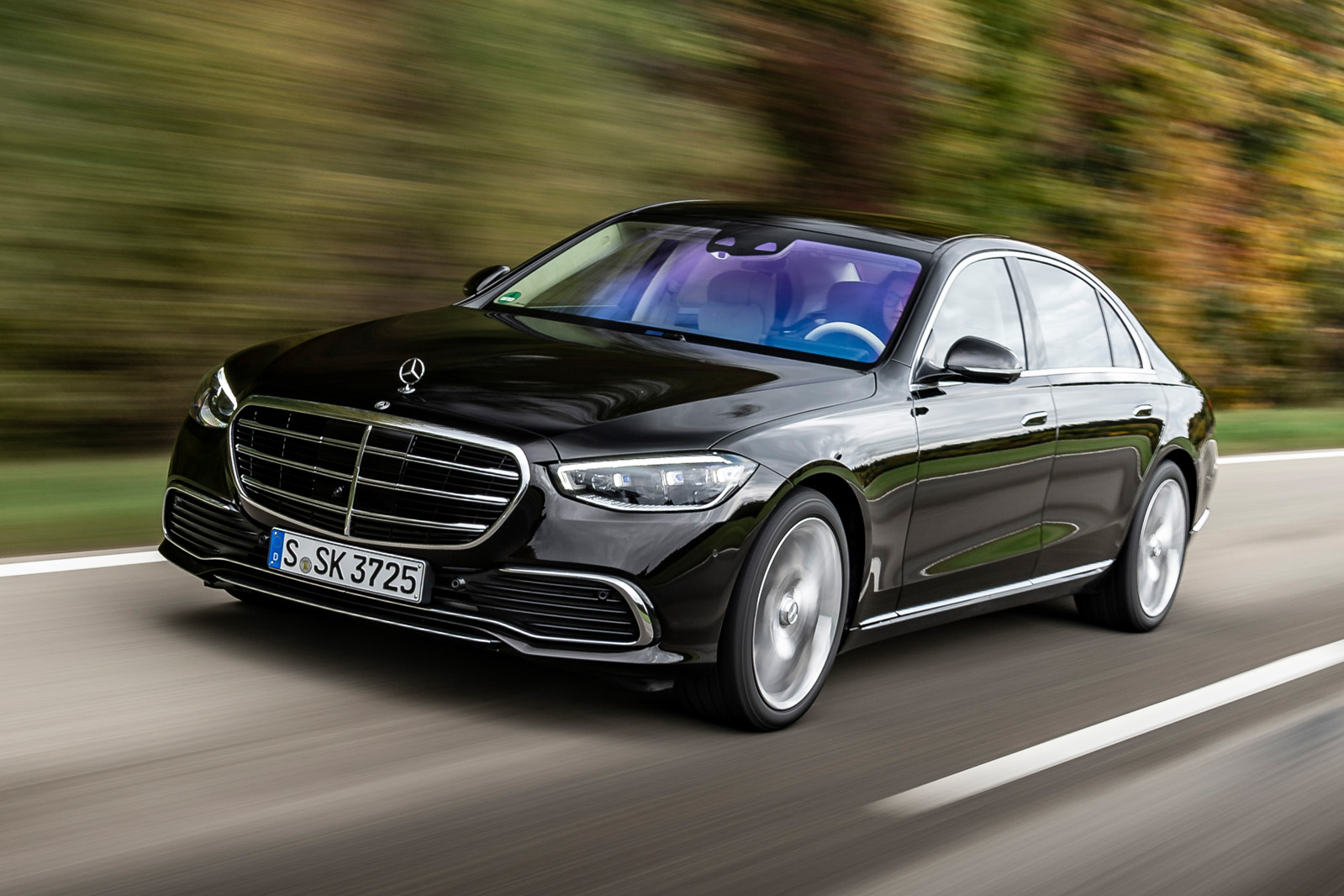
The go-to luxury car for decades, the Mercedes S-Class has been with us since 1965, giving captains of industry somewhere comfortable to relax. Mercedes has offered long-wheelbase SEL versions of the S-Class since the start, recognising that many owners prefer to enjoy their car from the back seat.
For those customers keener on driving the S-Class, Mercedes originally filled that gap with the 300SEL 6.3 that could cover 0-60mph in 5.7 seconds and hit 141mph. This was in 1967, making it the forerunner of modern AMG versions. PHOTO: Latest generation model
Mercedes-Benz SL
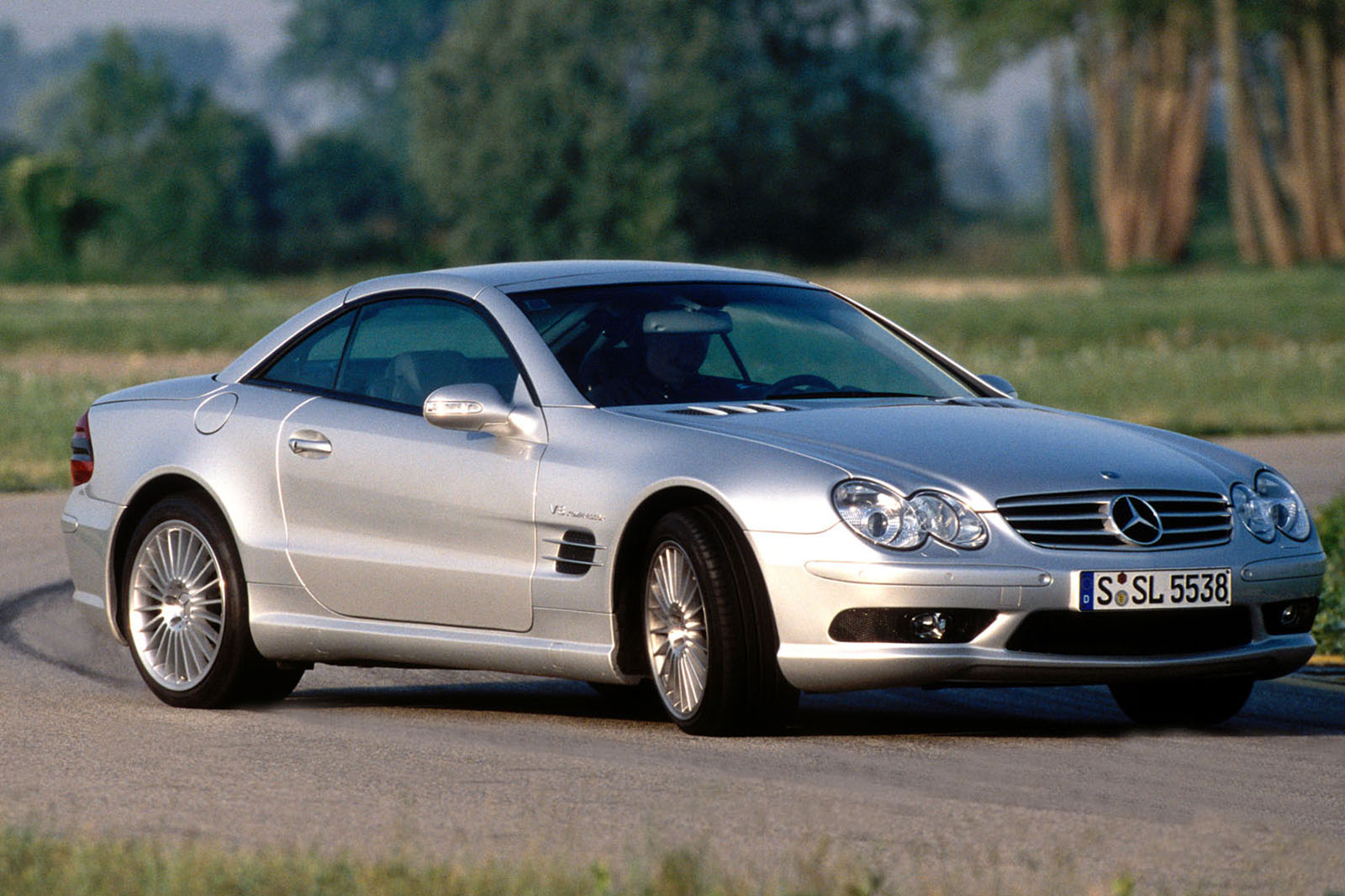
You could pick any era of Mercedes SL and make the case for it as one of Germany’s finest cars. The 1971 R107 model makes an especially compelling argument, but we’d counter with the R230 of 2001 as peak SL. Its looks have not aged, it remains great to drive and the SL55 AMG is as fast as you’ll ever need from a car. Add in the folding metal roof and it’s a superb convertible and coupe.
The SL65 AMG Black Series of 2008 used a 661bhp twin-turbo V12 engine, weighed 250kg less than an SL600, and had its top speed electronically limited to 199mph. A new generation SL has just been unveiled, and we should see it on the road in 2022.
NSU Ro80
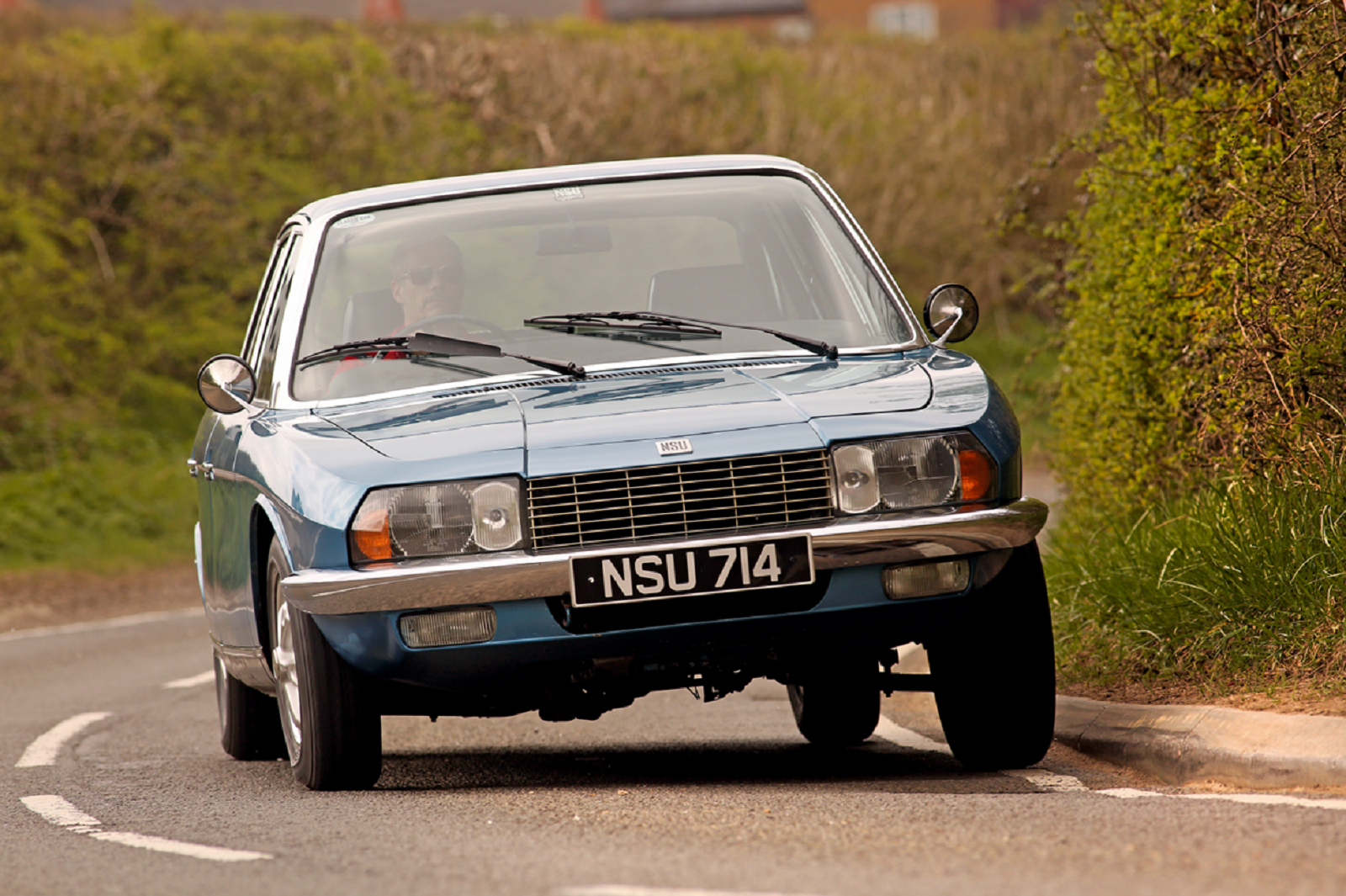
The NSU Ro80 was made Car of the Year in the 1968, largely due to its forward-thinking styling and use of a twin-rotor Wankel rotary engine. It was undoubtedly a clever car that could cruise smoothly at high speeds. Sadly, that engine proved unreliable and only 37,204 Ro80s were made over its 11-year life before Volkswagen pulled down the shutters on the NSU name.
Modern technology has solved the rotor tip wear of the Wankel engine, making the Ro80 a desirable classic. Imperfect certainly, but we call the car great because of what it tried to do.
Opel Manta
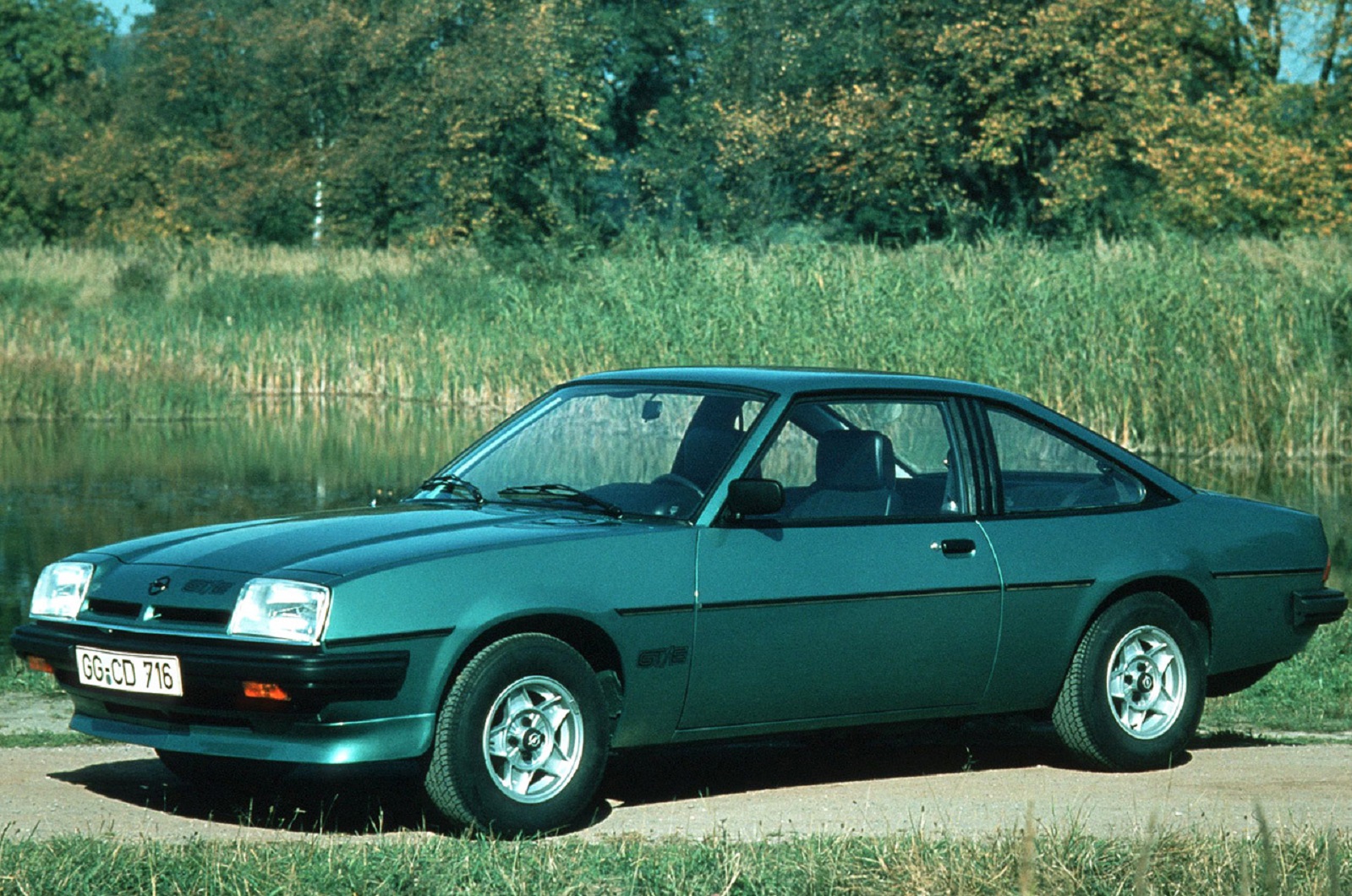
Opel was quick to respond to Ford’s Capri with its Manta coupe, a car that also looked to US muscle cars for its style. The first-generation model, the Manta A, was good, but the B version that followed was great. Better looking, more spacious and, crucially, fine handling. It made full use of its 110bhp in 2.0-litre GT/E form and it outlasted the Capri to carry on till 1988, by which time 603,000 of them had been built.
Opel created the Manta 400 Group B rally car in 1983. Its rear-drive platform was outdated from the moment it arrived against all-wheel drive rivals, but it still put in strong performances on tarmac events.
Opel Monza
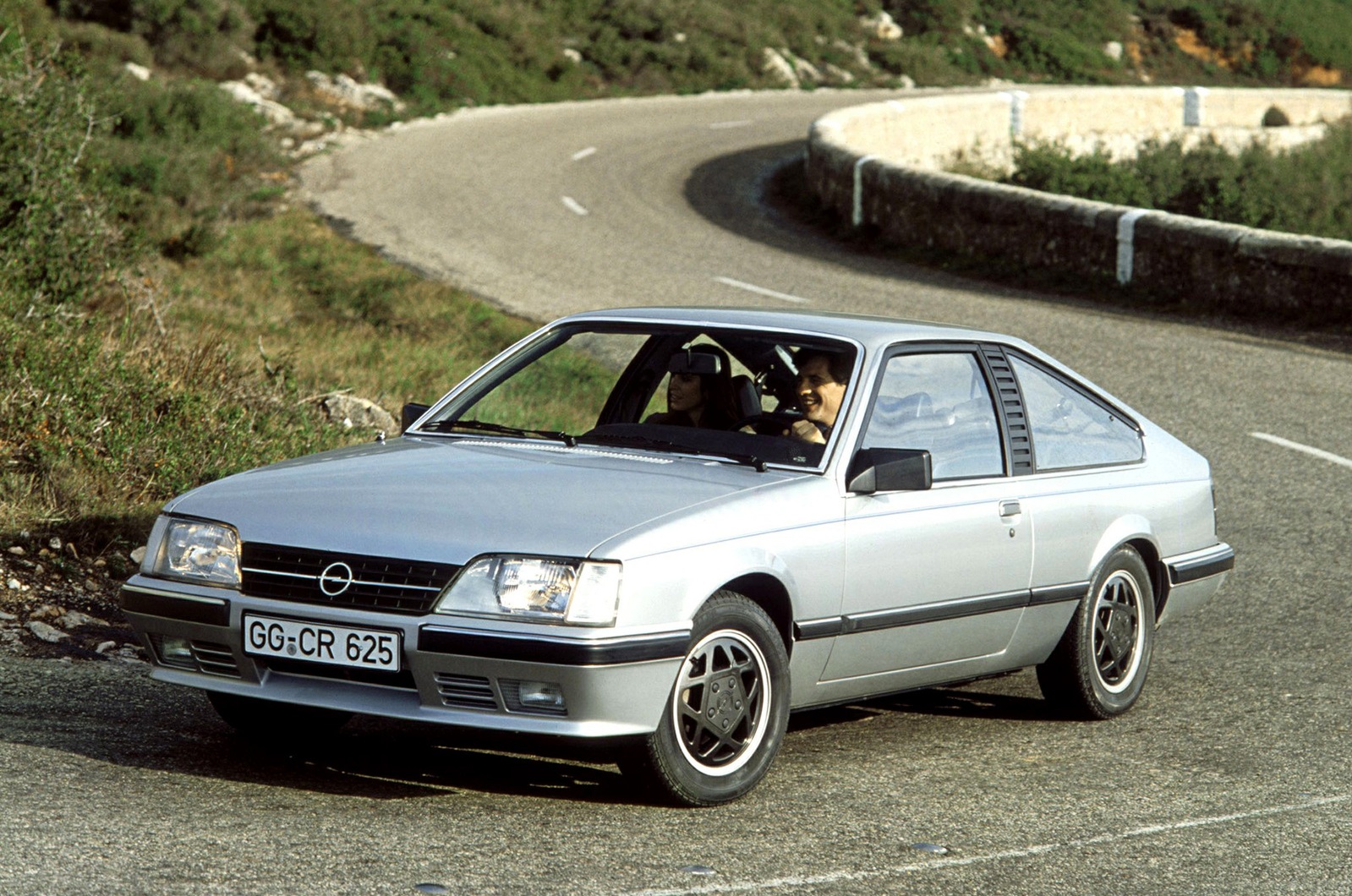
Vauxhall’s Senator was a fine alternative to the Ford Granada, while its handsome Opel Monza sibling had the filed to itself by the late 1970s for affordable mainstream large coupes. At its best in 3.0-litre GS/E form with 180bhp, the Monza could crack 0-60mph in 8.5 seconds and top 120mph. The GS/E was also notable for its digital dash display.
Porsche 356
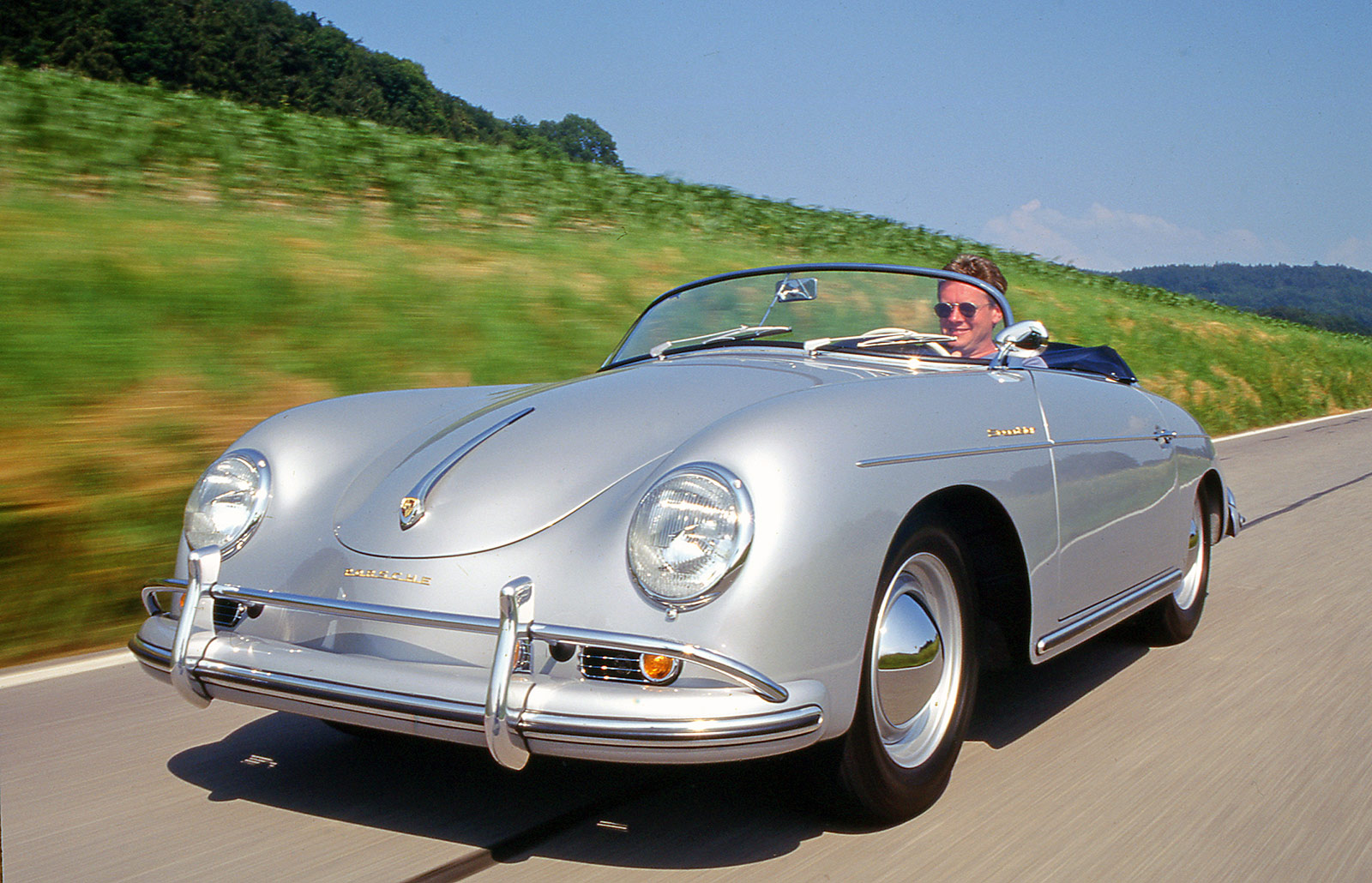
The first 49 Porsche 356s were built in Gmünd, Austria, but this tiny sports car is forever associated with Germany and creator Ferry Porsche. With modest power outputs in most models, the 356 relied on it light weight, aerodynamics and superb handling to beat the opposition. Success in the US gave the company stability and the 356 set the design layout for the 911 that succeeded it.
The 356 continued in production alongside the 911 into 1965 as some buyers still wanted the earlier car’s looks and smaller engine.
Porsche 911
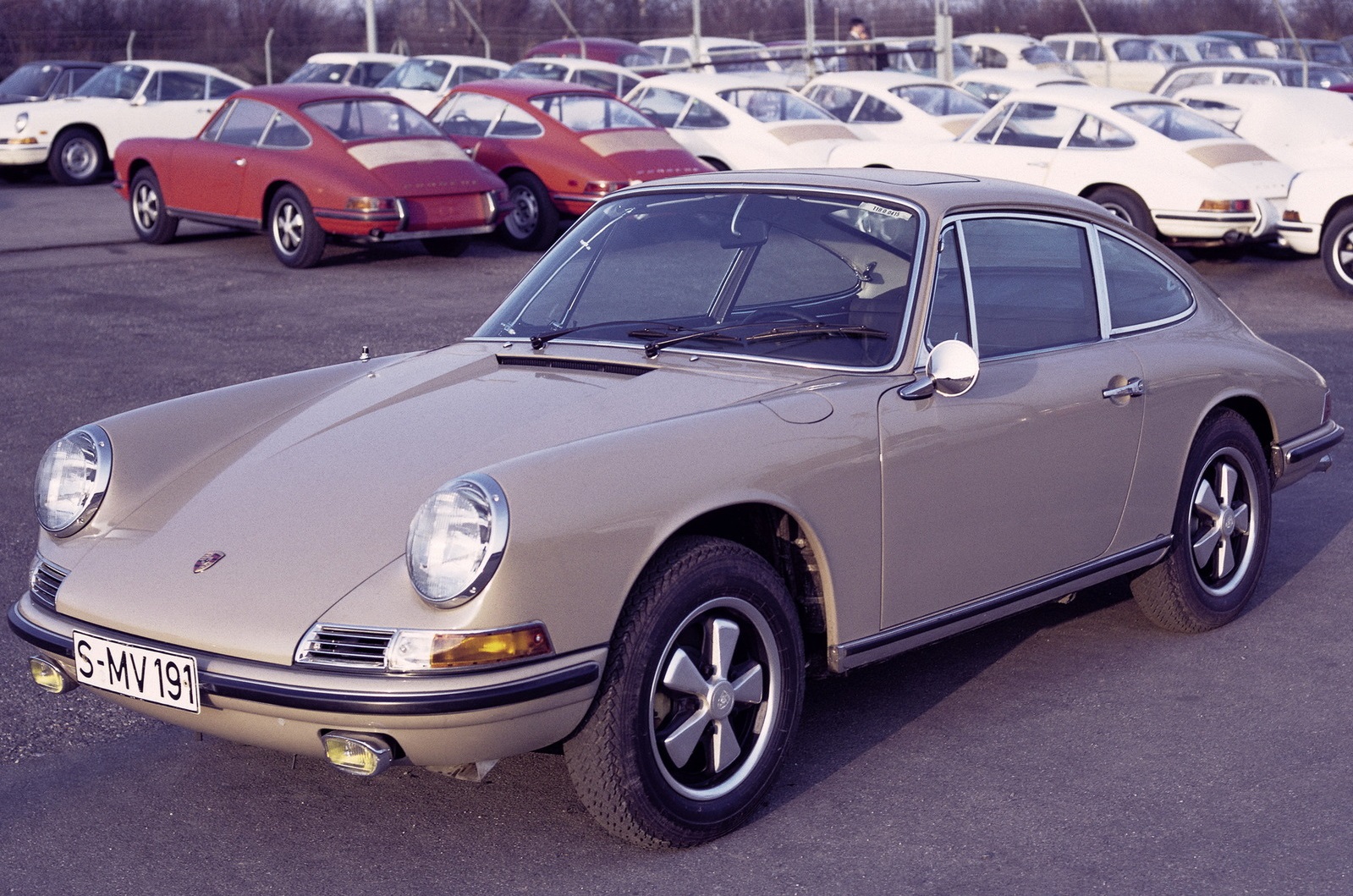
Has a car ever been more intrinsically linked to the firm that makes it? It’s impossible to think of Porsche without the 911’s influence. It’s been around since 1964 with a silhouette that ‘s unchanged, even if the car’s size and power outputs have grown considerably. For some, the air-cooled models will always be the 911s to have, but the water-cooled 996 brought the 911 into the modern age.
Production of water-cooled 911s far exceeds that of air-cooled models, with 443,134 of the earlier models made compared to more than 600,000 of the later cars made from 1998.
Porsche 928
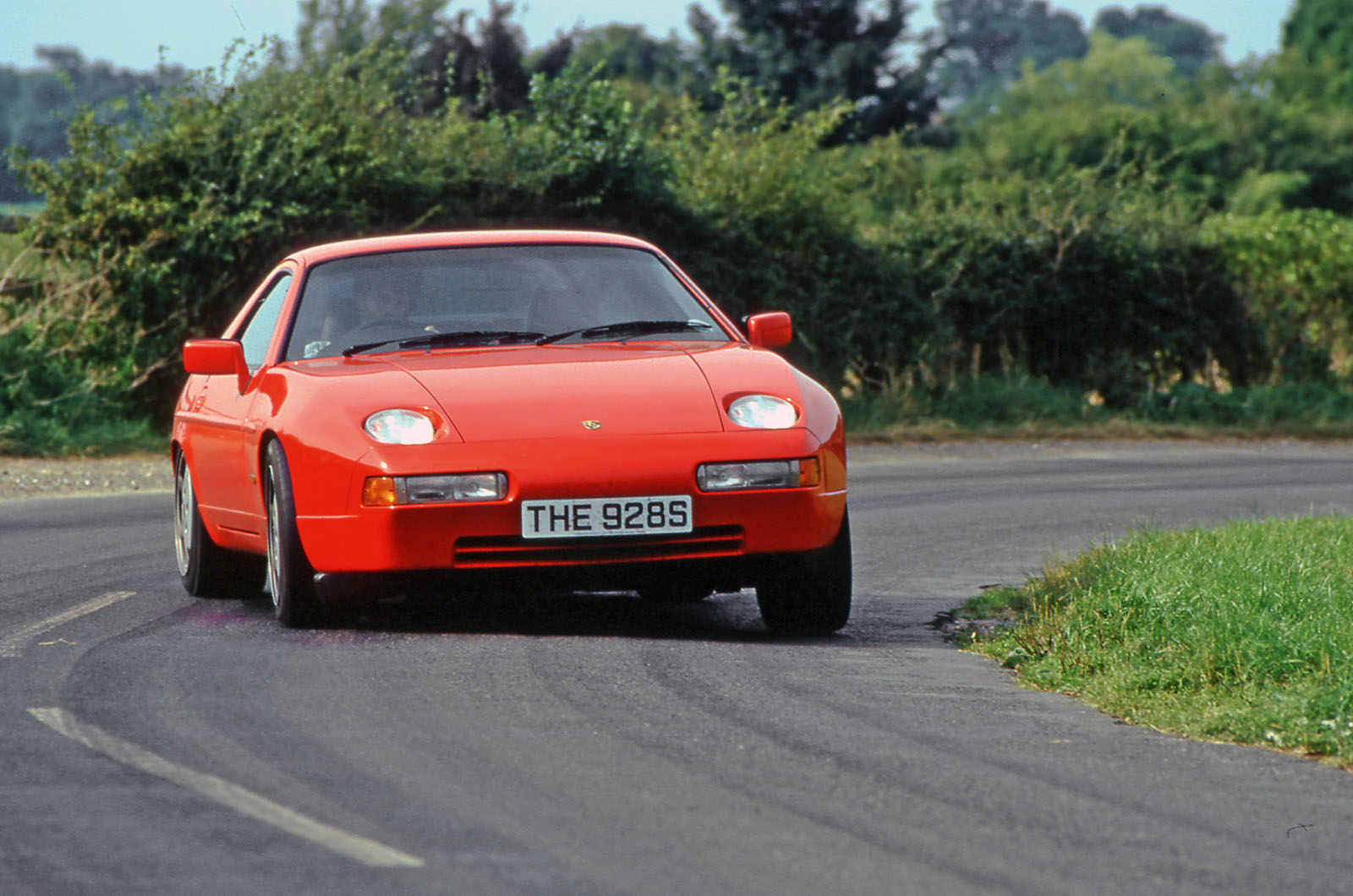
Had Porsche carried through with its plan to replace the 911 with the 928, the company would look very different now. Fortunately, the 928 was launched alongside the 911 as a grand touring luxury coupe, and it fulfilled this role perfectly. A 4.5-litre V8 with 240bhp offered 150mph cruising and the engine grew in capacity and power throughout its life to remain competitive.
The end of the line 928 GTS had a 5.4-litre motor producing 345bhp and Porsche also built a Clubsport model for those who wanted a 928 with sharper handling.
Porsche Boxster
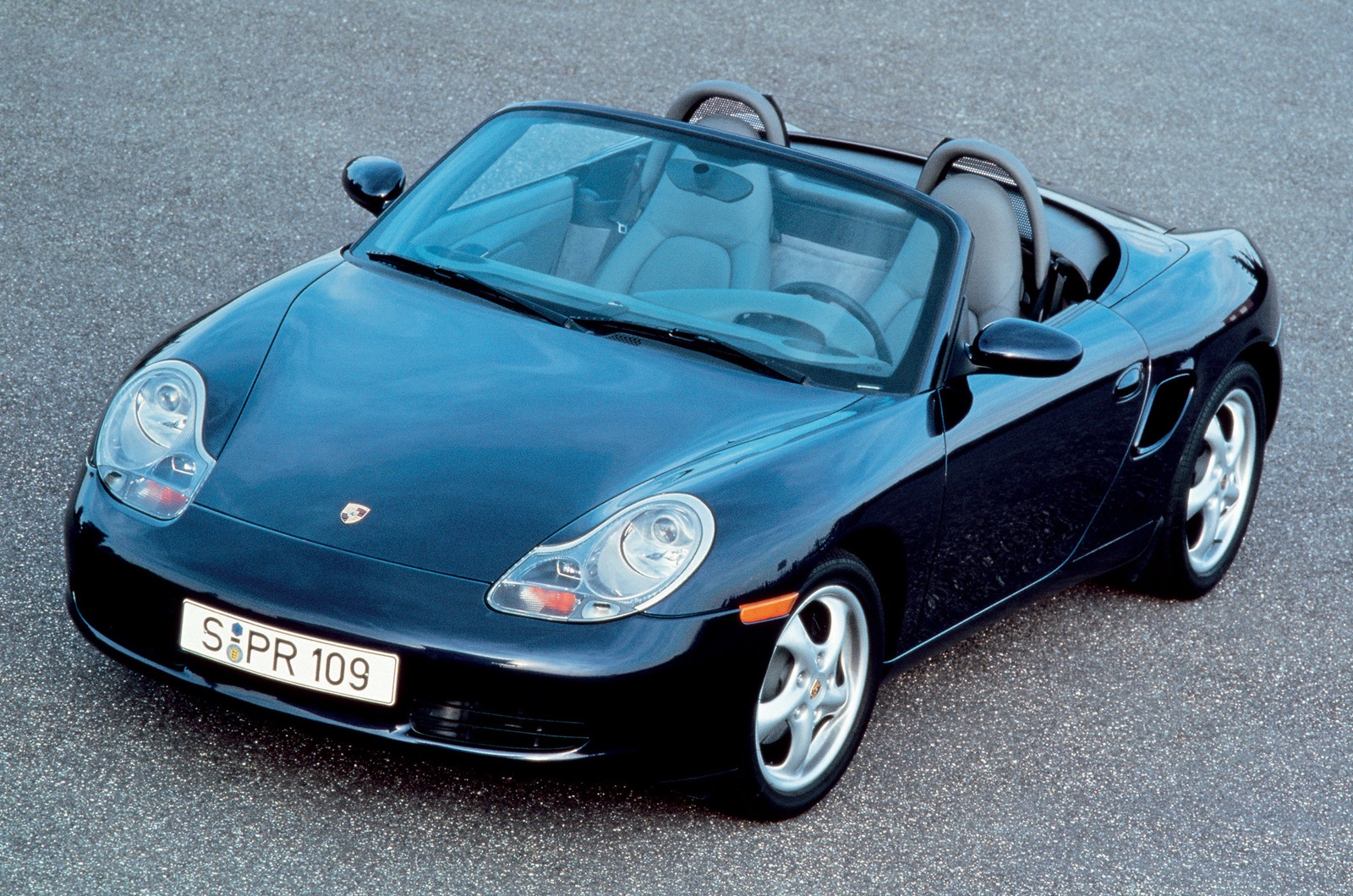
Porsche faced tough times in the mid-1990s and the Boxster was its route out of the financial mire. It did this by tempting in new, younger buyers with the mid-engined roadster that had just enough performance to thrill without intimidating these customers. The plan worked, helped by the Boxster and new 996 generation of 911 sharing everything from the windscreen forward.
Demand for the Boxster was so great that from 1997 Porsche used a second factory in Finland run by Valmet.
Ruf CTR
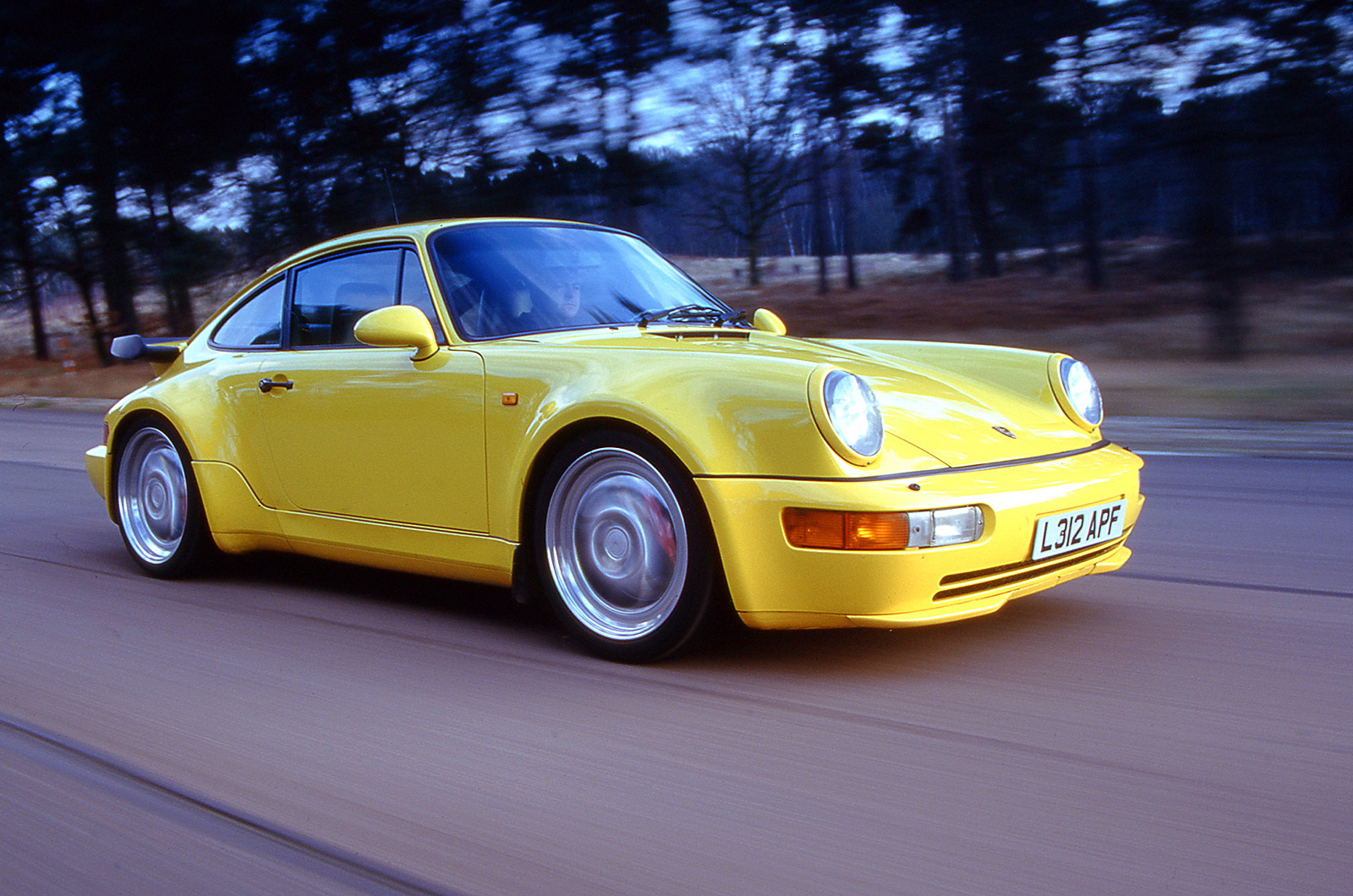
Mention the name ‘Yellowbird’ and any petrol-fuelled enthusiast will know exactly which car and video you’re talking about. The Ruf CTR was made famous by a film of the bright yellow company demonstrator bullying its way around the Nürburgring. It instantly created a legend and cemented Ruf as a serious tuning company.
The original CTR had a 3.4-litre, 463bhp turbocharged engine, but it was based on the 3.2-litre Carrera rather than the 911 Turbo. This was because the 3.2 base was lighter and more aerodynamic. PICTURE: 2020 revival model
Smart Fortwo
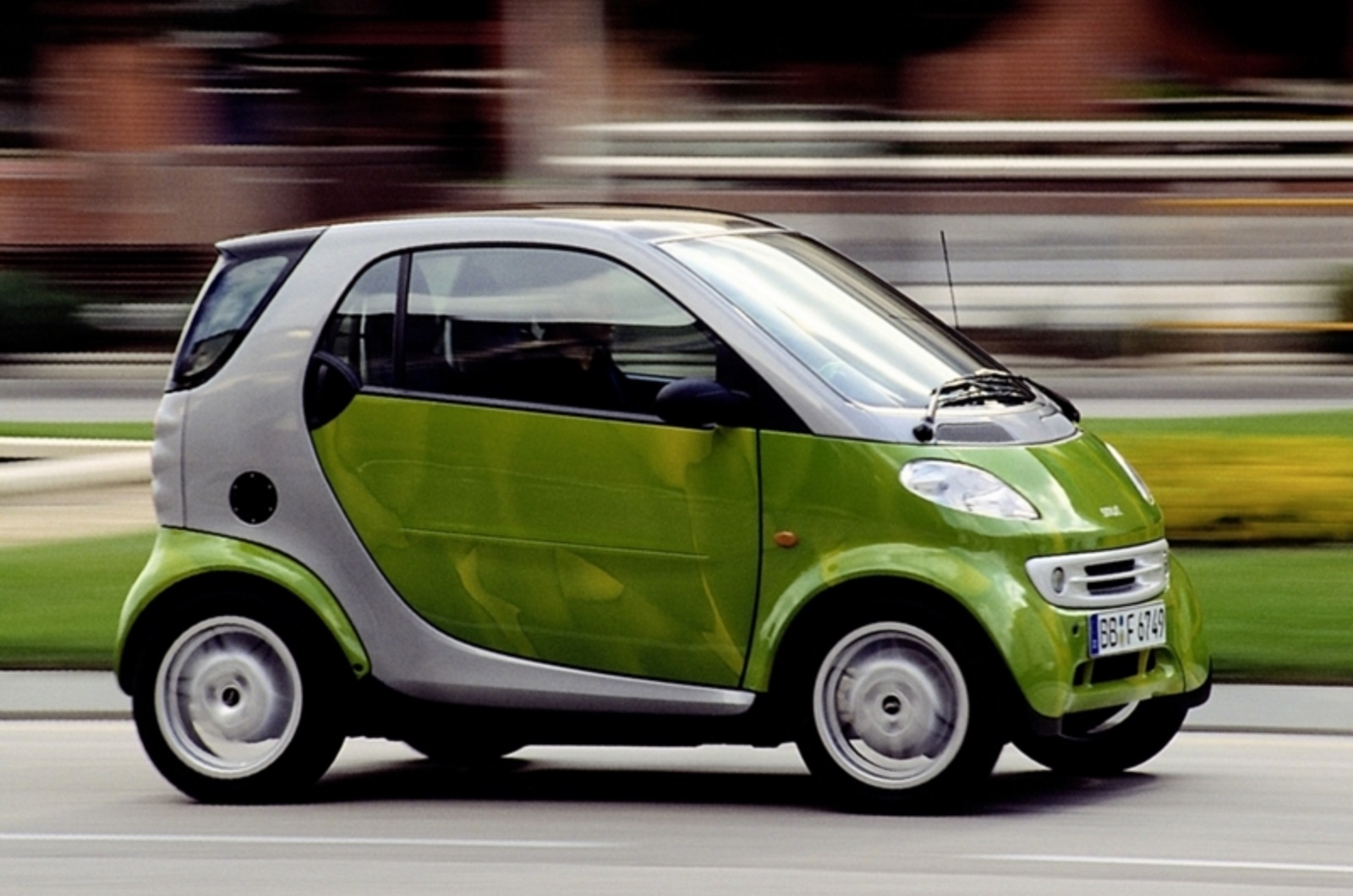
The Smart Fortwo was a bubble car for modern times, addressing the need for a more compact, efficient city car. Its party trick was being able to park nose in to the kerb as it was as long as most cars were wide. Early Smarts were powered by a 599cc turbocharged three-cylinder engine, which resulted in 0-60mph in a leisurely 17.2 seconds.
The plastic body panels of the Fortwo were designed to be easily swapped so owners could change the car’s colour whenever they fancied, though the idea never took off.
Trabant
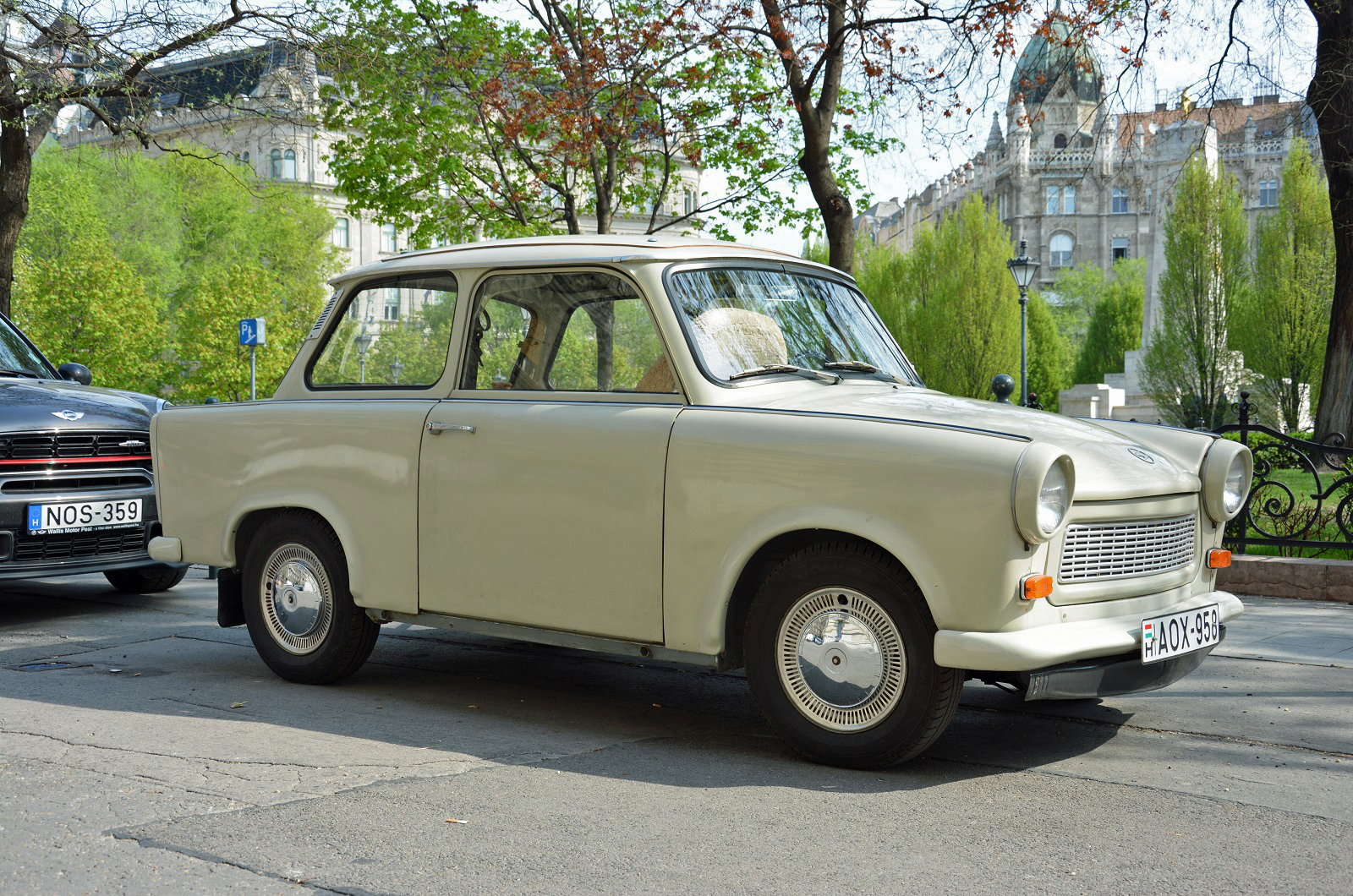
Trabant launched its first car in 1957 as a car for the people of East Germany, though the usual wait to get hold of one was around 10 years. If it wasn’t for Trabant having a state monopoly on new car sales during the communist era, few would have wanted this poorly made machine with its wheezy two-stroke, two-cylinder engine.
However, the Trabant was ingenious in one respect – and thus deserves a place in this story - as the body panels were made from Duroplast, a plastic made from recycled cotton waste.
Volkswagen Beetle
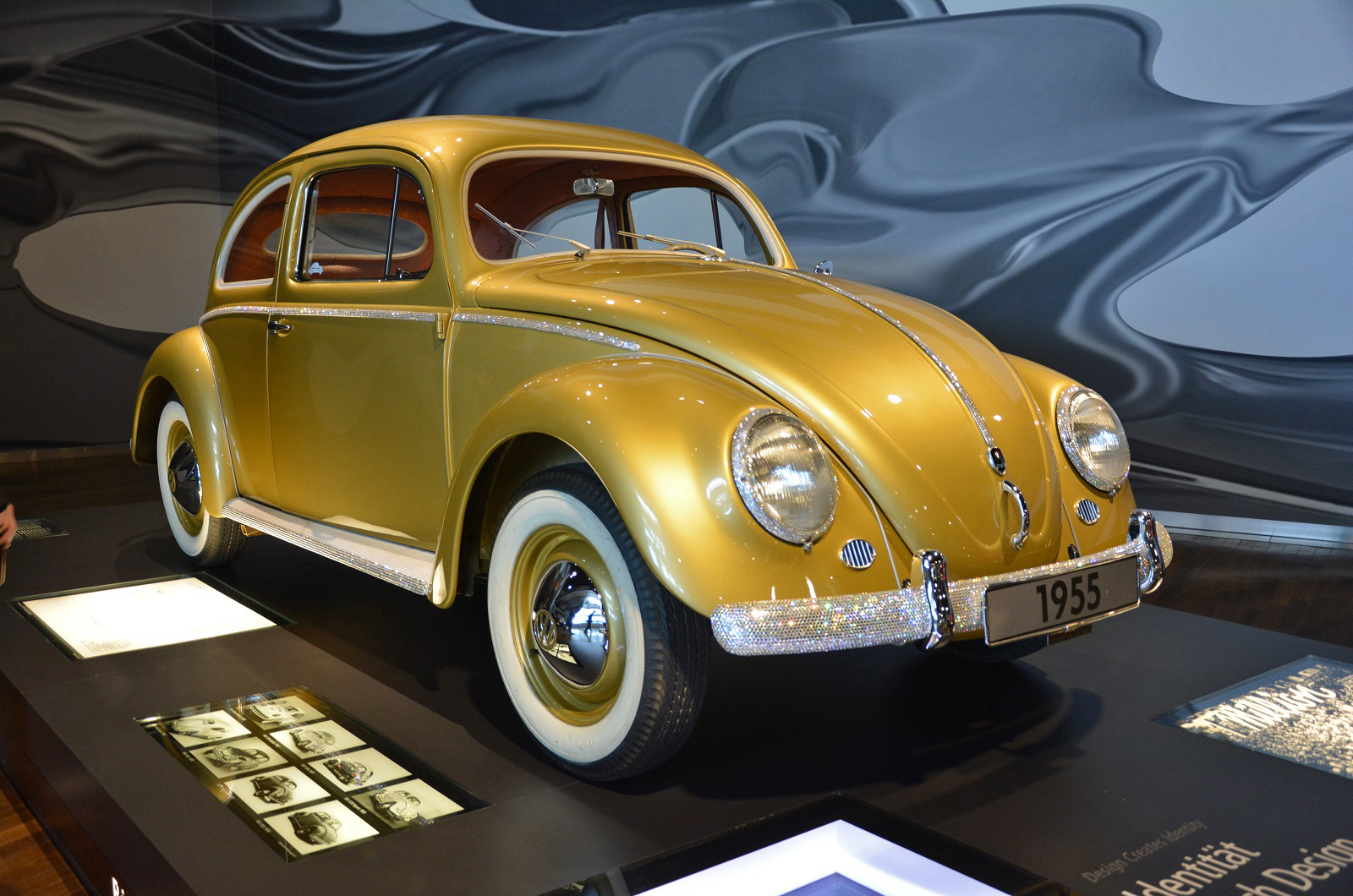
Not just a German, the German car. Originally intended as the car of the people for Hitler’s Germany and designed before the Second World War but barely produced before the war interrupted, it was the British Army that got production of the Volkswagen Beetle properly up and running in 1946. These early cars had just 25bhp, but the VW proved durable and easy to keep running.
The final VW Beetle of this original design rolled off the line in Mexico in 2003, after some 21.5 million cars had been produced.
Volkswagen Golf
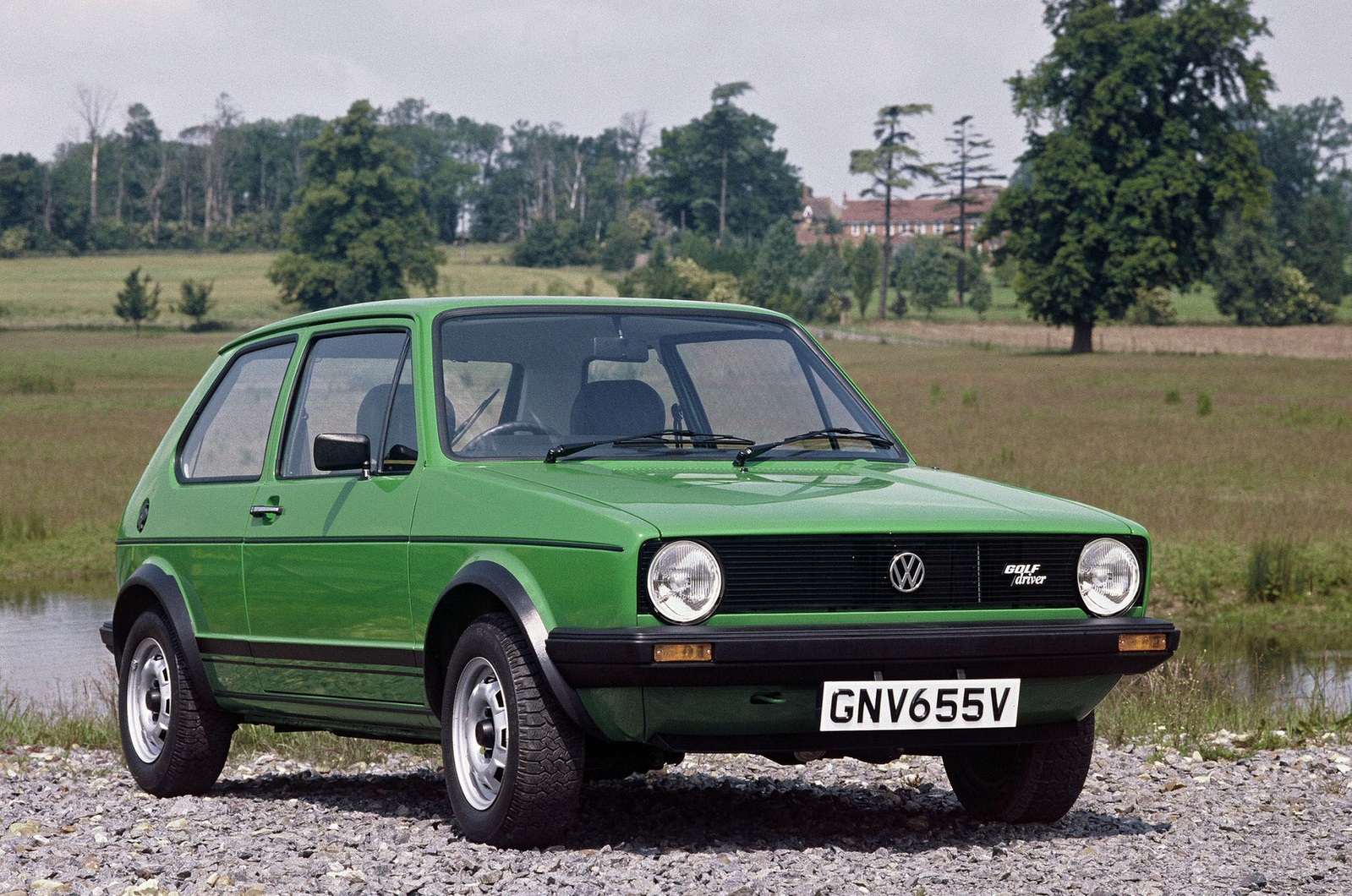
A default choice for many drivers, it’s easy to see why when the Volkswagen Golf has consistently evolved to meet the needs and desires of a broad band of drivers. Whether it’s simple family transport, hot hatch, convertible, or high performance you’re after, the Golf does it and does it very well.
The first Golf Cabriolet remained in production until 1993 due to the prohibitive cost of turning the Mk2 hatch into a drop-top. VW in South Africa also carried on building the Mk1 Golf, called the Citi Golf, all the way through to 2009.
Volkswagen Polo
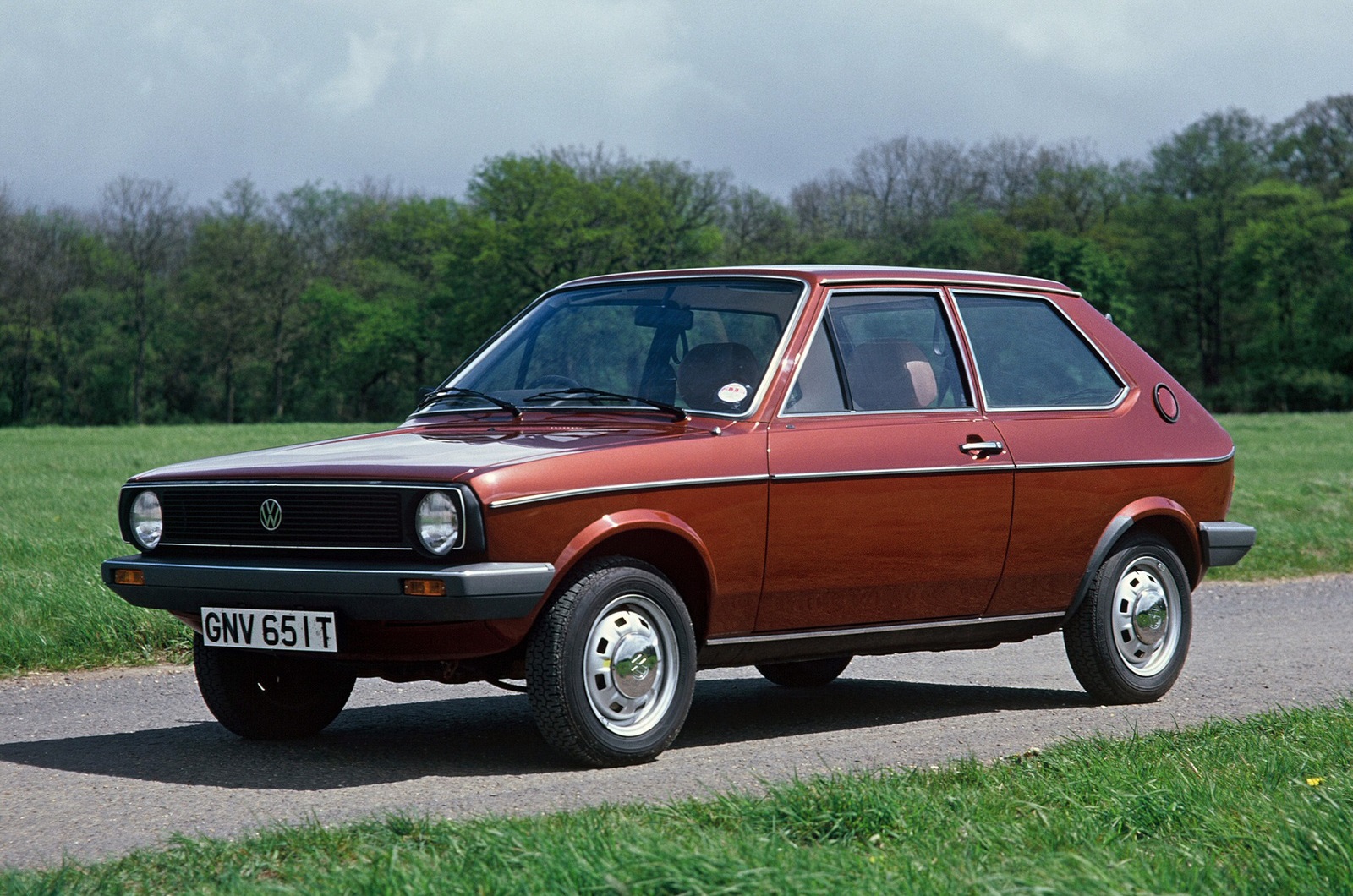
It may not have replaced the Beetle, but the Volkswagen Polo finally offered something thoroughly modern in the company’s range when it arrived in 1975. Neat Bertone styling with a hatchback, roomy cabin, and safe handling made it a very Germanic rival to the Renault 5 and Ford Fiesta.
The second-generation Polo was launched as a small estate in 1981, nicknamed ‘breadvan’, while the hatch model was called Coupé when it arrived in 1983.
Volkswagen Scirocco
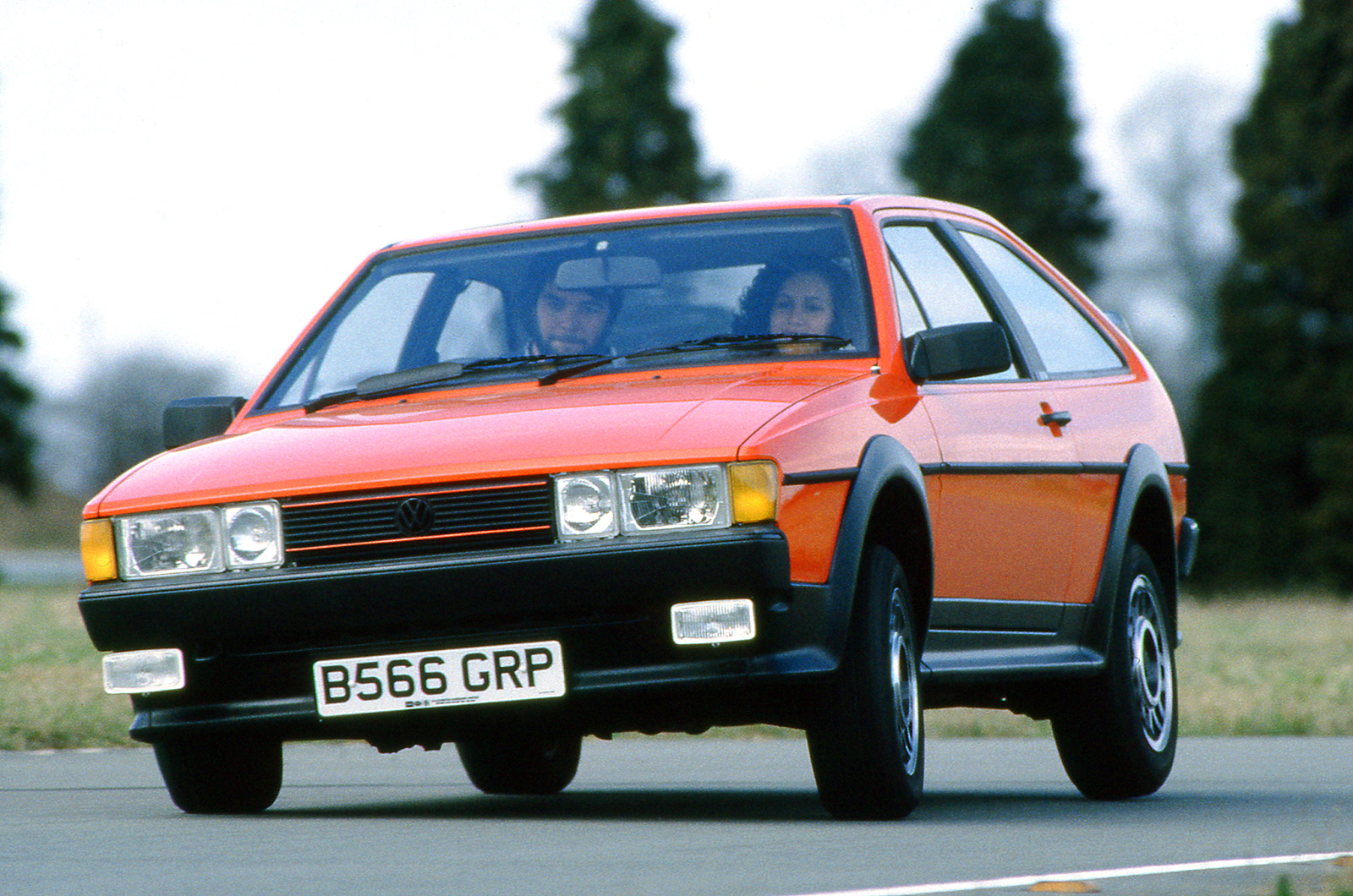
The Golf GTI might get much of the attention, but Volkswagen already had a sporty, front-drive car in its ranks two years before the hot hatch. This was the Scirocco coupe that used the same 110bhp 1.6-litre engine, though the Scirocco was fractionally quicker off the mark with 0-60mph in 8.5 seconds to the GTI’s 8.7.
The first Scirocco was styled by Giugiaro, while the second generation’s looks were penned in-house to free up more rear headroom.

Alfa Romeo Junior Ibrida Sport Speciale Confronts Heritage and Modernity on a Pilgrimage to...