

Reader Preferences Reveal Shifting Values in High-End Car Purchases
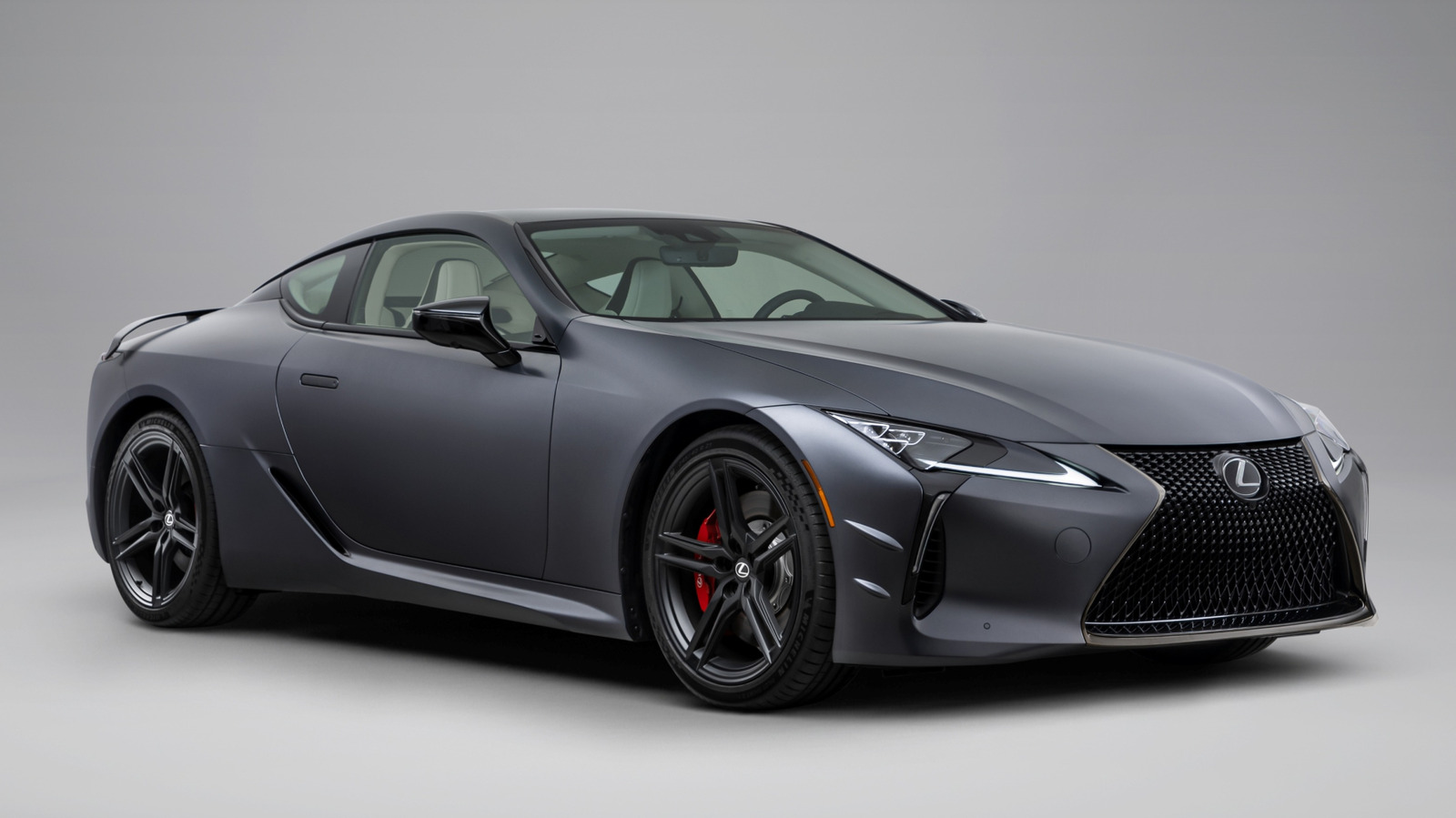

Renault 4 and 5 Gain Efficiency and Power with Gen 2 Evo Motors to...
 New ‘Gen 2 Evo’ motors made their debut with the Twingo but will be soon be rolled out in larger cars
The Renault 4 and 5 will be updated next year, bringing more efficient and more powerful motors.
The R5 arrived in 2024, and it was followed by the R4, its crossover twin, in early 2025. Both models are based on the AmpR Small platform and use Renault’s second-generation externally excited-synchronous (EESM) motors, which are available in two configurations.
The R5 Urban Range pairs a 121bhp EESM with a 40kWh battery, while the Comfort Range gets a 148bhp motor and a 52kWh battery pack. In the UK, the larger R4 is only available with the Comfort Range set-up.
These powertrains enable the R5 to deliver a range of either 192 or 252 miles. The latter figure is reduced to 250 miles in the chunkier R4.
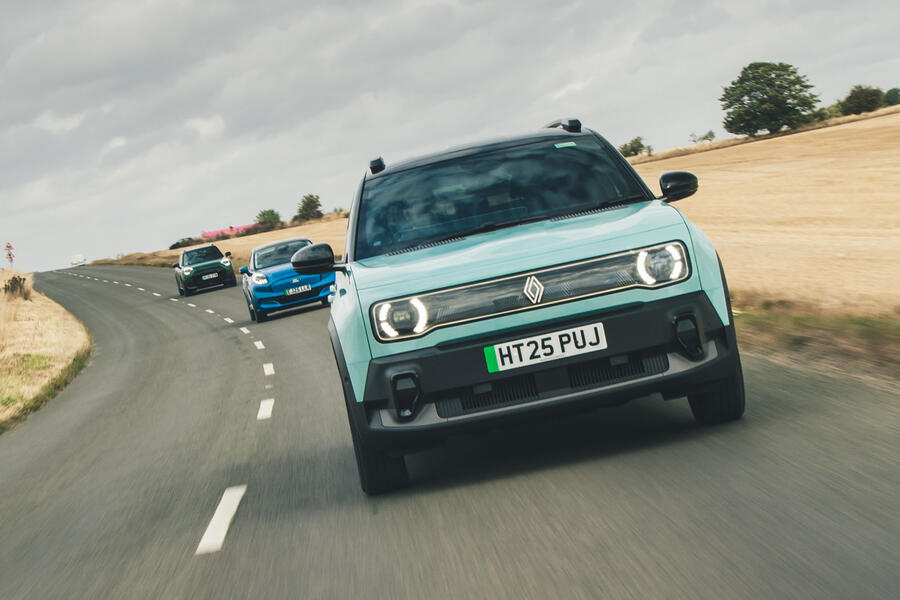
Renault is now ready to roll out updated ‘Gen 2 Evo’ motors for the two models, drawing on its learnings from developing third-generation drive units for the next Scenic and Megane that are due in 2028.
“We are still working on how to improve the efficiency and power [of the Gen 2 motors],” said Marianne Bataillon, Renault’s director of EV motor and battery development. “We are going to apply these [changes] at the end of 2026 or beginning of 2027.”
Bataillon highlighted the motor’s inverter and reducers as points of improvement that have netting greater efficiency and improved power outputs.
The new motors will help to keep the R4 and R5 on a par with newer rivals on technical terms. The incoming Volkswagen ID Polo outdoes the R5 in the range stakes, offering either 204 or 283 miles between charges, depending on which powertrain it is fitted with. The same is true of the new Skoda Epiq: it yields either 190 or 272 miles of range, with the higher figure beating the R4.
Renault’s new Gen 2 Evo motor made its debut in the Twingo, which arrives in the UK at the end of this year. In that car, however, its output is reduced to 80bhp, owing to its city-focused remit.

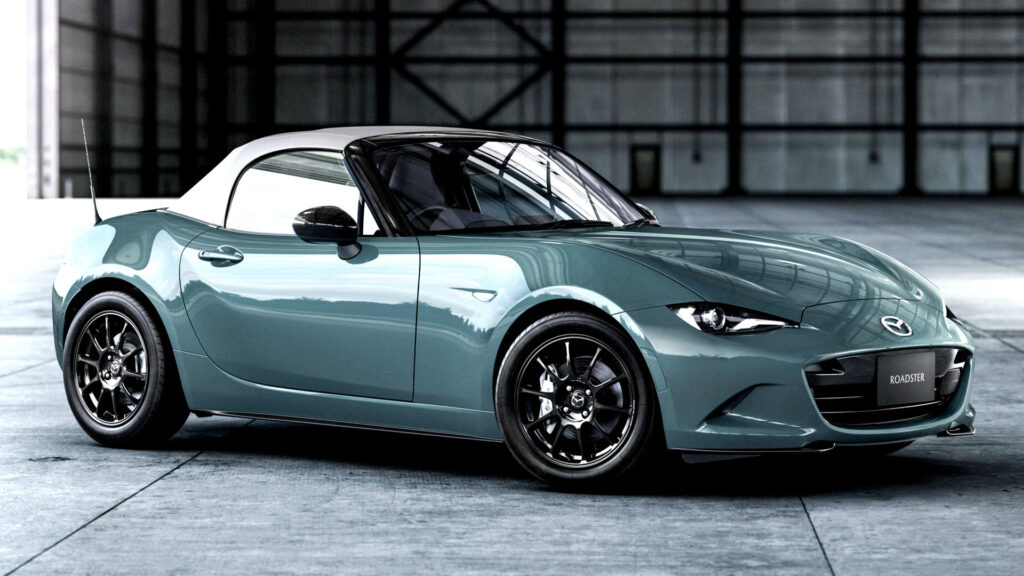
Mazda Roadster Adjusts for Japan’s Noise Laws While Pure Sport Edition Sharpens the Focus...

Tesla Faces Legal and Market Pressures Amid Lawsuit Settlements and Shareholder Discontent

Hyundai Elantra Redefines Compact Saloon Design with Art of Steel Styling and Advanced Hybrid...
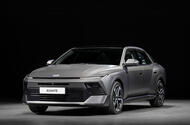 New Elantra has been sculpted according to 'Art of Steel' design language; brings choice of petrol or hybrid
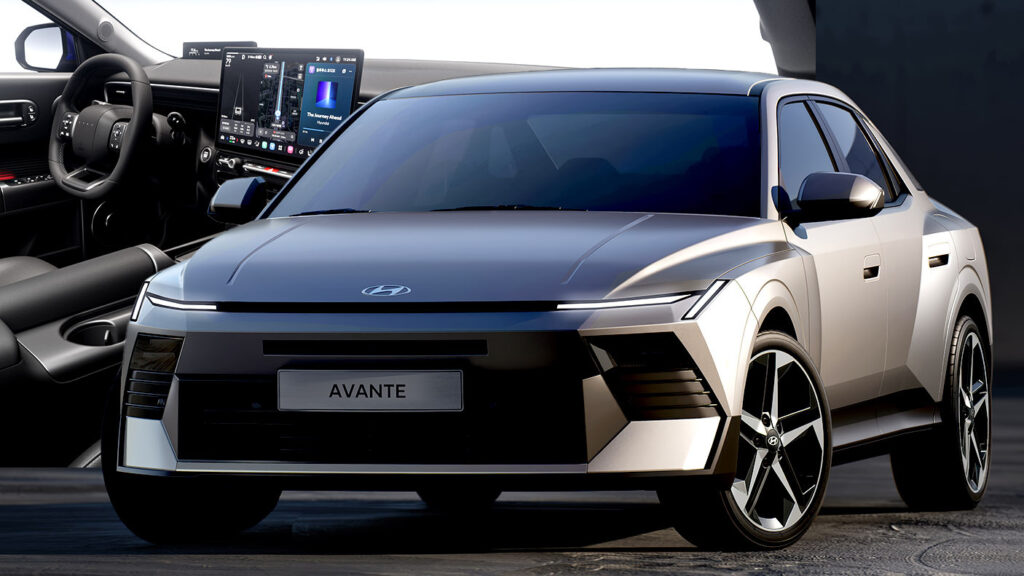
Hyundai has revealed the next iteration of its Elantra saloon, bringing a dramatic new look.
Named the Avante in its home market of Korea, it is the most extreme example of the brand’s new Art of Steel design language yet, with a number of hard lines and aggressive angles across its bodywork.
It is slightly larger than the rival Skoda Octavia, owing to a 30mm increase in its wheelbase compared with the previous-generation Elantra. Hyundai said it has prioritised improving interior space, with the saloon also growing 30mm wider.
Inside, it has been designed to be “cozy and comfortable”, according to Hyundai. The dashboard and doorcards’ designs cocoon around the seats, with customisable LED backlighting.
As in the recently-revealed Ioniq 3 hatchback, the driver’s display is set high on the dashboard. This is intended to keep important information in the driver’s line of sight, so they do not have to divert their attention away from the road to check their speed or remaining range.
A large infotainment touchscreen (measuring either 12.9in or 14.6in) takes centre stage. It runs on Hyundai’s new Pleos operating system, which will allow new functionality such as installing navigation and music apps in the screen, rather than having to use smartphone mirroring. An array of switches and dials for the climate control system sits just below the main screen.
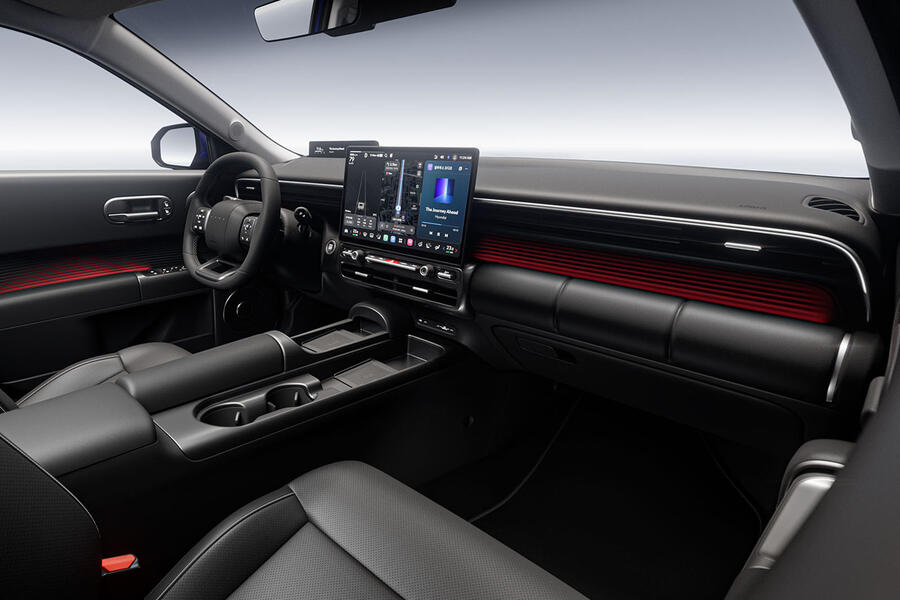
In Korea, it will be available with two powertrains: a 2.0-litre petrol four-cylinder with 147bhp and a 1.6-litre hybrid with 155bhp.
The hybrid also brings a new predictive regenerative braking system that reads the road ahead and automatically adjusts the strength of the regenerative effect, helping to keep the battery topped up.
In addition, it gets a ‘stay mode’ that allows the small traction battery’s reserves to power the climate controls and infotainment system while parked, in similar fashion to an EV with a larger battery.
Korean deliveries of the new Elantra will begin in the coming weeks, although Hyundai has yet to confirm whether it will be sold in Europe or the UK. The previous-generation car was not sold in those regions, despite having been tested here. However, Autocar understands that the latest iteration has yet to be ruled out, suggesting Hyundai may have had a change of heart.
It also remains to be seen whether the high-performance Elantra N will return – and whether it too could make it to Europe.

Volkswagen Overhaul Threatens 100,000 Jobs and Four German Plants as Profit Slump Forces Radical...

Morgan Midsummer Coupe Revives Classic Craftsmanship in Limited Production Run

Jaguar XJ220 Reimagined by Callum Design Signals New Possibilities for Iconic Supercars
 Ian Callum's design consultancy is poised to reveal its take on the legendary supercar
The eponymous consultancy of acclaimed car designer Ian Callum has reinvented the Jaguar XJ220.
The new take on the XJ220 has yet to be revealed in full, but a side-profile image published by Callum Design showcases a dramatically different styling direction compared with the original.
It is notably sharper around its haunches and there is a greater slope at its rear end.
However, several cues remain intact, including the egg-shaped side windows and air ducts along its flanks.
Callum Design described the reimagined XJ220 as a “concept” and a “design study”, emphasising that there are no concrete plans to build a road-going car. But it added that the project “shows what’s possible” when working with the company, suggesting that a client with enough cash to spend could commission their own car.
The reworked XJ220 is expected to be revealed in full in the coming months. October marks the 35th anniversary of the production XJ220’s unveiling at the Tokyo motor show and that could provide Callum Design a fitting opportunity to celebrate the supercar.
Ian Callum, who was director of design at Jaguar from 1999 to 2019, has in recent years put his own spin on several historic cars. These include the Wood and Pickett Mini and the Aston Martin Vanquish – the latter of which he also originally designed. His consultancy has also been responsible for building a road-legal version of the Jaguar C-X75 concept, the ill-fated successor to the XJ220 and a car originally created while he was Jaguar's design chief.

Hyundai Elantra Redefines the Compact Sedan with Larger Dimensions, Advanced AI Tech, and Bold...

JLR Pursues US Luxury Market Shift to Restore Profitability Amid Rising Costs and Strategic...
 JLR will steer customers into ever-more expensive versions of its SUVs following a difficult year
JLR’s strategy following a difficult year is to move further away from the “killing fields” of the premium volume market and steer customers into ever more expensive versions of its SUV line-up, the company told attendees at its annual investor day.
JLR had a bad time of it in the financial year ending March, earning just £200 million profit before tax compared with £2.5 billion the year before.
That was down to a series of shocks that included the September cyber attack, half a billion quids’ worth of additional tariff bills to sell cars in the US and the continued collapse of China as a profit centre. “The world is not much fun out there,” chief financial officer Richard Molyneux told investors at the June event.
The answer, it said, will be to rise further above the fray. “We will keep moving [our brands] away from the killing fields of mass automotive, into a luxury space based on feeling, on desire, on want, rather than necessarily need,” Molyneux said. “Because that's where we can win.”
JLR will endeavour to do that in a number of ways, including borrowing the playbook from luxury brands such as Bentley and Rolls-Royce by adopting a new focus on bespoke via its network of House of Craft centres.
China, once JLR’s biggest market but now ground zero of the premium killing fields, becomes another niche buyer of top-end Range Rovers. The company’s main focus switches to its newest biggest market of the US, where it will put a much stronger focus on wooing the country’s hordes of stock-wealthy millionaires, including with new, market-specific models.
Despite JLR’s woes last year, its average selling price (based on revenue per model sold) moved up again to a record £74,400. That number was down at £47,700 for the 2019 financial year, back when it was competing at the vicious heart of the premium market with combustion-engined Jaguars and smaller Land Rover SUVs such as the Discovery Sport.
These days JLR’s focus is almost entirely on its trio of big hitting, high-margin SUVs: the Range Rover, Range Rover Sport and Defender. These accounted for three-quarters of all JLR’s wholesales (sales to dealers) last financial year, up from 68% in the year before. The Defender still leads the way, despite coming up to its seventh birthday. The Discovery brand, meanwhile, accounted for just 8% of sales.
That means the company already has a luxury focus, but it thinks it can go further, especially in its new largest market. “We're pivoting the entire organisation towards the US,” CEO PB Balaji told investors. “We believe there are significant growth opportunities that can come out of that.”
The CEO, who joined from parent Tata Motors in November last year, signalled his displeasure at JLR’s current performance in the market, which accounts for around 100,000 of JLR sales annually. “Our penetration now is nothing to write home about,” Balaji said, pointing out that the US buys 1.3 million cars priced over $80,000 annually. Earlier in June the company waved goodbye to its long-time US head, Joe Eberhardt, in advance of the new strategy.
Somewhat perversely, given President Donald Trump’s aggressive rollback of EV incentives and emissions regulation, all five of JLR’s new launches over the next 18 months – its first model launches for four years – are all electric. But instead of writing off much of its electric investment, as rivals like Porsche have done, JLR is bullish that US customers, particularly on the West Coast, are keenly awaiting models like the delayed electric versions of the Range Rover and Range Rover Sport.
The company said around half of the 78,000 expressions of interest for the two models are from the US, where it will give JLR access to ‘micro-markets’ in which it currently doesn’t play a role. “In LA, you'll find a lot of our products," Balaji said. "But just go a little bit up north into San Francisco and you will not find us. We are not there in Seattle. The reason they don't want us is that there's no electric vehicles.”
Meanwhile the company has picked New York to launch the electric Jaguar Type 01 in October, a city that predominantly buys Range Rover Sports now.
Again bucking fashion, JLR doesn’t think EVs will be a drag on the average selling price. In fact, quite the opposite. “We will actually price our electric cars higher than our combustion engine cars,” chief commercial officer Lennard Hoornik told the crowd at JLR’s HQ in Gaydon.
“We're really trying to go against what is happening in the market trend,” he added, before listing the ways the Range Rover Electric is better than the combustion-engined version, including boasting more power at 550bhp.
JLR hasn’t ignored the US’s pivot back to combustion under Trump, however. Balaji said the company re-engineered its EMA electric platform to underpin the replacement for the Velar and the new smaller Defender in order to incorporate hybrid combustion engines and meet market needs in the US. Both models will launch as EVs towards the end of next year, with hybrids coming later, attendees were told. All replacements for current midsize models, such as the Evoque and Velar, on EMA will cost more, Molyneux said.
Engaging Stellantis to help engineer US-specific Defenders is another response. No details were given about that, but it potentially allows JLR to create a chunkier, more retro Defender to both challenge top-end Ford Broncos and see off the Ineos Grenadier, which is having some success in the US market.
Stellantis CEO Antonio Filosa has said the deal could include local production, allowing JLR to reduce its tariff bill.
As chief brand polisher, Hoornik was the one to outline steps to push the luxury angle, including launching a network of 25 bespoke 'House of Craft' studios globally. Hoornik described these as “critical” to elevating pricing, and he pointed to the creation in Dubai of a bespoke Range Rover, called 'Sky’s the Limit', that featured 24-carat gold badging on the front and which sold for $504,000.
JLR already woos customers in wealth hot-spots such as Biarritz using brand-specific pop-up holiday camps called Defender House and Range Rover House. But it wants to make the buying process more luxurious by handing more processes to a dedicated app combined with a “white glove delivery experience”, group chief strategy officer Balaje Rajan said in his US-specific presentation.
One area JLR has pledged to resolve before it can turbocharge its US growth is warranty costs, which hit the company with a £1.5 billion bill last year. “It's a market that can be punitive if you don't play that card well,” CEO Balaji said.
Despite this emphasis on the US, which is already JLR’s biggest profit centre, the CFO said the company was actually moving the financial emphasis away from standard regional reporting and towards the brands – Defender, Range Rover, Jaguar, Discovery - that are given control of their own balance sheet. “The brand directors can take the choices in terms of their capital allocation,” Molyneux said. "This is what luxury companies do."
JLR has some hurdles to climb first. One is that tariff bill to sell into the US, which is only going to climb if sales go up, even with Stellantis’s help on production. The company can’t charge much more to compensate, because most of its rivals have not raised their prices, Molyneux said. Second, the company is currently having to spend more on marketing, including discounts. “Partly, I think, [because] some of our vehicles are approaching six, seven years old,” Molyneux added.
Rising costs, including raw materials, have pushed the company’s breakeven point – where it begins to make a profit - to 380,000 vehicles produced per year, up from its targeted 300,000. Last year the company retailed 352,389 cars.
Cost reductions totalling £1.7 billion over the next two years will put it back to 300,000, JLR told investors, without going into much detail where the cost reductions will come from.
Overall, JLR targeted a margin before tax of 4% for the financial year ending March 2027, up from essentially zero last year.
Long-term targets were folded into parent company Tata Motors Passenger Vehicles as part of a push to better integrate the two companies. JLR has long had an outside influence on Tata’s finances by generating around 80% of revenue, so the midterm figure of an 8% margin (for FY28) and long-term of 10% (FY31 and beyond) mostly falls on the shoulders of JLR.