Hyundai Elantra Redefines the Compact Sedan with Larger Dimensions, AI Integration, and Advanced Hybrid...

Upgrading from a Fast Wagon Why Drivers Seek Distinctive Alternatives

Toyota Aygo X Redefines City Car Reliability and Value Amid Shrinking Market Choices
 Tiny crossover is a brilliantly frugal city car, even without hybrid power
If you're after a tiny, frugal, practical city runaround, your choices on the new car market are currently quite limited.
Razor-thin margins in this segment and increasingly costly regulations sent most manufacturers hurtling towards the exit door a few years back, leaving only a few faithful defenders to choose from today.
Toyota is one of these holdouts, and its Aygo X happens to be among the best of the breed - but if you haven't bought a new car in a while, the new hybrid model's £21,500 price might come as a bit of a shock.
Happily, you can pick up a four-year-old pure-petrol model for as little as £6500. These pre-facelift cars are still capable of 60mpg on a run, and most have a snickety five-speed manual gearbox that makes them surprisingly fun to punt around.
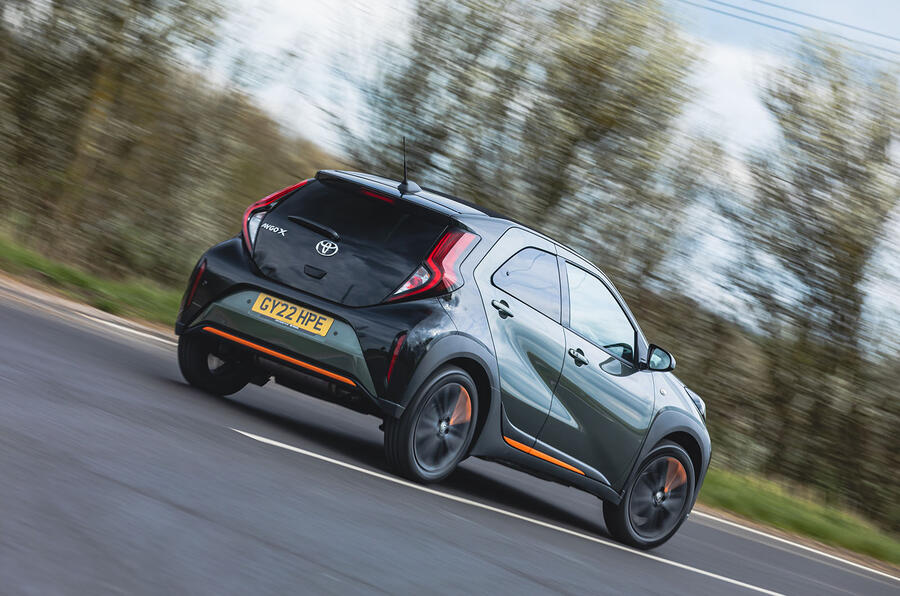
When the Aygo became the Aygo X in 2022, it moved onto an entirely new platform and was repositioned as a sort of pocket-sized SUV: still dinky but larger in all dimensions than before, with a raised seating position and the requisite lower body cladding.
So it's slightly longer and wider than conventionally styled rivals like the Kia Picanto and Hyundai i10 and therefore more spacious inside, yet it remains easy to park and thread along country lanes and tight city streets (with a 9.4m turning circle that's one of the tightest this side of a black cab). Plus, because you sit a bit higher, you don't feel like you're so vulnerable when hemmed in by buses or trucks.
The Aygo X weighs less than a tonne, too, which means that its 71bhp 1.0-litre atmospheric three-pot doesn't feel especially minuscule in everyday driving, and its tiny 35-litre fuel tank can still hold enough for 450 miles if you go easy. You do have to work it quite hard to keep up with traffic (0-62mph takes about 15sec), but it's at least quite good fun to rev out with the manual. The optional CVT drones on but is smooth. Further benefits of the Aygo X's trim kerb weight include genuinely fun handling, although the ride can get a bit choppy over rough stretches of road.
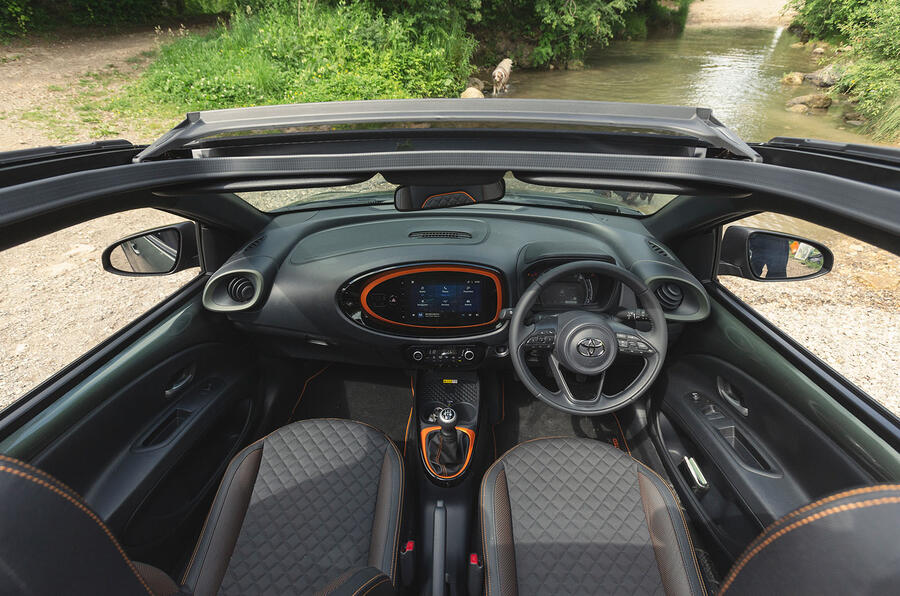
Space up front is good, and the seats provide plenty of support for longer drives. Adults will be fine in the back for a bit, so long as they're not especially tall and you don't have the head room-robbing canvas roof option - and kids will be fine either way (if maybe miffed that their windows only pop out).
In basic Pure trim it lacks any real visual clout, but step up to mid-spec Edge (as most buyers did) and you gain 18in diamond-cut alloys and eye-catching two-tone metallic paint. Exclusive trim adds desirable LED headlights for a smarter and more contemporary vibe.
All versions get wireless Apple CarPlay and Android Auto - on a 7.0in, 8.0in or 9.2in infotainment touchscreen, depending on spec - plus adaptive cruise control, automatic wipers, automatic lights, automatic high beam and a reversing camera.
Edge trim brings climate control, privacy glass and front foglights, while Exclusive adds a wireless phone charger, keyless go and parking sensors front and rear.
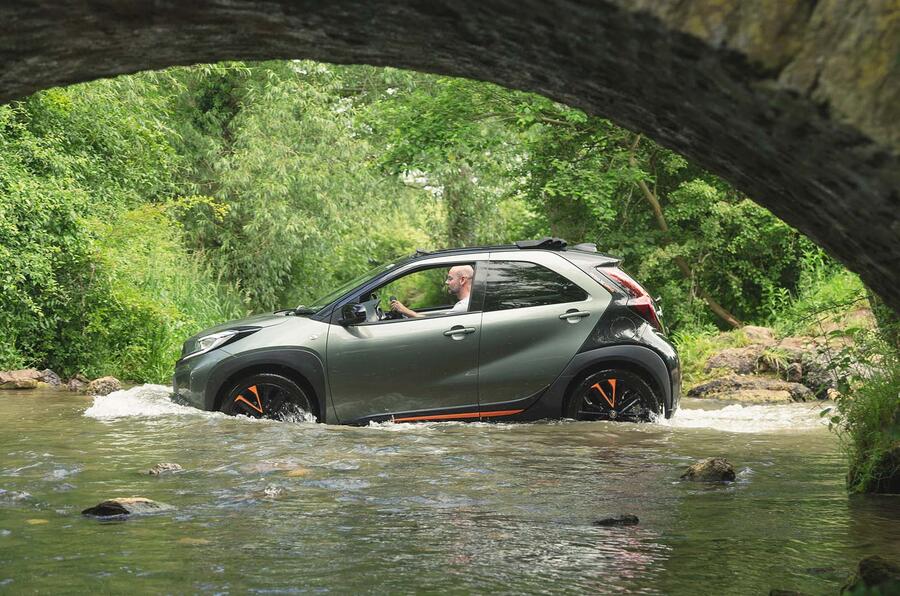
The Aygo X is a reassuringly traditional small car that still manages to feel modern and capable enough to rival its newer alternatives - scant few as there may be - while retaining a touch of charm and panache that makes it easy to love.
What to look out for
Warranty: Toyota has a great reputation for reliability and - as you will see in this section - the Aygo X conforms to type, with an exemplary record in reliability surveys. Almost all used examples will still be covered by the standard warranty (five years or 100,000 miles), which you can extend a year at a time by servicing the car at a Toyota main dealer (up to 10 years old).
Engine: The 1.0-litre VVT-i engine has been powering Aygos for more than two decades and is known to be very reliable. That doesn't mean you shouldn't check the oil before buying, however, and be wary of any cars without a complete service history.
Body: This is a city car, so check for kerb damage to the alloy wheels and scuffs around the body.
Insurance: Like many of its small car classmates, the Aygo is among the cheapest cars to insure, ranging between groups five and seven. Our quote of £307 for a year was for a 35-year-old professional male with a clean licence and full no-claims bonus living in Swindon.
Also worth knowing
Special editions are numerous, although none received chassis or powertrain alterations. The Limited Edition added Army Green paint and orange highlights, quilted leather heated seats and the canvas roof. The Undercover Edition, created in collaboration with a Japanese fashion designer, had blueish-grey paint and red accents, plus 'Chaos' and 'Balance' logos on the roof and the floor mats. Its red seats are a bold touch.
The JBL Special Edition gets a premium sound system from JBL, which was otherwise an option. It's worth seeking out if you're a music lover. There's even a subwoofer under the boot floor.
Air Edition was based on Edge trim (the others used Exclusive as a base) but had the canvas roof as standard and came in a few more colours, such as Brass Gold. Annual VED is £195 on all cars.
How much to spend
£6500-£8499 A few 100,000-milers, which is a testament to Aygo X reliability. Also plenty of write-offs, many with a tenth of that mileage and in top trims. Check the severity of the damage before you buy.
£8500-£10,999 Mostly early Pure models with average mileage for their age (40,000-50,000), although a few Edge versions stand out.
£11,000-£12,999 Plenty of Edges and Exclusives, some with the CVT gearbox or the roll-back canvas roof.
£13,000-£20,000 Lightly used special editions, nearly new cars and even a few unregistered examples with delivery mileages.
An owner's view
James Smyth "I bought my Aygo X Edge in 2022 as a runabout for the city, and it has been brilliant. It looks fantastic - much more premium than other small cars - and the high driving position gives great visibility. It's surprisingly comfortable on longer trips too, although the engine does need to be worked hard on motorways. The infotainment is a big step up from my old Aygo. And fuel economy is excellent: I regularly see 60mpg without trying. Servicing has been cheap and reliability faultless so far. It's a small car that doesn't feel cheap, which is exactly what I wanted."

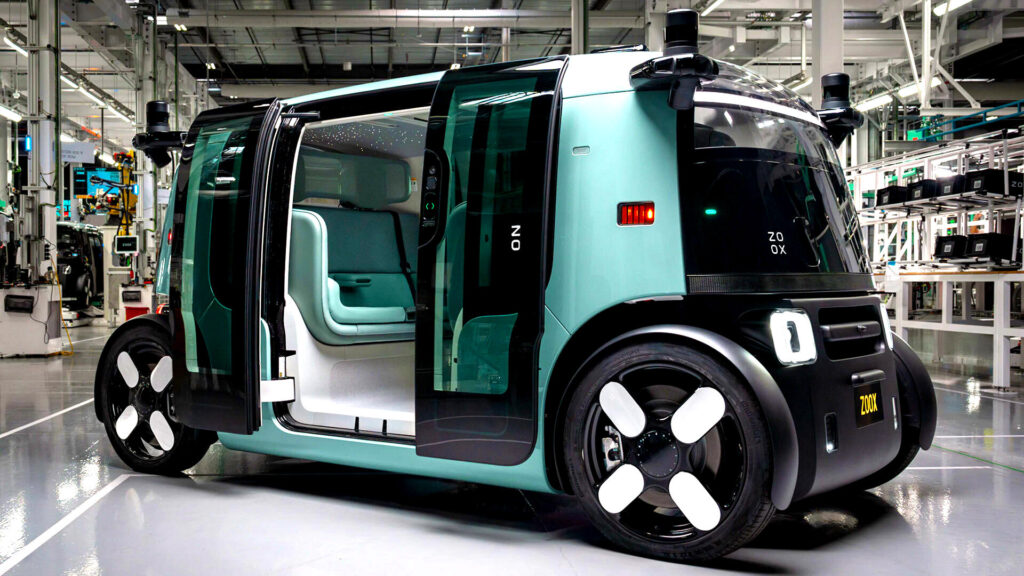
Zoox Robotaxi Redesign Prioritizes Rider Comfort and Scales Toward Mass Production

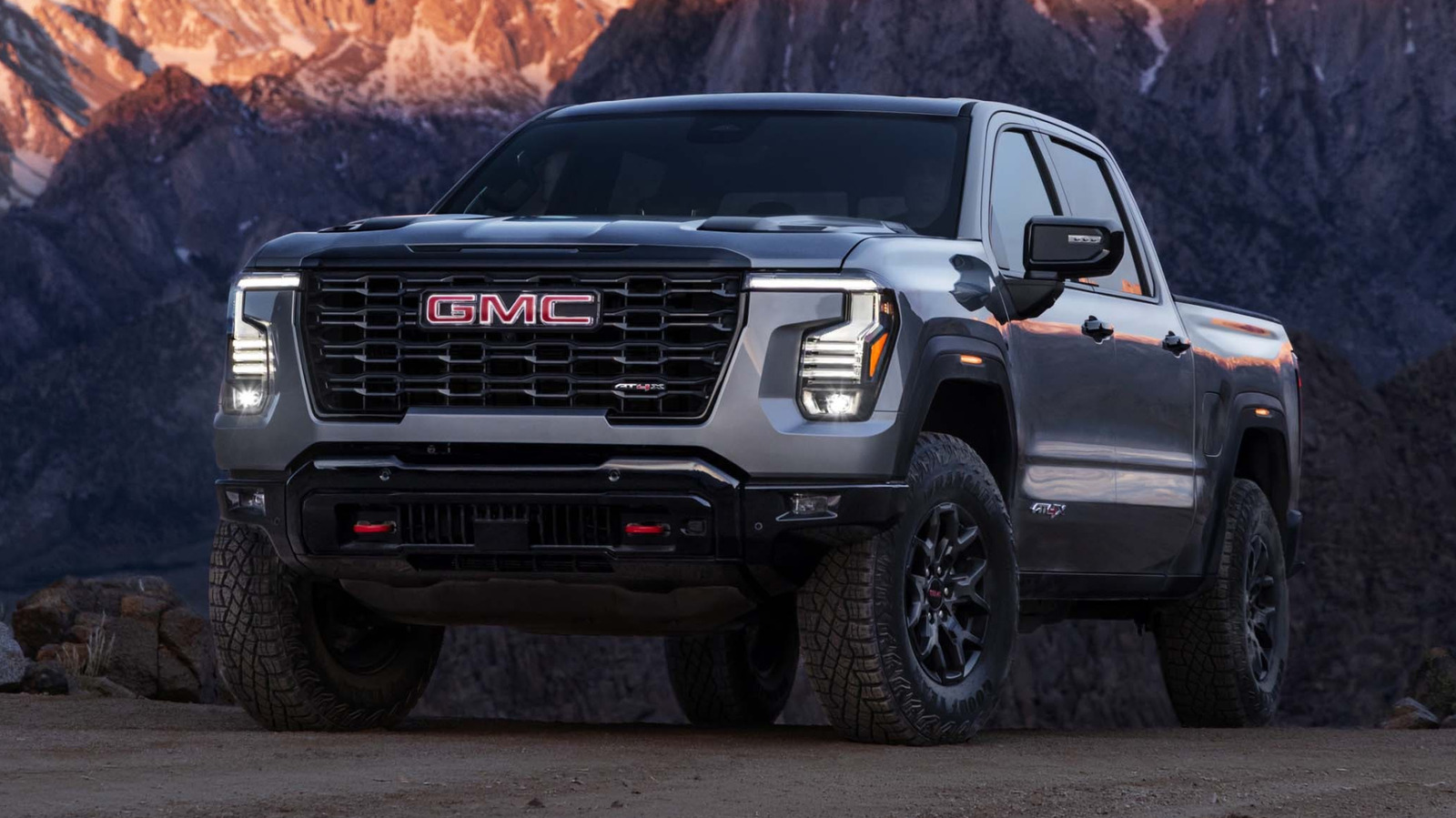
Denali Pickup’s Hidden Compartment Redefines Utility and Luxury in Truck Design

Hyundai i30 Retirement Signals Shift from Traditional Hatchbacks to Crossovers in Europe
 "The business case is not extremely compelling," says Hyundai boss about the prospect of a new i30
Hyundai is set to retire the i30 hatchback with no direct successor as demand for traditional petrol hatchbacks continues to fall in Europe.
The i30 has been off sale in the UK for a year while remaining available in some European markets, but it will soon be axed for good – and any replacement is set to take a different form.
Asked about plans for the i30's future – following the unveiling of a new-generation i20 supermini earlier this month, and the launch of the similarly sized Ioniq 3 EV – Hyundai's Europe CEO Xavier Martinet hinted that no fourth-generation i30 is in the works.
"There might be a reason why we don't talk much about it," he said of the company's petrol-powered Volkswagen Golf rival.
"The problem is that in this segment the demand is not growing, and it's also a vehicle that historically was mostly a fleet vehicle, on which the profit is not so high."
The small proportion of retail sales was not enough to compensate for the low-profit fleet sales, he added, because "the price was lower, so the profits [were as well].
"When you put everything together, the business case is not extremely compelling."
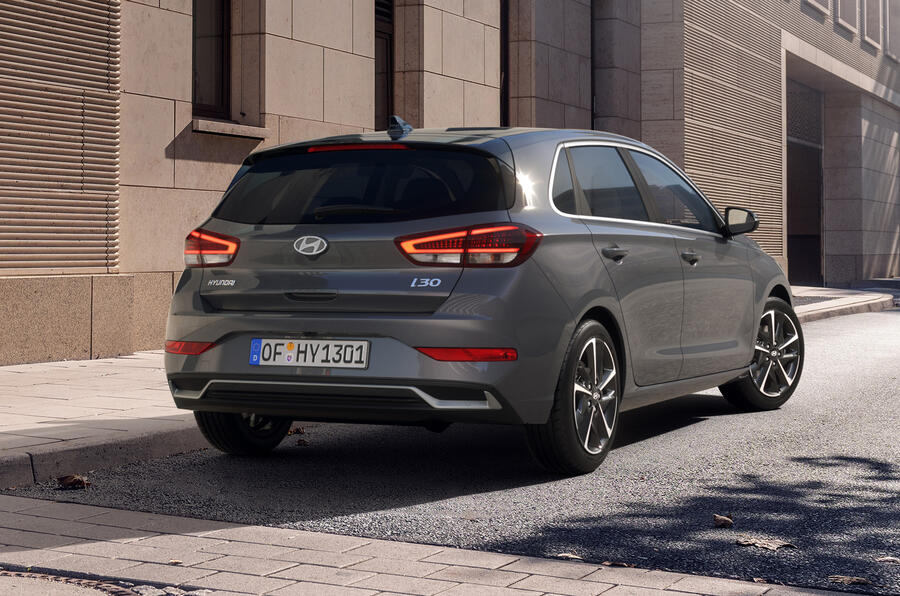
In recent years, several of the i30's closest rivals have also been cancelled, including the Ford Focus, Kia Ceed and Renault Megane.
Strong-selling stalwarts including the Volkswagen Golf, Peugeot 308 and Toyota Corolla continue, but the segment accounts for far fewer European sales than it once did, with mid-sized crossovers becoming the default choice as practical family runarounds.
Opel-Vauxhall boss Florian Huettl voiced similar sentiments to Martinet recently when he hinted at plans to replace the i30's Astra rival with a less "traditional" C-segment offering – potentially some sort of SUV.
Hyundai could take a similar route as it looks to fill the gap left by the i30, Martinet suggested: "We might still have some answers coming, but it might be a different answer to the one we've got so far.
"I might be a bit cryptic in my answer, but at some point in time we have to know when to stop and how to do the next generation – this is one of the question marks we have."

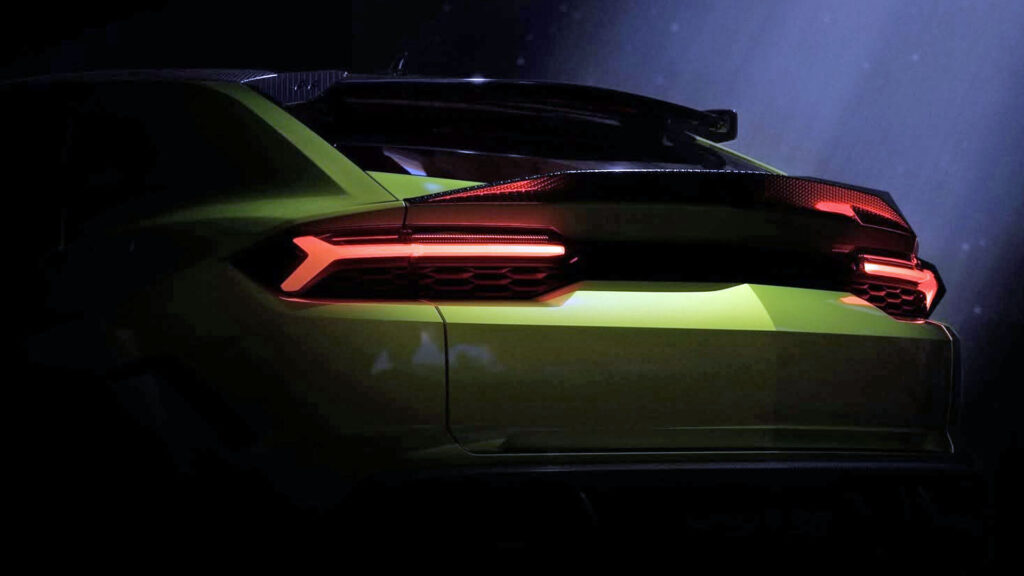
Lamborghini Urus Performante Hybrid Redefines SUV Performance With Carbon Fiber and 800-HP Powertrain

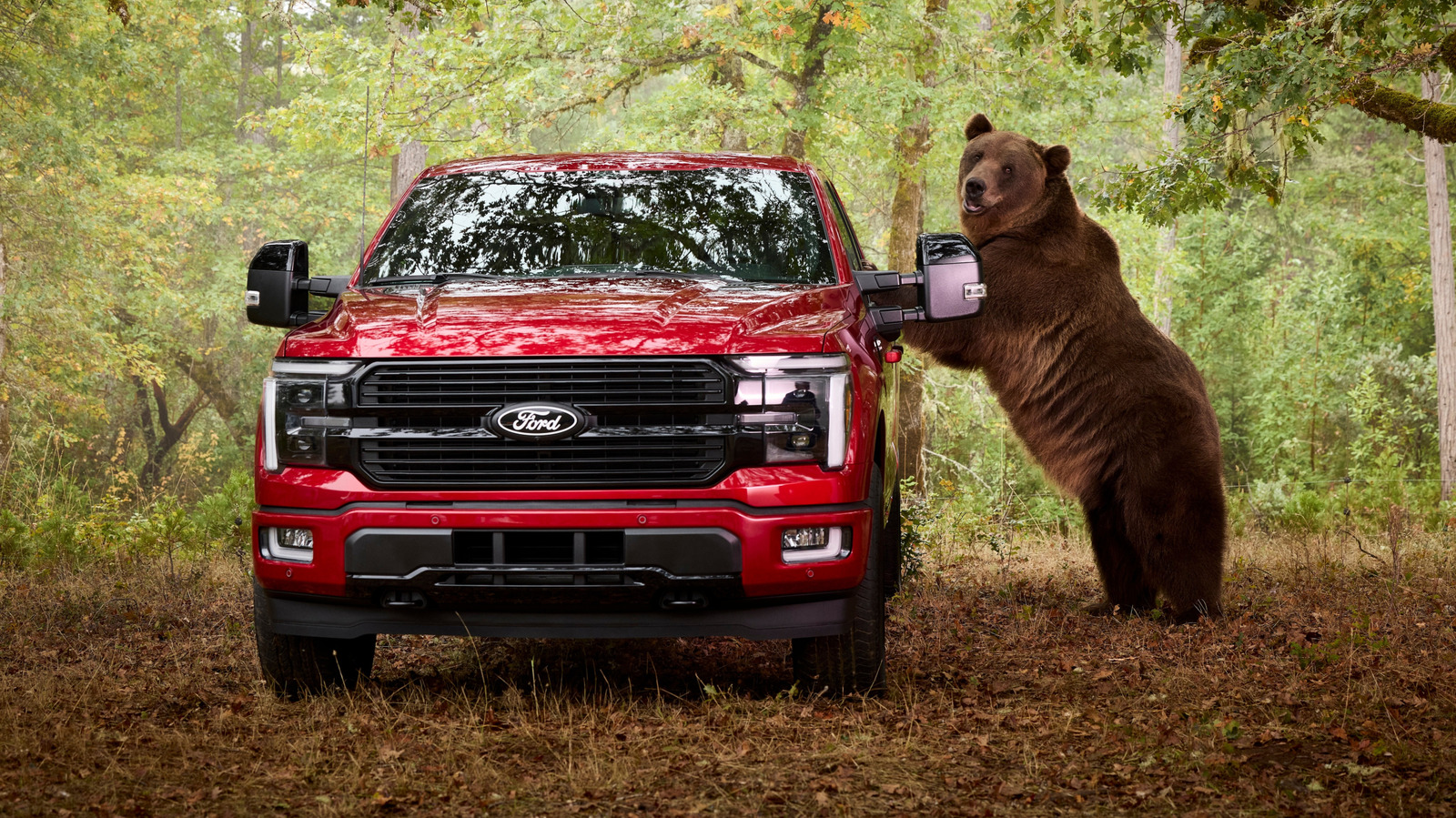
Ford F-150 Security System Demonstrates Real-Time Break-In Alerts with Live Kodiak Bear Test

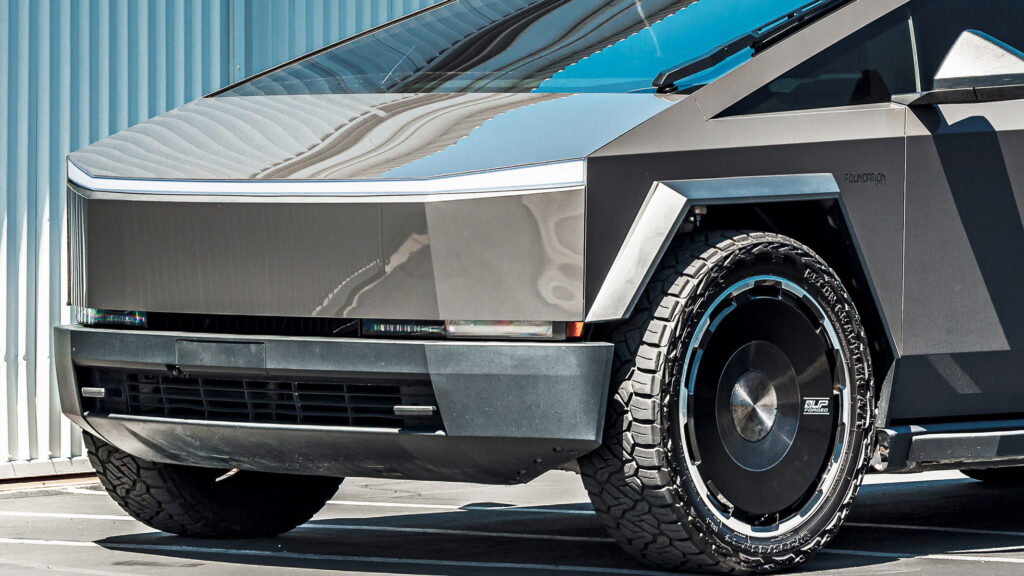
Cybrdisc Wheels Redefine Tesla Cybertruck Style and Performance for Enthusiast Owners

Transgender Drivers and Legal Vulnerability in Kansas