What Drives the Desire for Automotive Upgrades? Examining the Psychological and Practical Catalysts
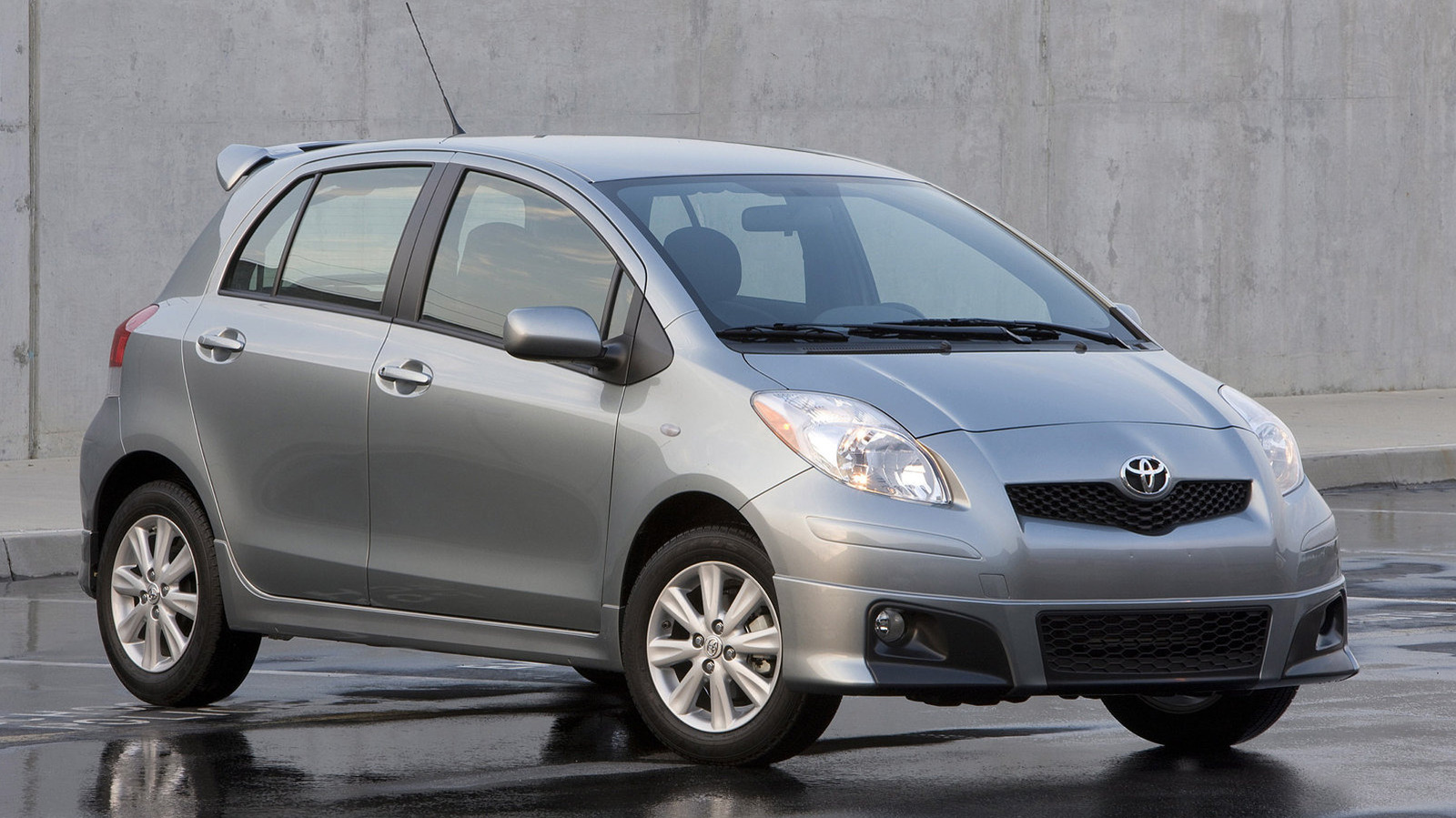
The decision to move beyond a long-held vehicle—especially one acquired through serendipitous means like a radio contest—often signals more than mere dissatisfaction with size or features. Underlying this impulse is a complex interplay of psychological adaptation and shifting life circumstances. The evidence suggests that as drivers’ needs evolve, so too does their relationship with their vehicles: what once symbolized luck or resourcefulness may, over time, come to represent constraint or obsolescence. The 2008 Toyota Yaris, emblematic of economy and minimalism, may no longer align with the owner’s current aspirations or logistical requirements. Yet, the urge to upgrade is rarely a simple function of utility; it is equally shaped by status signaling, anticipated lifestyle changes, and the subtle social pressures exerted by peers and media narratives.
How Do Shifts in Vehicle Preference Reflect Broader Societal Trends?
A move from a compact, utilitarian car to something larger and more technologically advanced is not an isolated phenomenon. Rather, it mirrors a broader cultural pivot towards vehicles that promise versatility, comfort, and a sense of modernity. This trend, while often attributed to changing family structures or increased commuting distances, is also propelled by the automotive industry’s relentless marketing of SUVs and crossovers as aspirational objects. However, the practical significance of such upgrades is contested. While larger vehicles may offer enhanced safety features and cargo capacity, they also introduce higher operating costs, increased environmental impact, and, under certain urban conditions, diminished maneuverability. The mainstream narrative, which frames bigger as inherently better, thus warrants skepticism—particularly in light of mounting evidence about the ecological and infrastructural costs of widespread upscaling.
Who Benefits and Who Loses in the Pursuit of “Bigger and More Modern”?
The transition to a larger, more modern vehicle is not a uniformly positive trajectory. For the individual, the benefits—greater comfort, perceived safety, and technological amenities—are tangible. Yet, these gains are not distributed evenly. Urban dwellers, for example, may find that larger vehicles exacerbate parking challenges and increase exposure to congestion pricing schemes. Meanwhile, the societal costs—ranging from increased carbon emissions to greater road wear—are externalized, borne by communities rather than individual upgraders. This asymmetry is often obscured by the rhetoric of personal progress, which privileges individual satisfaction over collective consequence. Moreover, those unable or unwilling to participate in the upgrade cycle may experience a subtle form of social exclusion, as norms shift around what constitutes an “adequate” vehicle.
What Are the Structural Constraints and Blind Spots in the Upgrade Narrative?
The prevailing discourse around vehicle upgrades tends to obscure several structural limitations. Financing options, insurance premiums, and the volatility of the used car market all shape the feasibility and desirability of trading up. Furthermore, the assumption that newer and larger is always preferable fails to account for the durability and reliability of older, well-maintained vehicles—an oversight that serves the interests of manufacturers and dealers more than consumers. The evidence remains mixed on whether technological advancements in newer models translate into meaningful long-term savings or safety improvements, especially when controlling for the full lifecycle costs of vehicle production and disposal.
What Should an Informed Reader Conclude About the Impulse to Upgrade?
A discerning analysis suggests that the decision to move beyond a vehicle like the 2008 Toyota Yaris should be approached with both introspection and skepticism. While the desire for greater space and modern features is understandable, it is essential to interrogate whether these needs are intrinsic or socially constructed. The most prudent course may involve a critical assessment of actual usage patterns, a candid appraisal of financial and environmental trade-offs, and a resistance to the unexamined allure of “bigger and newer.” Ultimately, the true upgrade may lie not in the vehicle itself, but in the clarity of purpose guiding the choice.