How Aftermarket Autonomy Is Quietly Redefining the Automotive Landscape
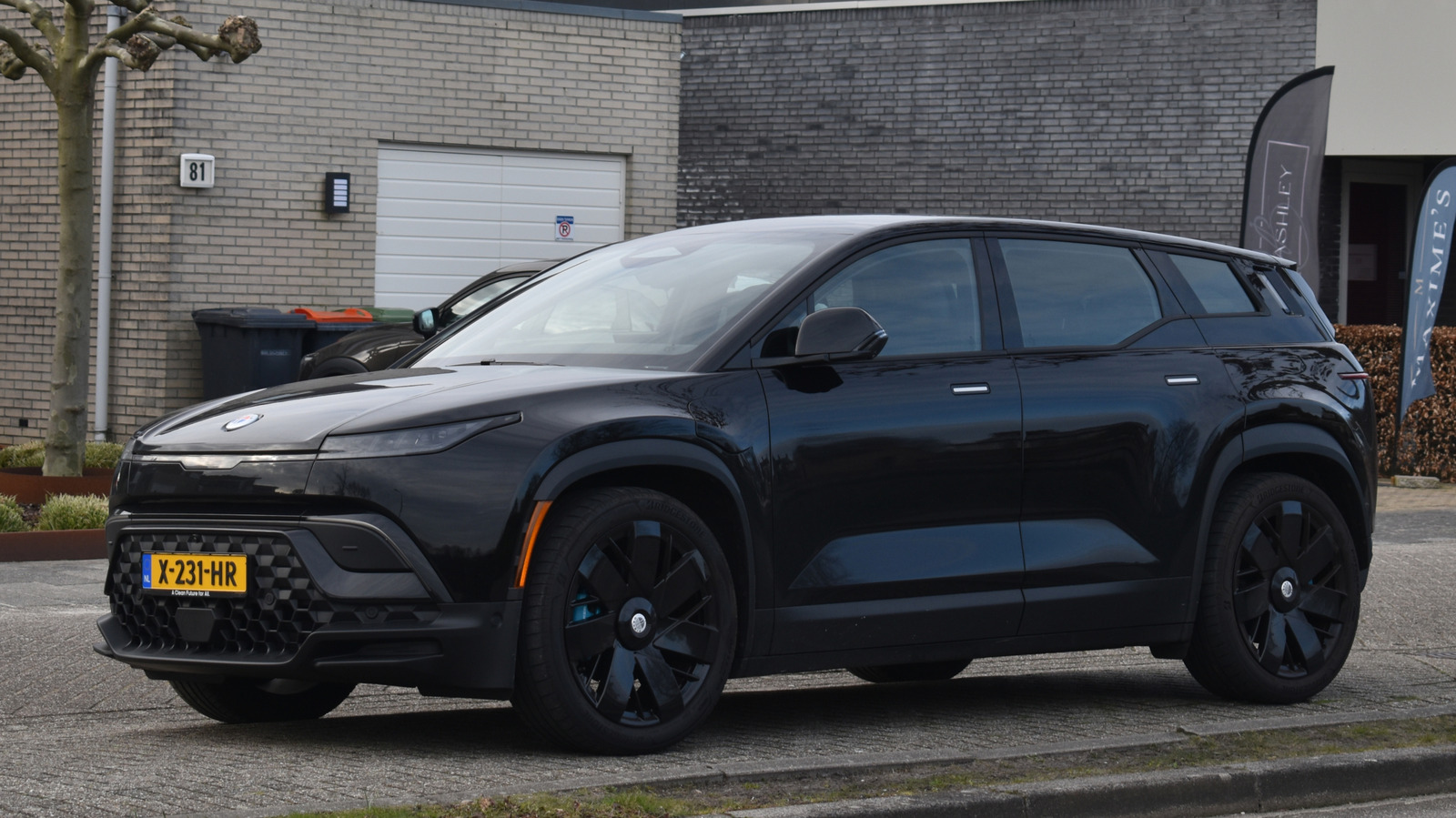
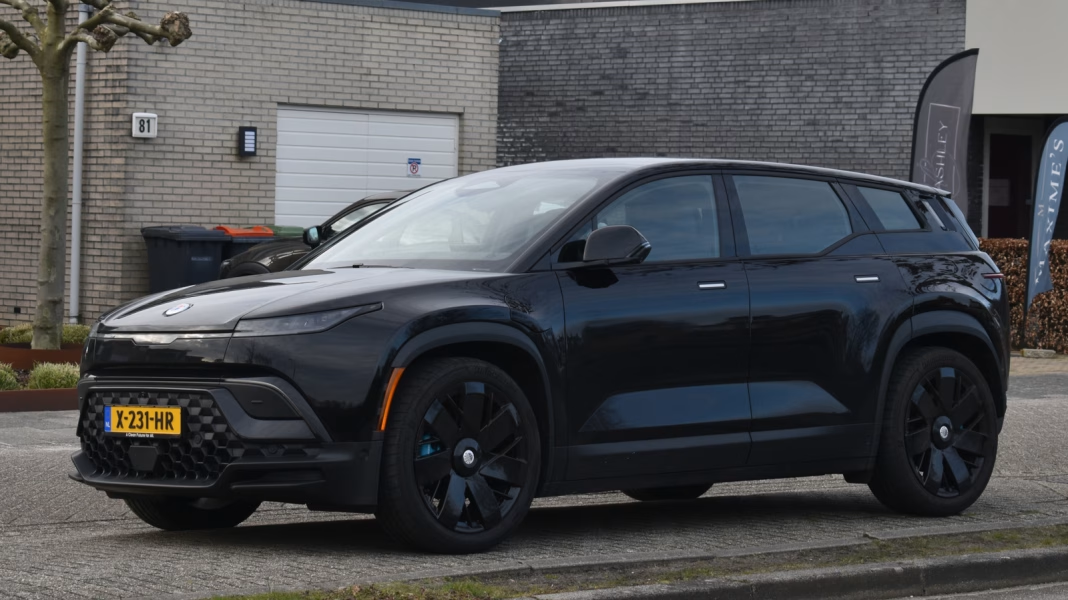
The emergence of aftermarket driver-assistance systems, such as those developed by Comma AI, signals a subtle but profound shift in the locus of automotive innovation. Rather than relying exclusively on original equipment manufacturers (OEMs) to deliver advanced features like hands-free driving, a growing cohort of drivers is turning to third-party solutions that retrofit existing vehicles. The evidence suggests that this trend is not merely a stopgap for owners of discontinued brands—such as Fisker, whose Ocean model never received its promised autonomous capabilities—but a harbinger of a broader democratization of automotive technology. By offering compatibility with more than 325 car models across specific years, Comma AI and similar firms challenge the presumption that cutting-edge features must be tethered to new vehicle purchases or the fortunes of a single automaker.
Who Benefits—and Who Is Left Behind—by Expanding Aftermarket Compatibility?
At first glance, the proliferation of aftermarket autonomy appears to empower consumers, especially those stranded by the collapse or strategic pivots of OEMs. For owners of vehicles like the Fisker Ocean, which was orphaned before its hands-free driving system reached fruition, third-party solutions offer a lifeline—an opportunity to access technology that would otherwise remain out of reach. Yet the practical significance of this compatibility is unevenly distributed. Not all vehicles, even within the nominally supported 325 models, will experience identical performance or integration. Hardware limitations, software calibration challenges, and regulatory ambiguities introduce a spectrum of user experiences, some of which may fall short of the seamlessness implied by marketing claims. Moreover, the benefits accrue disproportionately to technologically literate consumers willing to assume the risks and responsibilities of aftermarket modification.
Why the Mainstream Narrative Overlooks Structural Tensions
Prevailing commentary often frames aftermarket autonomy as a straightforward win for consumer choice, but this interpretation glosses over deeper structural tensions. OEMs, for instance, have vested interests in preserving control over the technological ecosystem of their vehicles—interests that may manifest as software locks, warranty exclusions, or legal challenges to third-party retrofits. The regulatory environment, too, remains unsettled; while the National Highway Traffic Safety Administration and its global counterparts have yet to articulate comprehensive standards for aftermarket driver-assistance systems, the absence of clear guidance leaves both consumers and innovators in a state of legal ambiguity. This liminality is not merely a bureaucratic inconvenience; it shapes the incentives for investment, the pace of adoption, and the ultimate safety outcomes for drivers and bystanders alike.
Second-Order Consequences: Innovation, Liability, and the Future of Mobility
The diffusion of aftermarket autonomy carries consequences that extend beyond the immediate circle of adopters. On one hand, the availability of retrofittable systems may accelerate the penetration of advanced safety features into the aging vehicle fleet, yielding public health benefits that OEM-driven replacement cycles cannot match. On the other, the fragmentation of responsibility between manufacturers, third-party developers, and end-users complicates the attribution of liability in the event of system failures or accidents—a challenge that existing insurance and legal frameworks are ill-equipped to resolve. Furthermore, the normalization of aftermarket modification could erode OEMs’ incentives to invest in proprietary innovation, potentially slowing the pace of integrated, system-level advances.
What Should an Informed Reader Conclude?
The rise of aftermarket driver-assistance systems is neither a panacea nor a peripheral curiosity. Rather, it is a signal phenomenon—one that exposes the limitations of current automotive business models, regulatory regimes, and consumer protection paradigms. While the promise of broader access to autonomy is real, its realization will depend on the willingness of policymakers, insurers, and manufacturers to engage with the complexities introduced by third-party innovation. For the discerning observer, the key takeaway is not the headline number of compatible vehicles, but the underlying contest over who controls the future of mobility—and on what terms.