What Drives the Obsession with Pikes Peak Records?
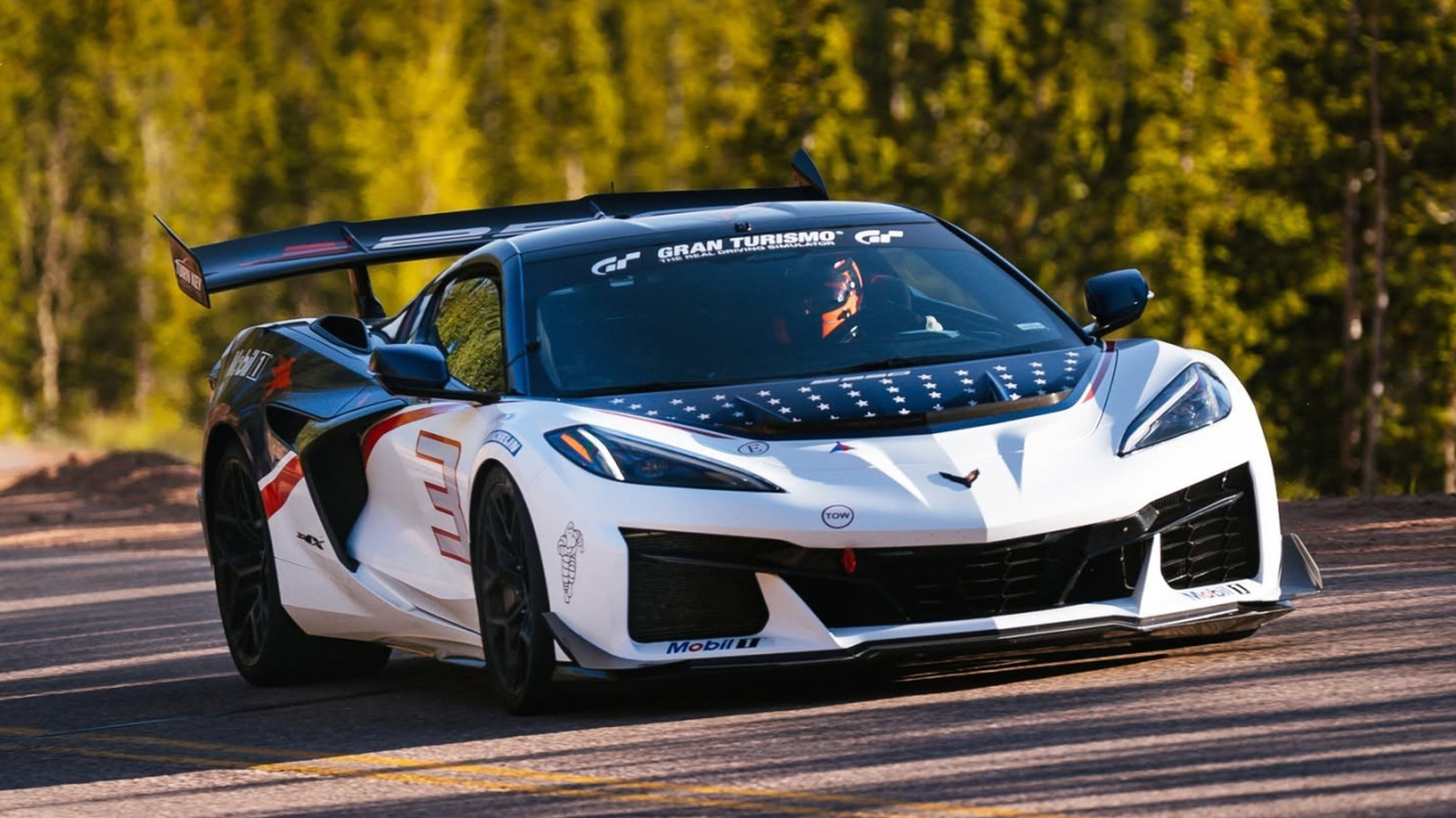
The relentless pursuit of records at Pikes Peak is not merely a contest of speed; it is a crucible for technological ambition and human daring. The 1,250-horsepower Corvette ZR1X’s recent ascent, piloted by JR Hildebrand, offers a revealing case study. By eclipsing the previous production car record by a margin of 23 seconds—a gulf in motorsport terms—the ZR1X did more than outperform its predecessors. It reframed the boundaries of what a street-legal vehicle can achieve under extreme conditions. Yet, the magnitude of this achievement invites scrutiny: is it a testament to the evolution of production car engineering, or does it expose the increasingly blurred line between road and race machines?
How Does the ZR1X Redefine the Production Car Category?
The term “production car” has always been a site of contestation, its definition shifting with regulatory, commercial, and cultural tides. The ZR1X’s configuration—boasting 1,250 horsepower and advanced aerodynamics—raises questions about the meaningfulness of the category itself. While homologation rules ostensibly ensure that such vehicles remain tethered to consumer realities, the practical gap between a showroom model and a purpose-built hillclimb car has arguably never been wider. The evidence suggests that, under current conditions, the production car label functions more as a marketing device than a rigorous technical standard. This ambiguity matters: it shapes consumer expectations, regulatory oversight, and the allocation of engineering resources within the industry.
Why Does a 23-Second Margin Matter—And What Are Its Limits?
A 23-second improvement on a course as treacherous and variable as Pikes Peak is, by any reasonable metric, extraordinary. However, the practical significance of this margin depends on contextual factors often glossed over in celebratory headlines. Weather, tire technology, and course surface can each exert outsized influence on elapsed times. Moreover, the ZR1X’s performance, while impressive, may not be fully generalizable to other production vehicles or even to future attempts under different conditions. The record, then, is both a milestone and a methodological artifact—remarkable, but not immune to the contingencies of motorsport.
Who Benefits—and Who Is Left Out—by Such Feats?
The spectacle of record-breaking runs at Pikes Peak serves multiple constituencies. Manufacturers leverage these achievements to burnish their brand’s technical prowess, while drivers and teams gain reputational capital. Yet, the broader public—ostensibly the intended beneficiary of “production” car advancements—may find the relevance of such feats increasingly abstract. The gulf between a 1,250-horsepower hillclimb special and the realities of daily driving is not merely quantitative; it is categorical. This dynamic risks reinforcing a bifurcation in automotive culture, where innovation is celebrated in rarefied contexts but fails to translate meaningfully to mass-market utility or sustainability.
What Should an Informed Observer Conclude?
The ZR1X’s record-shattering run at Pikes Peak is, without question, a technical tour de force. However, an analytically rigorous perspective must resist the temptation to treat such achievements as self-justifying. The evidence points to a motorsport landscape where the symbolic value of “production” records increasingly outpaces their substantive connection to everyday automotive experience. For stakeholders—engineers, regulators, and consumers alike—the challenge is to interrogate not just what is possible at the limits, but what is desirable, sustainable, and relevant beyond the spectacle.