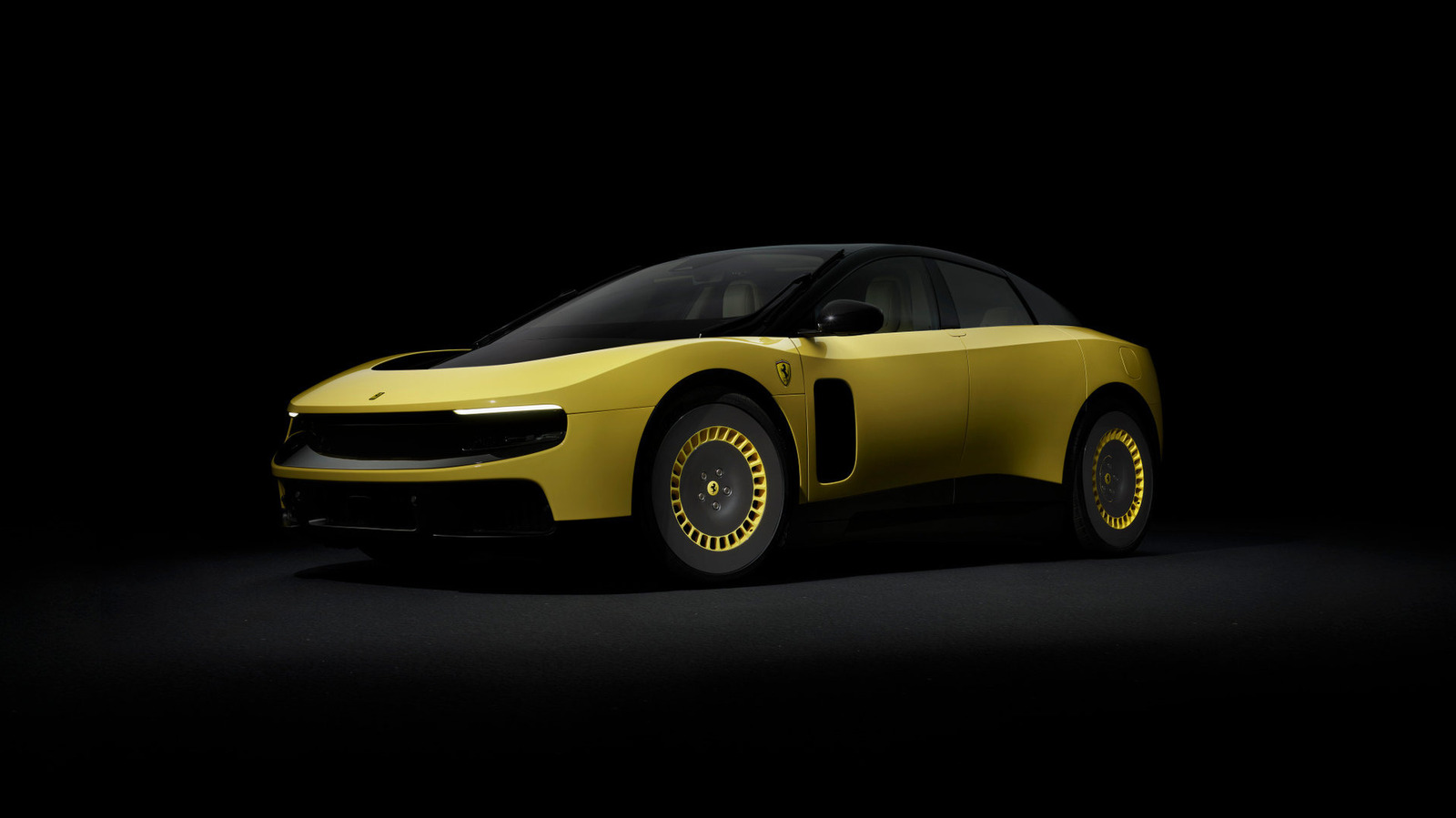
Why Do Aesthetically Polarizing Cars Inspire Fierce Loyalty?
The phenomenon of car enthusiasts passionately defending vehicles widely derided as “ugly” reveals a complex interplay between personal identity, cultural signaling, and the shifting boundaries of taste. While the automotive industry has long trafficked in the promise of beauty—streamlined forms, harmonious proportions, and the seductive gleam of chrome—there exists a parallel tradition: the embrace of the unconventional, the awkward, the visually jarring. This is not mere contrarianism. Rather, the evidence suggests that defending an “ugly” car can serve as a declaration of independence from mainstream values, a badge of insider knowledge, or even a critique of the homogenizing pressures of mass-market design.
What Drives the Attachment to Unconventional Automotive Design?
Attachment to so-called ugly cars frequently transcends aesthetics. For some, the appeal lies in engineering eccentricity: vehicles whose ungainly exteriors mask technical innovation or mechanical robustness. Others are drawn by nostalgia, the car’s oddness evoking a lost era or a personal history. There is also a performative dimension—publicly championing a maligned design can function as a social signal, demarcating the enthusiast from the unreflective consumer. Yet, this interpretive angle is not uncontested. Some critics argue that such defenses merely rationalize poor design choices or reflect a form of aesthetic Stockholm syndrome, where repeated exposure breeds affection. The more persuasive view, however, recognizes the multiplicity of meanings these vehicles accrue, meanings that cannot be reduced to surface-level appearance alone.
How Do Social Dynamics Shape the Debate Over Automotive “Ugliness”?
The public contest over what constitutes an ugly car is rarely settled by reference to objective criteria. Instead, it is shaped by generational divides, regional preferences, and the evolving context of automotive fashion. A design dismissed as grotesque in one decade may be reappraised as visionary in another; the evidence for such reversals is ample, though not universal. Online forums and comment sections, far from being mere echo chambers, often function as arenas where the boundaries of taste are renegotiated in real time. The willingness to “risk it all” in defense of a maligned vehicle is thus less about the car itself than about the ongoing struggle to define what counts as legitimate enthusiasm.
What Are the Broader Implications of Defending the “Ugly” Car?
The stakes of this debate extend beyond the automotive world. At issue is the broader question of how societies negotiate the tension between conformity and individuality, between expert authority and grassroots dissent. When enthusiasts champion the ugly car, they implicitly challenge the notion that value is synonymous with consensus. This has second-order consequences: it encourages manufacturers to take creative risks, destabilizes the tyranny of the focus group, and reminds us that taste is not a fixed property but a site of perpetual contestation. Yet, the practical significance of such defenses should not be overstated. Most “ugly” cars remain niche phenomena, their defenders outnumbered by detractors. Still, their presence in the cultural landscape serves as a persistent irritant—one that keeps the conversation about design, value, and belonging productively unsettled.
What Judgment Should the Informed Reader Draw?
To dismiss the defense of ugly cars as mere eccentricity is to miss the deeper currents at play. These debates illuminate the ways in which personal attachment, social signaling, and cultural memory intersect to shape our judgments of value. The informed reader, recognizing the methodological limits of taste surveys and the volatility of aesthetic norms, might do well to approach such arguments not as zero-sum contests but as opportunities to interrogate their own assumptions. In the end, the willingness to defend the maligned or misunderstood may be less a matter of taste than a quiet act of resistance—one that keeps the boundaries of the possible open, both on the road and in the imagination.