What Drives the Enduring Allure of Hidden Compartments in Luxury Vehicles?
The persistent fascination with concealed storage in high-end pickups—regardless of any illicit intent—signals something deeper than mere novelty or nostalgia. At its core, the appeal seems to rest on a convergence of psychological and cultural factors: the thrill of secrecy, the assertion of control over one’s environment, and the subtle signaling of exclusivity. While the ostensible function is practical—protecting valuables from theft or prying eyes—the evidence suggests that for many, the hidden compartment is less about utility and more about the satisfaction of possessing a private domain within a public object. This interpretation, though not universally applicable, gains plausibility when considering the disproportionate attention such features receive in marketing and enthusiast circles, often outstripping their actual use cases.
How Do Hidden Compartments Reflect Shifting Consumer Desires in the Luxury Truck Market?
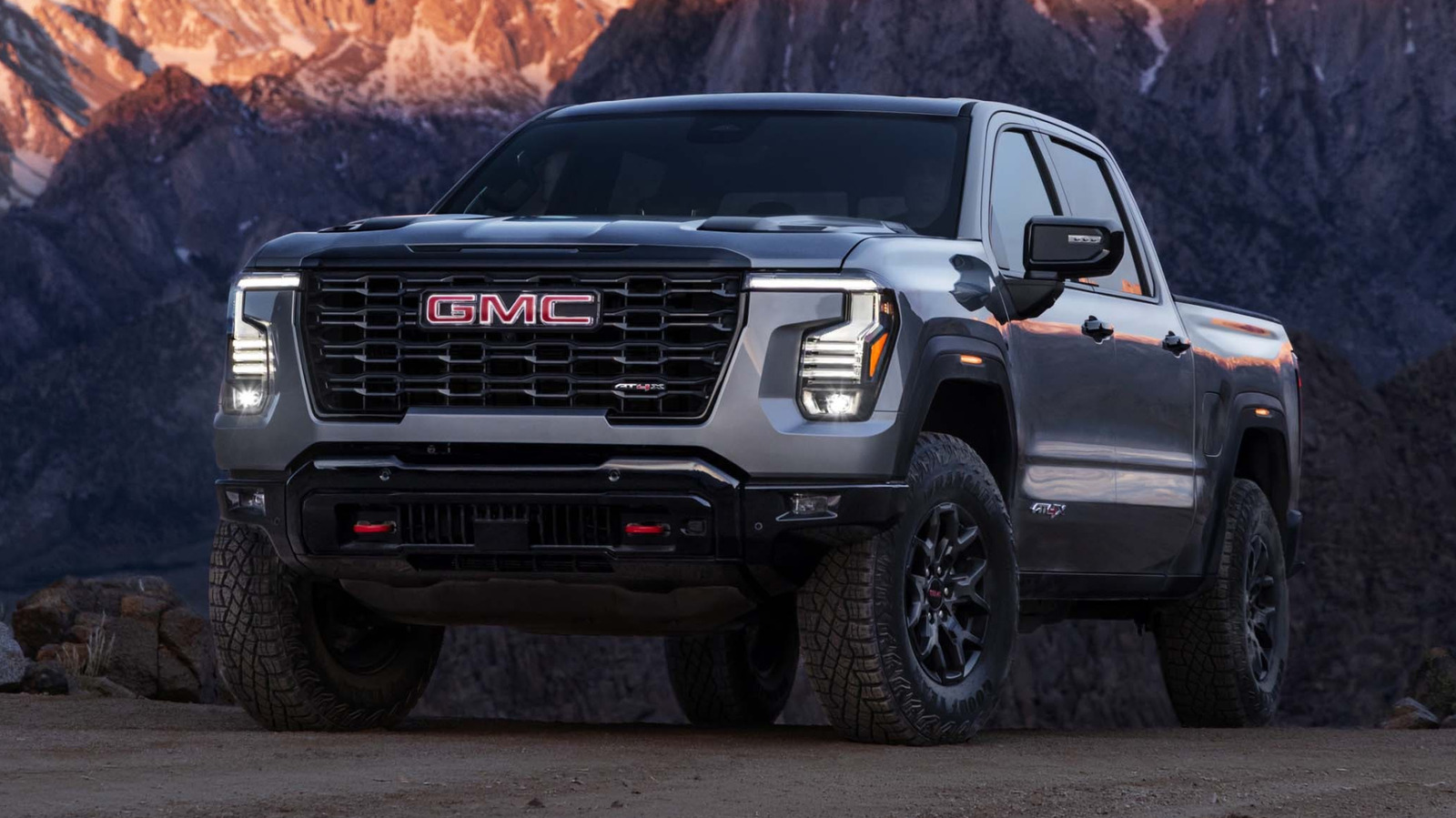
The integration of secret storage into vehicles like the Denali pickup is not a trivial design flourish. Rather, it reflects a broader shift in the luxury automotive sector, where status is increasingly communicated through bespoke, personalized features rather than ostentatious displays. In this context, the hidden compartment becomes a microcosm of the industry’s pivot toward experiential luxury—an amenity that offers not just function, but a sense of discovery and narrative. Yet, this trend is not without its contradictions. While manufacturers tout these features as innovative, the underlying mechanism—a concealed space behind a screen or panel—remains technologically modest. The real innovation, arguably, lies in the marketing: transforming a utilitarian concept into an emblem of sophistication. This dynamic raises questions about the authenticity of luxury in an era where differentiation is often achieved through artful repackaging of the familiar.
Who Benefits and Who Is Excluded by the Proliferation of Concealed Storage Features?
On the surface, the addition of hidden compartments appears to democratize security and privacy, offering all owners a means to safeguard personal effects. However, a closer examination reveals a more nuanced reality. The practical benefits accrue primarily to those with specific needs—contractors carrying sensitive documents, travelers with valuables, or individuals in regions where vehicle break-ins are common. For the majority, the compartment may serve as little more than a conversation piece. Moreover, there are latent risks: law enforcement agencies have, in some jurisdictions, treated the mere presence of hidden compartments as grounds for suspicion, regardless of their contents. Thus, what is marketed as an innocuous luxury can, under certain conditions, expose owners to unintended scrutiny or legal ambiguity. The distribution of benefits and risks is therefore uneven, shaped by geography, profession, and even local legal cultures.
What Are the Structural and Cultural Blind Spots in Mainstream Interpretations?
Mainstream narratives tend to romanticize hidden compartments as symbols of ingenuity or playful subversion. Yet, this framing obscures several important dimensions. Structurally, the focus on individual security can distract from broader systemic issues—such as why owners feel compelled to hide valuables in the first place, or how the normalization of secrecy might intersect with societal debates on privacy and surveillance. Culturally, the celebration of hidden spaces in luxury vehicles may reinforce exclusionary notions of privilege: the ability to possess secrets, and the means to safeguard them, is not distributed equally. Furthermore, the compartment’s existence can serve as a metaphor for the compartmentalization of risk and responsibility in contemporary consumer culture, where the onus for security is shifted from institutions to individuals.
What Should an Informed Reader Conclude About the Significance of Hidden Compartments?
The evidence, while suggestive rather than definitive, points toward a paradox: the hidden compartment in a luxury pickup is simultaneously a practical amenity, a psychological comfort, and a cultural artifact. Its significance lies less in its capacity to conceal objects than in its ability to reveal anxieties and aspirations—about privacy, status, and control—in a world where transparency is both demanded and distrusted. For the discerning observer, the proliferation of such features invites skepticism about the promises of luxury branding, and a critical awareness of the ways in which consumer desires are shaped, satisfied, and sometimes manipulated by design. The hidden compartment, in short, is never just a place to stash your keys. It is a mirror—reflecting both the visible and invisible contours of contemporary life.