How Does the Alleged Vandalism Complicate Accountability for the Diesel Spill?
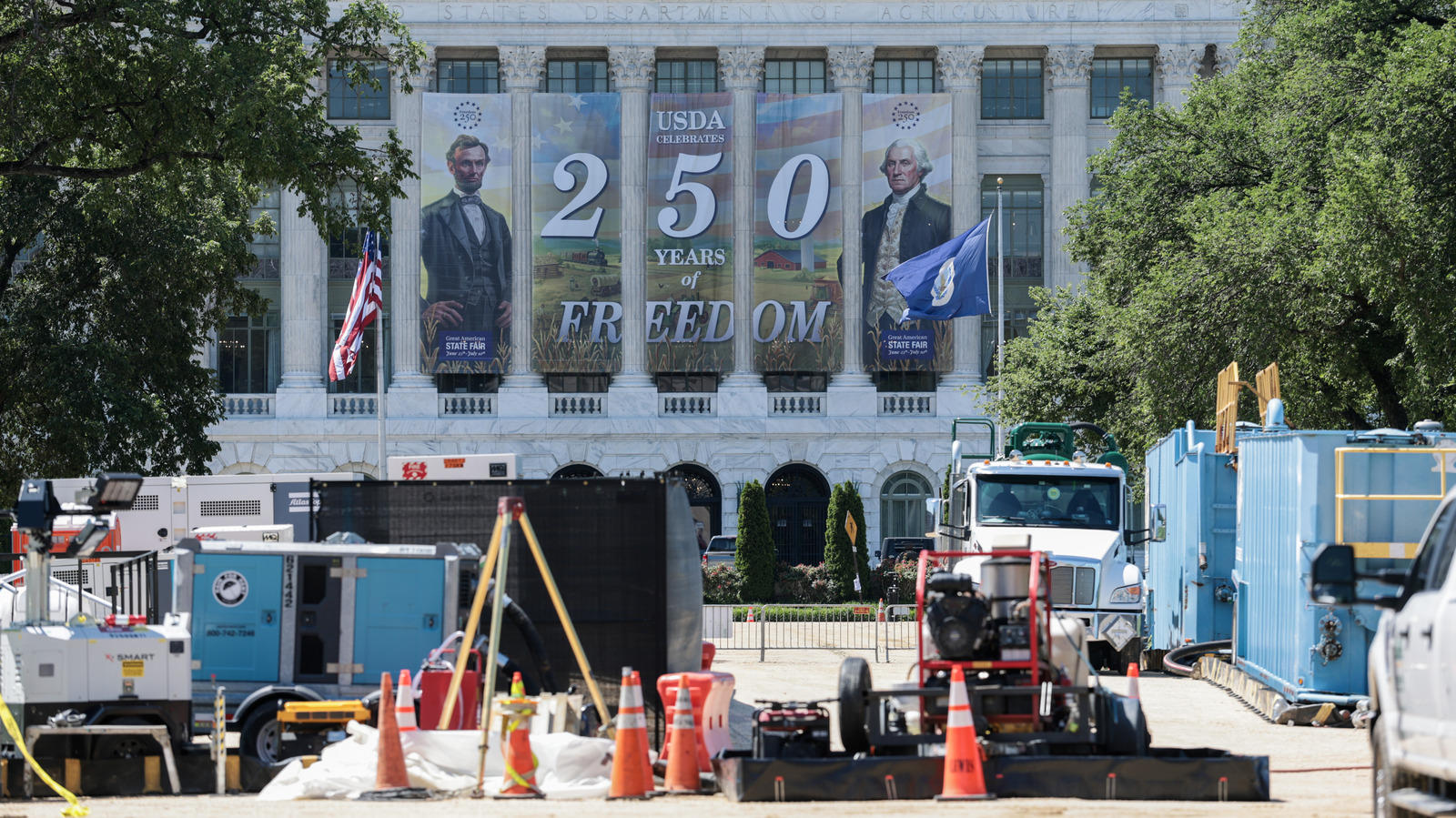
The assertion by event organizers that vandalism caused the diesel spill on the National Mall introduces a layer of ambiguity into the question of responsibility. If deliberate sabotage did occur, the locus of blame shifts from operational negligence to criminal intent, complicating both legal recourse and public perception. Yet, absent independent verification, such claims risk functioning as a rhetorical shield, deflecting scrutiny from event management practices. The evidence, as reported, remains circumstantial; without forensic confirmation or credible eyewitness accounts, the vandalism narrative should be treated as provisional rather than definitive. This ambiguity matters because it shapes not only immediate liability but also the broader regulatory response—whether the incident is treated as an isolated act or as a symptom of systemic vulnerability in event oversight.
What Are the Environmental and Public Health Implications of Diesel Contamination in Urban Irrigation Systems?
Diesel fuel, when introduced into irrigation water, poses acute risks to both the environment and public health. The National Mall’s grass, irrigated by this compromised supply, may suffer phytotoxic effects, with root systems absorbing hydrocarbons that inhibit growth and potentially render the turf hazardous for human contact. More insidiously, the volatilization of diesel components can lead to localized air quality degradation, particularly under warm conditions. The scale of the spill—30 gallons, according to preliminary accounts—may seem modest in absolute terms, but the context is critical: the Mall’s high foot traffic and symbolic status amplify the consequences of even minor contamination events. Moreover, the persistence of diesel residues in soil and water systems is not trivial; remediation efforts can be protracted and costly, especially in densely visited public spaces.
Why Might Prevailing Interpretations Underestimate the Broader Consequences?
Mainstream narratives often focus on the immediate logistical disruption or the spectacle of environmental remediation, neglecting the subtler, longer-term ramifications. For instance, repeated contamination events—regardless of cause—can erode public trust in the stewardship of shared civic spaces. There is also a risk of regulatory complacency if incidents are too readily attributed to isolated bad actors rather than scrutinized for underlying procedural weaknesses. The incident’s timing, coinciding with a high-profile event, raises questions about the adequacy of risk assessments and contingency planning, yet such systemic critiques rarely penetrate beyond the news cycle. Furthermore, the demographic most affected may not be the event organizers or even the immediate visitors, but rather the maintenance workers and local residents who interact with the Mall’s ecosystem over time.
What Structural Limitations and Blind Spots Does This Incident Reveal?
The reliance on open irrigation systems in a high-visibility, high-traffic urban park creates a structural vulnerability—one that is not easily mitigated by surveillance or post-hoc investigation. The incident exposes a blind spot in event risk management: the assumption that physical infrastructure is inherently secure, or that intentional contamination is too improbable to warrant robust preventative measures. Institutional incentives may also play a role; event organizers and municipal authorities alike have reputational interests in minimizing the perceived severity or frequency of such incidents. The absence of transparent, third-party investigation protocols further compounds the difficulty of establishing causality and accountability.
What Should an Informed Reader Conclude About Managing Public Space Risks?
The evidence suggests that the management of public spaces—particularly those with symbolic and practical significance—requires a more nuanced approach to risk assessment. Rather than defaulting to narratives of isolated malfeasance or accidental mishap, stakeholders should interrogate the structural conditions that enable such incidents. This means investing in both preventative infrastructure and transparent, independent oversight mechanisms. For the informed reader, the lesson is not merely to demand accountability after the fact, but to advocate for systemic resilience: a posture that anticipates, rather than merely reacts to, the complex interplay of human error, malice, and infrastructural fragility.