
Reassessing the Origins of Direct-Injection Diesel Engines: A Case of Overlooked Innovation
How Far Back Does Direct-Injection Diesel Technology Truly Reach?
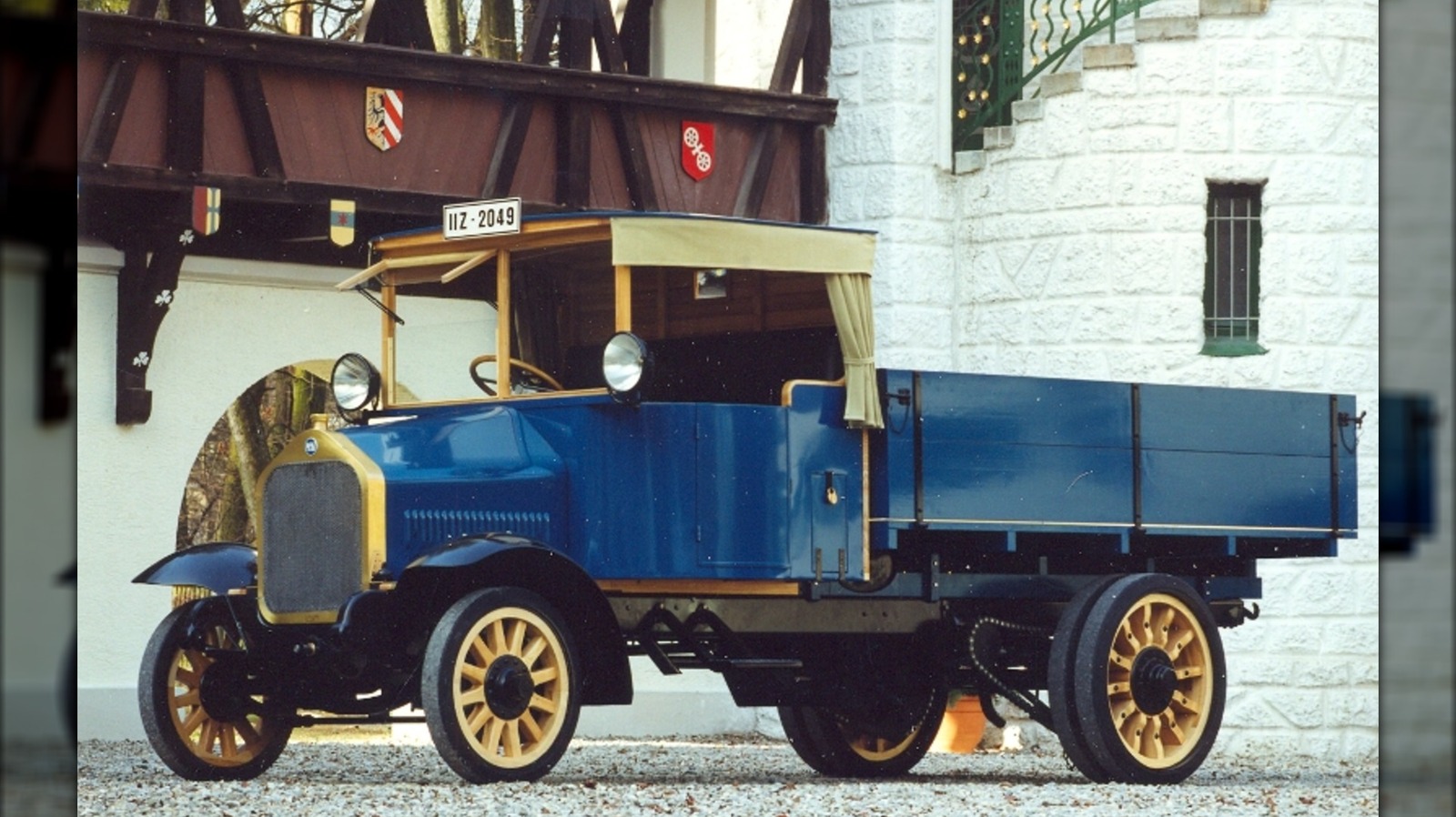
Prevailing narratives often situate the advent of direct-injection diesel engines in the technological ferment of the 1980s, a period marked by rapid advances in automotive engineering and a growing appetite for efficiency. Yet, a closer examination of historical records reveals that the core innovation—diesel combustion without intermediary plumbing—predates this era by several decades. The evidence suggests that the first practical application of direct-injection in a road vehicle emerged in the early twentieth century, challenging the conventional chronology and inviting a reappraisal of the field’s developmental arc.
What Mechanisms Enabled Early Direct-Injection Diesels, and Why Were They Overlooked?
The technical leap of direct-injection lies in its ability to deliver fuel directly into the combustion chamber, bypassing the pre-combustion chambers and swirl mechanisms that characterized earlier diesel designs. This approach, while conceptually straightforward, demanded precision manufacturing and robust materials—requirements that were only sporadically met in the interwar and immediate postwar periods. The limited adoption of these engines, often confined to heavy-duty or experimental vehicles, obscured their significance in the broader automotive consciousness. Archival photographs and engineering documents from the 1930s and 1940s, however, attest to the existence of such engines well before their mass-market resurgence. The mainstream’s neglect of these early examples may be attributed less to technical inferiority than to the inertia of established supply chains and the conservatism of major manufacturers.
Why Does the Timeline Matter Beyond Historical Curiosity?
The stakes of this chronological revision extend beyond mere historical pedantry. If direct-injection diesel technology was viable—and in some cases, operational—decades before its supposed mainstream debut, then the pace of automotive innovation is revealed as less a function of technical possibility and more a consequence of institutional and economic constraints. This insight complicates the narrative of linear progress, suggesting that periods of apparent stasis may mask pockets of underappreciated ingenuity. For policymakers and industry strategists, such a realization carries implications for how emerging technologies are evaluated, funded, and integrated into existing infrastructures.
Who Benefits and Who Loses When Technological Pioneers Are Forgotten?
The erasure of early direct-injection diesel pioneers from the canonical history of automotive engineering has distributive consequences. Innovators whose work predates the recognized timeline are denied their due, while later entrants may be credited with breakthroughs that are, in fact, iterative refinements. More subtly, the selective memory of the industry can skew research priorities, channeling resources toward “new” solutions that are, in reality, rediscoveries. For contemporary engineers and historians alike, the lesson is clear: a vigilant, critical approach to technological genealogy is not merely academic—it is essential for an accurate understanding of progress and its discontents.
What Are the Structural Blind Spots and Second-Order Effects?
The persistence of the 1980s origin myth for direct-injection diesels exemplifies a broader structural blind spot: the tendency to conflate commercial success with technical invention. This conflation risks undervaluing innovations that, for reasons of timing, geography, or institutional inertia, failed to achieve immediate market traction. Moreover, the rediscovery of “lost” technologies can produce second-order effects—such as sudden regulatory shifts or patent disputes—that ripple across the industry. In the case of direct-injection diesels, the belated recognition of their true origins may prompt a reassessment of intellectual property claims and a recalibration of historical credit.
What Should the Informed Reader Conclude?
For those seeking to understand the dynamics of technological change, the case of the early direct-injection diesel engine serves as a cautionary tale. Progress is neither as linear nor as inevitable as retrospective accounts often suggest. Instead, it is shaped by a complex interplay of technical, economic, and institutional factors—some of which actively suppress or delay the adoption of viable innovations. The prudent observer will therefore approach claims of “firsts” with skepticism, recognizing that the true history of technology is often richer, more contested, and more instructive than the standard narratives allow.