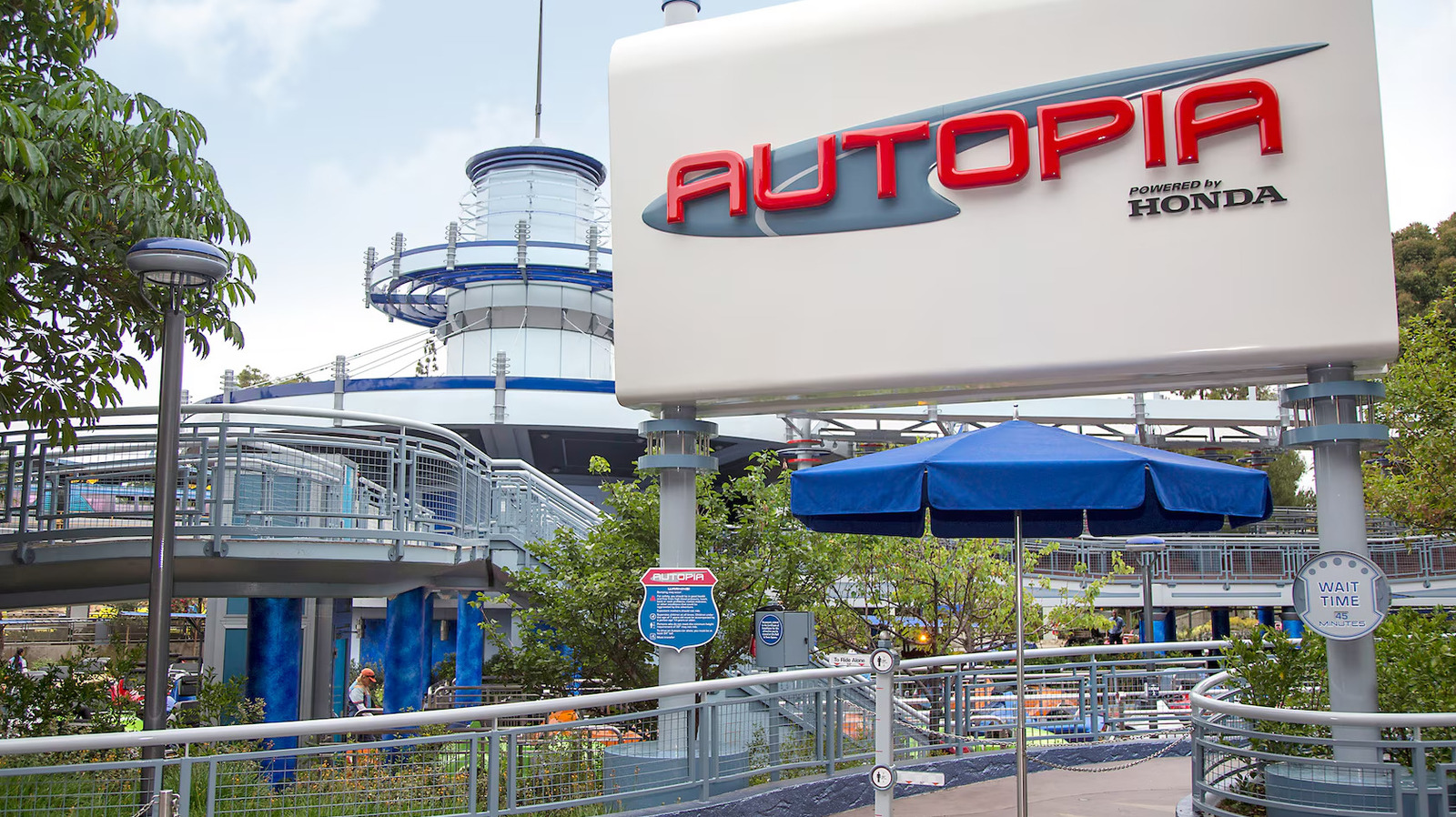
What Drives Disneyland’s Reluctance to Electrify Autopia?
The announcement that Disneyland would transition its iconic Autopia ride from gasoline to electric vehicles initially appeared to signal a straightforward embrace of environmental responsibility. Yet, as of mid-2024, no tangible progress has materialized. This inertia, while superficially attributable to technical or logistical delays, in fact reveals a more intricate interplay of regulatory pressure, institutional inertia, and reputational risk management.
The ostensible rationale—compliance with California’s tightening emissions standards—fails to account for the protracted timeline. Regulatory documents indicate that the state imposed a clear deadline for emissions remediation, suggesting that Disneyland’s delay is not merely a matter of engineering complexity. Rather, the evidence points to a deeper reluctance to disrupt a nostalgic attraction whose gas-powered aesthetic is integral to its brand identity. The tension between regulatory compliance and the preservation of curated nostalgia creates a dilemma: electrification risks alienating a subset of visitors for whom the sensory experience of combustion engines is inseparable from childhood memory. This is not a trivial consideration for a company whose business model depends on the careful curation of affective experience.
How Did Scandal Complicate the Electrification Narrative?
Recent disclosures suggest that the electrification plan was not simply a proactive environmental gesture but was catalyzed by external scrutiny. Reports of a scandal—details of which remain partially redacted—implicate both Disneyland and local regulators in a pattern of delayed enforcement and opaque negotiations. This context complicates the public narrative: rather than leading on sustainability, Disneyland appears to have responded reactively, only after the risk of reputational damage became acute.
The practical significance of this revelation is twofold. First, it undermines the credibility of corporate sustainability commitments when such pledges are revealed to be contingent, not categorical. Second, it exposes the structural limitations of voluntary environmentalism in contexts where regulatory capture or mutual accommodation is plausible. The Disneyland case thus serves as a microcosm of a broader pattern in which high-profile institutions leverage their cultural capital to negotiate regulatory leniency, at least until public scrutiny renders such arrangements untenable.
Who Bears the Hidden Costs of Delay?
While the most visible stakeholders are Disneyland’s management and its millions of annual visitors, the less visible consequences accrue to local communities and workers. Prolonged operation of gas-powered vehicles in a densely trafficked amusement park generates localized air pollution, with disproportionate effects on low-wage employees and nearby residents. The epidemiological literature on ultrafine particulate exposure suggests that even marginal increases in emissions can have nontrivial health consequences over time, particularly for children and service workers. Yet, these costs are rarely internalized in corporate decision-making, and the affected populations lack the leverage to compel swifter action.
Moreover, the delay in electrification has second-order consequences for the broader adoption of clean technologies in the entertainment sector. When a flagship institution such as Disneyland hesitates, it signals to peer organizations that the reputational and operational risks of transition may outweigh the benefits, at least in the short term. This chilling effect is difficult to quantify but arguably more consequential than the direct emissions from a single ride.
What Should Informed Observers Conclude?
The Disneyland Autopia case resists simplistic narratives of progress or obstruction. The available evidence suggests that the transition to electric vehicles is less a matter of technical feasibility than of institutional will, shaped by competing imperatives of nostalgia, regulatory compliance, and reputational risk. The scandal that precipitated renewed scrutiny underscores the fragility of voluntary sustainability commitments in the absence of robust oversight.
For stakeholders concerned with environmental justice and institutional accountability, the lesson is clear: public commitments must be interrogated for their underlying contingencies, and regulatory frameworks must be designed to withstand the gravitational pull of corporate influence. The Disneyland episode, while seemingly parochial, illuminates the broader dynamics by which cultural institutions negotiate the boundaries of environmental responsibility—often to the detriment of those least empowered to shape the outcome.