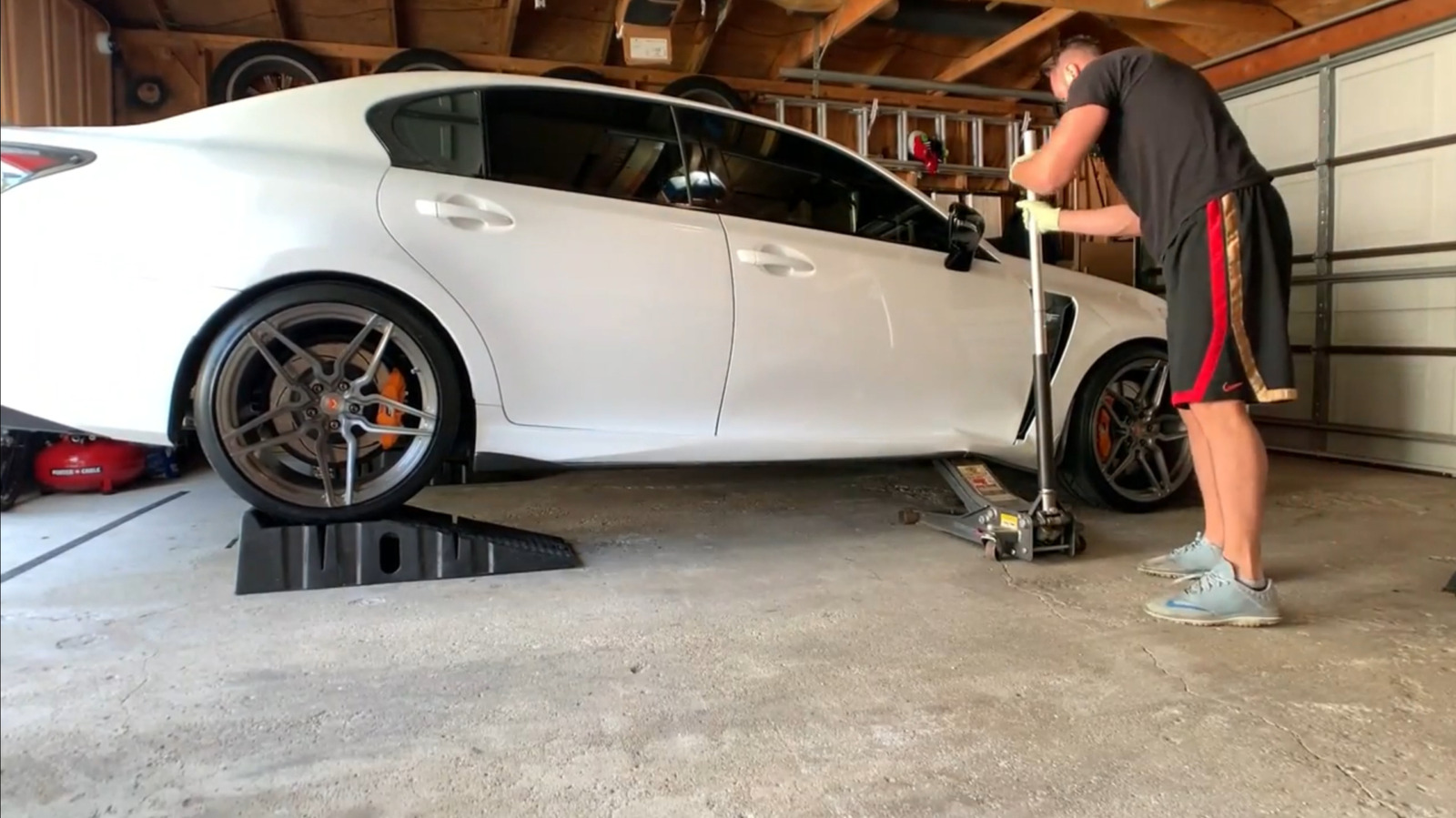
When Does DIY Car Maintenance Cross the Line from Empowerment to Catastrophe?
The ethos of do-it-yourself car repair is often celebrated as a form of mechanical self-sufficiency, a bulwark against the perceived opacity and expense of professional auto shops. Yet, the boundary between prudent tinkering and irreversible damage is neither fixed nor obvious. The evidence suggests that, while many enthusiasts successfully execute routine maintenance or even complex upgrades, a significant subset inadvertently inflicts harm that outweighs any cost savings or personal satisfaction. This dynamic is not simply a matter of individual skill or recklessness; rather, it reflects deeper tensions between the democratization of technical knowledge and the increasing complexity of modern vehicles.
Why Do Well-Intentioned Repairs So Often Backfire?
At the core of many DIY disasters lies a mismatch between perceived and actual competence. The proliferation of online tutorials and forums has fostered a sense of accessibility, yet these resources rarely convey the tacit knowledge or diagnostic nuance that professionals acquire through years of experience. For example, replacing brake pads or changing oil appears straightforward in isolation, but the risk of compounding errors—such as improper torque application or contamination of sensitive components—remains high for the uninitiated. Moreover, the modular design of contemporary vehicles, while theoretically facilitating part replacement, often conceals interdependencies that can render a minor misstep catastrophic. The literature on cognitive bias in technical domains underscores this pattern: overconfidence, fueled by partial understanding, routinely leads to errors of omission and commission.
Who Bears the Hidden Costs of DIY Failures?
The immediate victim of a botched repair is, of course, the vehicle owner. However, the consequences ripple outward. Family members and passengers may be exposed to safety hazards that are not immediately apparent—faulty brakes, compromised steering, or electrical shorts can manifest only under stress, with little warning. Insurance claims arising from DIY-induced failures are often contested, as adjusters scrutinize the provenance of non-professional repairs. In aggregate, these incidents may subtly influence actuarial models, raising premiums for entire risk pools. There is also a secondary market effect: vehicles with poorly documented or amateur repairs tend to depreciate more rapidly, as prospective buyers discount for uncertainty and the specter of latent defects.
How Do Structural Factors Shape the Prevalence and Impact of DIY Mishaps?
The temptation to undertake complex repairs without adequate preparation is not distributed evenly across the population. Economic constraints, distrust of service providers, and cultural valorization of self-reliance all play a role. Yet, the structural limitations of the DIY approach have become more pronounced as automakers integrate proprietary electronics, sealed systems, and software-locked components. These evolutions, while ostensibly motivated by efficiency and emissions compliance, also serve to entrench manufacturer control and limit the scope of owner intervention. The resulting tension—between the desire for autonomy and the reality of engineered opacity—remains a flashpoint in debates over right-to-repair legislation.
What Should an Informed Vehicle Owner Conclude?
The romantic ideal of the home mechanic, while not wholly obsolete, demands recalibration. For tasks with clear, well-documented procedures and minimal downstream risk, DIY remains a viable and even rewarding option. However, the prudent owner must recognize the limits of publicly available knowledge and the potential for unintended consequences. Where ambiguity or high stakes are present—particularly in systems affecting safety or emissions—professional intervention is not merely a matter of convenience but of risk management. Ultimately, the most sophisticated form of self-reliance may be the discernment to know when to step back.