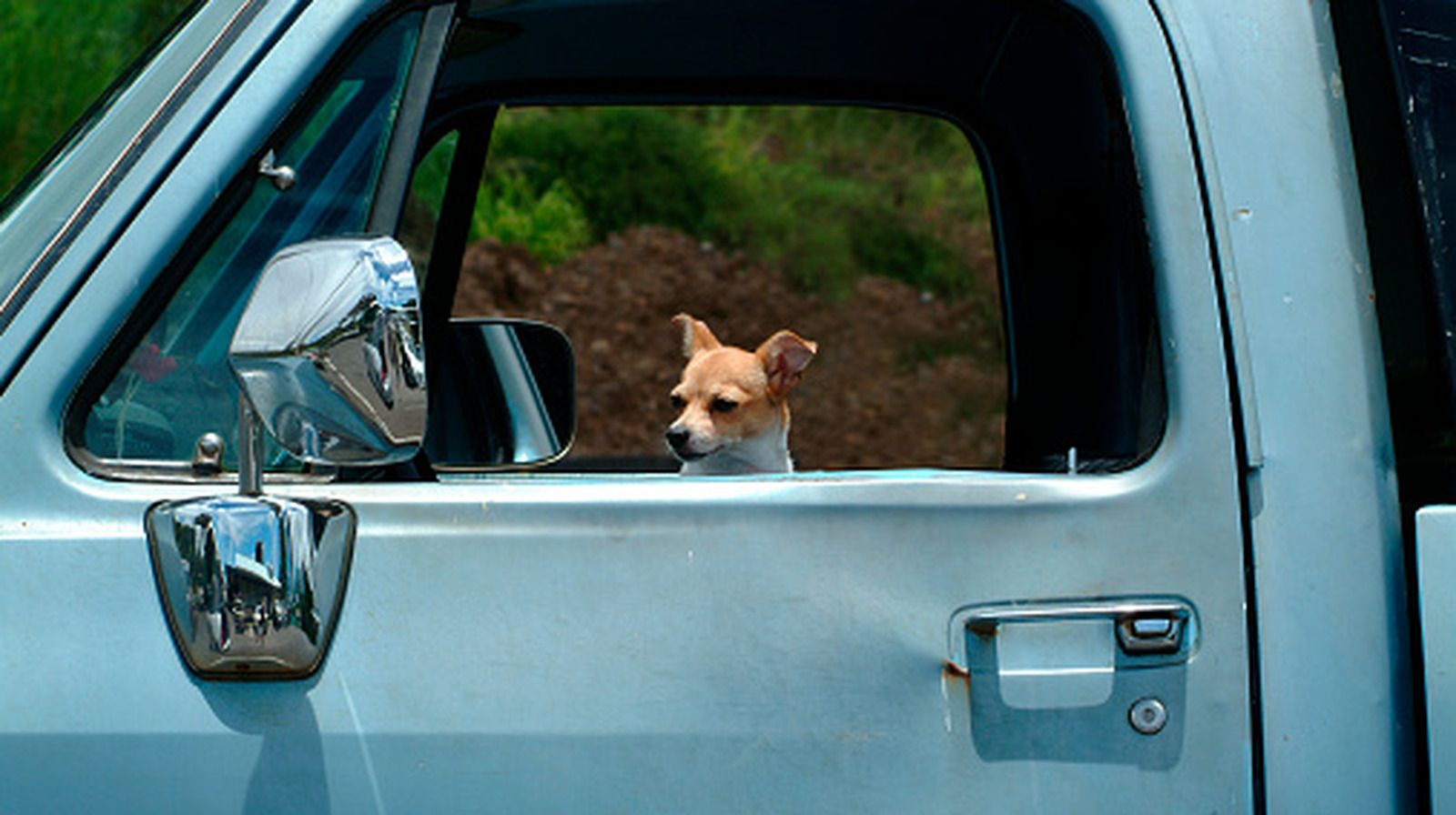
Assessing the Unlikely Intersection of Animal Agency and Human Risk
The incident in question—a dog inadvertently discharging a shotgun and injuring a human driver in a neighboring vehicle—demands more than incredulity or viral amusement. At its core, this episode exposes the fragile boundary between presumed human control and the unpredictable agency of animals within anthropogenic environments. While the statistical rarity of such occurrences might tempt dismissal, the underlying mechanism—namely, the unintended activation of lethal machinery by non-human actors—suggests a category of risk that is systematically underestimated in both regulatory frameworks and public consciousness.
How Do Non-Human Actors Complicate Assumptions of Safety in Human Spaces?
Conventional safety protocols in vehicular and firearm contexts rest on the assumption that all agents present are rational, intentional, and capable of understanding consequences. When a dog, lacking both intent and comprehension, becomes the proximate cause of a firearm discharge, these assumptions collapse. The evidence, albeit anecdotal and sparse, points to a blind spot in risk assessment: the presence of animals in vehicles with unsecured weapons introduces a vector of hazard that is neither adequately measured nor mitigated by prevailing safety norms. This is not merely a matter of individual negligence; it reflects a structural oversight in how agency and responsibility are distributed in shared spaces.
Why Does This Matter Beyond the Immediate Incident?
The practical significance extends beyond the isolated event. Insurance liability, legal culpability, and the design of safety interventions all hinge on clear lines of agency. When those lines blur, as they do when animals inadvertently trigger dangerous mechanisms, the aftermath becomes a legal and ethical morass. For instance, should liability rest solely with the human owner, or does the presence of an animal as an unpredictable variable warrant a reevaluation of safety standards? The current regulatory apparatus appears ill-equipped to adjudicate such ambiguities, suggesting a need for more nuanced guidelines regarding the transport of both animals and firearms.
Who Faces Hidden Vulnerabilities in This Dynamic?
While the immediate victim in this case is the human driver who was shot, the circle of vulnerability is wider and less visible. Passengers, bystanders, and even emergency responders may be exposed to secondary risks in environments where animals and unsecured weapons coexist. Moreover, the reputational and legal repercussions for pet owners—often unanticipated—can be severe, particularly in jurisdictions where statutes have not evolved to address these edge cases. The evidence suggests that rural and semi-rural communities, where both gun ownership and animal transport are more prevalent, may face disproportionate exposure to such risks, though comprehensive data remains elusive.
What Structural Limitations and Blind Spots Persist?
The mainstream interpretation—that this was a freak accident, unworthy of systemic attention—obscures deeper structural limitations. Safety campaigns rarely address the intersection of animal behavior and weapon security, focusing instead on human error or malice. Yet, as this incident demonstrates, the absence of intent does not preclude catastrophic outcomes. Vested interests, including firearm manufacturers and pet advocacy groups, may resist calls for stricter regulation or public awareness campaigns that highlight these uncomfortable intersections. The evidence base is thin, but the pattern—sporadic yet severe incidents—warrants a more proactive stance.
What Should Informed Readers Infer or Do?
For the analytically minded reader, the lesson is not merely to marvel at the bizarre, but to interrogate the assumptions underpinning everyday safety. The evidence, while limited, suggests that the confluence of animals and unsecured firearms in vehicles constitutes a non-trivial risk. Practical action may include advocating for clearer guidelines on weapon storage during animal transport, supporting research into the frequency and consequences of such incidents, and resisting the temptation to dismiss low-probability events as irrelevant. In a world where agency is increasingly distributed across human and non-human actors, the boundaries of responsibility—and the architecture of prevention—must evolve accordingly.