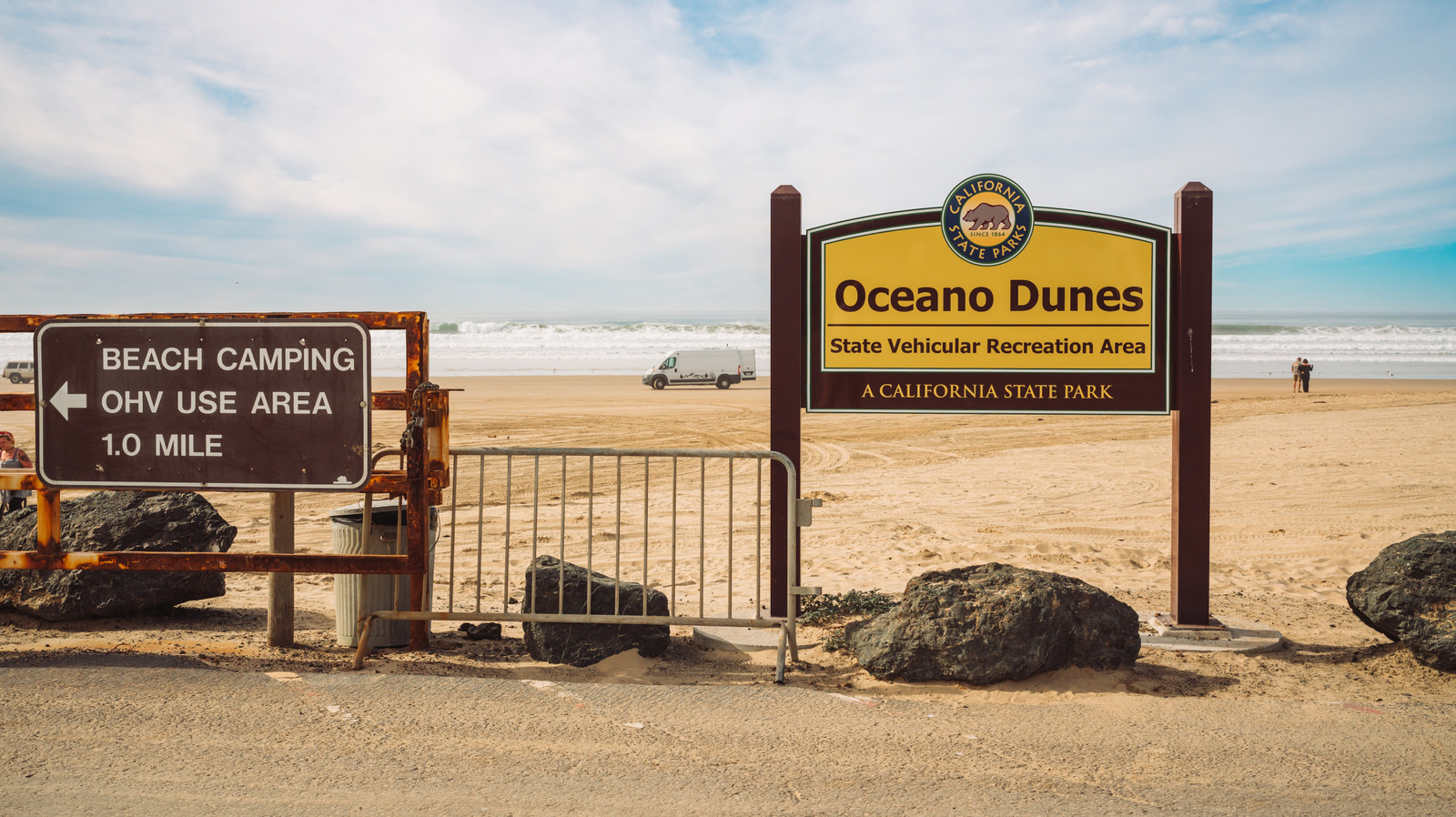
How the Return of Beach Driving Reflects Shifting Attitudes Toward Public Land Use
The resumption of beach driving at the birthplace of dune buggy culture signals more than a nostalgic nod to automotive enthusiasts. It reveals a deeper, ongoing negotiation between recreational freedom and environmental stewardship—a tension that has shaped public land policy for decades. While advocates hail the reopening as a restoration of local tradition, critics warn that even regulated vehicular access can undermine fragile coastal ecosystems. The evidence suggests that neither side holds a monopoly on legitimacy; rather, the debate exposes the persistent challenge of reconciling collective memory with ecological prudence.
What Drives the Enduring Allure of Beach Motoring?
The cultural resonance of driving on the beach, particularly in regions synonymous with the genesis of dune buggy subculture, cannot be dismissed as mere escapism. For many, the act embodies a form of participatory heritage, a tactile connection to both landscape and local history. Yet, this allure is not universally shared. Demographic data, though limited in granularity, indicate that the constituency for beach driving skews older and more male than the general population, raising questions about whose traditions are being preserved and at what opportunity cost to others—such as families seeking quieter recreation or indigenous groups with ancestral ties to the land.
Ecological Risks: Where Consensus Frays
The environmental risks associated with beach driving are well-documented but not uniformly catastrophic. Under specific conditions—such as during nesting seasons for shorebirds or in areas with unstable dune systems—vehicular traffic can cause disproportionate harm. However, some recent studies suggest that, with stringent regulation and seasonal closures, the most acute impacts can be mitigated. This interpretation remains contested, particularly by conservation biologists who argue that enforcement gaps and cumulative effects are routinely underestimated. The methodological boundaries of these studies deserve scrutiny: short-term monitoring may miss long-tail consequences, and data collected during low-traffic periods may understate peak-season risks.
Socioeconomic Implications: Who Benefits, Who Loses?
Beyond environmental and cultural considerations, the reopening of beach driving has material consequences for local economies. Proponents often cite increased tourism revenue and ancillary business growth. Yet, the distribution of these benefits is uneven. Small hospitality businesses may see a bump, but property owners near access points frequently report increased noise and littering, while municipal budgets absorb the costs of enforcement and cleanup. The net effect, therefore, is not a simple win-win; rather, it reflects a redistribution of burdens and benefits, often along lines of class and proximity.
Hidden Dynamics: The Role of Regulatory Capture and Public Sentiment
A less visible but equally consequential factor is the influence of organized interest groups—both recreational and environmental—on regulatory outcomes. In some jurisdictions, off-road vehicle associations wield disproportionate sway, shaping access rules in ways that privilege their members. Conversely, environmental NGOs may succeed in imposing blanket restrictions that, while protective, risk alienating local stakeholders and fueling backlash. The resulting policy oscillations—closures followed by reopenings, and vice versa—suggest a system more responsive to vocal minorities than to long-term public interest.
What Should an Informed Observer Conclude?
The reopening of beach driving at this iconic site is neither an unalloyed victory for tradition nor an unmitigated threat to nature. Rather, it exemplifies the complexity inherent in managing multi-use public spaces. The most prudent path forward likely involves adaptive management: policies that can be recalibrated as new data emerge, coupled with transparent mechanisms for stakeholder input. For those invested in the outcome—whether as recreationists, conservationists, or local residents—the imperative is not to seek permanent triumph, but to remain vigilant against both complacency and absolutism. Only through such vigilance can the competing claims on the beach be balanced, however imperfectly, over time.