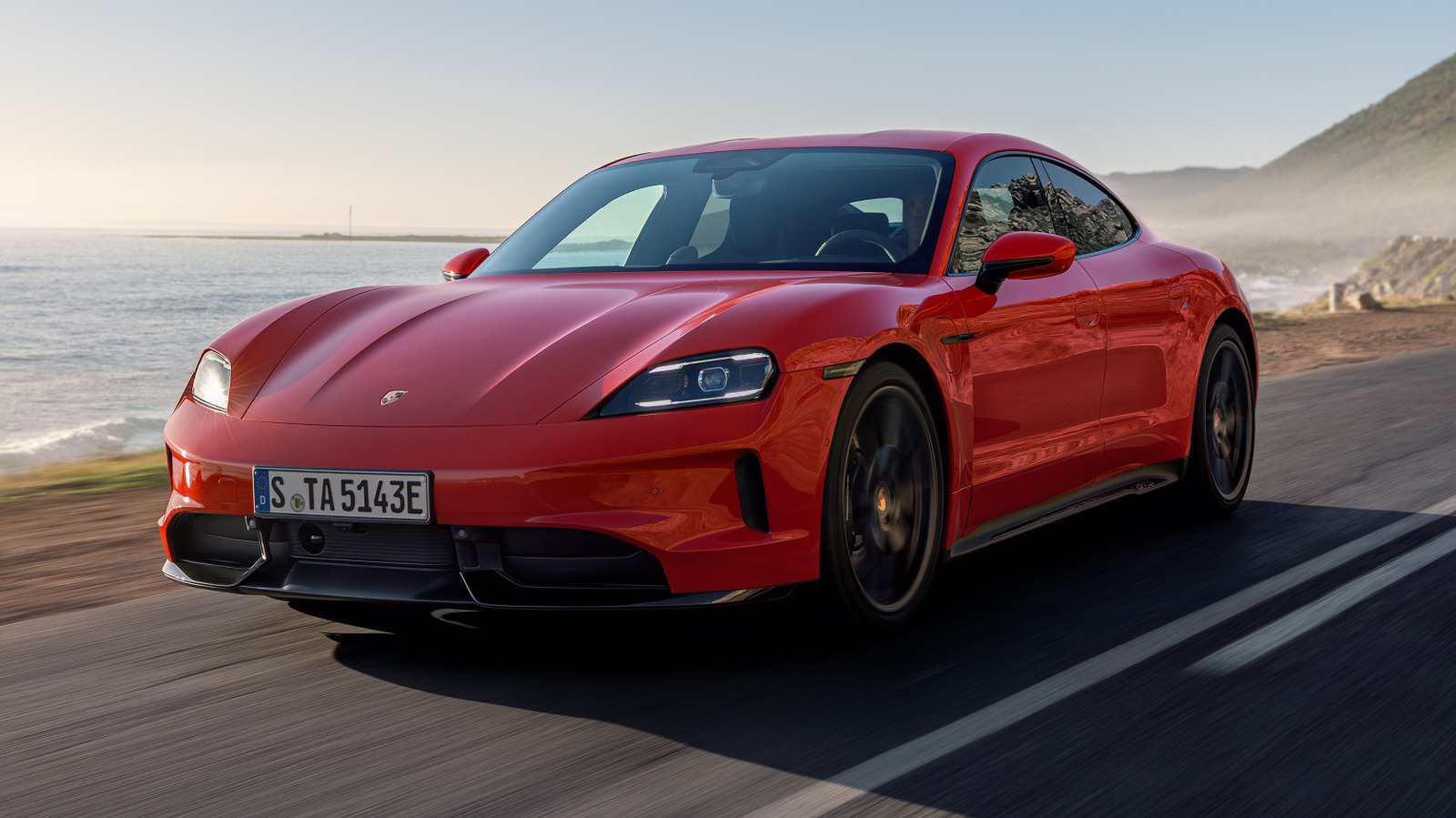
How Does the E-Shift System Reframe the Relationship Between Driver and Electric Vehicle?
The introduction of the E-Shift system, with its eight selectable gears and steering wheel paddles, signals a deliberate intervention in the sensory and cognitive experience of piloting an electric vehicle. Rather than merely facilitating propulsion, this system simulates the tactile and auditory cues—engine braking, rev limitations—that have historically defined the act of driving internal combustion cars. The evidence suggests that such simulation is not a trivial novelty but a calculated response to a persistent critique: that electric vehicles, for all their technical prowess, often lack the visceral engagement that enthusiasts and purists prize.
This move, however, is not without its ambiguities. The E-Shift’s simulated gear changes do not directly correspond to mechanical necessity; electric motors, by their nature, deliver torque across a wide rev range and do not require multi-speed transmissions. Thus, the system’s core mechanism is psychological rather than mechanical. It offers the illusion of mechanical complexity, inviting drivers to perform familiar rituals—downshifting for a corner, feeling the artificial resistance of engine braking—even as the underlying drivetrain operates according to different physical principles. The practical significance of this simulation, then, lies in its capacity to bridge a cultural and emotional gap, rather than to enhance technical efficiency.
What Motivates the Pursuit of Simulated Mechanical Engagement in Electric Vehicles?
The pursuit of simulated gear changes and engine braking in electric vehicles reflects a broader anxiety within the automotive industry: the fear that the transition to electrification will erode the affective bonds that have long tethered drivers to their machines. For a subset of consumers—those who view driving as an expressive, almost performative act—the loss of gear selection and engine note is not merely a matter of nostalgia but a substantive diminishment of agency and pleasure.
Yet, the evidence for widespread demand remains equivocal. While some market segments—particularly those oriented toward performance and enthusiast driving—have responded positively to such features, broader consumer data indicates that many drivers prioritize seamlessness and simplicity over simulated complexity. The E-Shift system, therefore, may function less as a universal enhancement and more as a targeted concession to a vocal minority. Its adoption raises questions about the future of automotive design: Will manufacturers continue to invest in such simulations, or will the market ultimately favor the unadorned efficiency of native electric drivetrains?
Where Do the Boundaries of Simulation Lie, and What Are the Risks of Overreach?
The methodological boundaries of the E-Shift system are defined by the limits of simulation itself. While the system can convincingly mimic the auditory and tactile cues of gear changes and engine braking, it cannot fully replicate the nuanced feedback loops—vibration, mechanical resistance, drivetrain inertia—that characterize true mechanical engagement. Under specific conditions, such as high-performance driving or track use, the artificiality of the experience may become more apparent, potentially undermining the very sense of authenticity the system seeks to preserve.
Moreover, there are second-order consequences to consider. By investing in the simulation of obsolete mechanical processes, manufacturers risk diverting resources from innovations that could redefine electric vehicle engagement on its own terms. There is also the danger of alienating consumers who perceive such features as gimmicks rather than genuine enhancements. The evidence remains mixed: while some early adopters celebrate the return of familiar driving rituals, others dismiss the effort as a retrograde concession to the past.
Who Stands to Gain or Lose from the E-Shift’s Adoption?
The primary beneficiaries of the E-Shift system are likely to be those drivers for whom the act of shifting gears is inseparable from the pleasure of driving. For these individuals, the system offers a form of continuity—a way to reconcile the imperatives of electrification with the rituals of automotive enthusiasm. Conversely, drivers who value the frictionless acceleration and intuitive operation of electric vehicles may find the feature superfluous or even intrusive.
From a structural perspective, the adoption of such systems may also serve the interests of manufacturers seeking to differentiate their products in an increasingly crowded market. The E-Shift system, by offering a unique selling proposition, allows brands to position themselves as attentive to the desires of performance-oriented consumers, even as the broader industry moves toward standardization and commodification.
What Should an Informed Reader Conclude About the Future of Simulated Engagement in Electric Vehicles?
The proliferation of systems like E-Shift invites a more nuanced judgment than either uncritical celebration or outright dismissal. The evidence suggests that, for a specific subset of drivers, simulated mechanical engagement can meaningfully enhance the electric vehicle experience. Yet, this interpretation remains contested, and its broader relevance is far from settled. The risk, ultimately, is that the pursuit of simulation becomes an end in itself, obscuring the opportunity to invent new forms of engagement that are native to electric propulsion.
For the informed reader, the key takeaway is not that simulated gear shifts are inherently good or bad, but that their value depends on the clarity of purpose and the honesty of execution. As the automotive landscape continues to evolve, the most compelling innovations may well be those that acknowledge the emotional and cultural dimensions of driving without becoming captive to the forms of the past.