How Does the Electronic Gated Manual Shifter Reframe the Relationship Between Driver and Transmission?
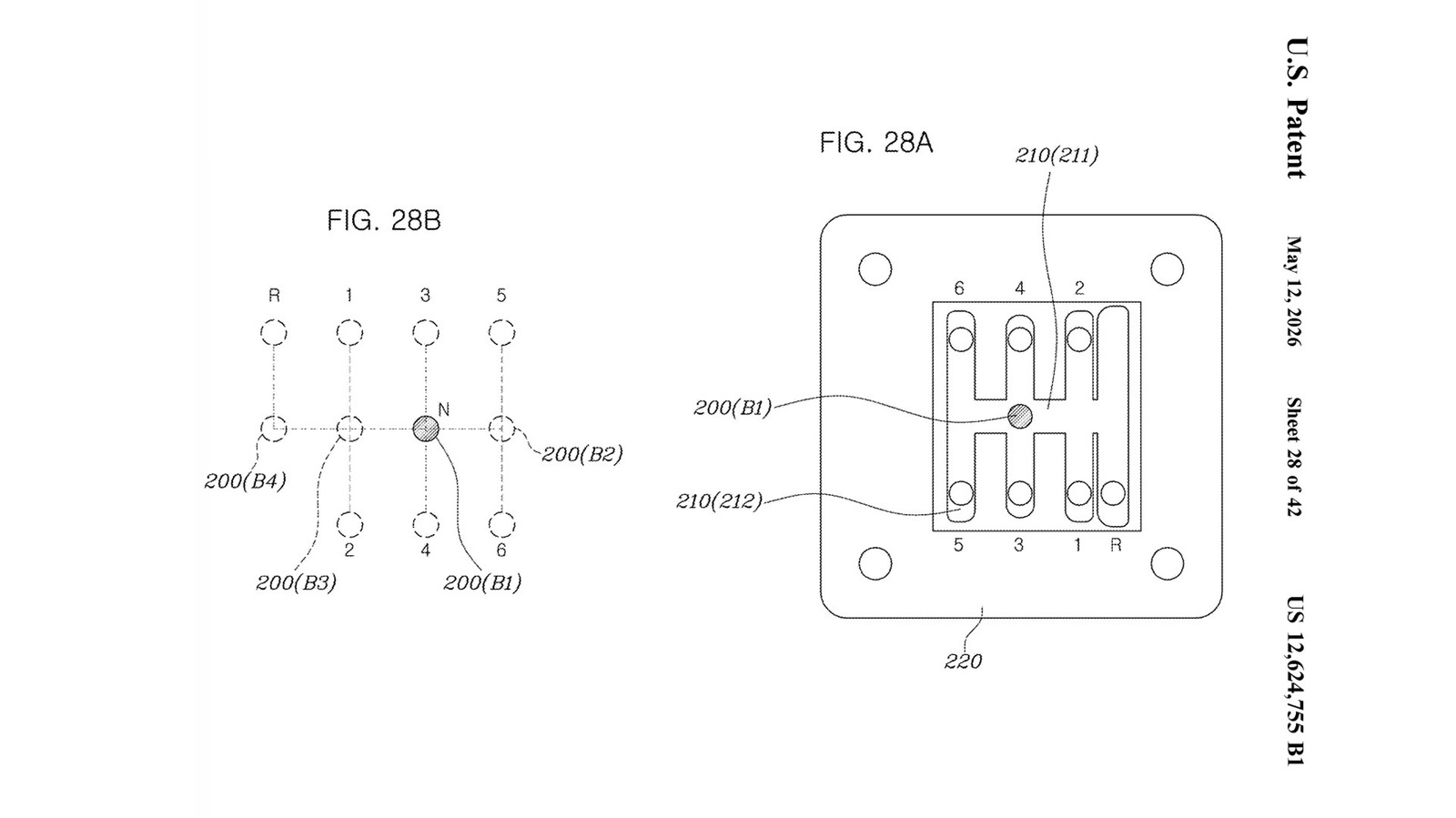
The emergence of an electronic gated manual shifter—engineered to function seamlessly in both manual and automatic modes—signals a subtle yet consequential shift in automotive interface design. Historically, the manual transmission has served as a tactile conduit between driver and machine, its mechanical gates and resistance providing feedback that many enthusiasts regard as essential to the driving experience. By contrast, automatic transmissions have prioritized ease and efficiency, often at the expense of engagement. The new electronic shifter, by simulating the gated feel through electronic actuation, attempts to bridge this divide. Yet, the evidence suggests that this hybridization is not merely about nostalgia or convenience; rather, it reflects a deeper recalibration of user agency in an era increasingly defined by software mediation.
To the extent that this technology is not limited to electric vehicles, it challenges the prevailing narrative that manual interfaces are relics destined for obsolescence in a post-combustion landscape. Instead, the shifter’s design hints at a future in which the pleasures of manual control are decoupled from the mechanical realities of traditional gearboxes. This decoupling, while technologically impressive, raises unresolved questions about authenticity, feedback, and the psychological dimensions of control—questions that are unlikely to be settled by hardware alone.
What Broader Implications Arise from Decoupling Manual Control from Mechanical Linkage?
The practical significance of an electronically actuated manual shifter extends beyond mere user preference. If adopted at scale, such interfaces could democratize access to the manual driving experience, allowing drivers who might otherwise be excluded—due to physical limitations or licensing restrictions—to participate in a ritual once reserved for the mechanically adept. However, this democratization is not without trade-offs. The absence of direct mechanical linkage introduces a layer of abstraction that, under certain conditions, may erode the immediacy and predictability that skilled drivers prize. Moreover, the software layer governing the shifter’s behavior becomes a locus of both opportunity and risk: it enables customization and adaptive feedback, but also introduces new vectors for malfunction, obsolescence, or even remote intervention.
The evidence from analogous domains—such as steer-by-wire or brake-by-wire systems—suggests that while electronic mediation can achieve or even surpass the performance of traditional mechanisms, it also shifts the locus of trust from physical hardware to software integrity and cybersecurity. For stakeholders ranging from manufacturers to regulators and end-users, this shift necessitates a reevaluation of standards, liability, and user education.
Who Stands to Gain or Lose from the Proliferation of Electronic Manual Shifters?
The most immediate beneficiaries are likely to be automakers seeking to differentiate their offerings in a market where powertrains are converging on similar architectures, particularly as electrification advances. By offering a simulated manual experience, manufacturers can appeal to enthusiasts without incurring the costs or emissions penalties associated with traditional manuals. Yet, this strategy is not without its detractors. Purists may view the electronic shifter as an ersatz substitute, its pleasures diminished by the absence of genuine mechanical engagement. Conversely, new entrants to driving may find the hybrid interface more approachable, potentially broadening the enthusiast base in unexpected ways.
There are also less visible stakeholders: service technicians, whose skill sets must adapt to diagnose and repair electronically mediated controls; insurers, who must recalibrate risk models; and aftermarket suppliers, whose business models may be disrupted by the reduced need for mechanical upgrades or repairs. Each of these constituencies faces a distinct set of incentives and vulnerabilities, complicating any simplistic narrative of progress.
What Structural and Conceptual Limitations Remain Unresolved?
Despite its promise, the electronic gated manual shifter is not a panacea. Its effectiveness depends on the fidelity of its feedback, the robustness of its software, and the willingness of drivers to embrace a fundamentally new relationship with their vehicles. There is also a risk that, by prioritizing simulation over substance, manufacturers may inadvertently accelerate the erosion of mechanical literacy among drivers—a trend with long-term implications for autonomy, safety, and consumer empowerment.
Perhaps most fundamentally, the technology foregrounds a tension between authenticity and accessibility that has long animated debates within automotive culture. Whether the electronic shifter will be embraced as a legitimate evolution or dismissed as a simulacrum remains an open question, contingent on factors as diverse as regulatory acceptance, cultural attitudes, and the pace of technological change.
What Should an Informed Reader Conclude About the Future of Manual Driving Interfaces?
For those invested in the future of driving, the advent of the electronic gated manual shifter warrants both cautious optimism and critical scrutiny. It offers a plausible path for preserving the joys of manual control in an era of increasing automation and electrification. Yet, its success will depend on the extent to which it can reconcile the competing demands of authenticity, accessibility, and reliability. The evidence to date suggests that while the technology is promising, its ultimate impact will be shaped less by engineering prowess than by the evolving values and expectations of drivers themselves.