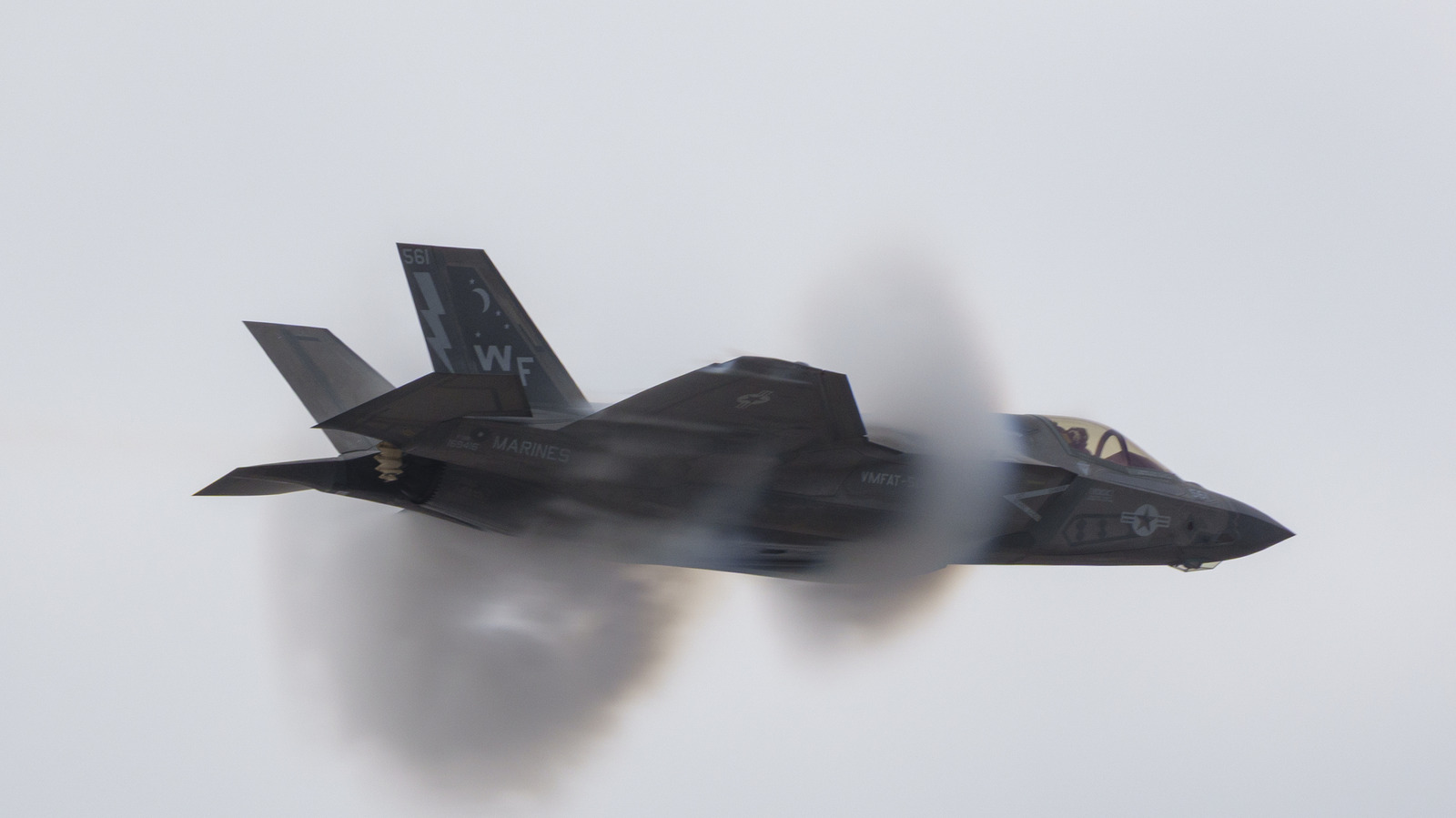
Why Are Advanced Fighter Jets Delivered Without Operational Radar Systems?
The delivery of advanced fighter jets lacking operational radar systems—necessitating the addition of ballast to compensate for absent hardware—raises fundamental questions about procurement priorities, technological integration, and the underlying logic of military readiness. At first glance, the situation appears paradoxical: aircraft designed for air superiority and multi-role combat are rendered functionally incomplete at the point of delivery. The evidence suggests that this is not a mere logistical hiccup but a structural feature of contemporary defense acquisition, driven by the tension between production timelines, evolving technology standards, and the imperatives of political optics.
What Drives the Disconnect Between Aircraft Delivery and Combat Readiness?
The core mechanism at play is the decoupling of airframe production from the integration of critical subsystems—a practice that, while expedient for meeting contractual delivery targets, introduces operational and strategic ambiguities. When radar systems lag behind airframe delivery, manufacturers and military planners face a dilemma: delay the entire platform or accept an incomplete product. The choice to proceed with delivery, substituting physical ballast for absent electronics, reflects a preference for visible progress over immediate utility. This approach arguably serves institutional interests—satisfying budgetary cycles, political stakeholders, and public expectations of modernization—at the expense of short-term operational capability.
Who Bears the Consequences of Incomplete Deliveries?
While the ostensible impact falls on pilots and operational units, the second-order effects ripple outward. Maintenance crews must adapt to non-standard configurations, complicating training and logistics. Procurement officials are pressured to justify expenditures on aircraft that, for a time, cannot fulfill their intended roles. Moreover, adversaries may interpret such gaps as windows of vulnerability, even if the long-term trajectory points toward full capability. The affected cohort is thus broader than the immediate users; it encompasses the entire defense ecosystem, including taxpayers, allied partners, and even defense contractors whose reputations hinge on the seamless delivery of integrated systems.
What Are the Structural Limitations and Blind Spots in Current Procurement Practices?
The practice of delivering incomplete aircraft exposes a structural limitation: the inability of procurement pipelines to synchronize hardware and software development on timelines that match political and strategic demands. This asynchrony is exacerbated by the rapid pace of technological change, which often renders subsystems obsolete before they are fielded. Furthermore, the reliance on visible milestones—such as the delivery of airframes, regardless of their operational status—creates incentives for superficial progress. The blind spot here is the conflation of delivery with readiness, a distinction that is frequently elided in public discourse and official reporting.
How Should Informed Observers Interpret the Significance of Ballast in Place of Radar?
The substitution of ballast for radar is not merely a technical workaround; it is a symptom of deeper institutional and technological tensions. While some may interpret this as a temporary inconvenience, the pattern it reveals—of systems integration lagging behind platform delivery—raises questions about the sustainability of current acquisition models. The prudent observer should resist the temptation to view such incidents as isolated anomalies. Instead, they warrant scrutiny as indicators of systemic misalignment between ambition, capability, and process. The practical significance, therefore, lies not in the immediate operational shortfall, but in what it portends for the future coherence and credibility of advanced military procurement.