How Do Divergent Macarena Wing Designs Shape Formula 1 Risk Calculus?
The current scrutiny of Formula 1’s so-called “macarena” wings—those flexible rear wing assemblies that have become a locus of technical and regulatory intrigue—centers not merely on their existence, but on the subtle divergences between Ferrari’s and Red Bull’s interpretations. The evidence suggests that the alleged danger is not a function of the macarena concept in the abstract, but rather of the specific engineering choices embedded within each team’s design. This distinction, often glossed over in mainstream commentary, is critical: it is the interaction between aerodynamic philosophy, material tolerances, and real-world stressors that determines whether a component becomes a safety liability or a competitive advantage.
Why Do Design Variations Matter More Than the Technology Itself?
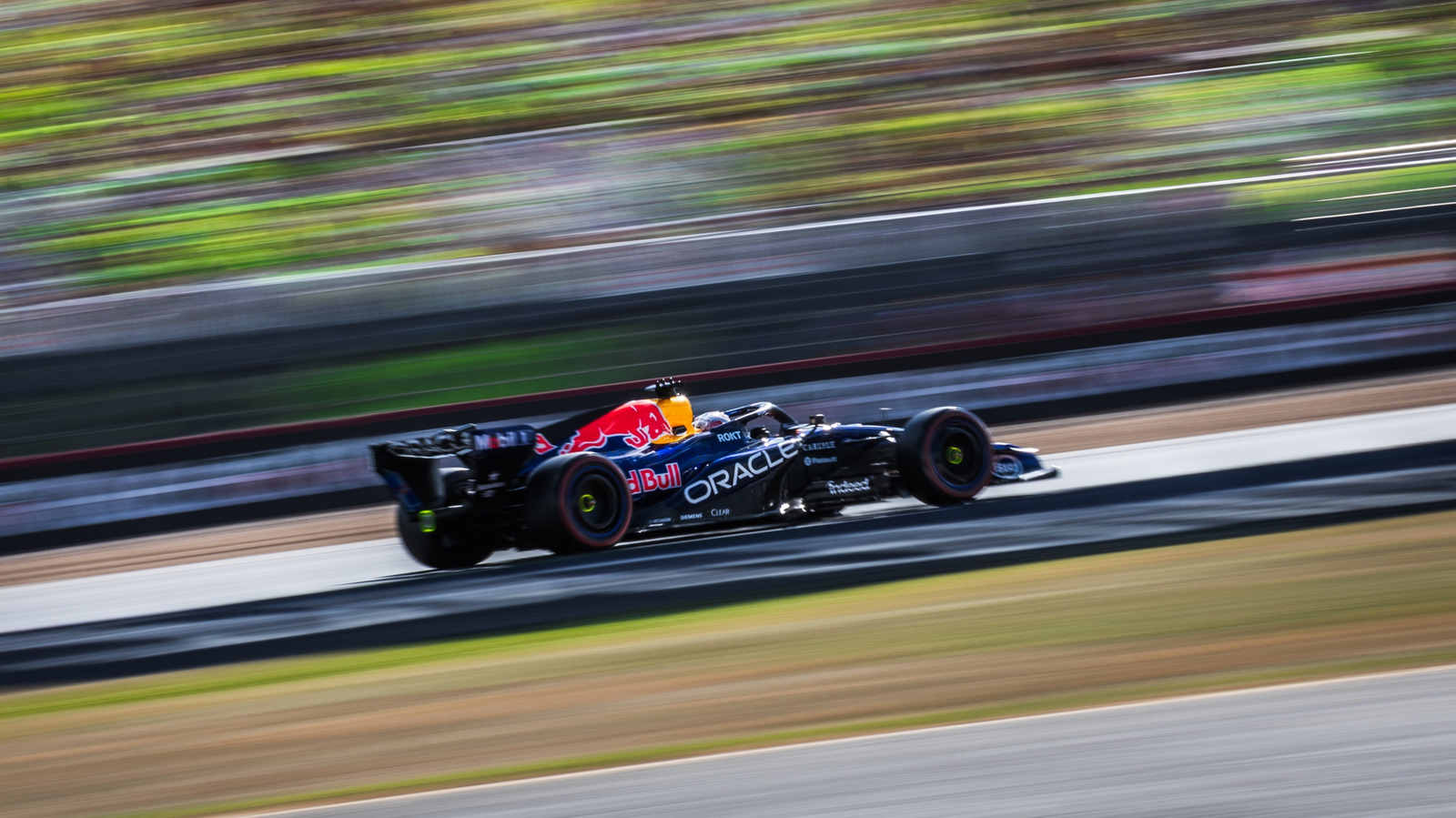
To the untrained eye, the macarena wings may appear as a uniform innovation, but technical analysis reveals that Ferrari and Red Bull have pursued divergent paths in their quest for aerodynamic efficiency. Under specific conditions—particularly at high speeds and under heavy load—the Red Bull variant appears to exhibit greater flex, a characteristic that, while potentially conferring a straight-line speed advantage, also introduces unpredictable oscillations. The Ferrari design, by contrast, is reputed to prioritize structural rigidity, sacrificing some aerodynamic yield for a narrower safety margin. This bifurcation in design philosophy is not merely academic: it shapes the car’s behavior at the limit, with implications for both driver control and the likelihood of catastrophic failure.
What Are the Regulatory and Ethical Stakes in the FIA’s Response?
The FIA’s intervention, prompted by Verstappen’s high-speed incidents, exposes a deeper regulatory tension. On one hand, Formula 1’s technical regulations are predicated on the principle of clear, enforceable boundaries; on the other, the sport’s competitive ethos incentivizes teams to exploit every ambiguity. The macarena wing controversy thus becomes a case study in the limits of rule-making: if the rules are too prescriptive, they stifle innovation; if too vague, they invite dangerous brinkmanship. The current debate, therefore, is less about the wings themselves than about the FIA’s capacity to adjudicate between legitimate engineering ingenuity and unacceptable risk. The evidence remains contested, with some engineers arguing that the observed failures are within the expected statistical envelope, while others warn of a systemic underestimation of fatigue effects at extreme loads.
Who Bears the Hidden Costs of Technical Experimentation?
While drivers and teams are the most visible stakeholders, the ripple effects of such technical controversies extend further. Track marshals, medical staff, and even spectators are implicated in the risk matrix, albeit less visibly. Moreover, the sport’s reputation for safety—painstakingly rebuilt over decades—can be undermined by a single high-profile incident, with cascading effects on sponsorship, regulation, and public trust. The practical significance of the macarena wing debate, then, is not confined to the paddock; it reverberates through the entire ecosystem of Formula 1, shaping perceptions of what constitutes acceptable risk in elite motorsport.
What Should an Informed Observer Conclude About the Future of Aerodynamic Innovation?
The macarena wing episode underscores the necessity of nuanced, evidence-based regulation in a sport where the margin between genius and disaster is measured in millimeters. While it is tempting to view technical innovation as an unalloyed good, the reality is more complex: under certain conditions, the pursuit of marginal gains can outpace the ability of governing bodies to assess and mitigate emergent risks. For the analytically minded observer, the lesson is clear—scrutiny must be directed not only at the headline-grabbing technologies, but at the underlying mechanisms by which competitive pressures distort the risk-reward calculus. Only by interrogating these structural dynamics can Formula 1 hope to sustain both its technical edge and its social license to operate.