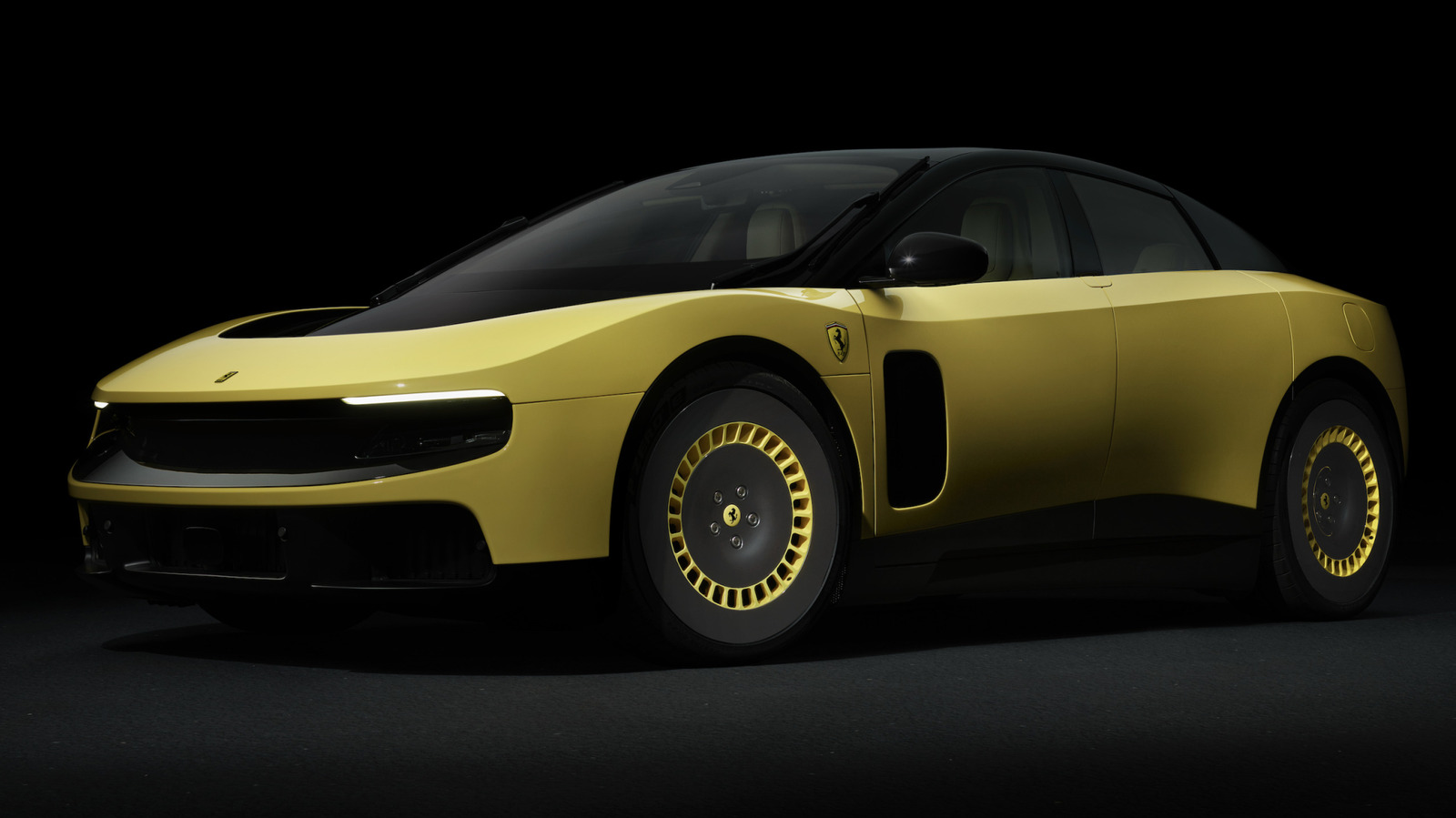
How Branding Saturation Shapes Perception and Value in Automotive Design
The proliferation of emblematic imagery—specifically, the omnipresence of horses in this context—invites scrutiny of how branding strategies can both elevate and undermine the perceived value of luxury vehicles. While the deployment of iconic symbols has long served as shorthand for heritage and exclusivity, the evidence suggests that over-saturation risks diluting the very cachet these emblems are meant to confer. The mechanism at play is not merely one of visual repetition, but of semiotic inflation: when a symbol appears everywhere, its capacity to signal distinction erodes. This is not a trivial concern for manufacturers whose business models depend on the maintenance of mystique and aspirational distance.
Why Does Symbolic Overload Matter for Brand Equity?
At first glance, the liberal application of a brand’s most recognizable motif might seem a harmless—perhaps even necessary—assertion of identity. Yet, under closer analysis, this approach reveals structural vulnerabilities. The core argument advanced by critics is that excessive branding transforms what was once a mark of membership in an exclusive club into a generic commodity signifier. For consumers attuned to subtle cues of status, the distinction between authentic luxury and mass-market mimicry becomes blurred. The practical significance of this shift is profound: as the emblem loses its power to differentiate, the rationale for paying a premium weakens. This dynamic is not unique to the automotive sector; parallels abound in fashion and consumer electronics, where logo fatigue has precipitated strategic retreats from overt branding.
Who Is Most Affected by the Proliferation of Iconography?
The consequences of branding saturation are not evenly distributed. For legacy customers—those whose loyalty is rooted in the brand’s historical aura—the ubiquity of the symbol may register as a betrayal of exclusivity. Meanwhile, newer entrants to the market, less invested in the brand’s narrative, may be indifferent or even attracted to conspicuous displays. However, the evidence from adjacent luxury sectors suggests that over time, even these consumers recalibrate their preferences in favor of more understated signifiers of quality. Dealers and secondary markets, too, are not immune: vehicles perceived as over-branded may depreciate more rapidly, as their desirability wanes among discerning buyers.
What Are the Blind Spots and Structural Limitations in Mainstream Interpretations?
Mainstream commentary often frames the debate in binary terms—either as a necessary assertion of brand identity or as a crass marketing overreach. This dichotomy misses the more nuanced reality that the effectiveness of branding is context-dependent and temporally contingent. For instance, in emerging markets where brand recognition is still being established, saturation may serve a strategic function. Conversely, in mature markets saturated with luxury signals, restraint may be the more sophisticated play. Furthermore, the internal dynamics of design teams—often caught between the imperatives of marketing and the ethos of craftsmanship—are rarely acknowledged in public discourse. These tensions shape not only the finished product but also the brand’s long-term trajectory.
What Judgment Should the Informed Reader Draw?
The evidence, while not unequivocal, tilts toward the conclusion that judicious restraint in the use of iconic branding is more likely to preserve long-term value than indiscriminate proliferation. For stakeholders—whether consumers, investors, or designers—the lesson is clear: the power of a symbol lies not in its frequency, but in its strategic deployment. Overexposure, under most conditions, breeds indifference or even backlash. The informed reader, therefore, should approach branding excess with skepticism, recognizing that what is gained in short-term visibility may be lost in enduring prestige.