What Drives the Enduring Fascination with Ferrari’s Latest Reveal?
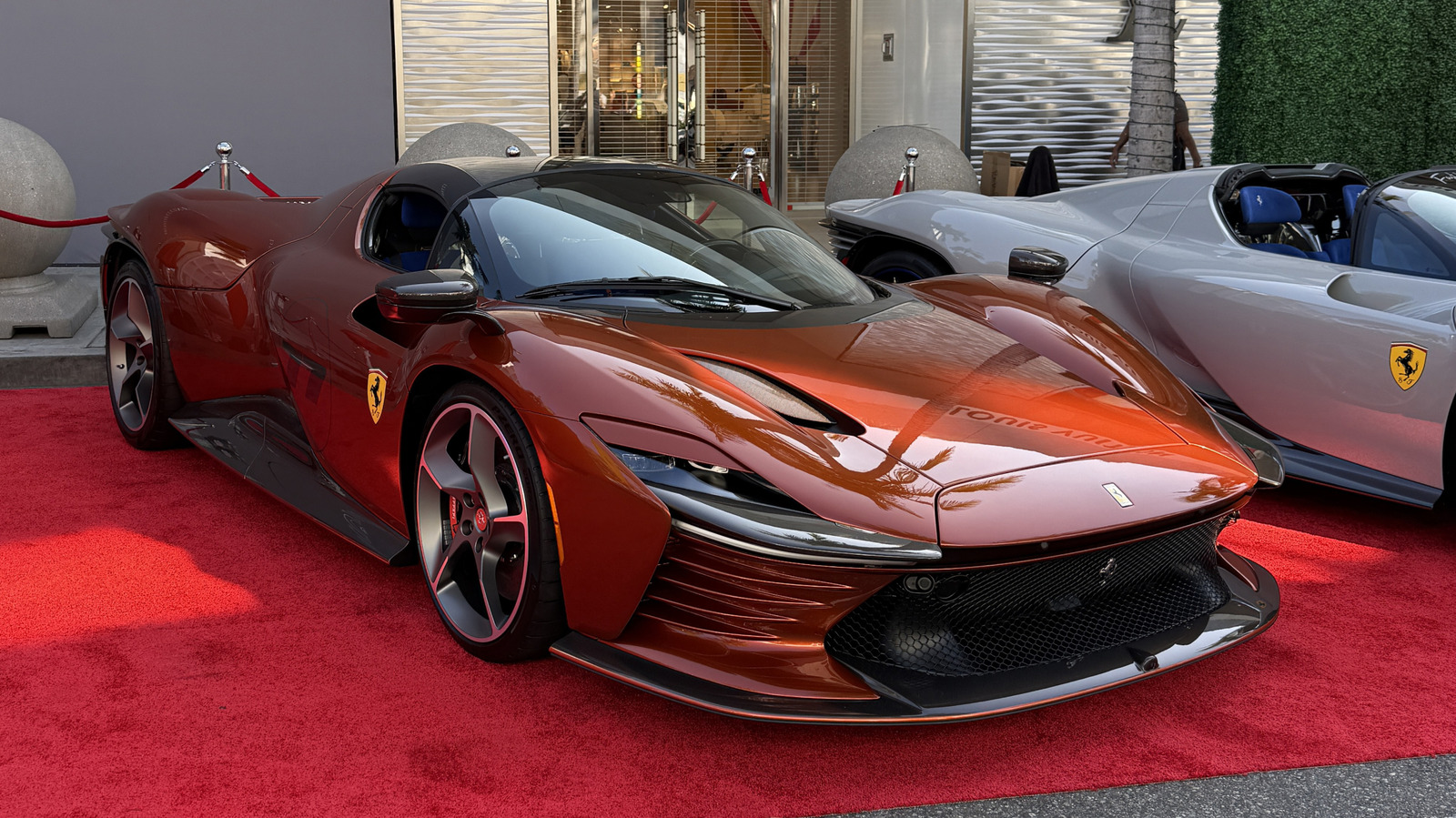
The unveiling of a new Ferrari, while ostensibly a routine event in the luxury automotive calendar, operates as a cultural and economic signal that transcends the mere introduction of another high-performance vehicle. The evidence suggests that each new model functions less as a discrete product and more as a referendum on the evolving relationship between heritage, innovation, and the global appetite for exclusivity. Ferrari’s decision to reveal a new design this week, therefore, should be interpreted not simply as a response to market demand but as a deliberate act of brand narrative construction—a maneuver that both leverages and perpetuates the mythos surrounding the marque.
How Does Ferrari’s Design Language Mediate Between Tradition and Disruption?
Ferrari’s design ethos, often mythologized as a seamless fusion of aesthetic purity and engineering prowess, is in fact a site of ongoing negotiation between the gravitational pull of tradition and the imperative to disrupt. While the brand’s visual signatures—long hoods, sculpted flanks, aggressive stances—remain instantly recognizable, each new model is compelled to articulate its own justification for existence within a crowded field of ultra-luxury competitors. Under close scrutiny, the latest reveal appears to oscillate between reverence for the iconic forms of the past and a calculated willingness to court controversy through incremental departures in proportion, aerodynamics, or digital integration. This tension is not merely stylistic; it reflects a deeper anxiety about the sustainability of exclusivity in an era of proliferating supercar startups and shifting consumer values.
Who Gains and Who Loses from Ferrari’s Ongoing Evolution?
The immediate beneficiaries of Ferrari’s latest reveal are, predictably, the brand’s core clientele: high-net-worth individuals for whom ownership signifies both aesthetic discernment and social distinction. Yet the ripple effects extend further. Collectors and speculators, acutely attuned to the secondary market, interpret each new model as a potential inflection point for the valuation of earlier Ferraris—sometimes inflating, sometimes destabilizing the ecosystem of prestige. Meanwhile, the broader public, largely excluded from direct participation, is nonetheless enlisted as an audience in a spectacle of aspiration and technological bravado. Less visible are the tensions within Ferrari’s own engineering and design teams, who must reconcile the demands of regulatory compliance, sustainability rhetoric, and the expectations of a clientele that is, paradoxically, both conservative and insatiably novelty-seeking.
To What Extent Does the New Ferrari Signal Broader Shifts in the Supercar Landscape?
While the launch of a new Ferrari is often framed as an isolated event, its significance is magnified when read as a barometer of broader industry dynamics. The evidence, albeit circumstantial, points to a subtle recalibration of priorities: greater emphasis on hybridization or electrification, more explicit nods to digital connectivity, and a cautious engagement with environmental critique. Yet, these gestures remain hedged—more symbolic than transformative. The brand’s reluctance to fully embrace radical change may reflect a rational calculation about the elasticity of its clientele’s preferences, but it also exposes a structural limitation: the risk that incrementalism will be outpaced by more agile, less tradition-bound rivals.
What Should the Discerning Observer Conclude?
For the informed reader, the debut of Ferrari’s newest model is best understood not as an isolated artifact but as a strategic intervention in an ongoing contest over the meaning of luxury, innovation, and cultural capital. The spectacle of the reveal is both a reaffirmation of Ferrari’s enduring allure and a tacit admission of the precariousness of that allure in a rapidly shifting landscape. The prudent observer will recognize that while the surface narrative is one of triumphant continuity, the subtext is fraught with unresolved tensions—between past and future, exclusivity and accessibility, spectacle and substance. Whether Ferrari’s latest gambit will reinforce or erode its singular status remains, for now, an open question—one whose answer will be shaped as much by external forces as by the brand’s own choices.