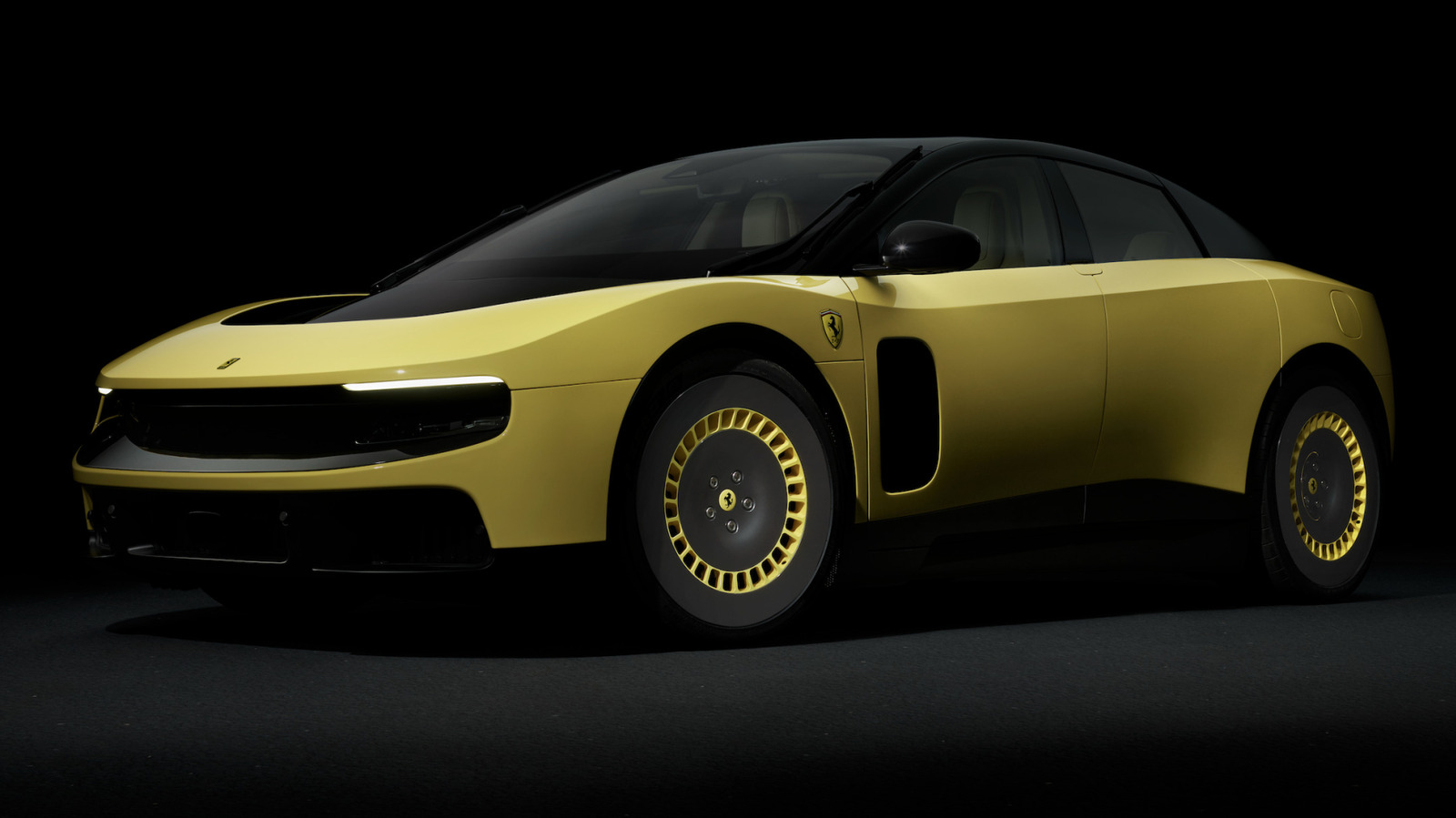
Why Has the Ferrari Luce Provoked Such Unusual Backlash?
The Ferrari Luce’s reception, marked by a level of antipathy rarely seen for a marquee automaker’s flagship, raises questions about the shifting boundaries of automotive taste and brand loyalty. The evidence suggests that the Luce’s polarizing design and electric powertrain have collided with entrenched expectations of what a Ferrari should embody—expectations that, for many, remain rooted in combustion-powered tradition and visual aggression. Yet, to attribute the backlash solely to nostalgia or aesthetic conservatism would be reductive. The vehemence of the response hints at deeper anxieties: about the future of luxury, the authenticity of performance, and the meaning of exclusivity in an era of technological transition.
What Mechanisms Are Driving the Negative Sentiment?
At the core, the Luce’s reception appears to be shaped by a confluence of symbolic and material factors. On one level, the car’s design language—markedly divergent from Ferrari’s historical cues—has unsettled a cohort of enthusiasts for whom brand identity is inseparable from visual continuity. On another, the shift to an all-electric platform, while technologically progressive, is perceived by some as a capitulation to regulatory and market pressures rather than a natural evolution of Ferrari’s engineering ethos. This perception is not universal, but it is amplified by the echo chambers of digital discourse, where negative sentiment can metastasize rapidly. The methodological challenge here is distinguishing between vocal minorities and broader market trends; early data on pre-orders and resale interest, while limited, suggest that the backlash may be more performative than predictive of actual demand.
Who Is Most Affected by the Luce’s Controversy?
The most immediate impact falls on Ferrari’s traditional customer base—collectors and enthusiasts who view ownership as a form of cultural capital. For these individuals, the Luce’s divergence from established norms threatens the symbolic value of their investments. However, the controversy also reverberates among younger, sustainability-oriented consumers who might otherwise be drawn to an electric Ferrari but are now confronted with a product mired in reputational turbulence. Dealers and secondary market actors, too, face uncertainty: if the Luce’s image does not recover, depreciation curves could steepen, undermining the residual value calculus that underpins much of the luxury car market.
How Should We Interpret the Broader Significance of the Luce’s Reception?
The Luce episode exposes a structural tension at the heart of the ultra-luxury automotive sector: the imperative to innovate technologically while preserving the intangible aura that justifies premium pricing. This tension is not unique to Ferrari, but the brand’s iconic status magnifies the stakes. If the Luce ultimately succeeds commercially, it may signal that the market’s performative outrage is a transient phenomenon, easily eclipsed by novelty and scarcity. Conversely, if the backlash persists, it could foreshadow a more profound crisis of legitimacy for legacy brands navigating the electric transition. Either way, the episode underscores the limits of heritage as a strategic asset in a period of accelerated change.
What Action or Judgment Should an Informed Observer Take Away?
Caution remains warranted before drawing sweeping conclusions about the Luce’s long-term prospects. The current backlash, while intense, may reflect a moment of cultural adjustment rather than a terminal verdict. For investors and industry analysts, the prudent course is to monitor not only sales figures but also the evolving discourse among key demographic segments. For consumers, the episode serves as a reminder that brand identity is both constructed and contested—never static, always subject to renegotiation in the face of technological and cultural disruption.