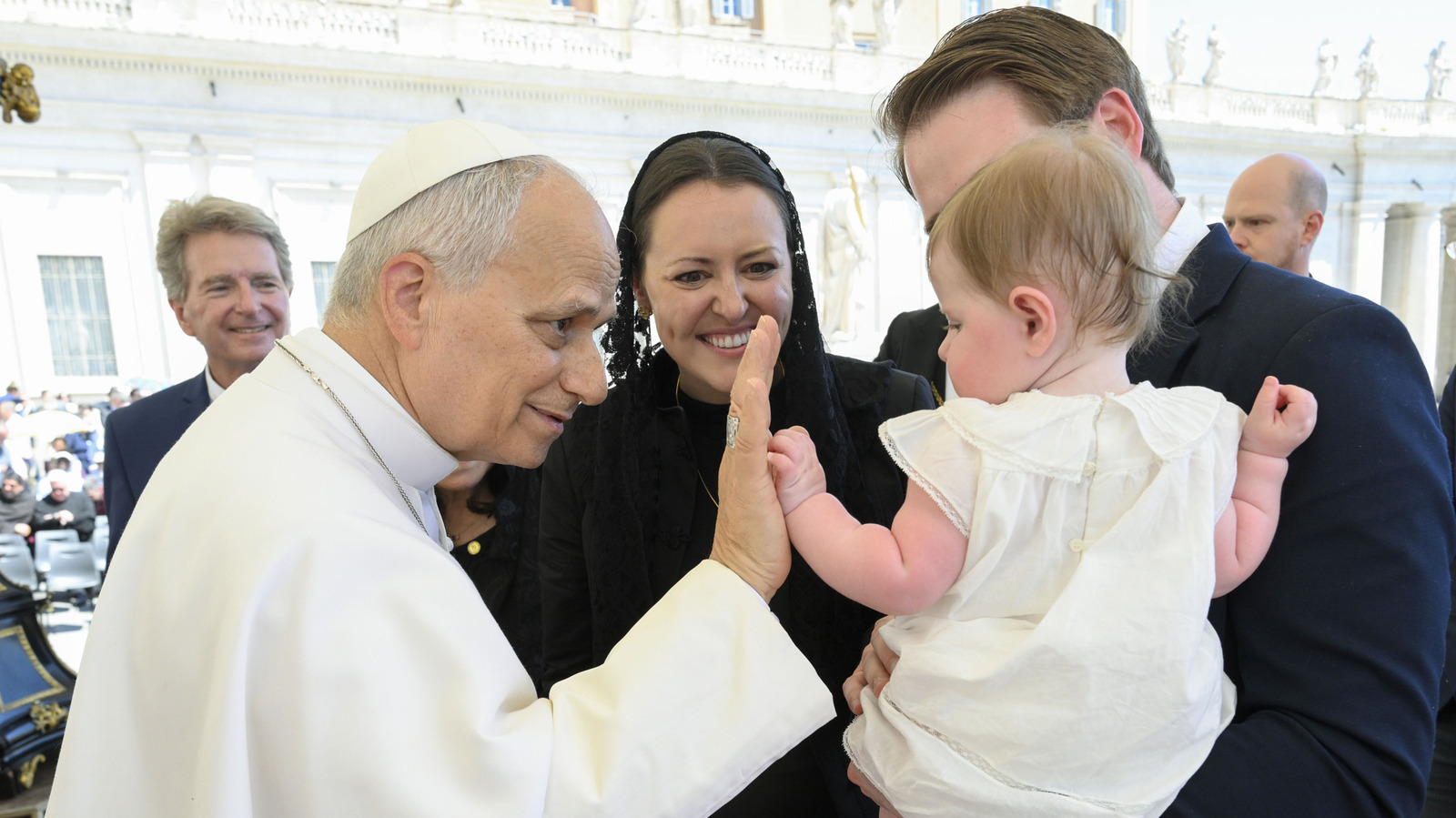
How Symbolic Gestures Between Automakers and Religious Leaders Shape Public Perception
The recent presentation of the new Ferrari Luce to the Pope—culminating in the pontiff receiving a Ferrari steering wheel as a gift—invites scrutiny beyond the surface spectacle. At first glance, such an encounter might appear as little more than a publicity flourish, a collision of secular luxury and spiritual authority. Yet, the underlying mechanism is more intricate: both parties leverage the symbolic capital of the other, orchestrating a subtle exchange of legitimacy and visibility. For Ferrari, the association with the papacy offers a veneer of moral gravitas, potentially softening the brand’s image as a purveyor of excess. For the Vatican, the engagement with a globally recognized marque signals openness to contemporary culture, even as it risks charges of incongruity or co-optation.
What Motivates These Unlikely Alliances?
The evidence suggests that automakers increasingly seek validation from institutions that command broad trust or reverence, particularly as public scrutiny of luxury consumption intensifies. The Vatican, for its part, has historically navigated the tension between spiritual asceticism and engagement with worldly institutions. Such encounters, while ostensibly benign, are rarely neutral. They function as carefully calibrated performances, designed to maximize symbolic resonance while minimizing reputational risk. The steering wheel—an object both functional and emblematic—serves as a metonym for control, direction, and agency. Its presentation to the Pope is laden with interpretive ambiguity: is it a gesture of humility, a playful nod to the limits of earthly power, or an inadvertent reminder of the Church’s entanglement with elite networks?
Who Benefits, and Who Remains Unseen?
While the immediate beneficiaries are obvious—Ferrari garners global headlines, the Vatican demonstrates cultural relevance—the second-order effects are more diffuse. For lay observers, such events may reinforce perceptions of institutional coziness with privilege, potentially alienating constituencies for whom luxury brands symbolize inequality. Conversely, some analysts argue that these gestures humanize religious leaders, rendering them more accessible to secular audiences. The empirical evidence on public opinion remains equivocal, shaped as much by pre-existing attitudes as by the specifics of any single encounter. Notably absent from the spectacle are the workers and communities whose labor underpins both the automotive and ecclesiastical apparatus; their interests rarely surface in the choreography of high-profile gifting.
Structural Blind Spots and the Limits of Symbolic Exchange
The methodological boundaries of interpreting such events are clear: media coverage tends to amplify spectacle while eliding context, and official statements rarely acknowledge the transactional logic at play. Vested interests—corporate, ecclesiastical, and media alike—have little incentive to foreground the contradictions inherent in these alliances. The mainstream interpretation, which frames the exchange as a harmless or even charming intersection of worlds, risks obscuring the deeper dynamics of mutual legitimation and the potential erosion of institutional credibility. Under specific conditions, such symbolic exchanges may backfire, inviting criticism from both reformist voices within the Church and advocates of economic justice.
What Should the Informed Reader Conclude?
For those attentive to the interplay of image, power, and legitimacy, the Ferrari–Pope encounter is less a curiosity than a case study in the choreography of modern authority. It demonstrates how institutions with divergent missions can find common cause in the management of public perception, even as their interests and values remain only partially aligned. The prudent observer will recognize both the tactical acumen and the latent risks embedded in such gestures—and remain alert to the voices and interests that are, by design, left out of the frame.