How Symbolic Spectacle Obscures the Real Stakes of Vehicle Security
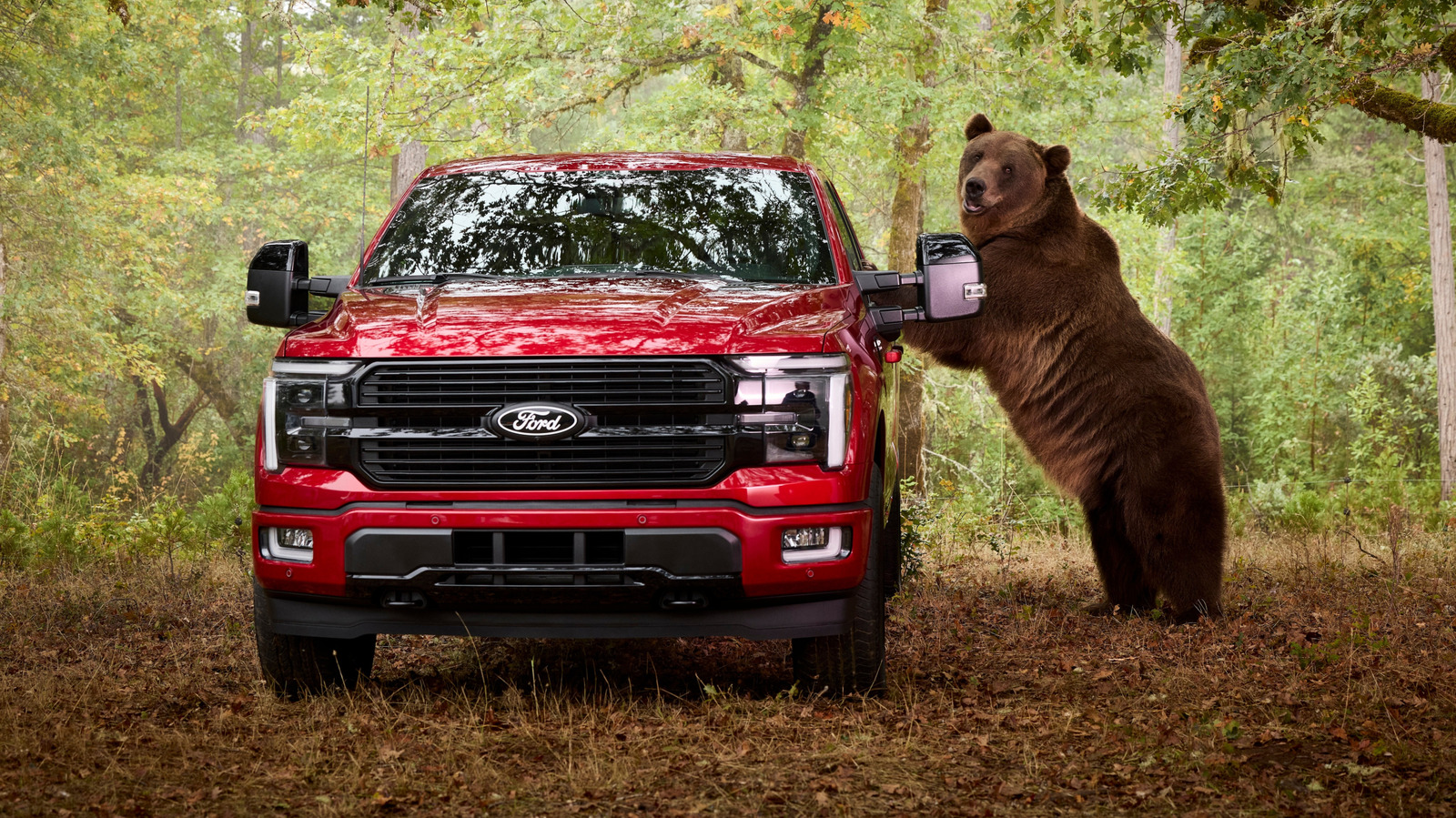
The spectacle of deploying an 800-pound Kodiak bear to demonstrate the security features of the Ford F-150 is, on its face, a masterstroke of marketing theater. Yet beneath the surface-level drama, a more nuanced question emerges: what does this demonstration actually reveal about the evolving landscape of automotive security—and what does it obscure? The bear, as both literal and metaphorical intruder, serves to dramatize the threat, but in doing so, it risks trivializing the more mundane, yet statistically significant, risks that most vehicle owners face. The evidence suggests that while animal break-ins are vanishingly rare, digital and opportunistic thefts are not. Thus, the bear becomes a proxy not for the real adversary, but for a spectacle that distracts from the subtler, more pervasive vulnerabilities.
Do Smartphone Notifications Meaningfully Enhance Vehicle Security?
Ford’s emphasis on real-time smartphone notifications for break-ins reflects a broader industry trend: the migration of security from passive deterrence to active, user-mediated response. The promise is seductive—instant alerts, remote monitoring, a sense of omnipresent vigilance. However, the practical efficacy of such systems remains contested. Empirical studies on connected car security indicate that while notifications can reduce response times, their deterrent effect is highly contingent on user behavior and law enforcement responsiveness. False positives, notification fatigue, and the latency between alert and intervention all introduce friction. Under specific conditions—such as urban environments with rapid police response—these systems may indeed reduce losses. In rural or high-crime areas, however, the marginal benefit is less clear. The bear, in this context, is a stand-in for an adversary that is both obvious and addressable, whereas the real-world thief is neither.
Who Benefits—and Who Is Left Out—by the Shift to Connected Security?
The transition to smartphone-integrated security systems carries second-order consequences that are rarely acknowledged in mainstream discourse. Owners with reliable access to smartphones, fast data connections, and the digital literacy to configure alerts stand to benefit most. Conversely, populations with limited connectivity, older vehicles, or privacy concerns may find themselves excluded from the full promise of these technologies. The risk of over-reliance on digital alerts—potentially at the expense of robust physical deterrents—also merits scrutiny. There is a structural asymmetry here: manufacturers and insurers tout the benefits, but the costs of system failure or hacking are borne by individual owners. The bear, in its theatricality, masks the uneven distribution of risk and reward.
What Are the Blind Spots in Mainstream Interpretations of Vehicle Security?
Mainstream narratives, captivated by the drama of animal intruders and high-tech countermeasures, often neglect the slow, iterative arms race between thieves and manufacturers. Security systems that are effective today may be obsolete tomorrow, as attackers adapt and circumvent new defenses. The focus on notification technology, while innovative, may inadvertently encourage complacency regarding physical vulnerabilities—door locks, window strength, and alarm audibility. Moreover, the spectacle of the bear test elides the reality that most thefts are crimes of opportunity, not brute force. The interpretive lens must widen: true security is not a one-time demonstration, but an ongoing process of adaptation, vigilance, and critical assessment.
What Should an Informed Reader Conclude?
For the analytically minded observer, the bear demonstration is less a proof of concept than a provocation—a reminder that security, in both vehicles and narratives, is always contested terrain. The evidence suggests that while smartphone notifications can enhance awareness, their real-world efficacy is bounded by context, user behavior, and systemic limitations. The most prudent course is skepticism toward spectacle and a demand for transparency regarding both the strengths and the blind spots of new security technologies. The bear may have failed to breach the F-150, but the real adversaries—human, digital, and systemic—remain undeterred by theatrics.