Reconsidering the Ford Mustang as a Viable Family Vehicle: Aspirations, Realities, and Overlooked Tradeoffs
How Does the Mustang’s Design Philosophy Intersect with Family Needs?
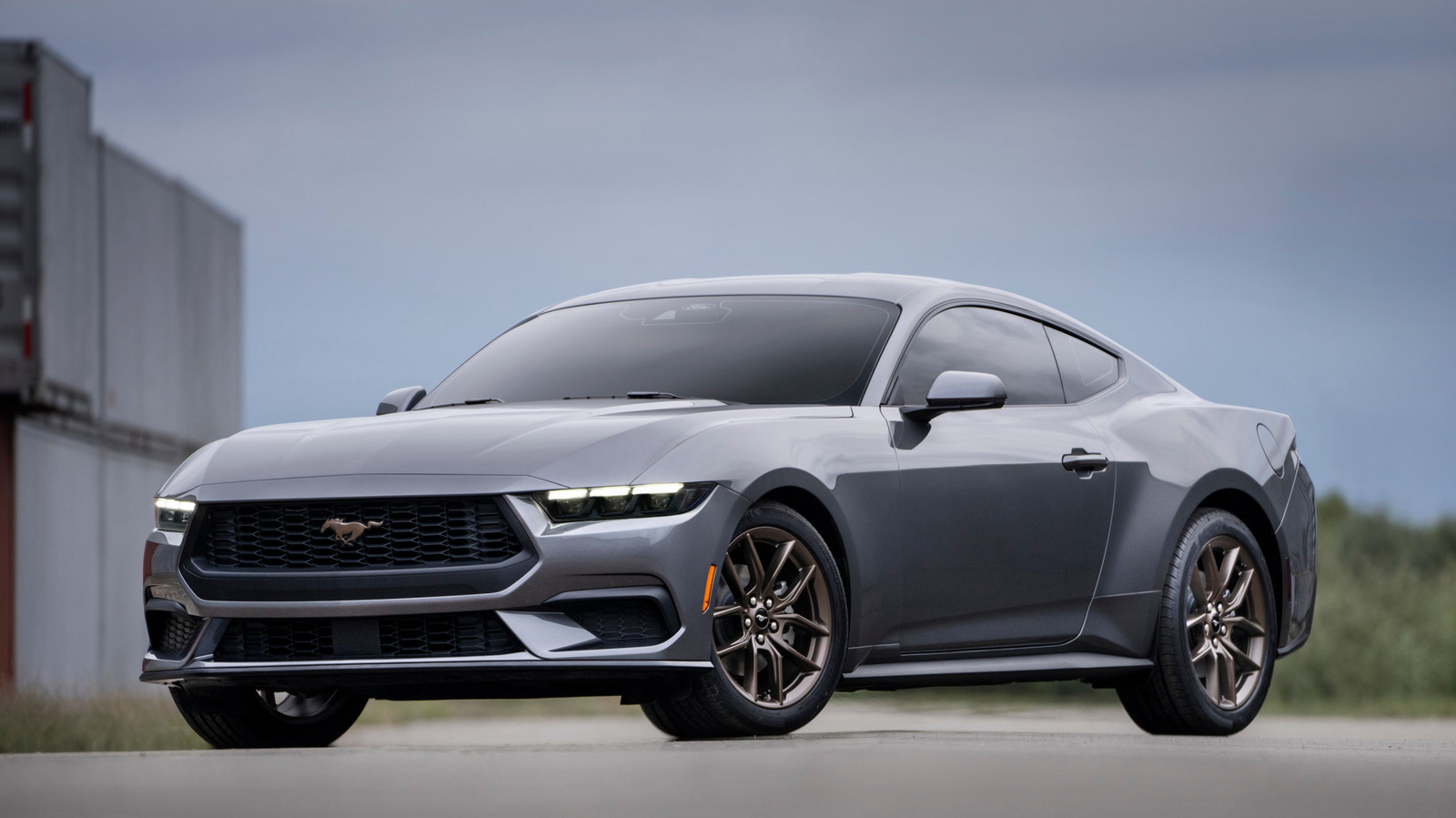
The Ford Mustang, emblematic of American automotive bravado, was never engineered with the nuclear family in mind. Its low-slung profile, aggressive stance, and coupe architecture signal a prioritization of performance over practicality. Yet, a persistent subset of buyers—drawn by nostalgia or a desire to reconcile personal passion with parental responsibility—continues to ask whether the Mustang can credibly serve as a family transporter. The evidence suggests that, while technically feasible under certain conditions, this use case exposes a fundamental tension between the Mustang’s core identity and the logistical demands of family life.
To understand this tension, one must interrogate the Mustang’s spatial configuration. Rear seat access, constrained by two doors and limited headroom, imposes significant friction on daily routines involving young children or car seats. Trunk capacity, though not negligible for a sports coupe, falls short of the flexibility offered by sedans or crossovers. These design choices, intentional and unapologetic, reflect a calculus that privileges driver engagement over cargo versatility. In this light, the Mustang’s family-car potential appears more aspirational than practical—an accommodation rather than a selling point.
What Are the Hidden Costs and Unintended Consequences of Using a Mustang for Family Duty?
Beyond the obvious ergonomic compromises, subtler costs emerge when the Mustang is pressed into family service. Insurance premiums, often higher for performance vehicles, can strain household budgets. Fuel economy, though improved in recent generations, remains suboptimal compared to mainstream family cars—a nontrivial consideration as energy prices fluctuate. Perhaps most consequentially, the Mustang’s visibility and maneuverability in crowded urban environments can induce stress, particularly for less experienced drivers or those accustomed to higher seating positions.
There is also a psychosocial dimension frequently overlooked in mainstream commentary. Children’s comfort and social experience—shaped by the novelty of riding in a sports car—may initially seem positive, but over time, the lack of space and amenities can foster frustration or embarrassment, especially as peers compare vehicles. The Mustang, in this context, risks becoming a symbol of parental self-indulgence rather than a facilitator of family cohesion.
Who Stands to Benefit—or Lose—from Reframing the Mustang as a Family Car?
The marketing narrative that positions the Mustang as a plausible family vehicle primarily benefits automakers and dealerships seeking to expand their customer base. For some buyers, particularly those with older children or flexible lifestyles, the tradeoffs may be acceptable. However, families with infants, toddlers, or mobility-impaired members are disproportionately disadvantaged by the Mustang’s limitations. The broader societal impact—though diffuse—includes a subtle reinforcement of consumerist ideals that conflate personal fulfillment with responsible parenting, a dynamic that merits skepticism.
Why Do Mainstream Interpretations Miss the Structural Limitations?
Much of the popular discourse around the Mustang’s family-car credentials hinges on isolated anecdotes or superficial feature comparisons. This approach neglects the structural reality that the Mustang’s platform, regulatory classification, and engineering priorities are fundamentally misaligned with the needs of most families. Attempts to retrofit child seats or maximize trunk space, while technically possible, do not alter the underlying constraints. In this sense, the prevailing optimism about the Mustang’s versatility reflects a broader cultural reluctance to acknowledge tradeoffs—a tendency to valorize choice over suitability.
What Should an Informed Reader Conclude?
For readers weighing the Mustang as a family vehicle, the prudent stance is one of measured skepticism. While the car can, under specific circumstances, accommodate family duties, this use case remains an exception rather than the rule. The Mustang’s enduring appeal lies in its unapologetic embrace of individuality and performance, not in its capacity for collective utility. Recognizing this distinction is essential—not only for making sound purchasing decisions, but for resisting the seductive logic that every car can be all things to all people.