Why Do Certain Cars Linger in the Collective Imagination?
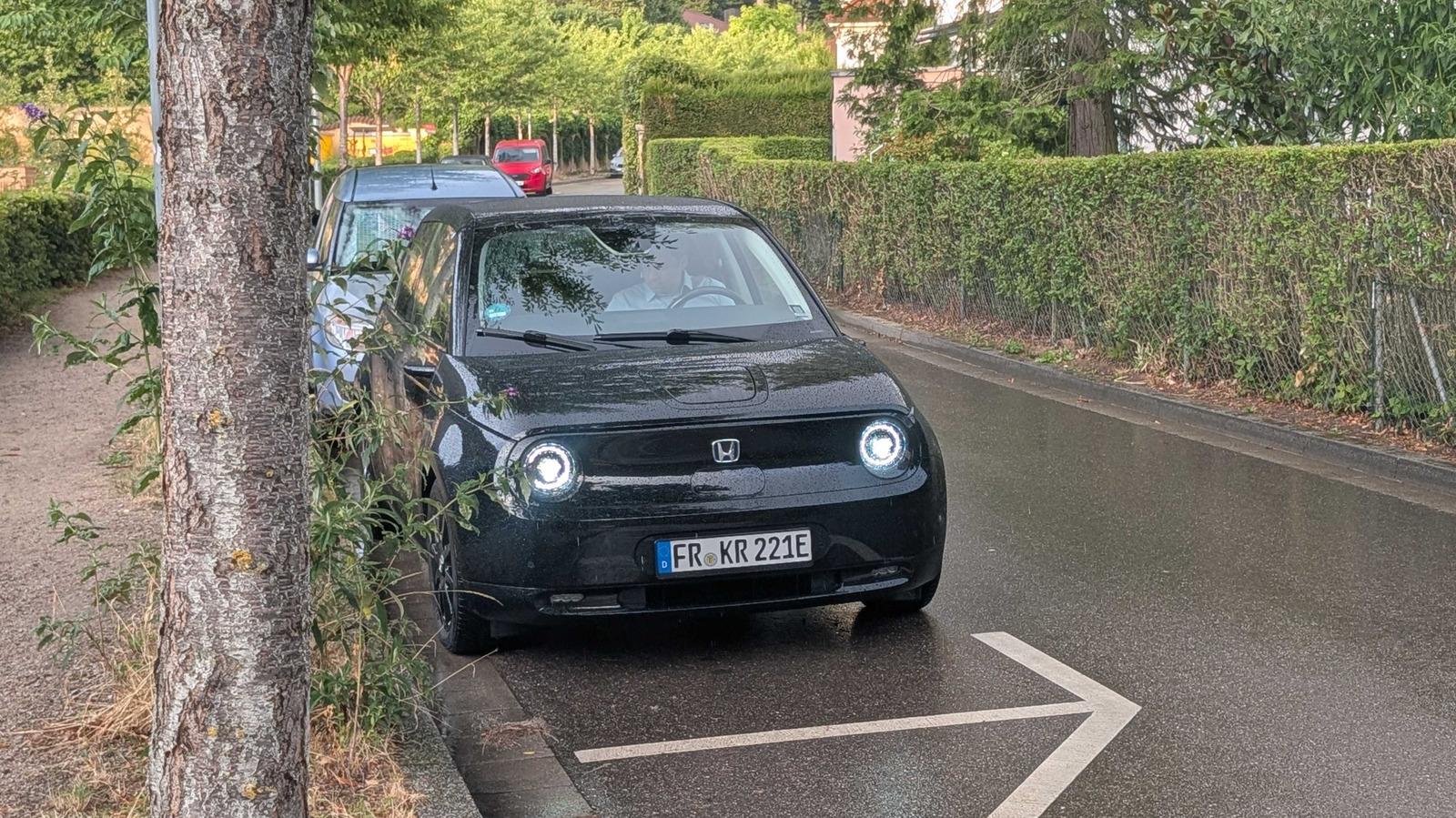
Automotive history is littered with models that, despite commercial failure or fleeting relevance, persist in the affections of a select few. The Honda e, a city car that never achieved mass adoption, exemplifies this phenomenon. Its continued resonance among enthusiasts raises a fundamental question: what mechanisms allow certain vehicles to outlast their market lifespans in the cultural memory, while others fade into obscurity? The evidence suggests that nostalgia alone cannot account for this persistence. Instead, a confluence of design distinctiveness, technological ambition, and the emotional narratives constructed by early adopters combine to create a kind of cult status. Under specific conditions, these factors can transform a discontinued model into a touchstone for debates about what the automotive industry could have been, rather than what it became.
What Drives Individual Obsession with Obscure Vehicles?
For some, the fixation on a nearly forgotten car is less about the object itself and more about the personal or ideological stakes it represents. The Honda e, for instance, encapsulates a vision of urban mobility that was both utopian and, in retrospect, commercially naïve. This duality—between aspiration and reality—invites a kind of counterfactual longing. Owners and admirers may see in the car a symbol of roads not taken: a world where compactness, efficiency, and playful design triumphed over the relentless escalation of size and power. Such obsessions are not merely eccentricities; they are acts of resistance against prevailing market logics. Yet, the risk of romanticizing failure remains. The practical limitations that doomed these vehicles—range anxiety, lack of infrastructure, or misaligned pricing—cannot be wished away by enthusiasm alone.
Who Benefits and Who Loses When the Market Moves On?
The selective memory of the automotive community has distributive consequences. Manufacturers, eager to move past commercial disappointments, often erase these models from official narratives, depriving future designers of instructive failures. Conversely, a small but vocal group of enthusiasts may keep the flame alive, influencing aftermarket support and even inspiring retro-inspired design revivals. However, the broader public, whose needs and preferences ultimately shape the industry, are rarely consulted in these acts of preservation. The tension between niche devotion and mass indifference exposes a structural blind spot: the market’s inability to accommodate pluralistic visions of mobility. In this light, the continued obsession with forgotten cars is less a quirk than a critique—an implicit rebuke to the homogenizing tendencies of contemporary automotive design.
What Should an Informed Reader Infer from These Patterns?
The persistence of affection for cars like the Honda e is not simply a matter of taste or nostalgia. It signals deeper anxieties about the direction of mobility, the loss of diversity in design, and the erasure of alternative futures. While it is tempting to dismiss such obsessions as sentimental, they may serve as a valuable corrective to the industry’s tendency toward convergence and risk aversion. For the analytically minded reader, the lesson is not to valorize every failed experiment, but to interrogate the processes by which certain possibilities are foreclosed and others elevated. In the end, the cars we remember—and the reasons we remember them—reveal as much about our collective priorities as about the vehicles themselves.