Why Has the Bahrain Grand Prix Been Relocated to Malaysia?
The decision to stage the Formula 1 Gulf Air Bahrain Grand Prix in Malaysia, rather than its eponymous home, signals a complex intersection of logistical, political, and commercial imperatives. While on the surface, such a relocation might appear as a mere contingency—perhaps prompted by infrastructural or security challenges—the underlying calculus is rarely so simple. The evidence suggests that, beyond immediate practicalities, Formula 1’s governing bodies are navigating a fraught landscape of regional sensitivities, sponsor obligations, and the sport’s own global branding ambitions.
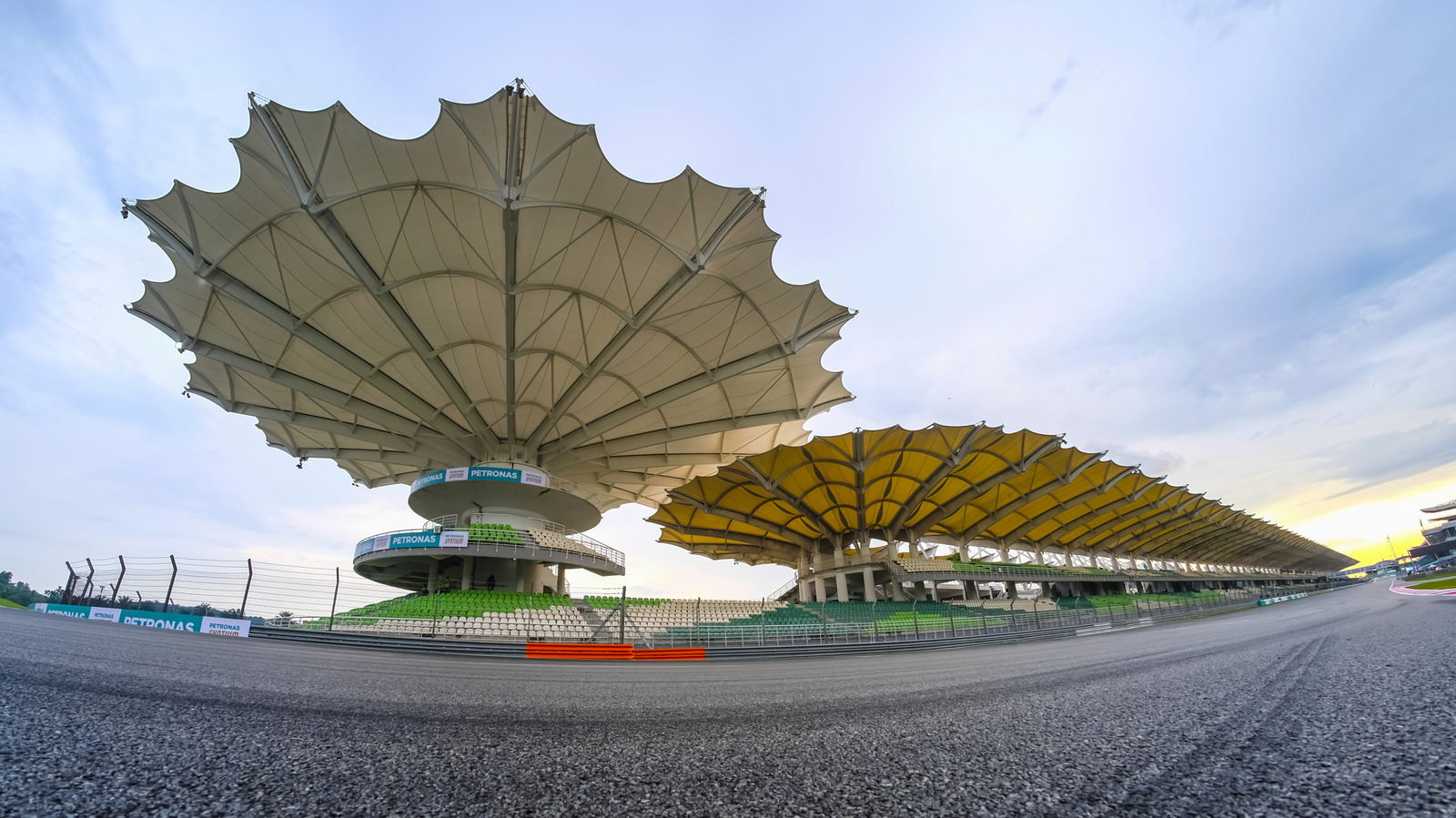
The choice of Malaysia as the alternative venue is itself instructive. Malaysia’s Sepang International Circuit, with its established F1 pedigree and robust event infrastructure, offers a ready-made solution. Yet, the optics of branding a race as the “Bahrain Grand Prix” thousands of miles from Bahrain raise questions about the authenticity of national identity in global sport. This maneuver, while expedient, may erode the symbolic connection between host nation and event—a connection that, for sponsors and local stakeholders, carries both reputational and economic weight. The move thus reflects not only the sport’s flexibility but also its willingness to subordinate local specificity to the demands of the international calendar.
What Does This Reveal About Formula 1’s Priorities and Constraints?
Scrutiny of this relocation exposes the sport’s underlying priorities: continuity of the championship, fulfillment of contractual obligations, and the avoidance of reputational risk. Formula 1’s commercial rights holders, facing a densely packed calendar and high-stakes sponsor agreements, have little appetite for outright cancellations. The relocation, therefore, represents a compromise—one that privileges the uninterrupted spectacle of the season over the integrity of geographic association.
However, this approach is not without its critics. Purists may argue that the dilution of place-based identity undermines the very premise of a “world championship” rooted in diverse local cultures and circuits. Moreover, the precedent set by such relocations could embolden future interventions, making the calendar more fungible and less anchored to tradition. Yet, from a pragmatic perspective, the alternative—cancellation—would likely entail greater financial penalties and reputational fallout.
Who Stands to Gain or Lose from This Arrangement?
The most immediate beneficiaries are the commercial stakeholders: sponsors, broadcasters, and the Formula 1 organization itself. By preserving the event, they safeguard revenue streams and maintain narrative momentum. Malaysian authorities and local businesses, meanwhile, enjoy an unexpected windfall, as the influx of teams, fans, and media brings economic stimulus—albeit one that may be less potent than a homegrown event with organic local engagement.
Conversely, Bahraini stakeholders—both governmental and private—suffer a symbolic and material loss. The absence of the race from its home circuit deprives Bahrain of a global showcase and the attendant soft-power benefits. Fans, too, may feel alienated by the dislocation, particularly those for whom the race represents a rare opportunity to engage with the sport in person. The broader F1 audience, while perhaps indifferent to the venue’s specifics, may nonetheless register a subtle shift in the sport’s relationship to place and tradition.
What Are the Deeper Implications for Global Sporting Events?
The relocation of the Bahrain Grand Prix to Malaysia, while ostensibly a one-off solution, may portend a broader trend toward the commodification and de-territorialization of major sporting events. In a world where logistical agility is prized and commercial imperatives dominate, the notion of a race as intrinsically tied to its host nation becomes increasingly tenuous. This shift carries both opportunities and risks: on the one hand, it enables resilience in the face of disruption; on the other, it threatens to erode the distinctive local color that has historically enriched the global sporting tapestry.
For the informed observer, the lesson is clear. While flexibility and contingency planning are essential in an unpredictable world, the long-term health of international sport depends on a careful balance between global reach and local authenticity. The evidence from this episode suggests that, for now, commercial continuity trumps geographic fidelity—but whether this trade-off is sustainable, or desirable, remains an open and contested question.