How Does Forced Induction Transform the Performance Envelope of the GMC Typhoon?
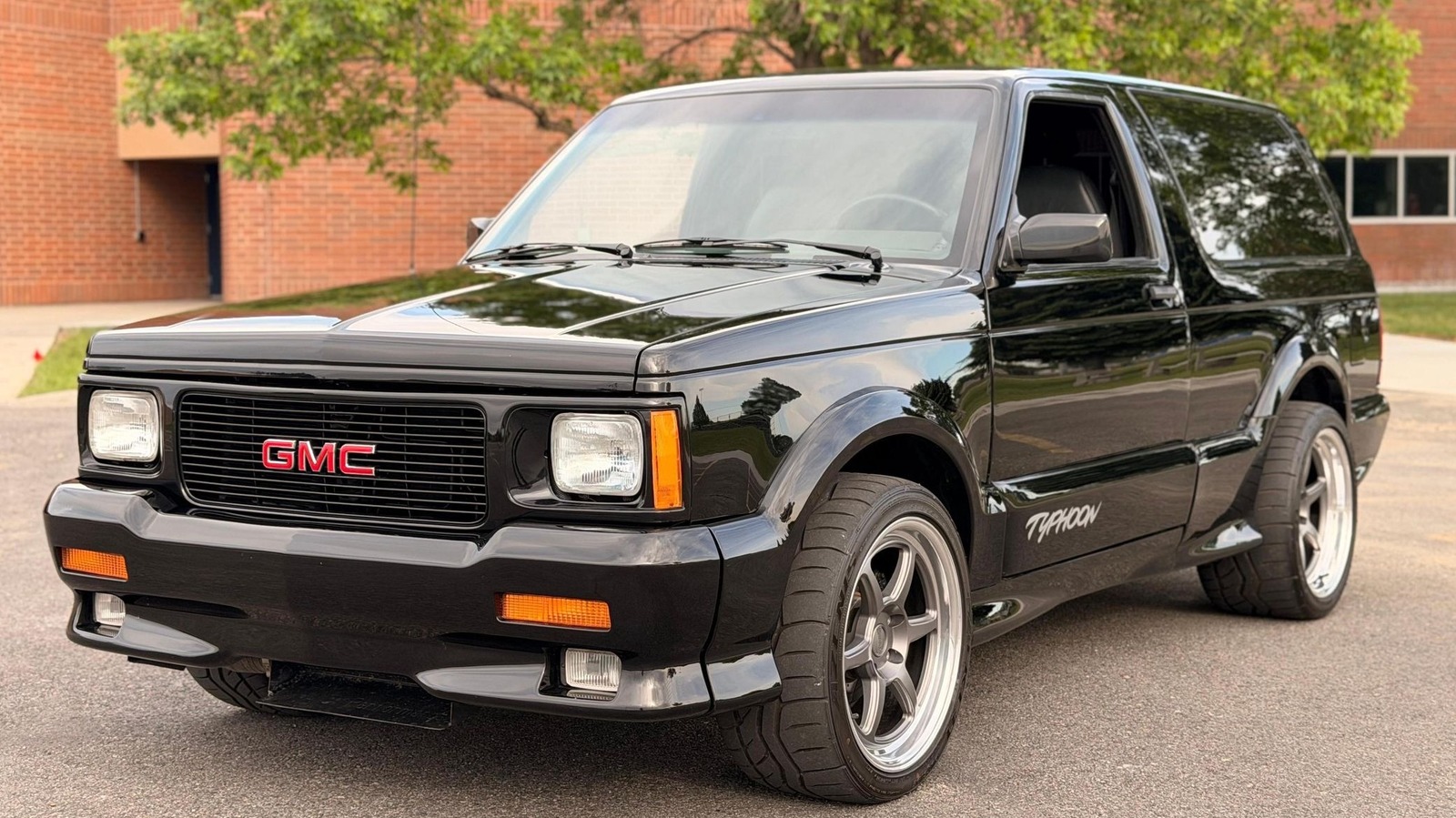
The application of nitrous oxide to the GMC Typhoon—already a cult classic for its audacious turbocharged V6 and all-wheel-drive configuration—serves as a case study in the radical expansion of performance boundaries through forced induction and chemical augmentation. While the stock Typhoon was no slouch, producing a manufacturer-claimed 280 horsepower, the reported figure of 682 horsepower at the wheels, achieved with the assistance of nitrous, represents not merely a quantitative leap but a qualitative transformation of the vehicle’s character and capabilities. This escalation is not linear; rather, it exposes the nonlinear relationship between power input and real-world drivability, reliability, and safety. The evidence suggests that, under specific tuning and environmental conditions, such extreme outputs are attainable, but only at the cost of significantly increased mechanical stress and a narrowing of the operational envelope.
What Are the Broader Implications of Extreme Power Gains for Legacy Performance SUVs?
The Typhoon’s metamorphosis, catalyzed by nitrous, invites a reconsideration of the legacy SUV’s role in contemporary performance culture. No longer merely a nostalgic artifact, the Typhoon becomes a platform for technological experimentation and a vehicle for subcultural signaling. Yet, this transformation is double-edged. On one hand, it demonstrates the enduring modularity and adaptability of early-1990s American engineering. On the other, it exposes the structural limitations—chassis rigidity, drivetrain durability, and thermal management—of a vehicle never designed for such outputs. The practical significance of these modifications is thus circumscribed: while headline horsepower figures attract attention, the day-to-day usability and long-term survivability of the platform remain deeply contested.
Who Benefits—and Who Is Marginalized—by the Pursuit of Hyper-Modified SUVs?
The pursuit of extreme horsepower in vehicles like the Typhoon primarily benefits a narrow cohort of enthusiasts and aftermarket specialists, for whom the process itself is as meaningful as the outcome. However, this pursuit also marginalizes broader communities of users—those interested in preservation, historical authenticity, or accessible performance. The aftermarket’s vested interest in promoting ever-higher outputs can obscure the diminishing returns and escalating risks associated with such modifications. For the informed reader, the lesson is not merely one of technical possibility but of critical discernment: to distinguish between spectacle and substance, and to interrogate whose interests are advanced by the relentless escalation of performance benchmarks.
What Judgment Should the Discerning Observer Draw from the Typhoon’s Transformation?
The Typhoon’s journey from factory oddity to 682-horsepower outlier encapsulates both the promise and the peril of radical modification. While such projects undeniably push the boundaries of what is technically feasible, they also illuminate the fragility of those boundaries and the selective nature of their appeal. The evidence, when weighed with due skepticism, suggests that the true significance of such transformations lies less in the numbers themselves than in what they reveal about the evolving relationship between technology, culture, and risk. For those navigating the contemporary landscape of automotive enthusiasm, the Typhoon stands as both a beacon and a cautionary tale—an emblem of ingenuity, but also a reminder that every leap forward carries its own set of hidden costs.