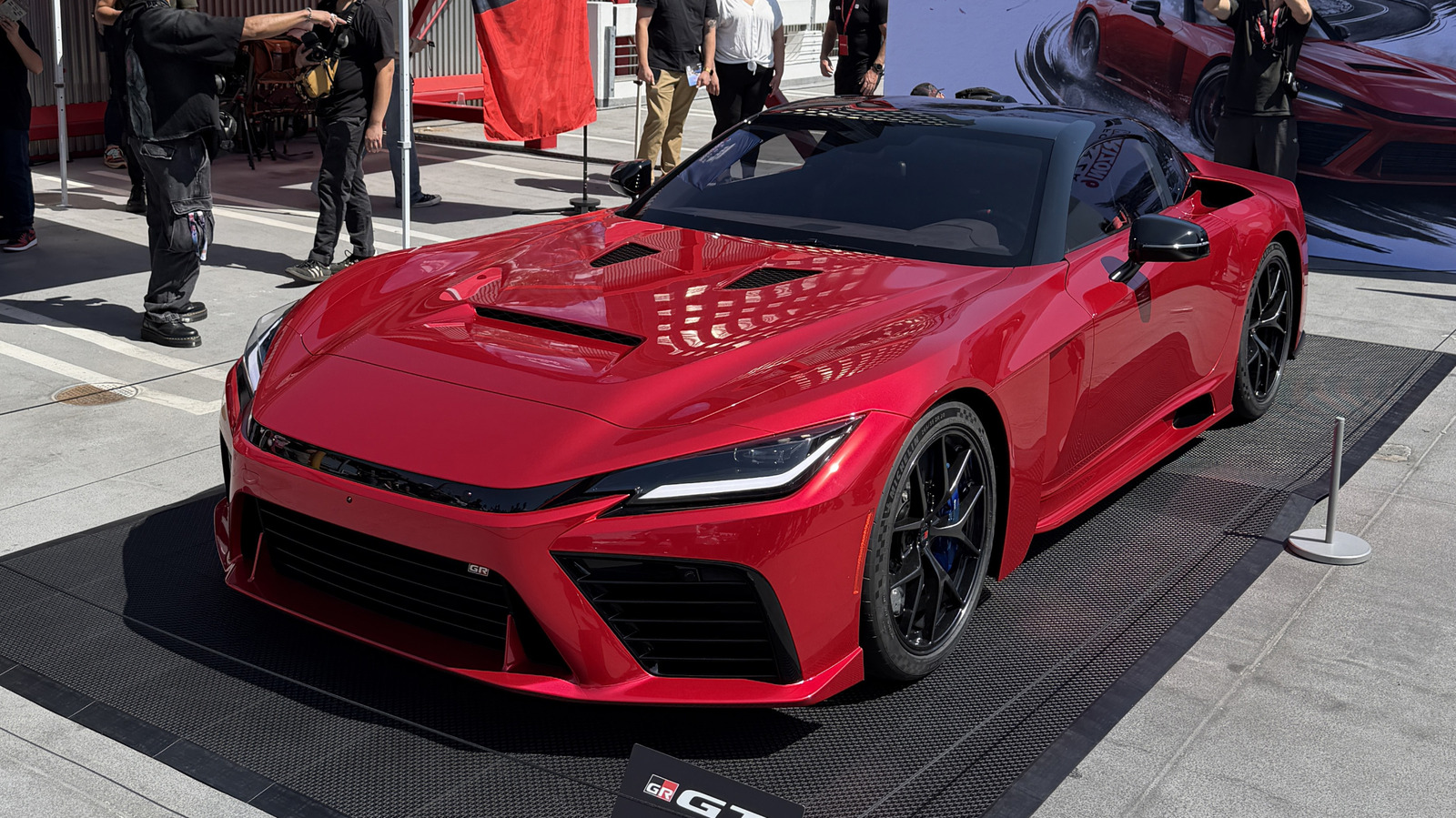
How Does Physical Presence Transform Perceptions of Automotive Design?
The divergence between digital renderings and real-world encounters with automotive design is neither trivial nor merely aesthetic. While the GR GT’s styling has provoked polarized reactions in mediated contexts—often filtered through the biases of screen-based consumption—its impact in physical space, particularly when adorned in red, appears to recalibrate critical judgments. This phenomenon suggests that the vehicle’s proportions, surface treatments, and chromatic intensity interact with ambient light and spatial context in ways that digital images flatten or distort. The evidence, though largely anecdotal and subject to selection bias, indicates that the GR GT’s presence may activate affective and perceptual responses unavailable to remote viewers. Such a shift underscores the limits of virtual appraisal and the necessity of embodied experience in evaluating design intent.
Why Do Color and Context Matter More Than Conventional Reviews Admit?
The case of the GR GT in red exposes a persistent blind spot in mainstream automotive criticism: the underestimation of color’s psychological and phenomenological effects. Red, historically coded as both aggressive and alluring, amplifies the car’s sculptural qualities and draws attention to design elements that might recede in more neutral palettes. Yet, most reviews treat color as an afterthought, a mere option rather than a constitutive feature of the object’s identity. This oversight distorts consumer expectations and may inadvertently suppress appreciation for models whose visual charisma is contingent on specific configurations. The implication is clear: judgments about automotive aesthetics are not only subjective but also context-dependent, and any claim to universal praise or condemnation must be hedged accordingly.
Who Is Excluded or Misled by Prevailing Evaluation Practices?
The reliance on digital imagery and consensus-driven commentary privileges certain demographics—those with access to high-resolution screens, those attuned to prevailing design languages—while marginalizing others who might respond differently in a physical encounter. Prospective buyers, casual observers, and even critics themselves may be misled by mediated representations, resulting in a feedback loop that reinforces surface-level impressions at the expense of deeper engagement. The GR GT’s example reveals a structural limitation: the automotive industry’s increasing dependence on virtual unveilings and social media reactions risks flattening the spectrum of legitimate response, particularly for models whose appeal is inseparable from their material presence.
What Broader Lessons Should Discerning Readers Draw?
The GR GT’s contested reception, especially when filtered through the lens of physical versus virtual experience, invites a more nuanced approach to design criticism. Rather than accepting consensus as a proxy for quality, informed readers should interrogate the conditions under which judgments are formed and disseminated. This means seeking out opportunities for direct engagement, remaining alert to the ways color and context mediate perception, and resisting the temptation to universalize one’s own reactions. Ultimately, the case suggests that the value of a supercar—or any design object—cannot be fully apprehended at a distance. Only in the interplay of presence, color, and context does its meaning crystallize, albeit always provisionally.