How Did the World’s Fair Grand Prix Reflect the Era’s Relationship with Technology and Spectacle?
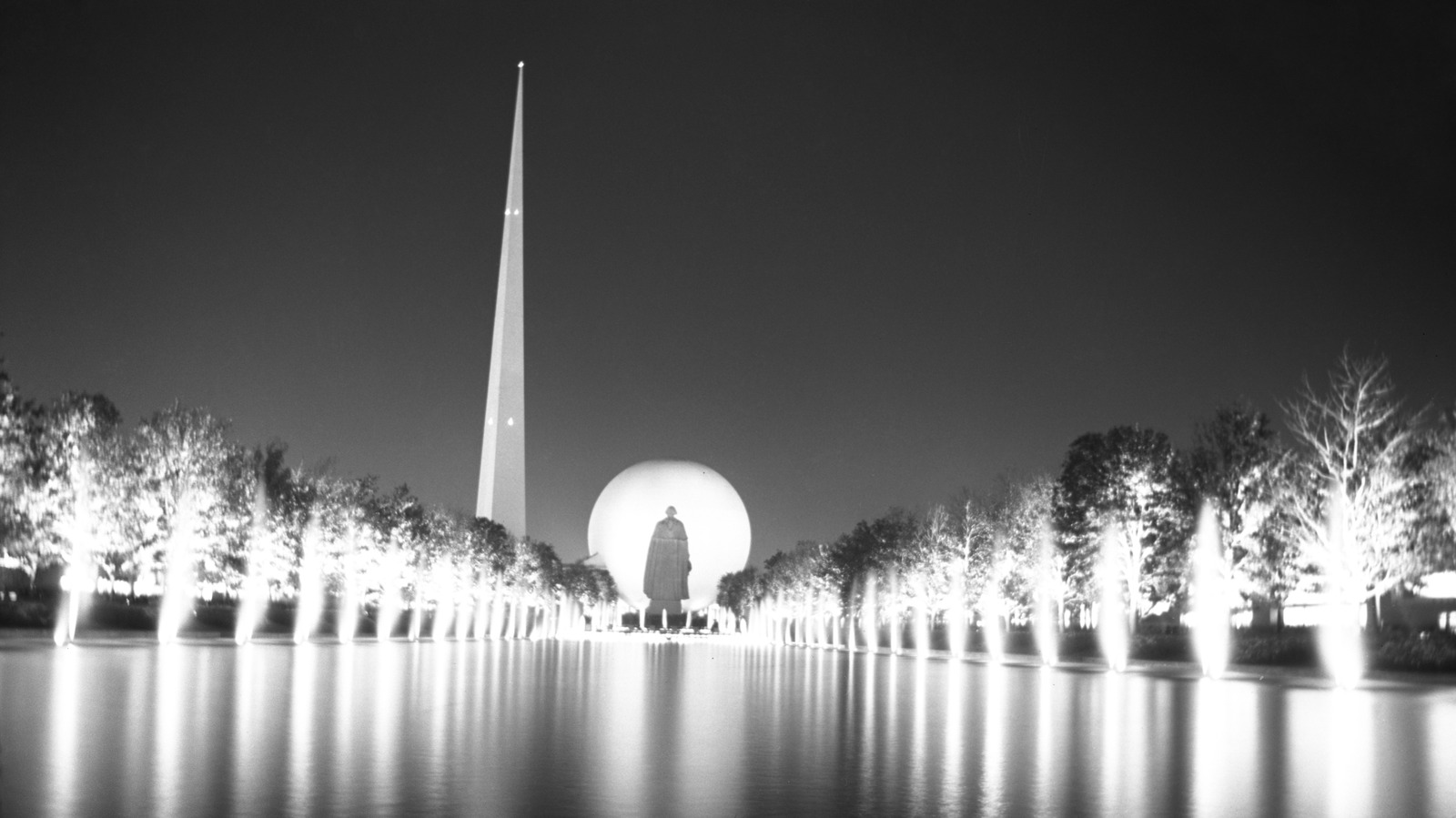
The Grand Prix staged at the World’s Fair on a compact three-quarter-mile circuit, mapped onto the fairground’s public roads, was not merely a sporting event. Rather, it crystallized a moment when the boundaries between technological optimism and public spectacle blurred in ways that now seem both audacious and naïve. The evidence suggests that the choice of venue—a world’s fair, itself a monument to progress—was calculated to amplify the symbolic resonance of the race, transforming it into a living demonstration of mechanical prowess and modernity. Yet, this convergence also exposed the limitations of both the technology and the infrastructure: the short, improvised circuit imposed constraints on speed and safety, foregrounding the tension between the desire for spectacle and the realities of early automotive engineering.
In what Ways Did the Event Shape or Reflect Social Hierarchies and Access?
While the Grand Prix ostensibly democratized access to motorsport by situating it within the public space of the fair, the practicalities of attendance and participation reveal a more stratified reality. Under specific conditions, such events functioned as both a showcase for elite drivers and manufacturers and a controlled opportunity for the broader public to witness technological marvels otherwise inaccessible. The fairground setting, with its mix of ticketed and open areas, mediated this access—privileging those with the means or connections to secure optimal vantage points. This duality—public celebration, private advantage—mirrored broader patterns of social stratification that characterized both the era and the institution of the world’s fair itself.
What Structural and Logistical Challenges Undermined the Event’s Legacy?
The methodological boundaries of the Grand Prix’s impact are sharply defined by its logistical improvisation. Unlike purpose-built circuits, the use of fairground roads introduced variables—surface quality, crowd control, unpredictable weather—that complicated both competition and safety. Archival accounts, while sometimes celebratory, also document near-misses and organizational lapses that would be unacceptable by contemporary standards. This interpretation remains contested: some historians argue that the very ad hoc nature of the event embodied the spirit of innovation, while others see it as symptomatic of a lack of institutional rigor. For the specific context of motorsport history, the latter view carries greater validity, given the subsequent evolution toward specialized venues and professionalized management.
Why Does This Moment Matter Beyond Its Immediate Historical Context?
The Grand Prix at the World’s Fair, when scrutinized beyond its surface novelty, serves as a lens through which to interrogate the interplay between technological ambition, public engagement, and institutional constraint. Its legacy is not merely the fleeting excitement of a race, but the way it prefigured later debates about the uses of public space, the responsibilities of spectacle, and the limits of improvisation in the face of complex systems. For contemporary readers, the event invites a reconsideration of how technological displays are staged and who truly benefits—raising questions about access, risk, and the persistent allure of progress narratives that outpace their infrastructural underpinnings.