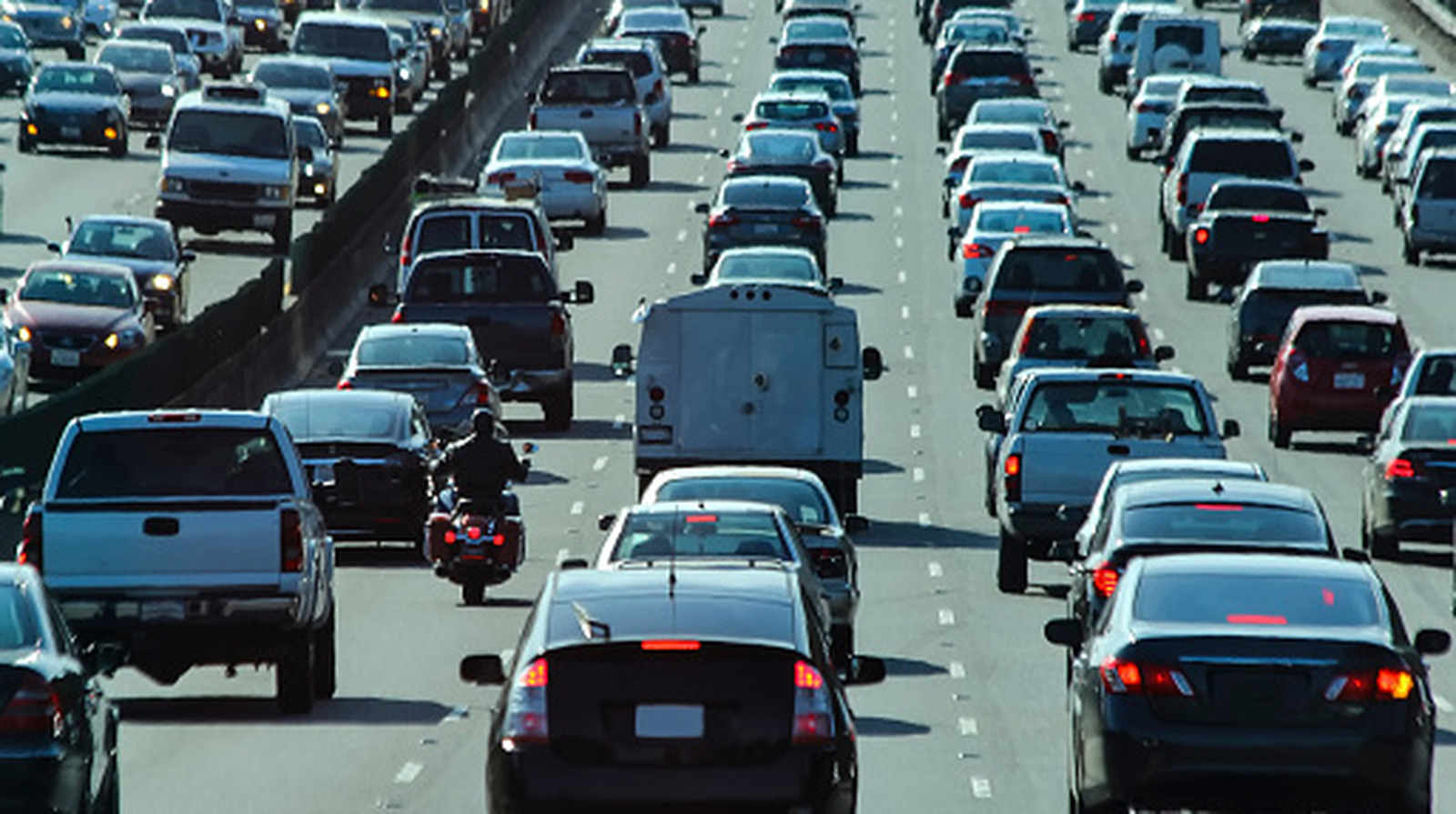
How the Dominance of Grayscale Car Colors Signals Shifting American Values
The proliferation of grayscale car colors—white, black, gray, and silver—across American roads is not merely an aesthetic trend but a symptom of deeper cultural and economic transformations. While the surface explanation points to consumer preference or automaker supply chain efficiencies, the evidence suggests a more complex interplay of risk aversion, status signaling, and collective identity formation. The near doubling of new cars painted in grayscale since 1996, as reported by industry data, is less about the intrinsic appeal of these hues and more about what they represent in a society negotiating uncertainty and fragmentation.
What Drives the Grayscale Car Color Phenomenon?
The prevailing narrative attributes the rise of grayscale vehicles to practical considerations: such colors allegedly retain resale value, mask dirt, and project a timeless neutrality. Yet, this utilitarian rationale, while not without merit, fails to account for the historical volatility of color preference. In prior decades, vibrant reds, blues, and greens dominated American lots, suggesting that practicality alone cannot explain the abrupt shift. Instead, the evidence points toward a convergence of risk minimization and social signaling. In a period marked by economic precarity and rapid technological change, consumers may gravitate toward choices that minimize the risk of standing out or making a “wrong” decision—grayscale colors, by virtue of their ubiquity, offer precisely that safety.
Moreover, the automotive industry’s own incentives reinforce this feedback loop. By narrowing the palette, manufacturers streamline production and inventory management, reducing costs and hedging against unsold inventory. This structural constraint, while rarely foregrounded in public discussion, exerts significant influence over the options presented to consumers. The apparent “choice” is thus circumscribed by institutional priorities, not merely individual taste.
Does Grayscale Uniformity Reflect Broader Societal Anxieties?
The rise of grayscale vehicles may be read as a barometer of collective mood. In periods of optimism or cultural confidence, Americans have historically embraced expressive, even flamboyant, automotive colors. The current monochrome trend, by contrast, coincides with heightened polarization, economic stratification, and a pervasive sense of social risk. The car, once a canvas for personal expression, now serves as a shield against unwanted attention or judgment. This interpretation, while speculative, finds some support in the parallel rise of minimalist design in other consumer goods, from smartphones to home interiors—aesthetic restraint as a proxy for safety.
Yet, the uniformity is not evenly distributed. Demographic data, where available, indicates that younger buyers and those in urban centers are marginally more likely to experiment with color, though even here the gravitational pull of grayscale remains strong. This suggests that the phenomenon is not purely generational but reflects broader structural currents.
Who Benefits—and Who Loses—from the Grayscale Consensus?
Automakers and dealerships, as noted, benefit from the predictability and efficiency of a limited color range. Secondary market actors—used car dealers, fleet operators—also gain from the liquidity of “safe” colors. The losers, arguably, are those for whom the car remains a site of identity or joy. The narrowing of options, while rational from a market perspective, erodes the space for individual expression and reinforces a homogenized visual landscape.
There are also second-order consequences rarely acknowledged. The visual monotony of grayscale fleets may diminish the psychological pleasure of urban environments, contributing to a sense of sameness and alienation. Conversely, the rare appearance of a brightly colored vehicle becomes a minor act of resistance—an assertion of individuality in a sea of conformity.
What Should the Informed Reader Conclude?
The dominance of grayscale car colors is not a trivial matter of taste but a reflection of deeper anxieties and institutional incentives shaping American life. While the trend may appear benign, its persistence signals a society increasingly oriented toward risk aversion and standardization. For those concerned with the erosion of expressive diversity—whether in consumer goods or public life—the grayscale car is a warning sign, not a neutral choice. The informed reader might reasonably ask: What other domains are quietly succumbing to the same logic, and at what cost to collective vitality?