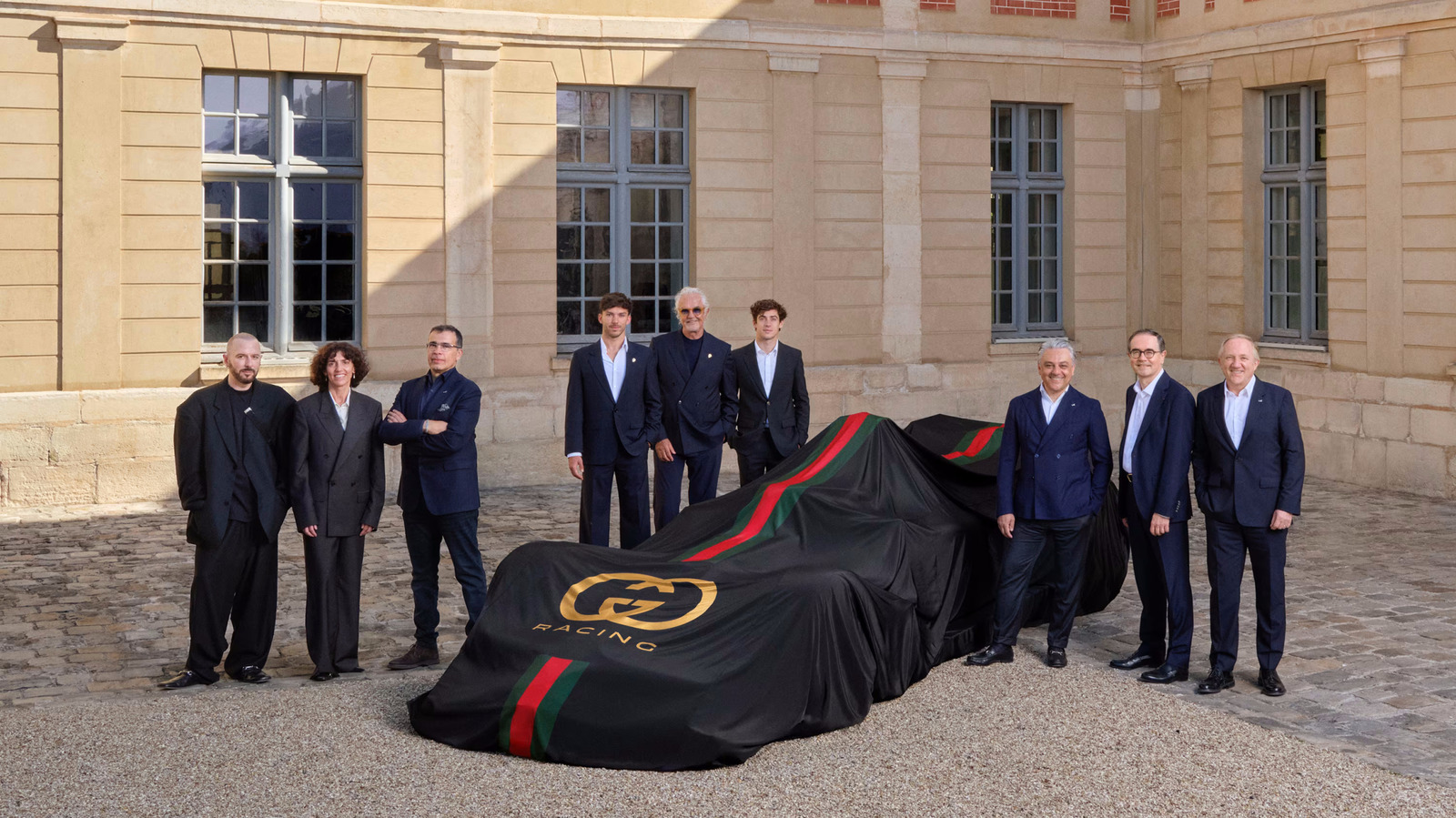
How Does Gucci’s Entry as Alpine’s Title Sponsor Signal a Shift in Formula 1’s Cultural Economy?
Gucci’s high-profile partnership with Alpine as a title sponsor marks a notable inflection point in Formula 1’s ongoing transformation from a motorsport subculture to a global lifestyle platform. While luxury brands have flirted with F1 in the past, the evidence suggests that Gucci’s involvement is not merely another exercise in logo placement. Rather, it reflects a deliberate recalibration of the sport’s symbolic capital—one that privileges fashion’s codes of exclusivity, spectacle, and aspirational identity over the traditional language of engineering prowess and national rivalry.
This development is not universally welcomed. For some long-time fans, Gucci’s association evokes anxieties about the dilution of F1’s technical heritage, a concern sharpened by the brand’s divisive reputation for trend-driven accessories. Yet, to dismiss this partnership as mere commercial opportunism would be to overlook the deeper structural realignment at play. The convergence of luxury fashion and Formula 1 is less about individual taste than about the sport’s evolving function as a platform for cultural production. Under specific conditions, such cross-industry alliances can amplify F1’s reach among demographics historically indifferent to motorsport, particularly younger and more diverse audiences who interpret racing not as a technical contest but as a site for lifestyle signaling.
What Are the Broader Implications for Formula 1’s Brand Architecture and Audience Composition?
The Gucci-Alpine partnership, while headline-grabbing, is symptomatic of a larger trend: the migration of F1’s commercial center of gravity from legacy sponsors (such as tobacco or automotive suppliers) toward brands that trade in cultural cachet. This shift is not without precedent—one need only recall the era when cigarette brands dominated the grid, leveraging F1’s glamour to launder their own reputations. Yet, the analogy is imperfect. Unlike tobacco, luxury fashion is not under existential regulatory threat; its legitimacy is contested on aesthetic and social grounds rather than public health. The practical significance of this distinction is considerable: Gucci’s presence is likely to be more durable, and its influence on F1’s visual and experiential identity more profound.
Methodologically, it remains difficult to disentangle the causal impact of such sponsorships on fan engagement or team performance. Available data on brand partnerships in F1 is often proprietary, selectively released, and shaped by the interests of rights holders. However, the circumstantial evidence—ranging from social media sentiment to merchandise sales—suggests that the integration of fashion brands can catalyze new forms of audience participation, albeit at the risk of alienating purists. The tension between inclusivity and authenticity, then, becomes the central axis along which the sport’s future will be negotiated.
Who Stands to Gain or Lose from the Fashionization of Formula 1?
The most immediate beneficiaries are the teams and brands themselves, who gain access to each other’s distribution channels and cultural legitimacy. Alpine, for instance, can leverage Gucci’s global reach to attract sponsors outside the traditional motorsport ecosystem, while Gucci gains entrée into the rarefied world of F1 hospitality and content creation. For fans, the calculus is more ambiguous. While some will relish the infusion of new aesthetics and narratives, others may perceive the partnership as a further step toward the commodification of a once-insular community.
Less obvious, but no less significant, are the second-order effects on labor and governance. As F1’s commercial model tilts toward lifestyle branding, the incentives for teams to invest in technical innovation may be subtly eroded. The sport’s governing bodies, meanwhile, face new challenges in adjudicating the boundaries of acceptable sponsorship, particularly as the line between sport and spectacle grows ever more porous.
What Should an Informed Observer Conclude About the Trajectory of Formula 1?
The evidence does not support a simplistic narrative of decline or betrayal. Rather, Gucci’s arrival as Alpine’s title sponsor should be understood as both symptom and accelerant of F1’s ongoing metamorphosis into a platform where cultural and commercial logics intermingle. For those invested in the sport’s technical legacy, this trend may be cause for skepticism, if not alarm. Yet, for stakeholders seeking to future-proof F1 against demographic and economic headwinds, the embrace of fashion brands represents a calculated—if risky—bet on relevance.
Ultimately, the question is not whether such partnerships are “good” or “bad” in the abstract, but what kind of Formula 1 they presage: a sport that clings to its insular traditions, or one that risks reinvention in pursuit of broader cultural resonance. The answer, as ever, will be contested—on the track, in the paddock, and across the shifting terrain of global fandom.